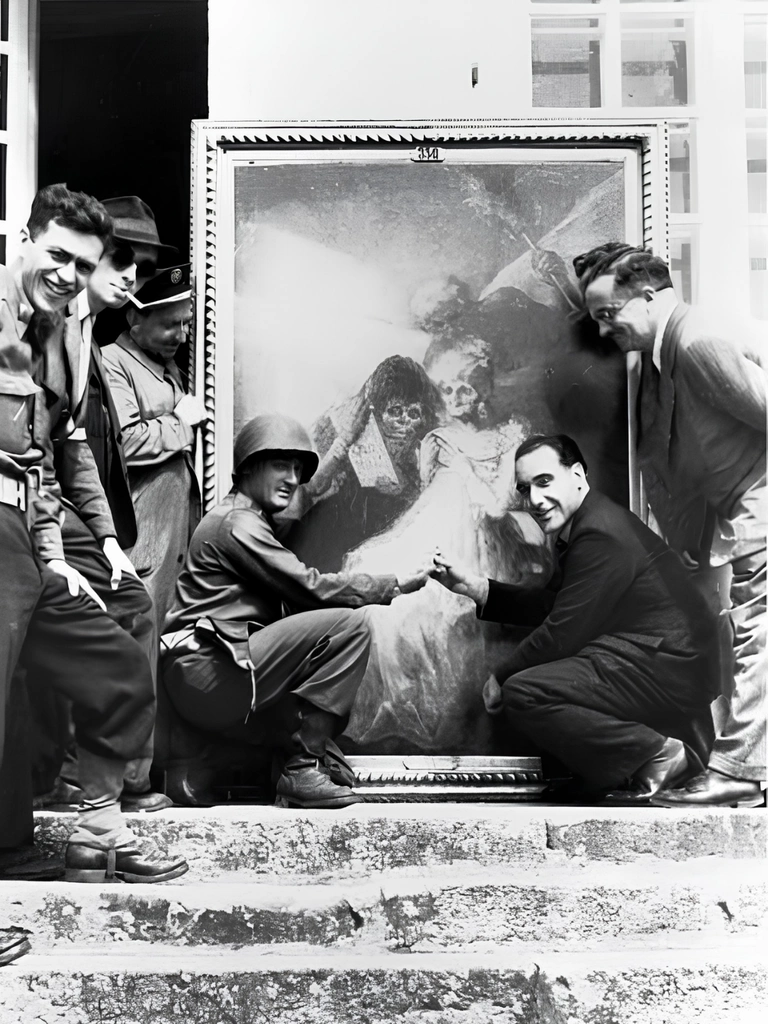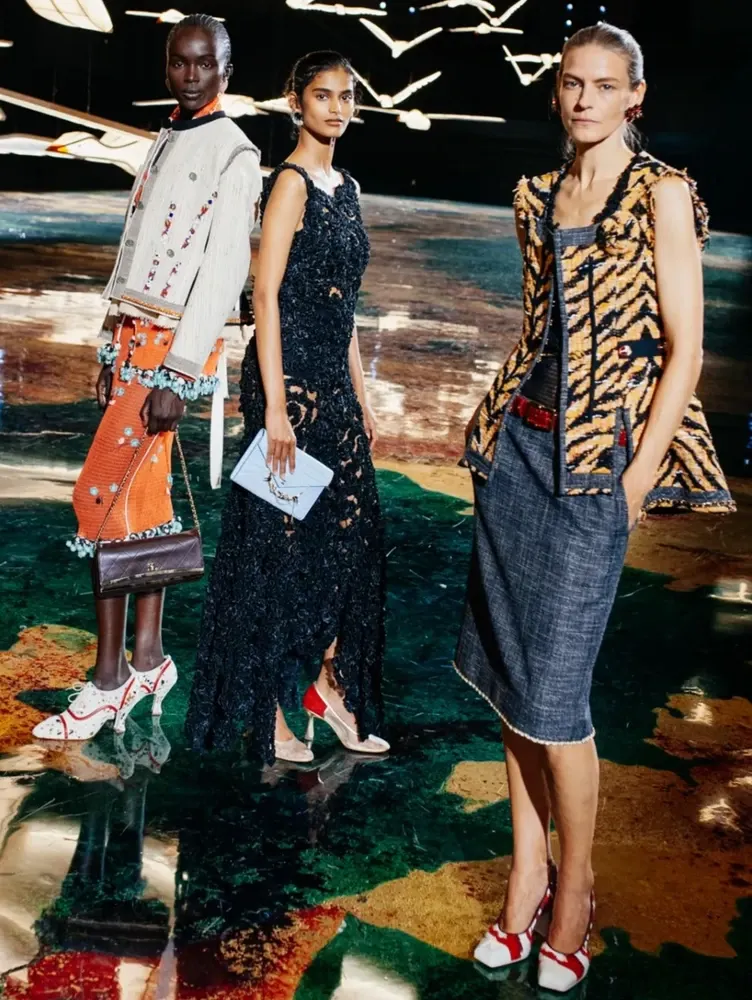





Behind every remarkable artistic movement lies a network of people who believe in its possibilities. From Renaissance aristocrats commissioning masterpieces to modern collectors quietly supporting independent artists, art patronage has long shaped the direction of culture. Today, as contemporary art navigates an increasingly commercialised and digitally driven world, patronage is finding renewed purpose.

Art Patronage, Sustaining the Future of Contemporary Art
Behind every remarkable artistic movement lies a network of people who believe in its possibilities. From Renaissance aristocrats commissioning masterpieces to modern collectors quietly supporting independent artists, art patronage has long shaped the direction of culture. Today, as contemporary art navigates an increasingly commercialised and digitally driven world, patronage is finding renewed purpose.
November 18, 2026


Art patronage does not simply lie in acquiring beautiful objects, but in protecting creative freedom, nurturing emerging voices and ensuring that meaningful artistic practices have room to flourish.
Beyond the Legacy of Traditional Art Patronage
The history of art is, in many ways, also a history of patronage. Throughout the centuries, the relationship between artists and their benefactors has determined which ideas receive recognition, which works come into existence and which cultural legacies endure.
During the Renaissance, wealthy families such as the Medici commissioned painters, sculptors and architects, transforming private wealth into enduring cultural achievements. Religious institutions and royal courts similarly provided artists with the financial security and professional opportunities necessary to pursue ambitious creative projects.

Although the structures have changed, the fundamental principle remains remarkably relevant. Art requires more than inspiration, it needs time, materials, space and financial support. Yet, unlike the traditional patronage system, which often revolved around the authority of aristocrats, monarchs and religious institutions, contemporary art patronage encompasses a broader network of private collectors, foundations, cultural organisations, businesses and individuals.
The modern patron is no longer necessarily someone who commissions a portrait or acquires artwork for a grand residence. Increasingly, patronage takes the form of supporting artist residencies, financing exhibitions, establishing scholarships, funding independent studios and providing long-term assistance to creative practitioners.
The distinction between art collecting and patronage is particularly important. While art collecting centres on acquiring completed works, patronage focuses on sustaining the conditions in which future works can be created. It is a commitment to an artist's creative journey rather than simply an appreciation of its finished results.
This shift also reflects changing attitudes towards cultural wealth. Ownership may establish a personal connection to artwork, but supporting an artist's practice can create a much wider contribution to the cultural landscape. The value of patronage, therefore, lies not only in what it preserves, but also in what it makes possible.
Art Collecting, Philanthropy and Art Patronage
In today's art world, the terms art collecting, philanthropy and patronage are frequently used interchangeably. Nevertheless, they represent different relationships with artistic production, each contributing to the ecosystem in its own way.
Art collecting is primarily concerned with acquiring artwork. Collectors may be motivated by aesthetic appreciation, intellectual curiosity, cultural interest or investment potential. Their acquisitions can provide artists with important income, increase visibility and establish a market for particular movements or artistic approaches.
Philanthropy, meanwhile, generally focuses on supporting cultural institutions and public initiatives. Donations to museums, educational programmes, art foundations and community projects help expand public access to artistic experiences. These contributions can also preserve cultural heritage and provide resources for research, conservation and education.
Art patronage occupies a distinctive position between these two practices. Rather than concentrating exclusively on artwork or a charitable outcome, it supports the continuity of artistic creation. A patron may provide an artist with funding for several months, sponsor an experimental project or contribute to the maintenance of a studio without necessarily expecting ownership of the resulting work.
The distinction is particularly significant for artists whose practices do not easily conform to commercial expectations. Experimental installations, performance art, conceptual projects and research-based practices may require substantial preparation without producing immediately marketable objects. Patronage can provide the financial breathing room necessary for such work to develop.
In this sense, the modern patron is not simply a buyer or benefactor, but a participant in the broader cultural infrastructure. The relationship is founded on mutual recognition: the artist receives the resources to pursue a creative vision, while the patron becomes part of the story behind its existence.

A New Generation of Cultural Custodians
One of the most significant developments in contemporary art patronage is the emergence of collectors who approach their collections with a broader cultural mission. Instead of focusing exclusively on prestigious names and established art-market values, some are increasingly interested in representation, artistic diversity and the development of new cultural narratives.
Art Basel's examination of 21st-century patronage highlights how collectors are increasingly considering the purpose and direction of their collections. The question is no longer simply what they own, but what their collections represent and contribute to the wider art world.
This evolution is particularly important in regions where contemporary art infrastructure is still developing. In emerging cultural centres across Africa, Asia and Latin America, private patrons can play an essential role in establishing exhibition platforms, supporting local artists and connecting creative communities with international audiences.
A compelling example is the work of Ghanaian writer, filmmaker and art historian Nana Oforiatta Ayim, whose cultural initiatives and curatorial practice advocate for more inclusive representations of African art and history. Through initiatives such as the ANO Institute of Arts and Knowledge, she has contributed to the development of cultural platforms that challenge conventional narratives and create opportunities for underrepresented artistic perspectives.
Meanwhile, collectors and cultural philanthropists such as Patrizia Sandretto Re Rebaudengo demonstrate how private patronage can evolve into substantial public-facing institutions. Her foundation in Turin supports contemporary artists through exhibitions, commissions, educational programmes and international collaborations. It illustrates how an individual's commitment to contemporary art can develop into a lasting cultural institution.


Such examples reveal that patronage is not merely about financing individual careers. It can also influence which artists enter public collections, which histories are represented and which artistic communities receive resources to grow.
For emerging artists, this support can be particularly transformative. Access to professional studios, production facilities, mentorship and international exhibition opportunities can make the difference between an isolated creative practice and a sustainable career.
The Freedom to Create Beyond the Market
Perhaps the greatest challenge facing contemporary artists today is the pressure to remain visible. Social media platforms, online marketplaces and digital galleries have created unprecedented opportunities for artists to showcase their work. However, this accessibility has also introduced a new economy of attention, in which creative success is frequently measured through engagement, sales figures and online popularity.
Artists are increasingly expected to produce consistently, cultivate personal brands and adapt their practices to the demands of digital audiences. While these platforms can provide valuable exposure, visibility does not necessarily translate into financial stability. A widely shared artwork does not automatically provide the resources required to maintain a studio, experiment with unfamiliar materials or develop a complex long-term project.
This is where art patronage acquires a particularly meaningful role. By providing financial support without demanding immediate commercial returns, patrons can help artists resist the pressure to turn every creative decision into a marketable product.
An artist working on an ambitious sculptural installation, for instance, may need months of research, material testing and technical development before a finished work becomes visible. Similarly, a painter exploring a new visual language might produce numerous unsuccessful experiments before discovering a direction worth pursuing. These less visible stages are essential to artistic development, yet they are rarely rewarded by the conventional art market.
Patronage acknowledges the importance of this process. Rather than evaluating creativity solely through completed works, it recognises experimentation, uncertainty and even failure as necessary components of artistic achievement.
This does not mean that patrons should exercise no discernment. Supporting an artist still requires an understanding of their practice, intentions and potential. The difference is that the relationship should be founded on trust rather than control. A patron may recognise a compelling artistic vision, but the artist must retain the freedom to determine how that vision evolves.

Relationships that Outlast Individual Artworks
Beyond financial assistance, the most meaningful forms of art patronage are often built upon sustained relationships. An artist's development rarely follows a predictable trajectory, and long-term support can provide a sense of stability that individual commissions or occasional purchases cannot always offer.
Such relationships may take different forms. Some patrons provide recurring financial contributions, allowing artists to dedicate more time to their practice. Others support specific stages of production, including research, travel, material acquisition and exhibition preparation. There are also initiatives that connect artists with curators, collectors, institutions and professional networks, helping them navigate an increasingly international art environment.
The importance of these relationships is reflected in the growing number of independent patron circles and artist-support initiatives. Rather than operating solely through conventional museum fundraising, these networks bring together individuals who share an interest in particular artistic disciplines, geographical communities or cultural questions.
The relationship between artist and patron, however, must remain carefully balanced. History offers numerous examples of benefactors using financial influence to determine artistic subjects, styles and outcomes. Modern patronage should learn from these precedents. Support becomes genuinely constructive when it respects artistic autonomy and does not turn financial assistance into an instrument of creative control.
The contemporary patron's contribution is therefore measured not by how much influence they exercise, but by how much freedom they help preserve.

An Investment In What Comes Next
Ultimately, the future of contemporary art depends not only on the talent of its creators, but also on the willingness of others to believe in their work before its significance becomes widely recognised. Markets may determine which artworks achieve commercial success, and institutions may decide which artists enter the historical record, but patronage has the potential to nurture possibilities that neither can fully anticipate.
The 21st-century patron is therefore a cultural custodian, someone who understands that artistic value cannot always be measured through ownership, visibility or financial return. By supporting artists through periods of uncertainty, encouraging experimentation and protecting creative independence, patrons contribute to a cultural landscape that remains diverse, ambitious and open to discovery.
Perhaps the greatest privilege of art patronage is not having something beautiful to display, but knowing that something meaningful exists because someone chose to support it. In an age increasingly driven by immediate gratification and measurable success, that commitment represents a different kind of luxury: the ability to sustain creativity, preserve artistic freedom and invest in the cultural imagination of generations to come.