MENU
Close





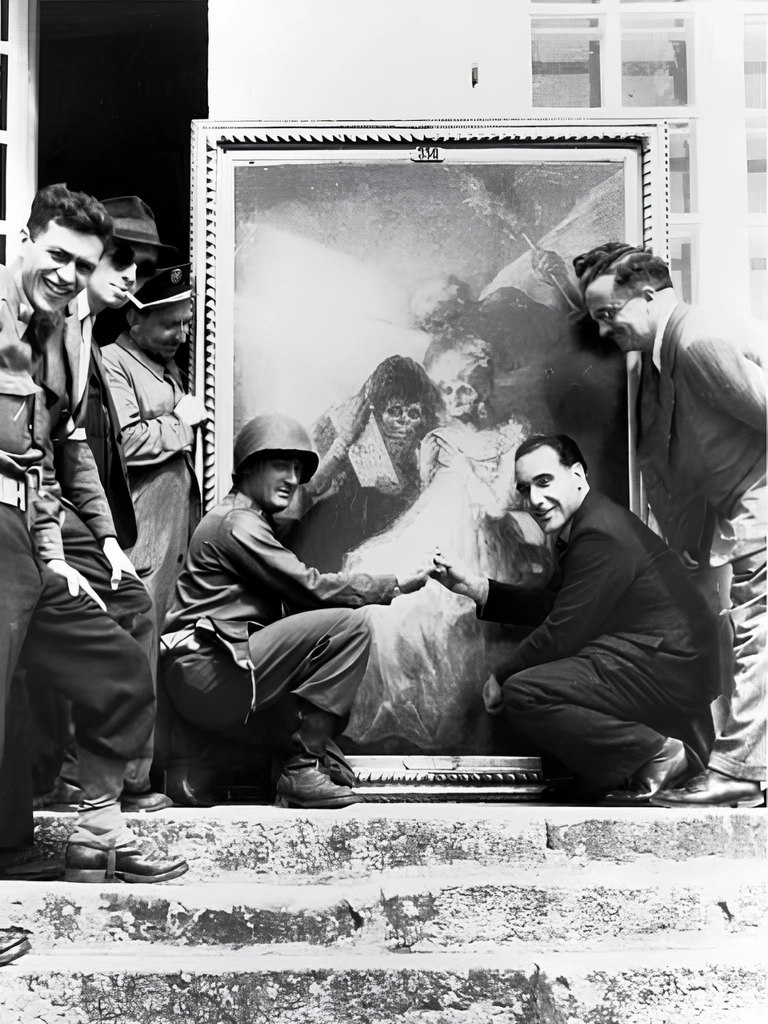
With art heists dominating the art news of 2026, the question of provenance became relevant again among the luxury art collecting circle.
With art heists dominating the art news of 2026, the question of provenance became relevant again among the luxury art collecting circle.
September 22, 2026


If I ever have to go to court, I hope it's because of a Gustav Klimt's.
Few restitution stories have entered popular culture as completely as Gustav Klimt's Portrait of Adele Bloch-Bauer I.
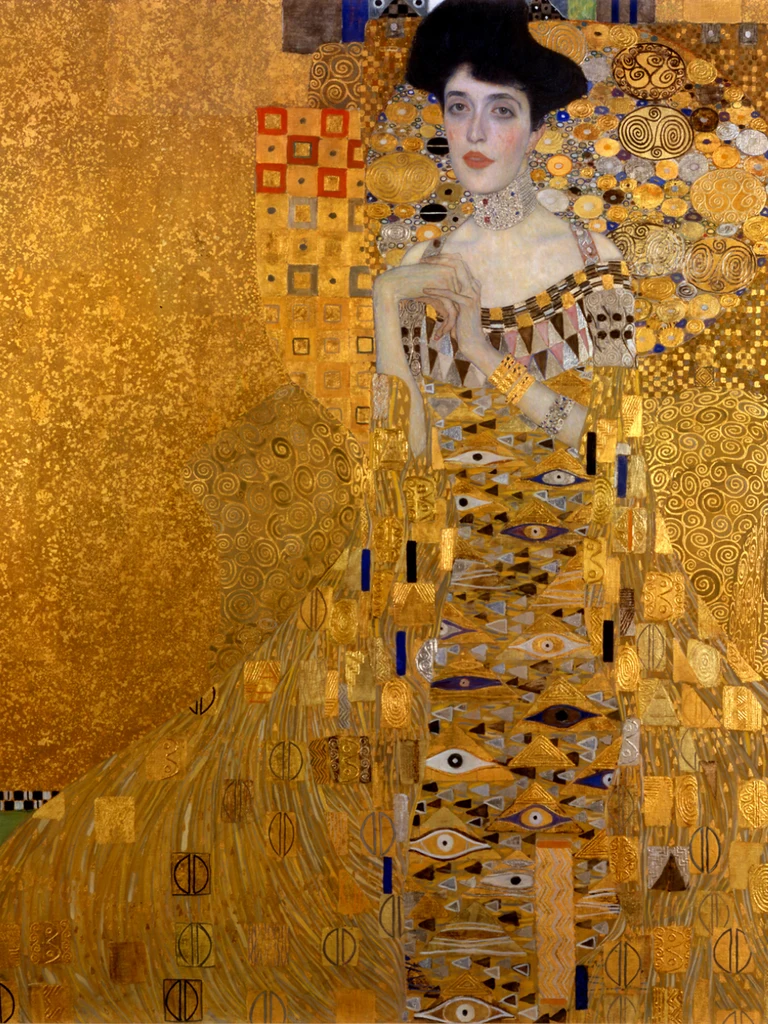
Ferdinand Bloch-Bauer commissioned Klimt to paint his wife Adele, completing the extraordinary gold-and-silver portrait in 1907. The Bloch-Bauers were members of Vienna's Jewish cultural elite and important patrons of the arts. After Nazi Germany annexed Austria in 1938, Ferdinand fled the country and the family's property, including its Klimt paintings, was seized. Portrait of Adele Bloch-Bauer I eventually entered Austria's national collection and was displayed for decades at the Belvedere. The painting also became widely known as The Woman in Gold, obscuring the identity of the Jewish woman at its centre.
The ownership dispute eventually turned on much more than possession. Austrian authorities had relied partly on Adele's 1923 will, in which she expressed the wish that Ferdinand leave the Klimt paintings to the Austrian State Gallery after his death. The heirs maintained that Ferdinand had owned the paintings and that Adele's request did not constitute a binding transfer of title.
Ferdinand's niece Maria Altmann pursued the family's claim with lawyer E. Randol Schoenberg. The dispute eventually reached the United States Supreme Court in Republic of Austria v. Altmann, which allowed Altmann's U.S. lawsuit against Austria to proceed. An Austrian arbitration panel later determined that five Klimt paintings should be returned to the Bloch-Bauer heirs.
They were restituted in 2006. Ronald Lauder subsequently acquired Portrait of Adele Bloch-Bauer I for Neue Galerie New York, where it became one of the museum's defining works.
The Gurlitt case demonstrated the scale of work that can begin when provenance suddenly collapses across an entire collection.
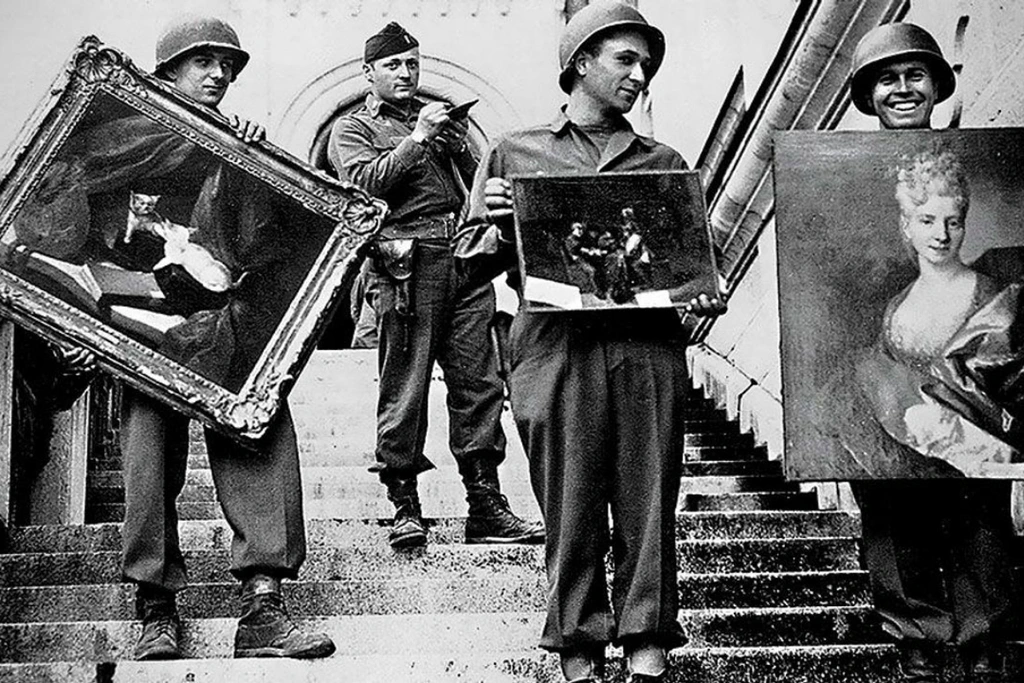
In 2012, authorities investigating Cornelius Gurlitt discovered a huge quantity of art in his Munich apartment. Gurlitt was the son of Hildebrand Gurlitt, an art dealer who had worked within the Nazi-era art system and was one of the dealers authorized to sell works removed from German museums as so-called “degenerate art.”
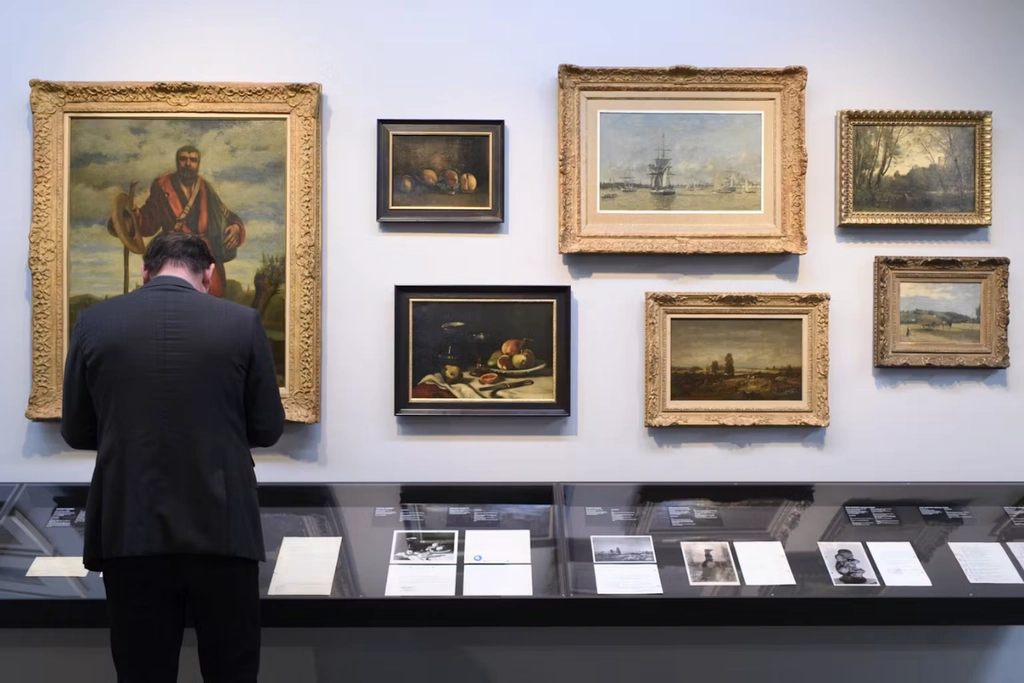

The discovery eventually became associated with more than 1,500 works when additional material, including art found at Gurlitt's Salzburg property, was taken into account. Picasso, Matisse, Chagall, Dix and many other significant artists appeared within a collection whose ownership histories immediately demanded investigation.
Here, provenance research became an enormous reconstruction project.
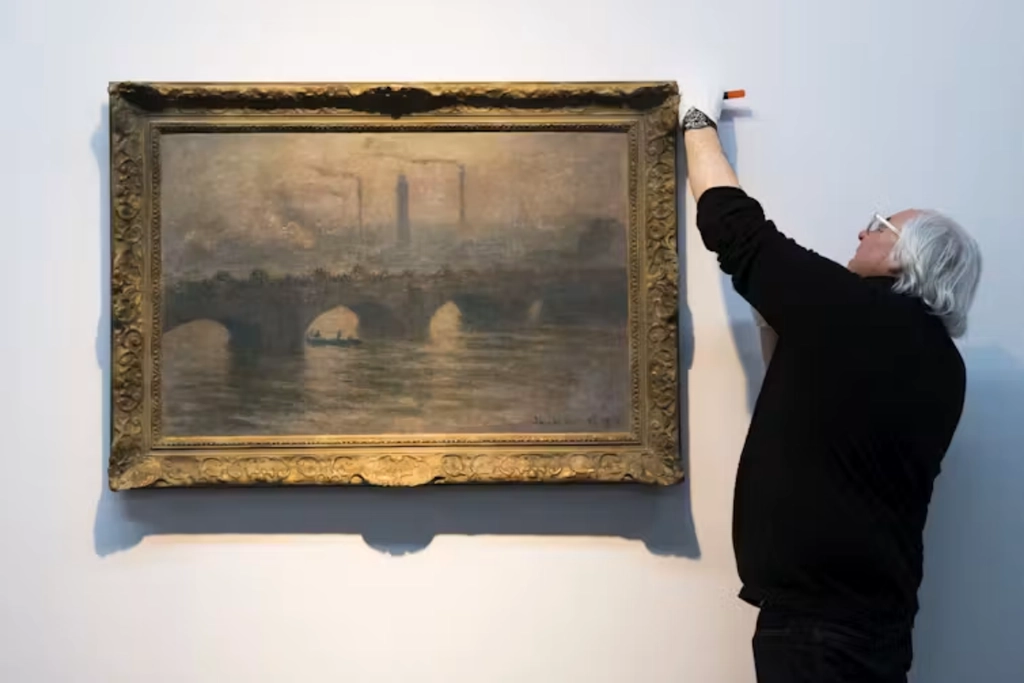
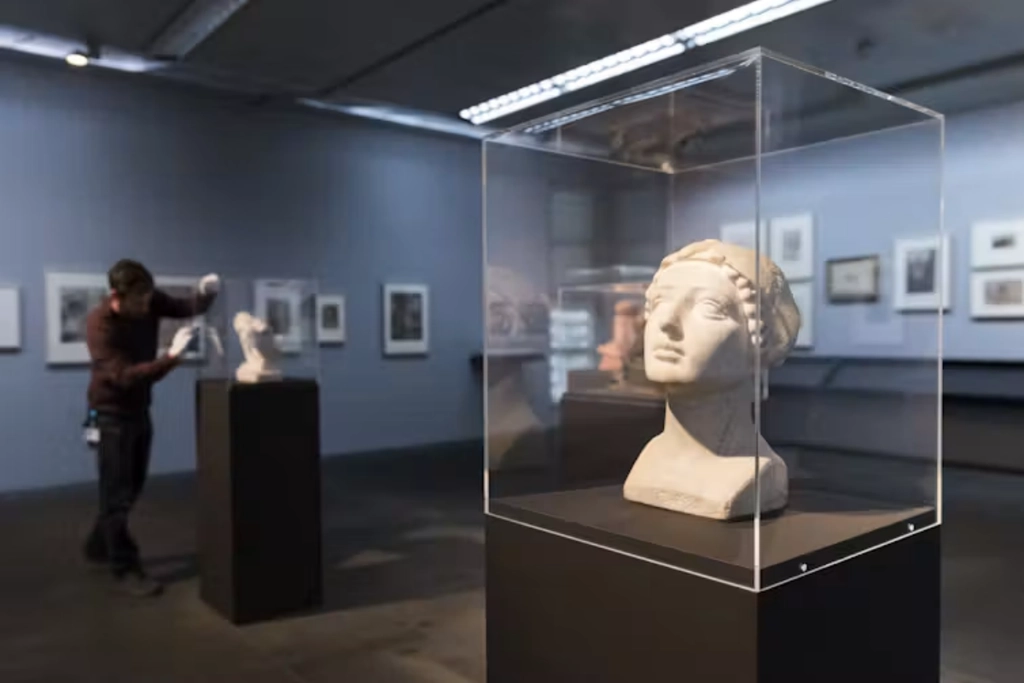
Researchers had to distinguish between works legally acquired, works removed from German museums under the Nazi campaign against modern art, and objects potentially taken from Jewish collectors through confiscation, persecution or forced sale. Cornelius Gurlitt's death in 2014 added another complication when he left his estate to Kunstmuseum Bern. Germany, Bavaria and the museum subsequently established a framework under which suspected Nazi-looted objects would continue to be investigated and restituted when rightful owners could be identified.
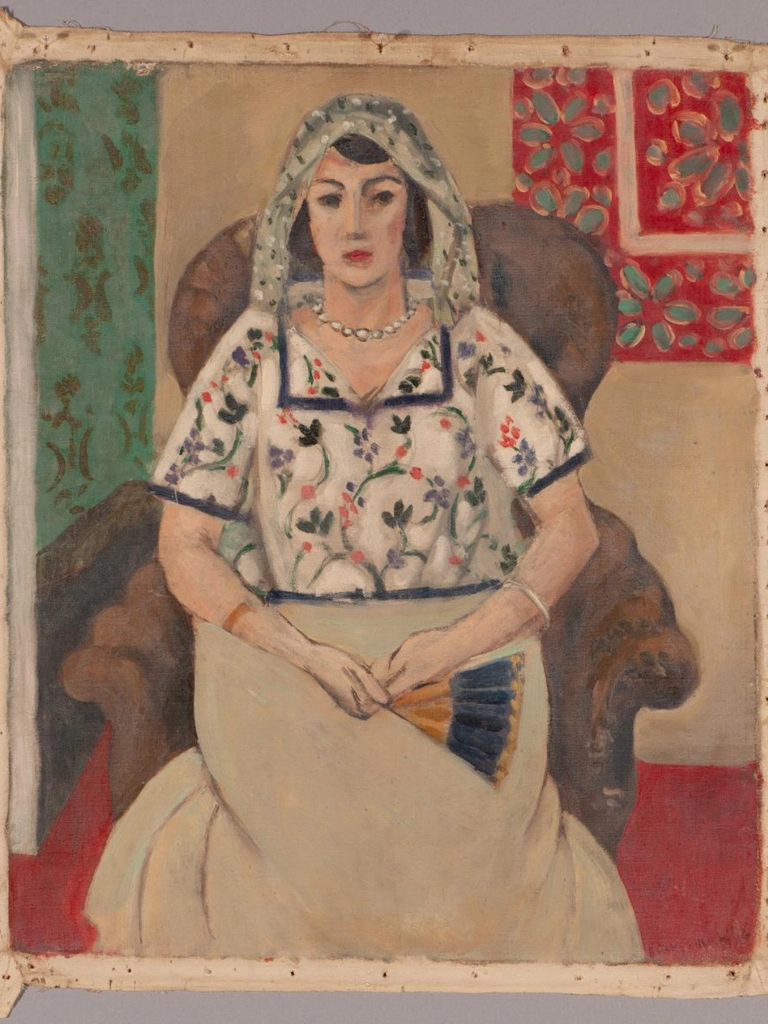
One of the most important recoveries was Henri Matisse's Woman Sitting in an Armchair, also known as Femme Assise. Provenance research connected the painting to Paul Rosenberg, the prominent Jewish-French art dealer whose collection had been looted during the Nazi occupation. The work was returned to Rosenberg's heirs in 2015.
Camille Pissarro's Rue Saint-Honoré, Afternoon, Rain Effect demonstrates another complexity: excellent provenance research can establish what happened to an artwork without automatically deciding who legally owns it today.
Lilly Cassirer Neubauer, a German Jewish collector, inherited the Impressionist painting in 1926. In 1939, as she attempted to escape Nazi Germany, she surrendered the work under coercive circumstances in exchange for an exit visa. The money associated with the transaction was deposited into an account she could not freely access.
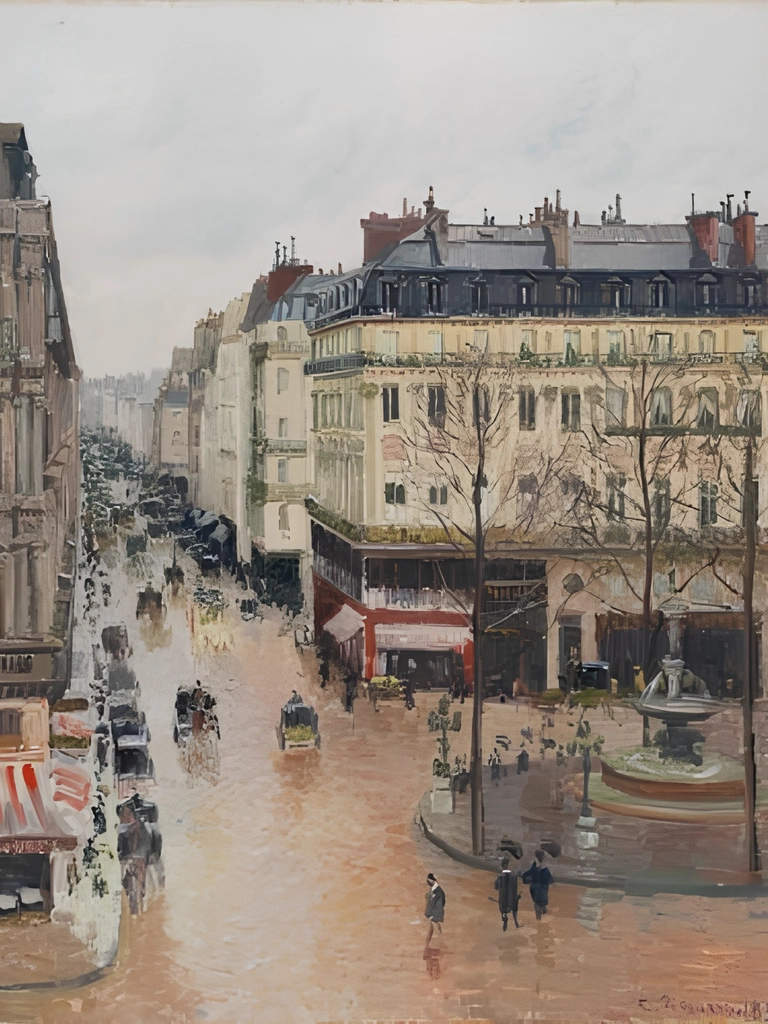
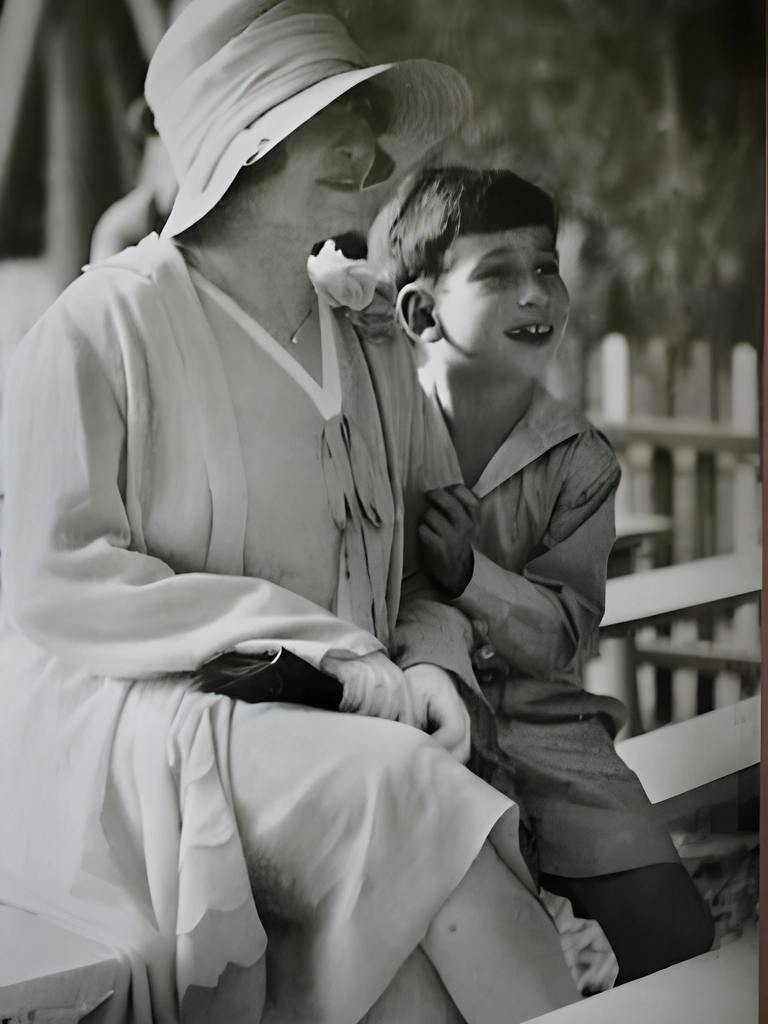
The painting subsequently moved through the European art market before Baron Hans Heinrich Thyssen-Bornemisza acquired it. Spain later purchased the Thyssen collection, and the Pissarro entered the collection of Madrid's Thyssen-Bornemisza museum.
The Cassirer family eventually located the painting and pursued its return, beginning a legal fight that has lasted more than two decades.
The U.S. Supreme Court first considered the dispute in 2022, ruling that California's choice-of-law rules should be used to determine which substantive law governed ownership. The Ninth Circuit nevertheless ruled for the museum in January 2024 after concluding that Spanish law applied. Then the case changed again.
California enacted Assembly Bill 2867, addressing choice-of-law treatment in certain cases involving art taken through political persecution. In March 2025, the U.S. Supreme Court vacated the Ninth Circuit's judgment and ordered the case reconsidered in light of the new legislation. The Ninth Circuit subsequently remanded it to the federal district court. As of 2026, the ownership dispute remains unresolved.
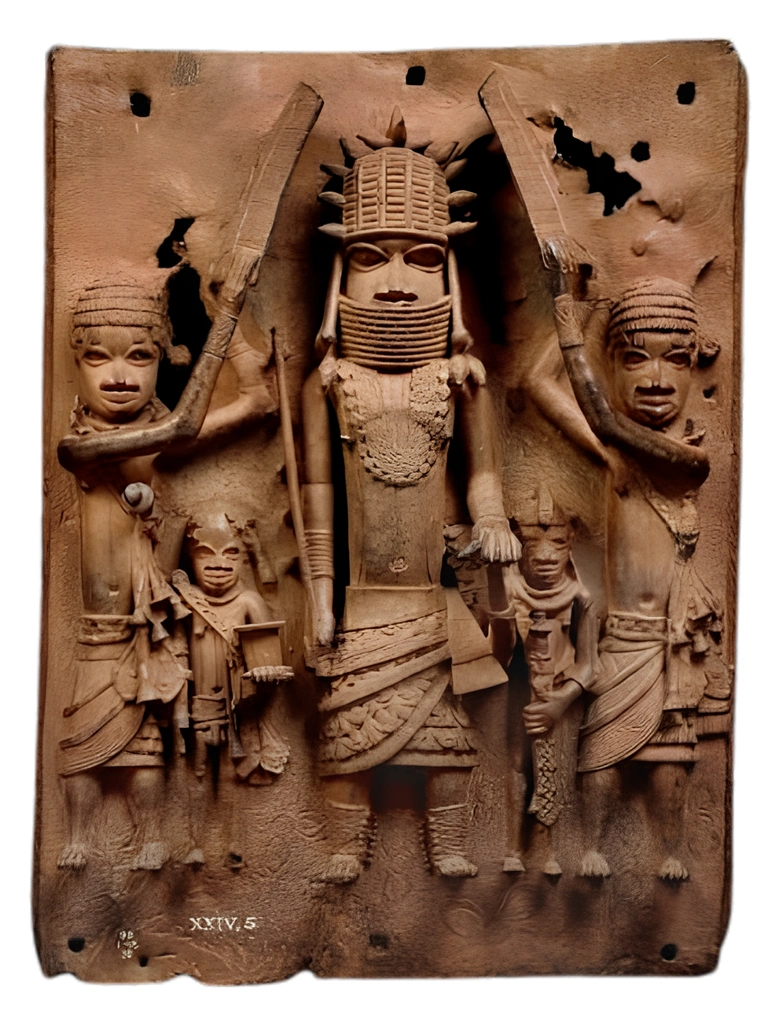
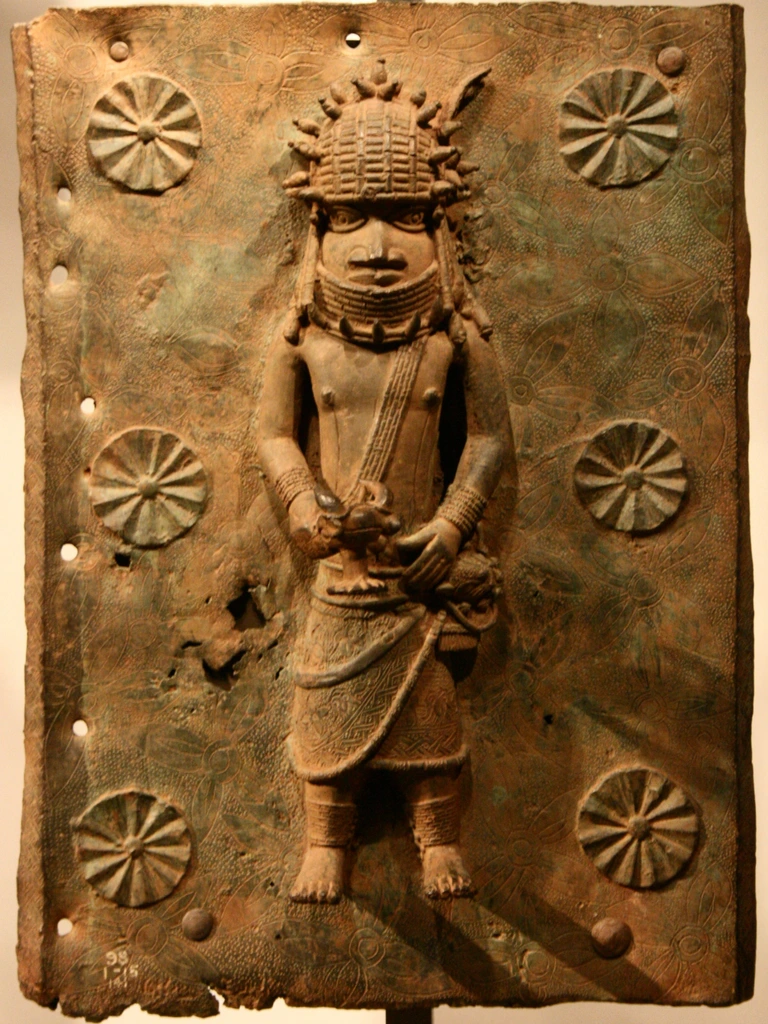
The Benin Bronzes expand provenance beyond the history of individual collectors and into the history of empire.
In 1897, British forces attacked Benin City during a military expedition against the Kingdom of Benin, in what is now southern Nigeria. The royal palace was looted and thousands of objects in brass, bronze, ivory and other materials were taken. German government research now cites estimates of more than 5,000 objects removed in the course of the pillage. Many subsequently entered European museums and private collections through the art market.
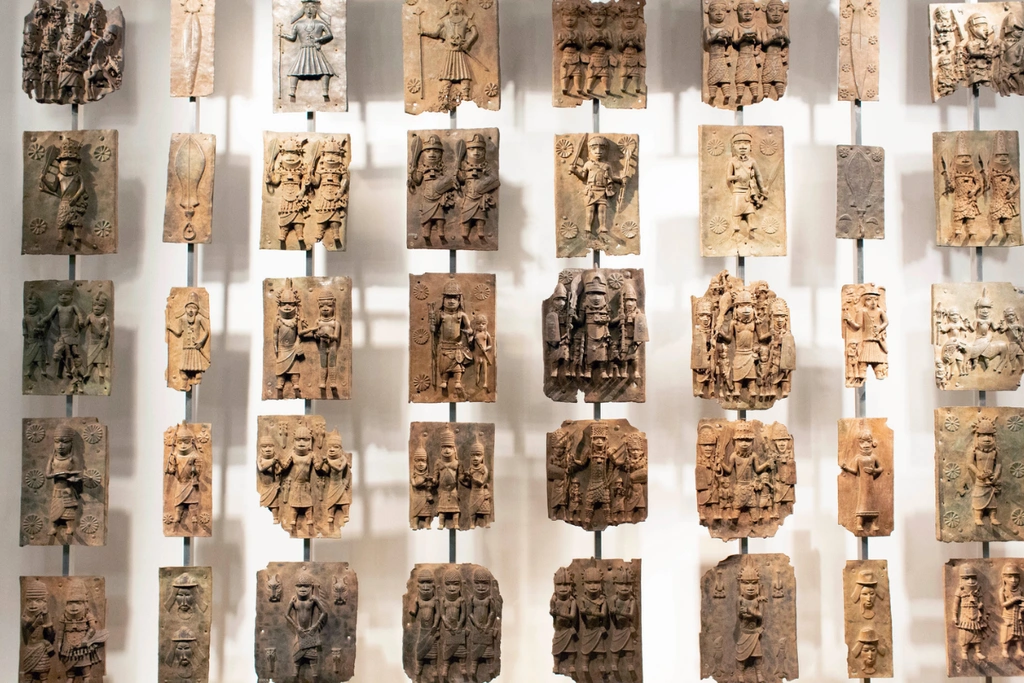
Unlike the Klimt or Matisse cases, the dispute is not principally a battle between one family and a current possessor. It concerns the removal of royal and cultural patrimony during colonial violence and the responsibilities of institutions that inherited those collections generations later.
Germany became central to this shift. In July 2022, Germany and Nigeria signed a joint declaration concerning Benin objects held in German public institutions. They identified 1,130 relevant artefacts and expressed their intention to transfer ownership to Nigeria. Later that year, Germany physically returned an initial group of 20 objects; by December 2022, the German Foreign Office stated that ownership of around 95 percent of the relevant objects had already been transferred to Nigeria.
The importance of that decision extends well beyond a single group of bronzes. It helped shift museum conversations from the narrow question of whether an institution legally acquired an object to a broader examination of the circumstances that made the acquisition possible in the first place.
A museum may possess paperwork showing that it purchased an object from a dealer in 1905. Provenance asks what happened before 1905. How did the dealer obtain it? Why had the object entered the European market? Was its departure voluntary, authorized, coerced or connected to military violence?
These four stories reveal why provenance can never be reduced to a neat list of previous owners. Behind every change of possession sits another question about how that change occurred. Sometimes the answer enhances the prestige of a masterpiece. Sometimes it exposes a century-old injustice.
And occasionally, one line in an archive is enough to send an artwork home.
Restitution reveals the most consequential side of provenance. In luxury art collecting, ownership can look settled for decades until a forgotten document reopens the story. A museum label may record the current holder, but an archive can expose the path that led there: inheritance, confiscation, coercion, wartime seizure or colonial removal.
That is why provenance matters far beyond valuation. It preserves the relationship between an artwork and the people, families and cultures that shaped its history. Sometimes that record strengthens a collection. Sometimes it unsettles one. And sometimes it proves that a masterpiece has spent decades in the wrong place.
Provenance research does more than explain where art has been. It can determine where it belongs next.