MENU
Close





The circle familiar with luxury art collecting looks at the front and the back of the painting. Why?
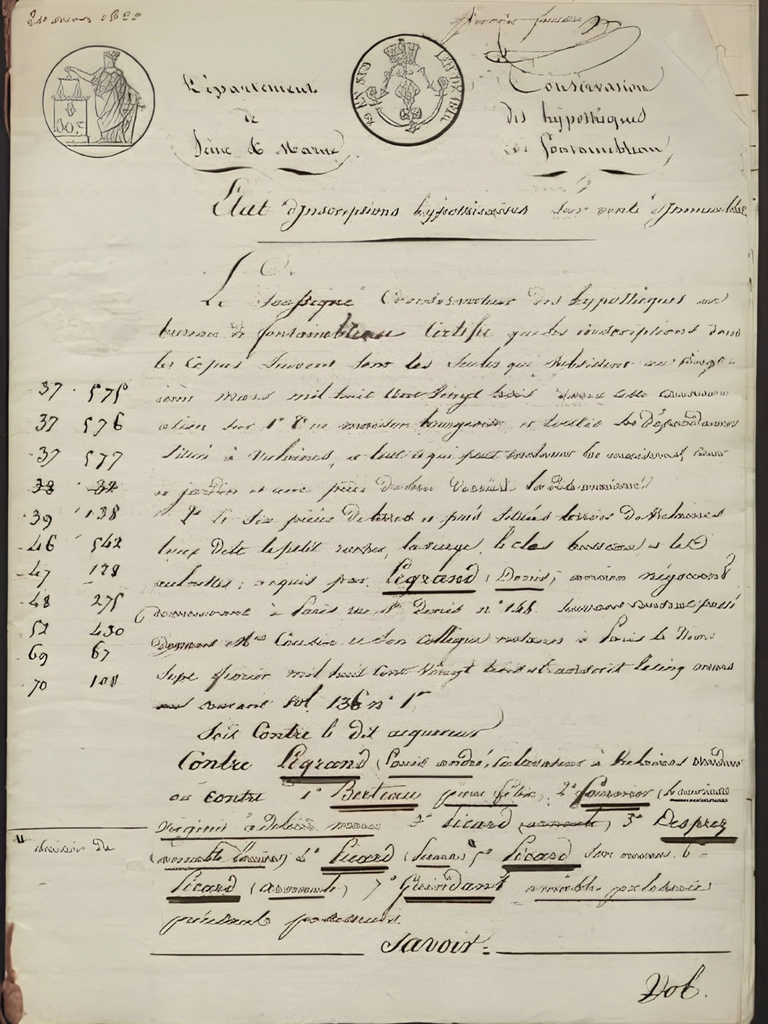
The circle familiar with luxury art collecting looks at the front and the back of the painting. Why?
September 17, 2026


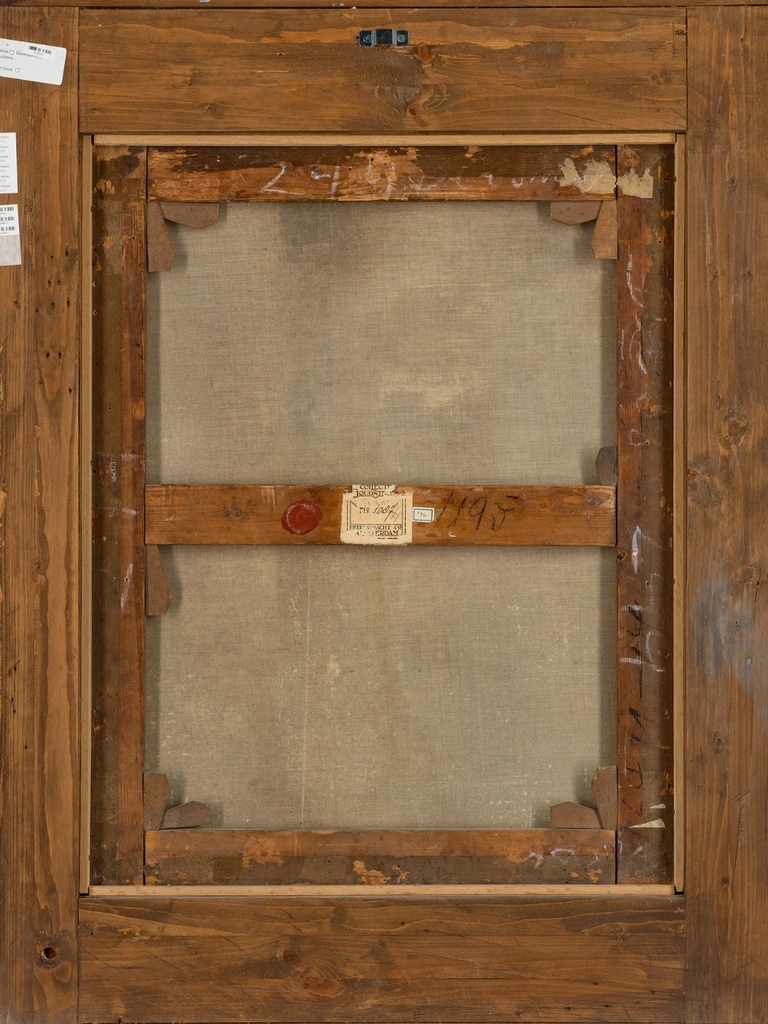
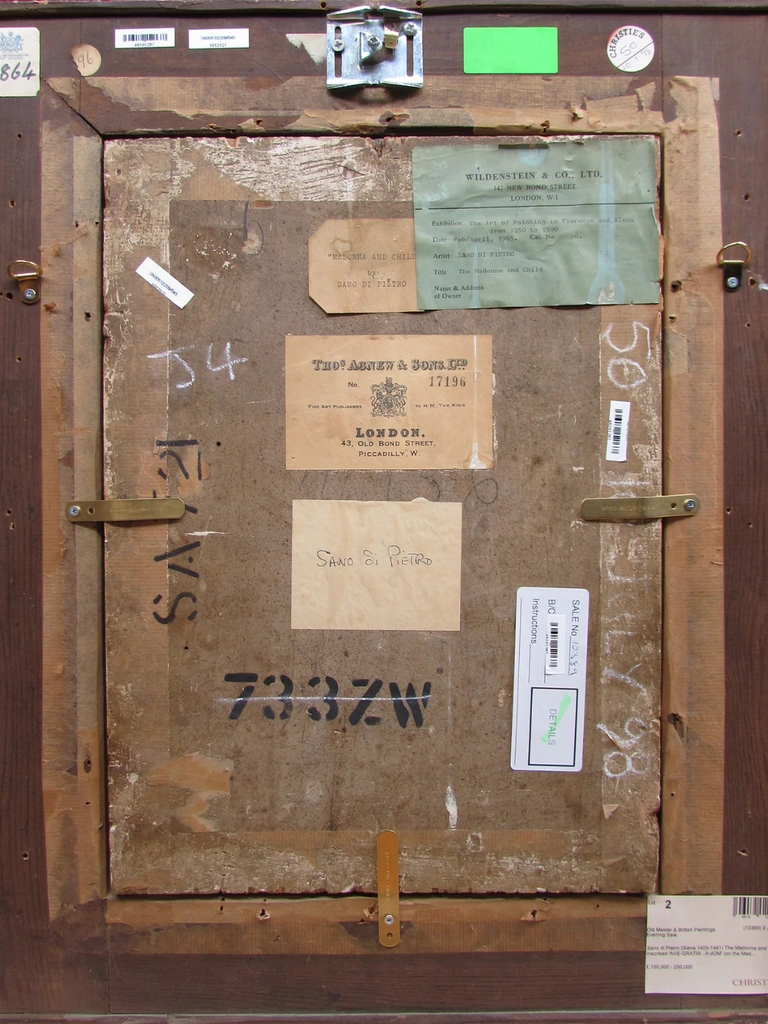
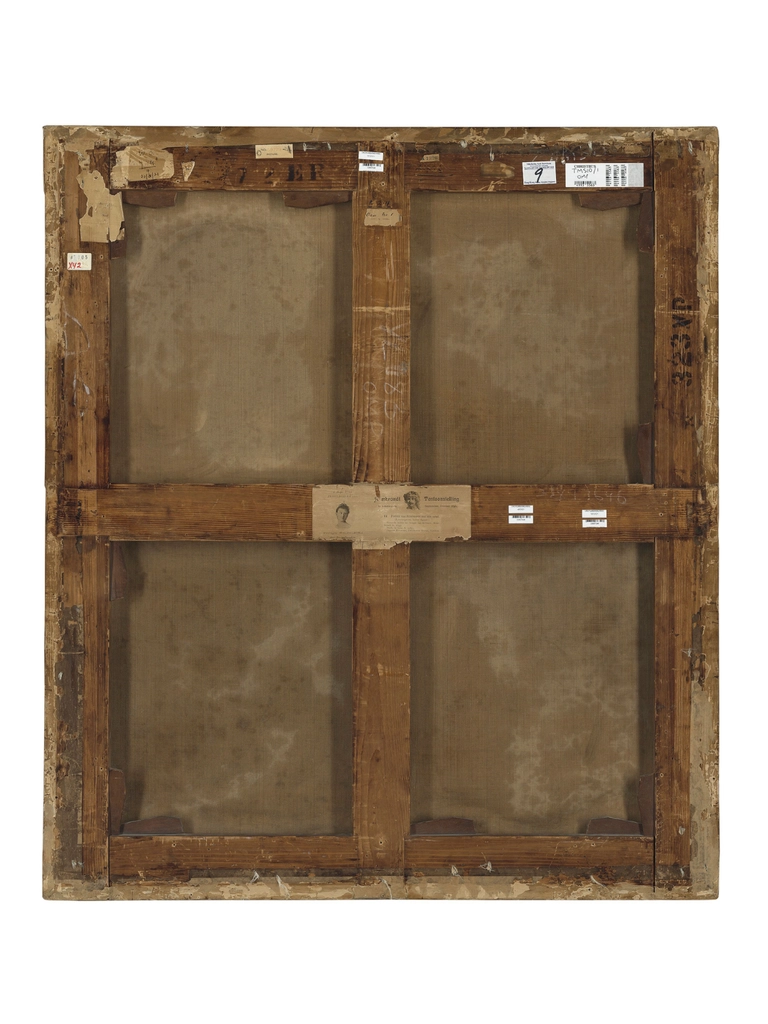
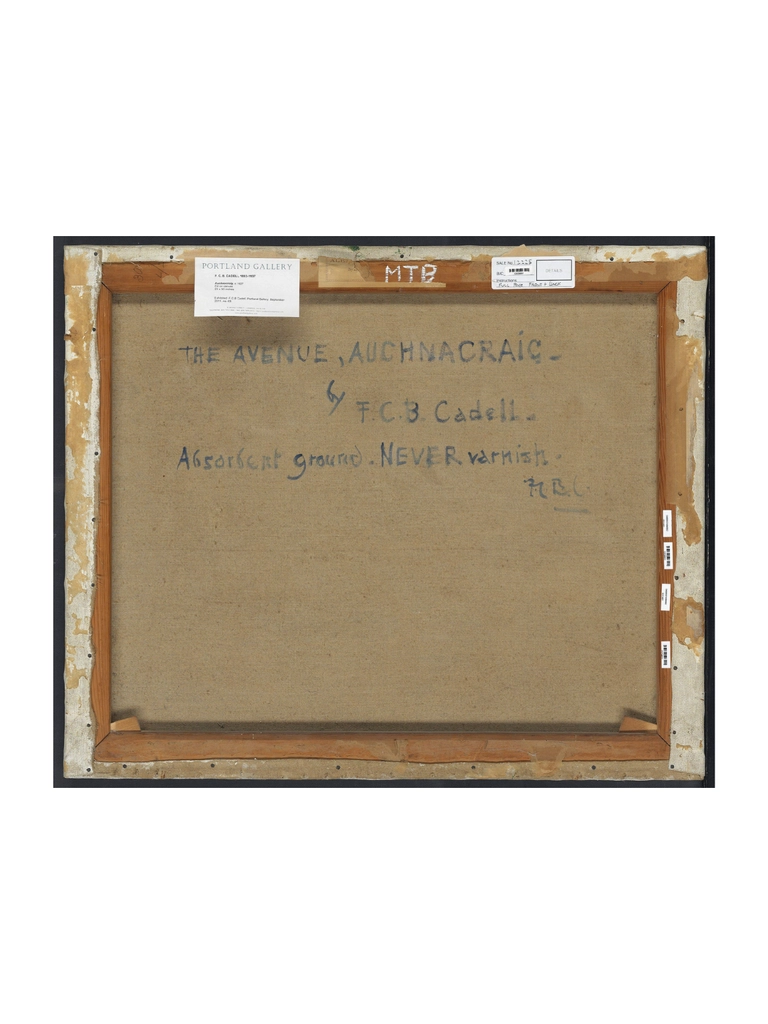
Every artwork has two faces. The face offers composition, color, technique and subject. The reverse might contain a faded dealer label, an auction number written in chalk, a collector's wax seal, customs marks, an old museum sticker or several generations of framing labels layered over one another.
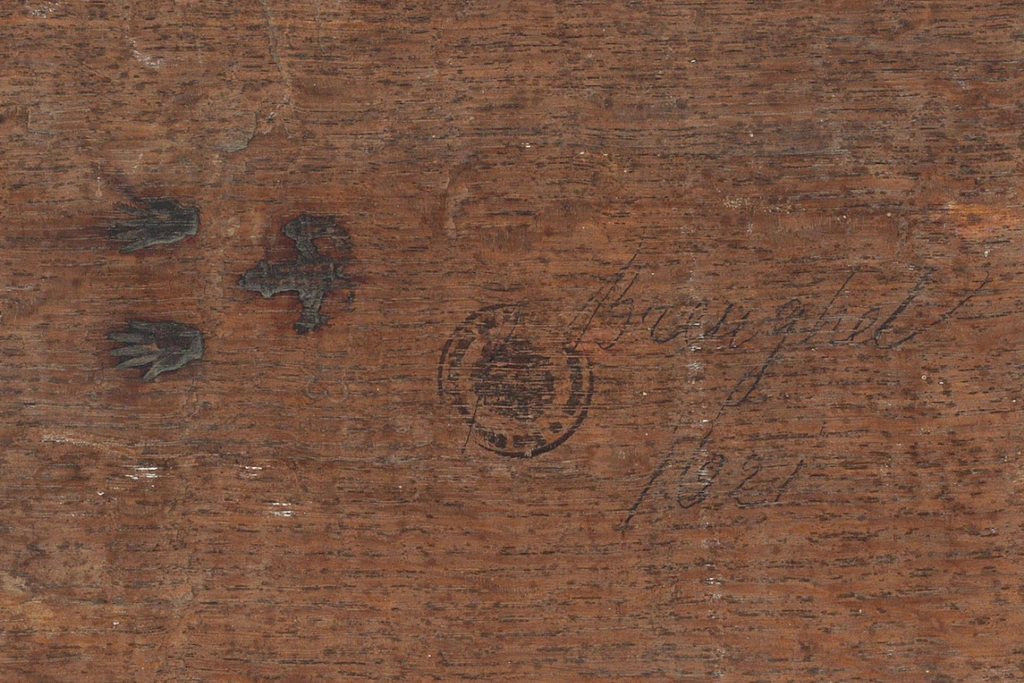
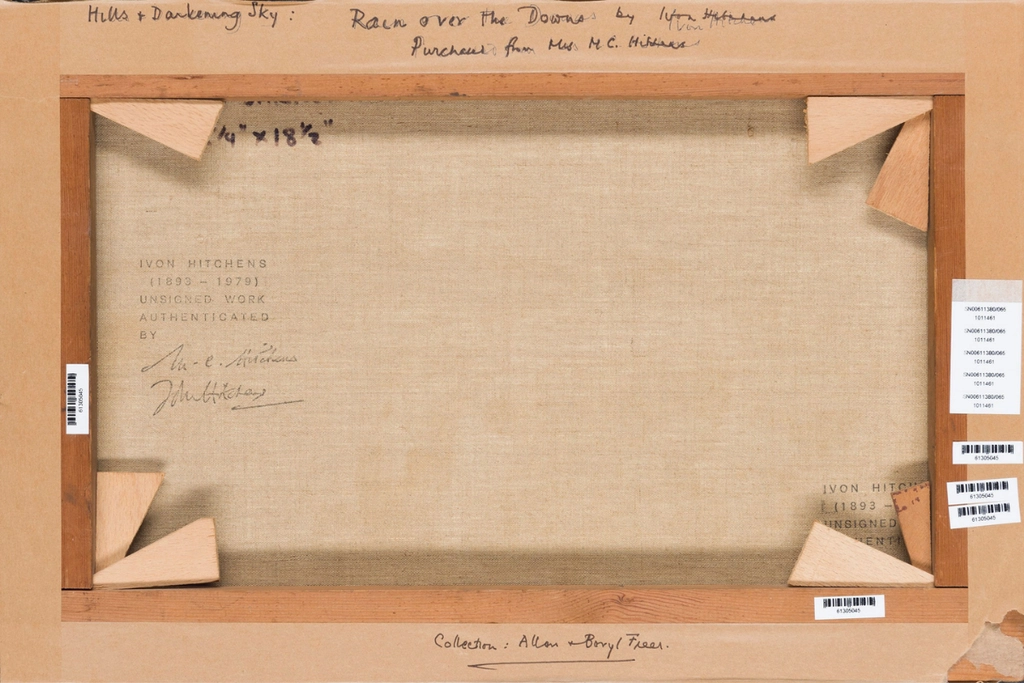
What happens on the back of that canvas is what provenance is all about.
Derived from the French provenir, meaning "to come from", provenance is the documented history of ownership, custody, or location of an object from its creation to the present day. So why does it matter in the world of luxury art collecting?
Provenance supports four of the most important questions surrounding an artwork: who made it, who owned it, what it is worth, and what historical journey it has taken.
For authenticity and attribution, a documented chain of ownership can connect a work from the artist’s studio to later collectors, galleries, exhibitions, and institutions, helping researchers test claims that might otherwise depend heavily on connoisseurship or scientific analysis alone.
In the market, strong provenance can increase confidence and sometimes add prestige, especially when a work has belonged to respected collectors such as Peggy Guggenheim, David Rockefeller, or Yves Saint Laurent, while serious gaps in ownership can complicate sales, insurance, or lending.
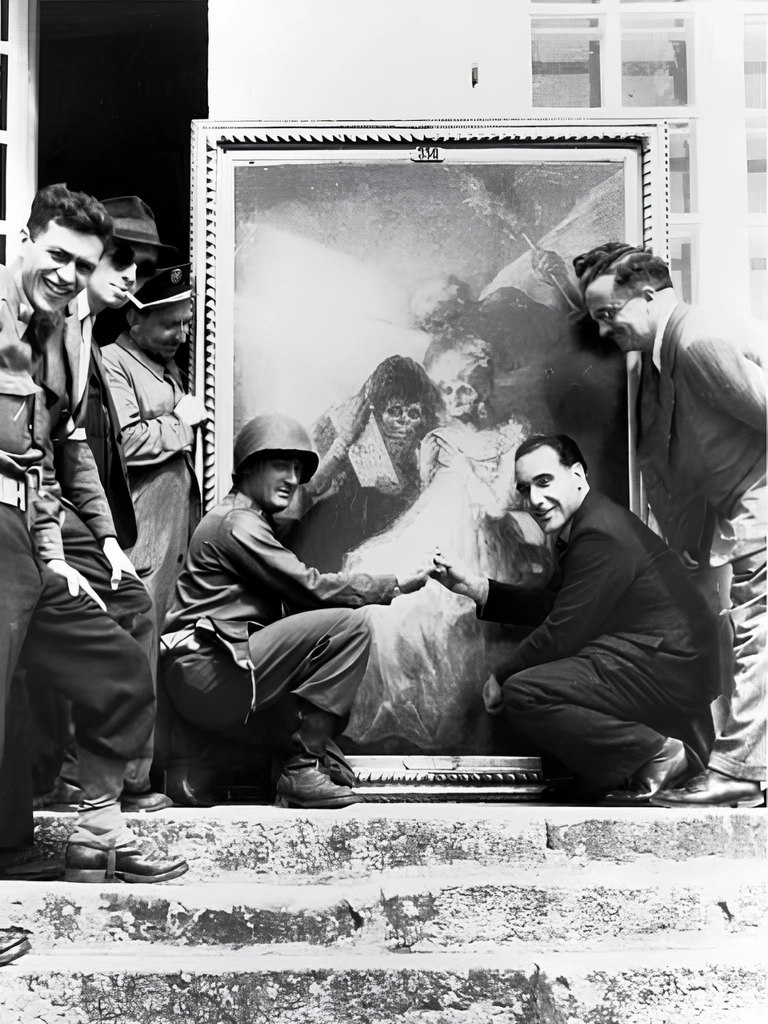
Provenance is equally important for legal title and restitution, particularly in cases involving Nazi-era looting, forced sales, stolen works, illegally excavated antiquities, or objects removed under contested colonial conditions.
It can help establish whether the current owner has the legal right to possess or sell a work and whether competing claims remain unresolved. Beyond authenticity, value, and law, provenance also preserves cultural context, revealing how artworks are moved through trade networks, private collections, political upheaval, changing tastes, and systems of patronage.
Basically, provenance protects the artworks, artists and collectors. However, even artworks which carry strong provenance get stolen, very often, too. So, does provenance really work, or is it completely useless when art thieves forego sophisticated methods (for instance, meticulously forging provenance) and resort to a more traditional way of stealing, like simply walking into a museum and grabbing a piece?
As a grandmaster of Impressionism, Renoir's artworks have been extensively researched and extremely well-documented. Therefore, Renoir's art has strong provenance. However, in the year 2026 alone, three of his works were stolen in the mere expanse of three months, first, from the Magnani Rocca Foundation, and recently in the Cagnes-sur-Mer art heist. That's once a month on average. Does provenance protect him at all?
Yes, in a way.
While provenace certainly can not help a poor security system, it can destroy the resale market for thieves. How ironic is it, that even if you manage to steal a coveted piece of art, you probably can not profit from it, because what makes an art worth stealing in the first place is exactly why it is not worth stealing: its fame.
A Renoir with decades of museum records, photographs, dimensions, exhibition histories and ownership documentation cannot easily be given a convincing new identity. Once the theft is public, its legitimate provenance effectively ends on the date it disappeared.
Any attempt to introduce that work back into the established art market creates questions. Where has it been since the theft? Who acquired it? What documentation connects the seller to its previous legal owner?
Auction houses, galleries, dealers and serious collectors conduct due diligence before handling significant works. A missing section of ownership history beginning precisely when a widely reported robbery occurred would represent an obvious warning sign. The March Magnani Rocca theft illustrated the problem particularly clearly: art-market specialists described the stolen works as effectively too recognizable to circulate easily through conventional channels.
Strong provenance, therefore, does something security systems cannot. It preserves the artwork's established identity even after the physical object has disappeared.
After theft, documentation also becomes an investigative tool.
INTERPOL maintains an international Stolen Works of Art Database containing descriptions and images supplied by police and authorized organizations. The database currently contains almost 57,000 identifiable objects and allows authorized users to compare objects entering circulation with works already reported missing. The private Art Loss Register performs a related role, maintaining more than 700,000 records covering stolen, missing, looted and disputed objects while carrying out hundreds of thousands of art-market searches each year.
The process can remain useful decades later. A painting may disappear into a private collection for years and reappear only after an owner dies, an estate is dispersed or somebody attempts to sell it. Its documented history provides investigators with a point of comparison when that happens.
Database checks also have limits. INTERPOL explicitly warns that an object absent from its database should not automatically be considered clean: a theft may never have been reported, may still be handled nationally, or may not yet have entered the system.
Documentation also matters when a stolen artwork passes to someone who claims to have purchased it "in good faith".
The exact legal treatment varies considerably between countries, so there is no universal rule for every art transaction. International frameworks nevertheless increasingly place due diligence at the center of responsible acquisition.
Under the 1995 UNIDROIT Convention on Stolen or Illegally Exported Cultural Objects, a possessor of a stolen cultural object covered by the Convention must return it. Eligibility for “fair and reasonable compensation” depends partly on whether that possessor can demonstrate due diligence when acquiring the work.
In practical terms, provenance makes ignorance harder to rely upon when obvious opportunities for investigation exist. For a multimillion-dollar painting by Renoir, or a well-known Lalique glasswork, purchasing without asking where it came from, who owned it and whether it appears in a stolen-art database would itself raise serious questions in the luxury art collecting circle.
Thanks to provenace, art thieves and unethical buyers can not justify owning a Messina painting with the same old excuse of "I found it in a flea market" anymore.
In luxury art collecting, the artwork itself is only half the story. The front may seduce, but the back carries evidence that allows those qualities to be trusted. Labels, invoices, exhibition records, ownership histories and archival traces can determine whether a work is authentic, legally transferable, ethically collectible and financially secure.
Provenance cannot stop a thief from lifting a painting off a wall, but it can make that painting extraordinarily difficult to erase, disguise or legitimately resell. It keeps the artwork connected to its identity even when the object disappears. The same documentation can later support restitution, expose forged histories, challenge claims of good-faith ownership and reconnect works with families, institutions or countries that lost them decades earlier.
Luxury art collecting means looking at both sides of the canvas. Provenance is not just boring paper trails and documentation, the story around a piece's provenance can sometimes be as thrilling and market-altering as the artwork itself. Want a taste of provenance drama?