MENU
Close





The Musée Lalique heist was not just another jewel robbery. In 11 minutes, three masked thieves turned one of France’s most delicate Art Nouveau collections into a crime scene.
The Musée Lalique heist was not just another jewel robbery. In 11 minutes, three masked thieves turned one of France’s most delicate Art Nouveau collections into a crime scene.
July 7, 2026


In the early morning of July 5, 2026, the Musée Lalique heist in Wingen-sur-Moder became the latest French cultural crime scene. Three masked thieves entered the museum at around 5:30 a.m., forced their way toward the jewelry room, smashed six display cases, and escaped with 27 pieces of René Lalique jewelry and decorative art valued at more than €4.5 million. The operation reportedly lasted around 11 minutes.
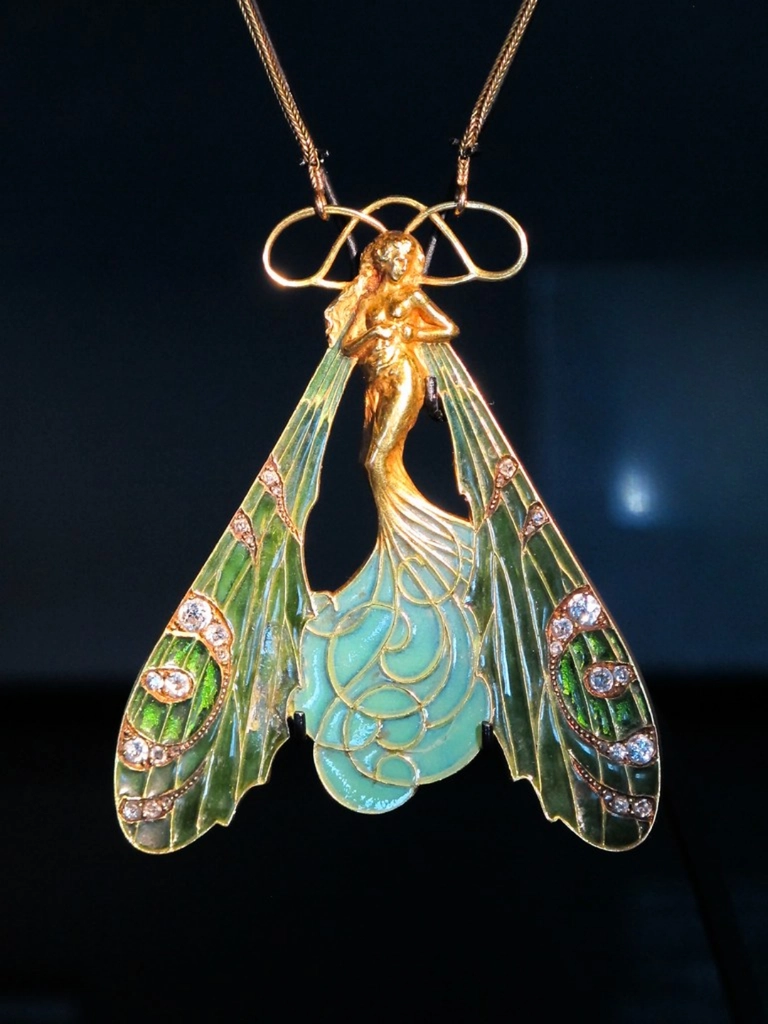
The target was painfully precise. This was not a random grab for glittering gemstones, but a raid on fragile, highly recognizable works by one of the great masters of Art Nouveau and Art Deco design. The stolen pieces included pendants, brooches, bracelets, a choker, a long necklace, a hatpin, a belt buckle, a hair comb, a Lalique perfume bottle, a bust, and a face-à-main. Among them, the “Femme-libellule ailes ouvertes” pendant carried the deepest symbolic wound: it was the first piece acquired for the museum and one of the emotional anchors of the collection.
The irony is vicious. The jewelry stolen at the Musée Lalique Heist is almost impossible to sell cleanly because its value lives in artistry, provenance, and intact condition. Unlike ordinary stolen gold, it cannot simply be melted down without destroying most of its worth. These objects are too famous for the legitimate market and too delicate for crude dismantling, which makes theft feel less like conventional luxury crime and more like cultural hostage-taking.
What makes the Musée Lalique Heist even more infuriating is that the technology did not appear to fail. Alarms sounded and CCTV footage is being examined, but the response chain collapsed. Reports say a private security company did not alert the gendarmes immediately, and the scene was discovered only when a cleaning worker arrived and called police. Wingen-sur-Moder mayor Christian Dorschner publicly criticized the response, saying the alarm system had worked while the human system had not.
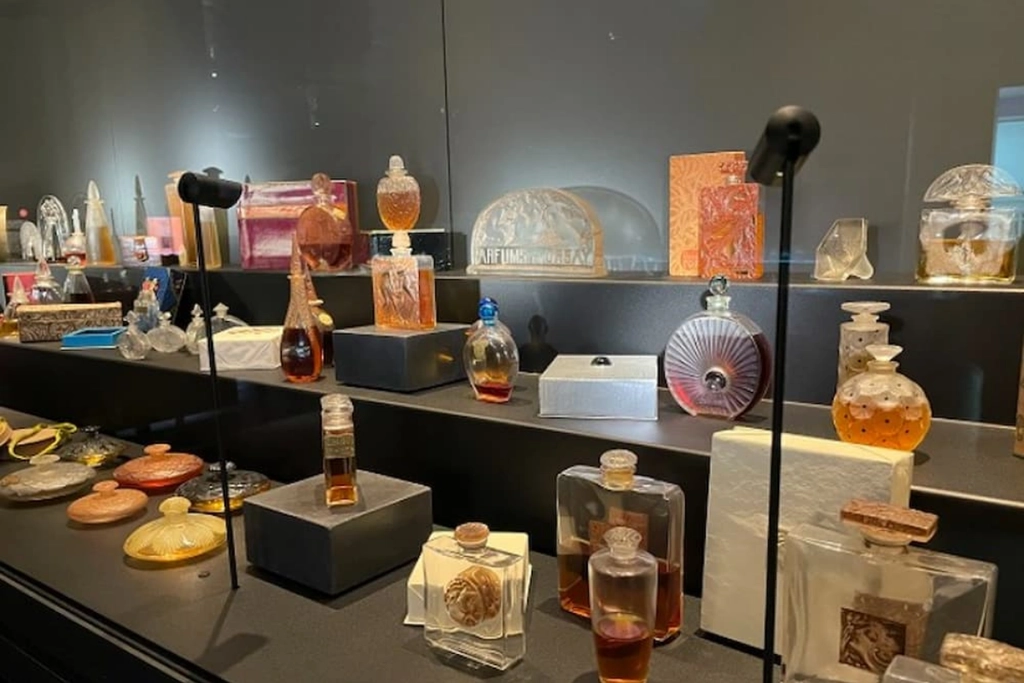
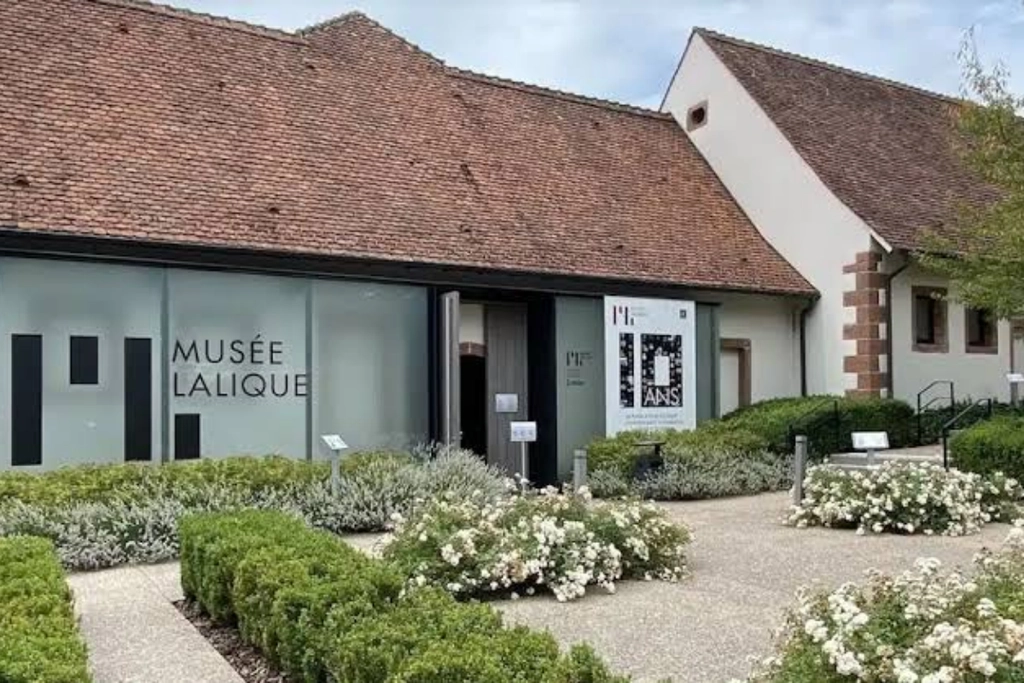
The Musée Lalique opened in 2011 in the village where René Lalique founded his factory in the early 1920s, and it displays more than 650 works across jewelry, glassware, crystal, and design history. That makes the July 2026 raid more than a local scandal. It follows a string of French museum thefts, including the Louvre crown-jewel heist in October 2025, porcelain stolen from the Adrien Dubouché Museum, and the 2024 Cognacq-Jay Museum smash-and-grab.
The Musée Lalique heist leaves France with a savage question: if even the most recognizable objects in the most watched institutions can vanish in minutes, what exactly is security protecting — the art, or only the illusion that it is safe?