The night of March 22–23, 2026 saw the Magnani Rocca Foundation art heist, one of Italy’s most alarming recent museum thefts unfolded with the speed and precision of a military drill.

Magnani Rocca Foundation Art Heist Shocks Italy
The night of March 22–23, 2026 saw the Magnani Rocca Foundation art heist, one of Italy’s most alarming recent museum thefts unfolded with the speed and precision of a military drill.
March 22, 2026


Investigators have described the robbery at the Magnani Rocca Foundation as a “lightning strike” operation, a raid so fast and targeted that it lasted only about three minutes. Set inside a quiet rural villa in Mamiano di Traversetolo near Parma, the prestigious private museum became the scene of a crime that has shaken the art world.
According to investigators, four hooded and masked individuals forced their way through a gate and then the main entrance of the villa late Sunday night into the early hours of Monday morning. Once inside, they moved directly to the French art gallery on the first floor, a detail that strongly suggests prior knowledge of the museum’s layout and collection. Their route was clear, their target precise, and their timing ruthless.

The thieves escaped with three major works: Pierre-Auguste Renoir’s Les Poissons (The Fish) from 1917, Paul Cézanne’s Still Life with Cherries, a watercolor from around 1890, and Henri Matisse’s Odalisque on the Terrace from 1922. Together, the paintings are estimated to be worth around €9 million, or roughly $10.3 million. A fourth painting was reportedly abandoned during the escape, suggesting the gang may have intended to take even more before the alarm system disrupted the plan.
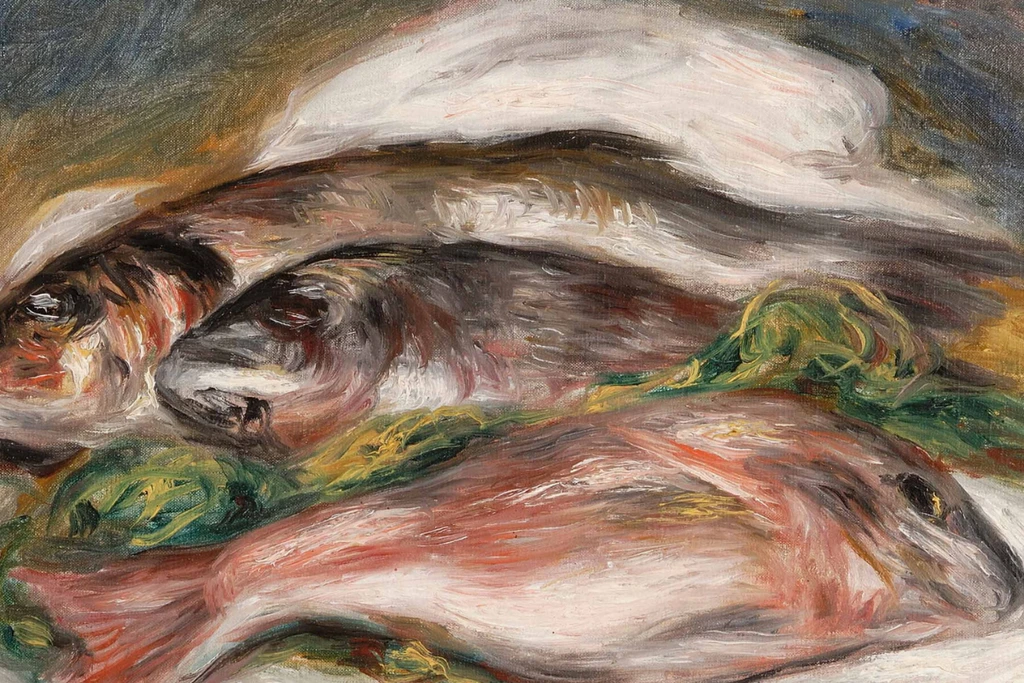
Surveillance footage captured the suspects fleeing by hopping a perimeter fence and disappearing into the surrounding countryside before the Carabinieri could reach the scene. The Magnani Rocca Foundation art heist is now being thoroughly investigated by the Bologna division of Italy’s Cultural Heritage Protection Unit, a specialized branch with deep experience in tracking stolen masterpieces.

What makes the Magnani Rocca Foundation art heist especially troubling is the wider criminal context. Experts believe the heist reflects a growing European pattern of rapid, high-value art thefts in which criminals favor speed over discretion. Some have linked this shift in method to the influence of other recent headline-grabbing robberies, where thieves rely on shock, timing, and carefully mapped exits rather than prolonged infiltration.
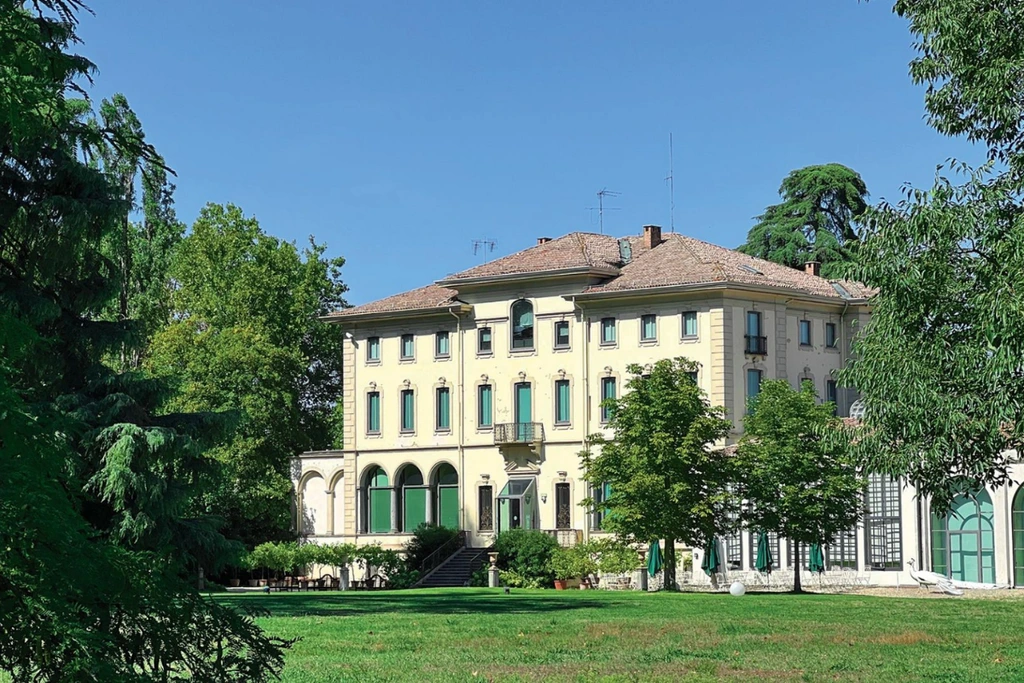
The Magnani Rocca Foundation, founded in 1977 by collector and art critic Luigi Magnani, is often called a “Villa of Masterpieces” for its holdings of major European art, including works by Dürer, Titian, and Goya. Since opening to the public in 1990, it has stood as a cultural landmark. Therefore, the Magnani Rocca Foundation art heist marks one of the gravest losses in its history, a reminder that even institutions devoted to preserving beauty remain vulnerable to calculated violence and organized criminal ambition.