MENU
Close





On August 15, while the residents of Messina (Sicily, Italy) were participating in the La Vara procession to celebrate the Feast of the Assumption, the MuMe theft - a heist that later shocked through the art world took place at the Museo Regionale di Messina (MuMe).
On August 15, while the residents of Messina (Sicily, Italy) were participating in the La Vara procession to celebrate the Feast of the Assumption, the MuMe theft - a heist that later shocked through the art world took place at the Museo Regionale di Messina (MuMe).
August 17, 2026


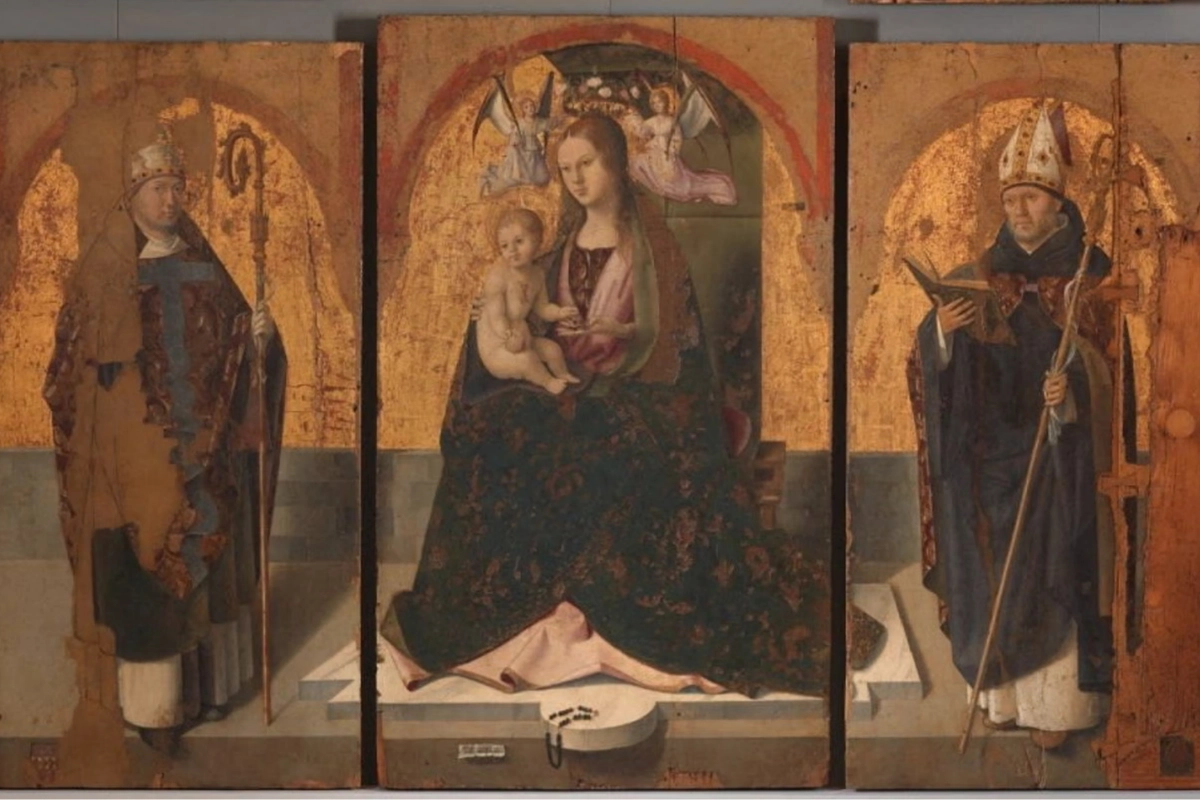
Although the thieves only broke into the museum for a few minutes, they managed to steal four of the most significant artworks made by Antonello da Messina, a 15th-century Renaissance master. According to La Sicilia, immediately after entering MuMe, the gang headed straight to the rooms housing Antonello’s paintings. This indicated that the works of the Sicilian artist were their primary target in this operation.
Here, they removed the five wooden panels belonged to the Polittico di San Gregorio (1473) - an altarpiece created by Antonello for the Monastero di San Gregorio. Considered a significant part of Renaissance art history, the Polittico di San Gregorio’s value lies not only in its aesthetic beauty but also in its unique history. It survived the 1908 earthquake and is the only work by Antonello that has never left his home city of Messina. For this very reason, the MuMe theft left many people outraged. Though two of the five stolen wooden planks were later found abandoned near a low wall outside the museum, there is still no further information regarding the remaining three.
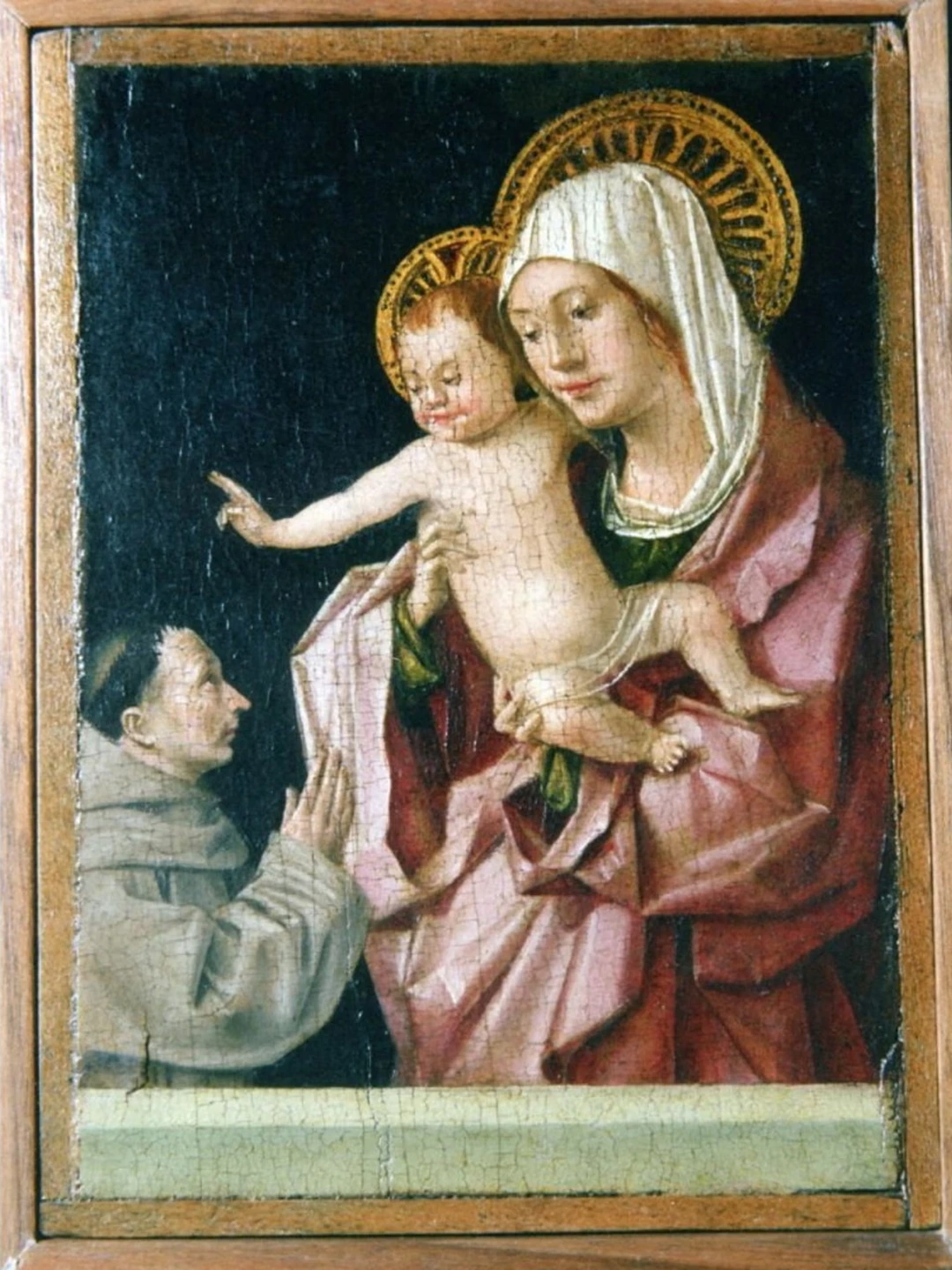
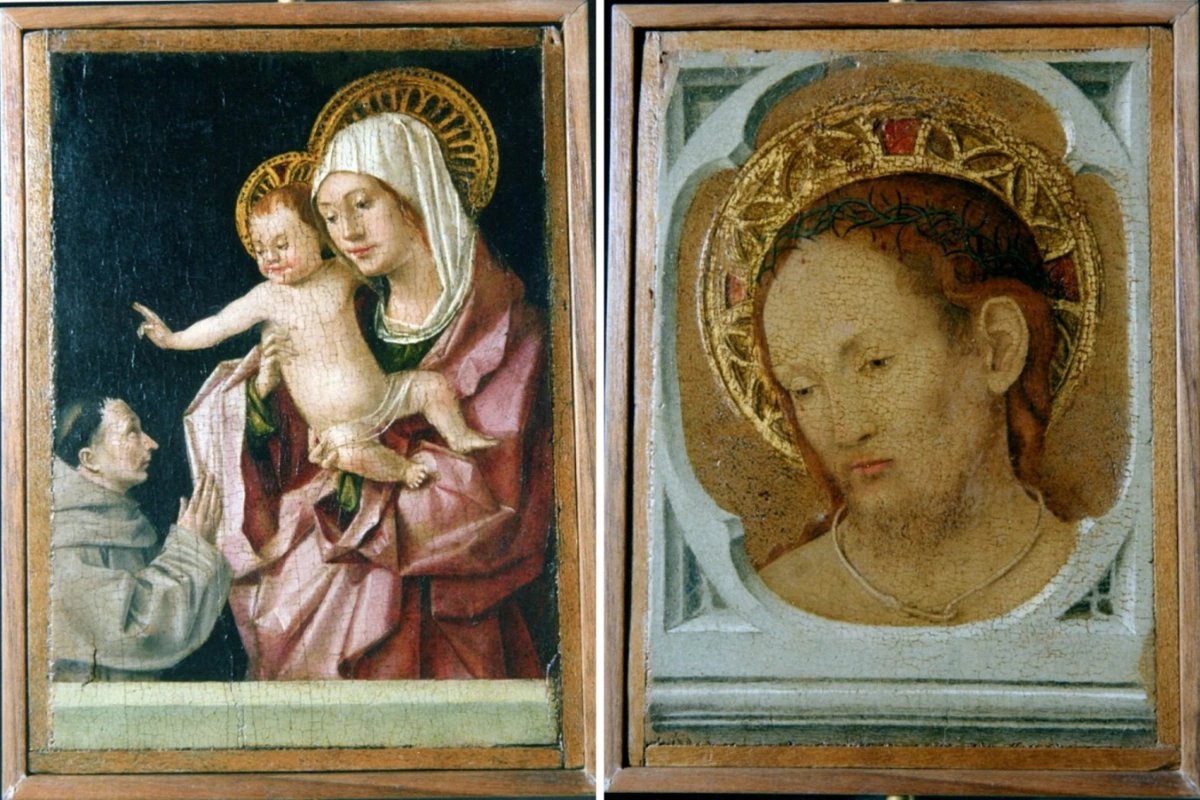
Another work by Antonello stolen in the MuMe theft is a double-sided painting, one side depicted the Virgin Mary and Child with a Franciscan friar, while the other portrayed the dead Christ. Once part of the Wilhelm Soldan collection, the work was acquired by the Sicilian Region at a Christie’s auction in 2003.
Although there is no official information yet, the value of the stolen artworks is estimated to range from $81 million to $92 million, highlighting the severity and audacity of the theft. Sharing with La Repubblica, Lynda Albertson - director of the Association for Research into Crimes against Art (ARCA) - stated that selling work of Antonello through legitimate channels is far from easy. Instead, criminals often use them as collateral for other illegal activities. This suggested that the art could be part of a far more complex criminal network.
However, the MuMe theft had consequences that went far beyond mere economic loss. Marissa Mercurio, the director of MuMe, stated: “Its an extremely serious and significant loss. They have stolen works of enormous cultural, artistic, and symbolic importance, not only for Messina but for Sicily as a whole”. At the same time, this theft has sounded an alarm regarding heritage protection in Italy, particularly after the country acquỉred “Ecce Homo” - another masterpiece by Antonello da Messina - for $14.9 million at a Sotheby’s auction last February.
Despite the many debates surrounding the MuMe theft, perhaps - as with other sensational heists - what the art world and the public most desire right now is the return of stolen artworks to the museum. Only then can the values they have preserved throughout centuries be fully safeguarded.