MENU
Close





Why does art heists keep happening to Renoir?

Why does art heists keep happening to Renoir?
September 8, 2026


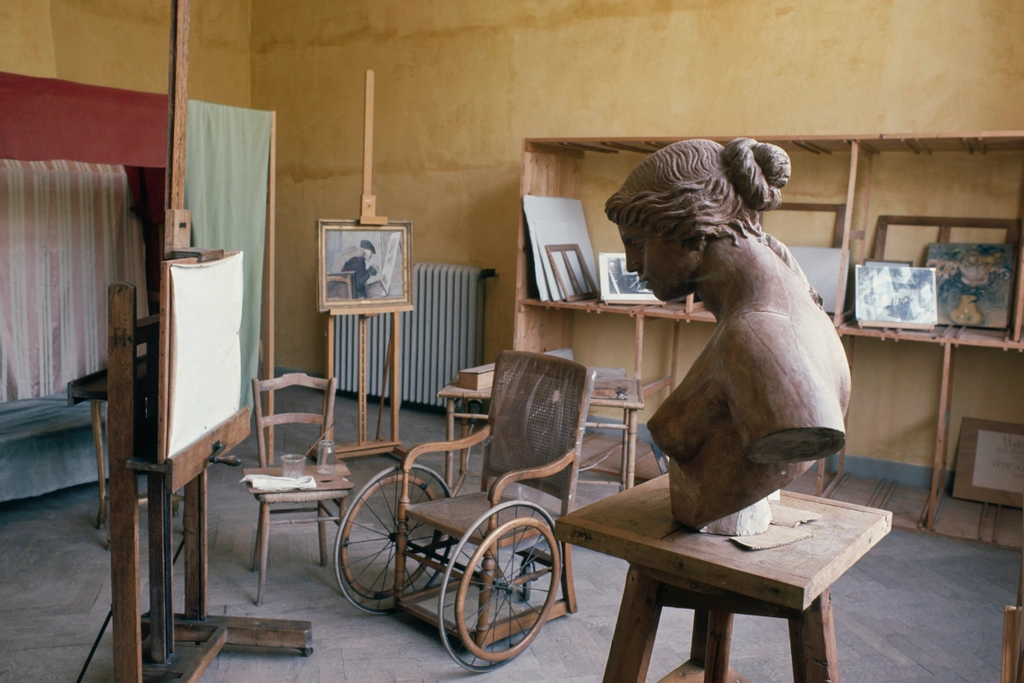
On September 8, 2026, two thieves cut through the perimeter fence of the Musée Renoir in Cagnes-sur-Mer and entered the artist’s former residence shortly before 6 a.m.
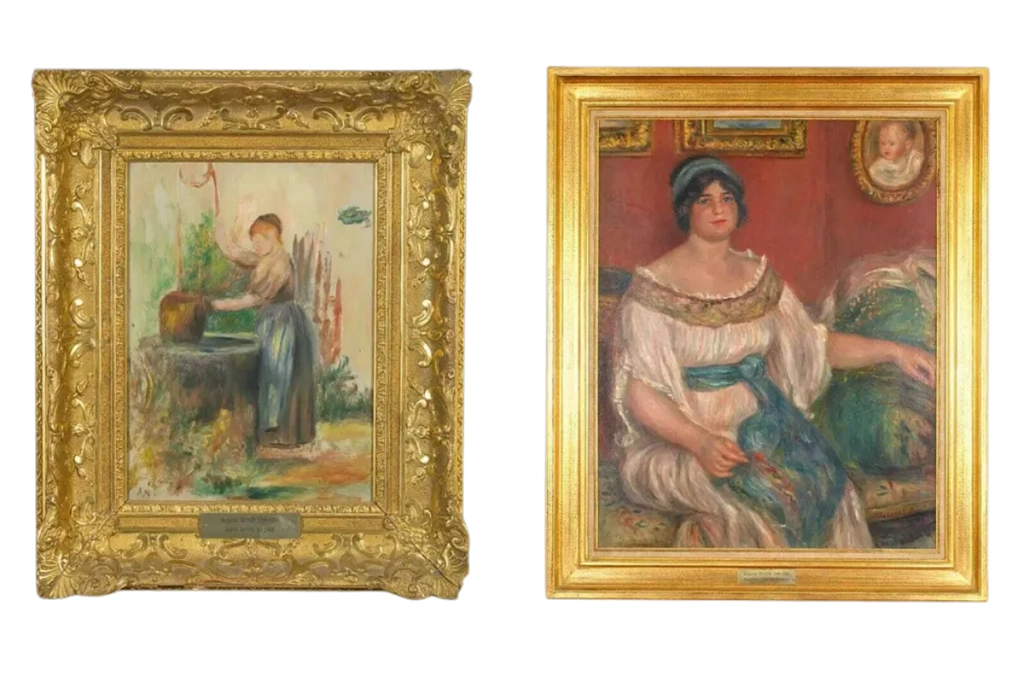
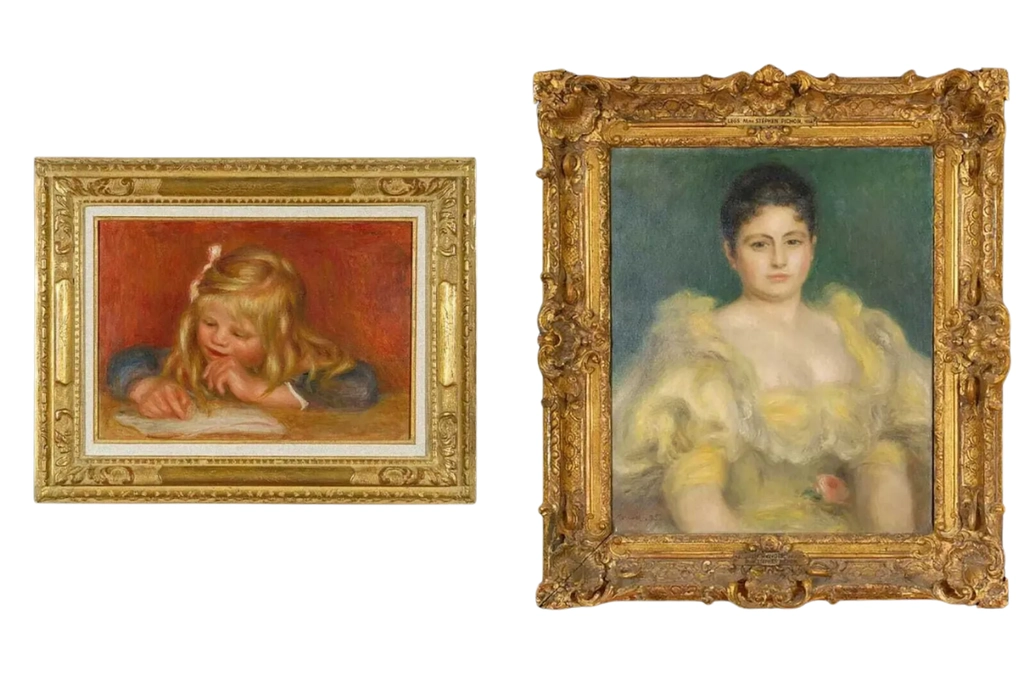
Within roughly three minutes, four Renoir paintings had been removed. The alarm sounded at 5:48 a.m.; municipal police reached the site five minutes later. Forced into a rapid escape, the thieves abandoned Portrait of Madame Stephen Pichon and Coco Reading in the garden. Madame Colonna Romano and Young Woman at the Well disappeared with them. Local authorities estimated the two missing works at around €9 million combined.
Both missing paintings are classified among France’s MNR works—Musées Nationaux Récupération, cultural objects recovered after the Second World War whose rightful ownership histories can remain unresolved. Three of the four Renoirs targeted in the art heist belonged to this category, giving paintings already marked by wartime displacement another chapter of disappearance.

The Magnani Rocca Foundation art heist was merely months earlier. Another Renoir, Les Poissons, had vanished alongside paintings by Cézanne and Matisse. Again, the operation lasted less than three minutes. Italian Carabinieri recovered all three paintings in August after an investigation involving a suspected criminal group.
Renoir also figured in one of the most cinematic museum robberies of the modern era. In 2000, armed thieves targeted Stockholm’s Nationalmuseum after car bombs were detonated elsewhere in the city as diversions. They stole two Renoirs and a Rembrandt, scattered road spikes behind them and escaped by motorboat. The paintings eventually returned through separate investigations and international police operations.


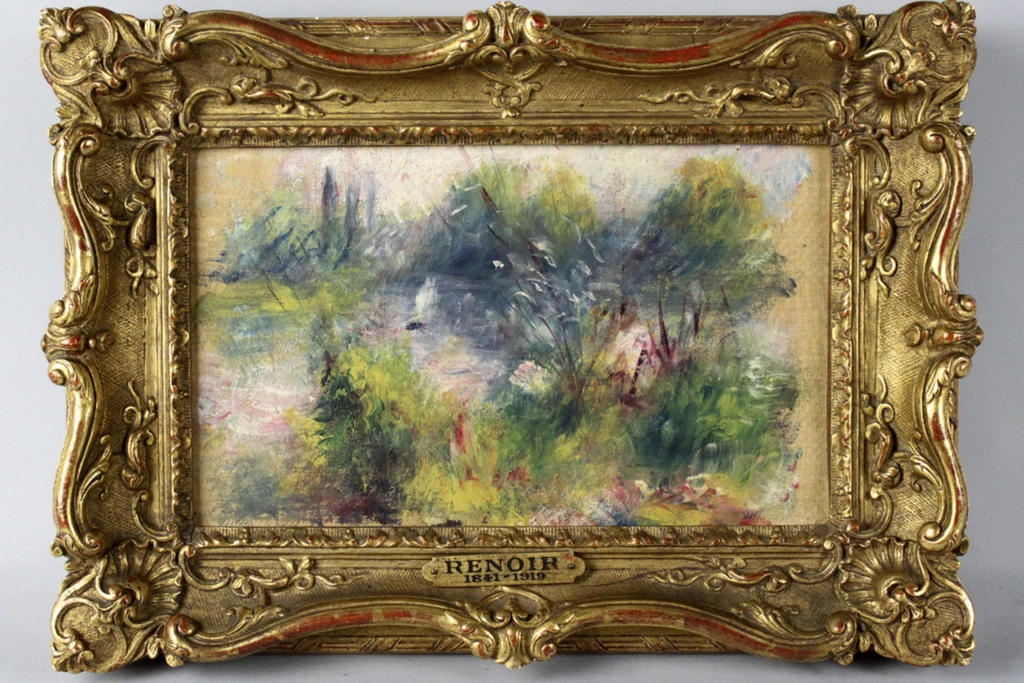
Yet perhaps Renoir’s strangest theft story involved no speedboat at all. Paysage Bords de Seine, stolen from the Baltimore Museum of Art in 1951, resurfaced decades later after a woman said she had purchased it for just $7 at a flea market. A federal judge ordered it returned to the museum in 2014.
This is the contradiction at the center of a Renoir art heist. His signature can make a canvas worth millions, while that same recognizability can make legitimate resale nearly impossible. Experts note that famous stolen paintings are highly traceable and can become liabilities once publicized. So what is even the point?