MENU
Close





The real power shift in fashion begins when admiration stops at the brand for a moment and moves toward the author, where designer loyalty turns taste into allegiance and allegiance into market force.

The real power shift in fashion begins when admiration stops at the brand for a moment and moves toward the author, where designer loyalty turns taste into allegiance and allegiance into market force.
March 23, 2026
Advertisement
Advertisement


In much the same way that the stock market moves through quarterly forecasts and whispered merger talk, fashion advances through the constant rotation of creative directors. Every appointment carries an element of risk, yet it also opens the possibility of transformation.
For the executives steering global luxury conglomerates, that level of uncertainty forms part of the strategy. The more intriguing question centers on the consumer: when admiration is built around a designer’s work at a particular house, does that loyalty remain with the brand, or does it travel with the designer into a new chapter?
For some shoppers, the answer remains straightforward. Consumers whose relationship to fashion revolves around accessories, house signatures, or emblematic logos tend to stay anchored to the brand itself. For another group, fashion operates as a living narrative shaped by the vision of individual designers. These followers track collections closely, invest emotionally in authorship, and experience each industry reshuffle as a moment of excitement, anticipation, and recalibration. In this space, designer loyalty becomes one of the most revealing forces in contemporary fashion.
Designer loyalty between fans and designers begins when people feel they are following a point of view, rather than simply buying clothes. What keeps designer loyalty alive is the sense that a designer understands how they want to look, feel, and be seen, season after season. It usually shows up through a few clear traits: trust in the designer’s taste, attachment to their signature style, emotional connection to their story, and a willingness to follow them even when they move to another house. Fan communities make that bond even stronger, because admiration becomes shared language, shared memory, and shared identity. This dynamic reveals that the most enduring form of designer loyalty attaches less to the house itself than to the designer’s capacity to produce a consistent world of meaning to which followers feel intellectually and emotionally aligned.
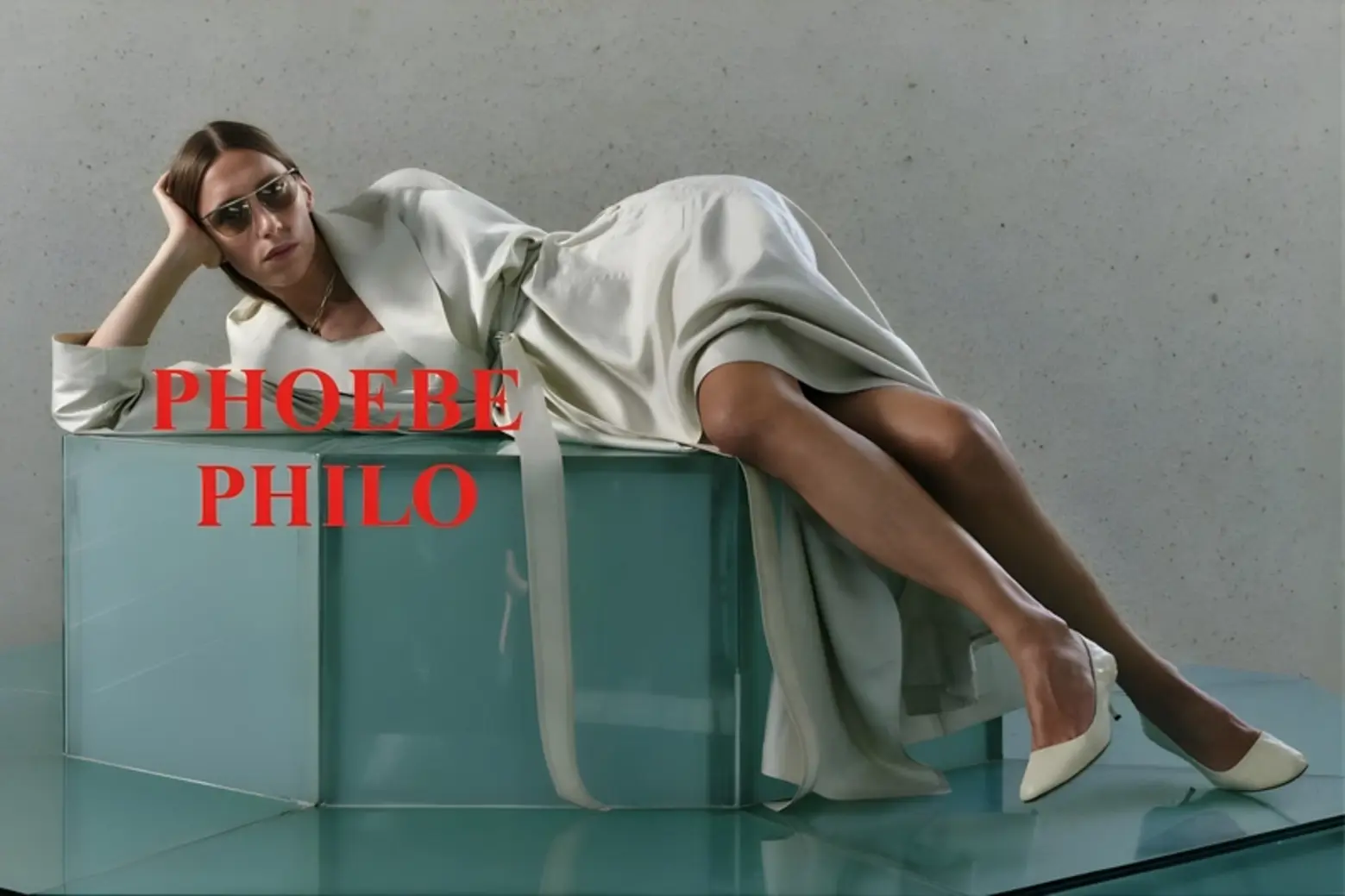
Phoebe Philo offers one of the clearest modern examples of designer loyalty because her following survived departure, dormancy, and re-emergence with remarkable force. When her namesake label launched in November 2023 through a direct-to-consumer, limited-drop model, reporting showed that more than 70 products sold out within 24 hours on the UK site. The same coverage described a cult community of Philophile devotees and cited Vestiaire Collective data showing a 44 percent year-on-year increase in likes of Céline pieces during the month when sign-ups opened for her return. Together, those signals gave the phenomenon a measurable shape. Desire attached itself to Phoebe Philo’s signature, then moved backward into her archive and forward into her new label. In its clearest form, that is designer loyalty converting admiration into market energy.
The intensity of that response mattered for another reason. Much of Phoebe Philo’s debut collection moved within hours, revealing that the emotional asset had already been built long before the company fully entered the market. Earlier reporting from February 2023 had already captured the scale of anticipation surrounding her comeback, with devotees waiting for the full proposition rather than a single accessory or seasonal hit. That sequence makes the mechanism easier to read: memory held the audience together, and authorship gave that memory direction. By the time the label arrived, designer loyalty had already preserved desire, purchasing intent, and a sense of collective expectation across several years.
That loyalty also lives beyond the point of sale. A few seasons into the life of the independent label, Philo’s influence remained easy to spot at the shows, where her bags, tailoring, and dark glasses circulated visibly among fashion insiders. Street-style photographer Tommy Ton described wearing Phoebe Philo as a badge of honor, even a kind of armor, with the aura of a members-only club. That observation helps explain why designer loyalty travels so effectively from one house to the next. These clothes function as social signals as much as material objects. The wearer buys into a worldview, then carries that worldview into public space as a code of taste, literacy, and belonging.
From there, the argument opens outward. A new creative director’s first collection often attracts sharp demand because clients want a piece of history the moment it appears. Even so, the deeper form of designer loyalty tends to thrive through time, repetition, and accumulated trust rather than a single burst of launch excitement. Fashion fandom follows authorship most powerfully when authorship has matured into a durable system, one that audiences can study, internalize, and recognize across seasons.
That is why tenure matters so much. Long-seated creative figures such as Rick Owens and Miuccia Prada show how sustained authorship can produce true superfandoms. A long run gives followers enough material to decode, enough consistency to absorb, and enough seasons to turn preference into identity. In that framework, designer loyalty becomes longitudinal. It grows through repeated contact with a designer’s codes until those codes begin to feel inseparable from the wearer’s own self-construction.
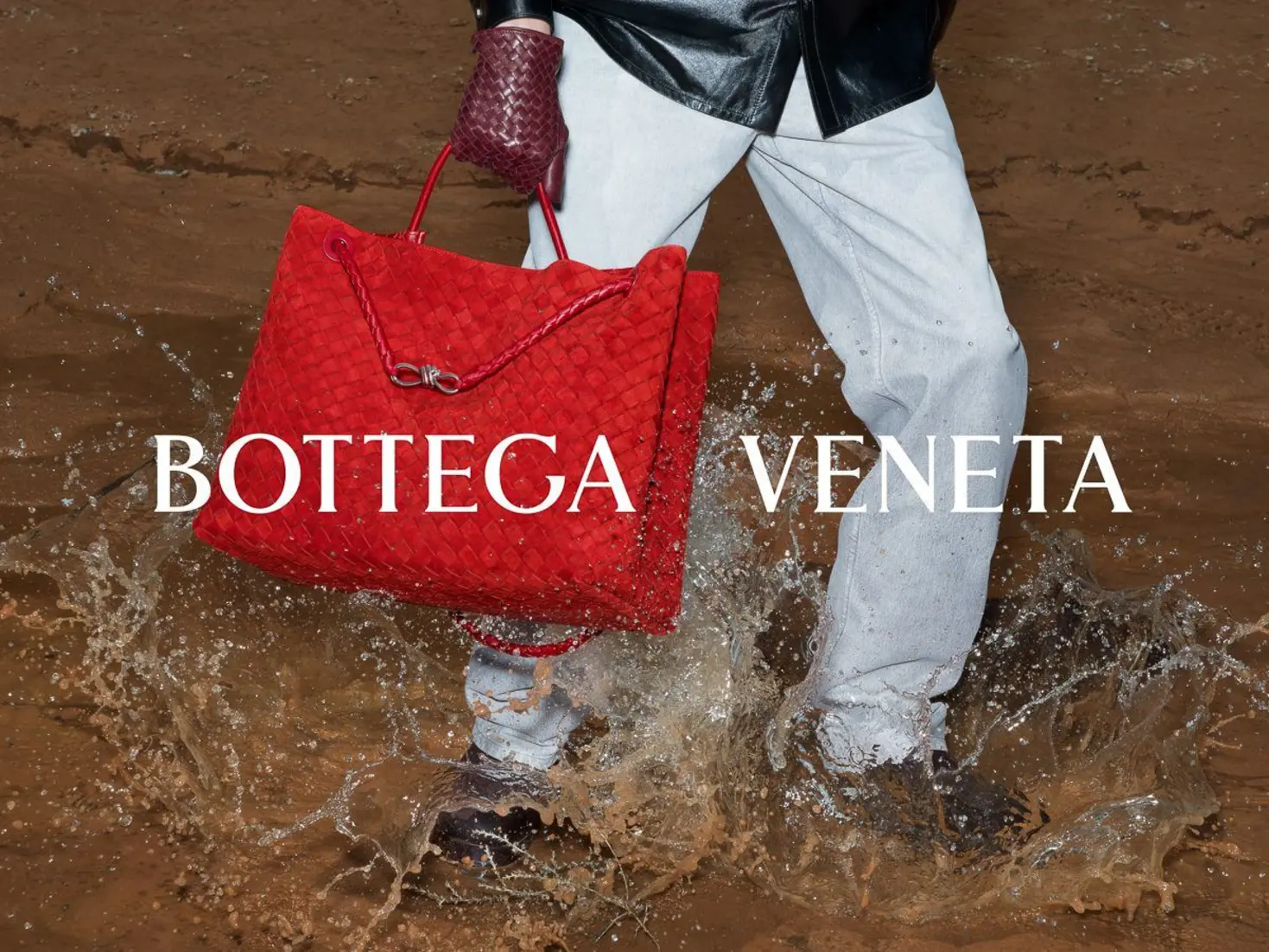
The resale market supplies some of the strongest evidence that this shift has become structural. Data from The RealReal showed that searches for Proenza Schouler rose 30 percent after Jack McCollough and Lazaro Hernandez announced their departure. It also reported that searches for Bottega jumped 150 percent when Matthieu Blazy’s exit became public, with users entering his name directly into the search bar alongside the brand. That pattern reveals something larger than momentary curiosity. Once a creative director becomes a search term in their own right, designer loyalty has moved beyond sentiment and into measurable consumer behavior. At that point, the designer operates as more than talent inside a company. The designer becomes a standalone discovery channel, a market keyword, and a driver of demand.
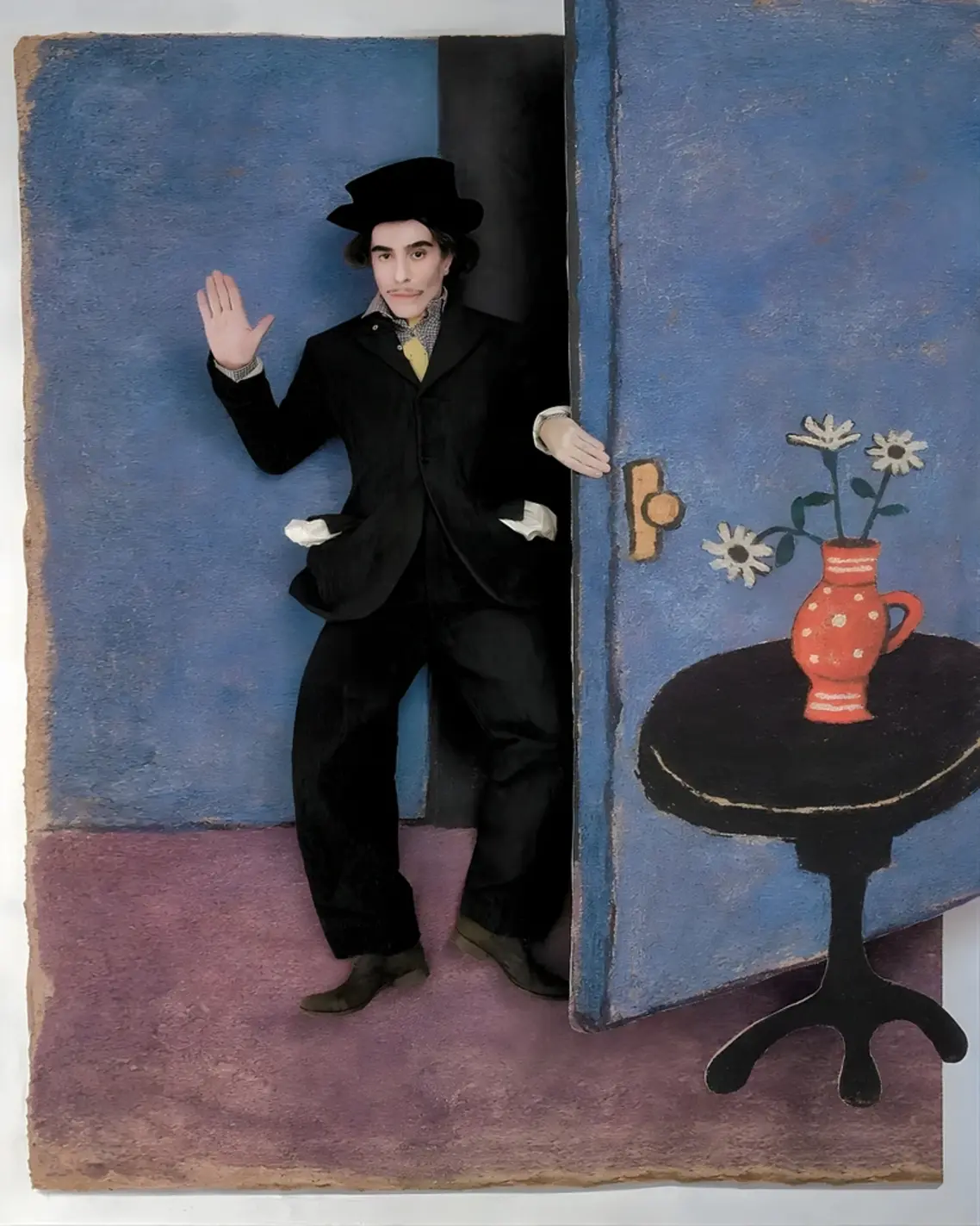
John Galliano offers the most theatrical proof that designer loyalty can travel almost anywhere. From Givenchy to Dior, then from Maison Margiela to his newly announced two-year creative partnership with Zara, John Galliano has carried with him an audience that extends far beyond the immediate buyer. It includes collectors, editors, students, archivists, and fashion obsessives who follow his every move with the intensity usually reserved for cinema auteurs or rock stars. His trajectory makes one fact especially clear: some designers build an audience so invested in their extravagance, wit, and visual drama that the house becomes secondary to the spectacle of what that designer might do next.
That is why John Galliano x Zara announcement landed with such force. The excitement had very little to do with shoppers suddenly developing sentimental attachment to a mass retailer’s archive. The fascination centered on John Galliano himself and the irresistible question of transformation. What would happen when one of fashion’s great fantasists touched a retail empire built on scale, speed, and global reach? That reaction captures designer loyalty in its most revealing form. The faithful were never simply waiting for product. They were waiting for authorship to enter the room. They wanted to see how John Galliano might distort the familiar, re-stage the ordinary, and turn commercial infrastructure into a new kind of fashion theater.
In John Galliano’s case, the designer operates as headline, event, and speculative engine all at once. Even before a single Zara look has arrived, the collaboration already functions as a test of imagination: not what Zara is, but what Zara becomes when filtered through Galliano’s gaze. That is the outer limit of designer loyalty. The audience follows the name across price points, business models, and brand identities because what it craves most is the possibility of seeing the world re-authored by a singular mind.
That shift has deep implications for how fashion should be read. Houses still hold capital, manufacturing, distribution, and symbolic heritage. Designers increasingly hold the emotional equity that activates the most committed tier of the audience. A maison may own the archive, the logo, and the address on Avenue Montaigne or Rue Saint-Honoré. The designer often owns the intimacy. Collector behavior, fandom data, sellout reporting, and the resale spikes around designer exits all point to the same conclusion: designer loyalty now shapes the way the most committed fans buy into a mind before they buy into a market category.
That is why the industry’s current question reaches beyond who takes which job. The sharper question asks who keeps the electorate once the appointment becomes official. In the current market, the answer increasingly sits with the designer whose signature has already entered the customer’s memory, wardrobe, search behavior, and community life. Jonathan Anderson may surface as one live example whenever the industry tests whether designer loyalty belongs to Loewe or to the author behind its current visual language. Phoebe Philo supplies the purest demonstration of the phenomenon. Her audience followed the point of view, preserved the archive, and reassembled around the next address with remarkable speed. Fashion still worships houses. The data now shows a second sovereign force, and designer loyalty is its clearest expression.
Advertisement