MENU
Close





Duran Lantink built his career by cutting through the fixed meanings of clothes, bodies and brands, until Jean Paul Gaultier found in him a successor capable of making provocation dangerous again.
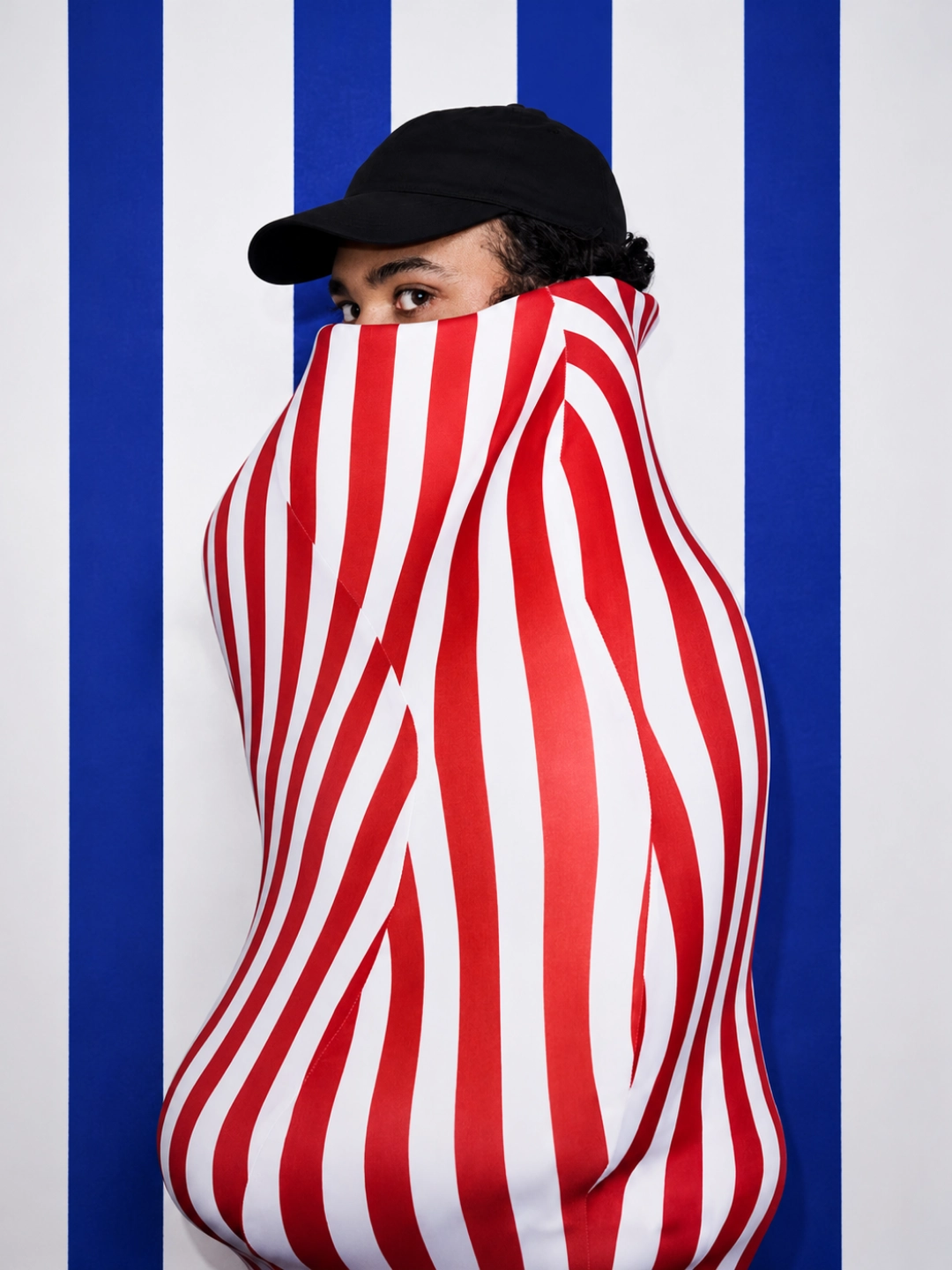
Duran Lantink built his career by cutting through the fixed meanings of clothes, bodies and brands, until Jean Paul Gaultier found in him a successor capable of making provocation dangerous again.
August 5, 2026
Advertisement
Advertisement


On July 8, 2026, Duran Lantink presented his first Jean Paul Gaultier haute couture collection in Paris. The assignment placed him inside one of fashion’s most intimidating inheritances: a house built through corsetry, sexual comedy, technical brilliance and a talent for turning social discomfort into spectacle.
A year of uncertainty had preceded that moment. Lantink’s first ready-to-wear collection for the house provoked suspicion as quickly as it generated attention. His second brought greater control. Couture offered the clearest glimpse yet of a relationship that could extend beyond the collision of two recognisable signatures.
The new Jean Paul Gaultier remains in formation. Three collections have already revealed the beginnings of a compelling proposition: a designer capable of carrying the house’s appetite for provocation into a generation whose relationship with sex, bodies and bad taste has changed considerably.
On April 15, 2025, Jean Paul Gaultier appointed Duran Lantink as its permanent creative director, placing him in charge of ready-to-wear and haute couture. The decision ended the rotating guest-couturier programme that had shaped the house since its founder retired from the runway in 2020.
Each guest offered a temporary interpretation of the Gaultier archive. Duran Lantink received a broader assignment. He would have to develop a continuous fashion identity across multiple collections, translate spectacle into products and create a relationship with the house that could deepen over time.
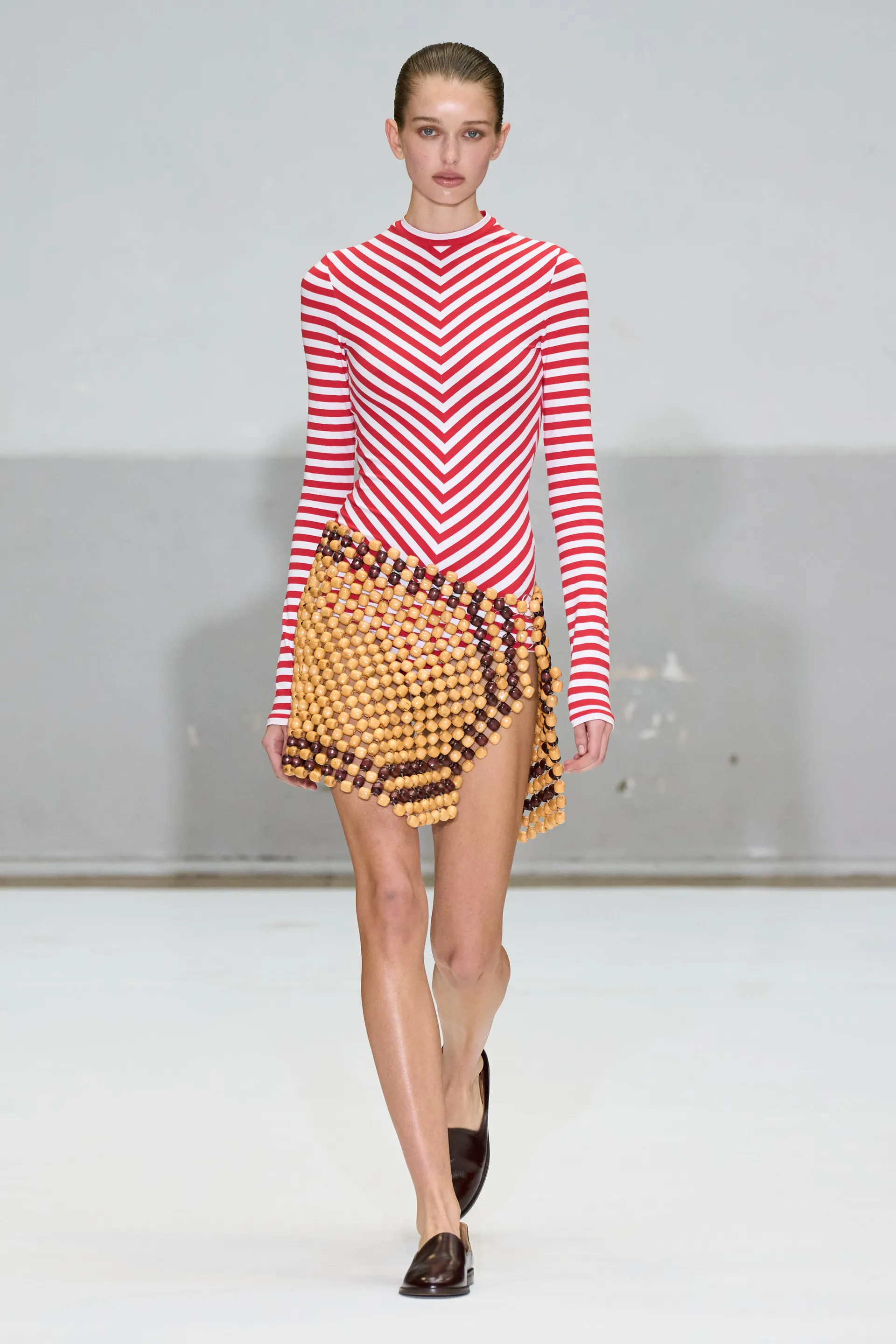
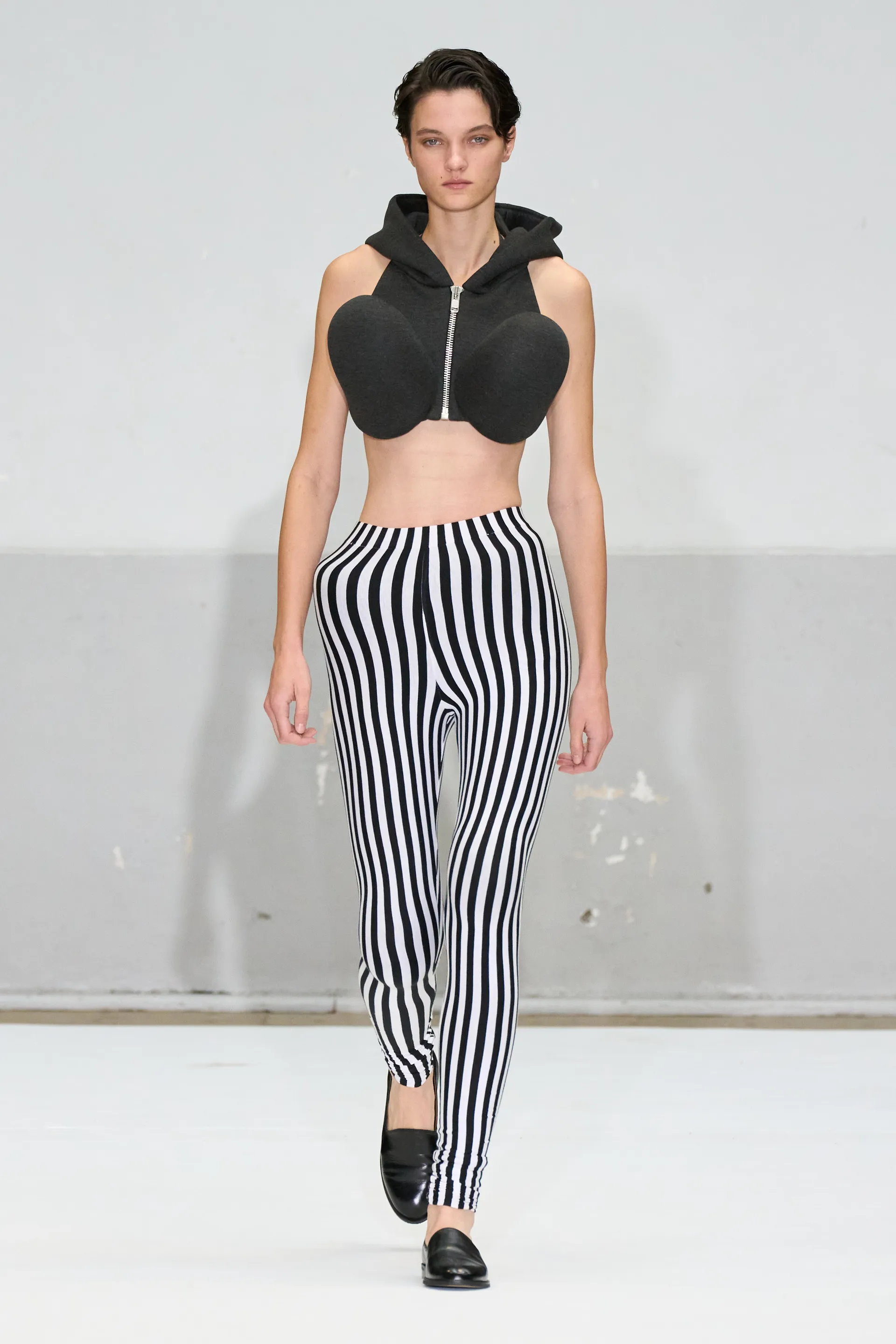
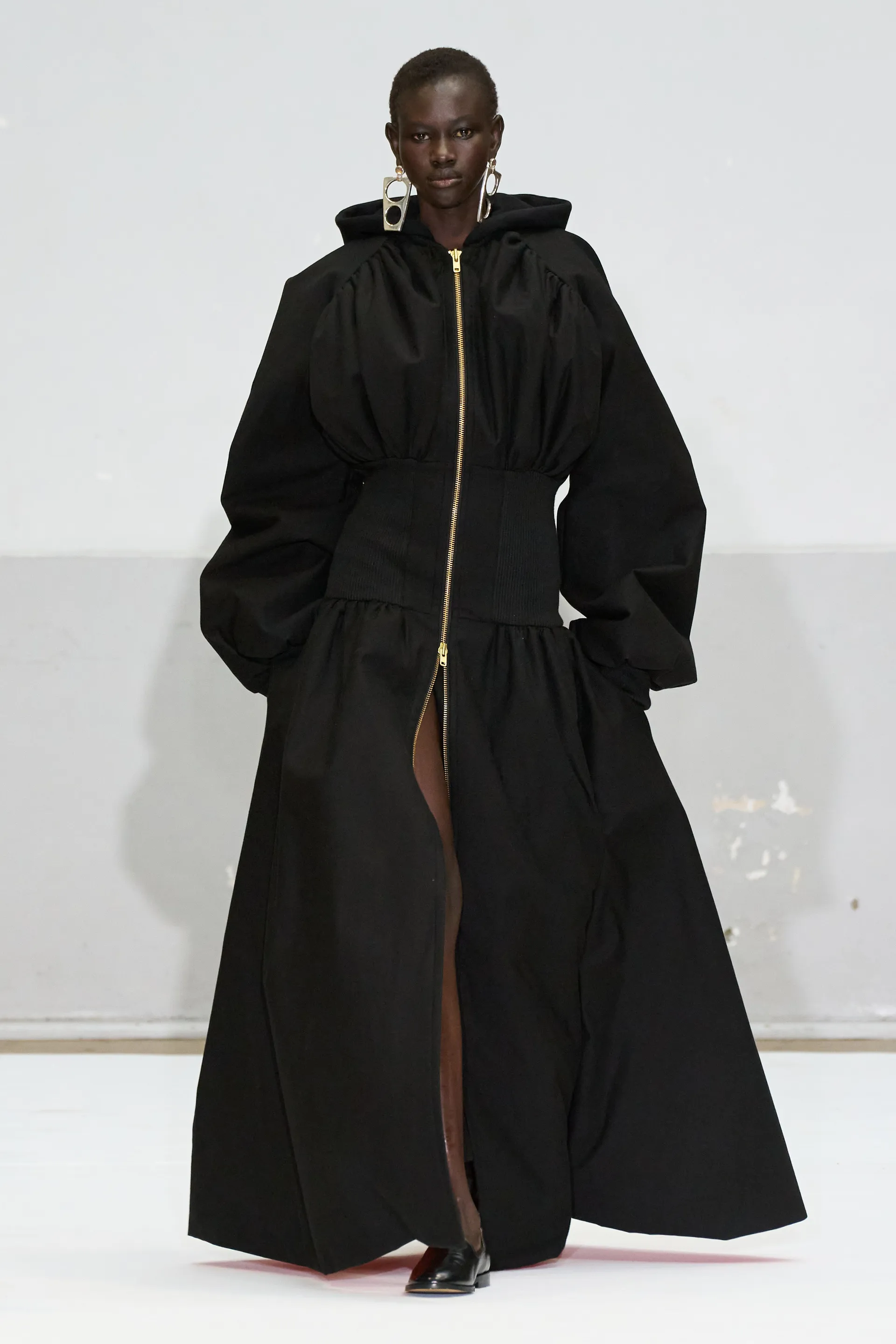
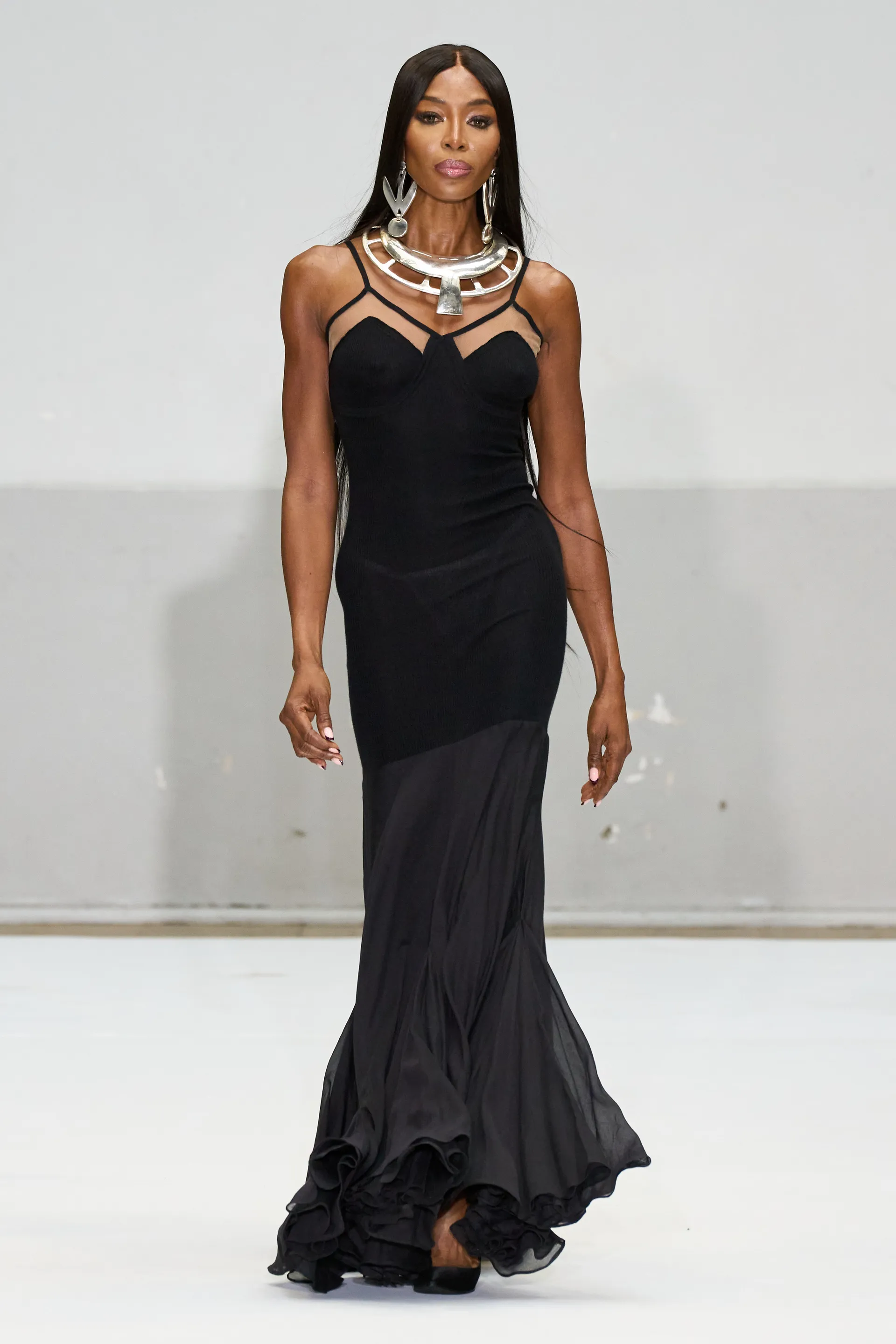
The choice carried a certain audacity. Duran Lantink had built his independent practice through reconstructed deadstock, displaced anatomy and silhouettes that seemed to resist the body wearing them. His path had unfolded beyond the conventional system of assistantships inside major ateliers. He arrived with a visual language strong enough to compete with the inheritance he had been asked to enter.
Their connection reached deeper than a shared reputation for provocation. Both designers understood clothing as a means of loosening social identity. Gender codes, club culture, historical dress, eroticism and humour could occupy the same garment. A joke could expose the rules beneath good taste, provided the construction gave it enough authority to endure.
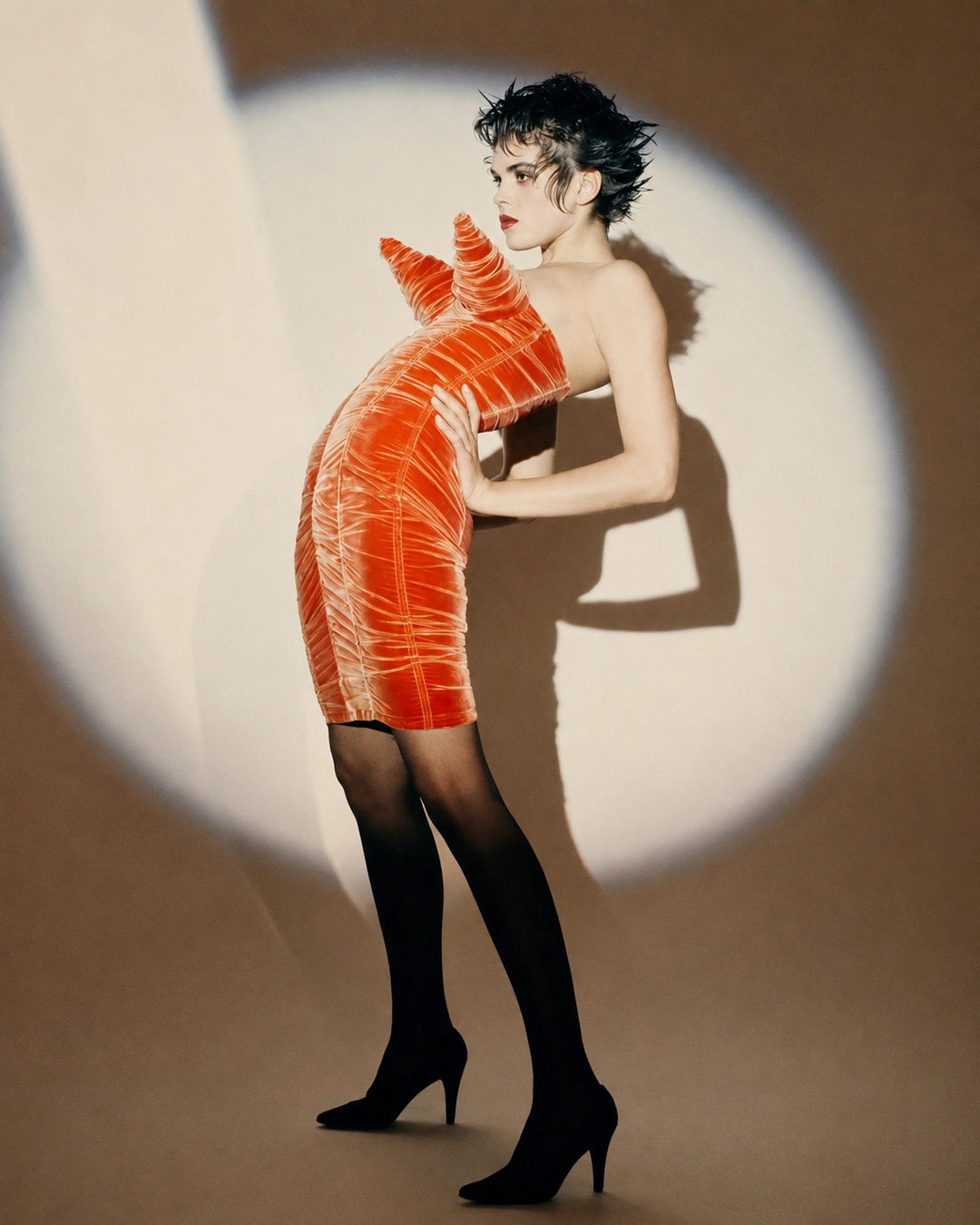
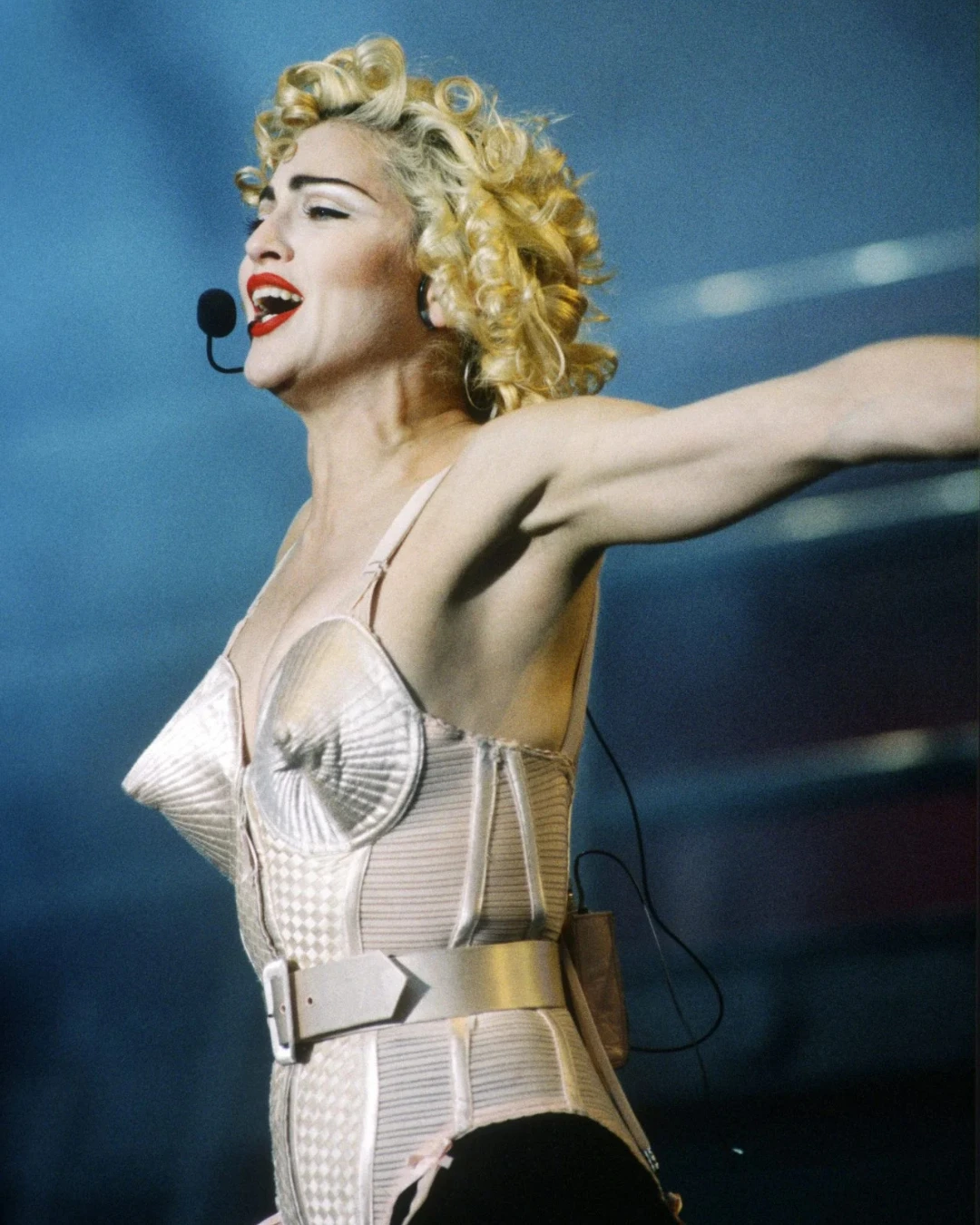
Gaultier had spent decades transforming corsetry, underwear, tattoo prints and sailor stripes into cultural symbols. Time had made many of those disruptions familiar. Duran Lantink brought the possibility of returning them to a state of uncertainty.
The scale of the job also changed his working life. His independent label went on hold as he relocated to Paris and entered the rhythm of a large studio, commercial deadlines and couture ateliers. Instincts now had to survive structure. The house could sharpen its imagination as easily as its history could overwhelm it.
In October 2025, Junior returned Jean Paul Gaultier to the ready-to-wear runway after more than a decade. The collection approached the house’s famous codes with little reverence for their established positions.
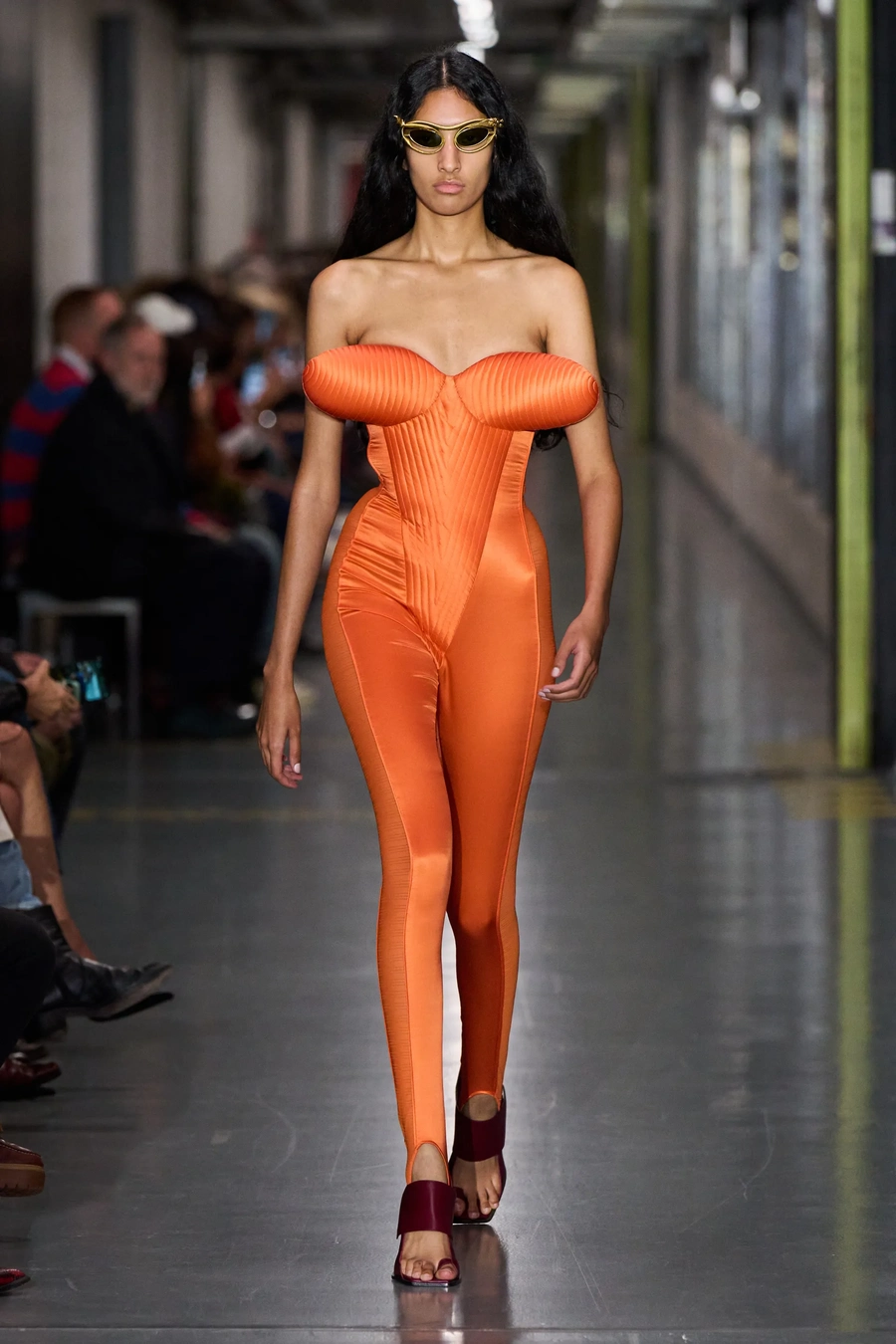
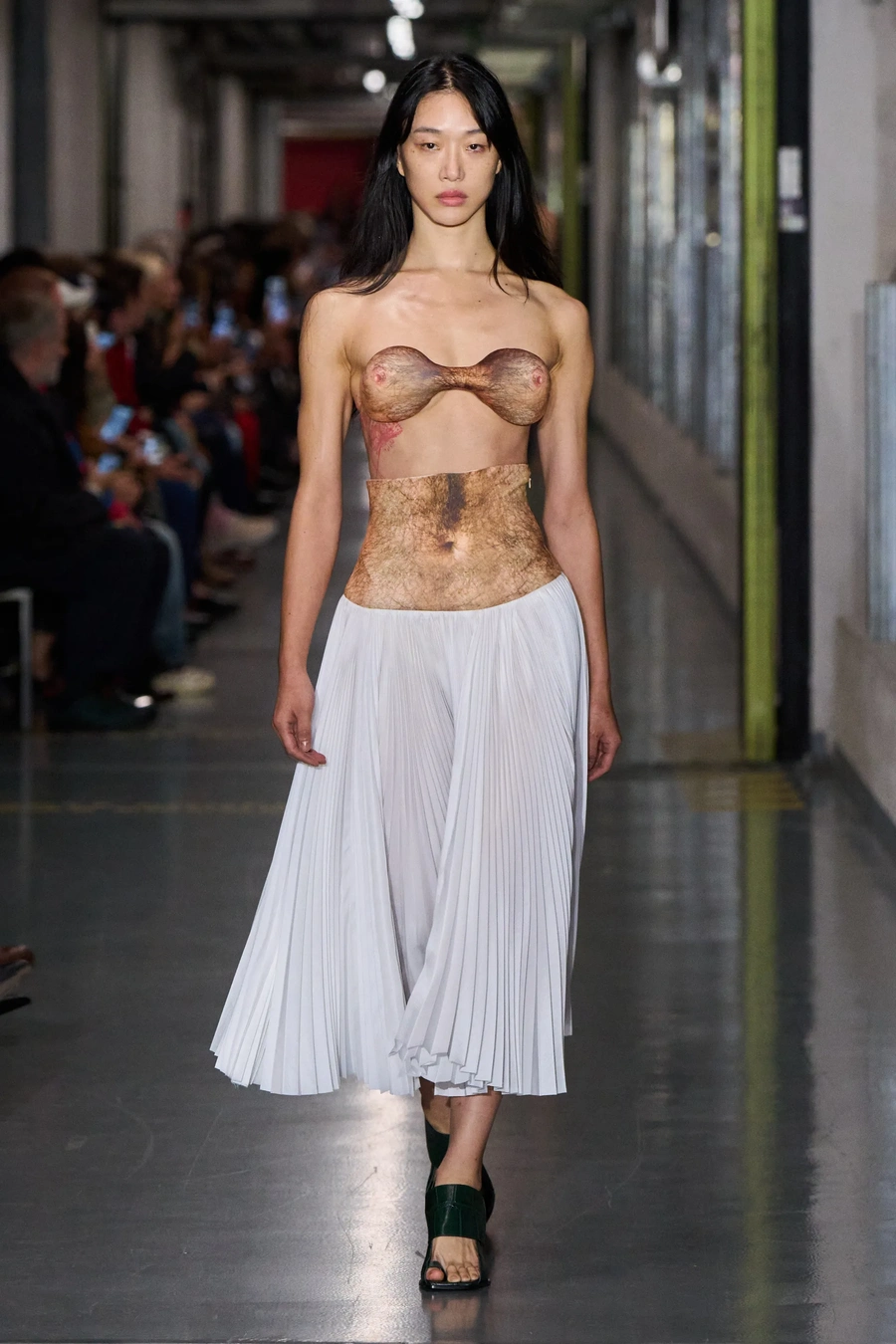
A cone bra pointed sideways from an orange bodysuit. Nautical stripes stretched across distorted figures. Hyperreal prints placed hairy male torsos over bodies of different genders. Nudity arrived through prosthesis, displacement and visual comedy, stripped of the polished seduction that usually makes exposure commercially acceptable.
The first impression could resemble bait. Several gestures announced their intention before the clothes had built enough depth beneath them. Lantink’s own signatures occupied so much space that Gaultier sometimes appeared to function as their backdrop. The collection raised an immediate concern: could he extend the house’s language, or would his personality simply consume it?
Calling Junior a misunderstood masterpiece would erase the value of that hesitation. The collection was excessive, occasionally blunt and eager to generate a reaction. Yet its excess opened up a more interesting question.
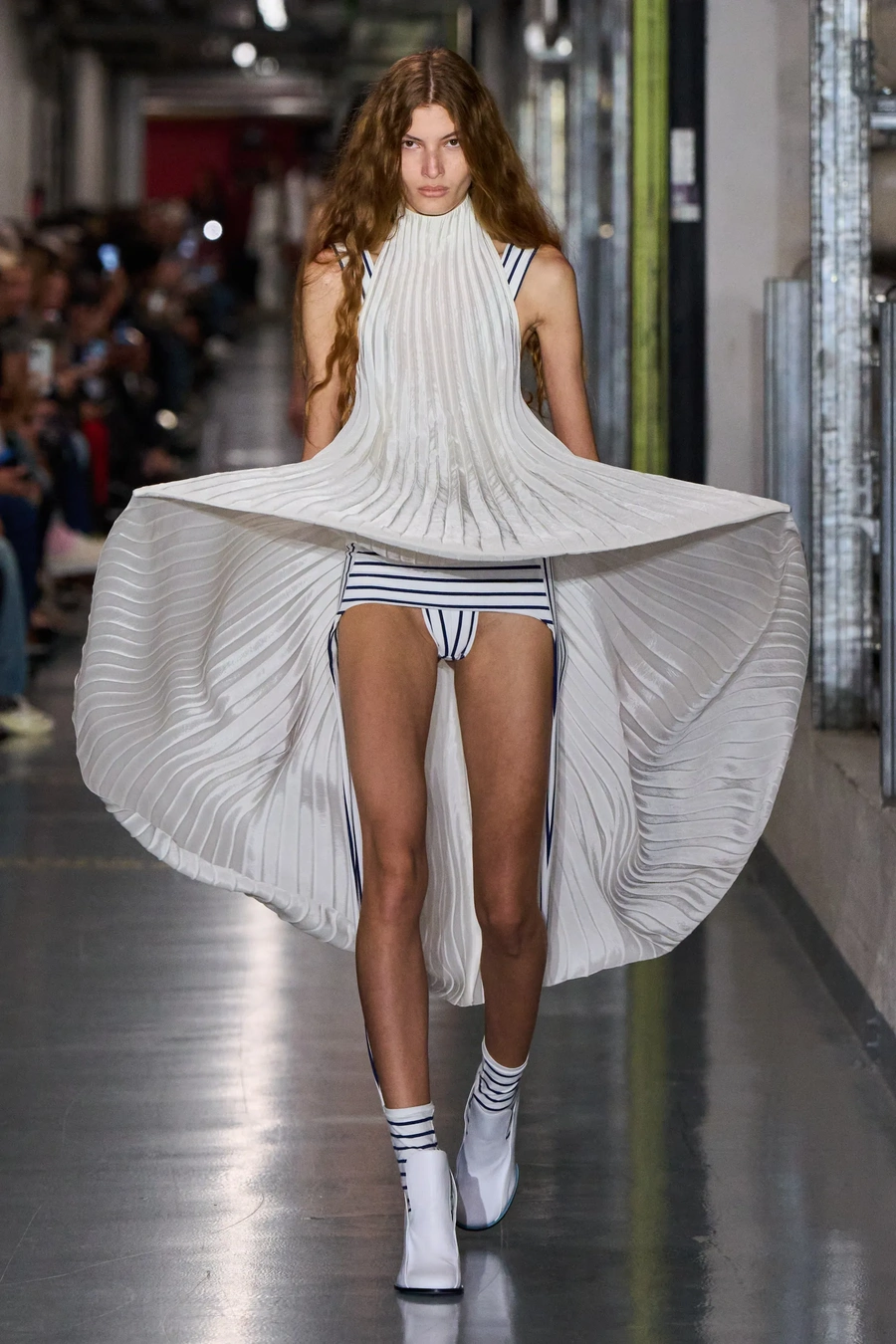
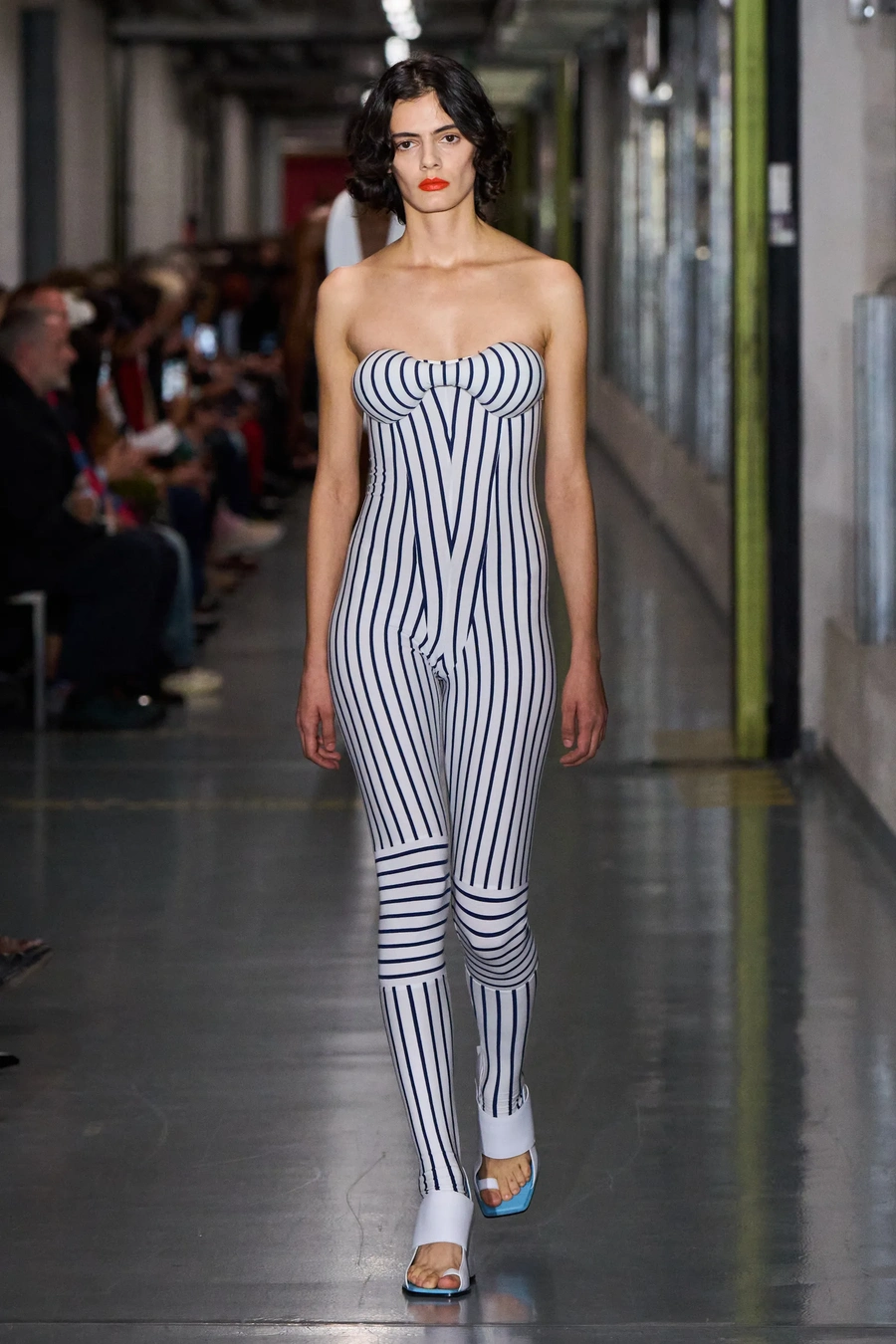
Could Junior have operated, at least in part, as a test of how much genuine provocation contemporary fashion could still absorb after the grotesque had receded from much of its mainstream visual language?
Duran Lantink has never publicly framed the collection in those terms. Its reception still exposed something revealing. Contemporary fashion remains comfortable with sexiness when the body retains a recognisable form of beauty. Transparent dresses, exposed underwear and strategic nudity continue to move easily between runway and commerce.
Artificial anatomy, body hair and awkward proportions complicated desire before the viewer could settle into it. The body became comic, strange and faintly confrontational. Gaultier’s historical provocations had gained the safety of familiarity; Duran Lantink returned discomfort to the present tense.
The collection showed his nerve before it established his control. Its weaknesses also created the tension necessary for the seasons that followed to register as development.
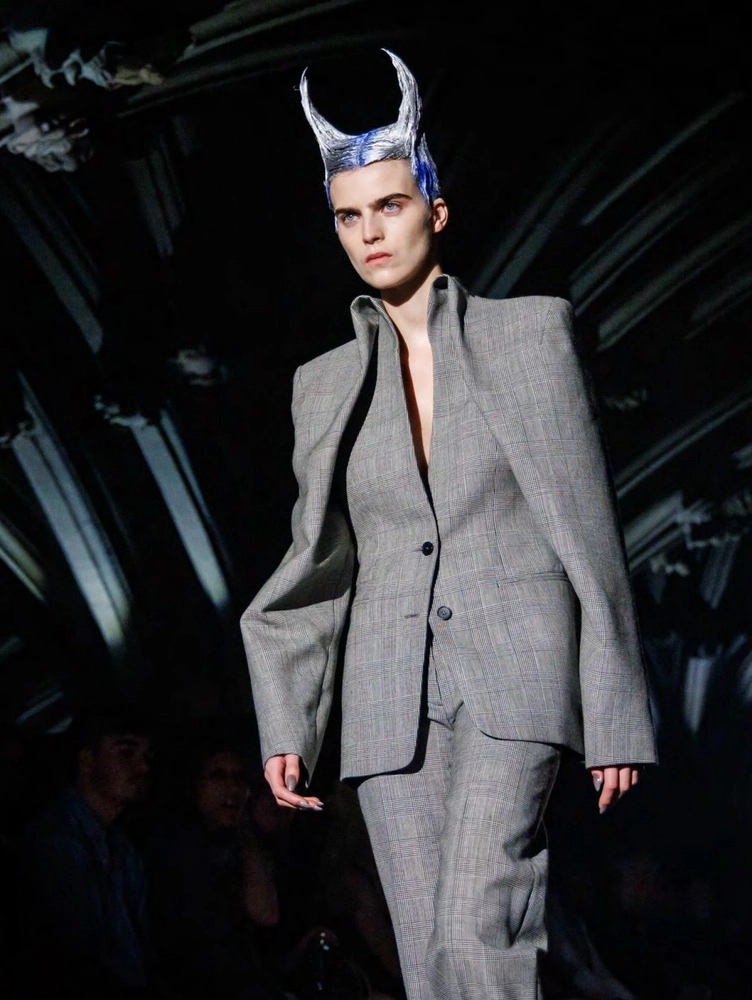
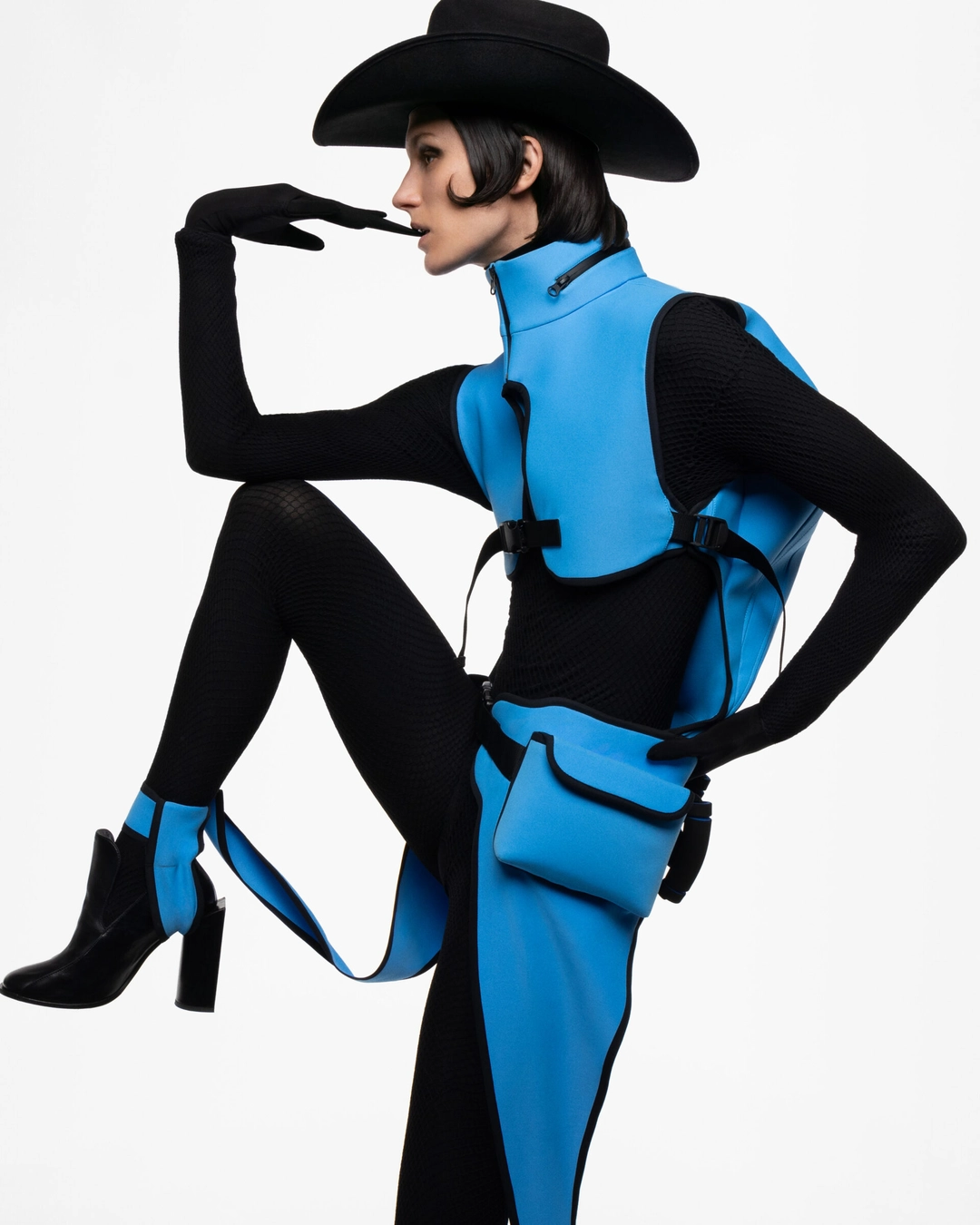
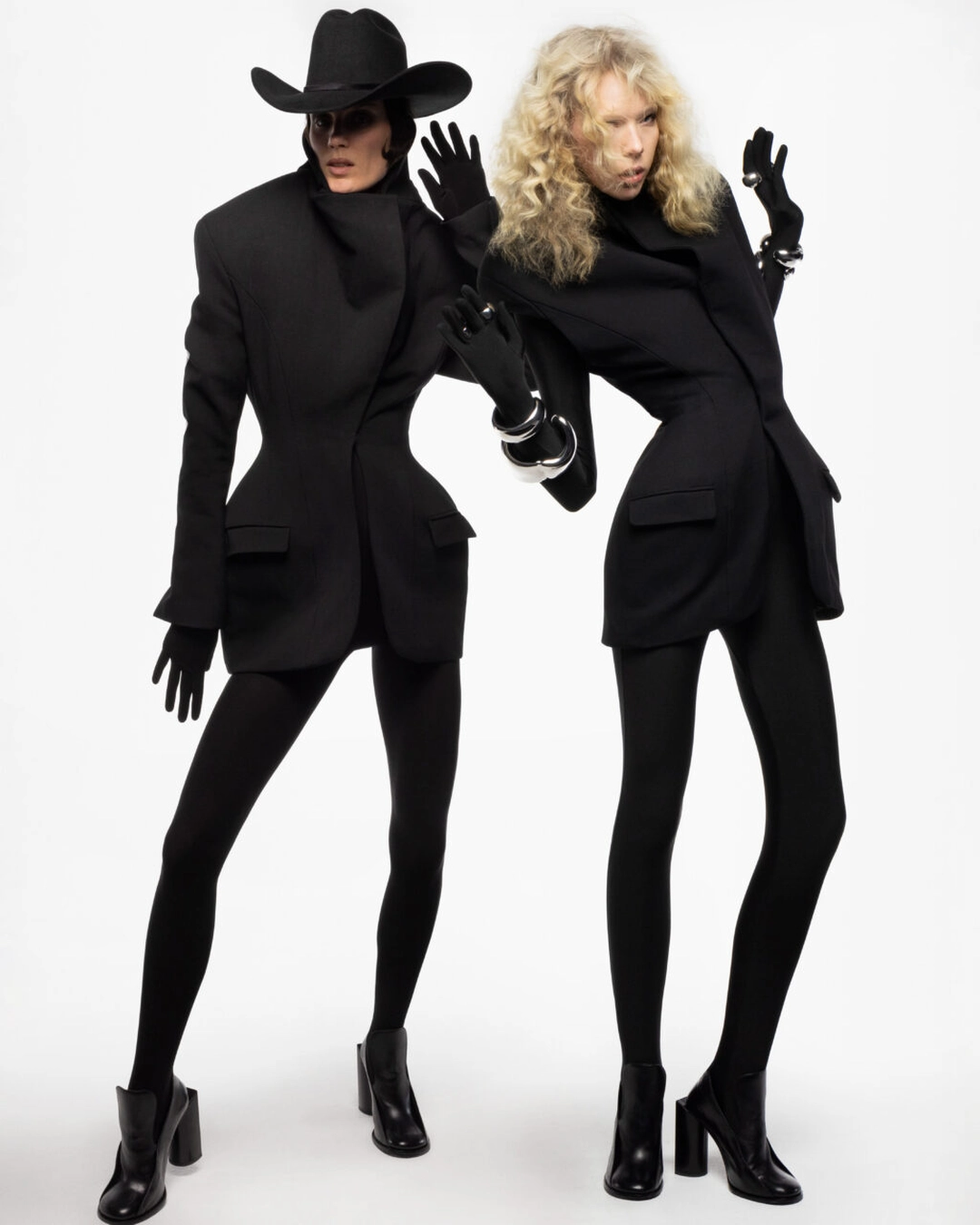
Six months later, a darker runway placed Lantink’s ideas inside a firmer architectural frame. Fall 2026 retained displaced proportions, conic shoulders and anatomical padding, while tailoring and corsetry gave those gestures a more exact relationship with the body.
Pinstripes gathered around the waist. Masculine fabrics curved into exaggerated hips. Shoulders rose through controlled internal structures. Cowboys, ravers and cinematic characters passed through the collection as identities available for temporary occupation.
Volume began working with the cut instead of consuming it. Visual humour travelled through construction, allowing clothes to retain interest after their initial oddity had registered. Duran Lantink had preserved the disorder released by Junior and found a more disciplined way to direct it.
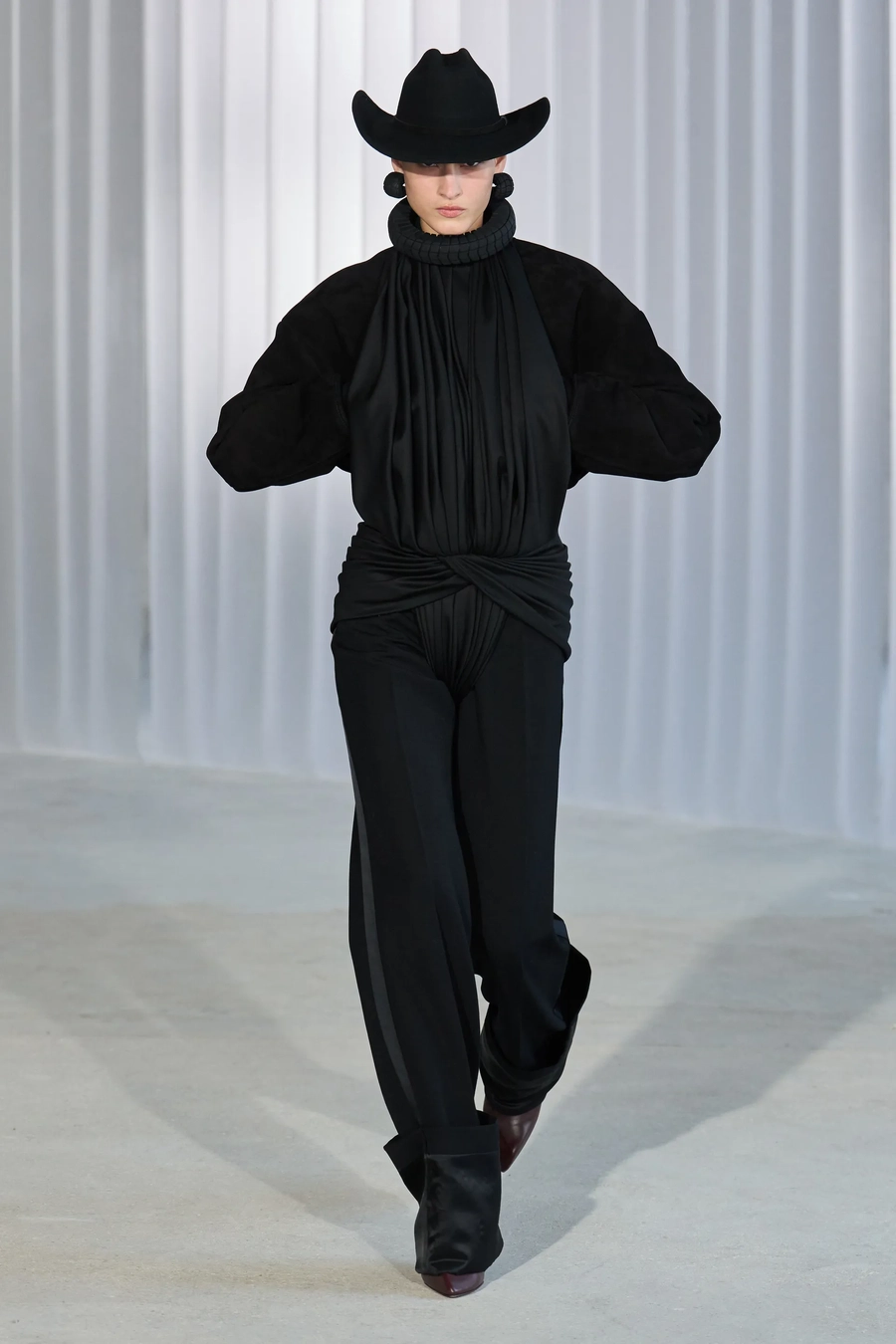
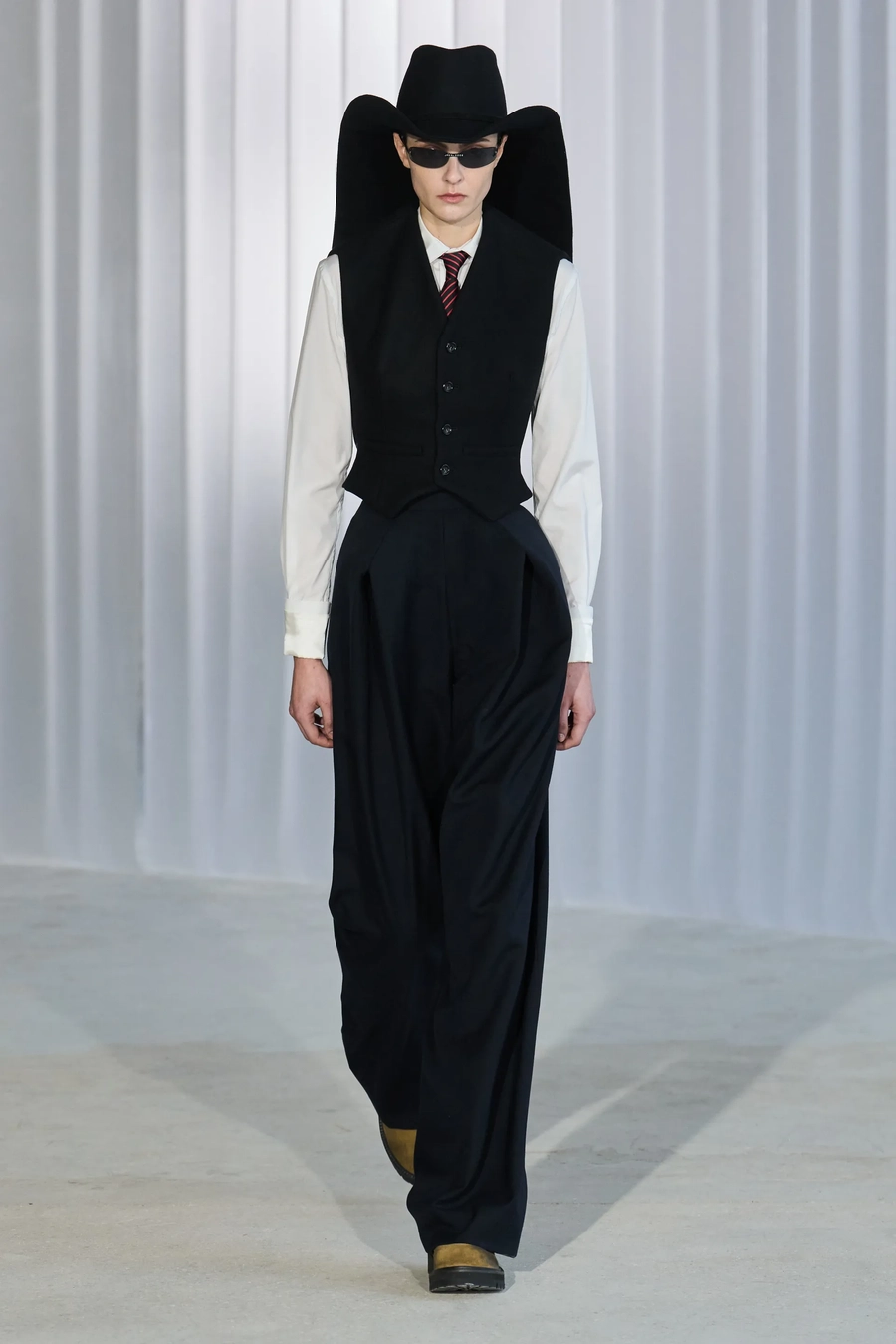
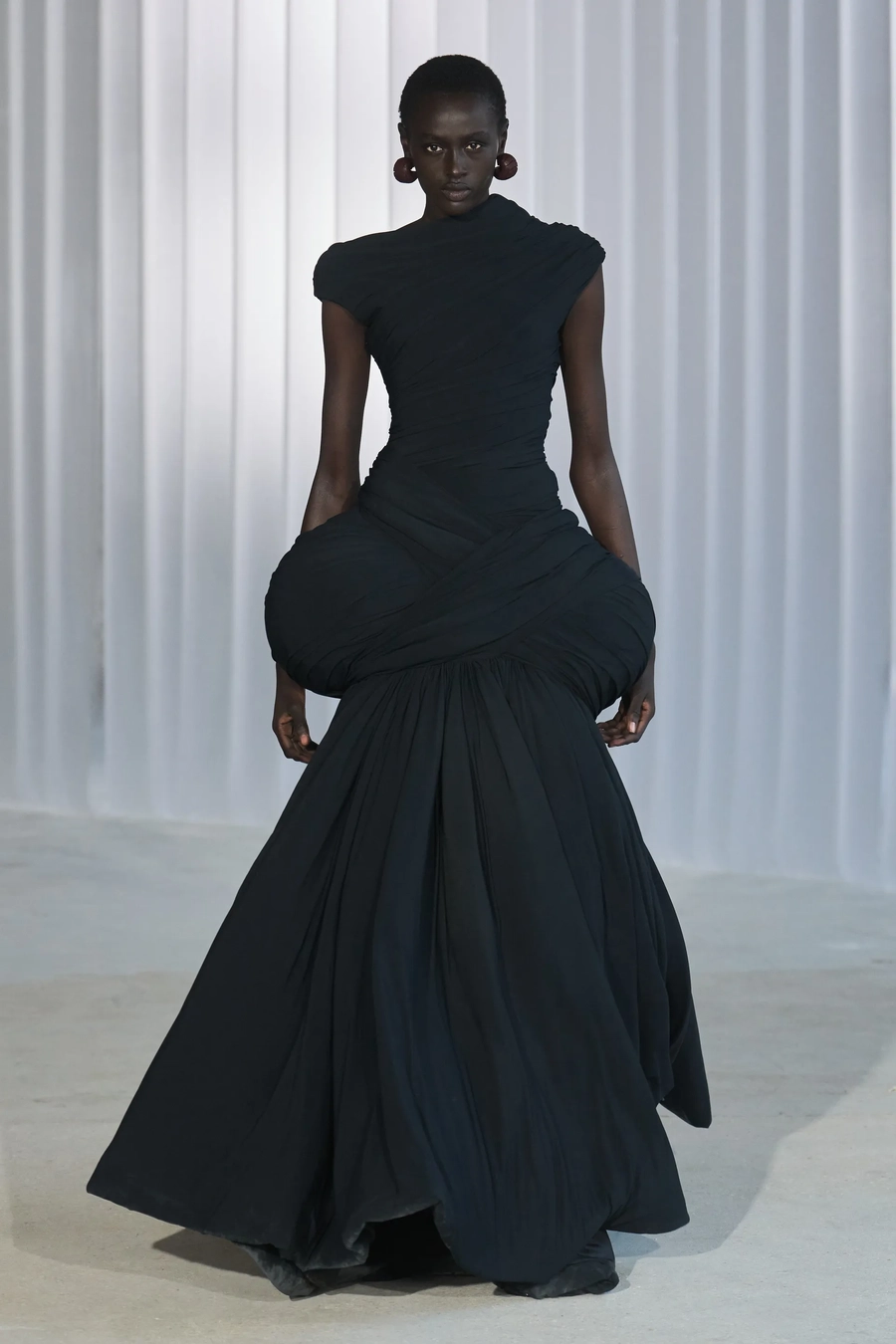
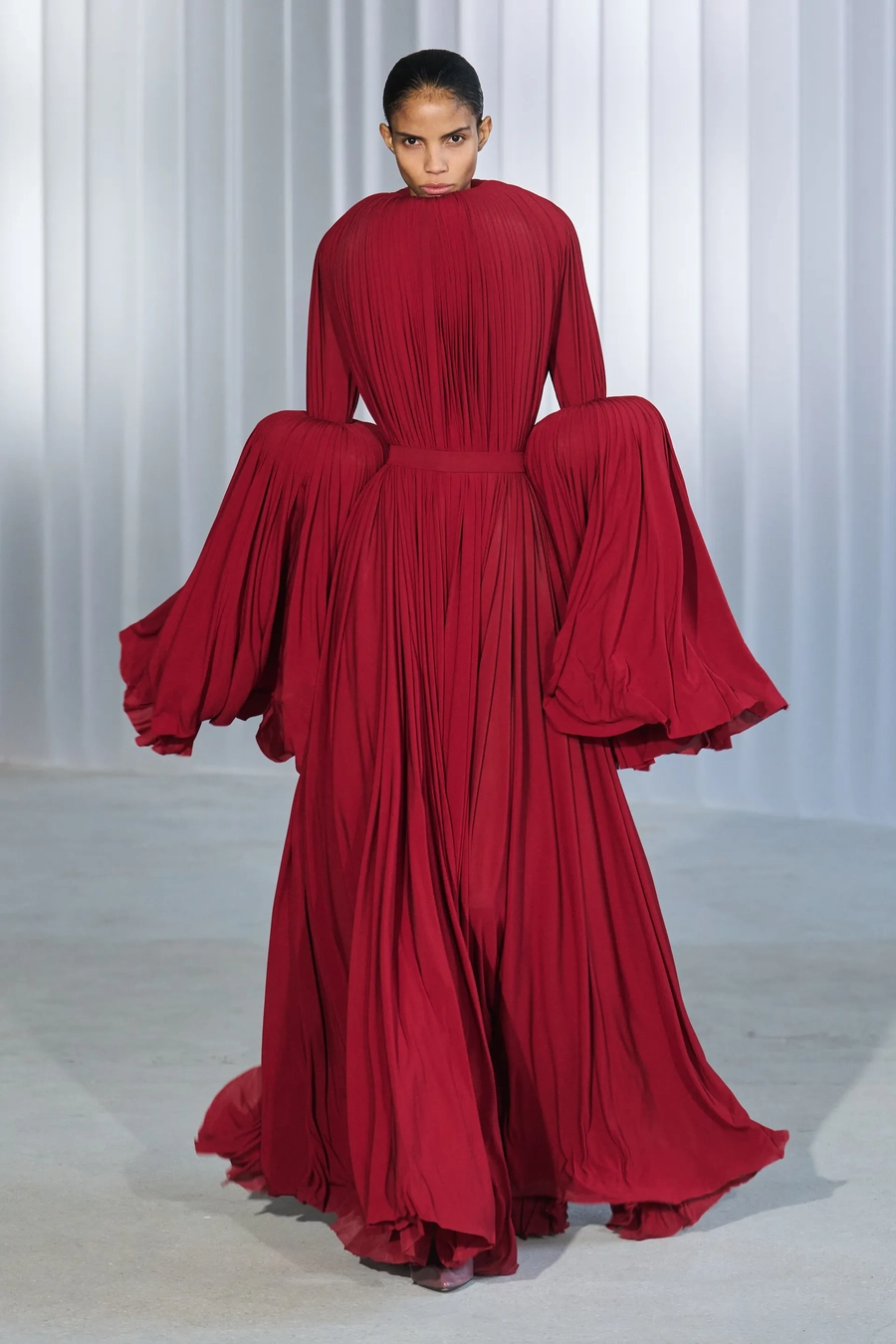
The shift carried none of the retreat associated with an apology collection. Provocation remained central. What changed was the quality of its support.
Jean Paul Gaultier’s own career had demonstrated that vulgarity could become elegant when the garment beneath the joke was technically formidable. Corsetry, tailoring and precise proportion gave his most outrageous images their lasting force. Fall 2026 showed Duran Lantink starting to absorb that principle through his own vocabulary.
His padded forms no longer appeared to have landed on the house from outside. They began to converse with its foundations. The collection suggested a designer learning how far his instincts could travel once the house’s construction supported their weight.
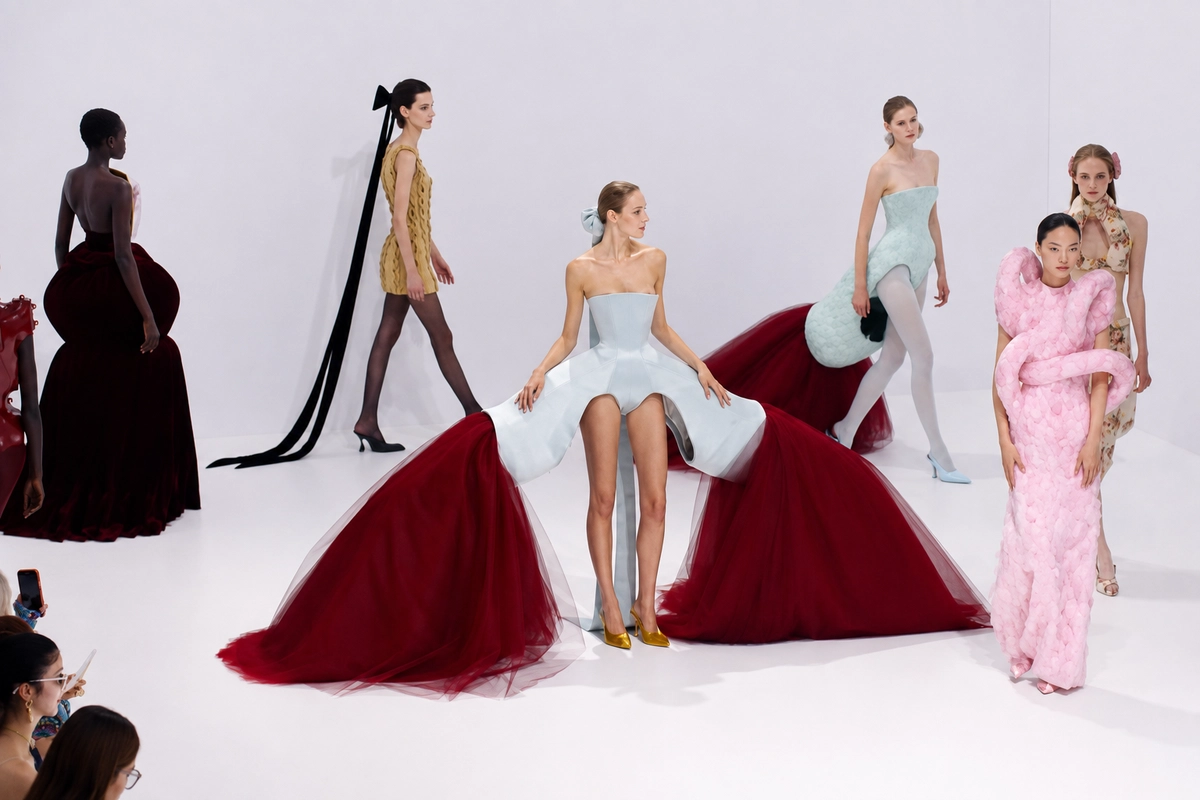
The atelier gave Duran Lantink another scale on which to test that exchange. For Fall 2026 Couture, historical dress passed through digital distortion, deadstock reconstruction and exacting handwork.
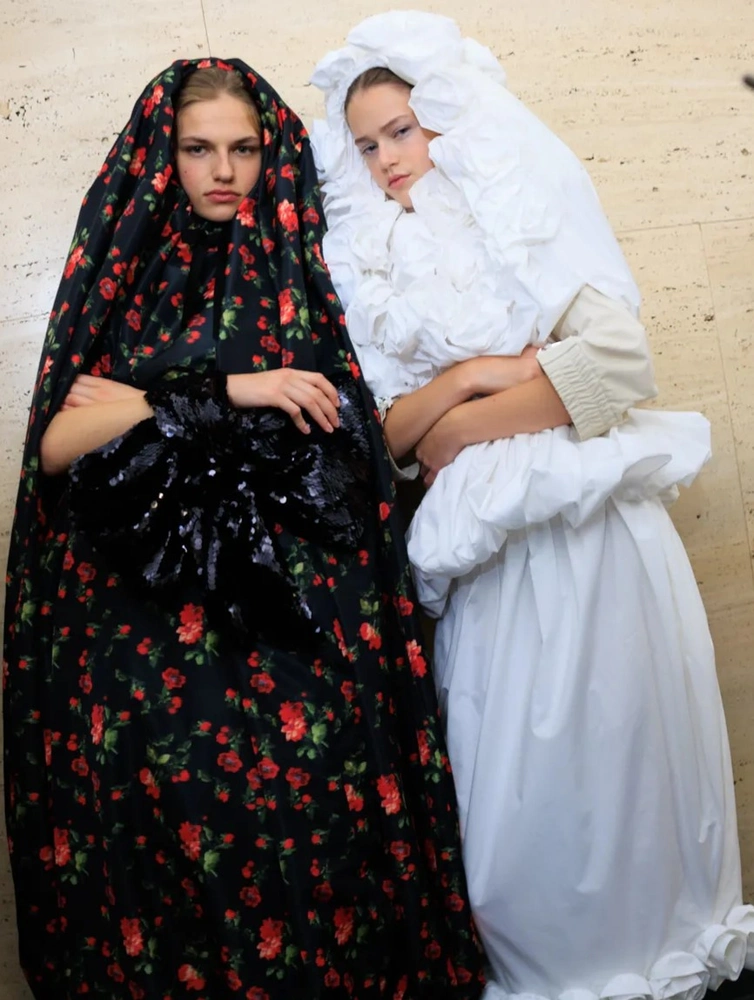
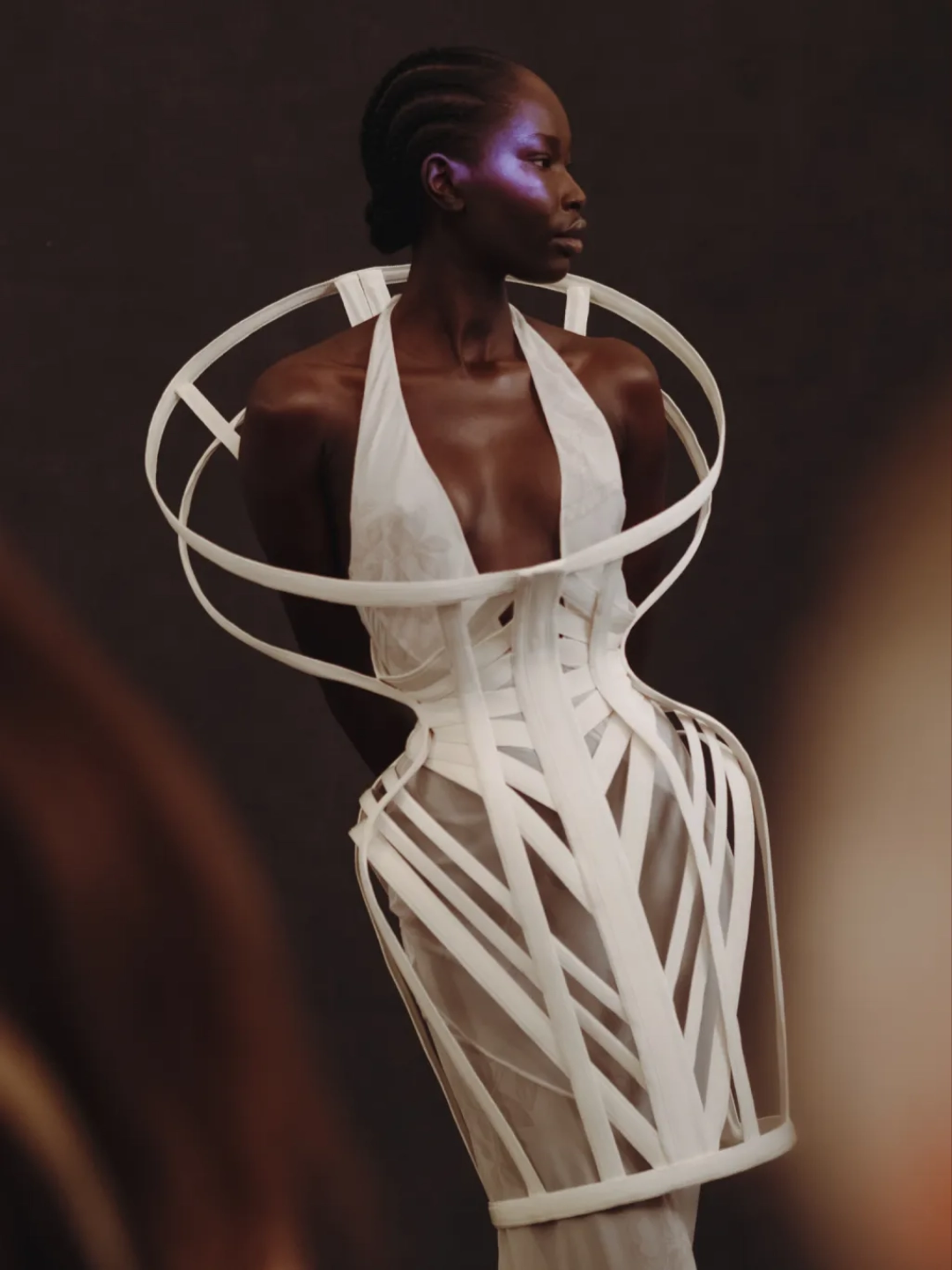
Pannier-like volumes rotated away from their expected positions. Sleeves extended into architectural forms. Bodices projected beyond the chest, while layers of tulle and satin created bodies with several competing outlines. The collection approached eighteenth-century splendour through the spatial logic of prosthesis and digital manipulation.
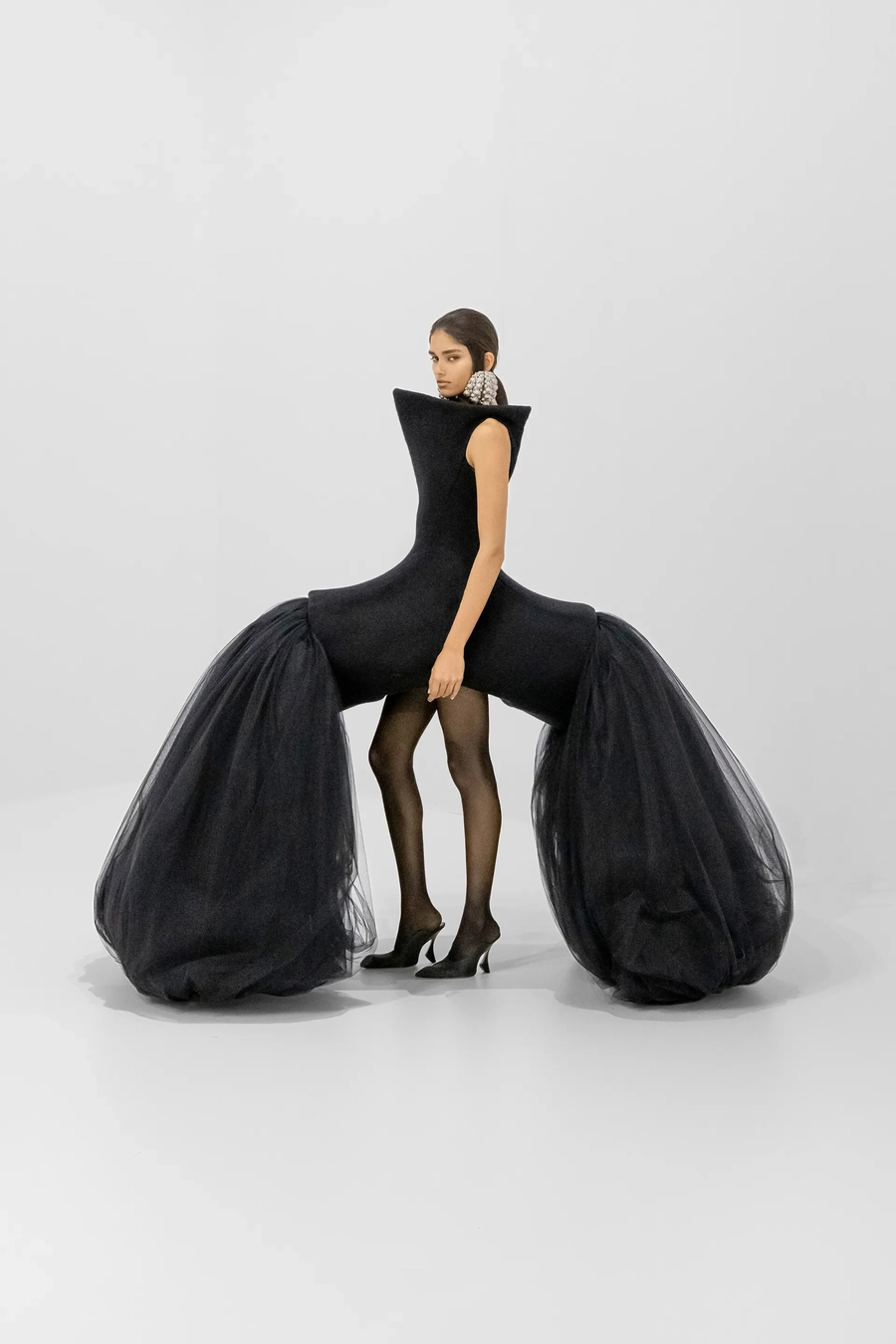
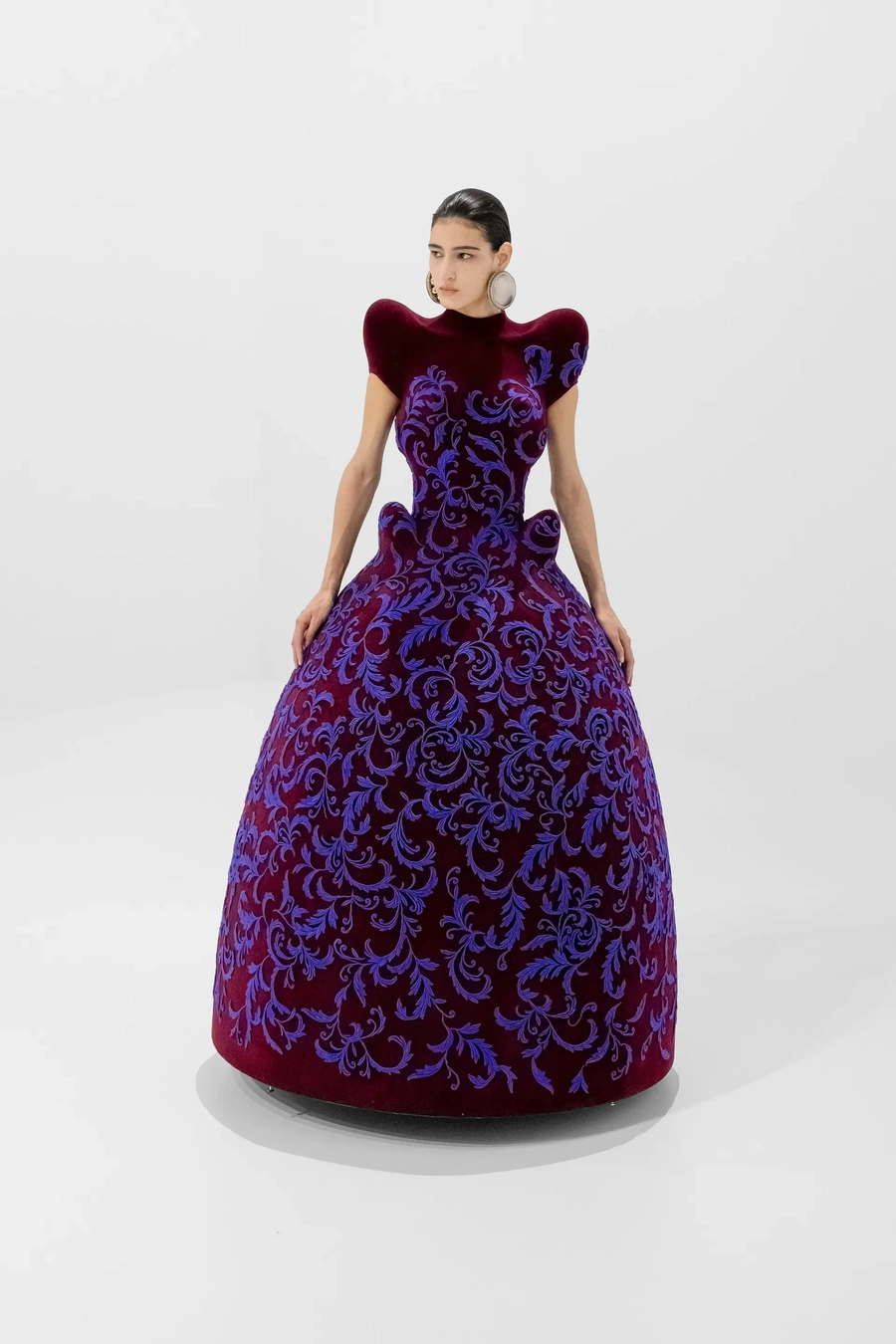
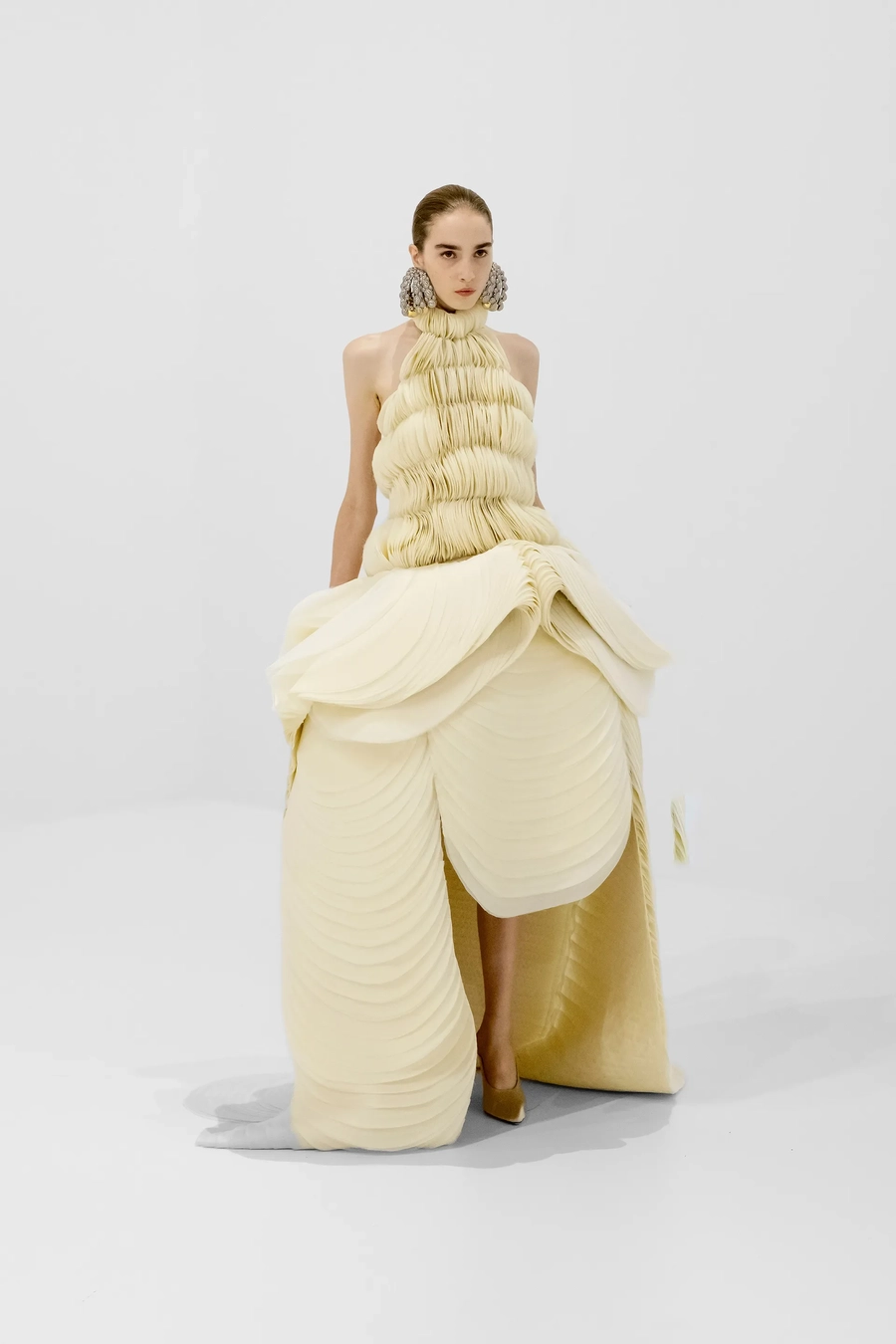
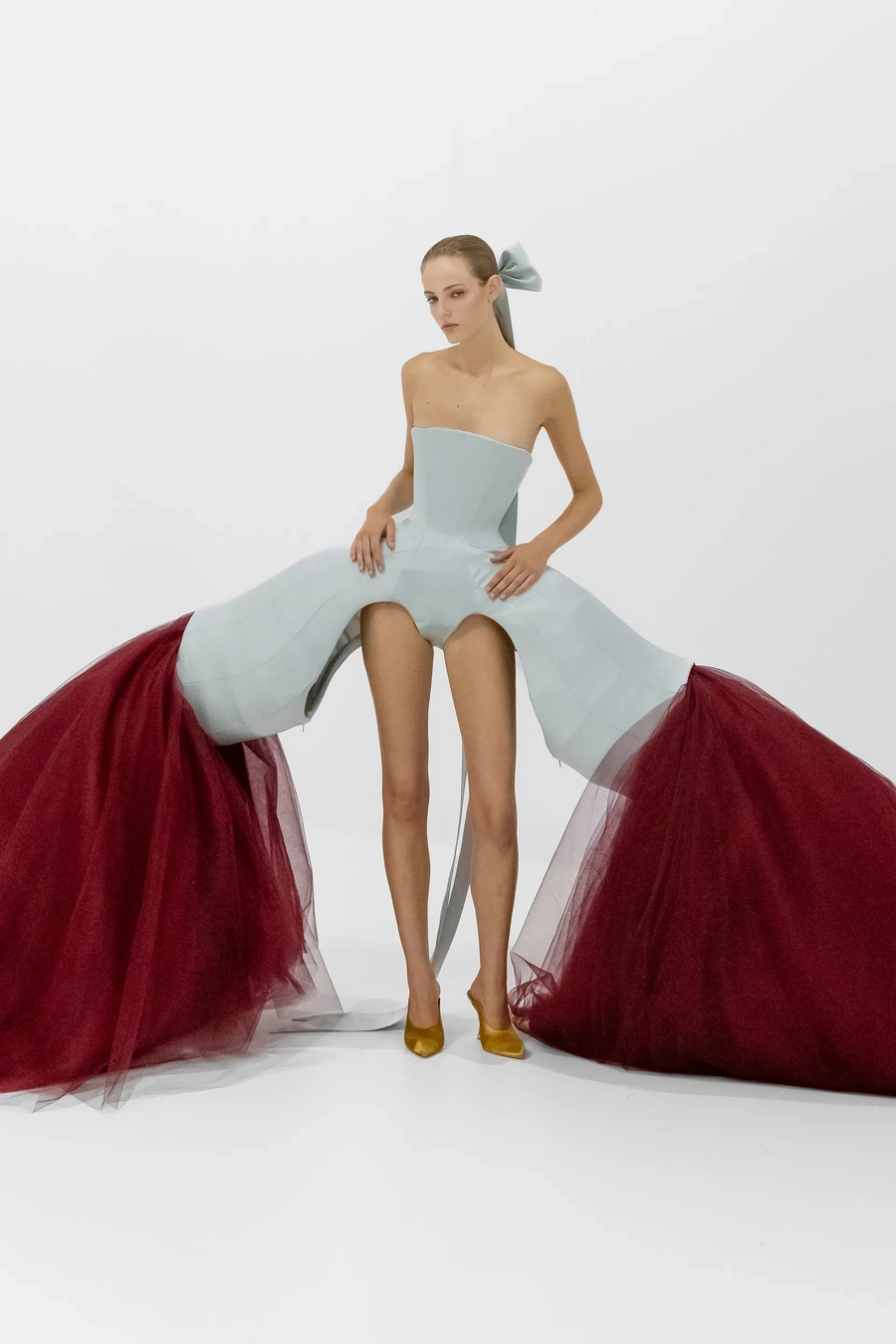
The work carried the appetite for historical parody associated with Jean Paul Gaultier. Duran Lantink supplied a different anatomy for it to inhabit. His distortions gained precision from the atelier, while Gaultier’s provocations acquired a body shaped by contemporary technology and altered ideas of physical identity.
Neither language had fully absorbed the other. That balance gave the collection its promise.
A designer entering a heritage house often faces pressure to announce mastery immediately. Lantink’s first haute couture collection offered something more credible: evidence of a relationship beginning to produce forms that neither side could have created alone.
The collection also changed the way Junior could be remembered. The debut’s recklessness began to resemble the opening stage of an experiment whose discipline emerged gradually. Fall 2026 established control. Couture revealed the first convincing exchange between his distorted anatomy and the house’s technical audacity.
It remains too early to call that exchange a completely new language for Jean Paul Gaultier. Its first contours have become visible.
A single year offers a narrow basis for judging any creative directorship, especially one spanning ready-to-wear and haute couture. Duran Lantink has presented enough work to establish direction, while the deeper questions of consistency, commercial appeal and long-term influence remain open.
The appointment has already restored continuity to Jean Paul Gaultier’s fashion identity. The guest-couturier era generated a sequence of high-profile events, with each collection beginning from a new creative premise. A permanent director allows ideas to accumulate across seasons, giving the house a narrative that can extend from couture spectacle into ready-to-wear and retail.
Junior produced controversy beyond the usual audience for a runway return. Fall 2026 shifted the tone of the discussion. Couture demonstrated that Duran Lantink could work within the technical authority of the atelier while protecting the strangeness that brought him there.
Fashion-specific revenue and sell-through figures remain unavailable, while fragrance continues to support much of the house’s global scale. The first year has established attention and creative continuity, leaving the conversion of those assets into enduring product categories as the next test.
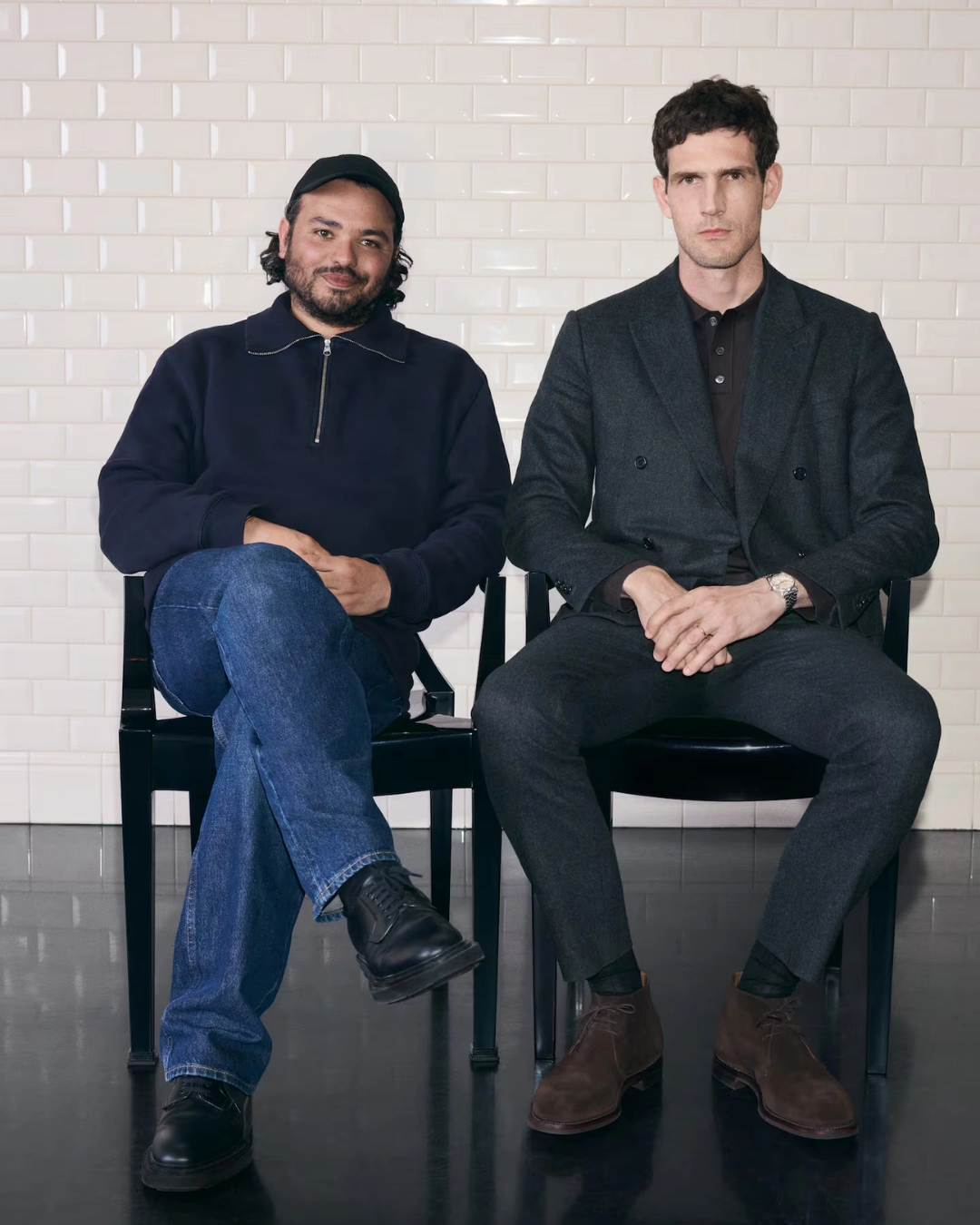
Lantink’s promise lies in what he may carry forward. Gaultier’s heritage offers technical provocation, gender play, erotic humour and an ability to give supposedly vulgar imagery the finish of luxury. Duran Lantink brings prosthetic anatomy, digital distortion, reconstruction and a grotesque sensibility that extends desire beyond conventional beauty.
Their strongest meeting points already suggest a future with its own tension. Gaultier can give Lantink’s experiments discipline and historical depth. Duran Lantink can return unfamiliarity to a house whose most rebellious symbols have become universally recognised.
Three collections in, Duran Lantink has given Jean Paul Gaultier a new pulse, and the body around it is only beginning to take shape.
Advertisement