MENU
Close





Versailles has survived revolutions, restorations and centuries of costume drama. Duran Lantink returns to the court at the exact moment its grandeur feels faintly possessed. Jean Paul Gaultier Fall 2026 Couture lingers there, where magnificence still holds its posture while something stranger moves beneath it.
Versailles has survived revolutions, restorations and centuries of costume drama. Duran Lantink returns to the court at the exact moment its grandeur feels faintly possessed. Jean Paul Gaultier Fall 2026 Couture lingers there, where magnificence still holds its posture while something stranger moves beneath it.
July 14, 2026
Advertisement
Advertisement


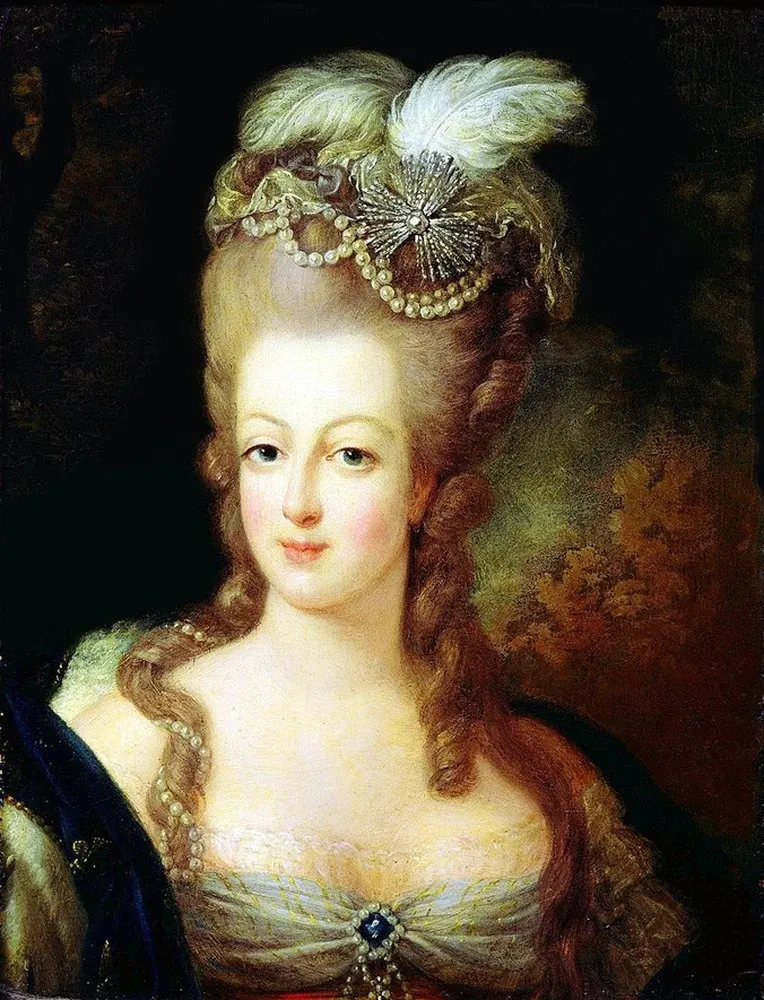
Duran Lantink took Louis XIV and Marie Antoinette as figures of fashion’s ability to conquer a room before the wearer had said a word. Court dress once transformed personal space into public spectacle, forcing architecture, furniture and everyone nearby to accommodate its scale. He carried that territorial instinct into futurism, where corsetry could twist like a faulty body scan and ceremonial volume could migrate far beyond its historical position. References to Charles James and Richard Lindner extended the same fantasy, placing sculpted dress somewhere between aristocratic portraiture and a human-machine experiment.
The premise made an unusually apt entrance for Jean Paul Gaultier’s first permanent artistic director after the house’s rotating guest-designer era. Gaultier’s legacy thrives on impeccable technique with suspicious intentions; respectability has always looked better after being teased, inverted or undressed. Duran Lantink met that spirit through the silhouette, treating couture as a laboratory where refinement could retain its craft while surrendering its good manners.
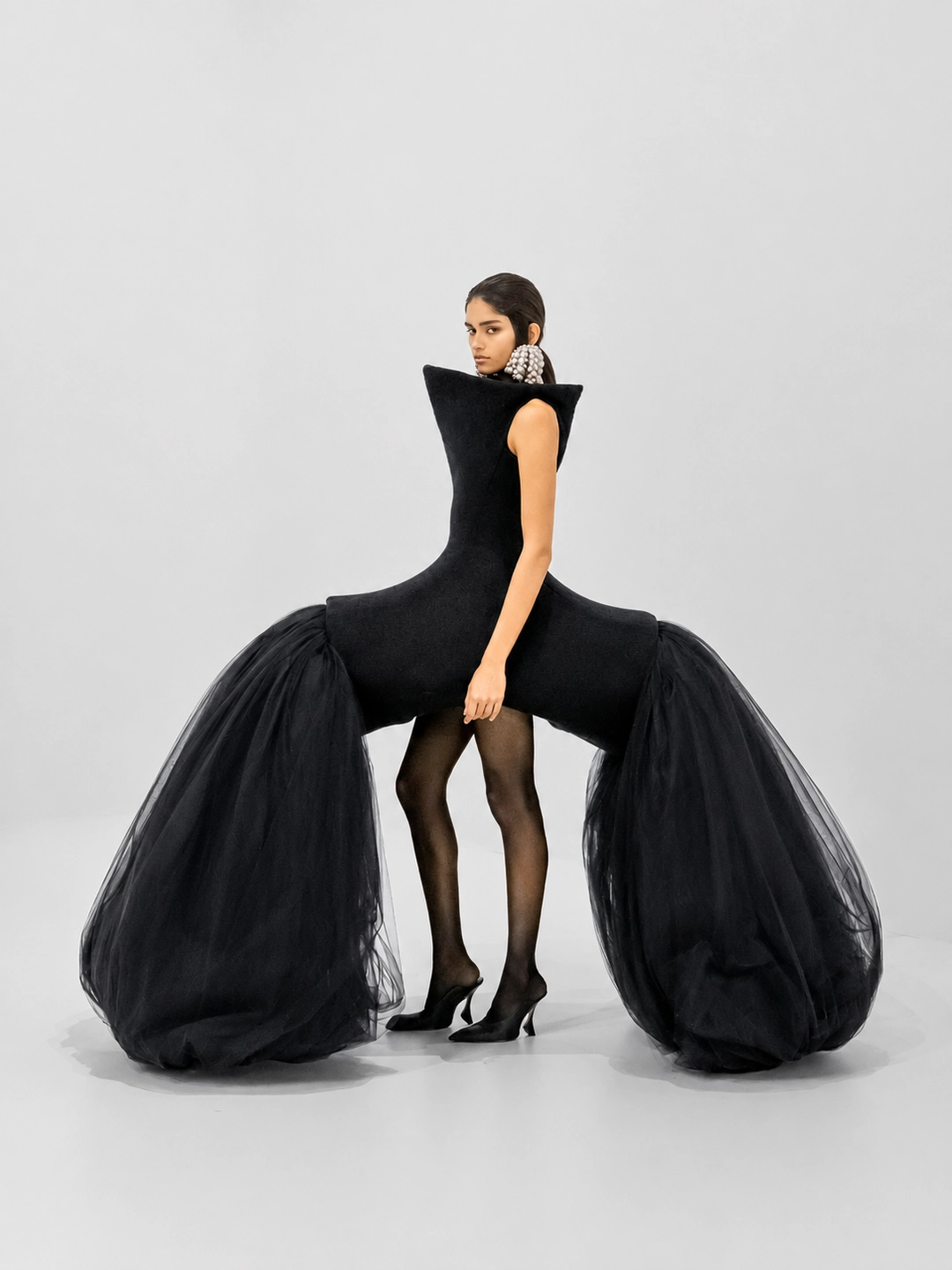
Before color or surface can claim attention, the silhouette has already shifted off-centre. Corsetry redirects volume away from the familiar hourglass, pushing it sideways, forward or behind the wearer until panniers and bustles begin to resemble displaced anatomy.
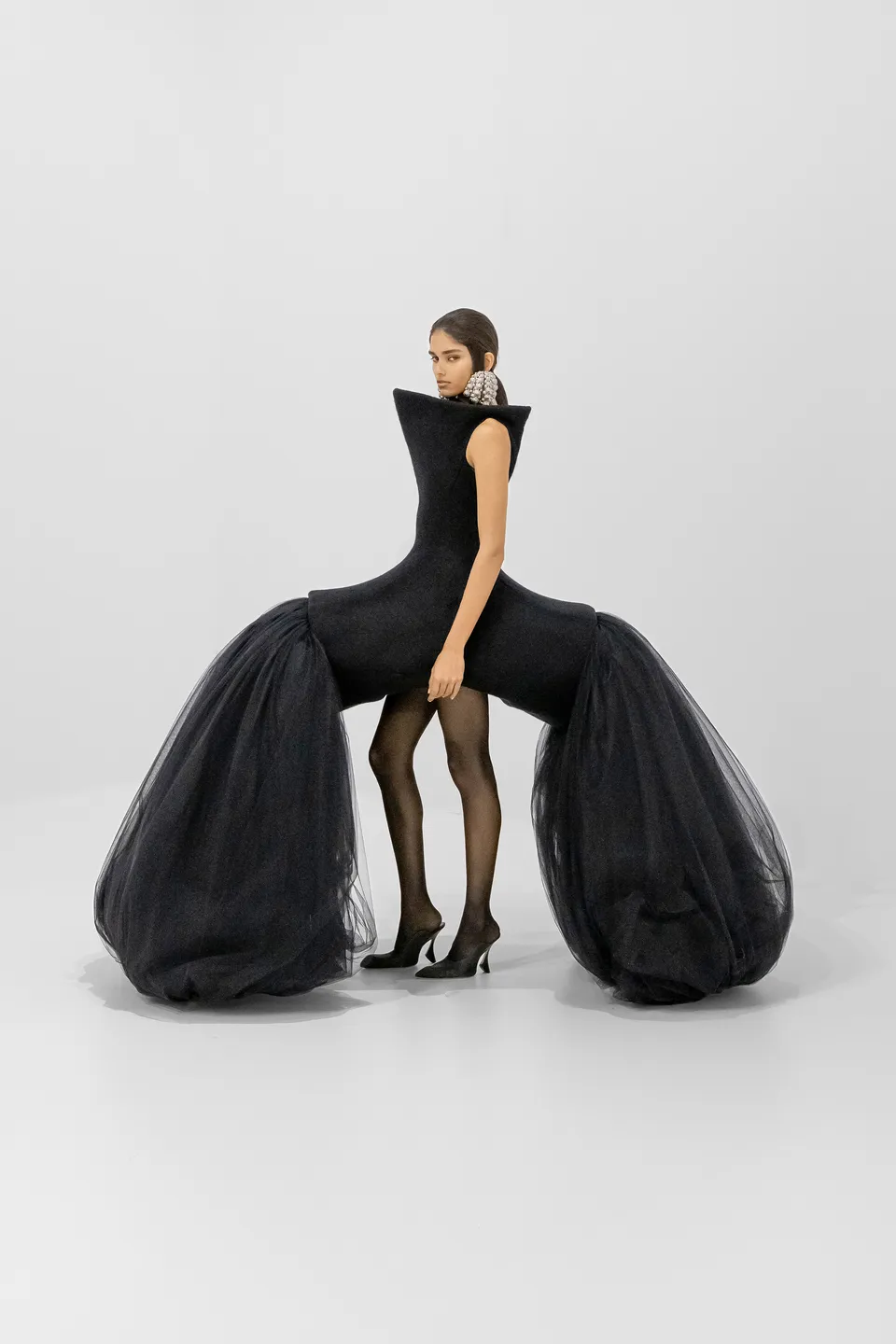
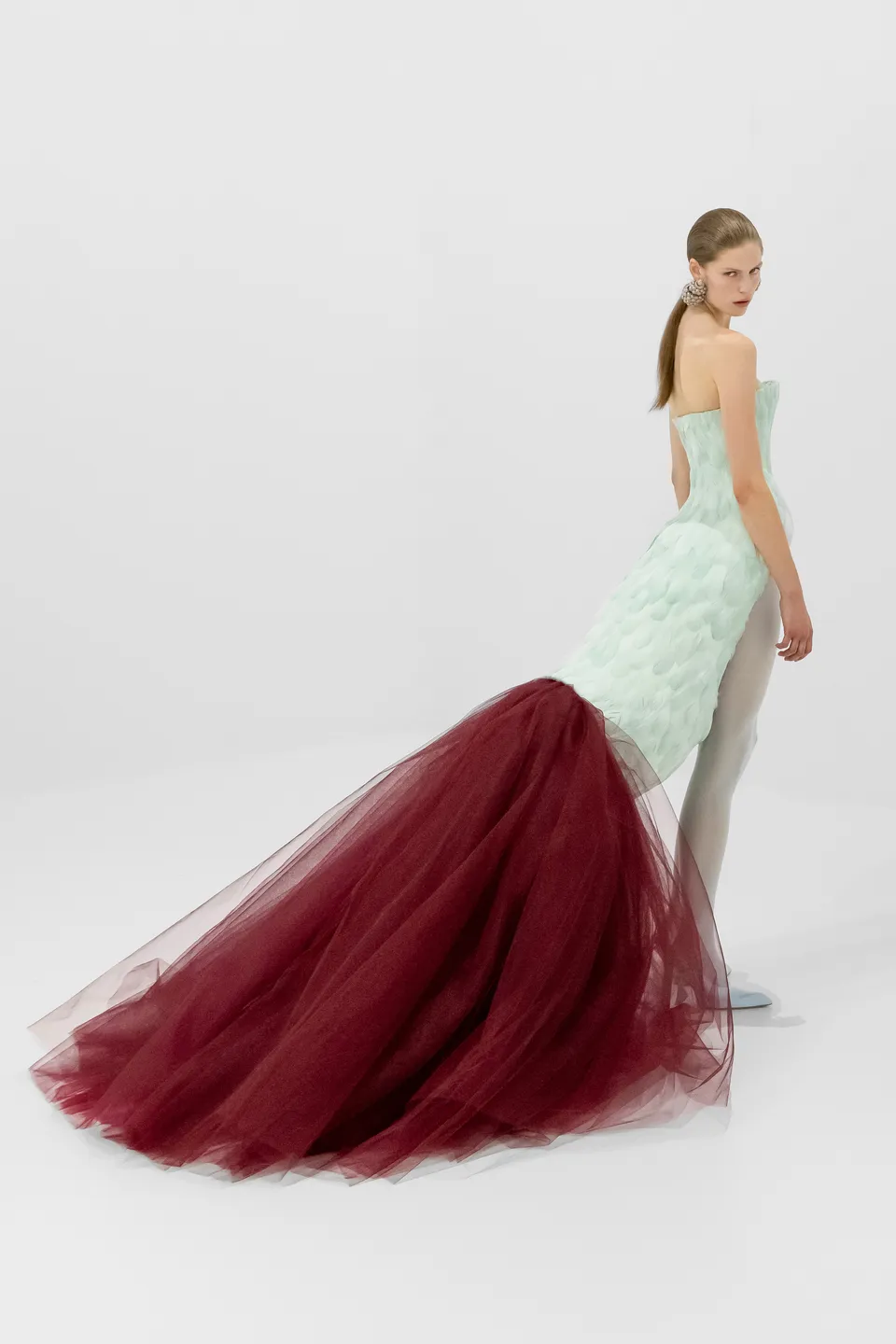
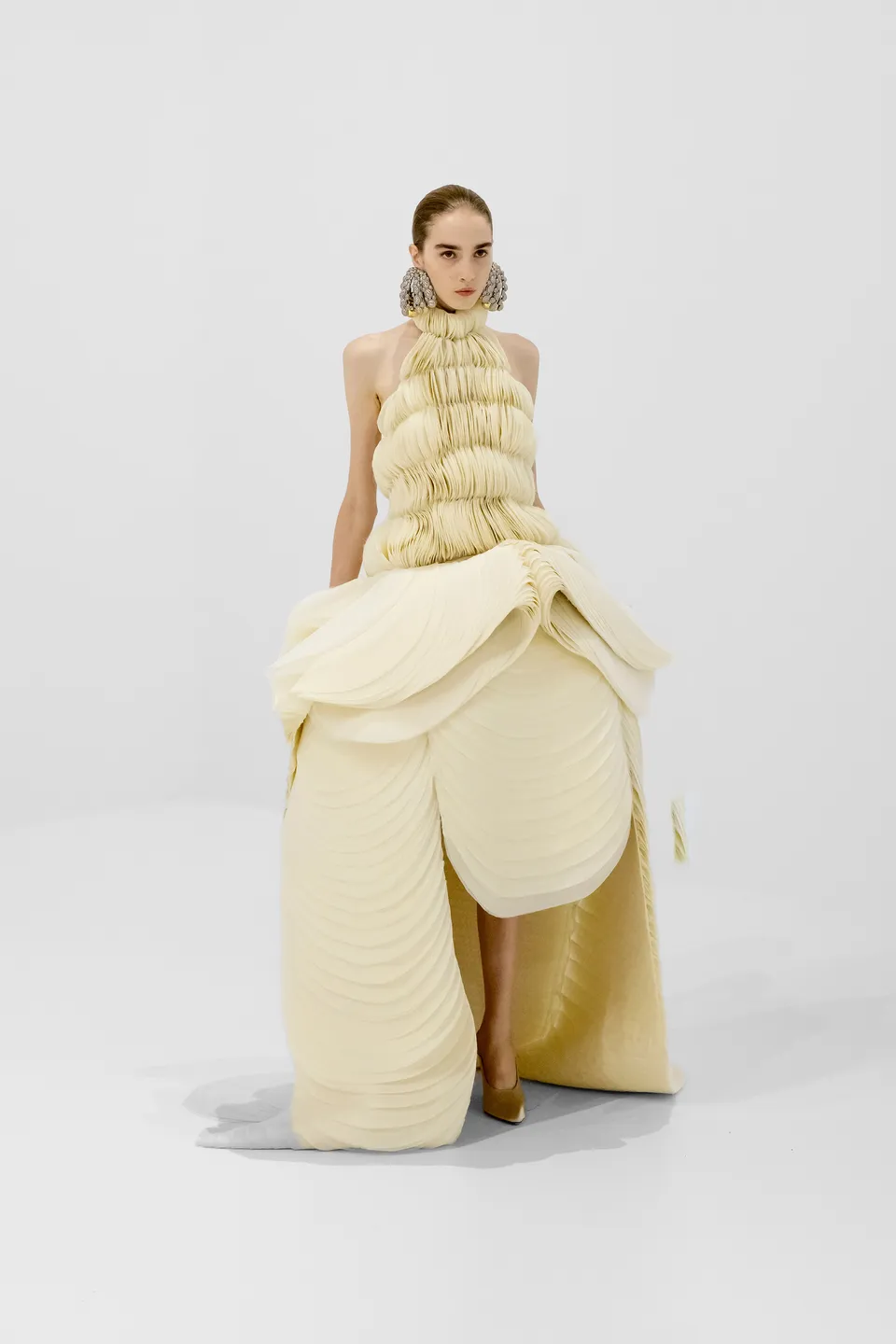
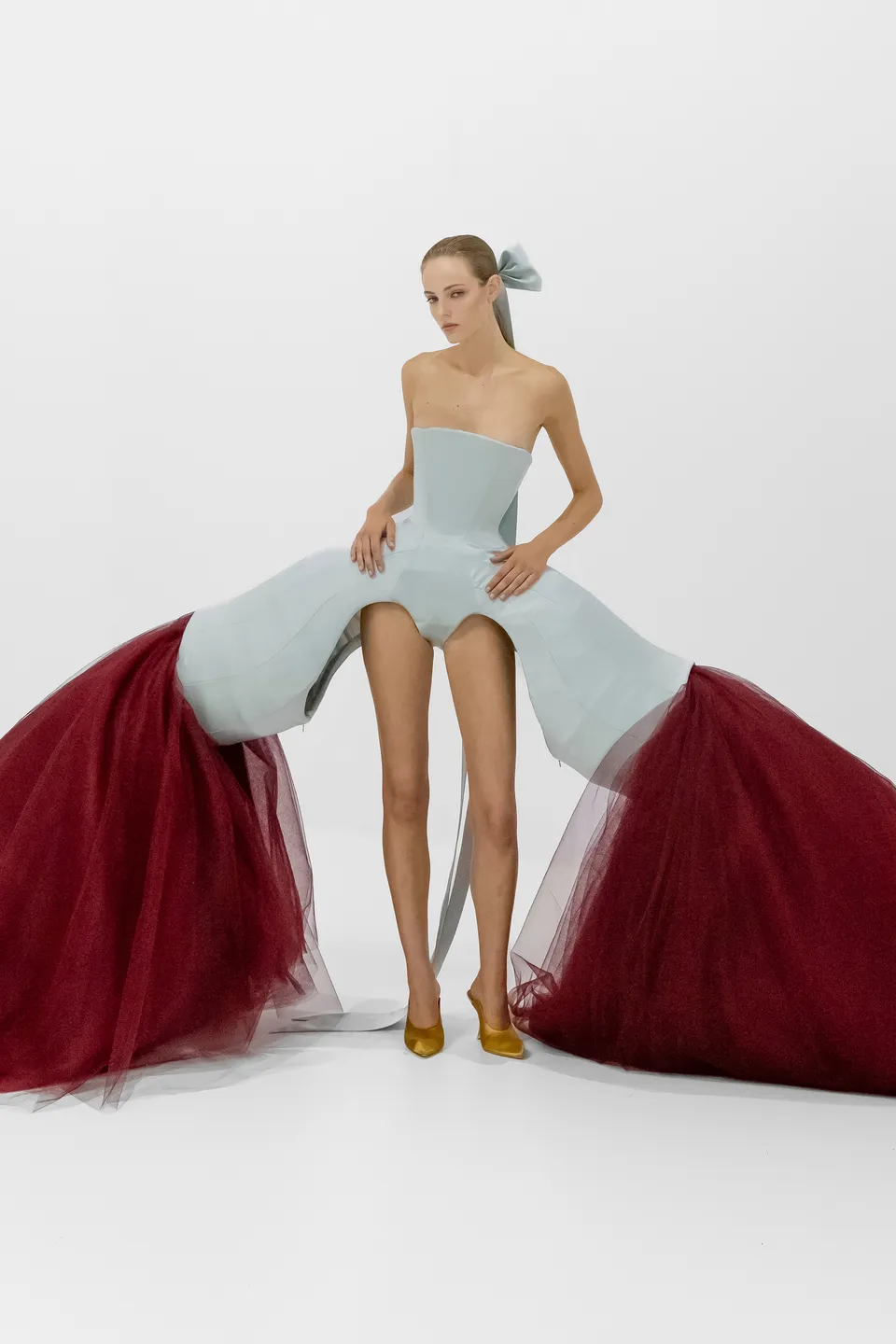
Front and profile rarely tell the same story. A composed outline can suddenly open into a hollow chamber or an exaggerated curve, making the garment seem to develop a second body around the first.
The distortion remains meticulously controlled. Every imbalance is engineered to preserve movement while allowing the clothes to pursue their own anatomy, turning couture’s old obsession with ideal proportion into something unstable, witty and faintly uncanny.
Duran Lantink treats Versailles as a system of spatial authority. Court clothing widened the wearer, slowed her movement and forced rooms to accommodate her presence. Those old mechanisms survive here, though their symmetry has suffered a spectacular malfunction.
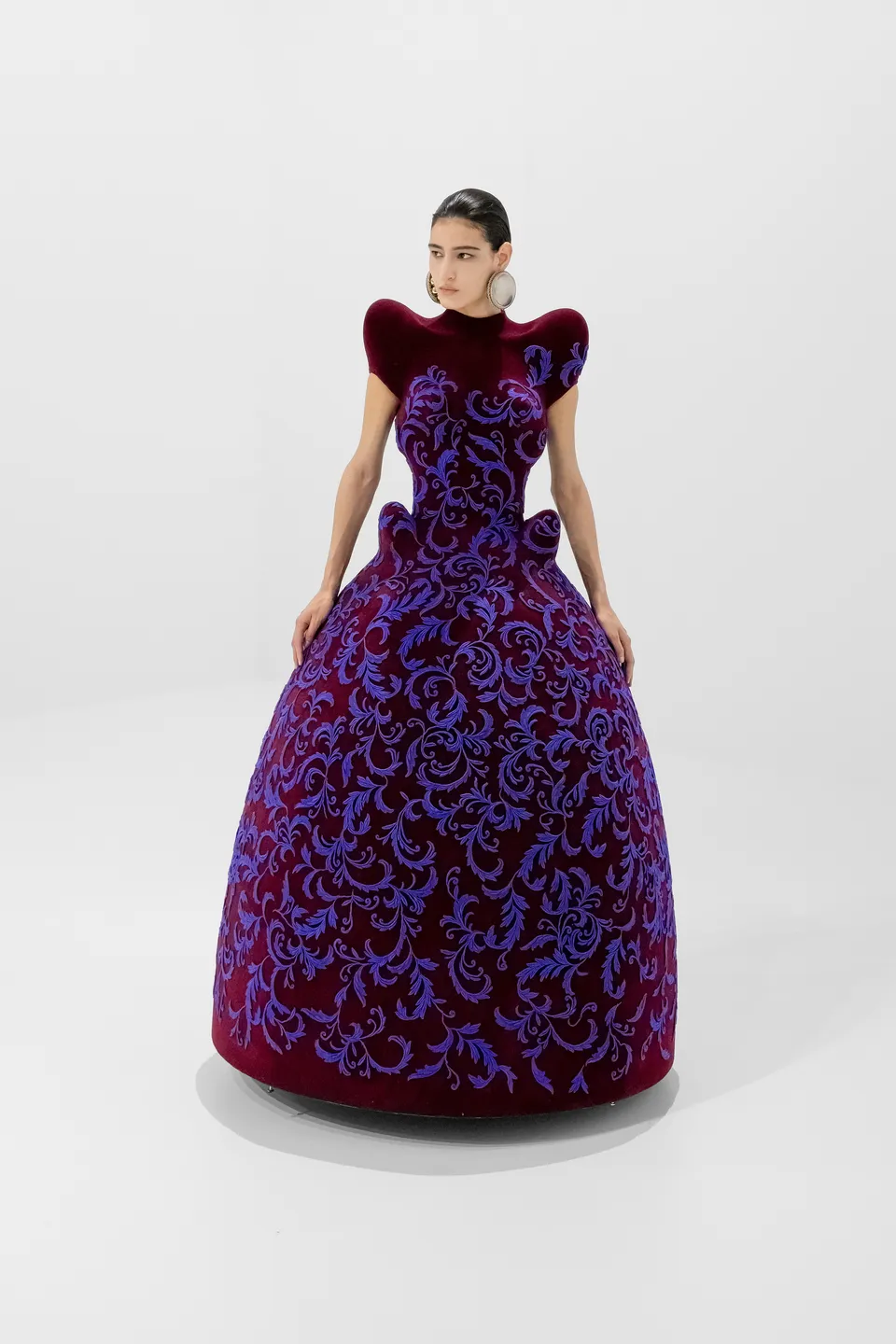
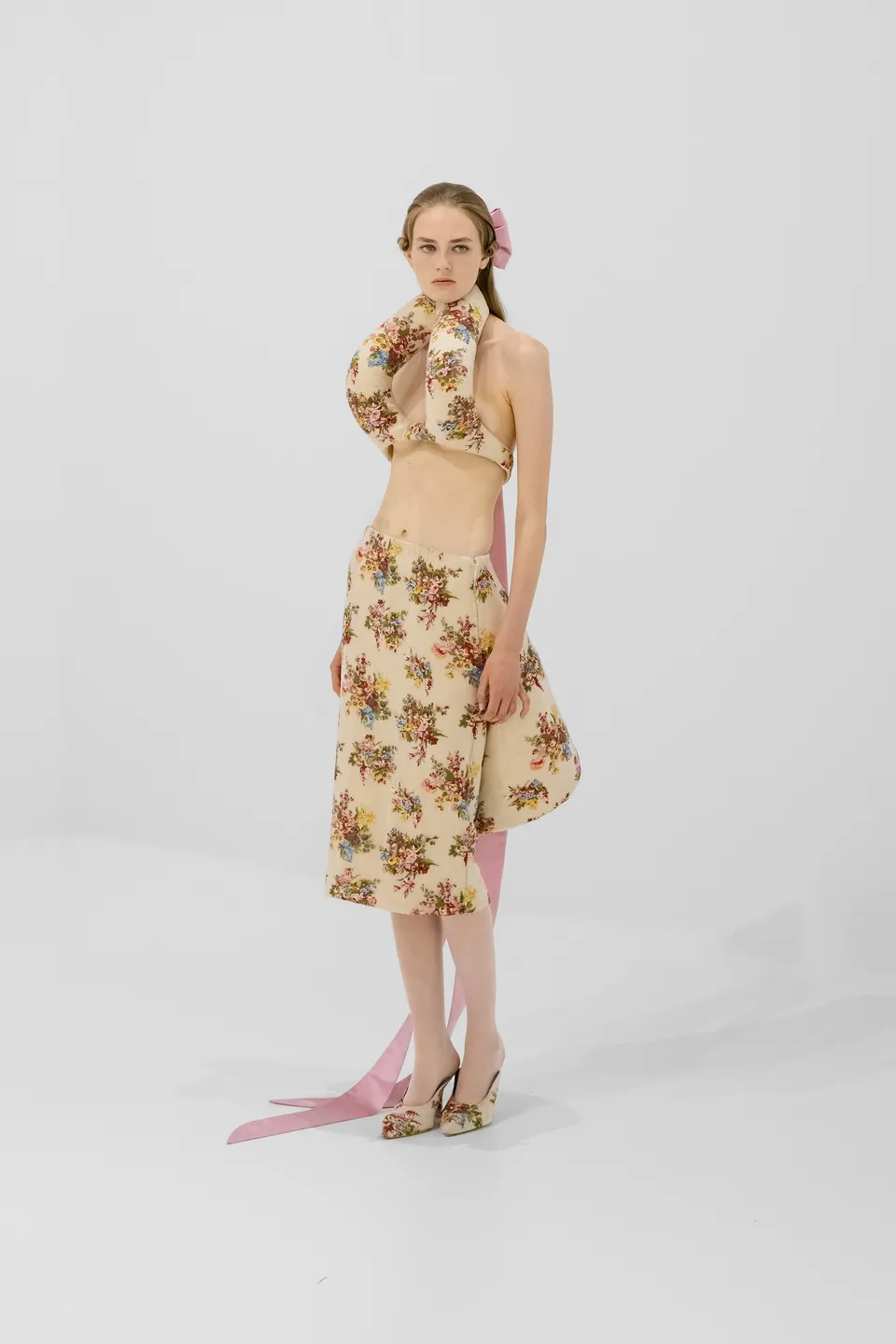
Brocade, satin and elaborate surface work lend ceremonial weight to silhouettes that seem anatomically unreliable. Their luxury makes the mutation feel strangely official, as though the court had approved a new protocol for bodies assembled by experimental software. Grandeur stays intact; good posture becomes optional.
The humour also revives couture’s attraction to inconvenience. These clothes resist the frictionless elegance expected from modern luxury. They interrupt movement, claim surrounding space and demand that the wearer negotiate with their structure. Magnificence becomes difficult again, which may be its most persuasive form.
The collection plays with the familiar sensation of recognizing a garment while losing track of how it reached the body. Tailoring migrates upward, necklines carry unexpected weight and recognisable wardrobe forms are rotated until their original function becomes secondary.
Lantink’s wit depends on construction. A jacket styled incorrectly would produce a momentary gag; one rebuilt to behave like another body part becomes a couture proposition. The joke has pattern cutting, internal support and balance. Its punchline appears only after the atelier has solved the engineering.
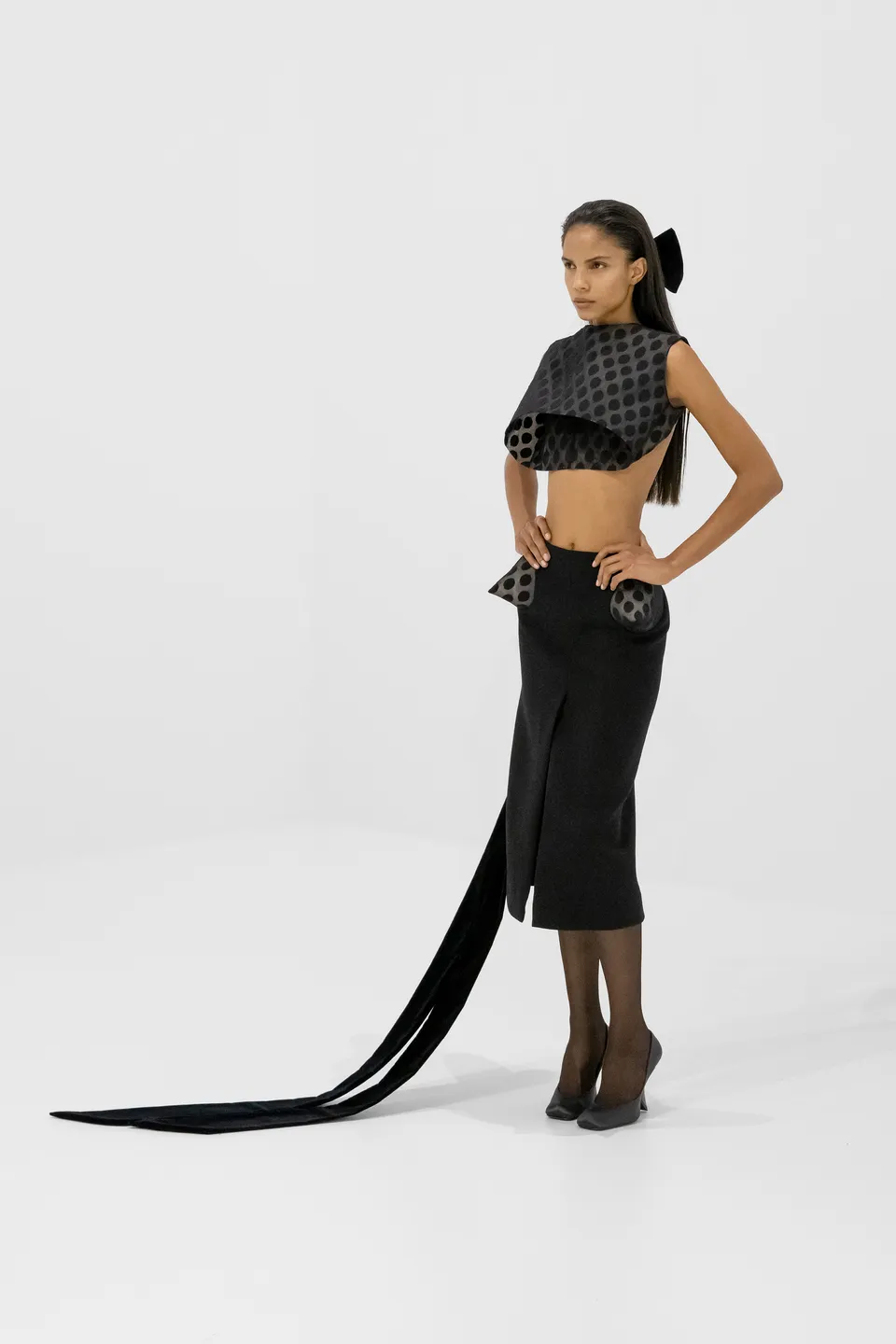
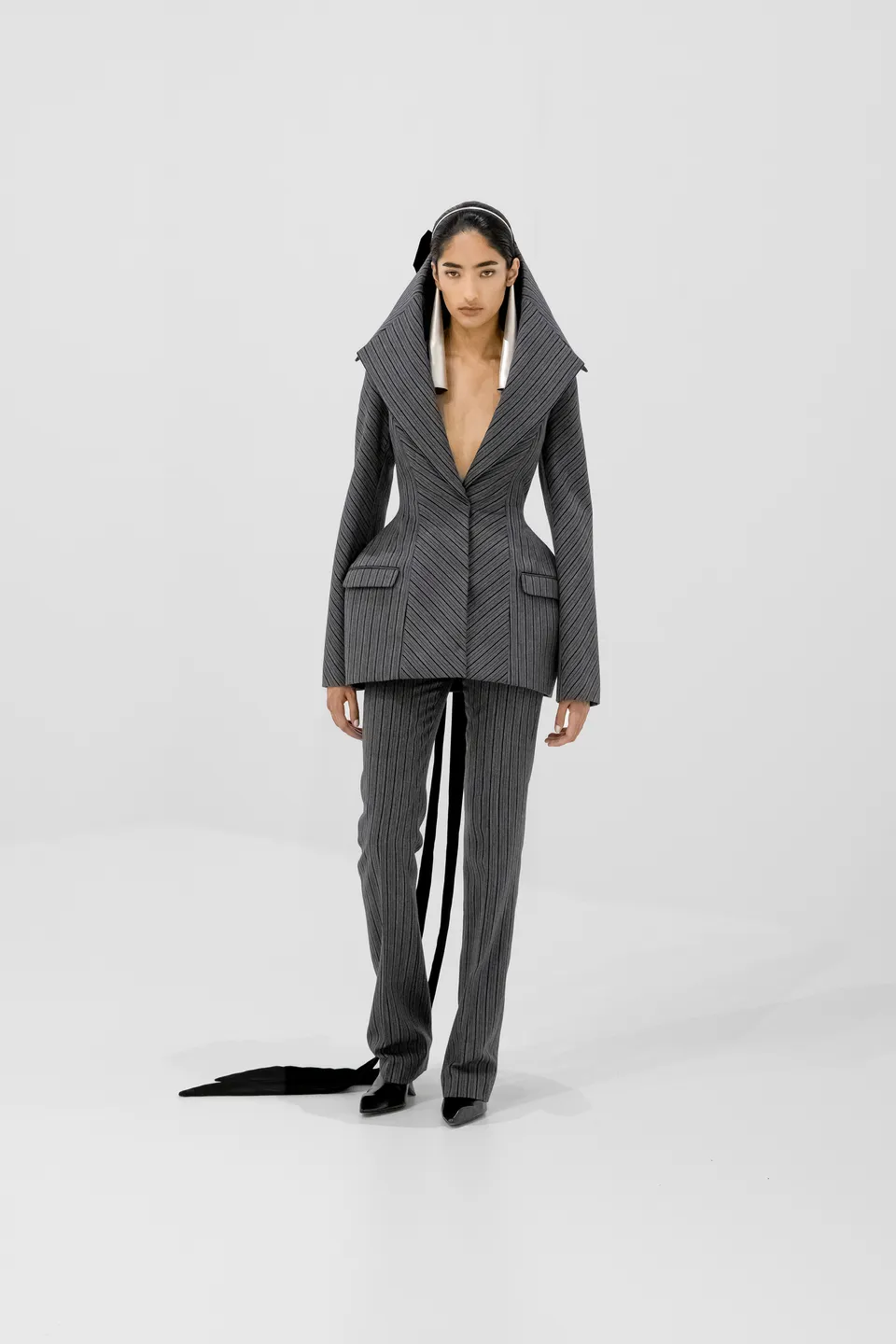
This approach feels naturally aligned with Gaultier’s history of disturbing the rules of dress. The maison has long used corsetry, trompe-l’œil and altered clothing hierarchies to question what belongs inside, outside, above or below. Duran Lantink carries that irreverence forward through his own sculptural vocabulary, leaving the iconic costume references behind.
Good taste survives, though it has clearly lost control of the fitting room.
Behind each inflated curve sits a remarkably disciplined internal machine. Traditional corsetry and boned structures work alongside digitally produced components and industrial materials, giving the silhouette enough strength to depart from human anatomy without losing its relationship to the moving body. Historical technique and contemporary fabrication meet inside shapes that neither could sustain alone.
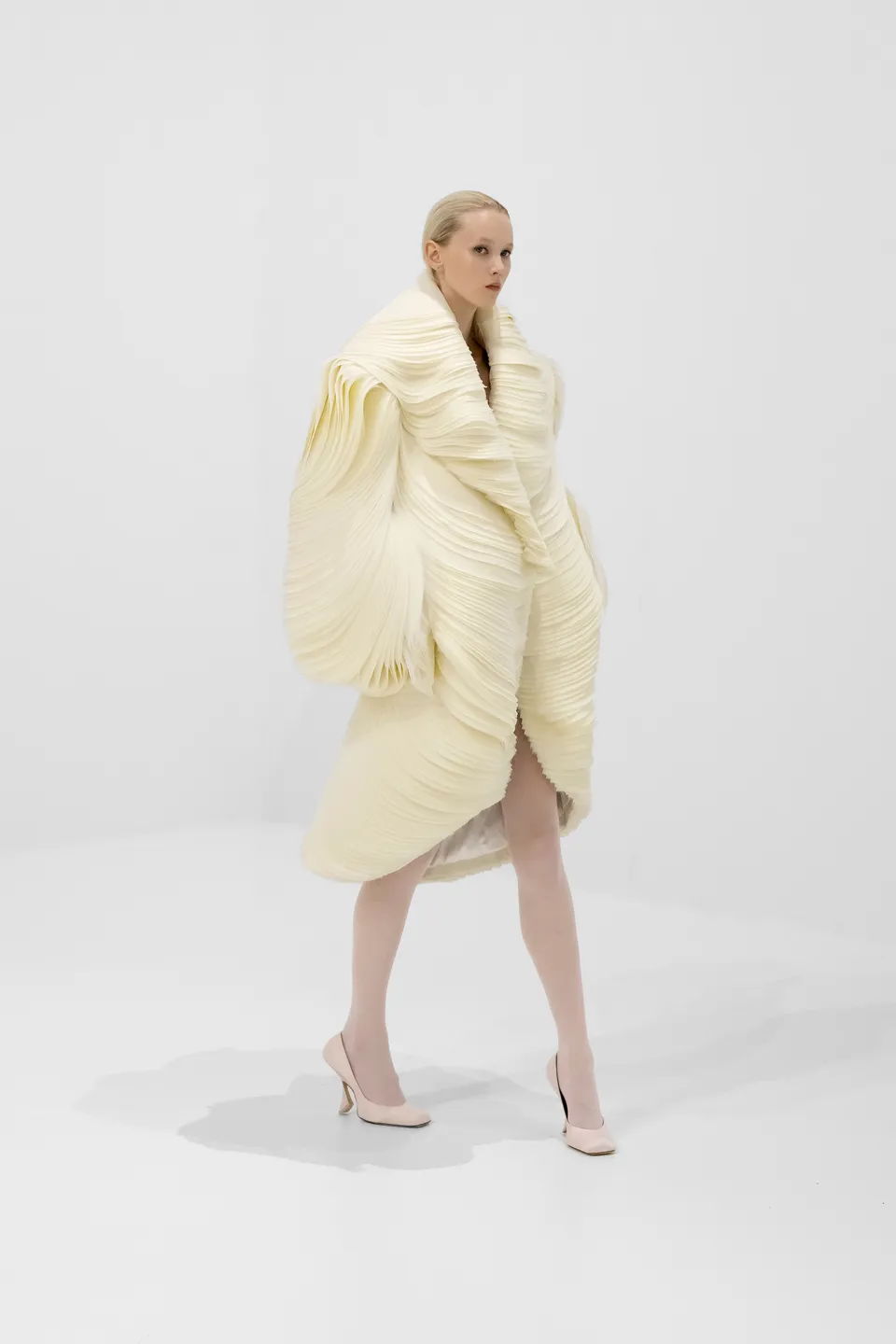
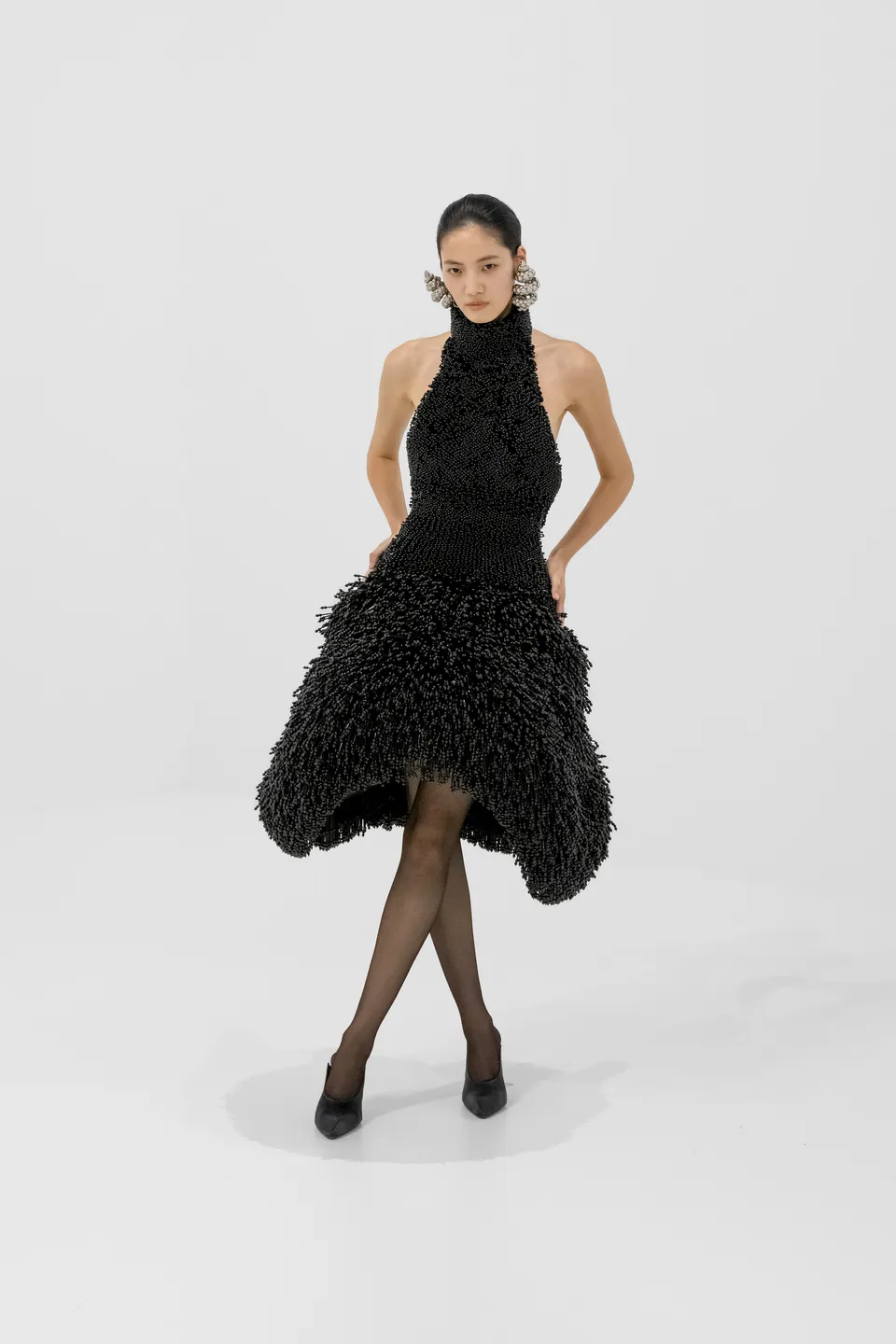
Corsetry once trained the body toward a prescribed ideal; Duran Lantink uses structure to destabilize the ideal. Digital processes help calculate the mutation, while the atelier determines how it touches skin, distributes weight and survives motion.
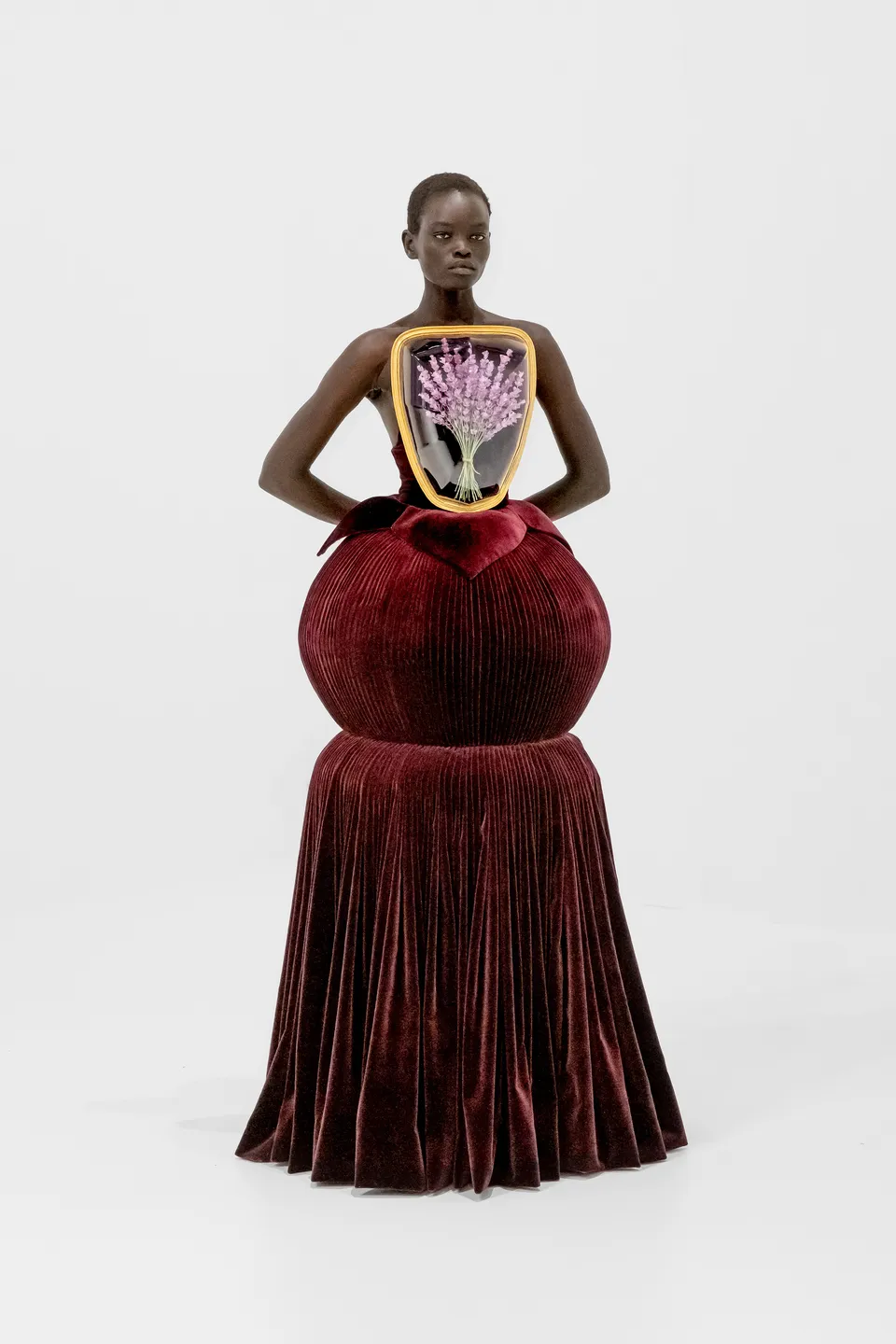
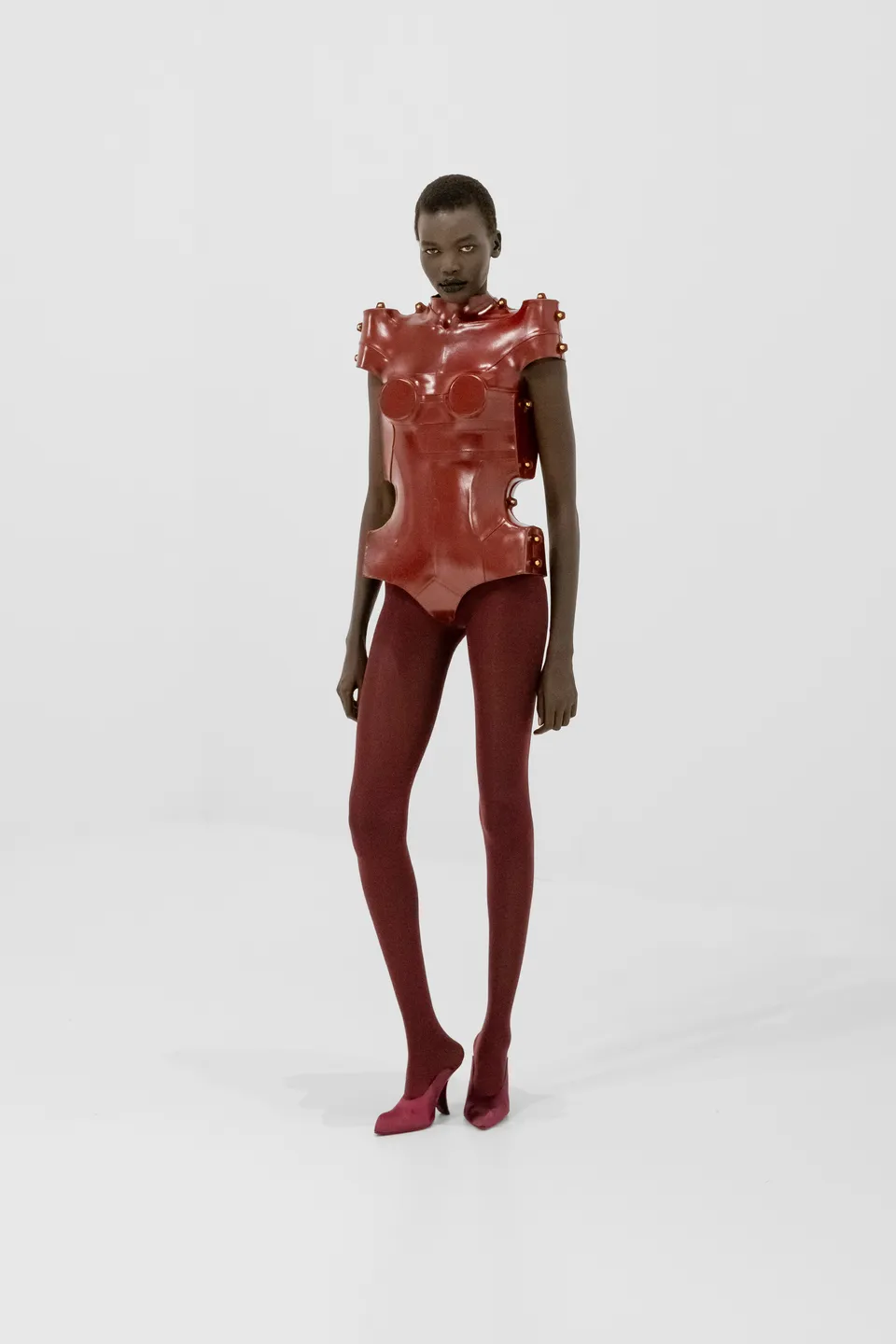
Texture keeps the engineering from turning clinical. Satin draws distorted curves into a continuous shine, while brocade grants swollen structures the authority of court furnishing. Feather and tulle loosen harder outlines, allowing construction to appear as movement rather than machinery.
He lets the artificial skeleton remain visible through the silhouette, then surrounds it with enough beauty to make the absurd feel worthy of couture.
The maison’s legacy emerges most clearly through attitude. Street materials enter couture construction, archival fabrics are cut into unfamiliar proportions and recognizable codes return with their manners thoroughly rearranged. Lantink reportedly used deadstock from the Gaultier archive, treating existing material as something to be reactivated rather than preserved behind glass.
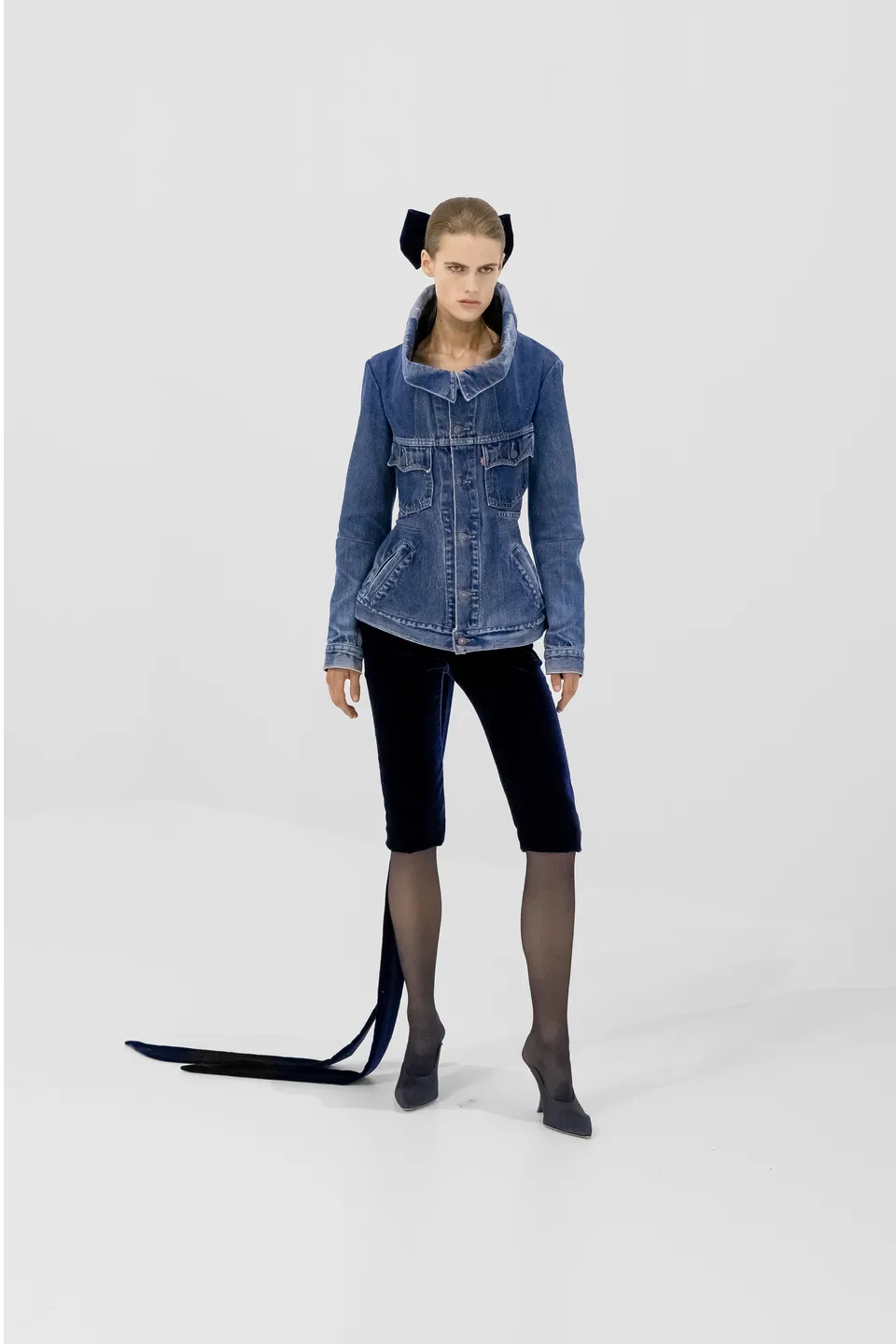
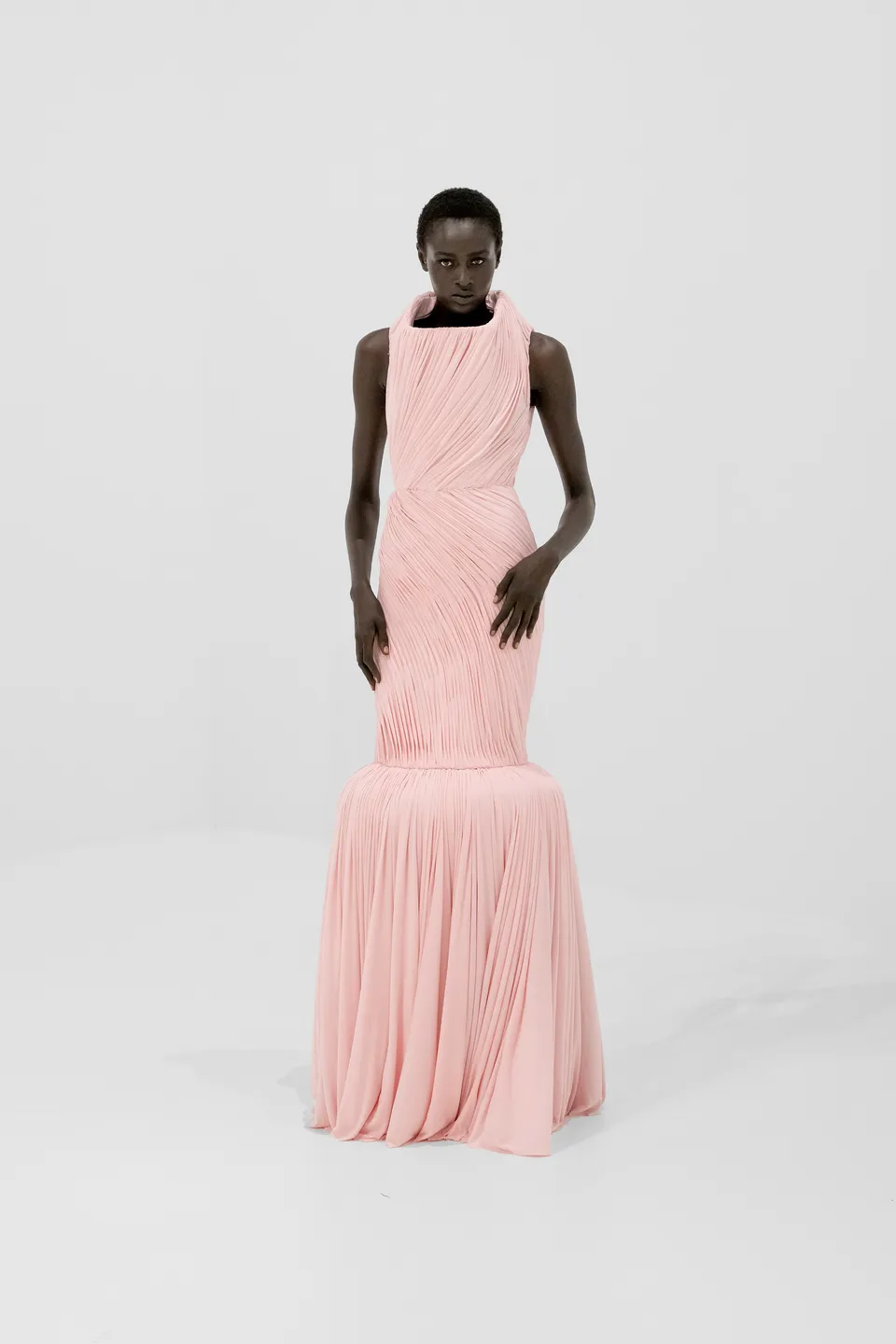
His restraint around the house’s most obvious signatures proves crucial. A parade of cone bras and sailor stripes would have offered instant recognition, though recognition alone cannot keep an archive alive. Lantink reaches for the method beneath those images: challenge the body, disrupt social taste and execute the offence beautifully.
Jean Paul Gaultier Fall 2026 Couture honours the maison through interference. Versailles supplies the ceremony, technology unsettles its anatomy and the atelier keeps every mutation standing. Duran Lantink meets Gaultier’s legacy with the only tribute it could respect: another beautifully executed act of disobedience.
Advertisement