MENU
Close





How did Rococo style fantasy bloom so perfectly in pastel silk and lace, only to wither under history’s unblinking gaze?
How did Rococo style fantasy bloom so perfectly in pastel silk and lace, only to wither under history’s unblinking gaze?
June 14, 2026
Advertisement

Advertisement



To enter the world of Rococo style is to dissolve into a sun-drenched garden of the 1730s, a space where time slows into a sugary, mesmerizing haze of powder and perfume, and where every silken thread serves as a sacred devotion to the ultra-decorative.
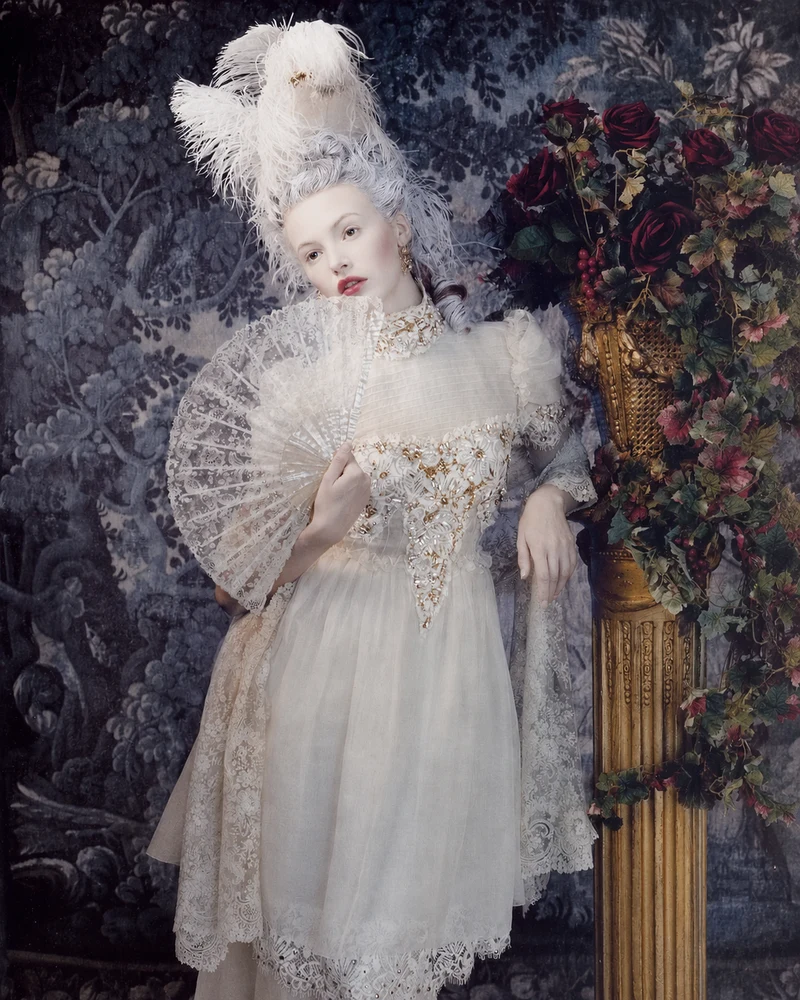
This is the playful, exotic heart of mid-eighteenth-century Europe, a style birthed in the intimate salons of France and nourished by a court culture that prioritized the airy, the whimsical, and the delightfully flirtatious over the heavy, brooding shadows of the past. It is a visual language of pure enchantment, characterized by a soft, confectionery palette of powder blues, blush pinks, pistachio greens, and creamed ivories, all woven together with an almost holy obsession for ornament; here, the instant tell is a curvy, decorative surface where ruffles, ruching, and metallic trims dance across the fabric like light reflecting off a porcelain basin, inviting the observer to lose themselves in a deep dive of powdered sugar elegance.
At the foundation of Rococo style lies a signature architectural language, a hidden engineering that transforms the human form into a living, breathing monument of Rococo artifice. It begins with the stays, those meticulously boned 18th-century corsets that create a conical torso and a lifted, sacred bust, molding the ribs into a smooth, upright column of unwavering poise that serves as the vertical anchor for all subsequent drama.
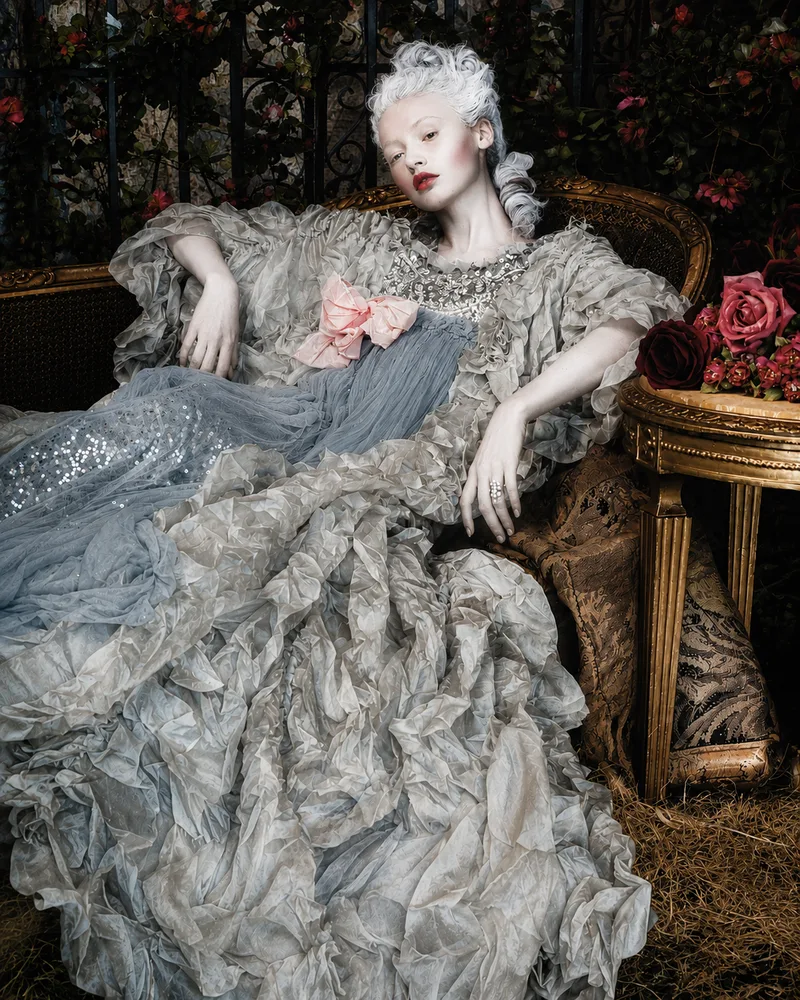
From this disciplined waist, the silhouette erupts with exotic intensity into the panniers, those side-hoops or pocket hoops that push the skirts outward into an extreme, tabletop profile, a vast horizontal expanse of silk that frames the wearer as if she were a precious object upon a pedestal. This structural mastery allows for the front-opening gown to act as a theatrical stage, dramatically parting to reveal a highly decorated petticoat, while the back offers a cinematic revelation in the form of Watteau pleats, those iconic box pleats that fall from the shoulder blades to the hem in a "sack-back" flow, billowing with every step as if caught in a perpetual summer breeze.
The core garments of Rococo style are named pieces of a grand, romantic inventory, each carrying the weight of historic prestige and the lightness of a dream. The Robe à la française, the undisputed emblem of the age, stands as a masterpiece of formal logic, defined by its harmonious trinity of the decorative stomacher, the voluminous petticoat, and those ethereal back pleats that trace their ancestry back to the theatrical drapes of the Mantua.
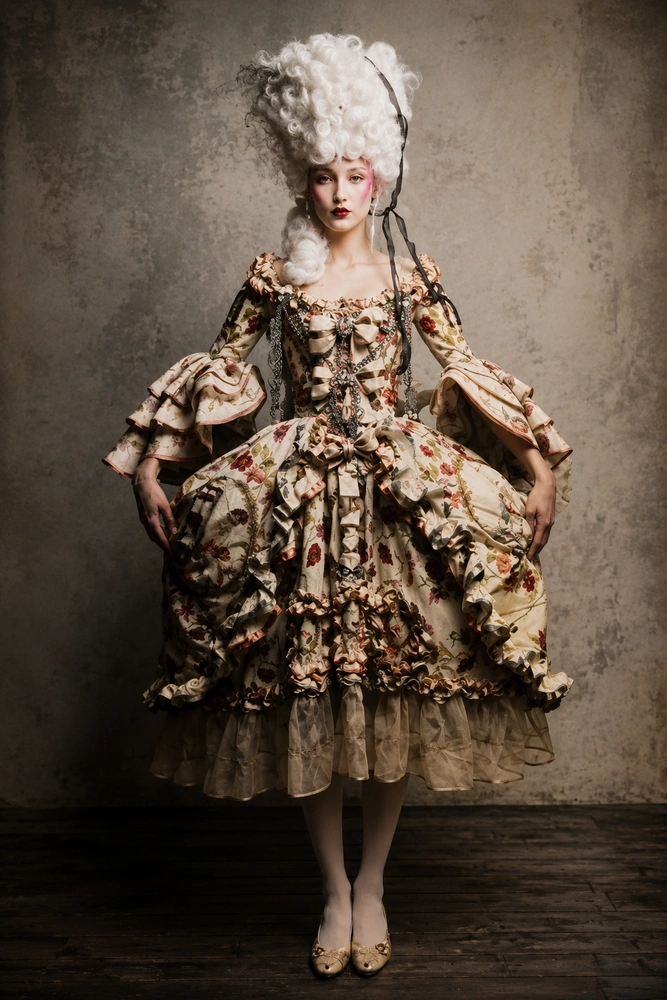
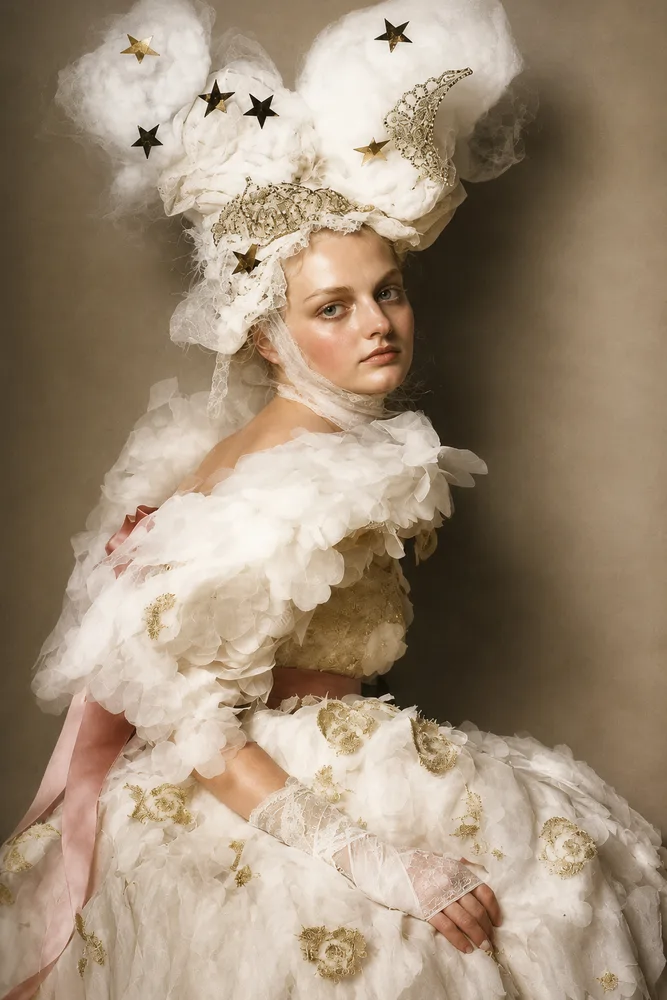
In the softer light of daywear, we encounter the Robe volante, an early and looser floating form that eventually evolves into the structured elegance of the française family, alongside the Robe à l’anglaise, which offers a more tailored, fitted back for the sophisticated woman. As the century leans toward its twilight and the pre-revolutionary air begins to stir, the style shifts toward the Polonaise, where skirts are looped up in swags and tiers with silken cords, and the caraco or pierrot jackets emerge for a more practical, yet still exquisitely refined, daily existence.
The sacred construction of the look is a layered ritual, beginning with the shift or chemise, a delicate linen underlayer that protects the skin from the rigors of the stays. Beneath the visible glory, one find the panniers, whether they be massive court hoops or the more intimate bum rolls and hip pads used to refine the curve, which support the multiple layers of petticoats, the outermost of which becomes a lush feature canvas for the embroiderer’s art.
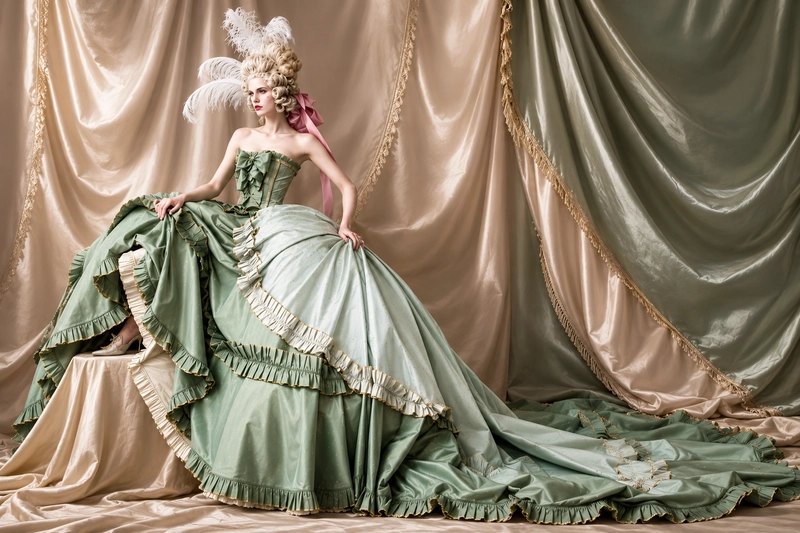
The stomacher, a triangular front panel pinned or laced into place, serves as the centerpiece zone of the bodice, often encrusted with the richest surface work and exotic motifs, sometimes disguised by compère or faux-front closures that create a seamless, decorative façade. The lacing logic remains a hidden secret of pins and ties, ensuring that the outside of the garment reads as pure, unadulterated ornament, punctuated by three-quarter sleeves that end at the elbow to give way to engageantes, those stacked, tiered ruffles of lace that are the instantly recognizable, airy cue of a true Rococo ensemble.
The surface of a Rococo style gown is a dizzying inventory of passementerie, where braided trims, gimp, galloon, and metallic fringes are applied in winding, serpentine lines that mimic the natural scrolls of a seashell. It is a world of ribbons and bows clustered at the center front and sleeves, of ruched strips and pinked edges that create a scalloped, zigzag texture in the silk, and an abundance of lace that frosts the necklines and hems like delicate ice. The embroidery is a sacred garden of dense floral sprays, trailing vines, and ribbon-tied bouquets, often shimmering with metal thread sparkle and punctuated by decorative buttons that are fabric-covered or jewel-like in their intensity.
The pattern families of Rococo style read as light and nature-led, featuring:
To touch Rococo style is to touch the mastery of silk: the crisp, structured snap of silk taffeta that holds the shape of a bow, the liquid, moonlit glow of silk satin, and the heavy, dimensional histories of brocade, damask, and lampas. The visual effect is one of "watered silk" or moire, creating a shimmering movement that mimics the sun on a pond. In the later years, the introduction of muslin and cotton brings a softer, more informal air to the late-Rococo shift, yet the "confectionery" effect remains, a divine combination of color, shine, and lace that feels as edible and soft as a Ladurée macaron.
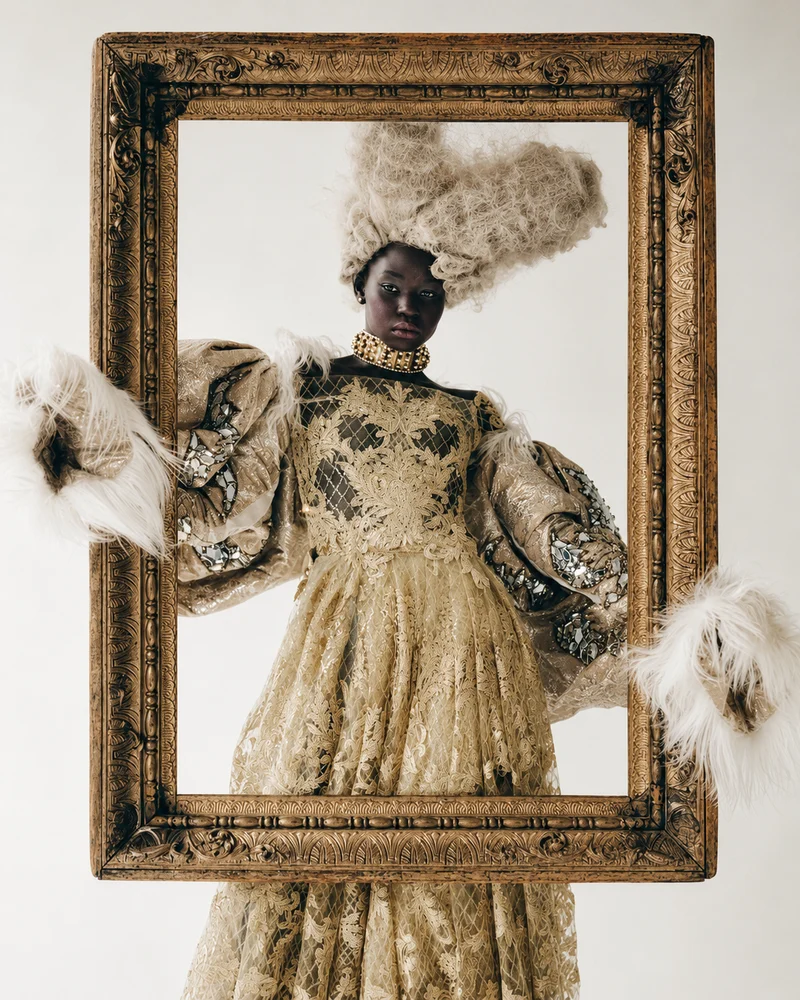
The Rococo style is finally extended into the heavens through powdered hair and dressed curls, reaching its climax in the late-century pouf heights that turned the head into a landscape of feathers and jewels. For the day, the Bergère hat (a straw hat adorned with ribbons) and the lace mob cap provide a pastoral charm, while the fichu or neck kerchief adds a layer of sheer modesty to the wide, horizontal necklines. The look is completed with the practical glamour of muffs, fans, and small reticules, while the face is punctuated by beauty patches and the ears are heavy with girandole earrings and paste jewelry.
Even the men are not exempt from this sacred decoration, their court suit system consisting of the justaucorps (coat), waistcoat, and breeches, all heavily encrusted with embroidery on the pockets and cuffs, ensuring that the entire Rococo world, man, woman, and garden, exists as a single, mesmerizing, and ultra-decorative dream of light and luxury.
By the 1730s, Rococo style had fully bloomed, no longer dictated by the throne but by the Salon, the shimmering drawing rooms presided over by brilliant women who traded power in the currency of wit and beauty, creating an ephemeral world where a clever remark was worth more than a province. This period marked the "Feminization of Space," where the masculine power of Mars was usurped by the ethereal, sensual dominion of Venus; it was the age of the high priestess of the aesthetic, Madame de Pompadour, who from 1745 to 1764 acted as the divine patroness of the style.
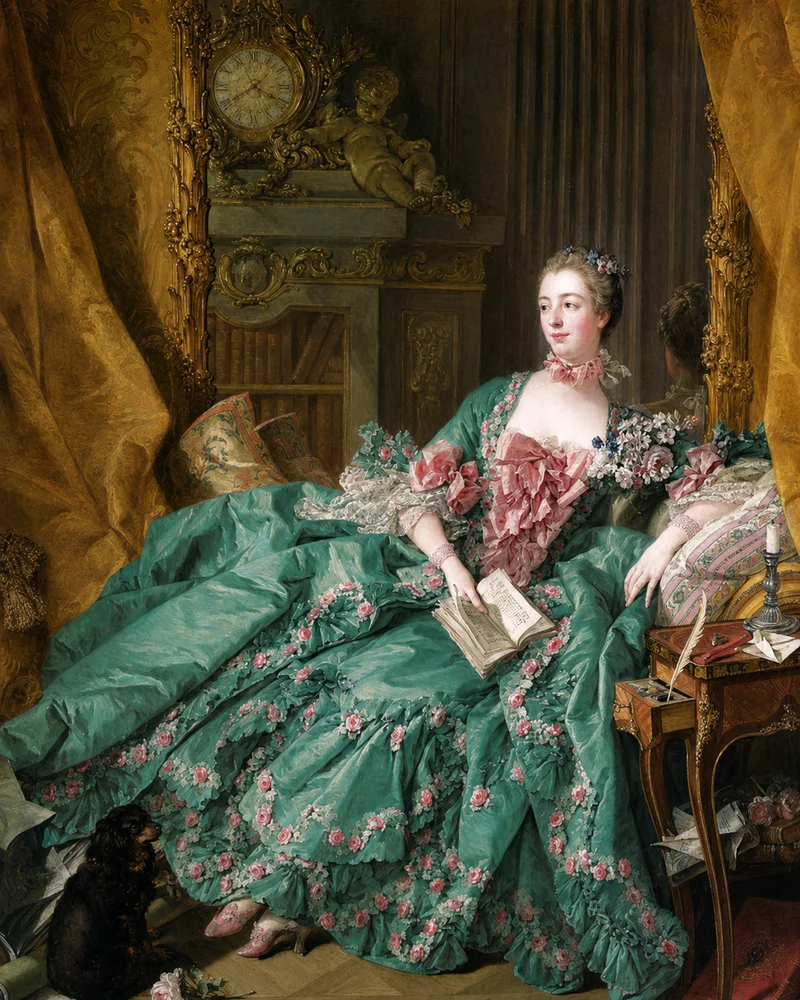
She was the one who infused the era with its extra spirit, commissioning the shimmering Sèvres porcelain that mimicked the terrifying perfection of porcelain skin and championing the Rose Pompadour pink, a color that captured the flush of a first love and the bruise of a fading rose, ensuring that every object, from a tea caddy to a ballgown, felt like a relic of a dream that would vanish if the candles were ever extinguished.
Interwoven with French elegance was a mesmerizing, almost desperate obsession with the "Other", an exotic hunger for the far-off horizons of China and Japan that peaked in the mid-18th century as a way to escape the boundaries of a tired Europe. Through the global trade routes, the exoticism of Chinoiserie flooded the European imagination, bringing with it the lacquered surfaces that reflected the light like dark water, the delicate pagodas, and the fantasy of a distant, whimsical land where nature was untamed yet graceful. This was the era where silk weavers in Lyon began to incorporate these motifs into their looms.
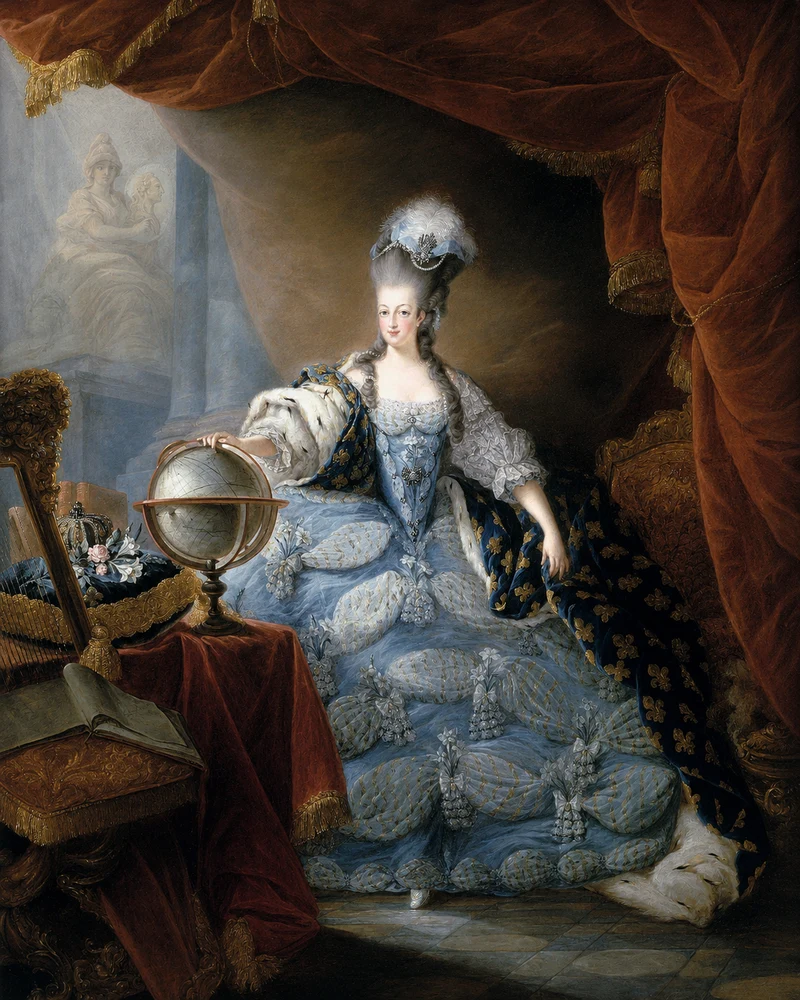
The climax of Rococo style excess arrived with the ascent of Marie Antoinette in 1774, who took the Rococo to its most ultimately tragic heights, living within a fantasy of poufs and polonaise swags that grew taller as the world outside grew darker. Under her influence, Rococo style became a towering, powdered hallucination, a final, sugar-dusted crescendo of beauty that felt as if it were vibrating with the terrifying fragility of a glass flute about to shatter.
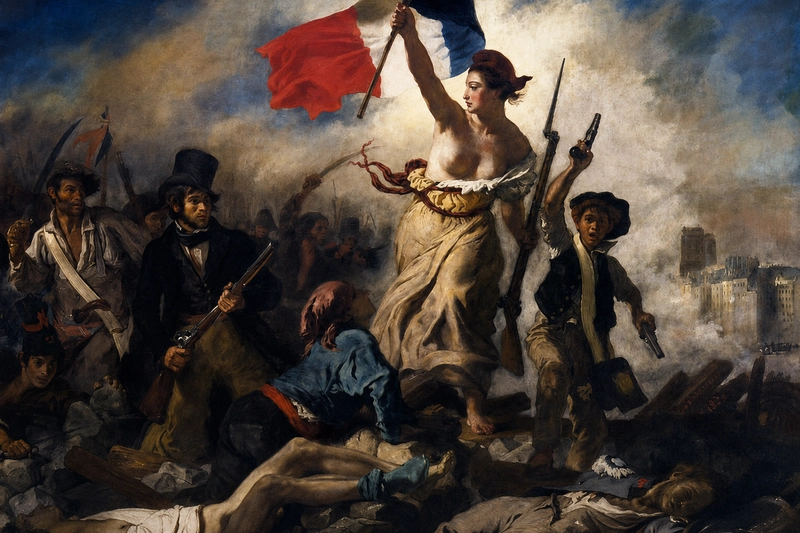
But as the 1780s progressed, the Enlightenment philosophers began to critique this whimsy as a frivolous crime against reason, and the air grew cold with the approaching French Revolution of 1789. The transition was swift and tearing, a violent waking from a beautiful dream; the sun-drenched gardens were abandoned for the sharp, severe, and merciless lines of Neoclassicism, and the mesmerizing dream of Rococo style vanished like powder in the wind, leaving behind only the shimmering, silken ghosts of an era that chose to go to the scaffold in its finest lace.
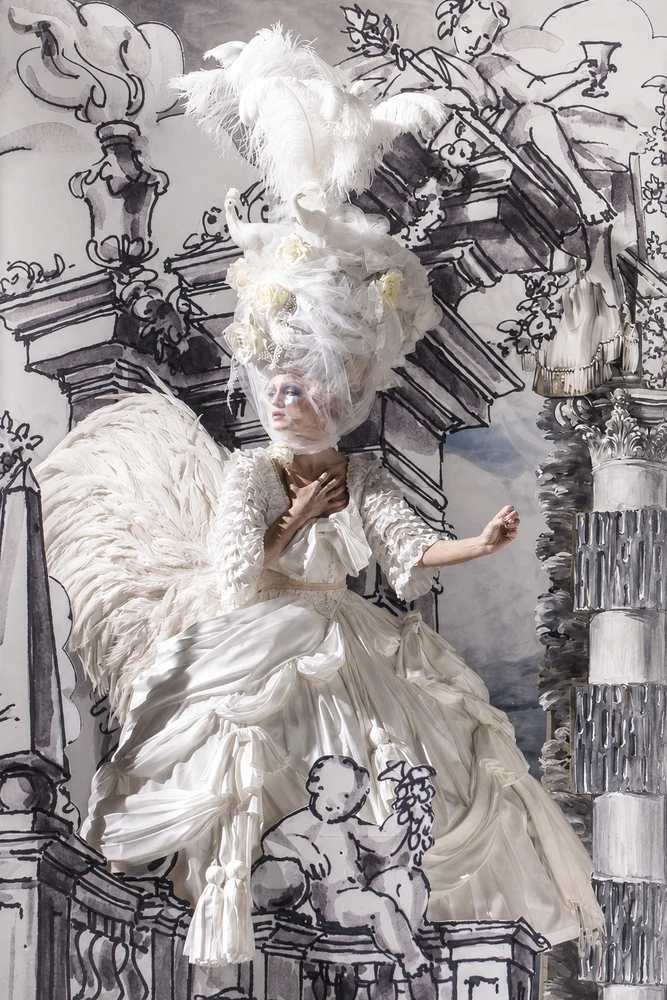
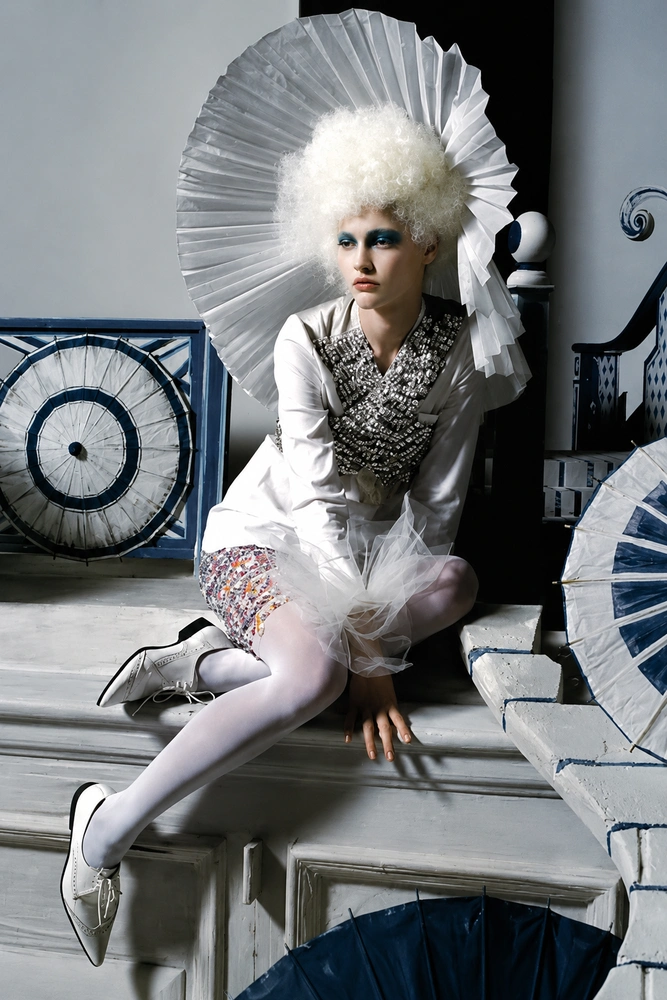
On the runway, Rococo style returns as a fever dream of beauty, privilege, fantasy, and collapse, carrying the perfume of a world that dressed desire as destiny. Its revival feels powerful because every house treats Rococo style as a mood of theatrical excess, a way to make fashion tremble between innocence and corruption, sweetness and doom.
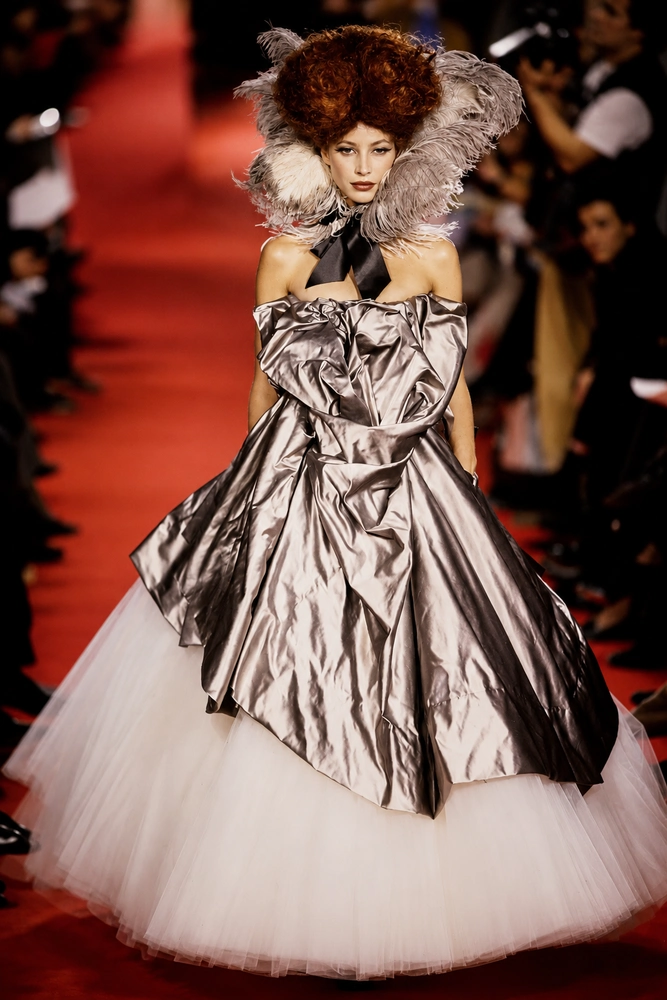
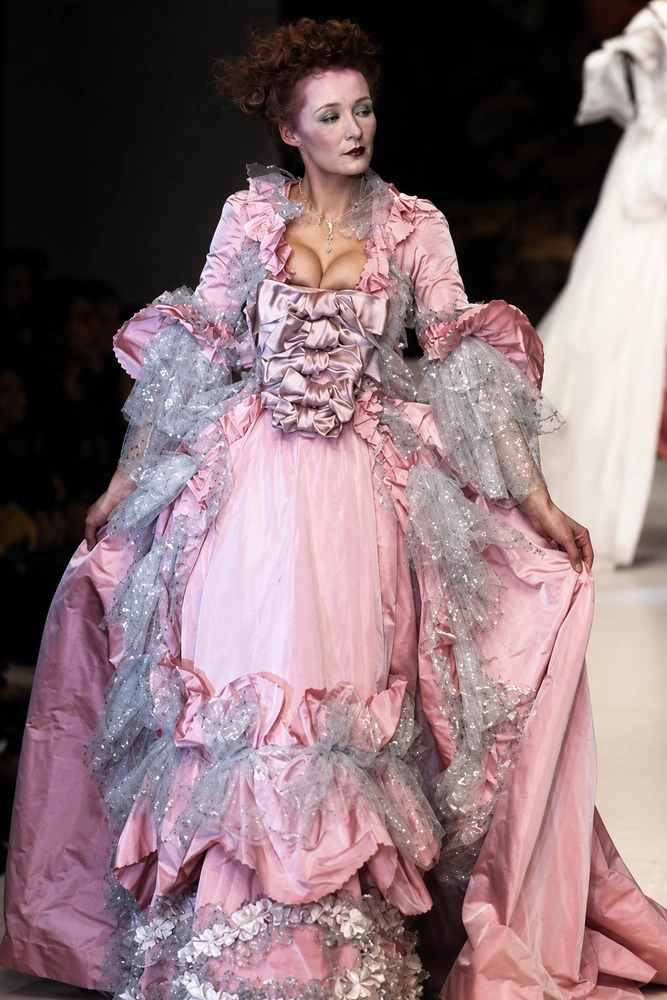
Vivienne Westwood turns Rococo style into rebellion, giving aristocratic fantasy a wicked pulse and transforming courtly femininity into a weapon of intelligence, seduction, and disorder.
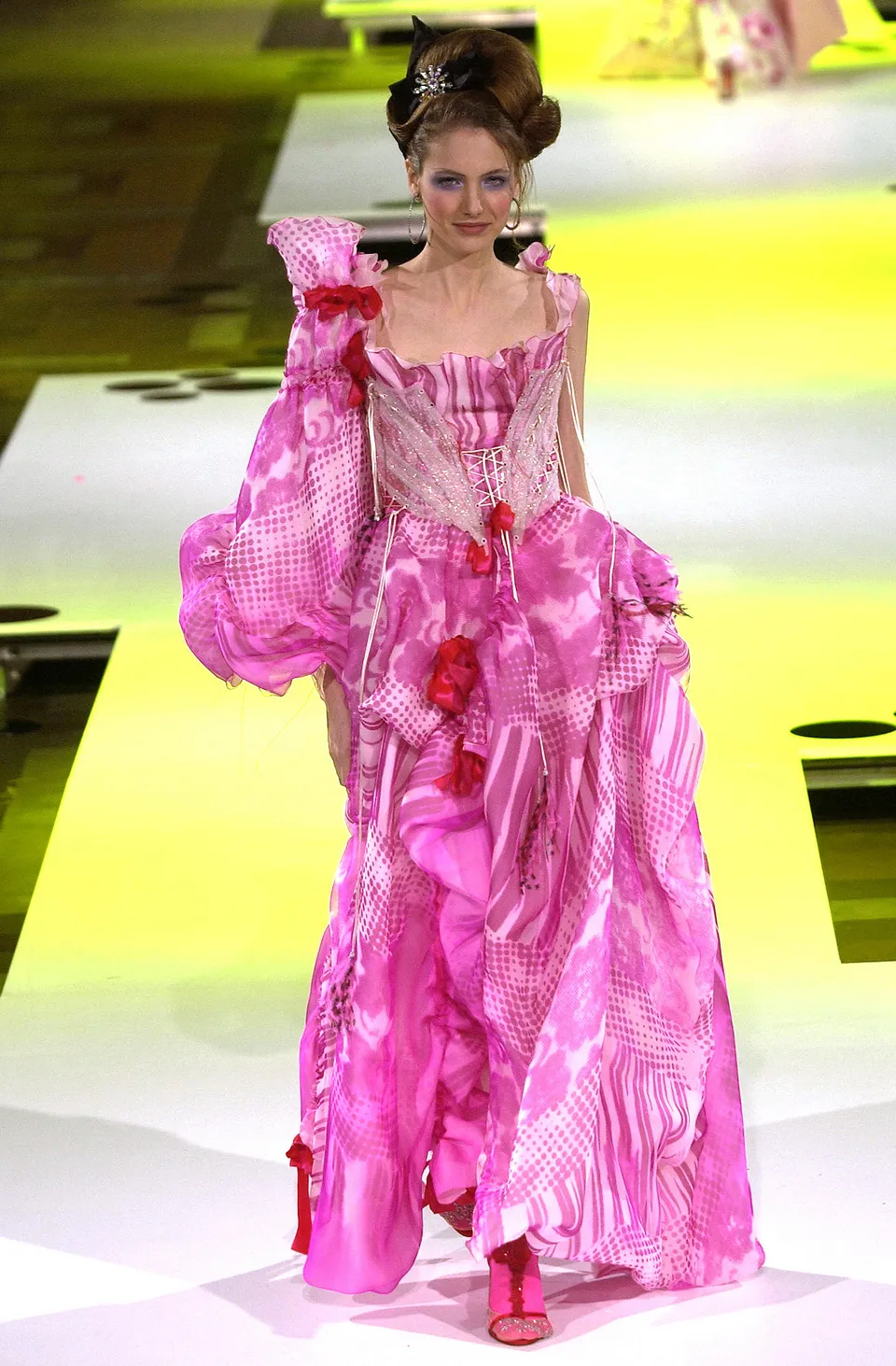
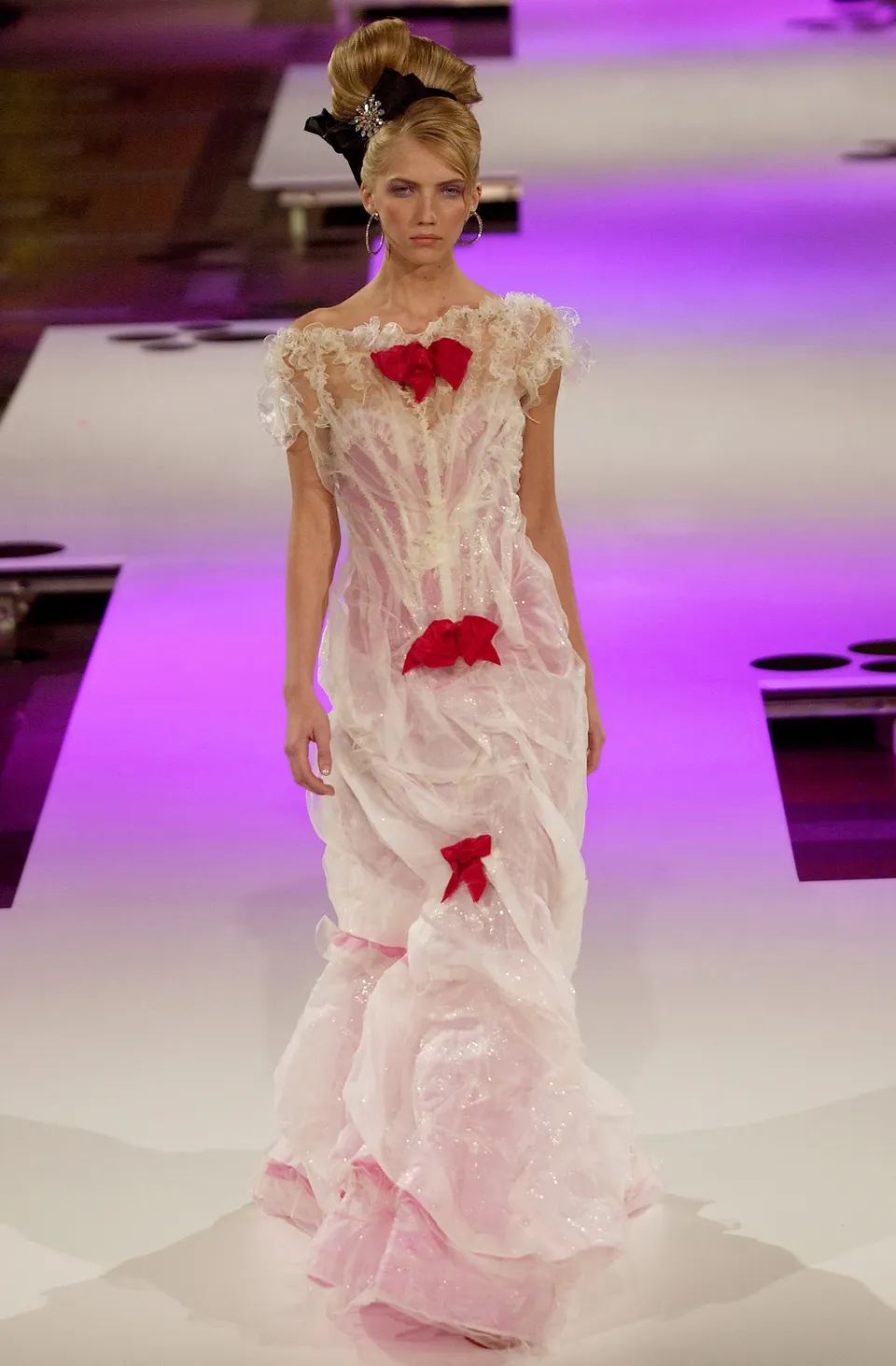
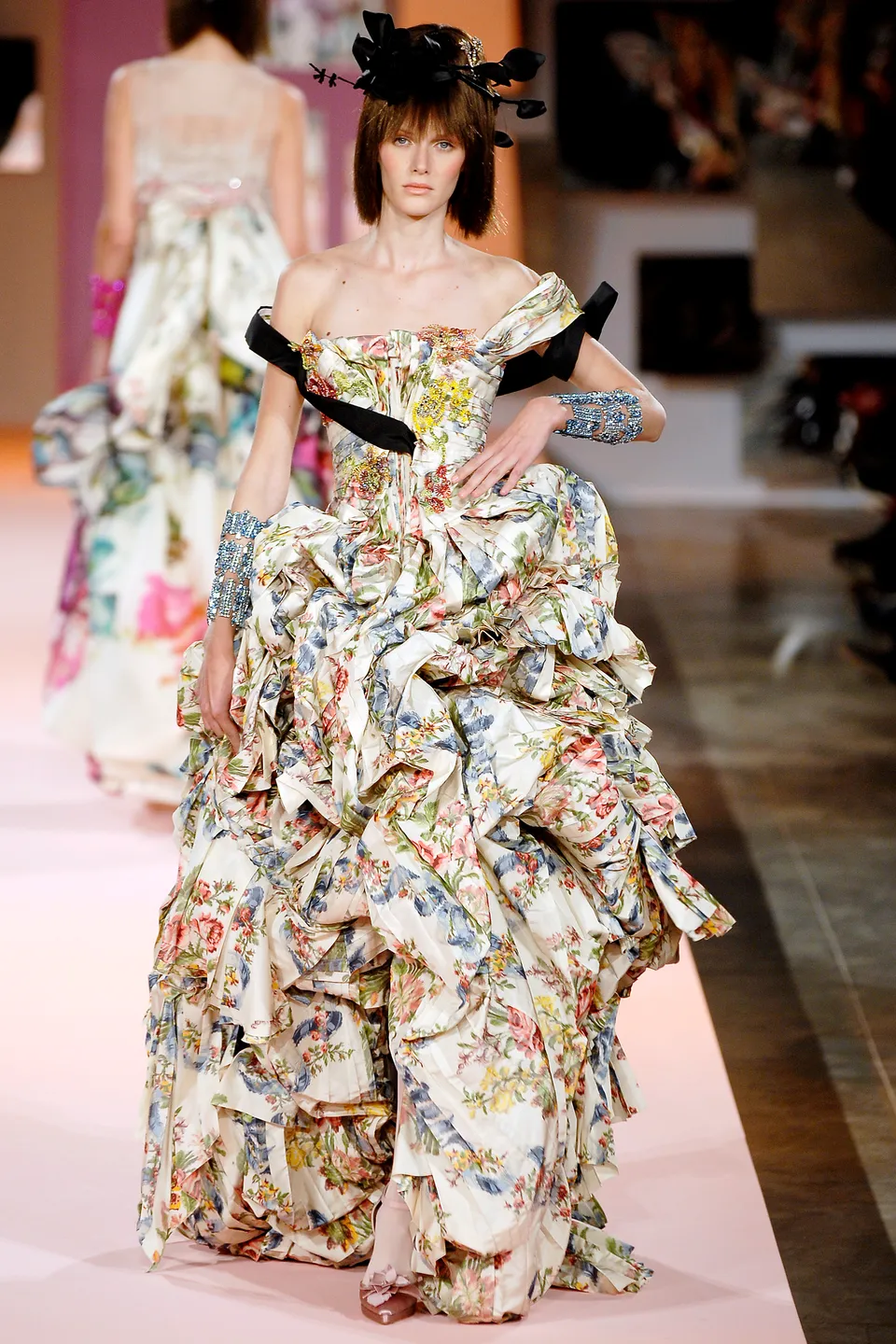
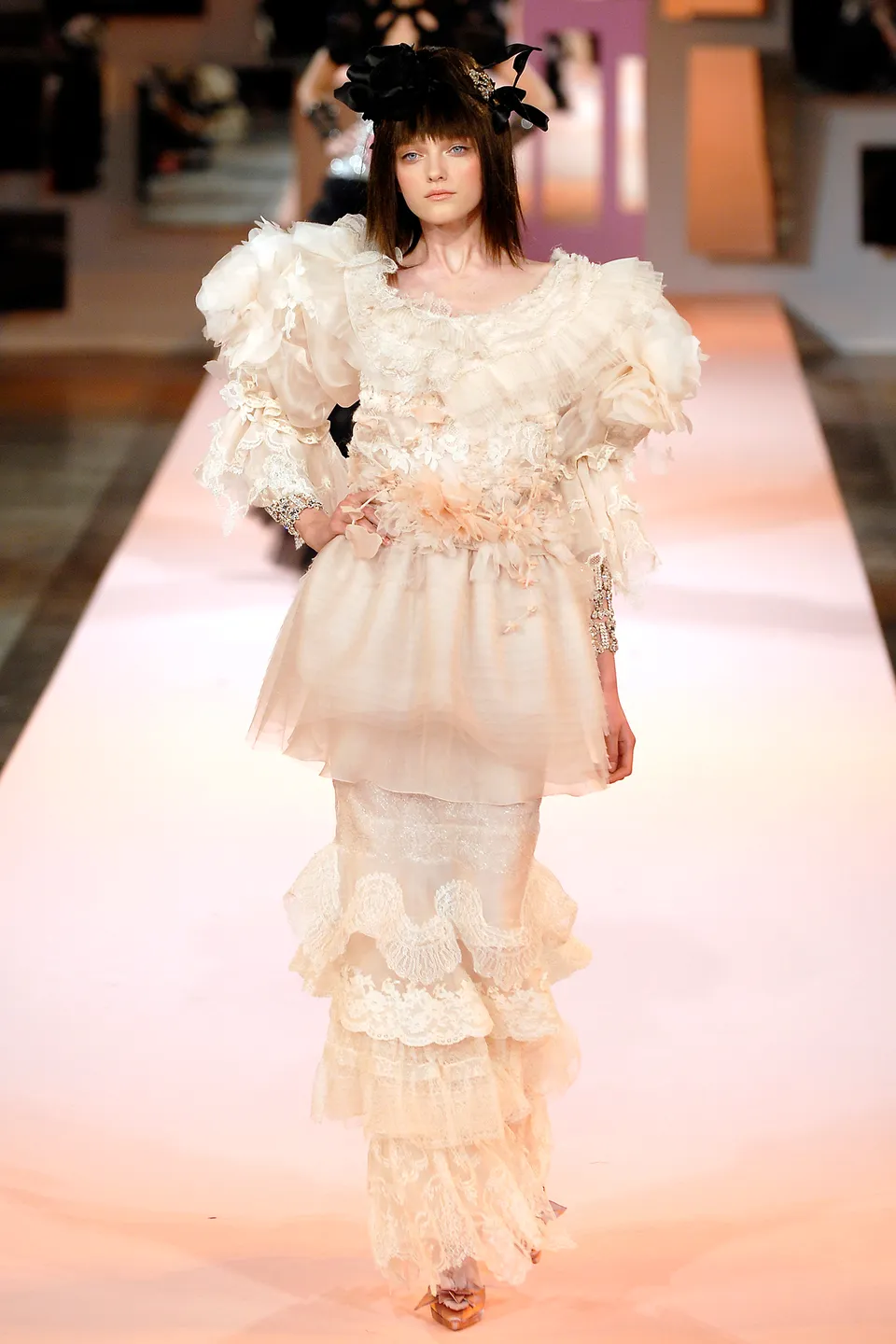
Christian Lacroix treats Rococo style as pure emotional fireworks, a carnival of sacred extravagance where beauty arrives like an opera curtain tearing open.
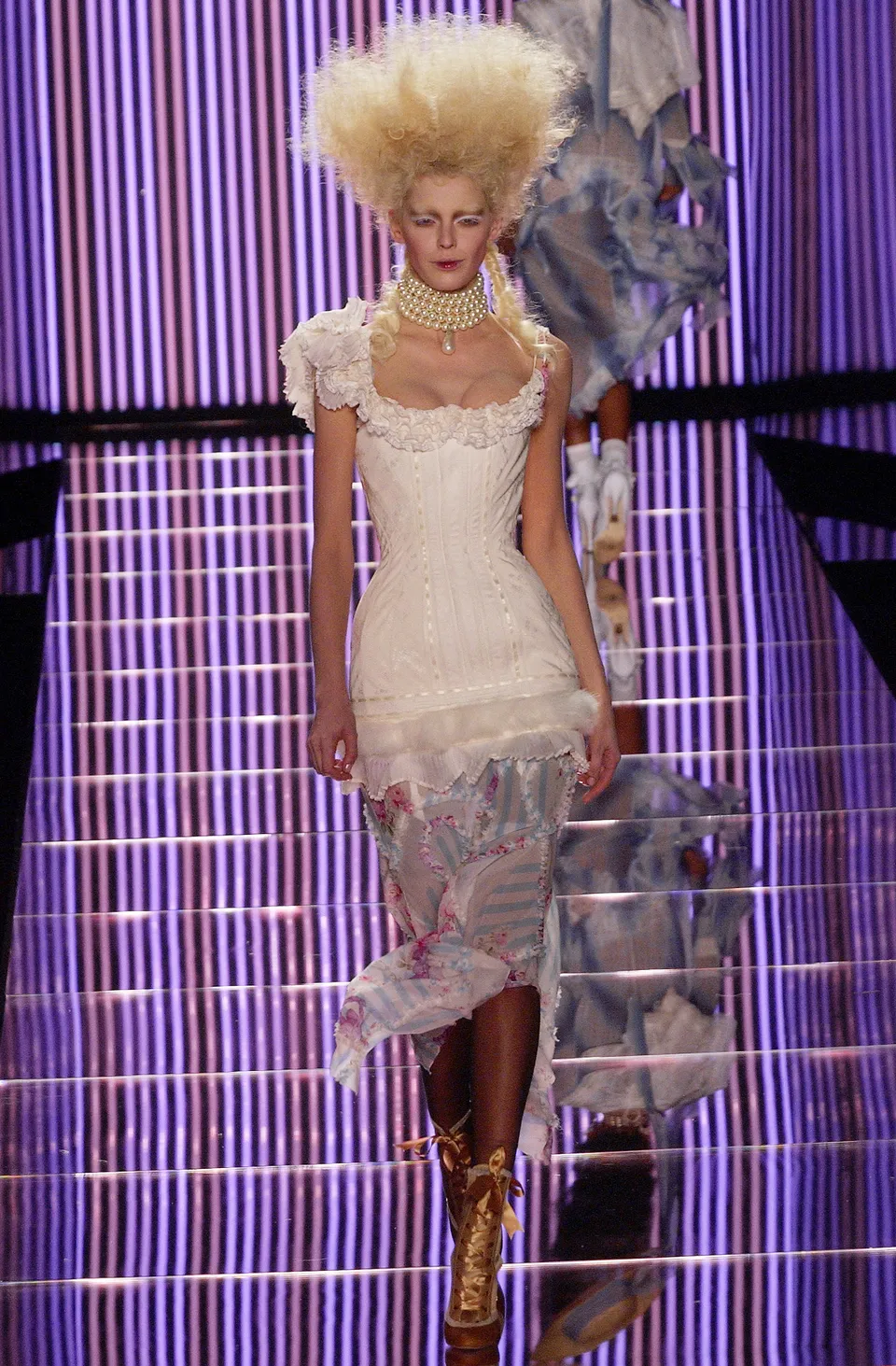
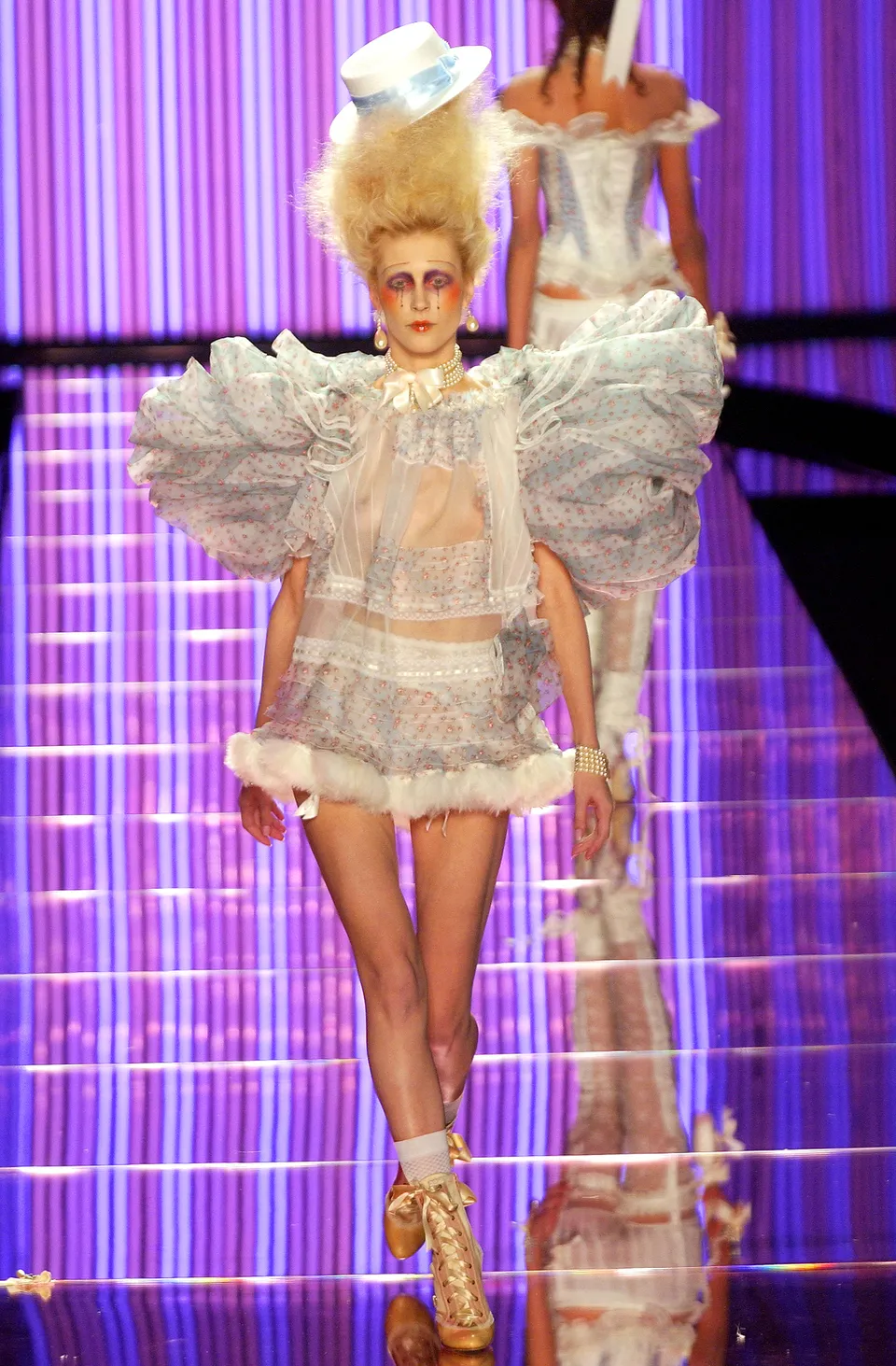
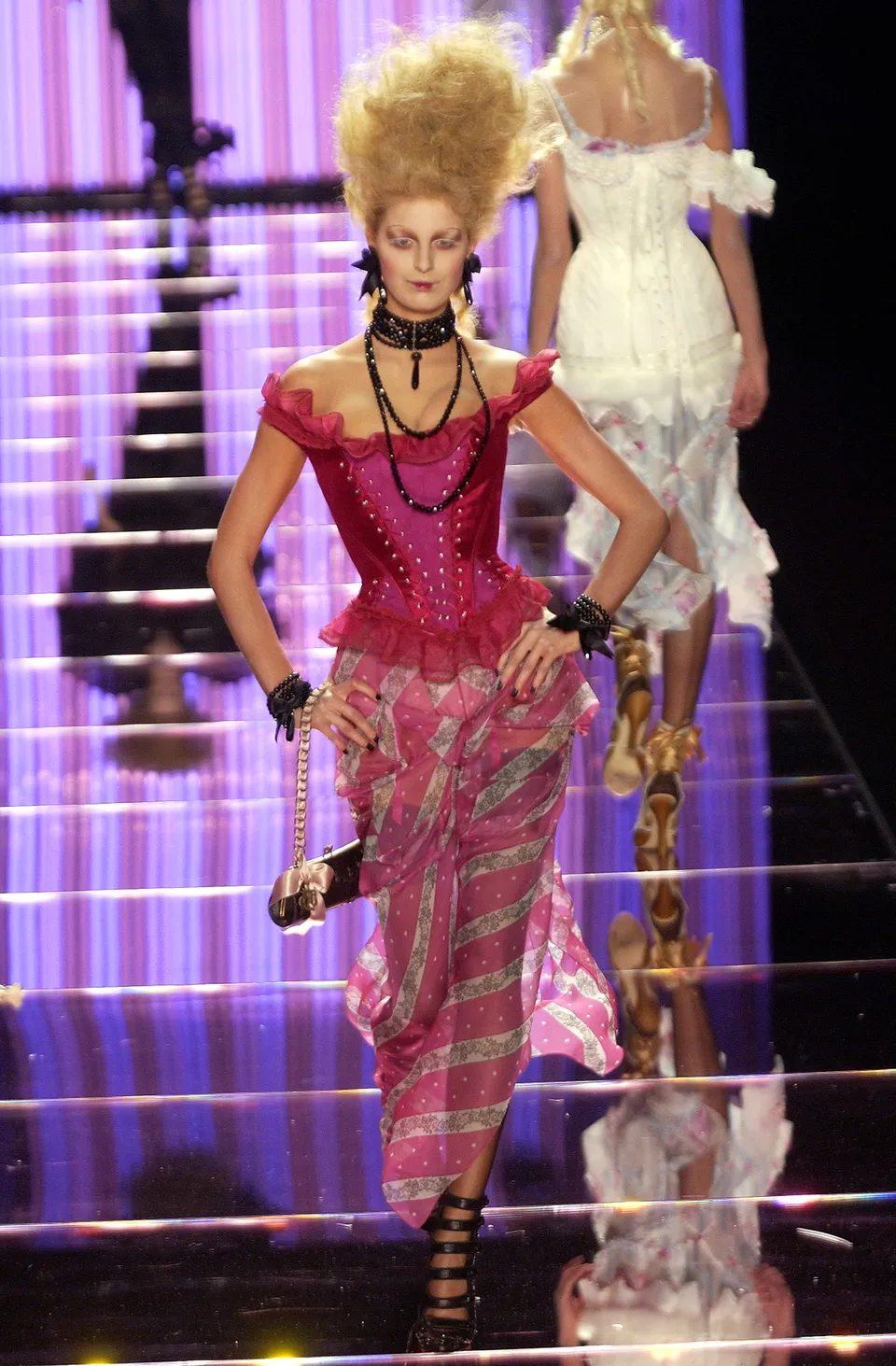
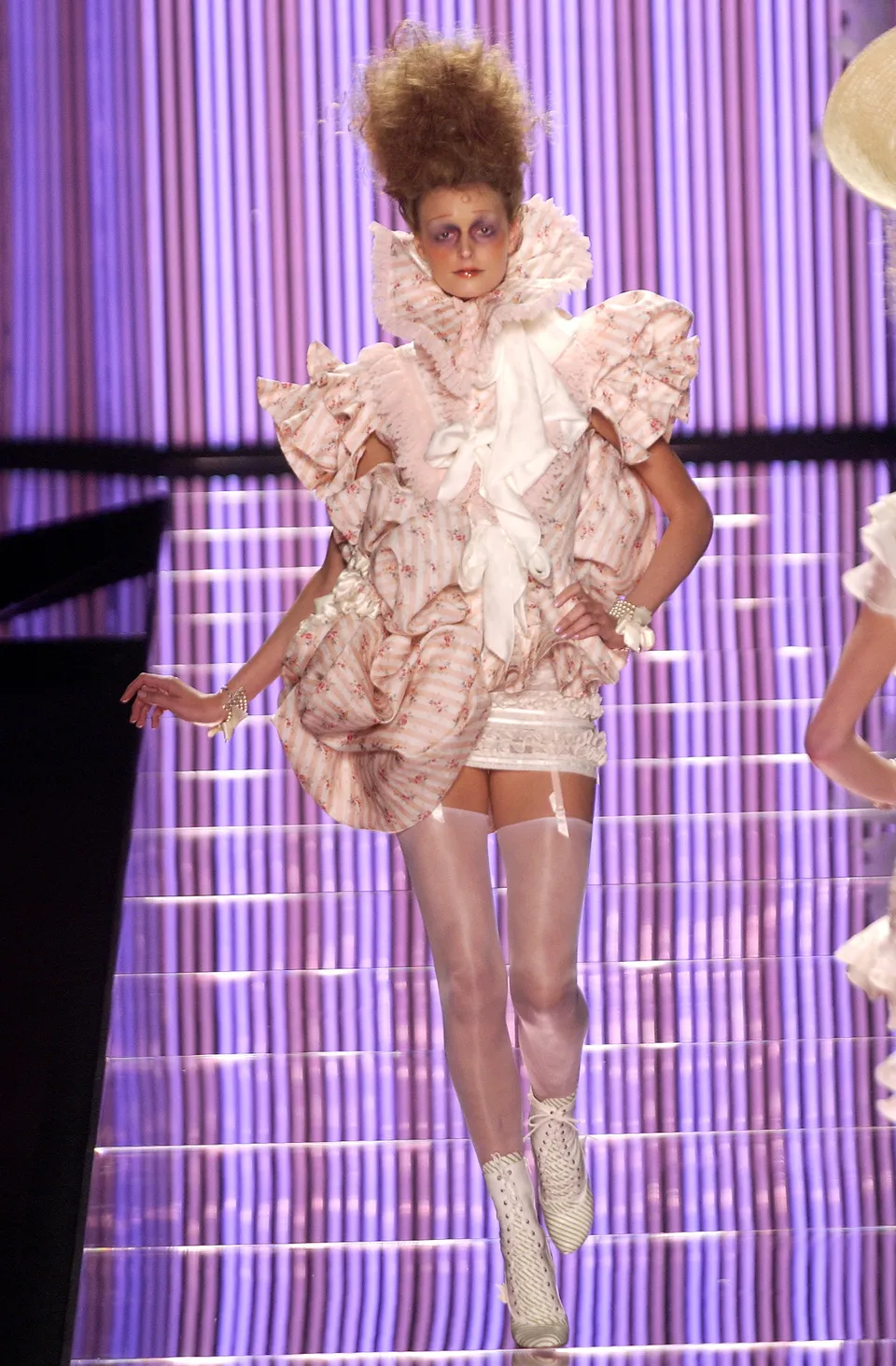
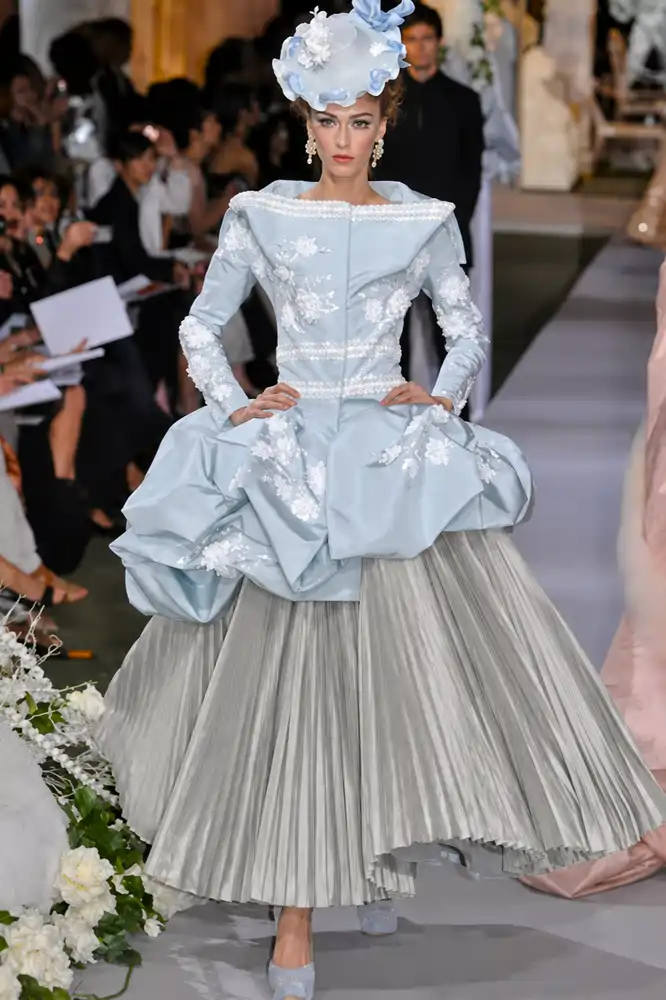
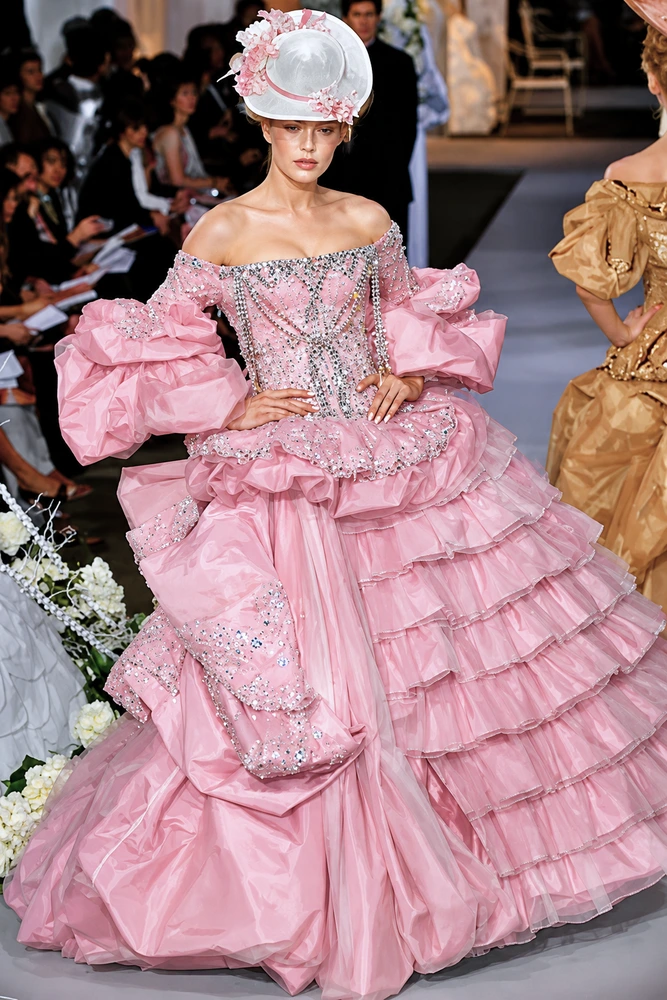
John Galliano makes Rococo style feel cinematic and haunted, filling the runway with women who seem to have stepped out of history at the exact moment before the dream catches fire.
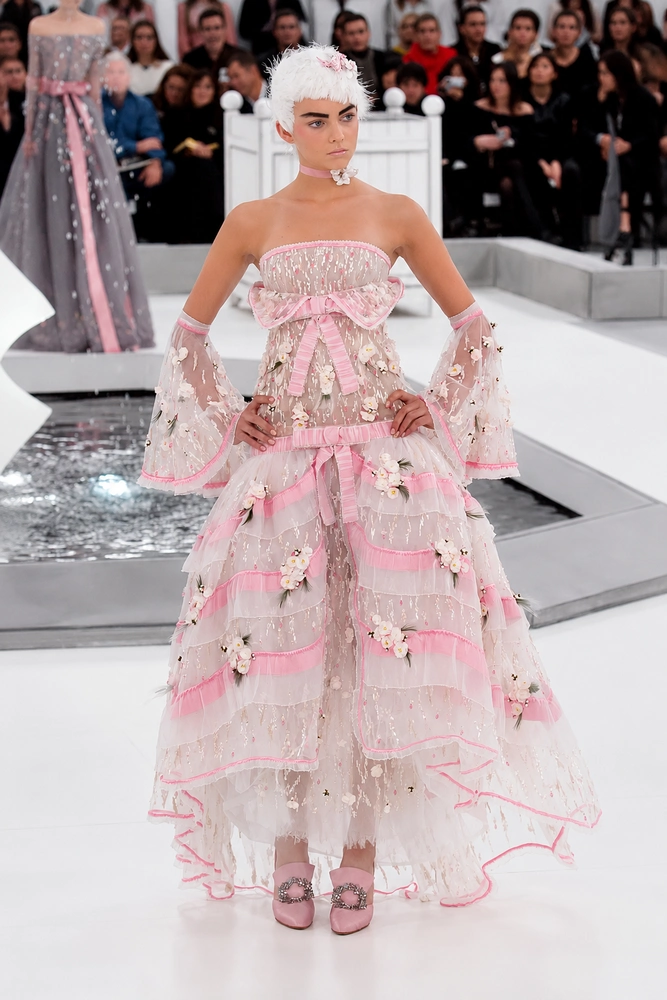
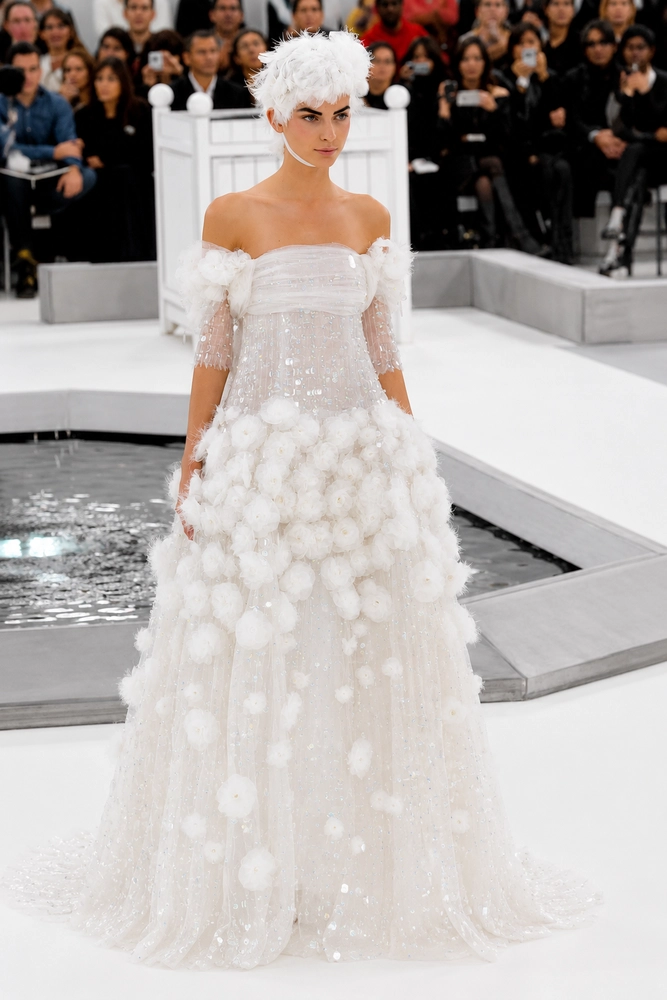
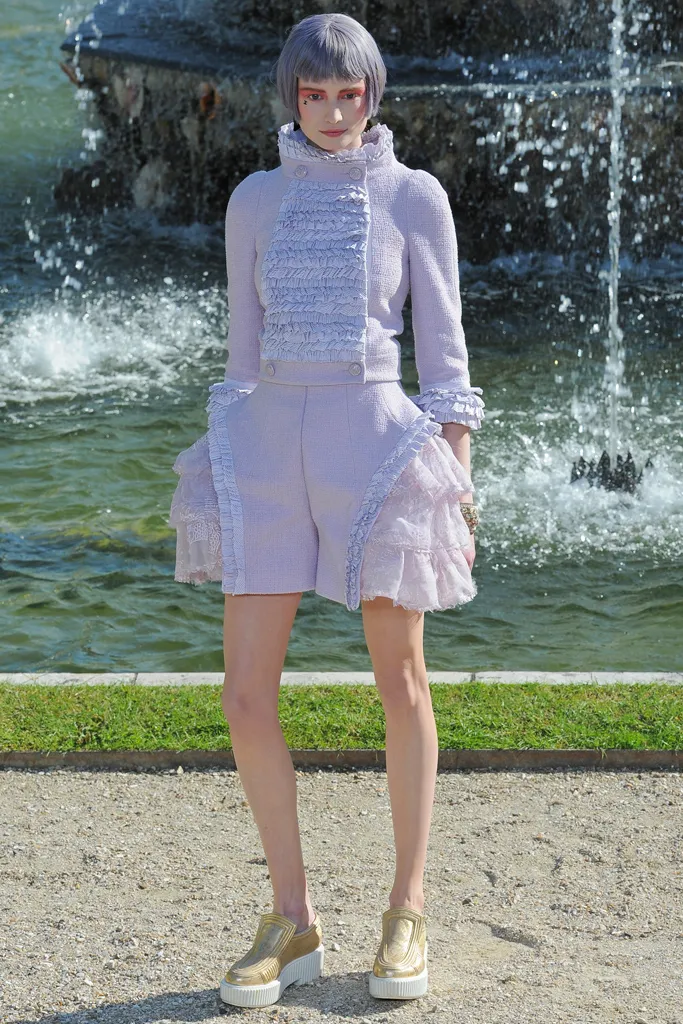
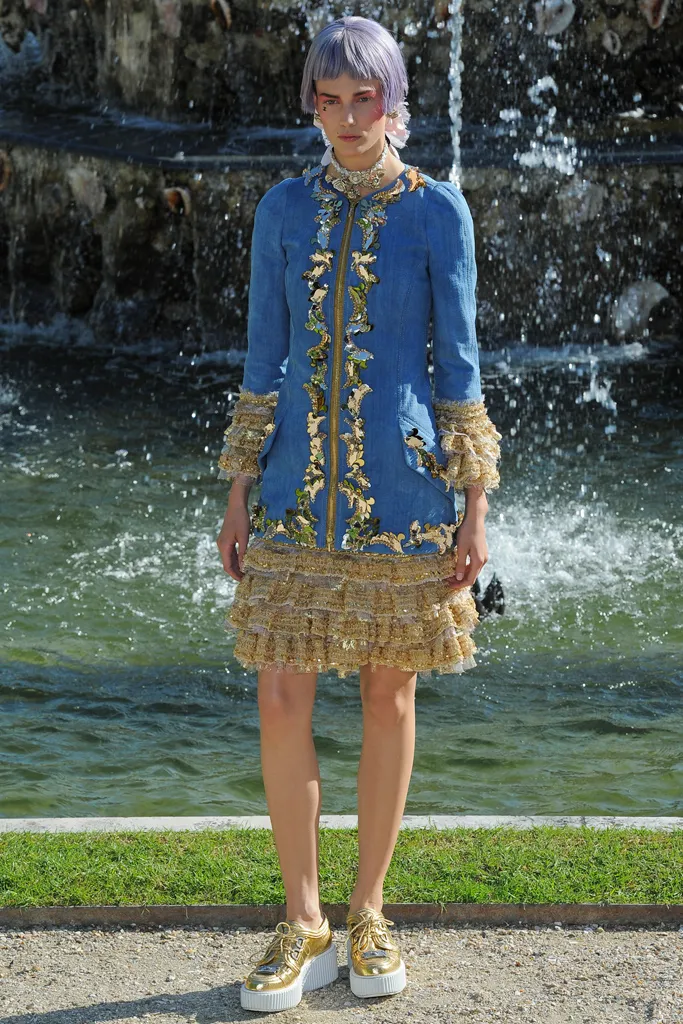
Chanel approaches Rococo style through controlled fantasy, allowing Versailles, pearls, powder, and courtly elegance to become part of a polished modern mythology.
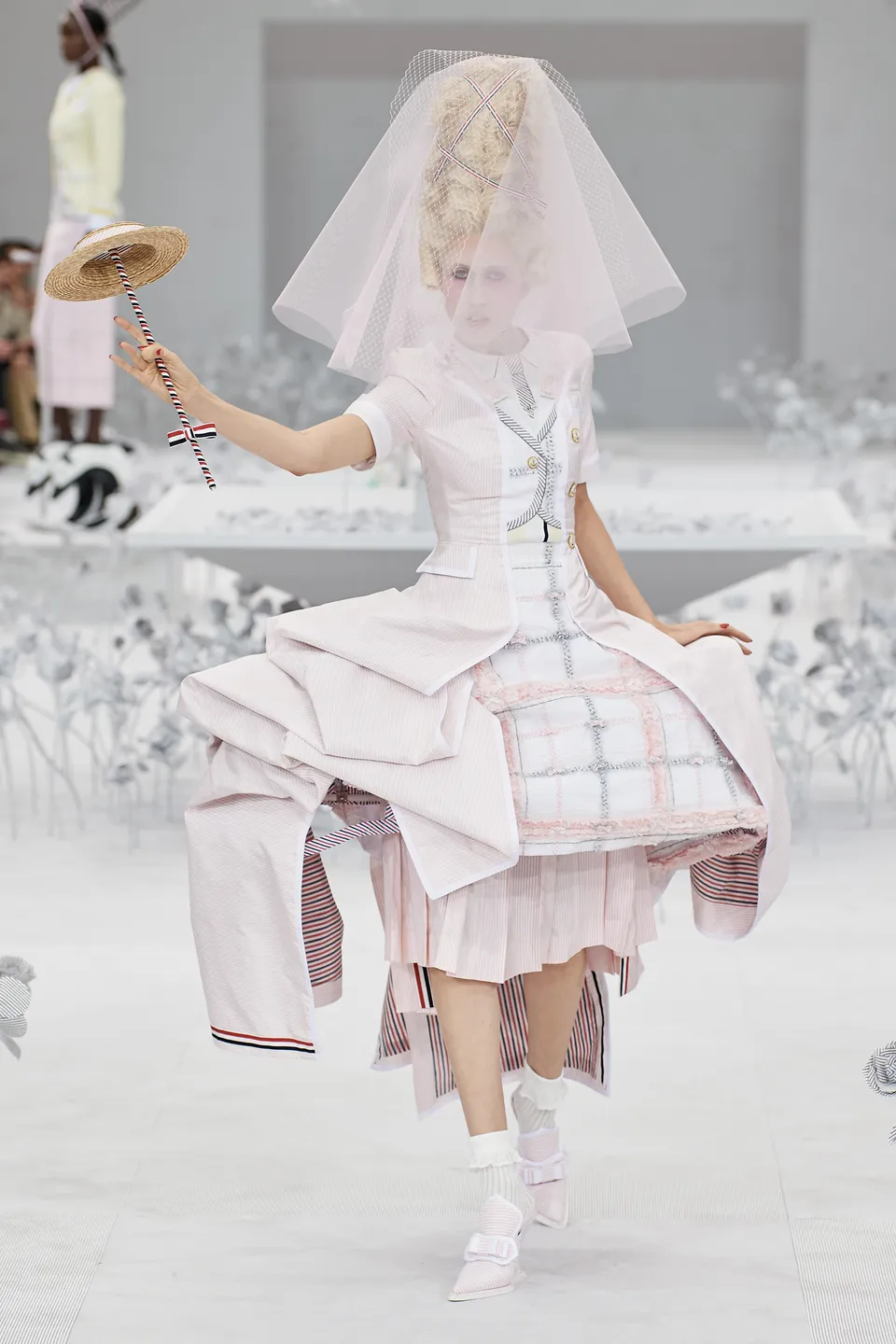
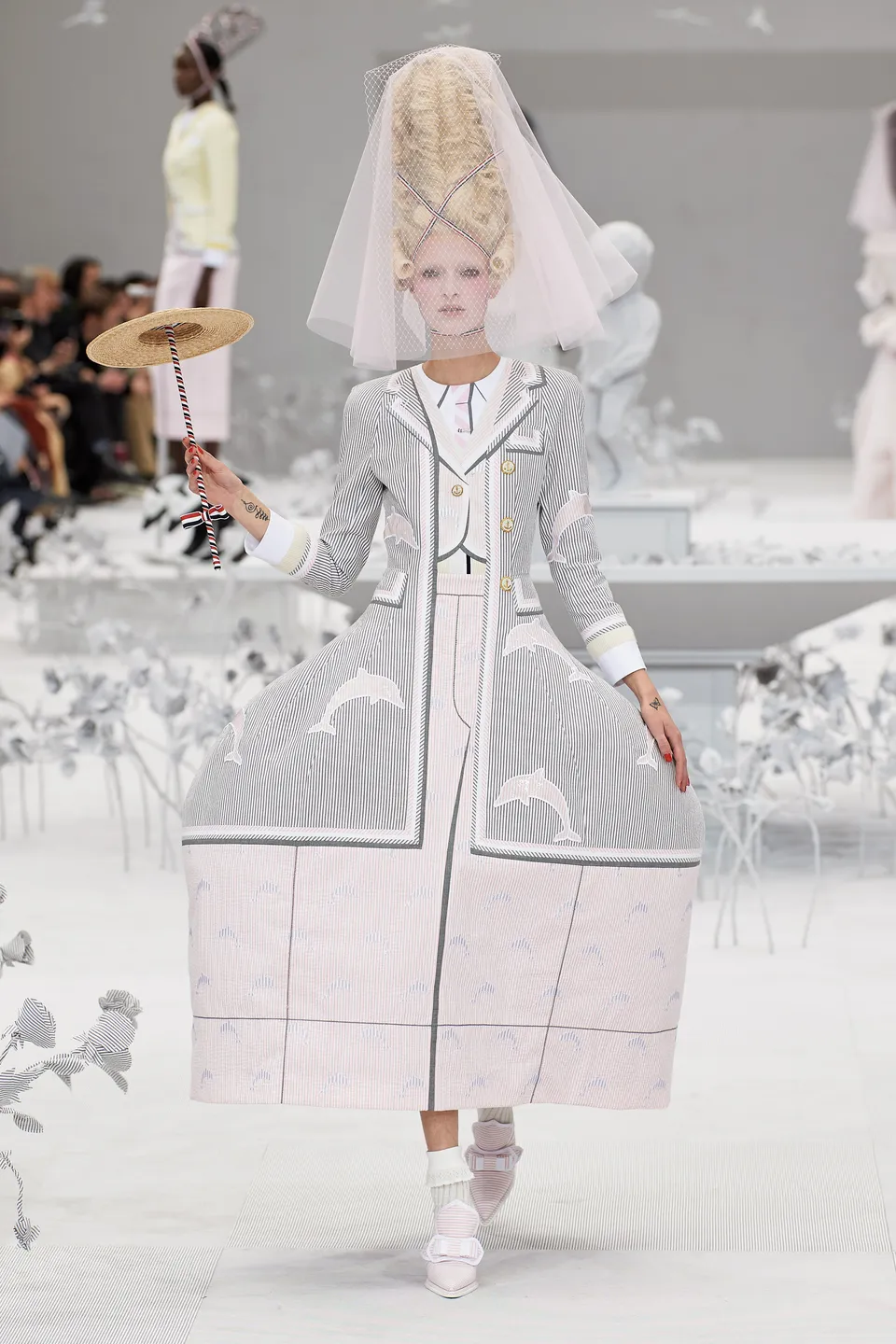
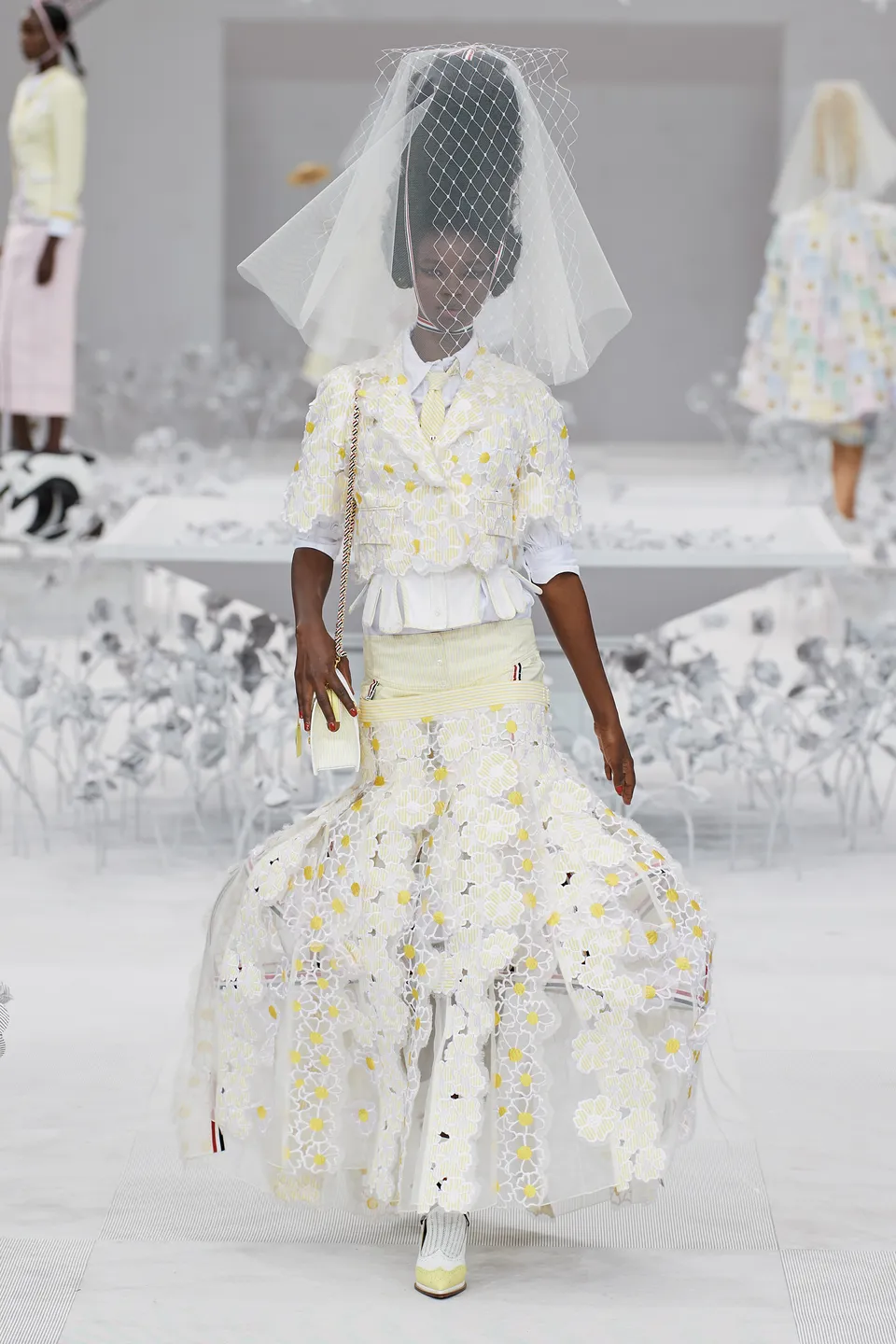
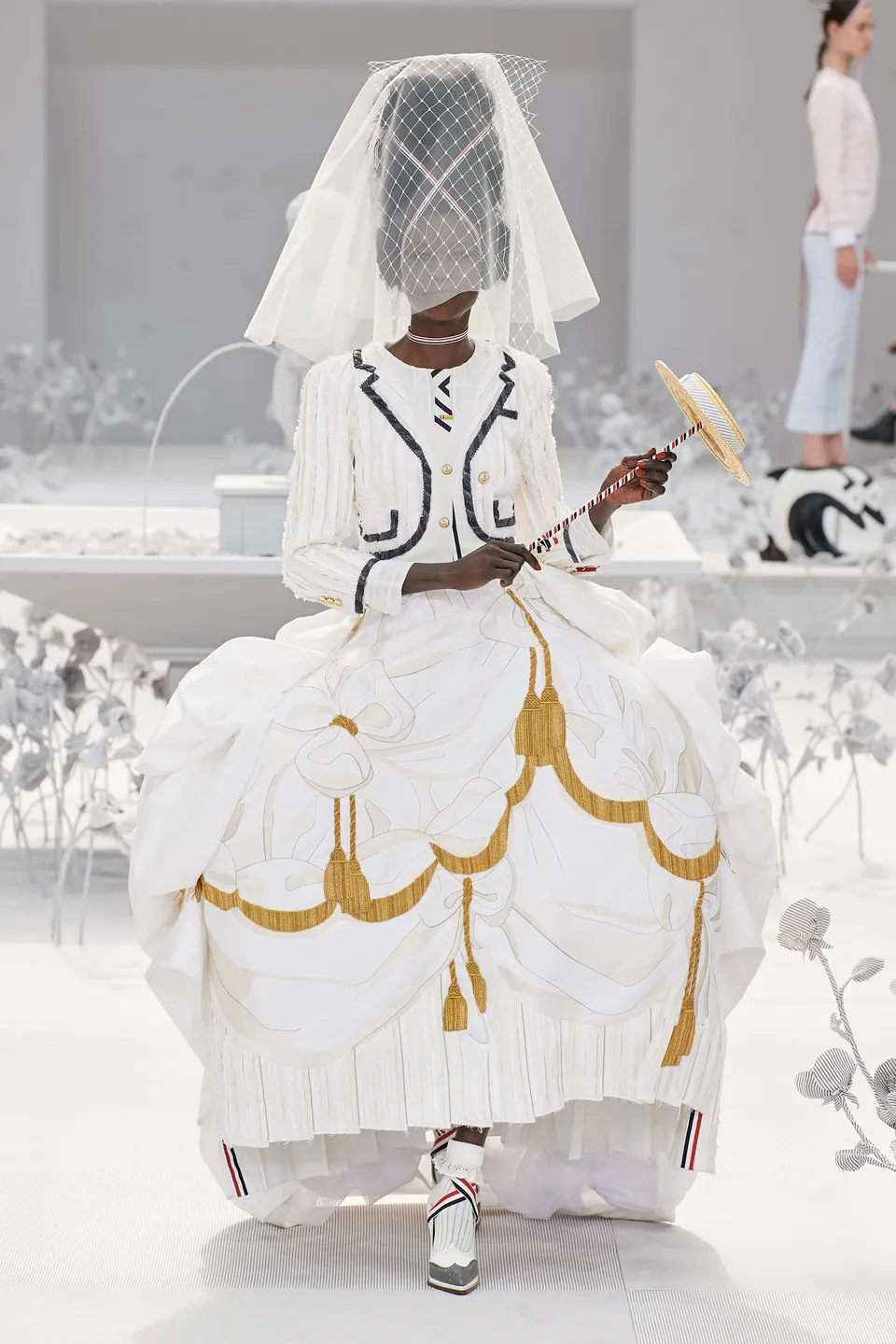
Thom Browne sharpens Rococo style into ritual, turning the body into a ceremonial object and making aristocratic absurdity feel strangely disciplined, sacred, and surreal.
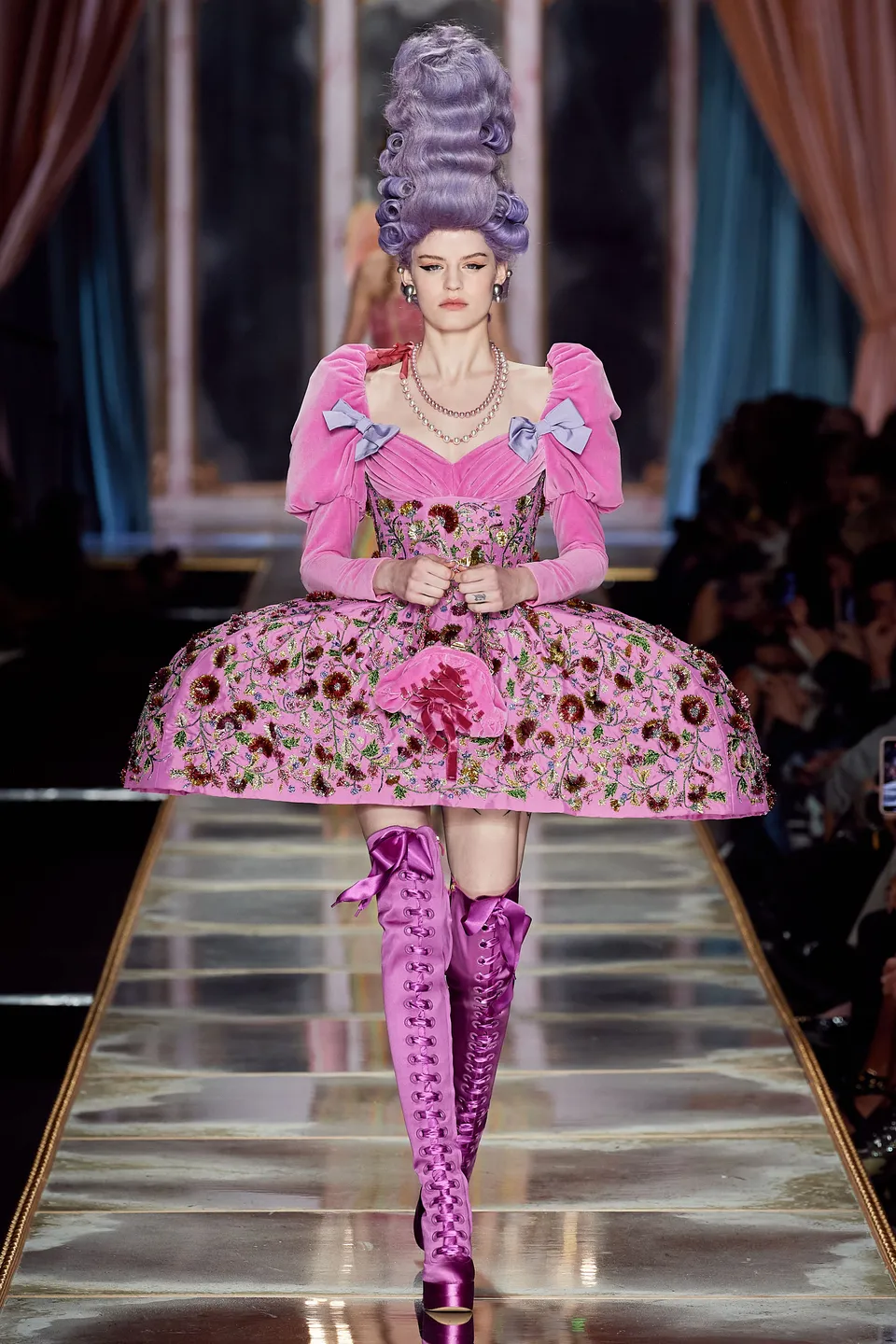
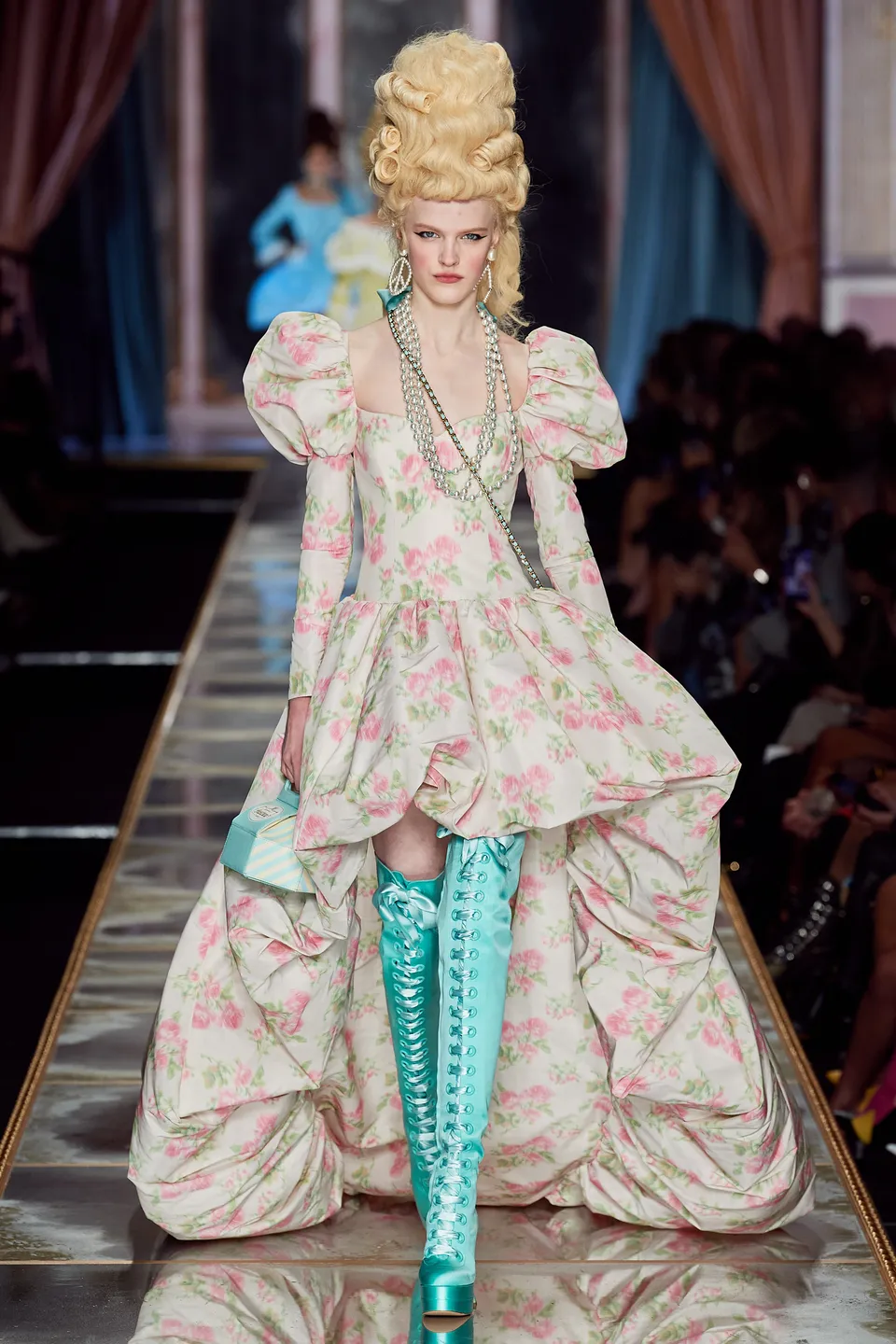
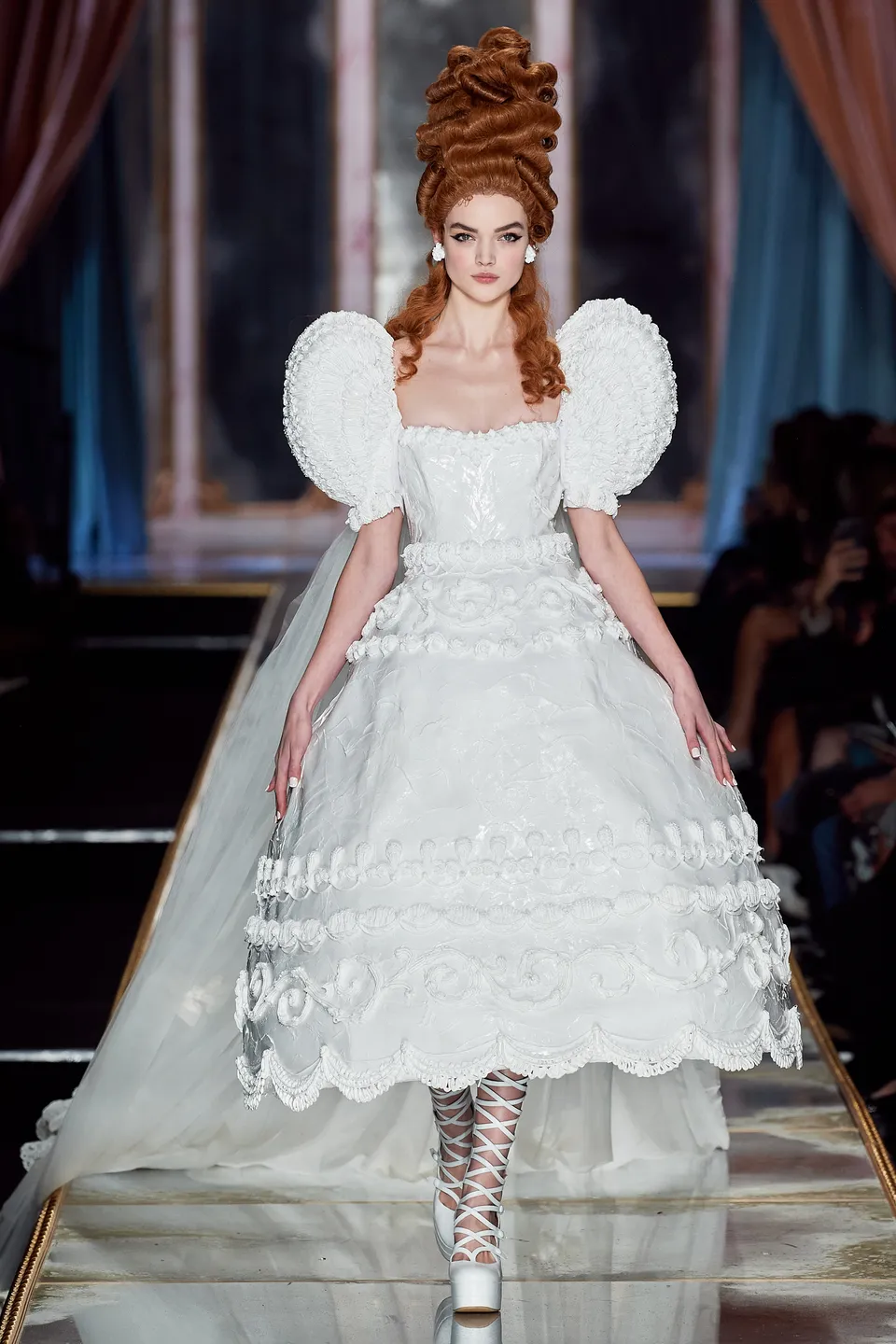
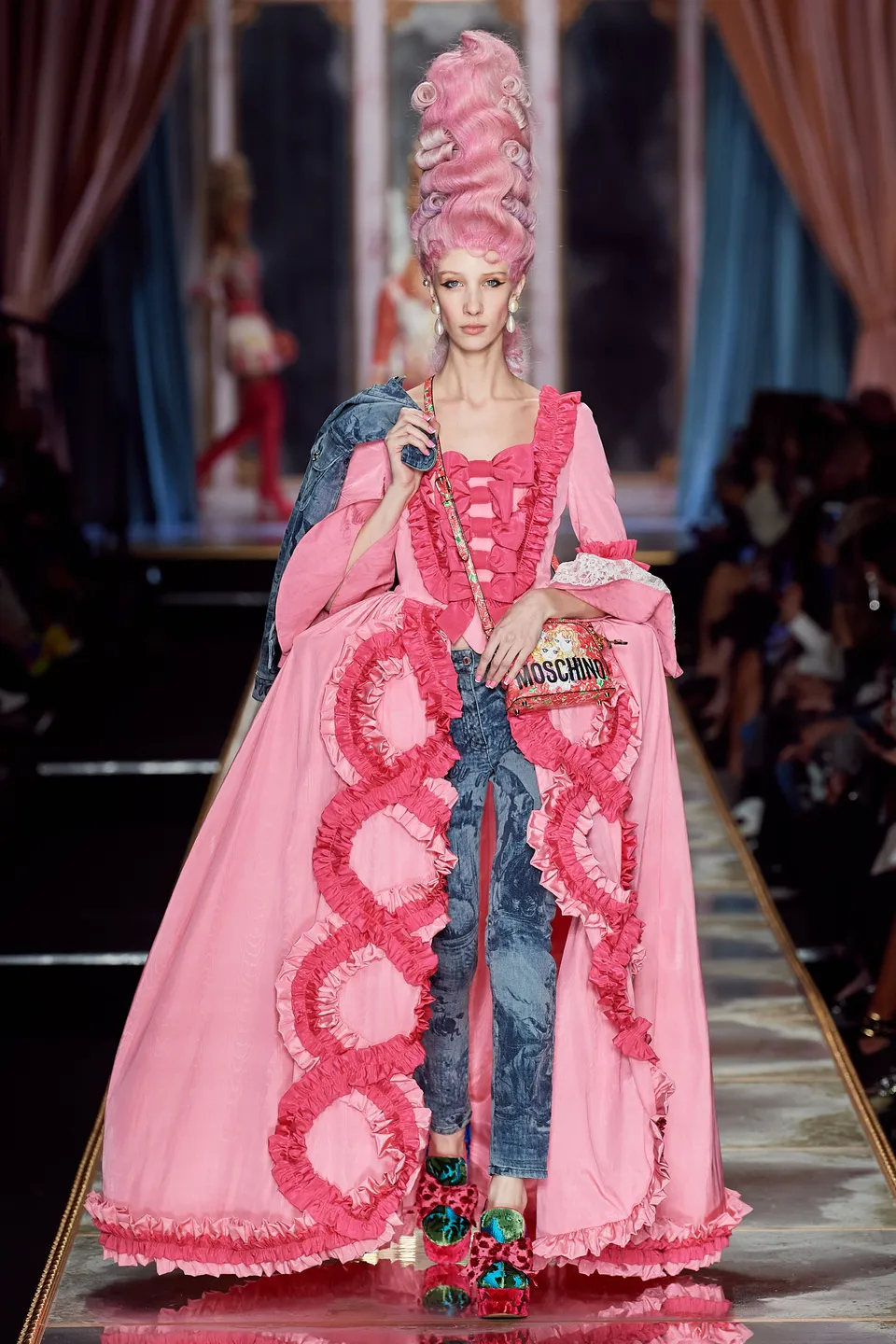
Moschino revives Rococo style as delicious satire, treating the court as a cake box, a candy-colored theater, and a place where pleasure becomes its own political joke.
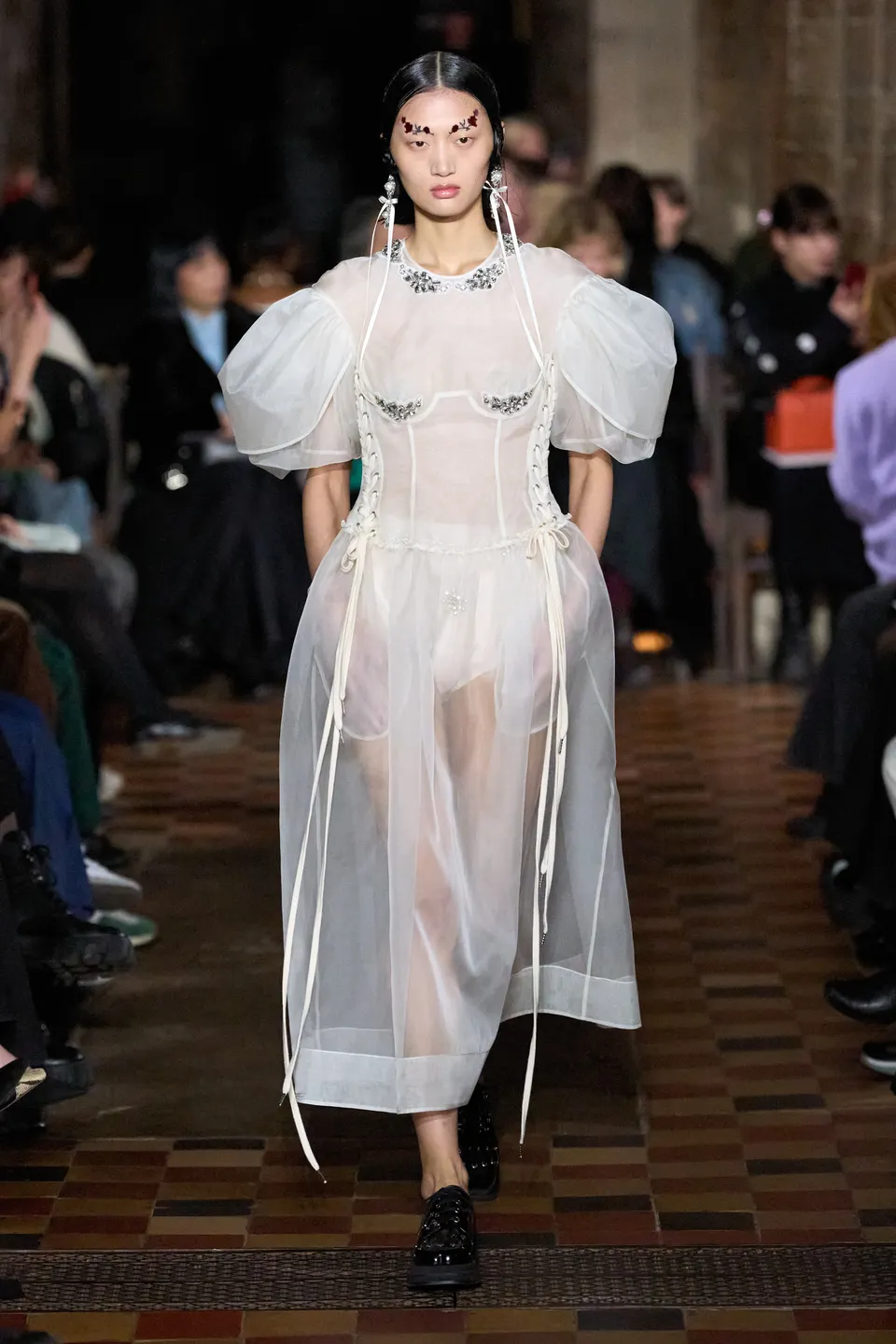
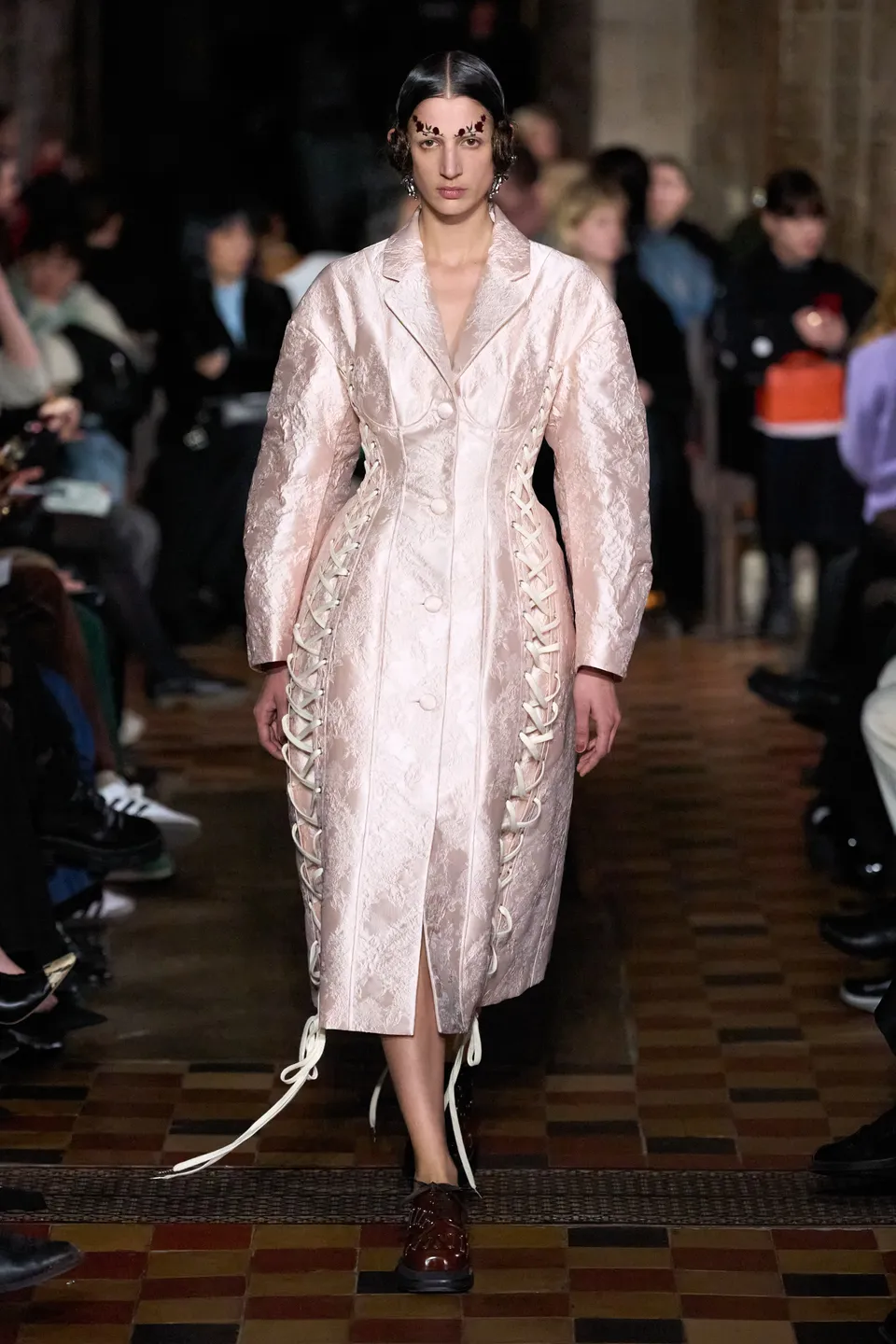
Simone Rocha brings Rococo style into a softer emotional register, where romance feels bruised, girlishness becomes ghostly, and sweetness carries an almost devotional intensity.
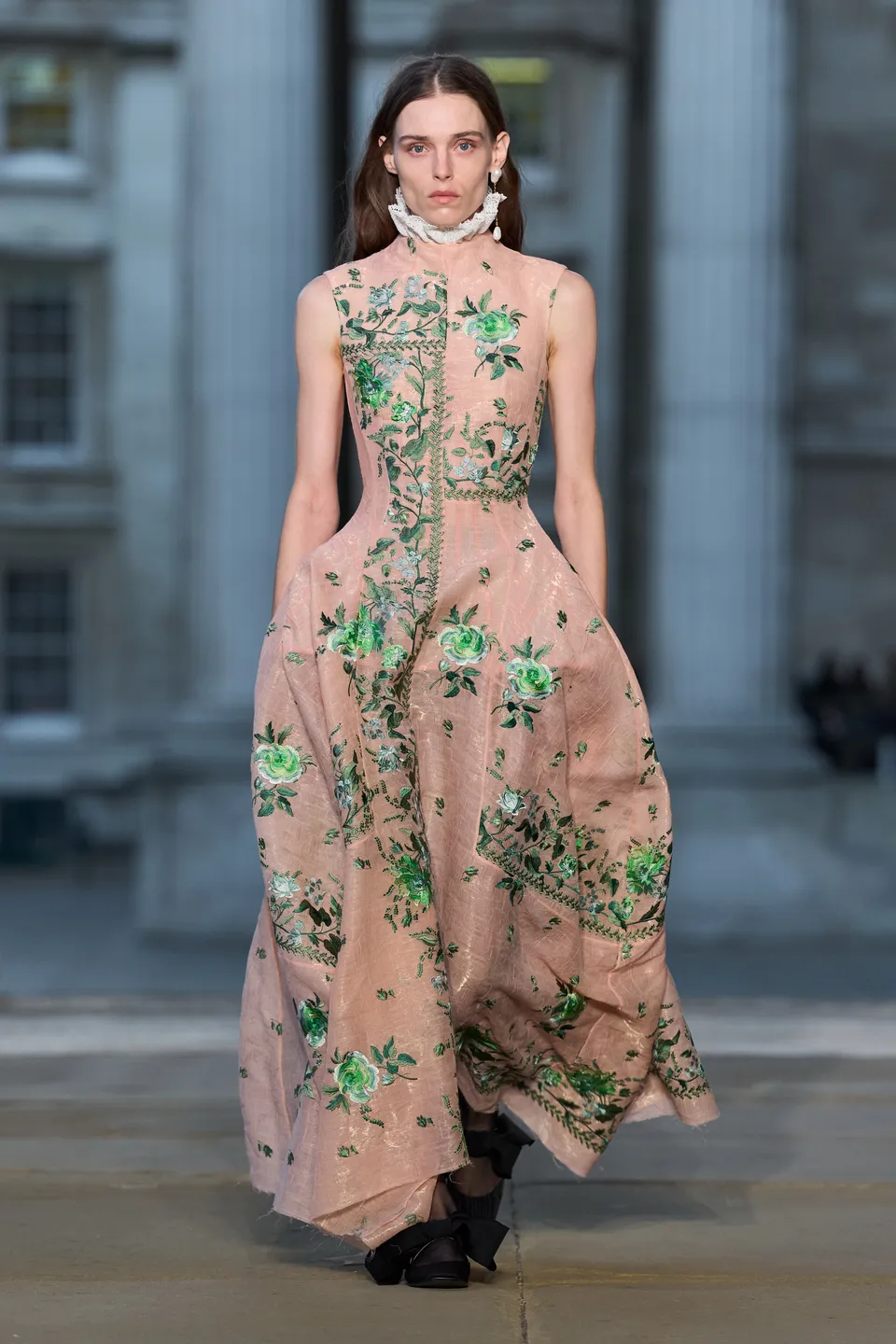
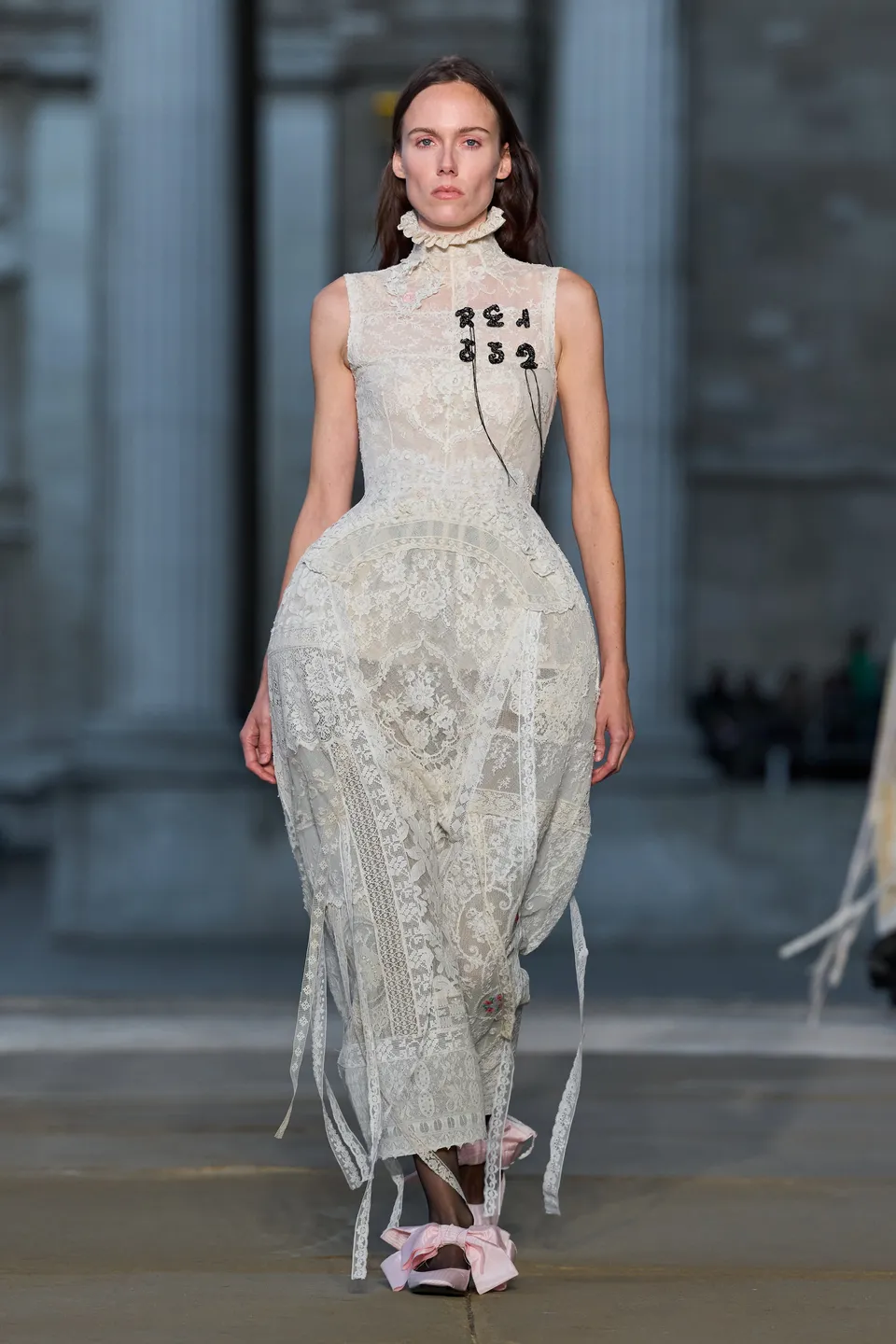
Erdem reads Rococo style as memory, building a world where old portraits, faded salons, and aristocratic gardens return with a tender, literary ache.
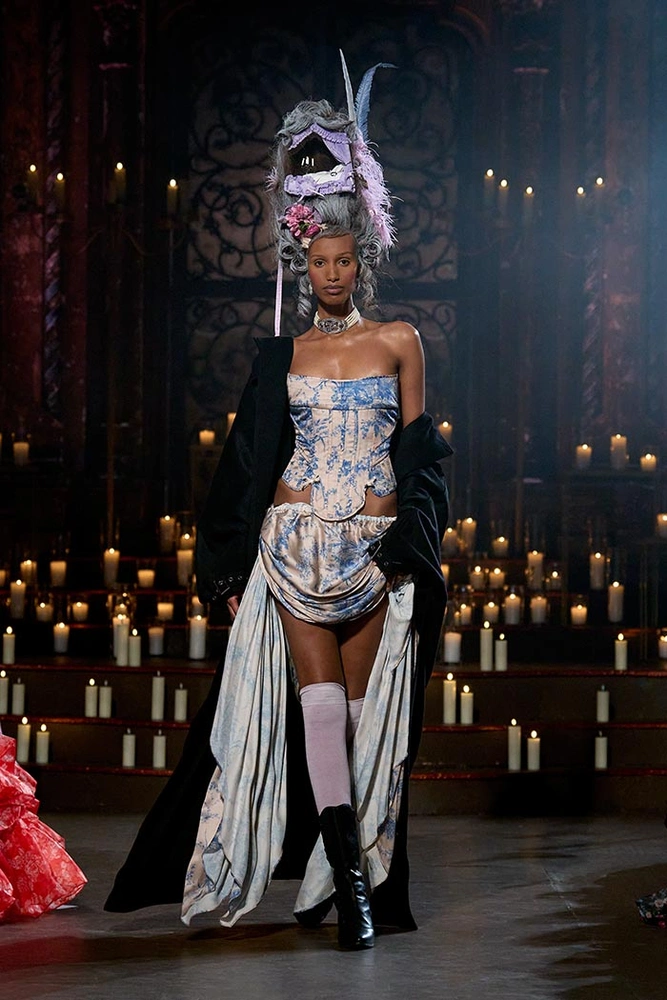
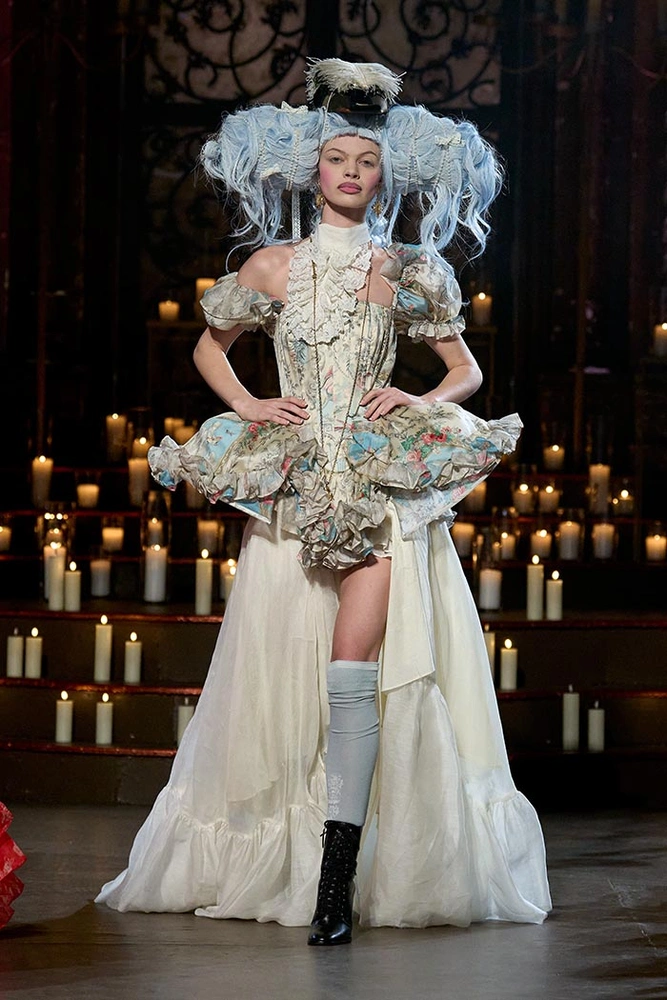
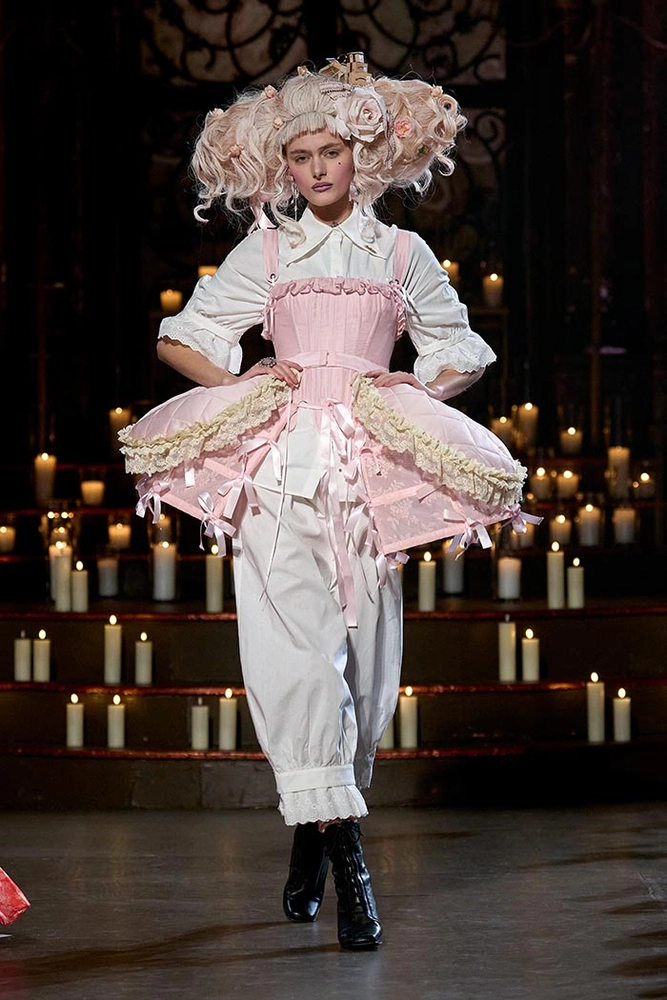
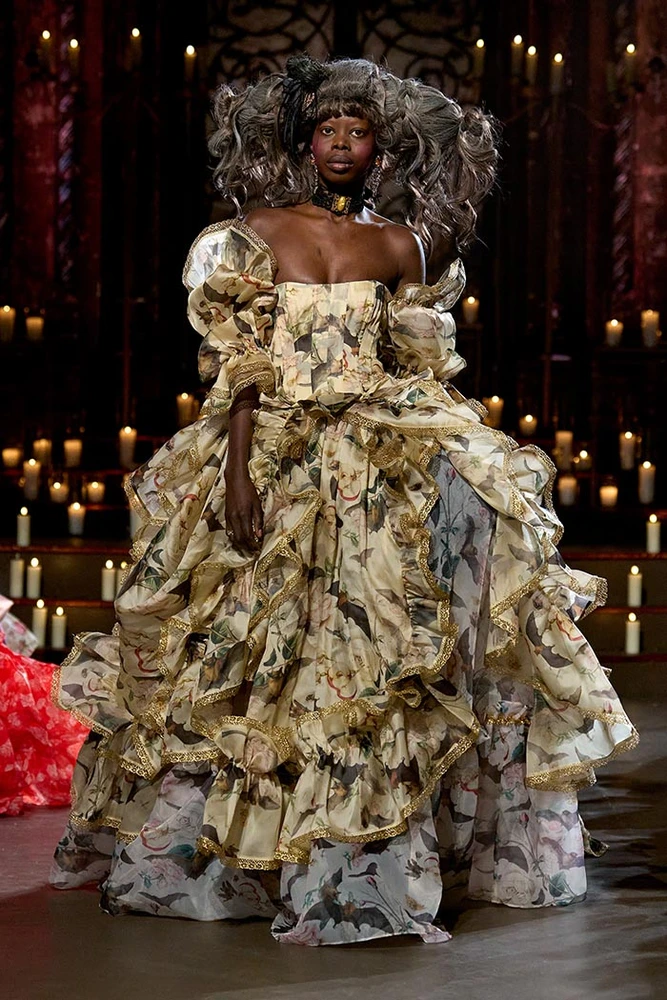
Selkie turns Rococo style into internet-age fantasy, making the old dream of the princess feel more playful, accessible, and emotionally excessive for a generation raised on softness and spectacle.
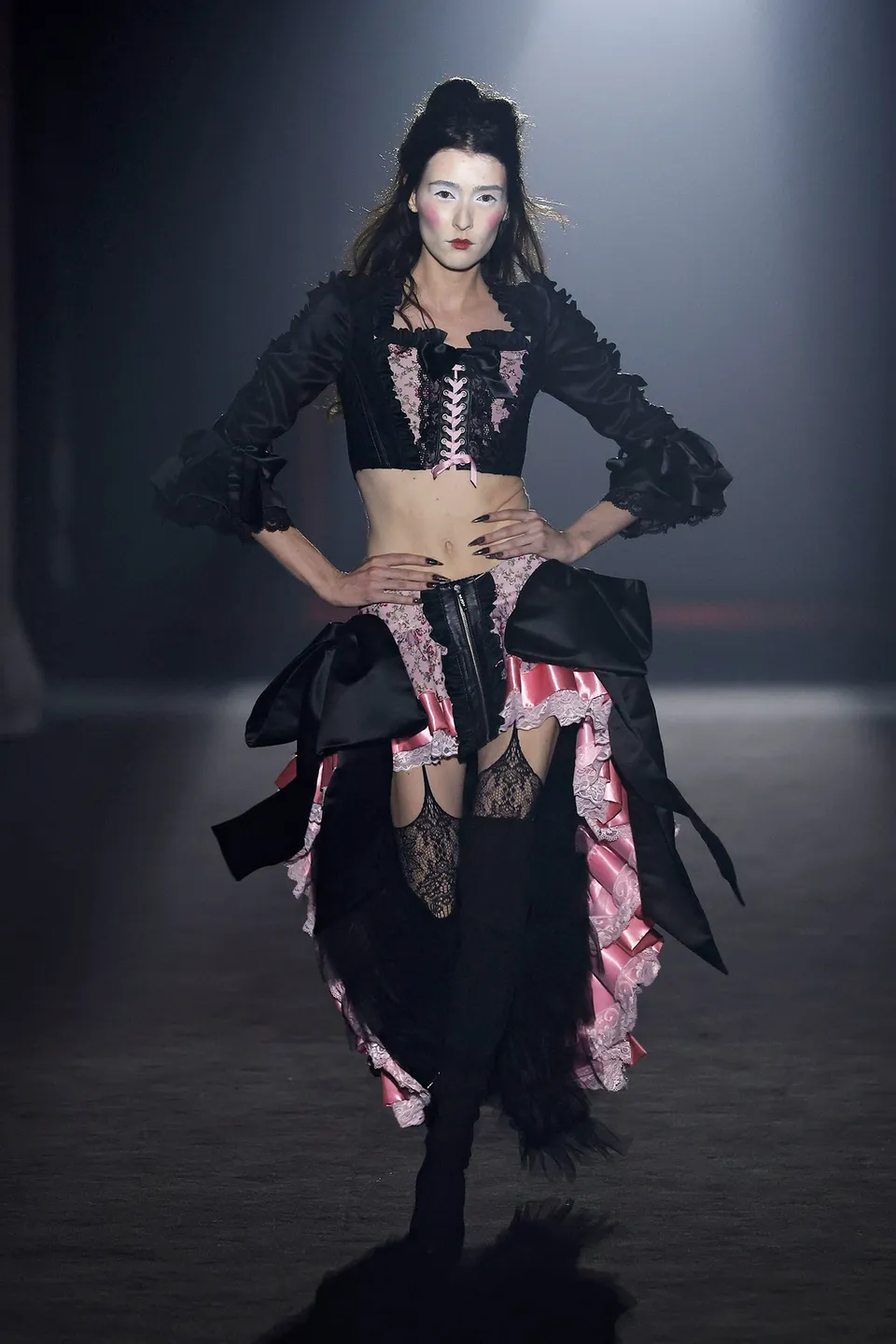
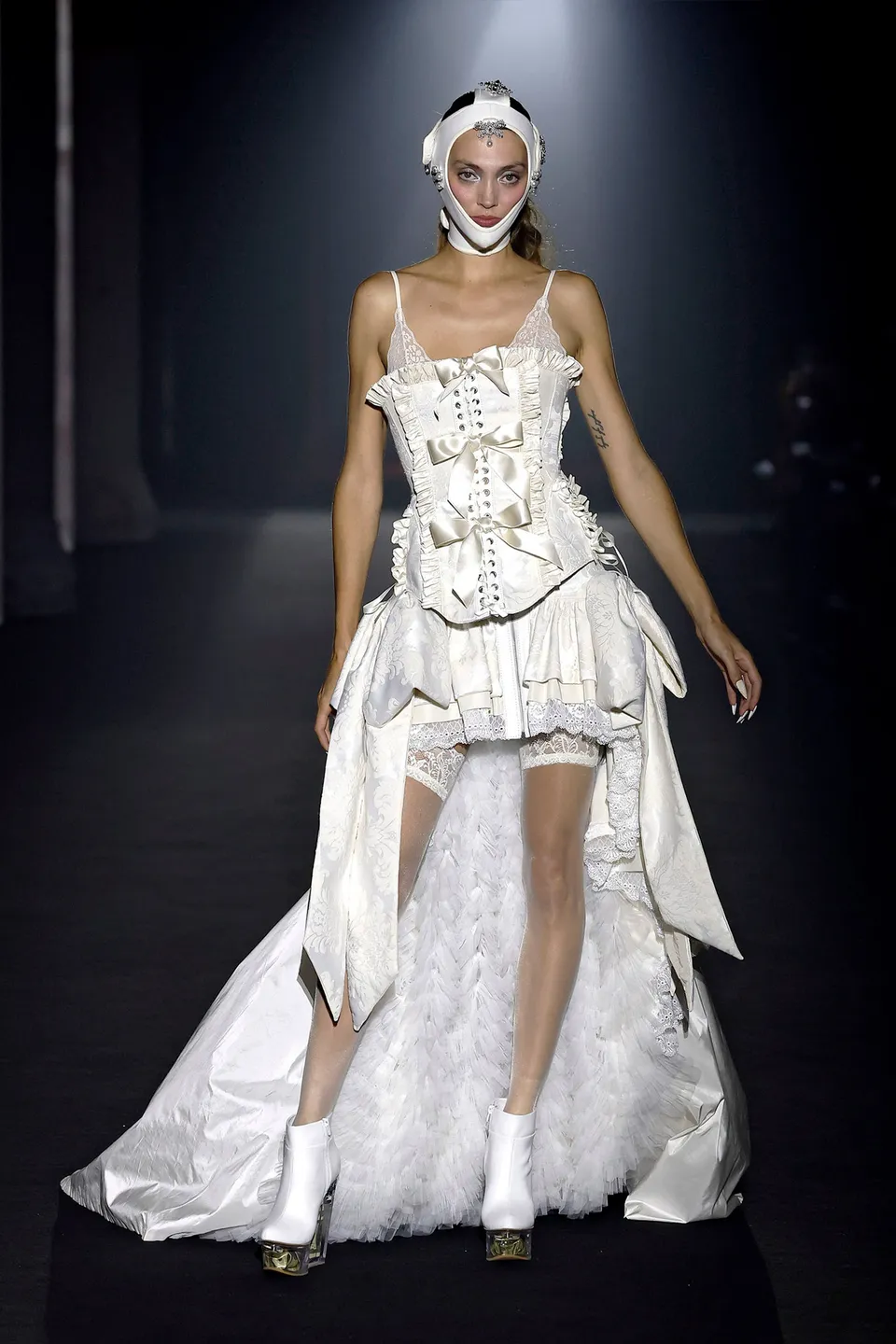
Dominnico pushes Rococo style into contemporary drama, treating the eighteenth century as a living fantasy system that can still seduce, provoke, and glitter under the pressure of modern desire.
To step into the spirit of Rococo style is to surrender to a beautiful, breathless vertigo, a world where the soul has been traded for a shimmering surface and the heartbeat is measured by the rhythmic clicking of a painted fan. It is a sacred, desperate philosophy of the artificial, a collective agreement to believe in the lie of eternal spring even as the frost of history gathered at the windows. This was a culture that looked into the terrifying mouth of the abyss and decided to drape it in silk ribbons, a mesmerizing, exotic rebellion against the crudeness of nature and the cold finality of the grave.
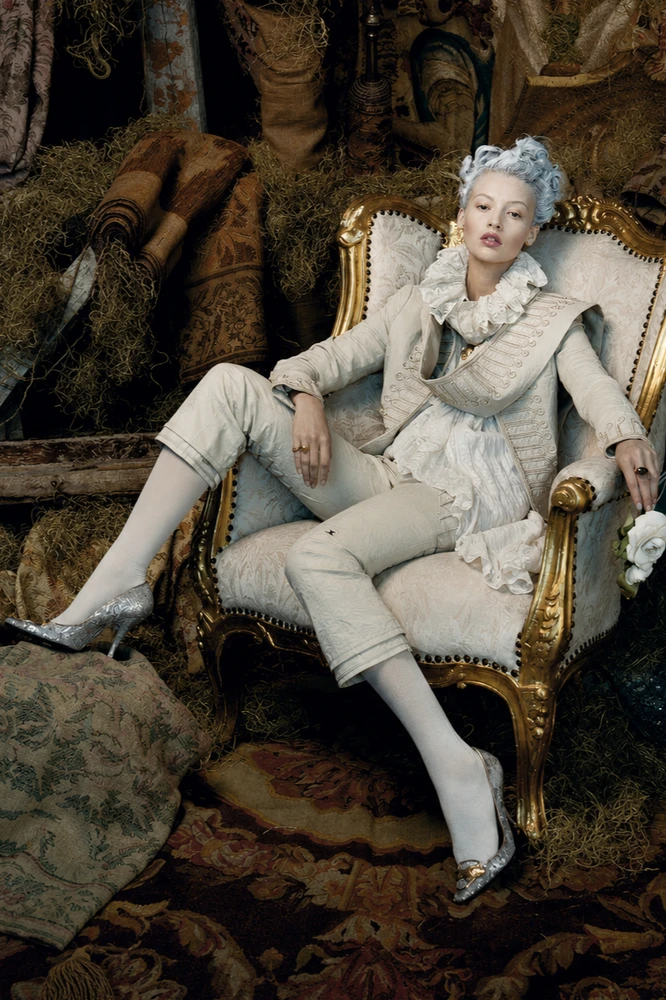
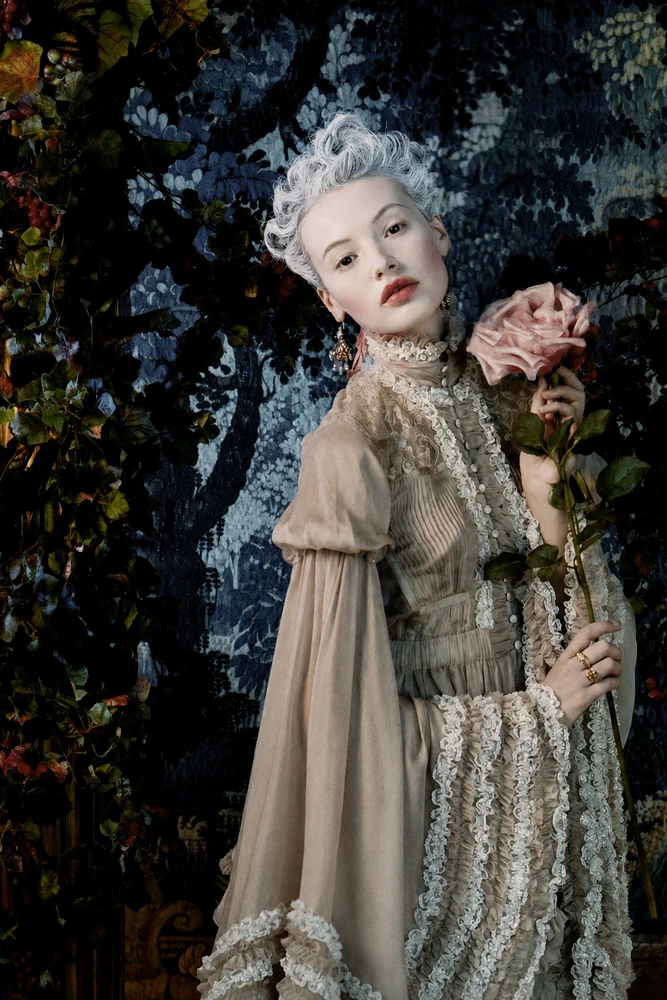
The very essence of Rococo style was a brutal, perfumed defiance. The face was a holy mask of white lead and crushed vermillion, a porcelain façade that froze the woman in a state of perpetually young, wide-eyed grace. But beneath that powdered sugar lay a terrifying layer of rot; the lead in the powder slowly ate away at the very flesh it sought to divinize, turning the quest for beauty into a literal, slow-motion sacrifice. It was a spirit that whispered, with a chilling elegance: “It is better to be a divine fabrication than a plain, dying truth.”
She who moved through this Rococo world was a gilded prisoner of her own enchantment, a creature of the Salon whose very silhouette was a symbol of a life lived in the horizontal. Her existence was an exotic performance, confined by the extreme, tabletop width of the panniers and the crushing, dizzying height of the pouf. She was a bird of paradise trapped in a cage of her own lace, so specialized, so ornamental, that she had lost the connection to the earth. She could not walk through a common door; she could not hold a child without a sea of silk intervening; she had become a ghost in a garden of her own making.
There is a profound, tearing melancholia in her glamour, the spirit of the Fête Galante, where the sun is forever in its "Golden Hour," casting long, lilac shadows across the grass. It is the taste of a peach at the exact second of perfection, knowing that the next moment brings the rot.
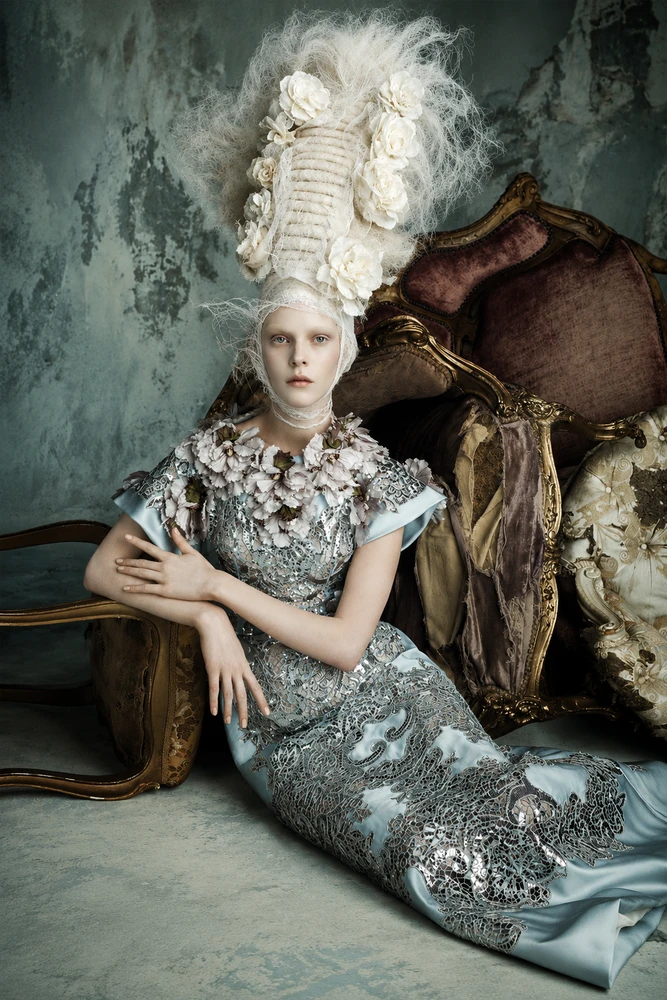
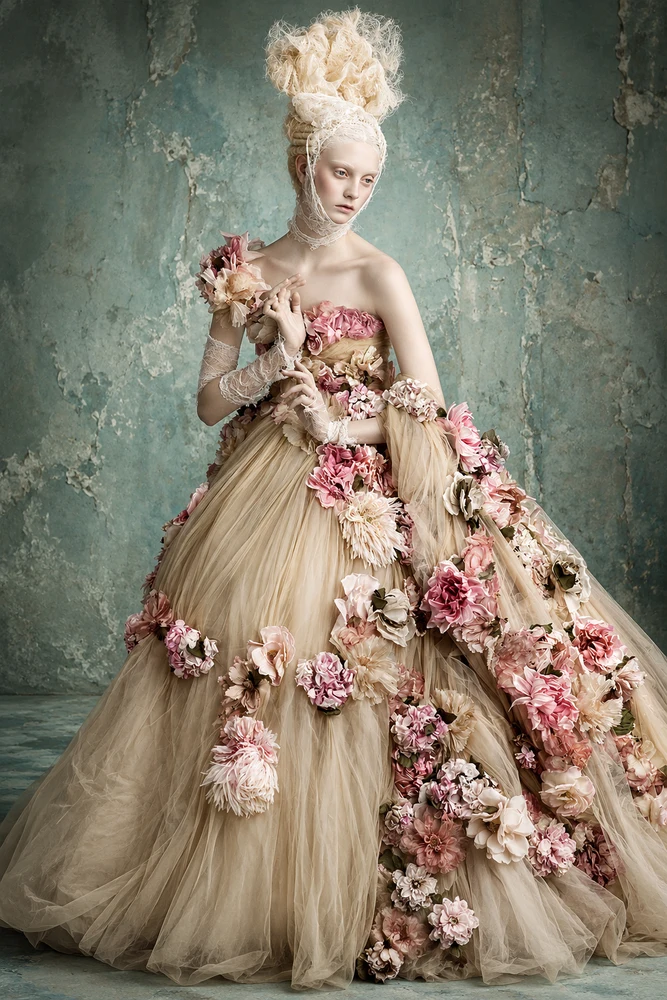
This frivolousness was not a lack of depth, but a form of bravery. These women lived in a state of tragic glamour, using pastels not because they were innocent, but because they were exhausted by the dark, heavy sins of the centuries that preceded them. They chose to inhabit a dream of pistachio, blush, and gold as a shield against the encroaching shadows of the Enlightenment and the hungry, rising roar of the streets. It was a world of sweetness that felt as fragile as a glass flute, a sacred hallucination that knew its own end was near. Every ribbon was a prayer, and every bow was a stay against the inevitable.
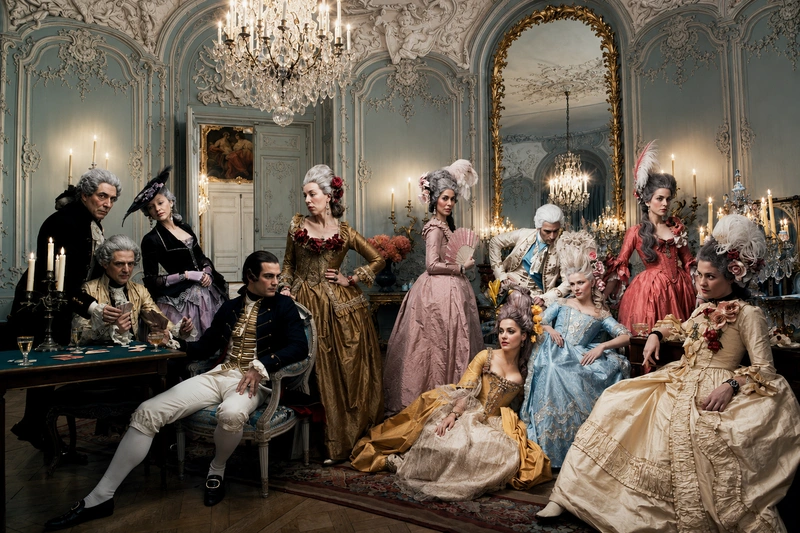
And then, the transition from powder to ash. The spirit of Rococo style is ultimately a story of incineration. That which was mesmerizing, the towering hair, the triple-tiered engageantes, the shimmering moiré that looked like water in the sun, became the evidence used to condemn it. The story of the Rococo woman is the story of a butterfly that flew too close to the chandelier and was consumed by its own light. She lived in a sun-drenched garden of silk and porcelain, only to wake up to the cold, sharp, and merciless steel of a world that no longer believed in ghosts. Her world ended not in a sigh, but in a sudden, violent waking, where the sugary tones of her life were scorched into the gray cinders of the guillotine’s basket.
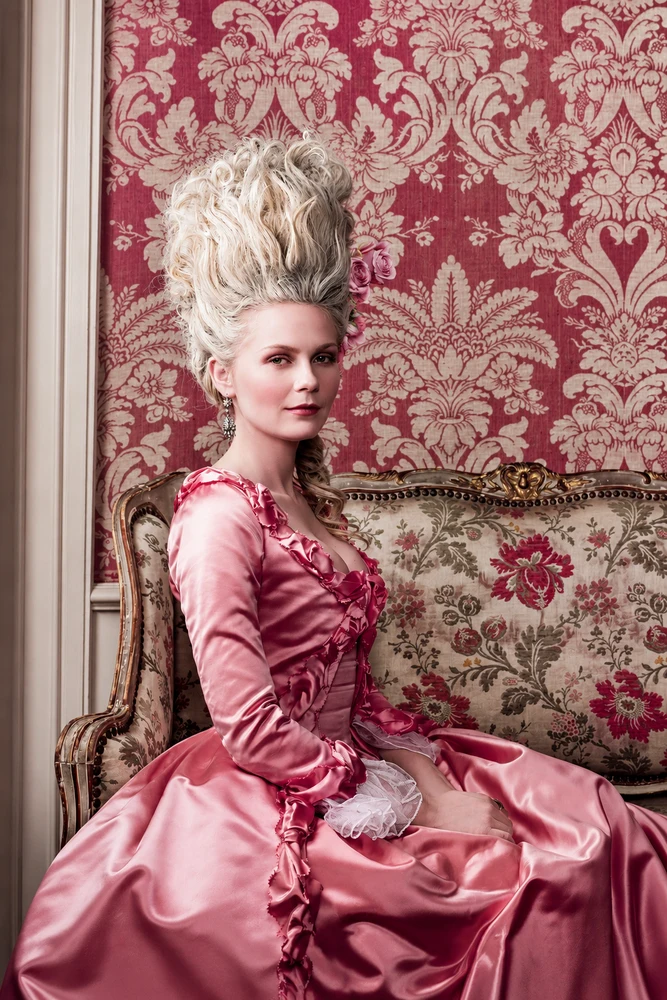
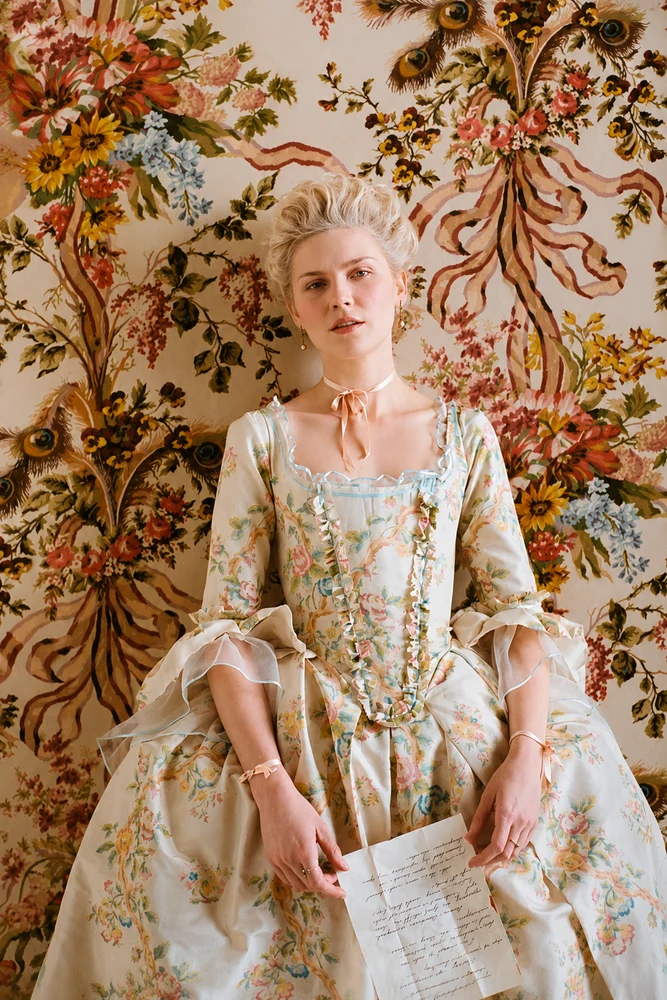
In the flickering, sun-drenched chambers of the cinematic lens, the Rococo is reborn not as a static history, but as a gasping, mesmerizing hallucination of light and tragedy where the very air feels thick with the scent of dying lilies and expensive powder. Sofia Coppola’s Marie Antoinette (2006) is a sacred, neon-tinged fever dream of pistachio and blush, a world where the crushing weight of the Robe à la française is softened by a soundtrack of longing, turning the Queen’s life into a mesmerizing deep dive of Ladurée macarons and silk ribbons that serve as a sugar-dusted shield against the cold, encroaching shadows of the throne.
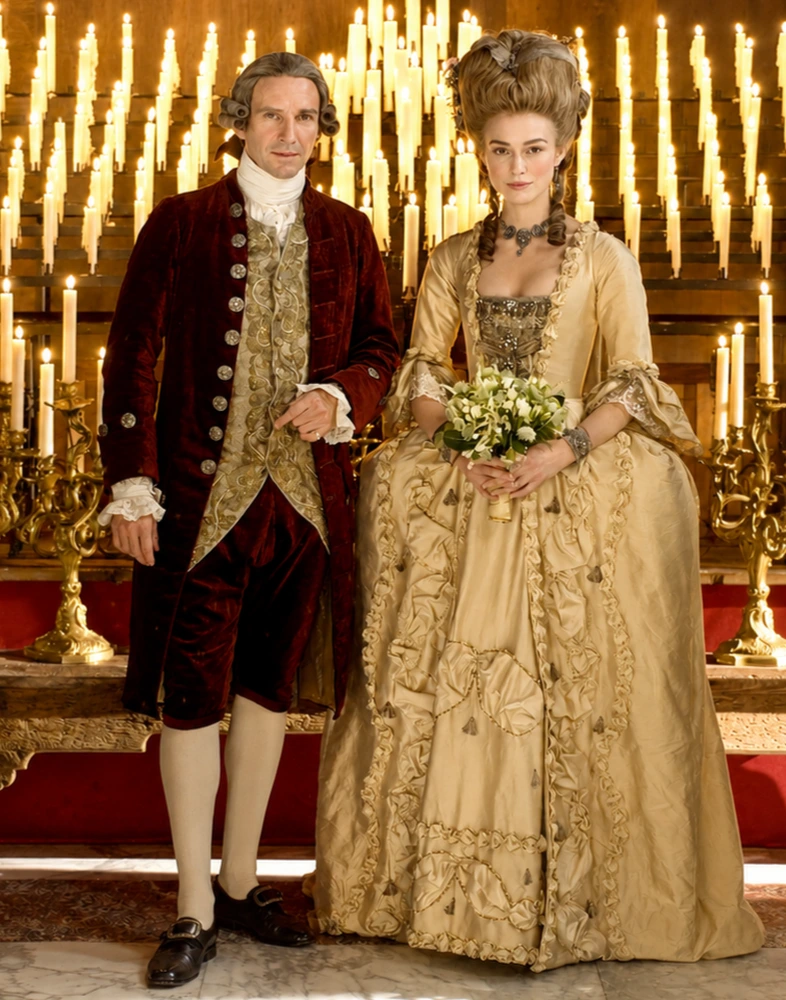
The aesthetic shifts into a more brutal, tearing melancholia in The Duchess (2008), where the exotic width of the panniers and the dizzying height of the pouf become a silken prison for Georgiana Cavendish, a woman who navigates the sun-drenched gardens of high society while her soul is slowly suffocated by the rigid, powdered expectations of her rank.
To ask why Rococo style refuses to stay buried in the ash of the eighteenth century is to ask why we still crave the taste of sugar or the touch of silk; it is because this style, in all its romantic hysteria, represents the ultimate human rebellion against the mundane. Even though the era was consumed by fire and the guillotine's blade long ago, the ghost of the Rococo style haunts our modern imagination like a persistent, perfumed fever dream that never truly fades, but instead hibernates, waiting for a moment when the world feels too heavy and too gray to be endured.
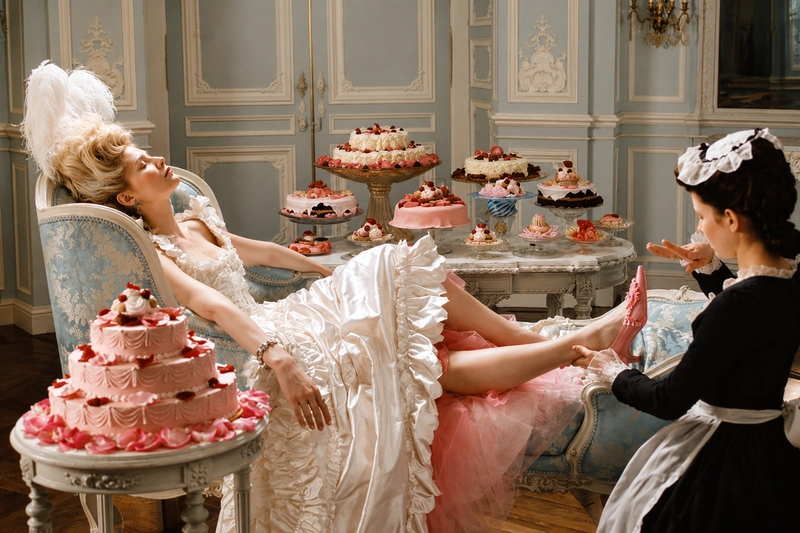
It is a style that shocks the modern soul to its core because it reveals the predatory nature of our own desires, a shimmering, exotic mirror held up to a species that would rather drown in a basin of powdered sugar than face the cold, grey light of reality. We are haunted by these ghosts because they represent the ultimate rebellion against the cruelty of being human; they are the sacred, sun-drenched proof that we have always preferred a beautiful lie to a plain, dying truth.
When we look at the remnants of this era, we are not merely looking at history, we are looking at a prophecy of our own digital decadence. The shock lies in the realization that the white lead powder that slowly ate through the skin of a Marquise is no different from the algorithmic filters we use to bury our own imperfections today. We are currently living in a new, electronic Rococo, drifting through curated, sugar-dusted salons of our own making while the fires of global crisis lick at the gates. It is a mesmerizing hallucination of power, an aesthetic that turned frivolity into a weapon of mass distraction, proving that the human spirit is a bottomless pit that can only be filled with shimmering and useless.
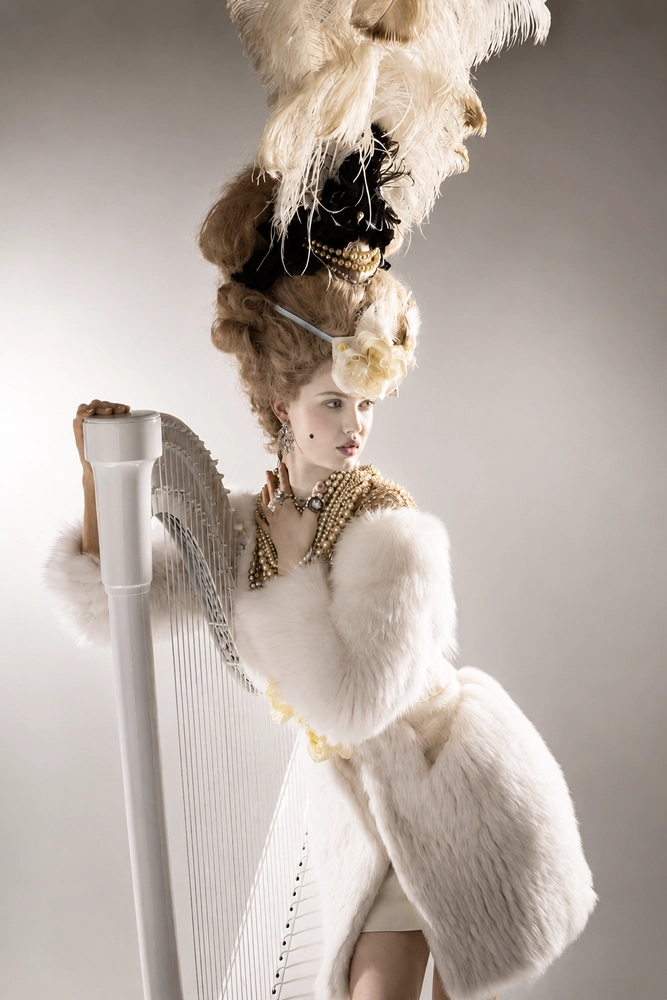
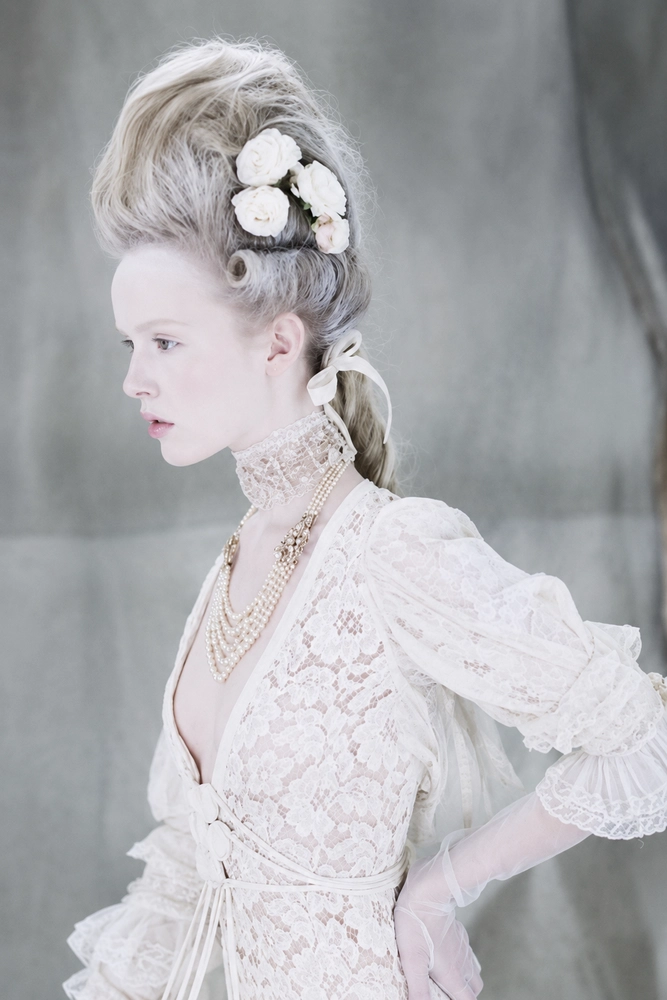
Rococo style never fades because it is the most honest manifestation of the human ego ever etched into silk and stone, a sacred scream against the horror of being ordinary. It haunts our runways and our dreams because it represents a total, cold-blooded commitment to the ecstasy of the surface, a world where the soul was traded for a perfect ribbon and the heartbeat was measured by the rhythmic clicking of a fan. It is a style that asks a question so brutal it makes the heart stop: if the world were truly ending tomorrow, would you not rather go to the scaffold in blush pink silk, smelling of roses and lavender, than remain a creature of logic in a world of ash?
Rococo style is the tragic glamour that keeps the era in our veins; it is the icon of the artificial divine, a sugary ghost that refuses to leave the ballroom because it knows that once it steps outside, it will vanish into the void. It remains a mesmerizing reminder that no matter how brutal the reality, there will always be a sacred space for the sweet, the shimmering, and the wonderfully, terrifyingly frivolous. It is the most beautiful nightmare we have ever had, a sun-drenched garden on the edge of a revolution, and we find ourselves unable to wake up because we are too in love with the powder and the light.
Advertisement