MENU
Close





From September 26, 2026 to January 18, 2027, “From the Louvre: Masterpieces of Islamic Art” will bring distinctive aspects of Islamic art to the general public in the United States.
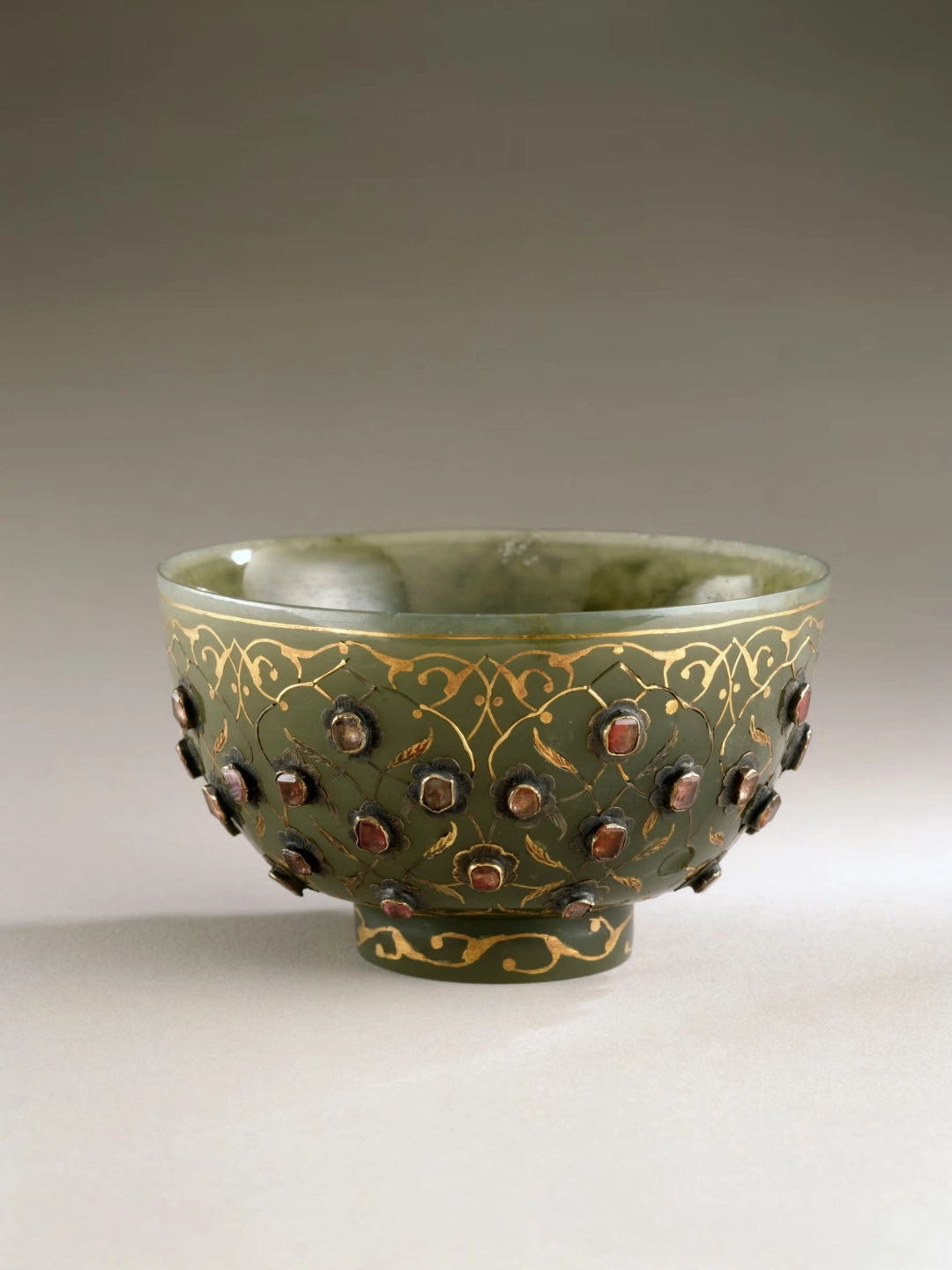
From September 26, 2026 to January 18, 2027, “From the Louvre: Masterpieces of Islamic Art” will bring distinctive aspects of Islamic art to the general public in the United States.
August 11, 2026


This September, crossing the Atlantic to the United States, works from the Musée du Louvre’s world-class Islamic art collection will cross the Atlantic to the United States, taking center stage in “From the Louvre: Masterpieces of Islamic Art.” Organized by the Smithsonian’s National Museum of Asian Art (NMAA), the exhibition presents 26 masterpieces - including paintings, ceramics, metalwork, jade, glass objects and architectural elements - created in Islamic regions spanning modern-day Spain to India.
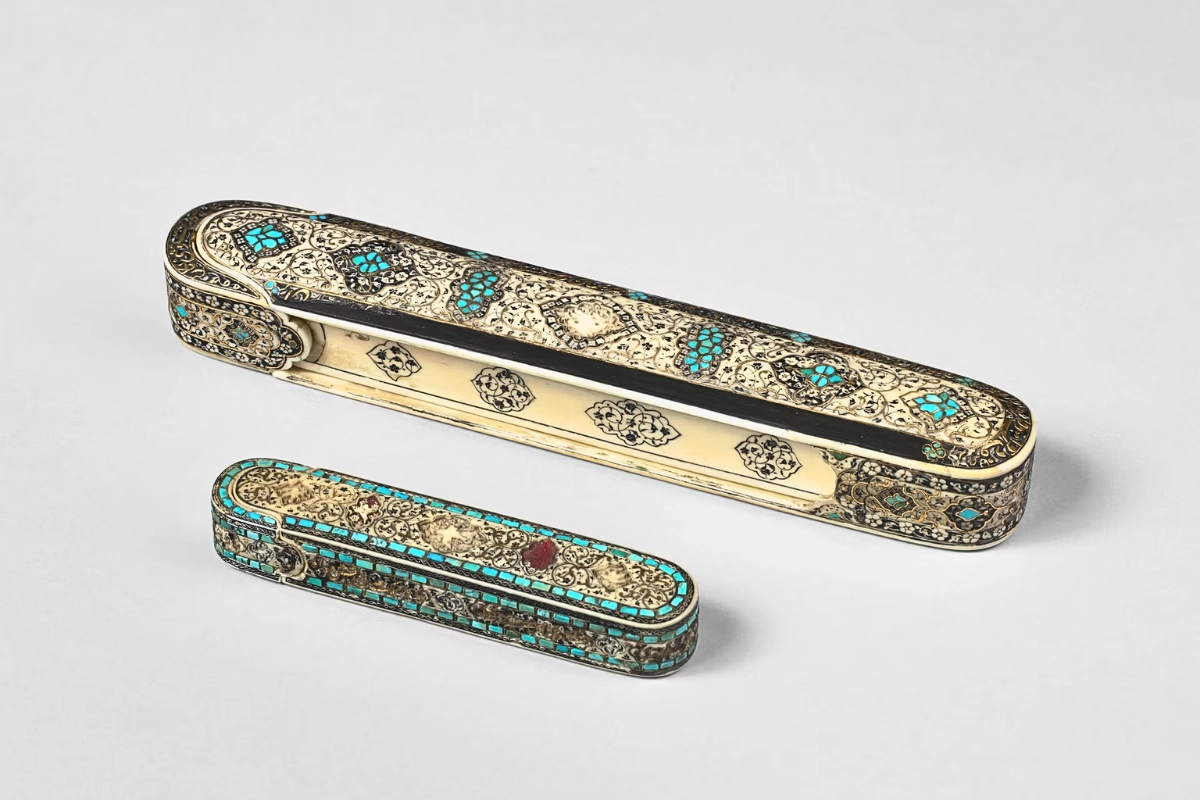
Dating from the 7th to the 19th century, artworks featuring in “From the Louvre: Masterpieces of Islamic Art” often underwent long and complex journeys from their places of origin to the Louvre. There are works once circulated as presents, including two jewel-embedded ivory pen cases. Thought to be commissioned by the 17th-century Mughal emperor Jahangir, the pen cases were thereafter gifted to Persian ruler Shah Abbas I and his grand vizier. Centuries later, in 1912, these stunning cases began a new chapter in their adventure when Louis Cartier acquired and used them as a source of inspiration for his jewelry designs.
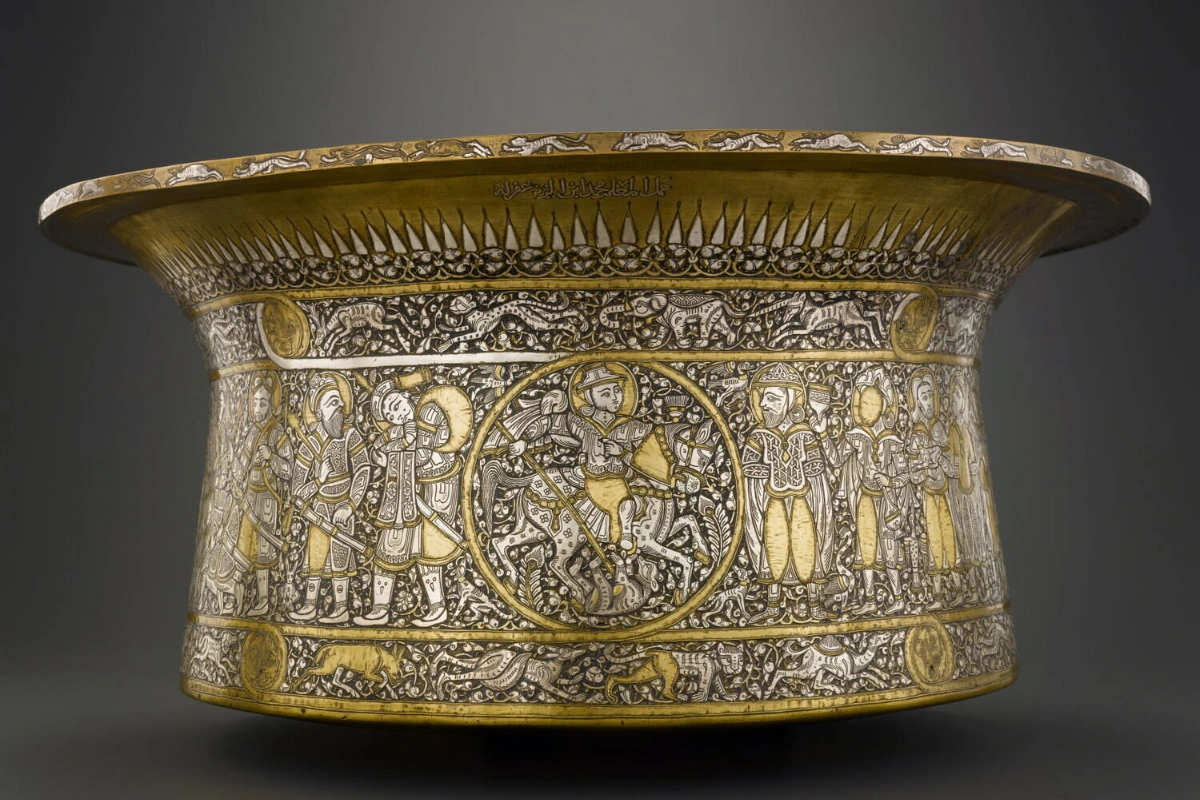
Another centerpiece in the exhibition is the “Baptistery of Saint Louis”, a brass basin abundantly inlaid with silver and gold from 14th-century Syria and Egypt. Originally used for ceremonial hand washing, the basin later became a religious relic after being brought to France and used in the baptism of the future King Louis XIII in 1606. Through the selection of artworks that have been used and exchanged throughout history, “From the Louvre: Masterpieces of Islamic Art” reveals how art could strengthen relationships and reflect a specific period in history.
Furthermore, the featured works will provide another perspective on how masterpieces are created. By making works of art that were once exclusively owned available for public viewing, the exhibition “examine how masterpieces are shaped not only by their makers, but also by the public that celebrates them.”
Speaking about “From the Louvre: Masterpieces of Islamic Art”, Souraya Noujaim, director of the Islamic art department at the Musée du Louvre, said: “Through this collaboration with the National Museum of Asian Art, we continue the spirit of cultural exchange and cross-cultural conversations that these masterpieces have inspired for centuries.” The 26 masterpieces featured here will evoke thousands of stories regarding the materials, craftsmanship, connections and culture, which made Islamic art a distinctive highlight within the global artistic heritage.