MENU
Close





Berlin Fashion Week 2026 slipped through the wrong door and found the city waiting there, wearing old hotel keys, wet flowers, returned cloth and a smile full of trouble.
Berlin Fashion Week 2026 slipped through the wrong door and found the city waiting there, wearing old hotel keys, wet flowers, returned cloth and a smile full of trouble.
August 8, 2026
Advertisement
Advertisement



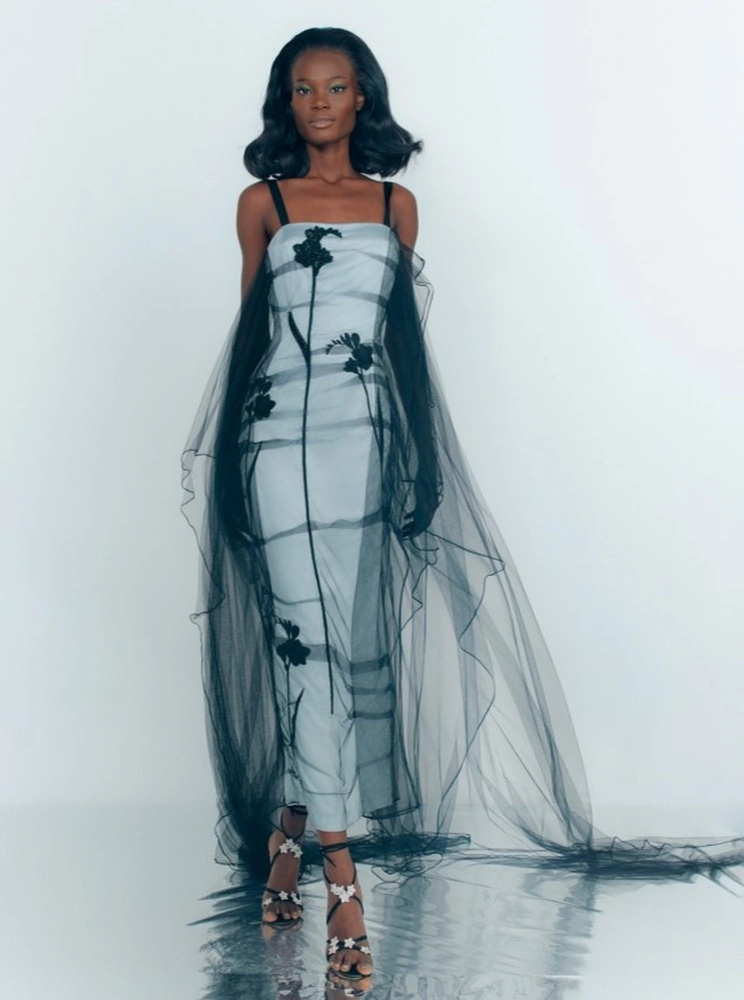
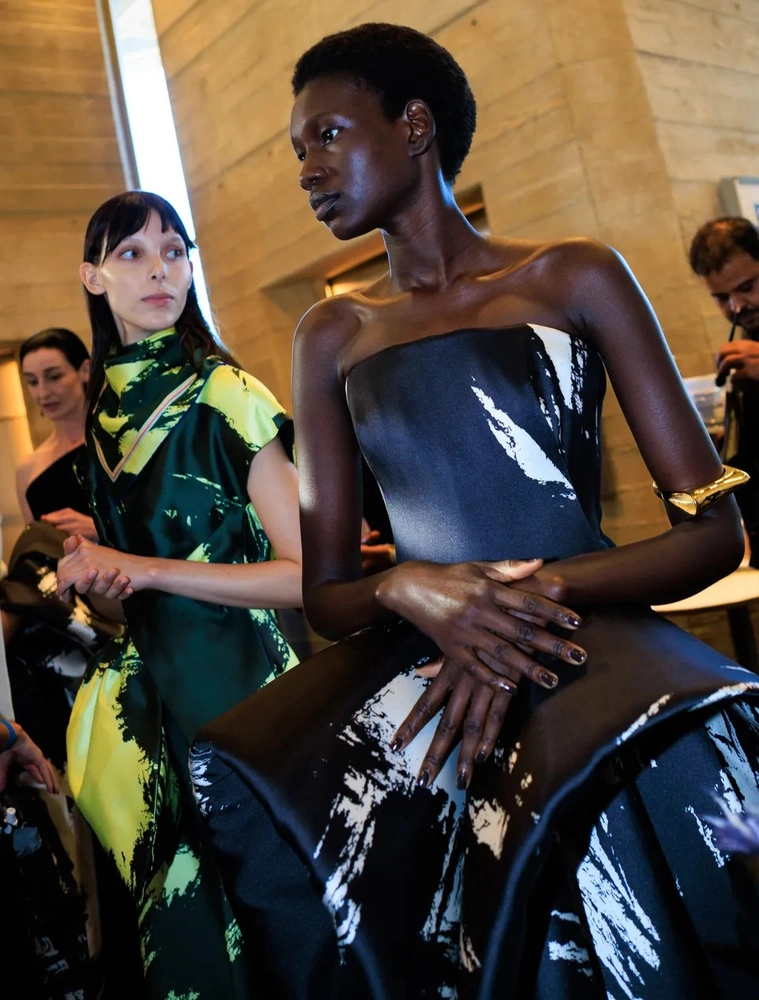
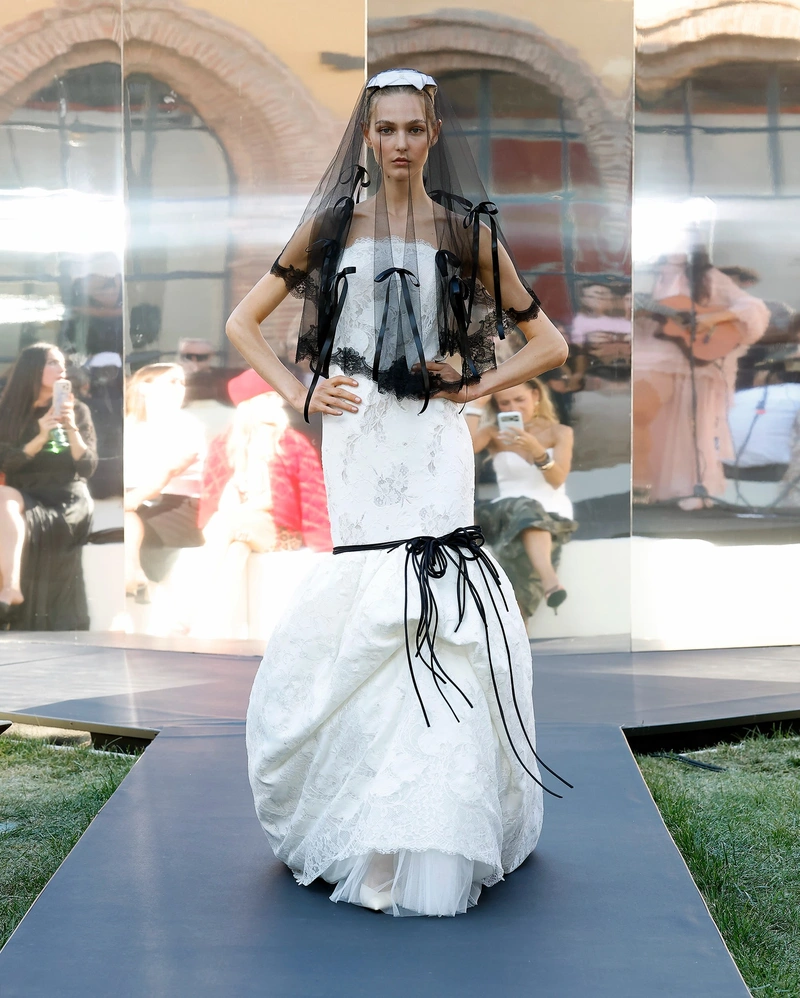
The second chapter of Berlin Fashion Week 2026 carried the mood of a door opening after midnight: tropical glass houses, hotel corridors, returned garments, showroom couture, ruined lecture halls, historical memory, and handmade flowers blooming under serious labor.
Clara Colette Miramon brought Berlin Fashion Week 2026 into a wet, green, mythological climate. Her Spring/Summer 2027 collection “Humid” transformed the glass atrium of Acht Berlin into a tropical ecosystem shaped by Thailand, moisture, nature, and mermaidcore femininity.
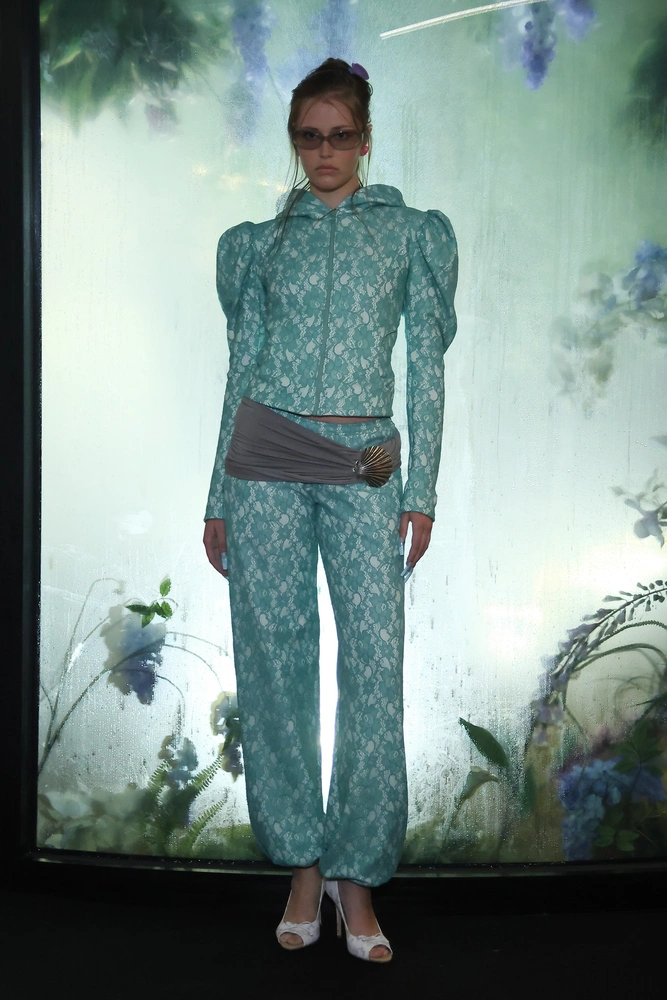
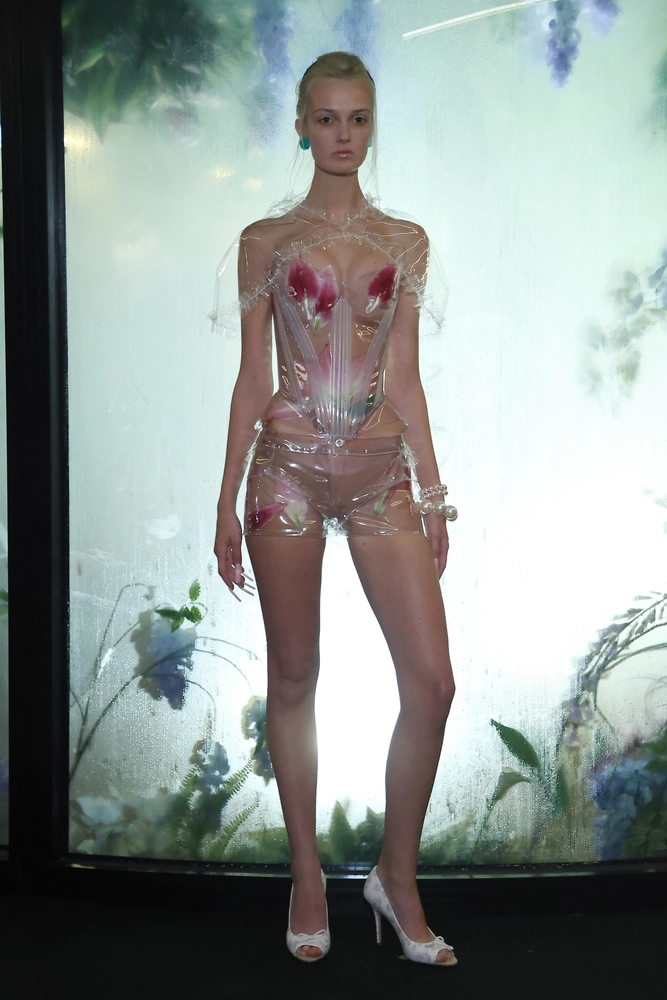
Flowing silhouettes moved through the space like bodies adapting to heat. Transparent PVC capes gave the collection a slick, protective strangeness, while elephant motifs brought coquette childlike softness into a world already heavy with atmosphere. Humidity became a design language here. It pressed against the skin, altered the air, and made fashion feel close to weather.
Plaid-à-Porter gave Berlin Fashion Week 2026 one of its clearest climate statements with “Unseasonal.” The collection addressed a world where weather has lost its old rhythm, where winters, springs, and summers begin slipping from their expected scripts.
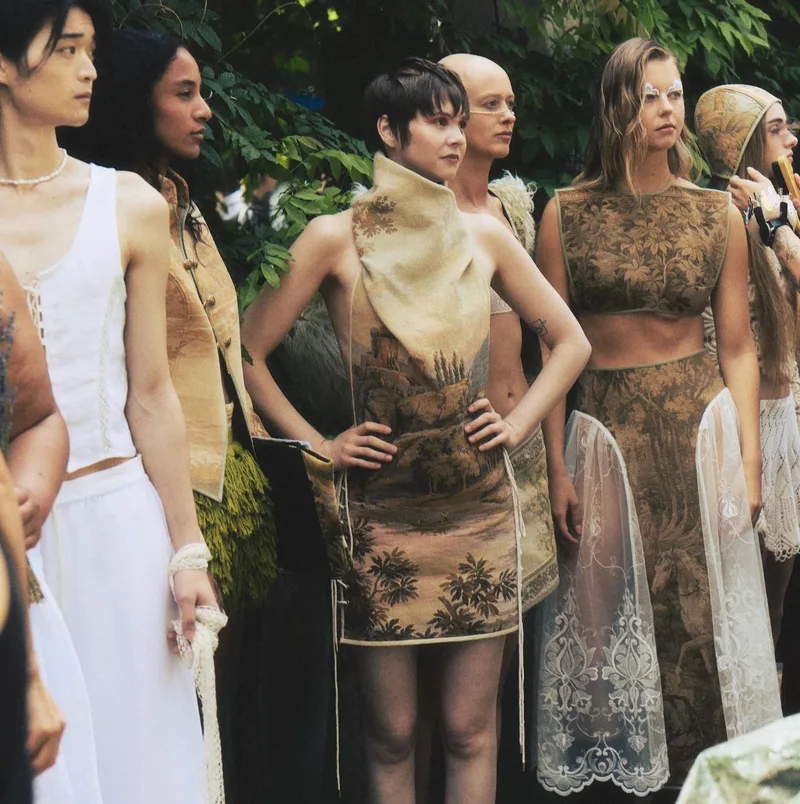
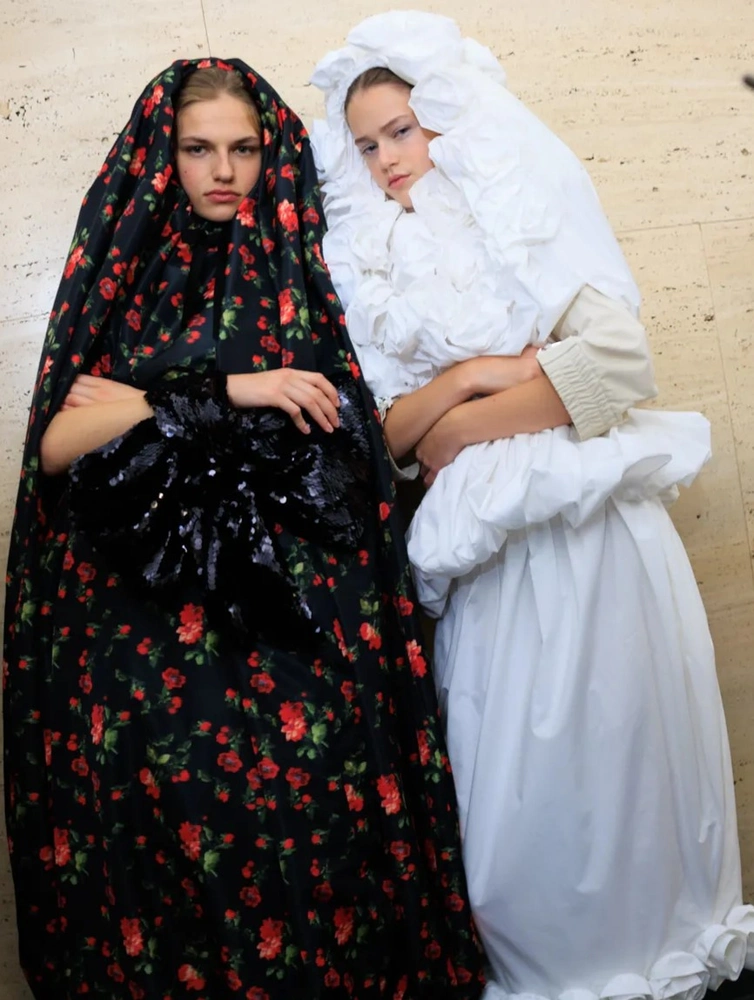
Rare handmade vintage textiles became the emotional core of the work. Crochet, embroidery, quilts, and circular couture techniques carried time inside every surface. The collection made sustainability feel physical, heavy, and tender. Climate anxiety entered the garment through stitch, preservation, and inherited cloth.
Buzigahill brought political heat to Berlin Fashion Week 2026 through “Return to Sender 13.” Bobby Kolade confronted the global secondhand clothing trade and its damage to local textile cultures, turning each unique piece into a response with force and dignity.
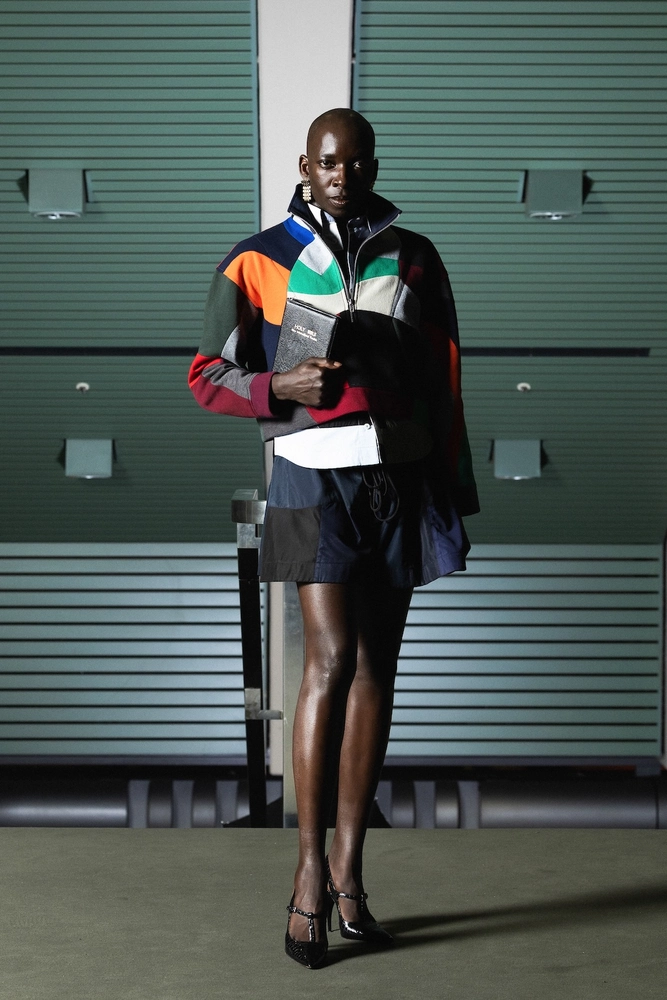
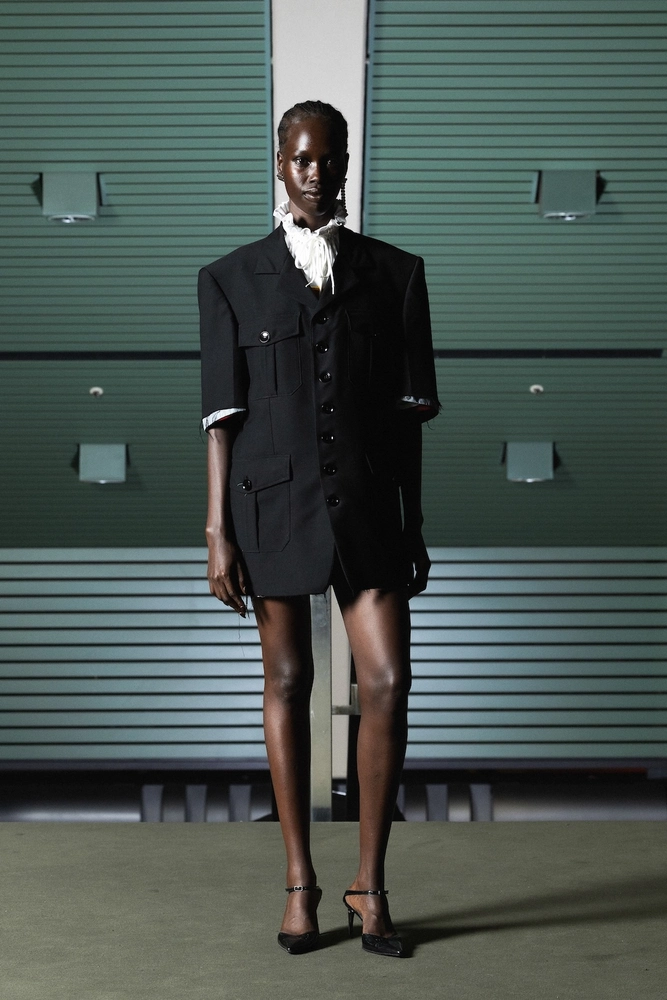
The collection drew from postcolonial East African iconography and the Freedom Culture of the 1960s and 1970s, when newly independent states shaped visual languages of self-determination. Here, garments carried a return address. Cloth became refusal, repair, memory, and testimony.
Dagger pushed Berlin Fashion Week 2026 into early-2000s memory with skate culture, DIY surfaces, and working-class references. Luke Rainey’s collection carried the charm of clothing already touched by life.
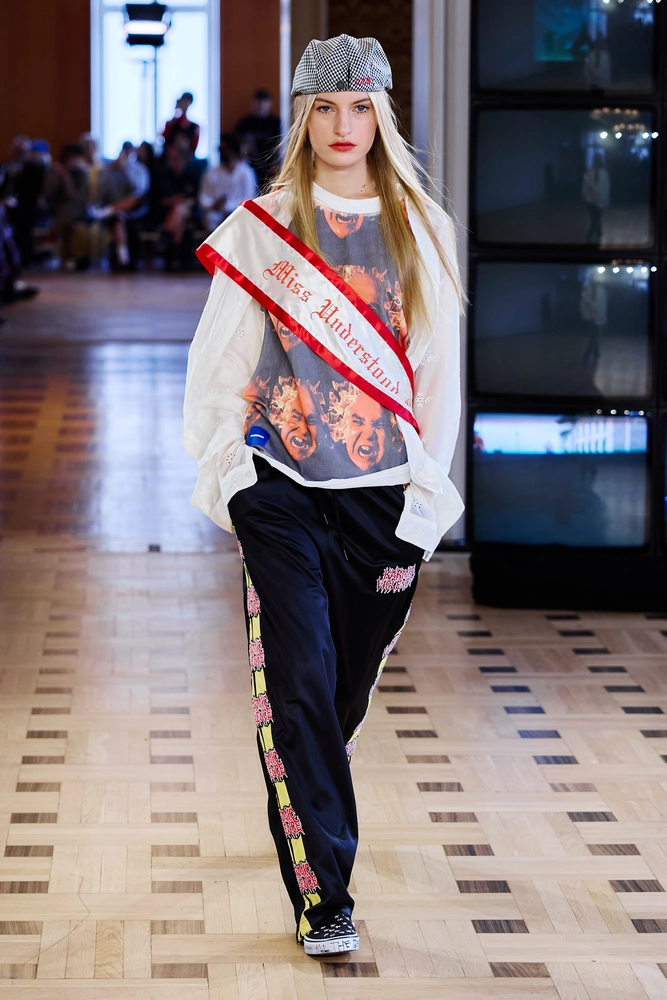
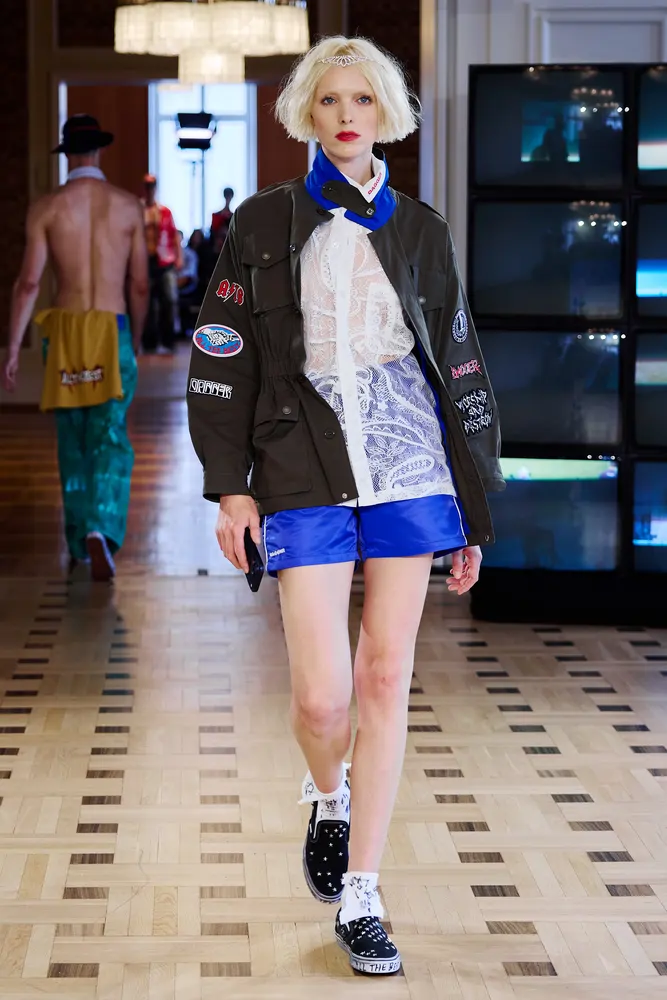
Faded prints, overdyed denim, preppy college shirts, casual sportswear , wide trousers, transparent fabrics, and patchwork details looked sun-worn, street-worn, and emotionally used. The collection understood youth culture through texture.
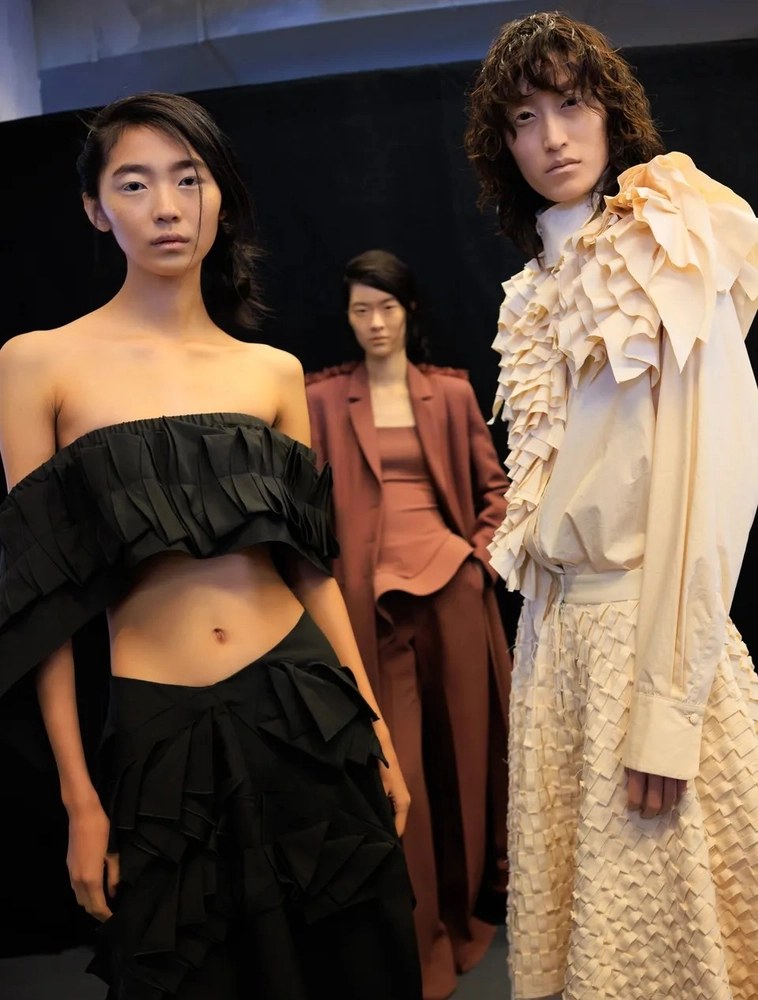
Milk of Lime placed Berlin Fashion Week 2026 inside the ruined lecture hall of Charité Berlin and let the setting breathe through the clothes. “Ashes” balanced transience and renewal through flowing drapes, transparent fabrics, irregular textures, leather belts, frayed hems, and earthy tones of black, cream, grey, and reddish brown.
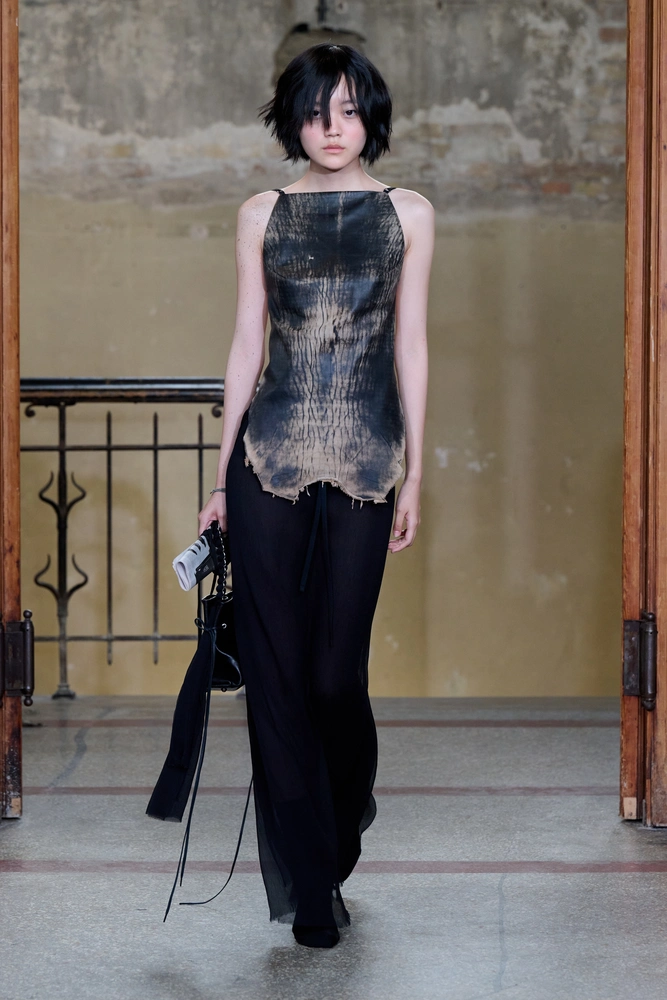
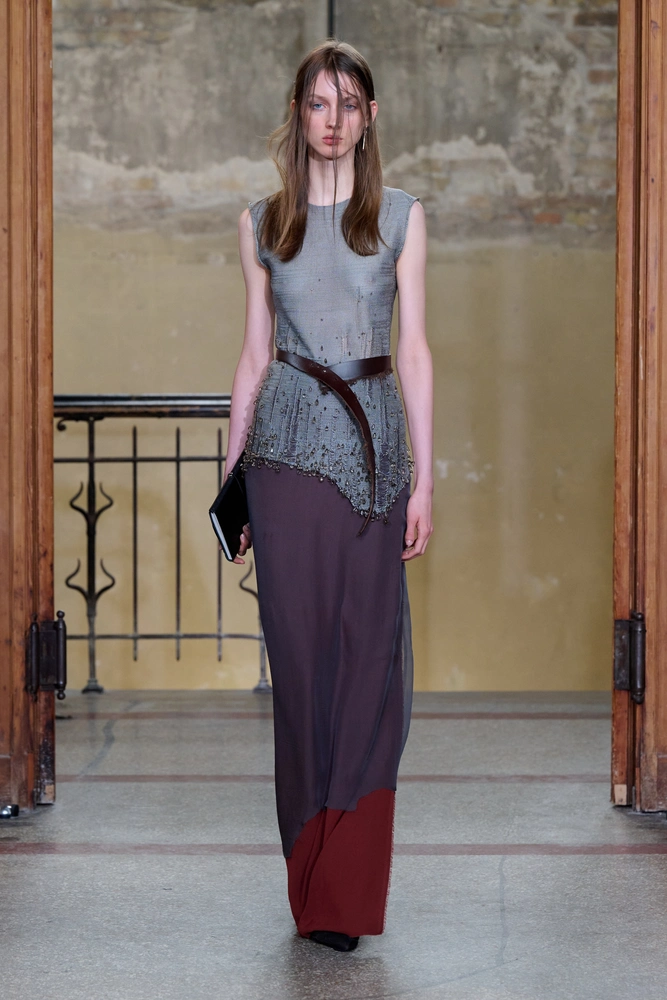
The collection felt like romance after damage. Nothing looked sterile. Every surface seemed marked by landscape, time, and private memory. Milk of Lime made rawness tender, giving ruin a body and letting softness rise from dust.
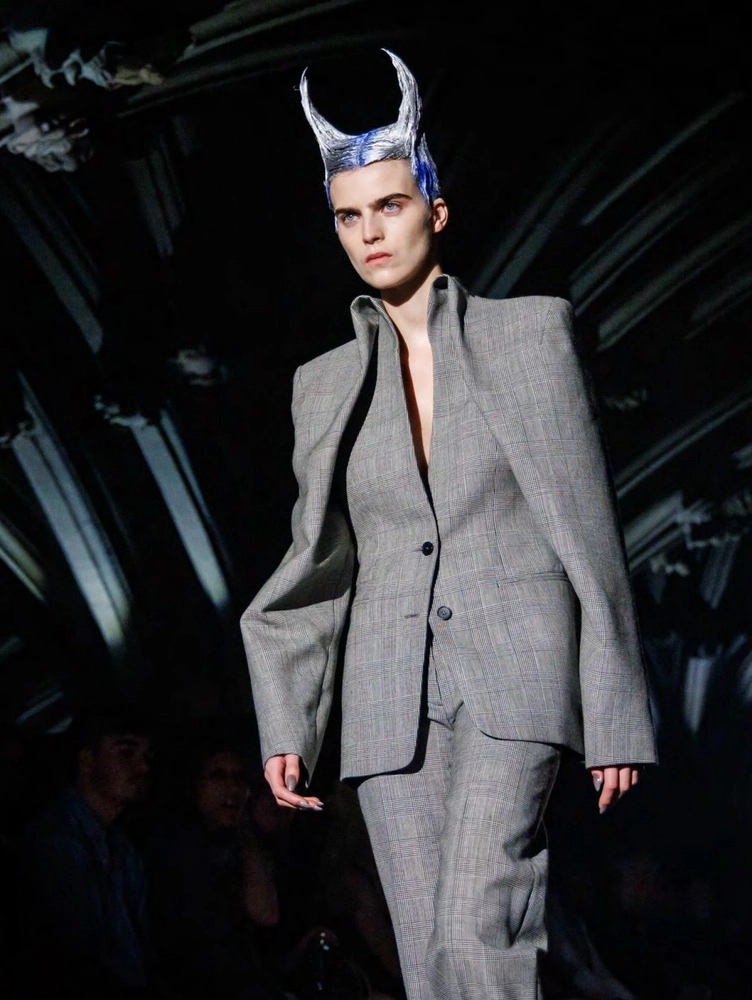
GmbH gave Berlin Fashion Week 2026 its historical spine with “Desire Paths,” a tenth-anniversary collection rooted in Berlin couture from the 1920s and 1930s. Serhat Işık and Benjamin A. Huseby translated that past into sculptural coats, oversized collars, masculine tailoring, soft draping, slim jersey tops, relaxed trousers, over-the-knee boots, and boxer-style shorts.
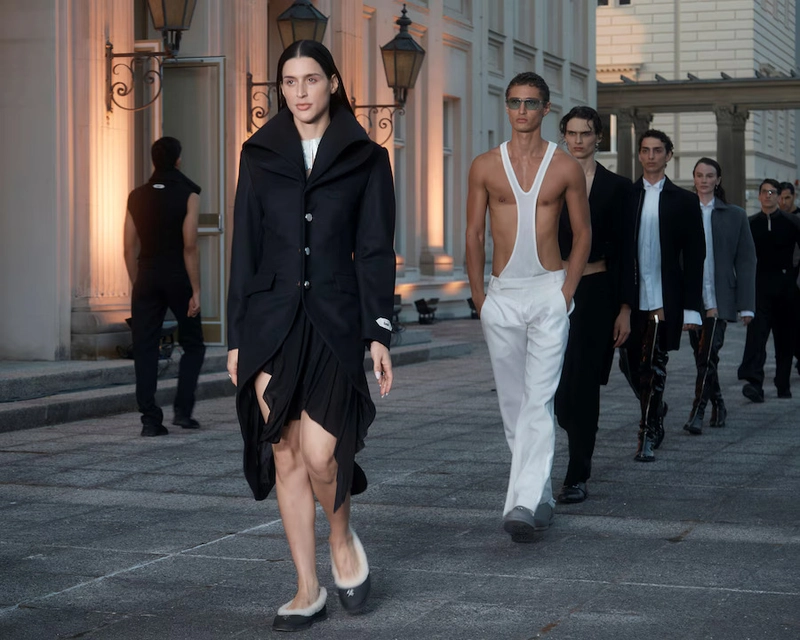
Black, grey, and cream sharpened attention around construction. History became architecture here. Berlin’s past entered the present through cut, discipline, and modern pressure.
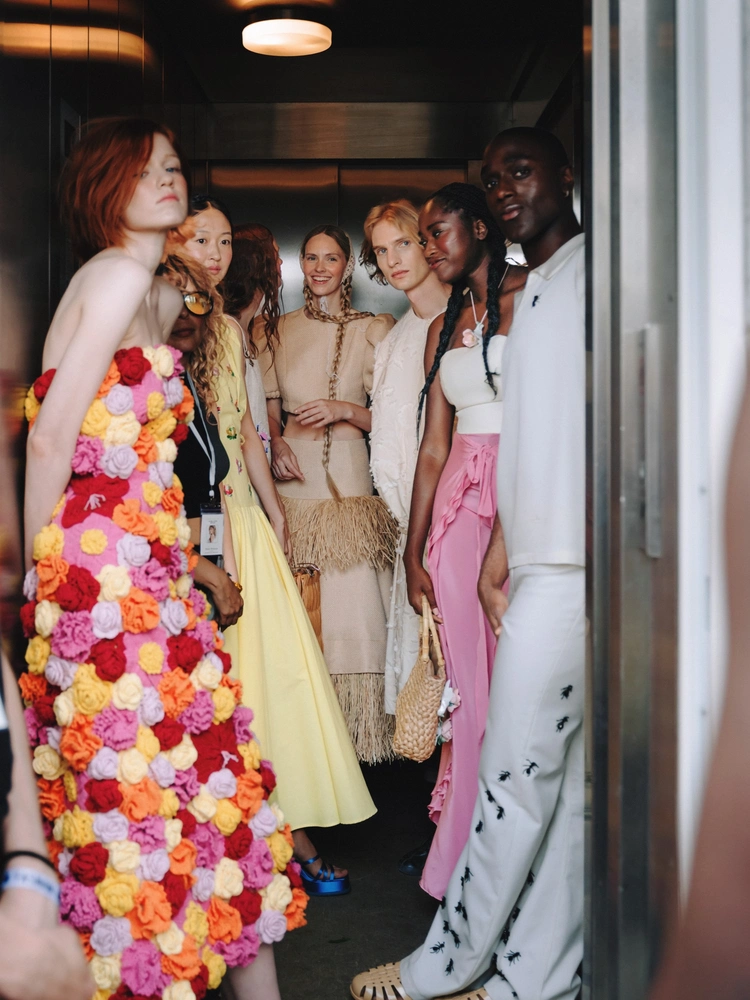
Marie-Louise Müller closed this movement of Berlin Fashion Week 2026 with a debut that made patience visible. Crochet, embroidery, pastel shades, floral motifs, straw hats, woven bags, rubber boots, watering cans, and a strapless dress made from hundreds of handmade fabric flowers formed a wild summer garden shaped by labor.
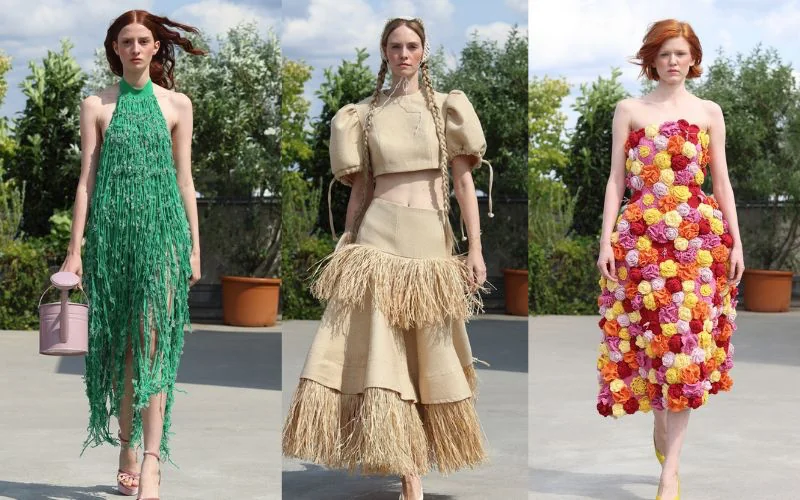
The sweetness carried weight because every delicate surface required hours. Her debut suggested a tender future for Berlin: handmade, ambitious, poetic, and grounded in the discipline of time.
The real force of Berlin Fashion Week 2026 lives beyond the runway count, although the numbers already carry their own voltage. The SS27 edition reached its most expansive form so far, with 53 runway shows and 62 side events moving across the capital from Weißensee to Westend, Tiergarten to Tempelhof, Friedrichshain to Friedrichsfelde. Only months earlier, the AW26 edition counted 42 runway shows and 52 side events. That growth signals a calendar gaining muscle, infrastructure and public heat at the same time.
Berlin’s fashion proposition feels unusually civic. With 153 events across pop-ups, retail activations, exhibitions and performances, the city has turned fashion week into something closer to an urban circulation system. Clothes leave the sealed room. They enter stores, streets, galleries, old buildings, public routes and temporary scenes of encounter. The phrase “fashion for all” carries weight here because it belongs to geography as much as ideology. A fashion week spread across districts becomes harder to treat as a private industry ritual. It starts behaving like a citywide argument.
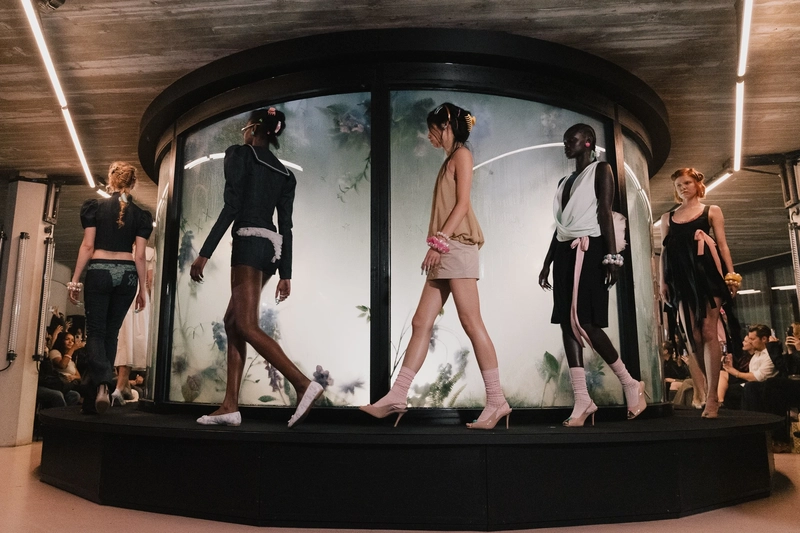
That argument is getting sharper. Berlin Fashion Week 2026 is professionalising fast, courting international media, drawing buyers back into the room, and building public reach with almost theatrical ambition. Its guiding language of freedom, inclusion and creativity could sound abstract in another capital. In Berlin, it lands with a harder texture because the city already understands reinvention as daily practice. The most convincing proof sits in the scale of participation: more shows, more events, more formats, more entry points, more reasons for fashion to matter outside the front row.
This is Berlin’s pitch now. A fashion week can be commercially serious and publicly porous. It can serve designers, buyers, press, communities and curious passersby without sanding down its edges. Berlin Fashion Week 2026 makes the case for a fashion capital built from access, movement and restless civic imagination. The city does its finest work when the calendar feels alive enough to spill out of itself.
Advertisement