MENU
Close





Why does Coquettecore grows up feel like a ribbon tied around the moment sweetness learns how to think for itself?
Why does Coquettecore grows up feel like a ribbon tied around the moment sweetness learns how to think for itself?
July 2, 2026
Advertisement

Advertisement



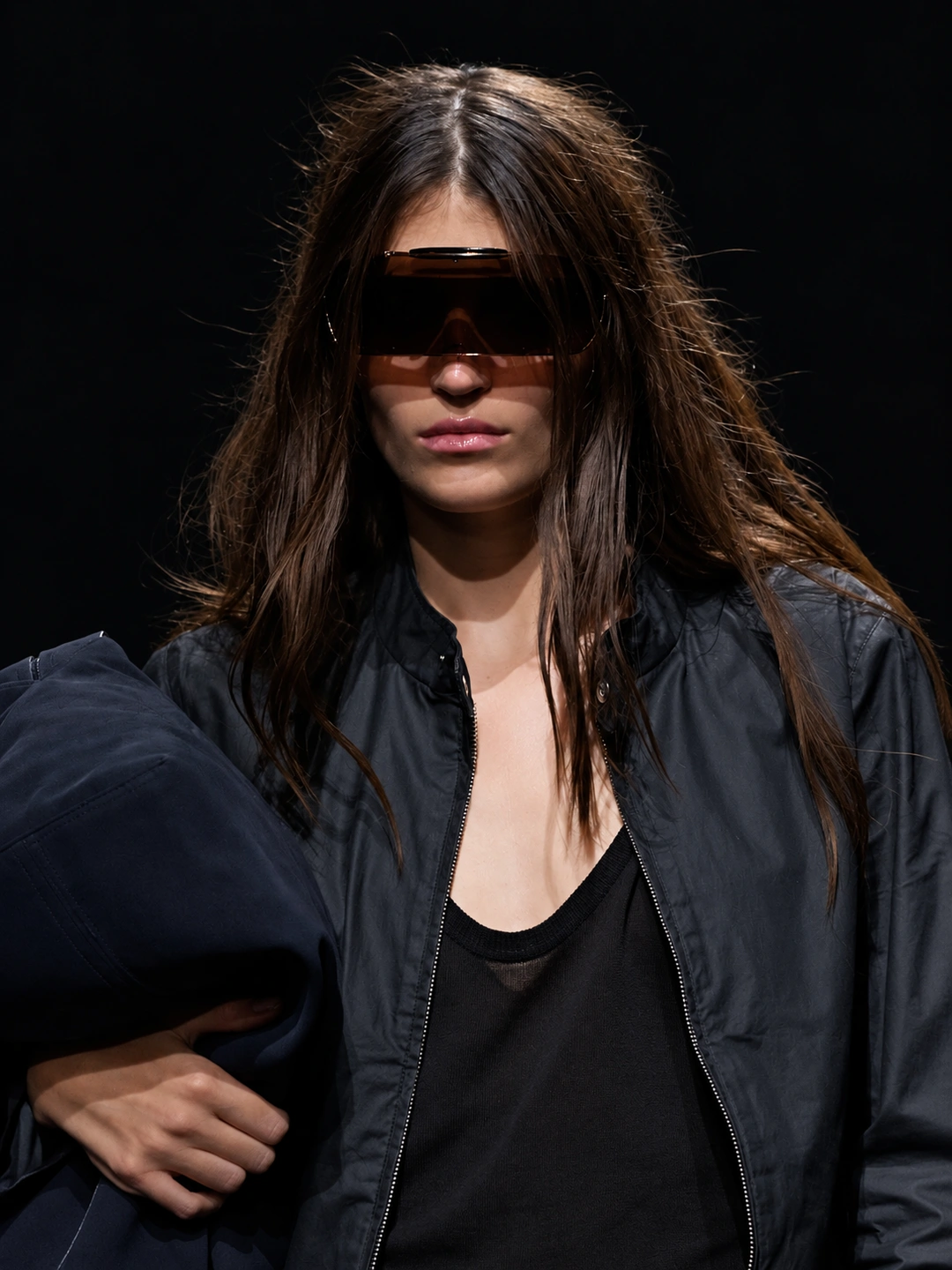
The Fall/Winter 2026 runways presented a profoundly complicated, wildly analytical vision of femininity, pushing the boundaries of style into fresh territories. Picture the charcoal-colored, mind-bendingly voluminous forms descending the Comme des Garçons runway in Paris. The atmosphere carried an intense, looming gravity, utterly emblematic of Rei Kawakubo’s visionary mind. The esteemed designer referenced the universe and the singularity of a black hole, bringing absolute finality and immense density to the forefront of the collection.
The fashion world collectively held its breath as these garments swept across the room, leaving a trail of profound aesthetic questions in their wake. Midway through this deeply cerebral, celestial meditation, a sudden parade of models emerged clad in brilliant bubble-gum pink. This striking contrast offered a spectacular defense mechanism to combat the encroaching dark. This specific shade of pink symbolized pure hopefulness, a vibrant, innate girlishness pushing through the void, defying gravity to survive and flourish in a complex world. This runway moment captured the exact evolution of the coquette aesthetic.
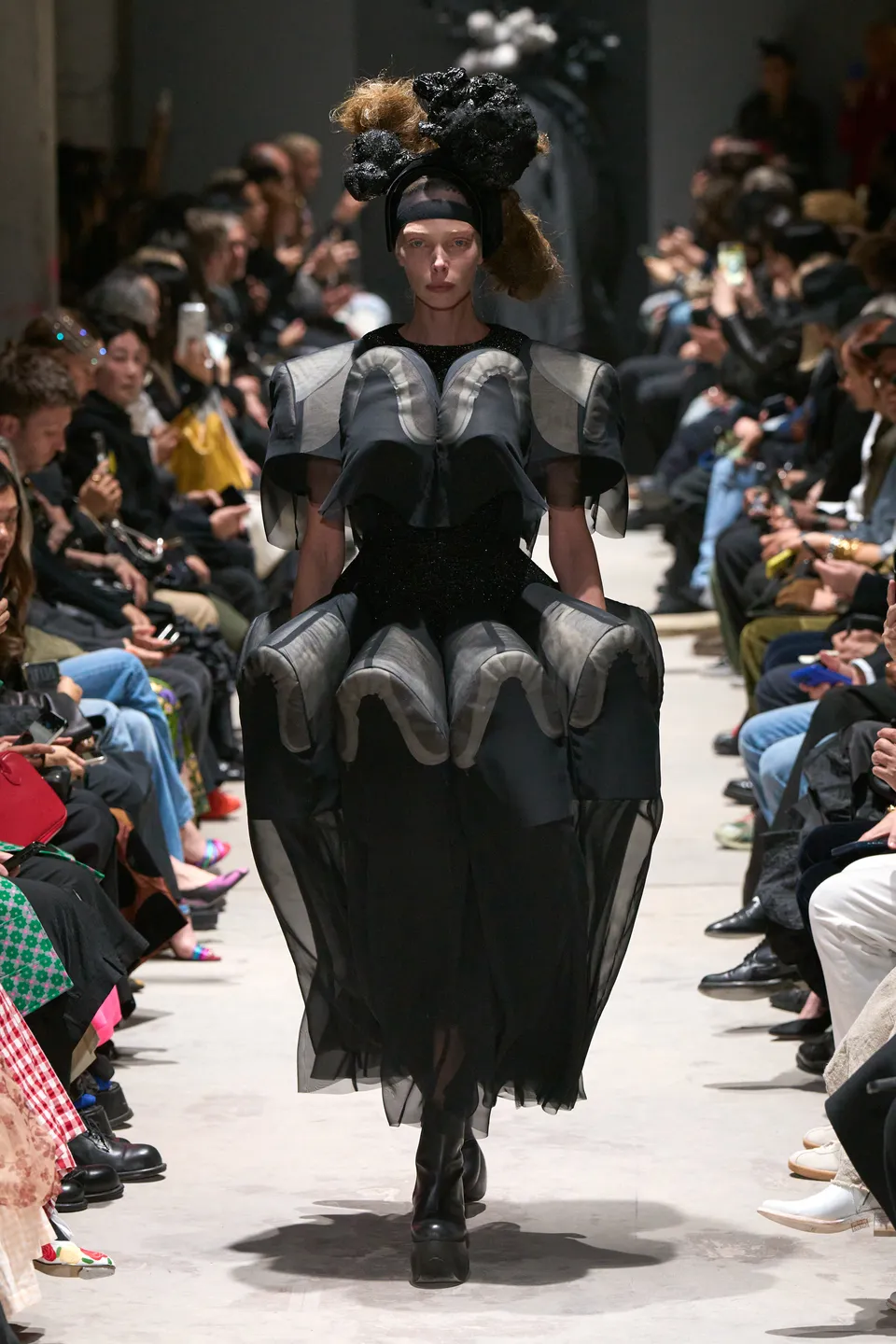
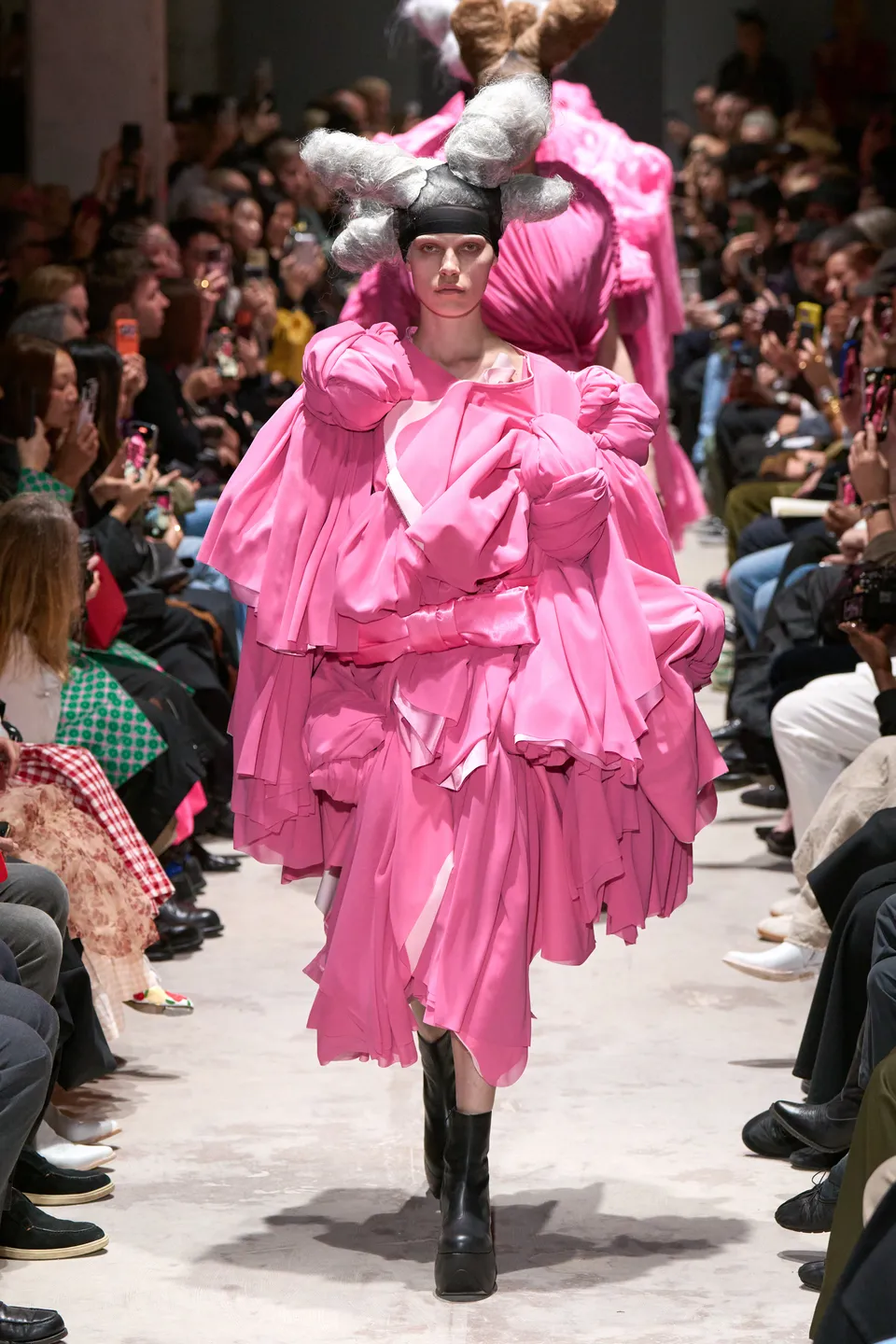
Fashion remains entirely obsessed with the deep, strange, profoundly funny side of womanhood. The industry shows a massive shift away from the purely saccharine ribbons of the past few years, moving toward a highly personal, dynamic exploration of identity that demands serious intellectual engagement. This is where Coquettecore grows up, leaving behind simple sweetness for something stranger, darker, and far more self-aware.
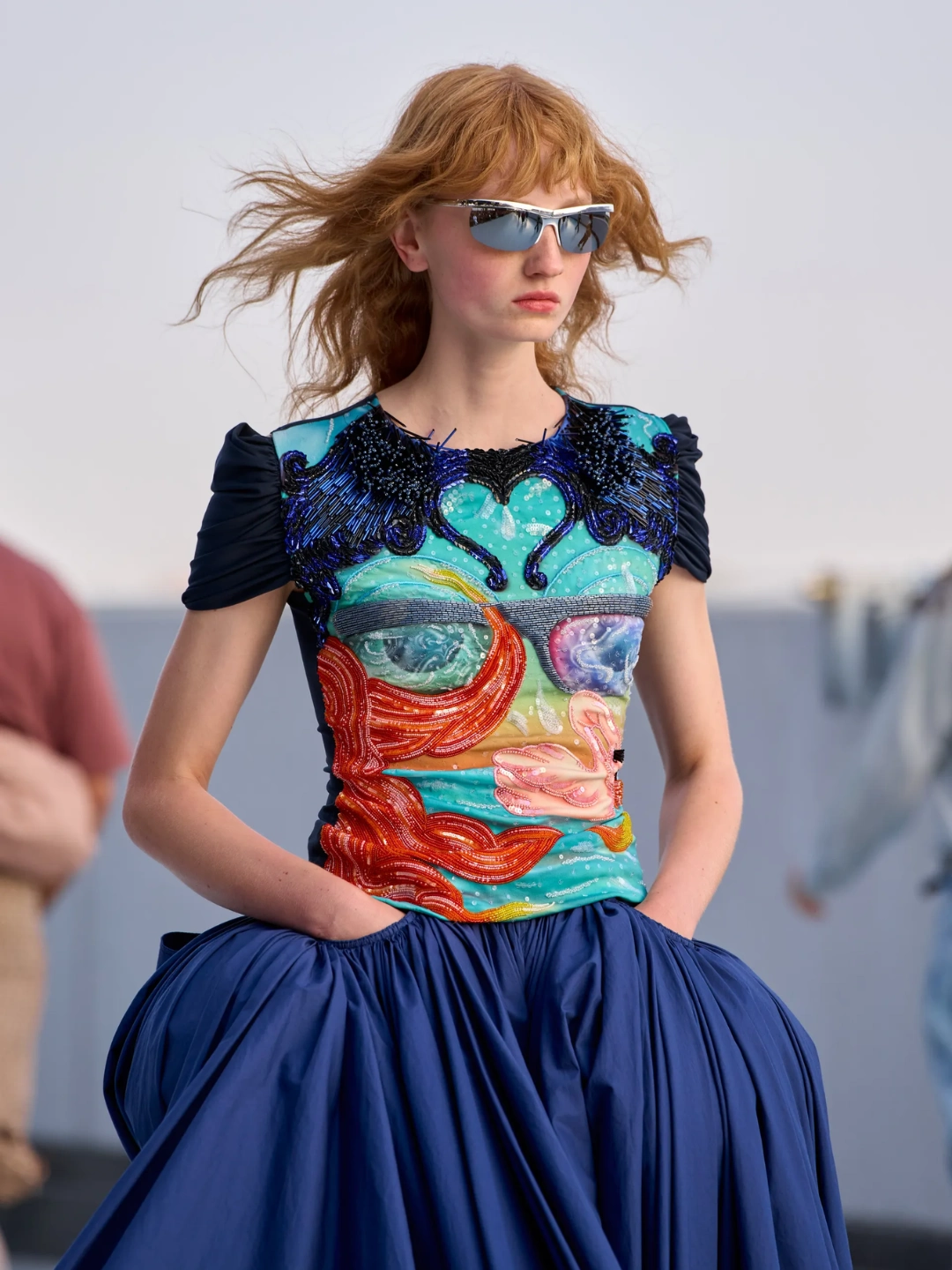
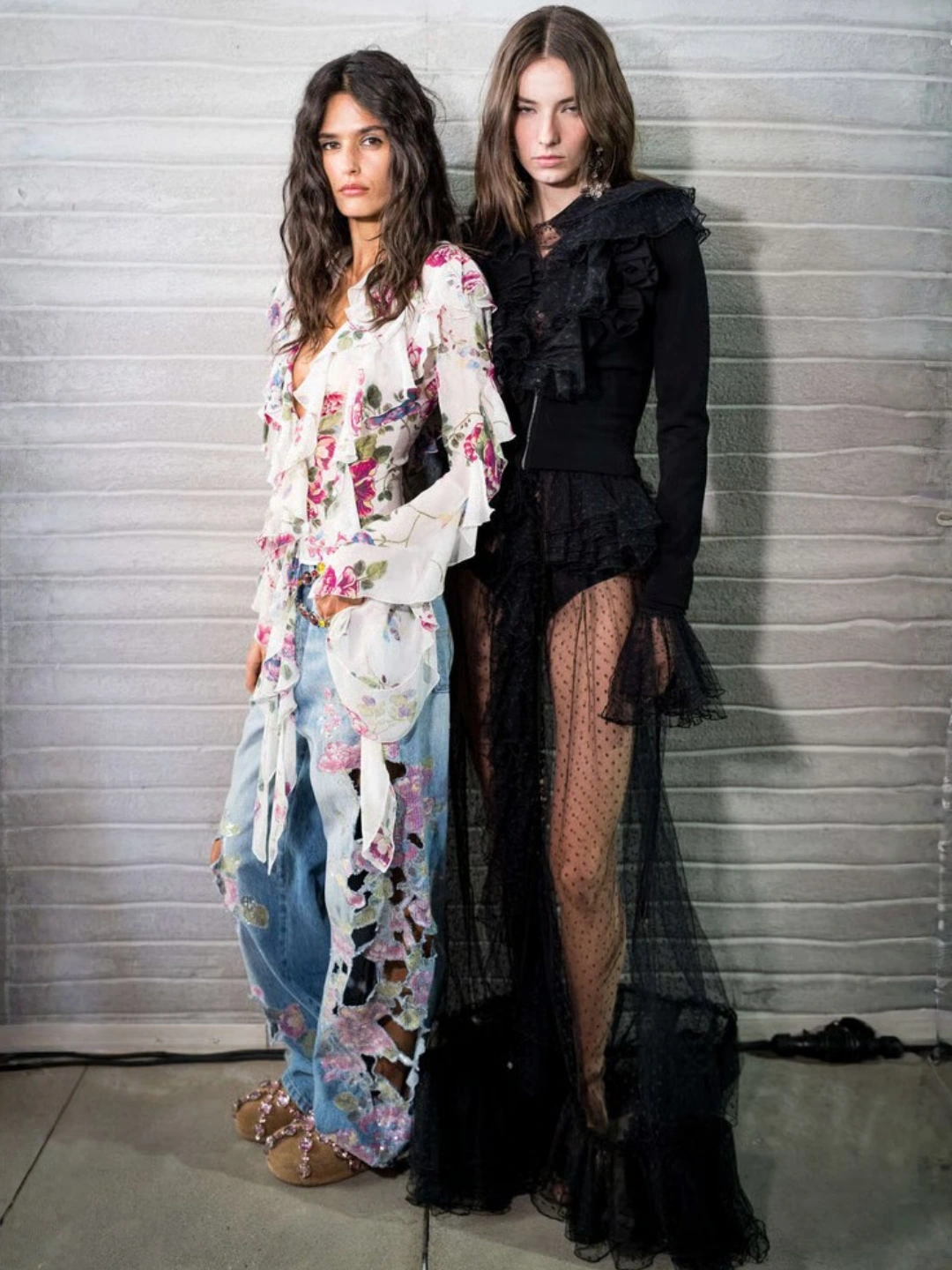
Miuccia Prada continues dedicating her practice to dissecting the complex layers of womanhood through clothing, utilizing fabric as a tool for sociological evaluation. For her Fall/Winter 2026 collection, this dedication manifested in exquisite, bejeweled rips slicing through haphazardly arranged sheer midi skirts and tops. These garments expose the beautiful friction of existing as a woman today, offering a masterclass in texture and meaning. This profound intellectual approach to garment construction solidifies Prada's position as a premier philosopher of modern fashion. The strategic rips act as windows into the soul of the wearer, revealing the layered, lived-in reality of modern femininity.
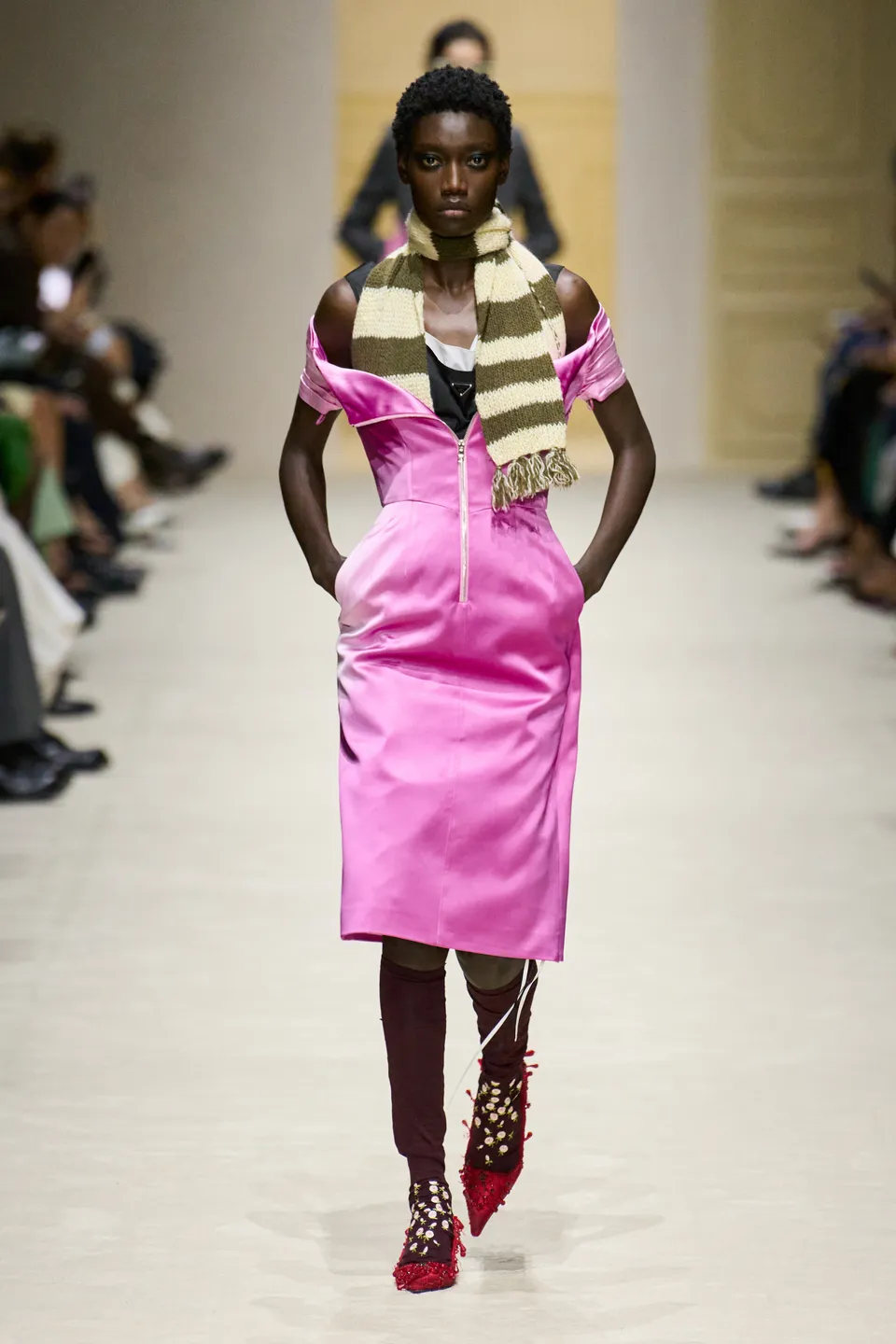
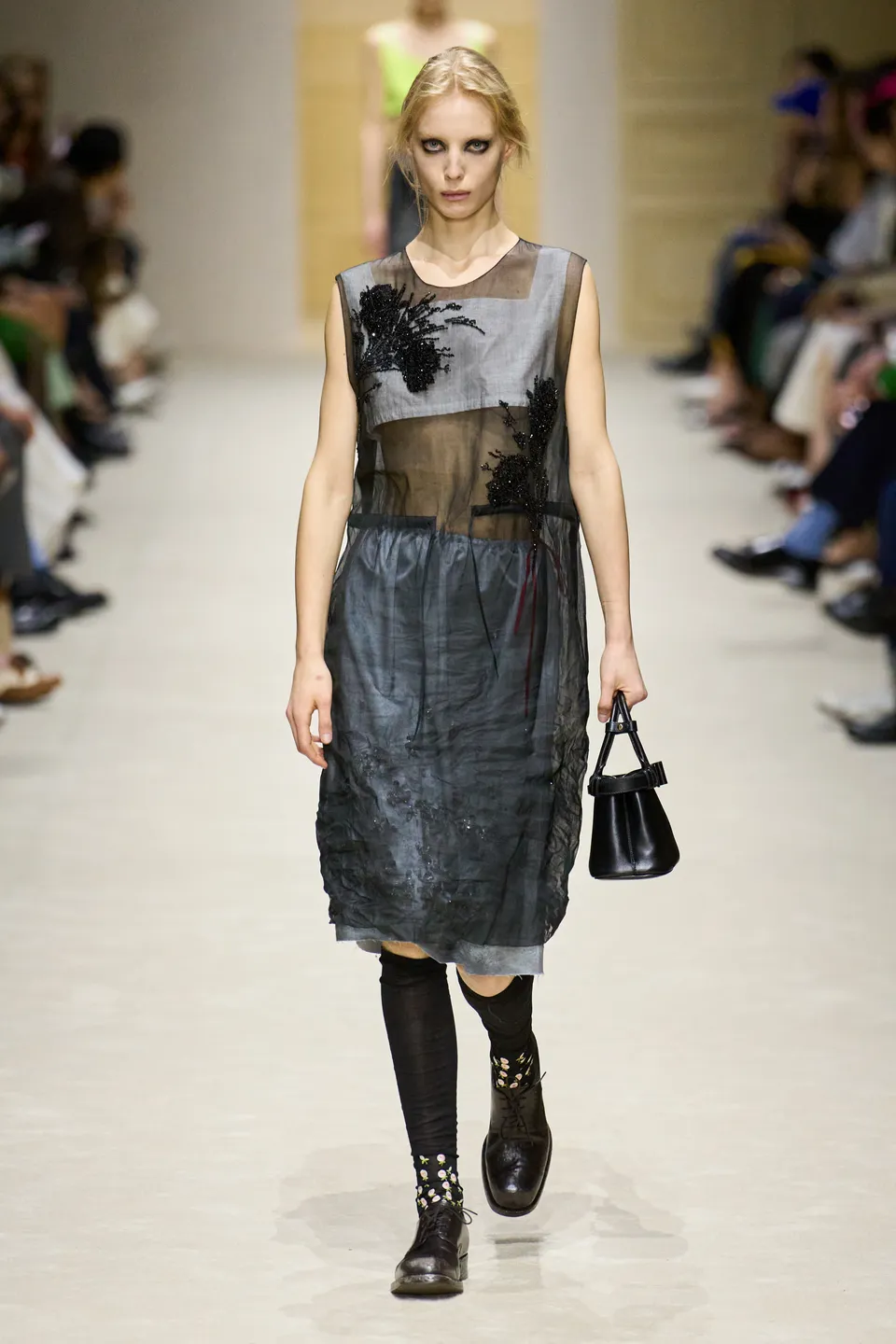
Prada champions the beauty found in raw authenticity, celebrating the visceral experience of navigating the world. The clothing breathes with a vital energy, transforming the act of getting dressed into a powerful statement of survival and triumph. Every sheer panel and sparkling tear tells a story of resilience, offering a nuanced perspective on dressing oneself authentically. The wearer becomes a living canvas, displaying her history and her strength with every deliberate step down the runway. Prada proves that true elegance includes the visible marks of a life fully experienced. In this context, Coquettecore grows up through rupture, texture, and the willingness to show the seams.
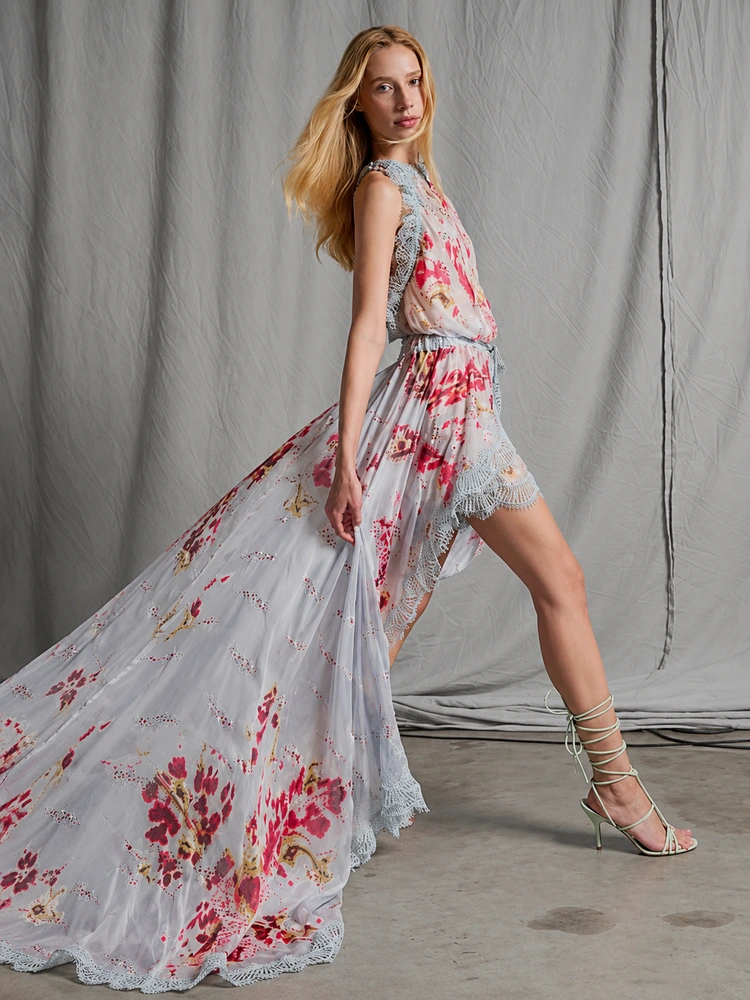
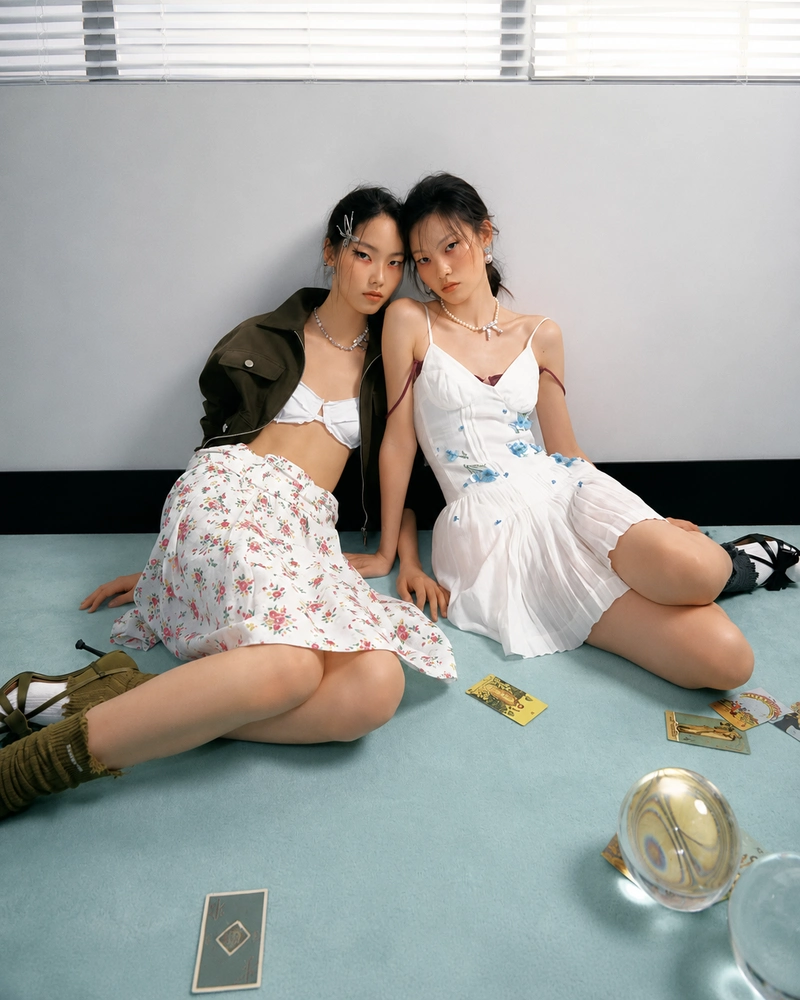
Jen-Fang Shueh of Jenny Fax grounds her eponymous brand in the rich, emotional tapestry of childhood and teenage memories. She draws profound inspiration from her mother’s wardrobe, completely covered in bold florals and expressive prints. Shueh describes this unique effect as a beautiful blend of European countryside charm infused with a distinct Asian sensibility. She fully embraces the awkward, highly transitional feelings of youth, turning them into sartorial triumphs.
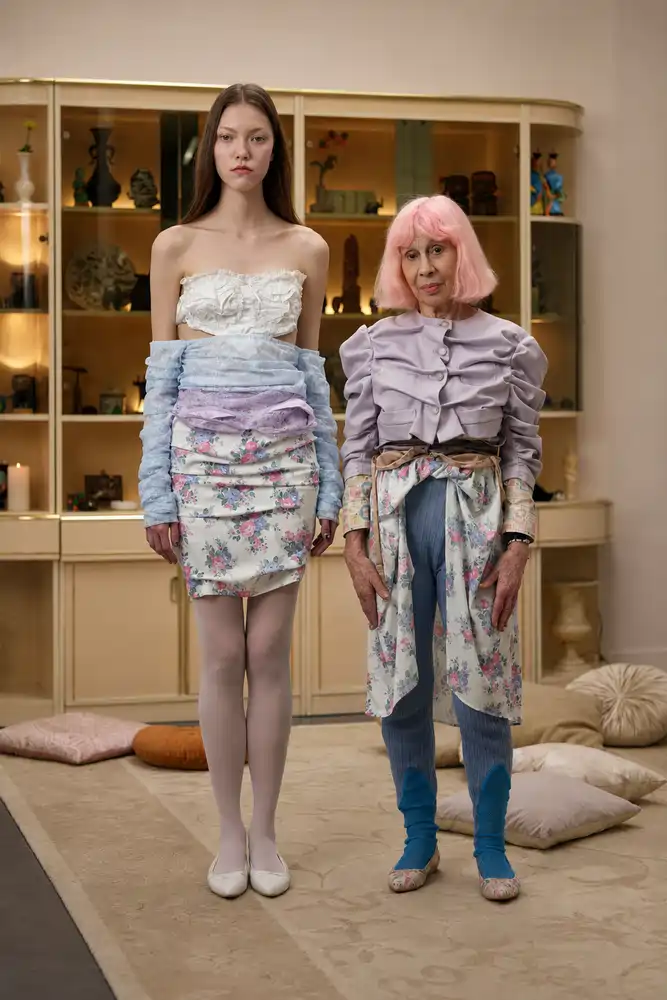
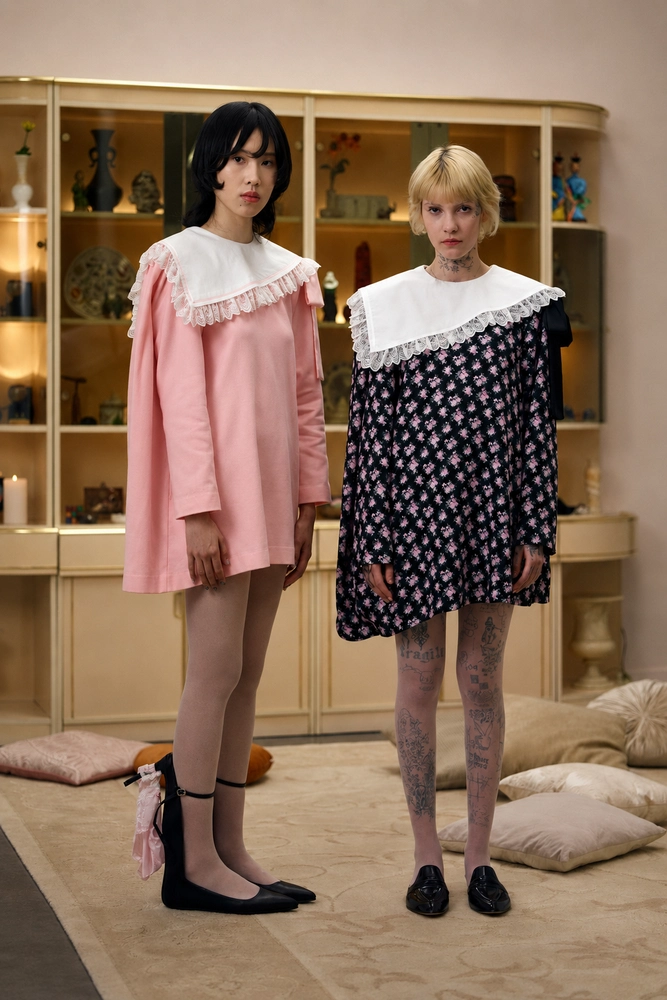
Her Fall/Winter 2026 collection, fittingly titled Family Style, explores the beauty of childhood trips and fragmented, deeply personal recollections. These garments become wearable archives, chronicling the beautiful, messy process of growing up and finding one's place in society. Her subtle details speak volumes about the female experience. Shueh places brief-style underwear elements into the panels of dresses or subtly blends them into footwear, creating a fascinating dialogue between the hidden and the visible. These sweatpants featuring delicate lace panels and twisted skirts designed to look accidentally tucked into leggings transcend conventional girlishness. They prioritize authentic, lived experiences over polished perfection. In a world saturated with endless information, personal memories remain truly singular and unique.
To Shueh, these intimate memories form the absolute core of a girl’s aesthetic. By wearing these deeply personal, highly idiosyncratic pieces, young women gently assert their bravery in daily life. Here, Coquettecore grows up not by abandoning girlhood, but by letting its memories become stranger, more awkward, and more honest.
Designers like Ashley Williams, Simone Rocha, and Sandy Liang tap into a fascinatingly gritty, sometimes delightfully dismal iteration of girlishness that demands close analysis. Ashley Williams offers toilet paper-shaped bags and bangles alongside supersized baby-pink nightgown dresses, a look famously championed by cultural icon Julia Fox. Williams finds endless inspiration in 1980s bedrooms and vintage children’s furniture, turning domestic objects into high-fashion statements that challenge traditional beauty standards.
Sandy Liang’s Fall/Winter 2026 collection delivers a spectacular narrative inspired by the whimsical worlds of Kiki’s Delivery Service and Sofia Coppola’s Marie Antoinette. The runway featured furry shoes adorned with bunny ears, floor-trailing ribbons, and low-cut Regency-inspired blouses trimmed in baby-sized strands of beige, curly fur. Liang’s forthcoming September release, the book Dressing Up: Sandy Liang, deeply explores the immense impact of girlhood on her creative vision. She professes a deep love for bows, ruffles, and ribbons, recognizing them as immediate identifiers of the aesthetic. Liang expands the conversation beyond solely pink and sweet creations, acknowledging the immense complexity of growing up. Liang openly discusses her past vulnerabilities, recalling times she hesitated to wear certain garments.
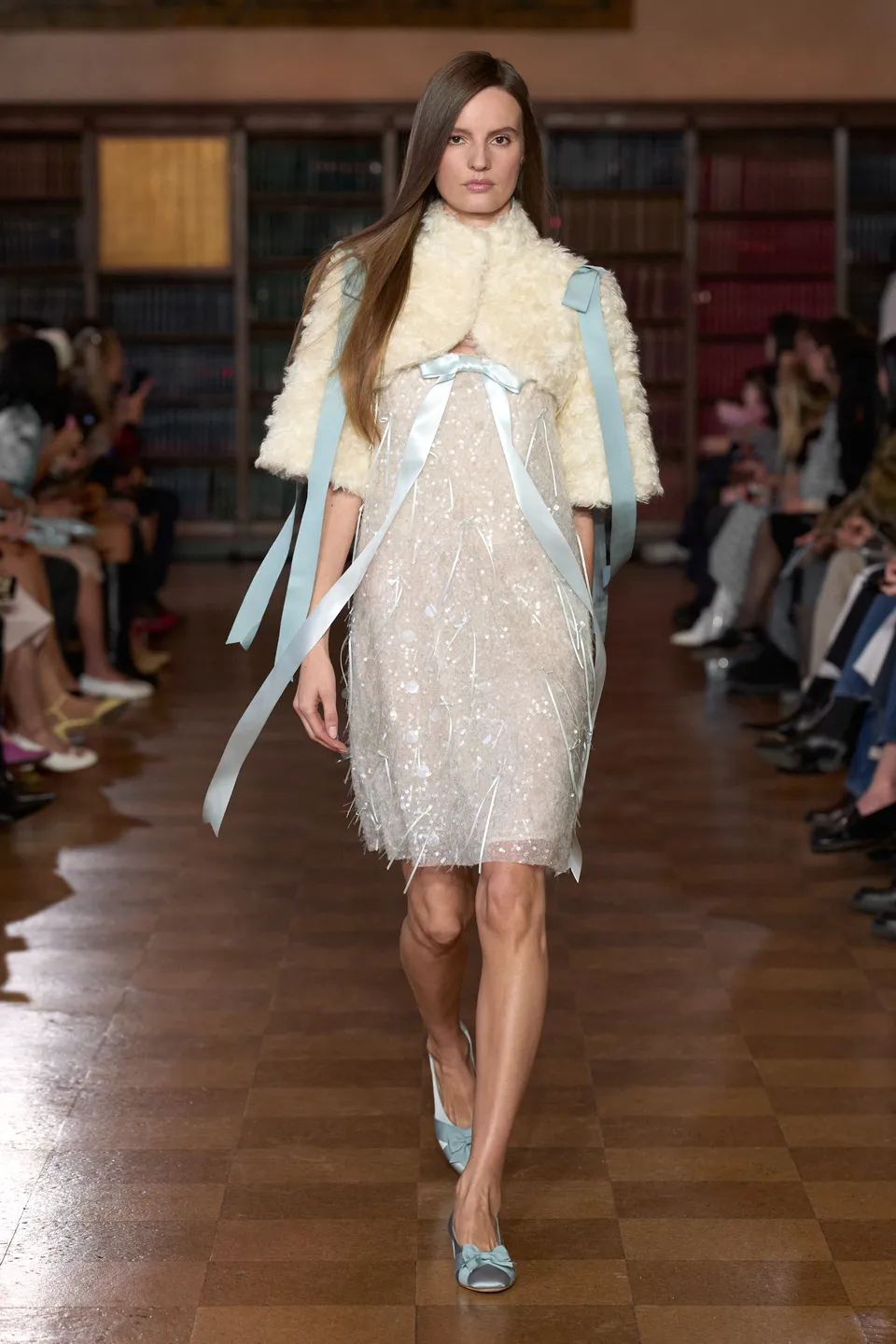
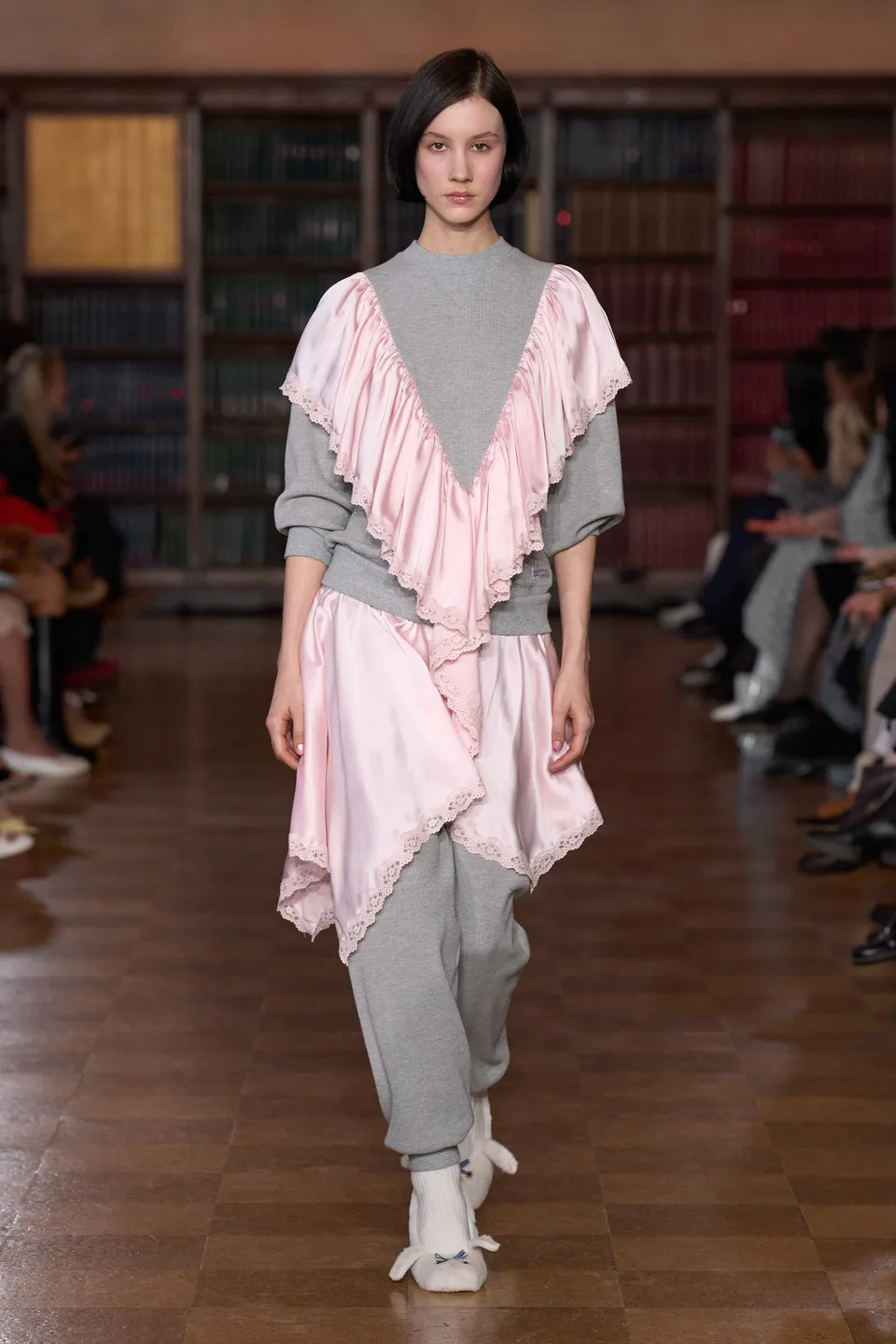
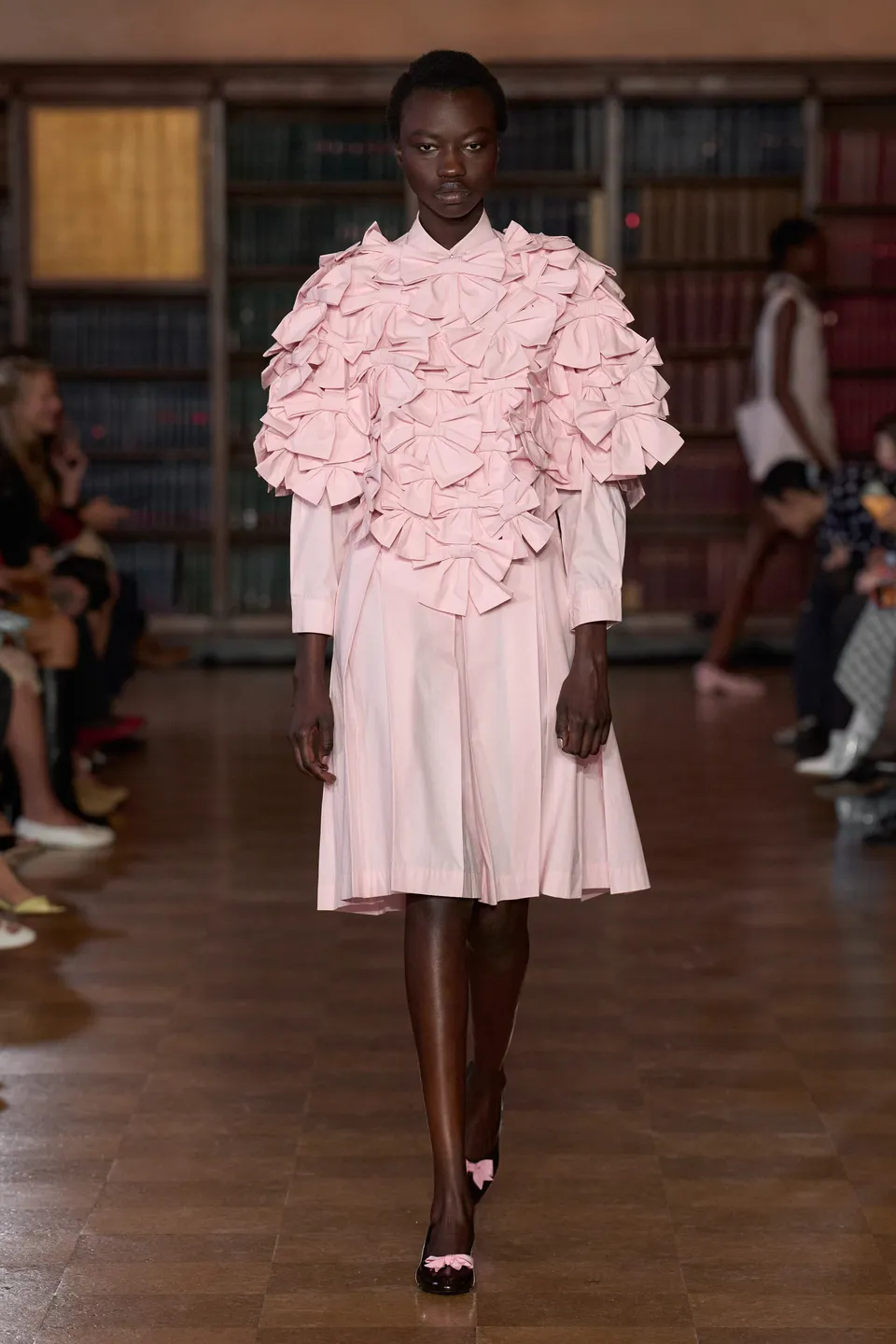
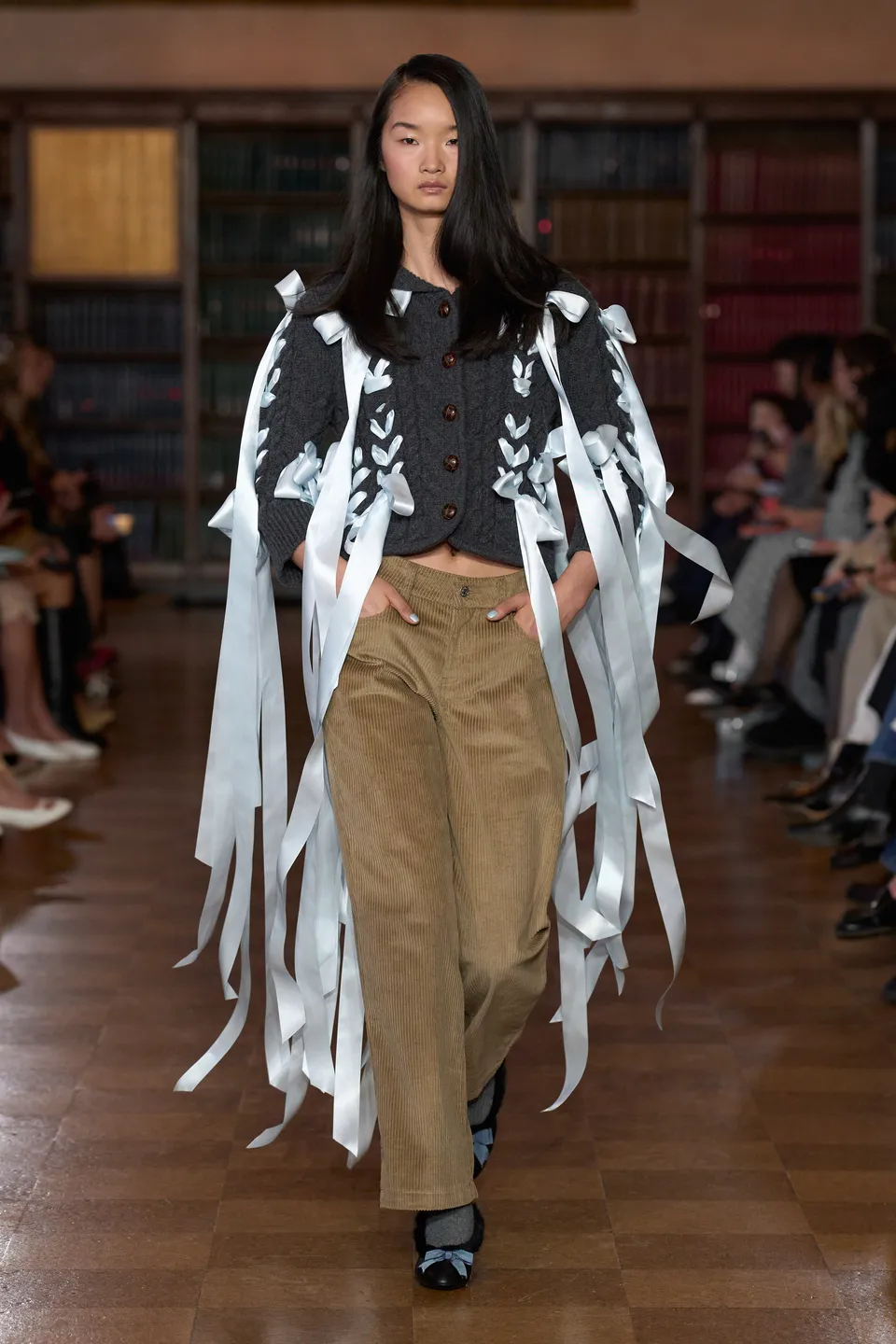
Now, thriving in her thirties, she exercises complete freedom, styling her hair and makeup exactly as she pleases. This newfound liberation resonates powerfully throughout her designs, encouraging others to embrace their own unique sartorial choices. By embracing the full spectrum of their experiences, these designers create a profound sense of community and shared understanding among their dedicated followers. The bow no longer behaves like decoration alone; it becomes the precise place where Coquettecore grows up and learns how to disturb its own innocence.
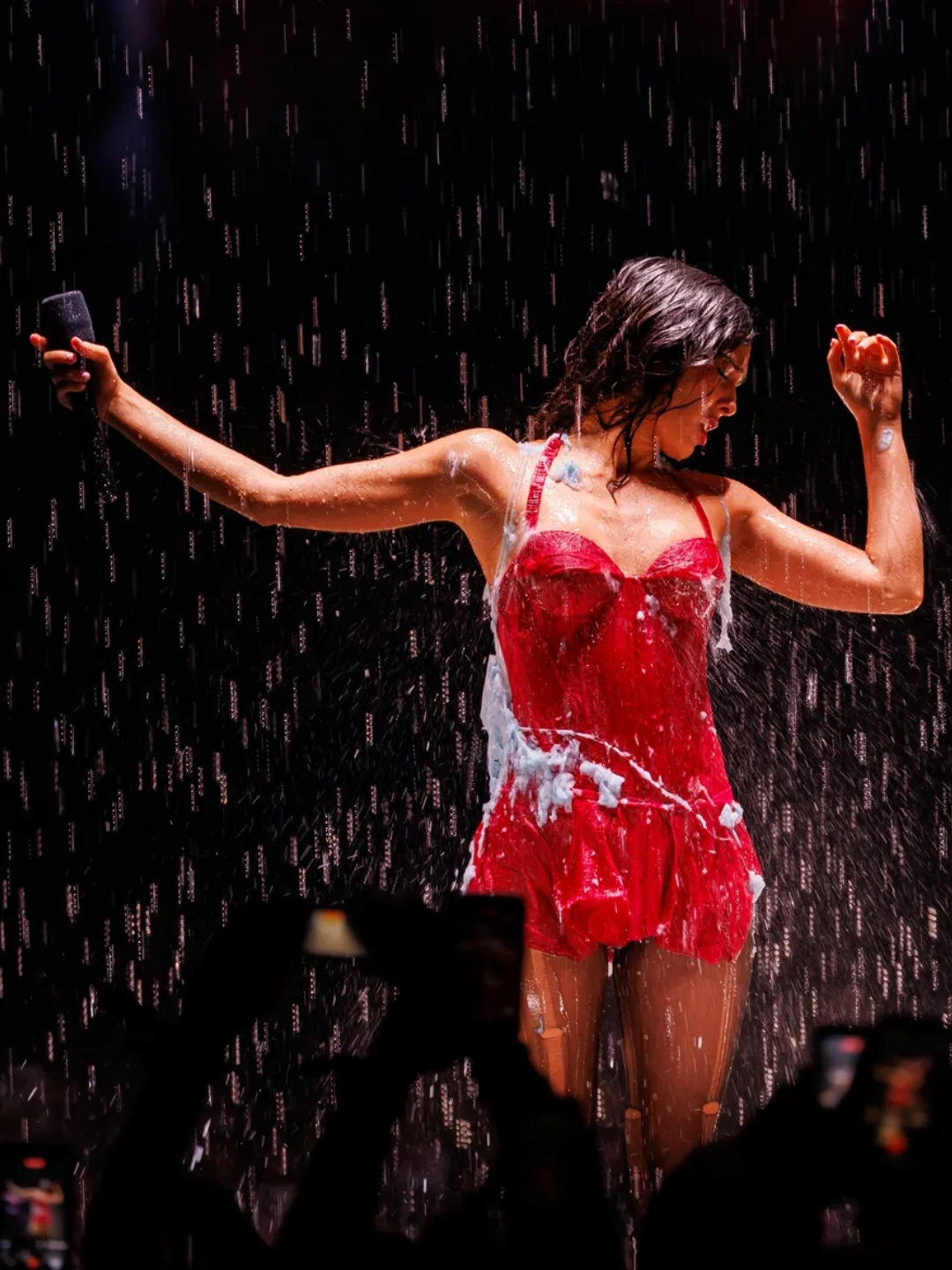
This gritty, darker aesthetic moves in cycles, echoing the powerful reverberations of the 1990s and drawing energy from musical subcultures. Courtney Love stands as a premier architect of this movement, bringing babydoll dresses, smeared lipstick, and crystal tiaras into the cultural zeitgeist through the Kinderwhore aesthetic. Today, artists like Olivia Rodrigo propel this energy forward, enthusiastically embracing female rage and raw emotion. Rodrigo cites the piercing writing of Joan Didion as a major influence, bridging the gap between literary analysis and pop culture. In her visually stunning music videos directed by Petra Collins, Rodrigo runs through the opulent halls of Versailles in a babydoll dress, delivering lyrics that celebrate wild, boundless emotional expression.
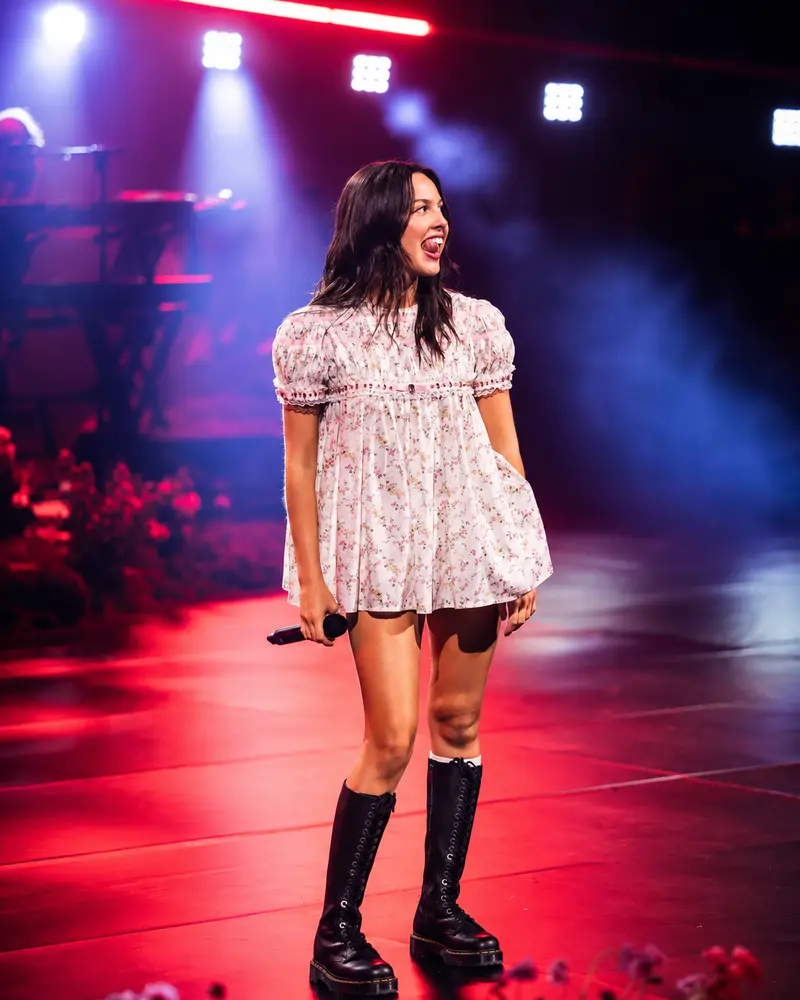
The intersection of aggressive musicality and delicate sartorial choices creates a fascinating paradox that defines the current generation's approach to style. The babydoll dress possesses a fascinating history, recently sparking intense cultural discourse regarding the policing of women’s bodies, especially visible during Rodrigo’s acclaimed Spotify Billions Club performance. The current global climate heavily fuels this rage-driven aesthetic.
Valerie Steele, director and chief curator of The Museum at the Fashion Institute of Technology, observes the unique challenges facing young women today. We exist in a highly charged political atmosphere, making the act of getting dressed a fiercely political statement. This reality pushes the concept of girlhood far beyond a simple, sweet fantasy. Steele highlights the historical precursors to this moment, pointing to the surprisingly abundant pink dresses of the 1920s, the radical youthquake frocks of the 1960s, and the damaged-doll looks of the 1990s. Each era contributed essential DNA to today’s complex evolution of the style, creating a rich lineage of feminine rebellion. Through these sonic and historical echoes, Coquettecore grows up into an aesthetic capable of holding anger, irony, memory, and political pressure at once.
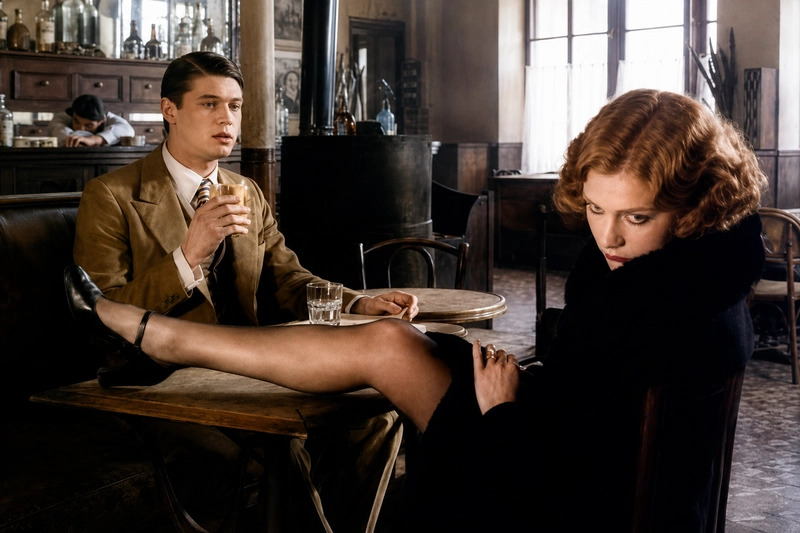
The intentional tension generated by today’s coquettecore serves a distinct, highly intellectual purpose. The Shushu/Tong Fall/Winter 2026 collection drew profound inspiration from Violette Nozière, the gripping French crime drama starring Isabelle Huppert. The film tells the complex story of a rebellious young woman in 1930s Paris navigating a fascinating, highly secret life. The runway becomes a cinematic universe, rich with complex characters and thrilling plotlines woven directly into the fabric. Shushu/Tong utilizes bows and ribbons to strain the boundaries separating antiquity from modernity, actively dismantling classic conventions and rebuilding them with fresh perspective.
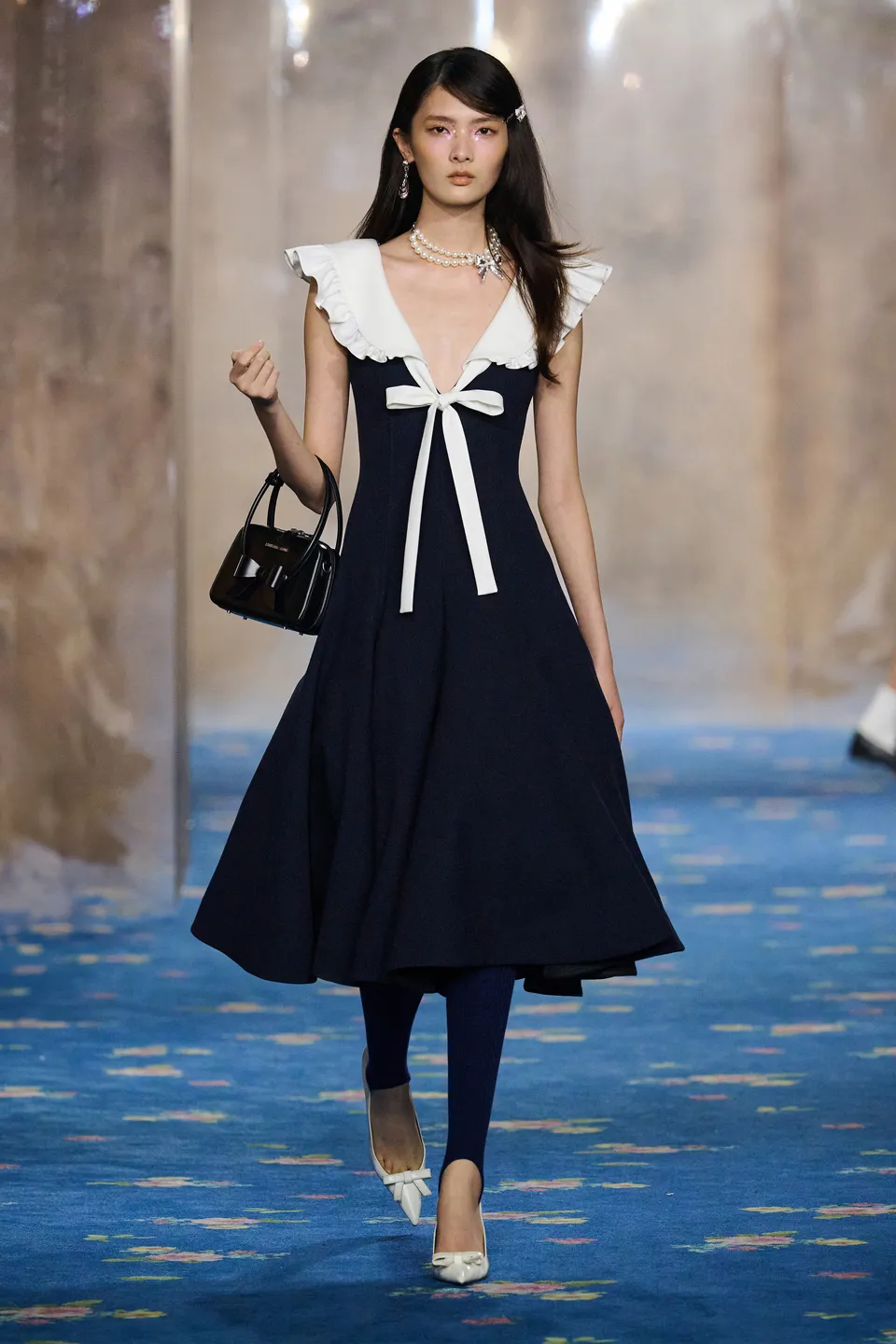
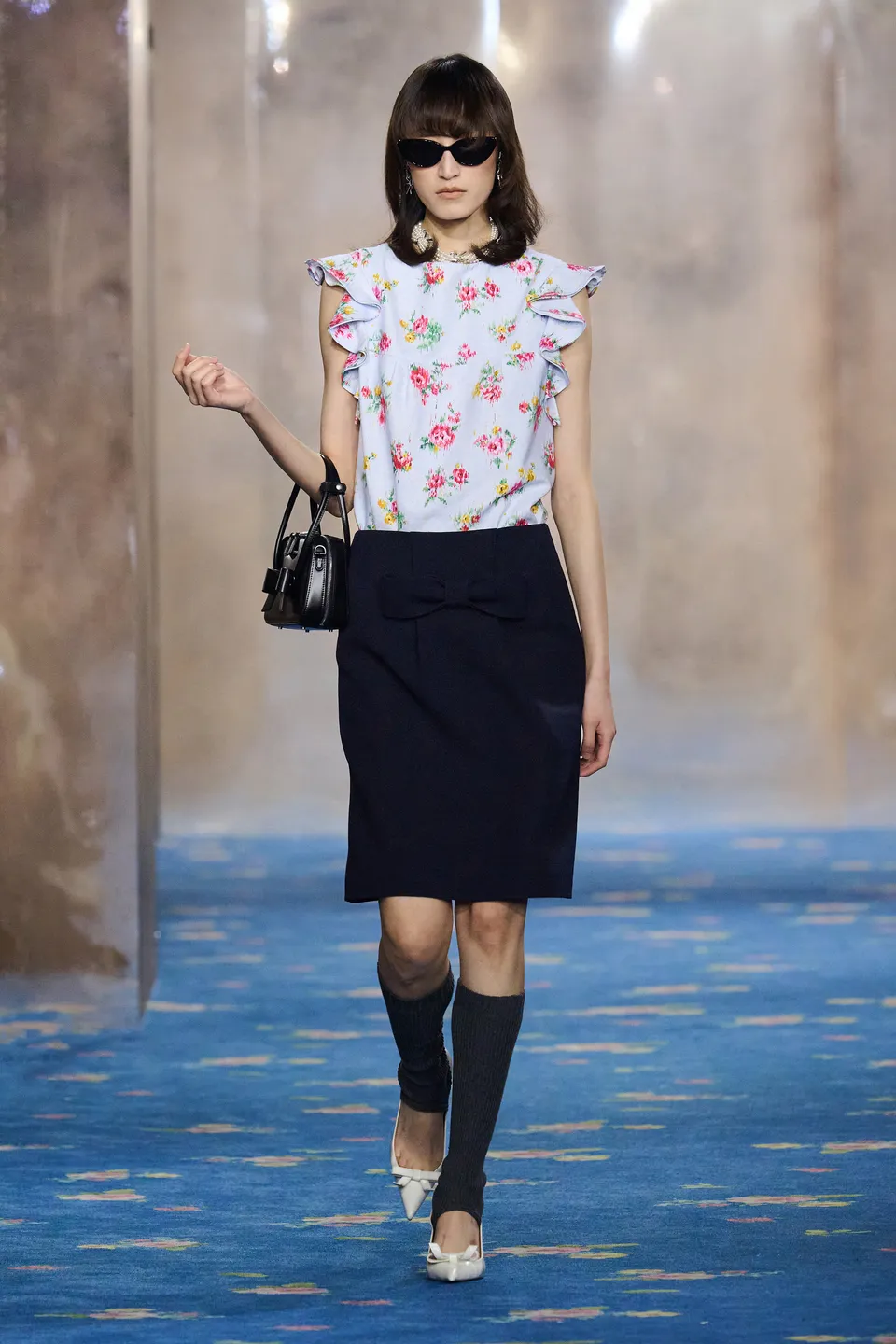
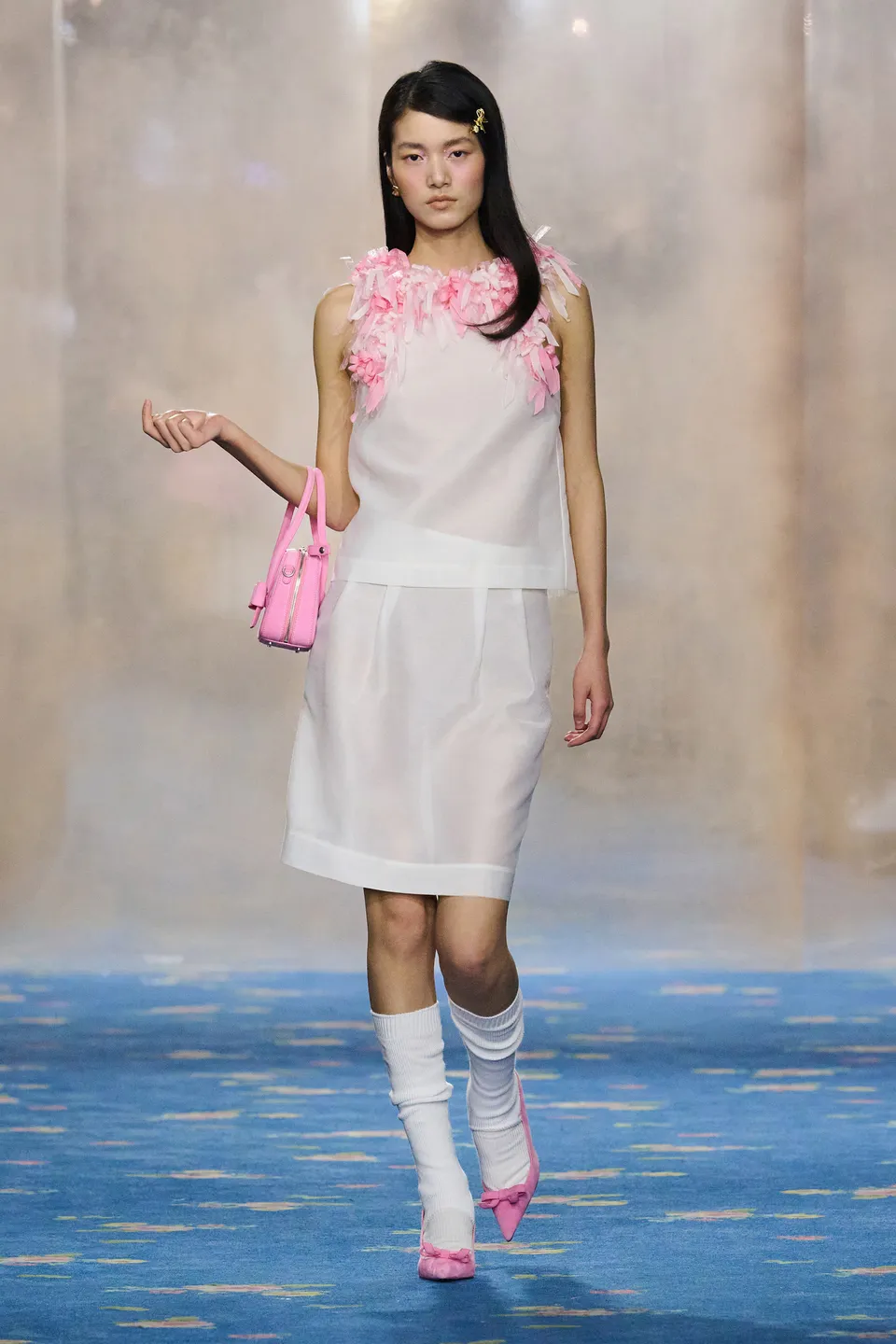
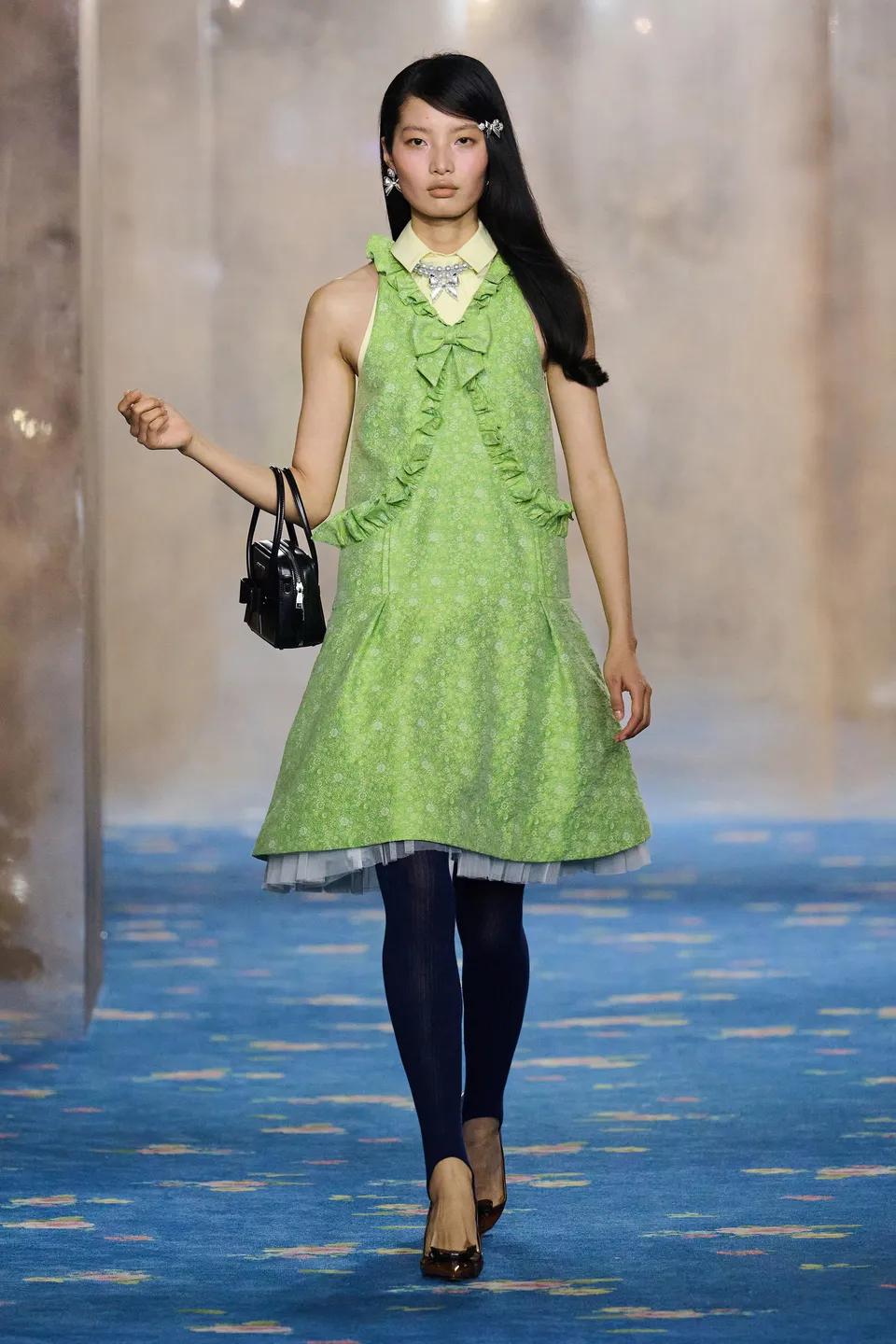
The brand infuses a heavy, antique atmosphere into its avant-garde creations. Liushu Lei, one half of the design duo, notes that vintage aesthetics naturally carry a sense of distance, order, and historical projection. Combining these specific elements with girlhood creates a relationship charged with immense visual tension and profound meaning.
For the designers, vintage elements function as a powerful narrative tool, making discussions surrounding identity, desire, and discipline visually concrete. Their tailoring juxtaposes rigid structures with delicate embellishments, perfectly illustrating the duality of the modern woman. This is precisely how Coquettecore grows up: not by becoming less feminine, but by making femininity more haunted, more disciplined, and more difficult to consume.
In 2026, the modern girlhood gaze actively challenges traditional, restrictive ideals, offering a refreshing wave of authenticity. Women of all ages express absolute exhaustion with conforming to manufactured, sanitized versions of femininity constructed by corporate marketing boards. True girlhood embraces the messy, the weird, and the rage-fueled realities of life. Millennials, having grown up under the heavy expectations of the traditional male gaze, enthusiastically welcome this fiercely honest reality. As Shueh brilliantly articulates, women adorn themselves to cultivate their own joy, pleasure, and satisfaction. The ribbons, pinks, and bows of previous eras often carried subconscious undertones of infantilization. This new, darker interpretation categorically transcends that notion, elevating the aesthetic to high art.
The current aesthetic broadcasts a strong, clear message of total self-acceptance, honoring every emotional, strange, and somber moment of the human experience. Expressing whimsy and girlhood as a profoundly complex, multifaceted experience remains wildly essential right now. The evolution of coquettecore represents a monumental shift in how we perceive and celebrate the enduring, fierce spirit of womanhood. Ultimately, Coquettecore grows up when the wearer stops asking whether her softness is acceptable and begins using it as a complete language of power.
Advertisement