MENU
Close





What makes the 30s style feel like a secret whispered under studio lights? The decade dressed uncertainty in satin, transformed softness into silhouette, and turned women’s fashion into a masterclass in elegance under pressure.
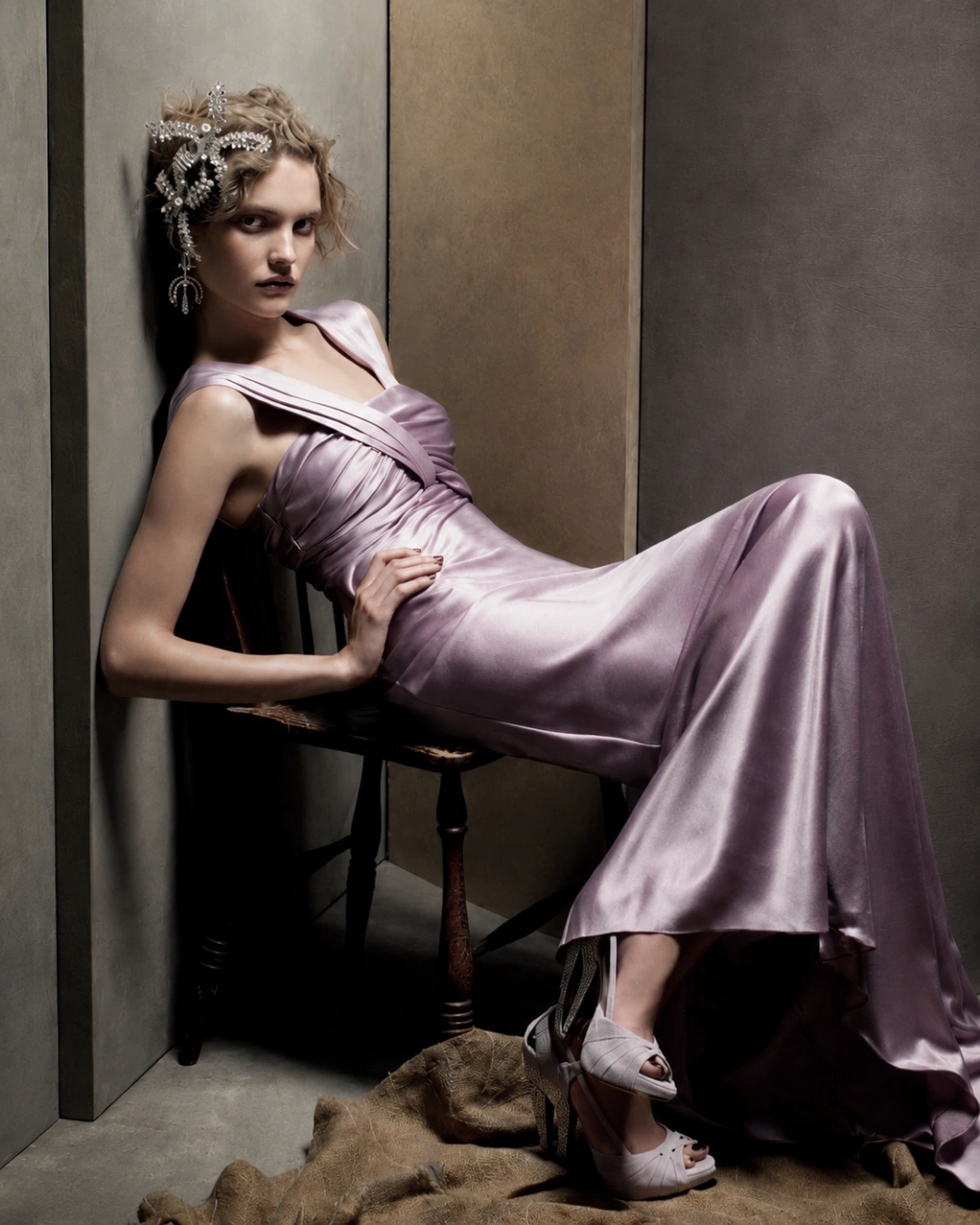
What makes the 30s style feel like a secret whispered under studio lights? The decade dressed uncertainty in satin, transformed softness into silhouette, and turned women’s fashion into a masterclass in elegance under pressure.
June 2, 2026
Advertisement

Advertisement



The decade opens with a room losing its music. Somewhere behind the curtain, the last glass of the 1920s has gone warm, the last flapper fringe has stopped shaking, and the world wakes to a colder morning after the 1929 crash. Yet fashion, being fashion, refuses to enter that morning plainly. It lowers the hem, returns the waist, softens the walk, and sends a woman forward in a gown that looks as though it has been poured onto her by moonlight.
She moves differently now. The body of the 1930s seems to negotiate with space, gliding through it with a calm confidence that feels precisely cinematic. Fabric follows the figure, catching light only when movement invites it. What once relied on youthful energy now depends on control, on the quiet drama of a turned shoulder or a lingering silhouette. The 30s style begins inside that strange contradiction: the world grows harder, and women’s fashion answers with liquid discipline.
The 30s style exists as a language of liquid control, born from the women’s fashion of the 1930s and sharpened by the decade’s obsession with cinema, elegance, and bodily motion. It is the style of the figure rediscovered after the flat, youthful modernity of the 1920s: the waist returns, the hem falls, the back begins to speak, and the dress learns how to follow the body with a strange, almost dangerous patience.
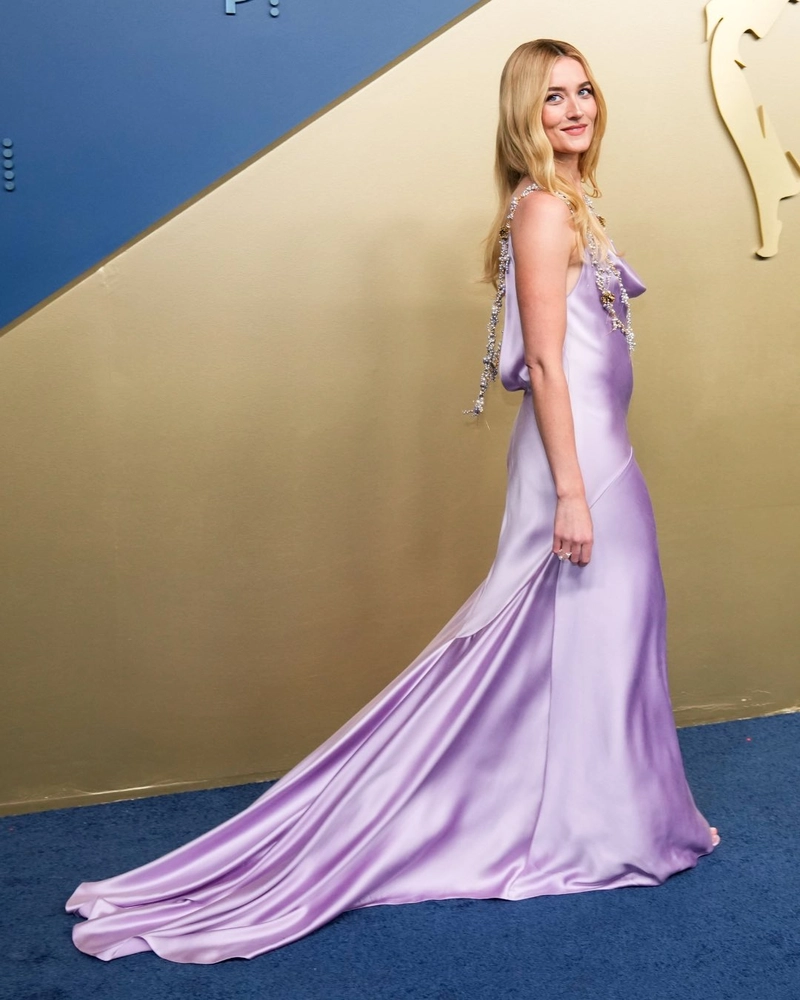
Recognition begins with the silhouette. The body is lengthened, softened, and drawn into a vertical line that seems made for a slow entrance. A 1930s dress rarely attacks the eye at once; it glides into view, lets the hip catch the light, lets the shoulder turn, and lets the hem arrive a breath after the woman has already moved. Eveningwear becomes the decade’s most hypnotic territory because it understands suspense. The front can remain composed, almost serene, while the back reveals the real seduction through a deep scoop, a narrow strap, or a fall of fabric that turns departure into spectacle.
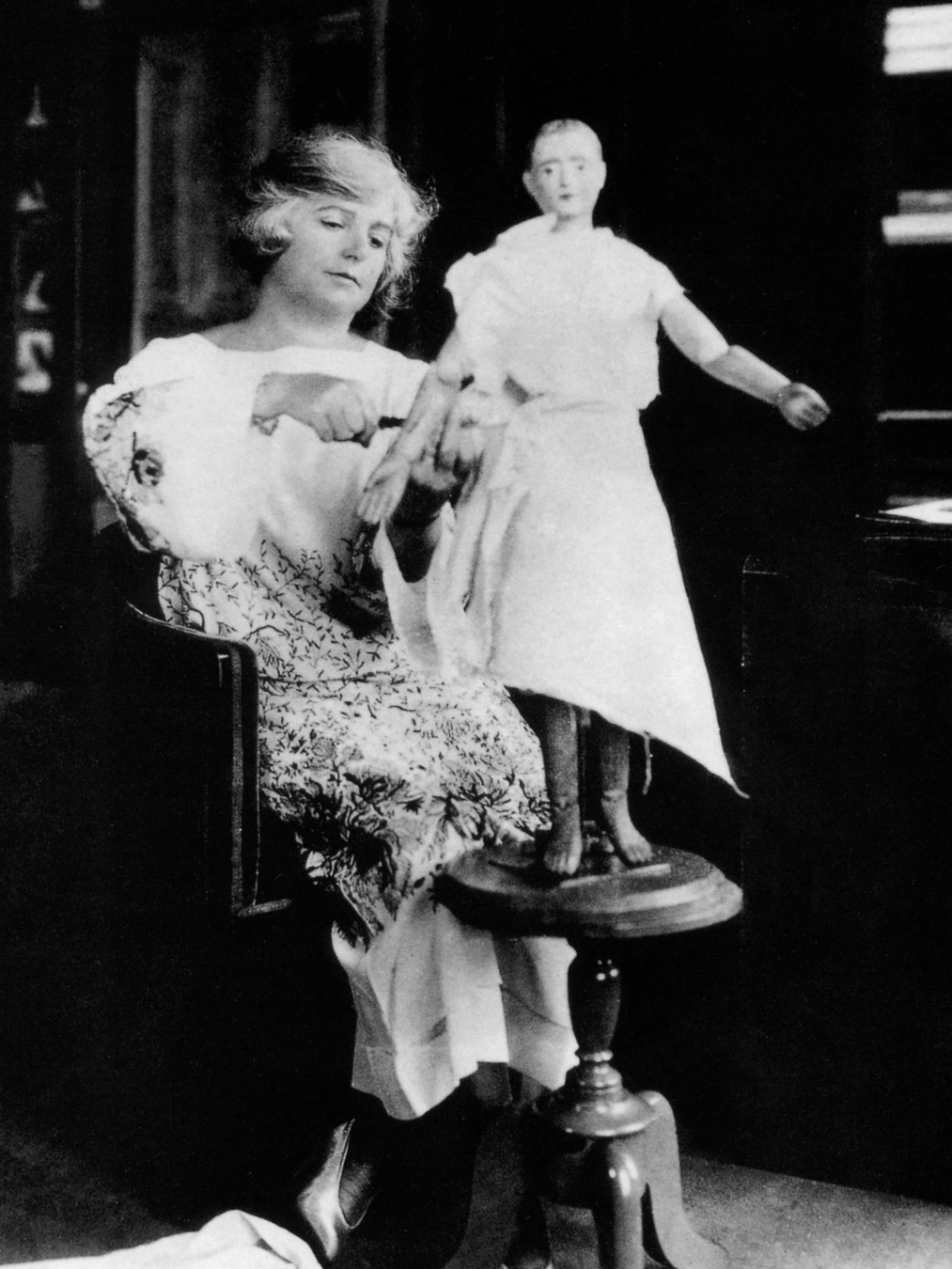
The cut is the spell beneath the surface. Bias cutting was first introduced by Madeleine Vionnet and gave the 30s style its most recognizable movement, allowing satin, crepe, velvet, and lamé to behave as if they had been warmed by the body from within. When cloth is cut diagonally across the grain, it gains a new obedience to gravity; it stretches, falls, clings, and releases with a softness that straight construction could never imitate. In Madeleine Vionnet’s hands, this technique became a form of intelligence, a way of sculpting the body without imprisoning it. The gown seems effortless only because the engineering has disappeared into the fall of the fabric.
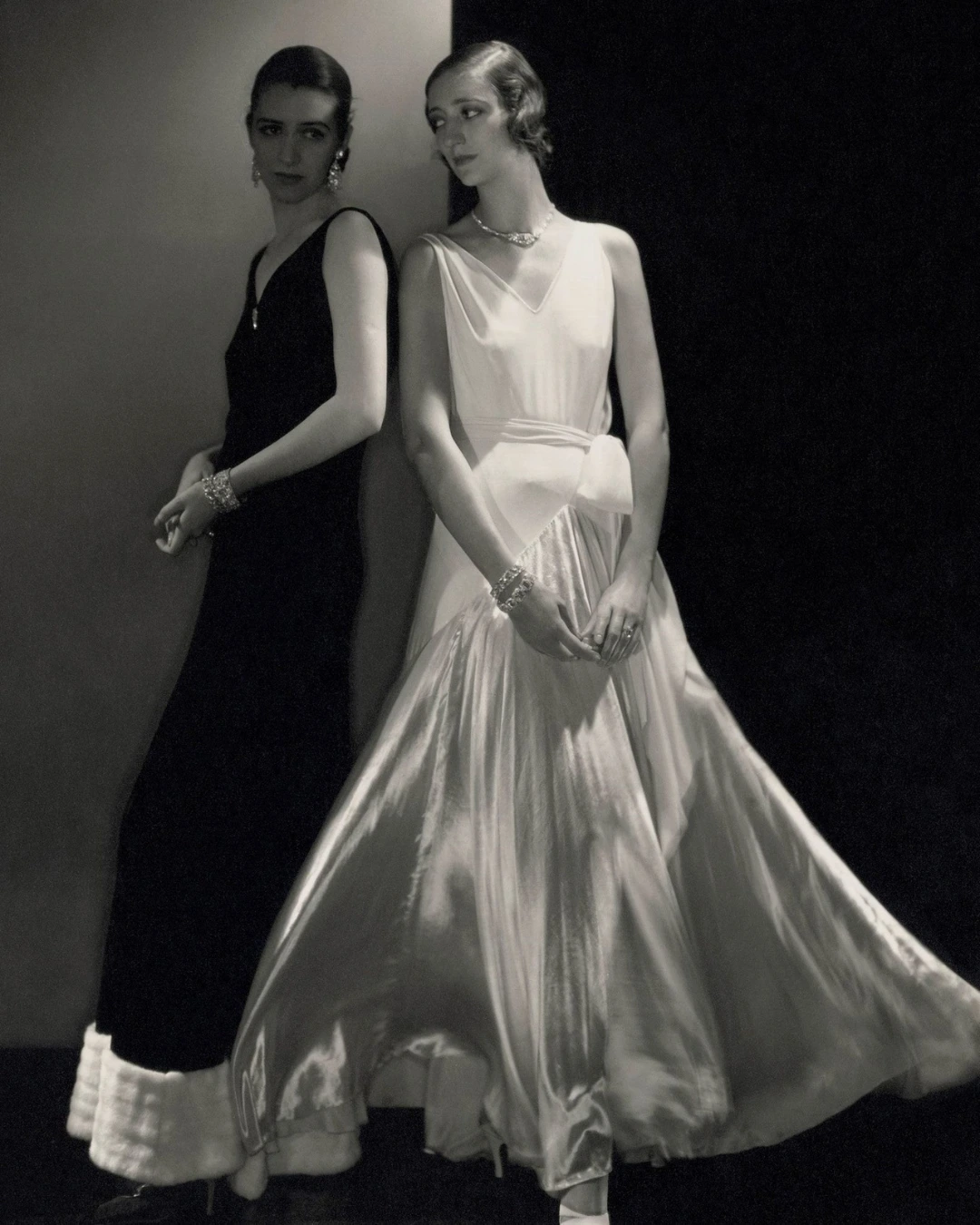
Although the silhouette appears effortless, much of its character depends on construction techniques that conceal their own complexity, allowing softness to become a form of structure. Seams become quiet, darts recede, and draping takes over as the decade’s more secretive form of architecture. A cowl neckline gathers shadow around the collarbone. A halter line lifts the torso into a poised frame. A godet releases the skirt near the hem, giving the walk a delayed echo. Sleeves carry another register of feeling: flutter sleeves bring air around the arm, cape sleeves lend ceremony, and the growing shoulder line of the later decade hints at the sharper authority waiting in the 1940s.
Because fabric determines how a garment is perceived under light, material choice becomes one of the defining forces behind the mood of the decade. Silk satin gives the decade its moonlit surface, the kind of shine that seems destined for a black-and-white close-up. Crepe brings a quieter, heavier elegance, holding the body with less glare and more gravity. Velvet deepens the figure into shadow, chiffon softens the edge of a sleeve or overlay, and lamé introduces a colder flash of modern glamour. Rayon carries the story into everyday dressing, giving day dresses and blouses silk-like fluidity that allows the mood of couture to travel into a wider wardrobe.
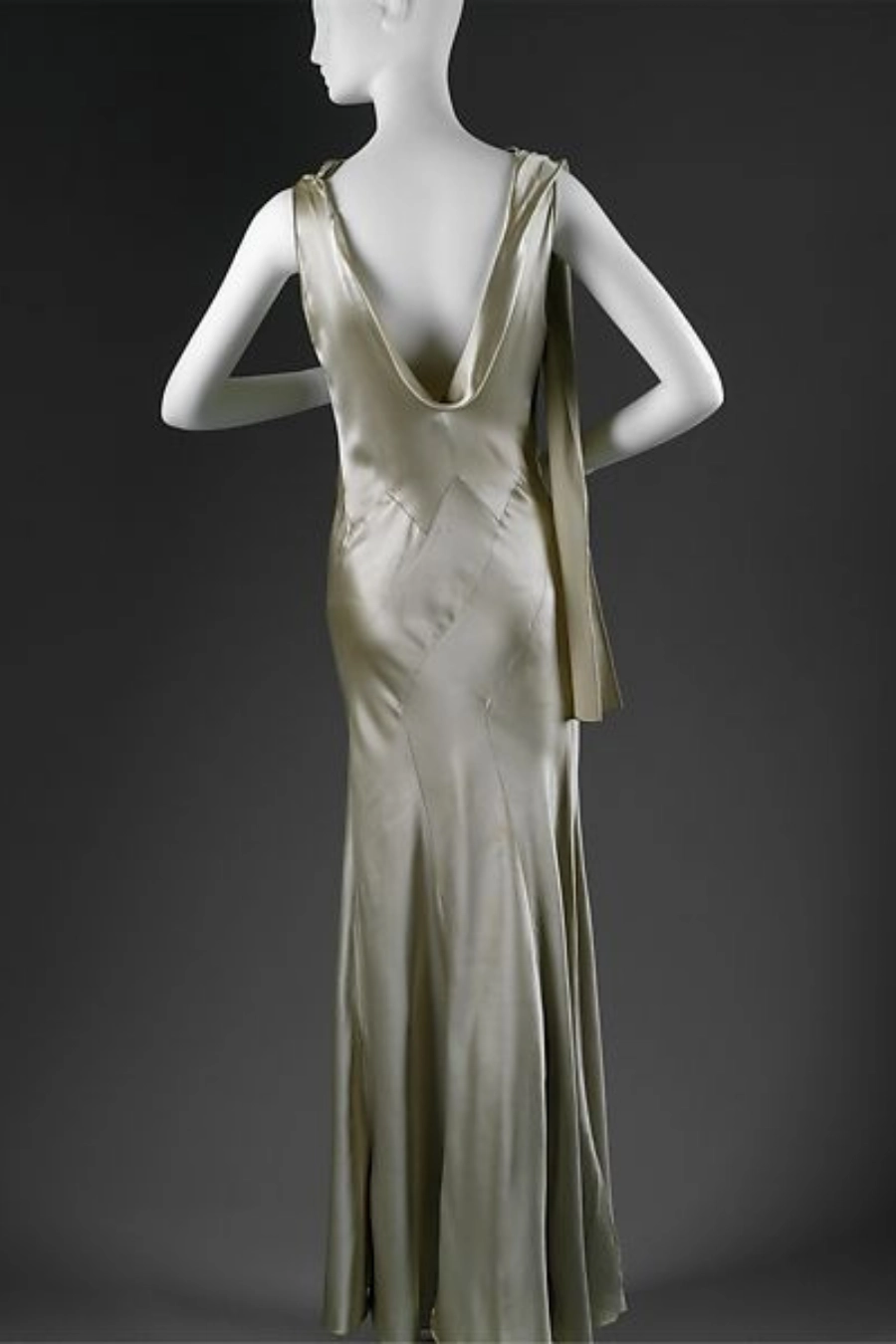
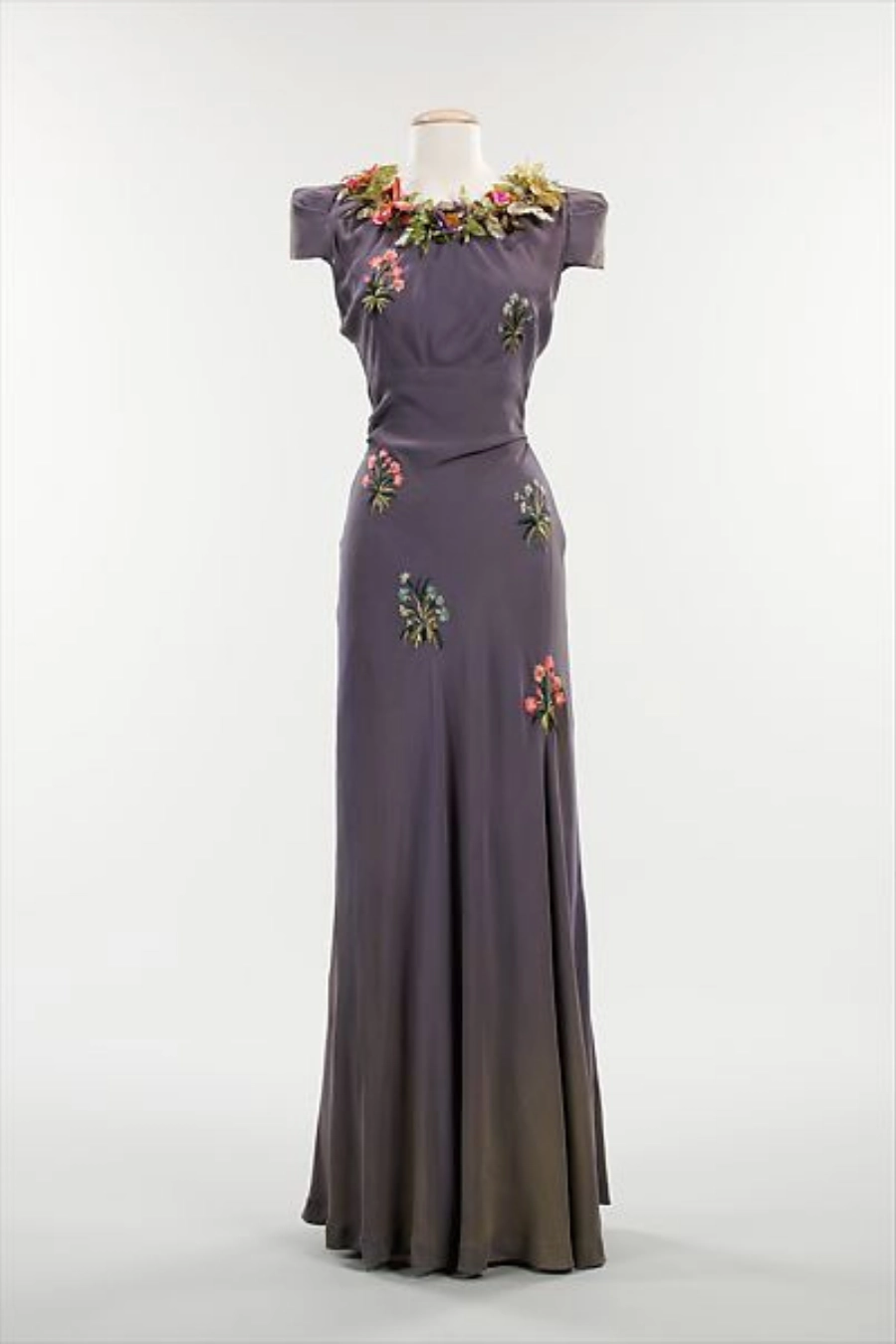
The colors in the 30s style feel chosen for lamplight. Black, ivory, champagne, silver, wine, emerald, navy, powder blue, dusty rose, and muted green behave like weather. A satin gown in champagne can look almost pale in daylight, then turn molten under evening light. Velvet in black absorbs the room. Silver catches the hard glamour of the camera. The palette works through glow, smoke, and depth, giving the decade a beauty that seems half-dressed in shadow.
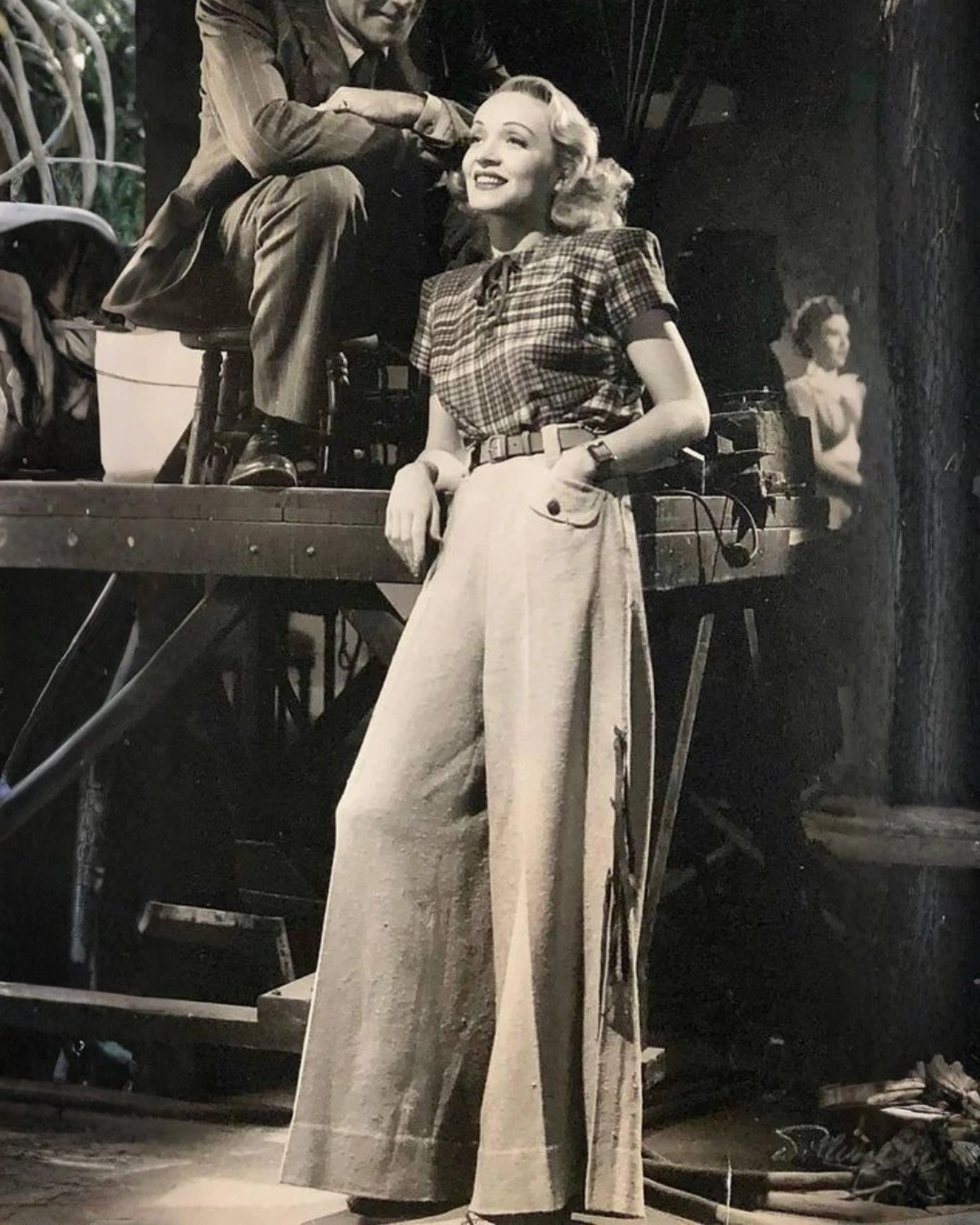
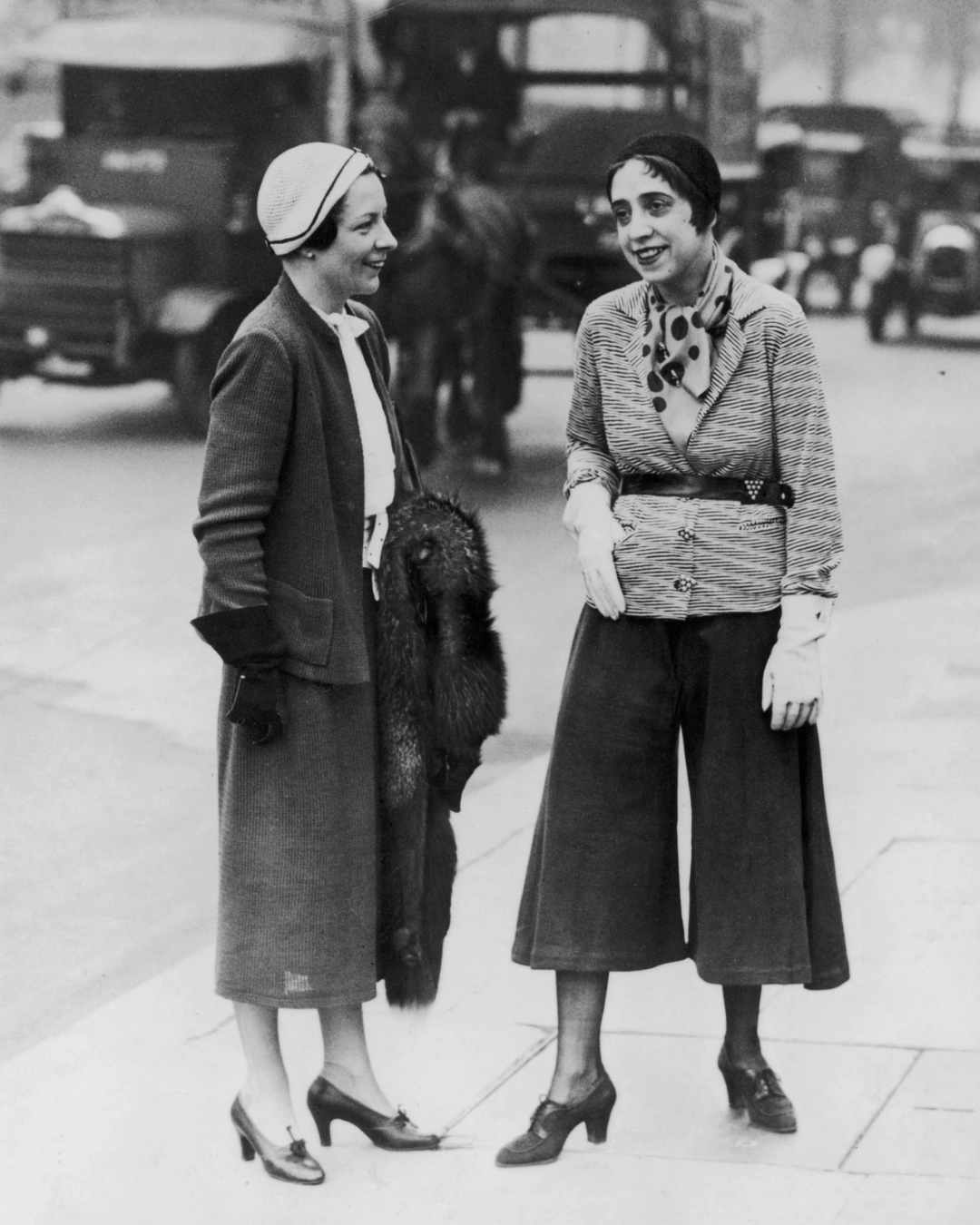
Daywear translates the same code into quieter rituals, where elegance begins to loosen its dependence on the dress alone. The belted frock keeps the waist visible, the skirt allows movement, and the tailored jacket gives the body a more composed frame; yet another figure also starts to appear with growing confidence: the woman in trousers. Beach pajamas, wide-leg pants, and masculine-inflected tailoring bring a new language of ease into the decade, shaped by leisure culture, Hollywood icons, and a wider desire for female mobility. The look redirects glamour. Hats sit close to the head with deliberate attitude, gloves lengthen the hand into gestures, and T-strap shoes, small bags, brooches, soft prints, and marcel waves keep the image polished. Even away from the ballroom, 30s style carries the discipline of performance, as though every street, seaside promenade, or hotel corridor could become a film set if the light arrived correctly.
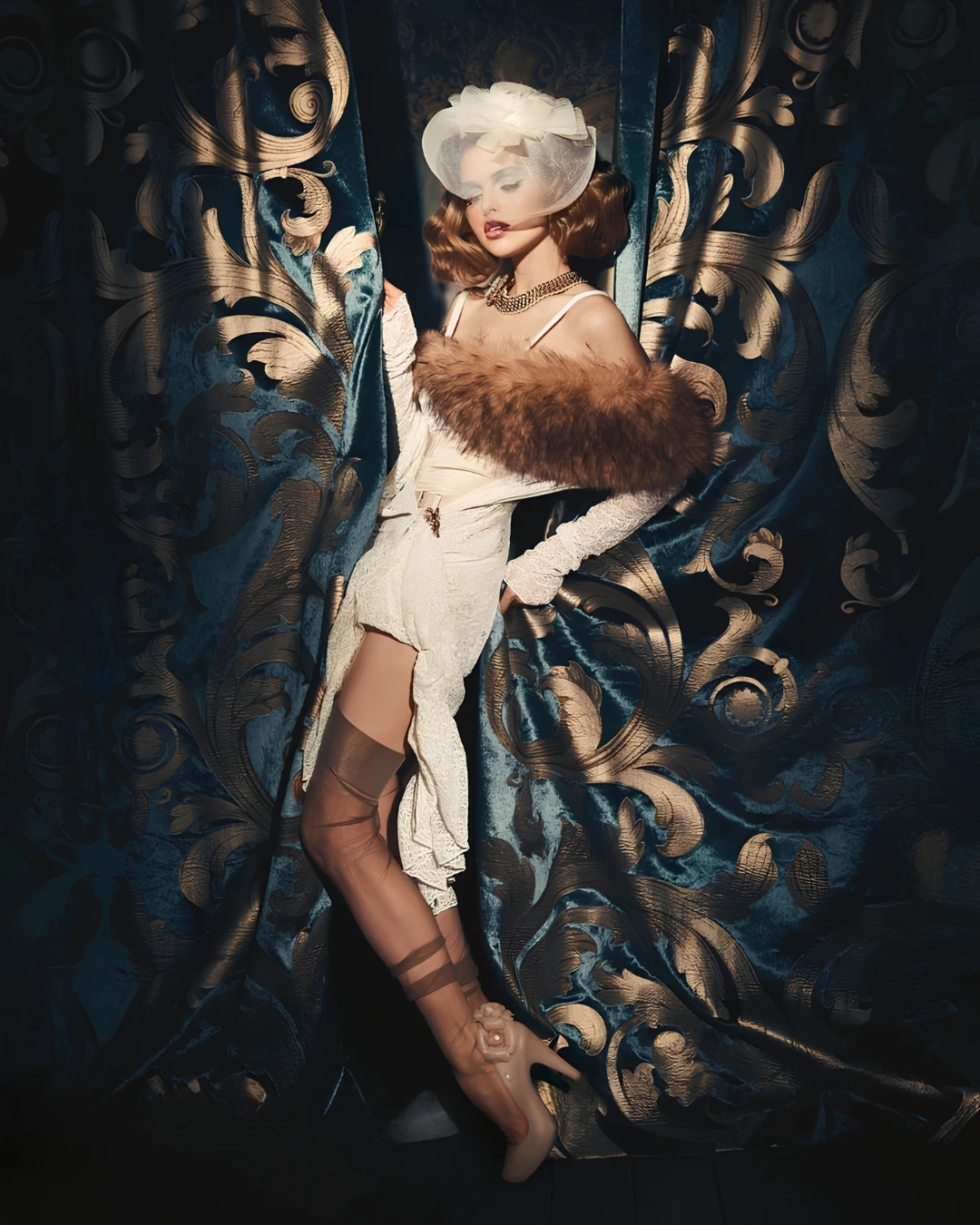
The true signature of the decade lies in this balance between exposure and restraint. A 1930s garment can be sensual without rushing toward obvious display, technical without announcing its labor, and glamorous without losing its sense of danger. It dresses the body as a moving secret, giving fashion one of its most enduring silhouettes: long, fluid, composed, and quietly unforgettable.
The history of the 30s style begins in the aftershock of 1929, when the Wall Street Crash pulled the modern world into a colder, more cautious decade. Fashion entered that darkness with a strange instinct for theater. Everyday wardrobes became more conscious of material, yet the dream of elegance expanded through cinema, couture, photography, and the new rituals of being seen. The 1930s woman dressed between two worlds: one ruled by economic restraint and the other lit by Hollywood’s silver glow.
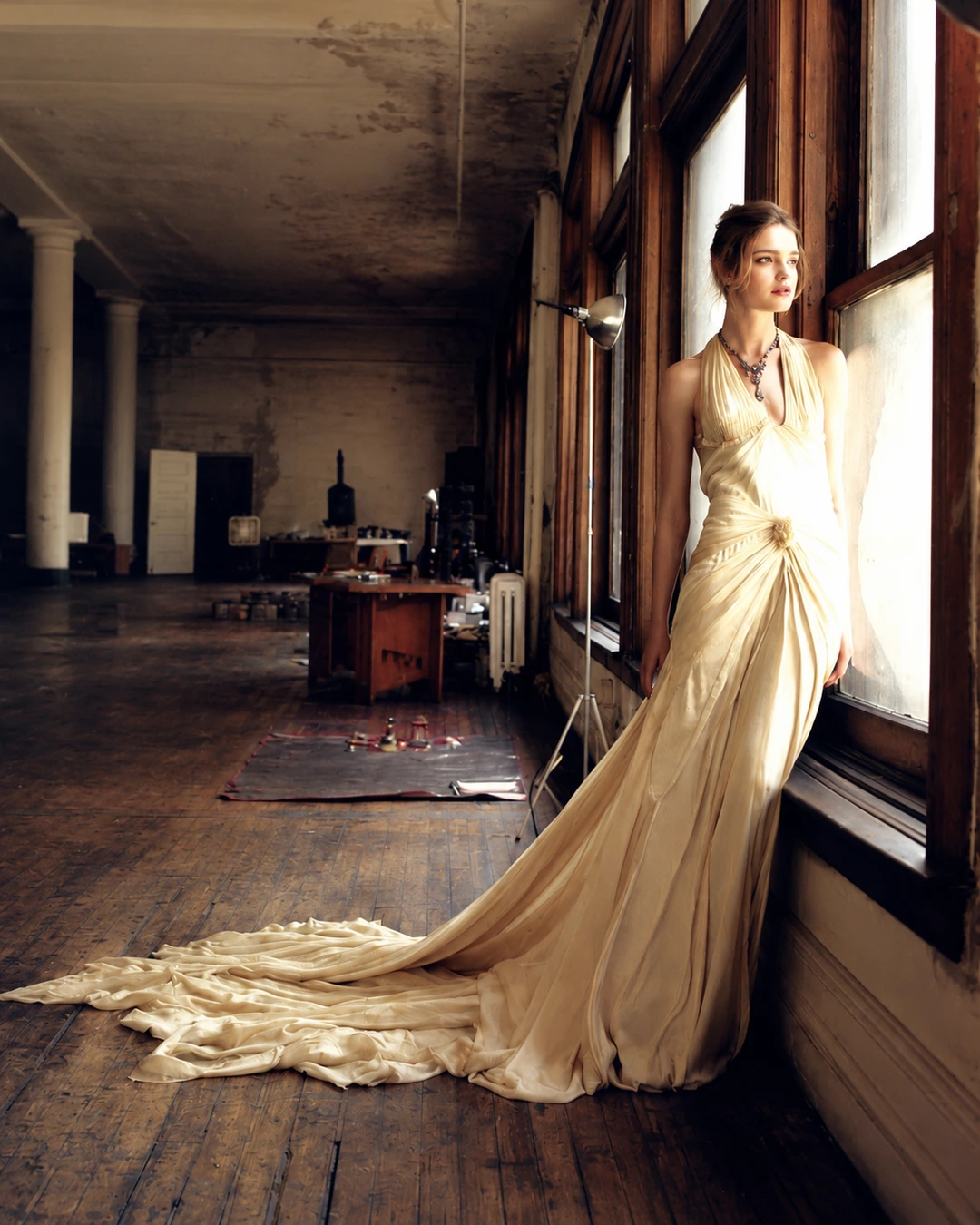
As the decade unfolded, Hollywood became less a source of isolated costumes than a full visual machine. Studio wardrobes, fan magazines, publicity portraits, department-store copies, and sewing patterns helped turn screen glamour into a public language, allowing women far from the studios to borrow the shine of a world built from satin, feathers, mirrors, and artificial light. After the Production Code began being strictly enforced in 1934, suggestion became even more powerful; costume learned to speak through the curve of a neckline, the fall of a sleeve, the exposure of a back, or the timing of a woman’s entrance, with desire moved into construction.
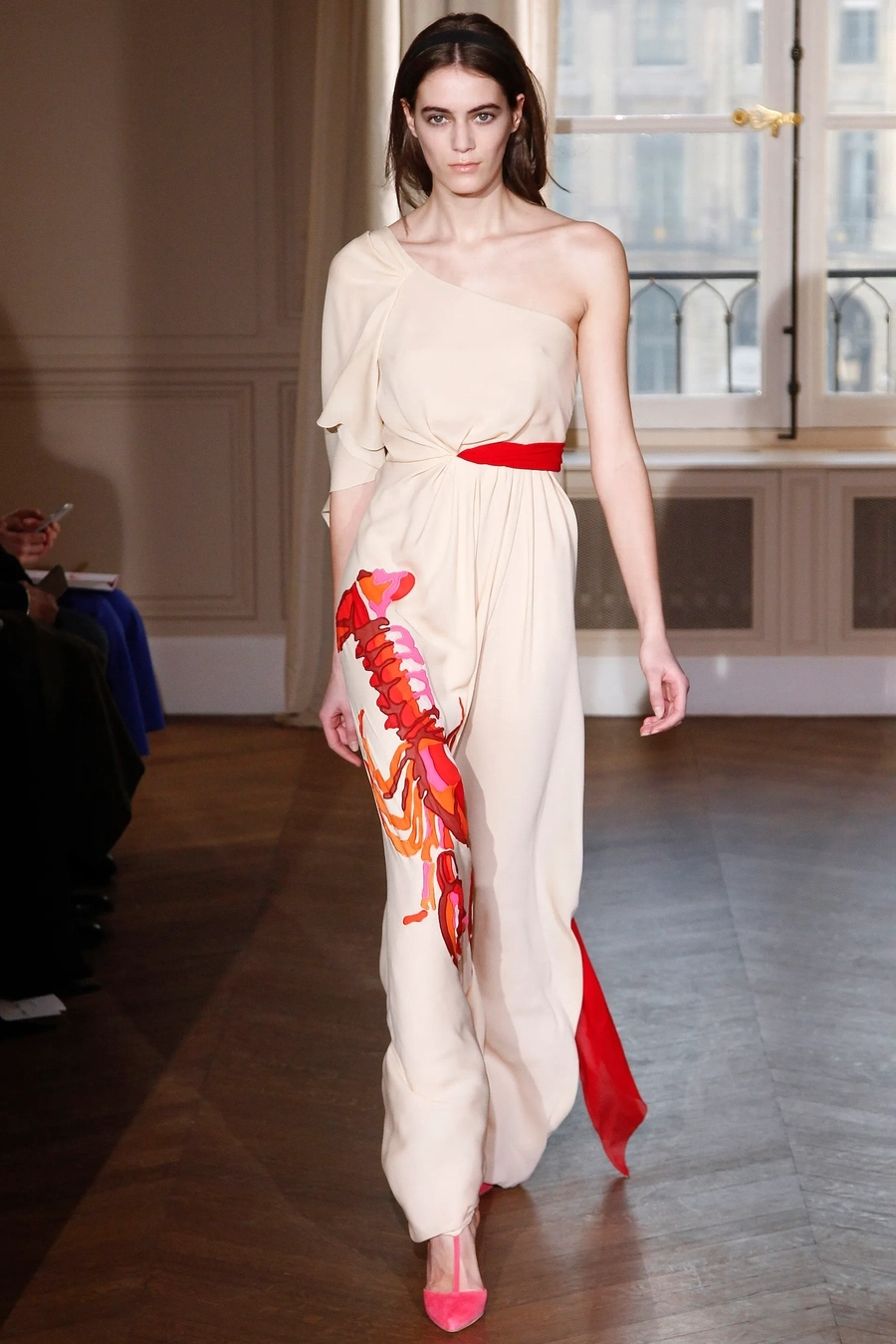
Paris carried the decade’s other pulse. Madeleine Vionnet refined the bias cut into a near-sacred technique, letting fabric fall around the body with mathematical softness. Elsa Schiaparelli pushed fashion into stranger territory, where elegance could flirt with art, humor, danger, and surrealism. In 1937, her Lobster Dress, created with Salvador Dalí and photographed on Wallis Simpson by Cecil Beaton, turned a white evening dress into one of the decade’s most unforgettable provocations. Through Madeleine Vionnet and Elsa Schiaparelli, the 30s style learned two opposing forms of power: the silent intelligence of the cut and the mischievous voltage of the image.
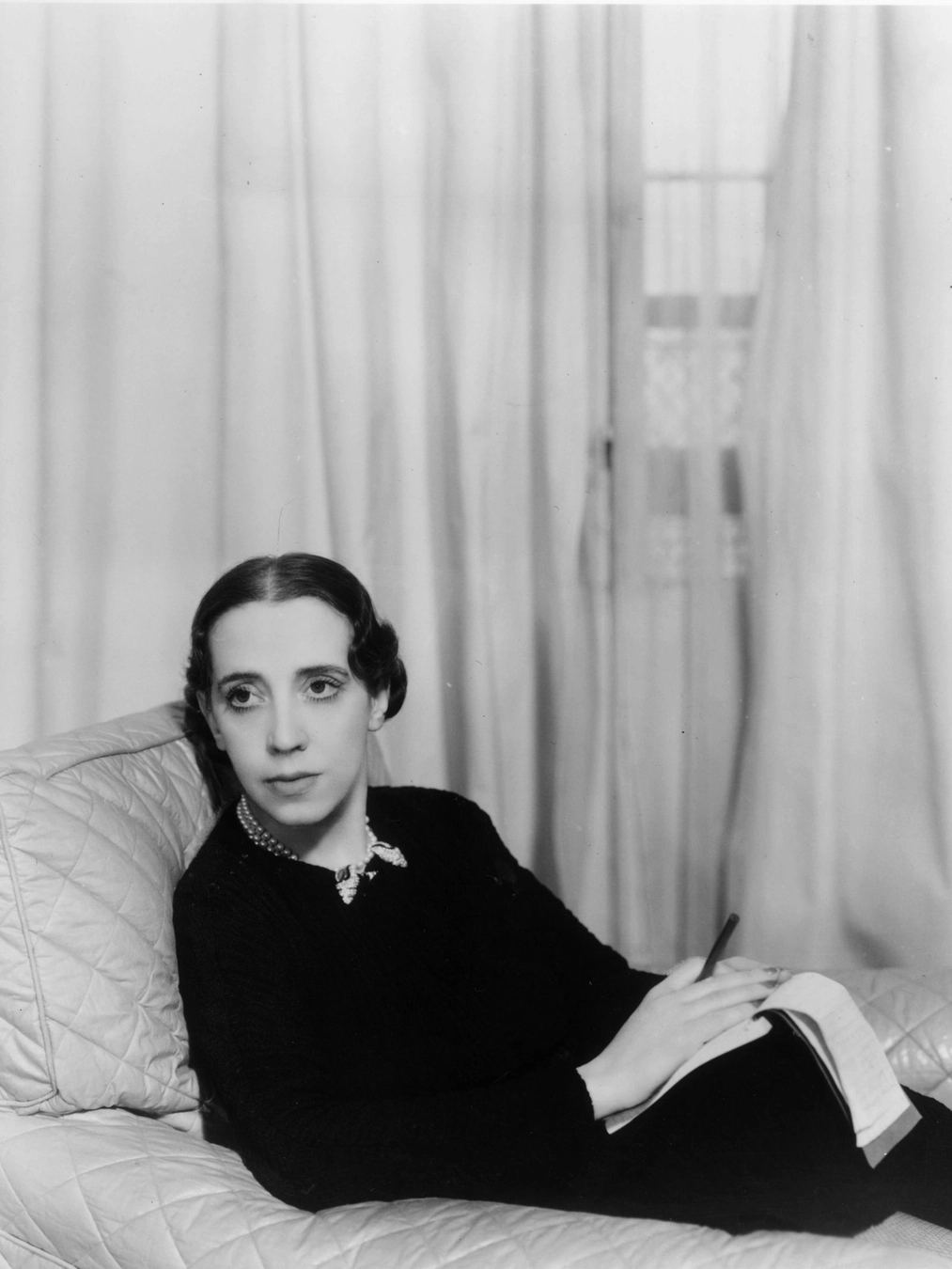
By the late 1930s, the 30s style had begun to travel in a more modern way. A woman did not need to sit inside a Paris fitting room or stand beneath a Hollywood spotlight to understand its power; she could see it on a magazine page, in a publicity portrait, or in a shop window where satin had been translated into something more reachable. The style moved through reproduction as much as through couture. Its low backs, liquid dresses, softened shoulders, and camera-ready surfaces became part of a wider visual imagination, carried by photography, copied through commerce, and absorbed by women who wanted a small piece of that silver-lit control.
Something in this decade always seems to arrive half-seen. A woman enters, and the room registers the satin before it understands the threat. The glove is smooth, the hair is controlled, the neckline falls with perfect manners, yet the whole image carries a private voltage, as though elegance has learned how to hide a blade inside a soft gesture. The 30s style lets desire gather in the pause before a turn, in the shadow beneath a cowl neckline, in the quiet arrogance of a back exposed only when the woman is already leaving.
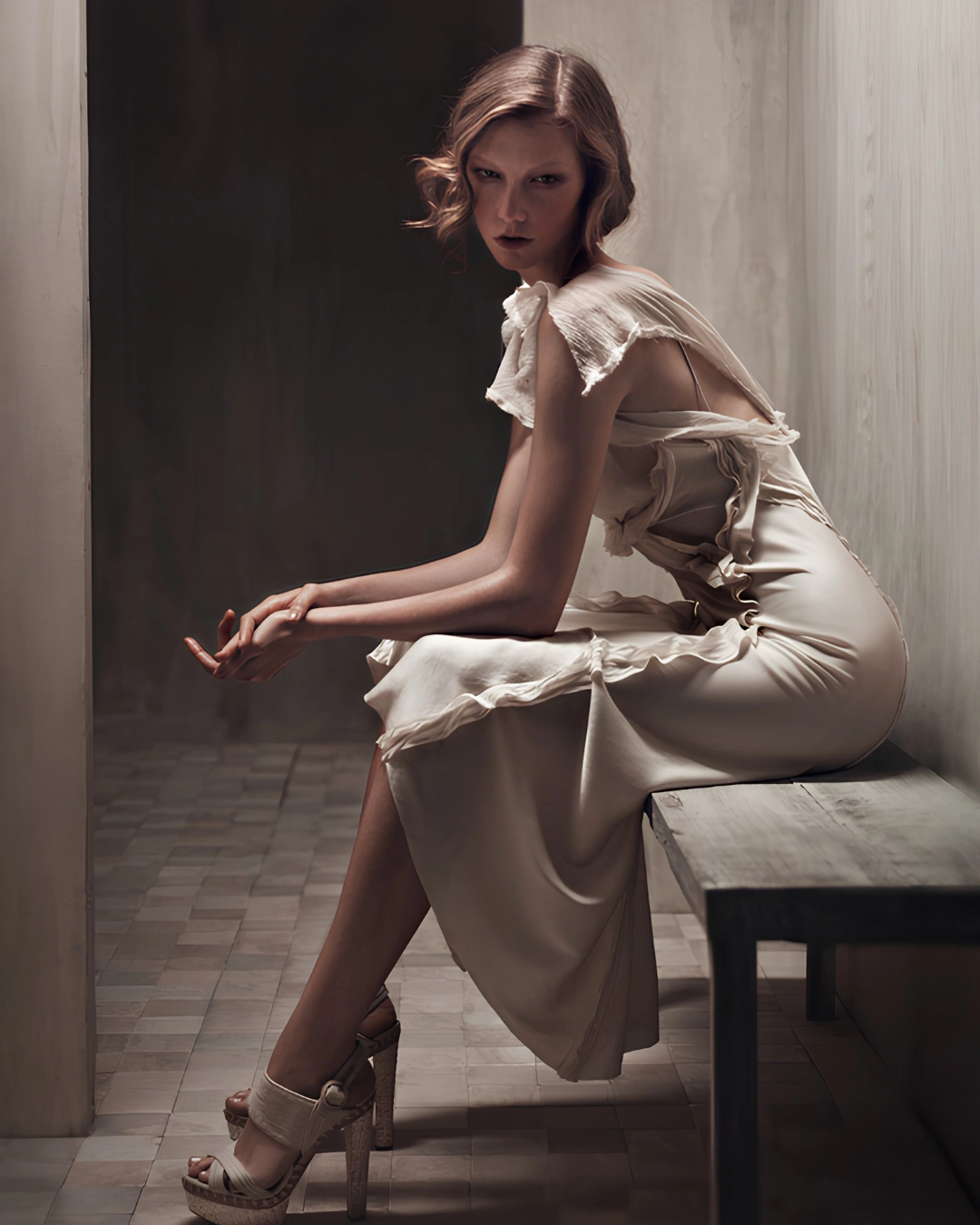
Its energy lives in restraint sharpened to the edge of danger. The decade had no appetite for careless prettiness. It preferred women who looked composed enough to survive bad news, beautiful enough to become rumor, and distant enough to remain unreadable. A bias-cut gown could move like water, but its discipline was almost severe. A tailored jacket could appear proper, then suddenly turn cold with authority. Glamour, here, is never innocent decoration but rather a strategy, self-protection, and invitation braided into one controlled silhouette.
There is a haunted quality in the 30s style, the sense that every beautiful surface has been polished against uncertainty. The world outside may be unstable, but the woman inside the dress has mastered the art of withholding. She lets fabric speak first, lets light do the flirting and lets silence build the mythology around her. That hidden tension gives the decade its mystique: the body glides, the shadow follows, and somewhere beneath the satin, something dangerous remains awake.
Contemporary fashion returns to the 1930s whenever glamour needs movement, danger, and craft in the same silhouette. The reference usually appears through a dress that knows how to turn: a low back, a liquid skirt, a cowl neckline, a velvet column, a feathered surface, or a shoulder sharp enough to make softness look alert.
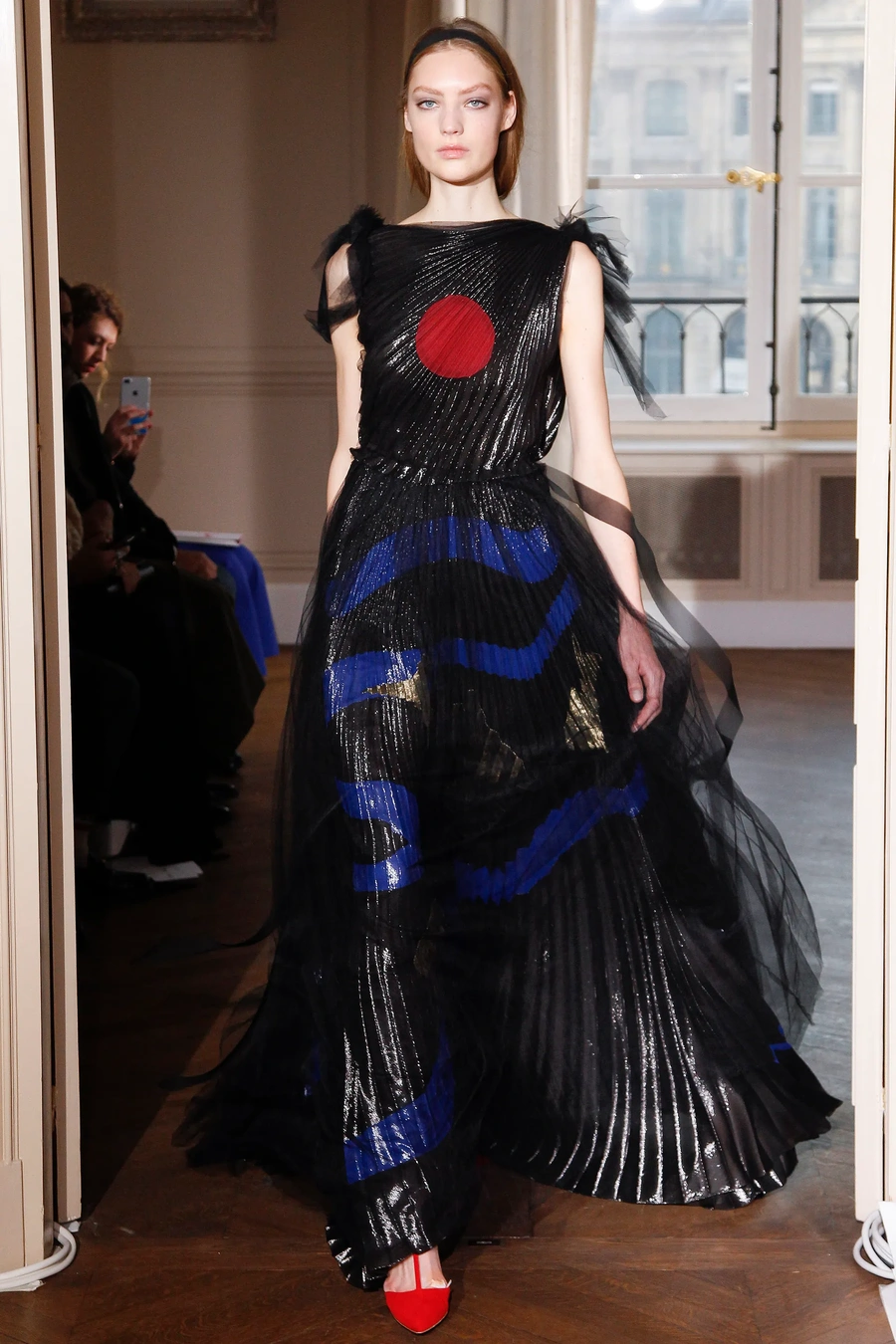
Schiaparelli Spring 2017 Couture brought Elsa Schiaparelli’s 1937 Lobster Dress back into the runway image, turning surrealist history into a modern couture apparition with a lighter, stranger, more self-aware sensuality.
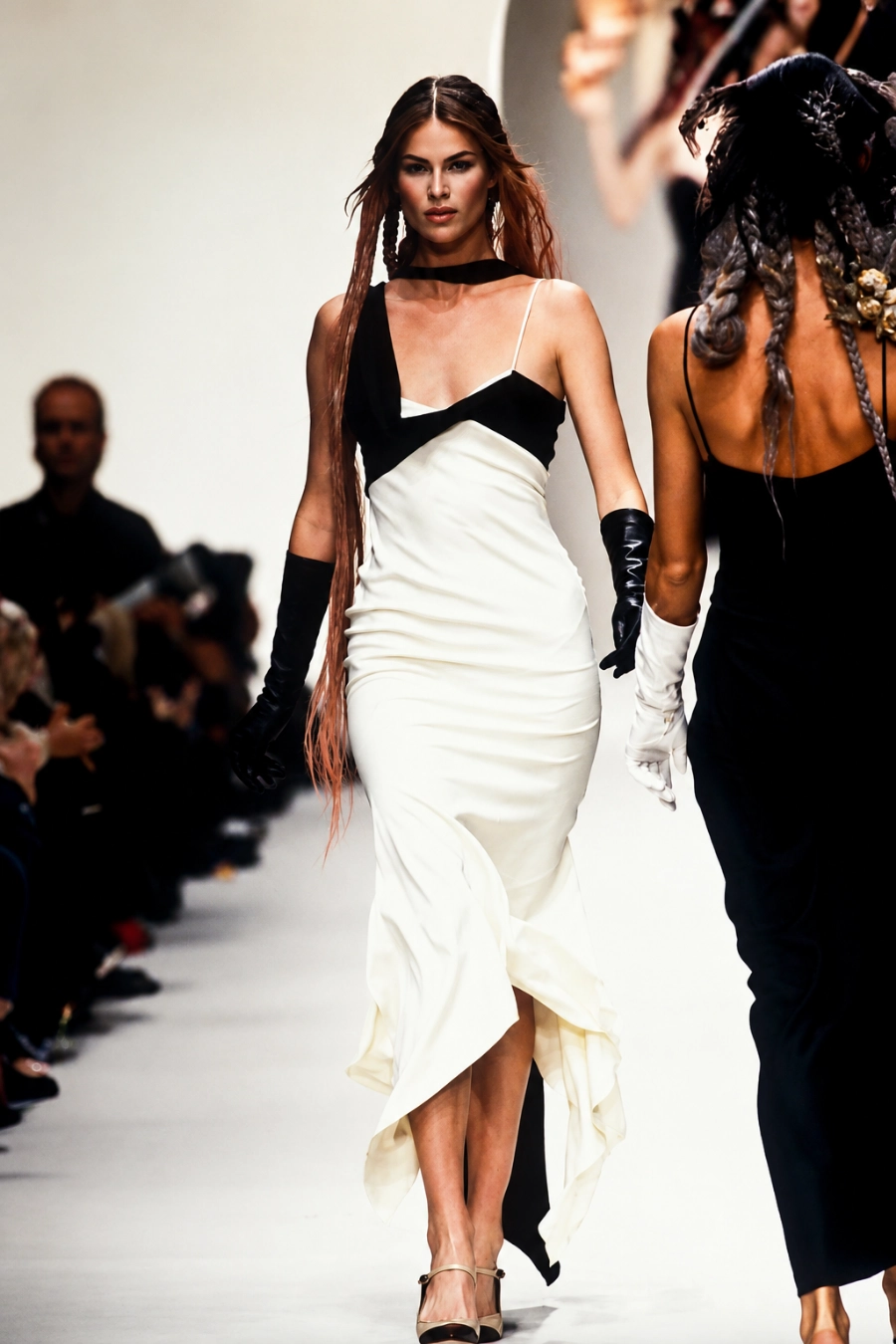
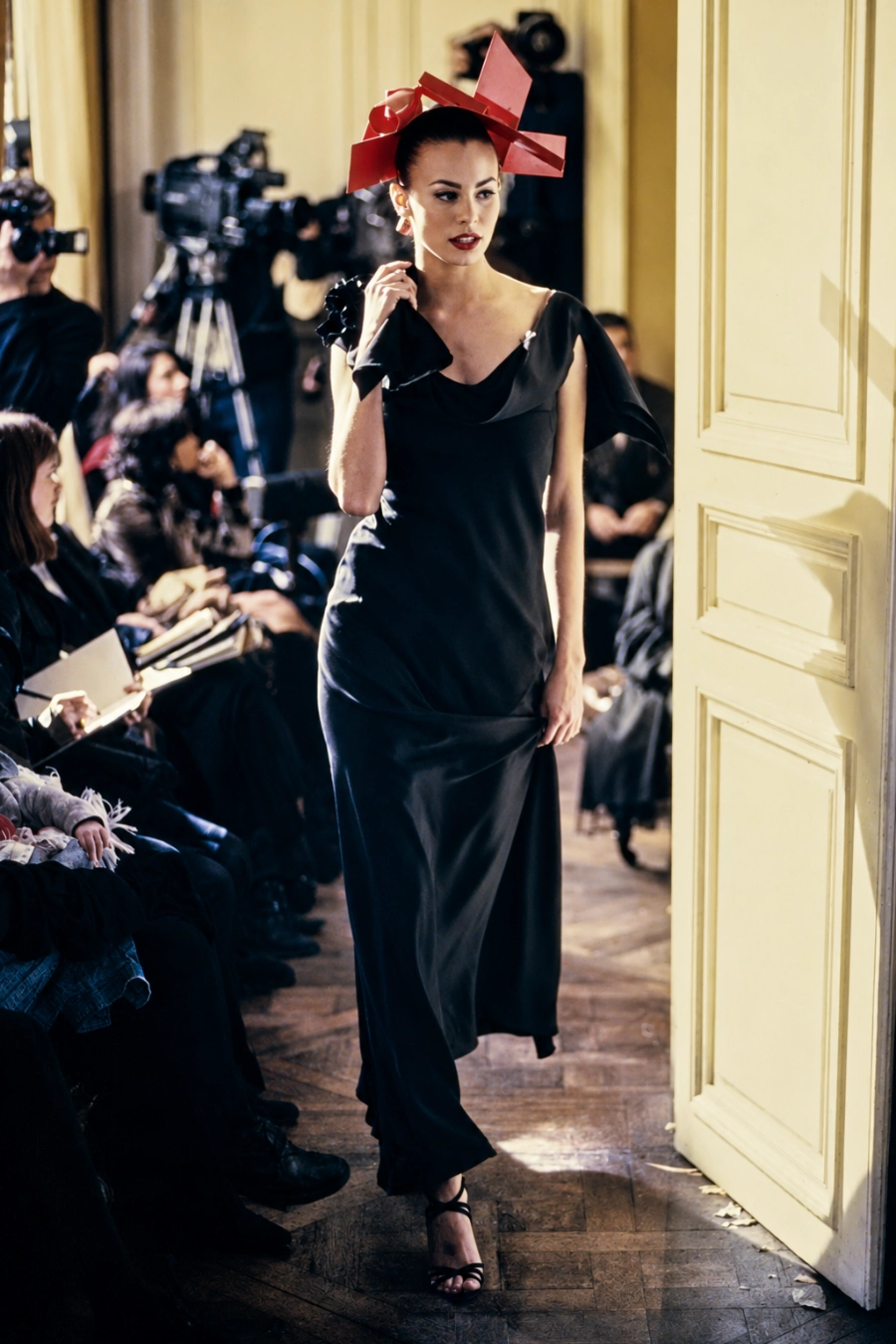
John Galliano’s 1994 runways gave 1930s glamour a modern, theatrical afterlife, moving between bias-cut sensuality, satin shadows, sculpted hats, and women who seemed to enter the room like fictional heroines. His vision treated the decade less as costume than as atmosphere: a body cut on bias, a dress charged with character, and elegance staged as something dangerous and slightly unreal.
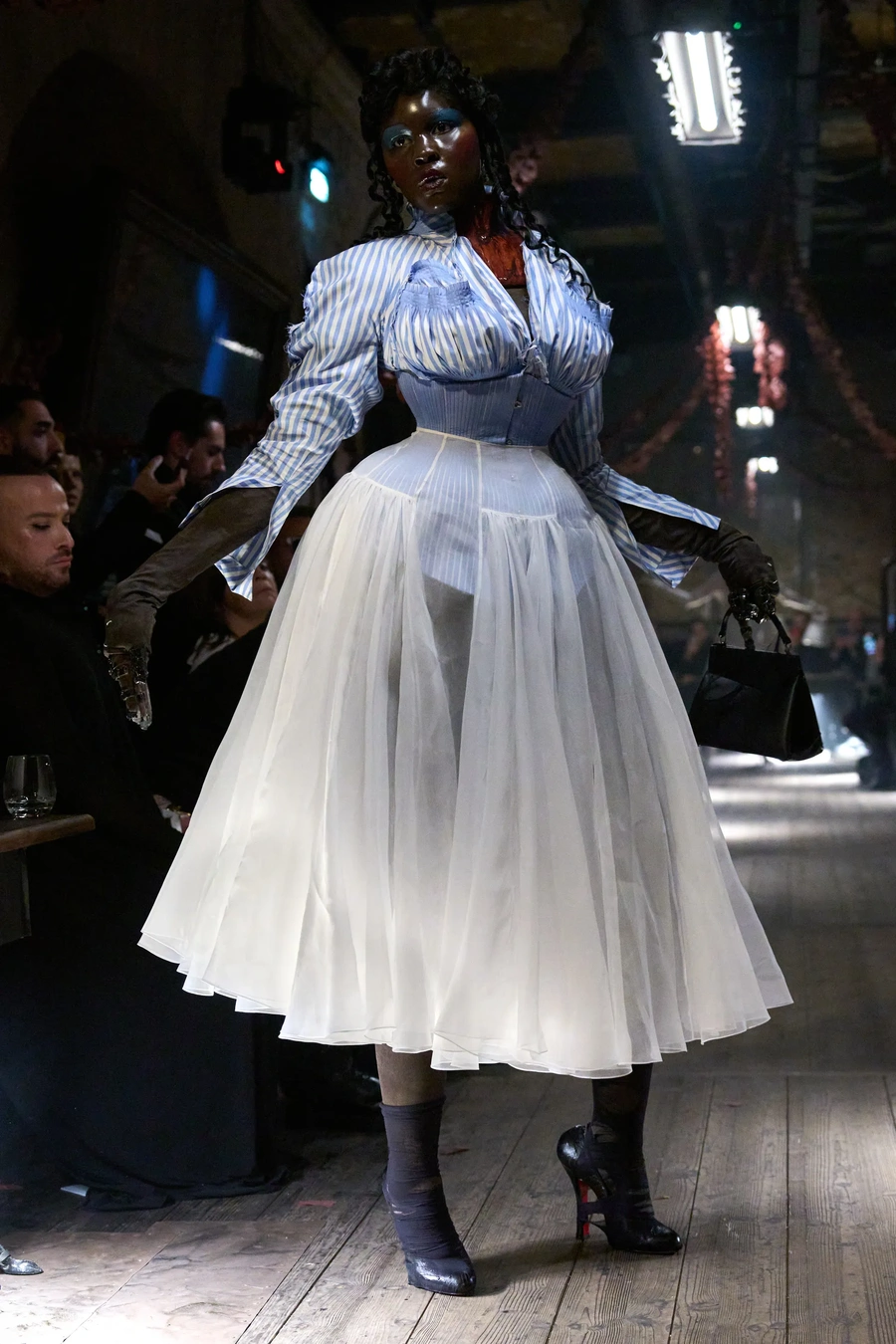
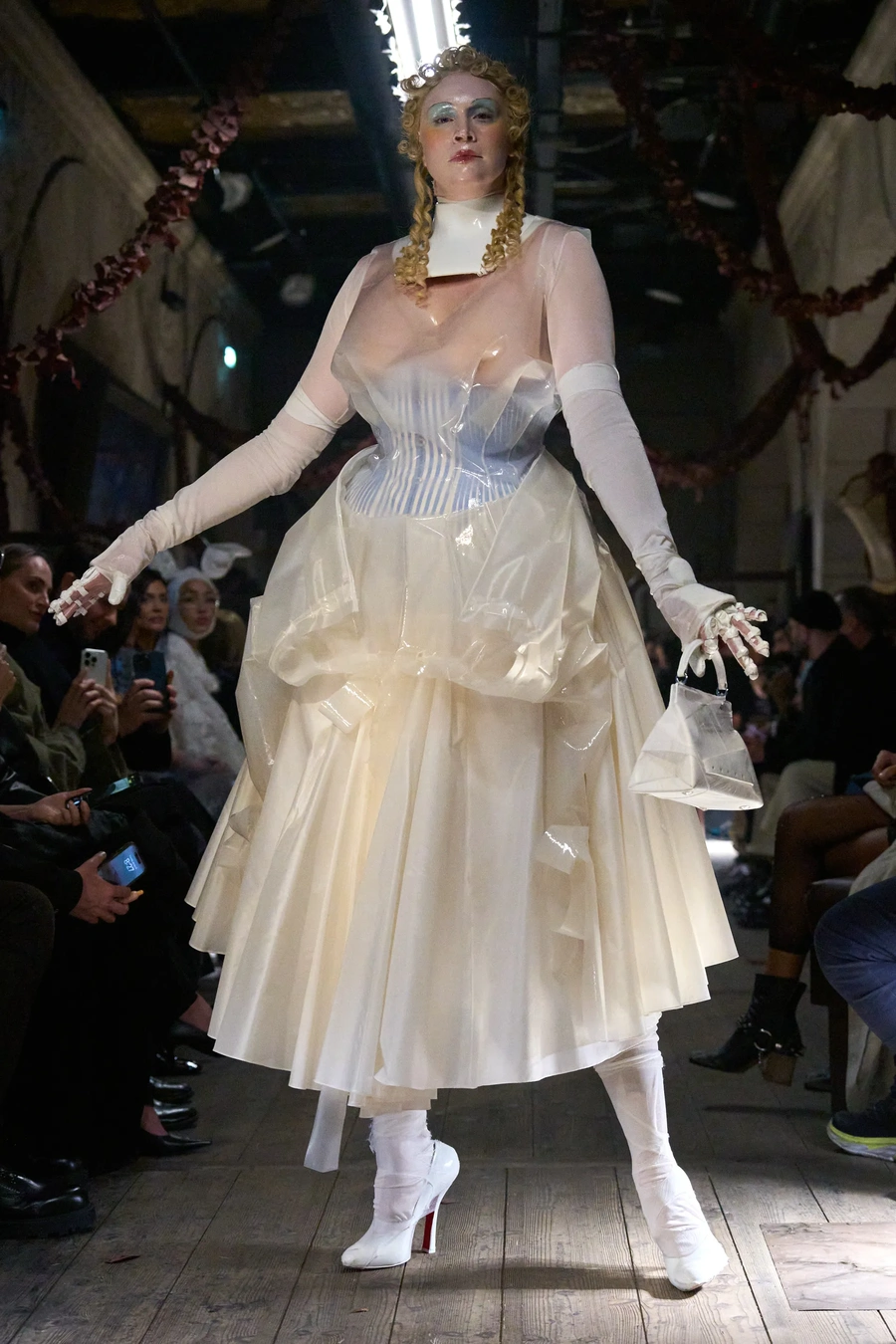
Maison Margiela Spring 2024 Couture channels the nocturnal mythology of 1920s and 1930s Paris through Brassaï’s after-dark world, transforming cabaret shadows, corseted bodies, porcelain skin, and wounded glamour into a darker contemporary echo of the decade.
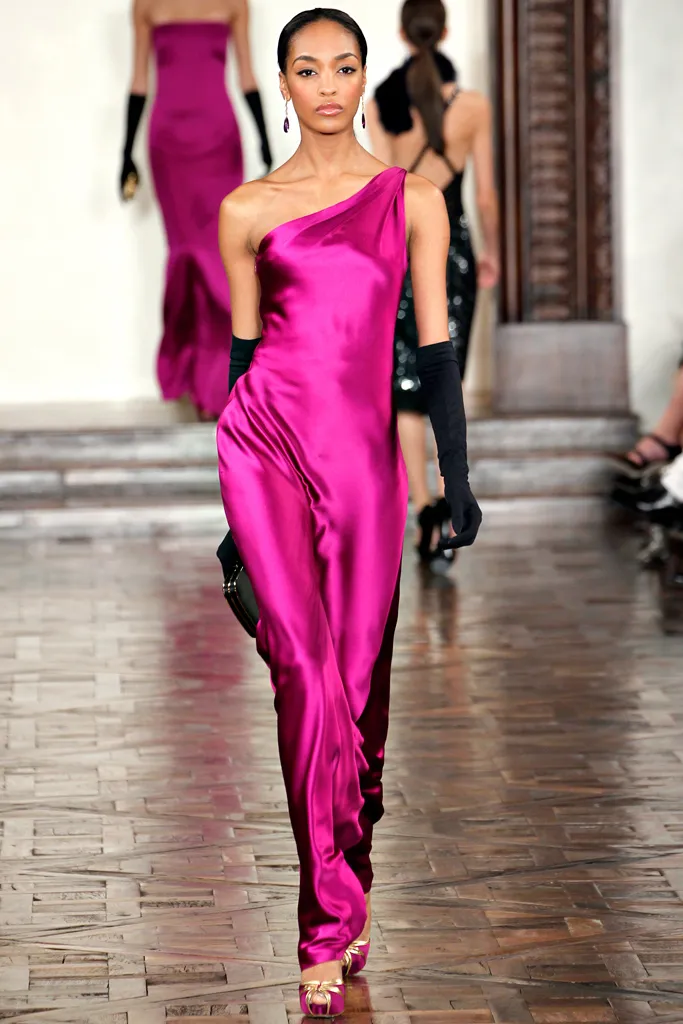
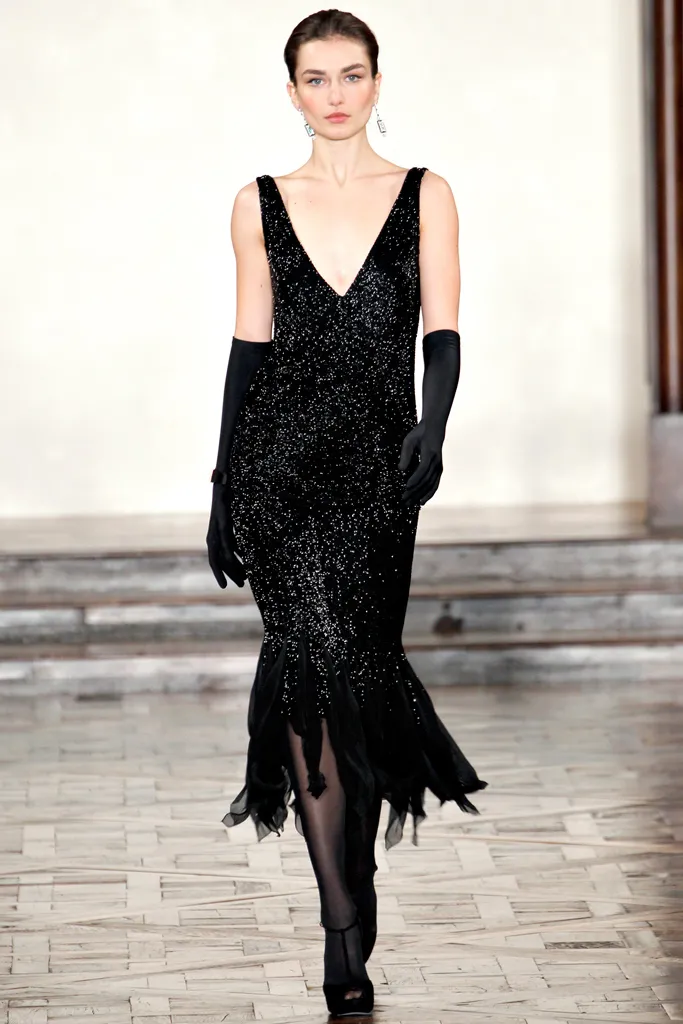
Ralph Lauren Fall 2012 translated period glamour through tailored polish, evening satin, gloves, and a world of old-money restraint, giving the 1930s influence a more aristocratic, cinematic calm.
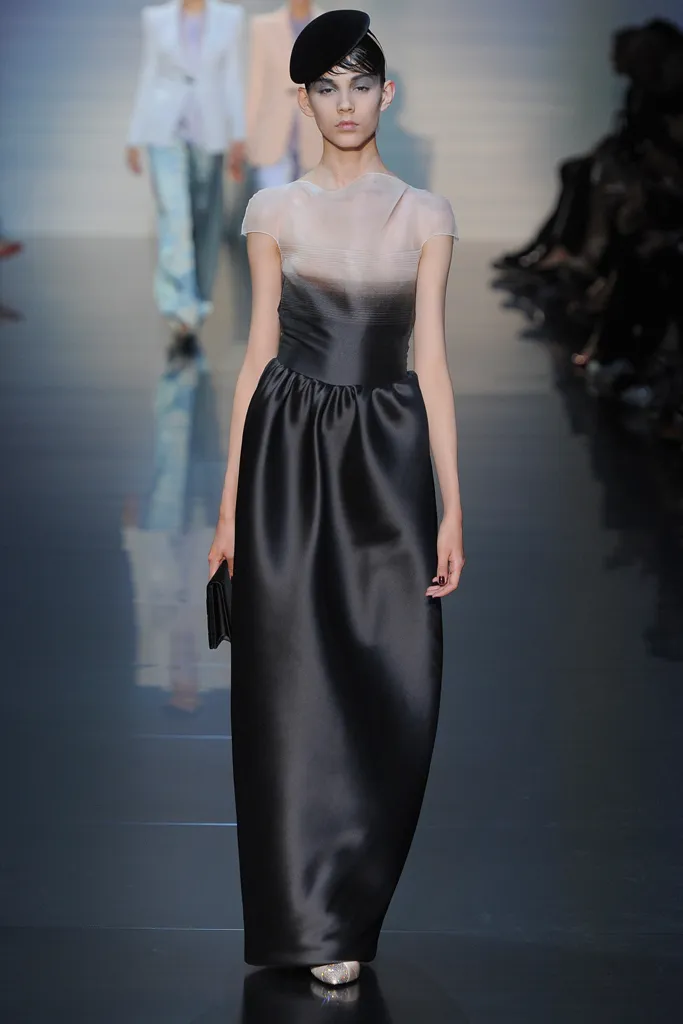
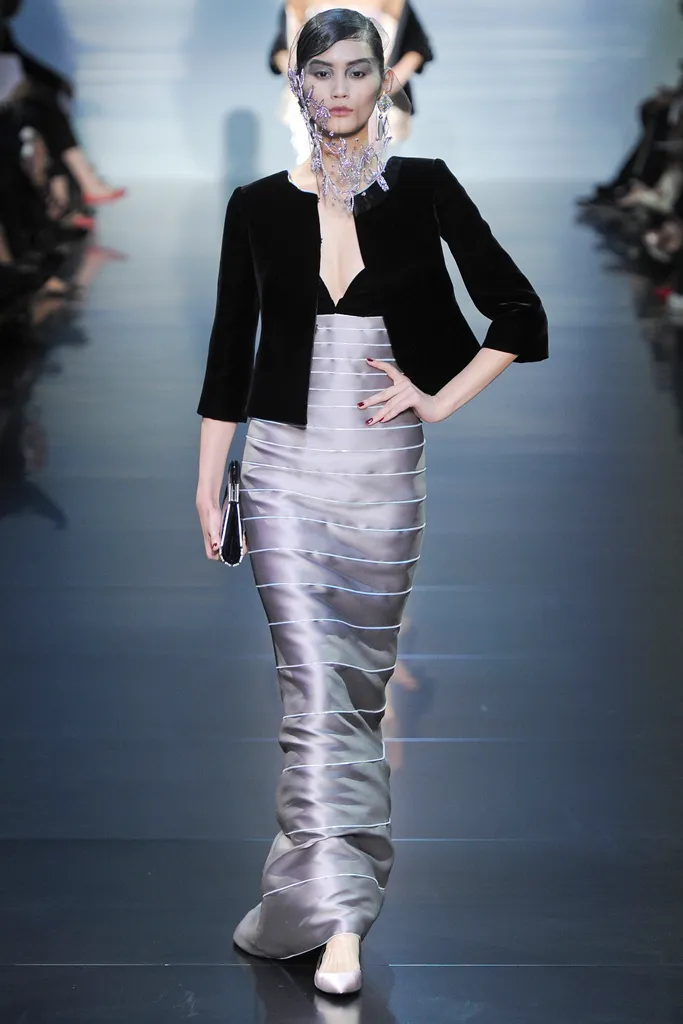
Armani Privé has repeatedly returned to the decade’s silver-screen language through column gowns, liquid shine, precise shoulders, and eveningwear that prefers control over spectacle.
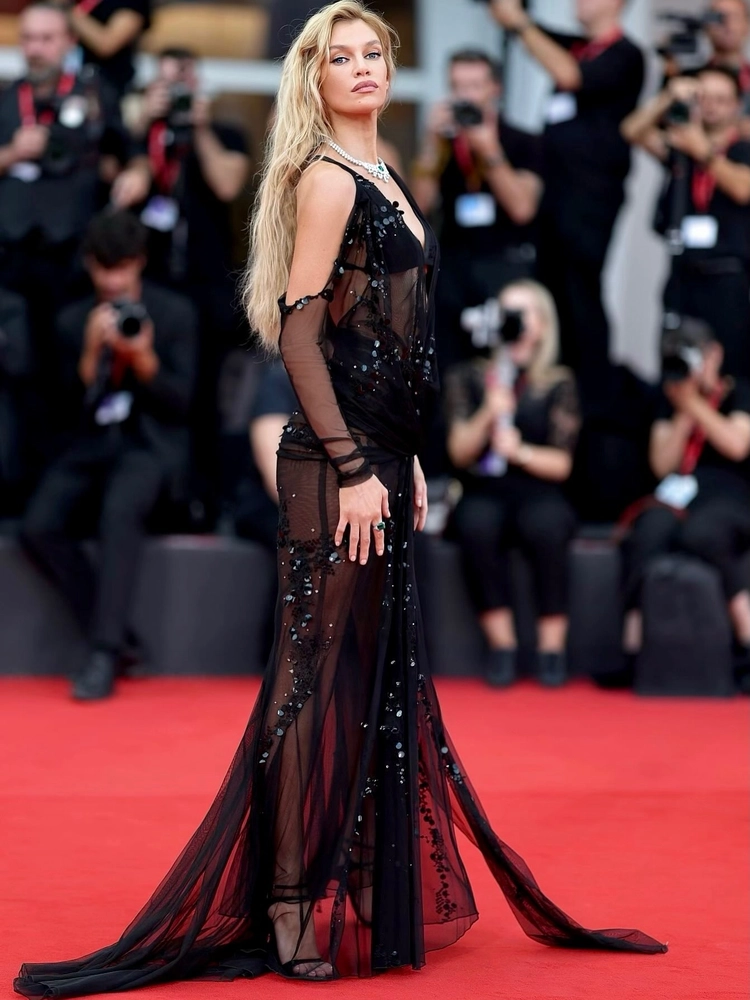
In contemporary red-carpet culture, the 1930s reference survives most clearly when a gown looks simple from the front and devastating in motion, proving that the decade’s real inheritance was never nostalgia but the art of making fabric behave like suspense.
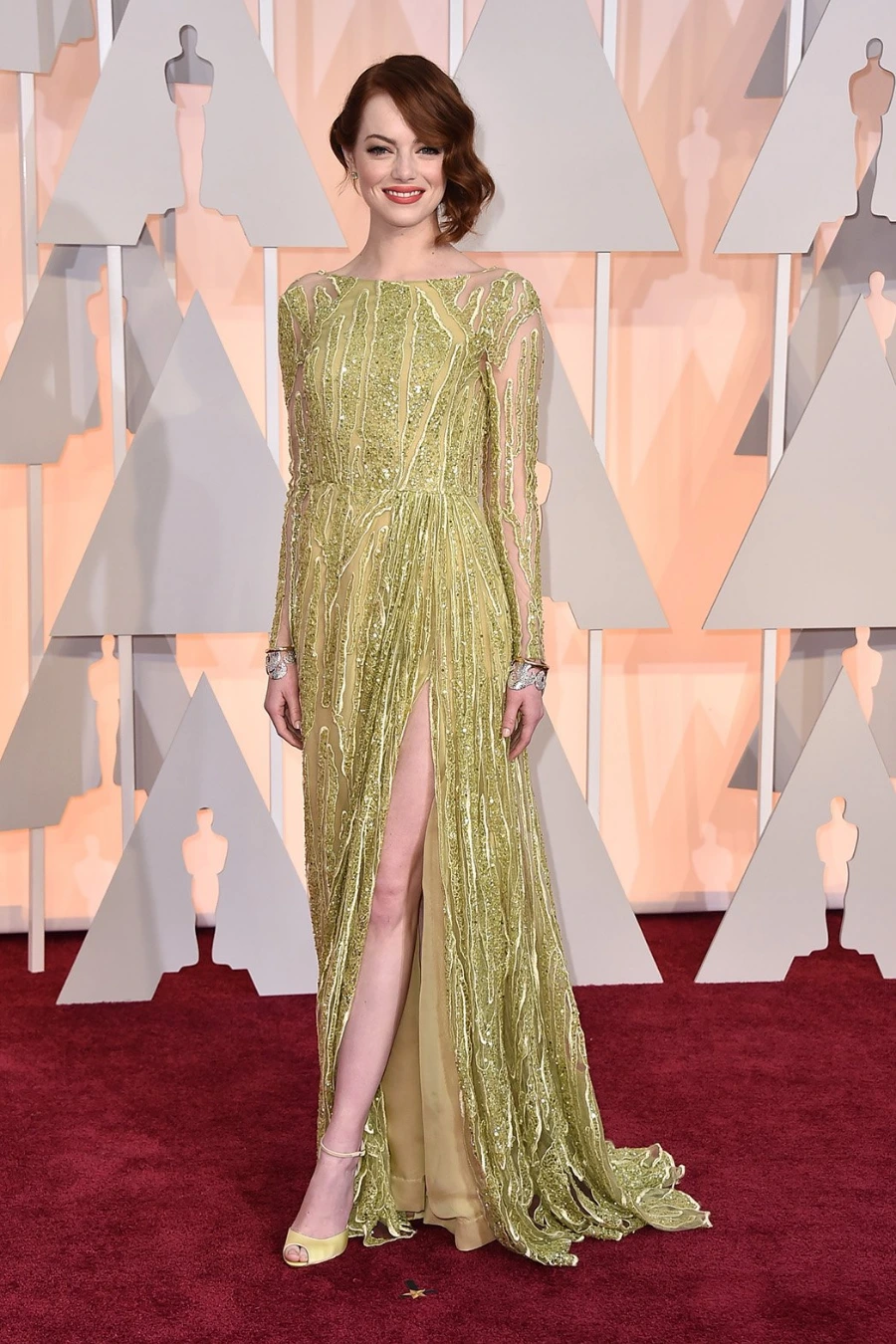
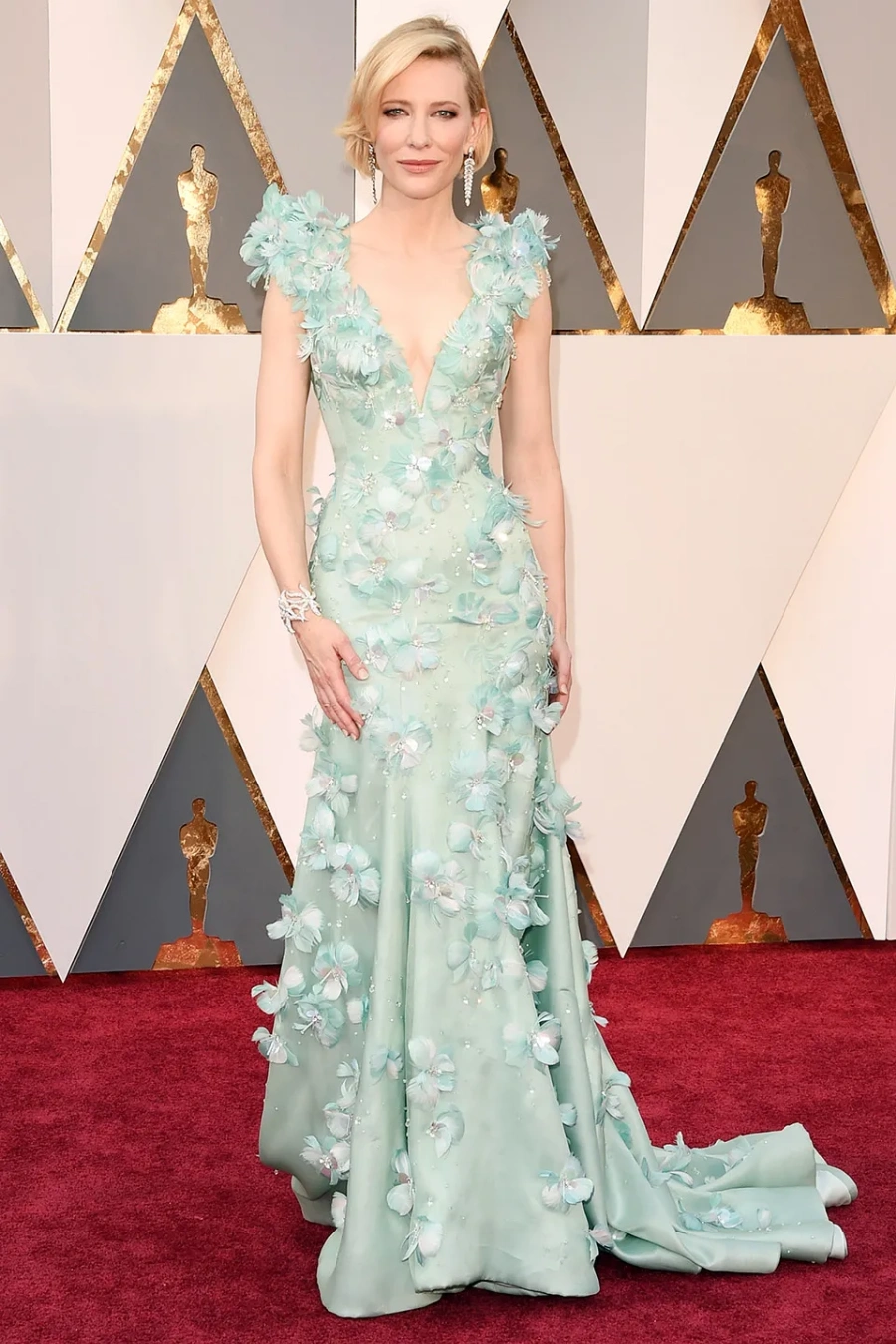
Cinema gave the 30s style its most dangerous public face. The screen could turn a garment into fantasy before the audience even understood its construction. A dress, a tuxedo, a sleeve, or a hat could leave the cinema and enter public imagination almost instantly. In the 1930s, costumes taught women how power might look when staged under perfect light.
In Morocco in 1930, Marlene Dietrich’s tuxedo, top hat, and cool masculine tailoring created one of the decade’s most magnetic images of female authority.
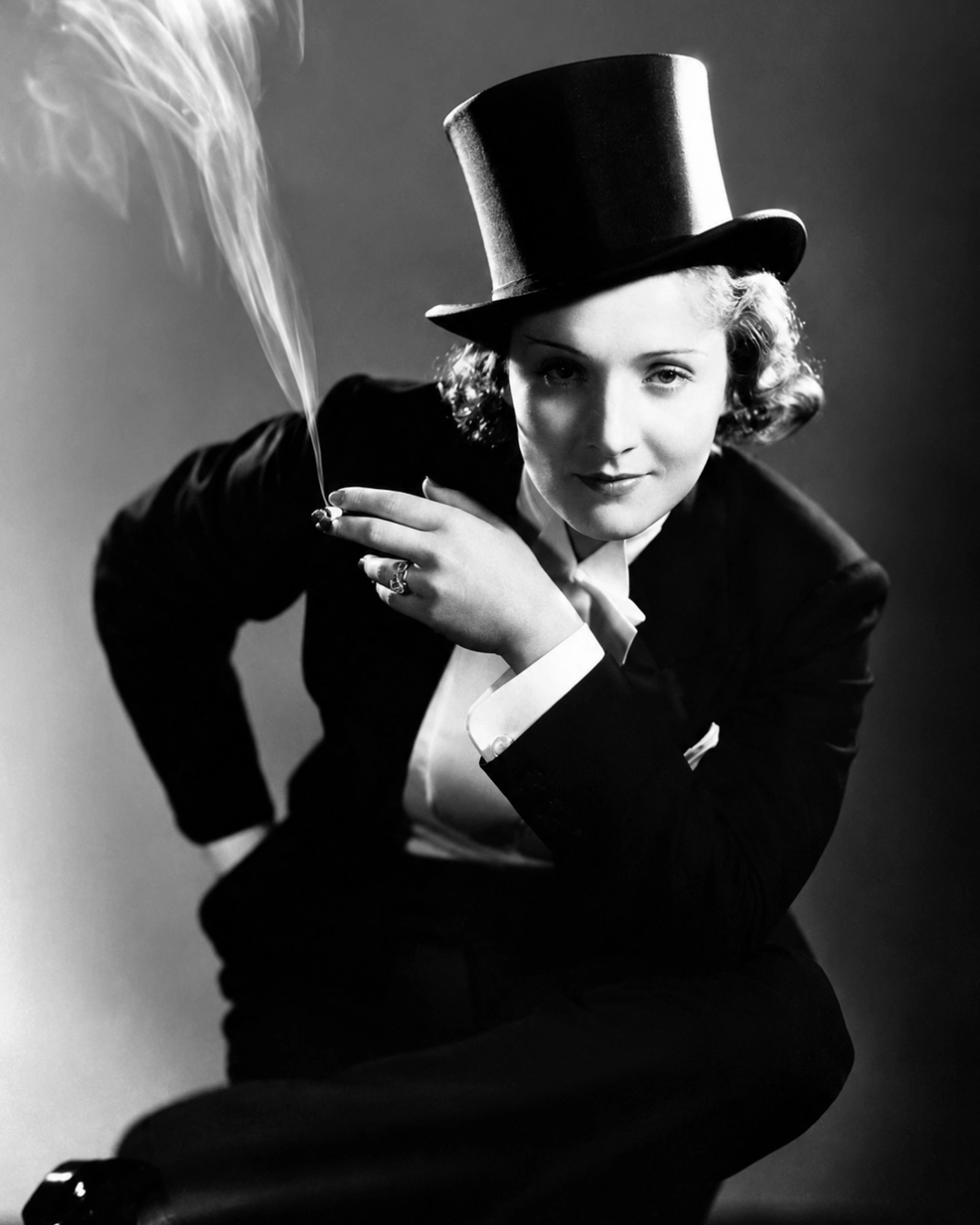
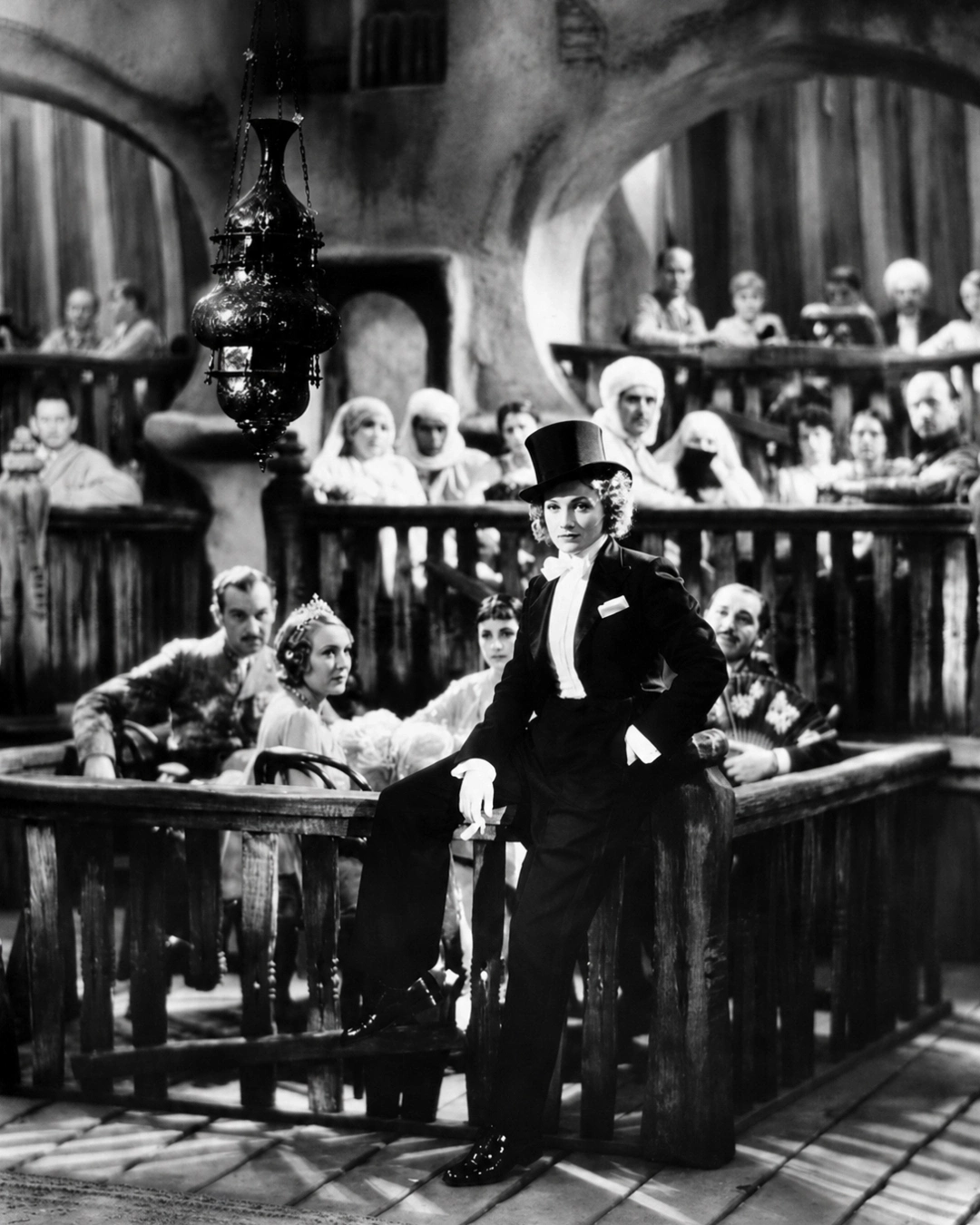
The look moved through restraint, stillness, and command. It took the codes of menswear and returned them with a colder, more seductive charge, allowing tailoring to become both armor and invitation.
Letty Lynton in 1932 created a different kind of fashion shock through Joan Crawford’s white organdy gown by Gilbert Adrian.
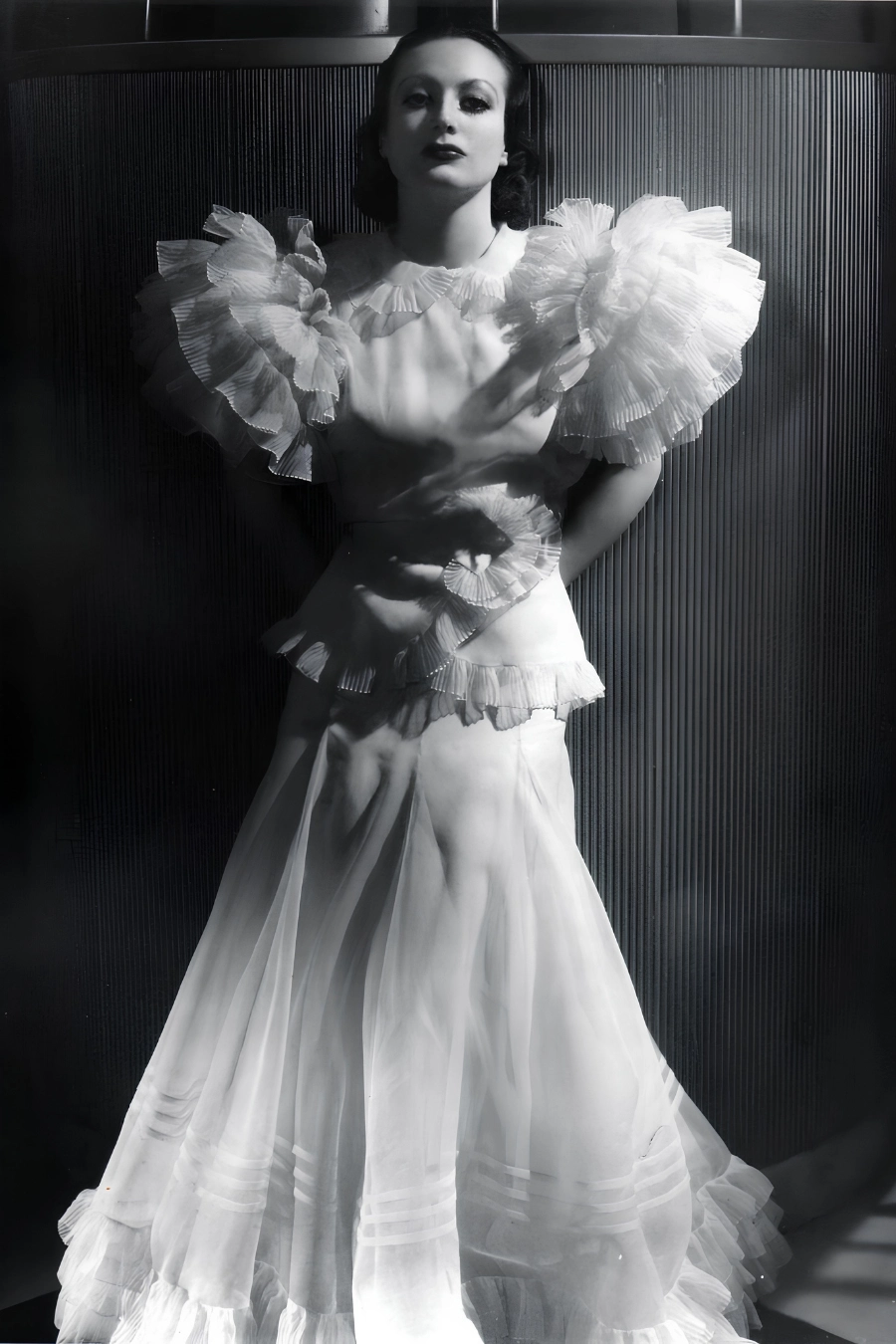
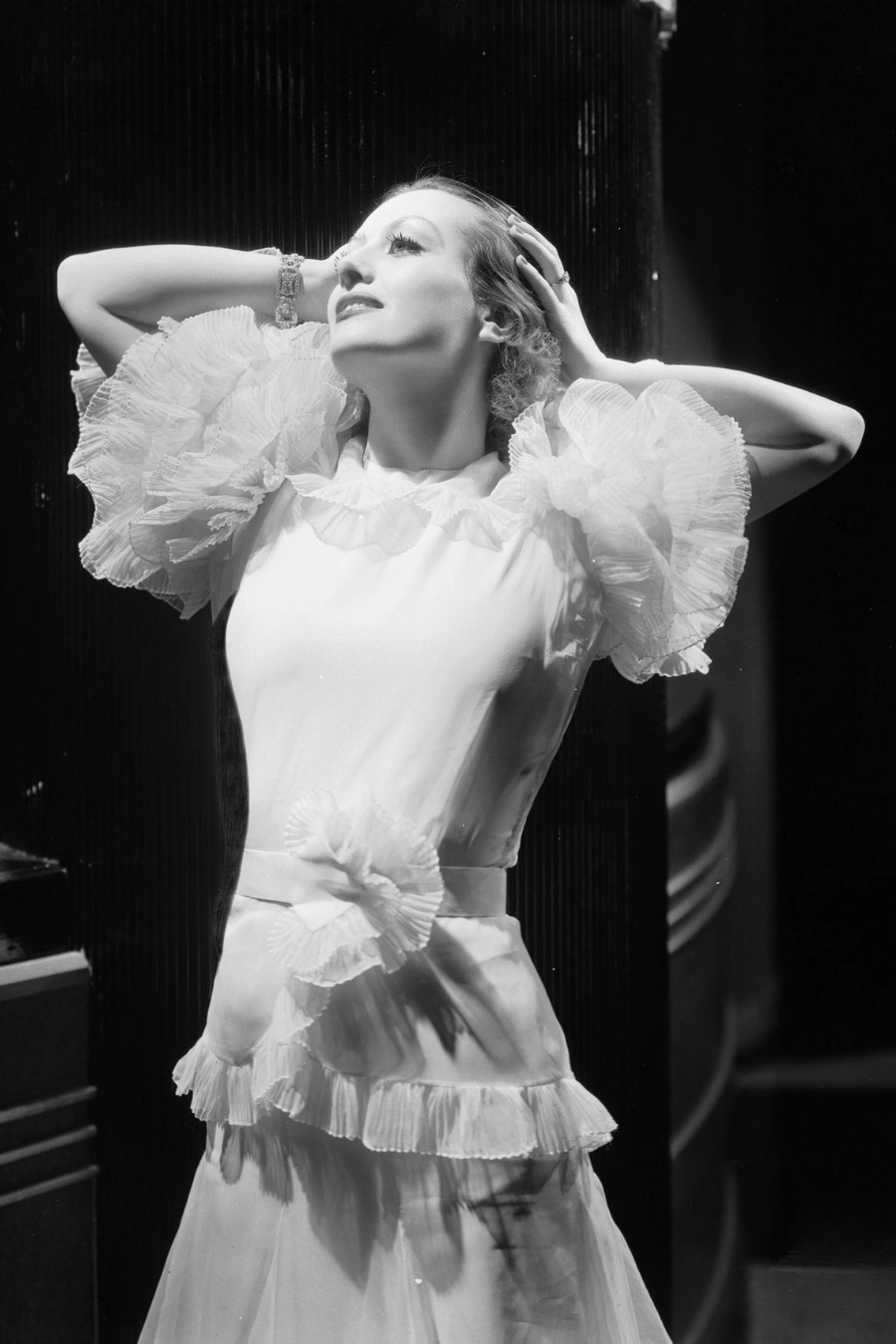
Its immense ruffled sleeves gave the decade a silhouette that seemed almost theatrical in scale. The dress crossed from screen fantasy into public imitation with remarkable speed, proving that Hollywood costume could reshape how women imagined their shoulders, their entrances, and their power inside a room.
By the end of the decade, the room has changed again. The soft gowns are still there, and satin still catches the lamp with the same liquid glow, but the silhouette no longer drifts quite so gently. A sharper confidence begins to settle into it, visible on shoulders that carry more presence and in tailoring that feels increasingly deliberate. As the world edges toward another rupture, fashion seems to register the shift before it can be fully named, absorbing the tension and translating it into form.
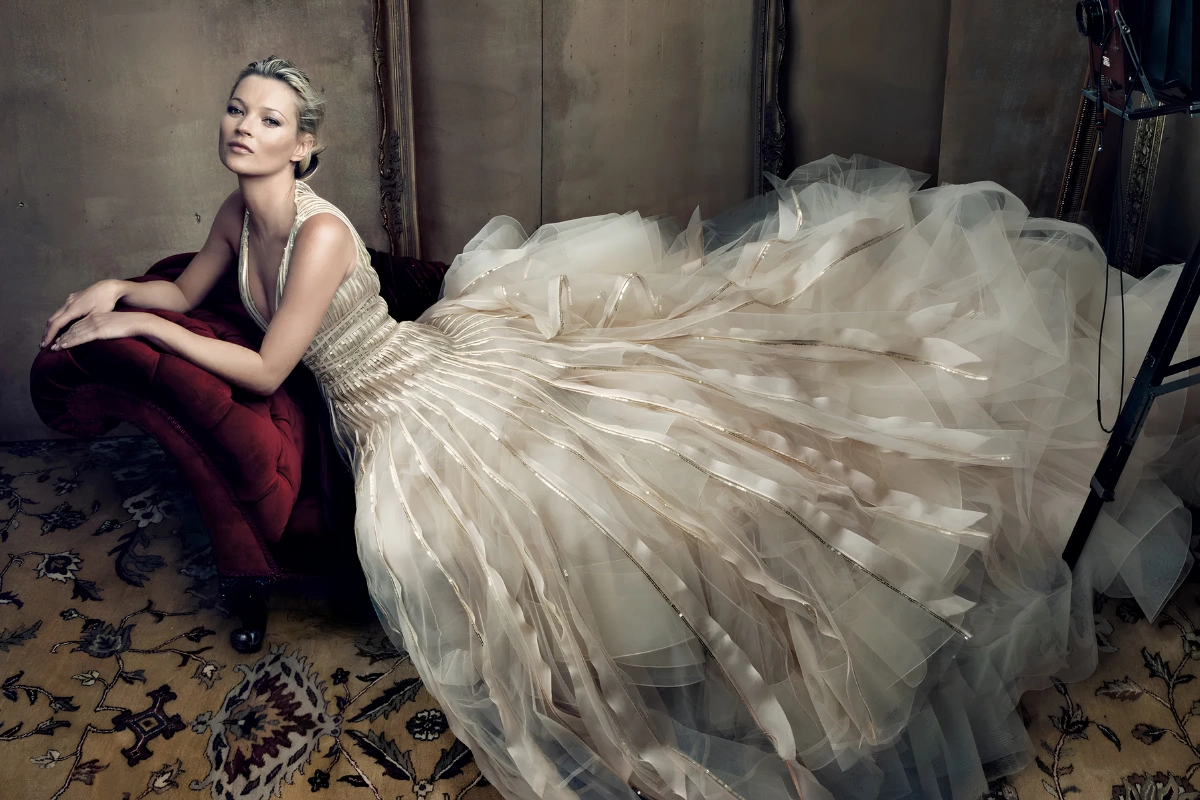
That is the strange afterlife of the 30s style. It never remains trapped in the museum glass of Old Hollywood nostalgia. It returns whenever fashion wants glamour with tension inside it, whenever a gown needs to move like water while holding the body with discipline, whenever a backless dress turns departure into its own kind of entrance.
The decade gave women a silhouette that understood secrecy. It made fabric behave like shadow, made the body appear through motion, and made elegance feel less like decoration than command. A 1930s dress does not need to announce its danger. It lets the room discover it too late.
The 30s style is the chapter where glamour learns how to survive beautifully. It carries the crash, the couture salon, the silver screen, the surrealist joke, and the woman in the low-backed gown inside one long cinematic breath. She glides in, catches the light, turns once, and leaves behind the suspicion that elegance has just committed a perfect crime.
Advertisement