On March 2, 1975, Madeleine Vionnet’s story reached its quiet close, leaving fashion with a radical lesson in softness, geometry, and the freedom of cloth.
Madeleine Vionnet And The Bias Cut Dress That Moved Fashion
On March 2, 1975, Madeleine Vionnet’s story reached its quiet close, leaving fashion with a radical lesson in softness, geometry, and the freedom of cloth.
March 2, 2026


Madeleine Vionnet did not need spectacle to change fashion. Her revolution happened at the cutting table, where fabric was turned diagonally, released from stiffness, and allowed to find the body by movement rather than force. At a time when modern fashion was still negotiating its way out of corsets, padding, and heavy construction, Madeleine Vionnet offered a different kind of authority: precise, quiet, and almost invisible until the dress began to move.
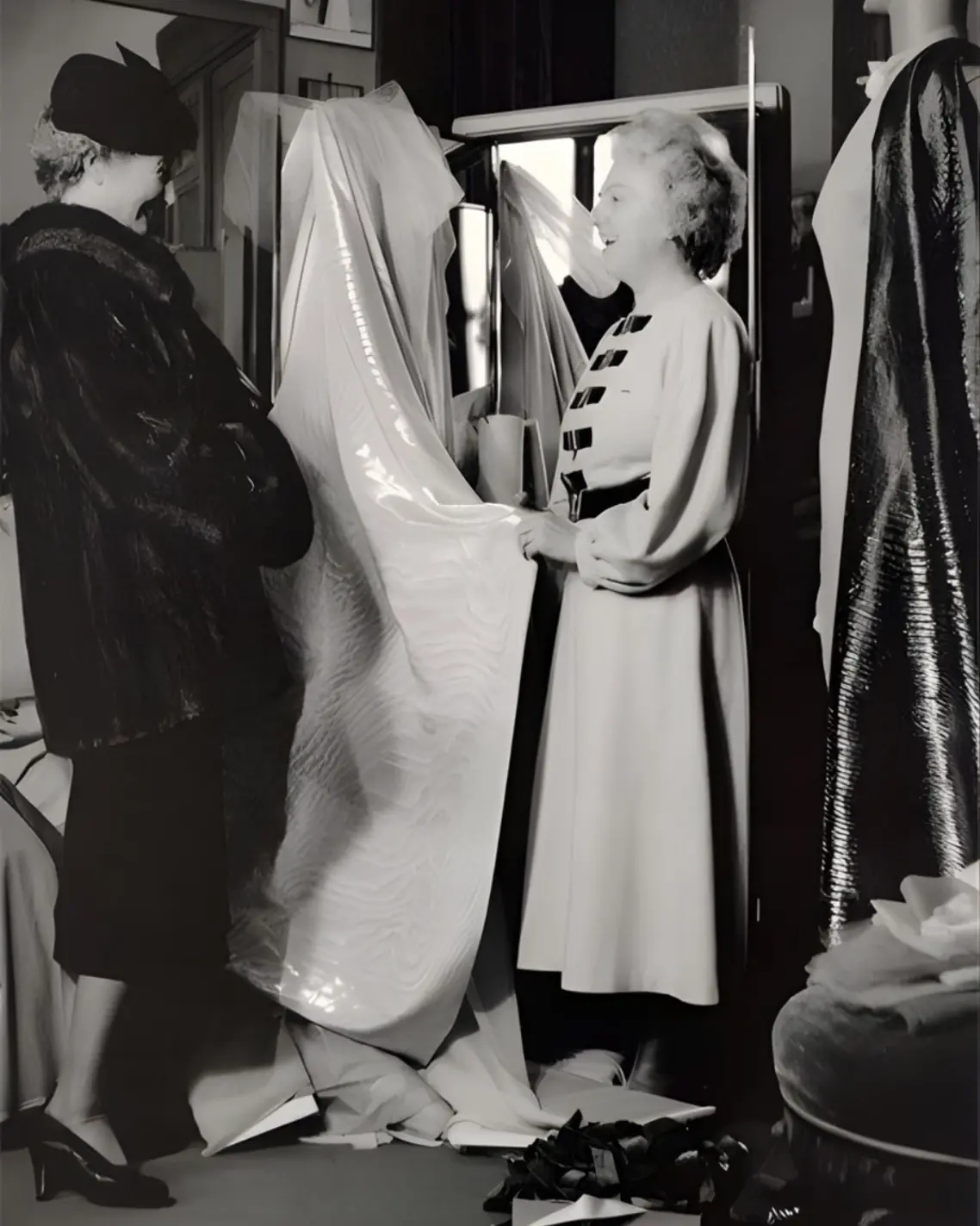
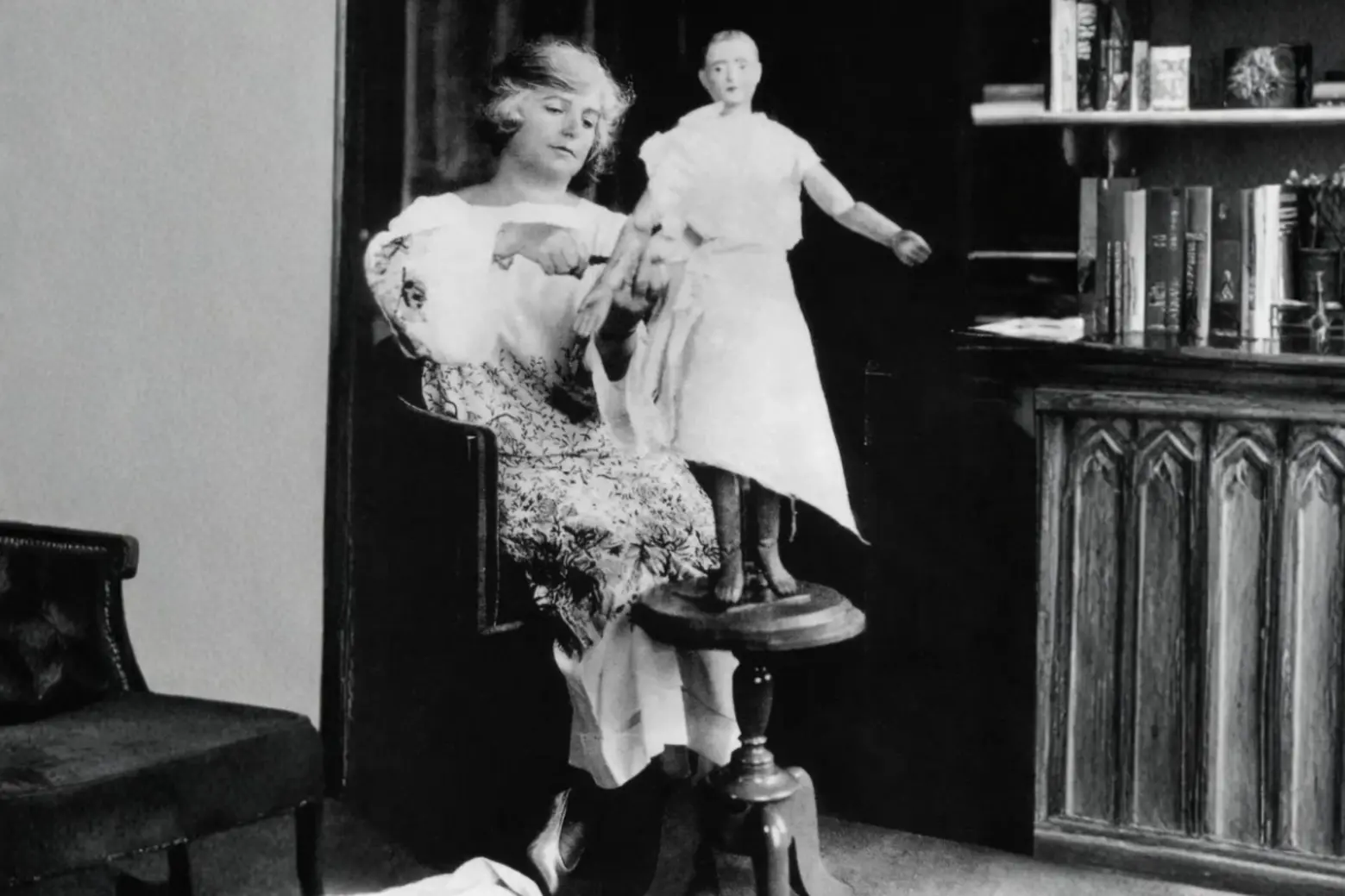
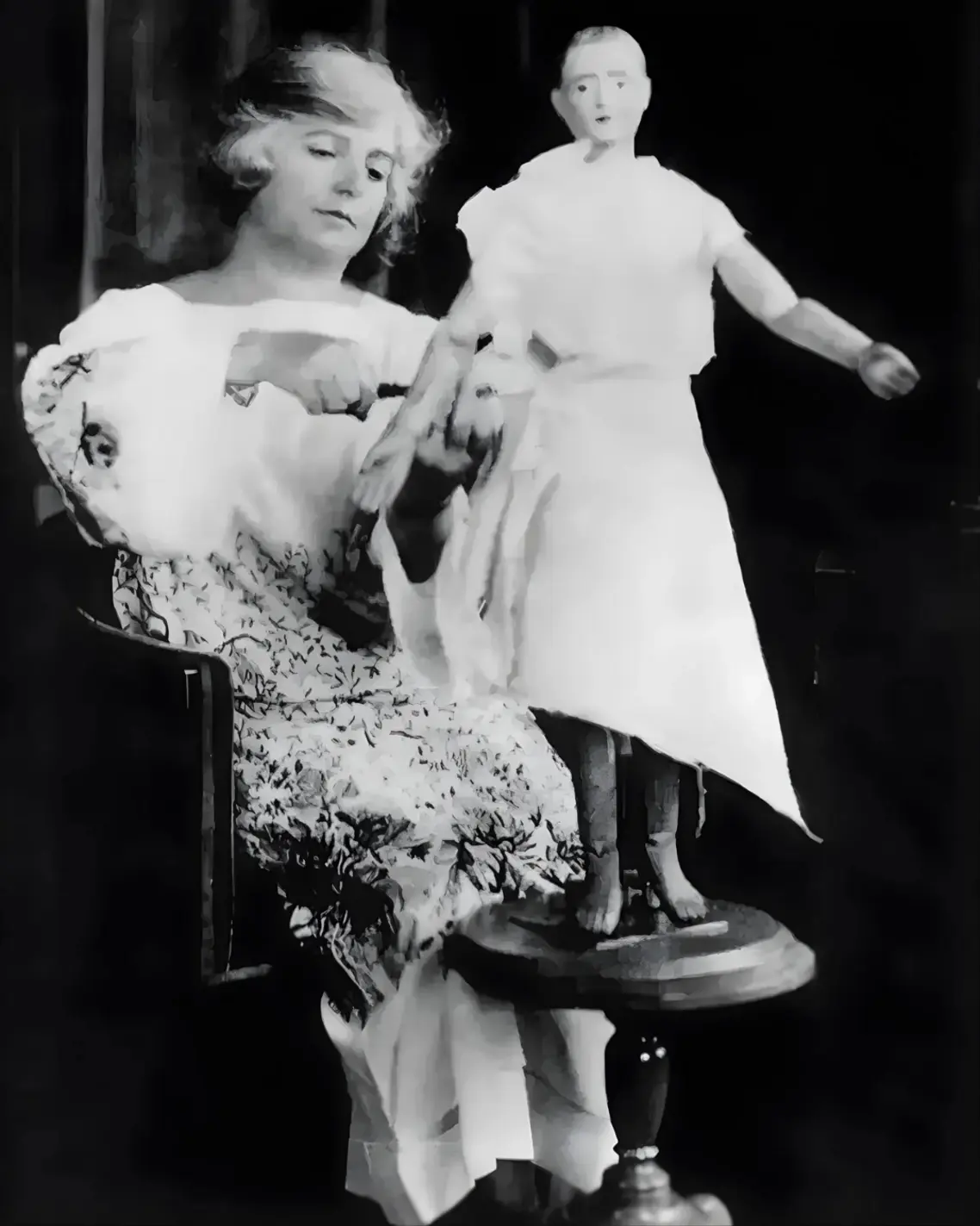
Her signature was the bias cut dress, a technique that placed fabric diagonal to the grain so it could stretch, fall, and cling with liquid ease. The effect looked effortless, but it came from severe intelligence, which is why Vionnet would come to be remembered as the nickname Queen of Bias. Madeleine Vionnet worked like an architect, often draping on miniature mannequins before translating the idea into full scale. Instead of forcing the body into a fashionable shape, she let cloth negotiate with the body, tracing curves without imprisoning them.
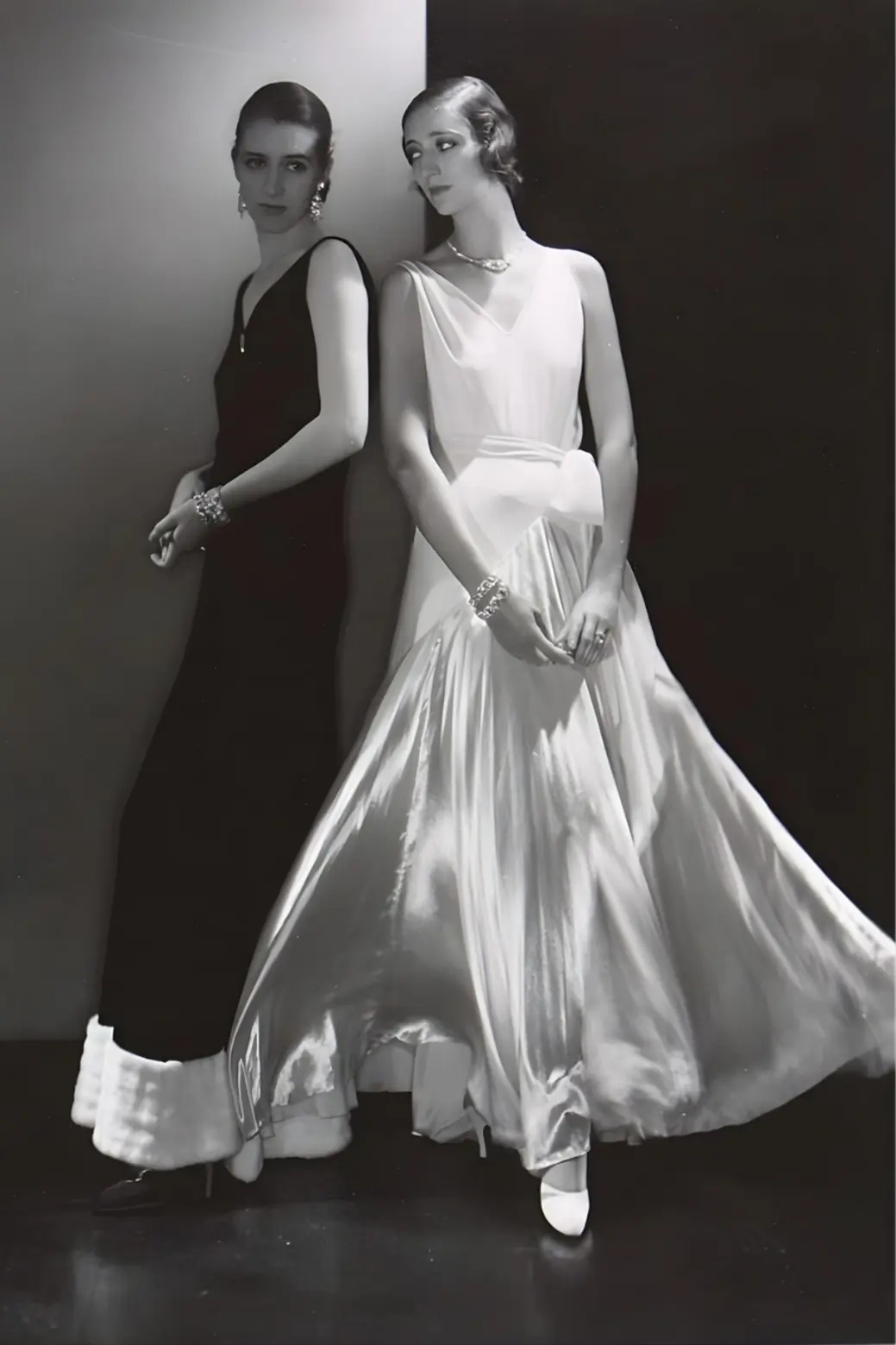
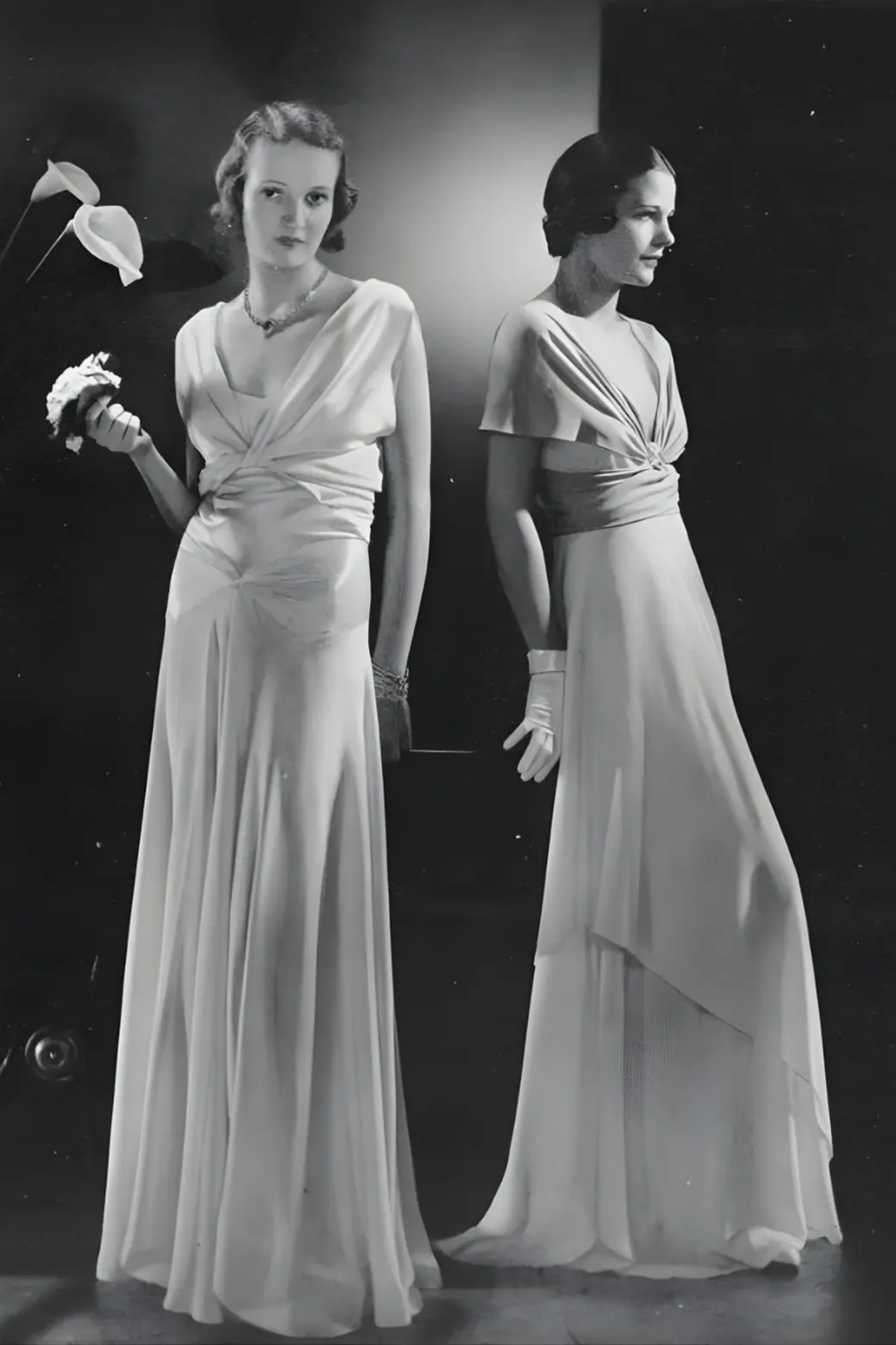
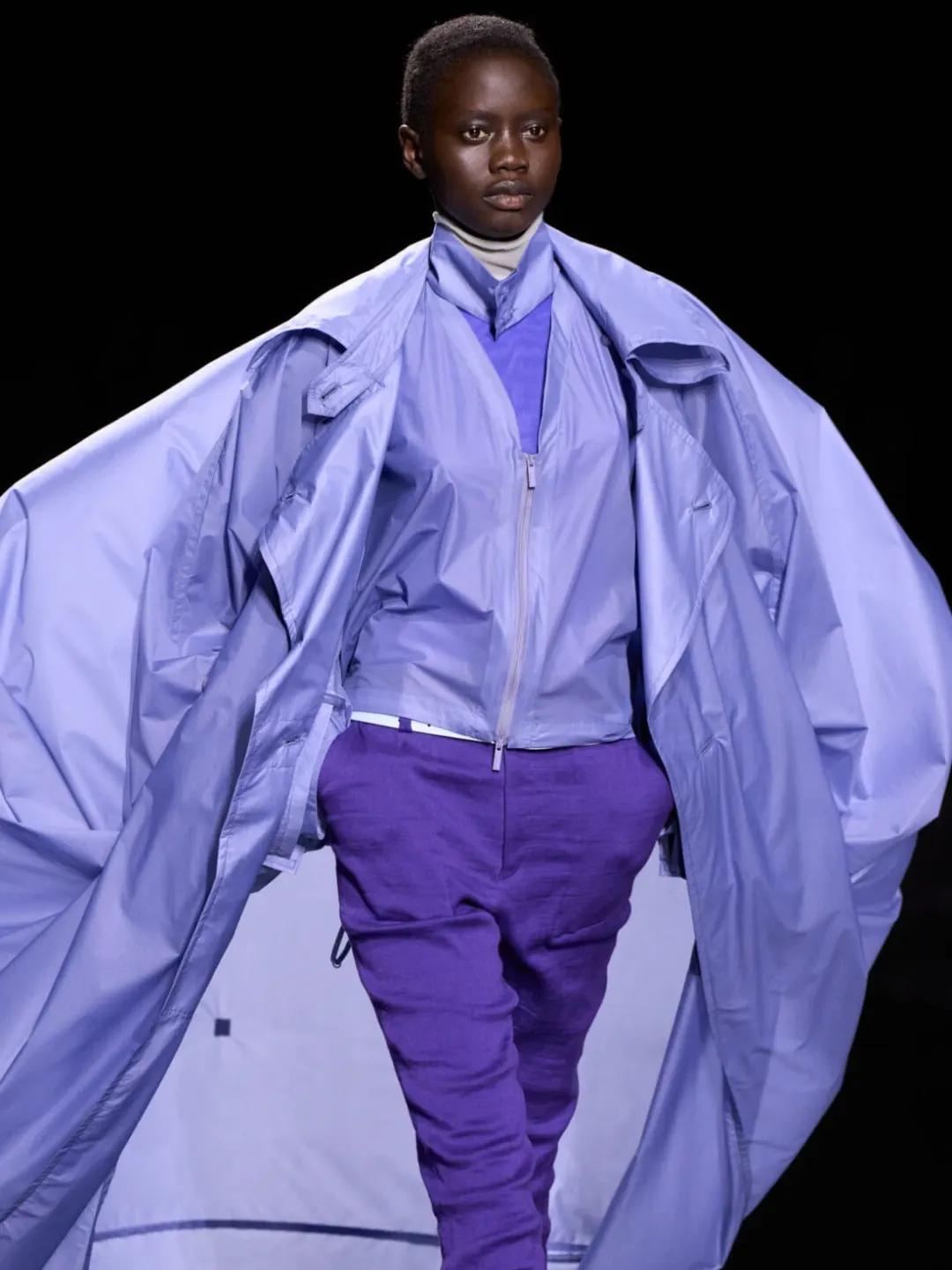
A Vionnet dress carried sensuality through precision: structure softened into movement, femininity emerged through line rather than decoration, and elegance became almost anatomical, as if the garment had learned the rhythm of breathing. Her Grecian references, cowl necks, halter lines, and fluid evening gowns gave 1920s and 1930s couture a language of motion that still echoes in designers from Azzedine Alaïa to John Galliano and Issey Miyake.
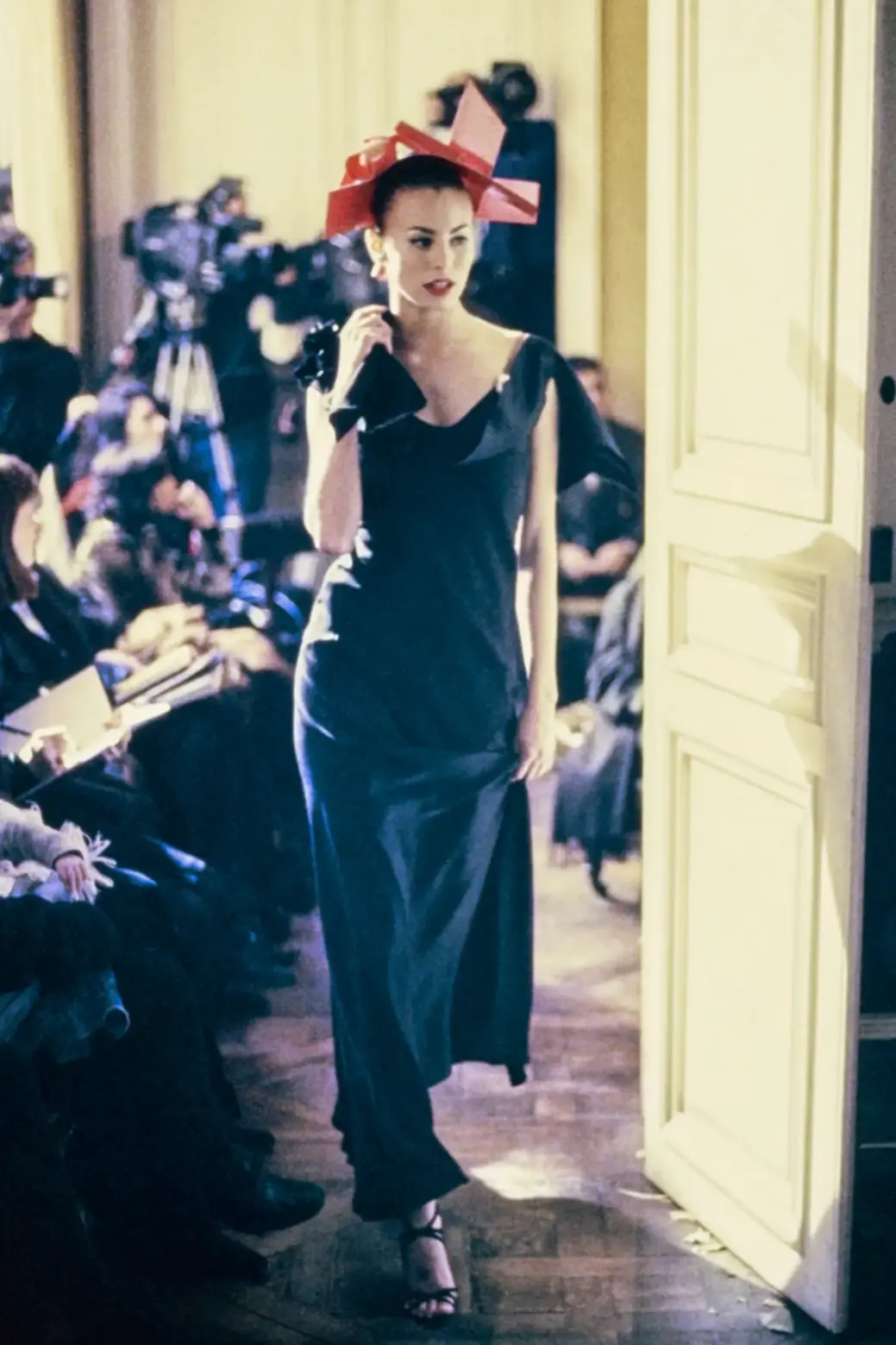
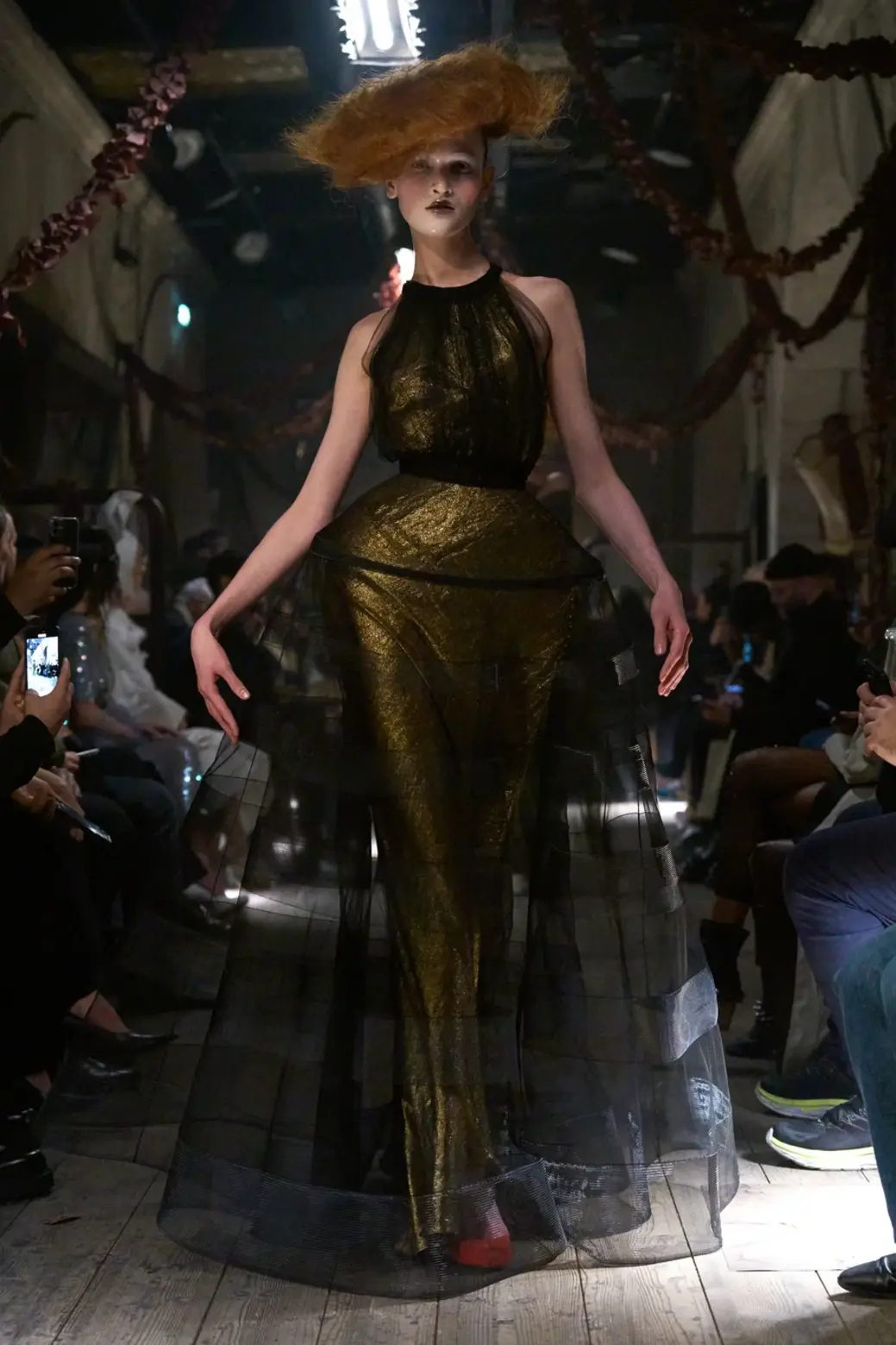
Vionnet’s legacy also sits in the ethics of design. She cared about construction, authorship, and the dignity of craft, treating fashion as a discipline rather than a seasonal trick. Her clothes asked for patience from the maker and ease for the wearer, which may be the clearest definition of luxury.
Madeleine Vionnet turned the cut itself into an ornament, proving that the most radical gesture in fashion could be a line of fabric set free. In every bias cut dress that falls, clings, and moves with liquid grace, Madeleine Vionnet remains present as both architect and origin.