MENU
Close





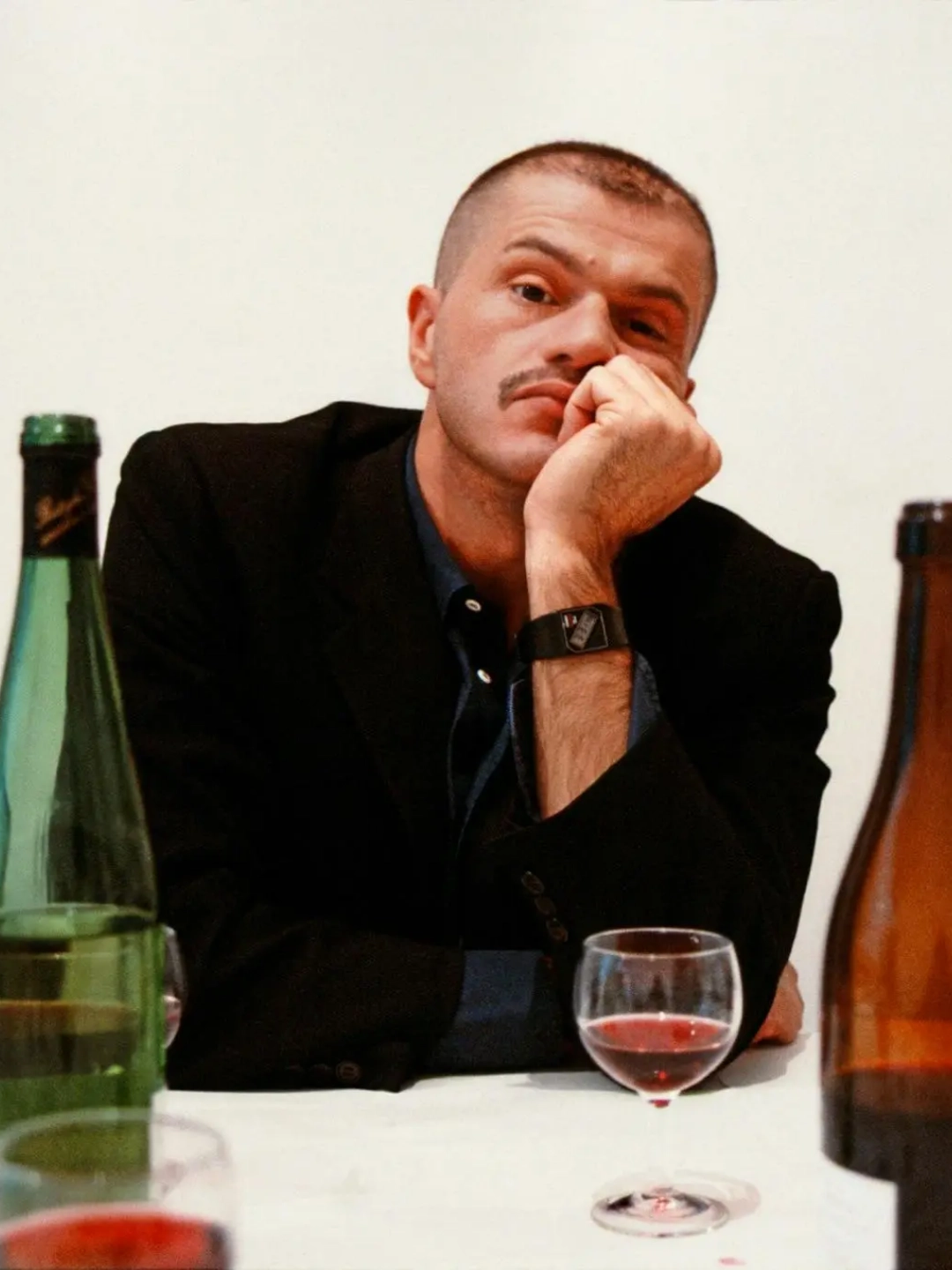
Nicolas Ghesquière entered Balenciaga on a six-month contract and stayed long enough to rewrite the house, reshape Louis Vuitton womenswear and become one of fashion’s most difficult figures to replace.
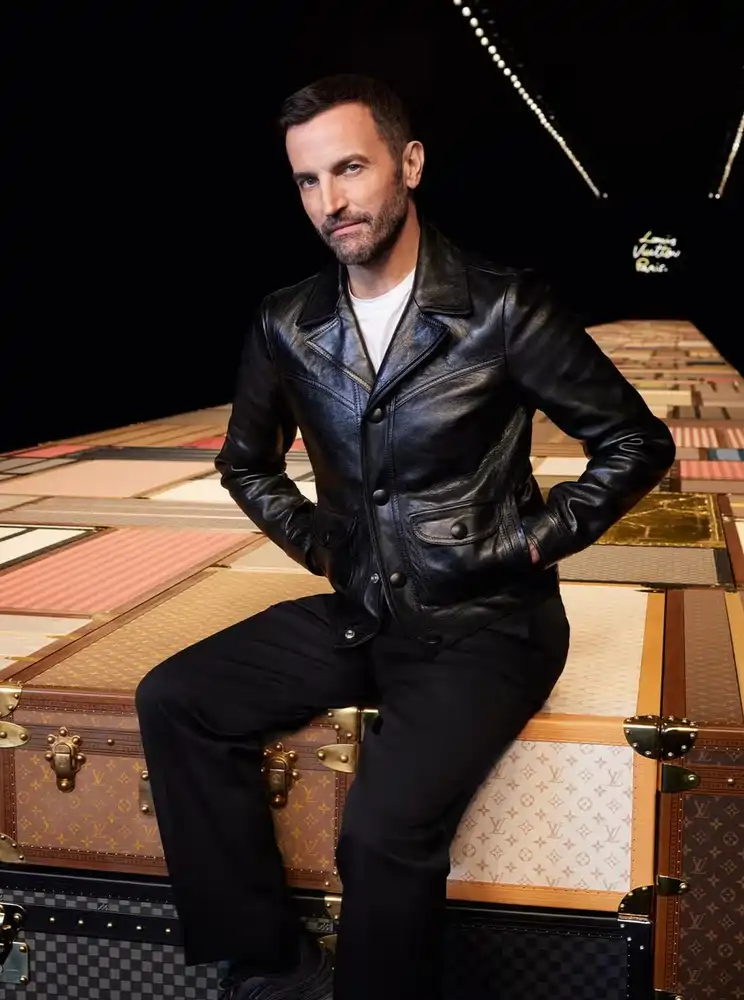
Nicolas Ghesquière entered Balenciaga on a six-month contract and stayed long enough to rewrite the house, reshape Louis Vuitton womenswear and become one of fashion’s most difficult figures to replace.
August 4, 2026
Advertisement
Advertisement



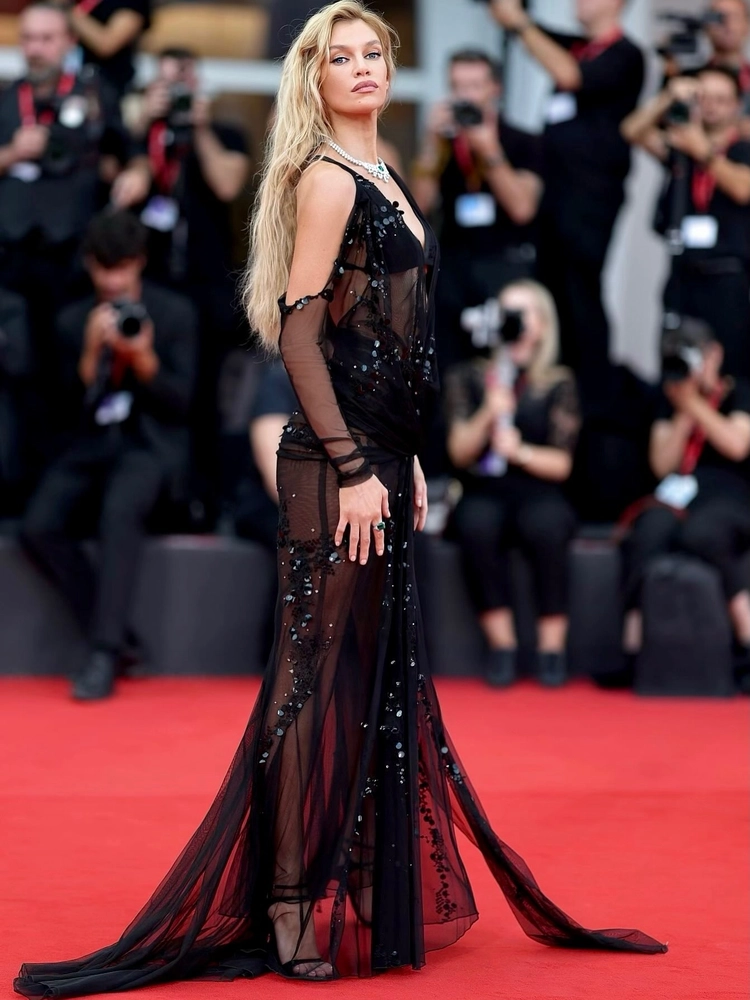
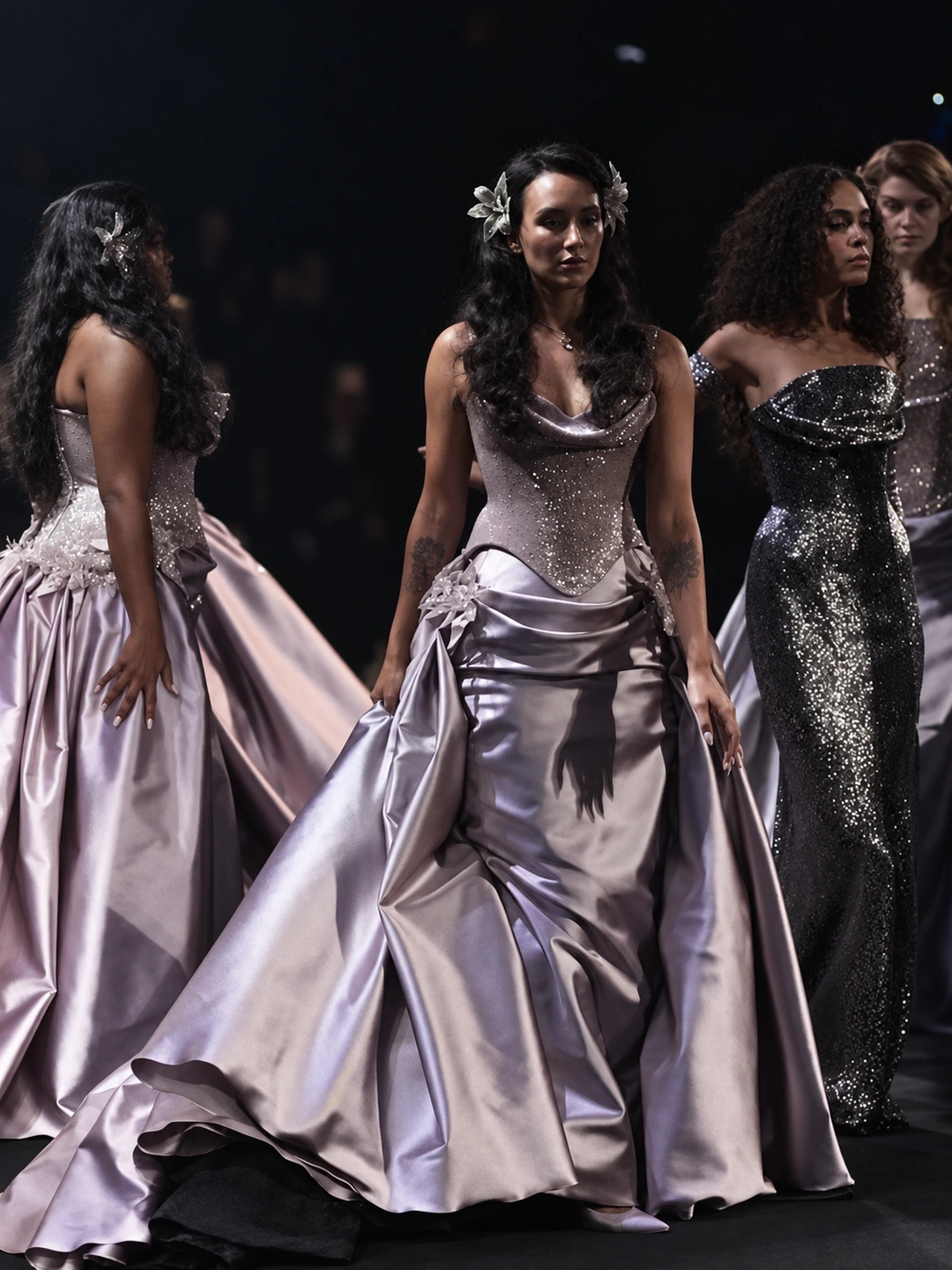
In March 2024, Nicolas Ghesquière marked ten years at Louis Vuitton with a show inside the Louvre. The anniversary could easily have become a parade of recognisable signatures, polished into a flattering account of institutional success. Ghesquière chose a more revealing exercise. He returned to forms developed across the decade, shifted their proportions and placed them inside new relationships. Aerodynamic shoulders met voluminous skirts. Technical surfaces carried echoes of historical dress.
This resistance to easy self-celebration explains much of his authority. Nicolas Ghesquière has spent nearly three decades proving that longevity can sharpen a designer’s language when the work continues to challenge its own foundations. At Balenciaga, he transformed one of fashion’s least prestigious assignments into a fifteen-year reinvention of the house.
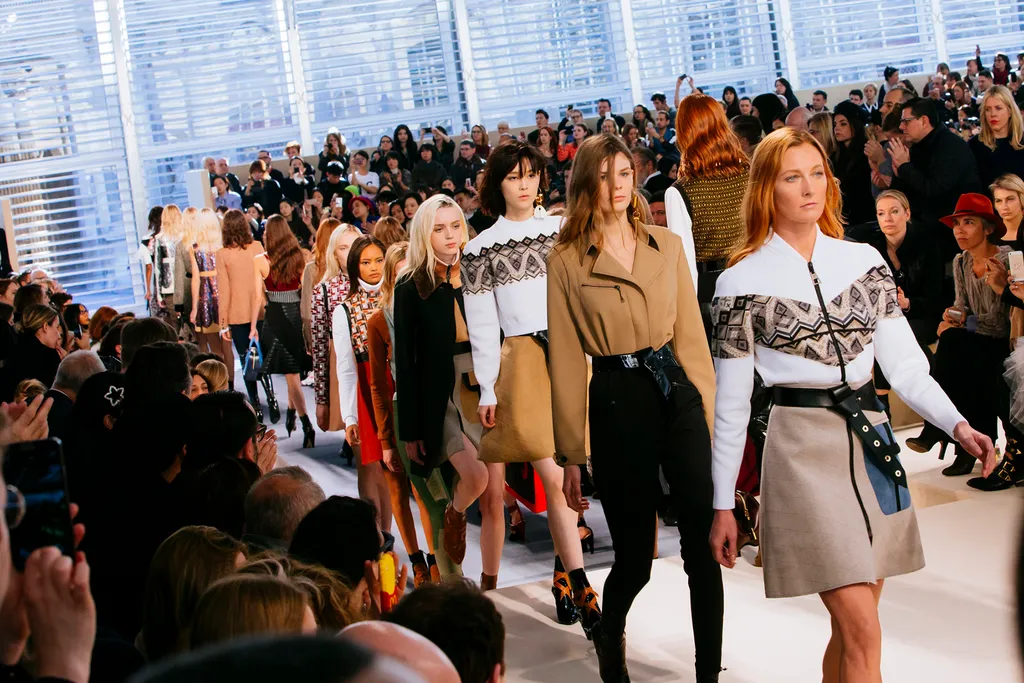

At Louis Vuitton, he gave an already enormous luxury institution a coherent womenswear identity. One role required him to create desire from institutional neglect. The other demanded that he preserve intellectual tension within unprecedented scale.
Nicolas Ghesquière was born on May 9, 1971, in Comines, northern France, and grew up in Loudun in the west of the country. His early life lacked any obvious route into the Paris fashion establishment. His father managed a golf course, while his mother encouraged his interest in clothing. By adolescence, fashion had already become less a hobby than a private system through which he interpreted history, character and the future.
At 14 or 15, he travelled to Paris for an internship at Agnès B. He watched, photocopied, carried out minor studio duties and encountered the ordinary labour behind a fashion image. The experience introduced a lesson that would remain central to his career: an ambitious collection depends on hundreds of controlled decisions that rarely appear in the final photograph.
At 17, Nicolas Ghesquière moved permanently to Paris against his parents’ preference for university or formal design school. He had already set himself an unusually precise goal. He intended to work for Jean Paul Gaultier, then one of the most culturally powerful designers in France. After supporting himself through small jobs and preparing drawings to present to the house, he entered Gaultier’s studio in 1990. Ghesquière later identified 1991 and 1992 as the period in which that studio became his real fashion school.
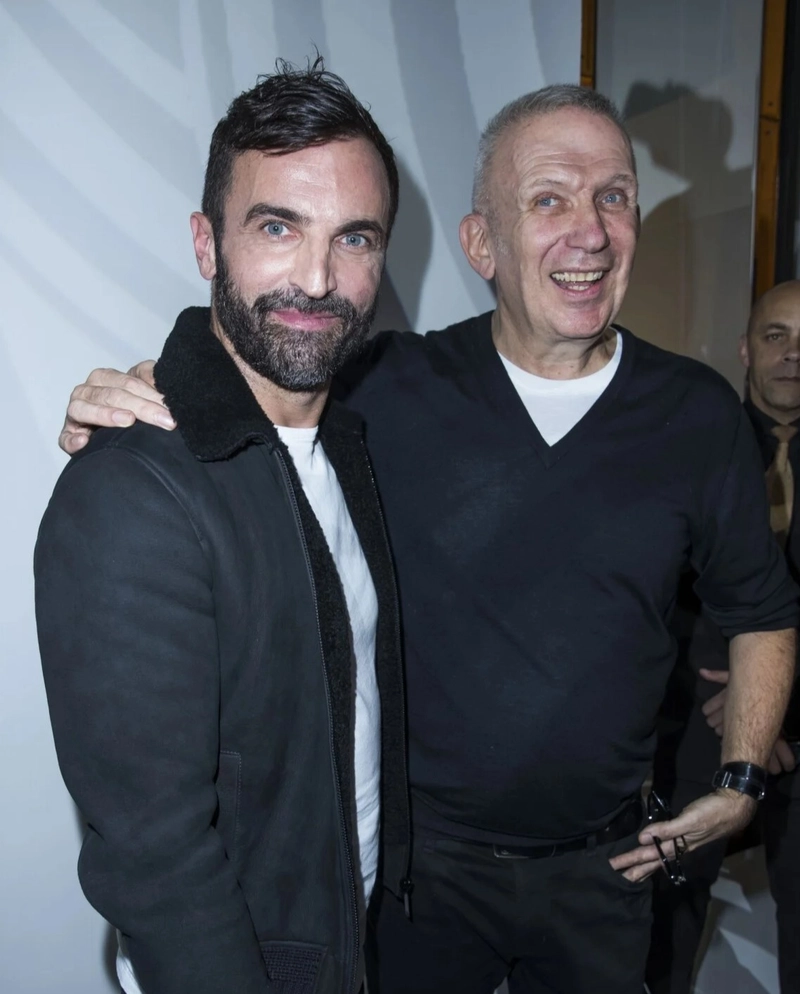
His position began with coffee, photocopies and observation. This modest starting point deserves emphasis because fashion biography often erases apprenticeship once success arrives. Ghesquière watched Gaultier take references that appeared chaotic and give them internal logic. Historical costume, street culture, corsetry, humour and commercial clothing could coexist when the designer understood exactly where the tension belonged.
The young assistant learned that originality depended on synthesis. An idea gained force through the collision of sources, then survived through technical control. Decades later, the same principle would govern Nicolas Ghesquière’s own collections, where medieval sleeves, motorcycle construction, science fiction, bourgeois tailoring and athletic clothing could meet without dissolving into costume.
Ghesquière left Gaultier after several years and entered a fragmented period of freelance work. He designed knitwear, contributed to different companies and developed collections under names that offered little public recognition. By his own account, freelance success arrived quickly enough to surprise his family, yet prestige remained distant.
These years gave Nicolas Ghesquière something more valuable than immediate fame. They taught him to design inside someone else’s commercial vocabulary. A freelancer receives a market, a price structure, a customer and a set of limitations. Personal expression has to pass through those conditions. Ghesquière learned how to identify the useful DNA of a label, how to distinguish a living code from an exhausted one and how to turn an abstract proposal into clothing a factory could reproduce.

That education explains his unusual effectiveness as a creative director. He possesses the imagination of an authorial designer, paired with a deep awareness that a house survives through product categories, regional licences, manufacturing relationships and clients whose lives extend beyond a runway.
Fashion still prefers the myth of the isolated visionary. Nicolas Ghesquière’s career exposes how incomplete that myth is. The future artistic director of two major houses learned his profession through work that required adaptation, repetition and commercial translation.
In 1995, Pierre Hardy told Nicolas Ghesquière about an opening at Balenciaga. The name carried enormous historical weight, yet the company had become what Ghesquière described as a sleeping beauty. Cristóbal Balenciaga had closed his couture house in 1968. By the 1990s, the label’s modern fashion identity remained fragile, with much of its business tied to perfume and regional licences.
Ghesquière joined as a licensed designer, creating clothes for regional businesses across Asia and South America. The work included golfwear, rental wedding dresses and Japanese mourning collections, among them a line he recalled as Black Roses, designed for widows. These products sat far from the glamorous centre of Paris fashion. There were few photographs, little press attention and none of the creative prestige attached to the main runway line.
Calling this period insignificant would miss its real importance. Nicolas Ghesquière entered Balenciaga through the least protected part of the company, where commercial reality appeared without editorial disguise. He learned how licensing could preserve a historic name while also diluting its authority. He dealt with products aimed at specific rituals, customers and regional expectations. He gained factory knowledge and watched how a famous house could exist as a collection of disconnected revenue streams.
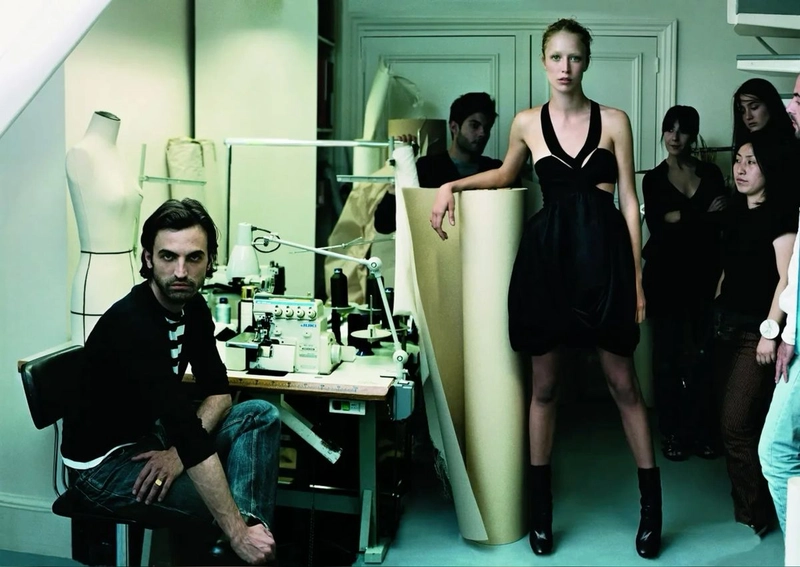
The assignment also allowed him to study what remained of Balenciaga from the margins. He accepted the work because the name still carried extraordinary potential. Where others saw a dusty licence, Ghesquière saw a structure waiting to be rebuilt.
His route into power therefore began through funeral clothes. The detail sounds almost invented because it contradicts the industry’s preferred mythology of the spectacular discovery. Yet it reveals the quality that has defined Nicolas Ghesquière’s entire career: he can recognise creative possibility inside an assignment designed merely to keep a business moving.
The decisive accident arrived in 1997. Josephus Thimister left the main Balenciaga line, while rumours suggested that Helmut Lang might become the house’s next major creative figure. Ghesquière initially imagined that he could work as Lang’s assistant. The expected appointment failed to materialise. Management then asked the young licensed designer to take charge temporarily while the company searched for someone famous.
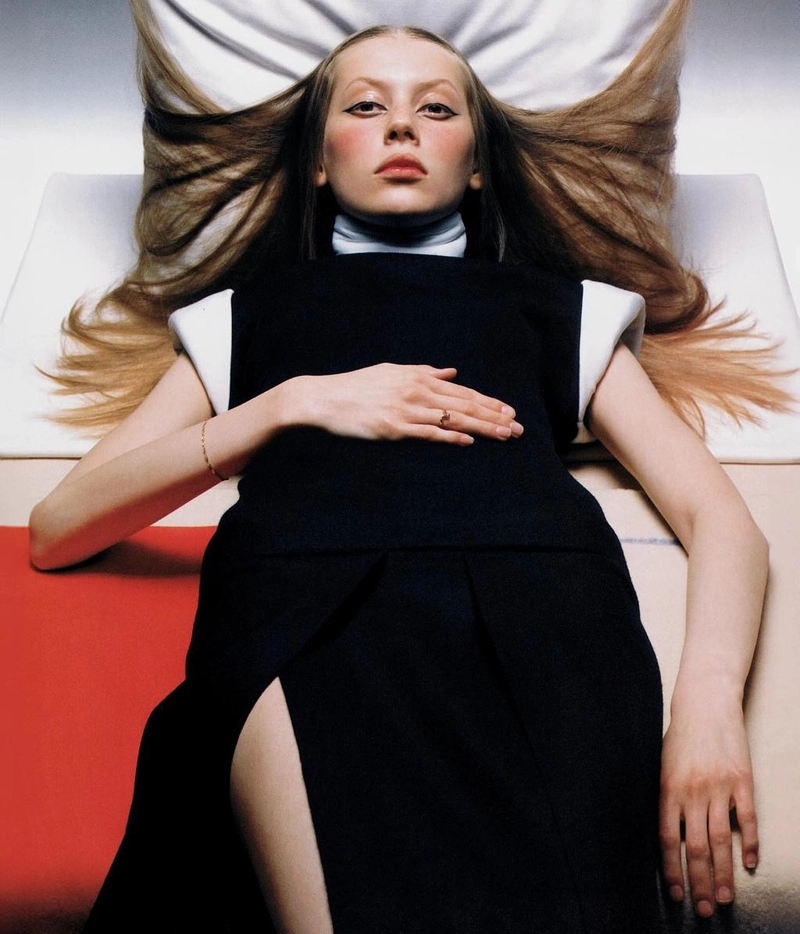
The offer covered six months. Nicolas Ghesquière was meant to produce an interim collection, protect the schedule and create enough time for Balenciaga to find its real successor. At 25, he inherited a name associated with one of couture’s greatest technicians, along with limited space, limited infrastructure and limited institutional faith.
Those six months became almost 15 years.
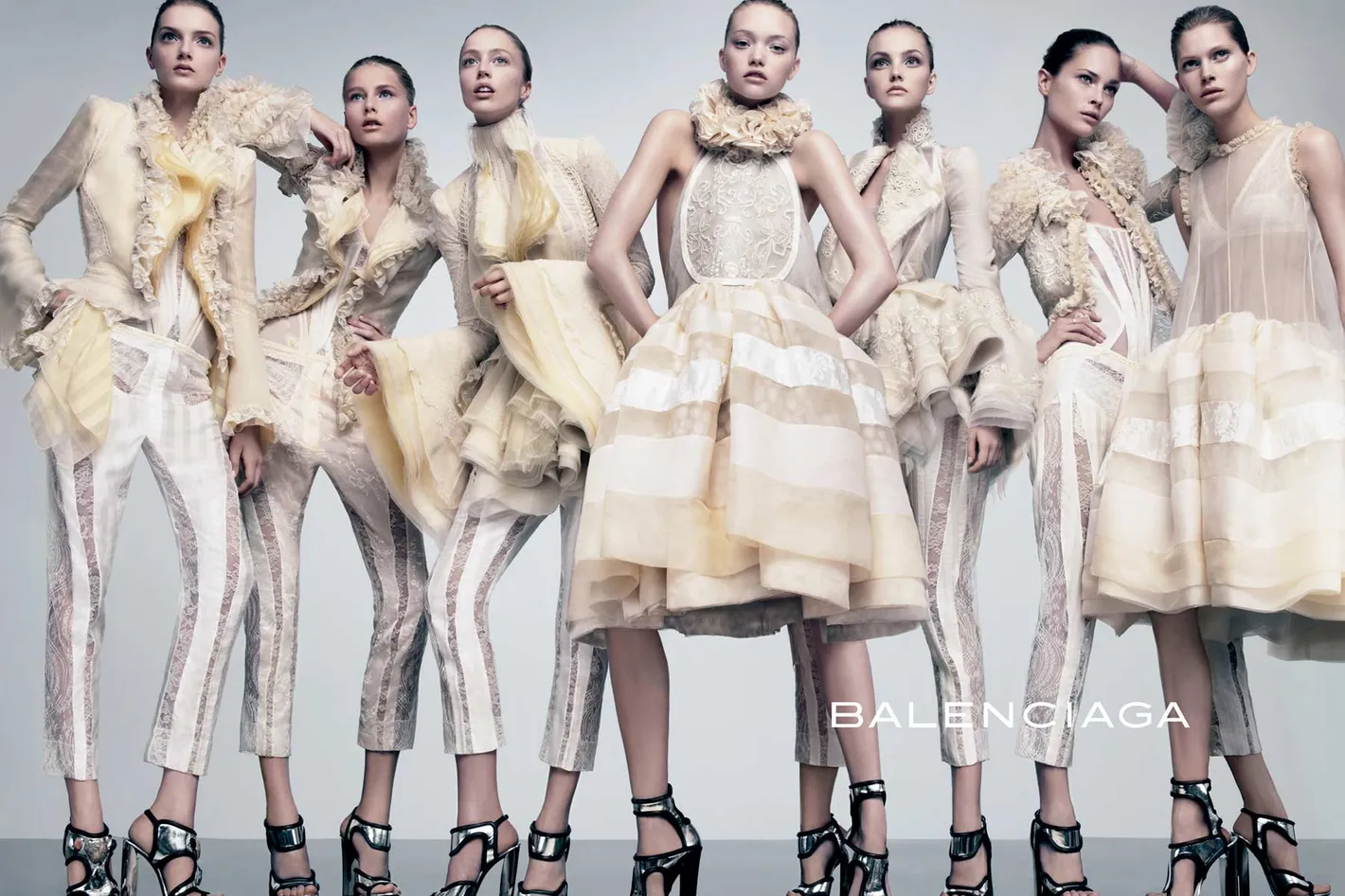
This transformation should stand at the centre of any account of Nicolas Ghesquière’s career because it explains his power more clearly than later awards or celebrity endorsements. He entered the role as a placeholder. He stayed because the work made the search for a more famous designer irrelevant.
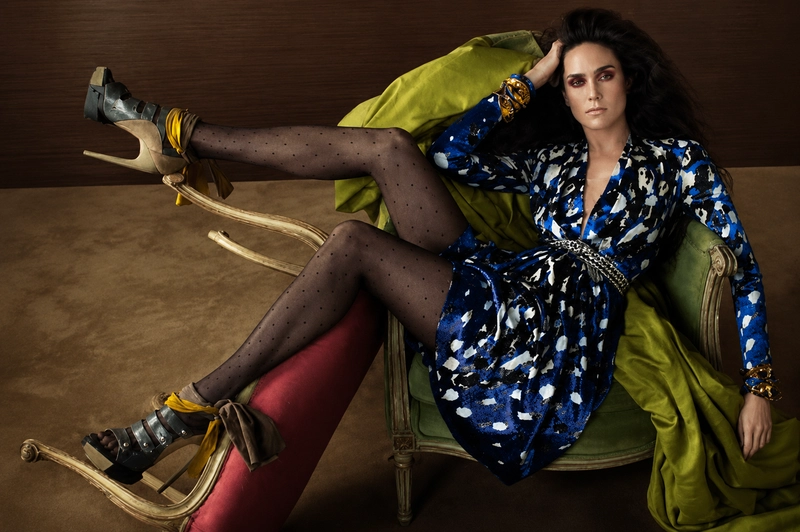
His early Balenciaga woman appeared severe, fast and self-possessed. The collections reacted against the prevailing softness and minimalism of the late 1990s through sharp tailoring, low-slung trousers, abbreviated jackets and controlled unease. Madonna wore a gothic Balenciaga dress to the Golden Globes in 1998. That same year, Ghesquière received the Avant-Garde Designer of the Year honour at the VH1/Vogue Fashion Awards. By 1999, critics were already describing him as one of the most original designers of his generation.
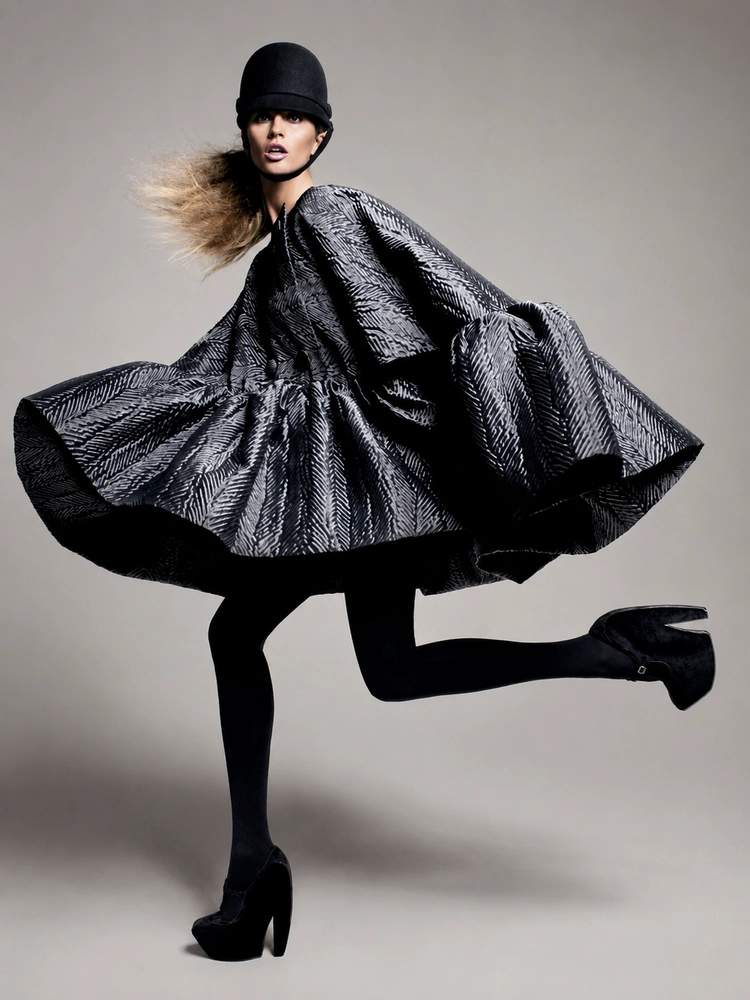
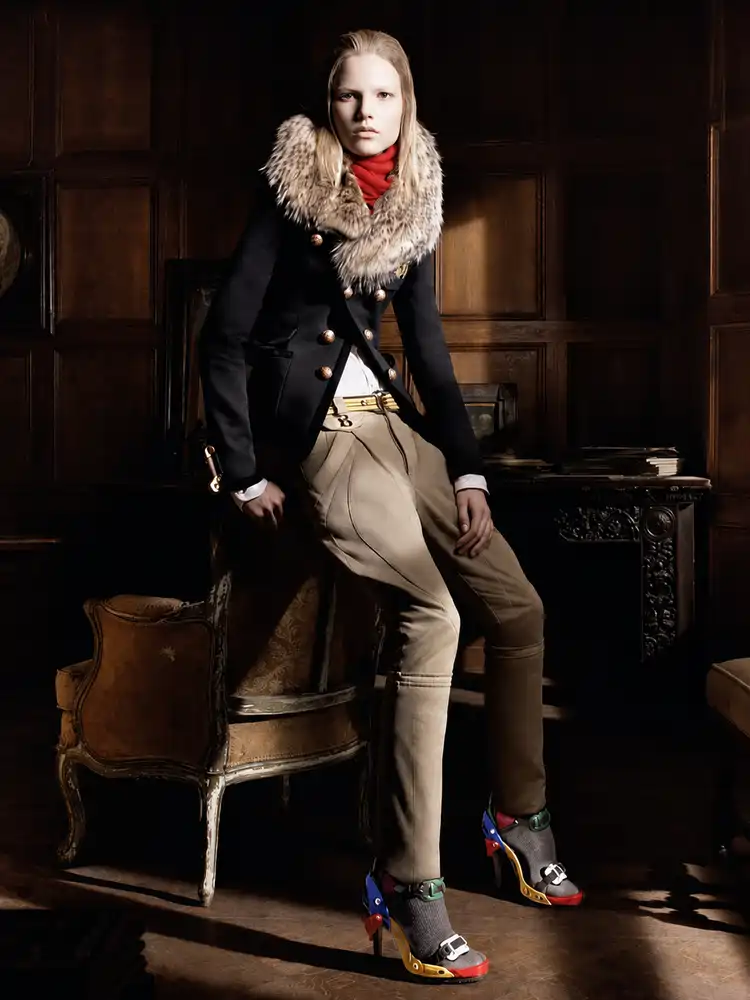


The speed of the recognition is striking, though the work had been developing quietly for years. Nicolas Ghesquière arrived on the runway carrying the knowledge of licensed product, factories and other designers’ languages. His apparent overnight success rested on a long apprenticeship in invisibility.
Nicolas Ghesquière’s great Balenciaga achievement came from treating heritage as an active design technology. He avoided reproducing Cristóbal Balenciaga’s clothes as reverent museum pieces. He investigated the ideas beneath them: fabric suspended from the body, the sculptural back, the stand-away collar, the balloon volume and the precise interruption of conventional anatomy.
His access to the full archive expanded after Gucci Group acquired Balenciaga in July 2001. The acquisition supplied investment, infrastructure and a larger commercial platform. It also gave Ghesquière direct contact with Cristóbal’s construction methods, including gazar, diamond structures and engineered volume.

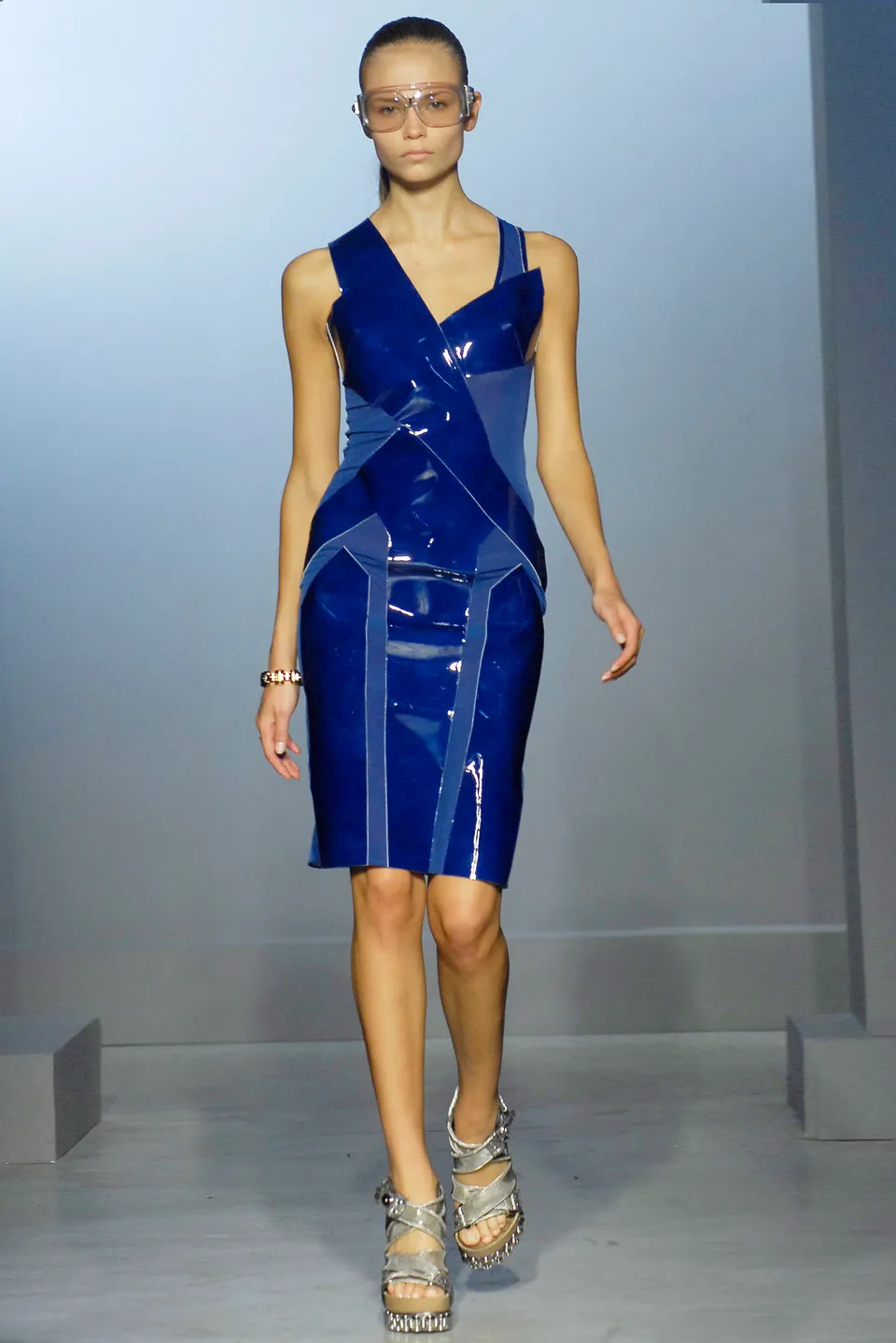
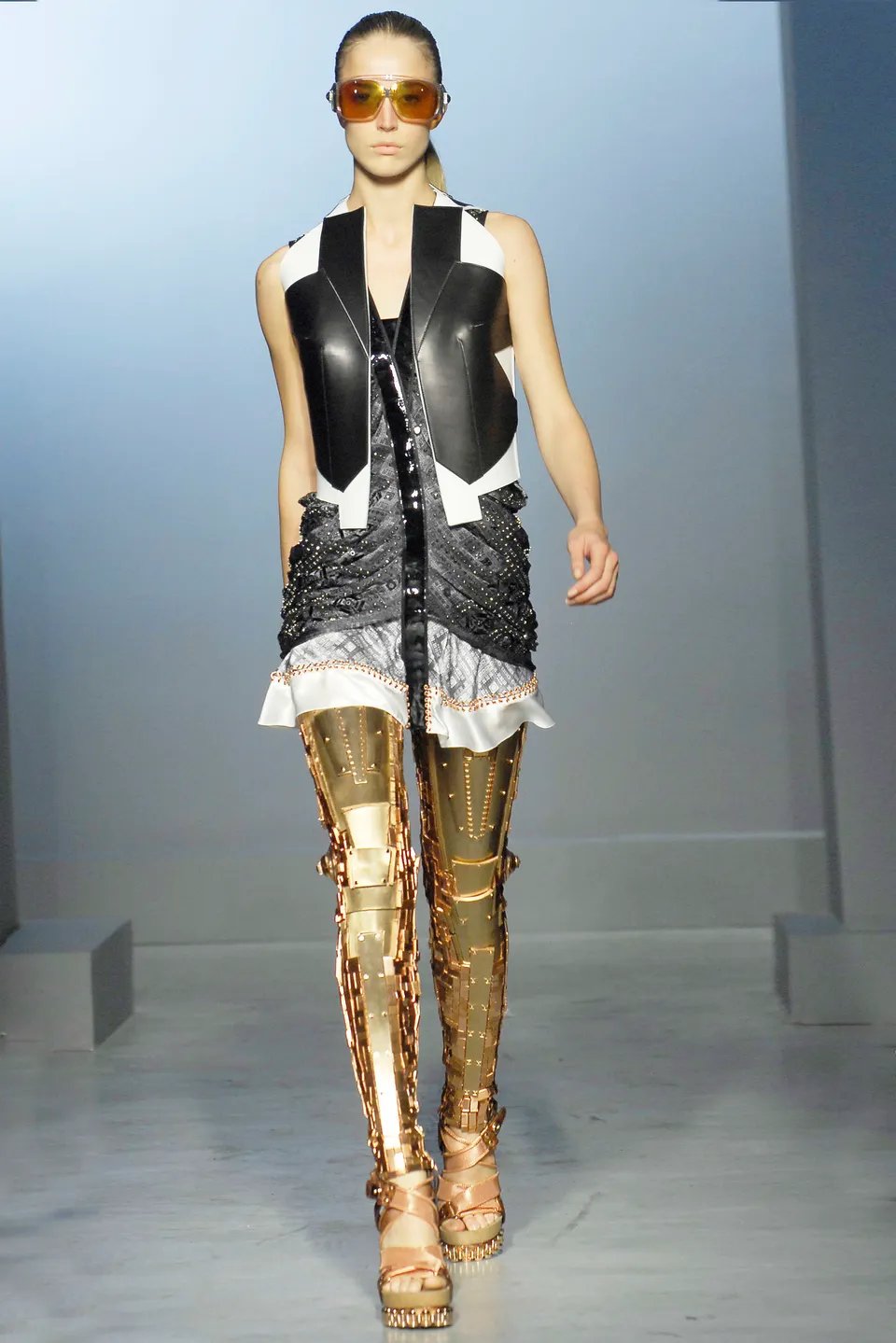
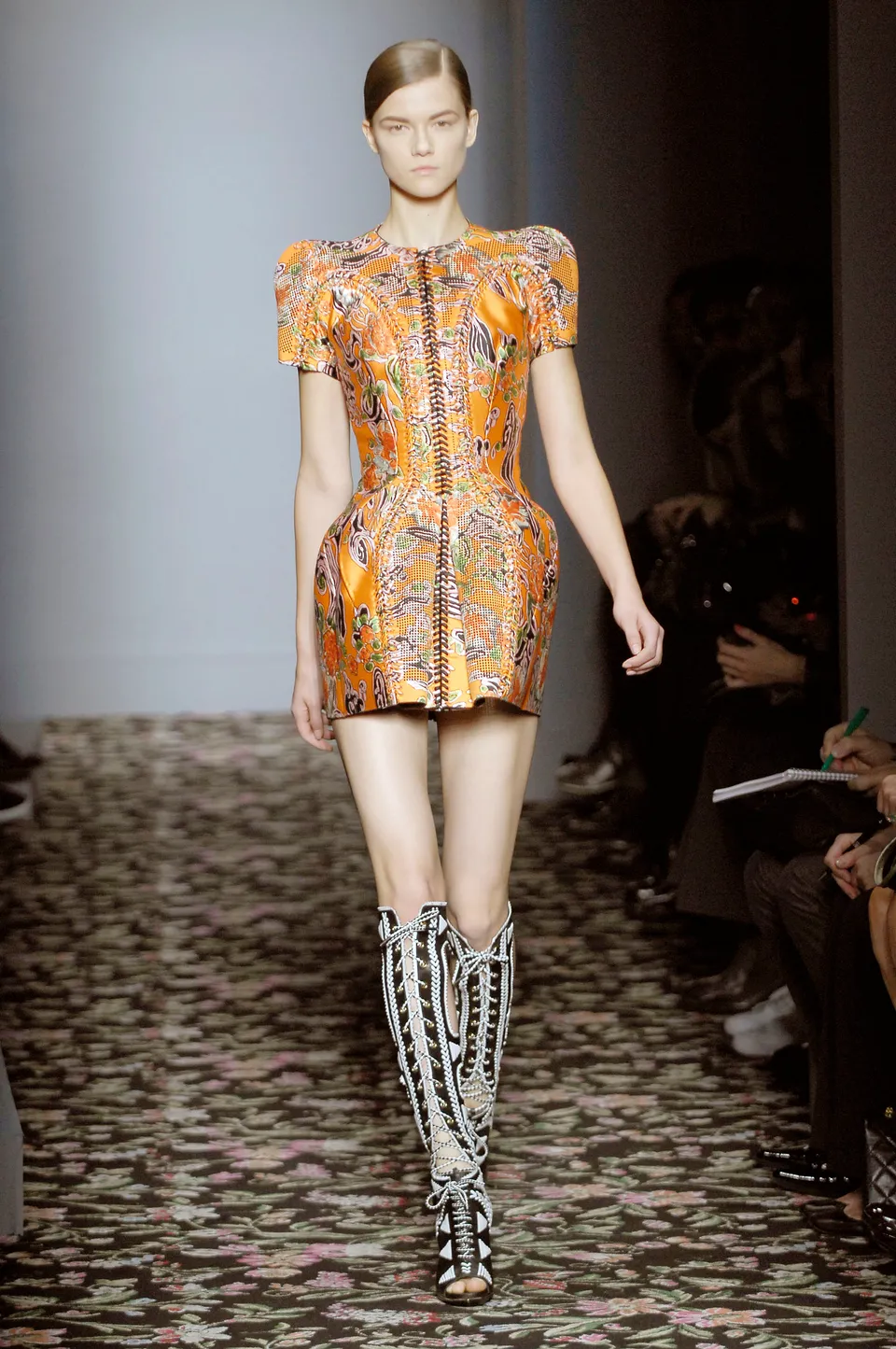
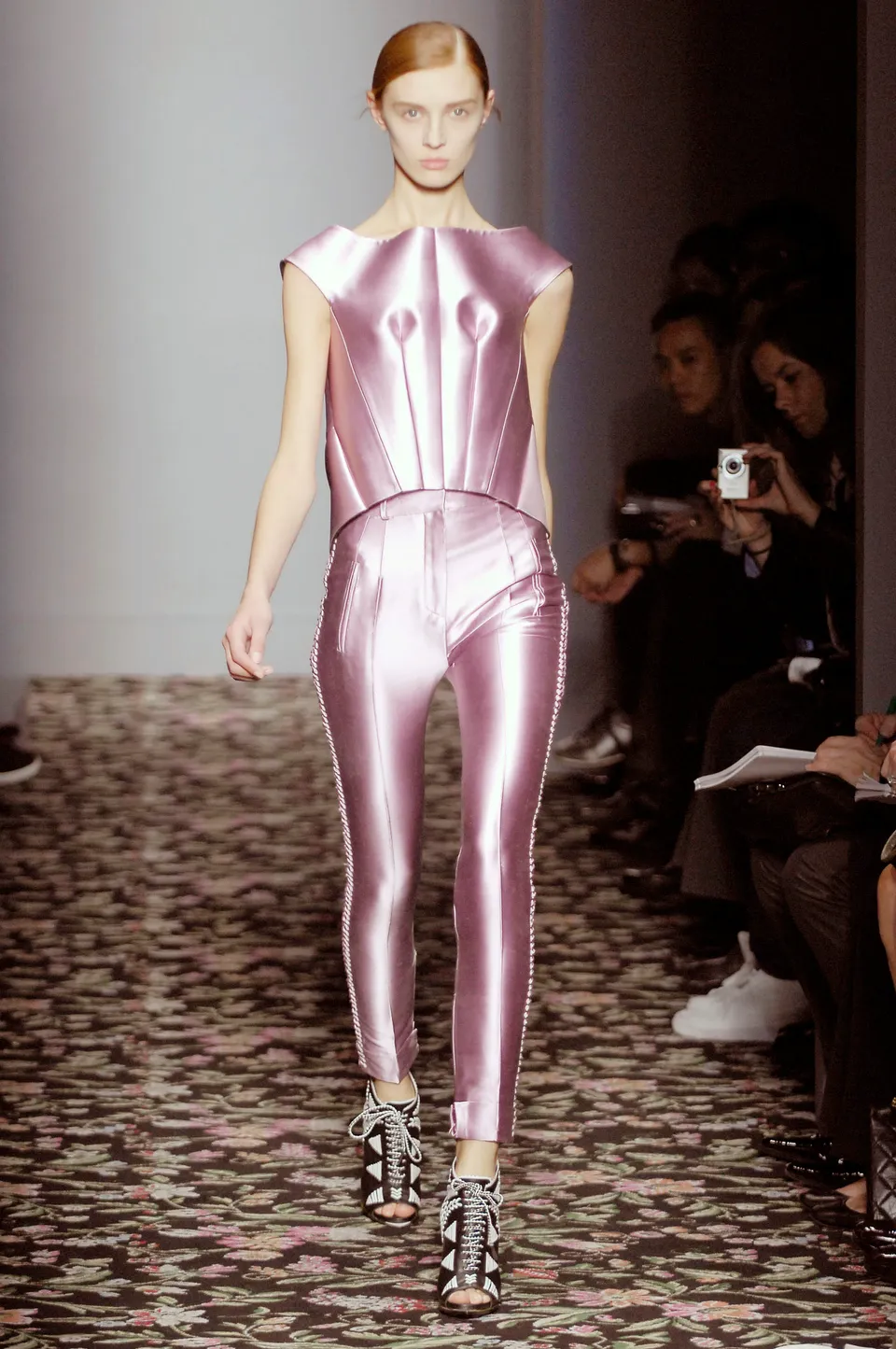
From there, his work became increasingly difficult to separate from the direction of fashion itself. Fall 2005 converted Air France uniforms and space-age materials into a severe modern wardrobe. Fall 2006 returned to archival couture proportions through rounded coats, cropped jackets and dresses whose volume appeared to orbit the body. Spring 2007 produced metallic robot leggings beneath printed tunics, transforming a science-fiction reference into one of the decade’s defining fashion images. Spring 2008 compressed florals into short, hard silhouettes with the cultivated aggression of exotic plants bred inside a laboratory.
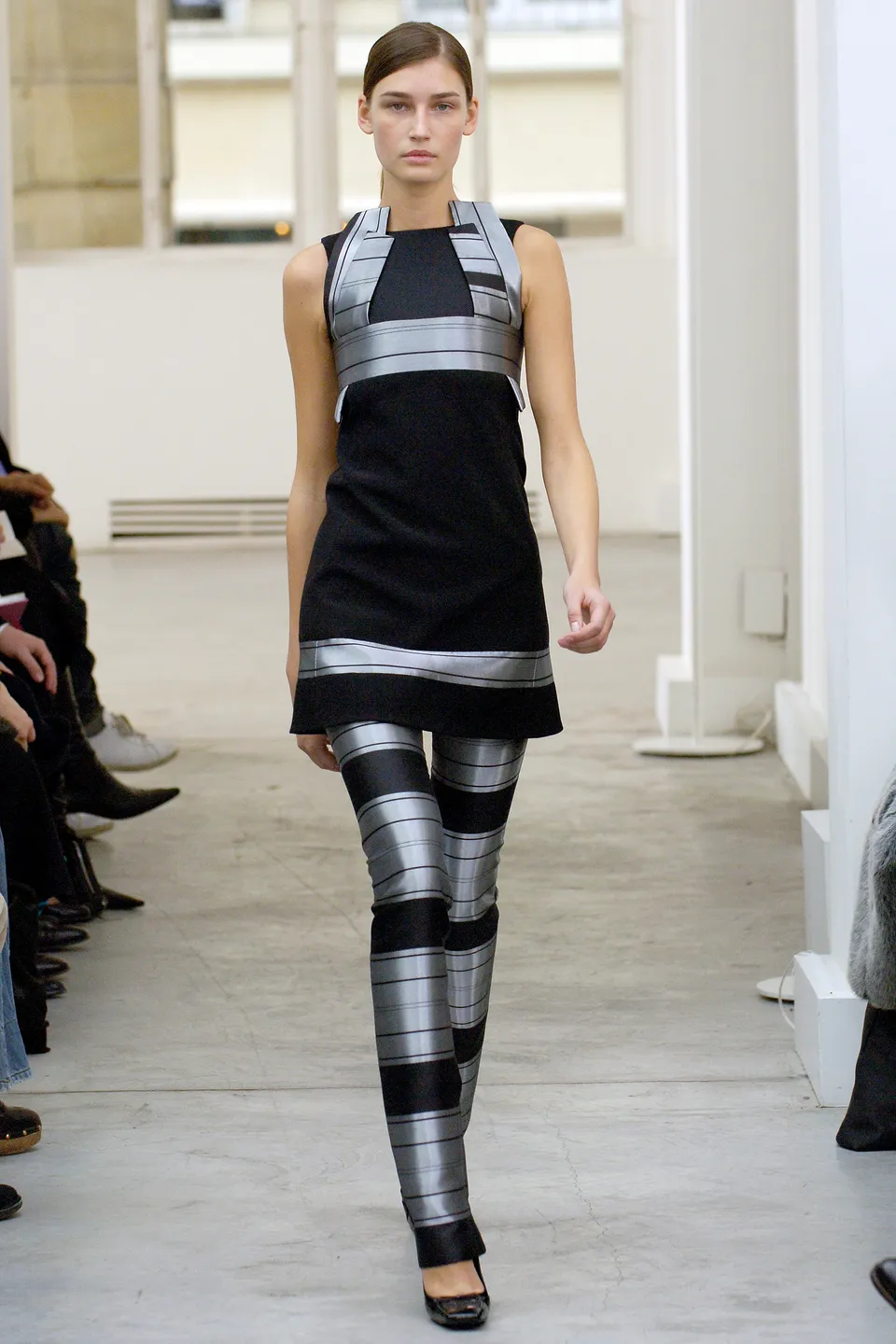
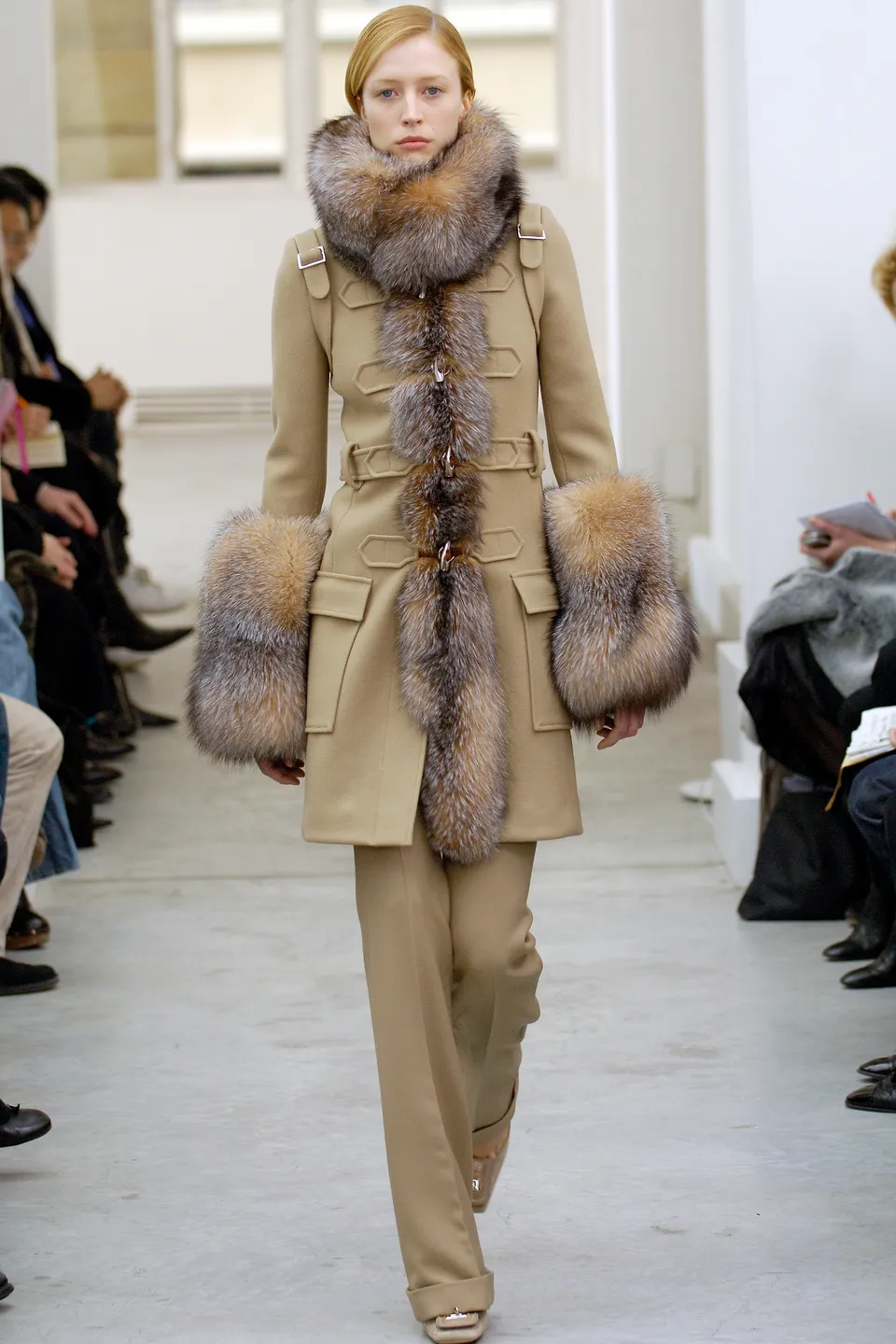
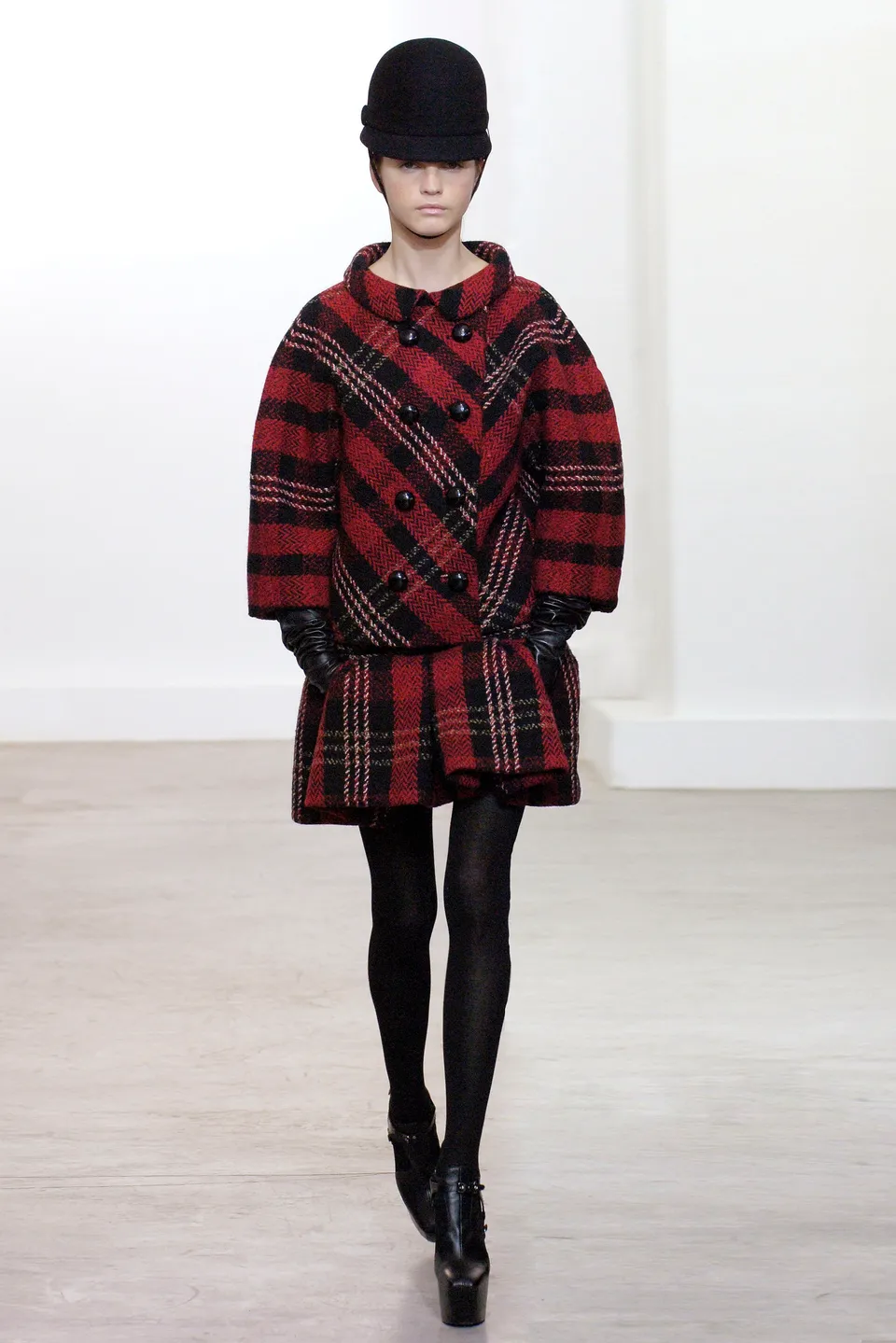

These collections carried a recognisable method. Nicolas Ghesquière forced incompatible systems into conversation. Couture met sportswear. Decoration acquired armour. Historical construction passed through synthetic surfaces. Femininity became physically commanding without relying on the symbolic authority of a man’s suit.
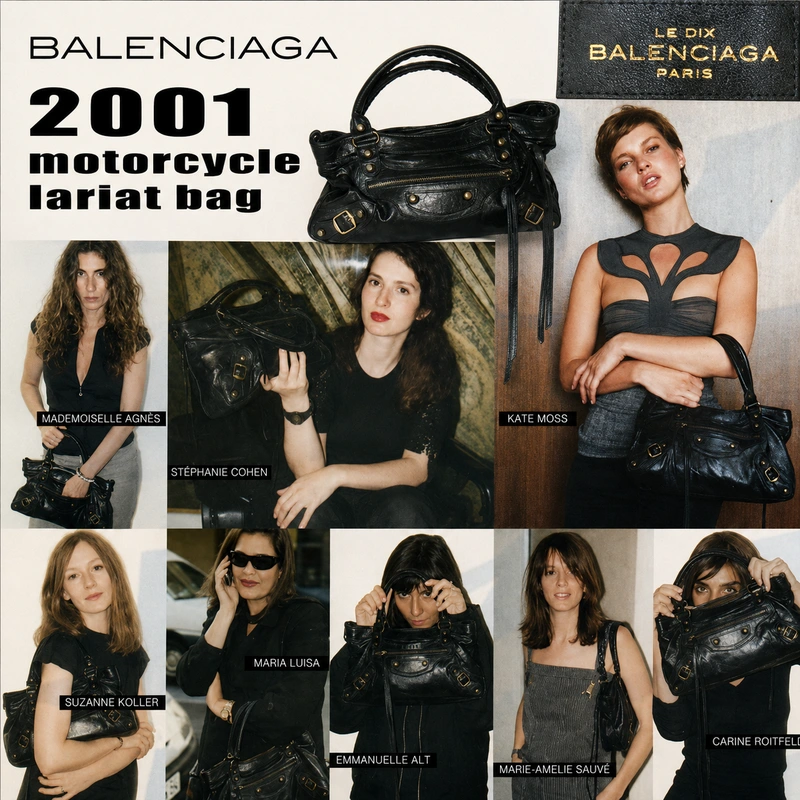
The City bag, officially launched in 2001, extended this intelligence into a product with mass cultural reach. Its distressed leather, loose structure and braided details departed from the rigid status bags dominating luxury at the time. The design initially sat in his studio because executives doubted its commercial appeal. Models and fashion insiders created the demand before the company recognised the object’s potential.

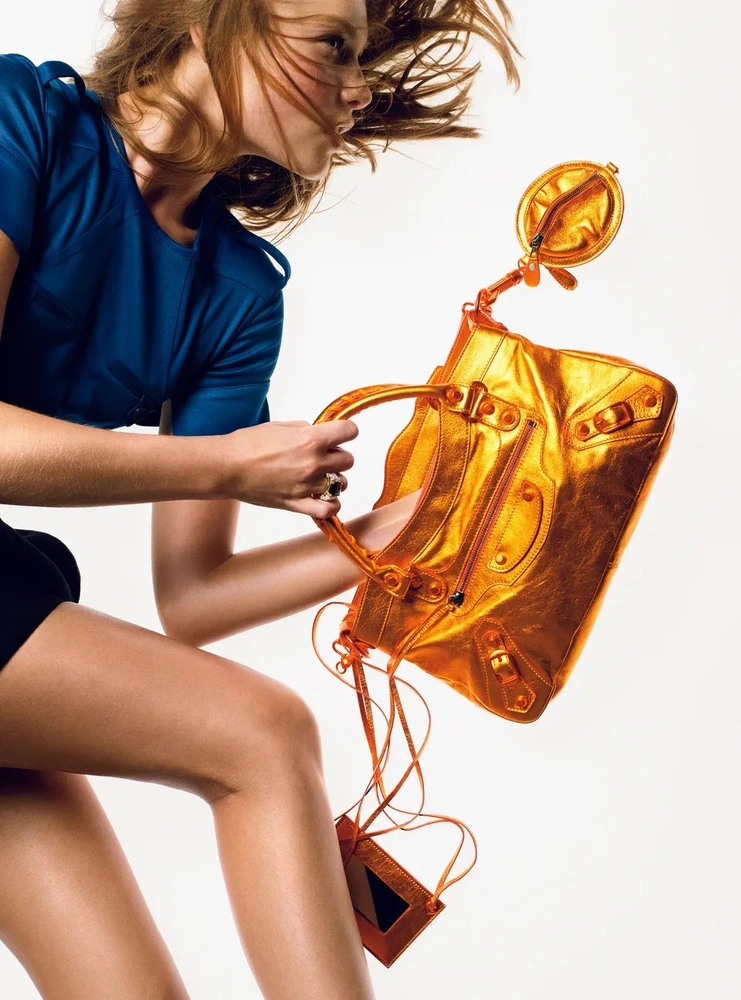
The bag became an economic engine and a cultural symbol. It allowed customers to participate in the Balenciaga world without wearing one of Ghesquière’s more demanding runway constructions. This relationship between accessible product and radical image gave the house a modern business model. Accessories could generate scale while the runway preserved intellectual authority.
In 2001, Nicolas Ghesquière won the CFDA International Designer of the Year award, competing in a field that included Karl Lagerfeld and Alexander McQueen. In 2006, Time placed him among its 100 most influential people. In 2007, the French government made him a Chevalier of the Order of Arts and Letters. These honours registered a shift already visible across the industry: the temporary designer had become the figure other houses wanted to recruit.
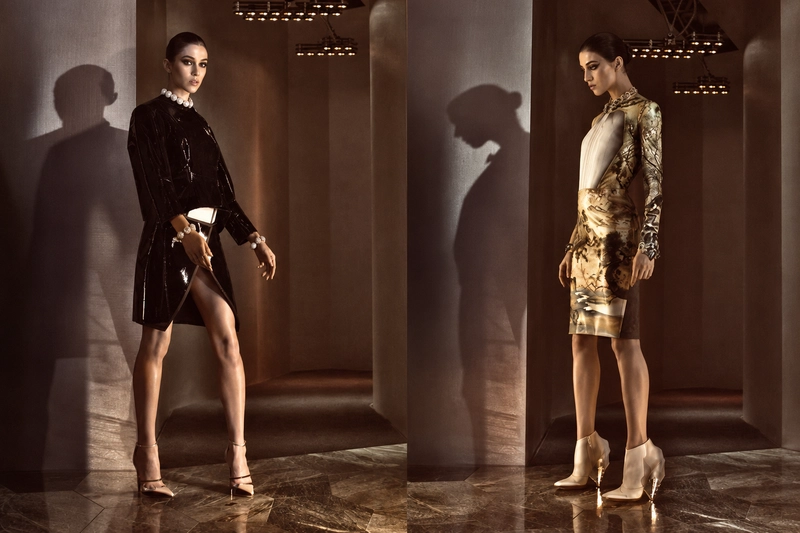
Balenciaga also became commercially viable. Corporate investment, management, accessories, retail expansion and production capacity all contributed. Ghesquière supplied the reason those systems could generate desire. By the time he left, the operation he had entered through obscure regional licences had grown to 161 sales points, two new fragrances and a global audience that treated each collection as an announcement about fashion’s next direction.
On November 5, 2012, Balenciaga announced that Nicolas Ghesquière would leave the house at the end of that month. His fifteen-year tenure closed with language describing a joint decision, while later interviews revealed a far more violent separation. He spoke about exhaustion, frustration and exclusion from aspects of the business he had helped create.

The break exposed one of luxury fashion’s most uncomfortable arrangements. A creative director can produce the identity through which a company accumulates cultural and economic value, while holding limited authority over how that value is developed. Ghesquière had helped build Balenciaga’s desirability, products, visual world and modern reputation. Corporate ownership still possessed the final control over its future.

His frustration came from commercial intelligence as much as personal pride. Nicolas Ghesquière understood production, distribution and merchandising as part of design’s public life. A creative proposal weakened when the surrounding business lost coherence. He wanted influence because every operational decision eventually altered the meaning of the clothes.
The exit made the industry confront how thoroughly Balenciaga had become associated with him. It also created the first long interruption in a career governed by the relentless rhythm of collections. For one year, fashion waited to discover whether his authority belonged to Balenciaga or to Nicolas Ghesquière himself.
Louis Vuitton appointed Nicolas Ghesquière artistic director of women’s collections on November 4, 2013. The assignment reversed almost every condition he had faced at Balenciaga. Vuitton possessed immense recognition, global retail power, deep manufacturing resources and one of luxury’s most valuable symbols. Its womenswear identity remained younger than its luggage and leather-goods heritage.
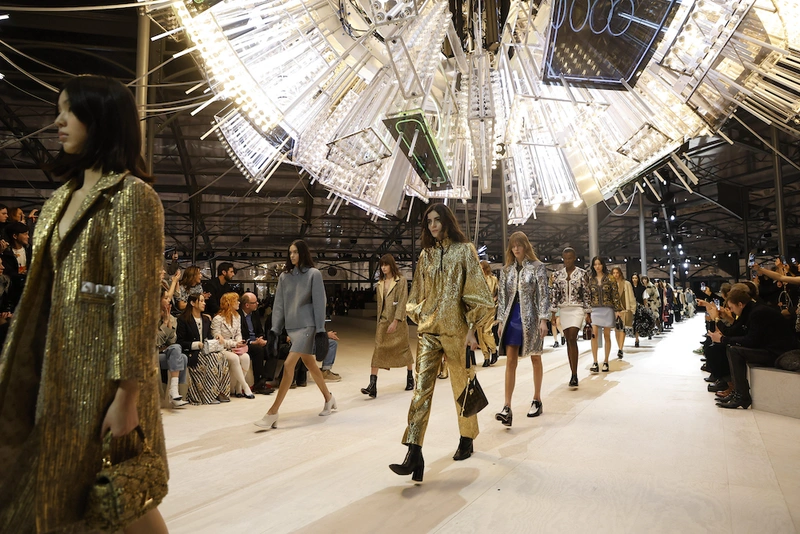
His debut in March 2014 began with daylight entering a darkened room. Cropped leather coats, A-line skirts, compact dresses, boots and elongated knits established a vocabulary built for movement. The Petite Malle converted the architecture of a Vuitton trunk into a small handbag, allowing heritage to pass into contemporary life through proportion instead of nostalgia.
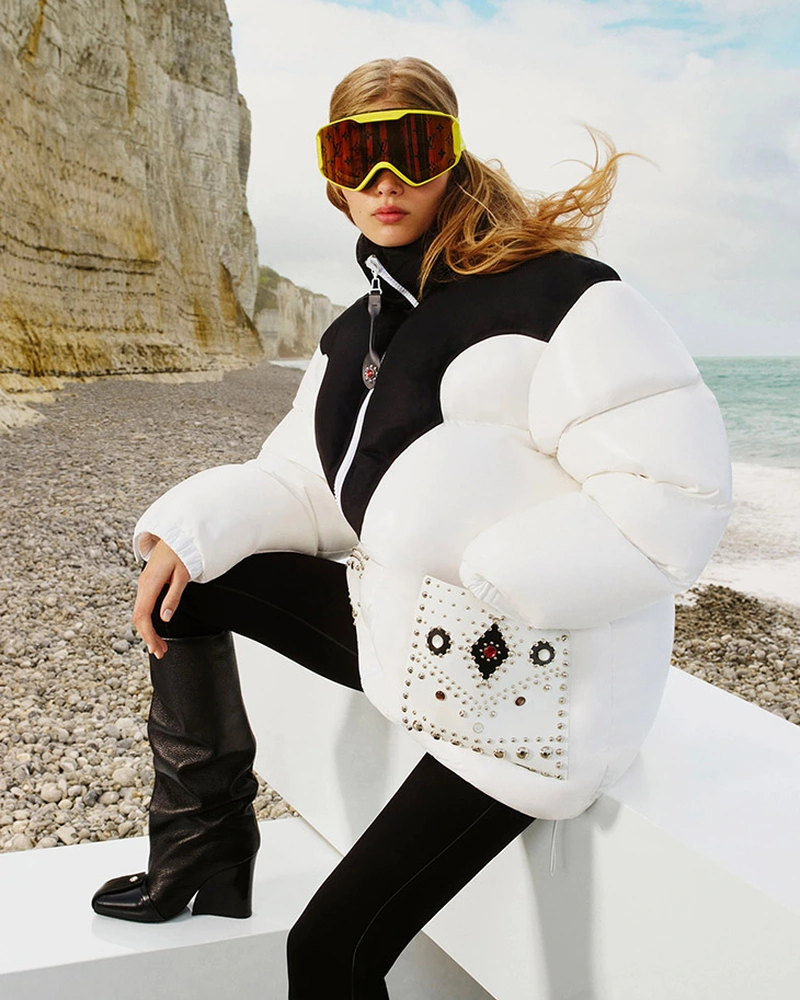
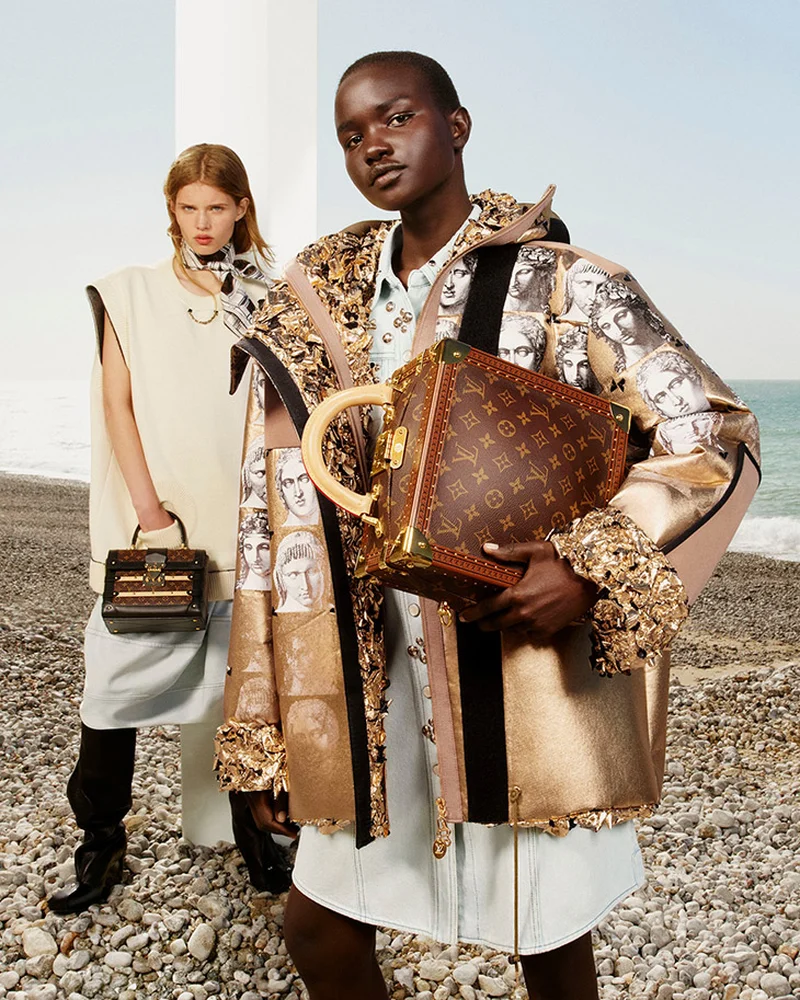
Across the following decade, Nicolas Ghesquière developed an identifiable Vuitton woman through repetition and revision. Strong shoulders, elongated torsos, short geometric hems, historical sleeves, technical textiles and athletic footwear created continuity. The Petite Malle, Twist, GO-14 and Archlight sneaker gave that language commercial permanence across product categories.
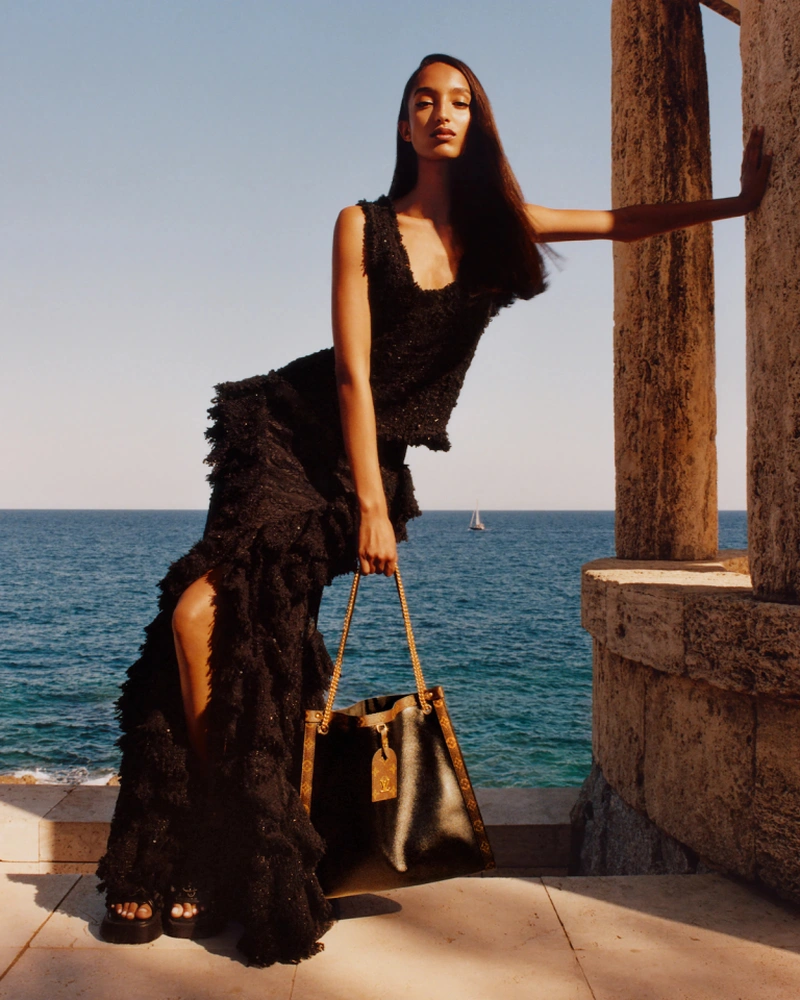
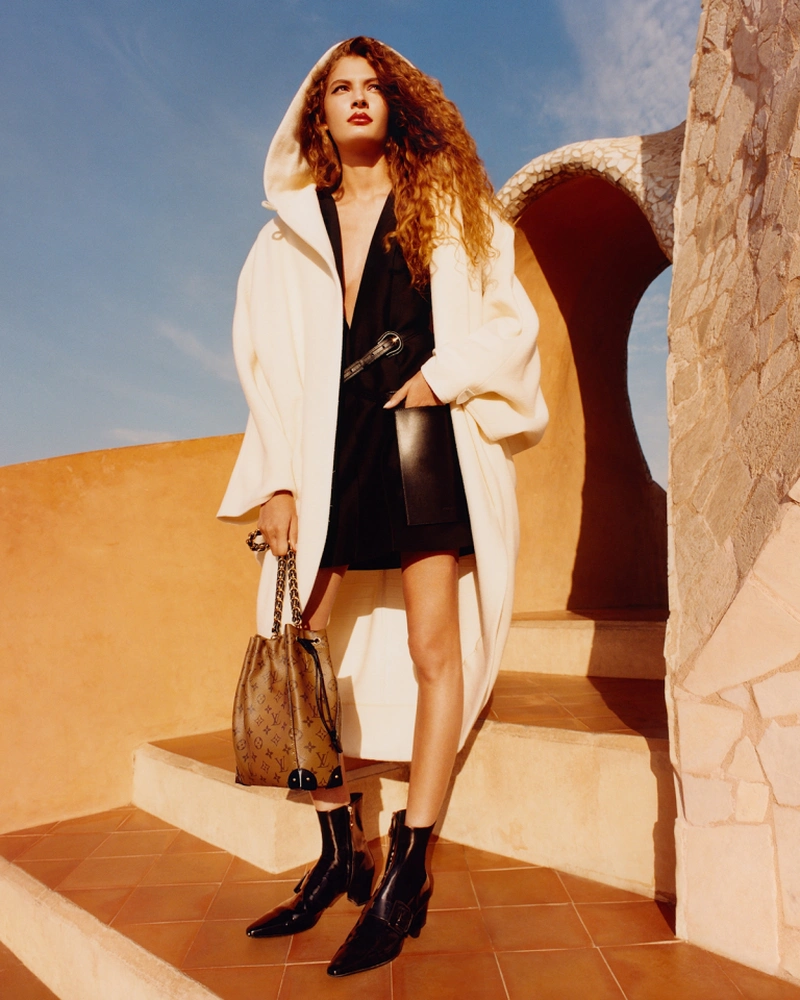
His economic contribution requires precision. Louis Vuitton’s growth belongs to an immense organisation spanning leather goods, menswear, jewellery, communications, pricing and global retail. Assigning the house’s expansion to one designer would turn analysis into public relations. Nicolas Ghesquière’s contribution sits in the cultural infrastructure of that growth. He gave womenswear a durable identity, generated accessories with long retail lives and kept the world’s largest luxury house central to high-level fashion conversation.
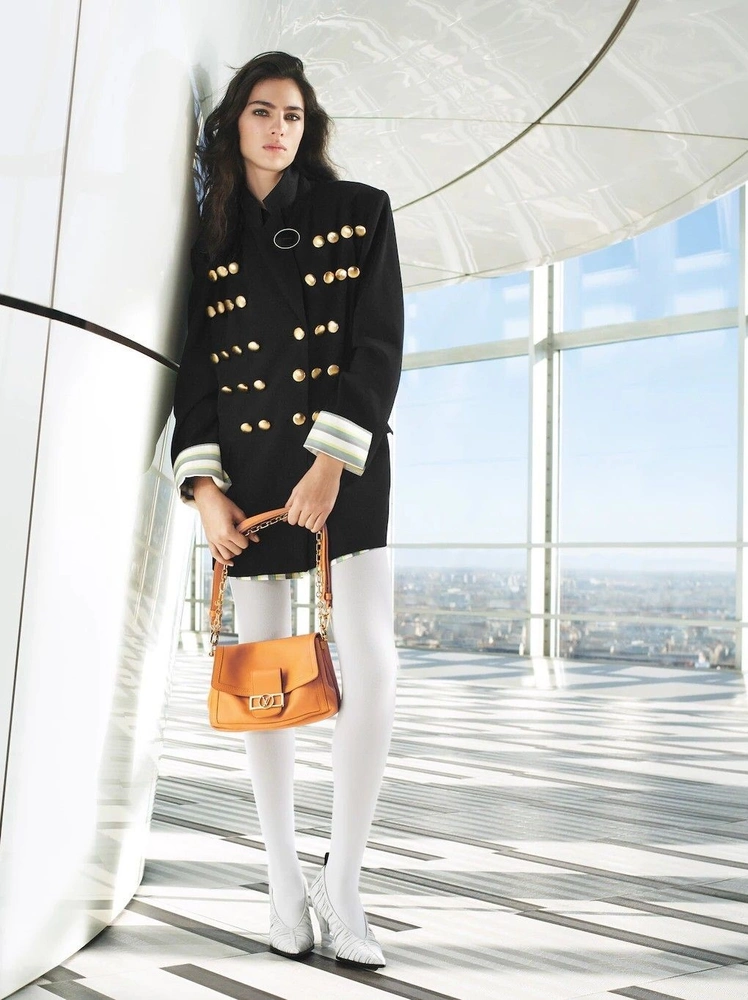
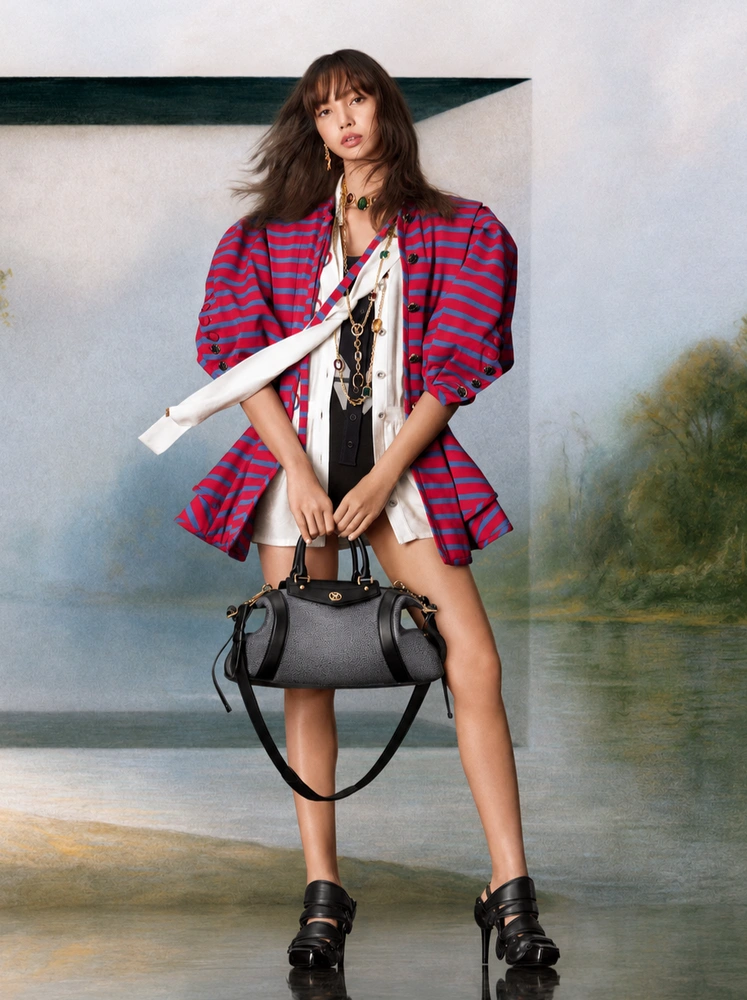
His authority also rests on work habits that resist the industry’s obsession with constant replacement. He maintains long relationships with technical collaborators and brought senior atelier specialists from Balenciaga to Vuitton. By 2024, he had worked with flou première Margot Roszak Defays for 22 years. Their accumulated knowledge allowed each collection to begin from a decade of developed pockets, trousers, surfaces, colour relationships and proportions.
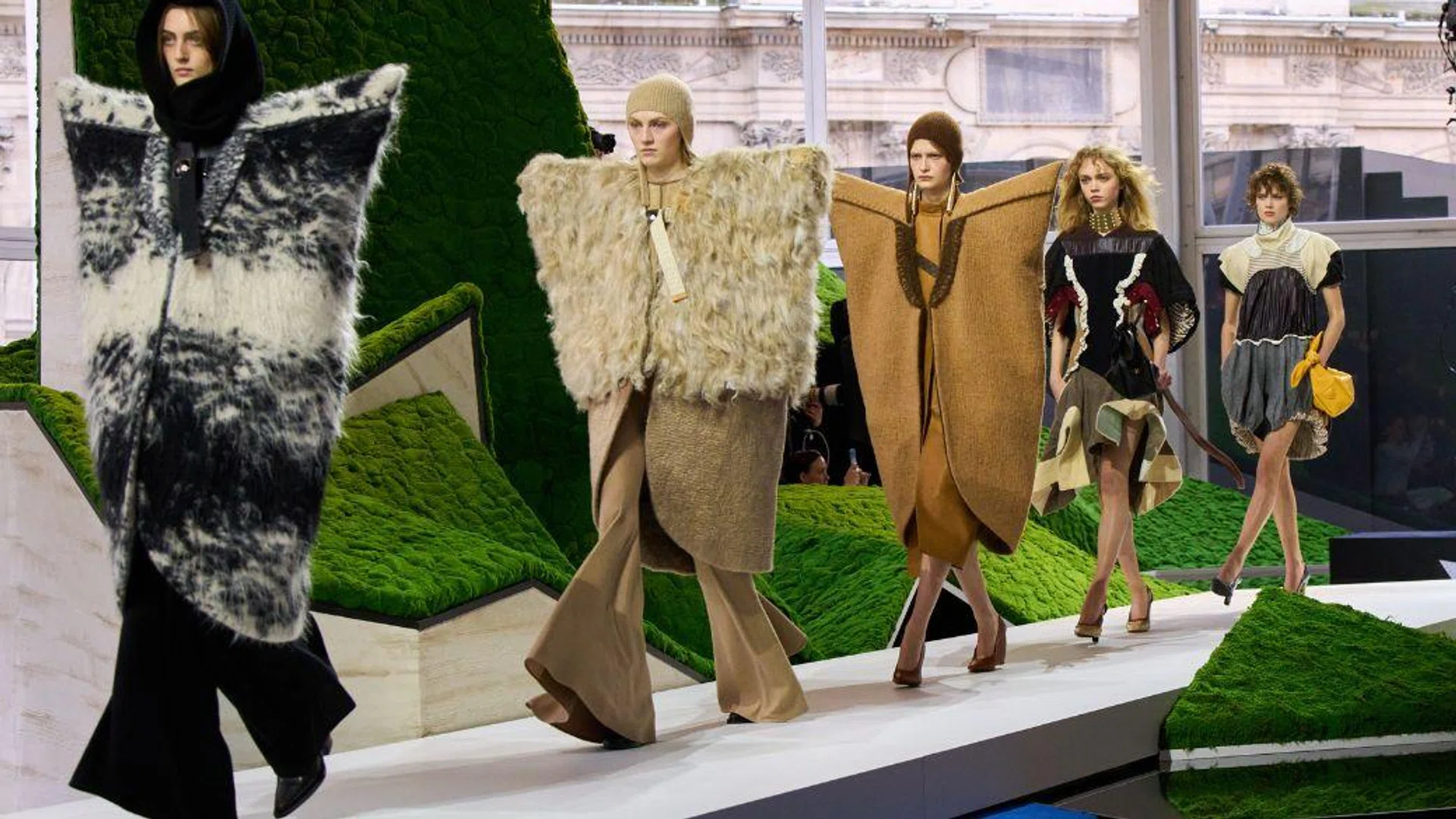
This continuity has made Nicolas Ghesquière both artist and institution, an uncomfortable combination in a culture that prefers young disruption followed by rapid succession. He has advised younger designers that the real ambition lies in building a body of work and continuing long enough to discover its full meaning. His power now exists in the atelier’s memory, in products circulating across continents, in the designers trained under him and in an industry still attempting to make his old futures look new.

He designs with the explicit hope that his garments will endure to have a vibrant second life in the booming resale market. To Nicolas Ghesquière, true fashion must be impactful in the present but meticulously constructed to survive the future. This forward momentum is fueled by an obsessive creative urgency he simply cannot switch off. For him, a passing glance at a street-side door handle instantly translates into the hardware for a new handbag.
Yet, he carries this drive with a deeply rooted grace. Welcoming the energy of fashion’s new guard, he views storied luxury houses as beautiful castles requiring profound love and maintenance. Having established a definitive, highly recognizable aesthetic language for Louis Vuitton, Nicolas Ghesquière is now liberated to use the house as his ultimate laboratory, a space where established confidence provides the absolute freedom to continuously experiment.
Advertisement