MENU
Close





As pigment fades from the red carpet, the no-makeup makeup look transforms healthy-looking skin into the ultimate symbol of polish and access.
As pigment fades from the red carpet, the no-makeup makeup look transforms healthy-looking skin into the ultimate symbol of polish and access.
August 9, 2026
Advertisement
Advertisement
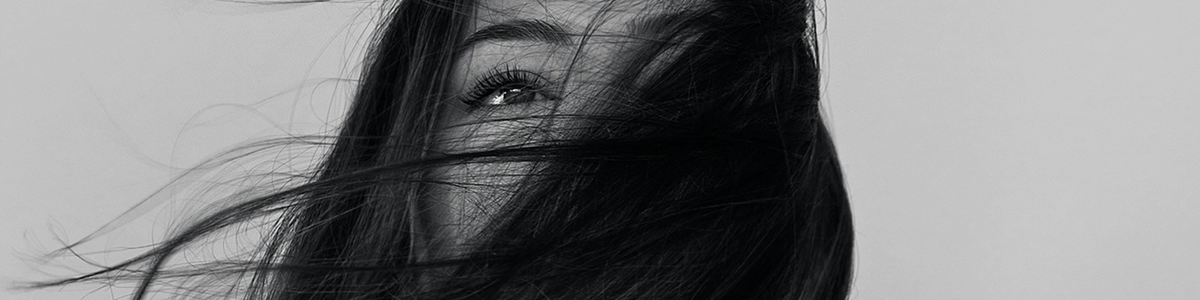


Under the magnifying glare of a premiere carpet, foundation now appears almost imperceptible. Freckles remain visible, blush resembles natural circulation, and lips retain their original depth. The no-makeup makeup look has become Hollywood’s preferred language of restraint in 2026, carrying a question far larger than complexion products: has beauty become more accepting, or has perfection simply learned to conceal its construction?
Zendaya’s appearance at the New York premiere of The Odyssey crystallized the shift. Ernesto Casillas centred her look on luminous skin, diffused warmth, softly groomed brows, and a delicately lined nude lip. Her eyes carried almost zero visible colour beside a spectacular Matières Fécales gown. The contrast gave the face unusual emotional power. Fashion supplied the mythology; her skin supplied the humanity.
The same logic appeared across the year’s carpets. Elle Fanning attended the Oscars with visible freckles, sheer pink cheeks, softly shimmering lips, and the lightest eye definition. Gracie Abrams wore a blurred complexion and restrained colour at the same ceremony, while Zoe Saldaña’s skin-led look emerged from meticulous facial preparation and precisely applied complexion products.
Mia Goth carried Nina Park’s ethereal minimalism to the Critics Choice Awards. Margaret Qualley paired rosy blush, a stained lip, and subtle liner with an elaborate beaded Chanel dress at the How to Make a Killing premiere. Zoë Kravitz brought dewy skin and muted mauve tones to the Golden Globes. Each face provided visual space around the fashion, allowing detail, fabric, and structure to breathe.
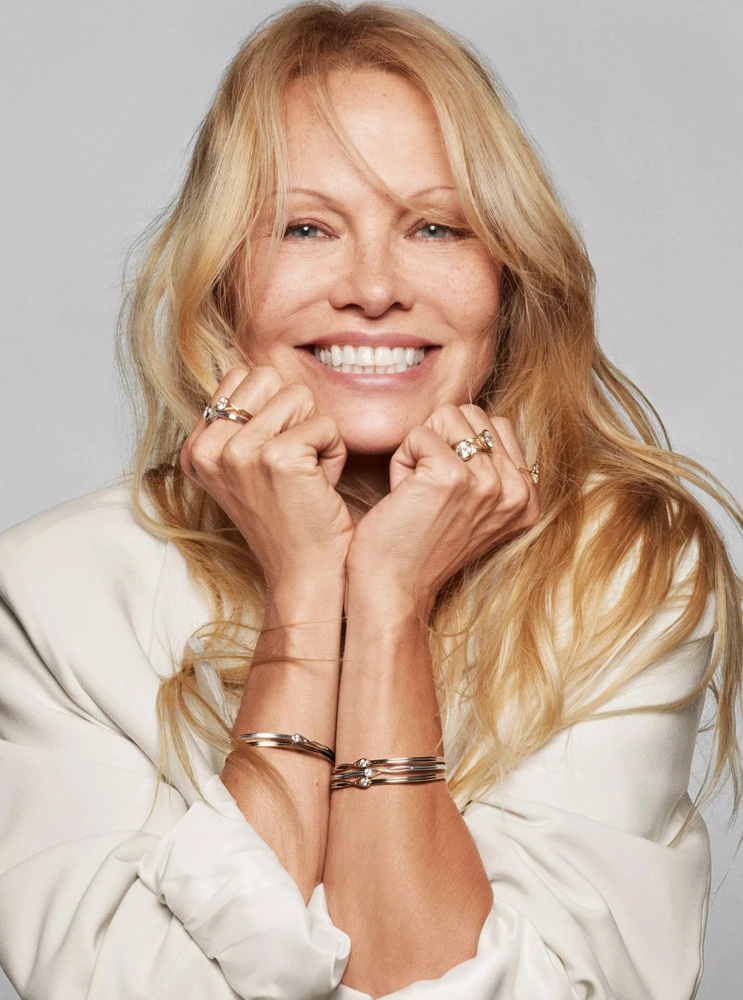
Margot Robbie’s Wuthering Heights press tour extended the idea across several appearances. Pati Dubroff used a minimal layer of foundation to create evenness, then made blush the emotional centre of the face. Alexa Demie’s Euphoria Season 3 premiere delivered the most culturally striking turn: a performer associated with graphic liner and sculpted lips appeared with a faint flush, light mascara, and a soft berry stain. Pamela Anderson occupied the boundary between cosmetics and bare skin at the Golden Globes, using an exceptionally light touch that preserved her established philosophy of facial visibility.
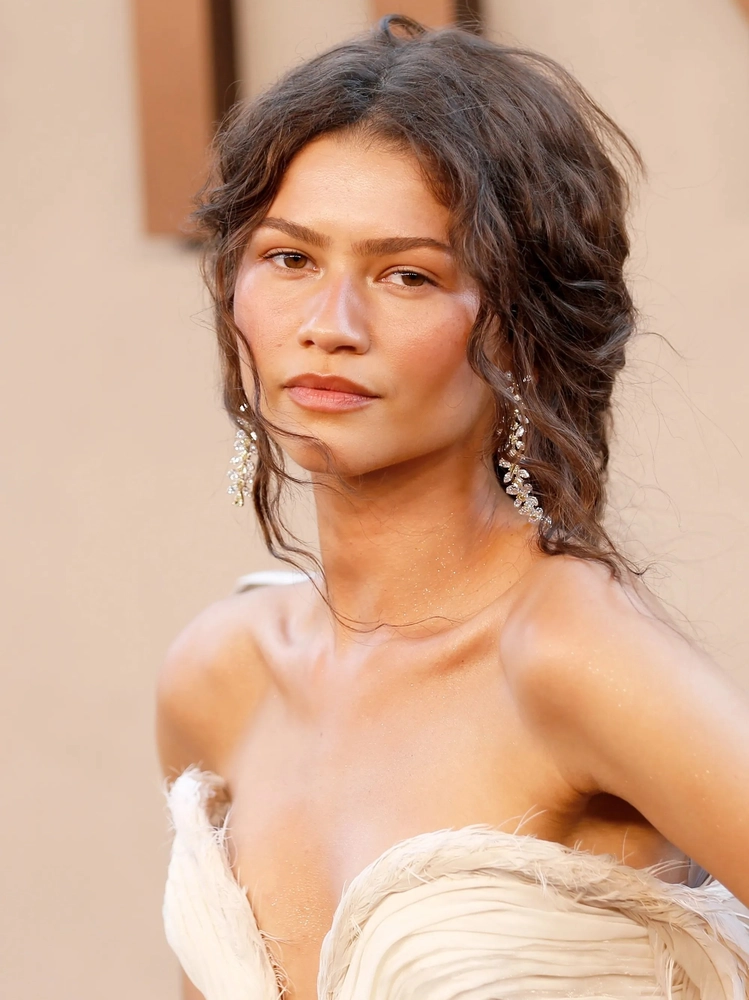
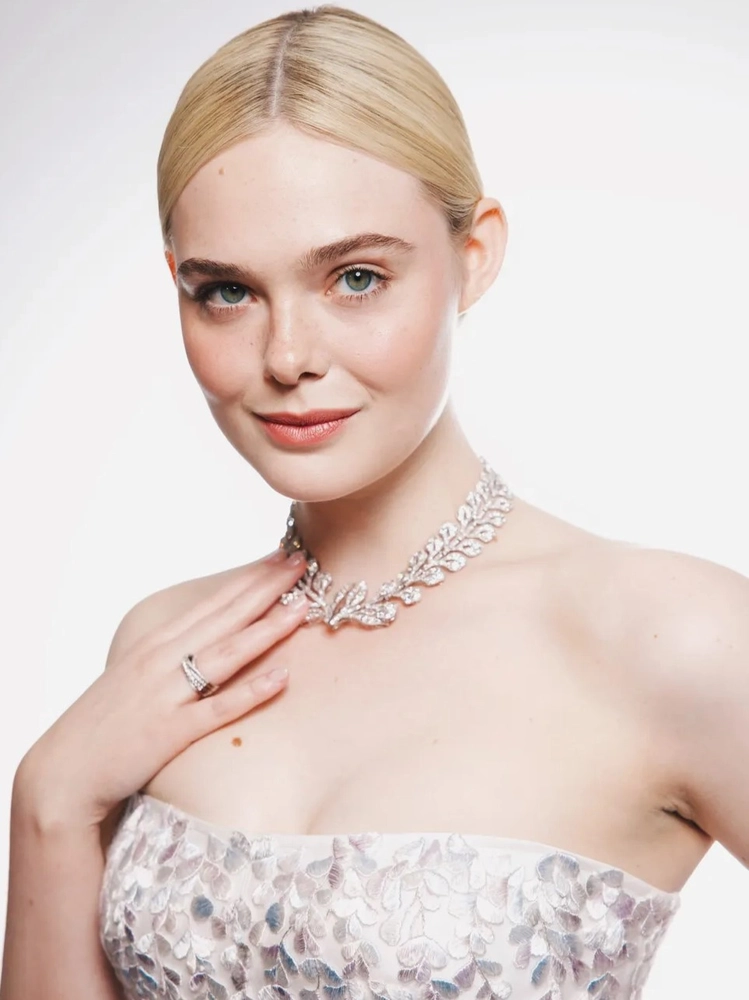
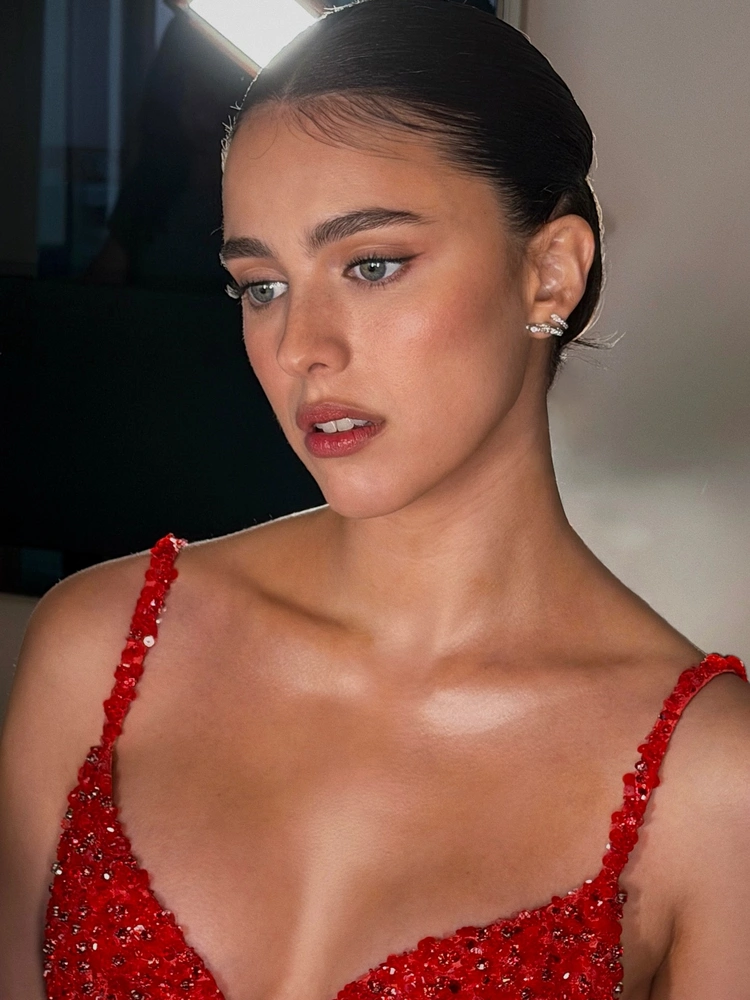
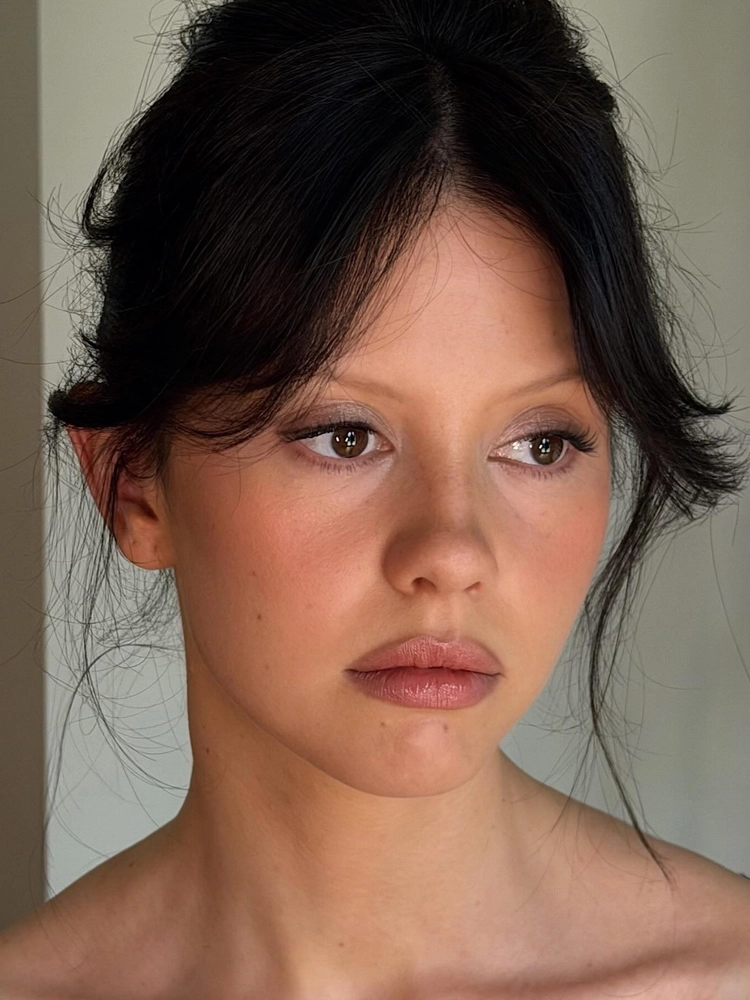
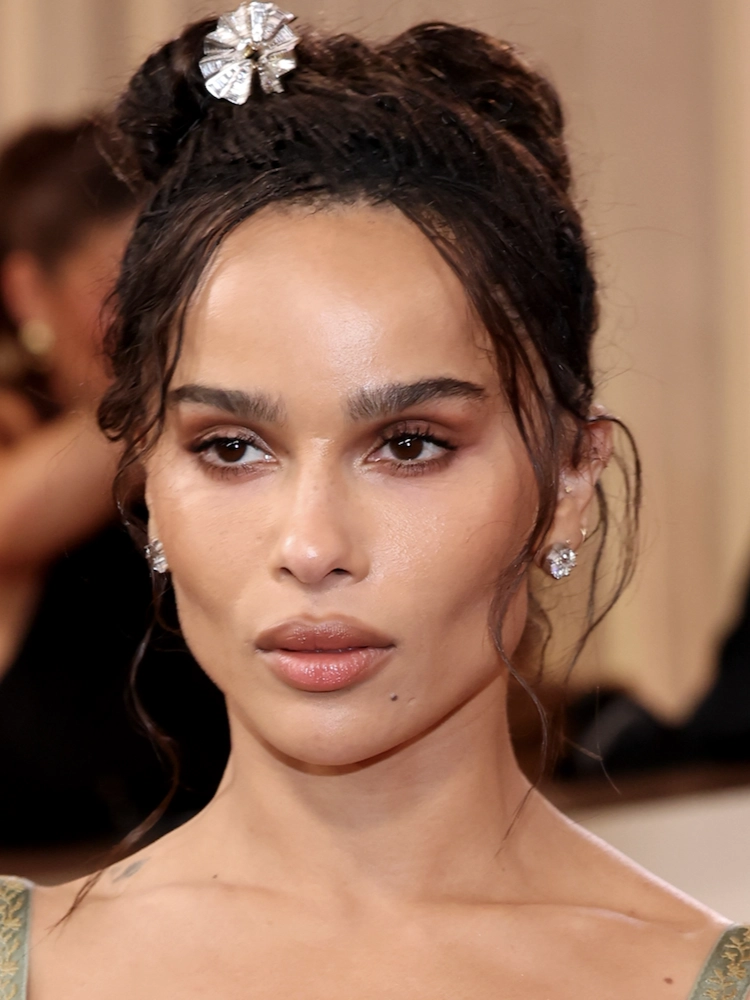
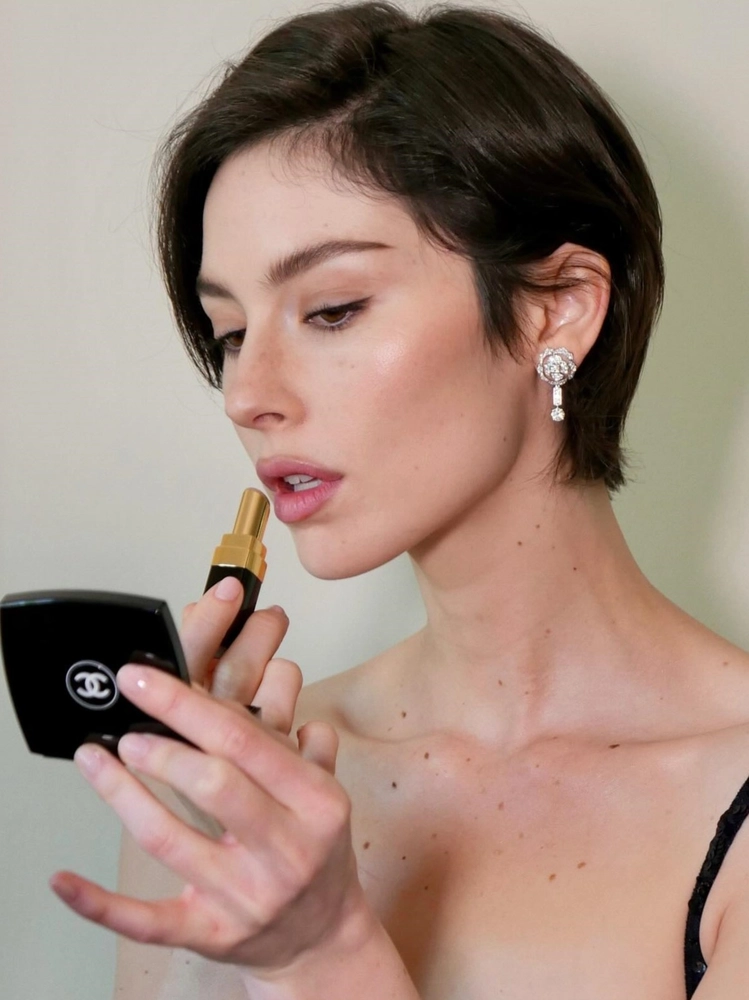
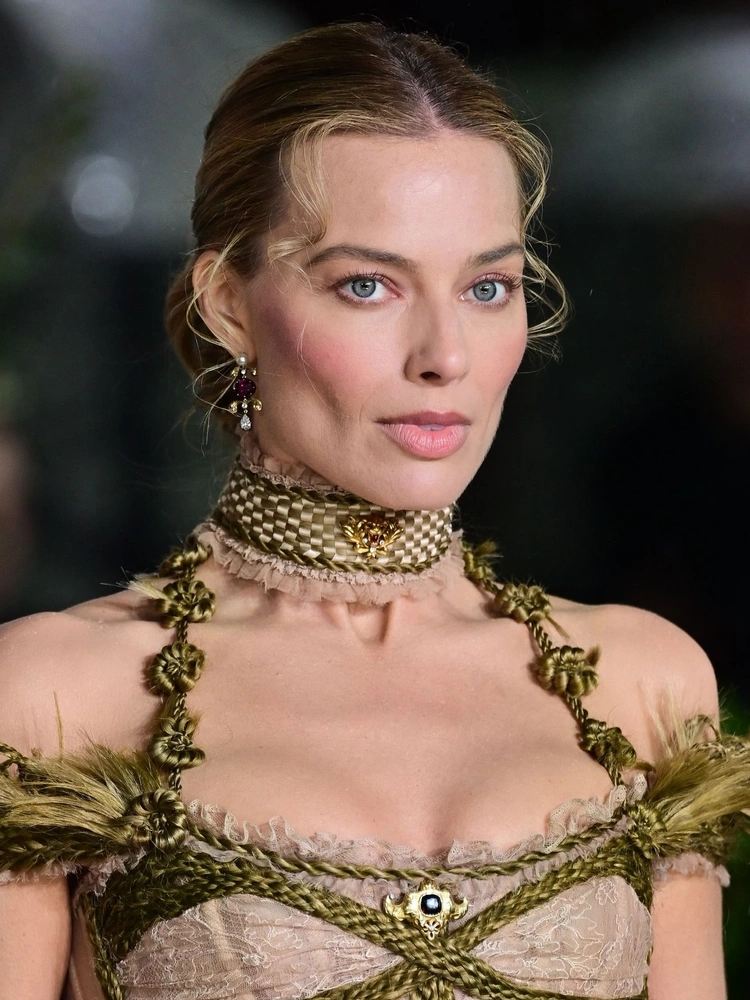
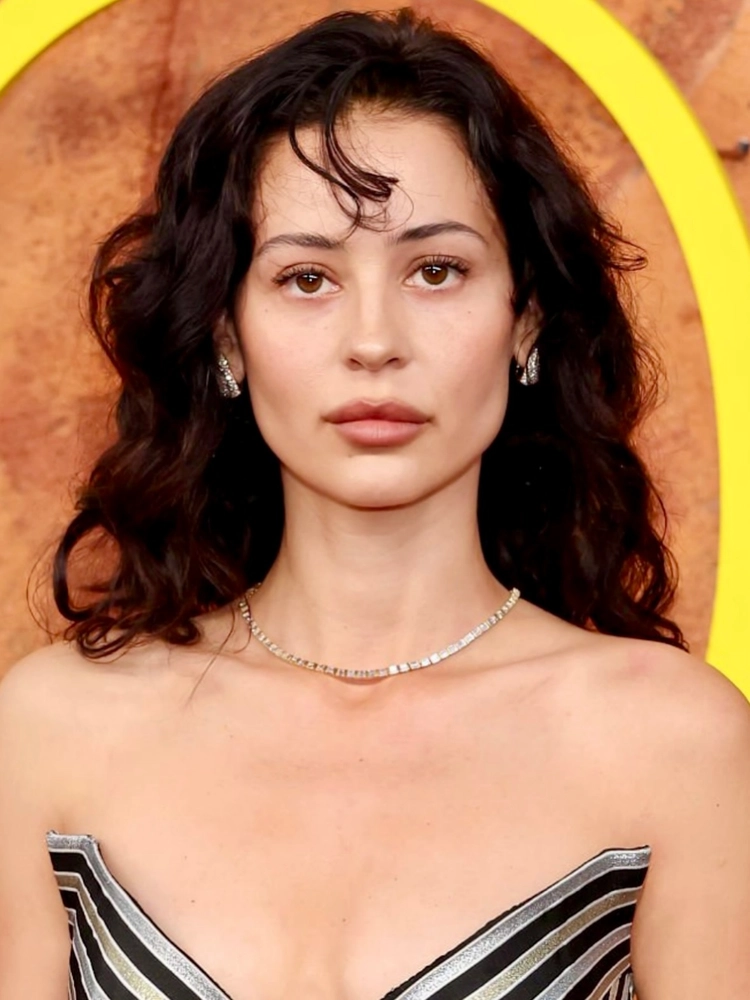
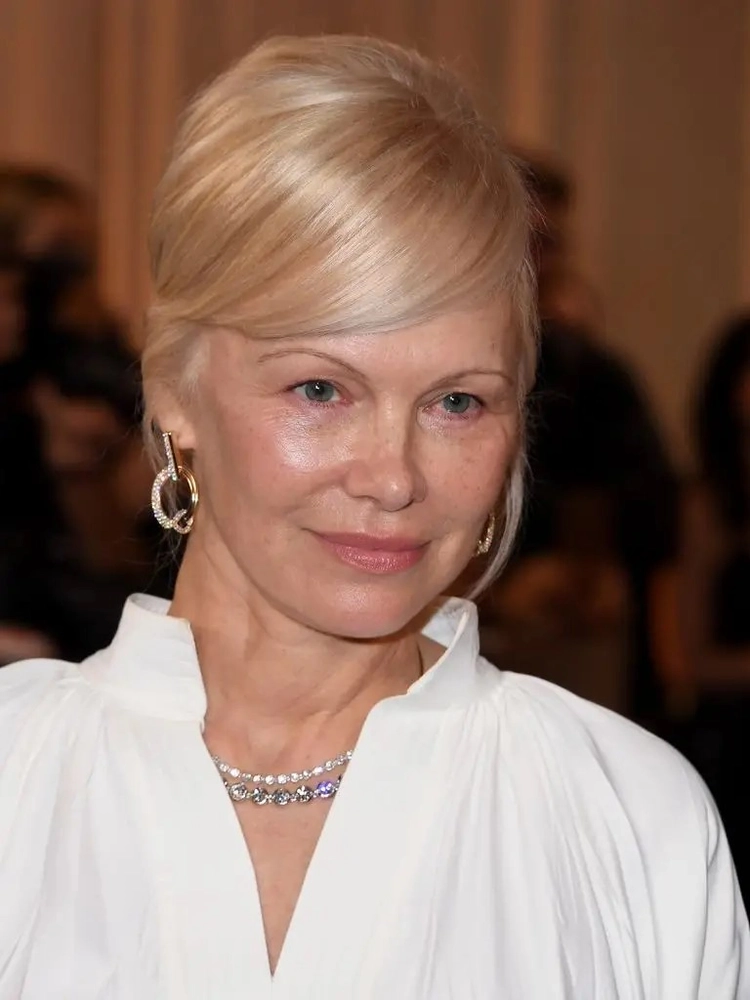
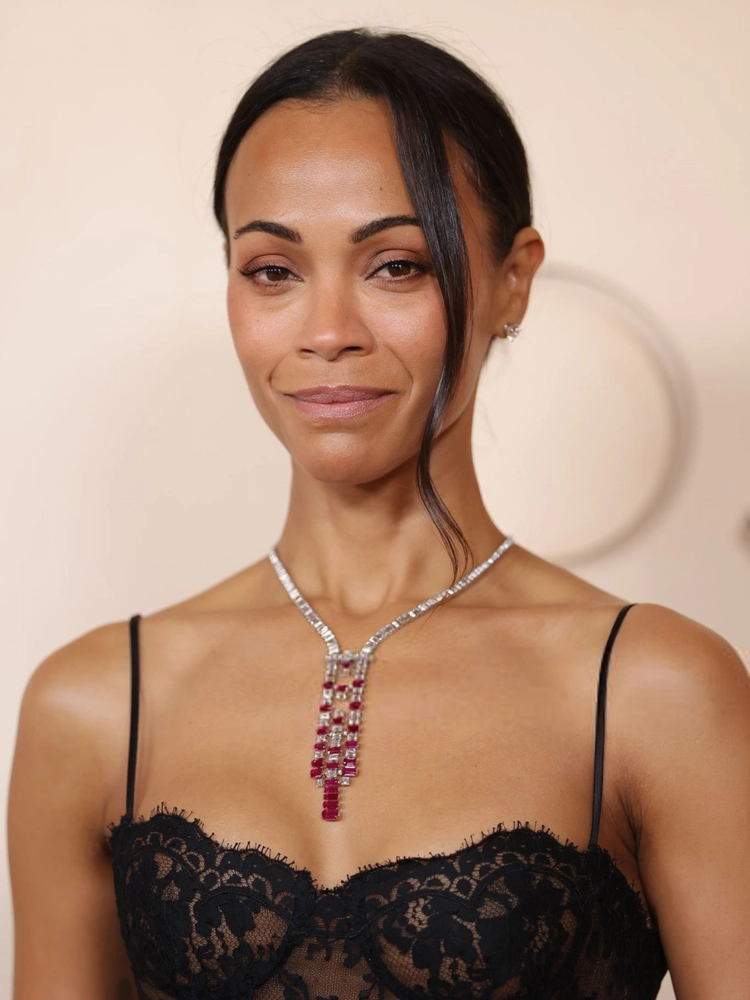
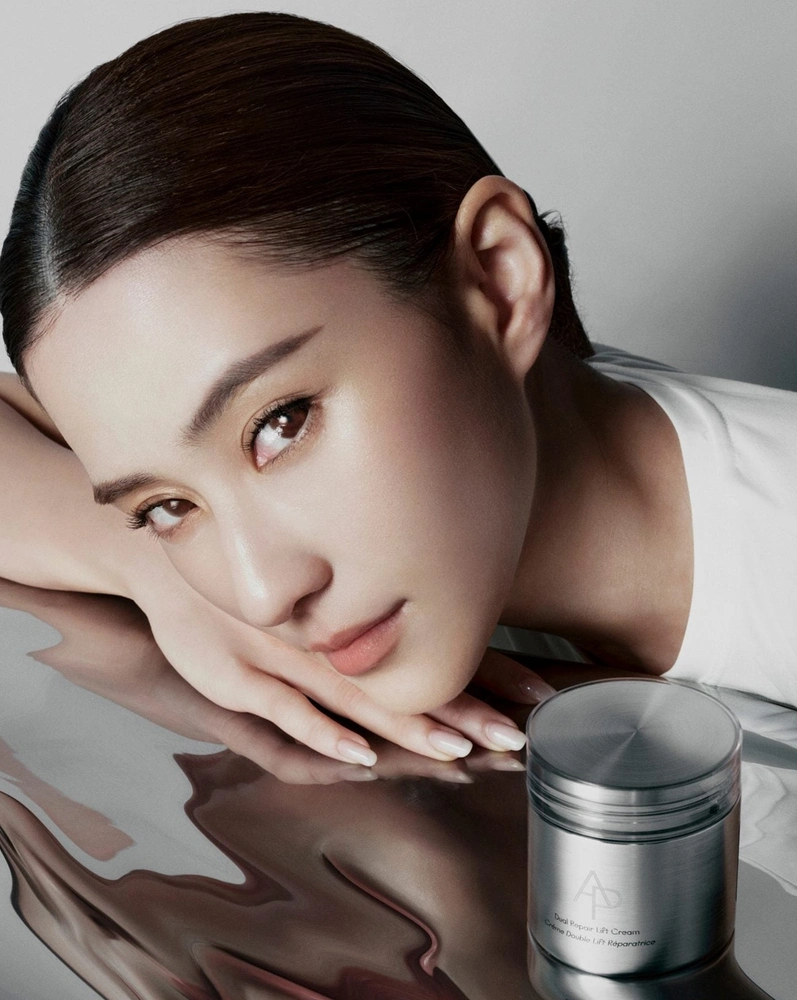
Nina Park has become the most influential artist within this aesthetic because her technique produces recognition through subtle control. Her work relies on sheer layers, careful placement, diffused edges, soft flushes, and lips whose contours appear naturally deepened. Zoë Kravitz, Mia Goth, Lily-Rose Depp, and Emma Stone have helped make this language instantly recognizable.
Park’s authority comes from a paradox. Traditional red-carpet makeup displays artistry through pigment, contour, symmetry, and transformation. Park displays artistry by making every choice appear native to the face. Her blush resembles circulation. Her sculpting resembles bone structure. Her lip work creates definition while preserving softness. The artist’s intelligence remains present, while the evidence of intervention fades.
Her 2026 work also demonstrates that restraint carries multiple moods. On Kravitz, it can feel cool and sensual. On Goth, it becomes spectral and romantic. On Stone, warm beige tones create polished minimalism. Park builds continuity through method while preserving the individual identity of each client.
Ernesto Casillas and Pati Dubroff broaden this visual grammar. Casillas combines editorial minimalism with red-carpet glamour, using dimensional skin and strategic warmth to create viral impact. Dubroff treats foundation as a tool for selective evenness, giving blush, texture, and expression greater importance. Park remains the clearest stylistic author, while Casillas and Dubroff prove that the no-makeup makeup look has become an industry-wide language.
The trend carries genuine cultural value. Freckles, individual facial structure, tonal variation, and fine texture survive beneath professional lighting. The face retains signs of life. Earlier beauty eras often celebrated visible transformation; 2026 increasingly celebrates the appearance of ease.
Ease, however, has become a demanding performance. The complexion must appear rested, hydrated, even, sculpted, and luminous while every corrective decision remains discreet. Beauty moves from an openly constructed image toward an image that presents polish as personal nature.
Pamela Anderson makes this distinction especially useful. Her public embrace of bare or nearly bare skin exposes the philosophical distance between facial acceptance and cosmetic invisibility. Both can appear natural in photographs, yet they express different ideas. One presents the face as it exists. The other uses sophisticated technique to produce an idealized version of naturalness.
The no-makeup makeup look therefore changes the standard more than it relaxes it. Visible glamour gives the viewer an obvious explanation for perfection. Invisible glamour turns perfection into an apparent personal quality. The labour moves into skincare preparation, facial treatments, shade matching, localized concealer, serum foundation, cream pigment, lighting, and professional hands.
This creates the defining beauty paradox of 2026: skin gains visibility while privilege becomes harder to read.
The commercial logic follows the aesthetic. U.S. makeup recorded the softest performance among major beauty categories during the first quarter of 2026, with modest dollar growth and weaker unit demand. Yet facial products such as blush and bronzer retained momentum, while hybrid formats combining colour and skincare continued to shape industry innovation.
The no-makeup makeup look reduces visible consumption while expanding the routine beneath it. A conventional full-coverage foundation may give way to a serum base, skin tint, colour corrector, concealer, creamy blush, brow gel, lip stain, primer, facial device, and several skincare layers. The final face signals simplicity; the system producing it remains commercially rich.
This is quiet luxury translated onto the complexion. During periods of economic caution, visible extravagance can lose some of its social comfort. Healthy-looking skin communicates discipline, wellness, access, and polish through subtler codes. Prestige beauty also offers consumers a smaller luxury purchase during periods when handbags and other high-ticket goods require greater commitment. Recent luxury spending patterns have shown beauty gaining appeal as shoppers prioritize high-performing, comparatively accessible indulgences.
The trend therefore belongs to both aesthetics and economics. It sells the fantasy of possessing less while using precision to justify more. Its restraint feels modern because it aligns with selective spending, skincare culture, high-definition imagery, and a growing preference for products that perform several roles at once.
The 2026 no-makeup makeup look reveals beauty’s latest evolution with remarkable clarity. The face appears freer, the technique grows more sophisticated, and the labour recedes beneath the surface. Red-carpet makeup has learned to disappear, yet its power has become easier to see.
Advertisement