MENU
Close





Before Demna Gvasalia became a first name powerful enough to stand alone, Balenciaga had already told him no.
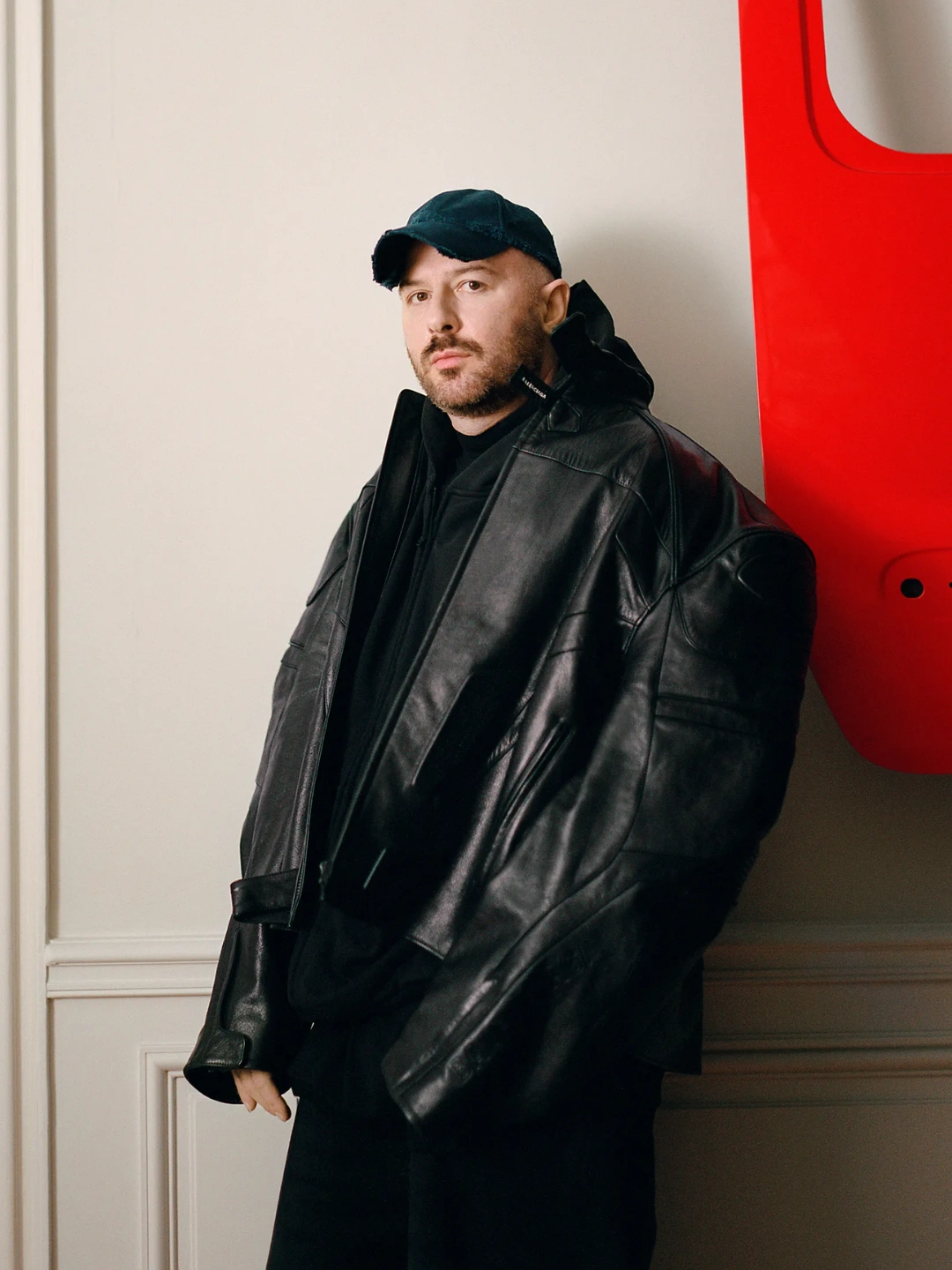
Before Demna Gvasalia became a first name powerful enough to stand alone, Balenciaga had already told him no.
August 19, 2026
Advertisement

Advertisement



In June 2025, visitors entering the Balenciaga by Demna retrospective in Paris encountered an unusually modest object before reaching the clothes. Framed beneath glass was an email from 2007 rejecting Demna Gvasalia for an internship with Balenciaga’s menswear team. He had recently finished his studies in Antwerp and was trying to find a place inside Paris fashion. Eighteen years later, the same house was exhibiting 101 objects selected from his decade as its artistic director.
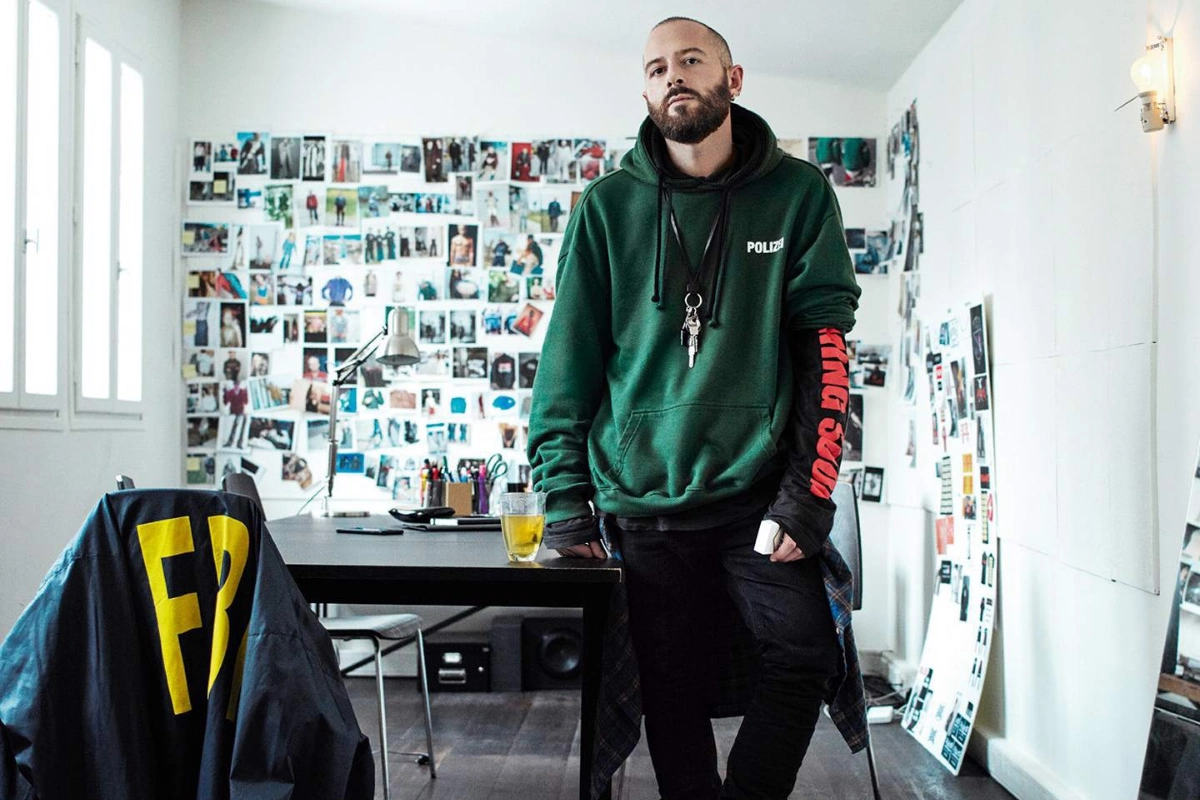
The email had survived inside an old Hotmail account. Demna Gvasalia eventually described the rejection as fortunate. Acceptance could have sent his career down an entirely different route. Eight years after Balenciaga declined his application, Kering appointed him to lead the house. Ten years after that, he left for Gucci.
Fashion loves a circular story because hindsight can make a career appear inevitable. Demna’s path spent years resisting that neatness. Migration came before Paris. Anonymous design jobs came before recognition. Vetements arrived before the billion-euro house, couture salons and institutional honours. For much of that journey, he observed fashion from the position that would eventually become his greatest creative advantage: slightly outside it.
A young Demna Gvasalia once waited for his parents to leave before opening their wardrobes. Growing up in Sukhumi, then part of Soviet Georgia, he staged private fashion shows in their clothes and became fascinated by how completely dress could alter a person. His grandmother eventually gave him a tape measure after noticing his obsession with the object. Clothing entered his imagination through transformation long before it became a profession.
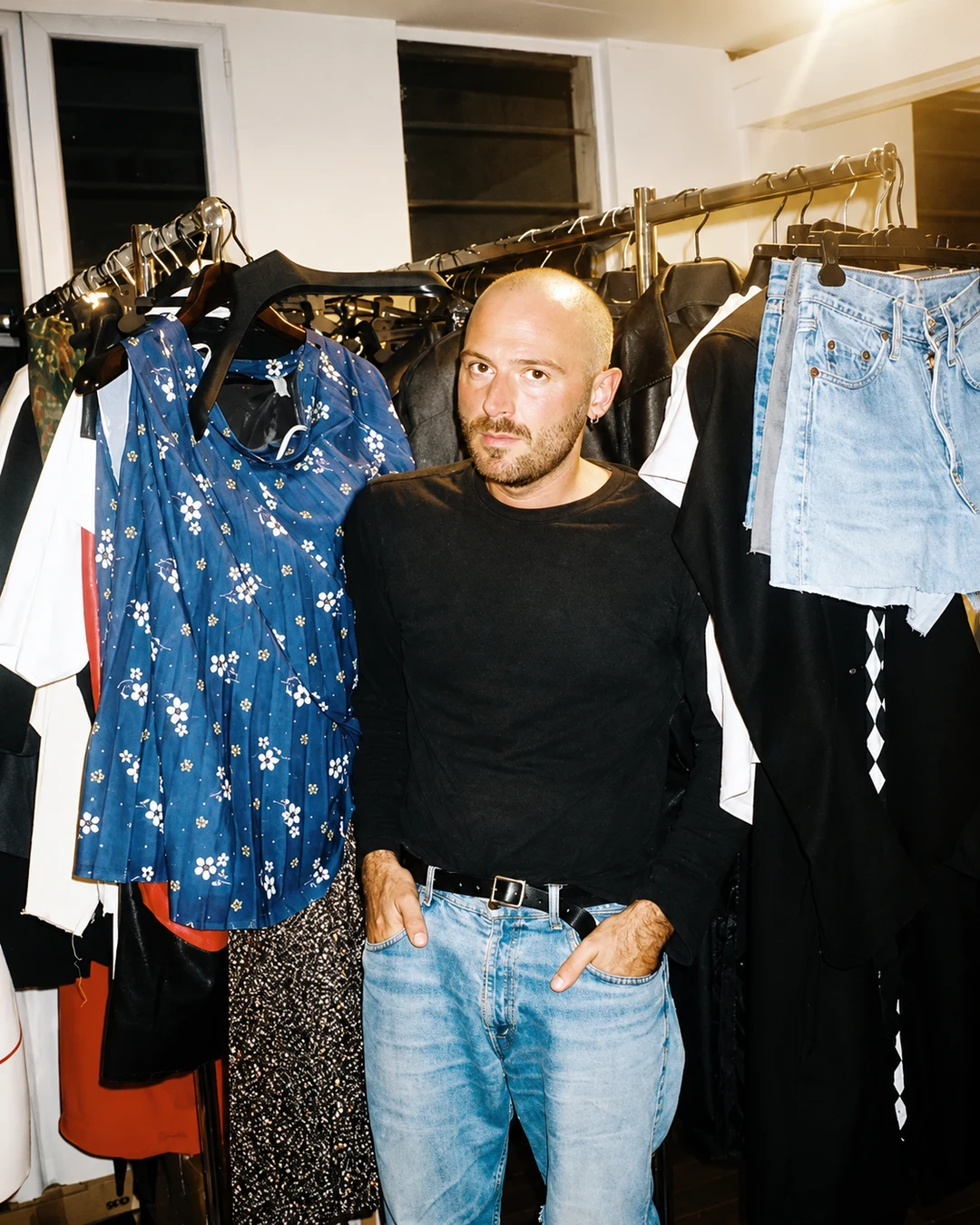
That childhood shifted violently during the conflict in Abkhazia. The family home was bombed in 1992, and as fighting intensified, they fled Sukhumi, eventually crossing the Caucasus Mountains and reaching Tbilisi. Further displacement followed before the family settled in Germany. Demna has spoken frequently about growing up as a refugee and about the persistent sensation of arriving somewhere while already conscious of being foreign to it.
Oversized coats become memories of displacement, dystopian runways become echoes of war, every dark image gets pulled backwards towards childhood. Demna’s history deserves more complexity than that. Its deeper relevance lies in the attention it appears to have sharpened. Clothes can identify profession, authority, class, geography and belonging before a person ever speaks. Few designers of his generation would become so interested in those codes, especially the ones fashion traditionally considered too banal to examine.
Tbilisi initially led him somewhere far from an atelier. Demna Gvasalia studied international economics for four years, an education he disliked at the time, yet later acknowledged as useful. That unlikely detour would eventually make sense inside a career unusually alert to the customer, the product and the strange economics of desire. The child interested in transformation and the economics student interested in systems would eventually meet inside the same garment.
Antwerp offered a vocabulary that Sukhumi and Tbilisi could hardly have supplied. By the time Demna Gvasaia entered the fashion department at the Royal Academy of Fine Arts, the city had already built an international mythology around the Antwerp Six, whose rise in the 1980s turned Belgian fashion into shorthand for experimentation, intellectual independence and a certain resistance to Parisian convention. He graduated in 2006 from the same institution, entering that lineage without ever quite resembling its continuation.
Paris offered considerably less ceremony. He arrived without a powerful surname, a useful network or an obvious place within the social structure surrounding European fashion. The contrast would stay with him. An industry built on novelty could remain remarkably conservative about who gained access to its centre.
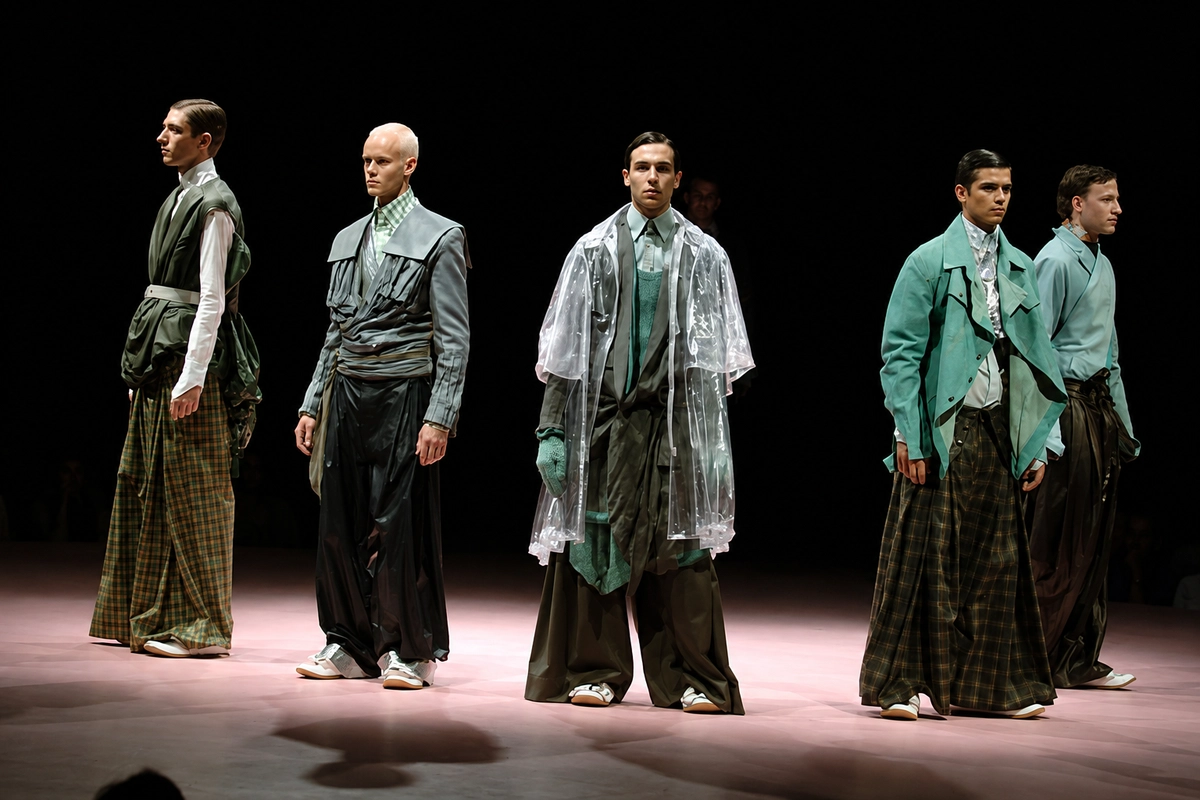
Somewhere within those early attempts came the Balenciaga rejection. The menswear internship would have provided an institutional foothold at precisely the house that would later define his public career. Its absence forced him elsewhere, through work with Walter Van Beirendonck and eventually into a series of jobs where technical ability mattered more than public authorship.
The trajectory already differed from fashion’s preferred prodigy mythology. Demna Gvasalia spent years making clothes while someone else’s name occupied the label. By the time the industry discovered him through Vetements, much of the learning had already happened behind closed doors.
Maison Martin Margiela became Demna’s next training ground in 2009. Its language of reconstruction, anonymity and transformed everyday garments aligned closely with ideas that would later become central to his own work.
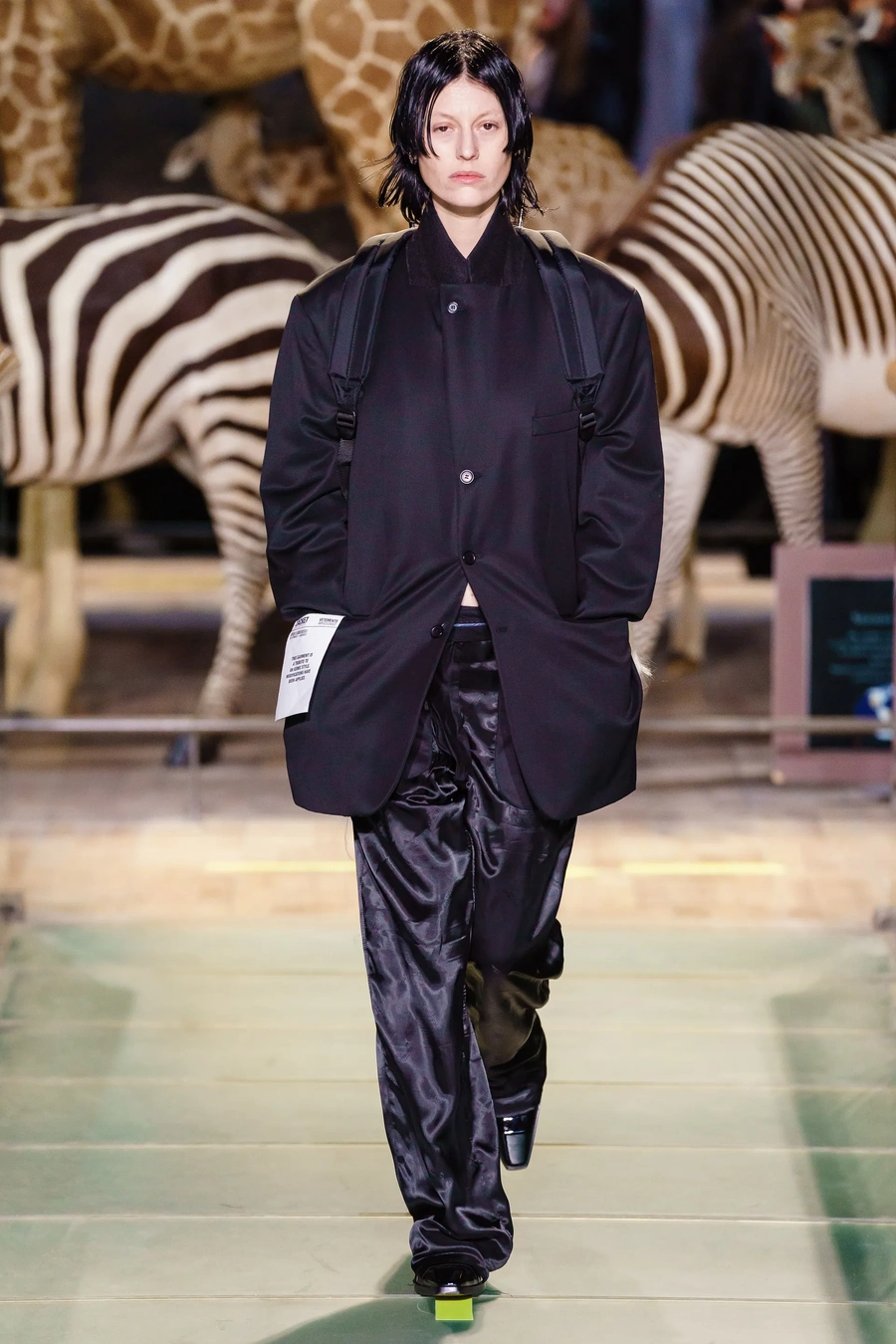
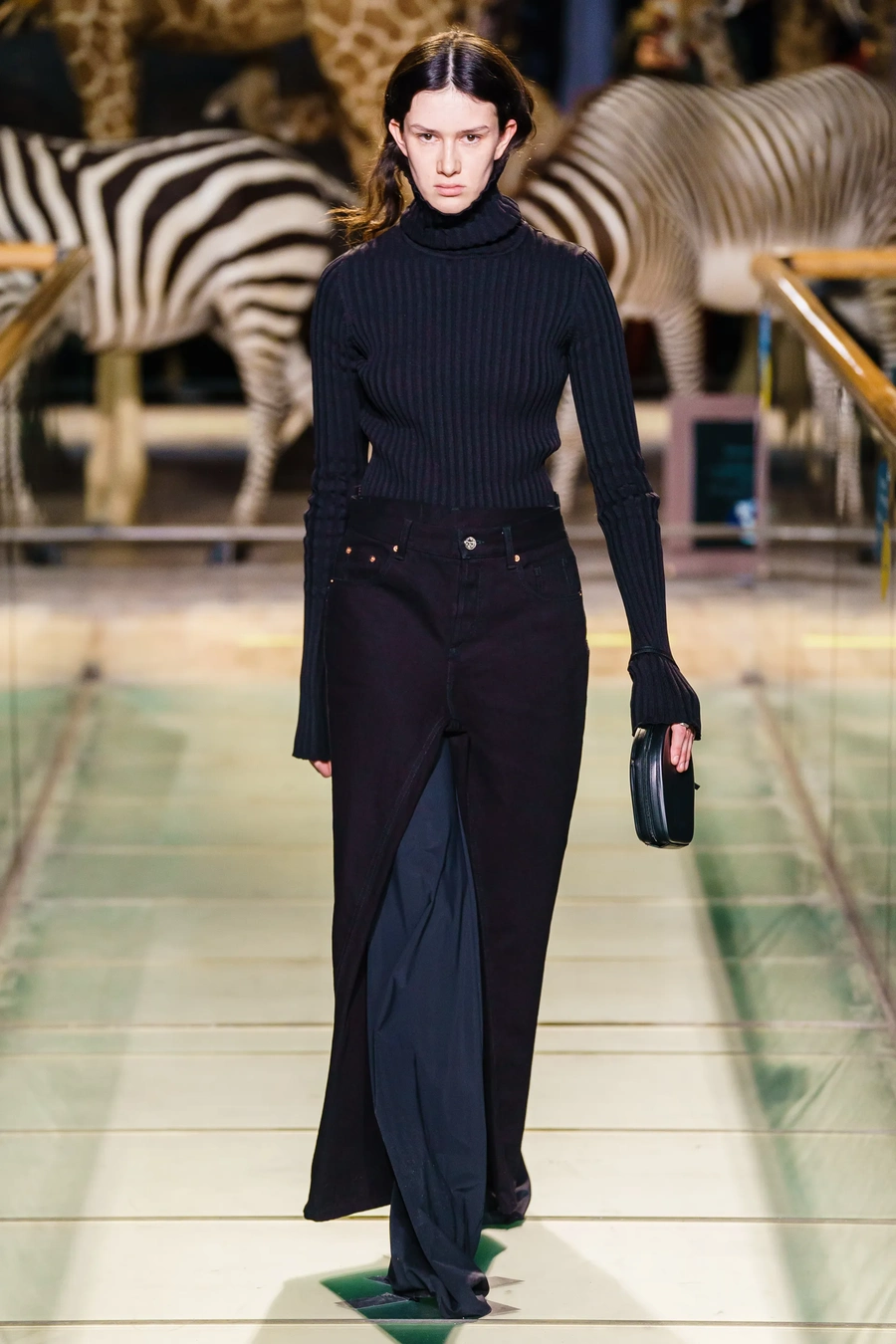
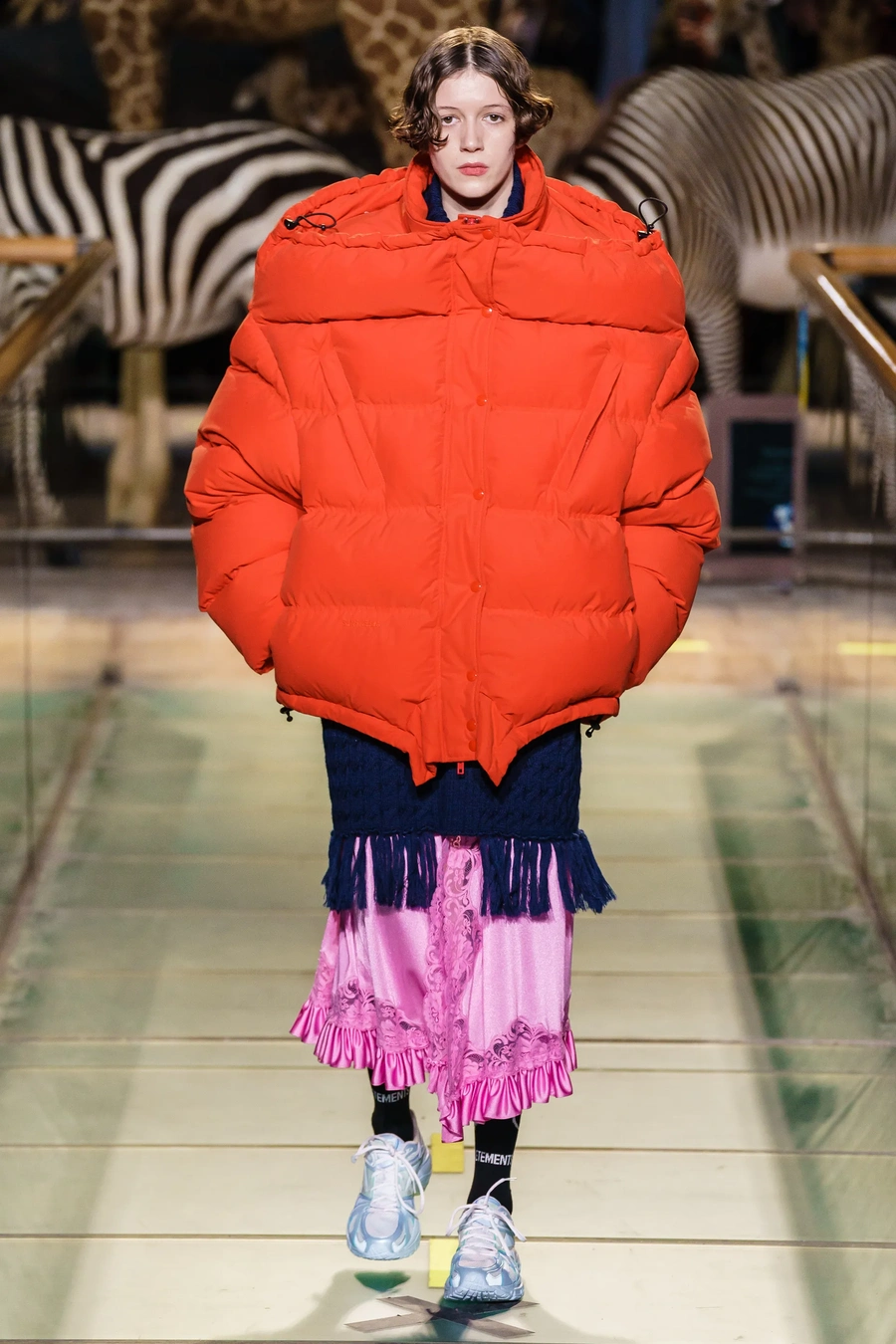
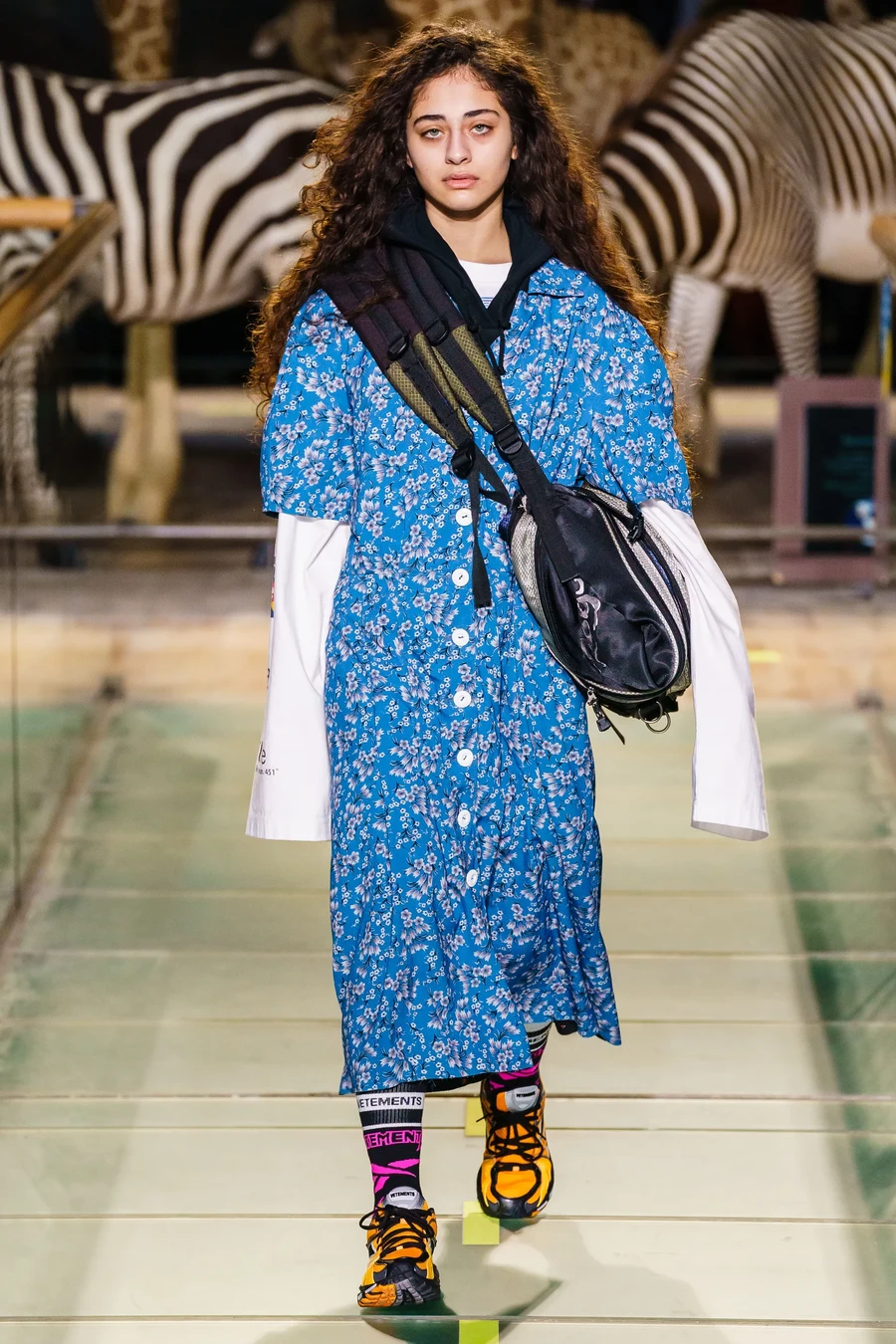
Louis Vuitton brought him into a very different machine in 2013. Demna Gvasalia joined womenswear during the transition from Marc Jacobs to Nicolas Ghesquière and encountered luxury on a global scale. Design existed alongside merchandising, production, distribution and commercial deadlines. The distance between a runway idea and the customer paying for it became impossible to ignore.
His salary was quietly financing an escape route. Money earned at Louis Vuitton went into Vetements, the project he was developing with his brother Guram and a small circle of collaborators. The industry had taught Demna Gvasaliahow luxury operates from the inside. He was preparing to test how elastic its definitions could become.
The name itself bordered on anti-branding. Vetements simply means clothes in French, a suspiciously plain title for a label that would soon make fashion argue endlessly about what counted as fashion in the first place.
Recognition came through distortion. Jackets swallowed shoulders. Denim was cut apart and rebuilt. Floral dresses recalled wardrobes far removed from the polished fantasy of Paris luxury. Hoodies grew enormous. Familiar garments appeared with just enough alteration to make their familiarity uncomfortable.
Then came DHL.
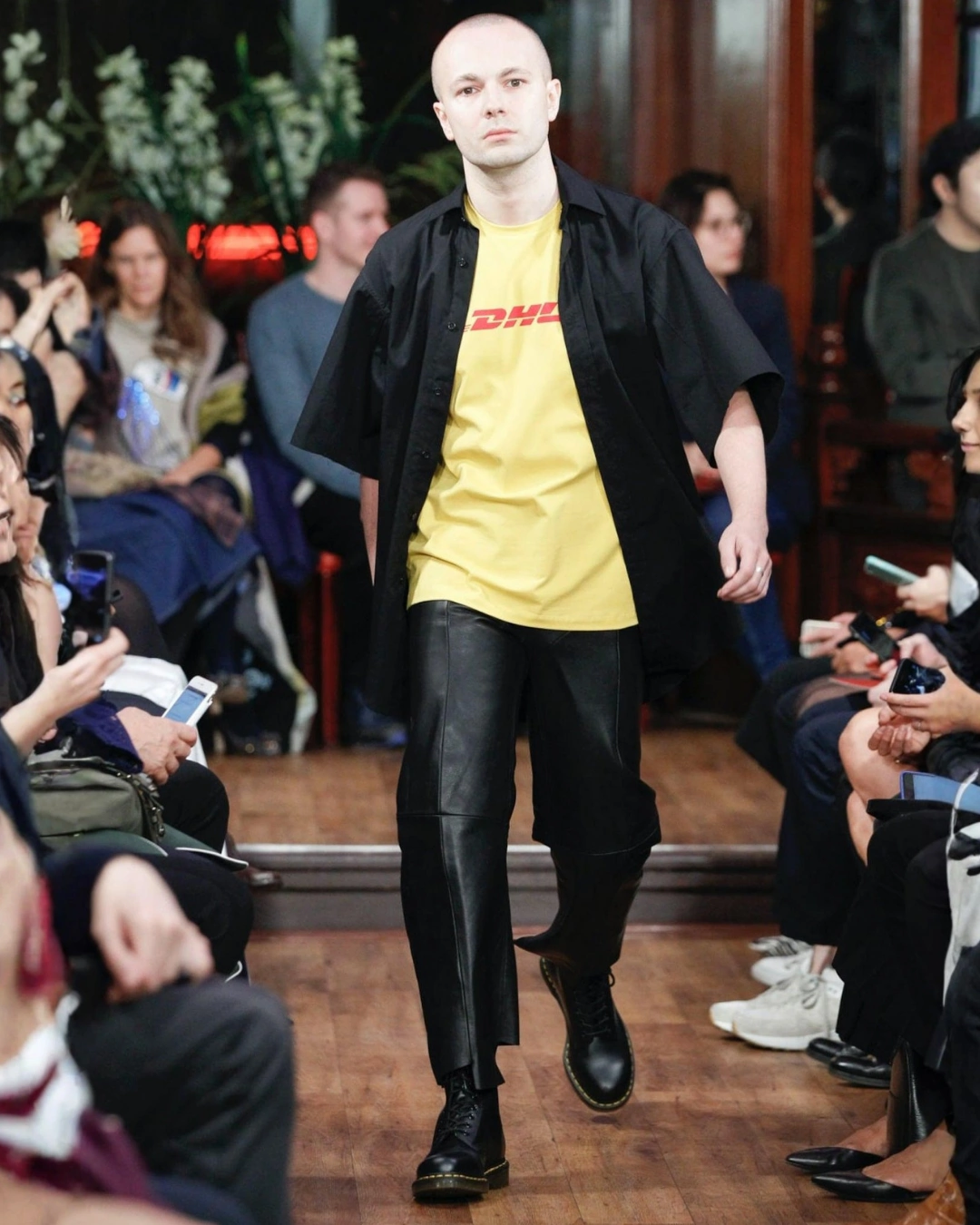
A yellow delivery-company T-shirt appearing in a designer collection could easily be dismissed as an expensive joke, and plenty of people did exactly that. The harder part was explaining why the joke worked so well. Demna Gvasalia had identified one of luxury’s most exploitable contradictions: value can change remarkably fast once fashion changes the frame around an object.
There was something irritatingly clever about this proposition. A mundane or aesthetically questionable object could enter a runway, acquire altered construction and a luxury price, then force the consumer to decide whether the result was design, satire, opportunism or all three at once. Vetements rarely offered an answer. The uncertainty became part of its appeal.
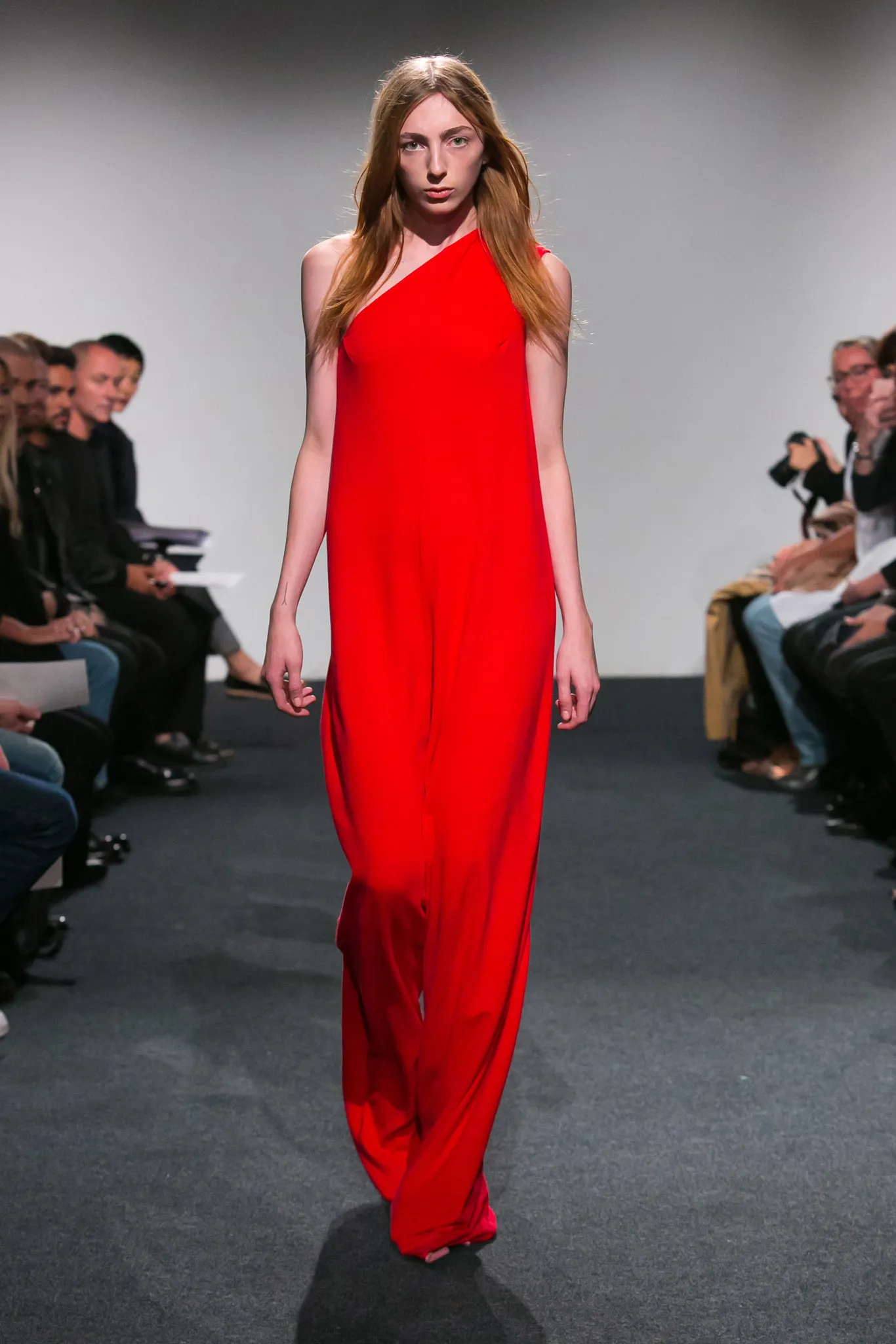
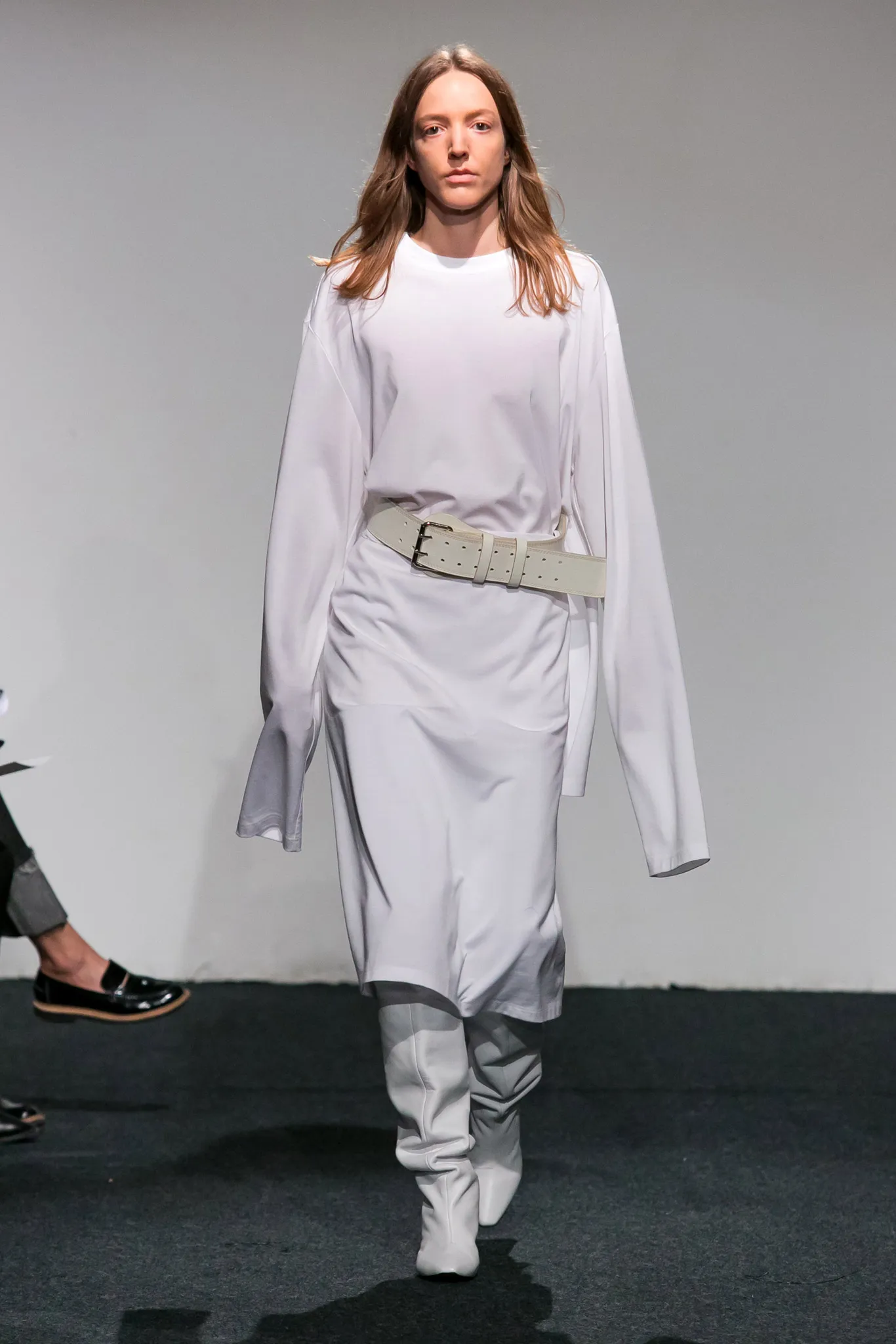
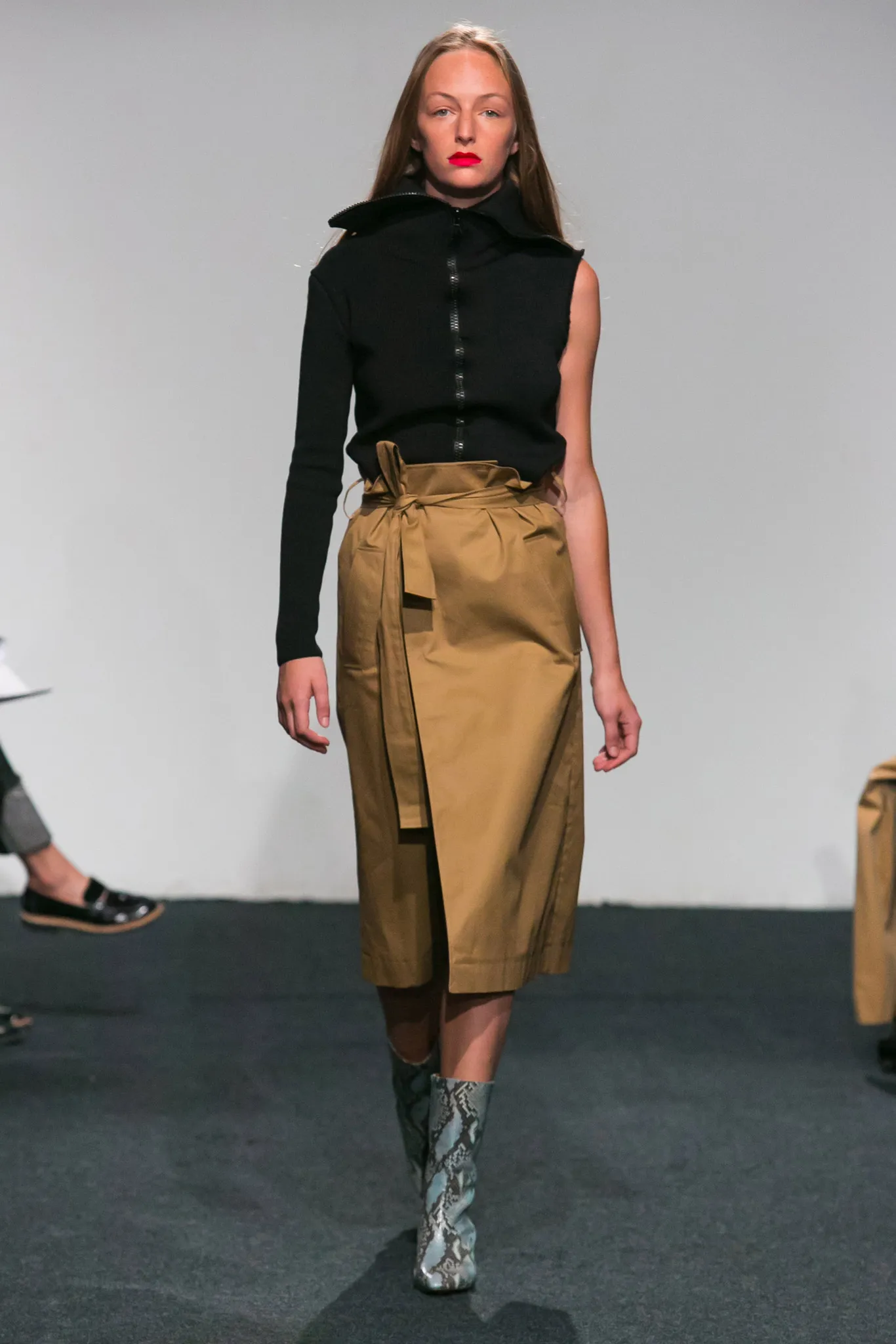
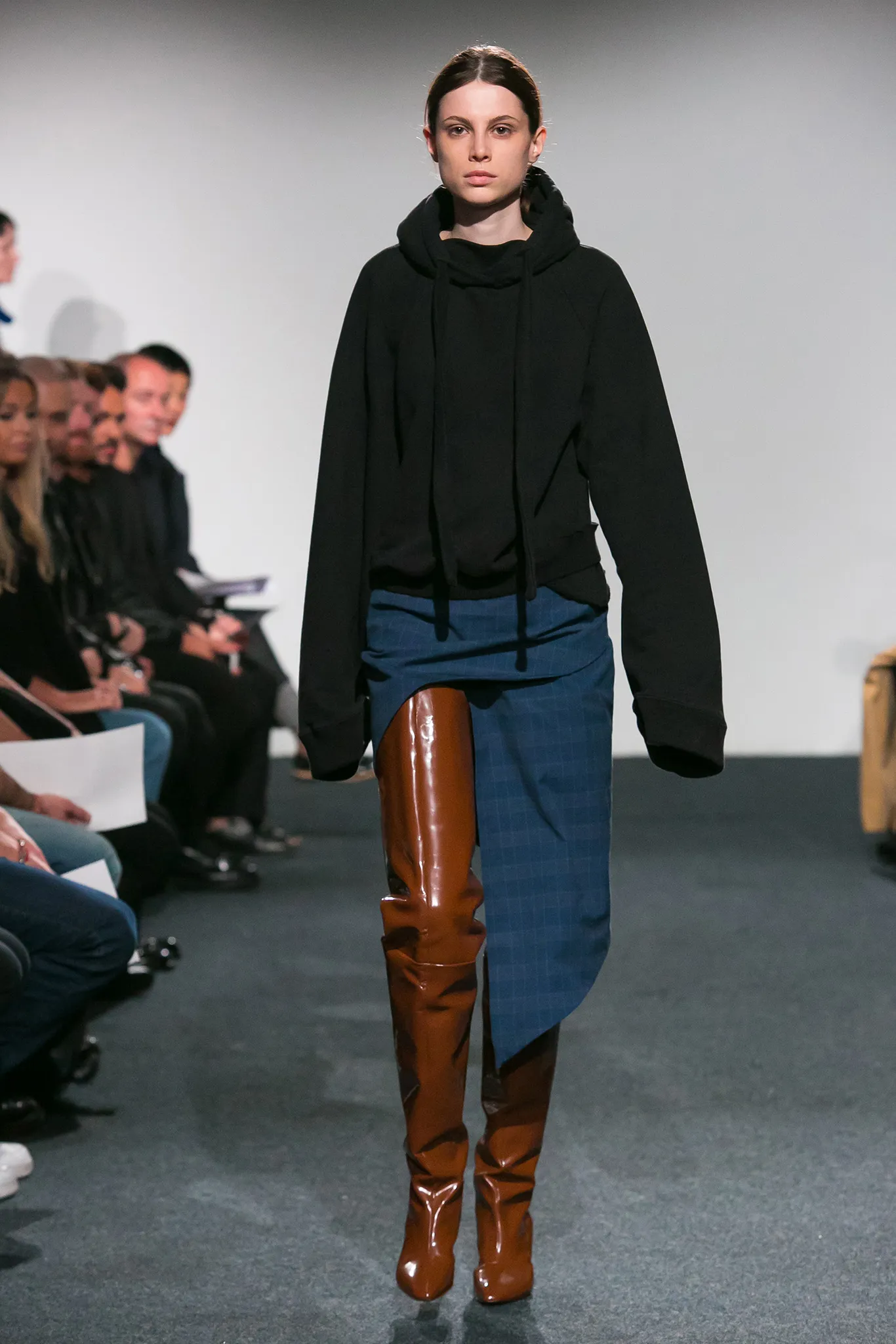
Recognition proved more useful than universal admiration. A hoodie could become street-style currency, an internet argument and a commercial object within the same cultural cycle. Ridicule created attention, and attention could become desirability. Demna understood both processes unusually well.
Calling him an anti-fashion revolutionary therefore only captures half the trick. Vetements still depended on fashion’s machinery and on customers willing to pay. Demna could question the system while operating efficiently inside it, a contradiction that would become much larger at Balenciaga.
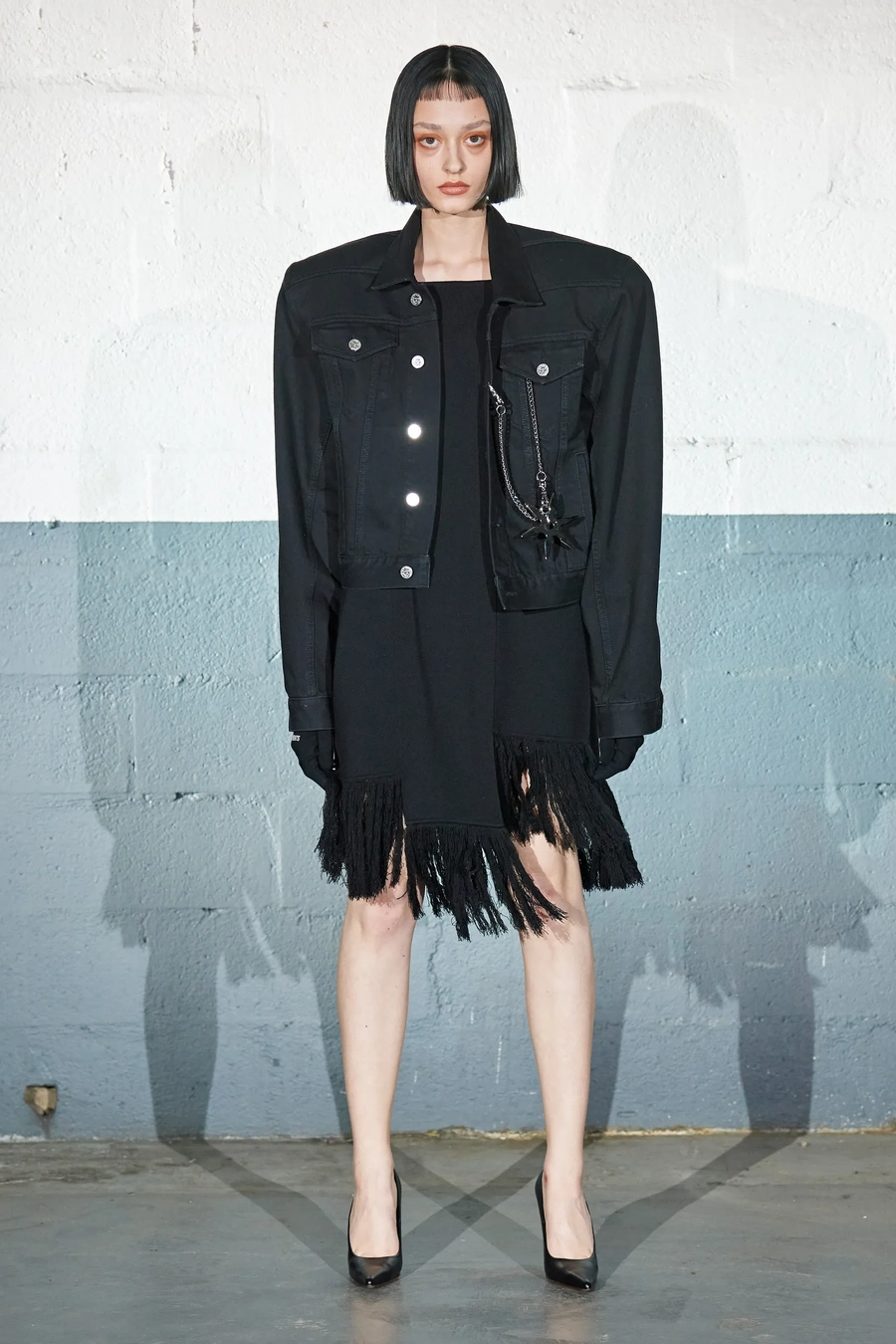
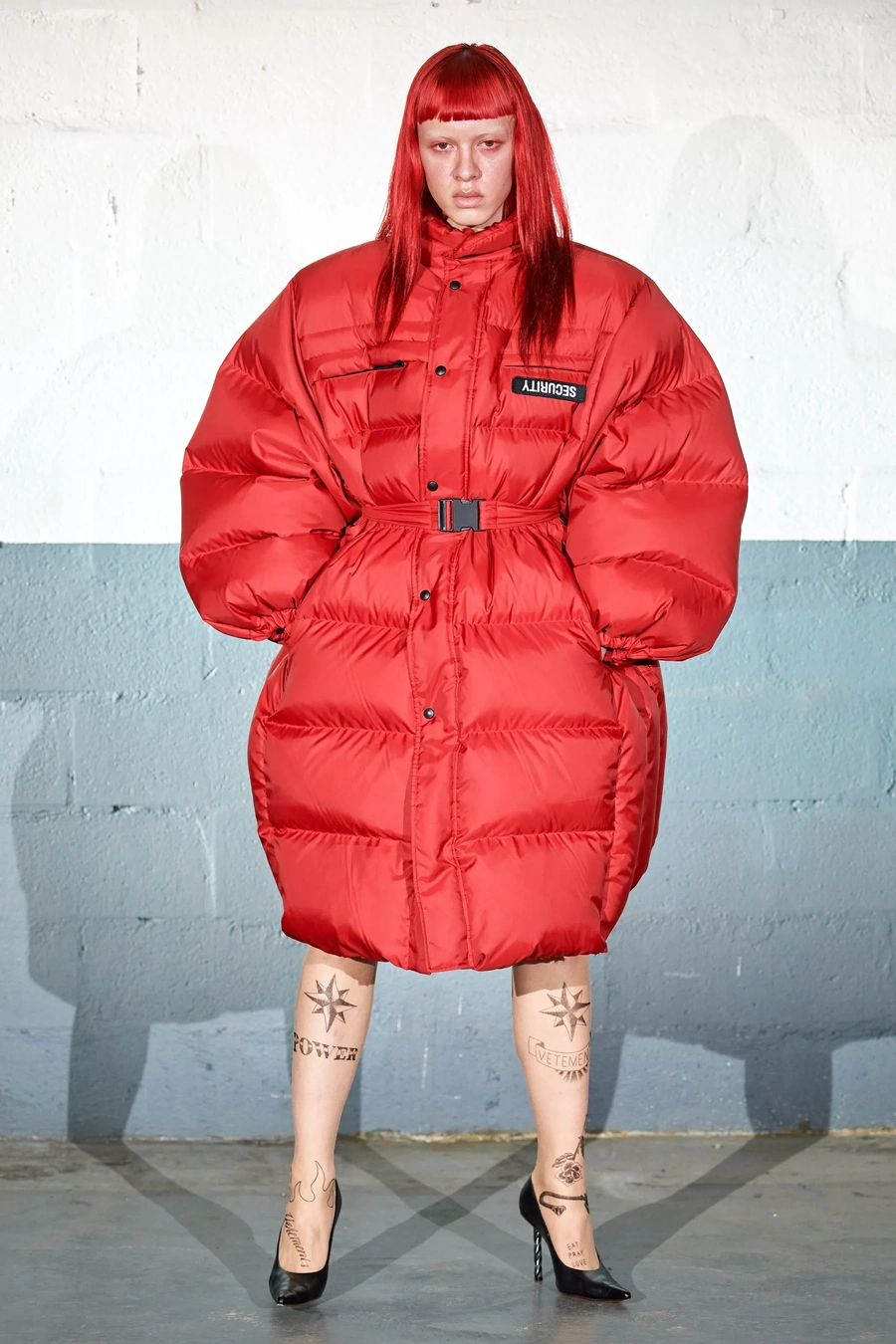
By 2017, he received the CFDA International Award while running Vetements and Balenciaga at the same time. The supposed overnight sensation had already spent close to a decade working anonymously for other houses.

His departure from Vetements in 2019 closed the laboratory without erasing its influence. Oversized silhouettes, awkward styling, corporate graphics and deliberately ordinary garments had entered luxury so thoroughly that many of the ideas once treated as ridiculous had become familiar.
Vetements gave him authorship. Balenciaga gave the experiment consequences on a completely different scale.
A red puffer jacket arrived during Demna’s first Balenciaga collection in 2016. Its everyday familiarity sat against a silhouette informed by Cristóbal Balenciaga’s manipulation of volume around the body. Years later, Demna Gvasalia chose that jacket as the single object capable of representing his decade at the house.
The choice reveals something easily missed beneath all the memes. Demna Gvasalia understood Balenciaga’s construction language. That technical foundation gave him enough confidence to stretch the house towards places that could appear almost wilfully ridiculous.
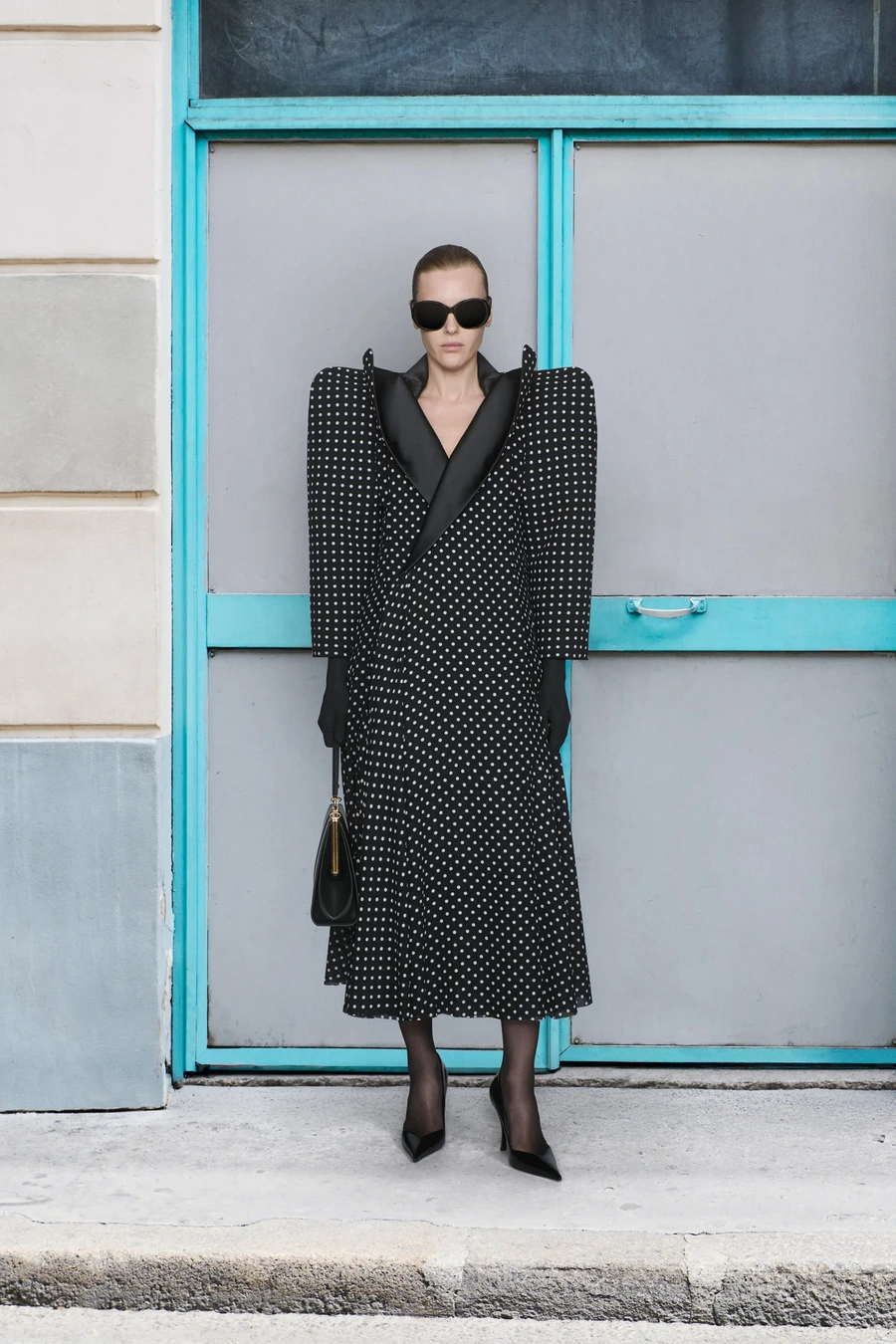
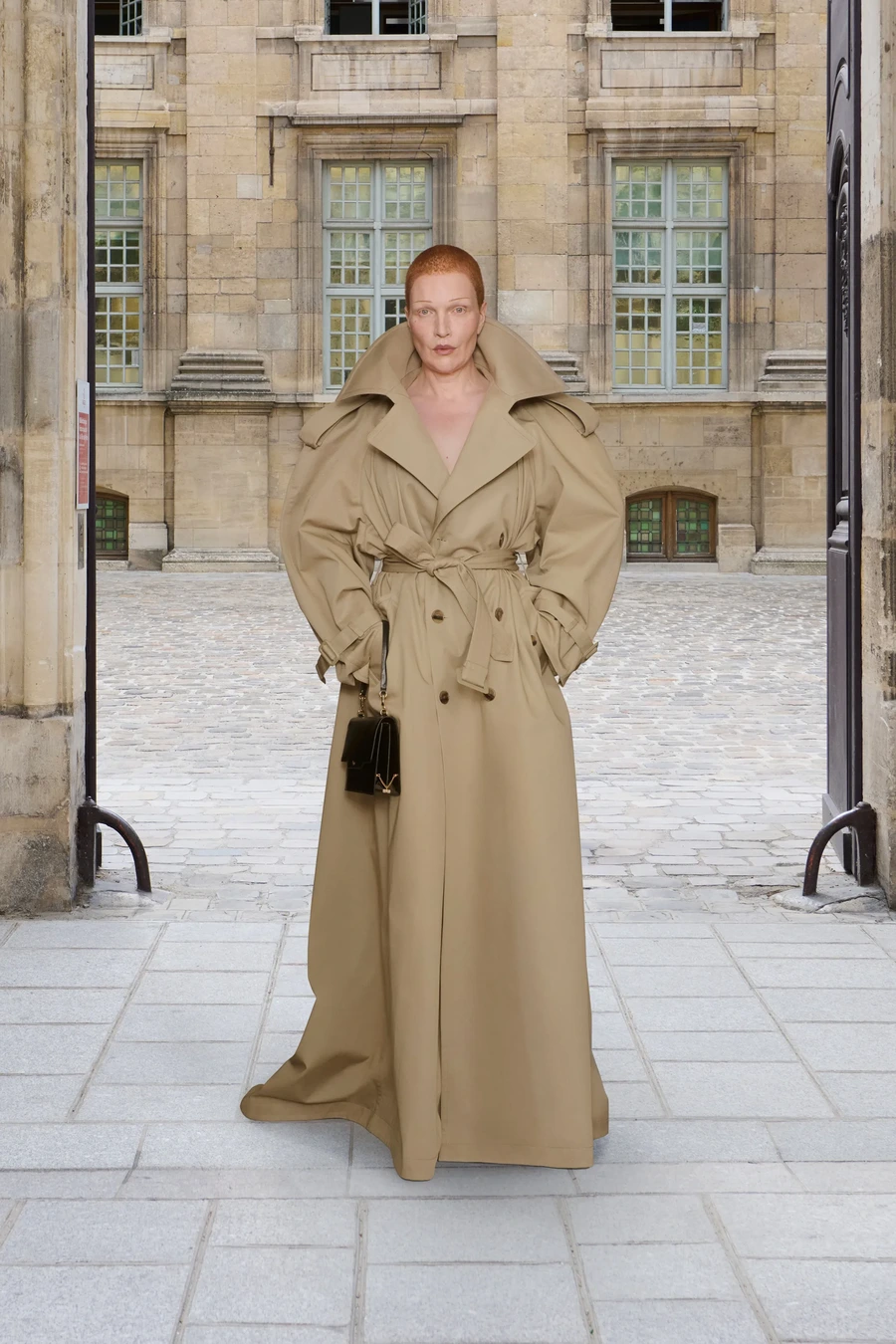
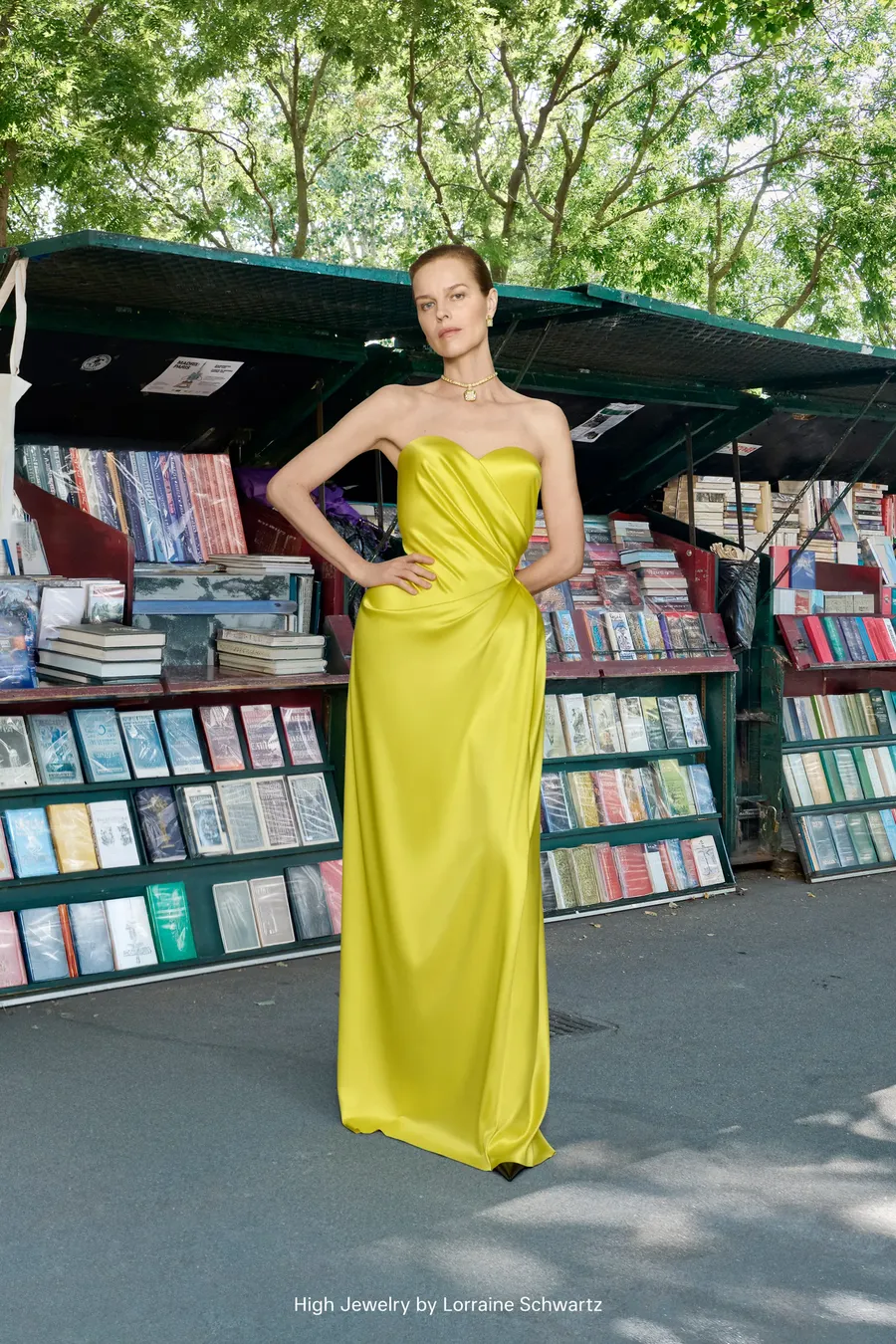
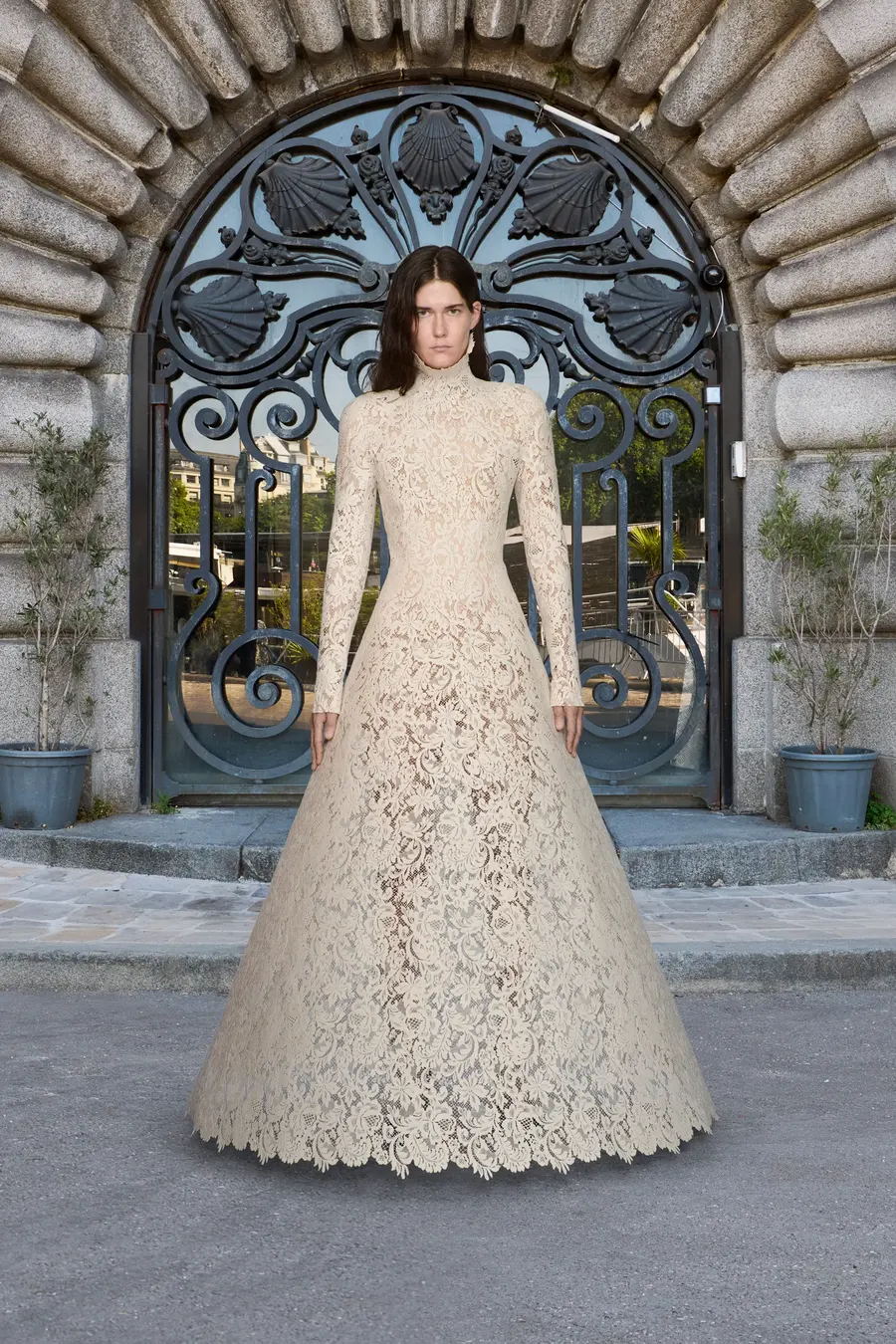
For people encountering Balenciaga from outside fashion, the transformation could be baffling. Sneakers became enormous. Shopping bags resembled mass-market packaging. Luxury objects borrowed the visual language of supermarkets, workwear and rubbish. The prices made the exercise feel even more absurd.
People bought them anyway.
Reducing the decade to trolling would still give Demna Gvasalia too little credit. He understood how silhouette, material, branding and cultural timing could make an apparently foolish object impossible to ignore. Within a few years of his appointment, Balenciaga became one of Kering’s fastest-growing houses. By 2019, the brand was expected to exceed €1 billion in annual revenue. Cultural recognition had acquired commercial scale.
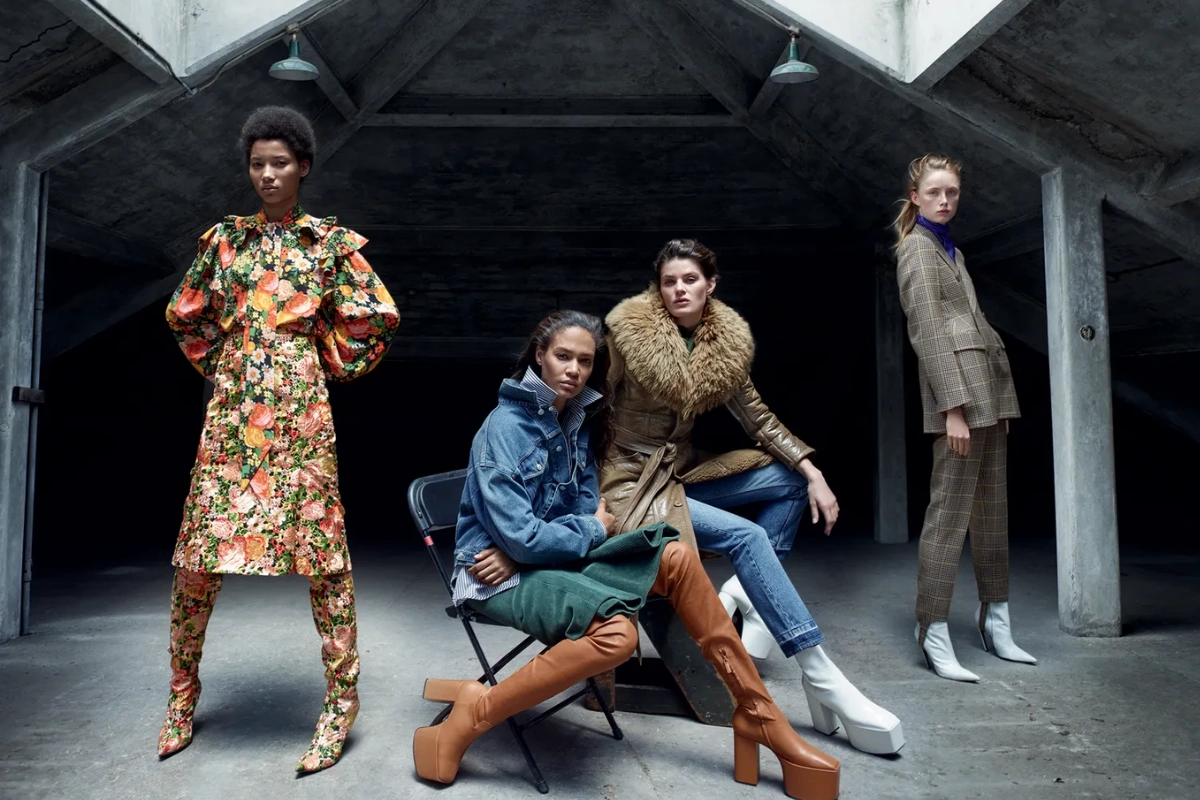
Couture made the caricature even harder to maintain. In July 2021, Balenciaga returned to haute couture after more than five decades away. The same designer associated with Triple S sneakers, corporate logos and deliberately ugly luxury now stood inside one of fashion’s most demanding traditions. Couture exposed another side of his ability and made the caricature of Demna as fashion’s resident prankster increasingly difficult to sustain.
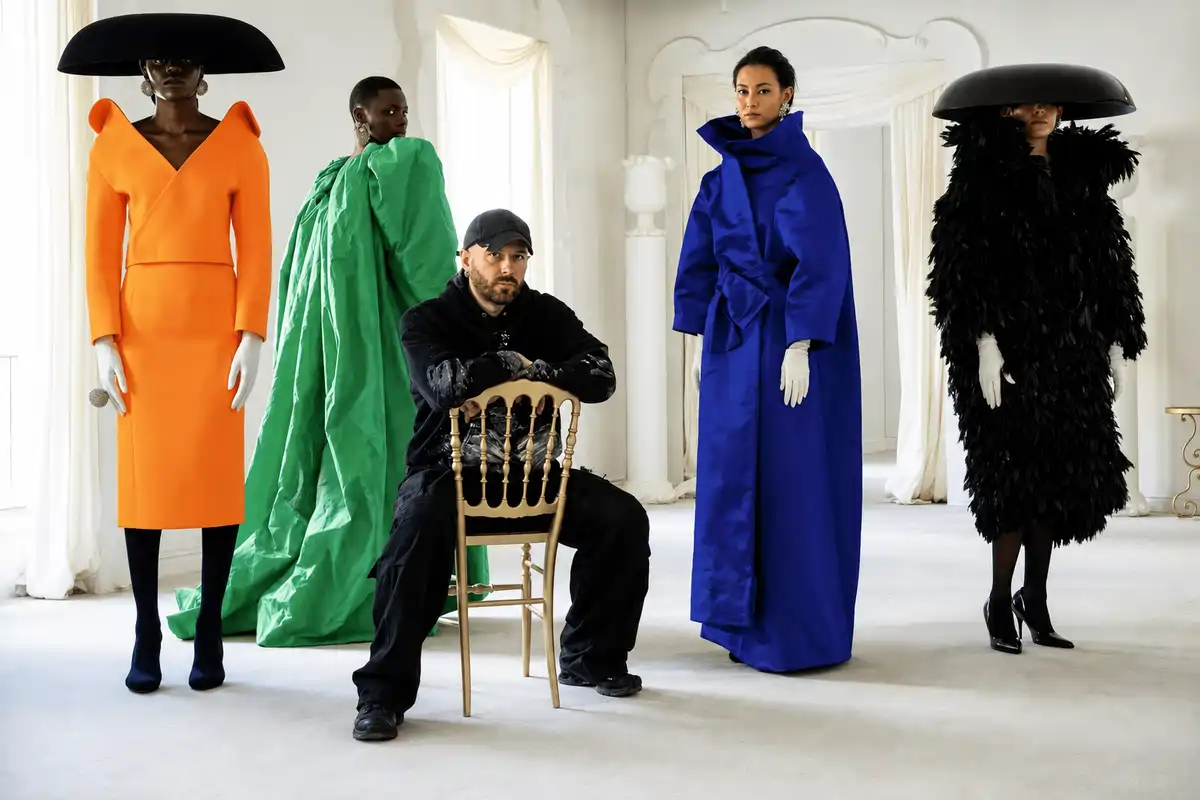
A decade at Balenciaga contains far more than a profile can reasonably hold. The memes, products, celebrity ecosystem, controversies, couture revival and economic transformation deserve their own history. Within Demna’s personal story, the central achievement is simpler. He changed the public face of the house so completely that even people with little interest in fashion could recognise what Balenciaga had become.
They might have hated it. But recognition still happened.
In 2021, Demna Gvasalia dropped his surname from his professional identity and became simply Demna.
The mononym could look like the ultimate luxury-fashion affectation, yet it also established a clearer boundary between the public designer and the person carrying his family name. By then, “Demna” had acquired enough recognition to operate without explanation, an unusual destination for someone who had entered Paris fashion without a network, institutional status or a recognizable name.
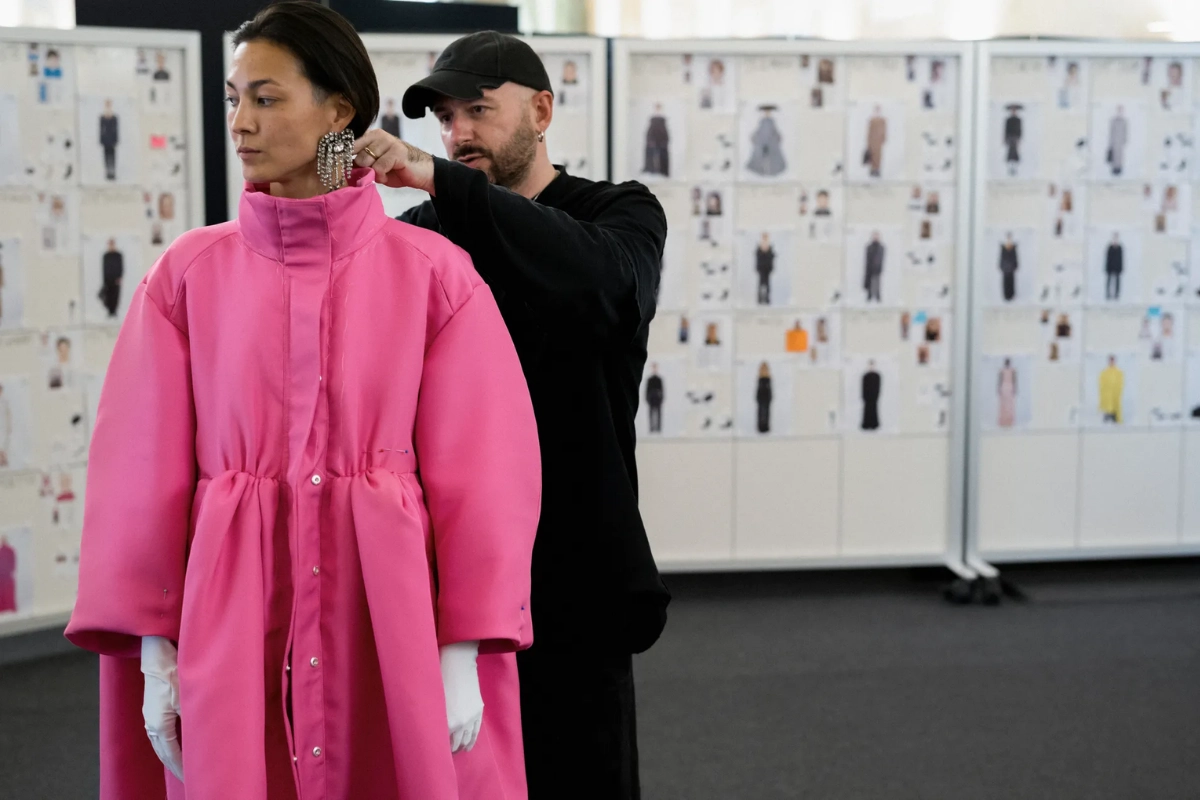
Public visibility had produced another strange reversal. The designer who arrived in Paris without access was now famous enough to become part of fashion’s image economy himself. Masks offered some protection from cameras. The shortened name created another boundary. Admission into the centre had created its own reasons to retreat.
Institutional recognition arrived regardless. France awarded Demna Gvasalia the Legion of Honour in January 2025. Months later, the retrospective marking his Balenciaga decade opened with the rejection email from 2007.
Few fashion careers could construct a cleaner circle. Perhaps Demna’s feels particularly satisfying because so much of his work has involved making people reconsider what they initially rejected.
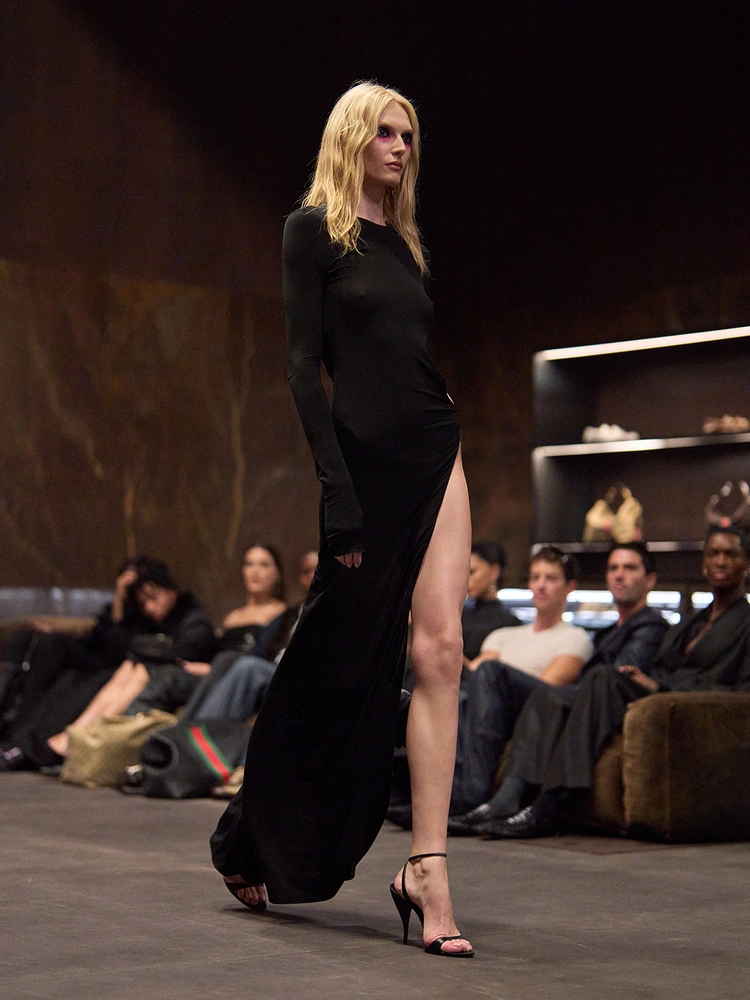
January 2025 also carried a quieter turning point. Demna met François-Henri Pinault and presented his vision for Gucci. Kering announced his appointment that March, and he officially became Artistic Director in July, inheriting a house still living in the long shadow of Alessandro Michele’s transformative tenure and the shorter chapter led by Sabato De Sarno. Gucci’s recent history had already shown how dramatically a creative director could reshape its image, making Demna’s arrival another attempt to redefine one of luxury’s most recognizable names.
The move placed him inside another house with an entirely different cultural burden. Balenciaga had given him space to remake public perception around provocation, distortion and contemporary ugliness. Gucci arrived carrying recognisability on an even greater scale, alongside the commercial pressure of restoring momentum to one of luxury’s biggest businesses.
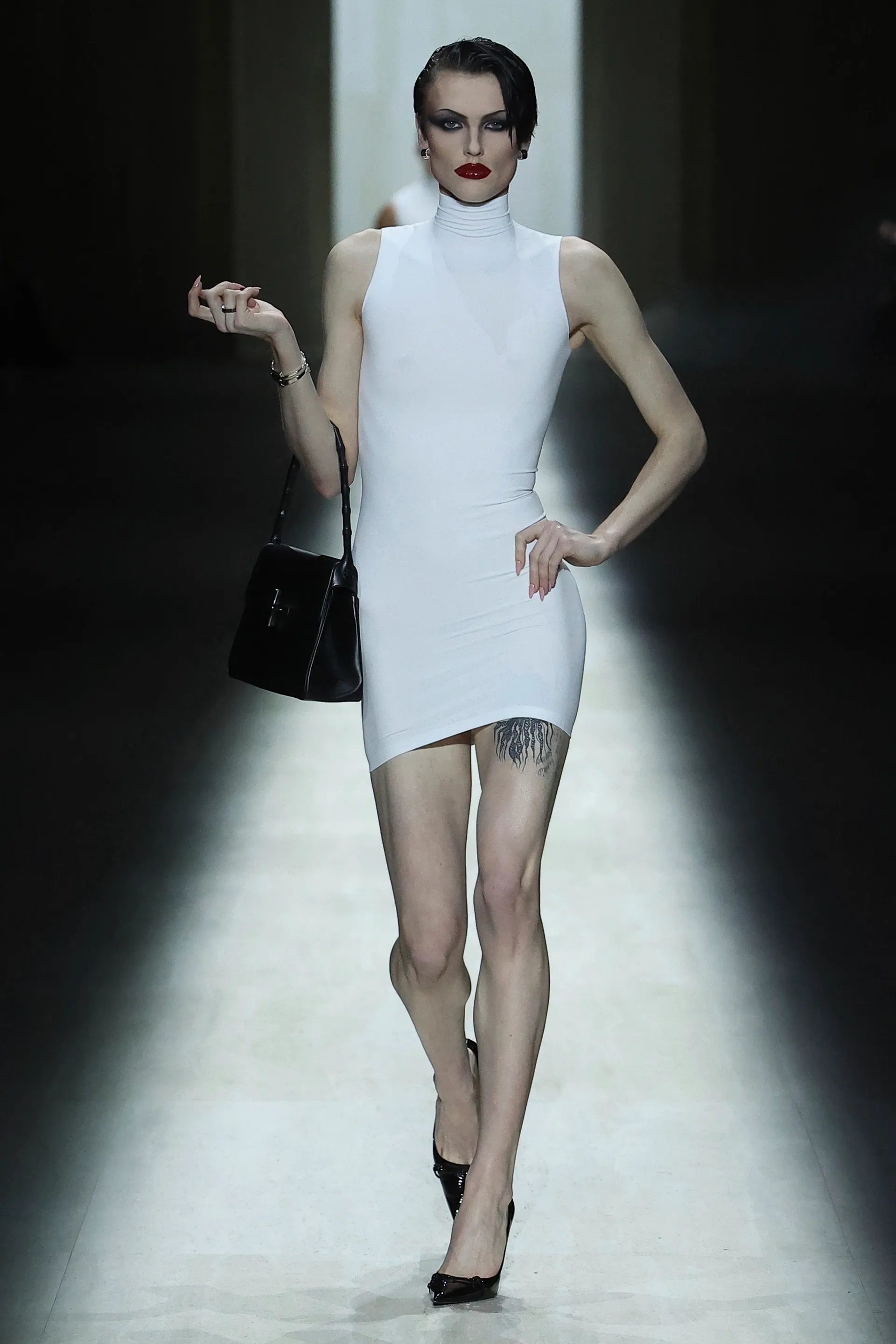
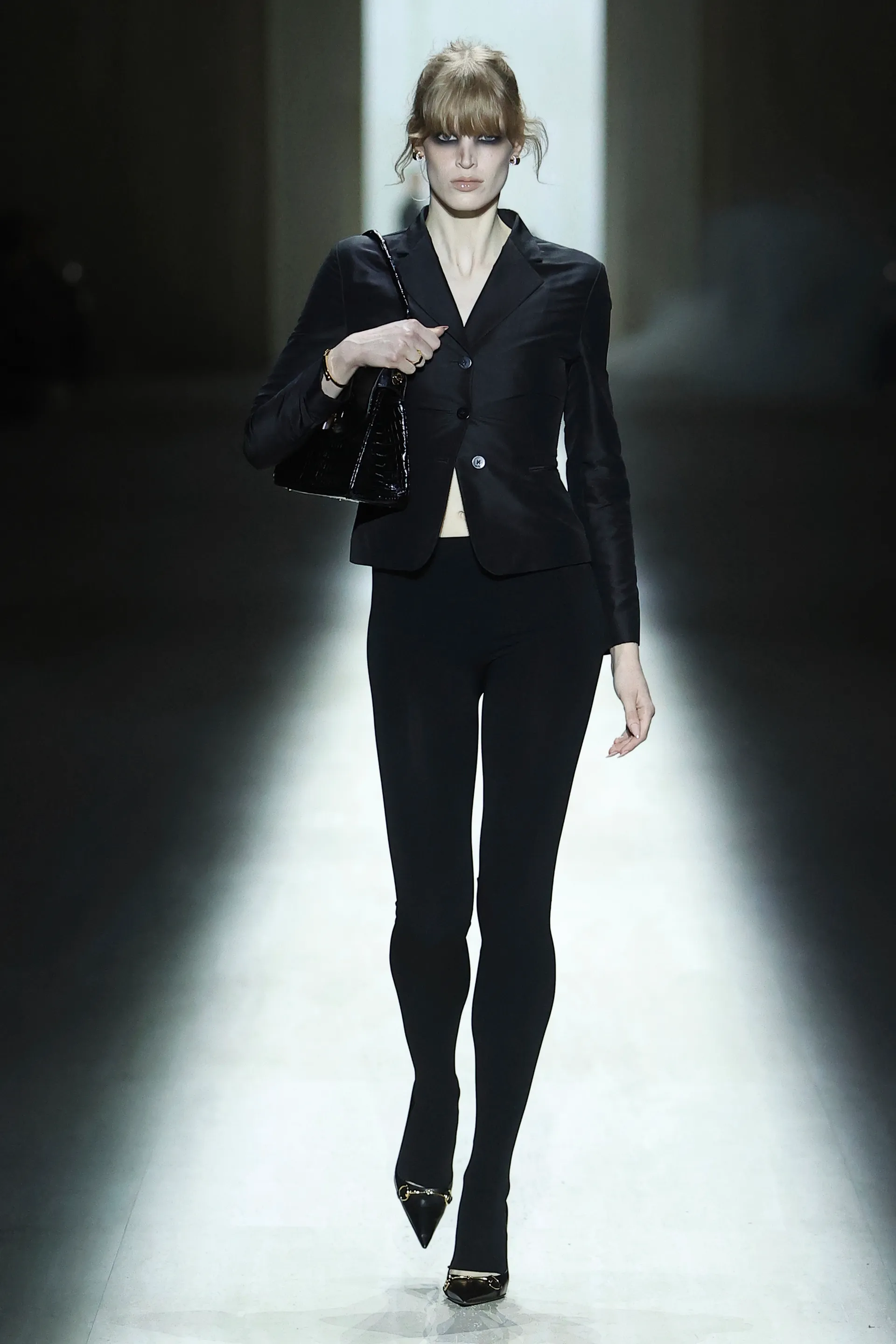
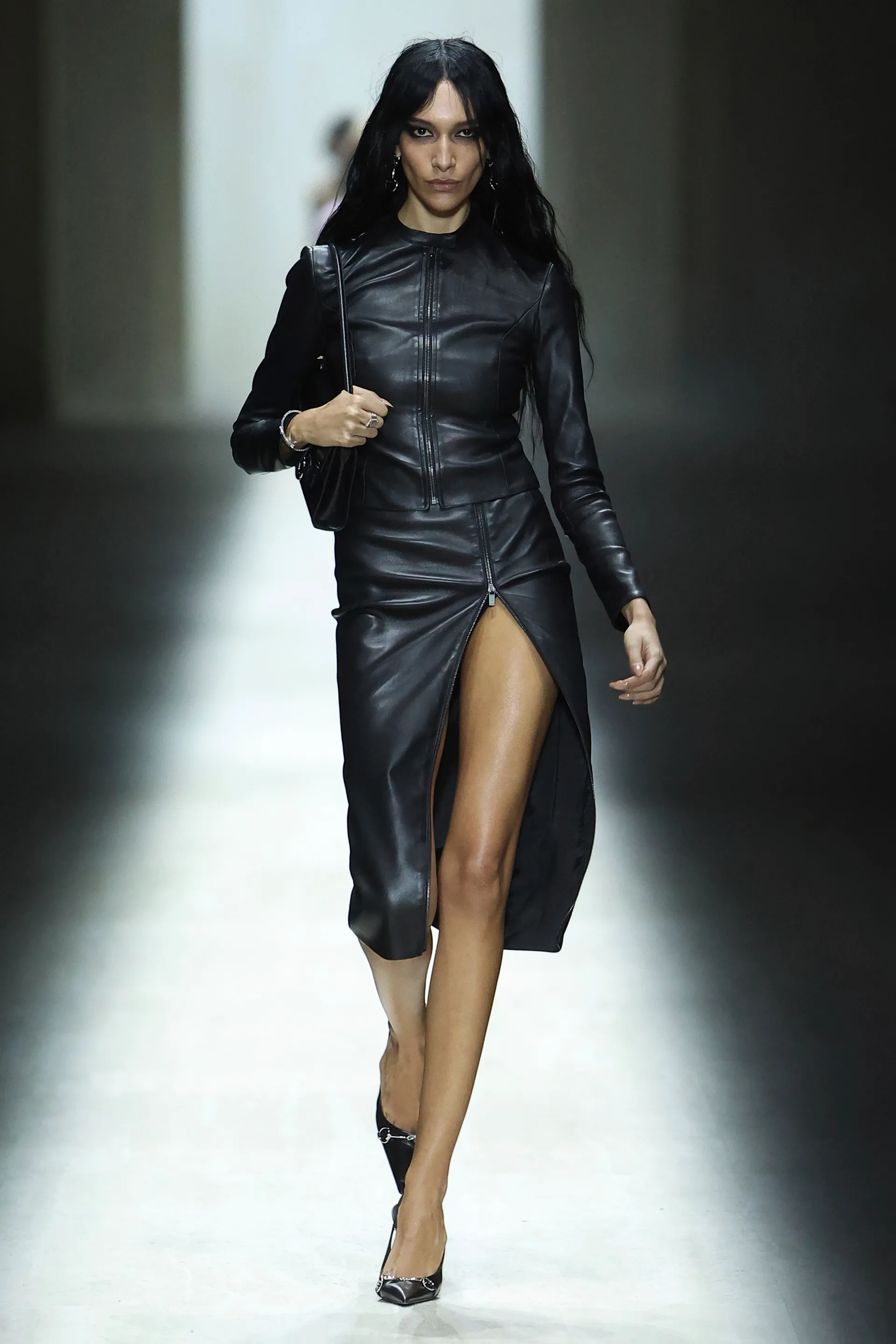
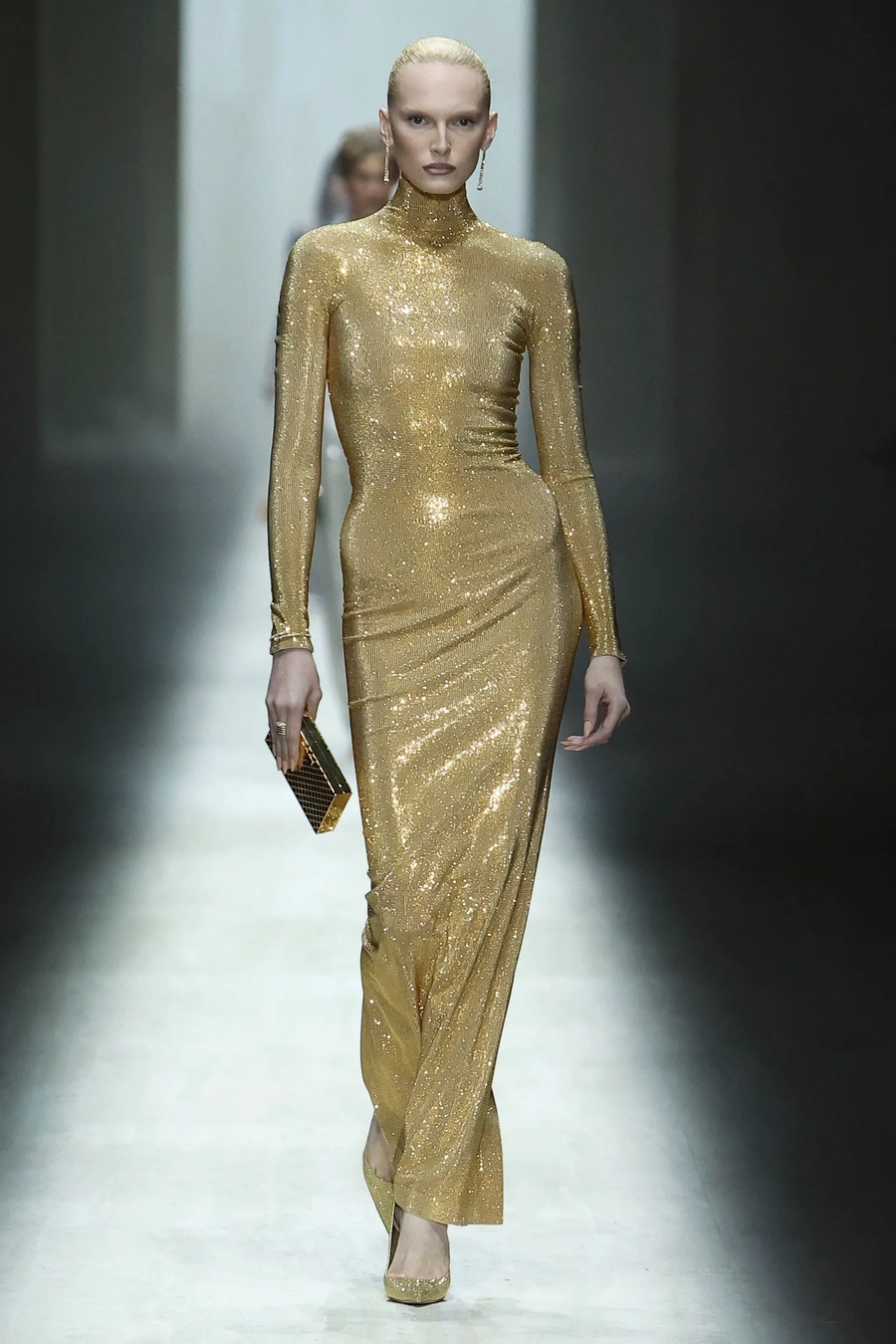
His earliest Gucci work has already suggested an interesting shift. Demna Gvasalia has spoken about wanting fashion to become lighter, softer and more emotional, along with a growing fatigue towards the constant intellectualisation of clothes. After years in which a bag could require an entire cultural argument before anyone discussed whether they actually wanted to carry it, the proposition sounds almost suspiciously simple.
Perhaps that is the most interesting challenge left for him.
Demna Gvasalia spent much of his career proving how far fashion could stretch before taste, value and absurdity became impossible to separate. At times the exercise was ingenious. At times it could feel smug, exhausting or simply ugly. Balenciaga demonstrated that all three reactions could coexist with enormous cultural influence and serious commercial success.
Admiration has never been required to recognise the scale of what he did.
The harder achievement was making indifference almost impossible, and that may remain the most enduring legacy of Demna Gvasalia.
Advertisement