MENU
Close





Luxury sells itself as global, yet European creative directors keep receiving the keys to its most valuable houses. How many outsiders must change fashion before one is trusted to inherit it?

Luxury sells itself as global, yet European creative directors keep receiving the keys to its most valuable houses. How many outsiders must change fashion before one is trusted to inherit it?
July 30, 2026
Advertisement

Advertisement



Luxury fashion speaks with a global accent and hires with a Western passport. Its campaigns rely on Korean musicians, its flagships multiply across China and the Gulf, its references travel across continents, and its production networks reach deep into Asia. Yet the people trusted with its largest creative offices remain concentrated in Europe and the United States, with European creative directors holding a decisive majority of those positions.
A July 2026 sample of 59 unique creative directors across 56 major luxury houses and principal womenswear divisions makes the imbalance difficult to soften. European creative directors account for 64.4%. Europe and North America together control 83.1%. East Asia holds 8.5%. Women represent 28.8%. These figures expose a succession system that keeps returning power to the same geographic and professional family, even as luxury depends on a world far larger than that family.
Italy and the United States each contribute 11 designers to the sample. The United Kingdom contributes nine, France seven, Belgium six and Japan five. Those six countries supply 49 of the 59 creative directors. Such concentration cannot be dismissed as a coincidence of individual genius. Talent appears everywhere. Institutional confidence travels through a narrower route.

Most houses recognised as “global luxury” were founded in Europe. That apparent sample bias strengthens the argument. Europe still decides which brands qualify as universal institutions, then draws their successors from schools, studios and executive networks concentrated around Paris, Milan, London, Antwerp and Brussels. It controls the stage and much of the casting.
The figures do not prove that 64% of the world’s strongest designers are European. They show that around 64% of the designers leading this selected group of dominant luxury houses are European creative directors. One statement describes talent. The other describes access to power.
The history of Japanese fashion demolishes any lazy suggestion that Asian designers lacked global force. Issey Miyake, Rei Kawakubo and Yohji Yamamoto changed the intellectual architecture of modern dress. They disrupted Western assumptions about symmetry, finish, body shape, gender and beauty.
Kawakubo and Yamamoto’s Paris arrival in 1981 remains one of fashion’s decisive ruptures, while Miyake had already connected movement, technology and textile engineering. Their influence spread because it attacked the rules through which Paris defined sophistication.

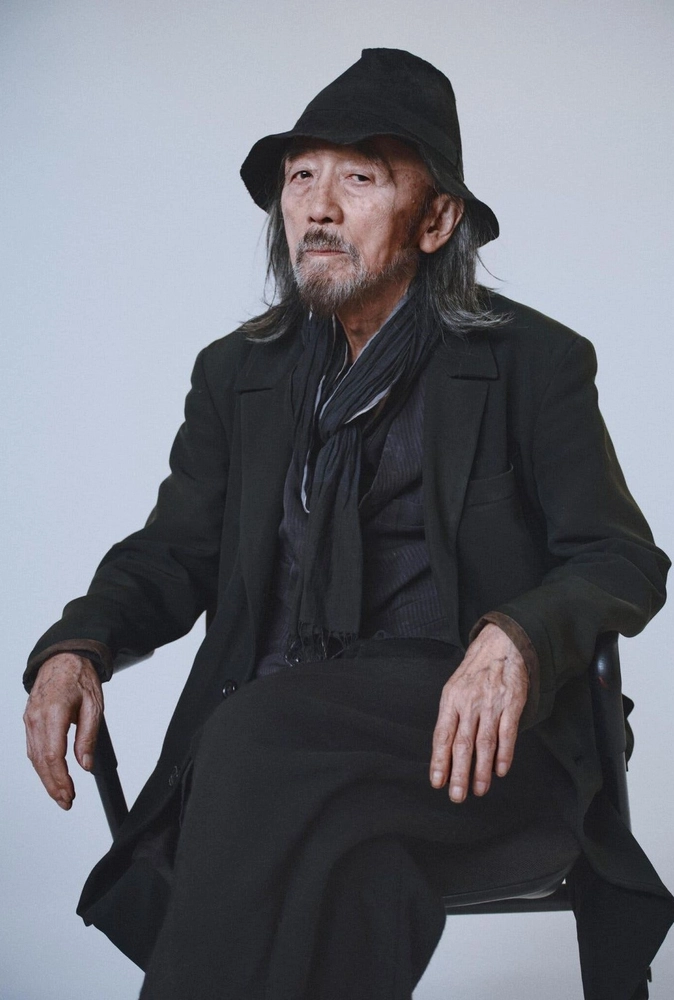
Alexander Wang’s appointment at Balenciaga in 2012 briefly appeared to break the wall between Asian identity and European institutional power. The Taiwanese-American designer became one of the rare figures of Asian heritage entrusted with a major European house, succeeding Nicolas Ghesquière at a moment when Balenciaga was expanding aggressively across China.
Yet Wang reached Paris after New York had already certified him. He had built an internationally recognised label, gained support from the American fashion establishment and proved his commercial credibility before European luxury accepted him as an heir. His appointment widened the image of who could lead a heritage house while preserving the same system of Western validation.
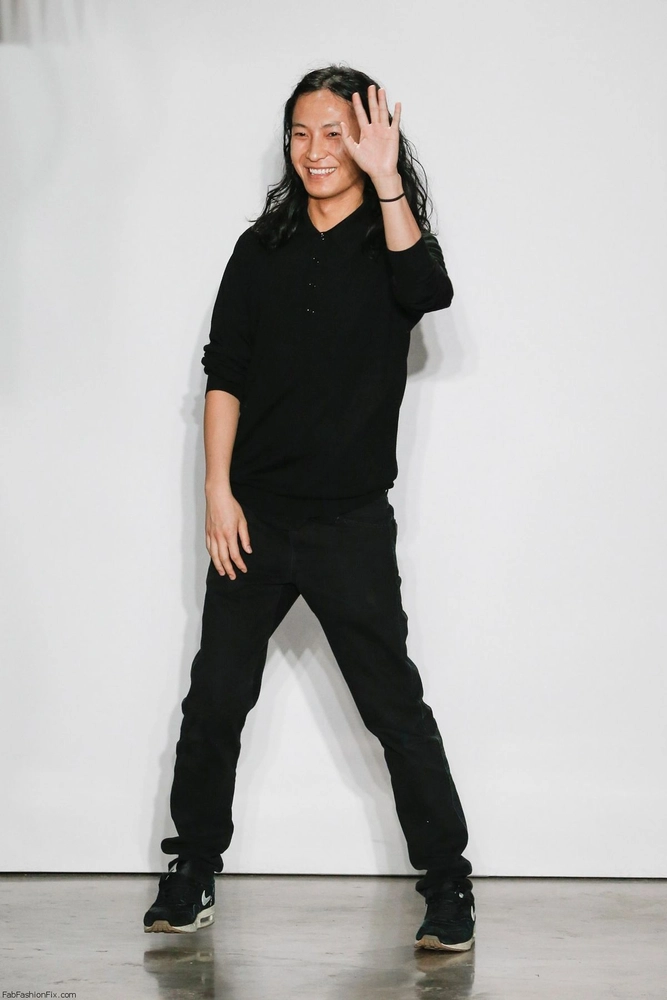

His three-year tenure produced no broader wave of Asian or Asian-American successors. The event entered fashion history as an exception, then exposed how firmly the rule remained intact.
Every East Asian designer in the current sample now leads an Asian-founded house: Nigo at Kenzo, Rei Kawakubo at Comme des Garçons, Satoshi Kondo at Issey Miyake, Yohji Yamamoto at his own label and Chitose Abe at Sacai. None currently controls a major European-founded heritage house.
That distinction changes the entire narrative. Asian designers were celebrated as authors of radical ideas, yet they rarely became the succession plan for Europe’s most valuable institutions. Their silhouettes entered Western collections. Their deconstruction became a global design language. Their independence was praised as proof of fashion’s openness. Access to inherited institutional power remained tightly controlled.
Asia changed fashion’s vocabulary. Alexander Wang briefly entered the building. Europe kept possession of the keys.
Luxury expanded beyond national borders during the 1990s, largely inside the West. John Galliano’s move to Dior and Alexander McQueen’s appointment at Givenchy created the modern mythology of the foreign creative director: the outsider entering a historic Parisian house, raiding its archive and delivering a new global image. The 1997 season also placed Marc Jacobs at Louis Vuitton, Michael Kors at Celine and Narciso Rodriguez at Loewe, turning succession into corporate spectacle.

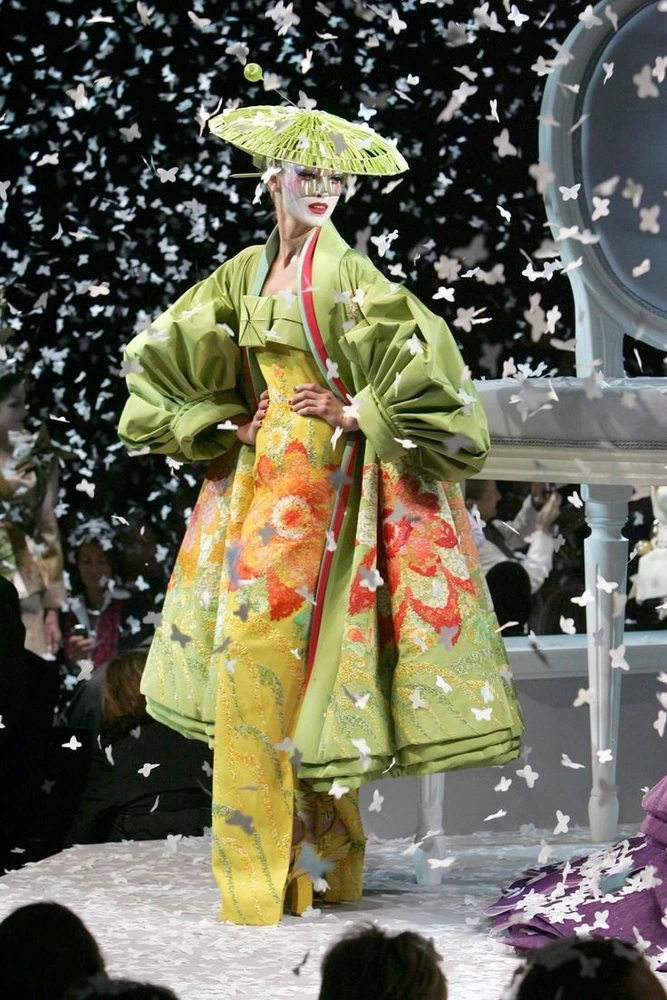
This appeared international because French houses were hiring British and American designers. The deeper structure remained Western. London produced the provocateurs, Paris supplied the archives, conglomerates financed the collision, and European media converted the result into cultural history. Geography widened while institutional belonging stayed familiar.
The United States ties Italy at 18.6% of our sample, yet much of that authority comes from founders and co-founders who built their own platforms. American power often arrives through entrepreneurial authorship, celebrity reach and cultural scale. The power of European creative directors travels more easily through appointment, inheritance and movement between established houses.
Europe owns the succession machinery. America supplies founders large enough to force entry.
The latest Western concentration arrives during commercial fear. Luxury spending remained broadly flat at approximately €1.44 trillion in 2025. The active global client base fell to around 330 million, down from 400 million in 2022. Around 20 million consumers exited the market during 2025 alone. Only 40% to 45% of the addressable customer base purchased personal luxury goods, compared with roughly 60% in 2022.
Nine of the 15 largest luxury brands appointed new creative directors in the 12 months following September 2024. An industry losing customers decided that creative leadership required rapid replacement, then searched for renewal inside a remarkably familiar pool.
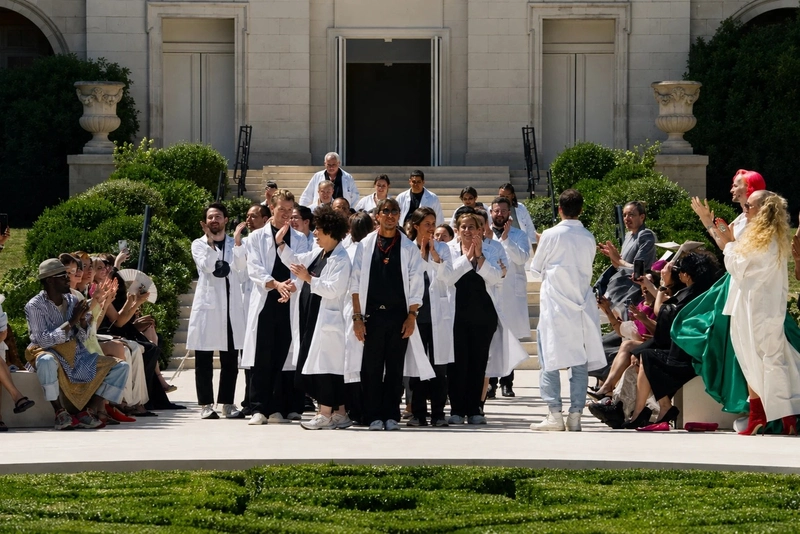
A board facing slower growth wants someone who can command a studio, interpret an archive, protect leather-goods revenue, generate runway attention and survive internal politics. A designer already tested at another European house arrives with evidence of corporate endurance. An unknown visionary arrives carrying uncertainty.
Luxury asks for revolution in public and operational predictability in private. Every appointment promises a new chapter. Many are written by people who have already passed through the same houses, schools, mentors and conglomerates. The industry wants disruption carrying references, budgets, merchandising discipline and a former employer its board respects.
Creative direction has begun to resemble executive recruitment wearing an avant-garde coat.
Belgium exposes the machinery with comic clarity. Six of the 59 designers are Belgian, giving a small country 10.2% of the leadership pool. Antwerp and Brussels function as institutions of validation, with the Royal Academy of Fine Arts Antwerp and La Cambre turning experimental talent into names the luxury system already knows how to trust.

The Antwerp Six made that machinery globally visible in the 1980s, when Ann Demeulemeester, Dries Van Noten, Walter Van Beirendonck, Dirk Bikkembergs, Marina Yee and Dirk Van Saene carried Antwerp’s radical design culture onto the international stage.
Their collective breakthrough established a durable mythology around Belgian fashion, strengthened the authority of its schools and built generations of studio connections through which later designers could be recognised, employed and eventually appointed. What began as an insurgent creative network became an unusually efficient pipeline for turning experimental students into candidates luxury executives recognise.

A prestigious school leads to an internship. The internship opens a studio door. The studio provides archive access, atelier fluency and references from powerful employers. Those credentials produce another appointment. The career begins to look inevitable after the system has spent years making it legible.
Terms such as “heritage sensitivity,” “house-code fluency” and “atelier experience” sound objective. Access to those qualifications is geographically concentrated. A designer working far from Paris or Milan may possess a stronger idea, yet a board sees fewer familiar names on the résumé and less evidence of survival inside the luxury machine.
European creative directors dominate partly because Europe built the examination, controls the internship and signs the certificate. The system then presents its own graduates as the safest evidence of merit.
Women account for 17 of the 59 designers, or 28.8%. Men hold 71.2%. The disparity deepens once ownership and family continuity are separated from external appointment.
Eight of the 17 women are founders, co-founders or family successors. Only nine reached their positions through external professional appointment. Once founder and family routes are removed, women occupy roughly 22% of the remaining appointed leadership roles.
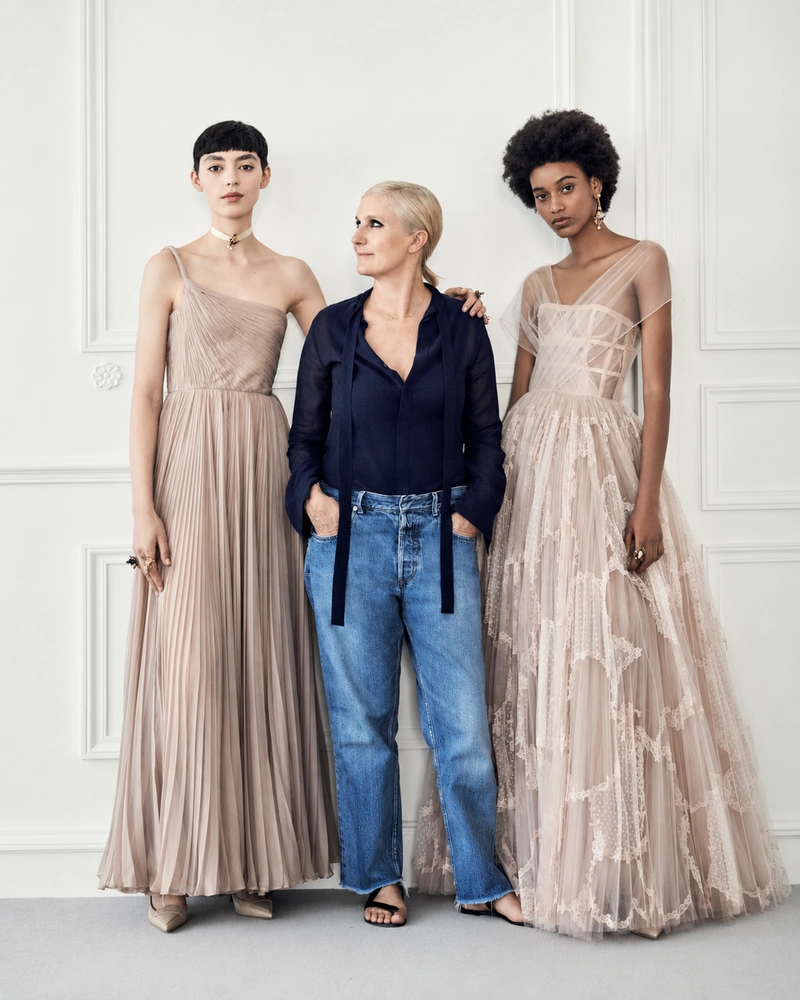

The industry contains no shortage of women entering fashion. One analysis found women made up around 74% of the fashion courses it examined, while holding 12% of creative-director positions across its narrower selection of major brands. The exact result changes with the sample. The collapse between classroom majority and executive minority remains brutally consistent.
Women acquire power more frequently when they create the house themselves. Boards show far less enthusiasm when asked to hand them an institution already carrying billions in cultural and commercial value. Fashion welcomes women as students, studio workers, consumers, muses and founders. Its confidence weakens when a board must declare one ready to inherit the keys.
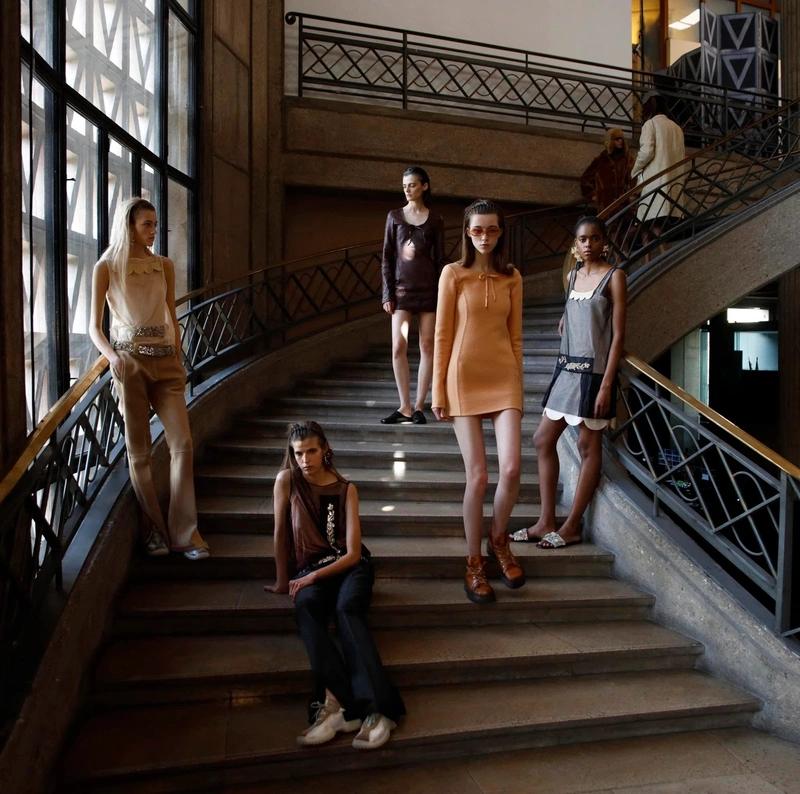
The problem sits inside succession. The industry trains women in enormous numbers, depends on their labour, then promotes a leadership archetype that remains overwhelmingly male and Western.
Asia’s small leadership share becomes harder to defend beside its commercial and cultural importance. China remains one of luxury’s central markets after a difficult 2025, while domestic competitors have grown stronger through cultural confidence, sharper value and narratives speaking directly to younger consumers. International houses face rising pressure from local players, while future growth potential is expanding across Southeast Asia, India, the Middle East, Latin America and Africa.
Luxury has globalised nearly every role except final authorship. Asia supplies customers, ambassadors, campaign settings, digital attention, manufacturing expertise and cultural momentum. China can determine whether a quarterly result looks resilient or disastrous. Japan still provides one of fashion’s deepest intellectual traditions. Korea exports an entertainment system capable of turning a front-row appearance into global media currency. Yet the creative-director office remains far more Western than the audience paying for its decisions, with European creative directors continuing to dominate the line of succession.
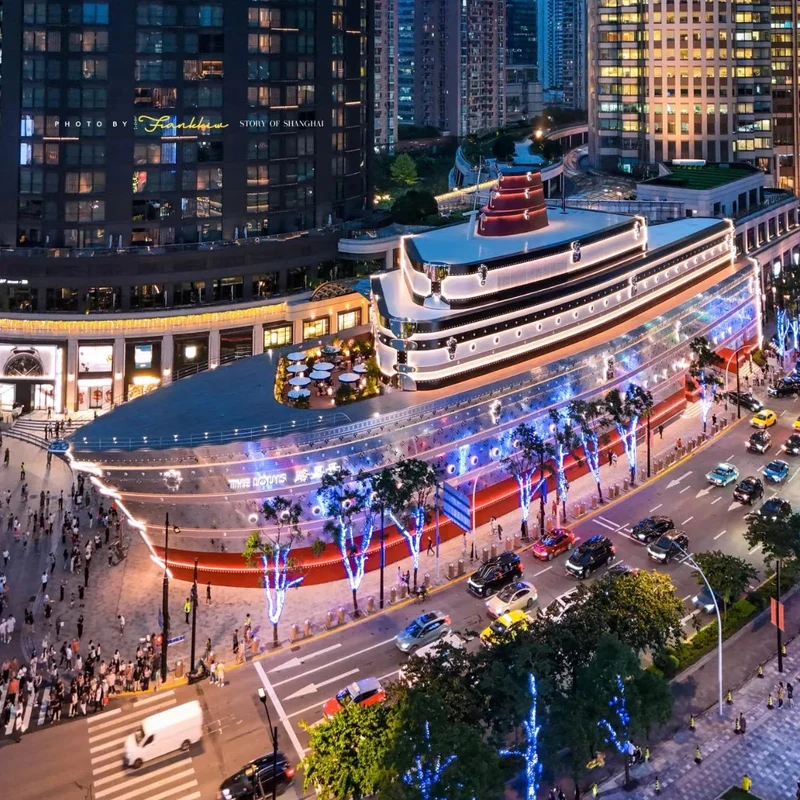
A 2026 survey by McKensey across the United States and China found emotional connection was the leading driver of luxury desirability in both markets. In the United States, 68% said challenger luxury brands best represented their identity. In China, younger consumers were increasingly drawn to homegrown brands with culturally specific stories, and the research warned that Western houses could no longer rely on Eurocentric heritage alone.
Consumers are asking for cultural precision. Boards keep offering geographic familiarity.
Luxury houses defend conservative appointments with the language of stewardship. A great house requires archive knowledge, atelier authority and respect for its codes. Those demands are real. They also provide elegant cover for institutional caution.
The same 2026 client research by McKinsey placed emotional connection ahead of craft, heritage and trends as a driver of desirability. Brand history ranked weakly on its own. Challenger brands gained ground because they carried sharper cultural meaning and a clearer sense of identity.
Here lies the industry’s most revealing contradiction. Luxury claims heritage fluency is essential just as customers grow impatient with heritage used as a substitute for meaning. Houses say they need guardians of the archive, while audiences demand cultural intelligence and a point of view powerful enough to justify another price increase.
“Understanding the house” can become a respectable phrase for knowing the same people, passing through the same studios and speaking the same institutional dialect. Each appointment can be individually defended. The cumulative picture remains brutally narrow: 83.1% European or North American, 71.2% male, and an East Asian presence concentrated entirely within Asian-founded houses.
Fashion has spent decades proving that influence can come from anywhere. The continued reign of European creative directors reveals where the industry still believes authority belongs. Who gets celebrated for changing the language, and who gets trusted to own the house?
Advertisement