The LVMH Prize can open doors that take young designers years to reach, but access only becomes valuable when it is converted into stronger production, smarter distribution and a business capable of surviving its own momentum.
2026 LVMH Prize Winners Enter Their Real Test
The LVMH Prize can open doors that take young designers years to reach, but access only becomes valuable when it is converted into stronger production, smarter distribution and a business capable of surviving its own momentum.
September 7, 2026
Advertisement

Advertisement



We love the photograph of a winner holding a trophy. However, the following morning begins with factories, invoices, agents, samples, payroll and another collection already demanding capital.
The 13th LVMH Prize makes that second scene particularly revealing, because its three winners expose the infrastructure young fashion businesses require once attention starts turning into orders.
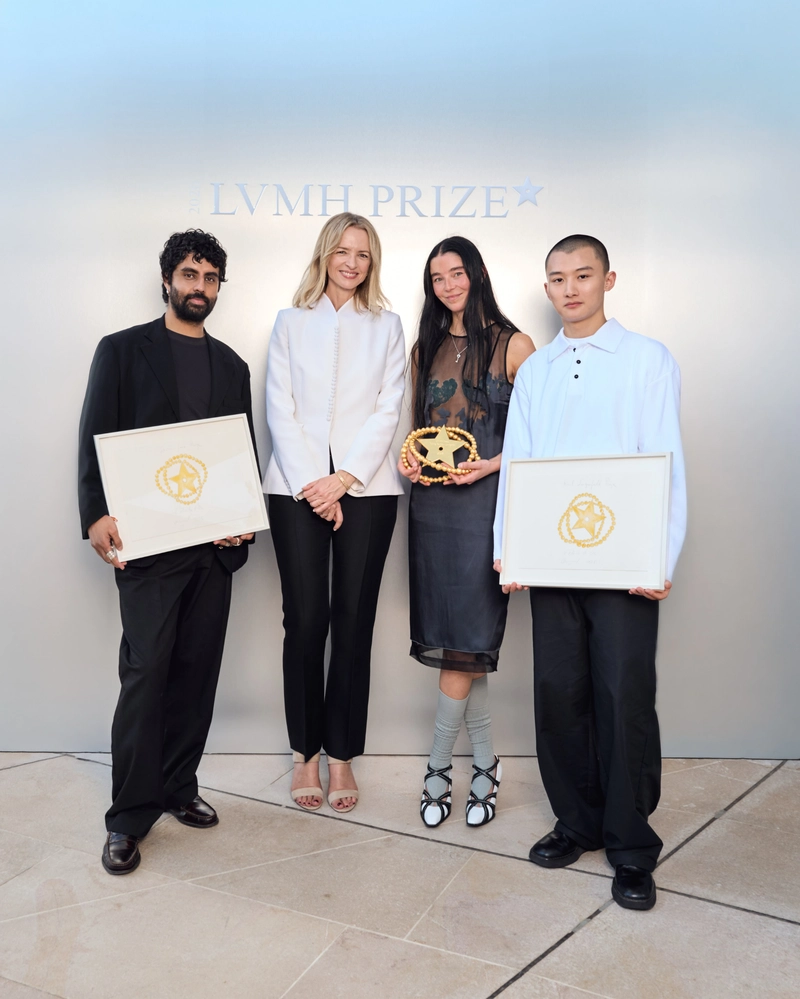
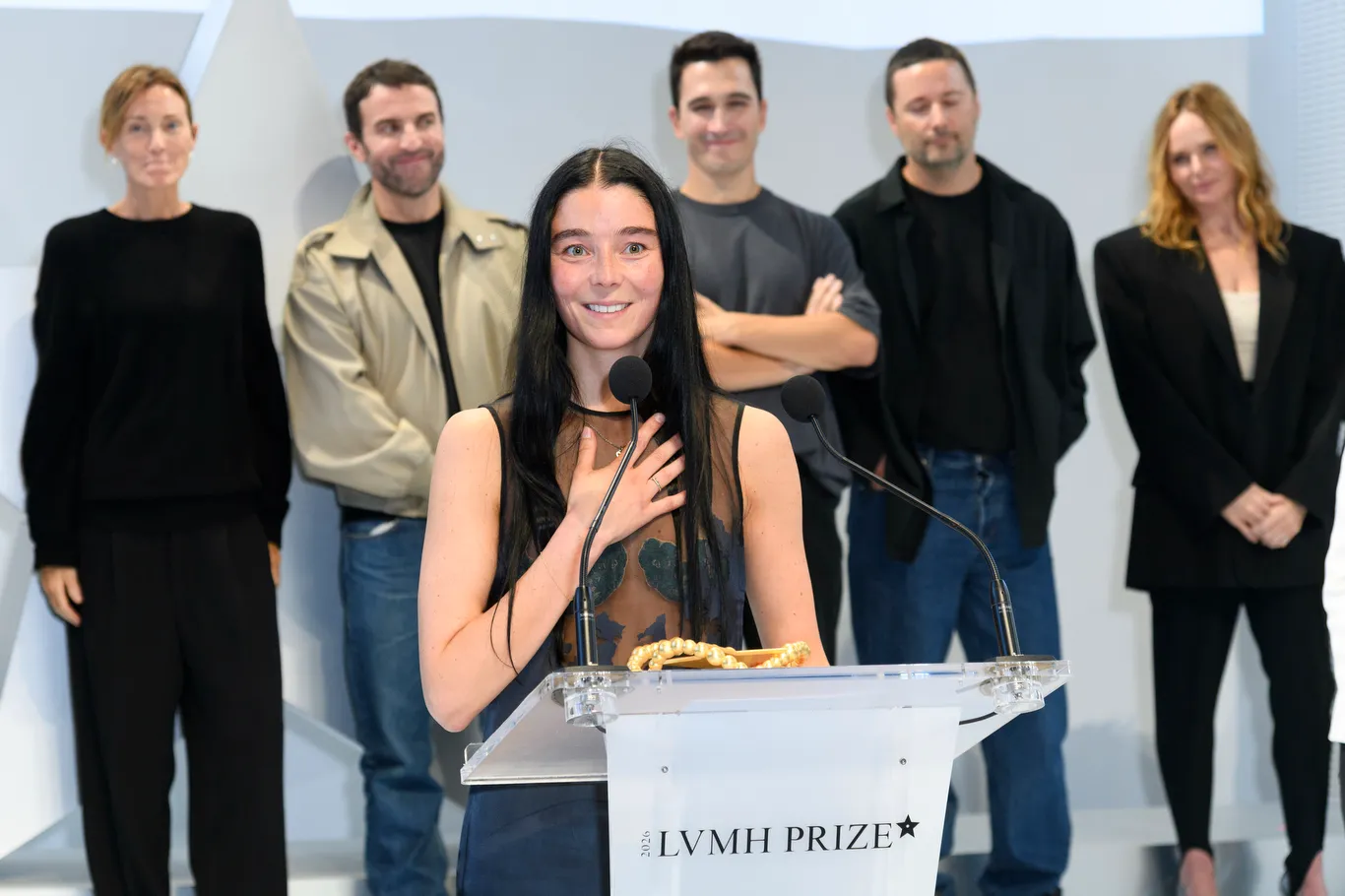
On September 4, 2026, inside the Fondation Louis Vuitton in Paris, Belgian designer Julie Kegels received the LVMH Prize and its €400,000 endowment; Zane Li of New York label Lii received the €200,000 Karl Lagerfeld Prize for Innovation; and Anil Padia of Nairobi- and Paris-based Yoshita 1967 received the €200,000 Savoir-Faire Prize.
Each designer also enters a year of tailored mentorship from LVMH teams. They emerged from over 2,400 applicants, 20 semifinalists representing 17 countries and nine finalists, turning the final awards into €800,000 of direct capital distributed across three emerging fashion companies.
This year’s nine finalists brought together Colleen Allen, Gabriel Figueiredo of De Pino, Galib Gassanoff of Institution, Julie Kegels, Zane Li of Lii, Petra Fagerström, Harry Pontefract of Ponte, Daniel del Valle Fernandez of The Vxlley and Anil Padia of Yoshita 1967, forming a geographically broad field that stretched from established fashion capitals to emerging creative ecosystems across Europe, Asia, Africa and the United States.
These designers already operate labels with suppliers, customers, stockists, production schedules and cash requirements, so the LVMH Prize arrives at the stage where creative recognition has begun producing commercial complexity.
A Test of the Business Behind the Clothes
One comment from Delphine Arnault captures the logic of this year's jury with unusual precision. According to Arnault, jurors concentrated on where candidates produced their clothes, where they distributed them and who ultimately bought them.
The language sounds closer to an investment committee examining operating fundamentals because fashion businesses eventually encounter the same questions: who is the customer, where does demand originate, what infrastructure converts demand into revenue, and which constraints appear when production expands?
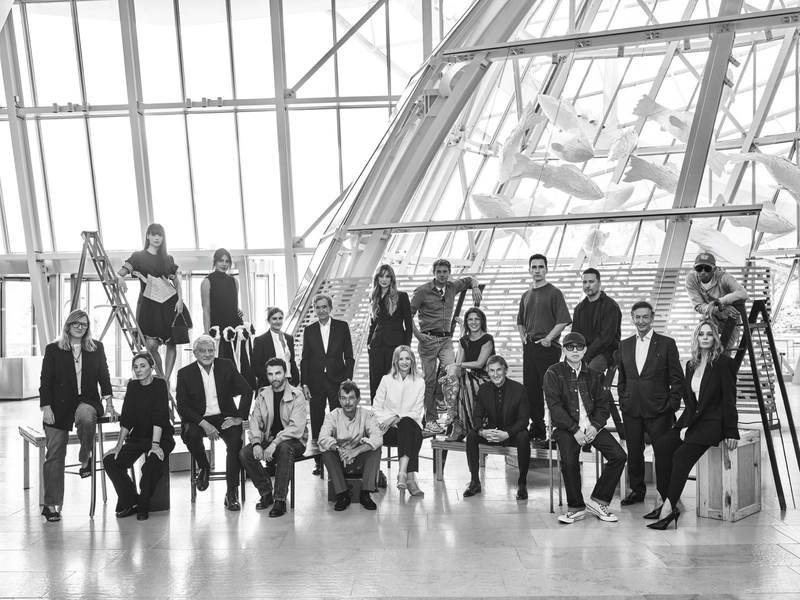
The jury gathered at the Fondation Louis Vuitton included LVMH creative figures such as Jonathan Anderson, Sarah Burton, Maria Grazia Chiuri, Nicolas Ghesquière, Jack McCollough and Lazaro Hernandez, Phoebe Philo, Michael Rider, and Pharrell Williams, alongside Delphine Arnault and other senior figures connected to the group. Marc Jacobs, who had been announced as part of the 2026 jury earlier in the year, ultimately did not participate in the final after LVMH completed the sale of the Marc Jacobs brand on September 1.
Before reaching them, designers passed through an expert network encompassing buyers, retailers, editors, stylists, and other fashion operators. The LVMH Prize therefore works as a concentrated simulation of the industry a label must eventually navigate: design earns attention, while manufacturing, distribution, positioning, and customer clarity determine whether that attention can support a company.
Julie Kegels Shows What Happens When Demand Arrives Early
Julie Kegels offers the clearest numerical picture of this transition. By her fourth season, the Antwerp-based label had become a six-figure business with 29 stockists, including Nordstrom and H Lorenzo; sales had grown 33 percent from Spring/Summer 2024 to Autumn/Winter 2025, while Asia-Pacific accounted for 37 percent of sales and the United States another 33 percent. Behind this geographically dispersed business sat a team of just three people including Kegels herself.
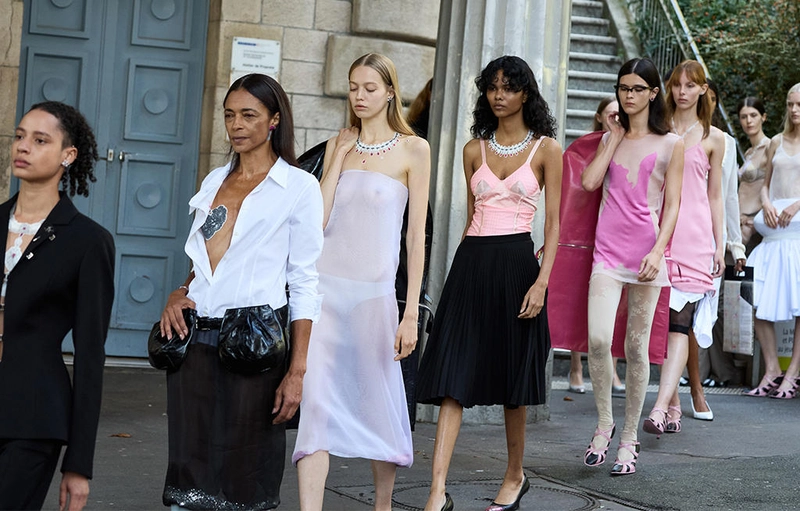
Those figures describe a familiar emerging-brand paradox: commercial validation can create its own strain. Every new retailer increases the value of the business while also introducing purchase orders, production deadlines, quality control, shipping, invoicing, and customer expectations. A designer who once devoted the majority of her attention to creating clothes gradually becomes responsible for coordinating an international commercial system.
Kegels identified that pressure immediately after winning the LVMH Prize. She said the €400,000 would support company infrastructure and team development, while the mentorship could assist with financial management and connections to manufacturers capable of executing technically complex garments.
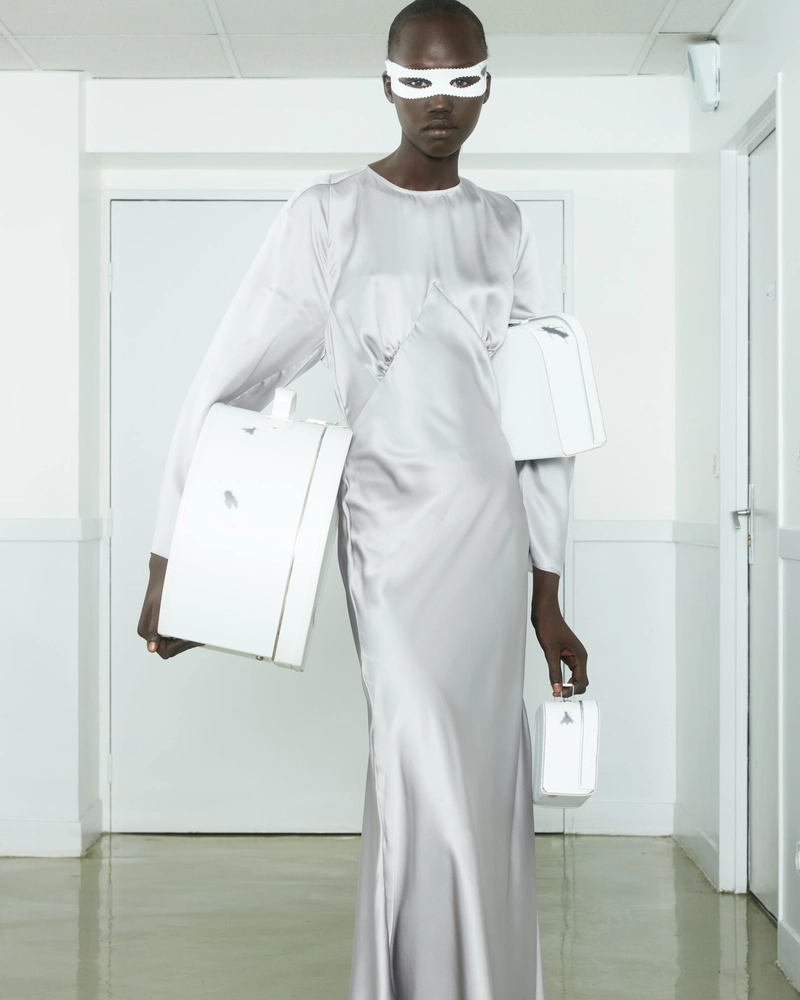
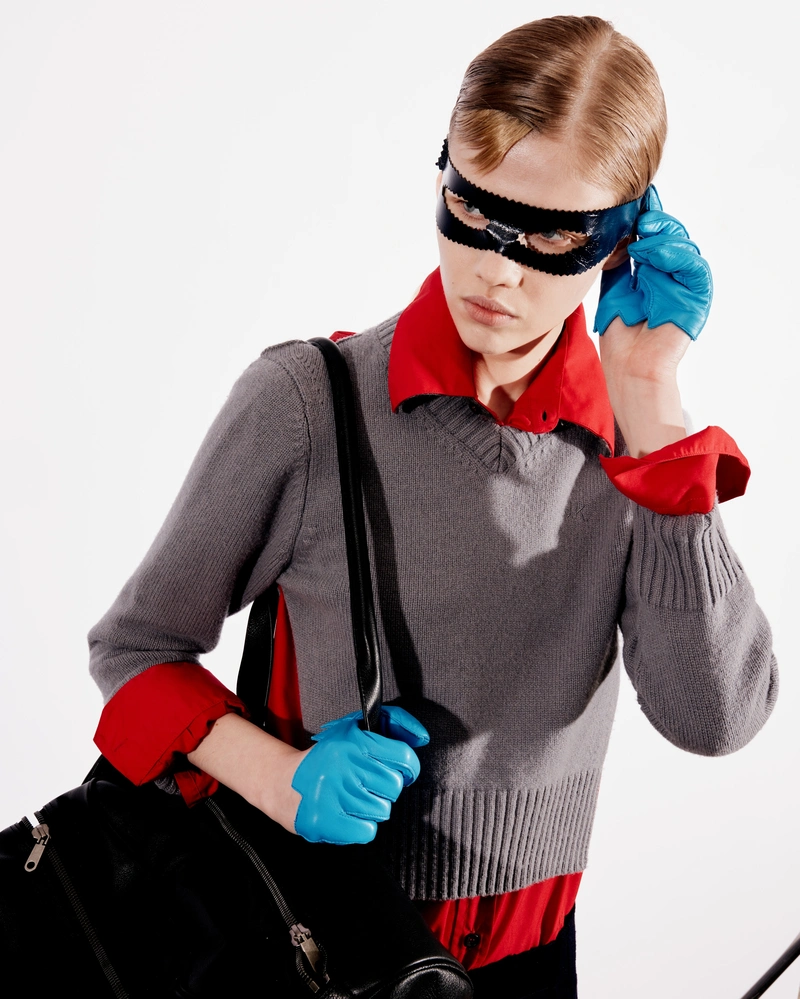
Production access remains one of emerging fashion's quiet structural barriers: sophisticated design requires sophisticated manufacturing, while factories evaluate order quantities, scheduling and commercial viability alongside creativity. An introduction to a suitable manufacturer can therefore change the technical ceiling of a collection as directly as additional design funding.
Lii Makes the Cost of Visibility Visible
Founded in New York in 2023, Zane Li's Lii entered Paris pre-market sales with Clothes Agency and reported that sales increased fivefold; regional exclusives were being developed across France, Italy and Japan, while Joyce in Hong Kong and Amomento in Seoul joined its stockist network for Spring/Summer 2026.
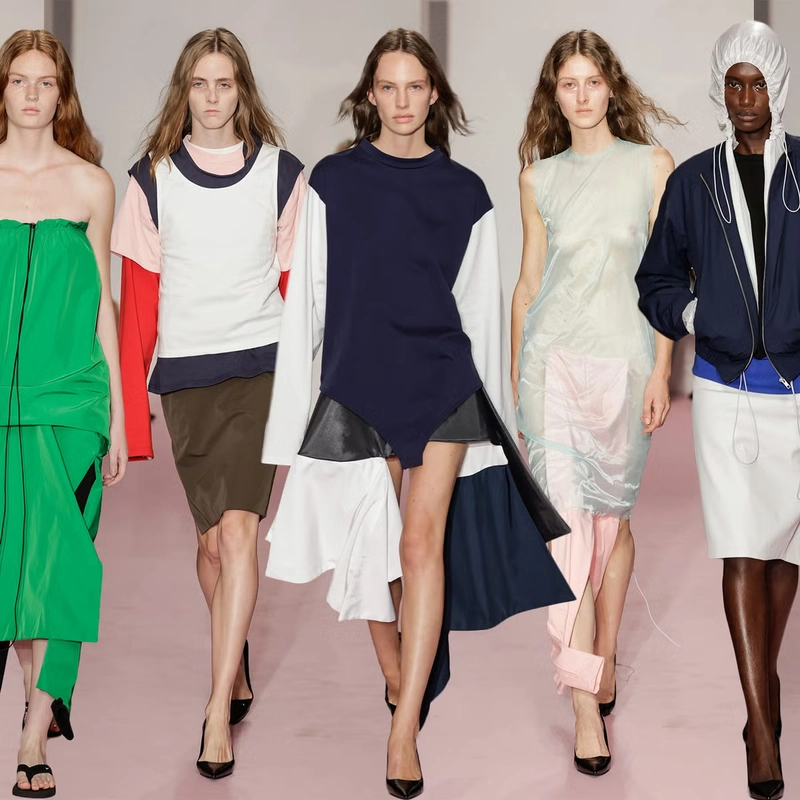
At the same point, Lii's internal operating structure consisted essentially of Li himself, assisted informally by his husband and stylist Jason Rider, who joked that the business represented roughly “one and a quarter” people.
The striking part arrives when visibility enters the equation. Lii's first New York Fashion Week runway became financially possible through a Nike partnership; the brand had around 5,000 Instagram followers at the time, while industry support from stylists, editors and retailers had already given it considerable professional momentum. Nike supplied funding and materials, and Li manufactured runway pieces incorporating those fabrics.
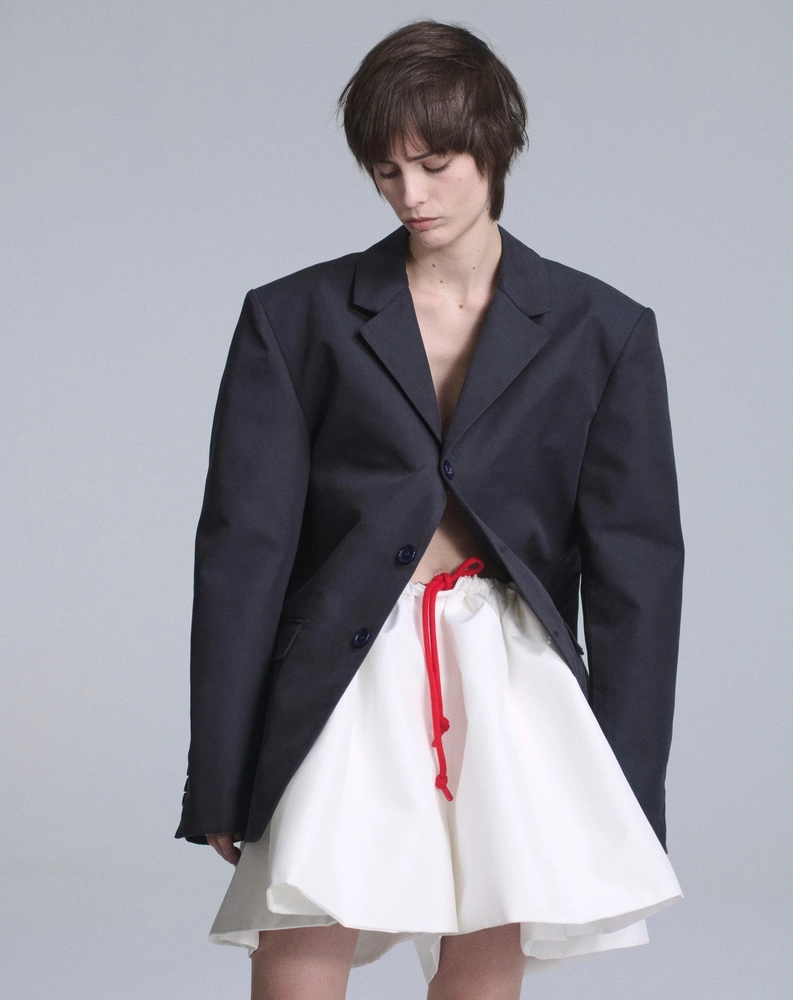
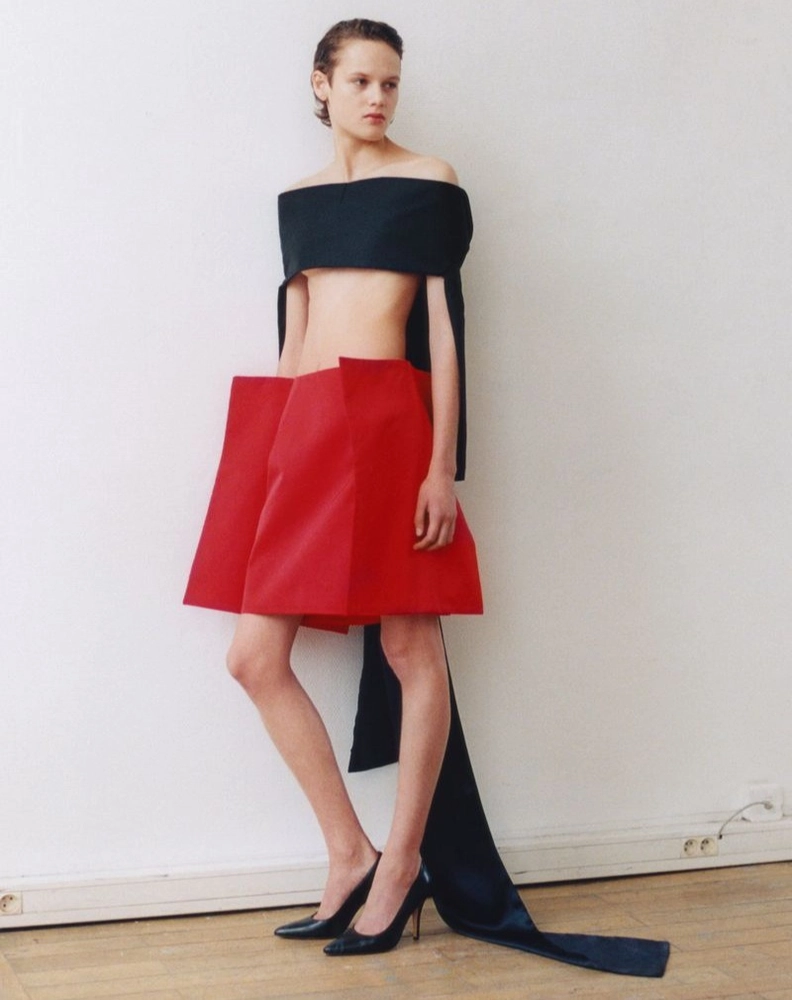
A runway communicates authority, introduces a designer's world and generates press, yet the production of that cultural moment consumes capital that also serves inventory, sampling and the following season.
Li openly described the tension between presenting a collection and preserving budget for upcoming production, and his next operating priority became hiring support around the business. After receiving the Karl Lagerfeld Prize, he identified production, staffing and direct-to-consumer capabilities as areas for investment.
Yoshita 1967 Turns Craft Into Infrastructure
Anil Padia's Yoshita 1967 expands the argument from company infrastructure into production infrastructure itself. Padia began developing the brand in 2020 and officially launched it in 2024 after building an internally managed production and sourcing chain; for over a year and a half, the project consisted principally of Padia and artisan Catherine Wanjalo making crochet garments while constructing the system around the work.
Today, Yoshita describes itself as an artisan-led luxury house built around slow production and long-term collaboration with women-led craft communities in Kenya. Its work involves crochet, cotton thread, glass mirrors and intensive embellishment, with garments made by hand in Nairobi.
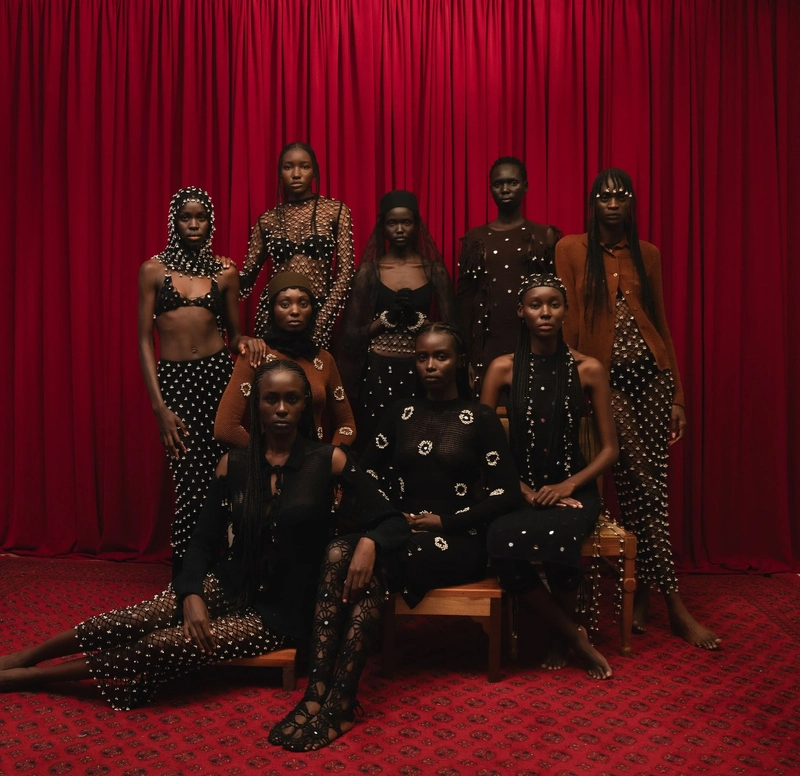
One current Abla dress, for example, uses hand-crocheted glass mirrors, requires six weeks of work by a team of women artisans and is produced through a pre-order structure, demonstrating how product design, labour time and commercial model become inseparable in this kind of business.
Padia has described a broader ambition around the artisans themselves, including access to financial literacy, education, health support and other services through a future community centre. That makes the Savoir-Faire Prize intellectually interesting because the €200,000 can circulate through an ecosystem whose productive asset is human skill: training expands capability, capability expands the techniques available to the designer, and those techniques create the product value the brand ultimately sells.
The LVMH Prize Arrives During a Luxury Reset in Capital Discipline
One day before the LVMH Prize final, Reuters reported that the STOXX Europe Luxury 10 index sat 19 percent down for the year, while LVMH shares fell 2.3 percent to their lowest level since 2020 amid investor caution around sector recovery.
The industry's emerging designers are entering business during a period when even established luxury groups are concentrating heavily on demand, margins, geography and consumer behavior. Capital discipline therefore reaches young labels early, at precisely the moment when creative experimentation also requires money, specialised suppliers and patient production.
The €800,000 creates the headline. The lasting value sits inside what that capital can activate: people, factories, production knowledge, financial systems, distribution relationships and technical expertise. In 2026, the LVMH Prize is effectively funding the operating system that allows a designer's point of view to survive contact with the business of fashion.
Advertisement