Have you ever wondered what it feels like to wear the quiet, untamed whisper of the earth itself? Born from slender green stalks coaxed by morning dew and open skies, linen fabric is an elemental journey rendered into fabric.
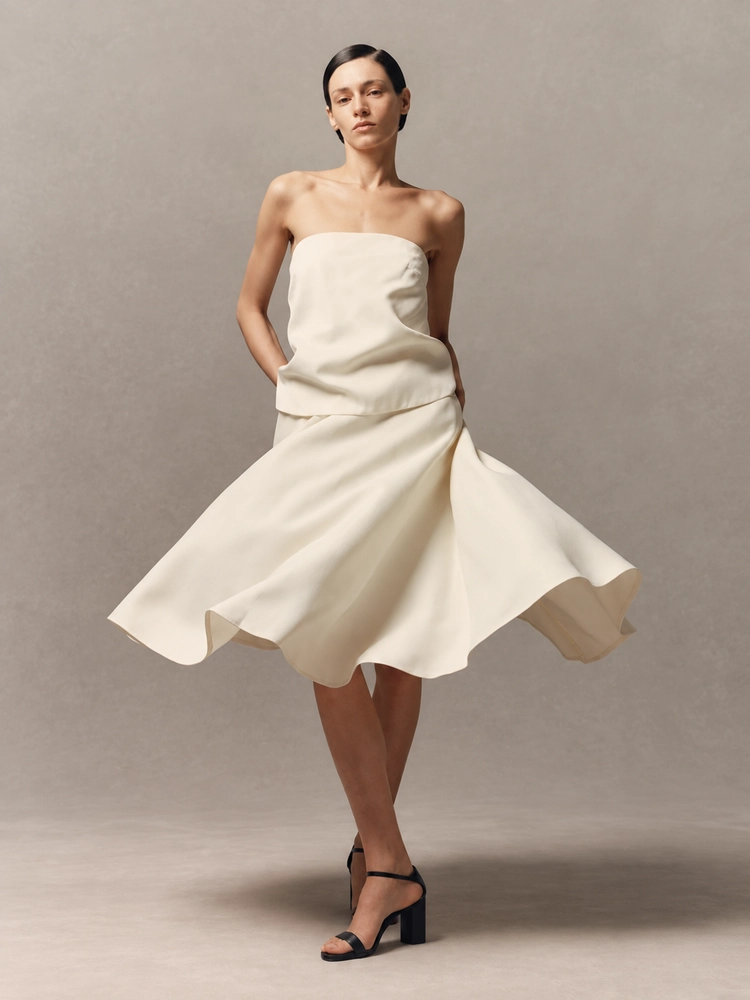
Linen Fabric: 30,000 Years of Human Touch (Part 2)
Have you ever wondered what it feels like to wear the quiet, untamed whisper of the earth itself? Born from slender green stalks coaxed by morning dew and open skies, linen fabric is an elemental journey rendered into fabric.
September 6, 2026
Advertisement

Advertisement



Long before giant machines clanged and artificial dyes painted our world, there existed only a quiet dance between the earth, water, and sun. In vast, dew-kissed fields beneath open skies, a humble plant reached toward the heavens, hiding within its slender stem a silver filament of quiet magic.
To the ancients, this was far more than a harvest; it was a sacred gift from the cosmos, a thread so pure, resilient, and luminous that it felt like frozen sunlight caught in physical form. Wrapped around high priests, royal sovereigns, and mystic wanderers, this organic textile served as a sacred second skin, bridging the earthly realm with the ethereal divine.
To trace the lineage of linen fabric is to embark on a pilgrimage through the collective memory of human touch.
How Is Linen Fabric Made?
The manufacture of linen fabric begins with fibre flax cultivation. Flax grown for textiles differs from flax cultivated mainly for linseed or oil production. Fibre flax is traditionally planted densely, encouraging the plants to grow tall and relatively straight with limited branching so producers can obtain long fibres.
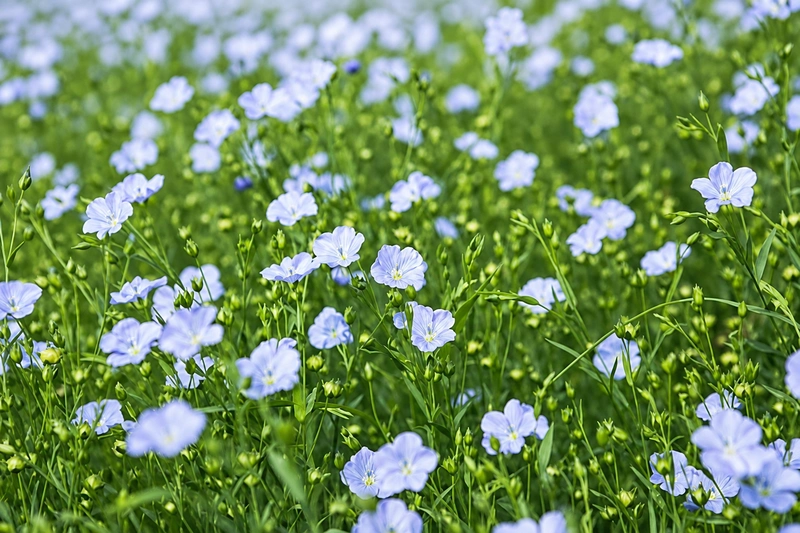
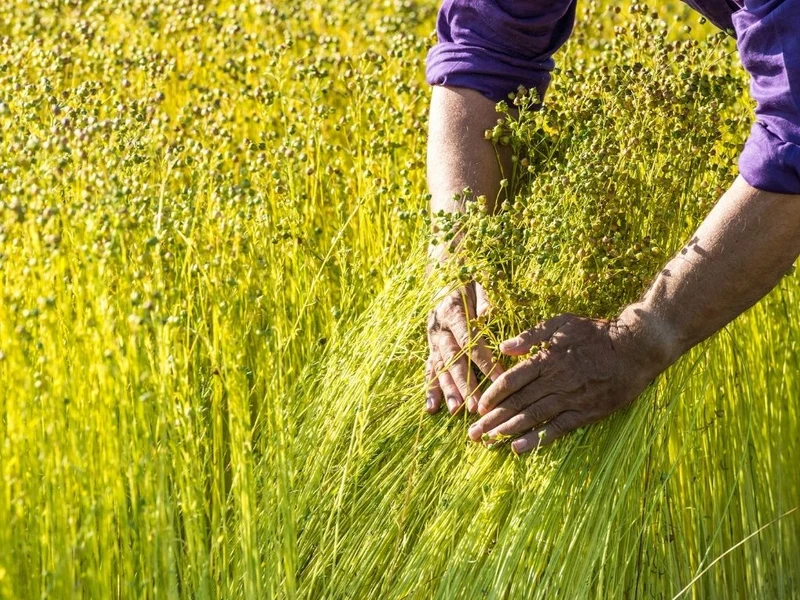
Flax develops slender stalks with fibre bundles running vertically through the stem. Fibre flax can reach roughly 90 to 120 centimetres before harvest. Traditionally, the plants are pulled from the ground instead of being cut across the stem. Cutting would sacrifice part of the stalk, while pulling helps preserve the maximum possible fibre length. Once harvested, the plants are collected and allowed to dry before entering one of the most distinctive stages of linen production.
The useful flax fibres remain bound tightly to the surrounding plant tissue after harvest. Retting loosens these fibres through moisture and biological activity that gradually breaks down the substances holding the fibre bundles to the woody stem.
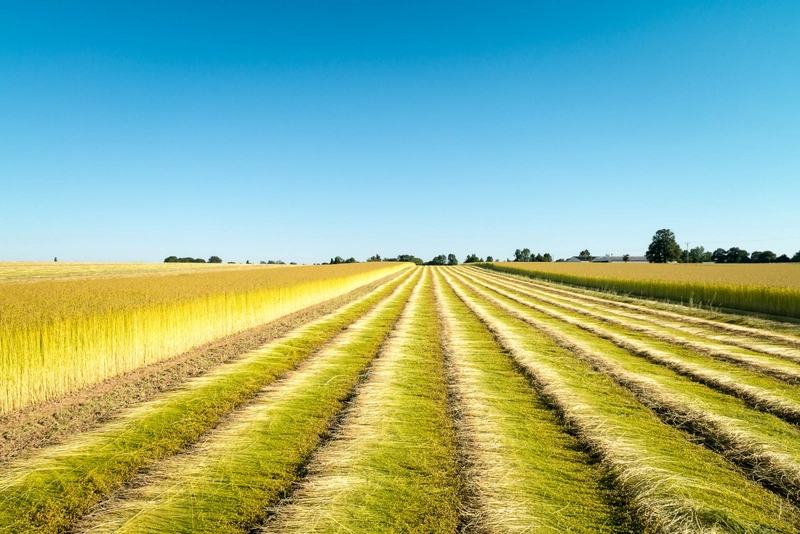
One common technique is dew retting. Flax stalks are spread across fields and exposed to dew, rainfall, humidity and microorganisms. This method remains particularly associated with flax cultivation in Western Europe. Water retting follows a different process by submerging flax stalks in water. It can produce relatively uniform fibres, although poorly managed water retting may create environmental problems through water pollution. The retting method can influence fibre colour, quality, and the environmental footprint of the final linen fabric.
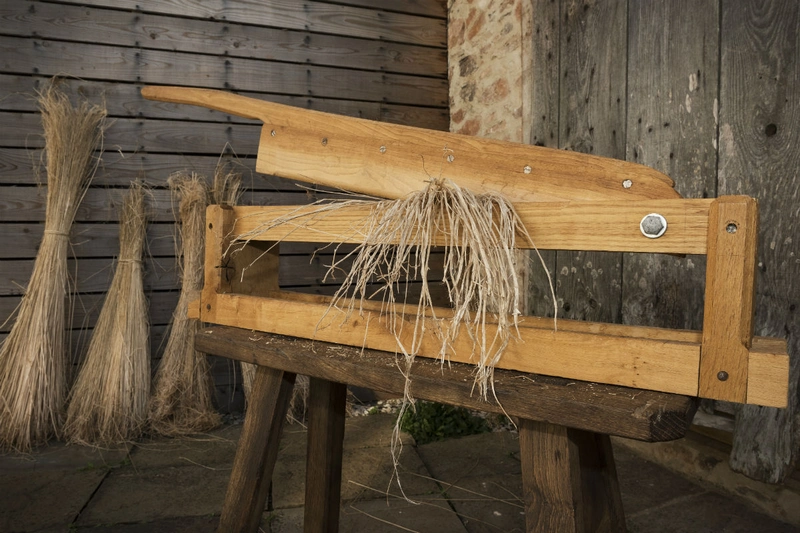
After retting and drying, the flax stalk still contains woody material around the useful fibres. The stems are broken so that this rigid inner matter can be separated. Scutching then removes the remaining woody fragments, often called shives. What remains begins to resemble long, pale bundles of coarse hair, revealing the flax fibres that will eventually become linen yarn.
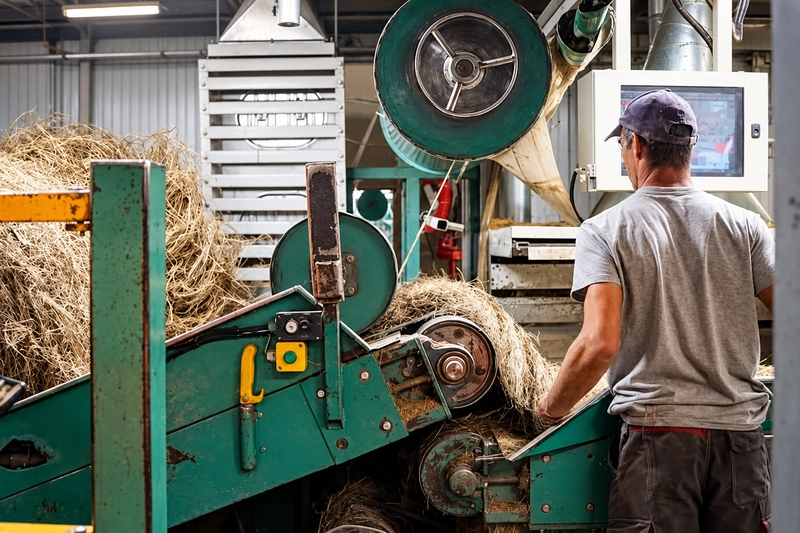
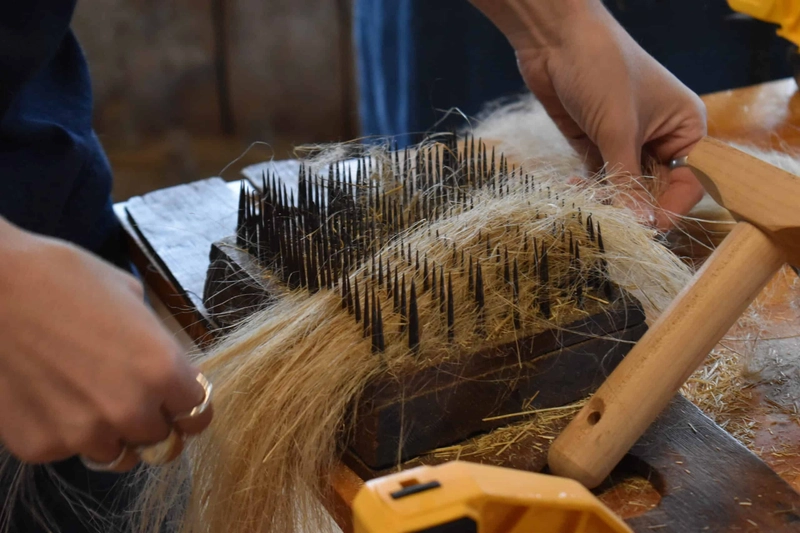
The fibres are passed through progressively finer combs during hackling or combing. This process removes remaining woody matter, straightens the fibres and aligns them in one direction. It also separates longer fibres from shorter material known as tow. Long, fine fibres generally allow manufacturers to produce smoother, finer and more refined linen fabric.
The aligned flax fibres are drawn out and twisted into yarn. Producing very fine linen yarn requires considerably more control than creating deliberately coarse or rustic yarn. Fibre length, yarn fineness and spinning quality all influence the final hand, surface and performance of the finished textile.
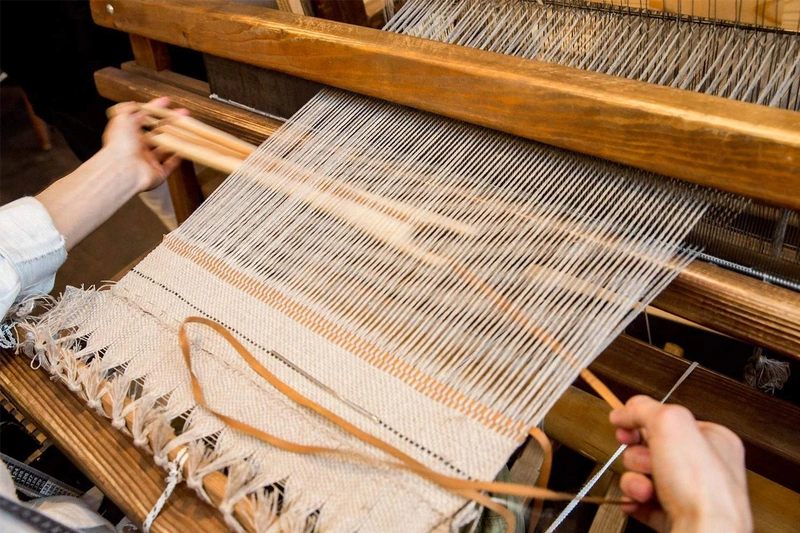
Once spun, linen yarn can be woven or knitted. Plain weave remains one of the most traditional constructions, although linen fabric is not restricted to any single weave. The textile may then undergo finishing processes including bleaching, dyeing, washing, softening, garment dyeing or enzyme treatments. Finishing can radically alter how the same flax fibre behaves. One linen may remain crisp and highly structured, while another becomes soft, relaxed and fluid.
From Prehistoric Flax to Modern Linen Fabric
Archaeological evidence shows that humans were manipulating flax fibres during the Upper Paleolithic. Flax fibres discovered in Dzudzuana Cave in the Caucasus have been dated to tens of thousands of years ago, with some evidence of spinning, colouring or knotting. These discoveries should be understood as evidence of very early fibre manipulation instead of proof of recognizable linen garments. Even so, they demonstrate how long humans have understood the usefulness of flax.
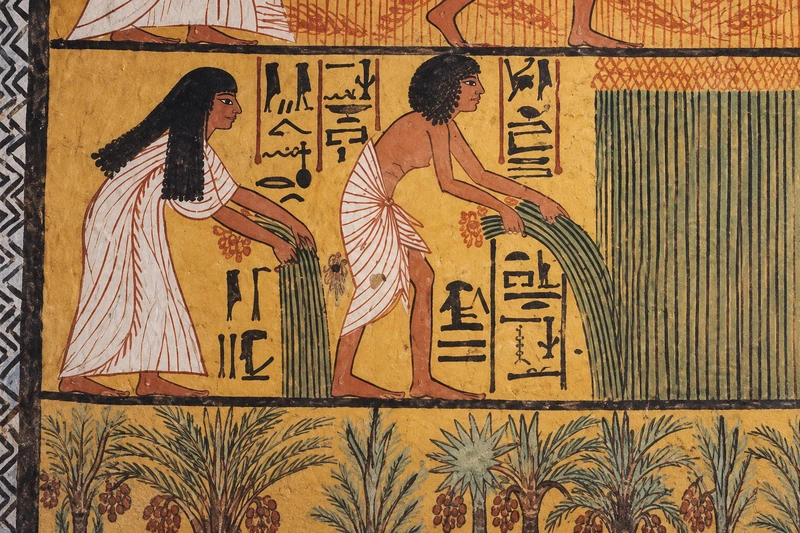
By around 5000 BCE, flax cultivation and linen weaving had become deeply embedded in ancient Egyptian life and economy. Ancient Egyptians used linen for clothing, household textiles, religious practices and burial rituals. Different qualities served different social and practical functions, while exceptionally fine linen fabric could communicate wealth and status.
By roughly 3000 BCE, linen also participated in long-distance trade networks. Phoenician commerce helped move linen and other textiles between regions extending across the Mediterranean and farther east. Surviving Egyptian objects reveal that linen could function as both textile and recorded wealth.
Linen marks found on mummy wrappings dating to approximately 2051–2030 BCE contain inscriptions associated with officials, dates and textile quality. Some examples include terminology indicating that the fabric was considered “good.”
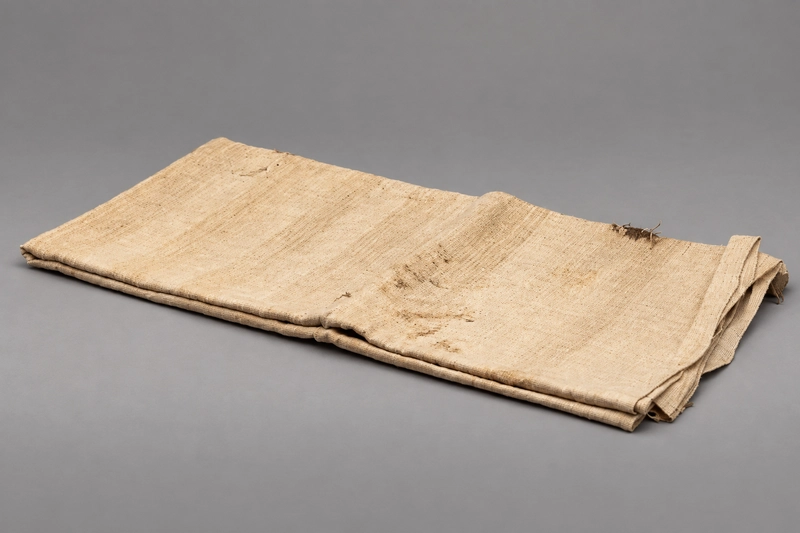
This suggests that linen fabric already existed within systems of classification, administration and value thousands of years before modern fashion labels. One of the most remarkable examples comes from the reign of Queen Hatshepsut, approximately 1491–1473 BCE. The Metropolitan Museum of Art preserves an exceptionally sheer linen cloth associated with Hatshepsut's royal storehouses. It was woven from superfine flax thread and identified as the highest-quality “royal linen.”
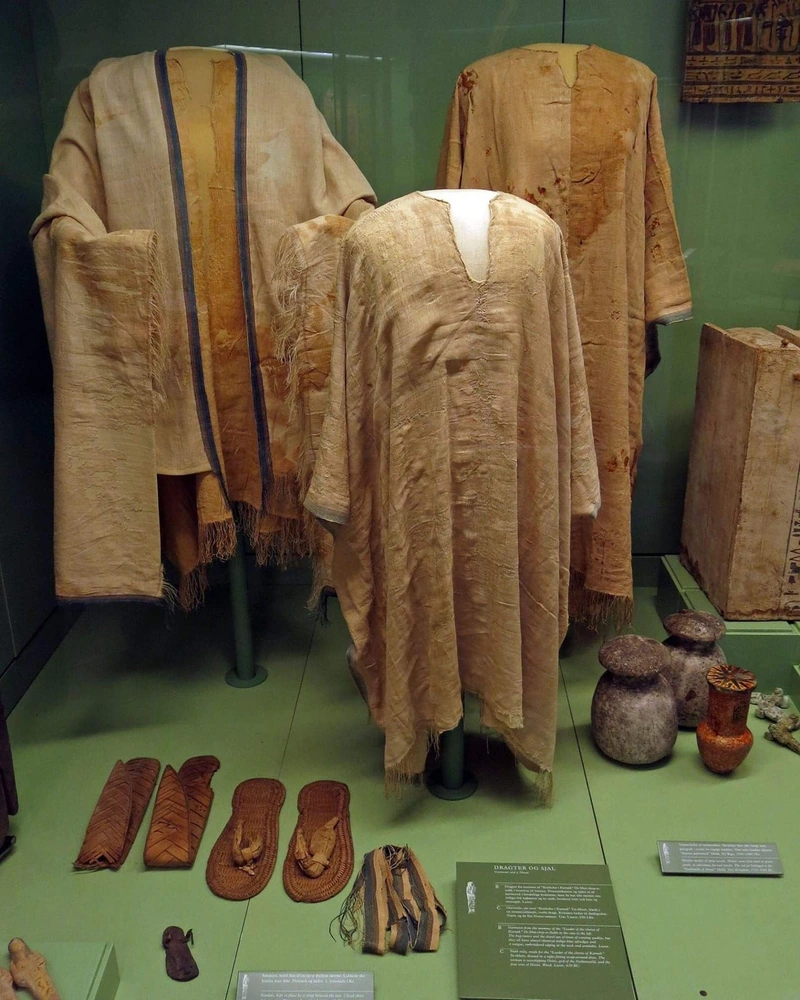
Surviving garments from Egypt reinforce the point. Closely woven linen shirts dating to the New Kingdom demonstrate that flax was already being transformed into sophisticated clothing thousands of years ago.
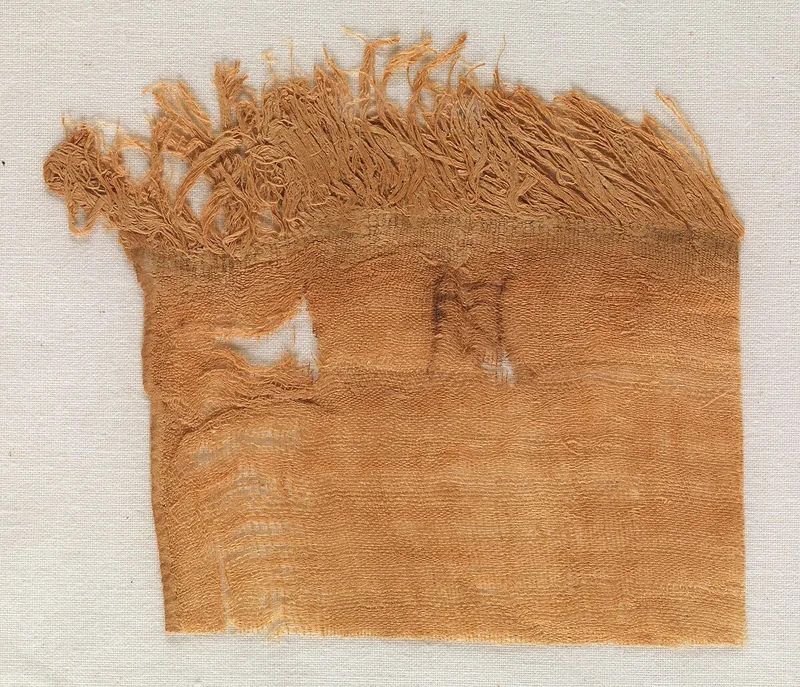
Materials associated with Tutankhamun, dating to approximately 1328–1318 BCE, include linen used during the embalming process. In 1907, archaeologist Theodore M. Davis discovered jars containing linen and natron that were later identified as embalming refuse connected with Tutankhamun.
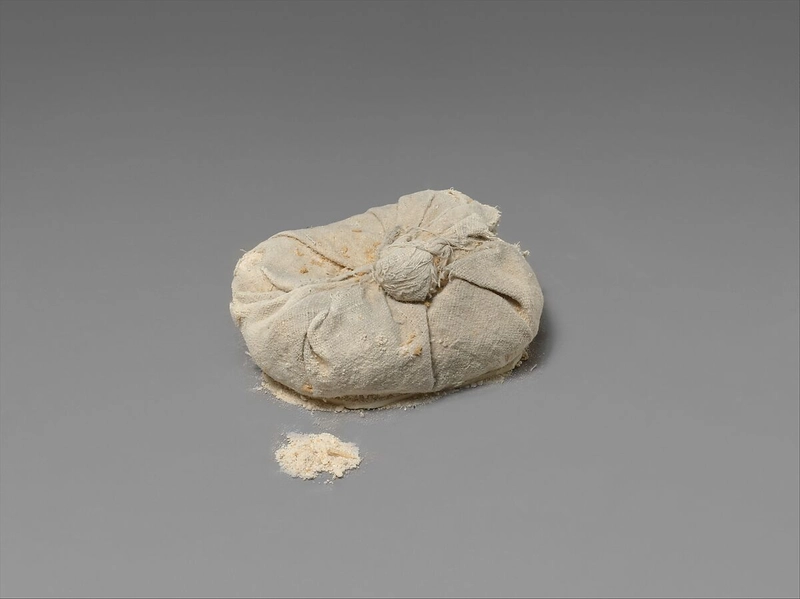
Centuries later, linen's physical strength also appeared in military applications. Historical traditions associate Alexander the Great with the linothorax, armour constructed from multiple layers of linen.
During Julius Caesar's Gallic campaigns between 58 and 52 BCE, accounts also drew attention to textiles produced by the Belgae in the Flemish region. This area would eventually become deeply connected with European flax and linen production.
By the early medieval period, linen fabric had become firmly embedded in European household life. An edict issued under Charlemagne in 789 encouraged household linen production, reflecting the textile's economic and practical importance.
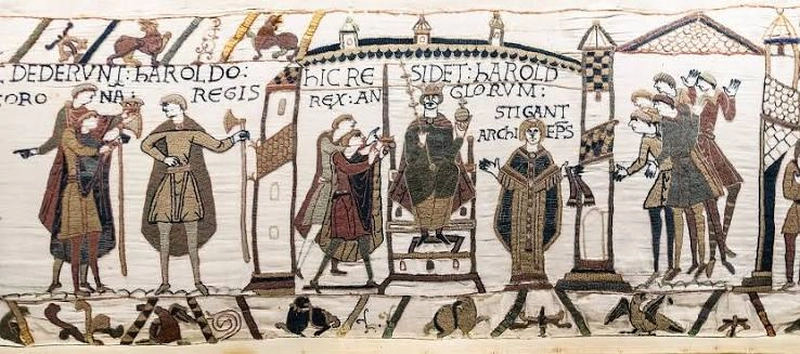
Another famous material milestone arrived in the eleventh century. The Bayeux Tapestry, created around the period of the Norman Conquest of England in 1066, is technically embroidery worked across approximately 70 metres of linen ground. Its linen foundation became the surface carrying one of medieval Europe's most recognizable visual narratives.
From the Middle Ages through the eighteenth century, spanning periods that included the Elizabethan era and later the Rococo period linen production remained closely tied to domestic labour across Europe. Families could grow flax, process it, spin it and turn it into cloth for shirts, shifts, chemises, bedding and table textiles.
Linen fabric frequently sat directly against the skin beneath more elaborate outer garments. Its washability and durability made it especially useful for undergarments in periods when outer clothing could be difficult to clean regularly.
The industrial transformation of textile production during the eighteenth and nineteenth centuries, moving through the Regency period and into the Victorian era, changed linen's position dramatically.
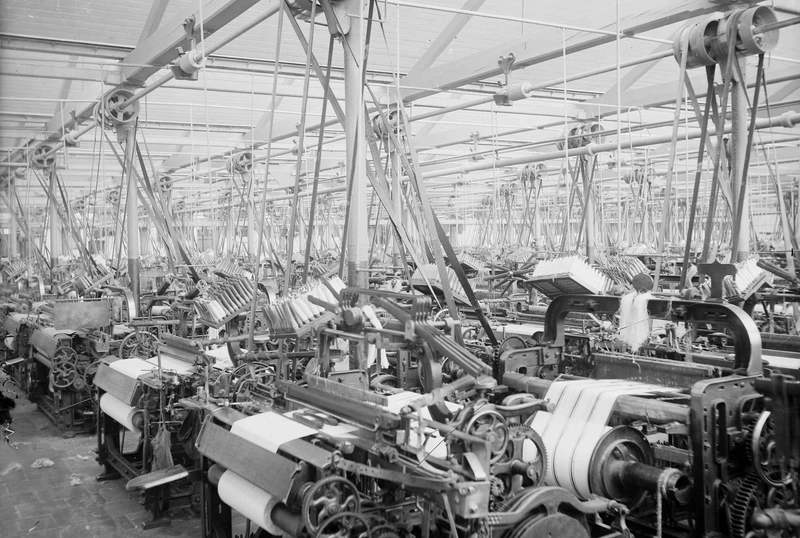
Mechanized cotton spinning and weaving expanded rapidly, allowing cotton to become cheaper and more widely available. By the nineteenth century, mass-produced cotton had reduced linen's former universality across European dress.
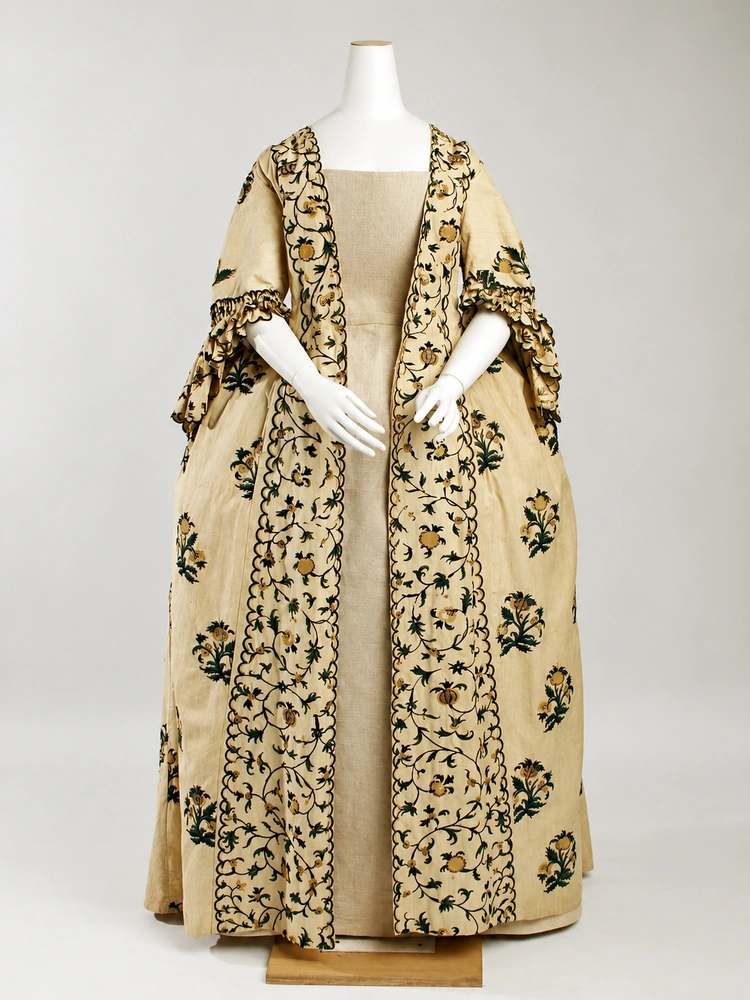
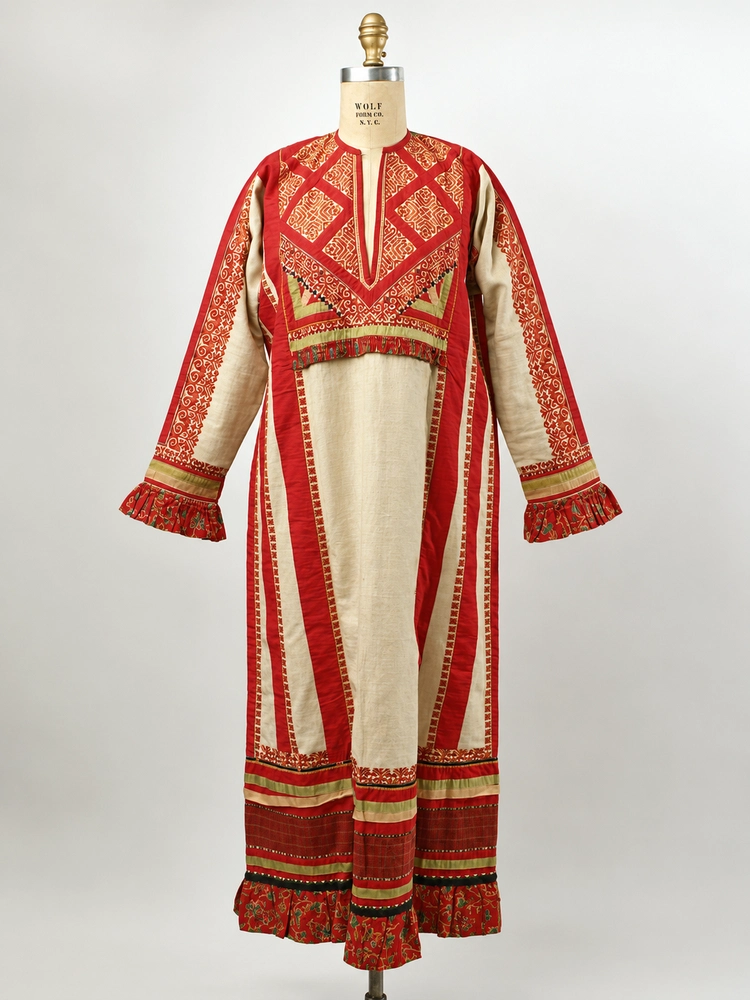
Yet this shift ultimately liberated linen fabric from the heavy, restrictive architecture of nineteenth-century dress, stripping away the weight of stiff petticoats, corseted layers, and overwhelming ballgowns. Freed from rigid formality, the ancient fabric found a quiet rebirth in the modern wardrobe, transitioning from structured grandiosity into the ultimate sanctuary of daily ease.
When you drape yourself in linen fabric garments, you do not simply put on a garment. You wrap your body in an unbroken sanctuary of touch that has anchored humanity for millennia. It is a quiet daily ritual of return, a gentle tether that grounds us back to the soil, the wind, and the sun from which we all came. Let the wrinkles remain, let the weave breathe, and allow yourself to walk through this fast-paced world enveloped in the untamed, sacred grace of nature’s most enduring gift.
Advertisement