MENU
Close





Does the Elizabethan style truly sleep, or do we still shiver with a secret, thirsty devotion to the same architectural terrors that once transformed a mortal queen into a breathless, lead-painted god?
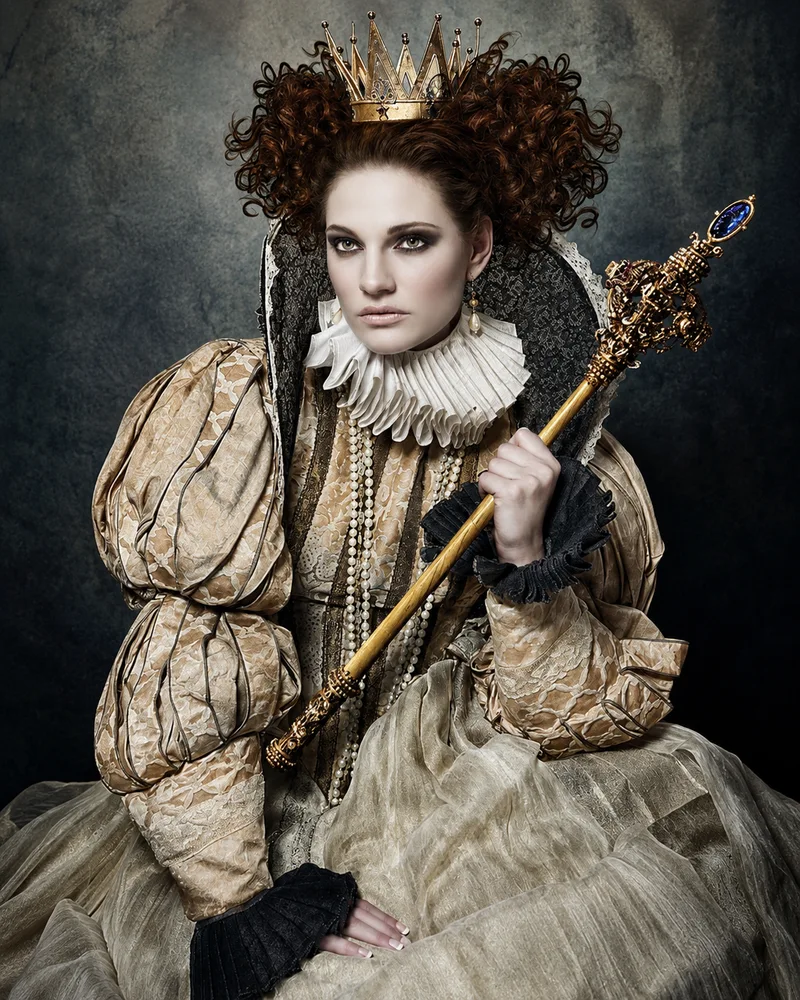
Does the Elizabethan style truly sleep, or do we still shiver with a secret, thirsty devotion to the same architectural terrors that once transformed a mortal queen into a breathless, lead-painted god?
June 15, 2026
Advertisement

Advertisement



The Elizabethan style was a sprawling architecture of the grotesque that functioned as a visual liturgy of power where every stitch served as a prayer to the cult of the Virgin Queen.
The base of Elizabethan style was the smock, a linen shroud made from the flax plant that grew softer with every laundering and sat against the skin as the only breathable mercy in a wardrobe of suffocating grandeur.
Above this humble layer, the upper classes draped themselves in the exotic spoils of a global hunger, layering heavy damask, shimmering taffeta, and thick velvet over kirtles and petticoats to create a silhouette of monumental permanence. While the peasantry labored in the muted tones of madder-red and servant-blue, the nobility demanded the expensive darkness of Spanish black and the bright crimson of imported dyes that were reserved only for those with the divine right to rule.
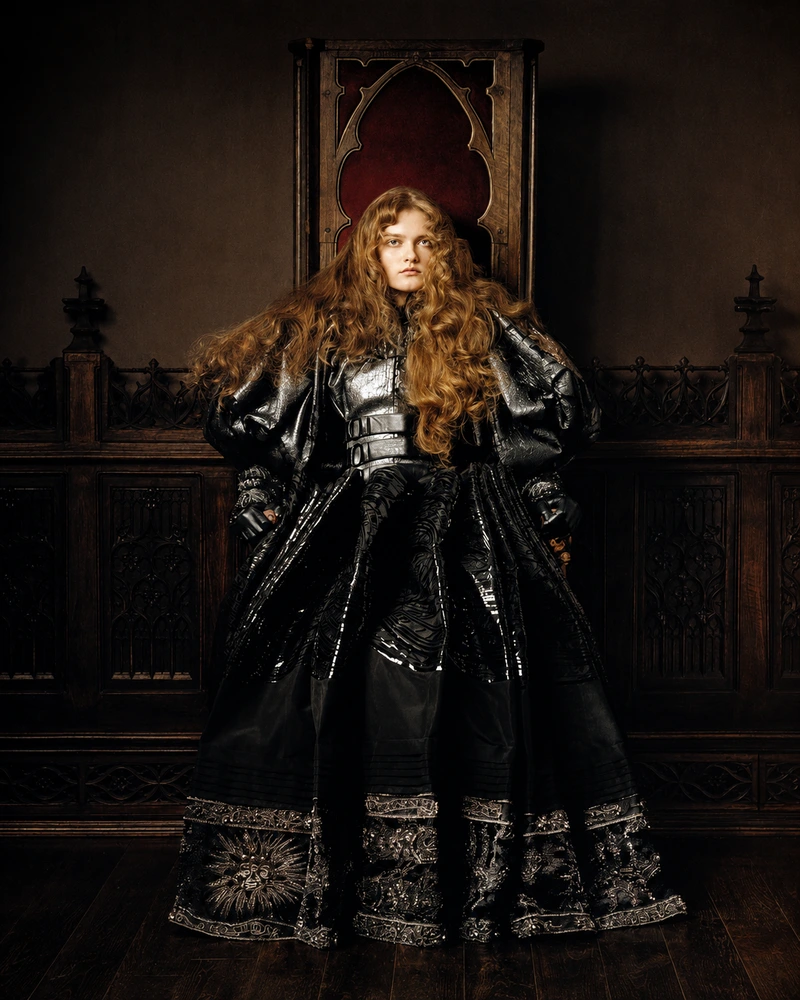
To enter the court was to witness a symphony of organized chaos where the human form was intentionally obliterated by a scandalous geometry of whalebone and timber. The torso was encased in a bodice of impenetrable rigidity, a structural vacuum of oak and steel that crushed the ribcage into an unyielding, masculine plane known as the inverted triangle. This garment did not invite the warmth of a human touch but rather functioned as a second spine, a sacred armor that forced the wearer into a state of permanent, breathless stasis. The shoulders were expanded with decorative pickadills and elaborate shoulder rolls that morphed into trumpet-shaped sleeves or narrow Spanish styles, often detachable and slashed with razors so that the underlying silk could bleed through in visceral loops of color.
Below this suffocating pinnacle, the hips were widened into a mountain of fabric by the bum roll, a sausage-shaped cushion, and the wheel farthingale, creating a table-like void that carved a physical no-man's land around the nobility. This was a fashion of spatial dominance, a stationary throne of silk and bone that occupied the room with the crushing weight of a cathedral, ensuring that the wearer remained a distant and blasting radiance.
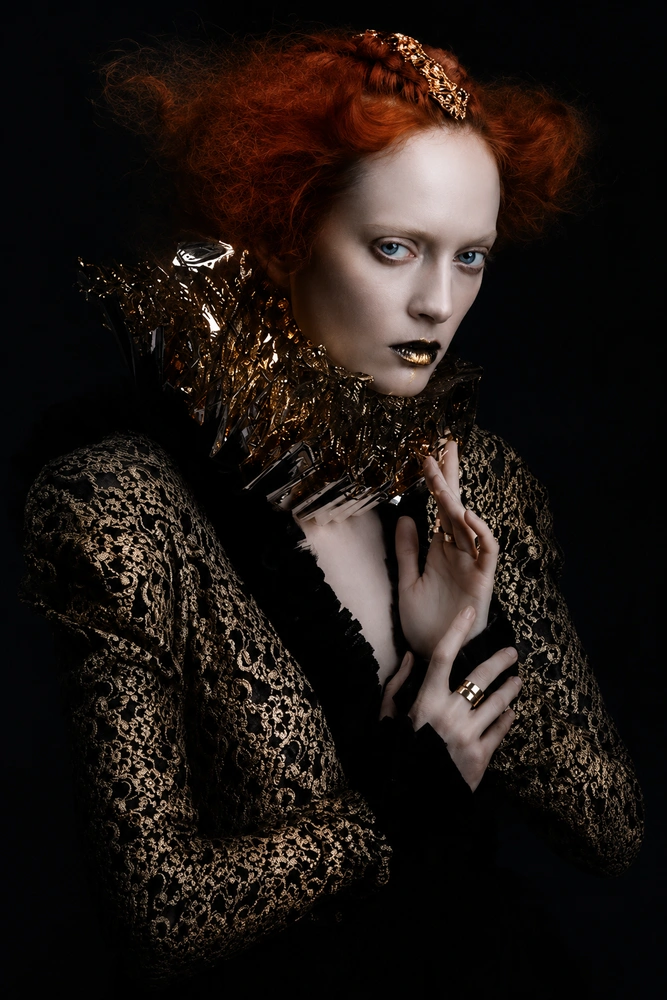
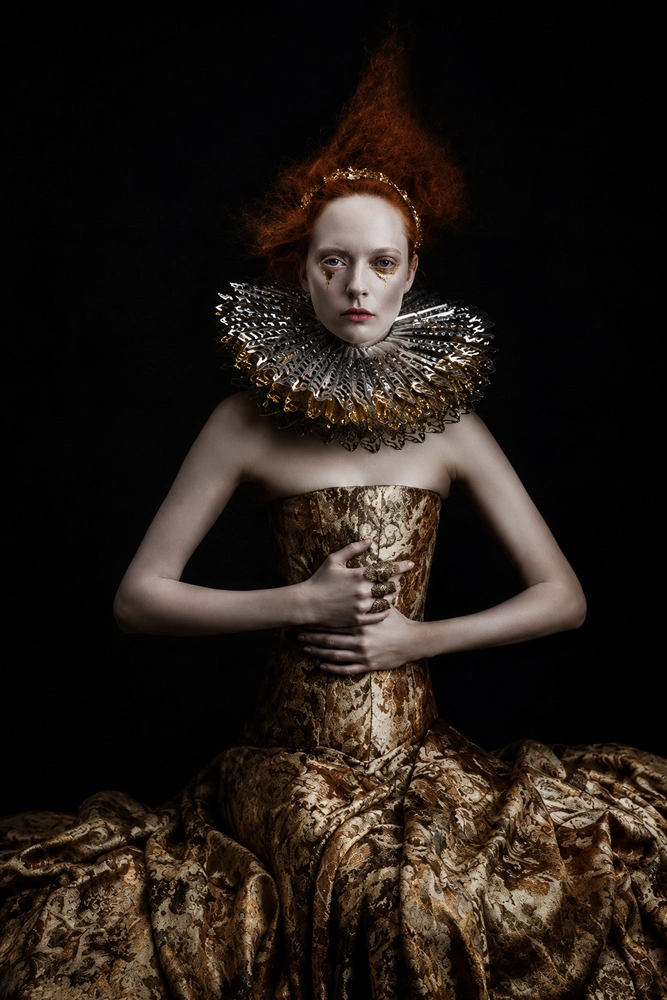
At the throat sat the ruff, the most recognizable weapon of Elizabethan style, a starched and shimmering guillotine of fine lace that severed the head from the body in a display of predatory arrogance. These gargantuan halos of pleated linen were supported by underproppers of wire, forcing the chin upward and granting the wearer the disembodied gaze of a celestial specter floating atop a sea of velvet.
The limbs were equally distorted by the violent beauty of slashing, a technique where tailors used razors to hack into the finest satins so that the contrasting linings could bleed through in visceral loops of color. This aesthetic of the battlefield brought to the ballroom was further enhanced by the peasecod belly, a doublet padded with horsehair and rags until the stomach protruded like a swollen, pregnant pea-pod in a grotesque parody of virility. Every inch of the garment was a canvas for blackwork embroidery, where intricate spiderwebs of dark thread depicted serpents and weeping eyes in a monochromatic memento mori that clung to the skin like a haunting shadow.
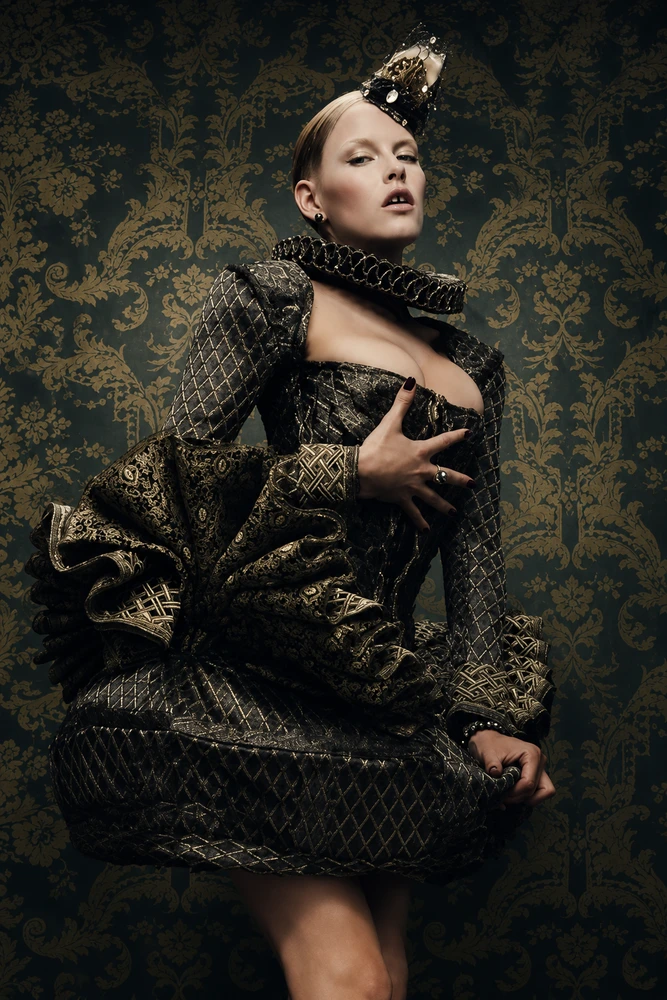
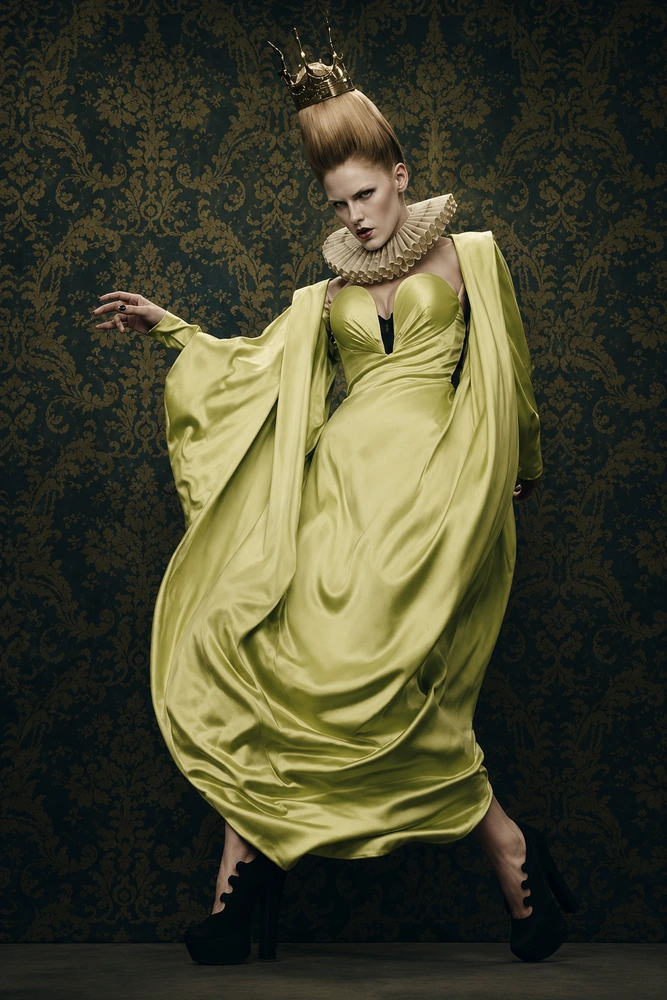
The head was crowned with the French hood of Anne Boleyn or the heart-shaped attifet, while the hair was trapped beneath a caul of gold thread or a linen coif that signaled a life of subservience to the state and the crown. To achievement the porcelain immortality of the Queen, the elite slathered their skin in the lethal white of ceruse, a slurry of lead and vinegar that provided a ghostly mask while slowly corroding the flesh into a withered landscape of gray ruin.
The entire Elizabethan style ensemble was encrusted with thousands of pearls, the tears of the moon, and golden pendants shaped like pelicans that symbolized the monarch feeding her people with her own blood. To wear this style was to accept a life of glamorous paralysis, where one was no longer a mortal being but a sovereign ghost, a terrifying and beautiful testament to the lengths a soul will go to defy its own fragile nature.
The genesis of this architectural nightmare was born from the violent rupture of the Reformation, where the blood-line of the Tudors demanded a new visual language to sanctify their stolen divinity and project a terrifying permanence upon a fractured world. The origin of the Elizabethan style signature lies in the wreckage of the medieval soul, as the reign of Henry VIII shattered the old icons only to replace them with the living, breathing idols of his own courtly lineage. A pivotal milestone occurred in 1558 when Elizabeth I ascended the throne, inheriting a kingdom trembling with religious trauma and the biting breath of the mini ice age, necessitating a wardrobe that functioned as both a thermal fortress and a psychological weapon. She transformed the simple necessity of heavy layering into a ritual of statehood, using the daughter of Anne Boleyn’s own French hood as a skeletal blueprint to reshape the very skull of the English aristocracy into a half-moon of wired silk and velvet.
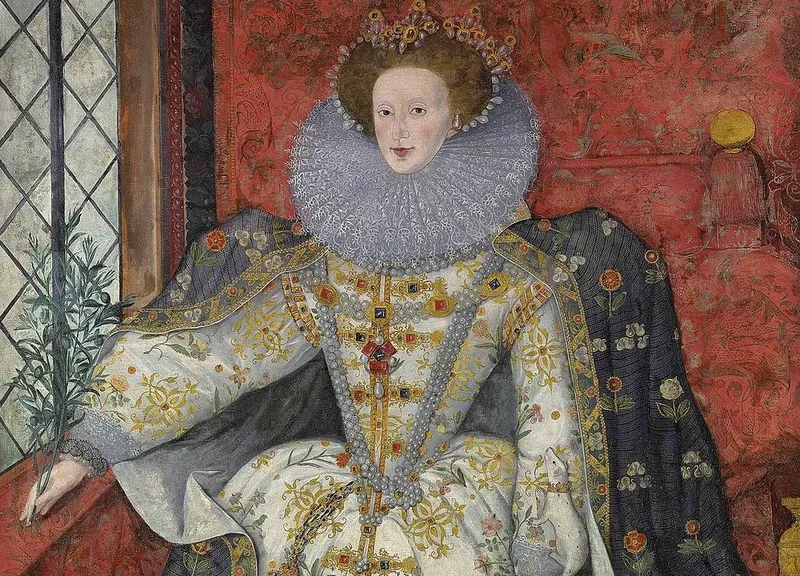
The year 1565 stands as a threshold of madness with the introduction of starch to the English court, a chemical catalyst that allowed the modest ruffle of the smock to undergo a monstrous metamorphosis into the ruff. This discovery was the milestone of the severed head, enabling the nobility to expand their neckwear into the gargantuan, starched guillotines that would eventually require wire underproppers to defy gravity and human comfort. Simultaneously, the influence of the Spanish court brought the rigid, dome-shaped farthingale into the English wardrobe, a milestone of territorial aggression that provided the structural foundation for the queen’s spatial dominance. By 1580, Elizabethan style had reached its peak of scandalous excess, where the silhouette was no longer a human form but a geometric hallucination of power, fueled by the arrival of exotic silks from the East and the ruthless exploitation of natural dyes to create the crimson pulse of the elite.
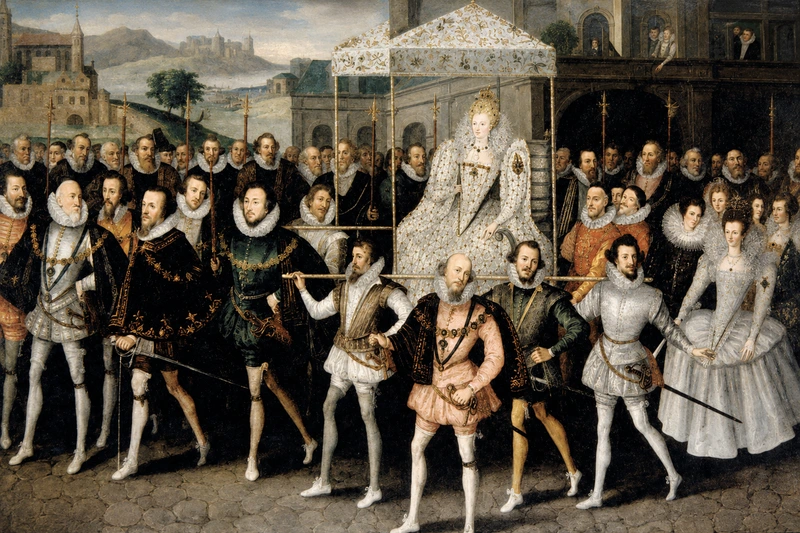
The final evolution of this history was the codification of the sumptuary laws, a milestone of legal tyranny that dictated the exact materials a body could inhabit based on the prestige of its blood. These laws ensured that the shimmering velvets and the toxic white of lead ceruse remained the exclusive province of the gods of the court, while the lower classes were legally bound to the muted wools of the earth. This historical arc was a deliberate march toward the total annihilation of the natural self, as each decade added a new layer of bone, steel, and poison to the ensemble. It was a legacy that transformed the daughter of a beheaded queen into the most recognizable and terrifying icon of the Renaissance, proving that true Elizabethan style glory is built upon the beautiful ruins of the human body.
The atmosphere within the Great Hall is a suffocating shroud of incense and damp stone where the air itself feels heavy with the scent of ozone and rotting lilies. To stand before the Queen is to stand before a mountain of gold that breathes with a slow, predatory rhythm, while the wind howls through the leaded glass like the ghosts of the beheaded.
You are shivering, not merely from the bite of the mini ice age that rattles the doors, but from the crushing weight of a presence that has replaced its humanity with an architecture of terror. The floorboards groan beneath the swords of the guards who stand as motionless as statues, their leather doublets creaking in the gloom, while the Queen remains an unblinking icon of divine right. Her gown clatters with the sound of a thousand pearls, the tears of a nation, and the flickering torchlight casts long, jagged shadows of her ruff against the walls until she resembles a celestial spider waiting at the center of a web of steel and silk.
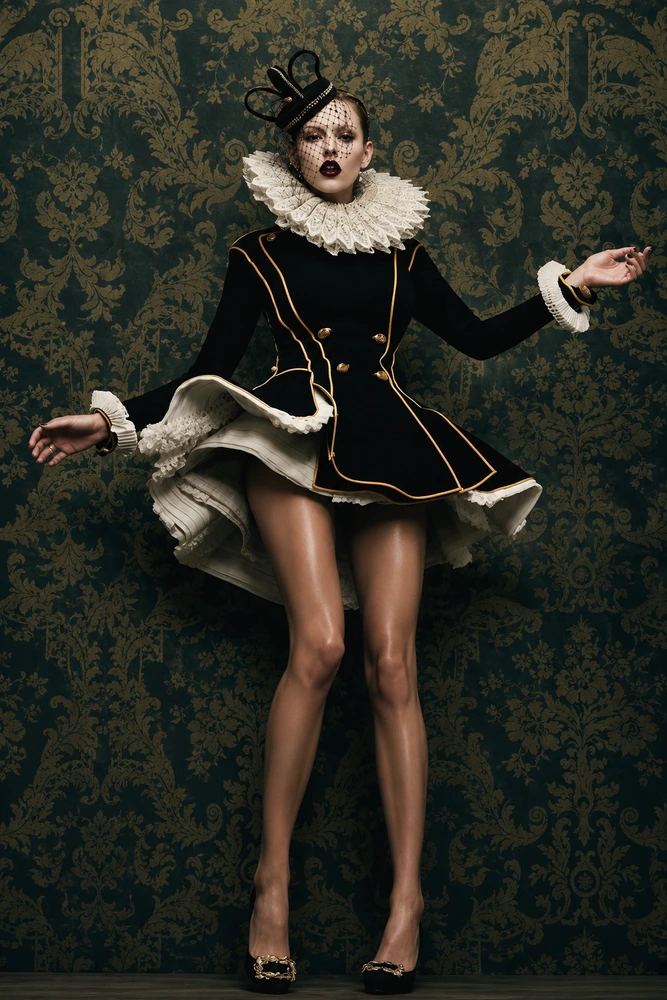
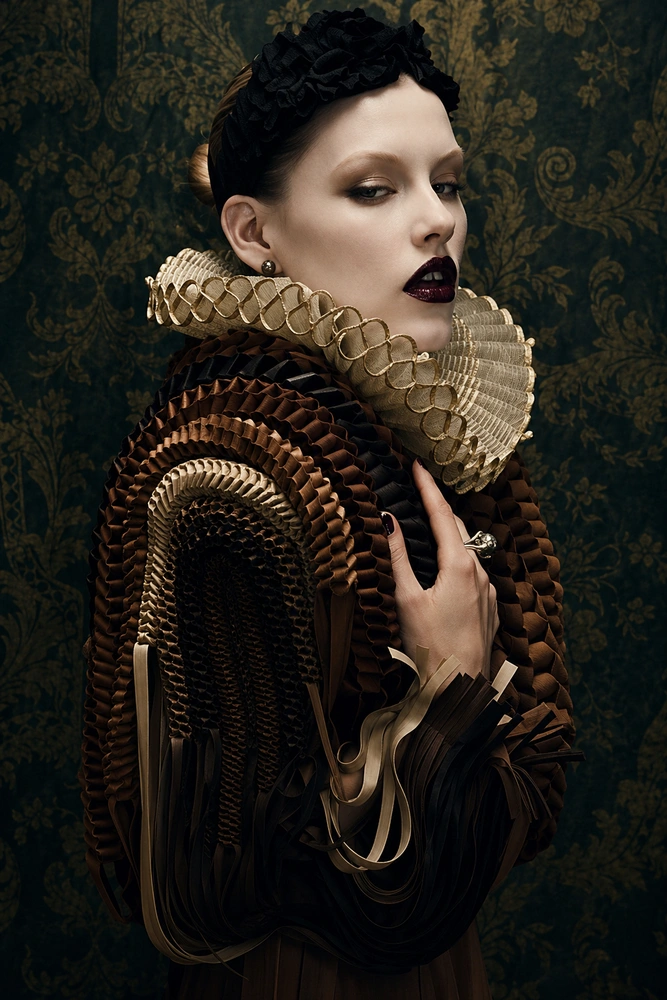
This Elizabethan style is the ultimate tool of social control, a visual law that dictates the very worth of a soul through the texture of its shroud. To gaze upon the court is to witness the brutal enforcement of the sumptuary laws, where the wealthy use their silhouettes like weapons to signify a biological superiority over the masses. The lower classes are legally bound to the dirt, restricted to the muted grays and browns of the earth. This is the message of power and purity: the Queen’s consistent use of the sacred pale and the impenetrable farthingale communicates a terrifying strength, a woman who has transformed her body into a political fortress that no man can breach and no scandal can tarnish. She is a living statue whose every jewel is a silent oath of dominance over the courtly vultures who circle her throne.
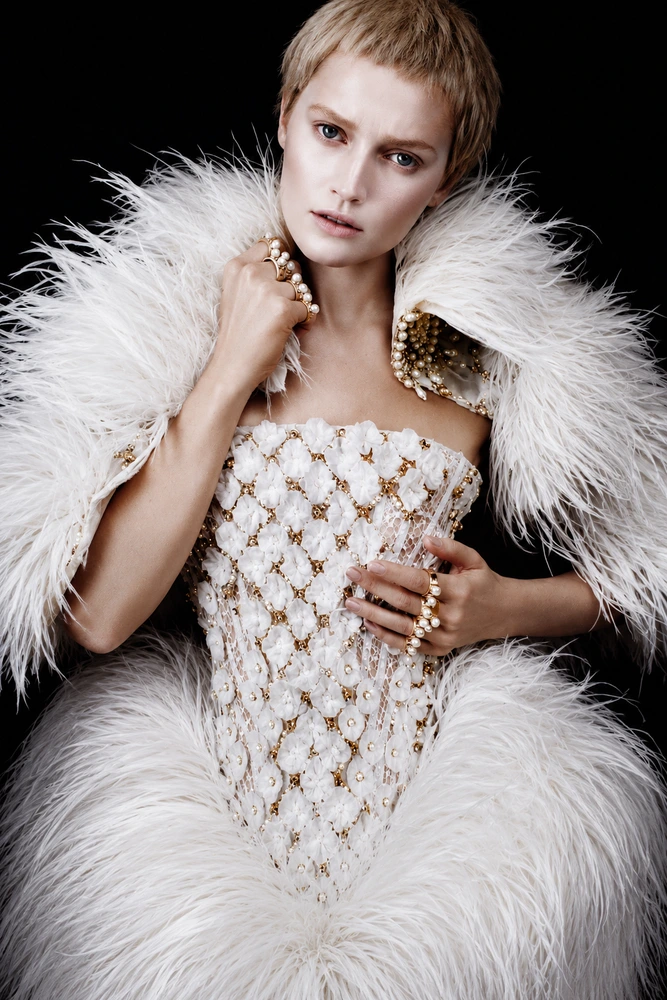
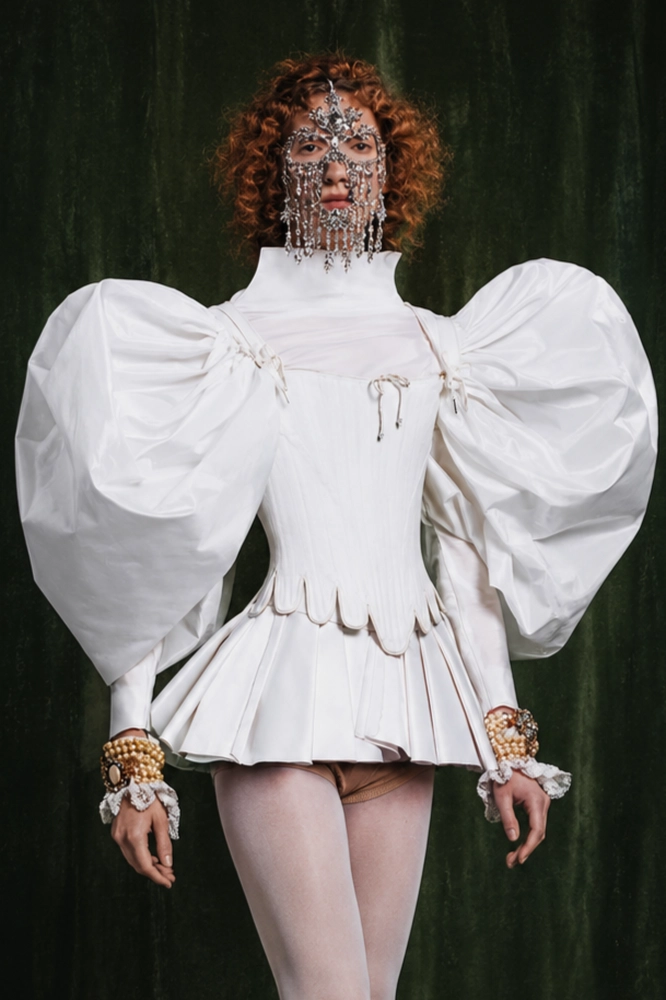
In this dark theater of the Renaissance, Elizabethan style is the primary actor in a performance of blood and prestige where every courtier is a player in a dangerous game of social masks. The relationship between clothing and the performing arts is a blurred line of immersive storytelling, as the elite don their bombed sleeves and slashed silks to embody characters of divine grace or martial fury.
To misstep in the choreography of the stitch is to invite a social death more permanent than the axe, for in this hall, the garment is the character and the cloth is the law. The wind screams outside the palace walls, but within, the silence is absolute, broken only by the shimmering rustle of the Queen’s gown, a sound that reminds every soul present that their life, their status, and their very breath are held in place by the same rigid whalebone that cages the heart of the Virgin Icon.
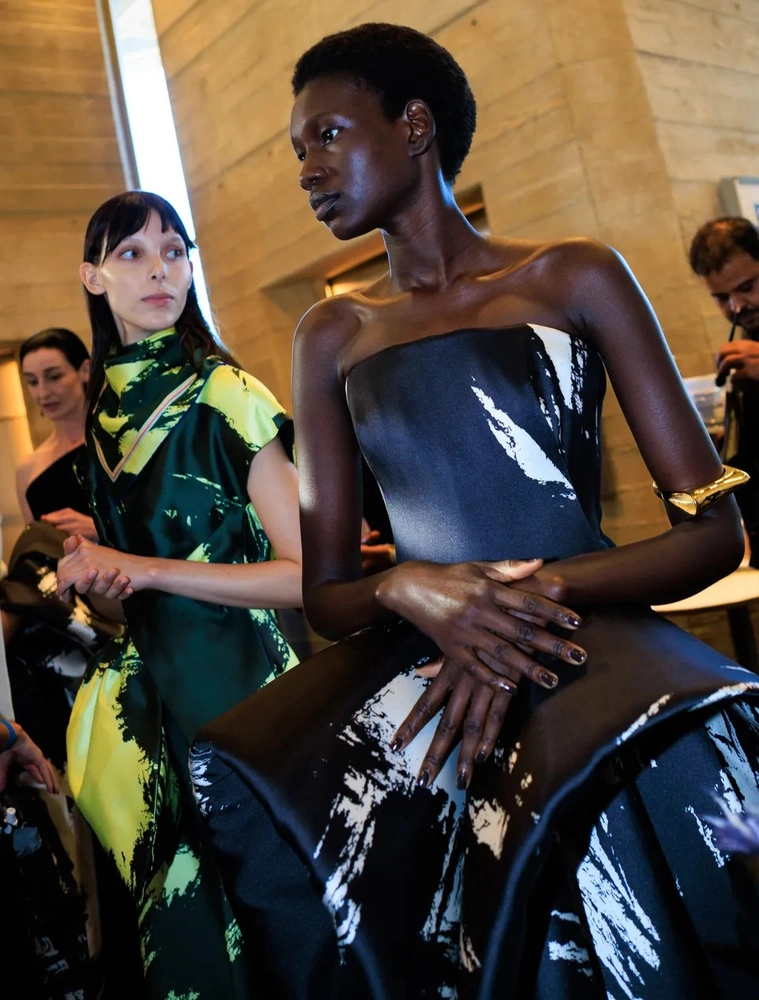
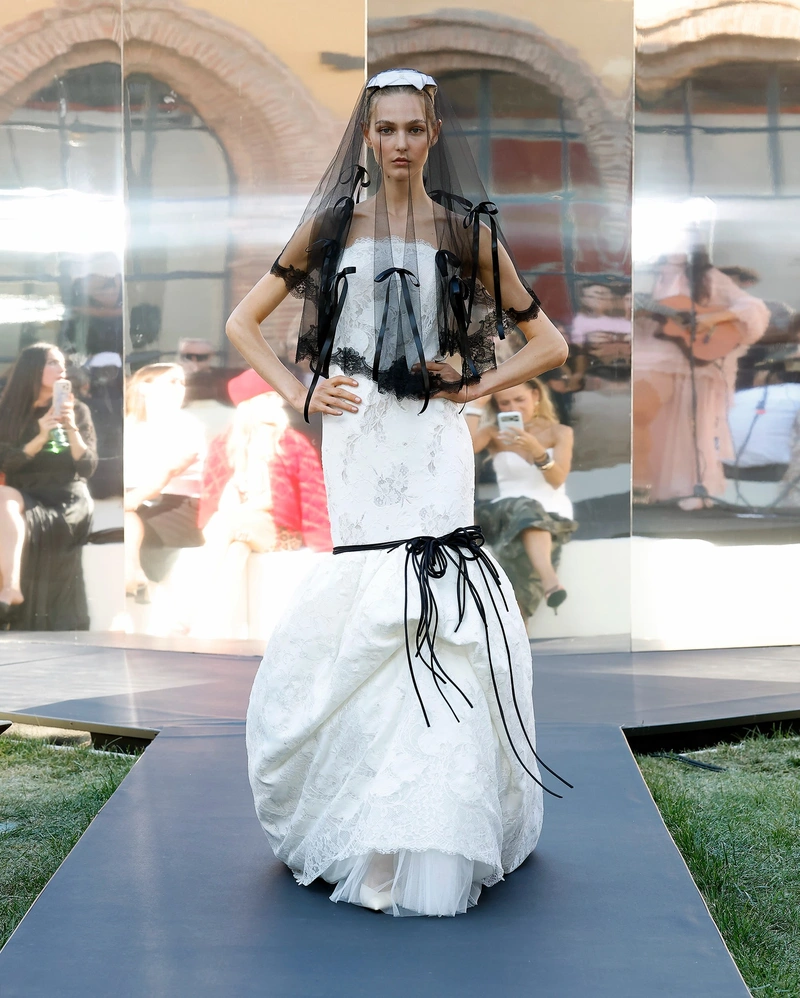
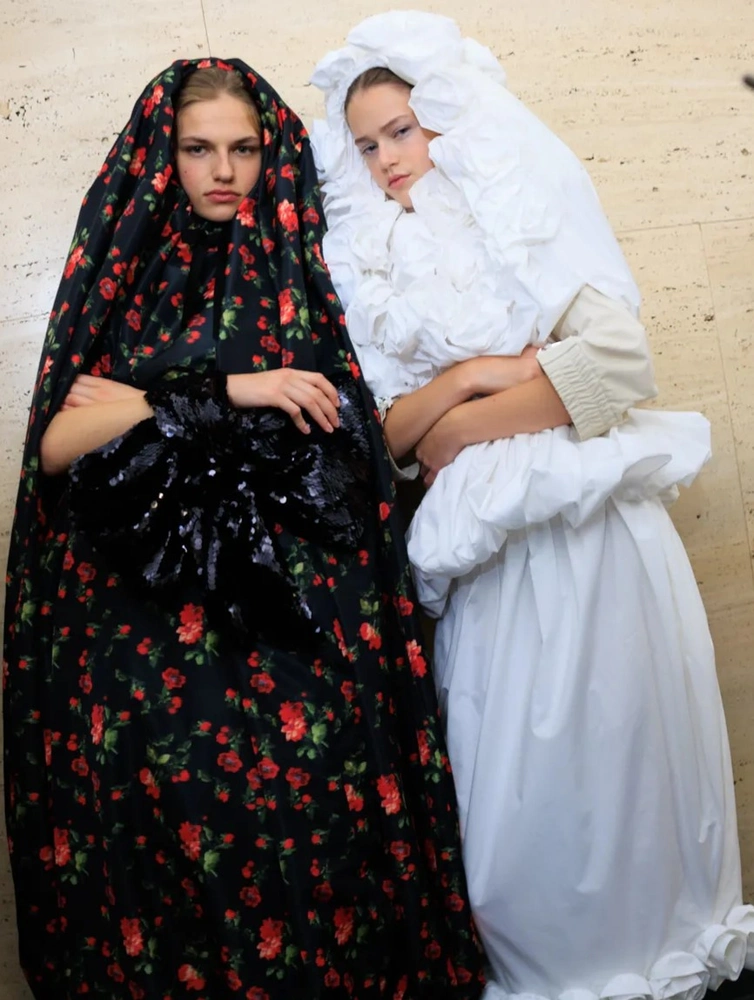
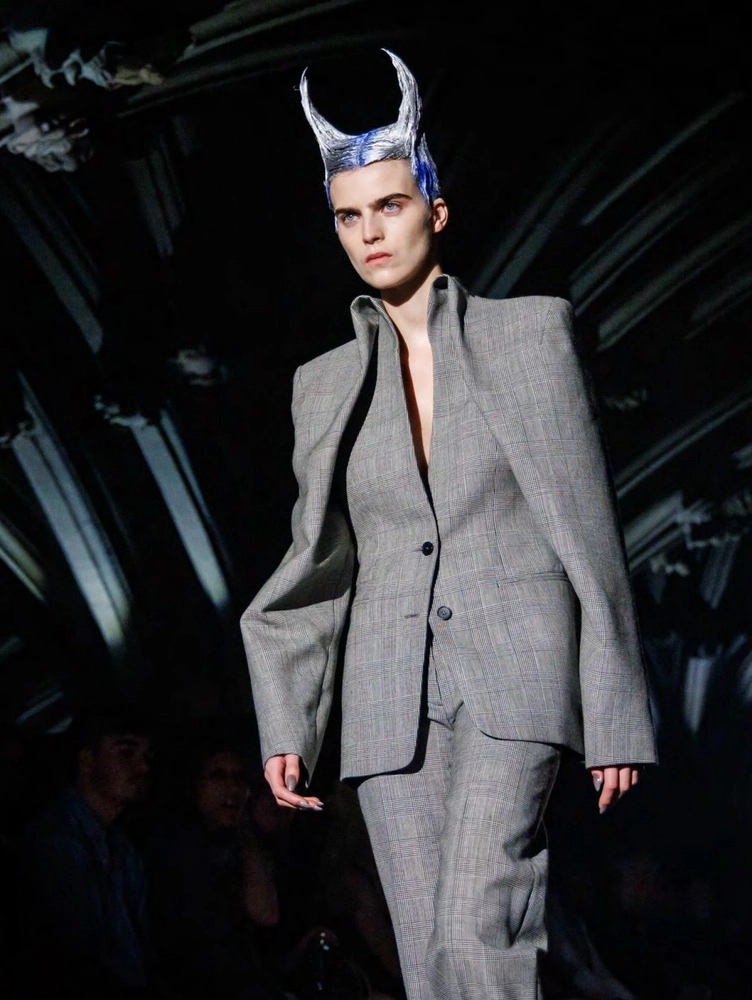
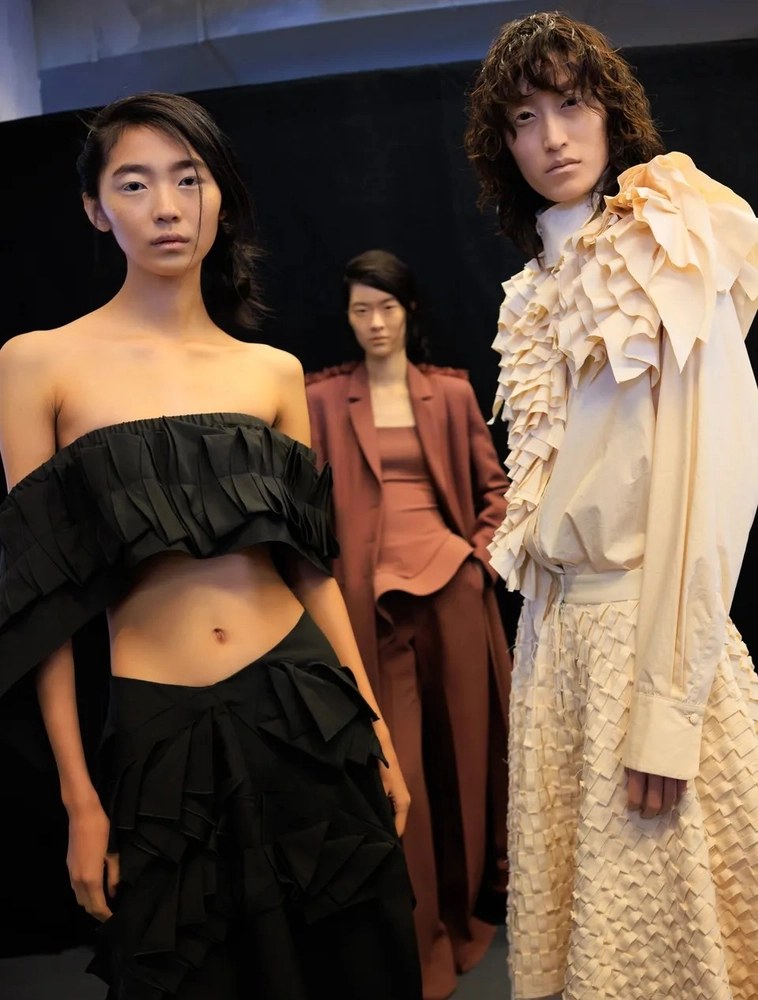
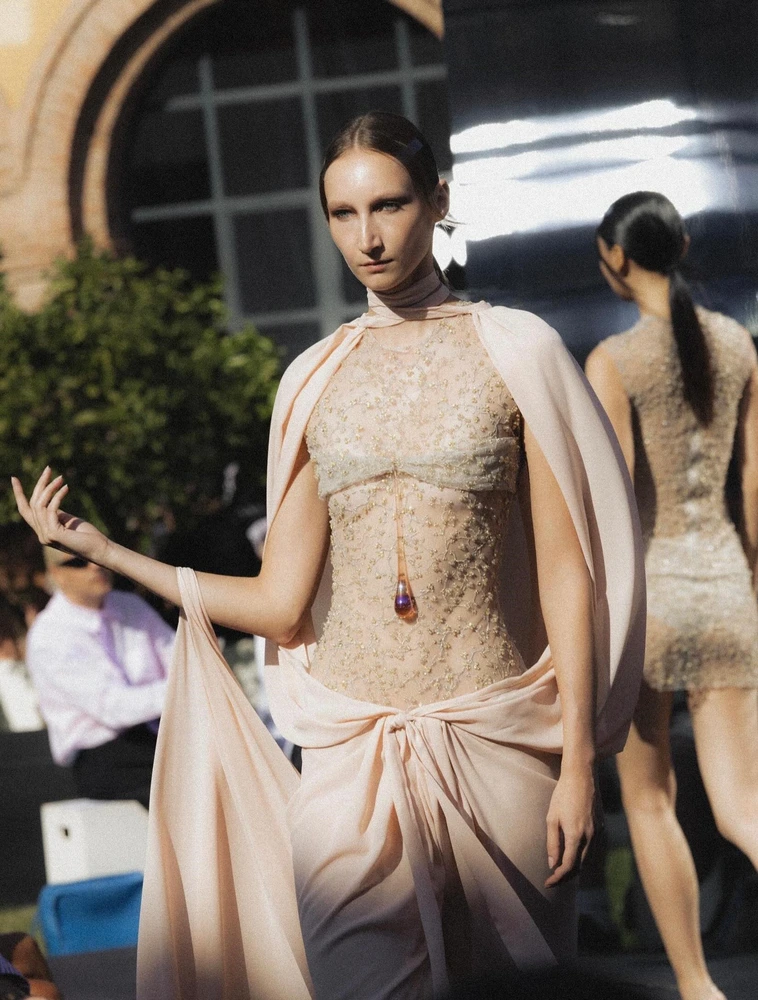
The old court keeps breathing beneath the runway lights, its pearls cold, its collars sharpened, its silk still hungry for power.
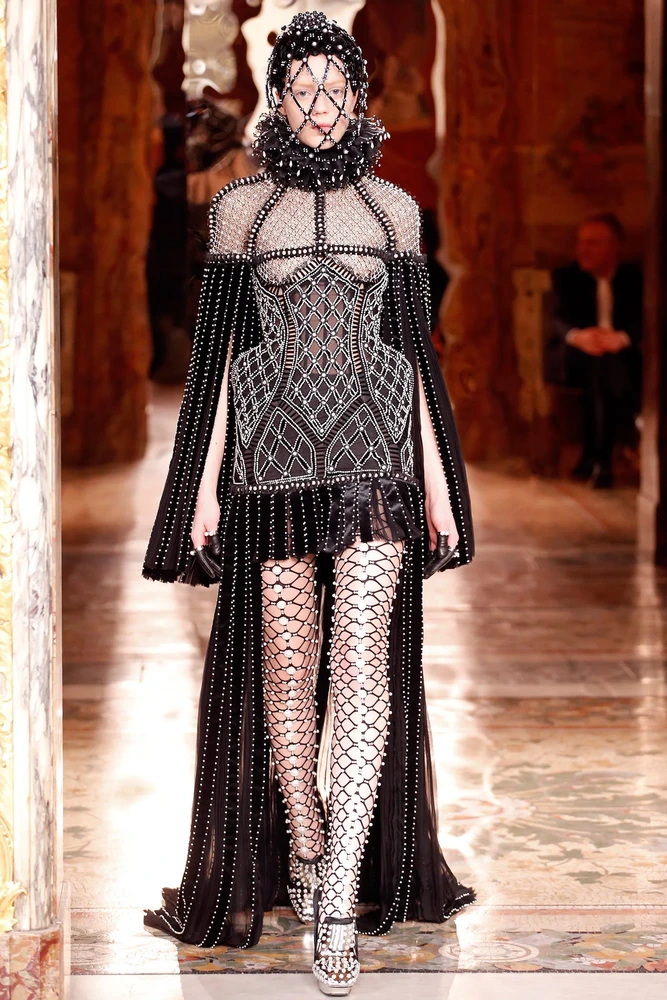
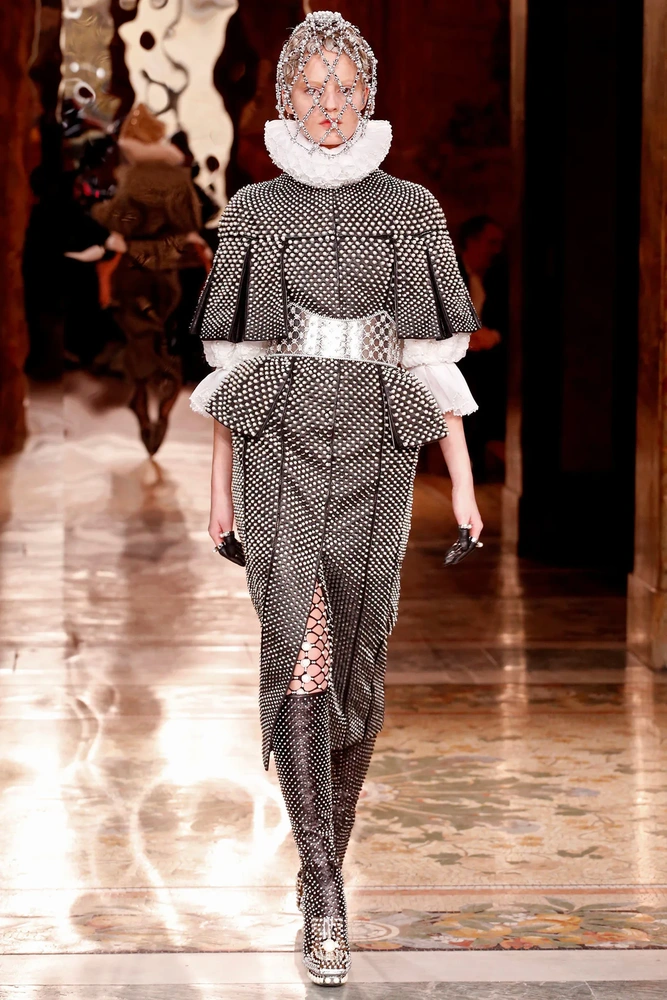
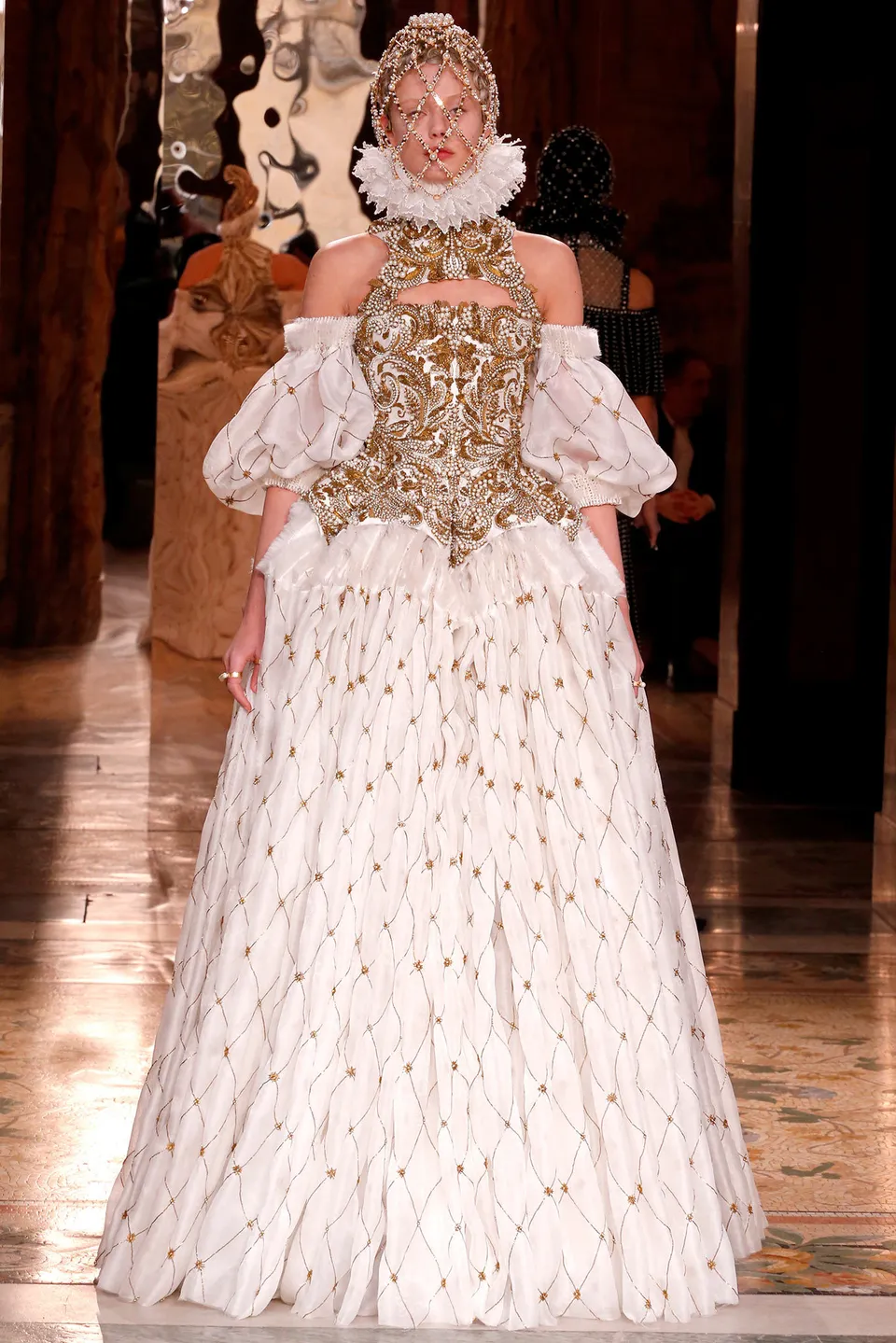
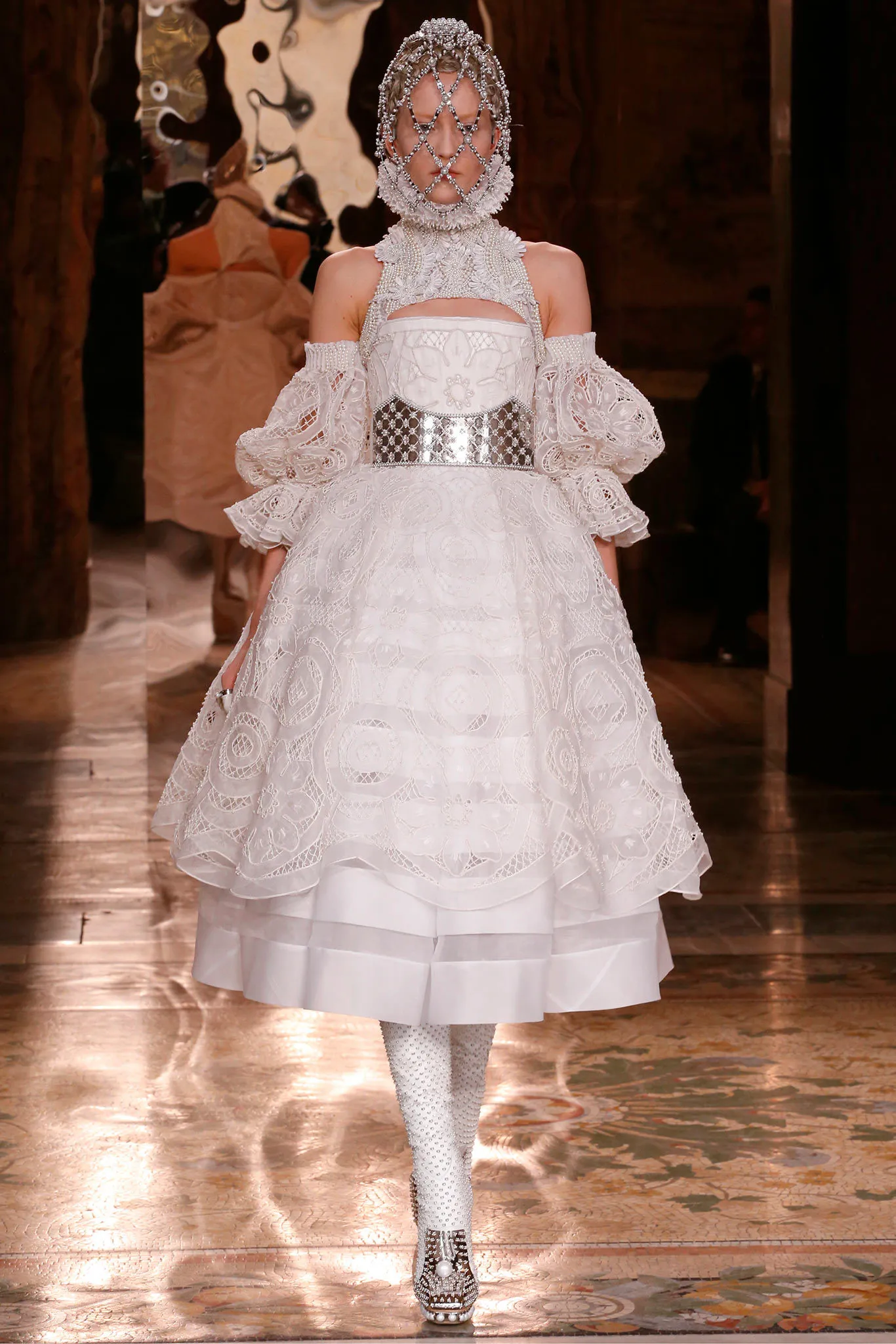
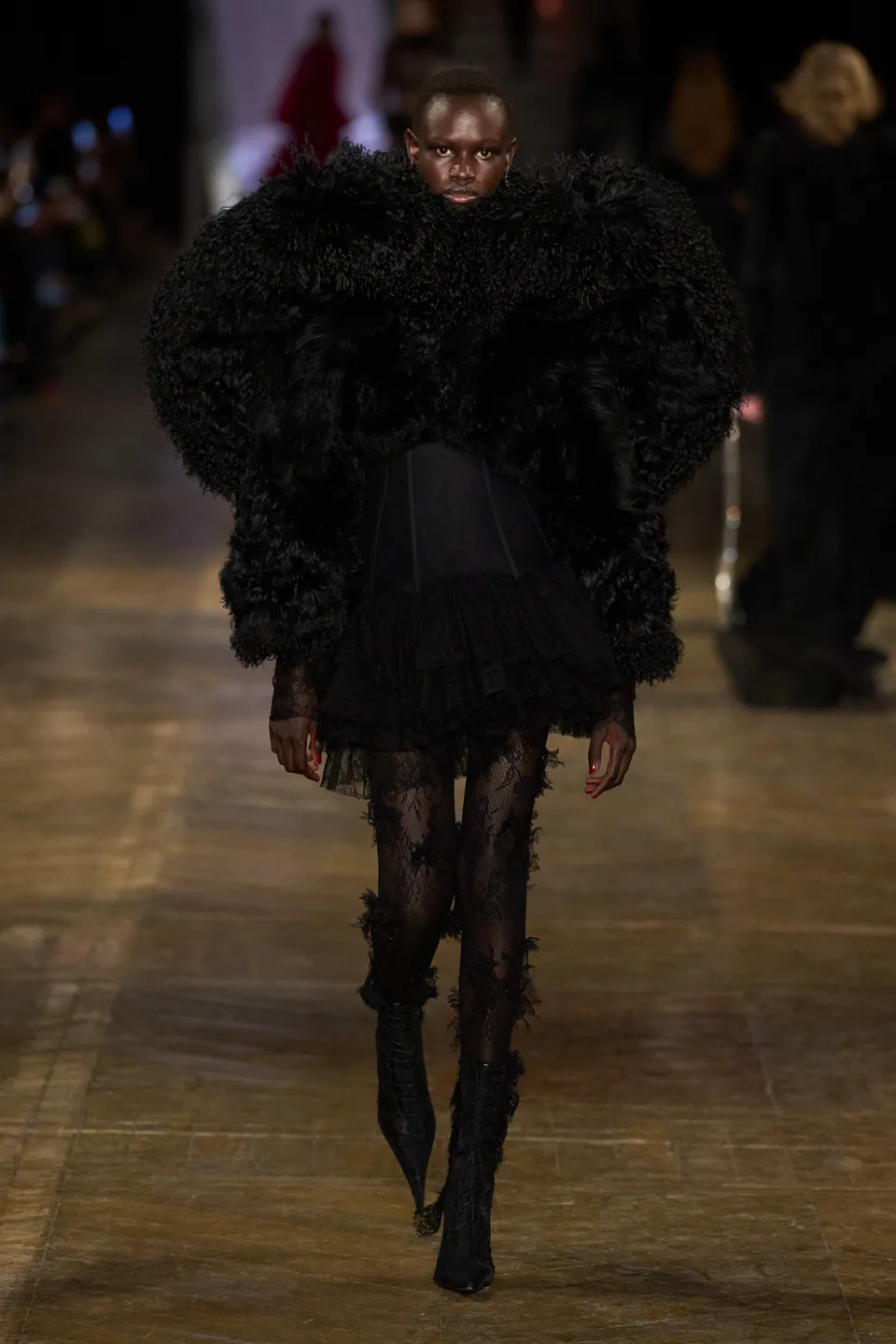
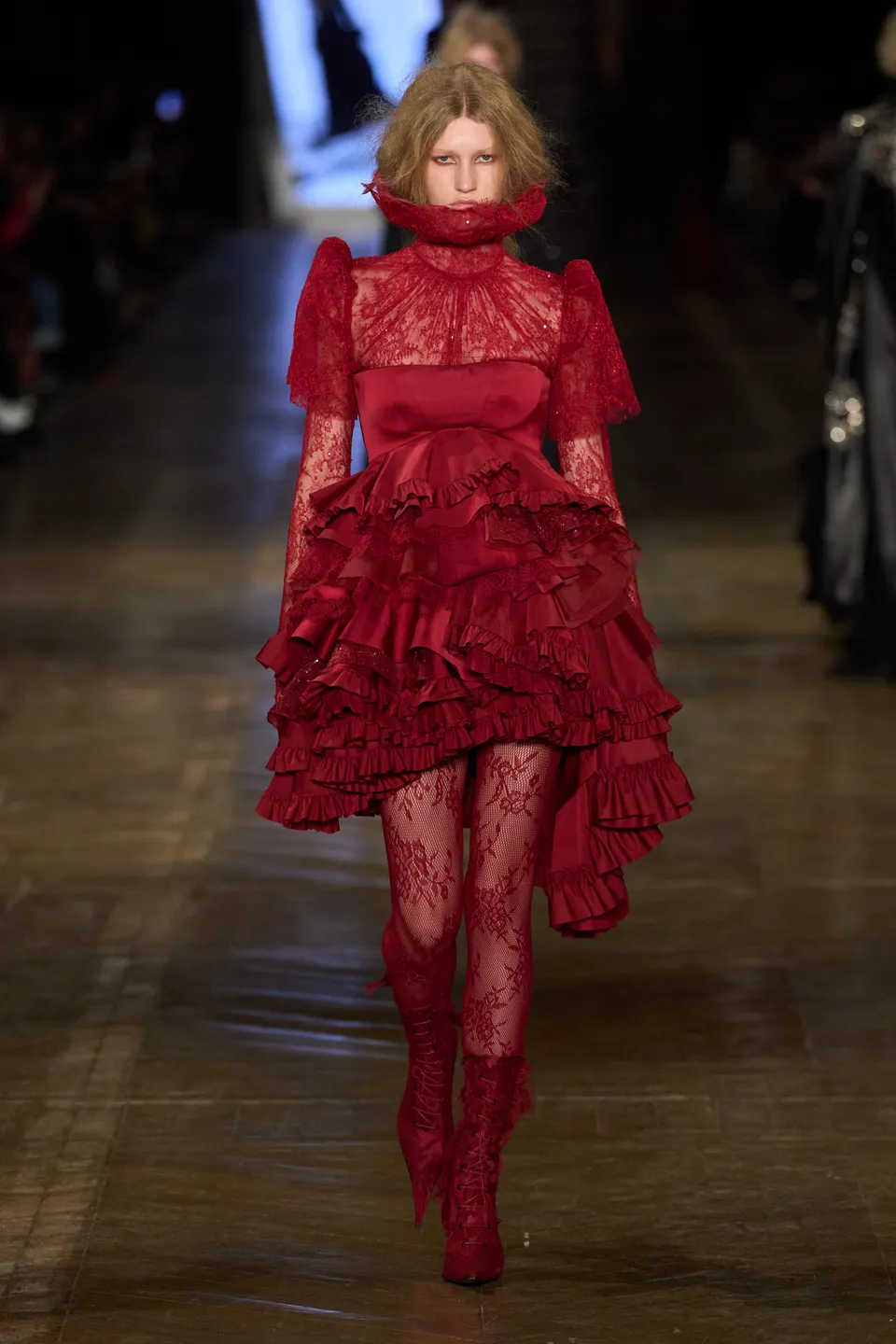
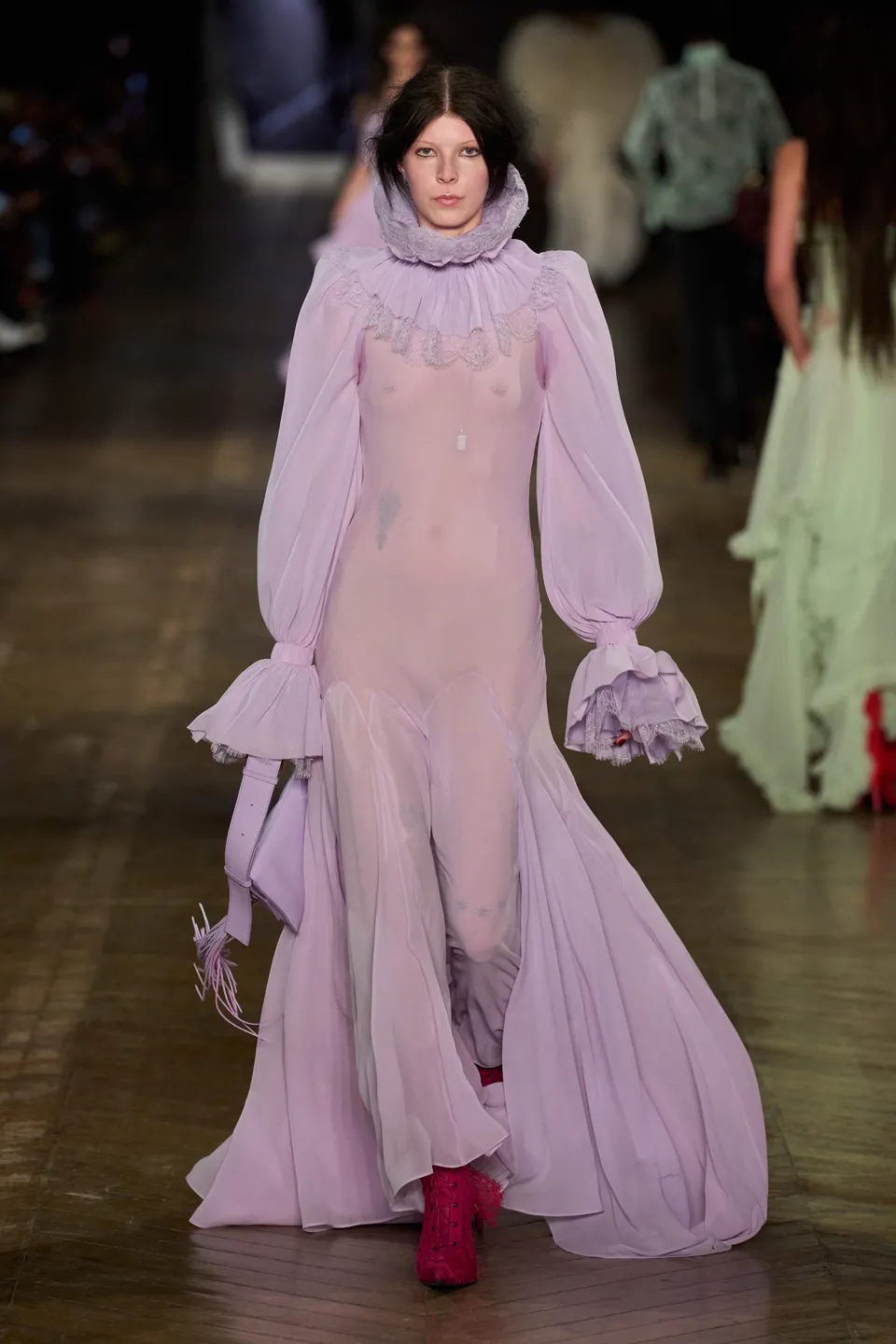
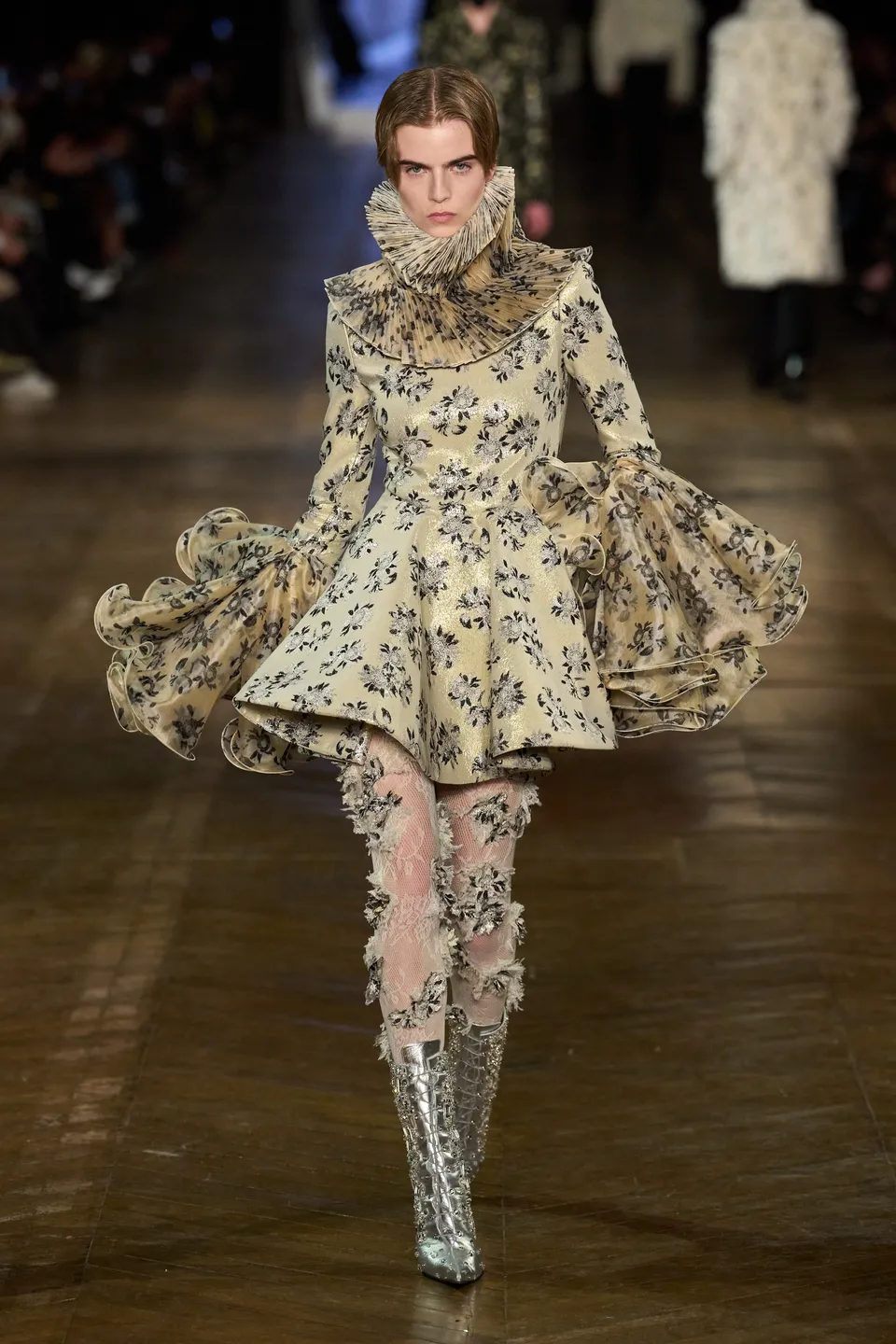
At Alexander McQueen, Elizabethan style becomes a beautiful wound, a place where monarchy, martyrdom, and anatomy collapse into one brutal vision. The house turns the ruff, the corset, the armored bodice, and the royal silhouette into instruments of psychological violence, giving every queen the aura of a saint walking toward execution with her spine held like a blade.
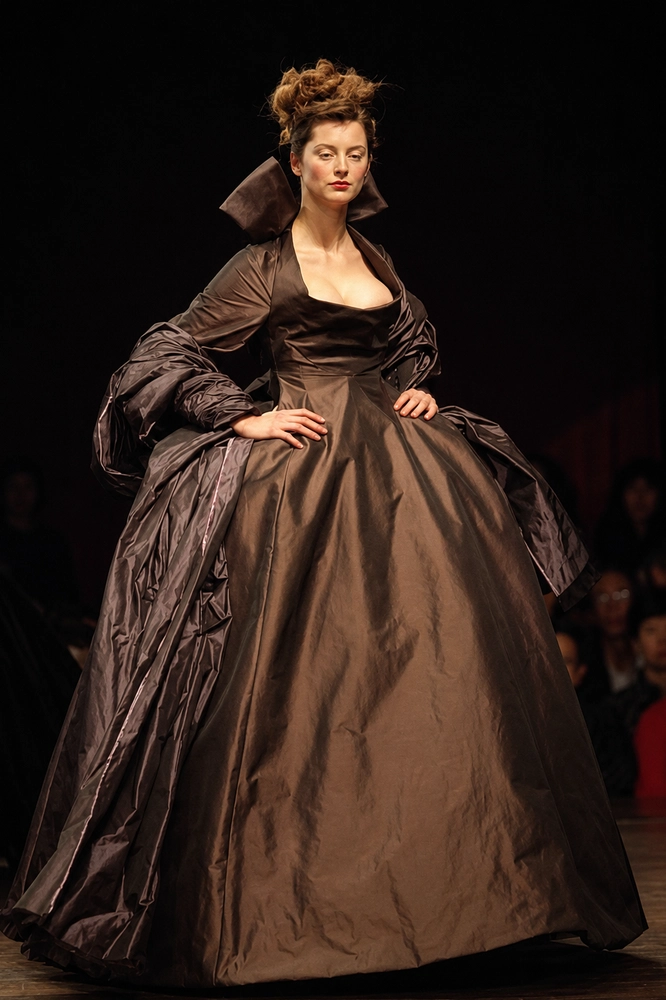
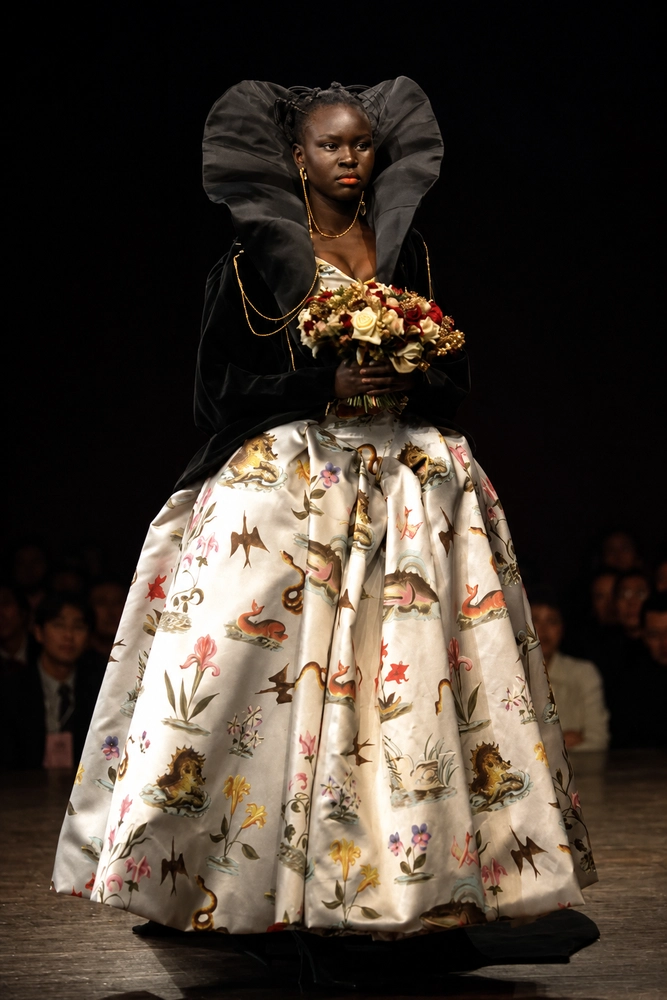
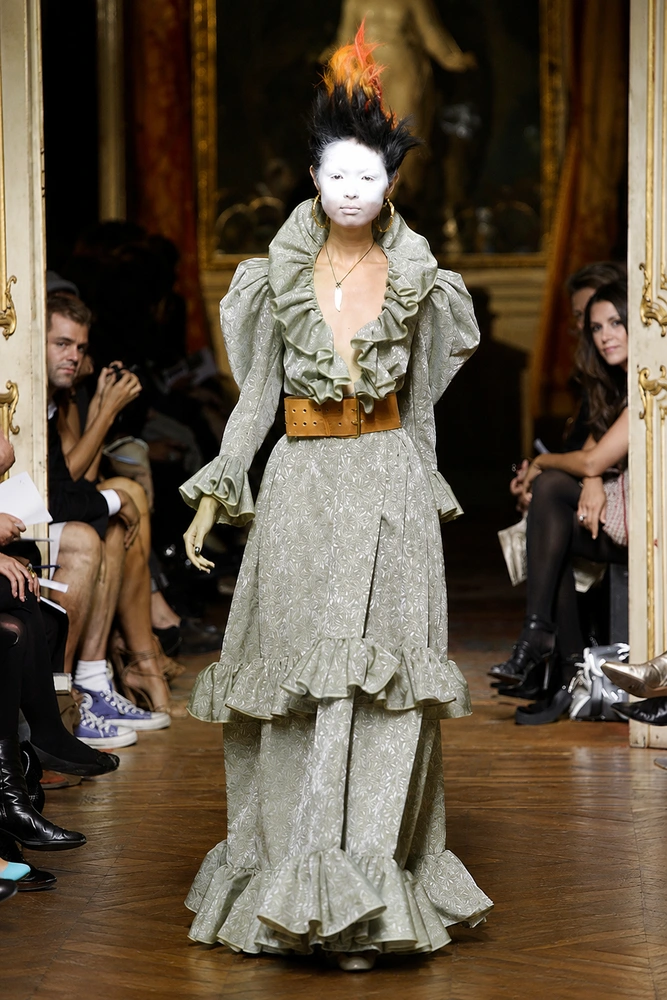
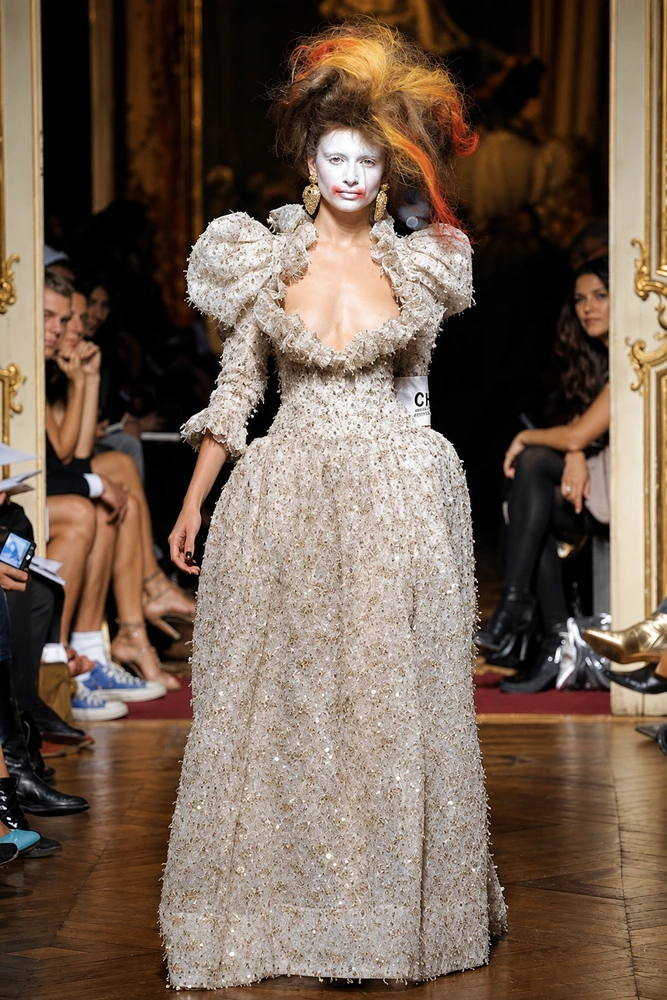
Vivienne Westwood treats Elizabethan style as rebellion wearing a crown, dragging Tudor grandeur into punk sensuality and making history feel dangerously alive. Her corsets, sculpted hips, slashed surfaces, and courtly bodices carry the spirit of aristocracy turned inside out, where the queen becomes a pirate, a lover, and a political animal all at once.
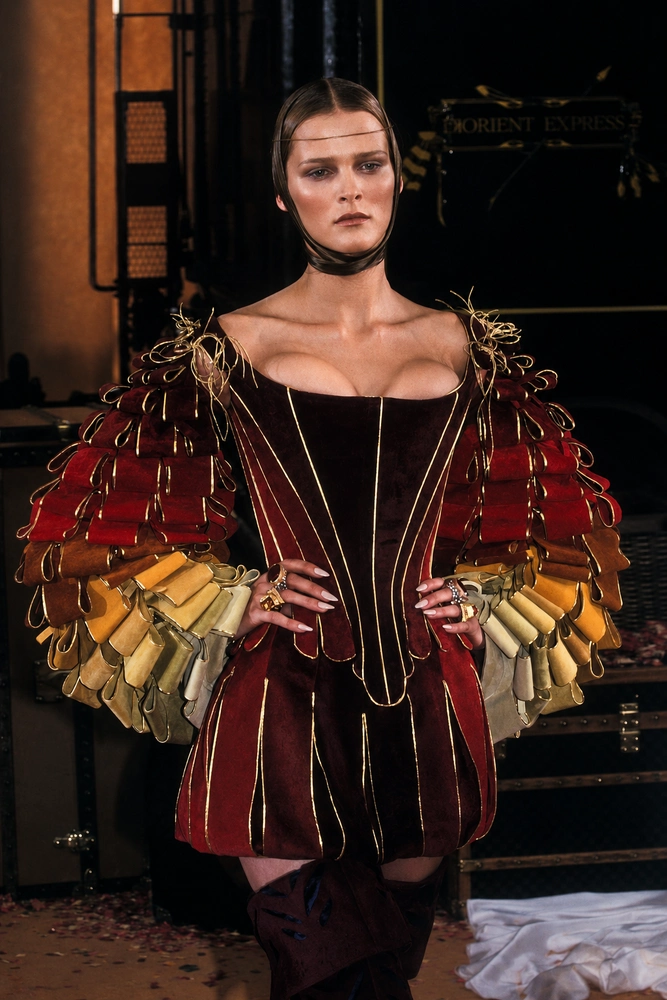
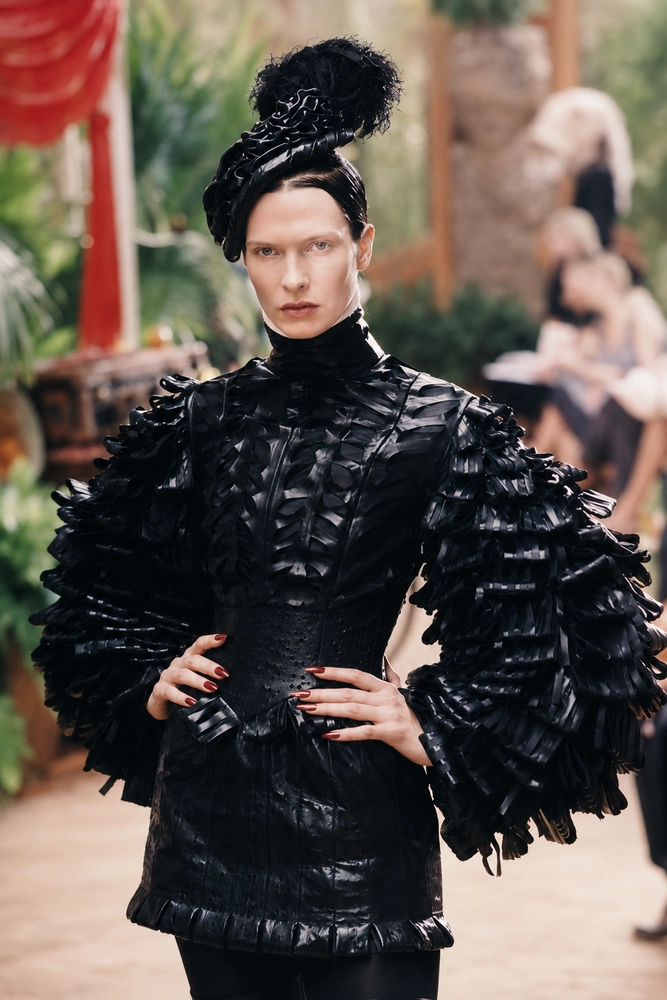
For John Galliano, Elizabethan style is a fever dream of empire, theater, and forbidden glamour, always swollen with travel, fantasy, and costume ecstasy. At Dior and in his wider universe, ruffs, rigid waists, pearl-studded faces, and historical silhouettes become cinematic hallucinations, transforming the court into a stage where beauty arrives overdressed, half-mad, and magnificently doomed.
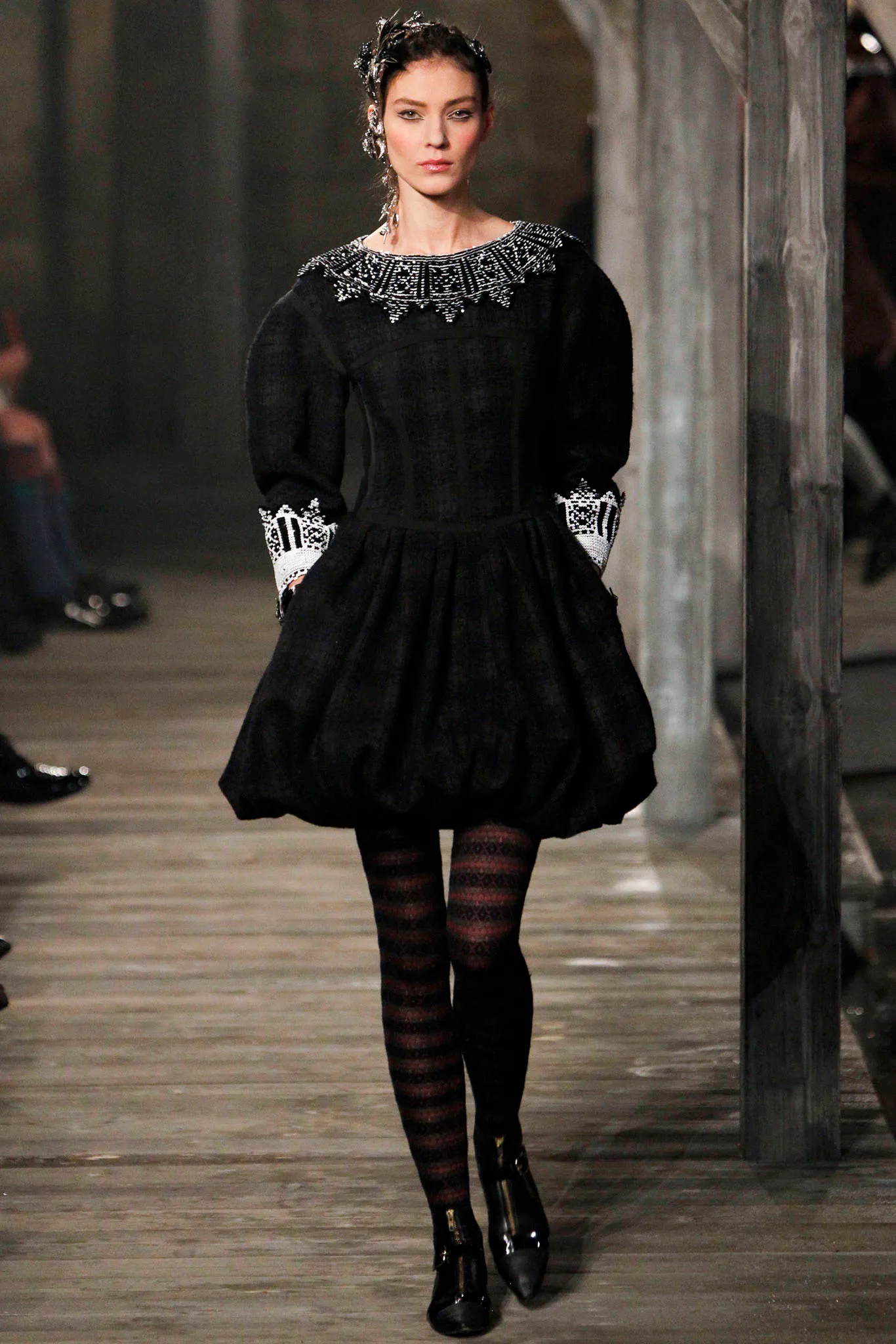
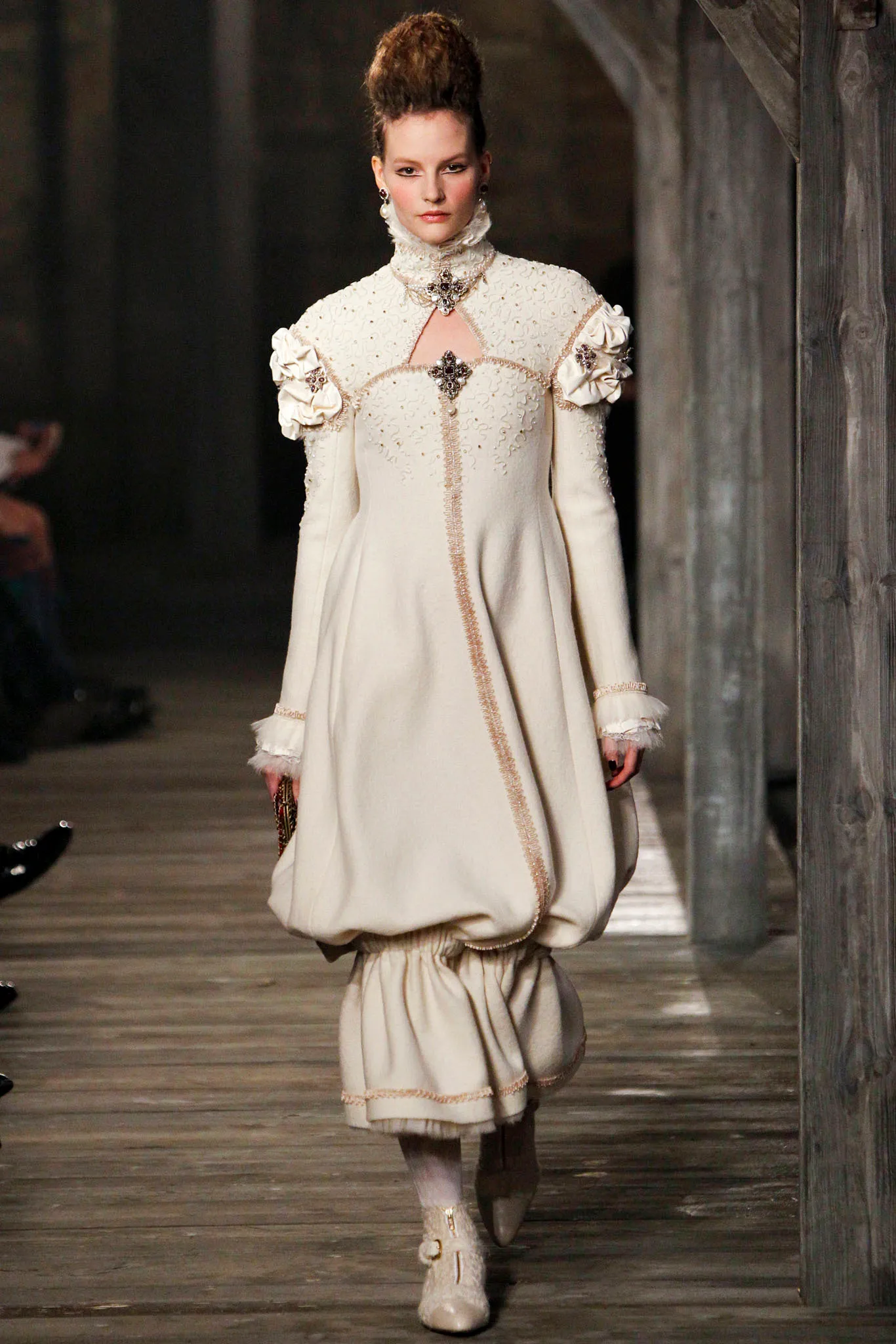
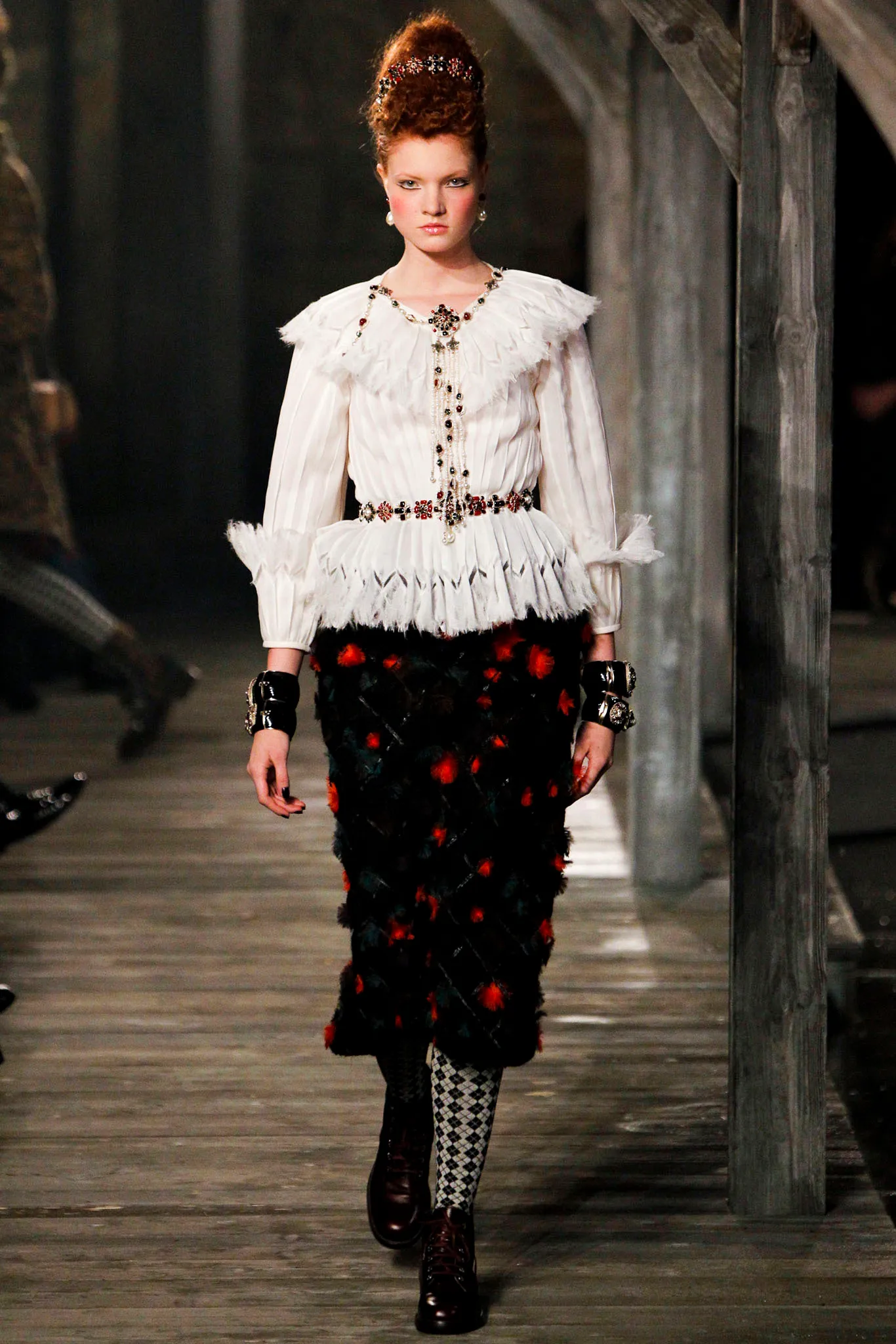
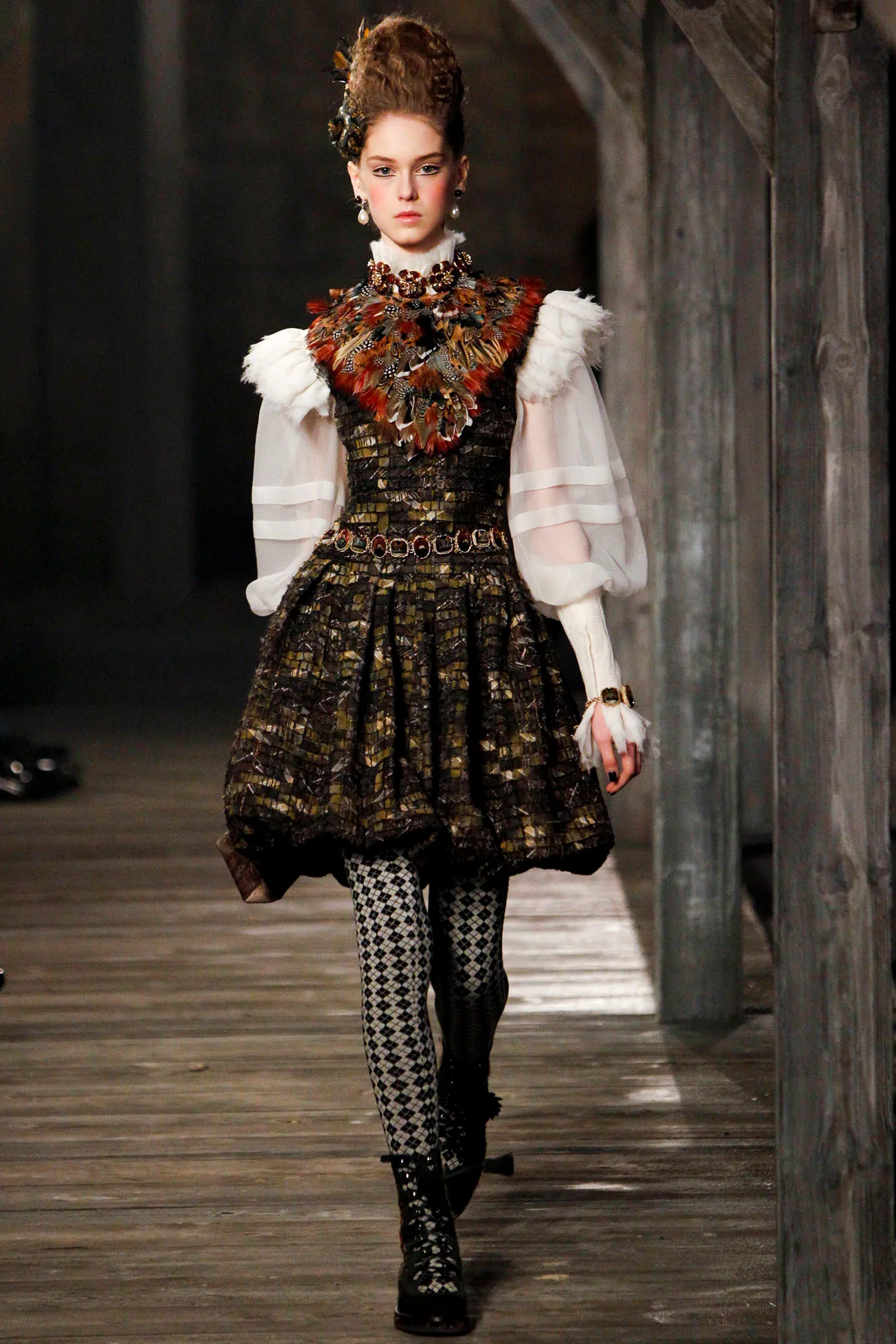
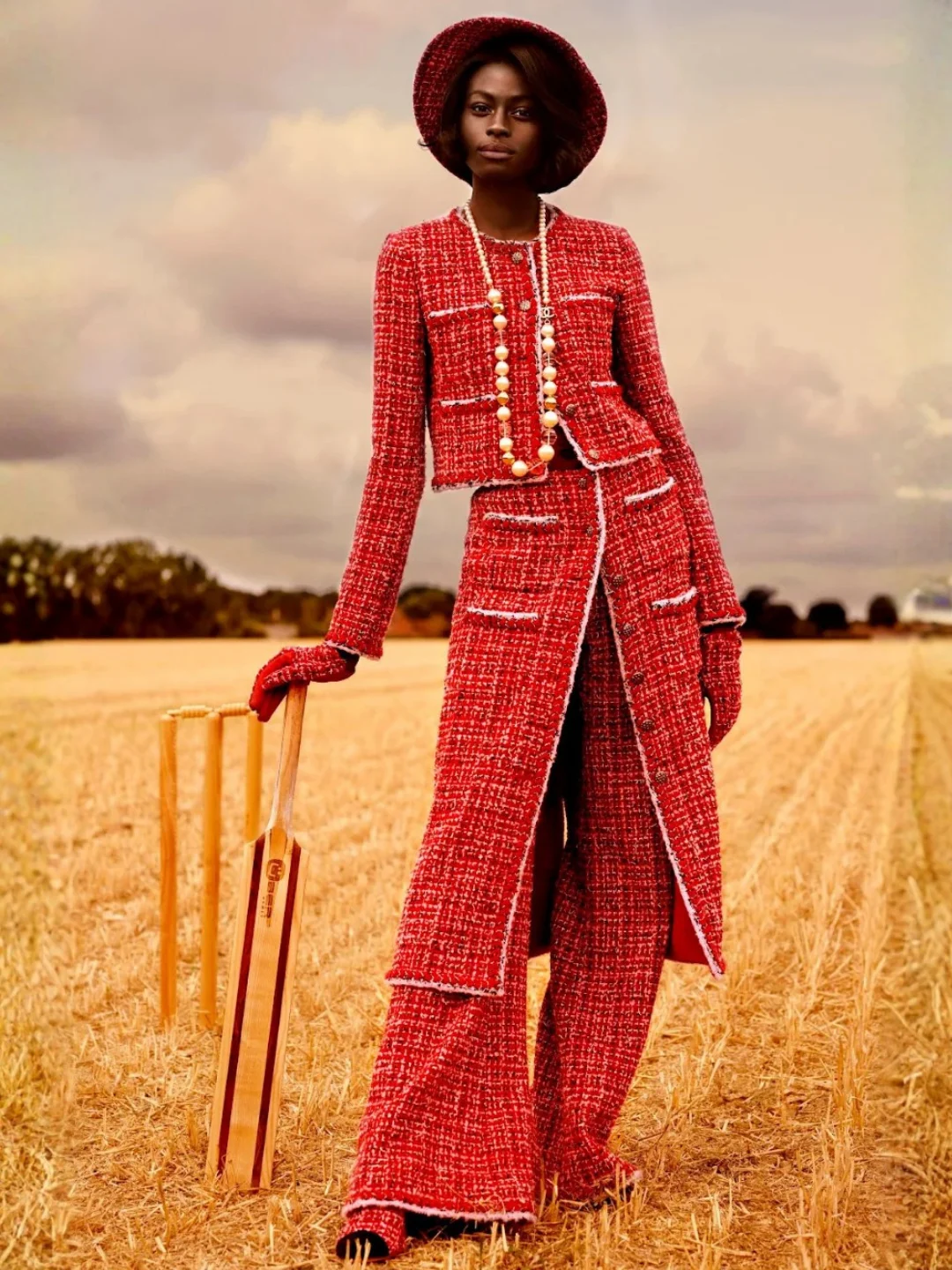
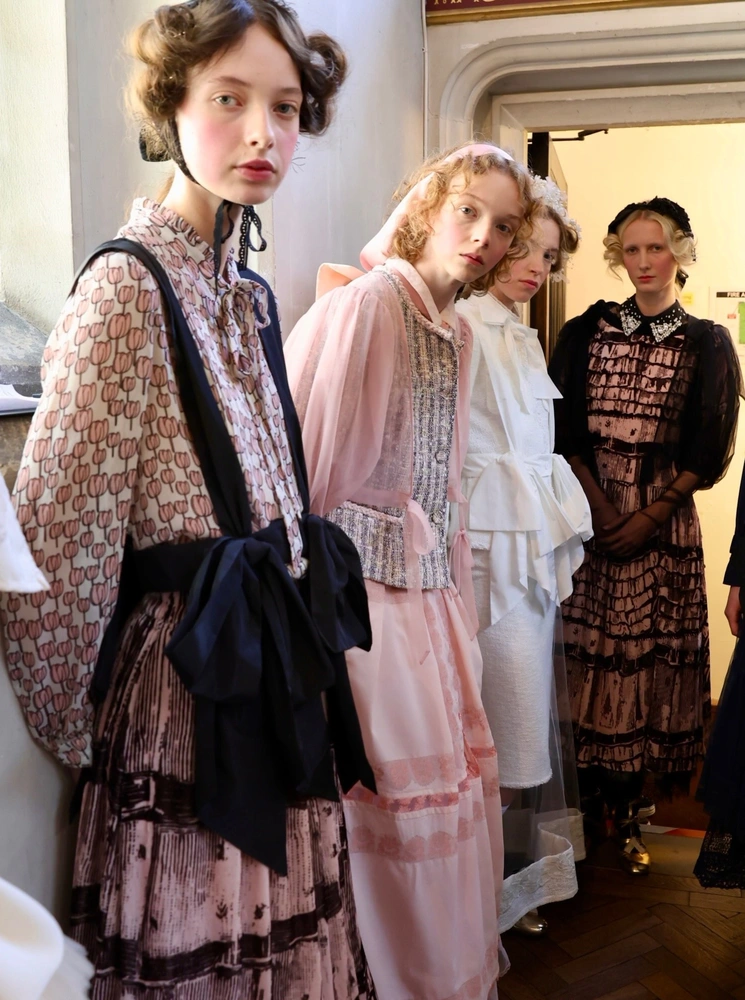
Chanel filters Elizabethan style through discipline, craft, and aristocratic restraint, turning the language of court dress into tweed, lace, embroidery, feathers, and Métiers d’Art mythology. Its queens feel composed rather than feral, wrapped in heritage and ritual, with collars, cuffs, pearls, and structured jackets carrying the quiet authority of a dynasty that understands power as polish.
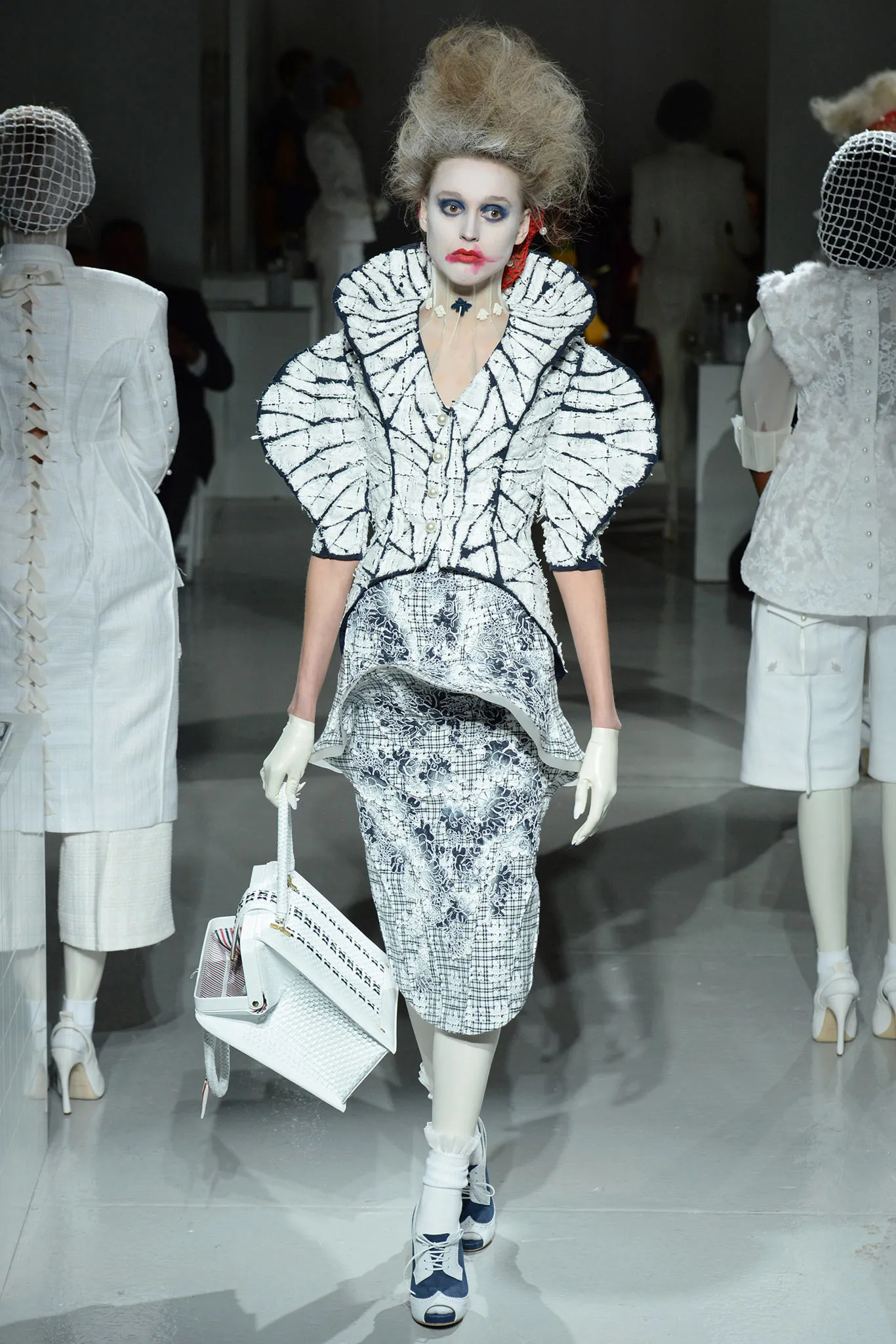
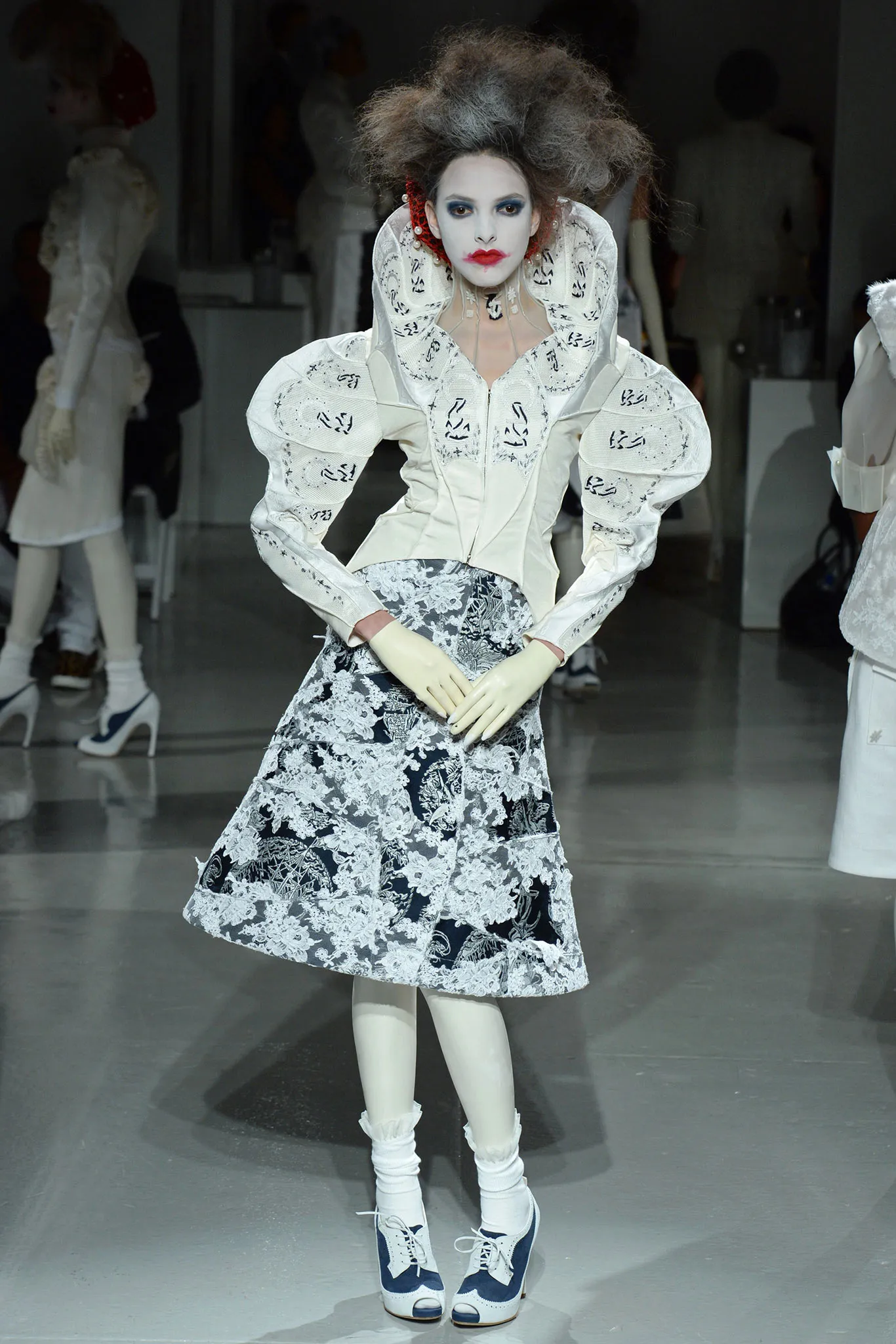
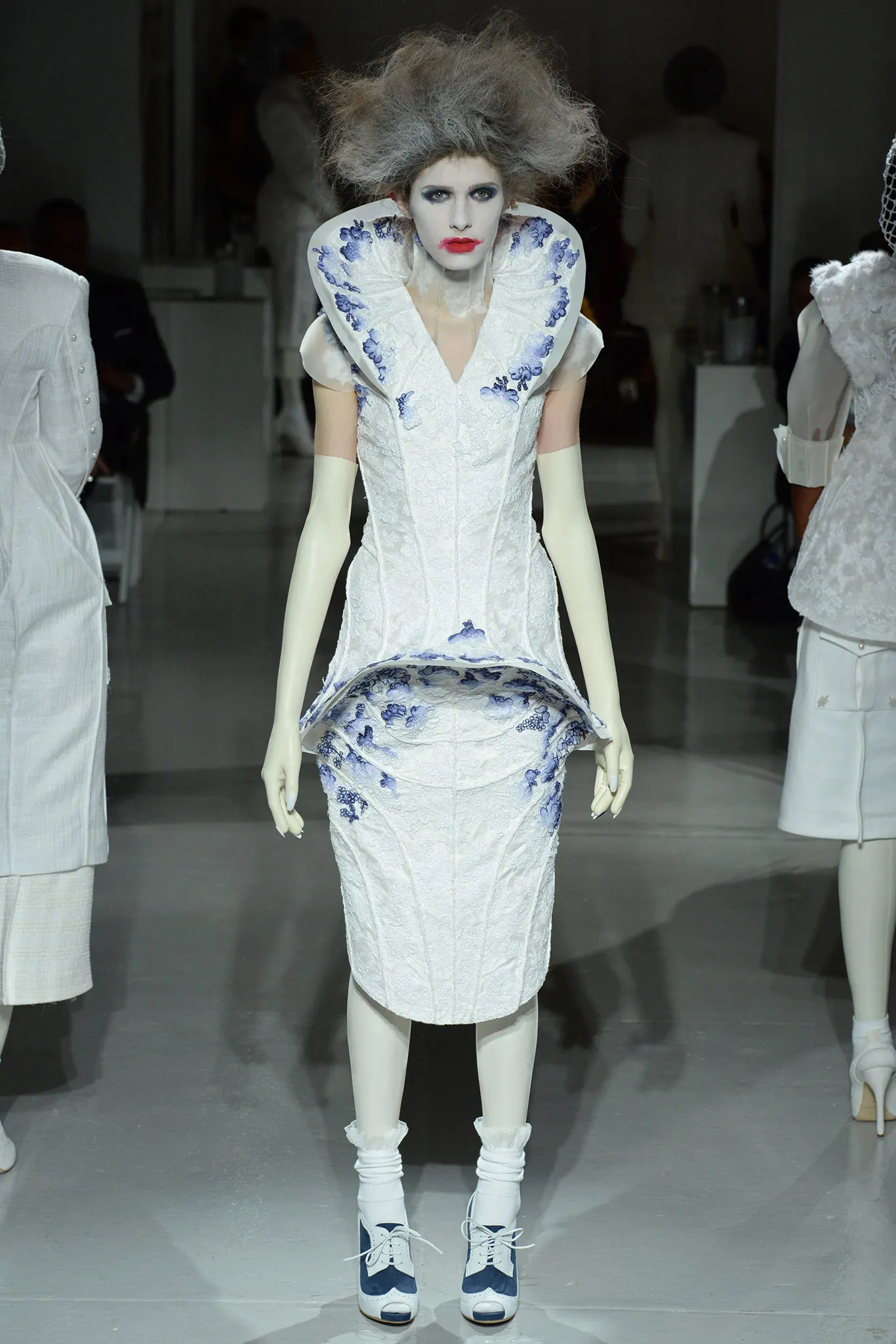
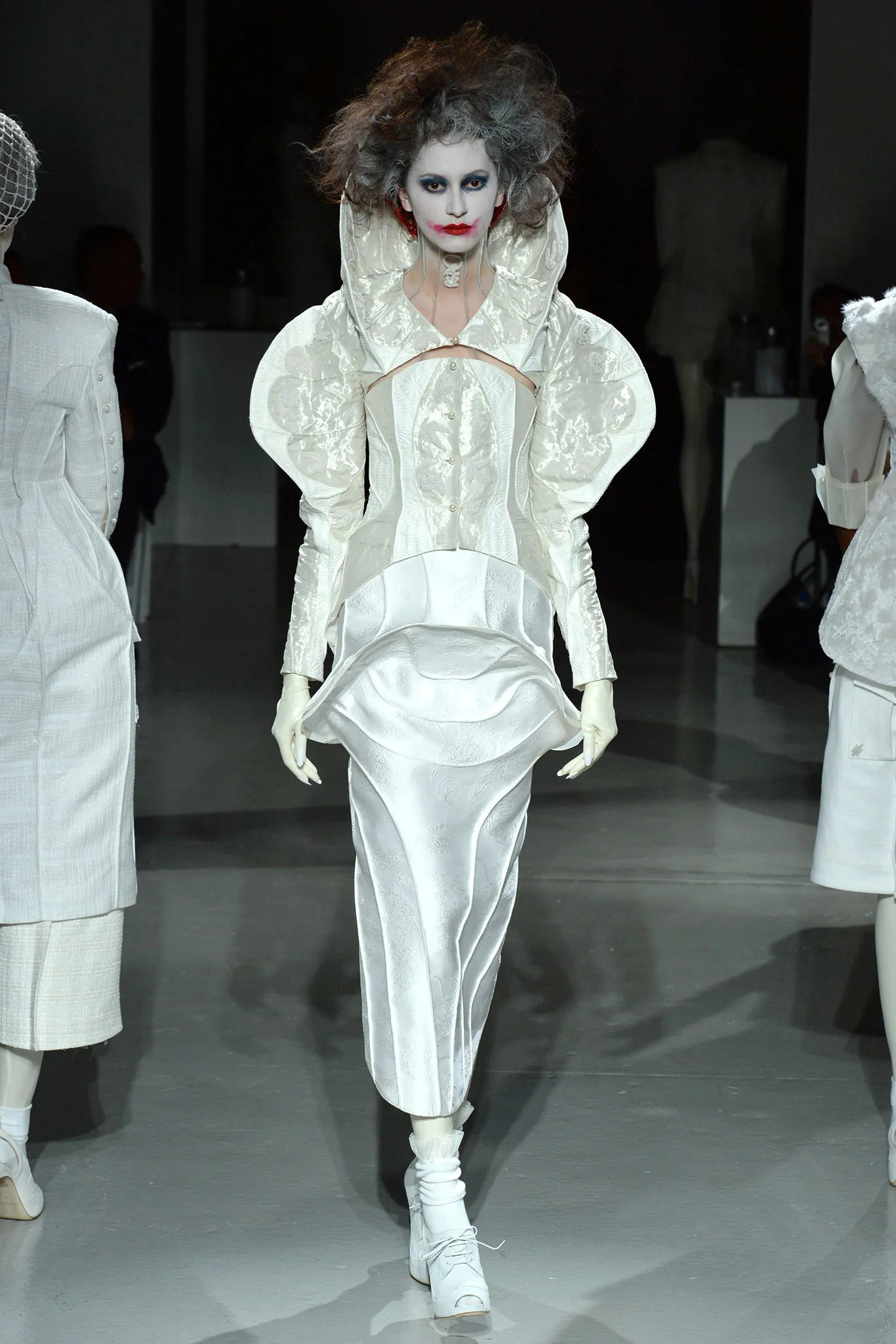
Thom Browne approaches Elizabethan style like a ceremony of control, shrinking and stretching the body until it becomes a surreal uniform for a private kingdom. His tailoring gives the ruff, the exaggerated shoulder, the corseted torso, and the court procession a strict American weirdness, where the monarch becomes a schoolgirl, a soldier, and a doll trapped inside perfect proportion.
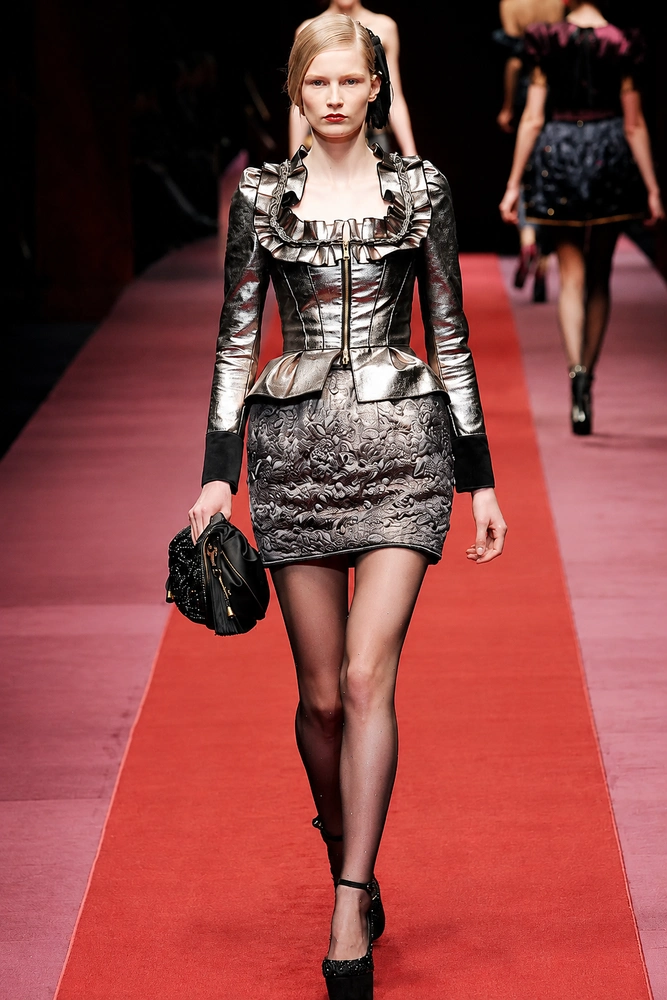
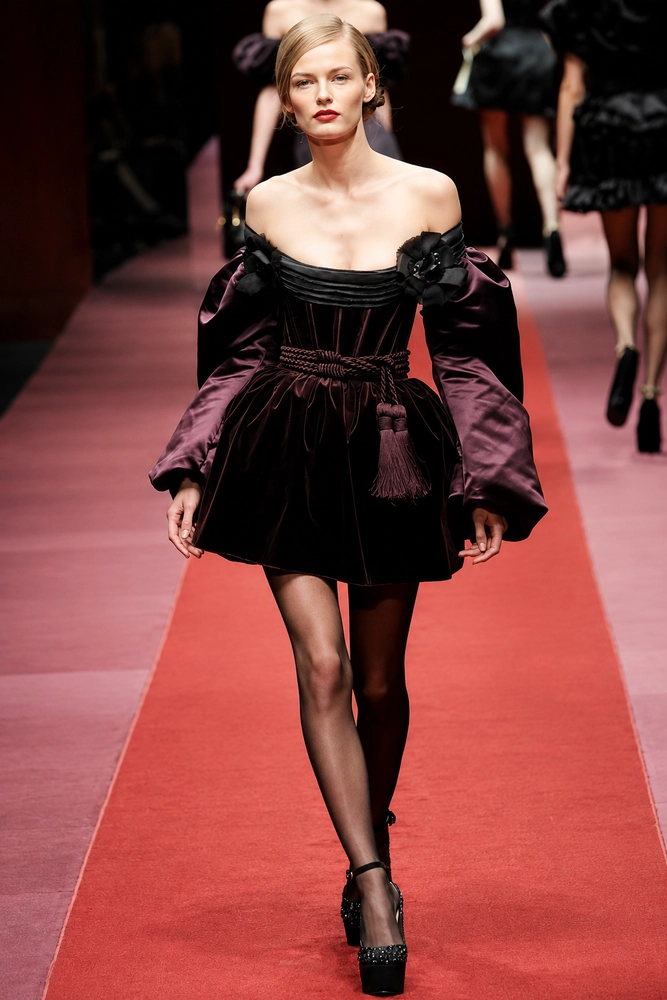
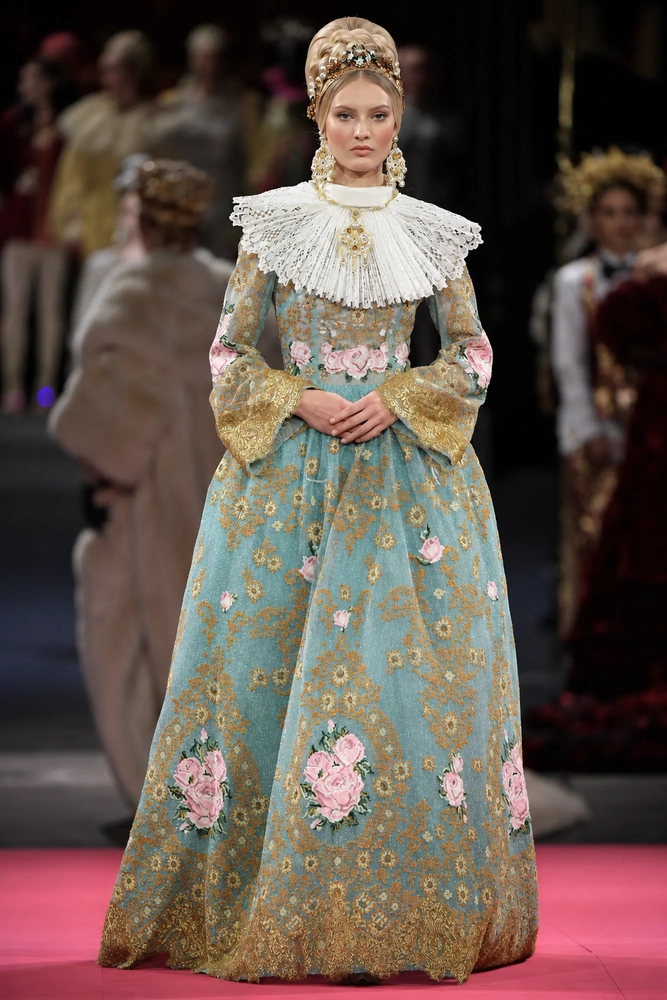
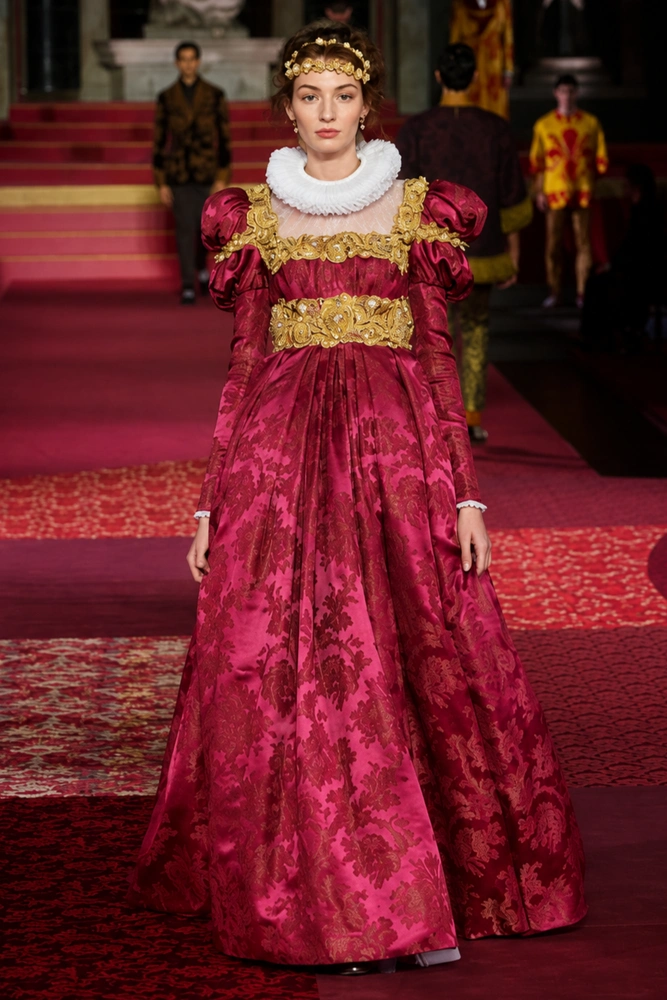
Dolce & Gabbana turns Elizabethan style into operatic bloodline drama, full of Catholic shadow, black lace, jeweled devotion, sculpted sleeves, and Sicilian court sensuality. Their version lives in the tension between sacred and carnal, making the queen feel like a widow at the altar, a saint in brocade, and a dangerous woman wrapped in family mythology.

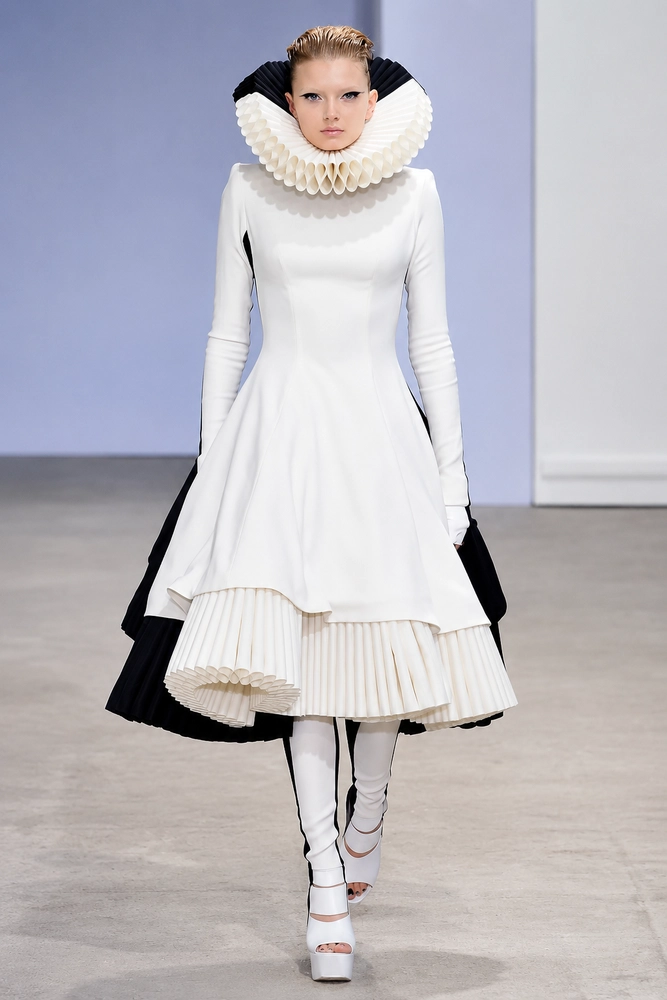
Gareth Pugh makes Elizabethan style futuristic, severe, and almost extraterrestrial, stripping court dress down to its most predatory geometry. The ruff becomes a weaponized halo, the body becomes armor, and the silhouette moves like a black apparition from a future monarchy built on steel, shadow, and ritual fear.
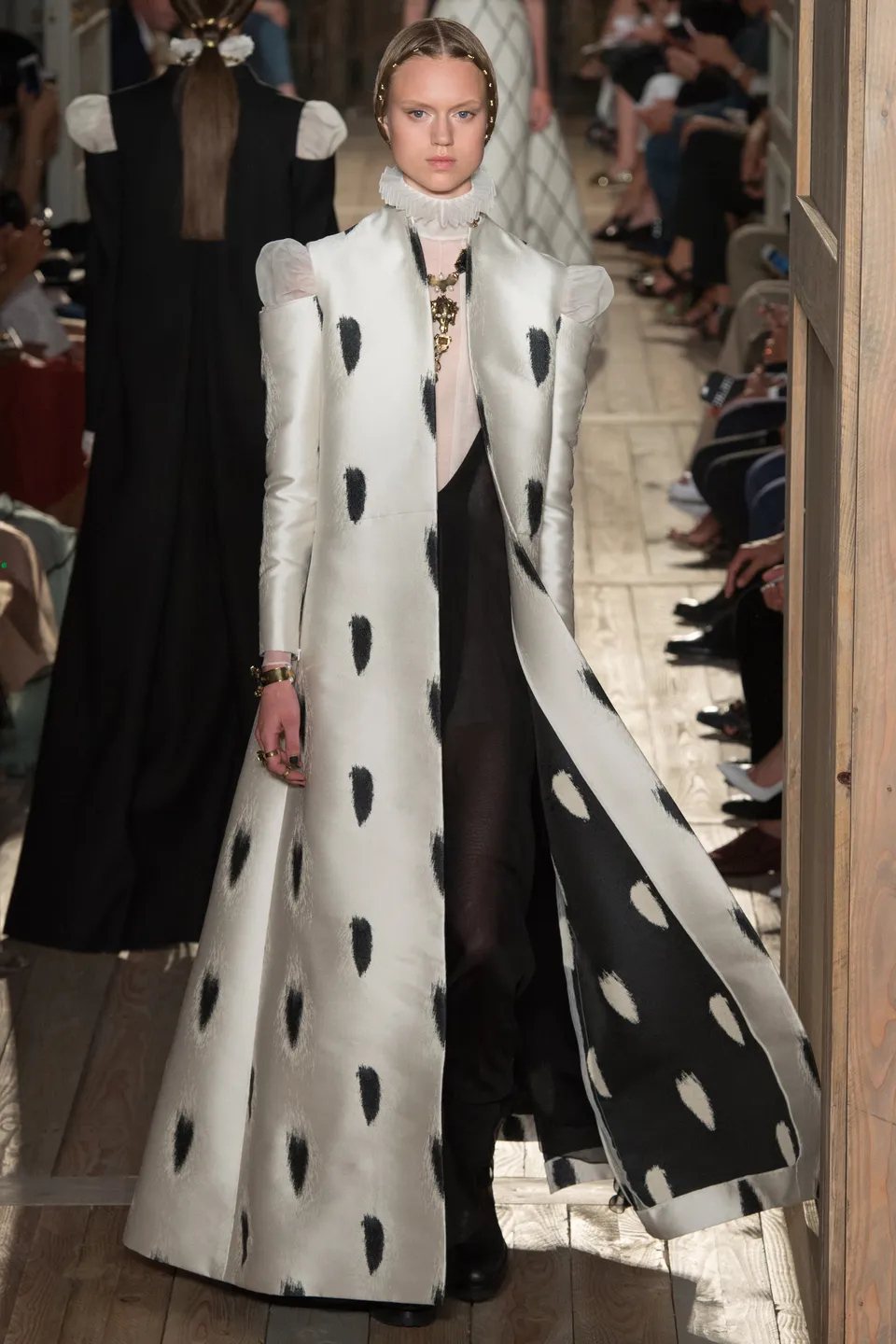
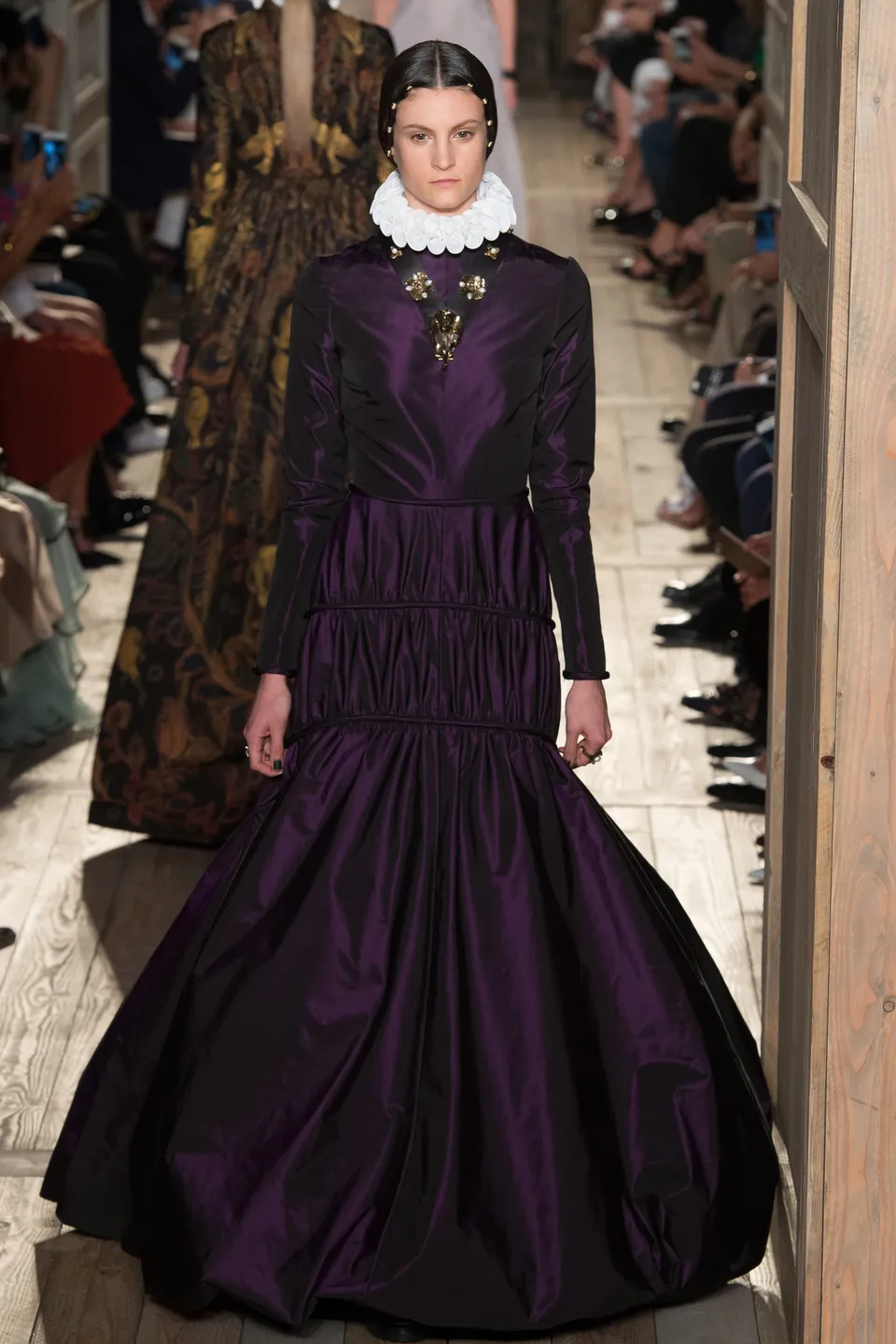
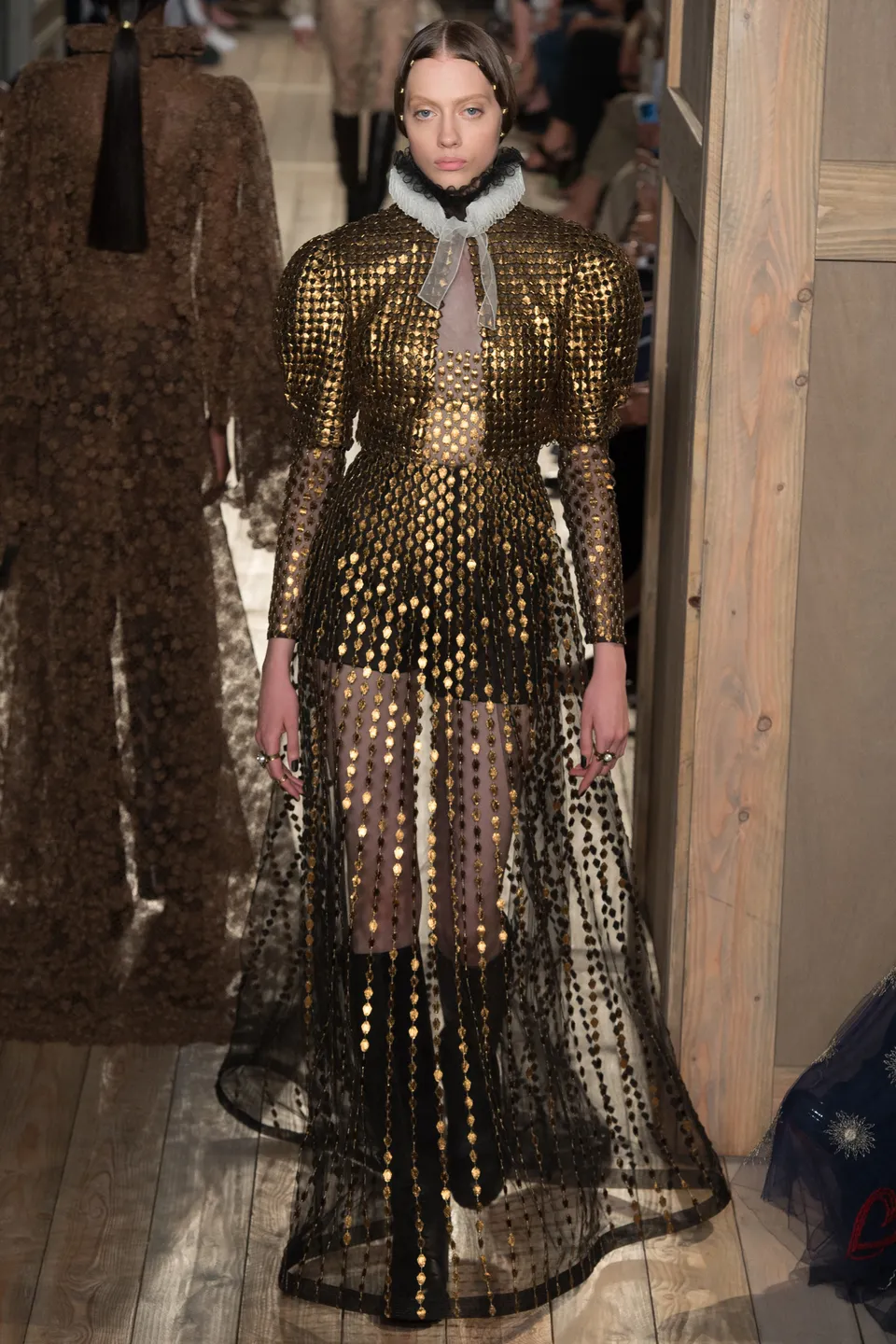
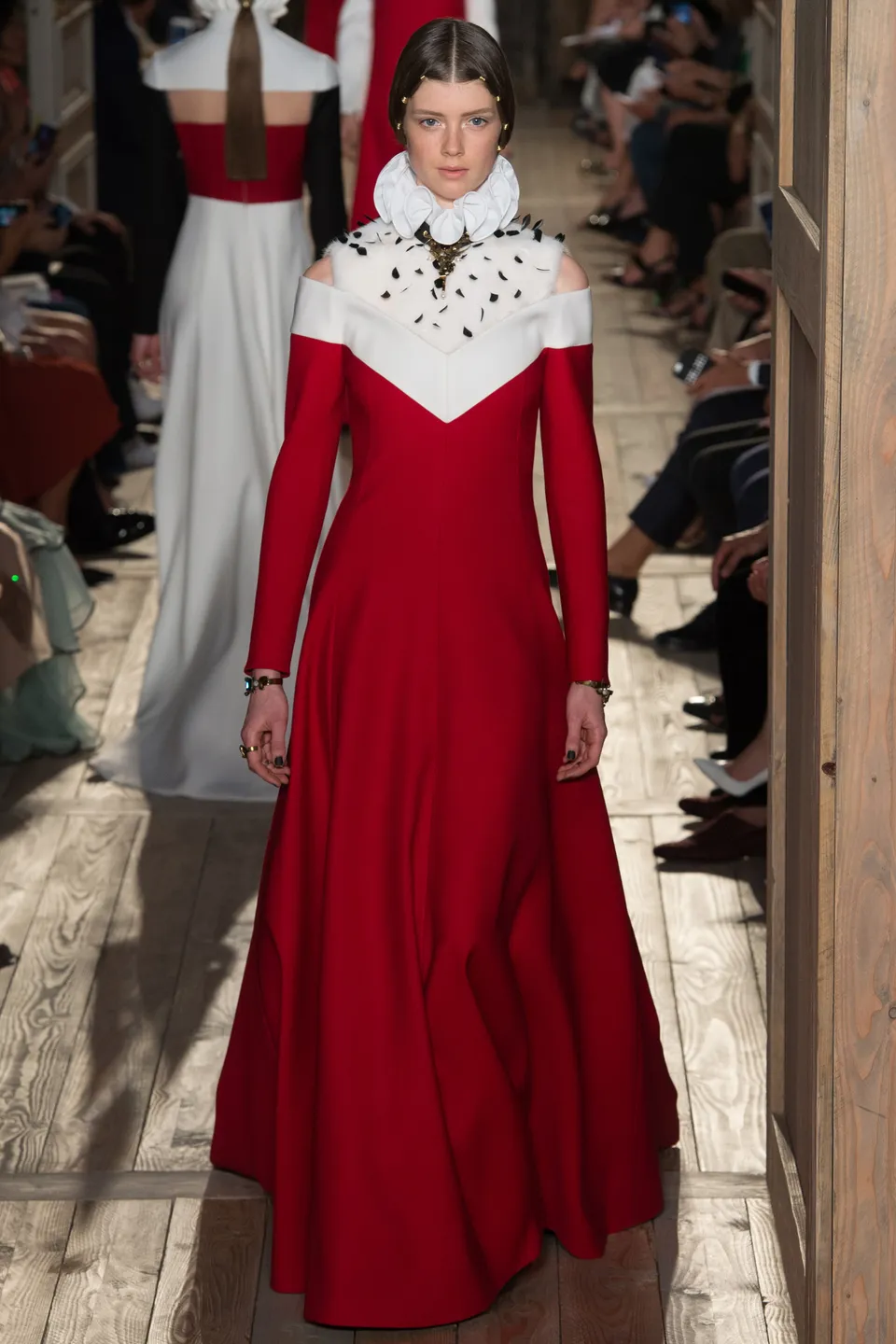
Valentino romanticizes Elizabethan style as a language of poetry, devotion, and divine distance, softening the court’s violence through lace, velvet, ruffs, capes, and incandescent embroidery. Its queens appear less like rulers of territory and more like rulers of feeling, suspended between Renaissance portraiture and a dream of sacred beauty that still knows how to command the room.
The modern cinematic eye has ripped open the tomb of the Virgin Queen, resurrecting her architectural nightmare through a lens that drips with both glamour and gore. To witness these films is to see the ghost of the 16th-century ego translated into a visual language of power and prestige, where the silver screen becomes a dark mirror for the cult of the icon.
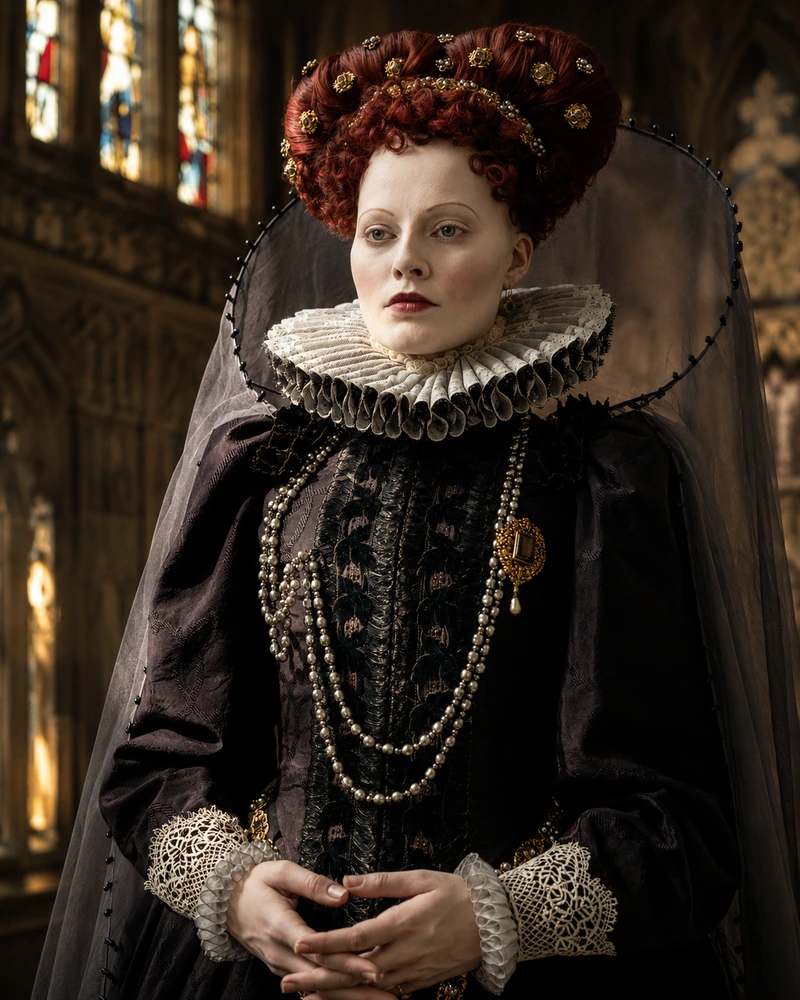
In the 2018 resurrection of Mary Queen of Scots, the costume design commits a scandalous act of rebellion by abandoning traditional silk for the raw, blue defiance of denim. This is fashion as a rugged armor against the Scottish rain, a choice that captures the thirsty, brutal spirit of survival where the Tudor silhouette is forged into a durable cage, molding the bodies of queens into statues of blue steel that clatter against the backdrop of a shivering, wet kingdom. It is a cinematic landscape of wet leather and blood, where the fabric breathes with the sweat of a thousand conspiracies.
The 1998 masterpiece Elizabeth functions as a visceral descent into the alchemy of the state, tracing the early reign where the loose hair of a terrified princess is slowly strangled by the iconic Tudor court codes. We watch in a shivering trance as the soft flesh of a girl is systematically encased in the structural violence of the Elizabethan style bodice, her identity erased beneath the first layers of the sacred leaden pale.
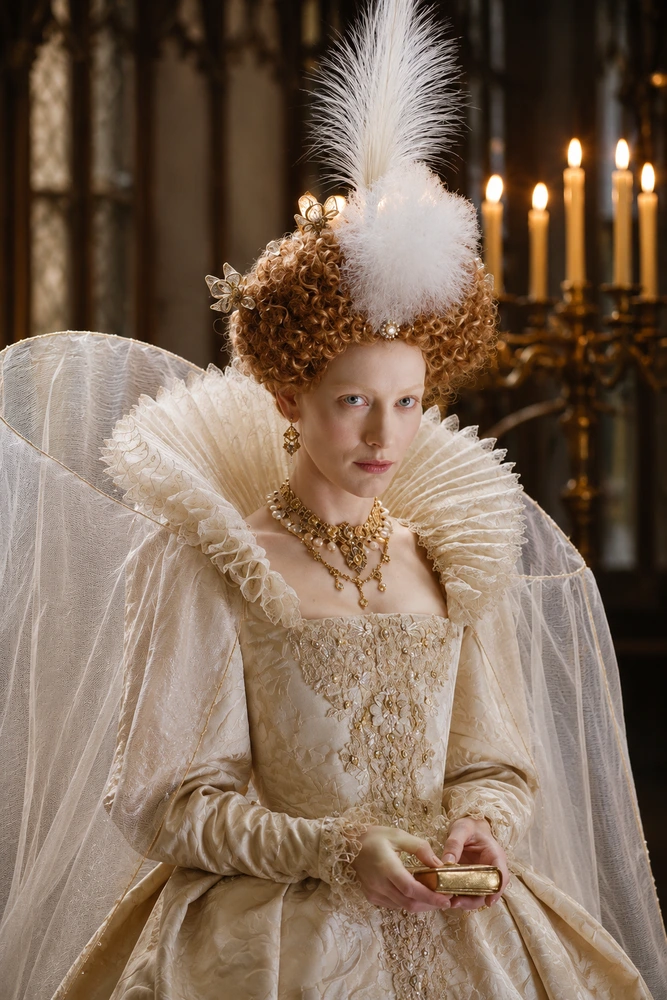
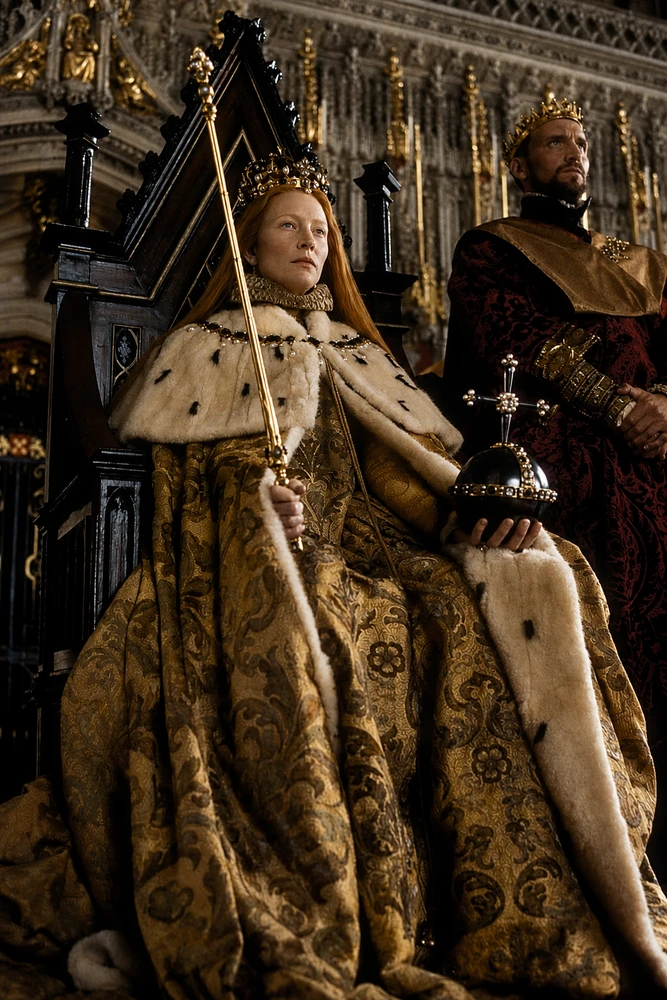
By the time we reach the 2007 spectacle of Elizabeth: The Golden Age, the human woman has been entirely consumed by a fever dream of courtly excess. The screen is haunted by the sight of butterfly collars and massive wheel ruffs that act as starched guillotines, framing a face that has become a permanent, unblinking mask of divine right. These gowns are historically framed weapons of spectacle, ensuring that the Queen remains a glittering, stationary sun around which a world of dark, hungry shadows perpetually rotates.
The Elizabethan style does not rest because it was never truly human; it was an immortal infection of the spirit that continues to pulse through the veins of modern couture like a fever that refuses to break. This style will not die because it is the ultimate language of the predator, a timeless elegance of the grotesque that understands that true beauty must always be a little bit terrifying. We are mesmerized by the drama and the opulence because we are still, in our darkest hearts, thirsty for the formality of the cage, drawn to the structural violence of the silhouette that transforms a fragile body into a monumental work of art. As long as there is a hunger for power and a devotion to the divine right of the elite, the Elizabethan style signature will haunt the high-fashion runways, appearing in the sharp, aggressive tailoring of haute couture as a recurring hallucination of strength and prestige.
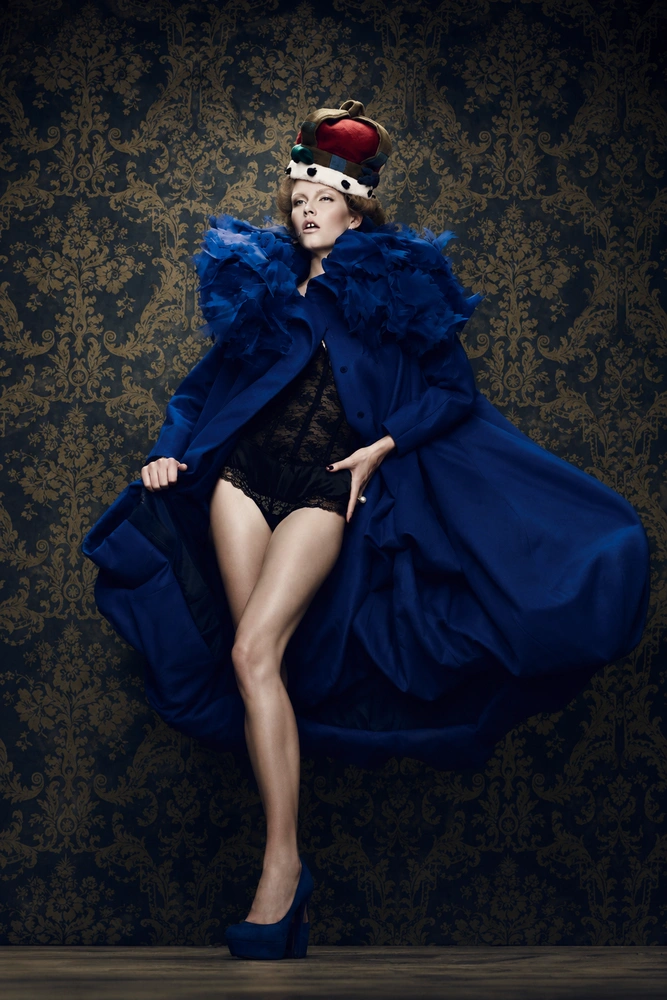
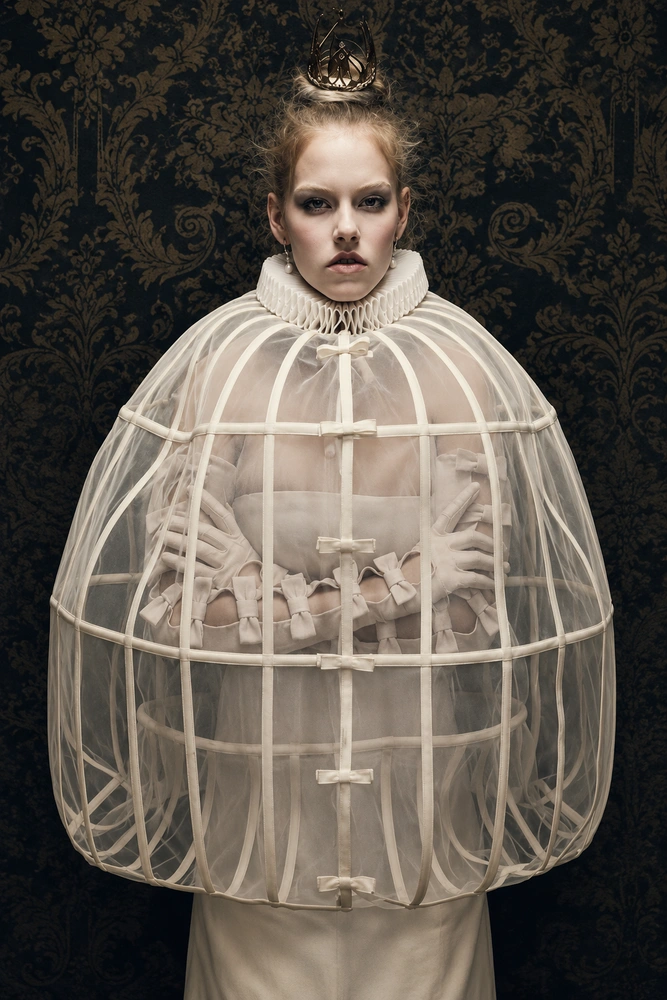
The symbols of wealth that once defined the blood-soaked Tudor court have become a permanent blueprint for the modern soul, a cyclical resurgence of the romanticized macabre that rises from the grave whenever the world craves a return to the absolute. We are haunted by the sheer, shimmering beauty of the gowns, not as historical artifacts, but as living vessels of Elizabethan style heritage that celebrates the sacrifice of comfort for the sake of an untouchable icon.
This is the enduring appeal of opulence: the knowledge that to be truly glamorous, one must be prepared to be imprisoned by their own magnificence, encased in a shimmering reliquary of lace and lead. We look upon these silhouettes and we do not see a dead era; we see a reflection of our own desire to be seen, to be feared, and to be worshipped beneath the weight of a golden crown.
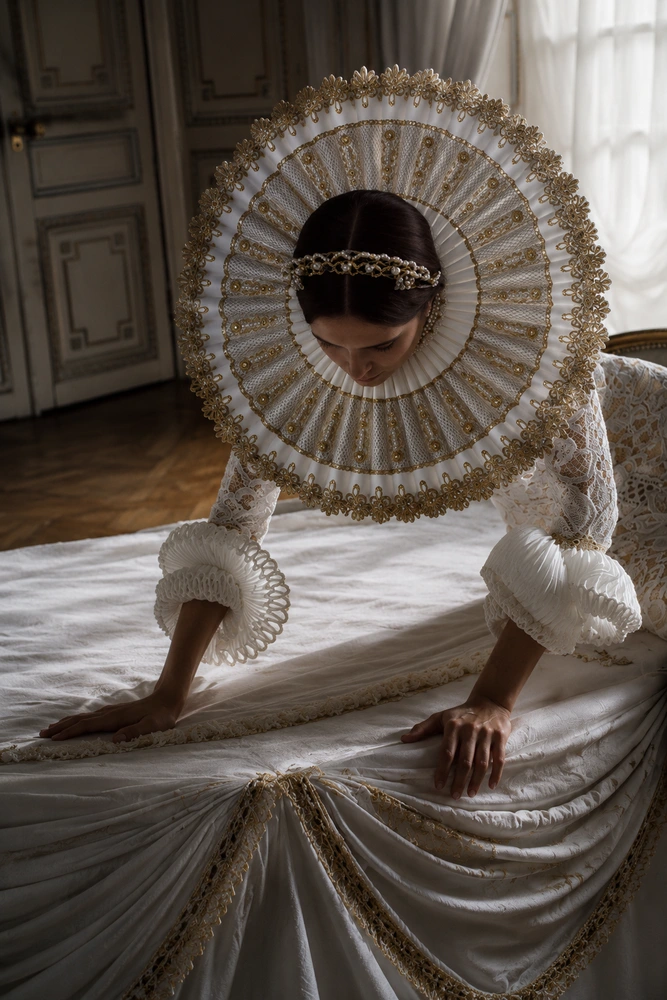
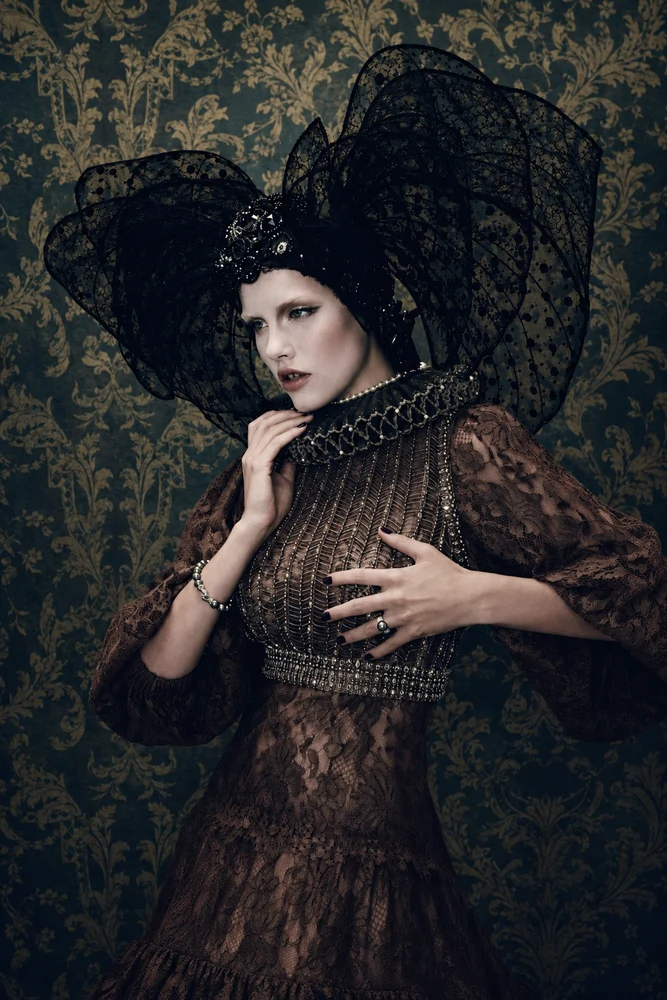
The Elizabethan style era remains a conspiracy of the senses that whispers to us through the rustle of stiffened silk and the cold clatter of pearls in the dark. It is a fashion that survives because it is built upon the terrifying truth that a person is nothing, but an icon is everything, a sovereign ghost that outlasts the flesh and the bone. As the wind howls through the corridors of time, the atmosphere remains heavy with the scent of the sacred pale and the metallic tang of the sword, leaving us shivering in a state of eternal devotion. We are trapped in its intoxicating grip, mesmerized by a beauty that was forged in a torture chamber of vanity, forever haunted by the image of the Virgin Queen standing at the end of a candlelit hall, waiting to install us into the same beautiful, breathless cage that will never, ever let us go.
Advertisement