MENU
Close





Across fashion’s most powerful houses, Raf Simons has protected a radical vision shaped by art, youth and emotional intensity.
Across fashion’s most powerful houses, Raf Simons has protected a radical vision shaped by art, youth and emotional intensity.
August 3, 2026
Advertisement
Advertisement


On November 21, 2022, Raf Simons announced that Spring/Summer 2023 would be the final season of the label bearing his name. The news seemed to disturb fashion’s sense of permanence. His company had survived for 27 years, yet its ideas had already escaped any single business structure. The narrow coats, oversized knits, coded graphics and anxious boys of Raf Simons belonged to musicians, collectors, designers and luxury houses that had absorbed his language. The label could close. Its author had become larger than it.
That ending clarifies the second half of his career. From Dior to Calvin Klein and Prada, Simons entered institutions whose scale could amplify his intelligence and expose its limits. Each appointment offered greater authority. Each demanded that personal vision negotiate with commerce, production, corporate hierarchy and the exhausting appetite of global fashion.
Christian Dior appointed Raf Simons artistic director of women’s haute couture, ready-to-wear and accessories on April 9, 2012. The house had spent more than a year without a permanent artistic director after John Galliano’s dismissal. Raf Simons arrived carrying a reputation built on intellectual restraint, subculture and the modernised minimalism of Jil Sander. Dior carried flowers, femininity, Parisian ceremony and one of fashion’s most guarded archives. Their meeting appeared improbable only to those who had mistaken restraint for a lack of romance.
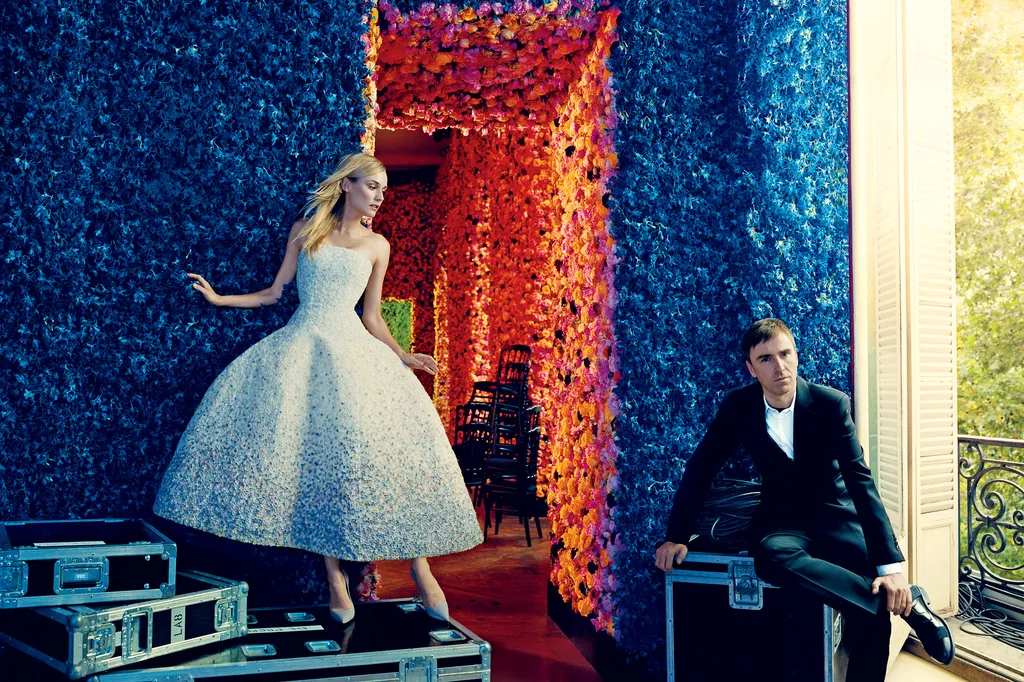
Dior needed more than a new silhouette. It needed moral and creative stability after the scandal. Raf Simons offered seriousness without solemnity. He respected institutions while refusing to worship them. His appointment also contained a technical gamble. Raf Simons had created influential womenswear at Jil Sander, yet haute couture operated through an atelier culture built on generations of specialised handwork. Dior asked an industrial-design graduate from Belgium to direct one of France’s most symbolically protected crafts.
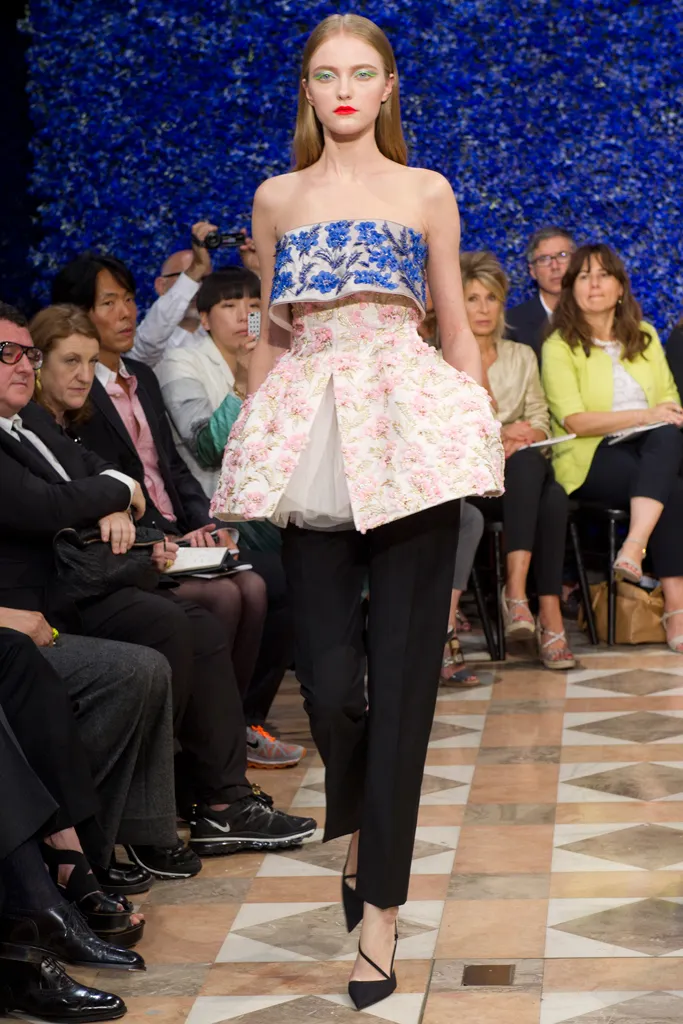
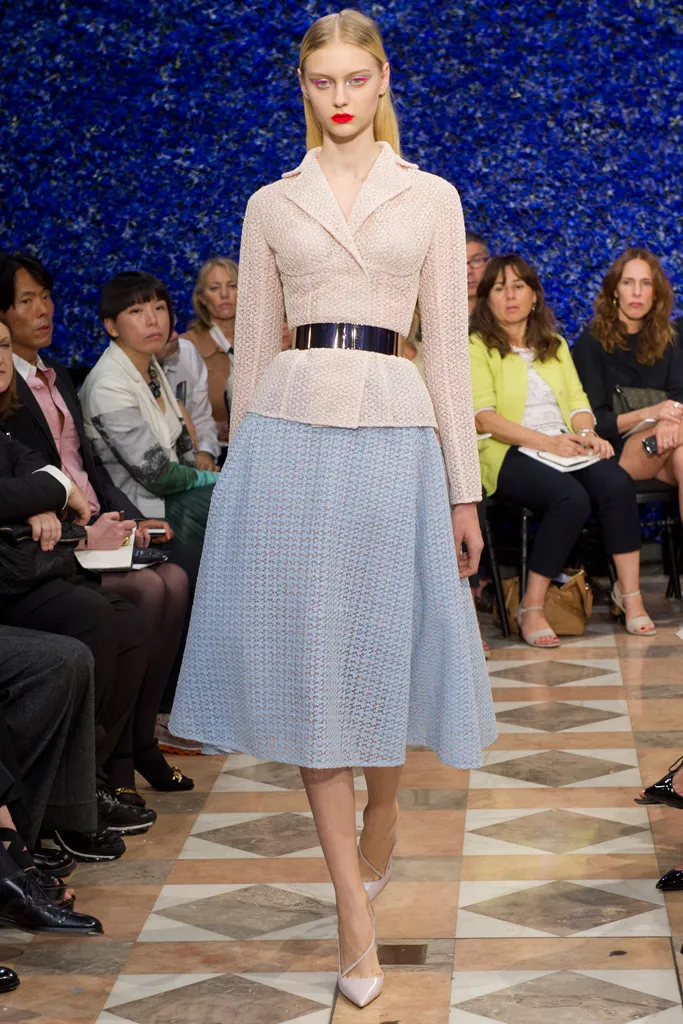
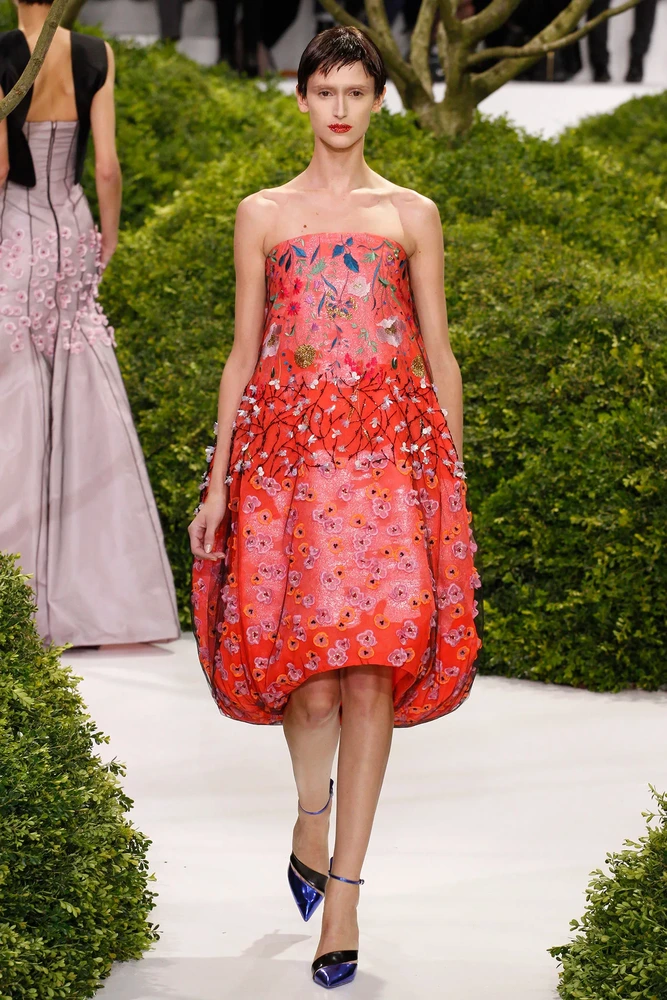
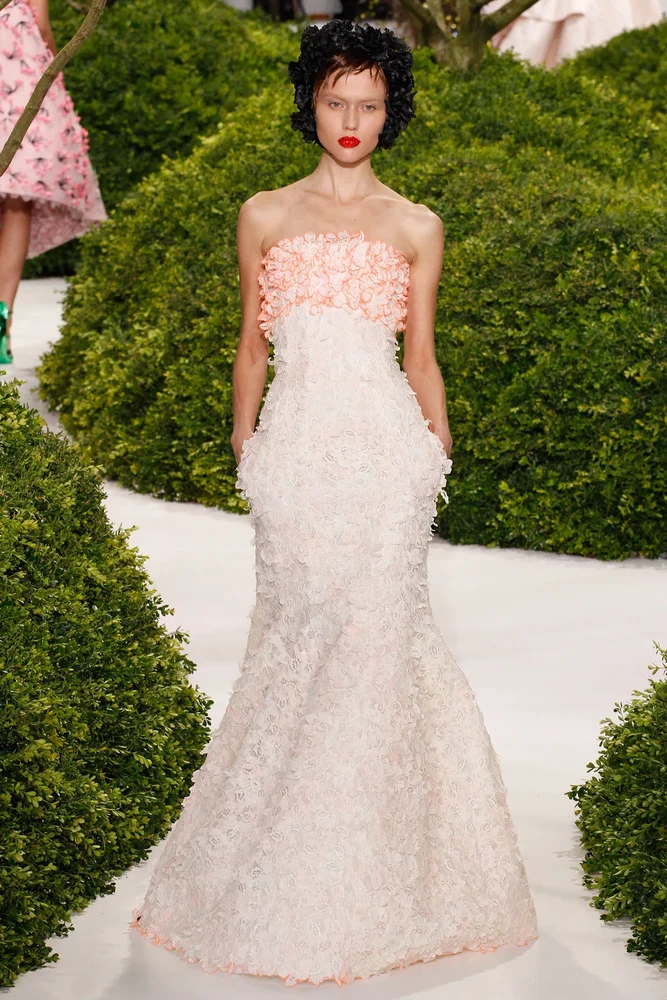
His debut arrived on July 2, 2012, after roughly eight weeks of development. Five rooms inside a Paris mansion were covered with fresh flowers, turning Christian Dior’s attachment to gardens into an overwhelming physical environment. Inside that spectacle, Raf Simons resisted theatrical excess. He shortened the Bar jacket, placed cigarette trousers beneath embroidered couture tops and compressed historic ballgown volume into sharper, contemporary forms. Sterling Ruby’s paintings became fabric and embroidery, allowing contemporary abstraction to enter the Dior archive without becoming decorative quotation.
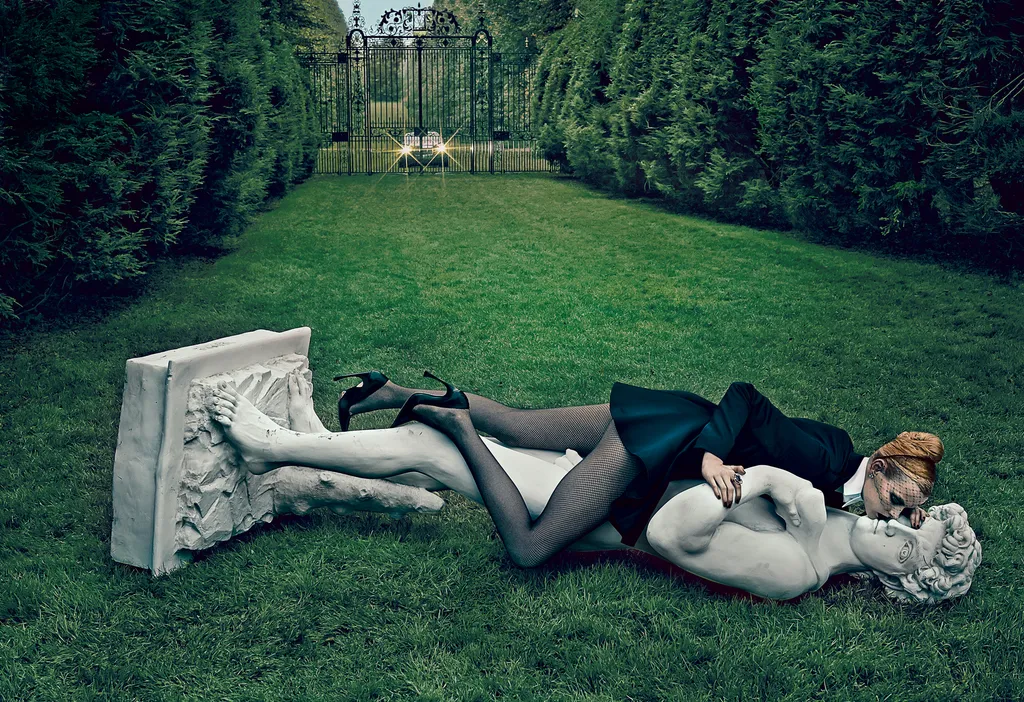
The collection established his method at the house. He would approach history as active material. Dior’s A-line, H-line and architectural jackets became structures to cut, interrupt and redirect. The past entered the present through proportion. Simons understood that reverence can suffocate a heritage brand when it produces only beautiful replicas. His Dior looked most alive when archival femininity encountered a clean trouser, an industrial surface or a body moving with contemporary speed.
His first ready-to-wear collection followed in September 2012. The real test began there. Raf Simons believed fashion gained power when shown clothes connected meaningfully with what people could buy and wear. At Dior, he pursued that balance with unusual conviction, refusing the empty divide between runway genius and retail compromise.
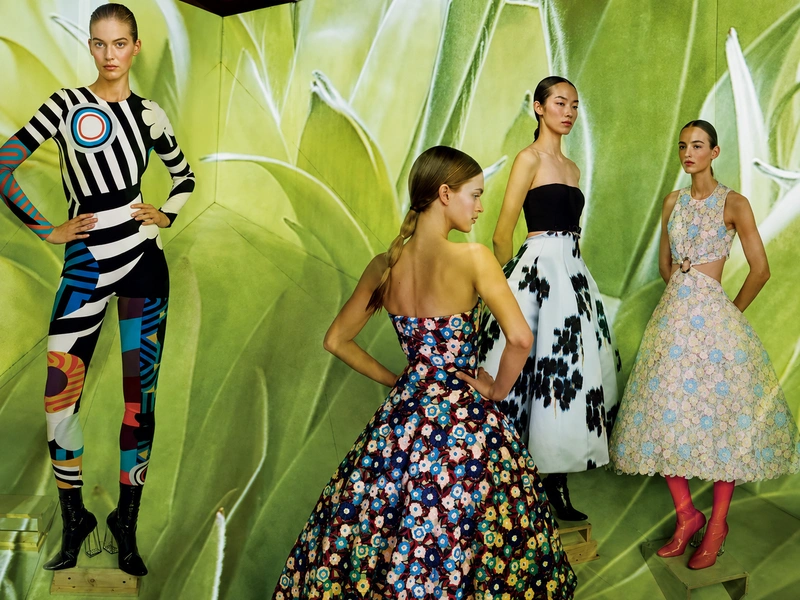
Across 2013, Raf Simons began finding his own emotional relationship with Christian Dior. Both men had entered fashion through art. Dior had worked as a gallerist; Raf Simons had always treated artists, musicians and photographers as intellectual partners. Andy Warhol drawings, Sterling Ruby abstractions and photographic experiments entered collections as methods of connecting eras. They allowed Simons to loosen the archive from nostalgia and place Dior inside contemporary visual culture.
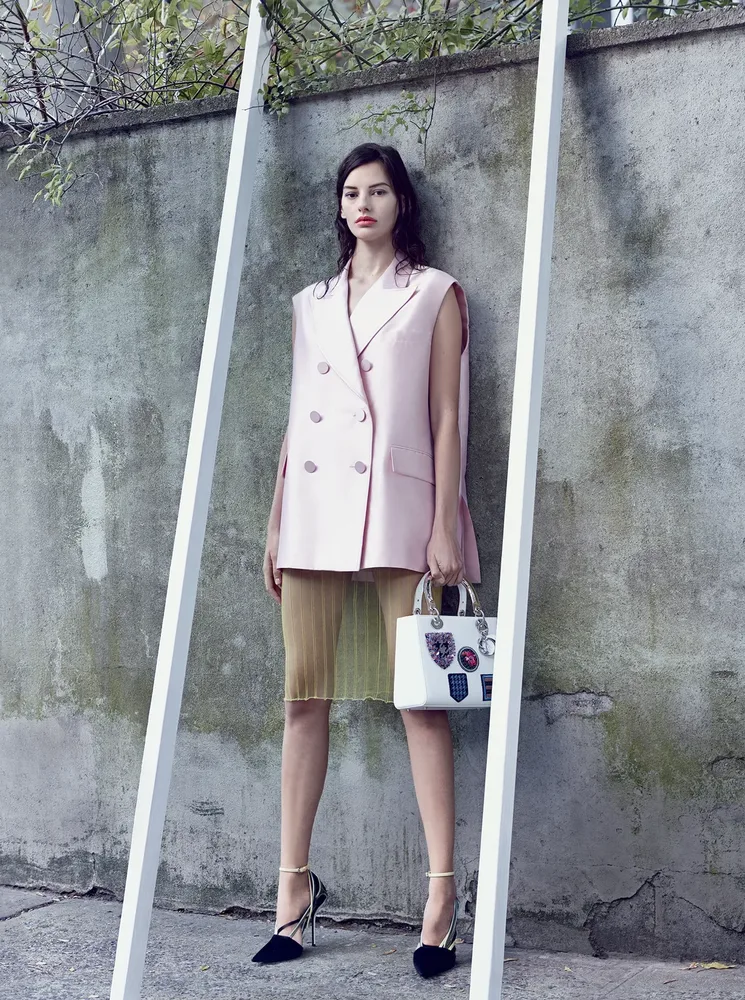
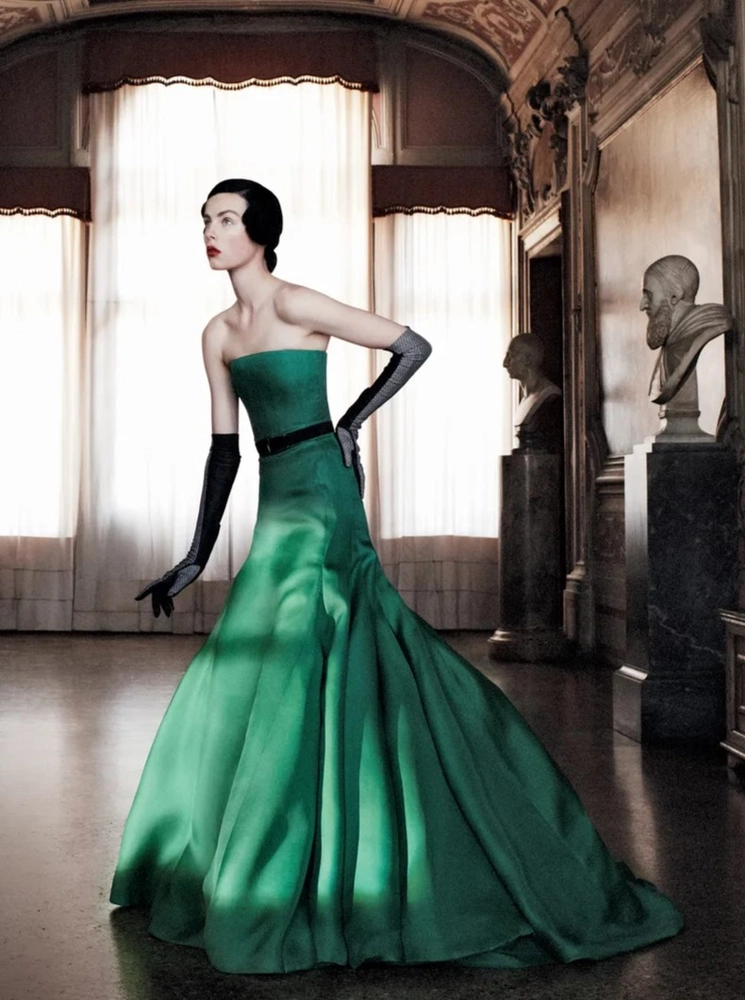
His signature became increasingly clear. Tailoring remained clean, yet its lines opened into unexpected volume. Flowers appeared as prints, embroidery, architecture and distorted surfaces. Historic silhouettes exposed the legs or met technical fabrics. Romance survived through precision. He could create beauty while preserving a trace of discomfort, as though elegance became more powerful once it carried tension.
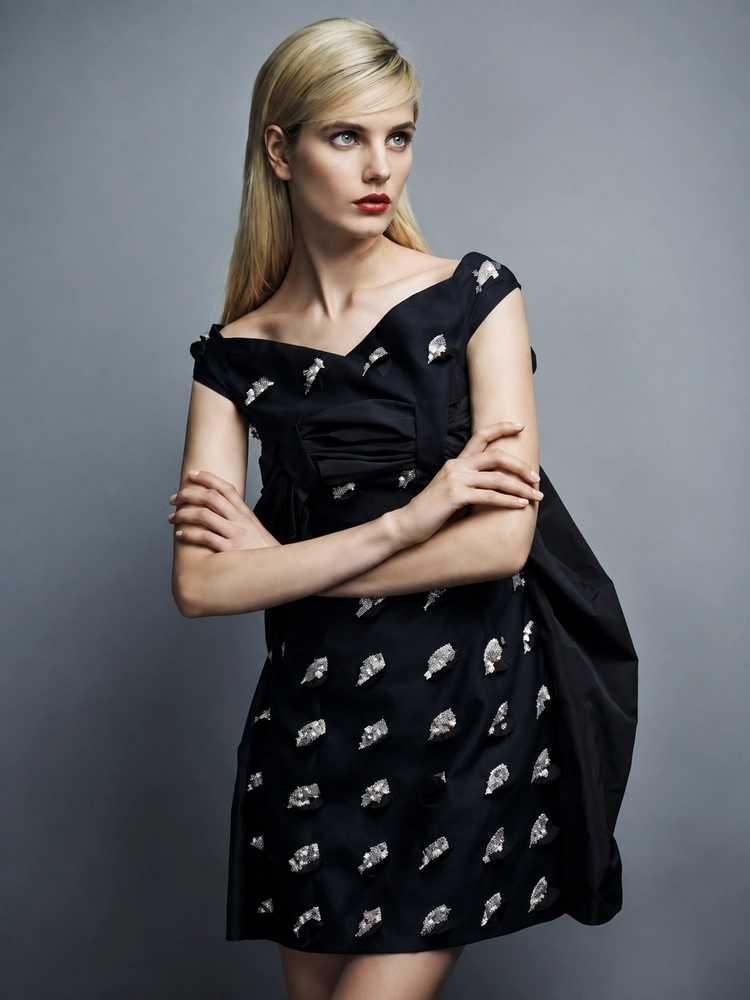
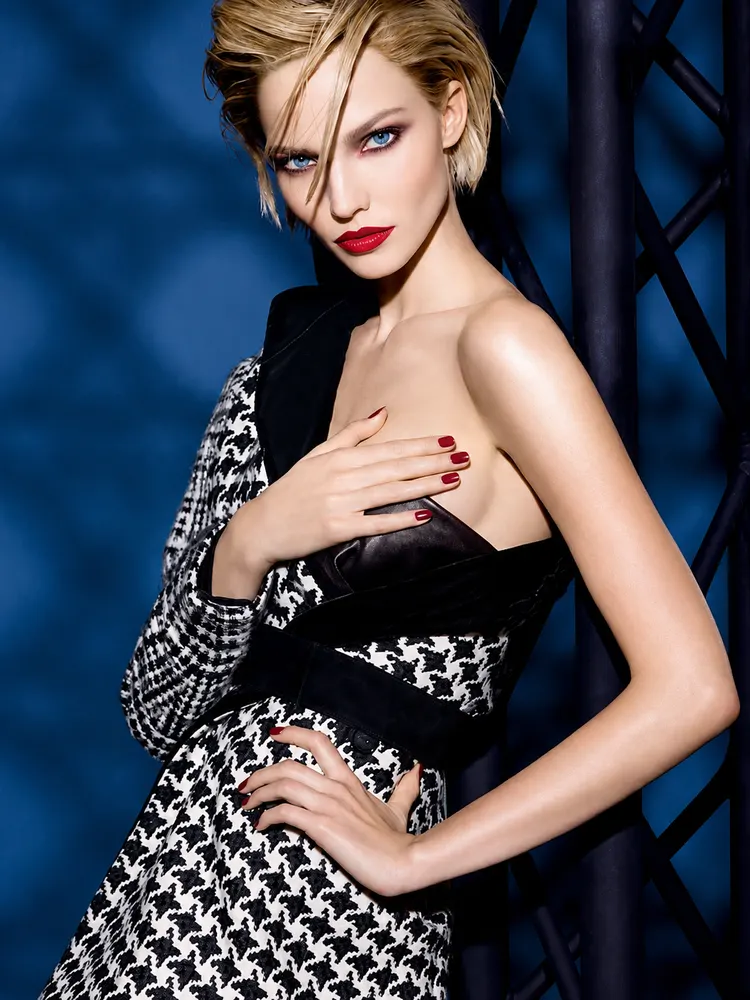
The house also became geographically ambitious. Dior presented Resort 2015 at Brooklyn’s Navy Yard in May 2014 and Resort 2016 at Pierre Cardin’s Palais Bulles near Cannes in May 2015. These shows performed a commercial function beyond their clothes. They transformed Dior into a travelling cultural event, using architecture and location to intensify global press, client attention and brand mythology.
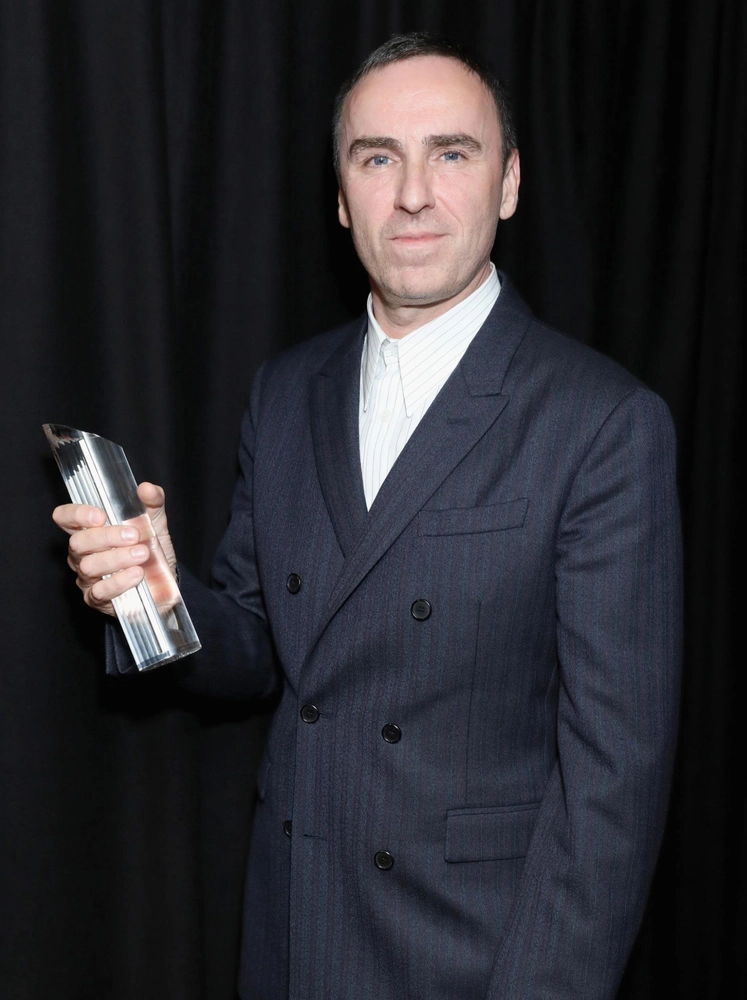
On June 2, 2014, the CFDA honoured Raf Simons with its International Award. By then, his influence had moved beyond European menswear and critical fashion circles. Dior made his ideas legible at a global scale. Celebrities, couture clients, editors and mass audiences encountered a designer whose early language had once belonged to underground youth culture. The transition revealed a rare capacity: Raf Simons could enlarge his universe without reducing it to a logo or a familiar trick.
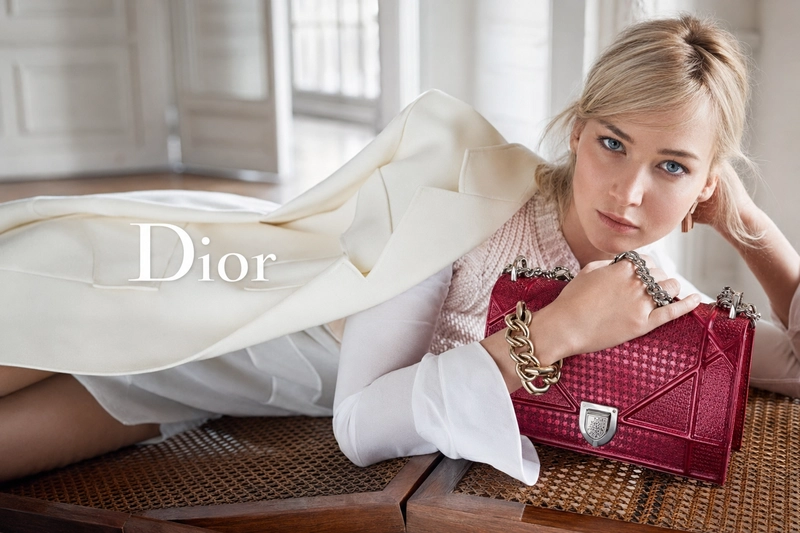
The economic picture supports a careful assessment. Christian Dior Couture’s sales reached €1.24 billion in 2012 and continued rising during Simons’s tenure, reaching roughly €1.77 billion for the fiscal year ending June 2015. Those gains came from retail expansion, accessories, communications, management and global luxury demand as much as runway collections. Yet commerce needs an emotional engine. Raf Simons restored creative confidence, supplied the house with fresh imagery and made Dior appear culturally urgent after a period of institutional instability.
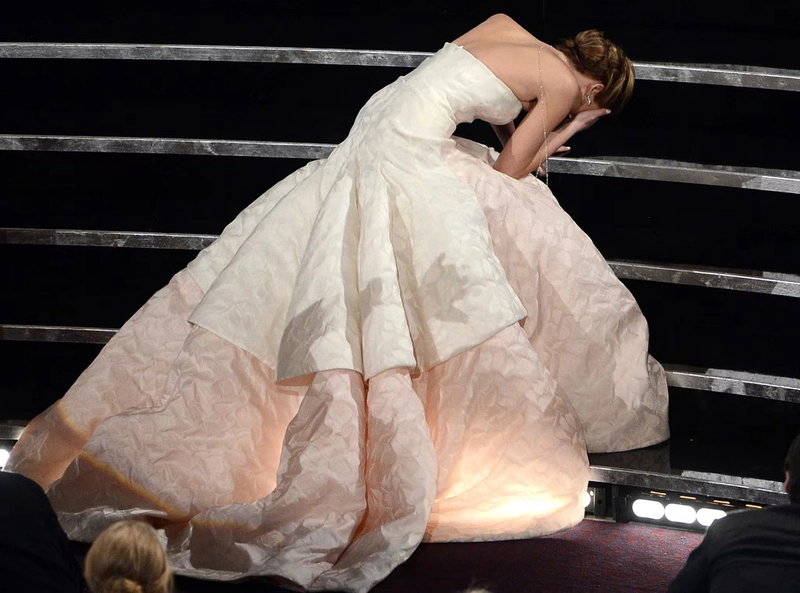
His success also exposed the violence of fashion’s calendar. Dior required six collections each year, alongside the constant demands of stores, campaigns, fittings, travel and public representation. Raf Simons continued running his independent label at the same time. The research depth behind his work required concentration, while the system rewarded speed.
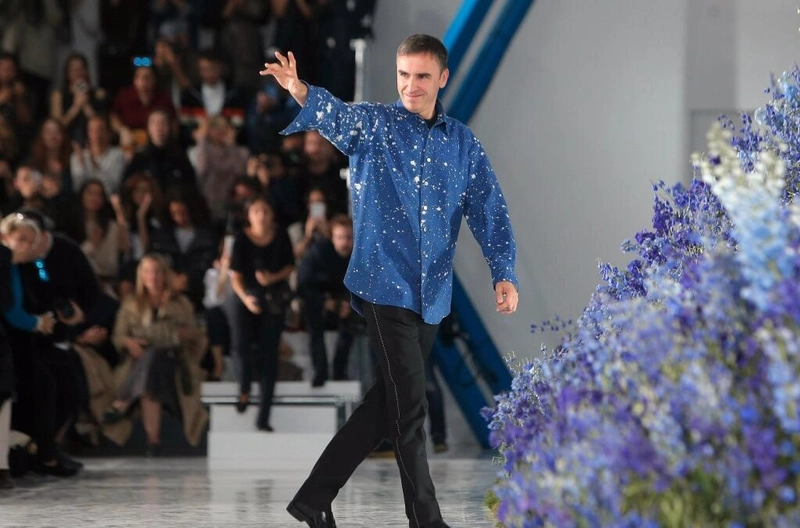
On October 22, 2015, he announced his departure after three and a half years. His final collection was Spring/Summer 2016. He referred to personal interests, his own brand and the need for a life beyond the position. The industry immediately interpreted the exit as a warning about creative exhaustion. Dior had proven that Raf Simons’s modernism could generate critical prestige and commercial desire. It also showed how quickly a major house could consume the time required to produce that intelligence.
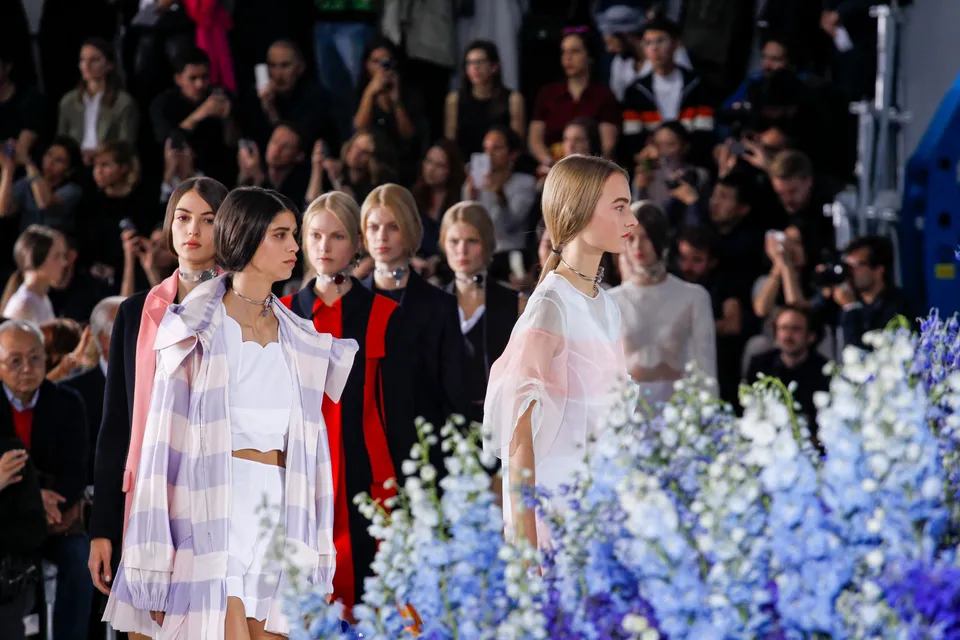
Calvin Klein appointed Raf Simons chief creative officer on August 2, 2016. The title carried an authority greater than his Dior role. He became responsible for men’s and women’s collection, Jeans, Underwear, advertising, stores, communications and the visual identity of an enormous lifestyle business. Pieter Mulier joined him as creative director. Simons was being asked to unify products that ranged from expensive runway tailoring to underwear sold around the world.
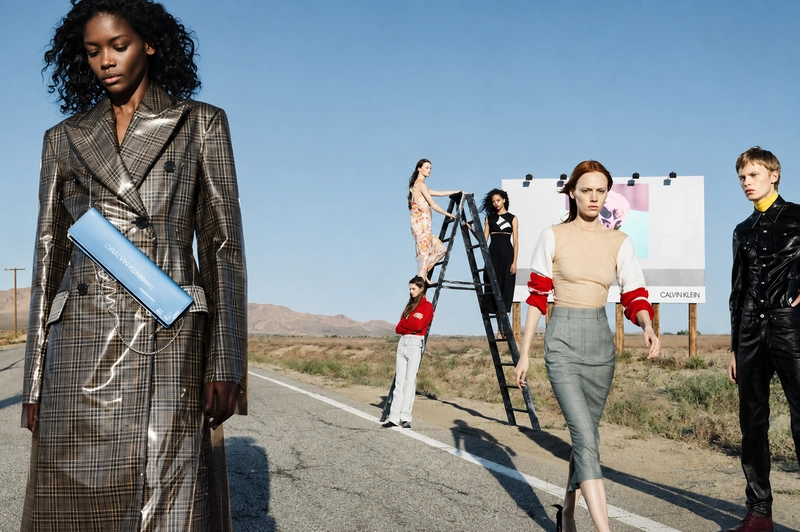
The appointment made him one of fashion’s most powerful designers and placed him inside an almost impossible corporate experiment. A personal author could shape a small label through instinct. Calvin Klein required one language to remain convincing across luxury, denim, fragrance, home and mass advertising. Cultural coherence had to become commercial scale.
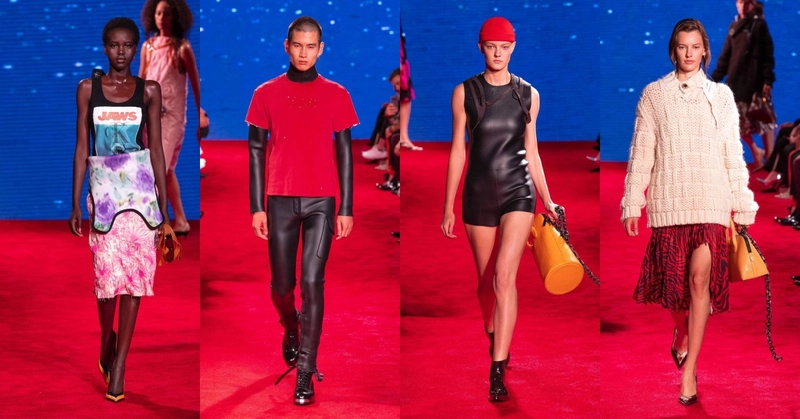
His first runway collection appeared in New York on February 10, 2017. Sterling Ruby transformed the company’s Midtown headquarters with flags, quilts, workwear materials and suspended domestic objects. The clothes treated America as a collision of symbols. Western shirts met Wall Street tailoring. Quilting entered formal outerwear. Denim, marching-band uniforms, plastic coatings and sheriff-like shirts appeared within the same system. Raf Simons viewed the country with the alertness of a recent arrival, noticing how aspiration, violence, labour, celebrity and domestic memory coexist inside American dress.
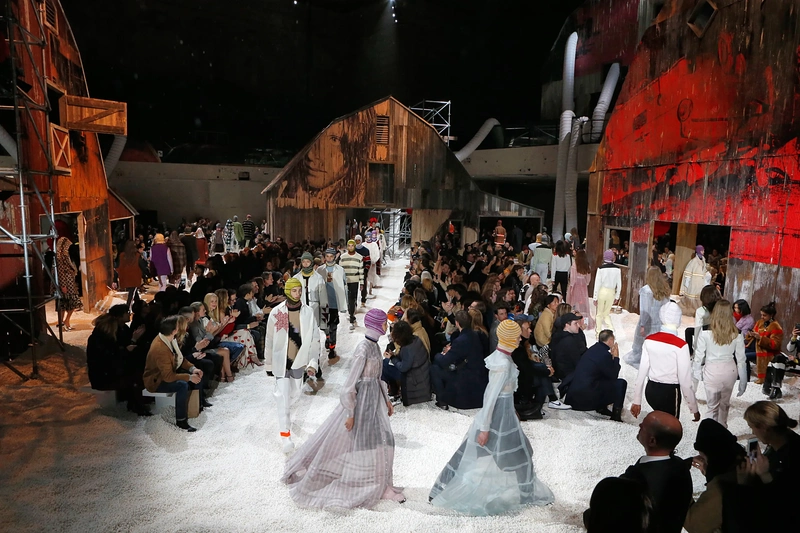
His work became most convincing when it unsettled familiar American images. The Andy Warhol Foundation partnership gave Calvin Klein access to a vast visual archive. Raf Simons placed Warhol images across clothes, campaigns and interiors, while horror films, firefighters, cowboys and cheerleaders entered later collections. Americana became psychological material.
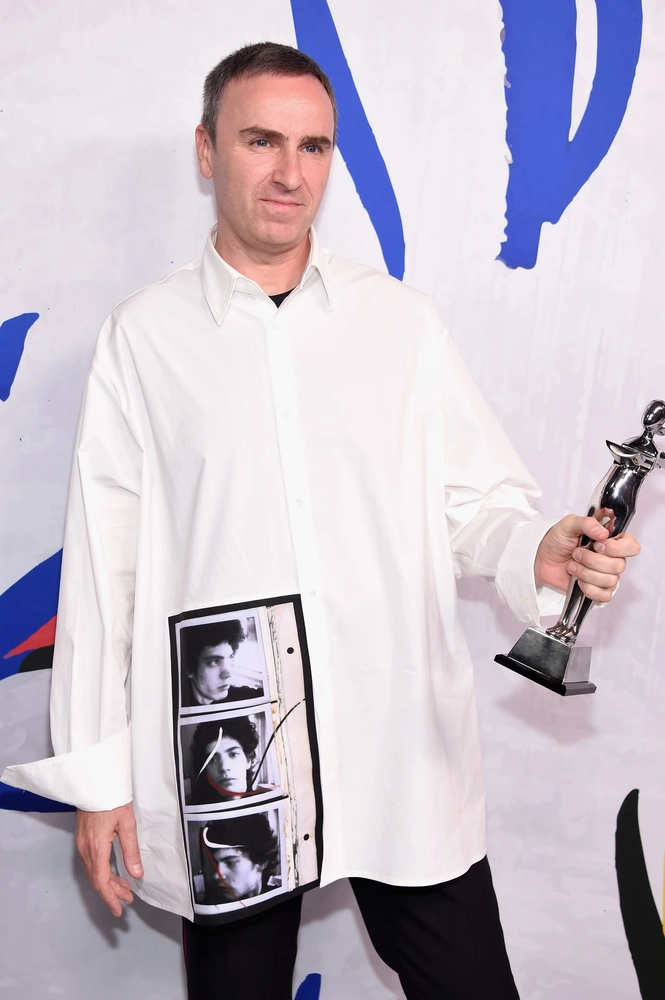
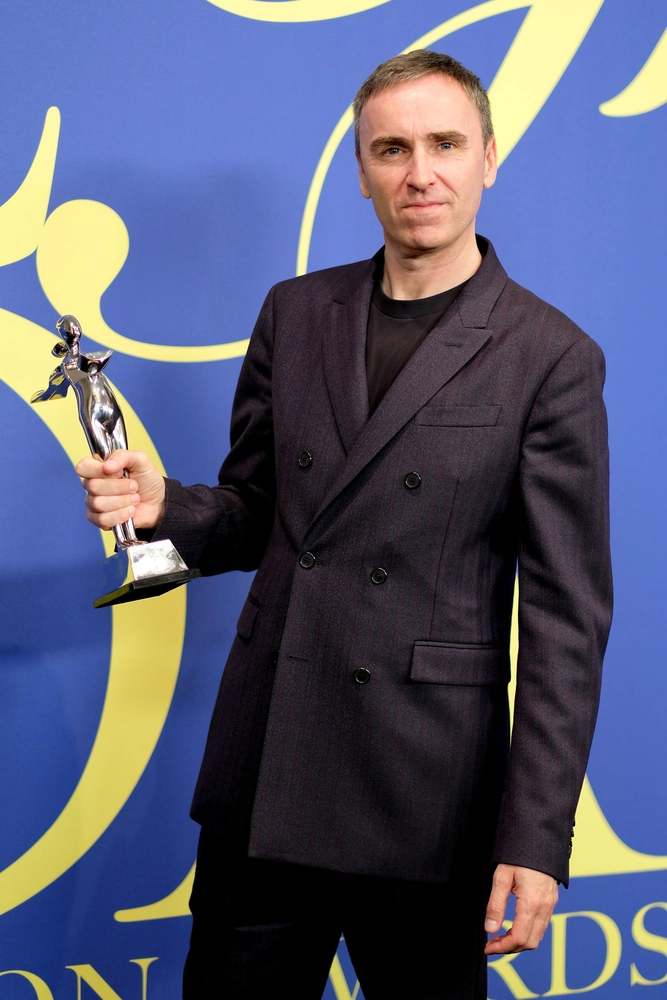
The critical response was immediate. At the CFDA Awards on June 5, 2017, Raf Simons won both Womenswear and Menswear Designer of the Year, becoming only the second designer to win both categories in the same year. On June 4, 2018, he won Womenswear Designer of the Year again. American fashion formally embraced the Belgian observer who had arrived to question its own visual identity.
Commercial reality developed more slowly. Raf Simons generated extraordinary press, restored Calvin Klein’s runway authority and made New York Fashion Week feel internationally consequential. Yet the luxury collection, renamed CALVINKLEIN 205W39NYC, remained distant from the vast underwear and denim businesses supporting the company. PVH later criticised weak returns on the expensive halo line and acknowledged that some relaunched Calvin Klein Jeans products had become too elevated in price and concept for their intended market. Third-quarter 2018 Calvin Klein revenue grew only 2 percent to $963 million, while investment around the new creative strategy remained heavy.
The failure belonged to alignment more than imagination. Raf Simons increased cultural capital rapidly. PVH needed that energy to translate across millions of mainstream transactions just as quickly. The company had granted him broad control, then discovered that artistic coherence and mass-market accessibility demand different speeds, teams and pricing logics.
On December 21, 2018, Calvin Klein and Raf Simons separated, more than eight months before his contract was expected to end. The company soon dismantled much of the runway structure he had built. His departure revealed a hard corporate truth: a designer may transform how an audience perceives a brand while still failing to satisfy the financial architecture behind it.
Throughout Dior and Calvin Klein, the Raf Simons label continued carrying his most personal language. Its oversized knits, narrow coats, school references, graphic patches and elongated layering fed directly into the growth of luxury streetwear and archive culture.
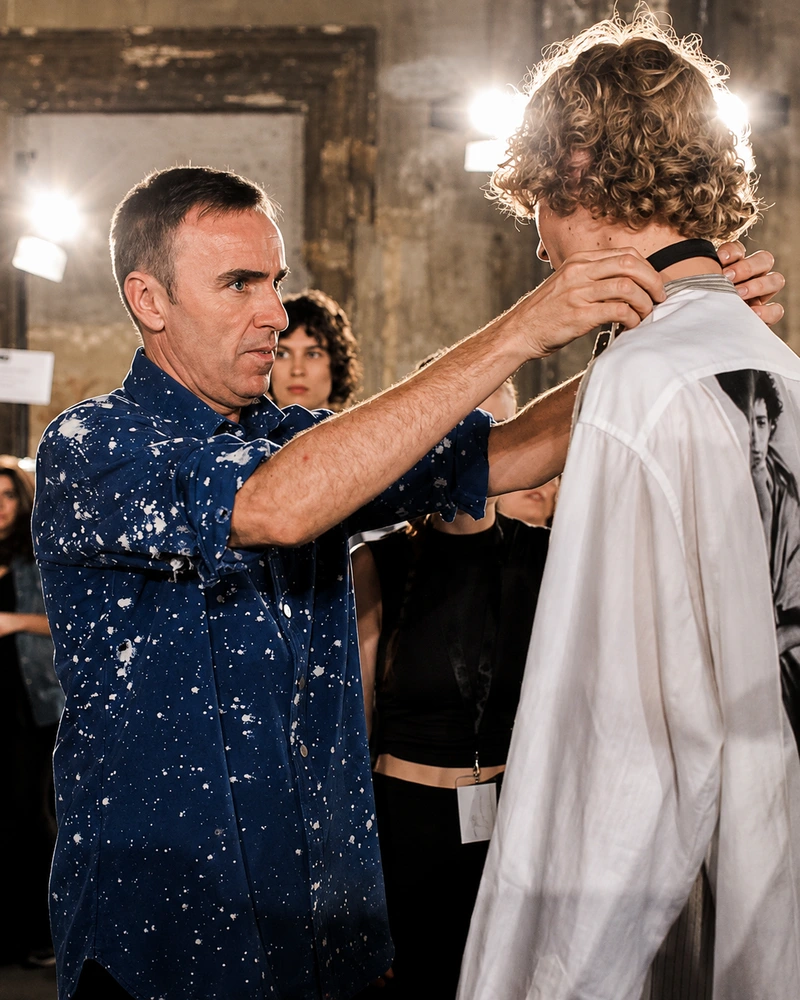
Younger designers borrowed his treatment of music, adolescence and graphic communication. Musicians turned rare pieces into cultural signals. Resale platforms converted garments into historical commodities. The extraordinary prices attached to early collections showed how completely fashion consumers had learned to treat his work as collectible evidence of a lost subculture.
In September 2020, Raf Simons announced the first dedicated womenswear under his own name. The collection debuted on October 23, 25 years after the label’s foundation. By then, he had designed women’s fashion at Jil Sander, Dior, Calvin Klein and Prada. Bringing womenswear into his own company looked like expansion, yet it also exposed how long the label had remained commercially narrower than his influence.
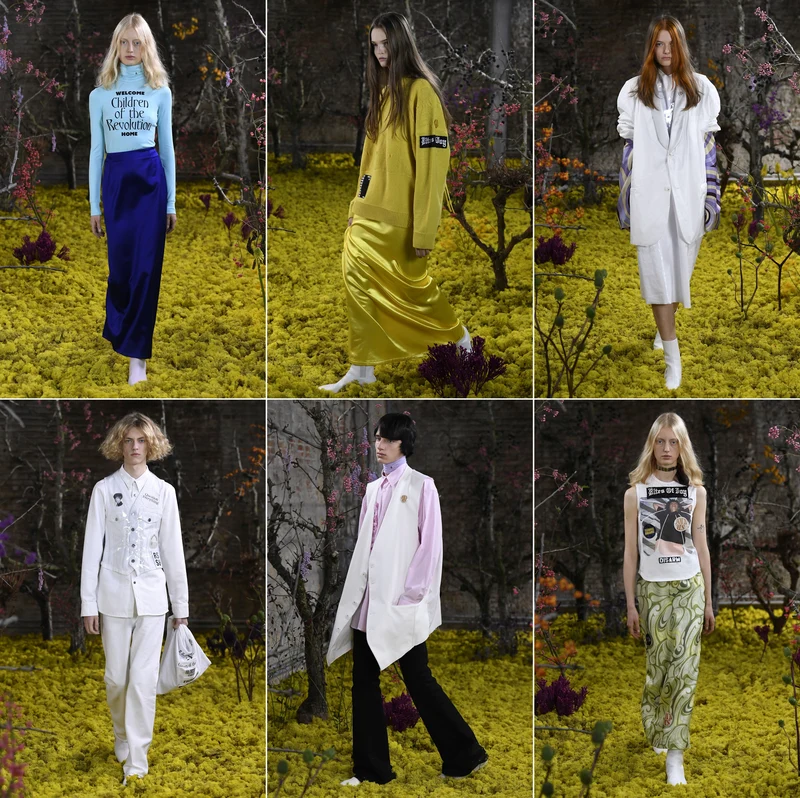
The final Spring/Summer 2023 show took place in London in October 2022, around Frieze. The setting returned Raf Simons to the collective energy that had shaped his earliest work: fashion, art, youth and nightlife sharing one space. On November 21, he announced that the collection would be the brand’s last. No acquisition, bankruptcy or ownership transfer accompanied the statement. He simply ended seasonal production after 27 years.
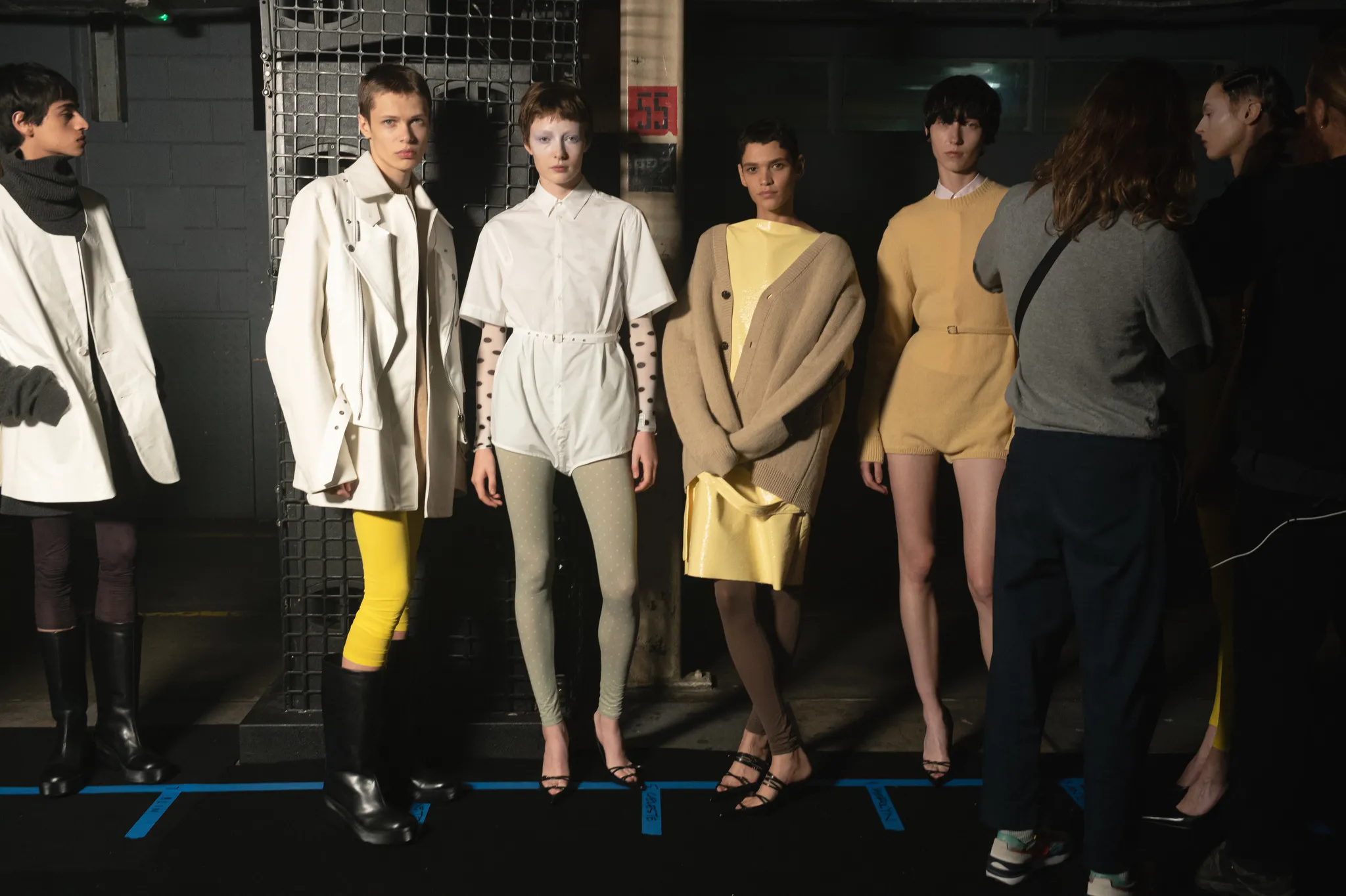
The closure carried unusual symbolism. Fashion had spent years borrowing Raf Simons’s codes, while the company that originated them remained comparatively small. His influence had become easier to scale inside other institutions than under his own name.
Prada announced on February 23, 2020, that Raf Simons would join Miuccia Prada as co-creative director from April 2. They received equal responsibility for creative input and decision-making. The arrangement broke with fashion’s familiar succession drama. Two established authors agreed to work inside the same house.
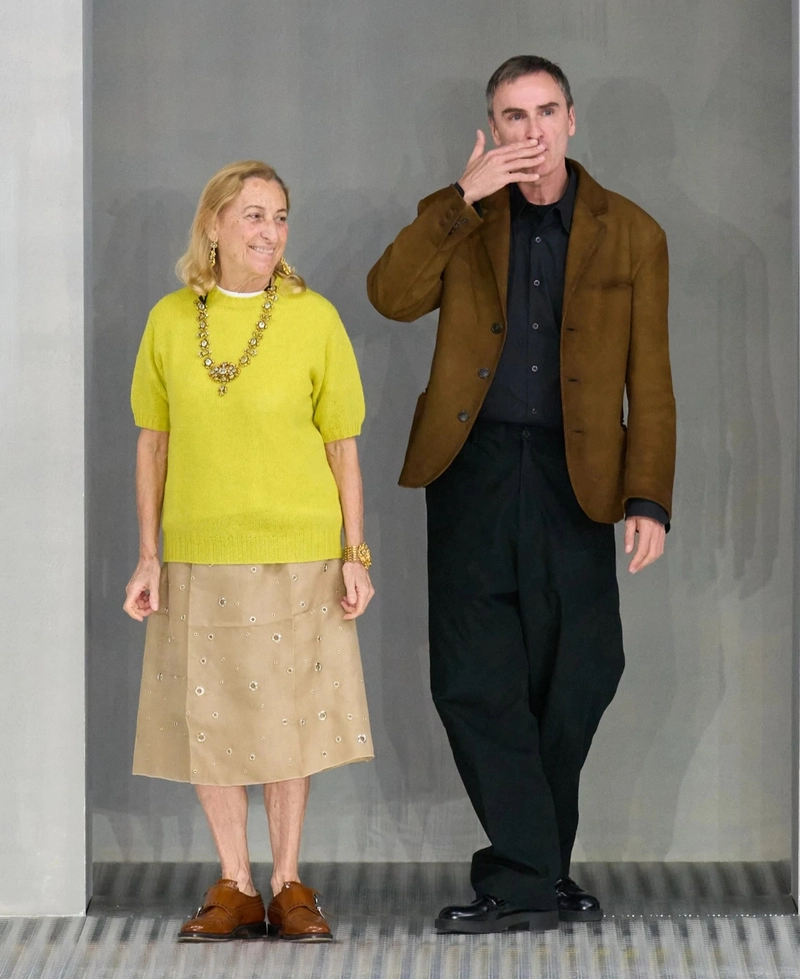
Their first co-designed womenswear collection debuted digitally on September 24, 2020. Uniform dressing connected their languages immediately. Shell tops, narrow trousers, industrial Re-Nylon coats and garments held tightly around the body created a vocabulary of protection. Peter De Potter’s graphics brought Simons’s long-standing communication language into Prada prints. Cameras and monitors filled the set, placing the collection inside the pandemic-era tension between technology, surveillance and human contact.
The presentation attracted around 58 million views across platforms, roughly 16 times the audience of Prada’s previous womenswear show. The figure captured the immediate communication power of the partnership. Fashion wanted to watch two difficult, intellectually forceful designers negotiate with each other.
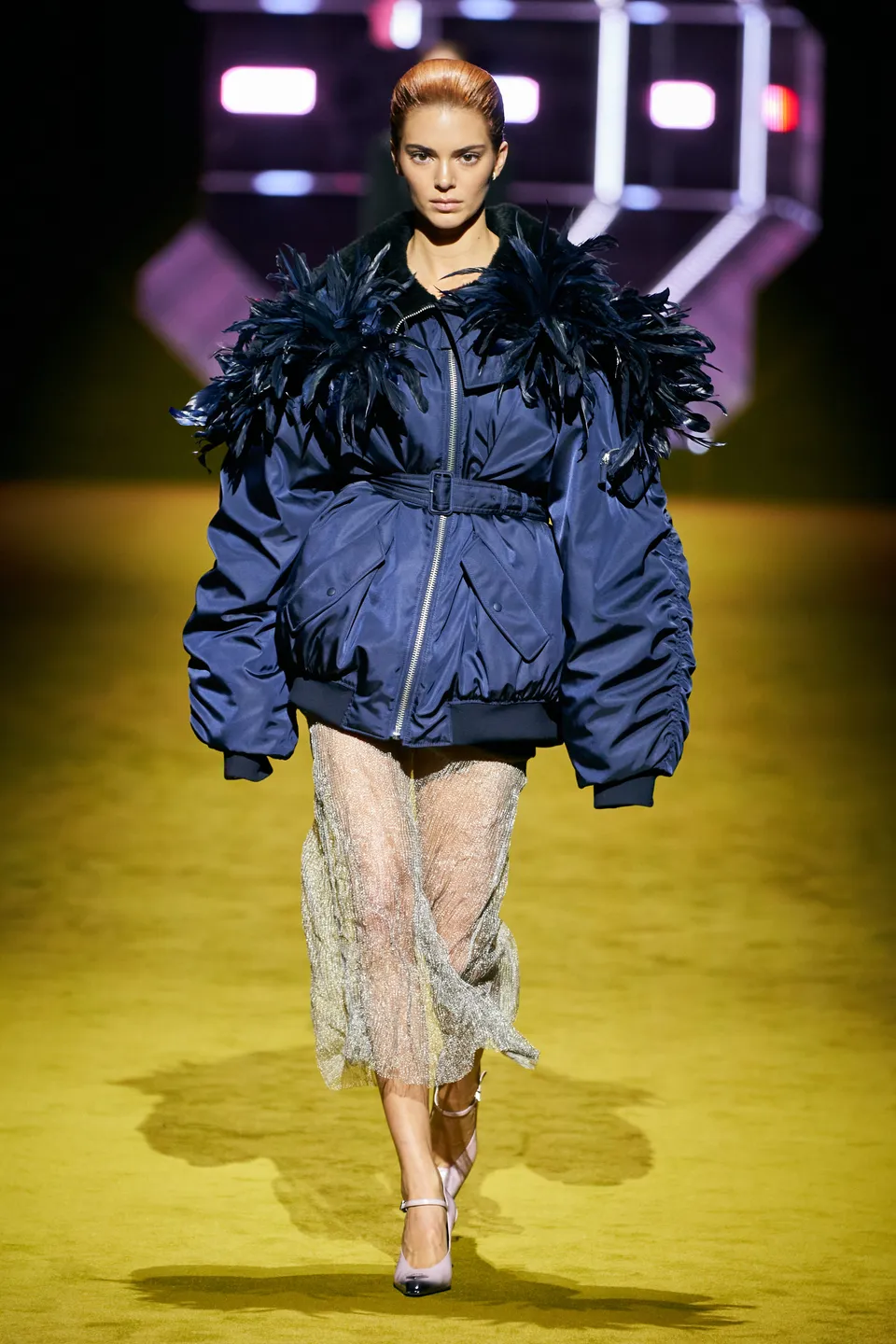
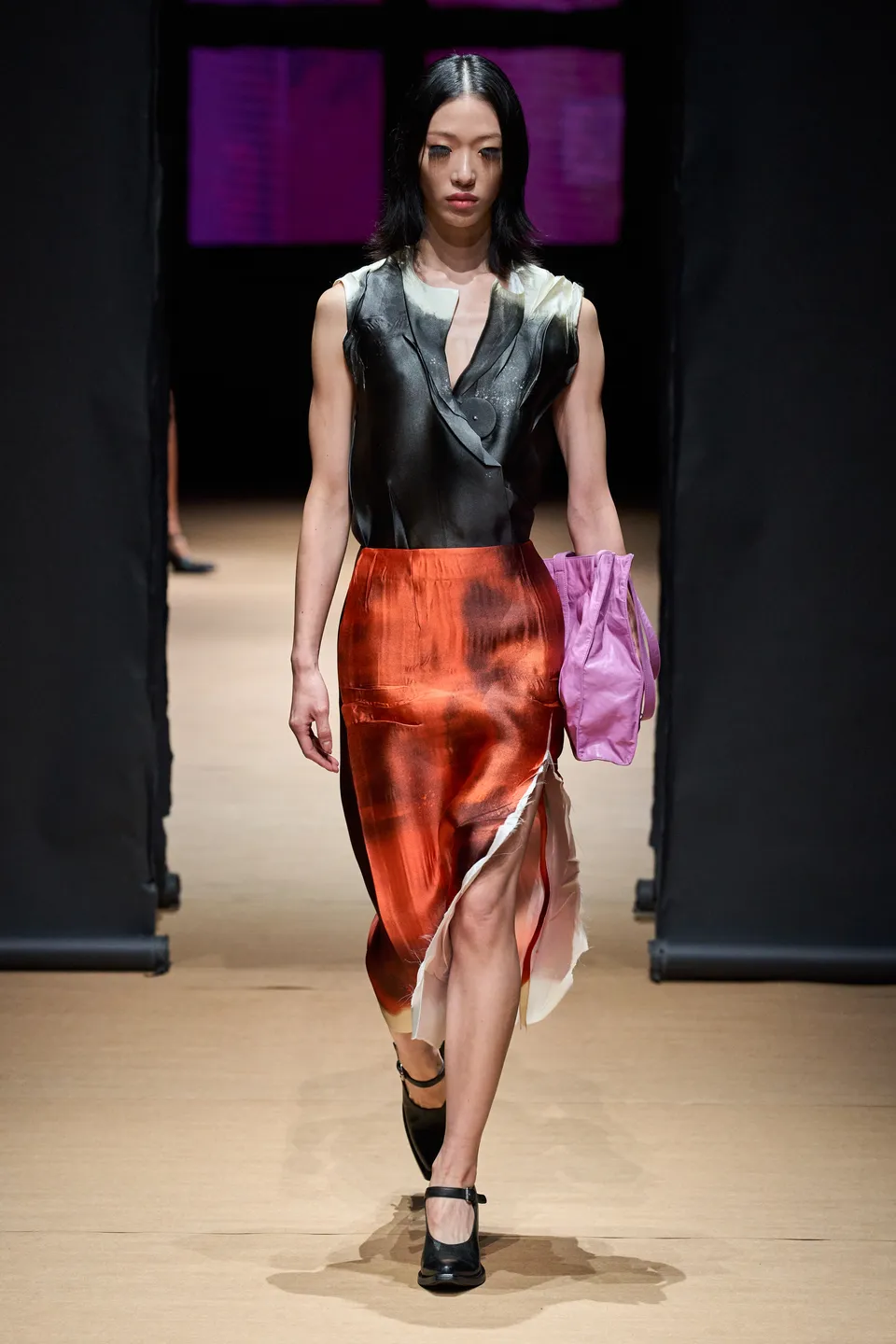
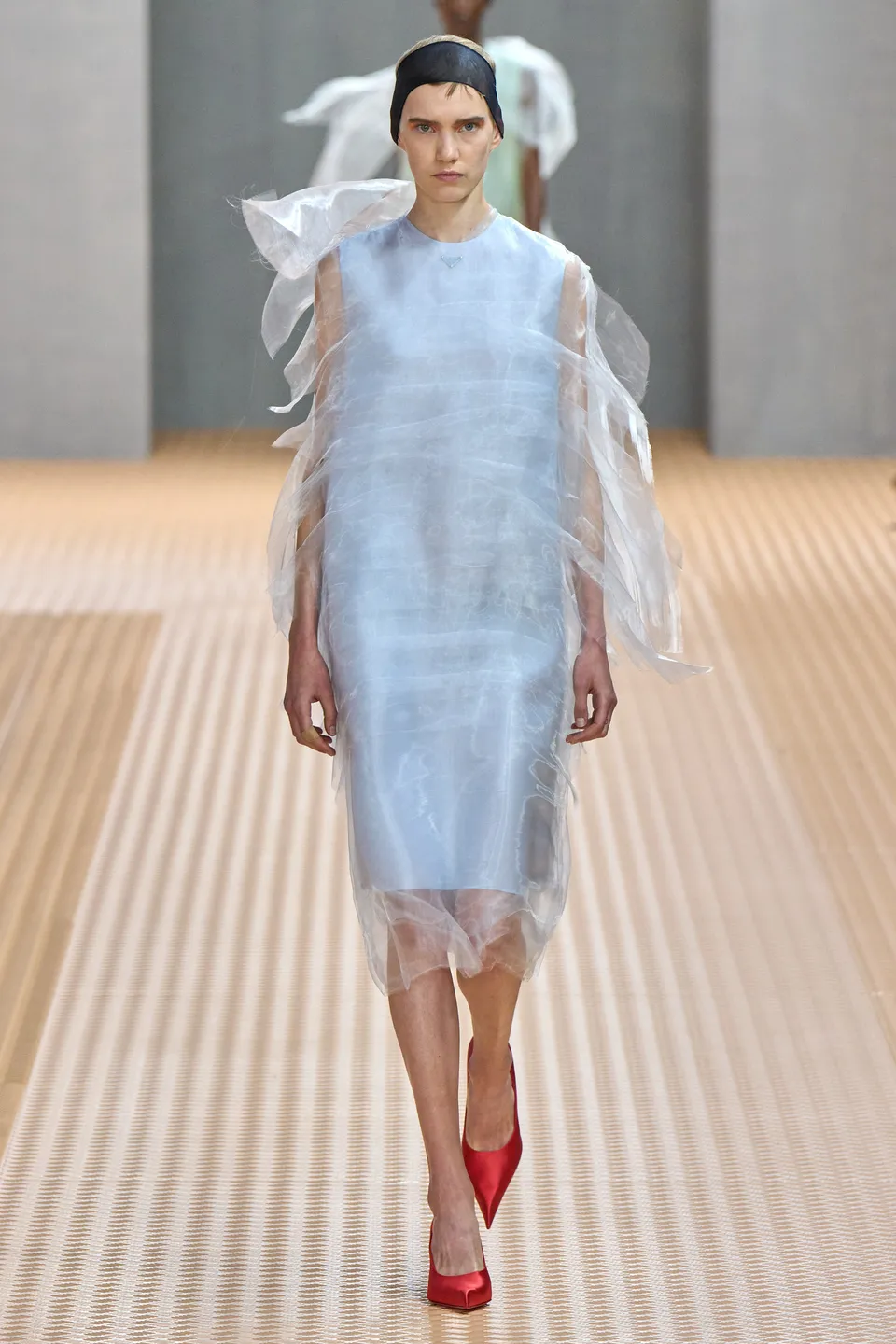
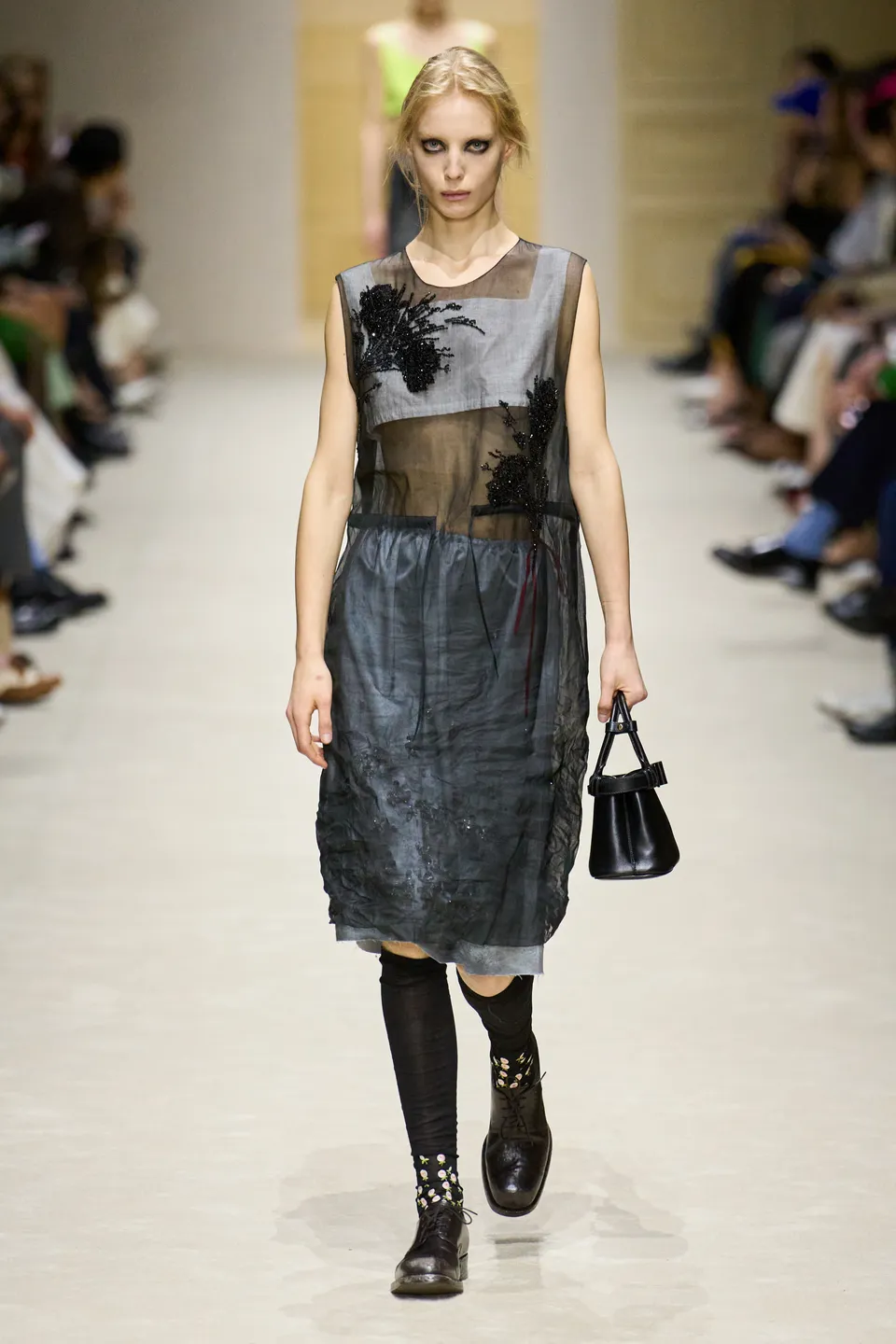
Their shared work resists easy attribution. Both designers are fascinated by uniforms, social class, institutional clothing, awkward beauty and the instability of taste. Raf Simons brings a sharp relationship with youth, graphic culture, narrow tailoring and oversized protection. Prada brings bourgeois disruption, contradictory femininity and an archive built around making the familiar appear strange.
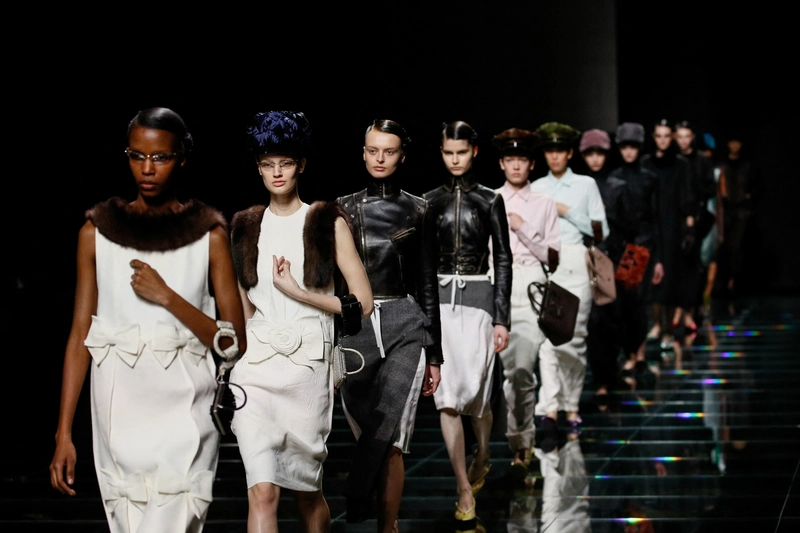
Prada brand retail sales rose 24.5 percent in 2022, 12 percent in 2023 and 4 percent in 2024. They declined 1 percent in 2025 before returning to 3.3 percent growth in the first half of 2026, accelerating to 6.3 percent in the second quarter. These results reflect product, retail strategy, pricing, management, communications and the wider strength of Prada Group. Raf Simons’s contribution cannot be isolated from Miuccia Prada’s. The creative partnership, however, has coincided with renewed desirability, sustained full-price sales and a period in which Prada strengthened its cultural authority during a turbulent luxury market.
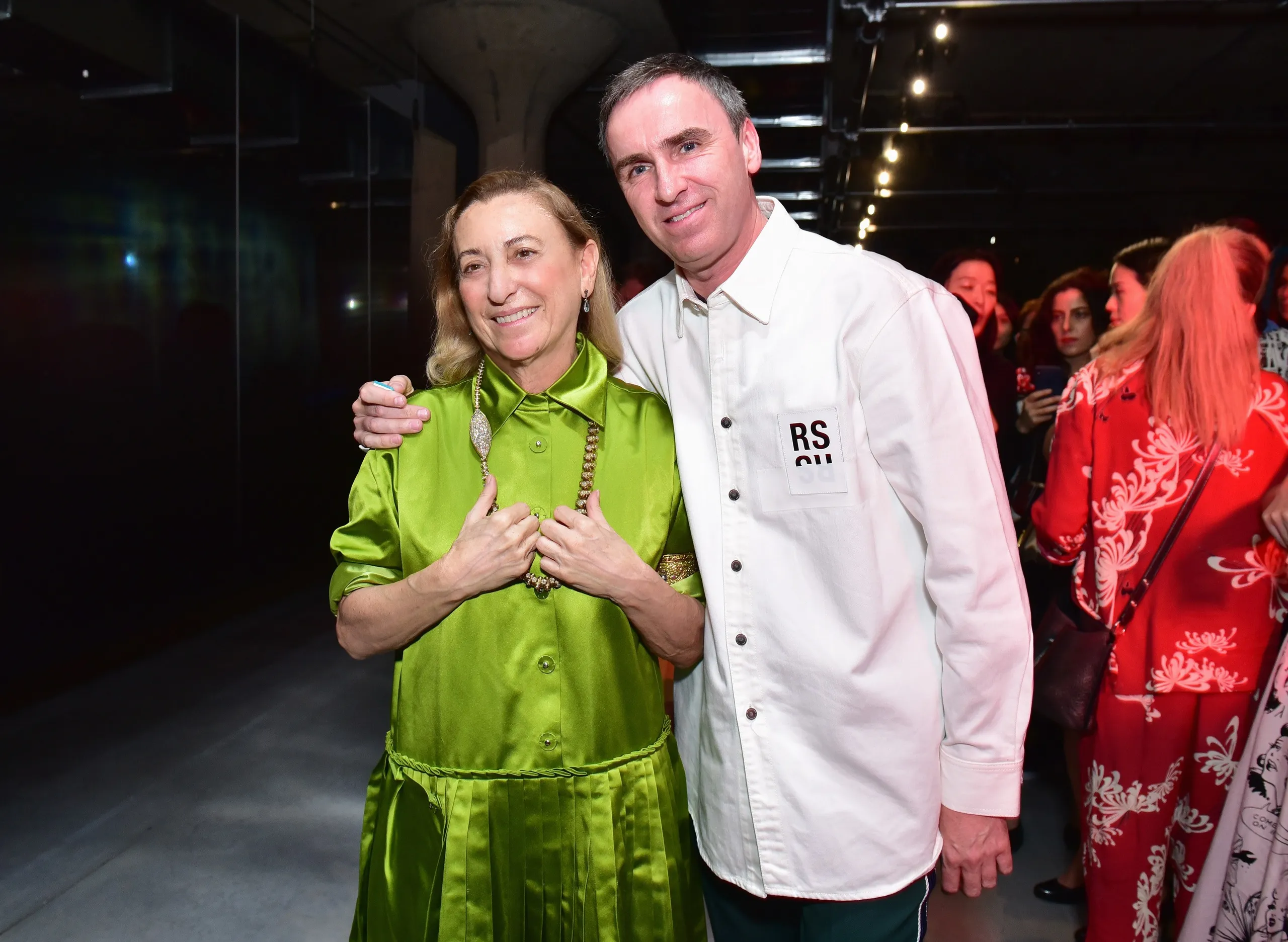
As of August 2026, Raf Simons remains Prada’s co-creative director. His power now operates through conversation instead of ownership. He closed the company that made his name, then continued shaping one of fashion’s most important houses without demanding that every coat, colour or silhouette be identified as his alone. The designer who once built private communities around alienated boys now works through a partnership whose central act is disagreement: two minds testing how far an idea can move before one of them refuses it.
Advertisement