MENU
Close





Before Dior placed couture in his hands, Raf Simons had already changed the emotional architecture of fashion.

Before Dior placed couture in his hands, Raf Simons had already changed the emotional architecture of fashion.
August 3, 2026
Advertisement
Advertisement


On February 25, 2012, Raf Simons walked onto the Jil Sander runway in Milan and began to cry. The audience rose before him. Editors, buyers and designers who had watched fashion cultivate distance as a form of authority answered his departure with a standing ovation.
The scene revealed how far Raf Simons had travelled. He had entered the industry without a fashion-school pedigree, built his reputation around narrow boys, post-punk records and the emotional codes of adolescence, then transformed one of Europe’s most exacting luxury houses. By the time Dior called six weeks later, fashion was no longer debating whether he belonged at its centre. It was preparing to hand him haute couture.
Raf Simons was born in 1968 in Neerpelt, a Belgian town far from the mythology of Paris fashion. His father worked as a night watchman; his mother cleaned houses. He reached fashion through music, furniture, photography and performance.

He graduated in industrial and furniture design in 1991 and began producing furniture for galleries and private interiors. Before graduating, he interned at Walter Van Beirendonck’s studio, assisting with presentations, showrooms and collection displays. His training remained rooted in objects, space and construction. That distinction later became visible in his clothes. A Raf Simons silhouette creates a structure around the body, sometimes close and exact, sometimes expanded until the wearer appears protected, threatened or consumed.
During the Van Beirendonck period, Raf Simons attended Martin Margiela’s 1989 show in a children’s playground outside Paris. He had never seen a fashion show. The emotional force of the event showed him that clothing could carry the immediacy of music and the spatial intelligence of an installation.
Encouraged by Linda Loppa of Antwerp’s Royal Academy, he launched the Raf Simons label in 1995 without formal fashion training. The move from furniture to clothing was less a rupture than a change of material. Raf Simons kept building environments. Casting, soundtrack, typography, location and garment communicated one argument.
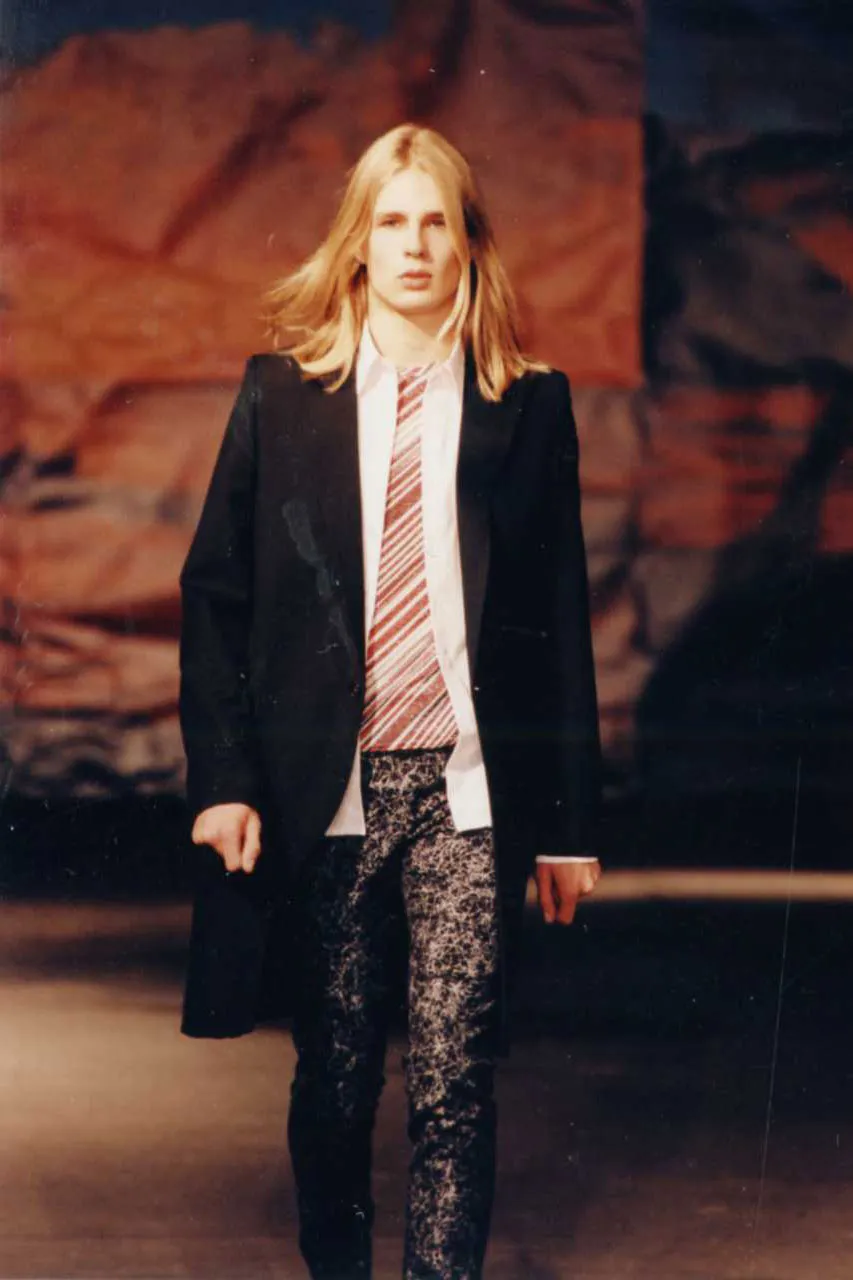
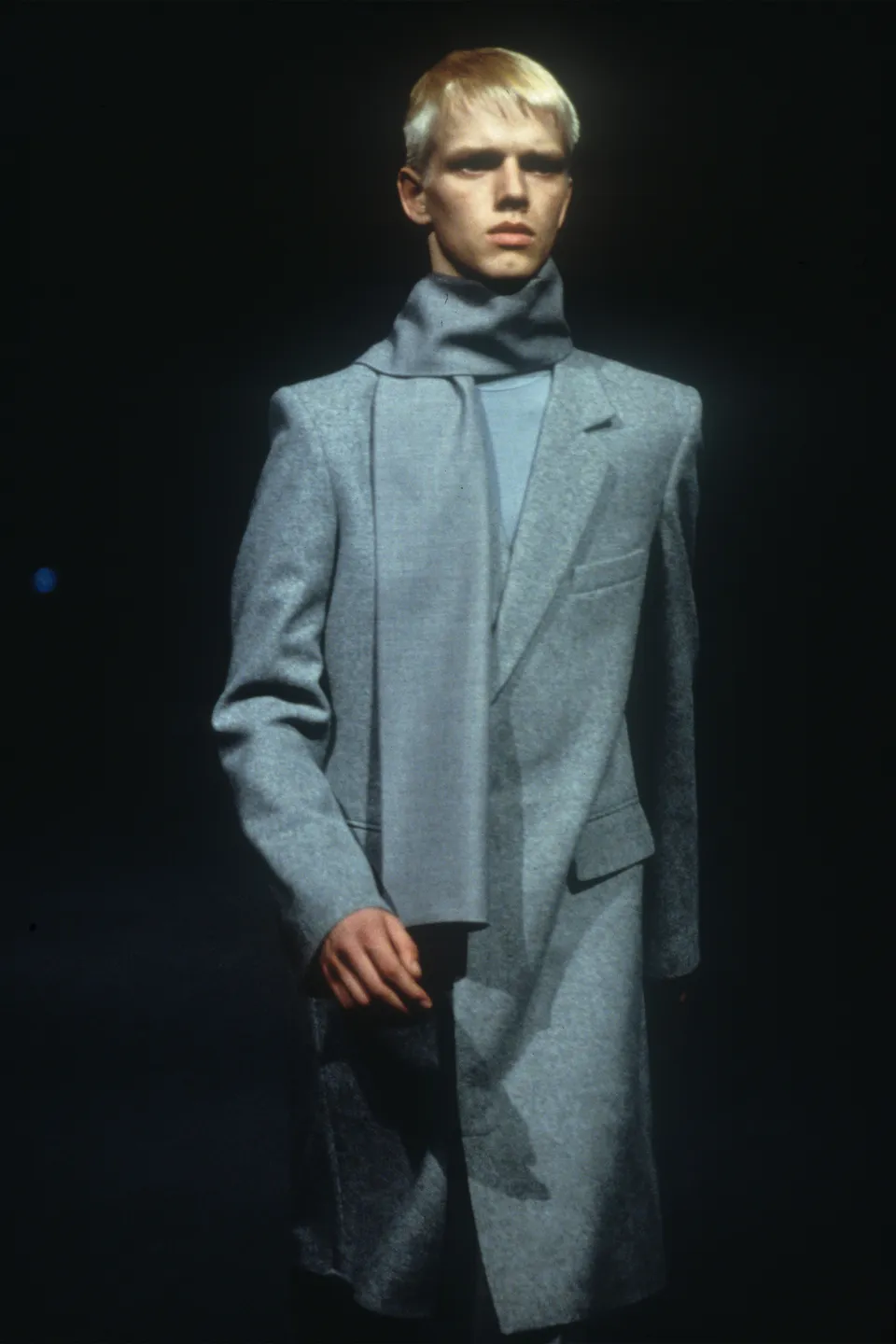
The earliest Raf Simons collections replaced the established masculine ideal with an unnervingly slender young figure. His models came from streets, schools and Antwerp’s social circles. They wore narrow jackets, long trousers, fitted knits and versions of school or collegiate uniforms. Their shoulders lacked the armour associated with executive tailoring. Their posture suggested someone still becoming himself.

Raf Simons understood that adolescence contains discipline and rebellion at once. A school shirt can signal obedience, erotic tension, class, boredom and the urge to escape. A severe black coat can express authority while making the young body inside it appear more fragile.
By 1997, when Raf Simons presented his first Paris runway, his language was clear. Black Palms fused precise tailoring with a post-punk atmosphere and an almost funereal conception of youth. The boys looked like members of a private order whose rules existed beyond the room. Paris Musées later placed the collection among the defining fashion statements of 1997, recognising its redefinition of male beauty.


Music provided more than mood. Kraftwerk, Joy Division, New Order and the wider landscape of punk, post-punk and electronic culture gave Simons models for collective identity. His collections turned the runway into a gathering of believers bound by sound, clothes, graphics and shared codes.
His cultural power began here. Raf Simons treated subculture with seriousness at a moment when luxury frequently mined youth for novelty. He understood the emotional labour behind allegiance: the record searched for, the sleeve studied, the coat worn until it became evidence of a life.

In 1999, Raf Simons designed for Ruffo Research, the experimental Italian leather project. The appointment tested whether his narrow, emotionally loaded silhouette could survive outside the intimacy of his own label. It did. Leather, usually burdened by ideas of toughness and status, became another material through which he could question masculinity.
Recognition, however, failed to create stability. In March 2000, he closed his company. The label possessed cultural heat without the industrial structure required to convert influence into a durable business. A new agreement with Belgian manufacturer Gysemans Clothing Industry enabled its restart in 2001. The episode exposed a pattern that followed Raf Simons for decades: fashion placed enormous symbolic value on his ideas while leaving the machinery behind those ideas dangerously vulnerable.
From October 2000 until June 2005, Raf Simons taught fashion at the University of Applied Arts Vienna. Teaching suited a designer whose practice developed through research, conversation and the collision of disciplines.
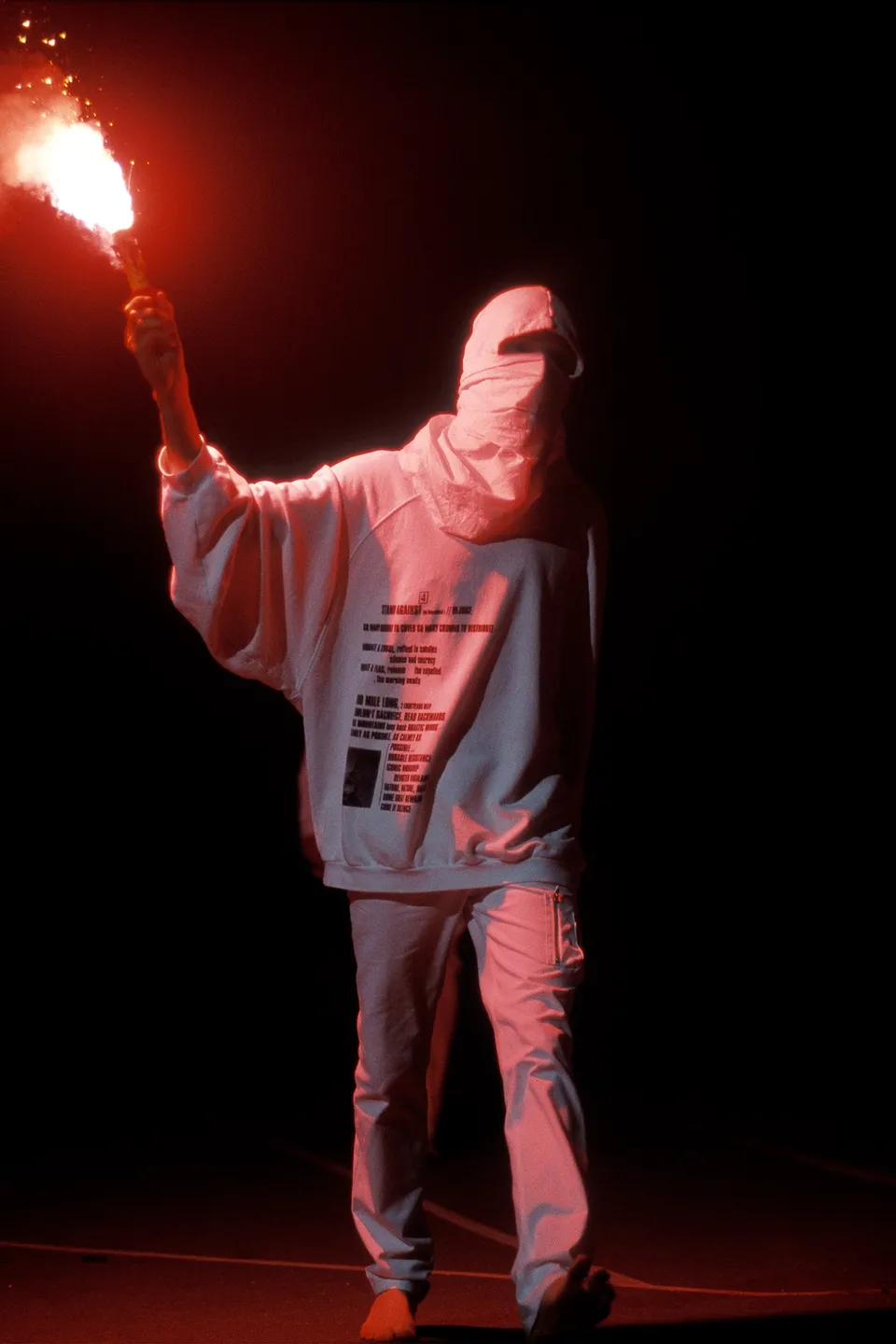
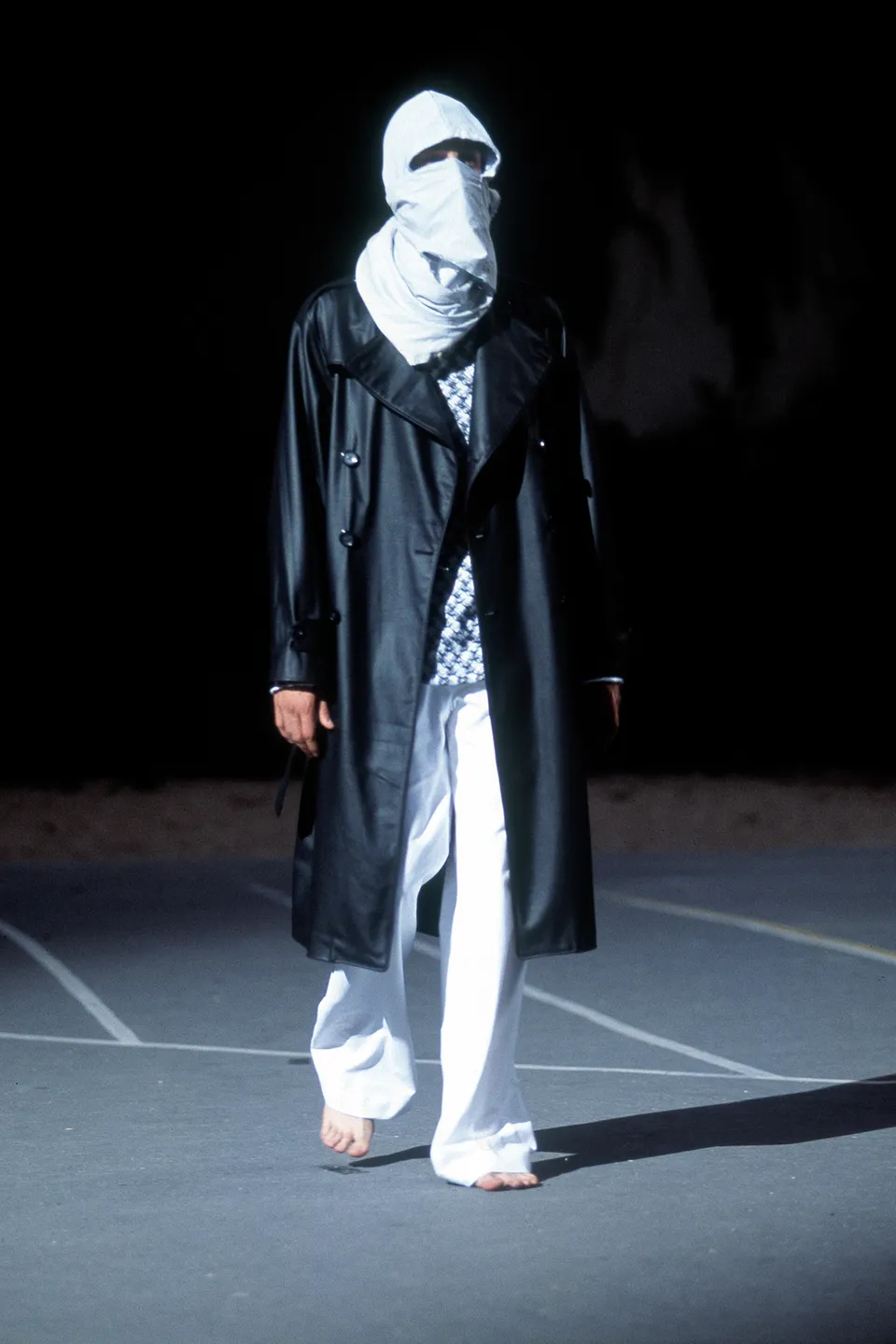
His comeback converted commercial fragility into force. The Spring/Summer 2002 presentation, staged in 2001, remains among the most discussed shows of his career. Barefoot, masked figures moved through a school carrying flares, their bodies wrapped in oversized layers printed with slogans. Later viewers often read the images through September 11, which occurred months afterward. The chronology matters. Raf Simons had captured an existing European tension: urban fear, political anger, anonymity and the possibility that young people might turn collective frustration into a social force.
He could identify an atmosphere before the industry had agreed upon language for it.
In November 2003, he received the Swiss Textiles Award, signalling a shift from cult admiration to official recognition. In June 2005, Raf Simons Redux, created with Peter De Potter, and the Raf Simons 1995–2005 event in Florence’s Boboli Gardens treated ten years of work as an archive worthy of preservation.
Raf Simons had created a house code through a thin shoulder, an elongated line, an oversized sweatshirt, a piece of typography and the charged presence of young men gathered as a group. Collectors and younger designers began treating earlier pieces as cultural documents. The clothes preserved a history of feeling.
In July 2005, Raf Simons became creative director of Jil Sander, responsible for menswear and womenswear until February 2012. The appointment carried real risk. Raf Simons had never designed a complete womenswear collection. His reputation rested on underground menswear, while Jil Sander represented adult precision, luxury fabric and the controlled public image of a professional woman.

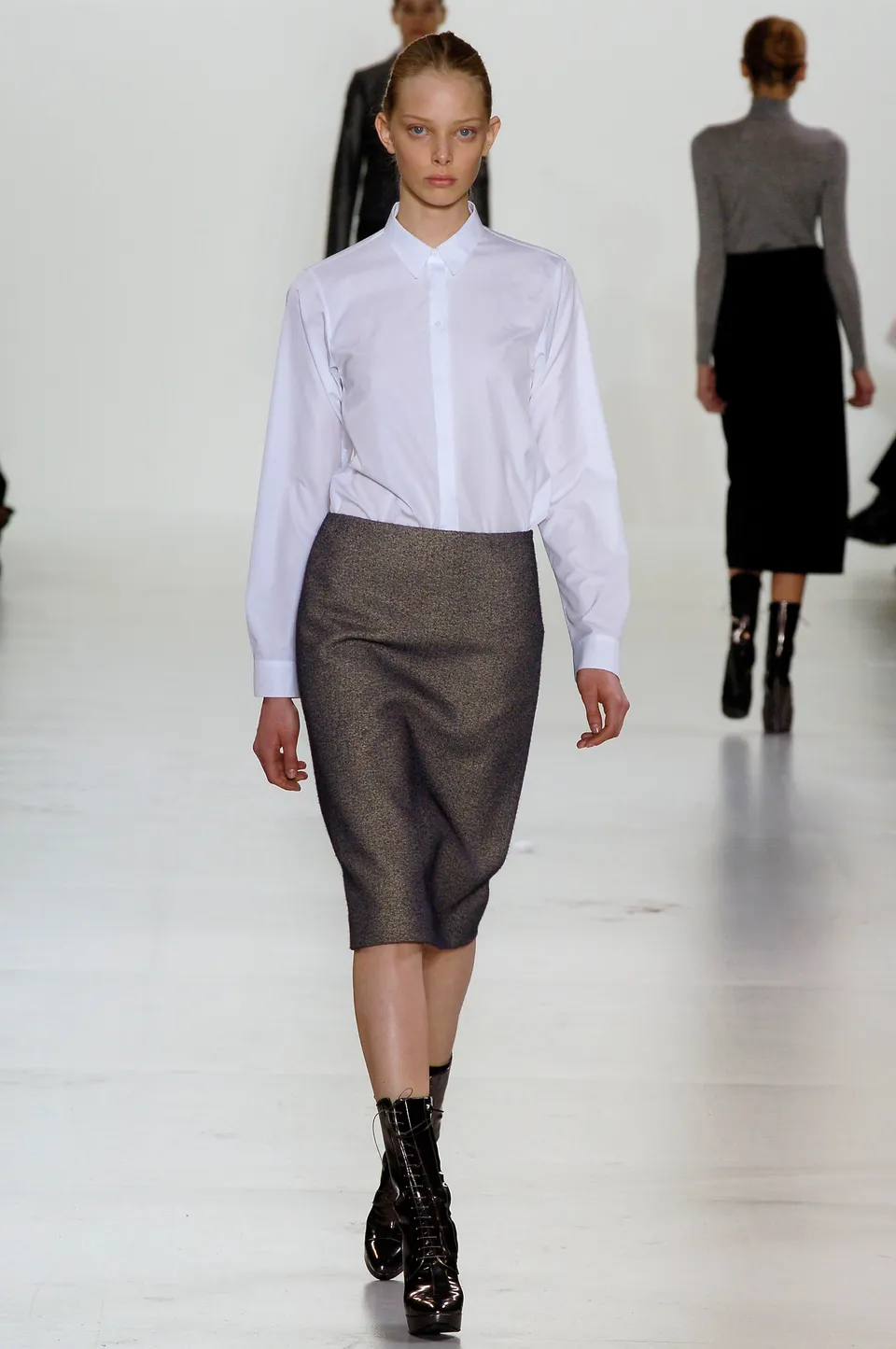
The lazy interpretation cast the pairing as one minimalist succeeding another. Their disciplines came from different emotional sources. Jil Sander’s minimalism offered clarity, autonomy and material perfection. Raf Simons’s reduction carried adolescent severity, music, anxiety and the pressure of bodies inside institutions. His achievement came through discovering where those languages could meet.


His first womenswear collection for Autumn/Winter 2006 approached the house with restraint. Over subsequent seasons, he learned how fabric weight changes movement, how dresses create volume without relying on tailoring, and how shoes, bags and retail categories construct a complete luxury proposition. The process transformed him from a singular menswear author into a designer capable of directing an entire maison.


It also gave Jil Sander cultural momentum during a complicated business recovery. The company had endured founder departures, ownership changes and severe losses before his arrival. Public accounts attribute the financial improvement under Change Capital Partners to restructuring, management and renewed creative coherence. EBITDA reportedly moved from negative €12.9 million in 2005 to positive €6.1 million in 2007.
Raf Simons cannot be assigned that result alone. Fashion houses grow through production, distribution, licensing and pricing. Yet creative direction determines whether those systems have an object of desire to sell. His collections restored urgency to the brand while protecting its intellectual credibility.
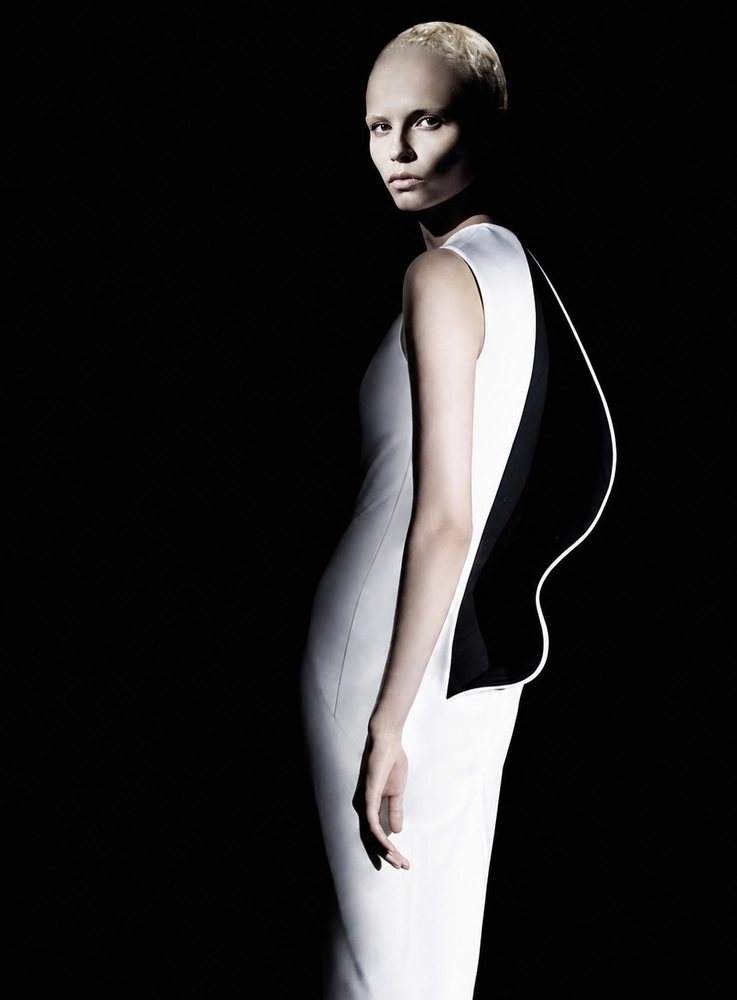
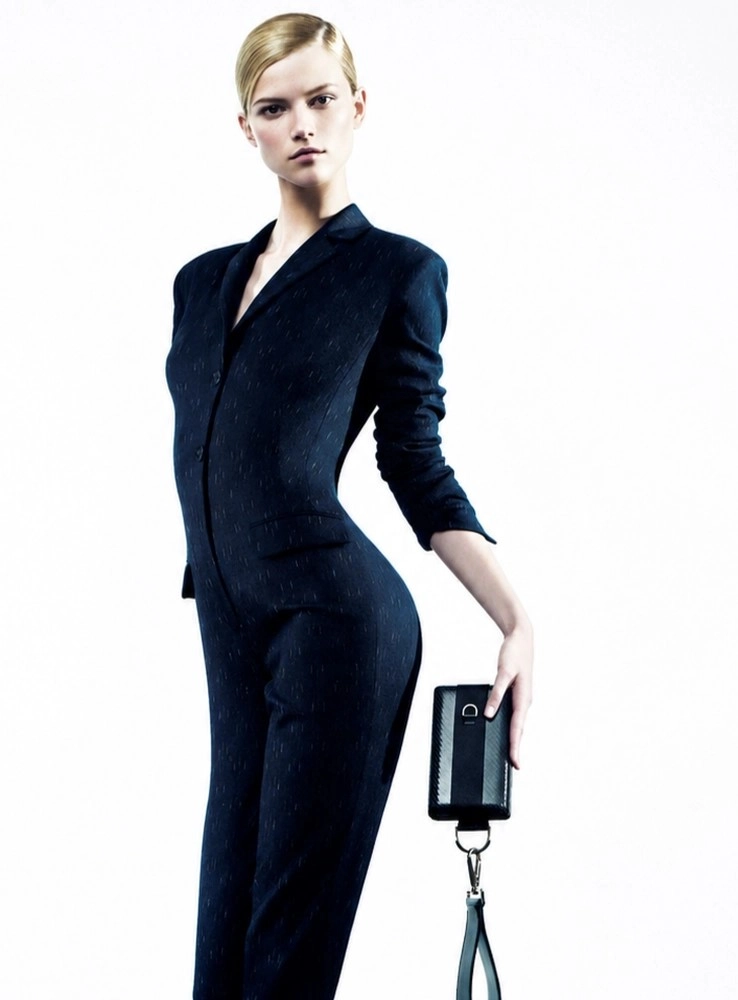
This is the useful distinction between creative impact and corporate issues. A designer rarely rescues a business single-handedly, however seductive that story may sound. Raf Simons supplied Jil Sander with relevance, coherence and fashion authority. Management converted those qualities into commercial recovery. His contribution sat at the beginning of the economic chain: he made the product and the house desirable again.
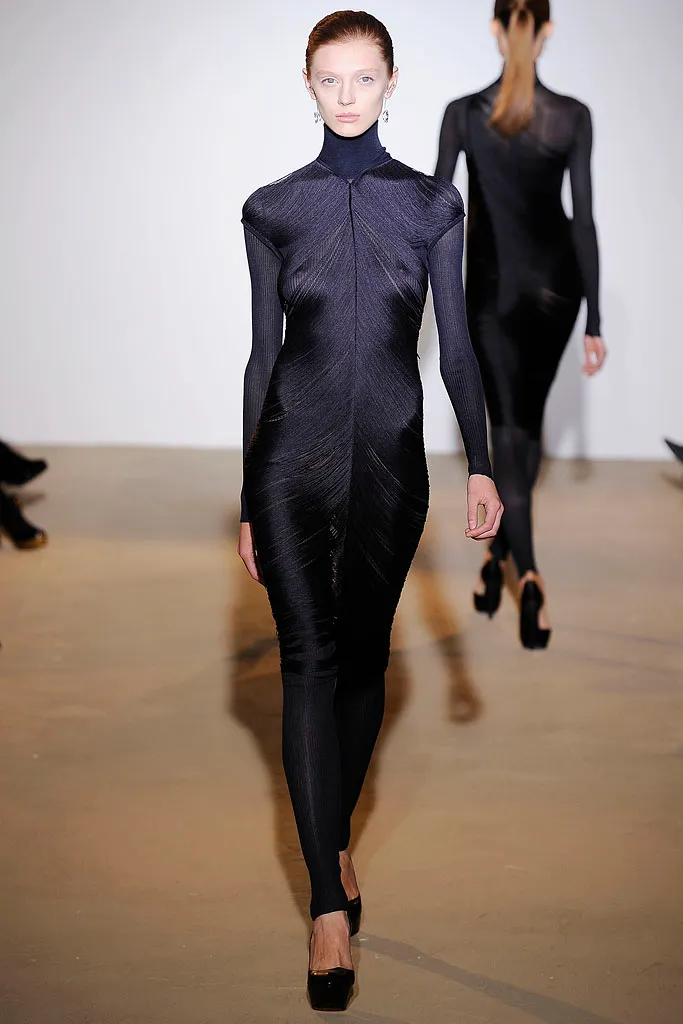
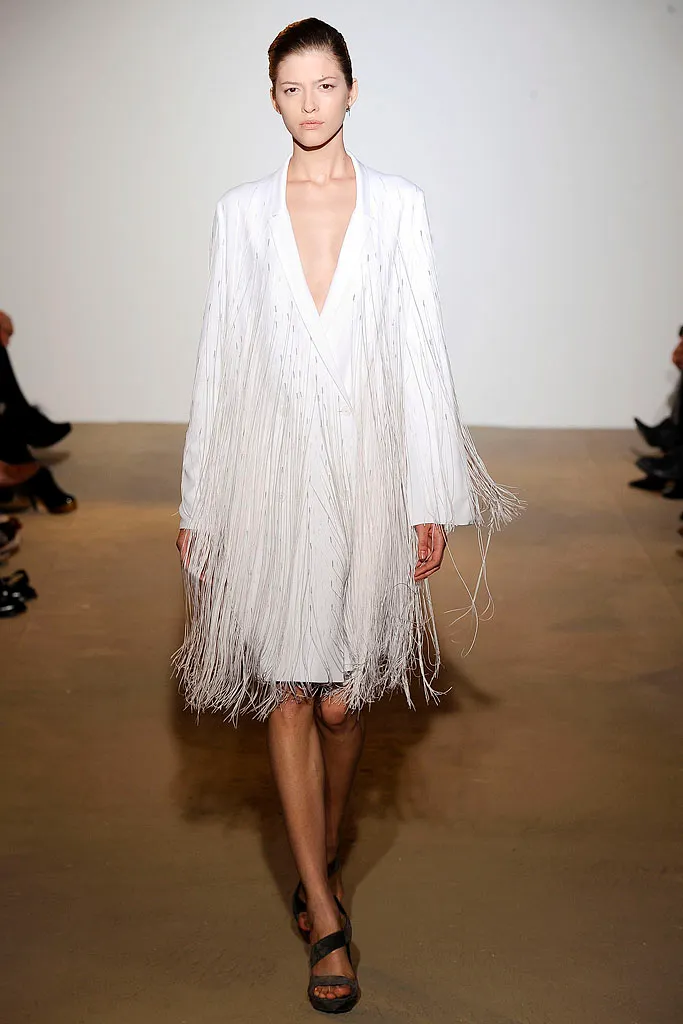
By Spring 2009, dresses built from moving fringe showed how far he had travelled. The body appeared and disappeared through motion. Sensuality emerged from construction itself. Simons had learned to create glamour without sacrificing severity.
The final years at Jil Sander produced the work that made Dior seem possible. For Spring/Summer 2011, Raf Simons began with minimalism and moved toward its apparent opposite: maximalism. Vast skirts in saturated colour met plain white T-shirts. Couture scale entered a modern wardrobe without theatrical nostalgia. Tim Blanks described the collection as a revival of Simons’s commitment to the house.
The proportions carried an argument about luxury. A white T-shirt gained authority through the monumental skirt beneath it. Vivid pink, orange, green and blue refused the belief that intellectual fashion should remain quiet. Simons proved that restraint concerns precision of thought, not the suppression of colour or pleasure.
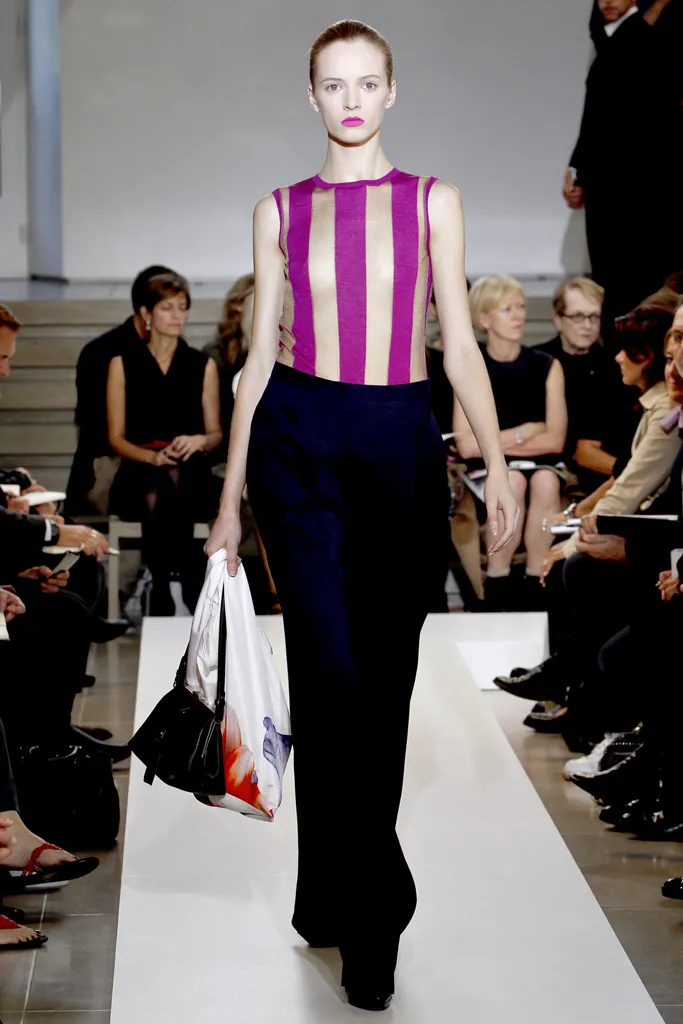
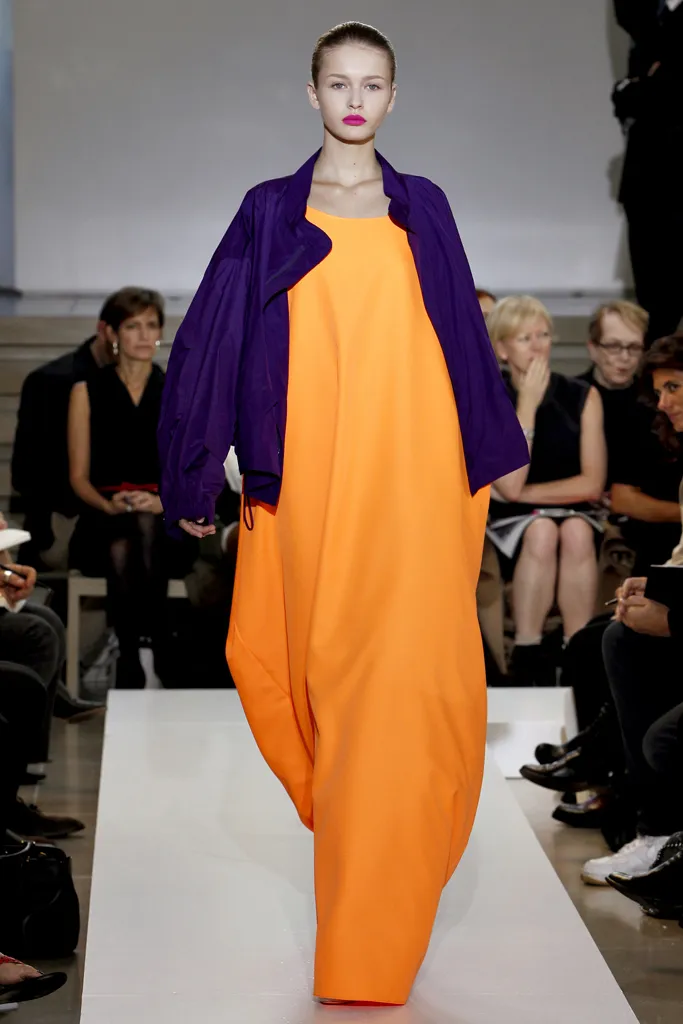
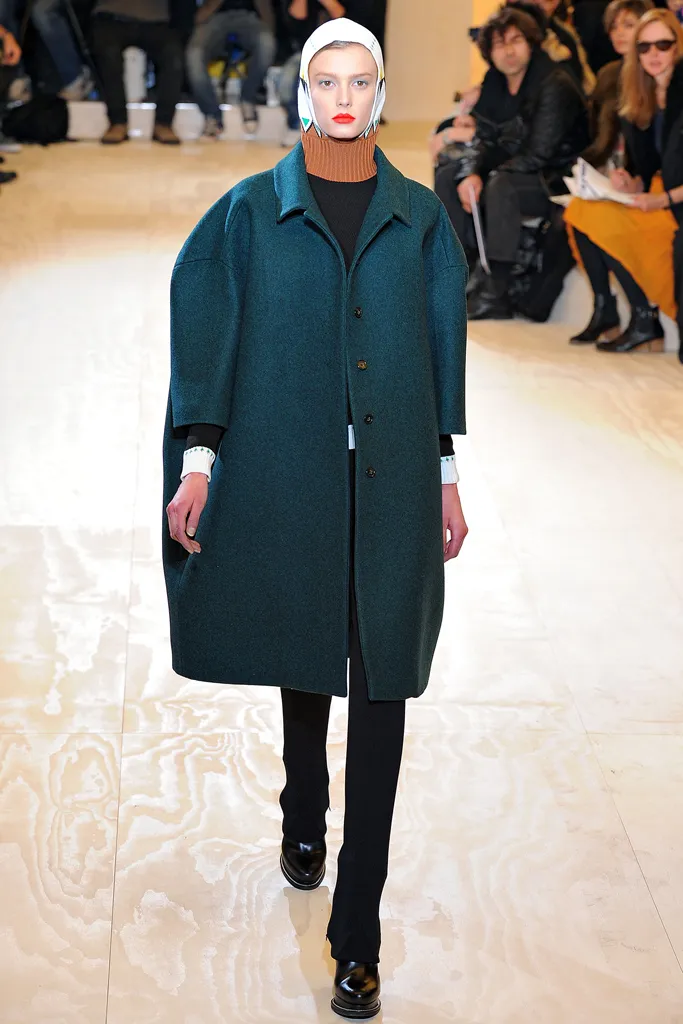
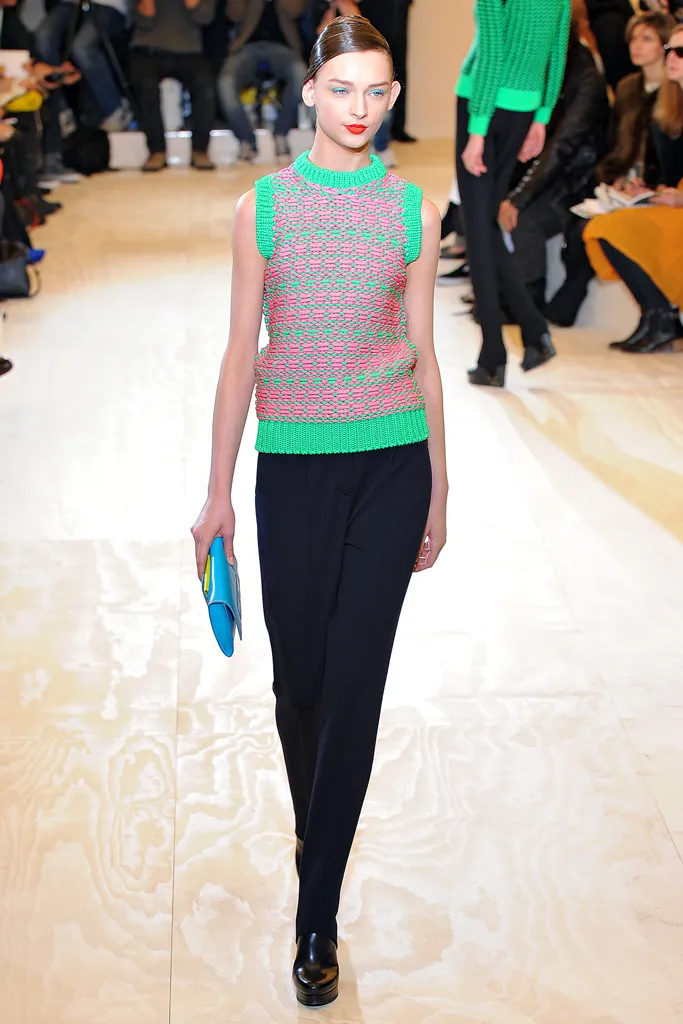
Fall 2011 developed the argument through cocoon volume, aerodynamic shapes, dark reds and florals. Raf Simons connected Diane Arbus’s psychological strangeness with the polished sportswear of 1950s ski culture. He spoke openly about women wanting challenge and extremity. Jil Sander’s purity had become a platform for risk.
At the same time, his own company entered another crisis. In January 2011, days before his menswear show, the manufacturing relationship with Futurepresent broke down. Production and delivery became uncertain. Simons presented Dead Prince College and rebuilt the structure required to manufacture it.

The incident reveals a work ethic obscured by the image of the quiet intellectual. Raf Simons has often appeared reserved in an industry that rewards public performance, yet restraint should never be confused with detachment. His collections required obsessive research, intense communication and the emotional stamina to defend ideas against production deadlines and corporate pressure. In 2011, he was directing menswear and womenswear for an international house while protecting an independent label whose commercial foundation had fractured.
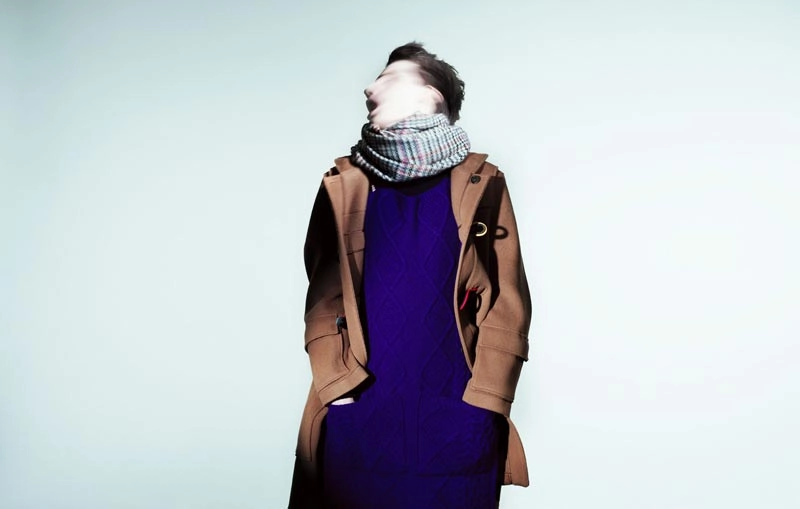

His authority extended beyond the runway. In April 2011, he served as president of the fashion jury at Hyères. In July, he curated the multidisciplinary Berlin event Transmission 1. These roles positioned him as teacher, editor and cultural gatekeeper. He could legitimise talent, connect disciplines and change the terms of fashion’s conversation.
That influence travelled through the industry in several directions. Designers absorbed his narrow tailoring and oversized outerwear. Streetwear adopted his use of typography, music references and emotionally charged graphics. Collectors transformed old garments into archive commodities. Luxury houses learned that youth culture could support rigorous intellectual fashion instead of serving as seasonal decoration.
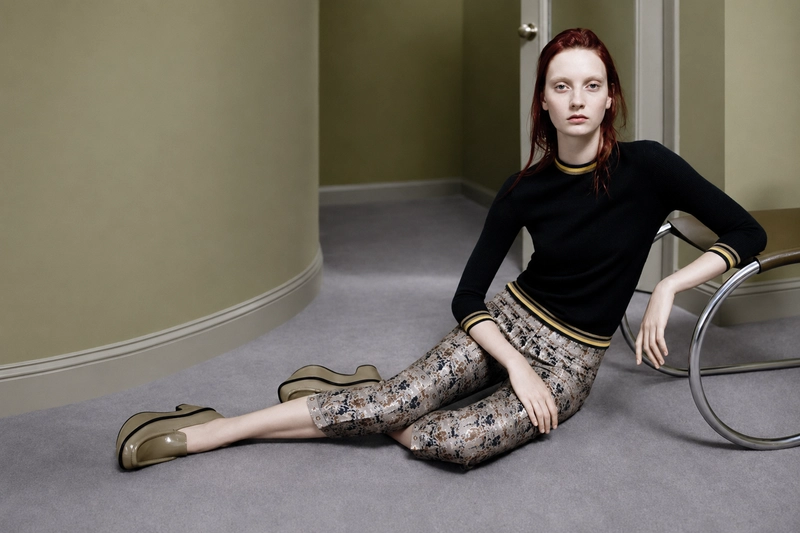
Then came February 2012. Jil Sander announced on February 23 that Raf Simons would leave, with his contract ending on February 27. His final womenswear show took place on February 25. Pale dresses, blush pinks, protective coats held closed by the models’ hands and flowers arranged by Mark Colle turned corporate minimalism into a language of tenderness. The room stood; Raf Simons cried.
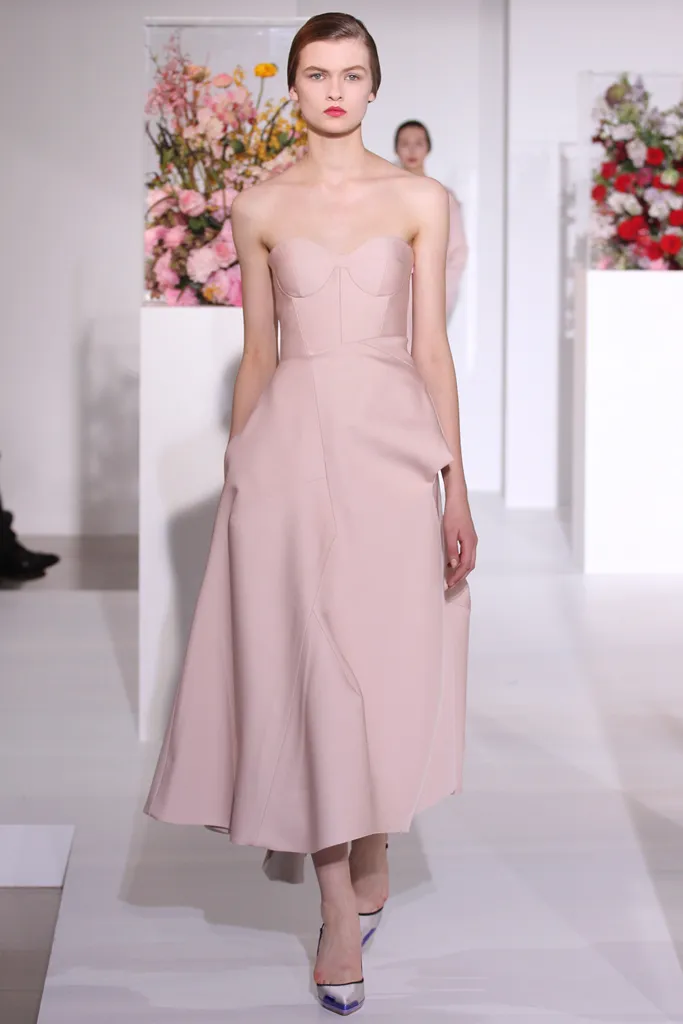

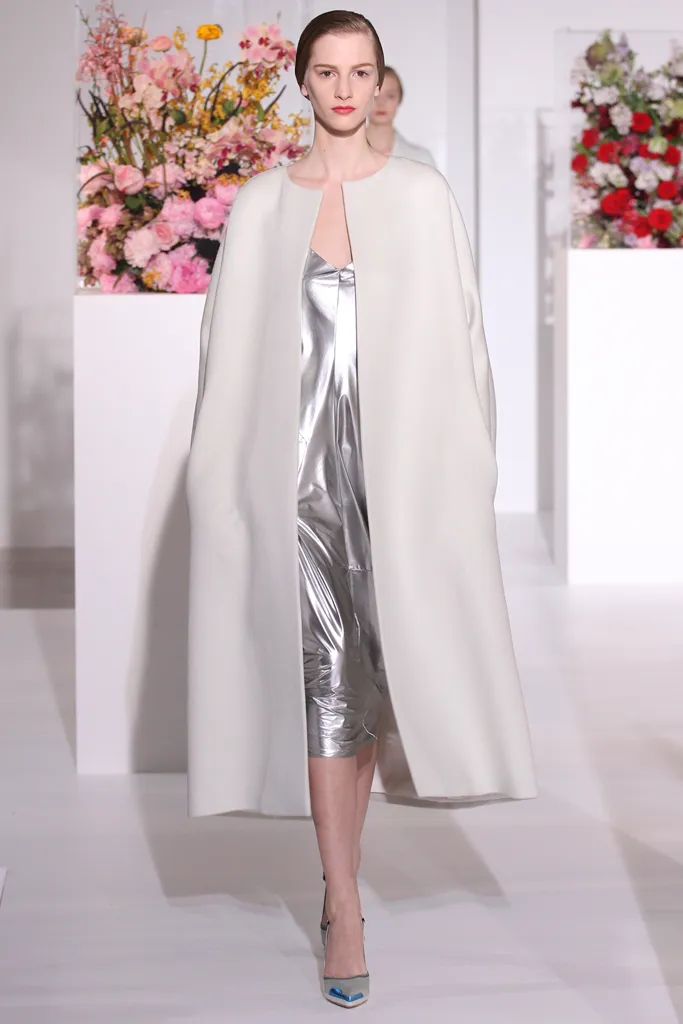

The farewell made his power visible. Editors trusted that a Raf Simons collection would contain an argument. Designers watched because his proportions travelled rapidly through the industry. Young audiences followed because he treated their cultural references as serious material. Executives saw that an uncompromising author could renew desire around a troubled house.

On April 9, 2012, Christian Dior appointed Raf Simons artistic director of women’s haute couture, ready-to-wear and accessories. His first haute couture collection was scheduled for July. The choice startled those who still equated Dior with spectacle and Simons with austerity. They had missed what Jil Sander had already proved. Beneath the restraint lived an appetite for volume, colour, romance and emotional theatre. Dior was hiring the designer who had spent seventeen years teaching fashion how much feeling a controlled silhouette could contain.
Advertisement