MENU
Close





While Asia’s contemporary art scene is propelled by fast-scaling hubs like Hong Kong and Seoul, where auctions, fairs, and new collectors set the tempo, Europe’s market still runs on museum-grade validation and a dense ecosystem of mid-tier galleries that steadily cultivates discovery.

While Asia’s contemporary art scene is propelled by fast-scaling hubs like Hong Kong and Seoul, where auctions, fairs, and new collectors set the tempo, Europe’s market still runs on museum-grade validation and a dense ecosystem of mid-tier galleries that steadily cultivates discovery.
December 8, 2025


Europe’s art market is a paradox of power. Museums, Modern masters and blue-chip gravitas weigh heavily on one side; fragile infrastructures, home-biased gatekeeping and fast-growing peripheries pull on the other. France anchors the EU’s fine-art strength, yet the East - Romania, Slovakia, Hungary, Poland, quietly supplies some of the continent’s most resilient energy. What looks like a legacy market is, in fact, a field mid-transformation.
Europe’s contemporary landscape is shaped by two opposing magnets: the pull of history and the push of the present. France remains the EU’s bellwether for overall fine-art performance - thanks largely to its Modern and Post-War “historical signatures”, while Germany, Italy and Poland round out Europe’s top-ten presence in the global market for public sales of Contemporary art. Taken together, these four EU markets account for just under five percent of global Contemporary turnover and eleven percent of the art market overall when all periods are combined. Contemporary art is not, a priori, their main engine, but its importance is decisive in certain places. Germany and Italy each see Contemporary account for more than nine percent of fine-art auction turnover, while Poland pushes as high as seventeen percent. In the UK, Contemporary functions as a primary driver, representing about a quarter of total fine-art auction turnover. By contrast, France’s Contemporary share in 2022/23 hovered near six percent, underscoring how the French market’s auction heft still leans on historical depth.
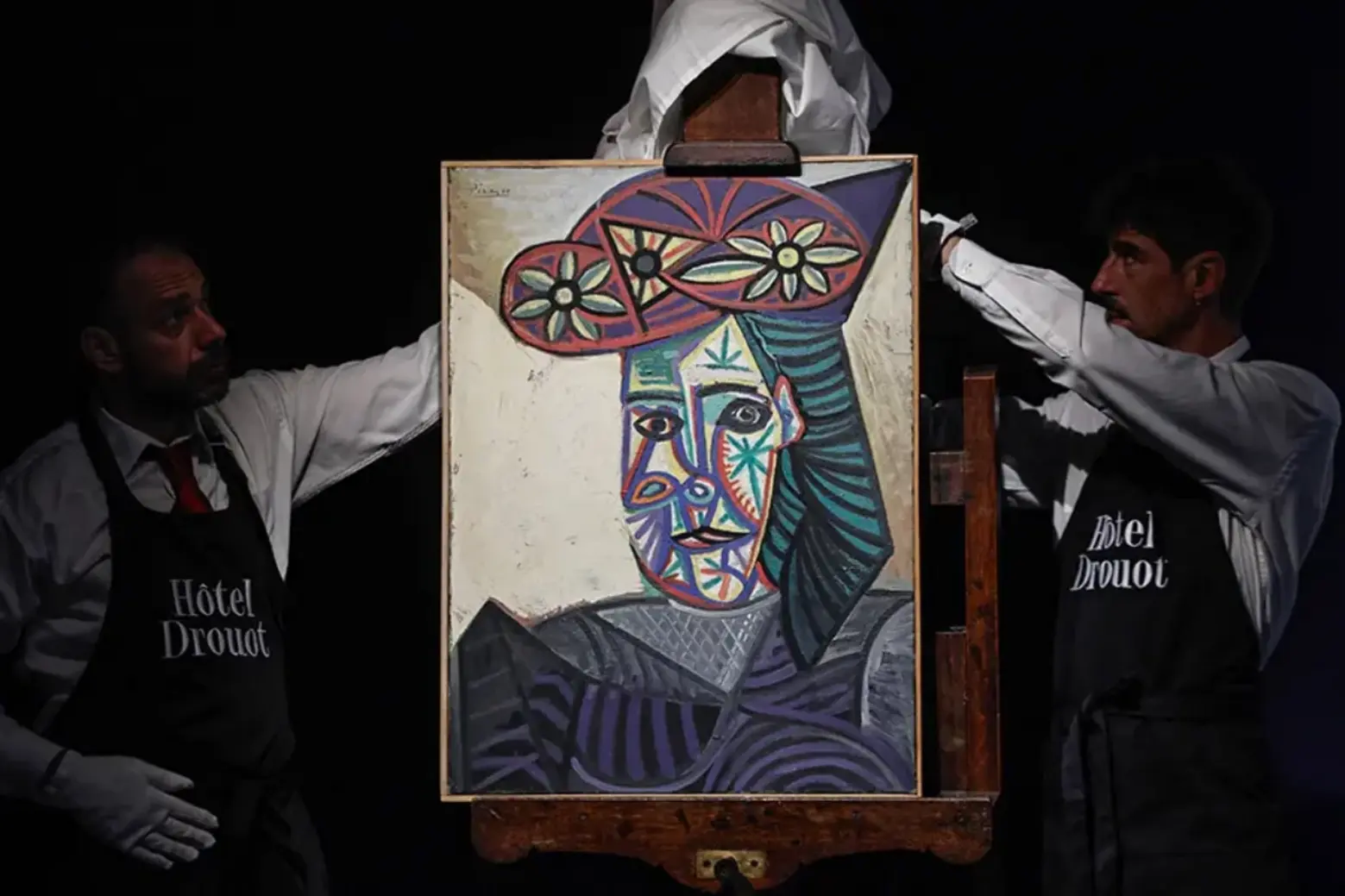
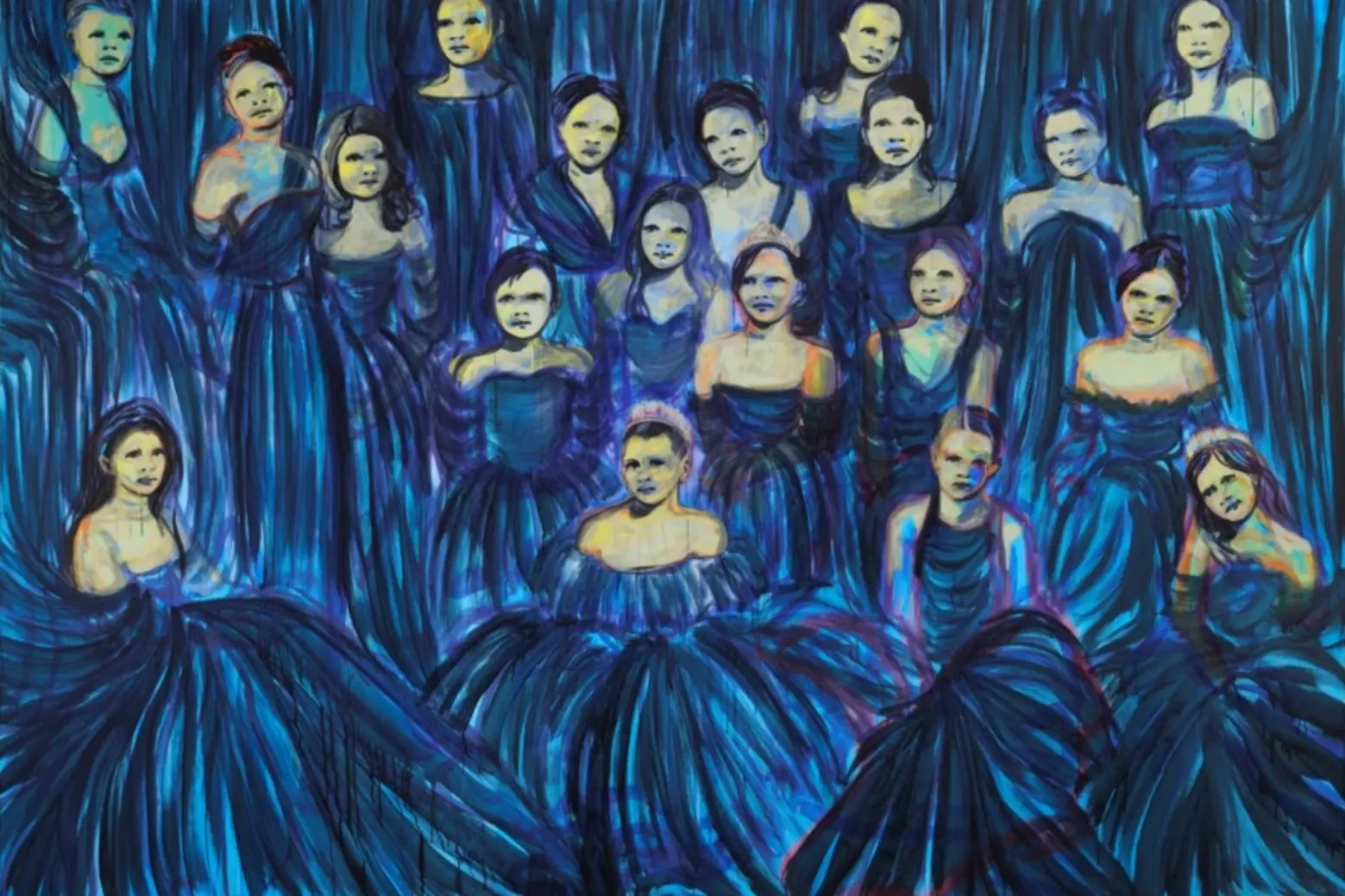
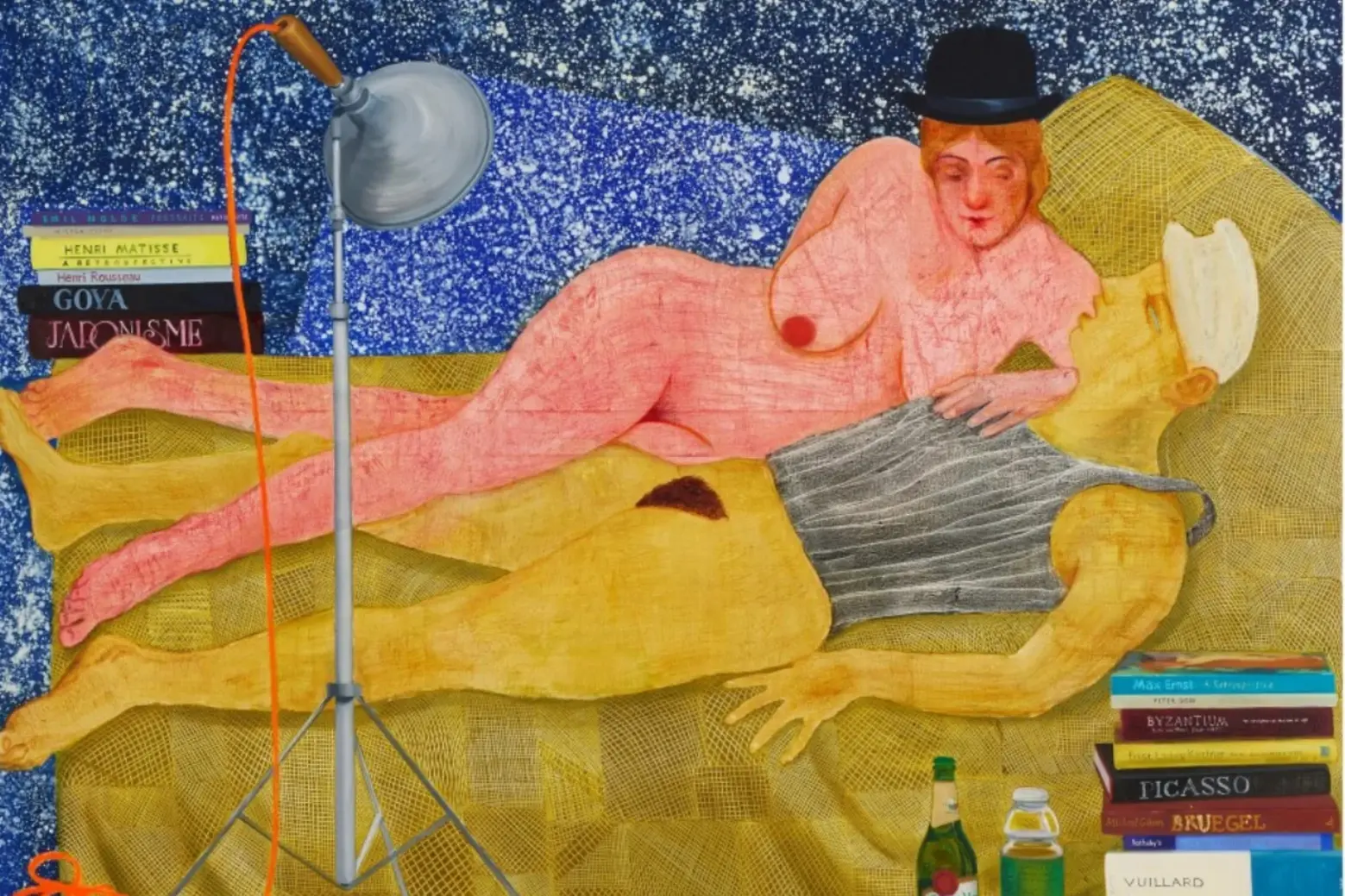
Price formation lays the asymmetry bare. France ranks fourth globally for Contemporary auction turnover, yet captures around two percent of the segment - roughly 46.7 million dollars, far behind the United States, China and the United Kingdom. Even celebrated French contemporaries trade well below American, British or Chinese peers. Robert Combas’s auction record, a little over 353,000 dollars, sits worlds away from Keith Haring’s 6.5 million; Gérard Garouste’s recent high near 110,000 dollars is significant domestically but likely suppressed by limited US market uptake. Mobility changes the calculus. Nicole Eisenman, French-born but firmly embedded in the American ecosystem, has crossed the seven-figure threshold, with a 2.4 million dollar result for Night Studio in New York. Claire Tabouret, living and working in Los Angeles, set a record around 870,000 dollars at Christie’s. Geography, in other words, still mediates value.
And yet France is anything but inert. Measured by volume rather than headline prices, the country is hyperactive. In a single year, French buyers acquired 10,170 Contemporary works, giving France roughly eight percent of global Contemporary transactions and placing it third worldwide by deal flow. Europe’s strength, then, is not only its masterpieces but its market metabolism: educated collectors, deep institutions and a proliferating network of mid-tier galleries and independent spaces that keep discovery alive even when trophy prices cluster elsewhere.
A stark polarization has reshaped the European field. Global mega-galleries continue to expand, securing prime art-fair placements, raising neighborhood rents and heightening competition for artists who show early signs of velocity. Smaller and mid-tier galleries - Europe’s true laboratories of risk, are still the places where careers are built, contexts are argued and aesthetics are stress-tested. Yet they shoulder higher costs and the ever-present risk of losing artists precisely when the investment begins to pay off. The reputational economy rewards scale, even as innovation remains distributed.
Against the myth of frictionless globalization, European gallery rosters still display a stubborn home bias. Studies of Amsterdam and Berlin show that galleries represent a strong share of local artists and, among foreign names, tilt heavily toward Americans. The reason is less cultural misunderstanding than organizational practice. Young galleries find artists through local art schools, studio visits and peer referrals; they build trust through face-to-face contact, rely on artists to help install shows and keep a conversational thread running from studio to white cube. As galleries consecrate and begin appearing at the most selective fairs, their rosters gradually internationalize, but only a small fraction of spaces operate at that tier, and even they often start locally before they scale.
Europe’s peripheries, especially in Central and Eastern Europe, do not lack talent; they lack high-visibility platforms that allow curators and collectors to encounter artists in situ with the right critical frame. Where platforms have formed, or where Western institutions have actively re-historicized the Neo-Avant-Garde and Conceptual traditions, reputational catch-up has been swift. The digital sphere adds a new lever. Over the past decade the number of Contemporary transactions in Europe more than doubled, with the pandemic turbocharging online sales. Generations X and Y bid on smartphones as a matter of habit, pushing volumes to record levels relative to the pre-Covid period. Europe benefits from this many-buys, fewer-blockbusters dynamic: a broader base of collectors is comfortable transacting online, even as price peaks still cluster in the US, UK and China.
The region’s art also often accrues symbolic capital before market capital. Especially in post-communist contexts, artists work with political memory, institutional critique and social urgency. That work tends to be recognized first by curators, writers and museums before it translates into price. Over time, however, symbolic value is the leading indicator for durable markets. Europe’s long institutional memory, combined with its newer digital fluency, is beginning to compress the lag between recognition and revenue.
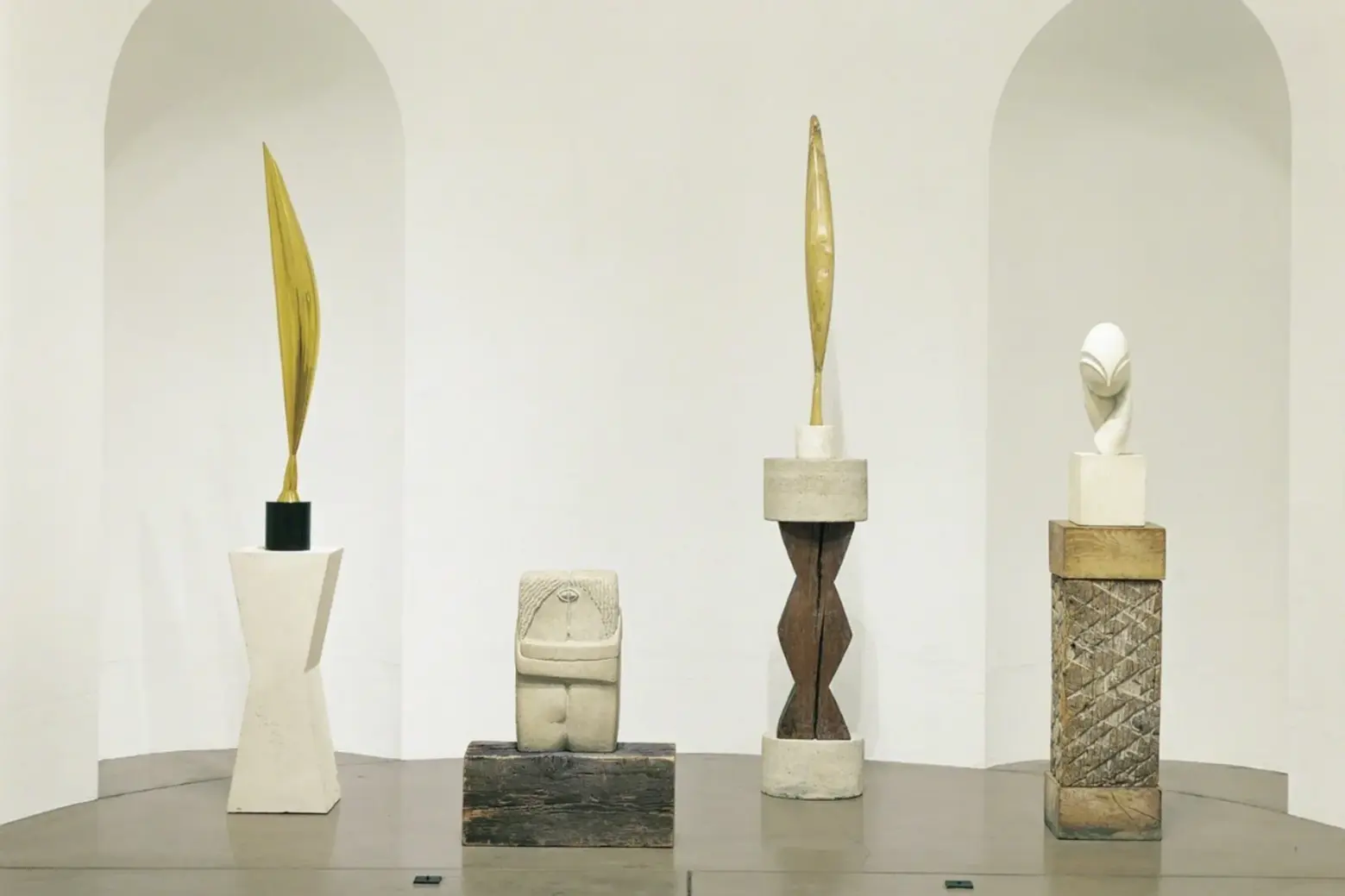
Listen to gallerists across the region and a clear portrait emerges: high-caliber artistic production operating within fragile infrastructures, animated by a surprising competitive advantage - agility. In Bucharest, Galerie Anca Poterasu describes an ecosystem stretched between limited public funding, a small collector base and geopolitical headwinds, from the rise of the far right to proximity to the war in Ukraine. Yet the scene remains dynamic. Post-1989 artists leverage residencies, biennials and international gallery ties to sustain production and visibility. The country’s interwar avant-garde - Tristan Tzara, Victor Brauner, Eugène Ionesco, and the sculptural revolution of Constantin Brâncuși provide ballast, while groups like SubREAL, active in the 1990s, deployed irony and subversion to map systemic change and set a template for the present.
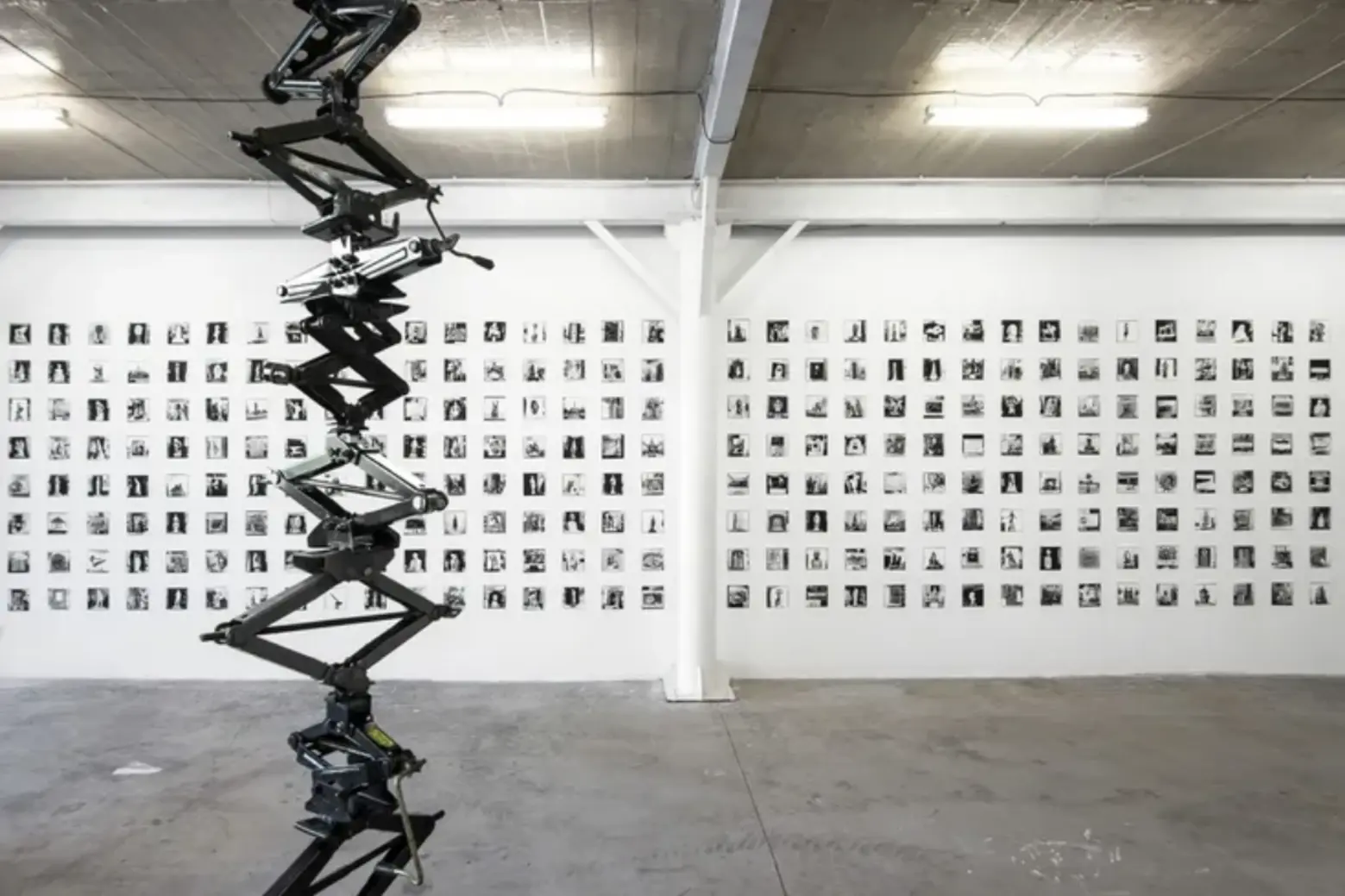
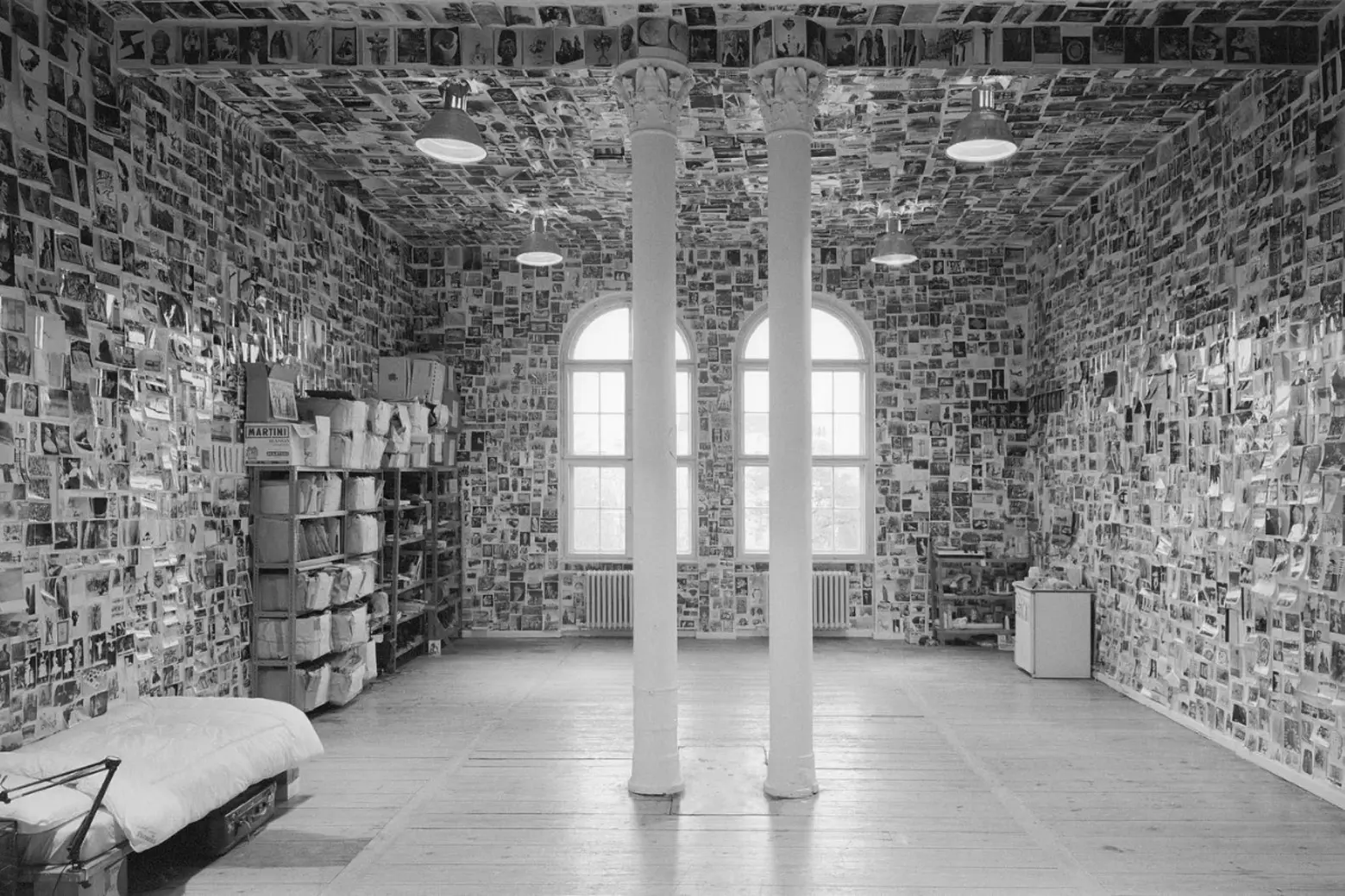


In Bratislava, COMMA Gallery notes a small but steadily developing market that still bears the imprint of post-1989 studio-to-collector habits, when galleries were often bypassed. Today, the work is as pedagogical as it is commercial: rebuilding the mediation function, explaining why galleries matter for careers and context, and nurturing a community of serious local collectors. The city’s lineage runs from Martin Benka’s modernism to Juraj Bartusz’s experimental sculpture and performance, giving younger artists a historical vocabulary they can affirm or resist.
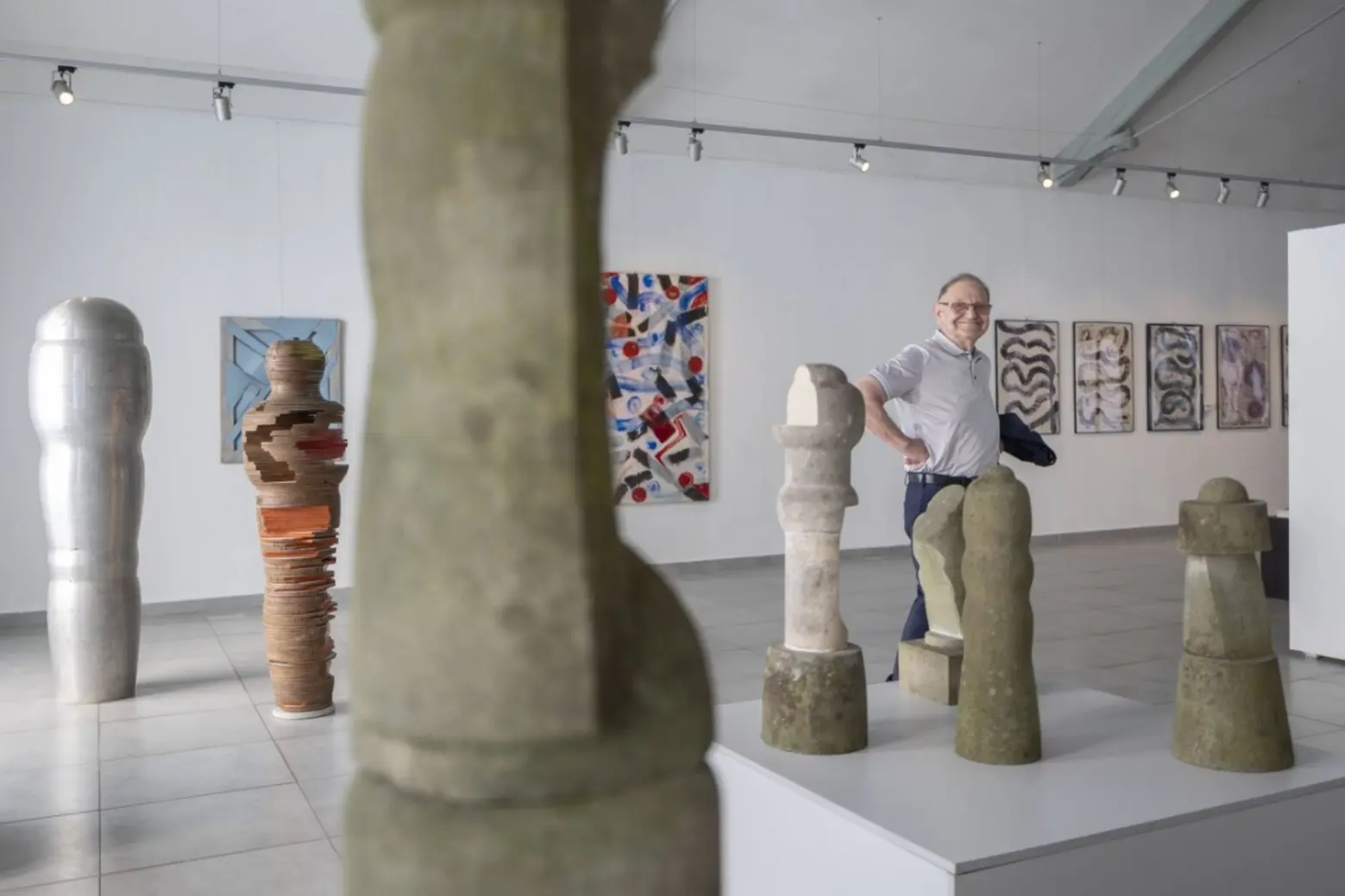
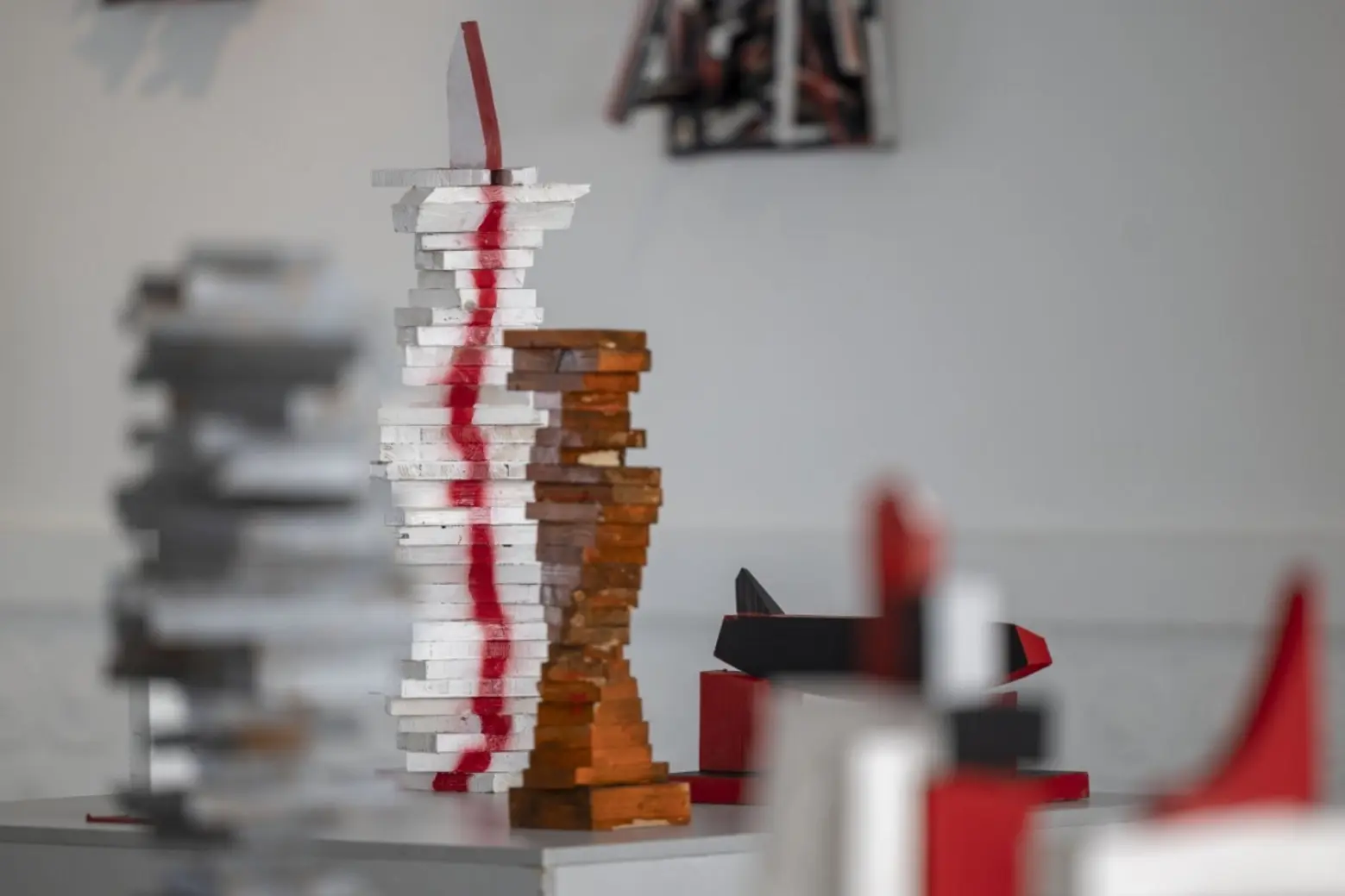
Budapest’s acb Galeria frames Central and Eastern Europe as newly audible on the international stage while contending with constrained support at home. Institutional interest from Tate Modern, MoMA and Palais de Tokyo has helped reposition Hungary’s Neo-Avant-Garde and System-Critical Conceptualism - Dóra Maurer, Miklós Erdély, Tamás Szentjóby, inside a broader canon. Locally, artists face limited funding and politicized cultural policy; internationally, the reframing is changing how curators and collectors read the work and, slowly, what they are willing to pay.

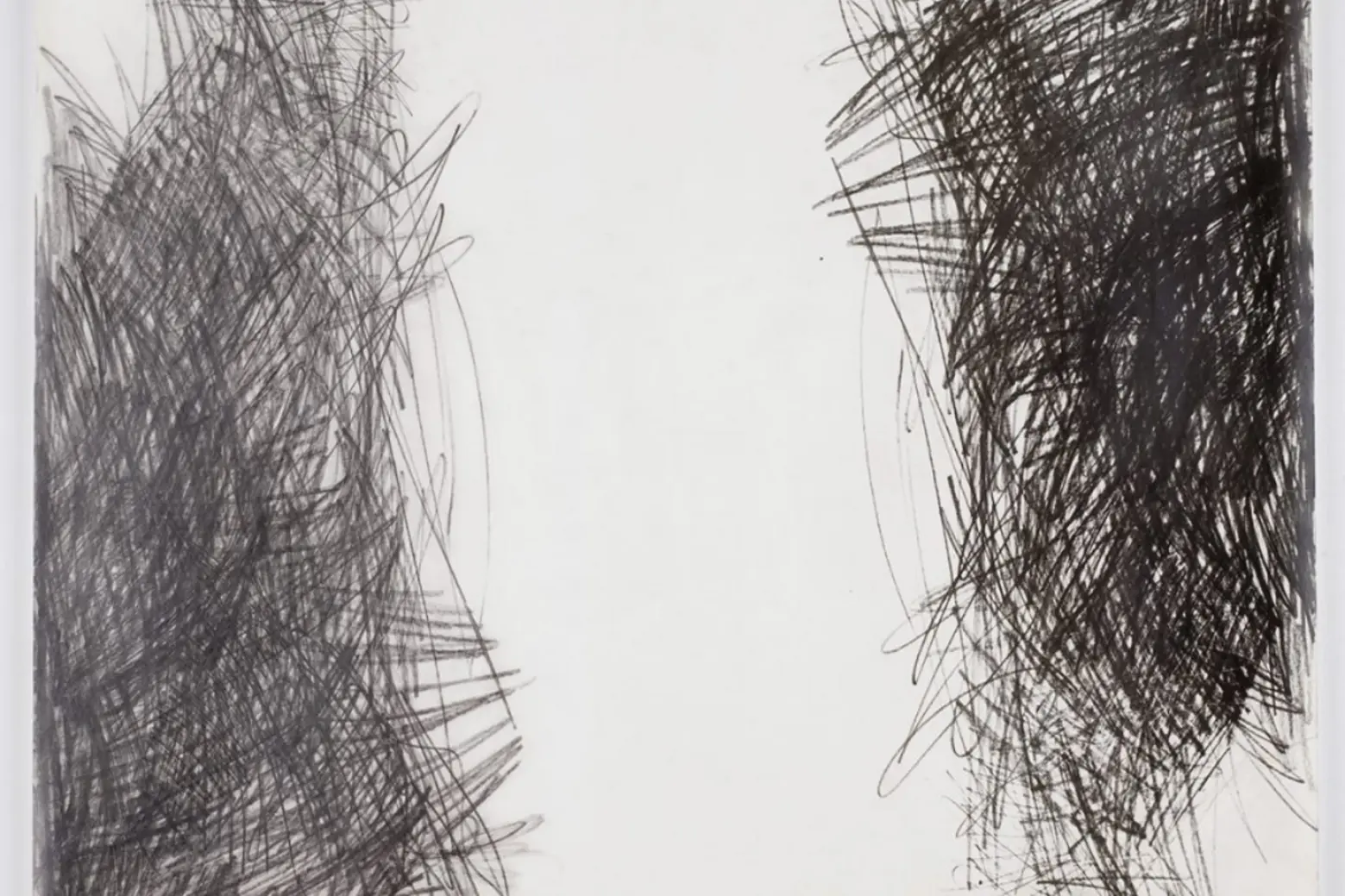
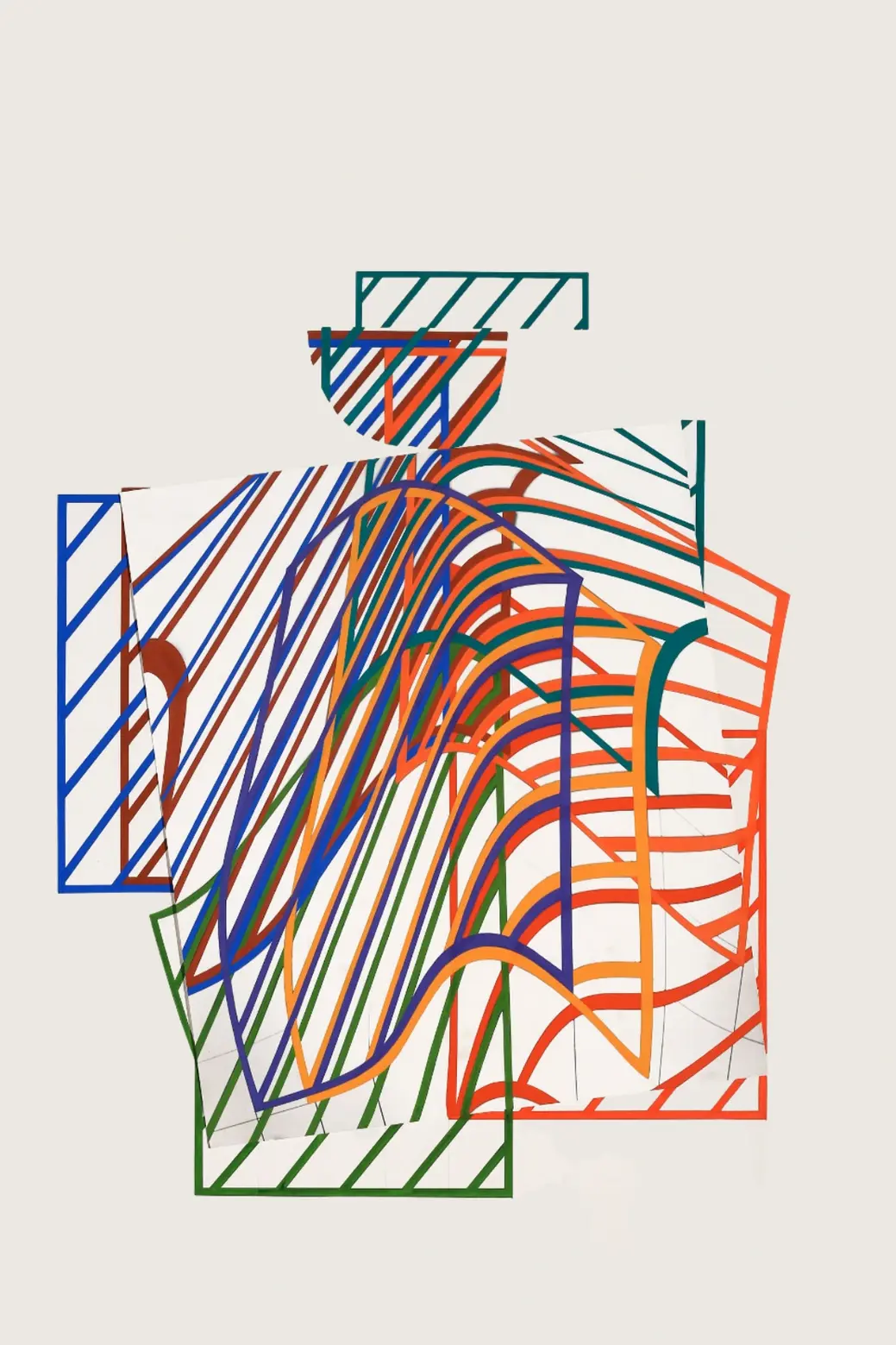

In Poznań, MAD Art Gallery underscores a mixed picture: strong schools, an experimental tradition that includes the Poznań School of Animation and a collector base that is growing yet remains smaller than in Warsaw or Kraków. Many artists sustain their studios through teaching and design. Cross-border cooperation with Belgian partners expands exposure and diversifies pipelines to collectors outside Poland. At the macro level, Poland’s auction data tell an encouraging story: Contemporary accounts for roughly seventeen percent of fine-art turnover, a proportion that signals domestic openness to the new and helps explain why the country increasingly appears in the same market conversations as its Western neighbors.
What Eastern Europe gains in intimacy - fewer players, closer relationships, faster collaboration, it trades off in scale. There are fewer private foundations, thinner institutional safety nets and, crucially, a platform gap. But scarcity can be catalytic. Without heavy commercial pressure, artists often experiment more freely; work arrives lean, critical and disarmingly honest. Curators prize those qualities, and markets eventually reward them. The near-term task is straightforward: build focal platforms that concentrate attention, form consortia to share fair costs and collector travel, and translate symbolic value into price through targeted digital strategies that meet Gen X and Gen Y buyers where they live - on their phones.
France remains the legacy anchor and the volume engine. Expect continued re-historicization of Post-War and Neo-Avant-Garde lineages alongside markets coalescing around artists who straddle French and global circuits. Watch how US institutional interest can unlock price steps for figures like Gérard Garouste, and how globally mobile French artists such as Nicole Eisenman and Claire Tabouret set aspirational benchmarks for peers at home. Paris’s gallery ecosystem, buoyed by energetic fairs and new spaces, is Europe’s most reliable transactional flywheel, even if the anglosphere captures more of the top-ticket spectacle.
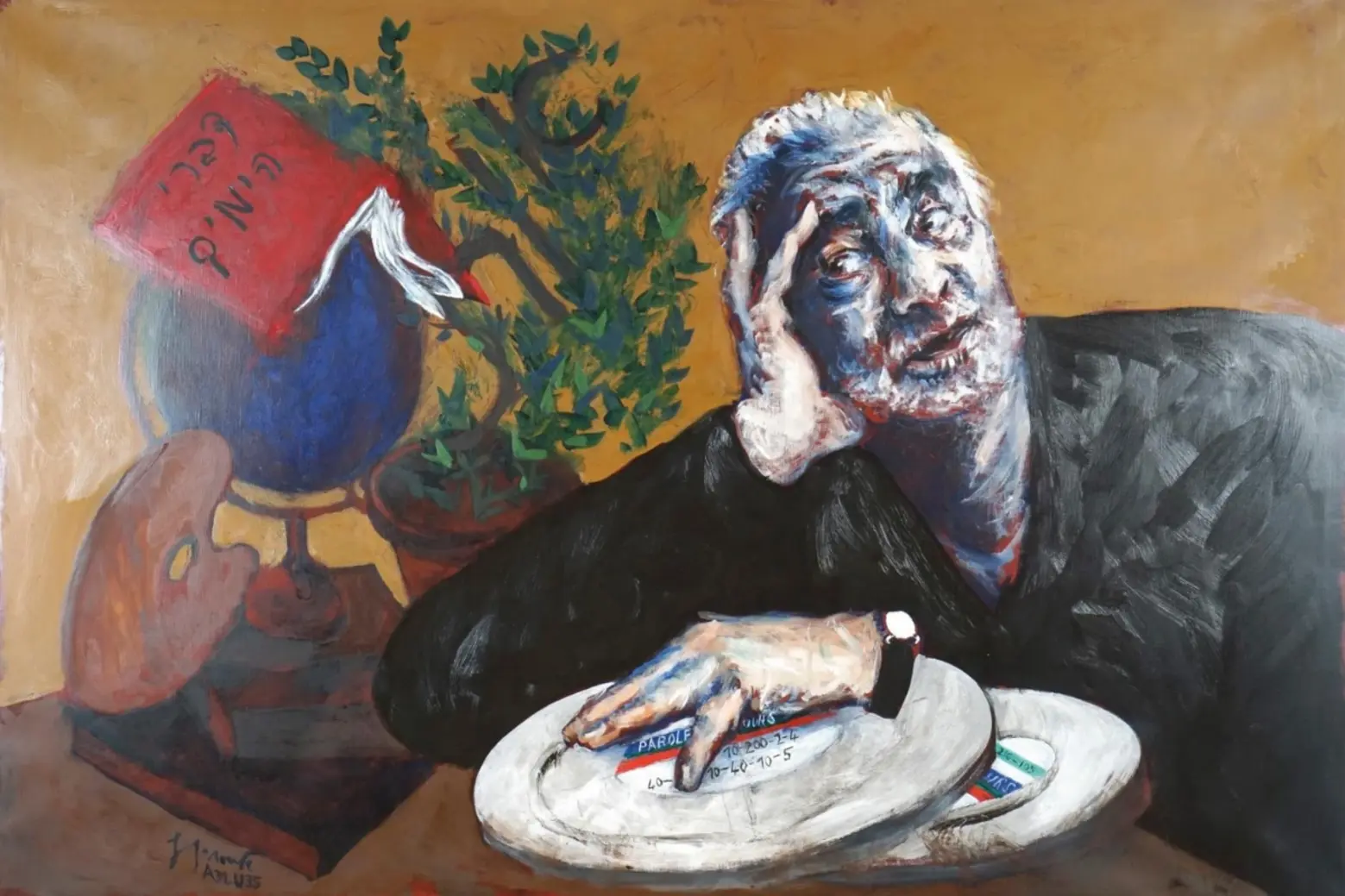

Germany and Italy are structurally indispensable. Germany’s dense museum infrastructure and Kunstvereine supply rigorous validation pathways; its galleries remain among Europe’s most connected internationally. Italy’s modernist DNA and biennial culture feed Contemporary narratives and keep the country central to curatorial discourse. In both markets, Contemporary already accounts for more than nine percent of auction turnover, enough commercial ballast to underwrite experimentation.
Poland and the broader CEE arc are momentum plays waiting to be consolidated. Poland’s unusually high Contemporary share indicates a collector base ready to move, while Warsaw’s galleries and institutions have become reliable discovery engines. In Budapest, the reframing of the Neo-Avant-Garde is catalyzing institutional attention; in Bucharest and Cluj, artist-run spaces and independent galleries keep pipelines fresh; in Bratislava, proximity and personalism create conditions for deep patronage that larger hubs cannot replicate.
The through-lines connecting these scenes are striking. In Romania, the chain from interwar avant-gardes to post-1989 criticality gives artists a language for power and its discontents. In Hungary, system-critical conceptualism remains a living archive, shaping how new work stages its arguments. In Slovakia, modernism’s national idioms are being reworked in sculpture and performance. In Poland, experimental traditions radiate outward from animation to a broader multimedia confidence. Across Europe, the market is beginning to price what curators have long argued: that value does not only come from the center; it also emerges where constraint has bred invention.
The bottom line is not that Europe contemporary art scene is losing relevance but that it is rebalancing. The continent’s legacy capital - France’s Post-War depth, Germany’s institutional scaffolding, Italy’s modernist prestige - now coexists with emergent engines in the East that are underrated, collaborative and increasingly connected. If Europe can close its platform gap by giving Central and Eastern Europe the stages it deserves, and if it doubles down on the digital habits already reshaping who buys and how, the next decade will not merely be about catching up to anglo-American price peaks. It will be about rewriting where art’s value is imagined, produced and recognized, from the polished white cubes of the center to the wild cards on the periphery.