MENU
Close





In Slovenia, waste does not simply disappear. It enters a stranger fairy tale, where fishing nets, old carpets, and industrial scraps are gathered, purified, and transformed into Prada Re-Nylon ECONYL.

In Slovenia, waste does not simply disappear. It enters a stranger fairy tale, where fishing nets, old carpets, and industrial scraps are gathered, purified, and transformed into Prada Re-Nylon ECONYL.
May 28, 2026
Advertisement

Advertisement



Imagine the genesis of modern luxury emerging directly from a vast Slovenian warehouse filled to the brim with the world’s discarded synthetics. Prada Re-Nylon transforms abandoned fishing nets, exhausted carpets, textile scraps, and industrial waste into pristine ECONYL®, placing the industrial towns of Ajdovščina and Ljubljana at the exact epicenter of a new geography defining circular fashion. This highly specialized process rewrites the entire narrative of high-end apparel, substituting raw extraction with advanced chemical regeneration.
Prada deliberately selected a highly specific and culturally loaded material to reinvent, embarking on a project of profound historical resonance. Nylon functions as much more than a simple fabric for the Italian house; it stands as one of the brand’s most instantly recognizable codes. This identity remains permanently tethered to the iconic black backpack introduced in 1984, an era entirely defined by technical minimalism. Through this instantly legendary piece, Miuccia Prada demonstrated her singular ability to elevate the ordinary, transforming utilitarian fabric into something intellectually desirable.
The introduction of Prada Re-Nylon matters immensely as a profound revision of the brand’s own mythology. Historically, Prada nylon represented pure modernity, supreme utility, and a conscious, sharp departure from traditional luxury decoration. The fabric favored sleek efficiency over opulent embellishment. The contemporary Prada Re-Nylon retains that sharp, industrial identity while entirely rewriting the origin story of the material itself. By shifting its entire production model toward recycled nylon, Prada acknowledges the symbolic importance of evolving its core DNA.
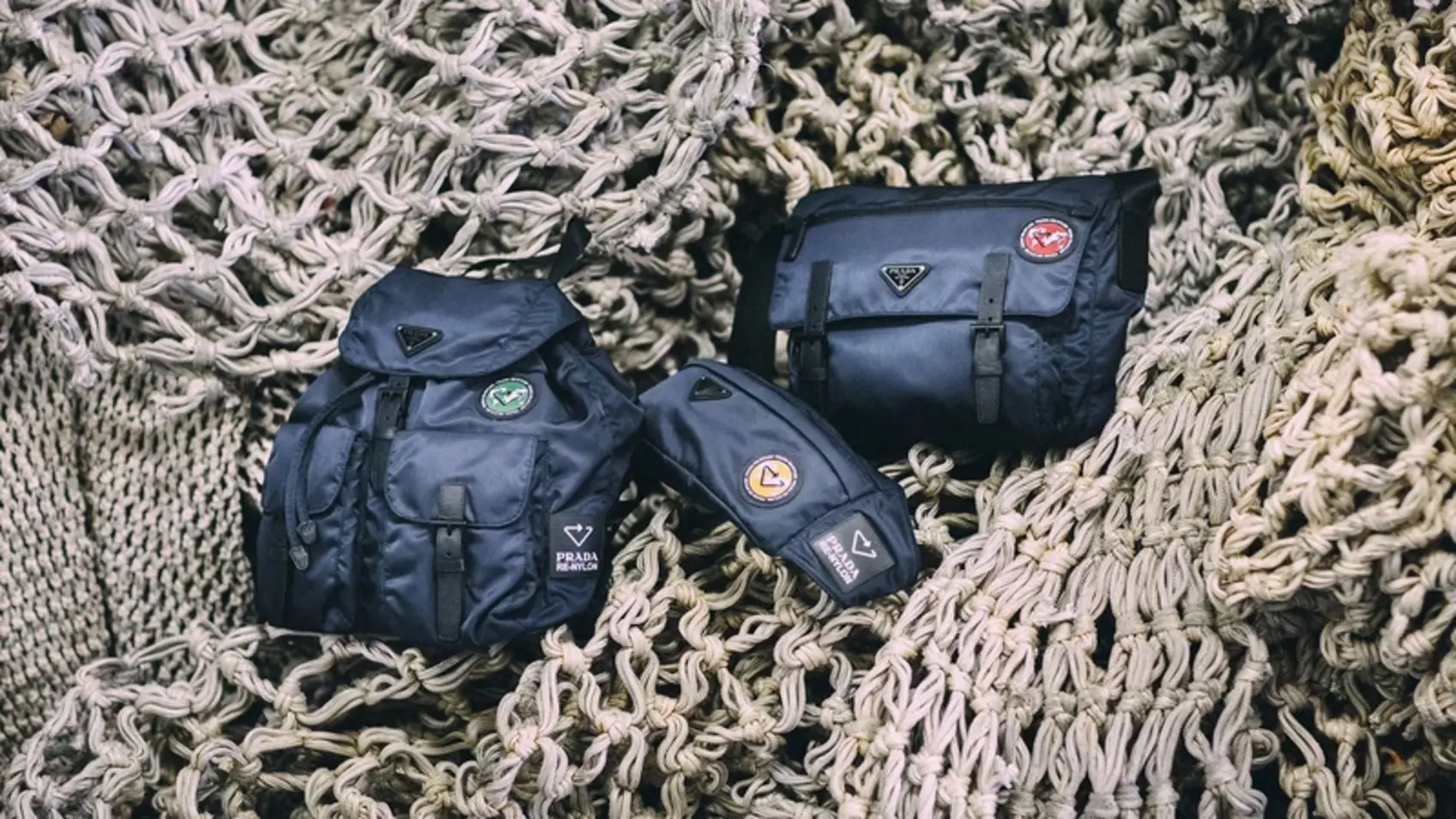
This shift represents a deliberate material evolution, honoring Prada’s past while adapting aggressively to contemporary ecological realities. A fascinating tension exists between luxury desire and waste-based innovation; Prada Re-Nylon bridges this gap by proving that discarded materials hold immense potential for high-end fashion. The brand transforms refuse into a premium commodity, challenging consumers to find supreme beauty in regenerated resources.
The cultural power of this initiative relies heavily on several key pillars:
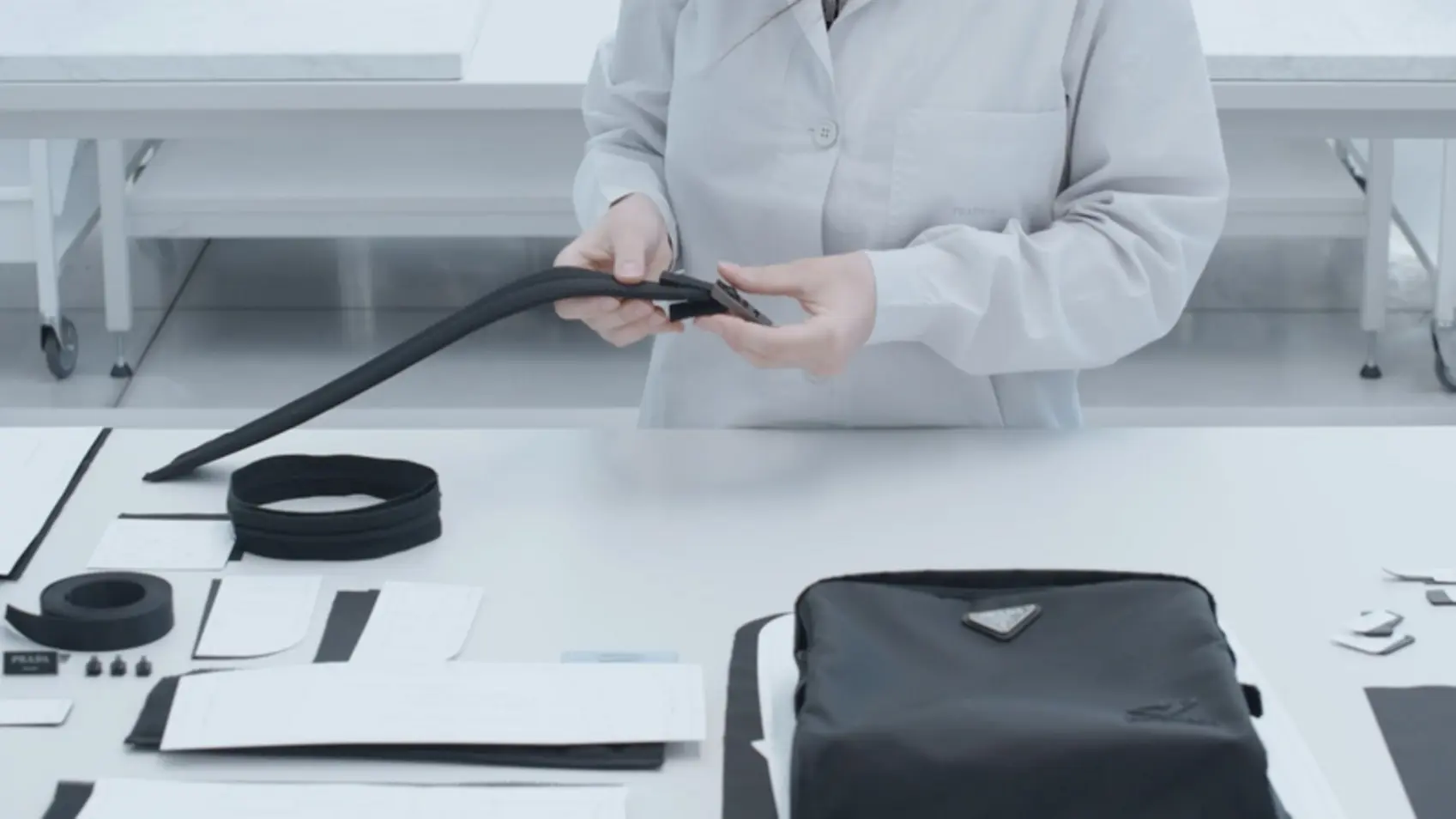
Furthermore, the 2026 updates fully integrate Prada Re-Nylon with the SEA BEYOND initiative, creating a cohesive ecosystem that seamlessly connects product development, global campaigns, and vital ocean education. This comprehensive approach ensures that the narrative extends far beyond the garments, fostering a deeper, scientific understanding of marine conservation. Prada Re-Nylon stands as a powerful testament to the brand's commitment to pushing boundaries, merging its historic industrial obsession with a forward-looking, highly technical vision of luxury sustainability.
Step inside Slovenia, specifically focusing on the town of Ajdovščina, to witness the quiet logistical center powering this glamorous transformation. Here, luxury sustainability moves past vague brand promises and becomes a massive, tangible physical infrastructure. This facility manages a complex web of operations, encompassing global waste collection, rigorous sorting protocols, expansive warehousing, intensive cleaning procedures, complex chemical regeneration, and advanced polymerisation.
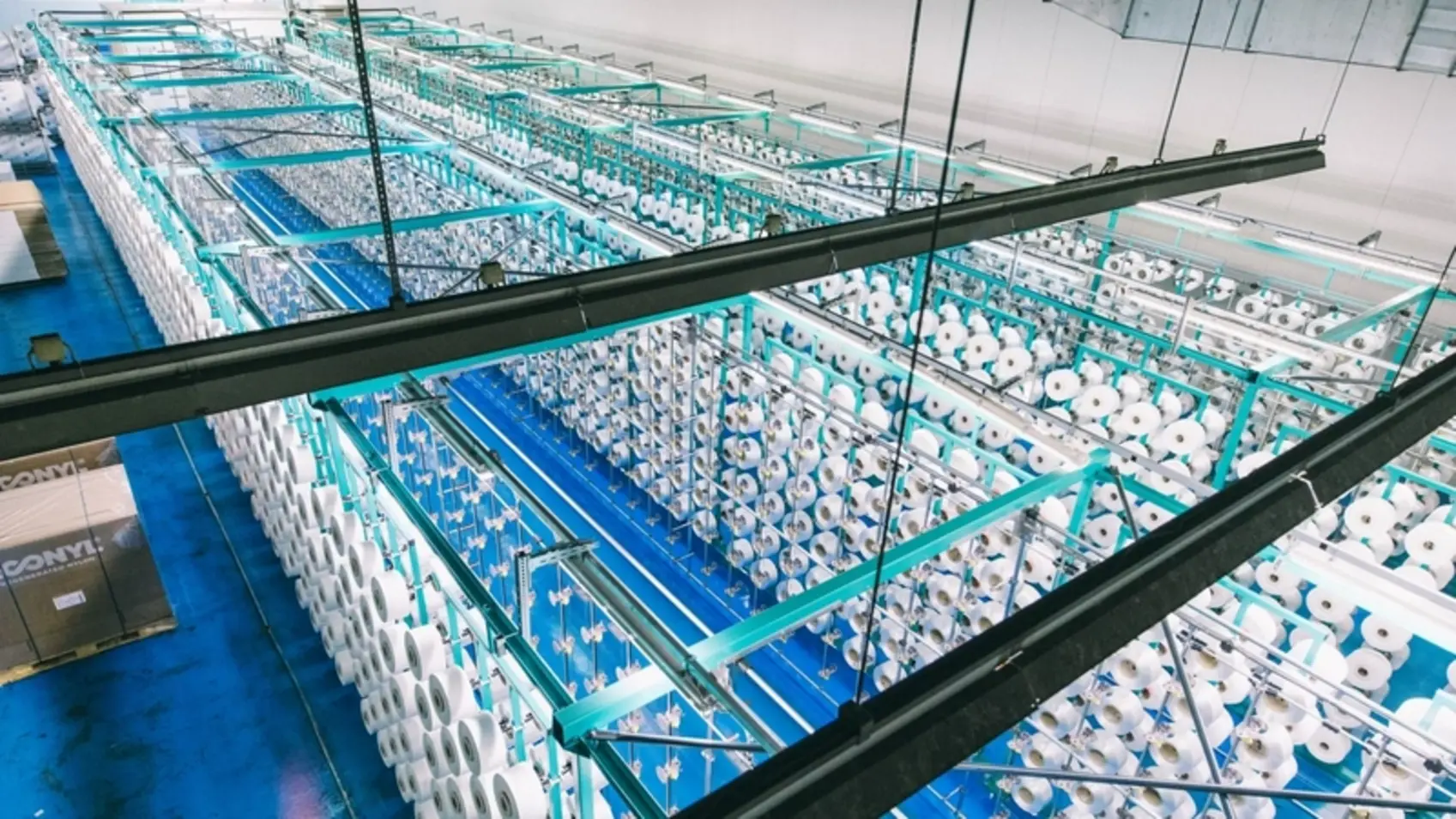
Ajdovščina operates far beyond a simple showroom for Prada Re-Nylon; it stands as the vital epicenter where luxury learns to build a modern supply chain. Vast quantities of waste materials from around the globe converge at this specific location before undergoing their transformation into high-value material. Giant bales of reclaimed fishing nets recovered from the oceans, alongside discarded carpets sourced from office buildings worldwide, fill the massive storage areas. The facility hums with constant industrial activity, systematically processing these discarded items. Workers and specialized machinery carefully prepare the raw nylon waste, stripping away impurities and separating the valuable polymers from other mixed components.
Following this rigorous preparation, the physical materials transfer to Ljubljana, the site handling the sophisticated chemical depolymerisation and regeneration phases. To understand this operation, one must examine the science of ECONYL® closely. This regenerated nylon originates entirely from specific waste streams, yet the final product emerges chemically identical to its virgin counterpart. The process entirely transcends simple mechanical recycling concepts.
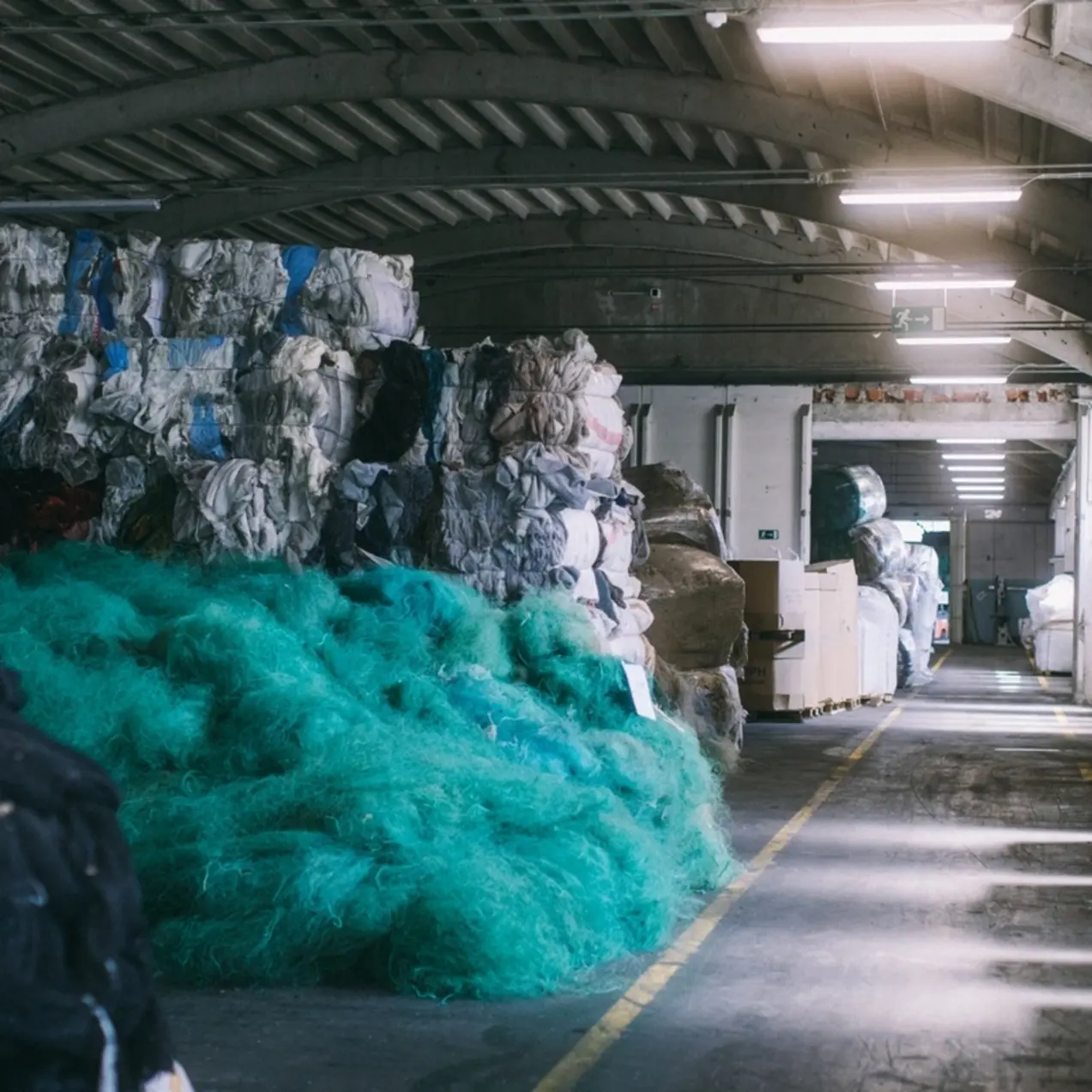
The Aquafil regeneration system relies on highly specific scientific steps:
Crucially, the resulting ECONYL® matches the exact high-quality performance, durability, and aesthetic characteristics of virgin materials, completely avoiding the quality degradation usually associated with mechanical downcycling. The material maintains an infinite capacity for regeneration, allowing the same molecules to cycle through the system repeatedly.
Ajdovščina serves as the foundational root where luxury learns to embrace a genuinely modern, scientifically advanced methodology. This precise industrial process makes Slovenia a critical node in luxury’s new map, favoring circular infrastructure alongside traditional runway capitals like Milan or Paris. Ajdovščina operates proudly as the hidden backstage, ensuring that the magic of Prada Re-Nylon relies heavily on concrete, scalable industrial innovation. Through these massive warehouses and chemical reactors, the concept of luxury sustainability transforms from an abstract ideal into a rigorous, verifiable scientific achievement.
Prada Re-Nylon prompts an essential cultural argument regarding how the global fashion industry builds luxury value today. Historically, the definition of luxury depended entirely on absolute rarity, pristine virgin materials, and heritage craftsmanship. The emergence of Re-Nylon suggests that future value will heavily depend on sophisticated transformation, advanced material recovery, and profound technical intelligence.
As a highly visible case study in circular fashion, Prada Re-Nylon initiates important conversations across the entire design landscape. The Prada Re-Nylon 2026 campaign and the enduring SEA BEYOND partnership demonstrate Prada’s intentional move from a singular material story toward fostering a broader, more comprehensive ocean culture. Collaborating actively with UNESCO’s Intergovernmental Oceanographic Commission, the initiative funds comprehensive educational programs globally, teaching younger generations about marine biology and preservation strategies. This approach highlights the vital difference between simply sourcing an alternative material and engineering a genuinely holistic ecosystem.
Achieving true circularity requires an intense focus on several critical factors:
Maintaining a critical, scientific perspective requires acknowledging the ongoing challenges within synthetic material production. Recycled nylon actively lowers our reliance on virgin fossil-based nylon, significantly reducing the carbon footprint associated with raw material extraction. Simultaneously, the industry must continue addressing complex environmental questions surrounding microplastics shedding during domestic washing cycles. Furthermore, the energy-intensive nature of the chemical recycling manufacturing process, the logistical hurdles of global end-of-life recovery, and the broader implications of overall production volumes demand rigorous, ongoing scrutiny. A truly sustainable future requires continuous, aggressive improvement across all these critical ecological metrics.
By placing the reality of waste recovery directly inside the brand's core narrative, Ajdovščina completely changes the traditional romance of luxury. The allure shifts from the exclusivity of raw extraction to the brilliance of human engineering. Consumers learn to appreciate the complex logistical and chemical ballet required to rescue a fishing net from the Mediterranean and transform it into a piece of high fashion.
Prada Re-Nylon succeeds immensely because it actively preserves and deeply interrogates Prada’s historic obsession with nylon. In Ajdovščina, discarded waste enters the narrative long before consumer desire takes over; through the complex alchemy of ECONYL®, it returns to the world as highly covetable fashion. The result represents a powerful image of luxury's future trajectory, pointing directly toward deep, resonant value that has successfully survived the fires of transformation.
Advertisement