MENU
Close





Fashion has spent years searching for cleaner fibres and smarter materials in the name of green fashion. But what happens when the harder environmental question is whether another garment needs to be made at all?
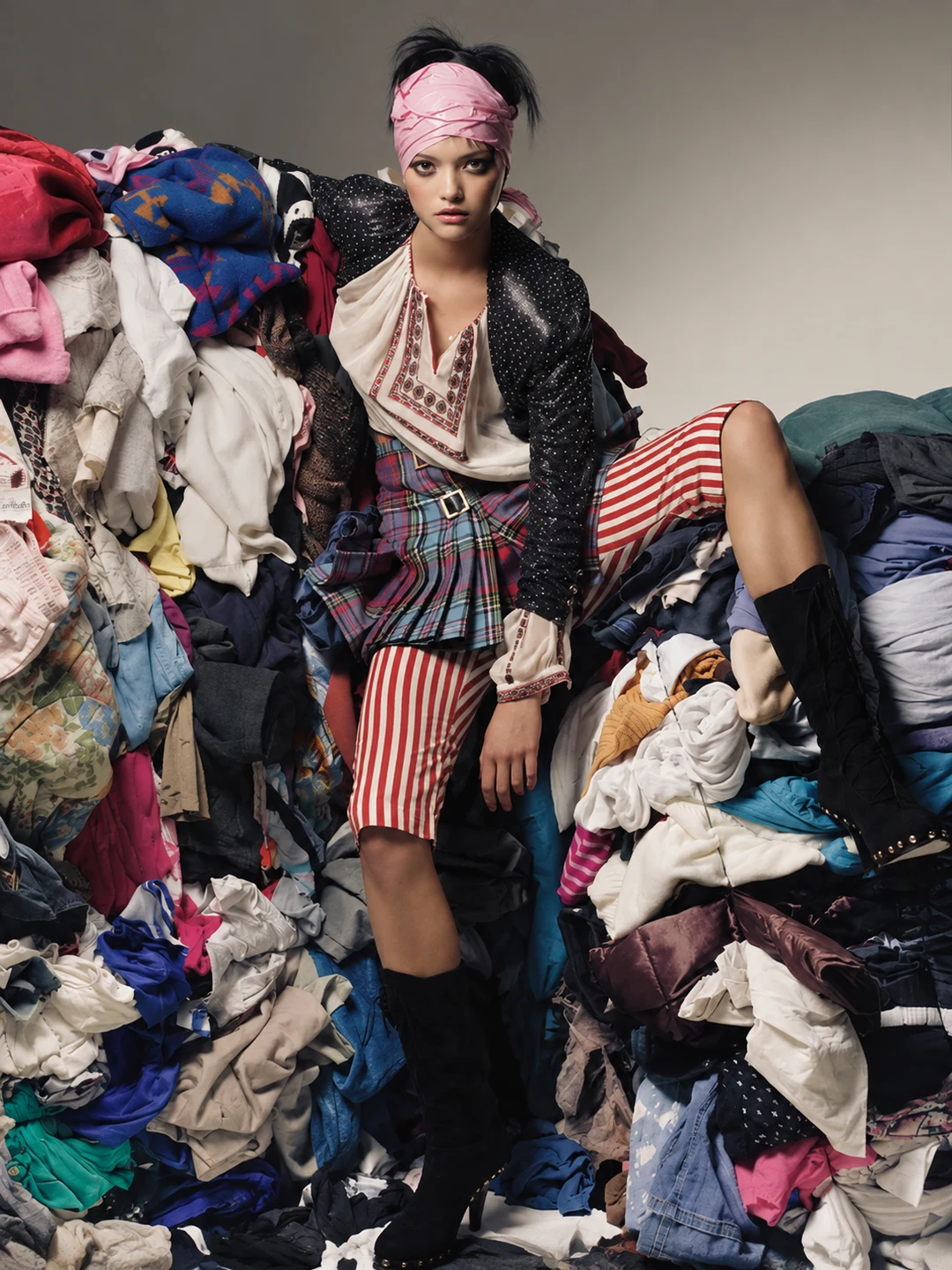
Fashion has spent years searching for cleaner fibres and smarter materials in the name of green fashion. But what happens when the harder environmental question is whether another garment needs to be made at all?
September 17, 2026
Advertisement

Advertisement



In July 2026, a European regulation made one of fashion’s oldest habits suddenly difficult to ignore. From July 19, large companies operating in the European Union could no longer destroy unsold clothing, accessories and footwear simply because those products had failed to sell. Medium-sized businesses will follow from 2030. European authorities estimate that between 4 and 9 per cent of textile products placed on the European market are destroyed before use each year, equivalent to roughly 264,000 to 594,000 tonnes.
Fashion has spent more than a century learning how to shorten the psychological life of a perfectly functional object. A coat does not need to fall apart to become old; another silhouette, colour or proportion simply needs to become more desirable. Environmental responsibility asks that same industry to extend product life, reduce waste and extract greater value from fewer physical resources.
The scale of the environmental pressure makes that task difficult to dismiss. UNEP estimates that textiles generate around 2 to 8 per cent of global greenhouse-gas emissions, consume roughly 215 trillion litres of water each year and contribute about 9 per cent of the microplastics reaching the ocean. Green fashion therefore carries an unusual tension: it is both a response to environmental damage and a mechanism created inside the industry responsible for part of that damage. At its strongest, it changes the system. At its weakest, sustainability risks becoming a form of absolution, making continued consumption feel cleaner while overall production keeps expanding.
Much of fashion’s sustainability story has focused on substitution. Conventional cotton becomes organic or regenerative cotton; virgin polyester gives way to recycled polyester; petroleum-based materials are challenged by fibres derived from agricultural waste, mushrooms and other alternative feedstocks. Each improvement can reduce specific impacts, yet the material system surrounding them continues to grow.
Textile Exchange recorded global fibre production rising from about 125 million tonnes in 2023 to 132 million tonnes in 2024, more than twice the volume produced in 2000. On the current trajectory, that figure could reach approximately 169 million tonnes by 2030. Polyester alone accounts for 59 per cent of global fibre production, with 88 per cent still fossil-based.
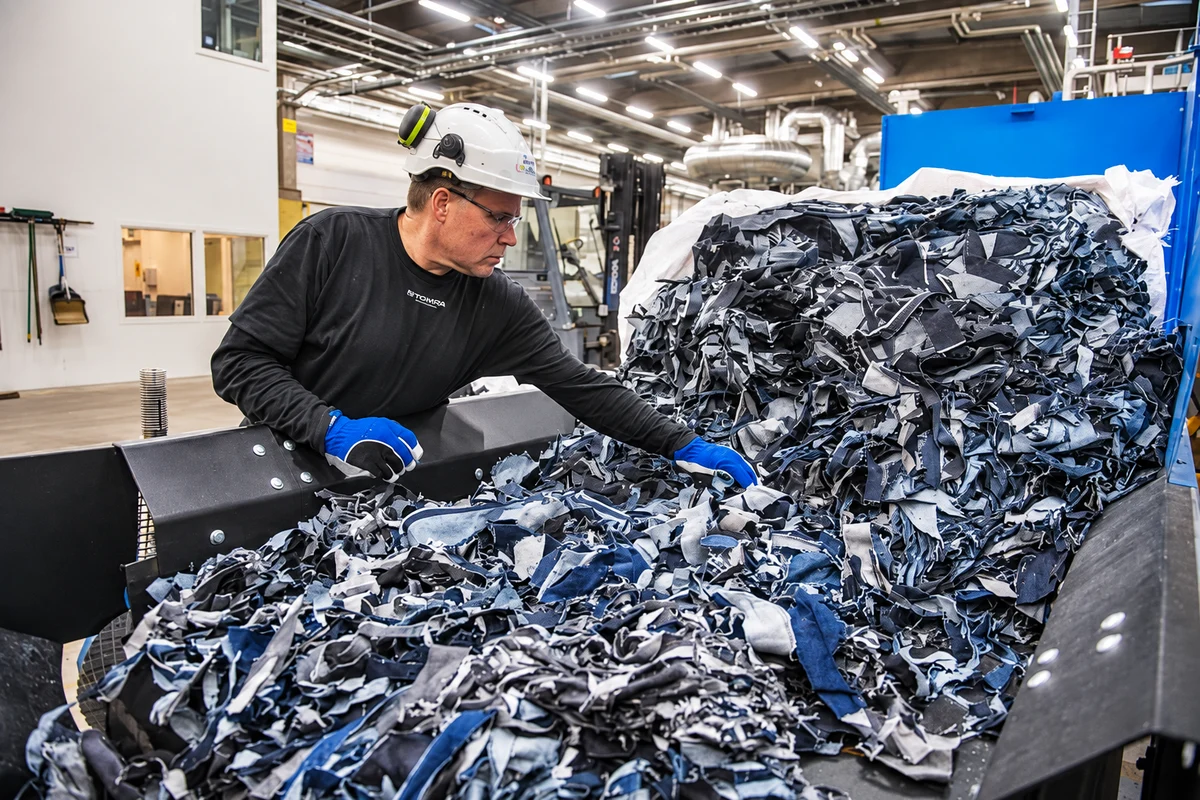
Even recycling reveals the limits of substitution. Recycled fibres represented around 7.6 per cent of the market in 2024, while less than 1 per cent of global fibre production came from pre- or post-consumer recycled textiles. Around 98 per cent of recycled polyester still originated from plastic bottles. Fashion has therefore become better at importing waste from another material stream than closing its own textile loop.
The larger question about green fashion is whether efficiency can catch up with an industry whose appetite for material keeps increasing. Better inputs remain valuable. That question shifts attention from what a new garment contains toward how much value can be created before another new garment is required.
Miu Miu has been testing that idea since 2020, when its first Upcycled project transformed 80 vintage dresses sourced from stores and markets around the world. The garments, dating from the 1930s through the 1980s, were restored, reworked and finished by hand with Miu Miu embroidery and embellishment. Subsequent editions moved through Levi’s denim, vintage leather jackets, archival materials and other pre-existing garments until Upcycled developed into a recurring part of the brand’s vocabulary.
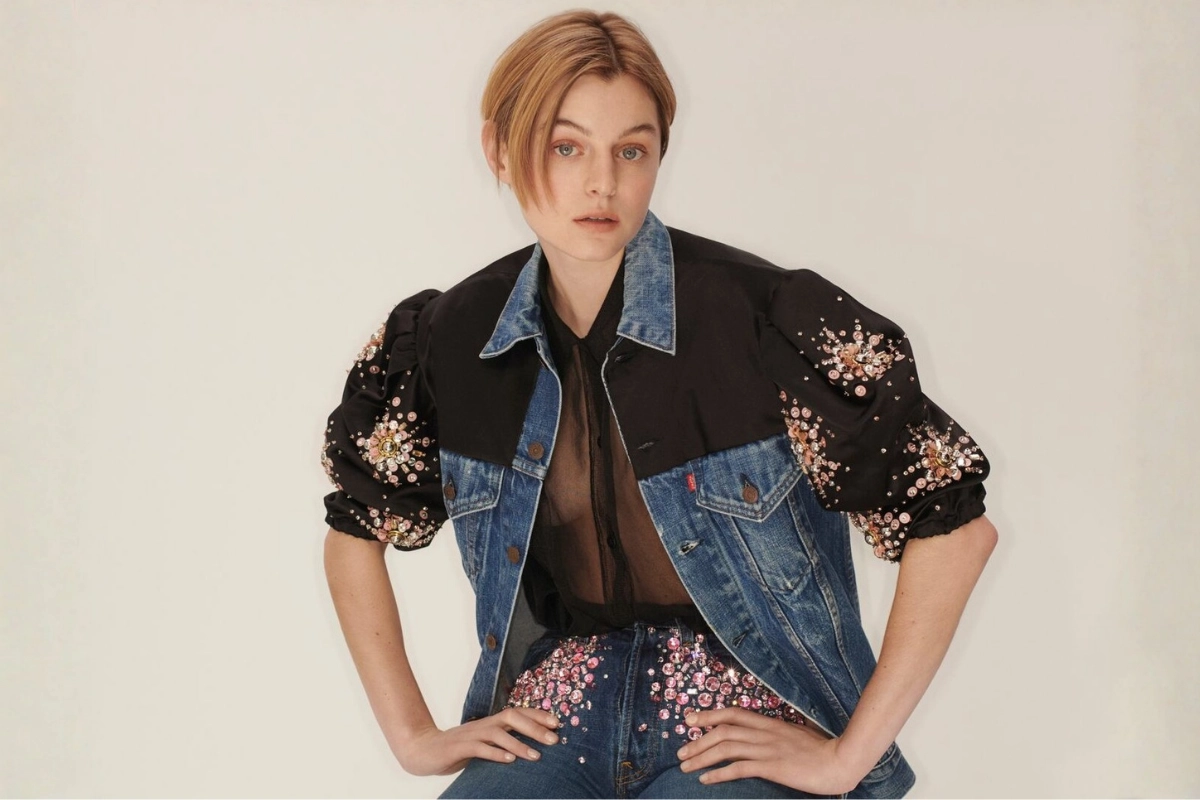
For 2026, Miuccia Prada chose something deliberately ordinary: classic white cotton shirts and khaki cotton-canvas chinos. Vintage specialists sourced the garments before they were cleaned, restored, dismantled and reconstructed. Familiar trousers reappeared as skirts, bustiers and jackets; shirts were cut and rebuilt into dresses and apron-like tops. Hand finishing ensured that variations in the original garments survived into the finished pieces, meaning complete uniformity was almost impossible.

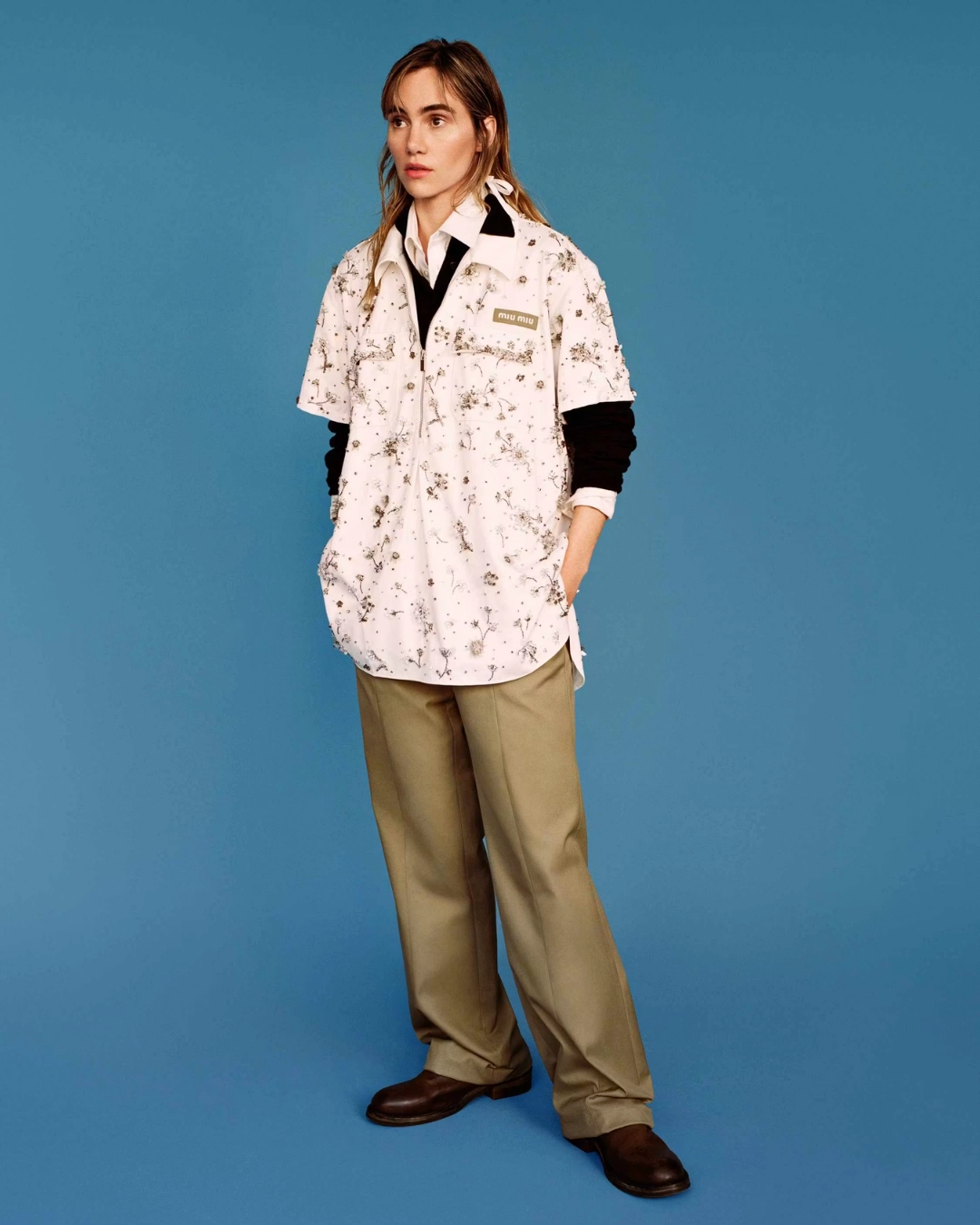
Traditional luxury can manufacture rarity through precious materials, craftsmanship, limited production or controlled distribution. Upcycling adds another source: the impossibility of recreating an object whose material has already accumulated its own history. Wear, fading and variation move from manufacturing defects into signs of individuality.
The accompanying campaign makes that philosophy unusually visible. Suki Waterhouse was photographed by Alasdair McLellan in a largely empty studio dominated by blue and khaki. With little scenery to distract the eye, posture, clothing and the sensation of time become the visual story. Miu Miu itself frames the project as a conversation between past and present.
Its value therefore reaches beyond preventing several old shirts from becoming waste. Miu Miu Upcycled experiments with the source of novelty itself. Previous ownership, ageing and evidence of use become qualities capable of generating desire. Instead of disguising an old garment as something untouched, the project asks whether fashion can teach consumers to want history already embedded within it.
Prada approaches the same problem from another direction. Miu Miu extends the life of the object; Prada Re-Nylon extends the life of the material.
Nylon already occupies an unusual place in Prada’s history. Its appeal came from the friction between an industrial, utilitarian textile and the cultural value of luxury. Re-Nylon, introduced in 2019, allowed Prada to rewrite that material relationship through regenerated nylon produced from waste including discarded plastics, textile-fibre waste and material recovered from landfills and the ocean. The process uses depolymerisation and repolymerisation to return nylon to a usable material state. Prada subsequently expanded Re-Nylon from bags into ready-to-wear, footwear and accessories and shifted away from virgin nylon across its creations.
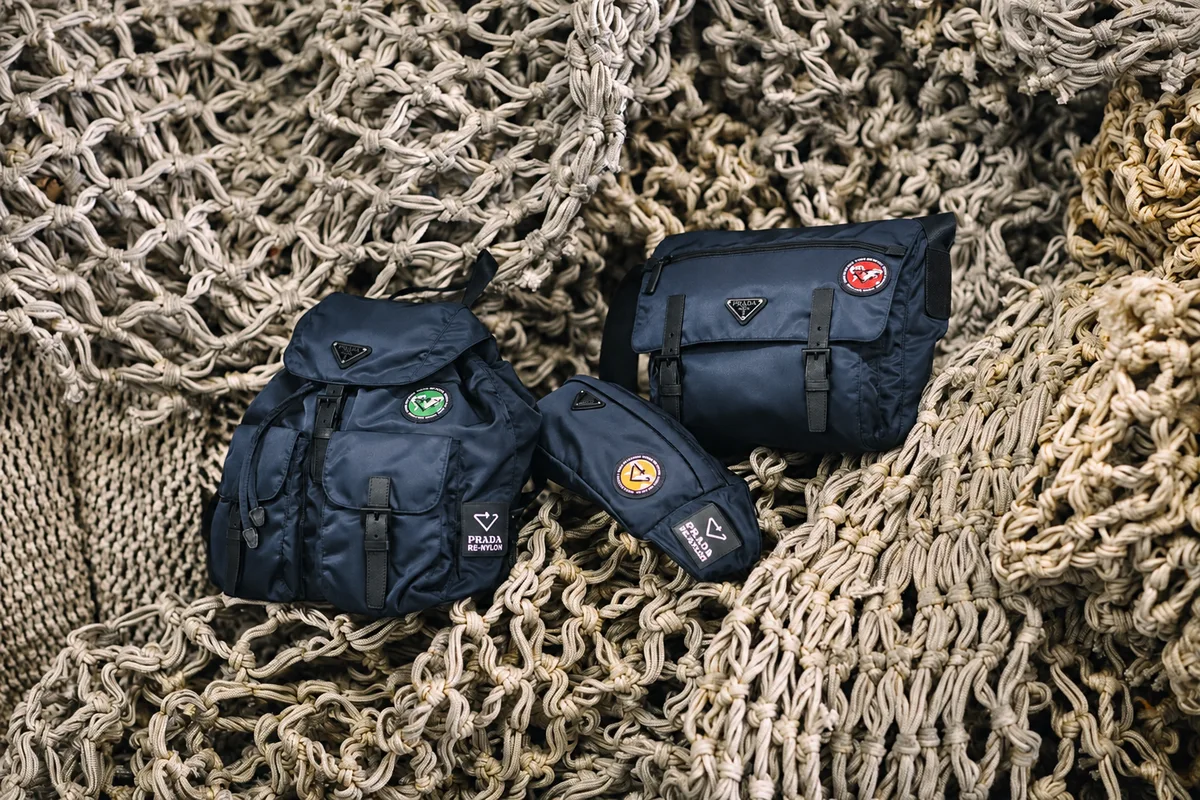
Re-Nylon does not ask consumers to accept an unfamiliar sustainability aesthetic attached awkwardly to Prada. The regenerated fibre sits inside a design language the house had already spent decades making desirable. A black Re-Nylon bag still has to work first as a Prada bag, through proportion, hardware, recognition and cultural status. Its environmental story strengthens the object without becoming its costume.
The 2026 campaign widened that story further. Benedict Cumberbatch and Letitia Wright appear alongside documentary films produced with National Geographic CreativeWorks, moving between Hawaiʻi and Japan while exploring projects connected to SEA BEYOND, Prada Group’s ocean-education initiative with UNESCO’s Intergovernmental Oceanographic Commission. Since July 2023, 1 per cent of proceeds from the Prada Re-Nylon for SEA BEYOND Collection have supported the programme.
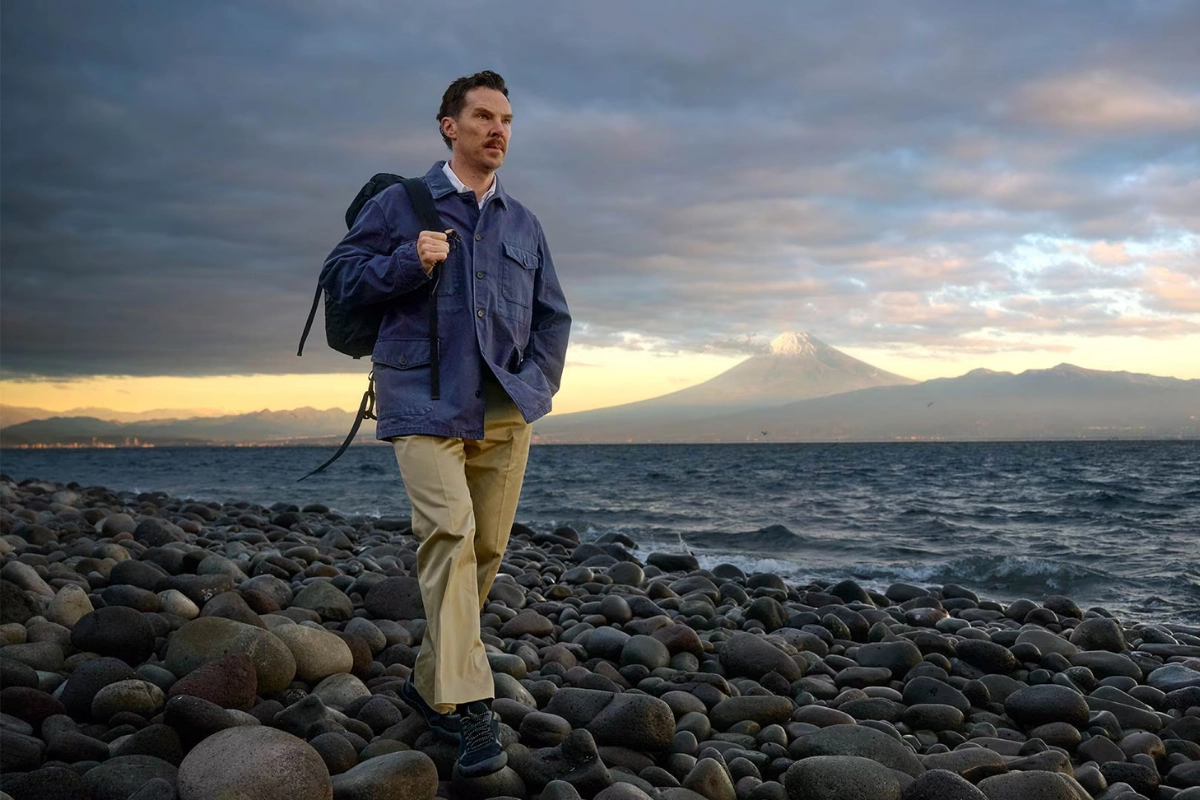

This creates a chain that stretches beyond recycled fibre: waste becomes regenerated nylon, regenerated nylon becomes a luxury object, and part of the commercial transaction funds environmental education. It demonstrates how sustainability can become infrastructure around a product instead of decoration applied to a campaign.
An environmental programme partly financed through product sales still depends on transactions taking place. Prada shows how fashion can attach environmental value to consumption; the next challenge is whether green fashion can create comparable value while reducing its dependence on ever-growing quantities of new products.
That question moves sustainability from material innovation into business-model innovation. Resale, rental, repair and remaking allow the same physical product to generate economic value more than once. The logic matters because revenue no longer has to start with another garment leaving a production line.
The commercial momentum already exists, as Ellen MacArthur Foundation analysis found that resale grew eight times faster than the broader clothing retail sector in 2024, while Patagonia’s Worn Wear programme has generated around $5 million in annual revenue.
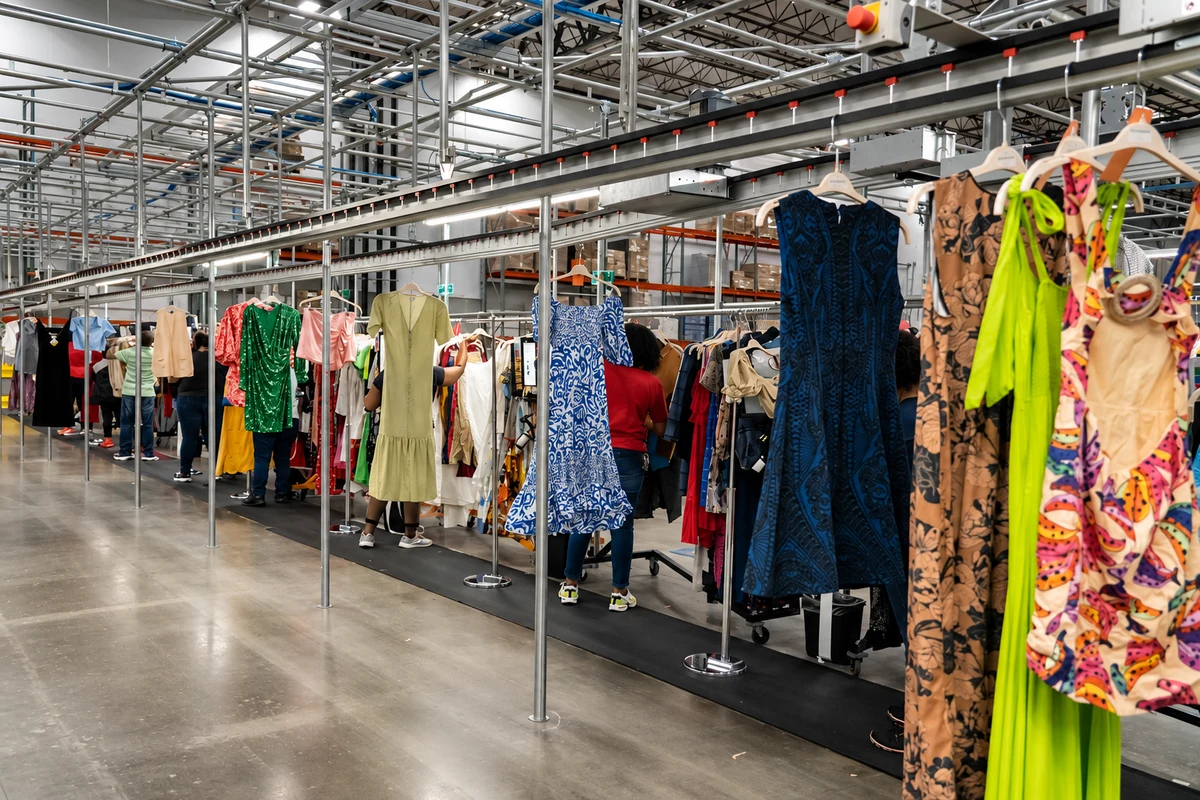
Selling a coat and immediately purchasing several replacements expands consumption despite the resale transaction. Rental carries transport, cleaning and logistics impacts. Repair creates environmental value when the intervention genuinely extends the useful life of a garment.
The more consequential possibility is therefore decoupling revenue growth from material growth. Fashion has spent generations making money from replacement. Circular business models ask whether the industry can become equally skilled at earning from continued use.
Fashion often starts the story of a luxury product after most of its environmental history has already happened. A cashmere coat enters the boutique without the grassland, goats, herders or soil that makes its fibre possible. Cotton loses its farm; leather loses its pasture.
Regenerative agriculture brings that landscape back into the economic picture. Kering and Conservation International established the Regenerative Fund for Nature in 2021, with Inditex joining in 2023. By the end of 2024, its portfolio covered 13 projects across eight countries, approximately 1.1 million hectares and 105,000 beneficiaries, with programmes focused on cotton, wool, leather and cashmere.
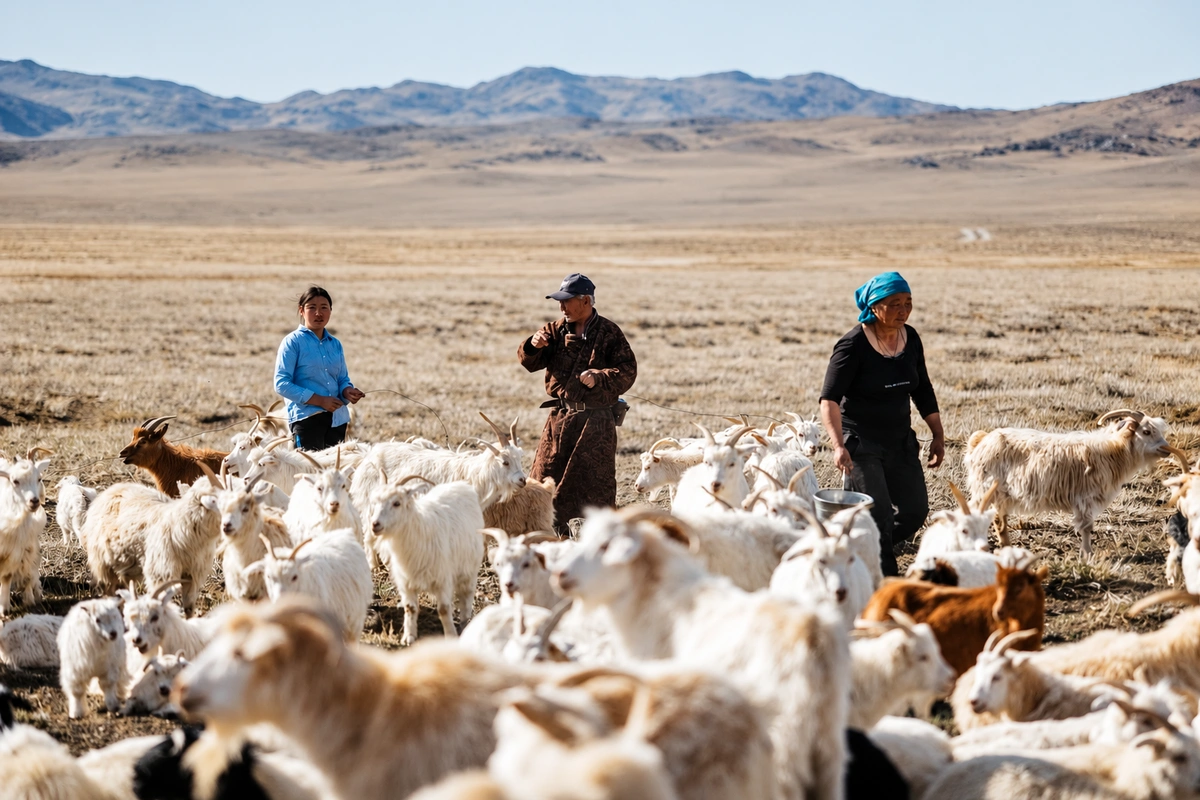
The environmental goals include healthier soils, biodiversity and more resilient ecosystems, yet there is also a straightforward luxury-business logic underneath them. High-quality natural materials depend on productive landscapes. Ecological deterioration eventually becomes a sourcing problem.
Regeneration therefore expands green fashion upstream. Sustainability becomes concerned not only with reducing the damage created by a finished garment, but with maintaining the ecological systems capable of producing its raw materials in the first place.
Another change could make that history increasingly visible to the consumer. Under the EU’s Ecodesign for Sustainable Products Regulation, textile apparel is one of the priority categories for a future Digital Product Passport. The European Commission currently plans adoption of the textile-specific delegated act for the fourth quarter of 2027, although the timetable remains indicative.

A Digital Product Passport could keep information attached to an item across its lifecycle, supporting transparency around product characteristics and creating infrastructure useful for repair, circularity and end-of-life decisions. Instead of becoming materially anonymous after purchase, a garment could retain information that travels with it.
The history of an object can support authentication and resale; information about its construction can help repair; material data can improve recovery when the garment finally reaches the end of use. Biography moves from storytelling into infrastructure, allowing value and information to survive beyond the first transaction.
Fashion has already created a convenient visual shorthand for sustainability: natural fibres, rough textures, green landscapes and enough beige to furnish a very large wellness retreat. The next phase of green fashion may be far less visually obvious.
It could be a black regenerated-nylon Prada bag, a Miu Miu skirt reconstructed from someone else’s chinos, a repaired coat returning to the wardrobe or a pre-owned piece entering its third transaction. It could equally be a cashmere sweater whose environmental story lies hundreds of kilometres away in grassland management.

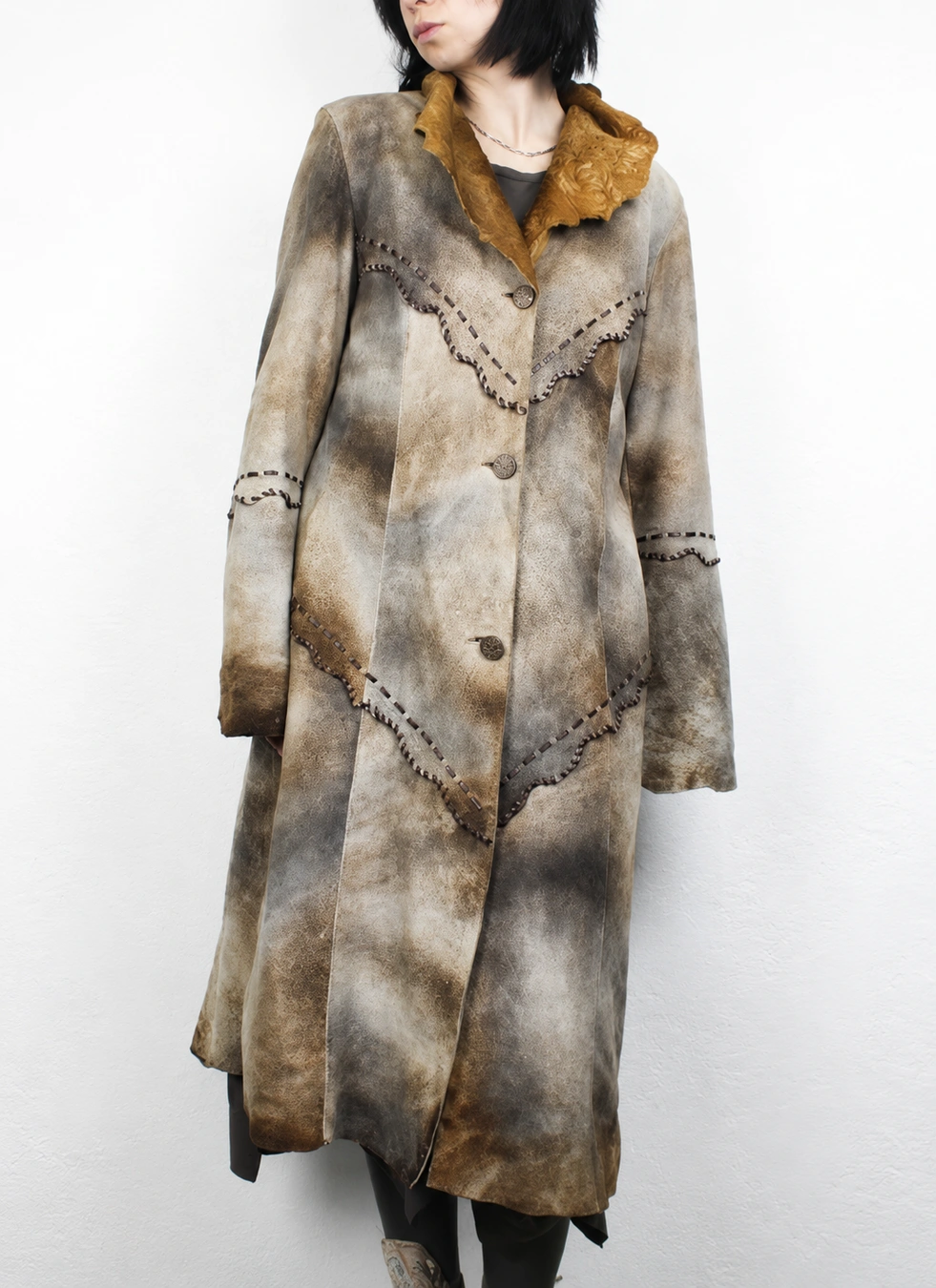
These models share one economic idea. Each tries to extend value beyond the original moment of manufacture.
That shift matters because fashion’s greatest commercial skill has rarely been simply making clothes. It has been making change desirable, repeatedly persuading people that another colour, shape or object deserves space in the wardrobe. Sustainability becomes more transformative when that same machinery of desire can be redirected toward longevity, provenance, repair, regeneration and rediscovery.
The question facing green fashion is therefore larger than how cleanly the next garment can be produced. It is how much cultural and economic value fashion can create before the next garment needs to exist at all.
The greenest garment may still be the one already hanging in the wardrobe, which may be the most radical definition of green fashion yet.
Advertisement