MENU
Close





On May 20, 1873, a small patent for riveted work pants quietly changed the future of fashion. What began as a tougher pair of trousers for laborers would become blue jeans: the garment that carried work, rebellion, youth culture, and denim fashion into everyday life.
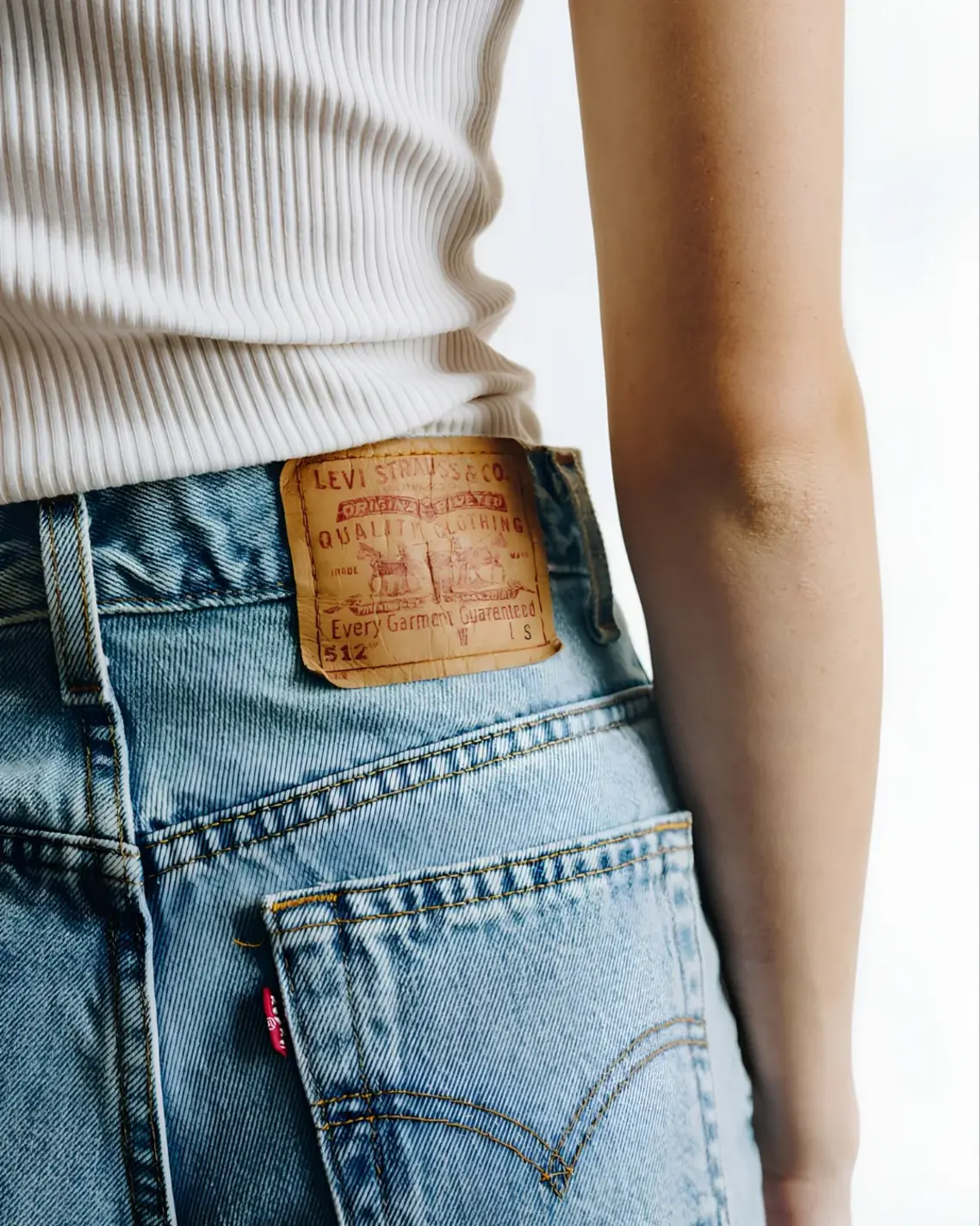
On May 20, 1873, a small patent for riveted work pants quietly changed the future of fashion. What began as a tougher pair of trousers for laborers would become blue jeans: the garment that carried work, rebellion, youth culture, and denim fashion into everyday life.
May 20, 2026


Before blue jeans became a timeless piece that appeared in the everyday style, they began with stress points. Pockets tore. Fabric strained. Workers needed trousers that could survive mines, railroads, workshops, and the rough daily rhythm of the American West. And the story began as function sharpened into invention.
On May 20, 1873, Levi Strauss and tailor Jacob Davis received U.S. Patent No. 139,121 for an improvement in fastening pocket openings, using metal rivets to strengthen work pants. The idea was practical, almost blunt in its clarity: reinforce the places where trousers broke first. Yet that small technical decision changed the destiny of a garment. The rivet turned denim into something tougher, more recognizable, and eventually more mythic.

At first, these pants were known as waist overalls, built for labor. Their power came from their honesty. The fabric was sturdy, the cut was useful, and the construction carried the marks of work. Over time, those same qualities became cultural signals: durability turned into authenticity, fading became memory. Creases, repairs, and wear marks gave each pair a private biography, making denim one of the rare materials that gains character as it ages.
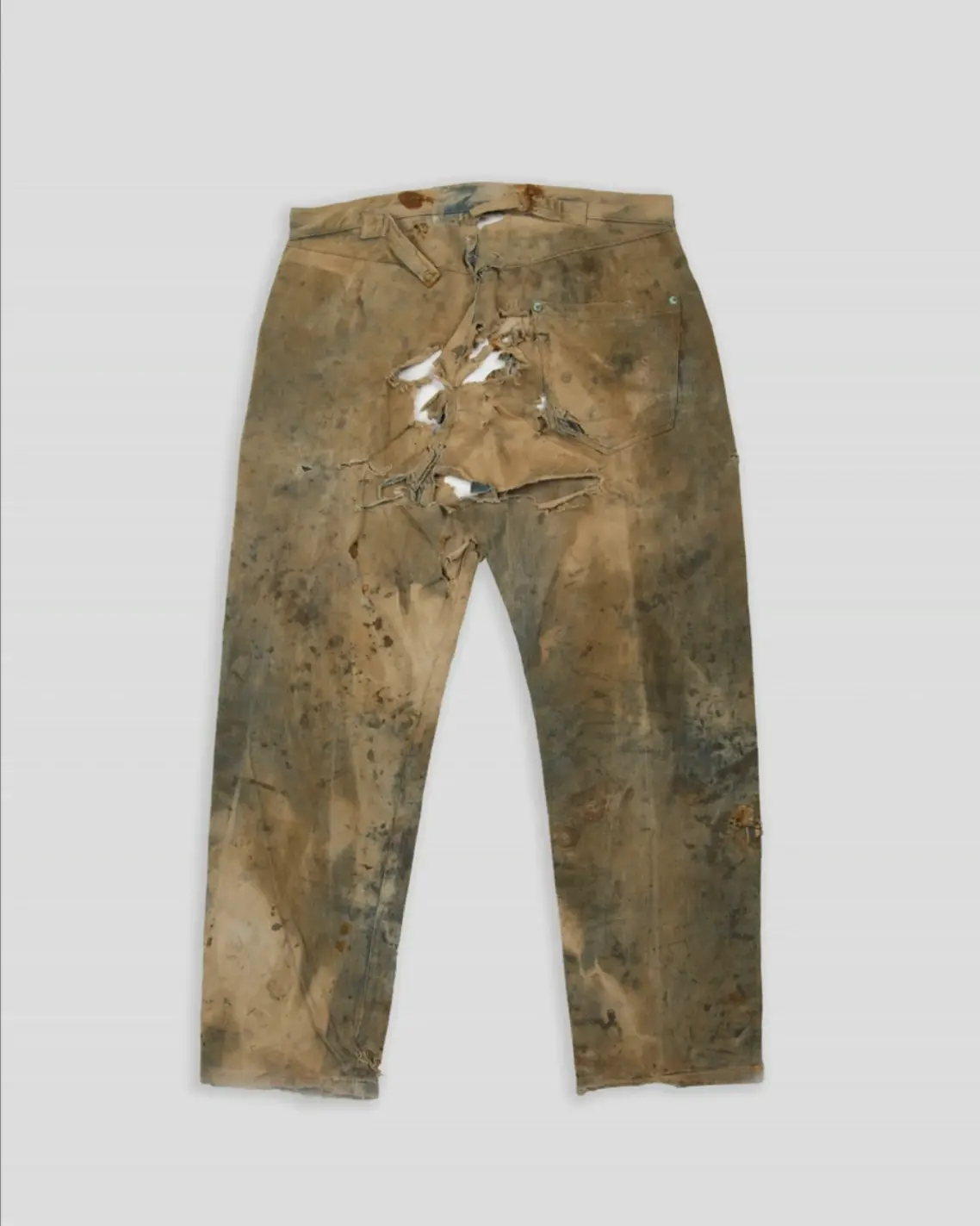
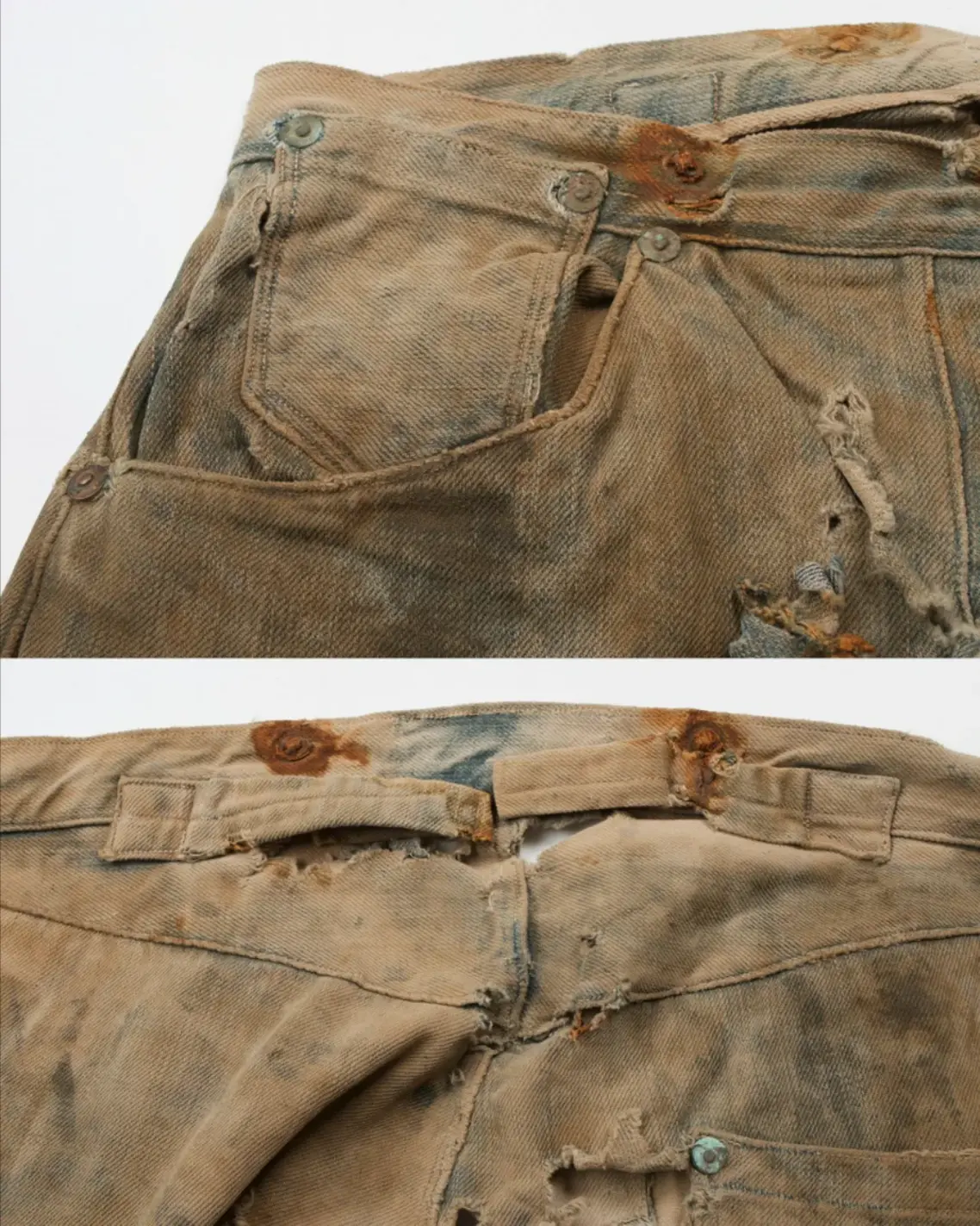
By the twentieth century, blue jeans had moved far beyond the job site. They entered cinema, youth culture, music, counterculture, street style, and eventually luxury fashion. Cowboys, bikers, students, rock stars, supermodels, designers, and everyday dressers all found different meanings in the same garment. As denim moved through different bodies and subcultures, blue jeans became endlessly changeable: rebellious on one person, sensual on another, effortless in daily life, and polished when fashion decided to make them sharp.



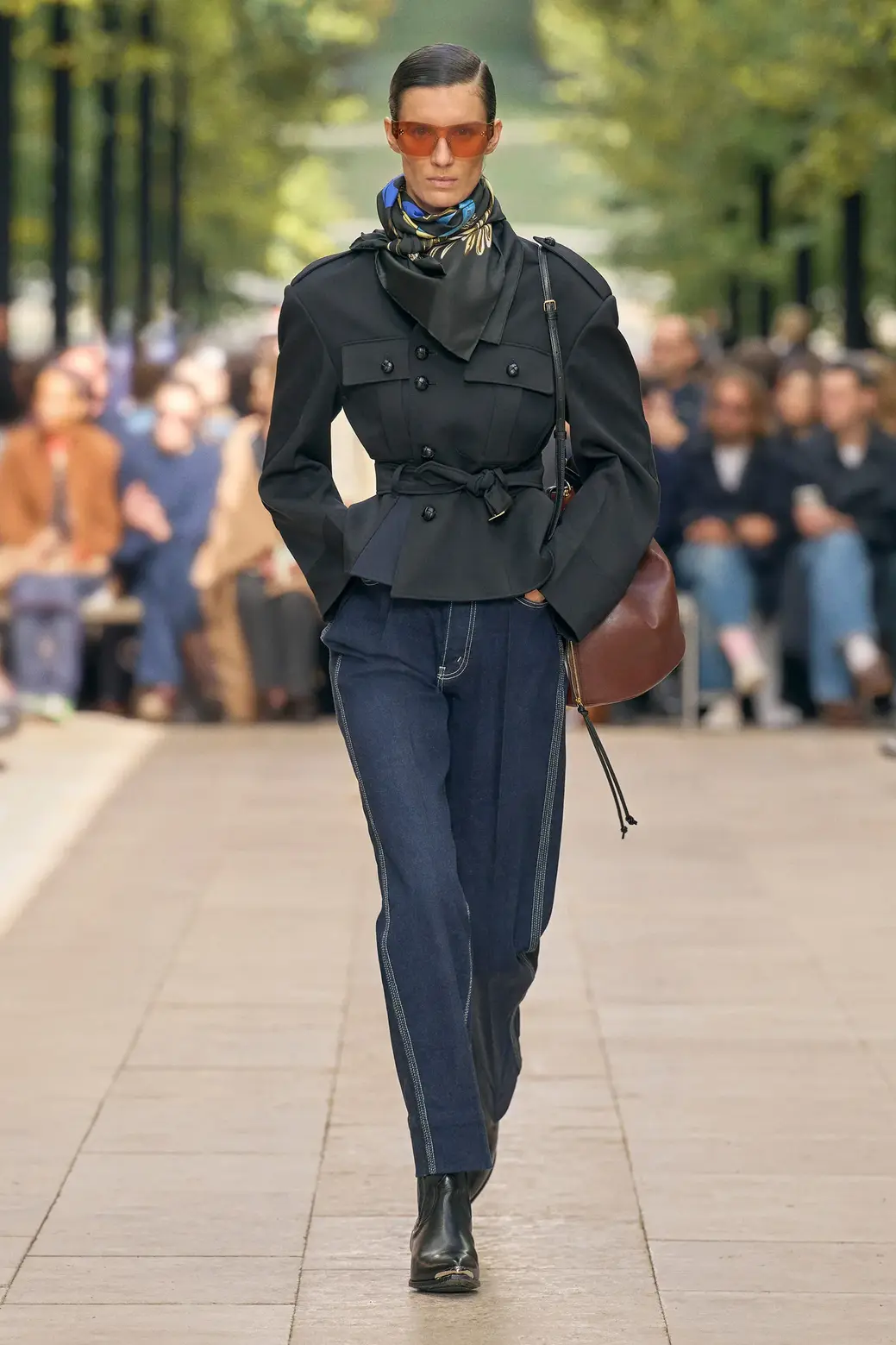
The 1873 patent gave workwear a form strong enough to travel far beyond the job site. A garment first built to survive pressure slowly absorbed new meanings: independence, youth, sexuality, rebellion, ease. The story of jeans began with Levi Strauss and Jacob Davis, but it grew into something larger: the story of how a pair of working trousers became one of fashion’s most universal symbols of desire.
A rivet made the trousers stronger, but time made them iconic. From an 1873 patent to the center of denim fashion, blue jeans became the rare garment that belongs to almost everyone while still carrying the myth of the individual.