MENU
Close





Concrete and cloth seem to belong to different worlds, yet both can command space, reshape familiar forms and challenge conventional beauty. Somewhere between architecture and avant-garde fashion, a shared aesthetic language takes shape.
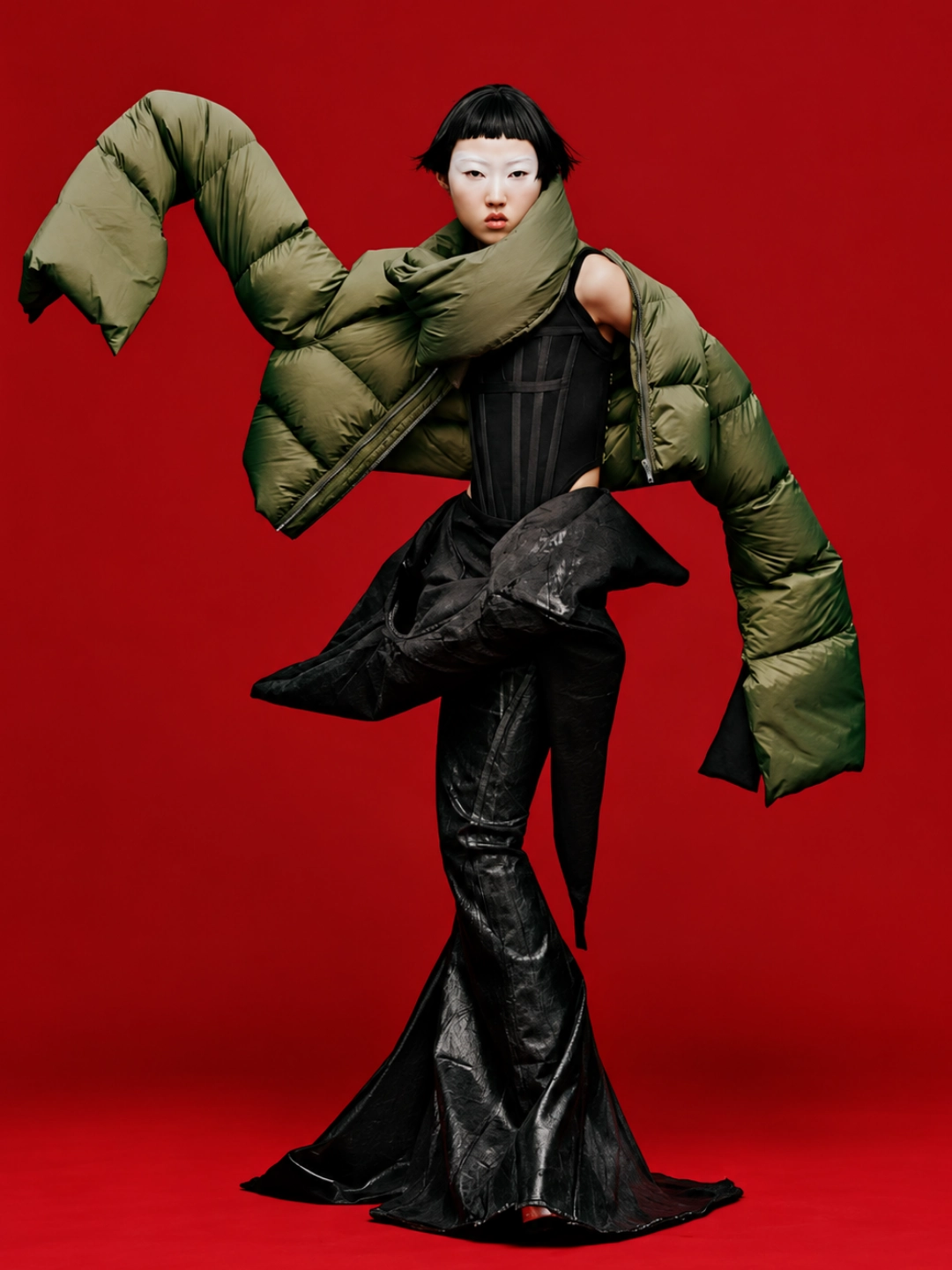
Concrete and cloth seem to belong to different worlds, yet both can command space, reshape familiar forms and challenge conventional beauty. Somewhere between architecture and avant-garde fashion, a shared aesthetic language takes shape.
October 8, 2026
Advertisement
Advertisement
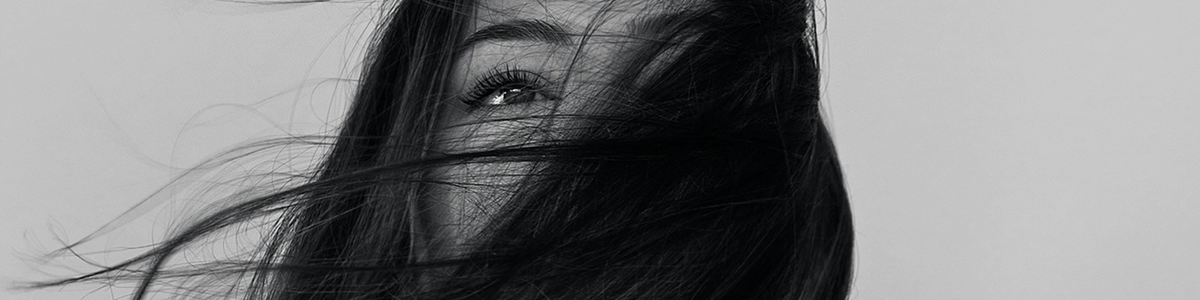


Somewhere between the weight of concrete and the softness of fabric lies an unexpected visual kinship. One stands permanently in the landscape, while the other moves with the human body. Yet certain garments possess the imposing presence of buildings, commanding attention through their proportions alone. In avant-garde fashion, this architectural sensibility invites a curious question: how much of what we wear can be understood as something we inhabit?
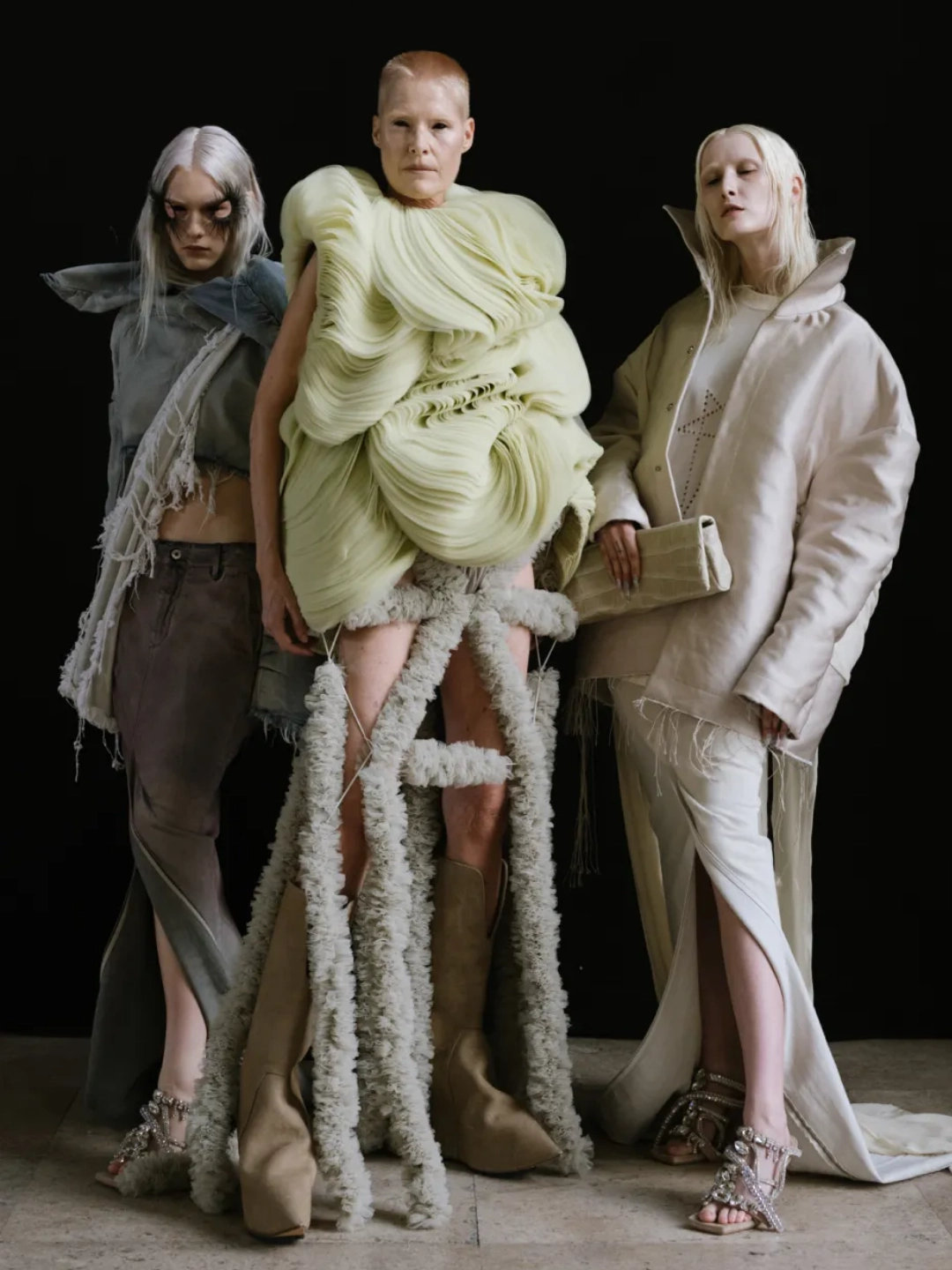
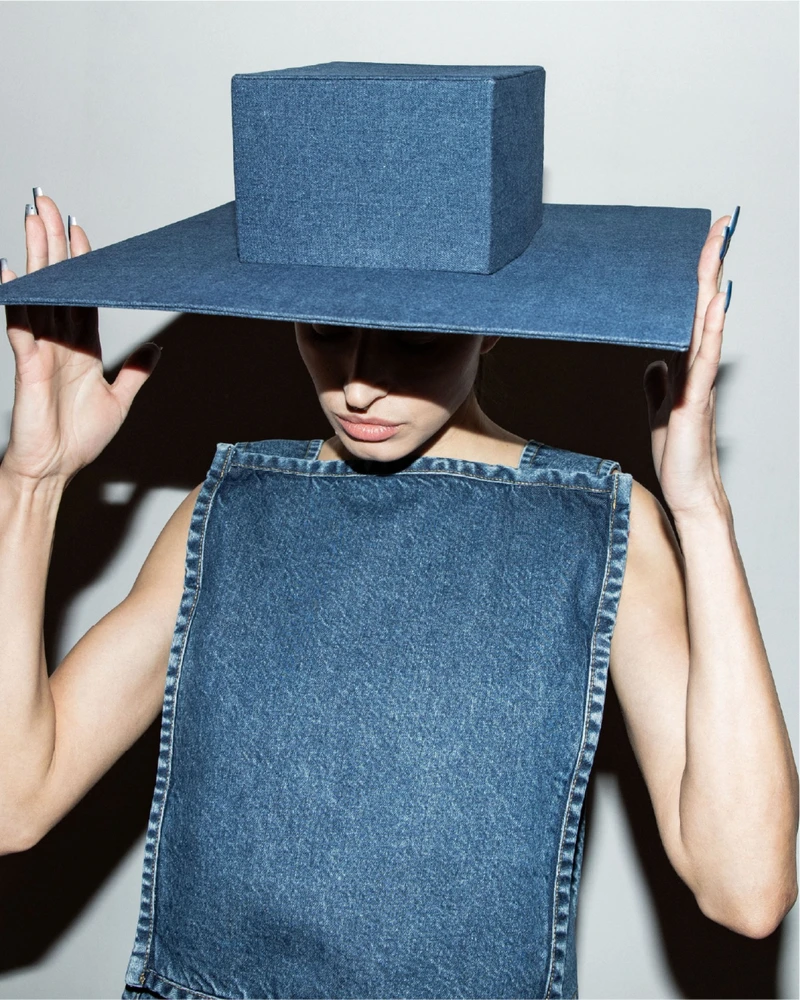
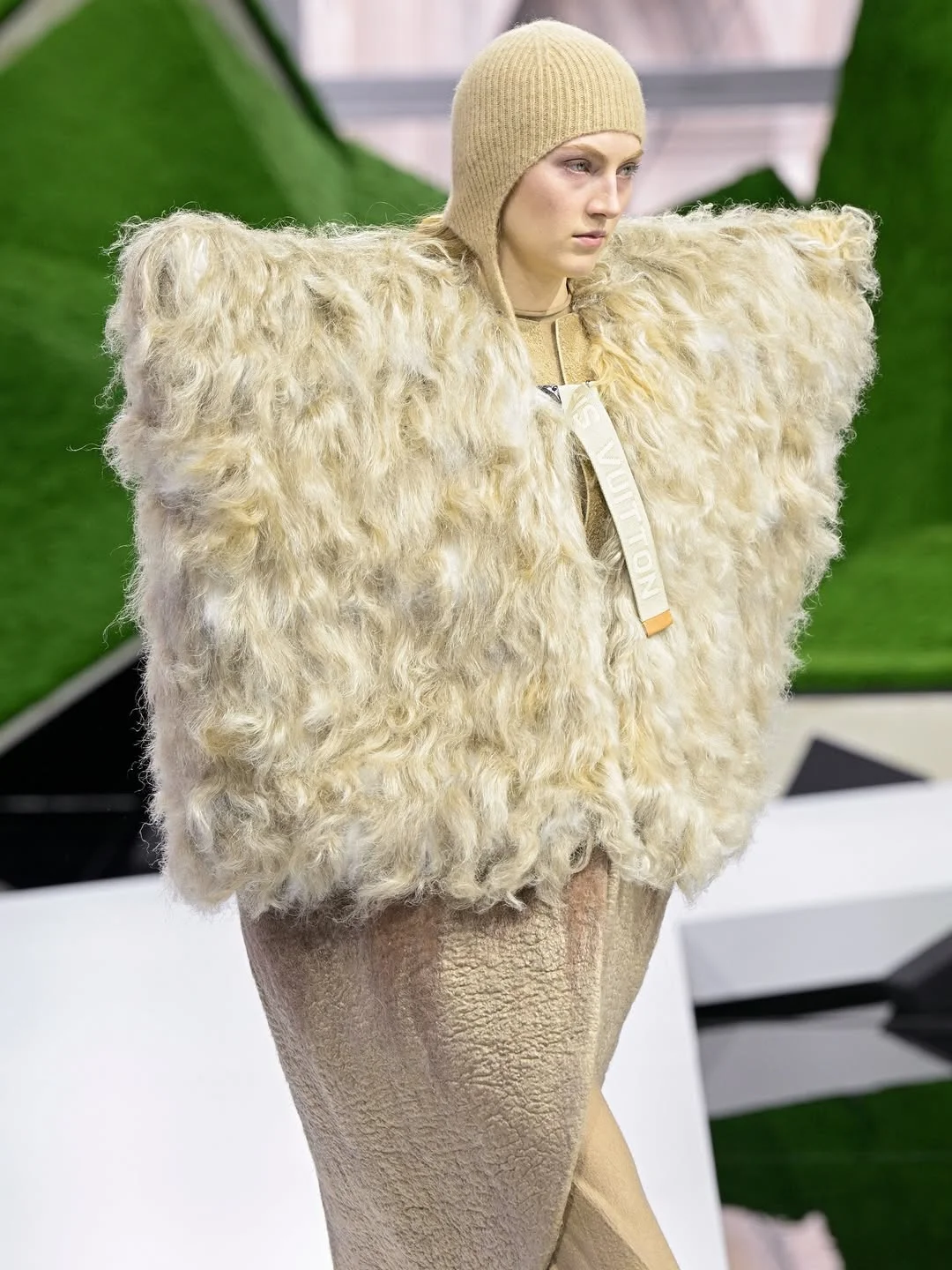
Imagine a coat with shoulders extending beyond their natural boundaries, a dress holding its own geometric form, or a jacket whose exposed seams reveal the process of its construction. These garments possess an architectural quality that recalls the monumental presence of Brutalist buildings, where material, structure and volume establish a distinctive visual identity.
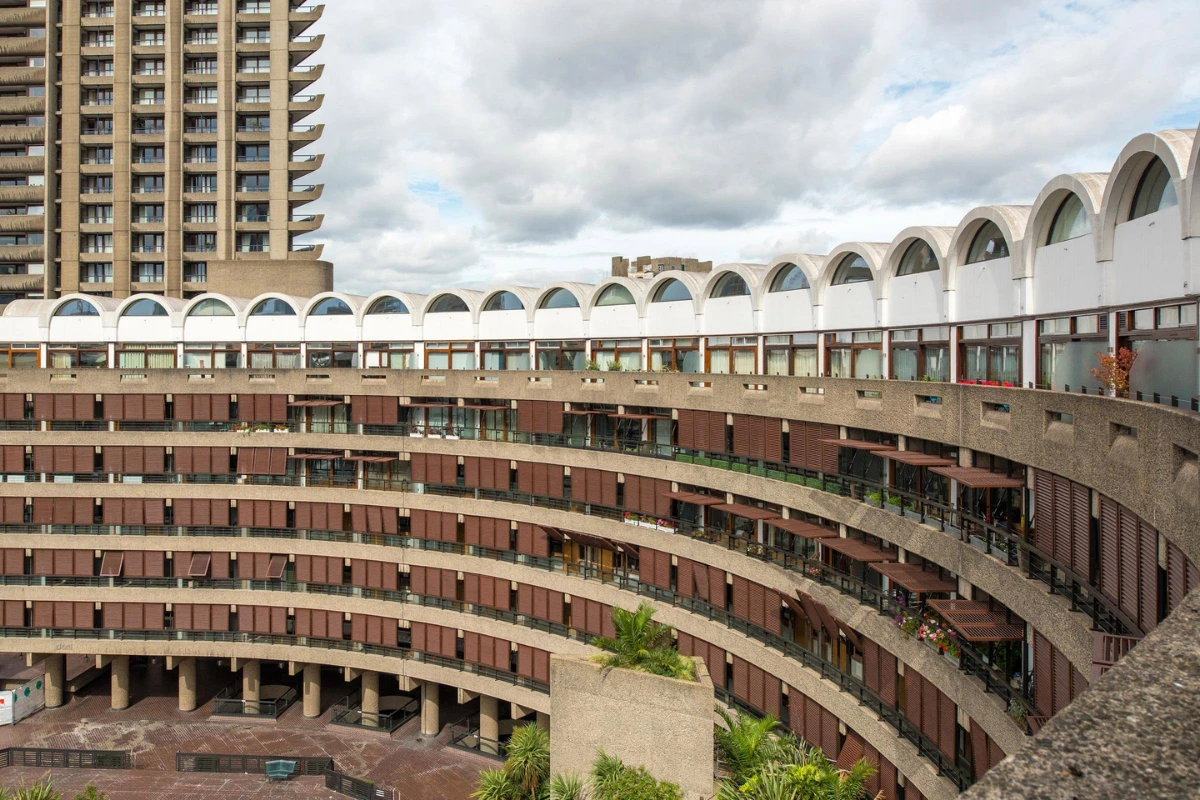
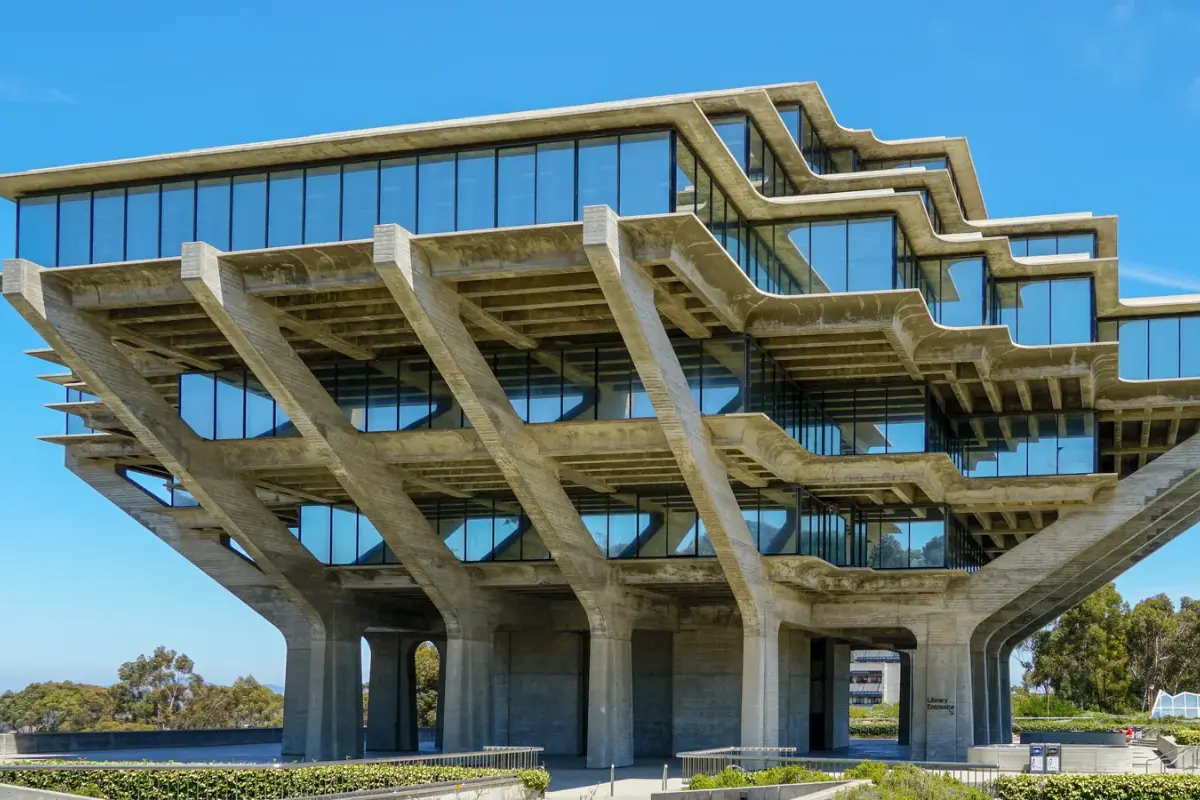
Emerging in the mid-twentieth century, Brutalism developed an architectural vocabulary associated with raw concrete, exposed structural elements and emphatic geometric forms. Its material honesty and pronounced sense of mass offer a compelling framework for understanding certain expressions of avant-garde fashion. Both disciplines explore how construction can communicate an aesthetic idea through the physical presence of an object.
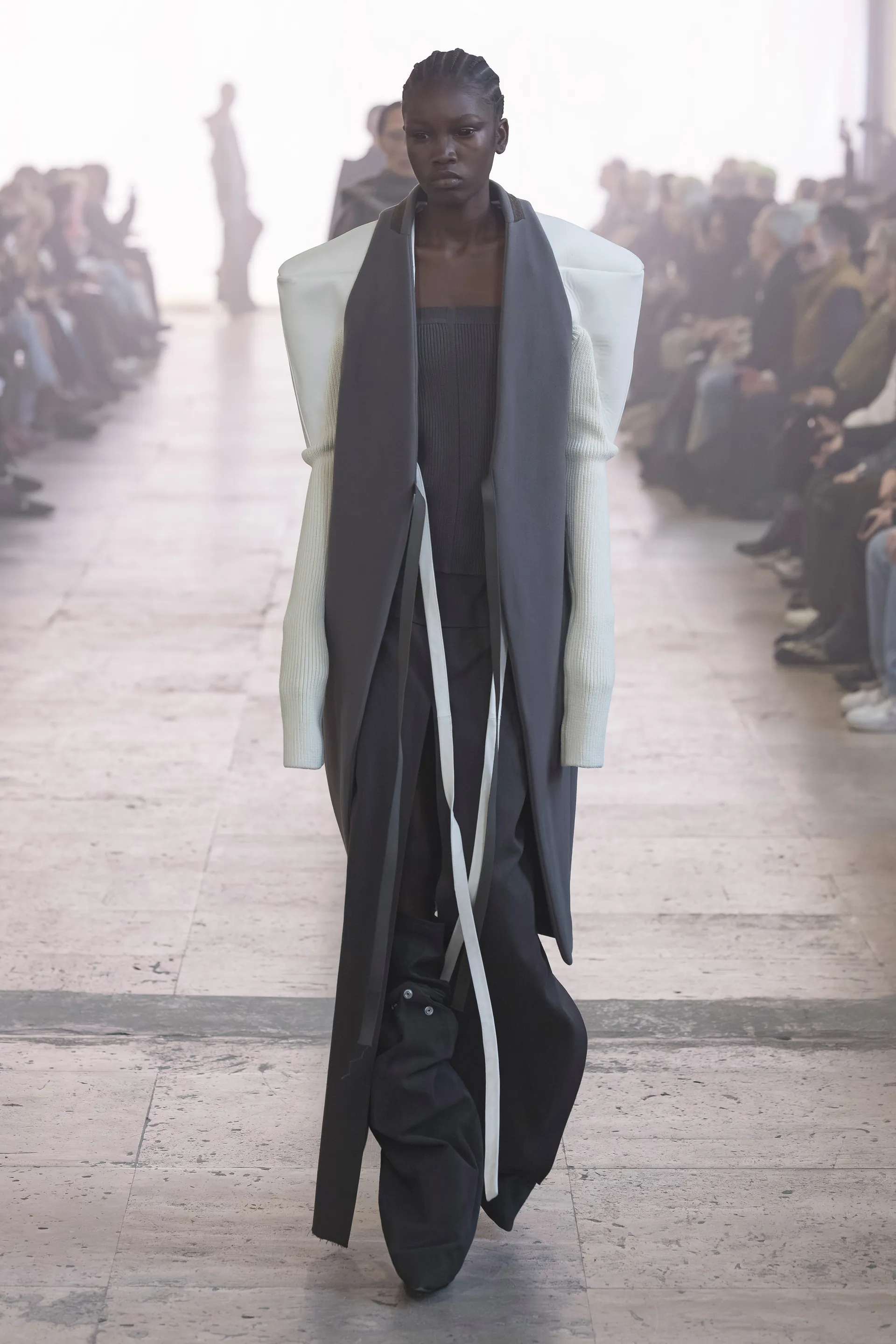
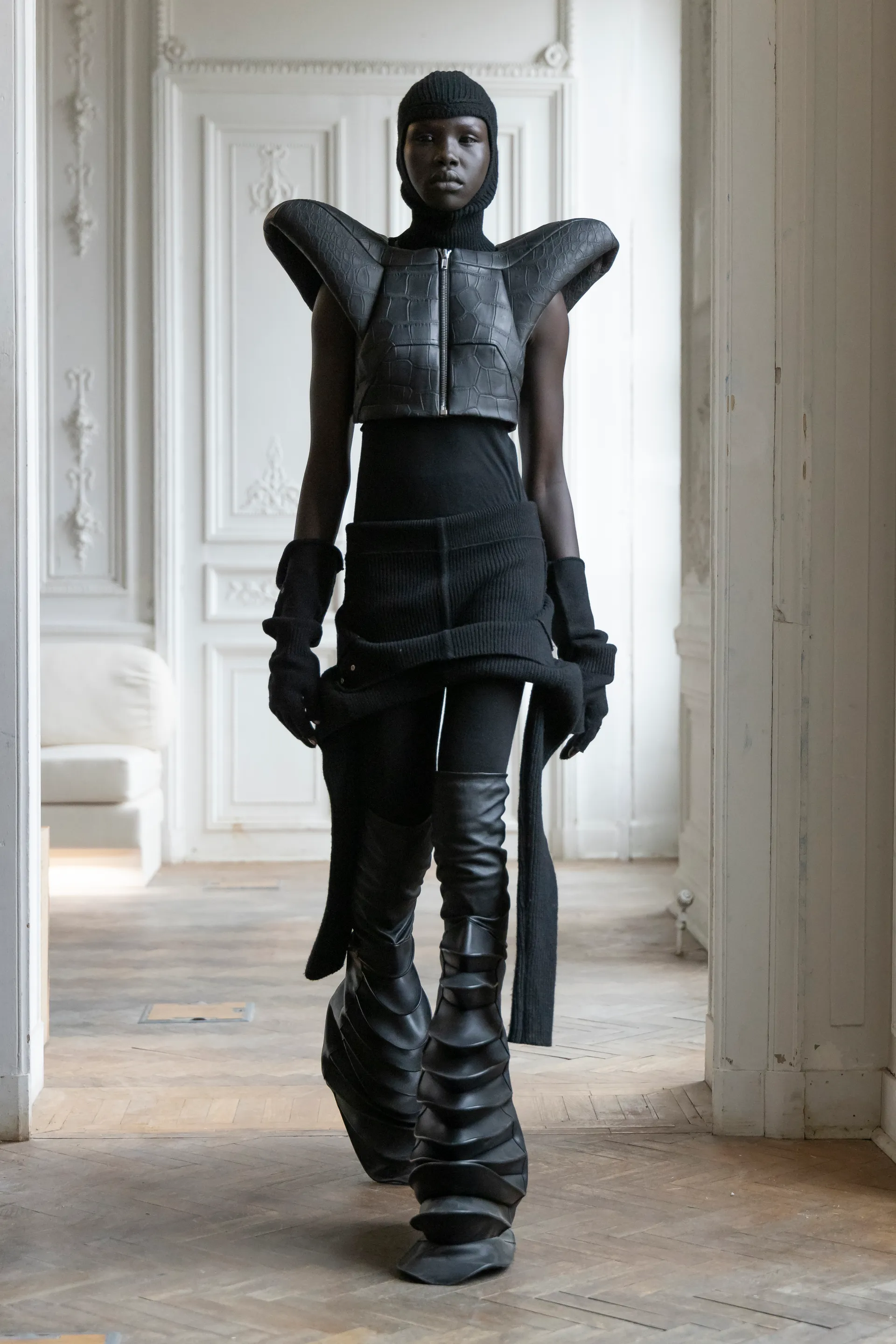
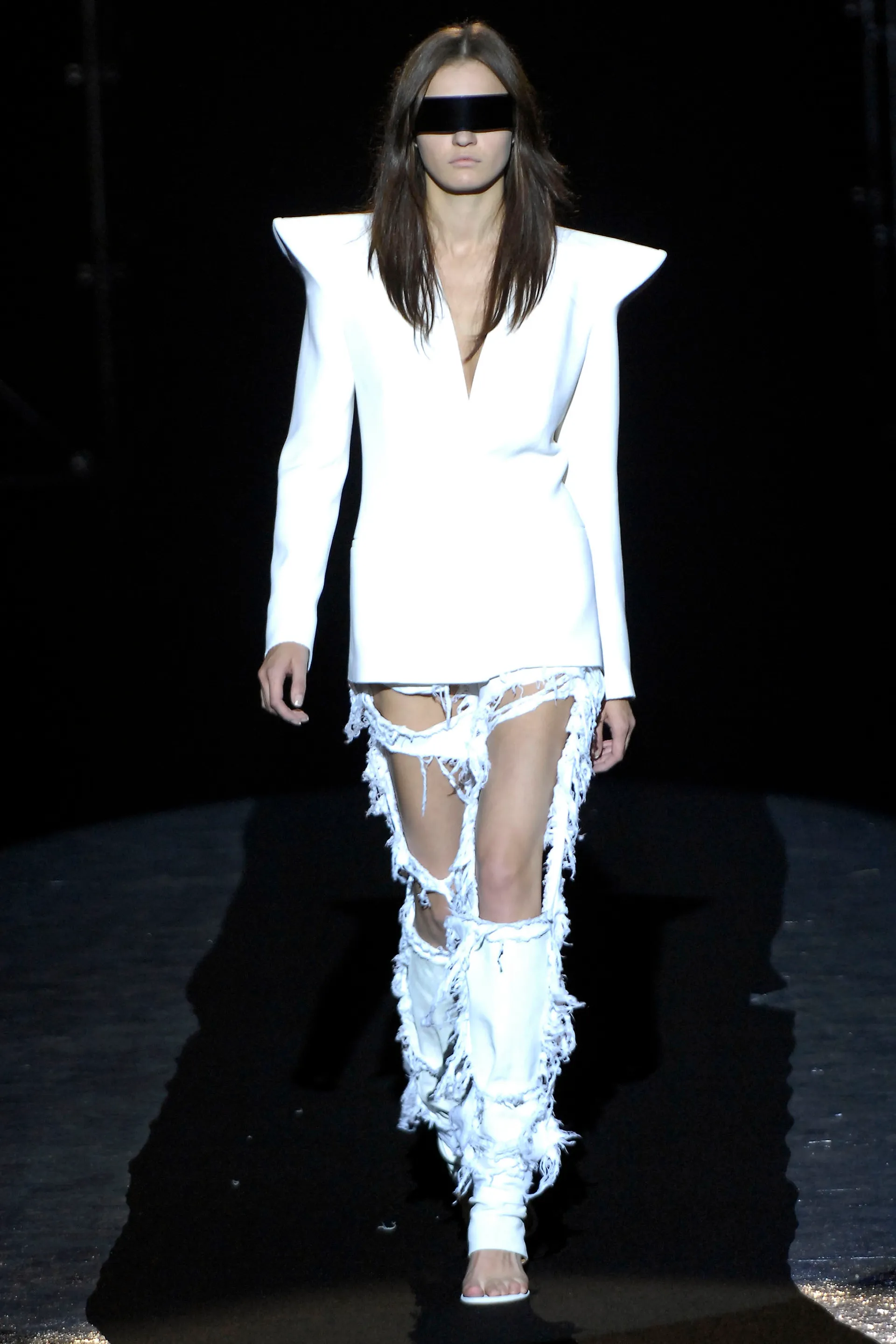
This affinity appears particularly strongly in the work of Rick Owens. His elongated proportions, commanding shoulders and austere silhouettes suggest garments conceived as structures occupying space. Owens has also acknowledged his attraction to Brutalism, identifying reductivism and grandeur as qualities that resonate with his creative approach. In his fashion universe, architectural severity coexists with sensuality, movement and an unmistakable sense of theatricality.
Architects negotiate the relationship between buildings and their occupants. Fashion designers face a corresponding question on the scale of the human body: how much clothing should accommodate anatomy, and how far can it transform the space around it?
Rei Kawakubo offered a radical interpretation in Comme des Garçons Spring 1997 collection, Body Meets Dress, Dress Meets Body. Padding created irregular protrusions around shoulders, hips and torsos, producing silhouettes that disrupted familiar anatomical proportions. The garments proposed a body whose contours could be reconsidered through construction itself.
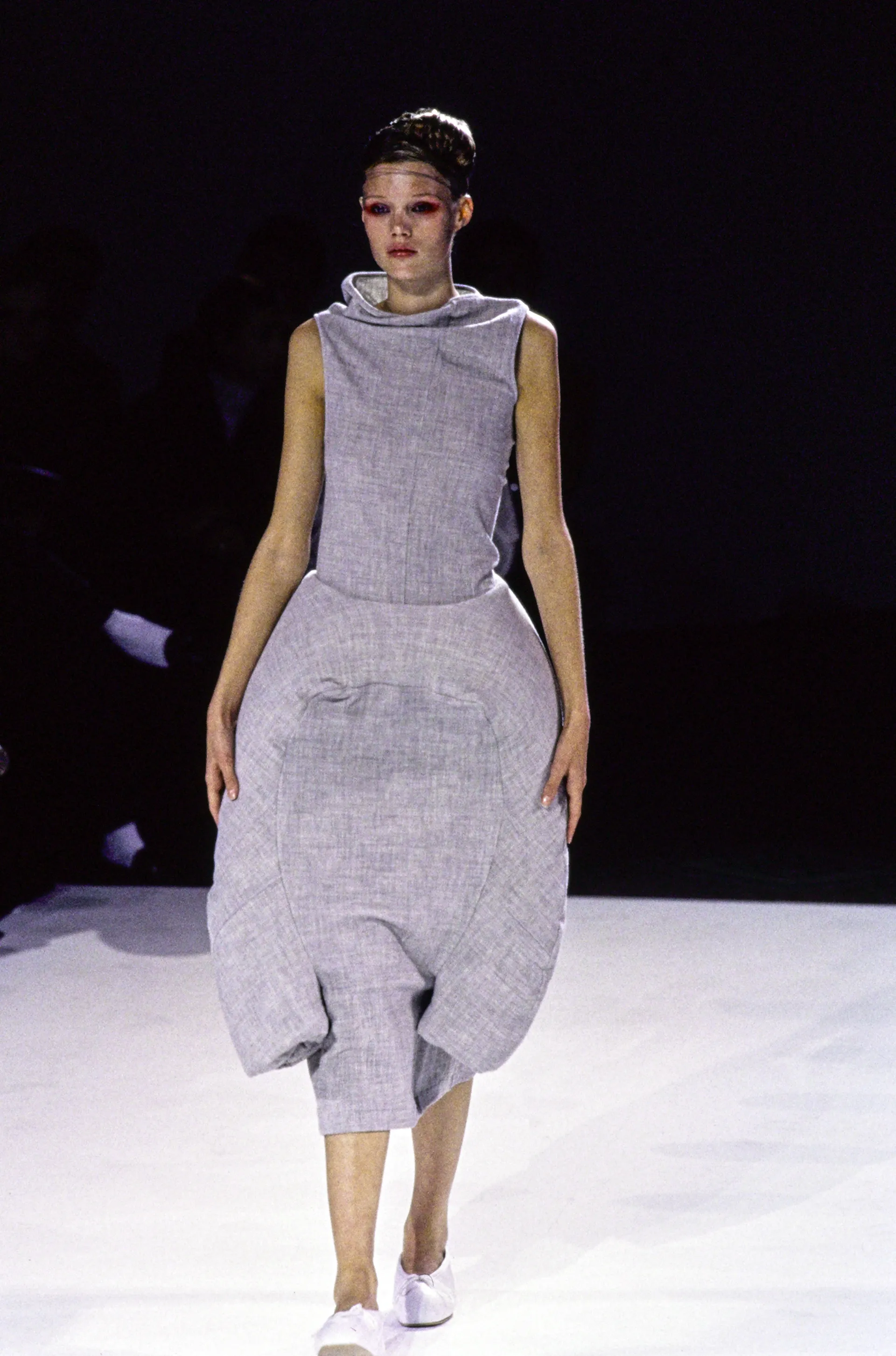
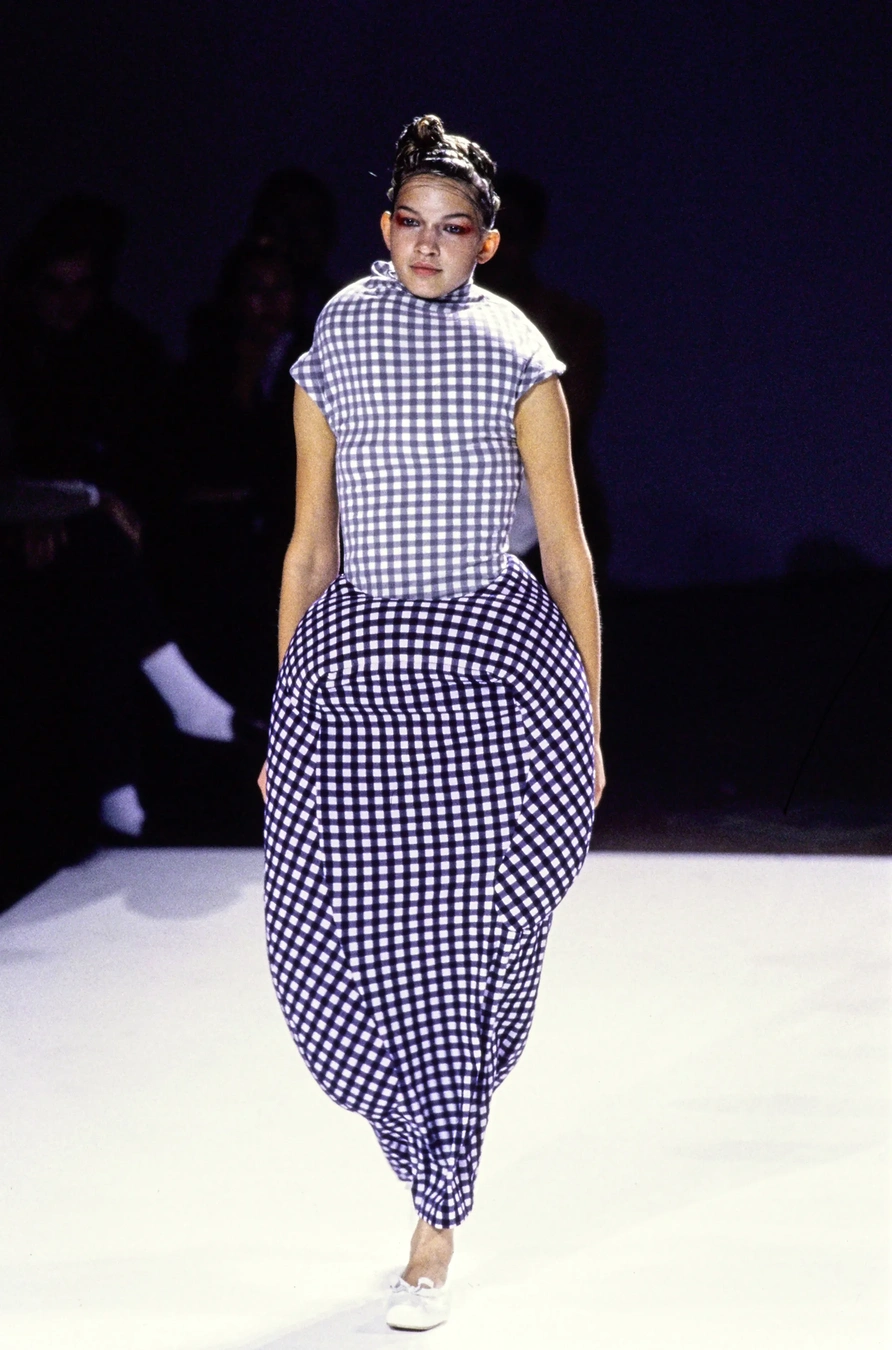
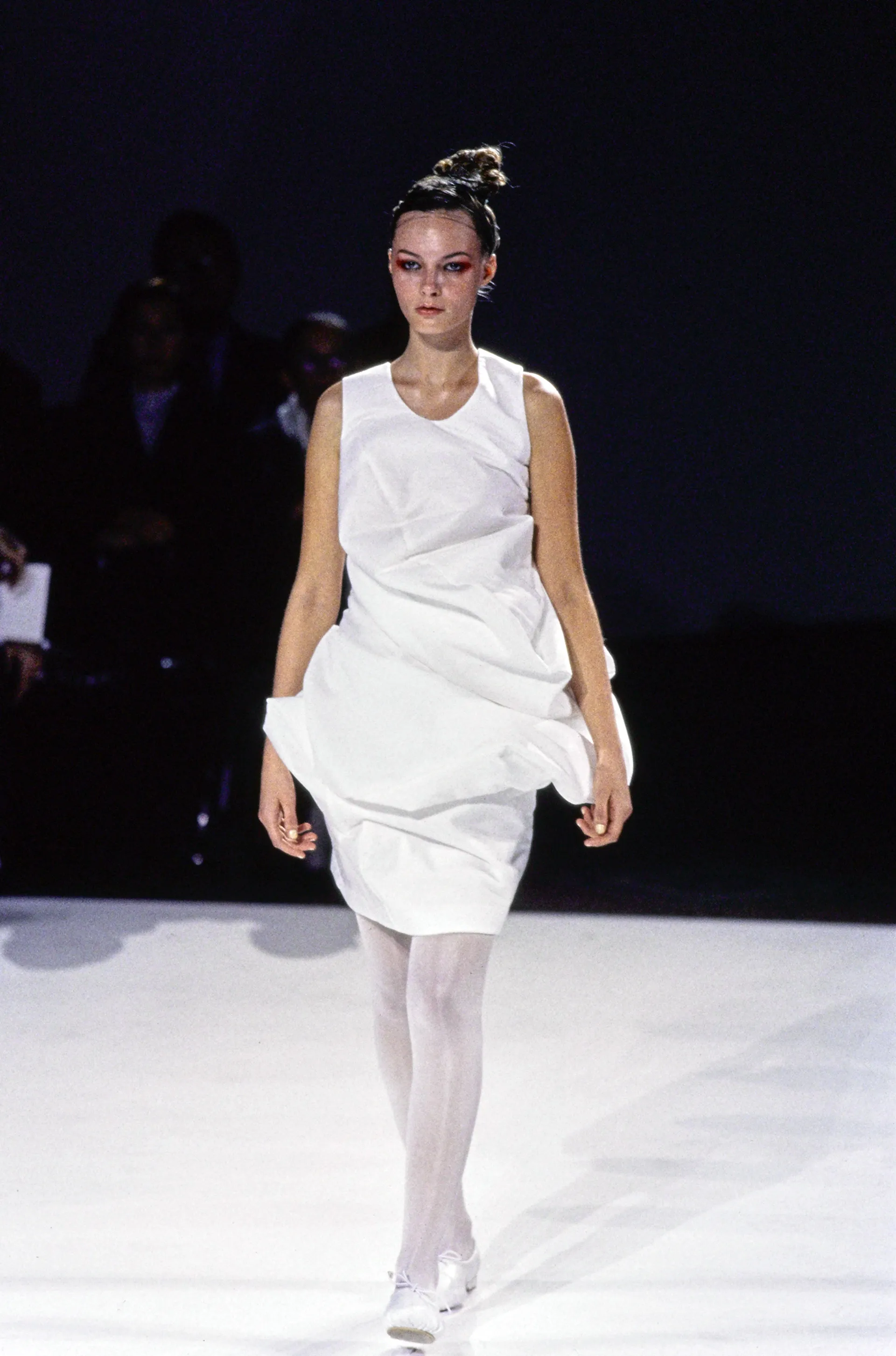
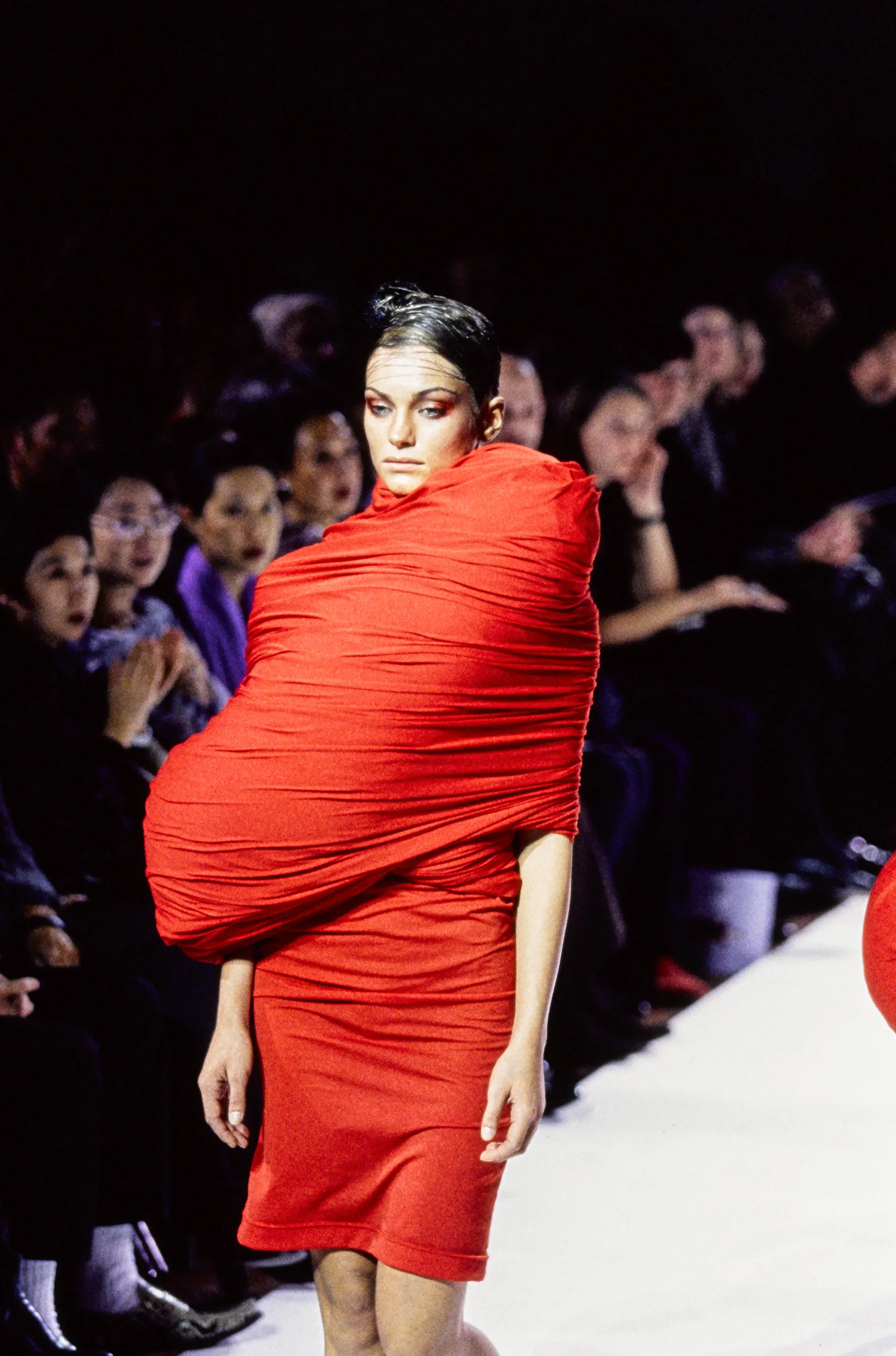
The relationship with Brutalism here is conceptual. Large architectural volumes alter how people perceive scale and occupy their surroundings. Kawakubo's inflated silhouettes similarly change the relationship between the body and the space immediately around it. Clothing acquires an independent geometry, with its own boundaries and proportions.
Brutalist architecture frequently exposes the physical evidence of its making. Concrete retains impressions left by timber formwork, while structural components participate in the building's visual composition. These surfaces communicate construction as an essential part of design.
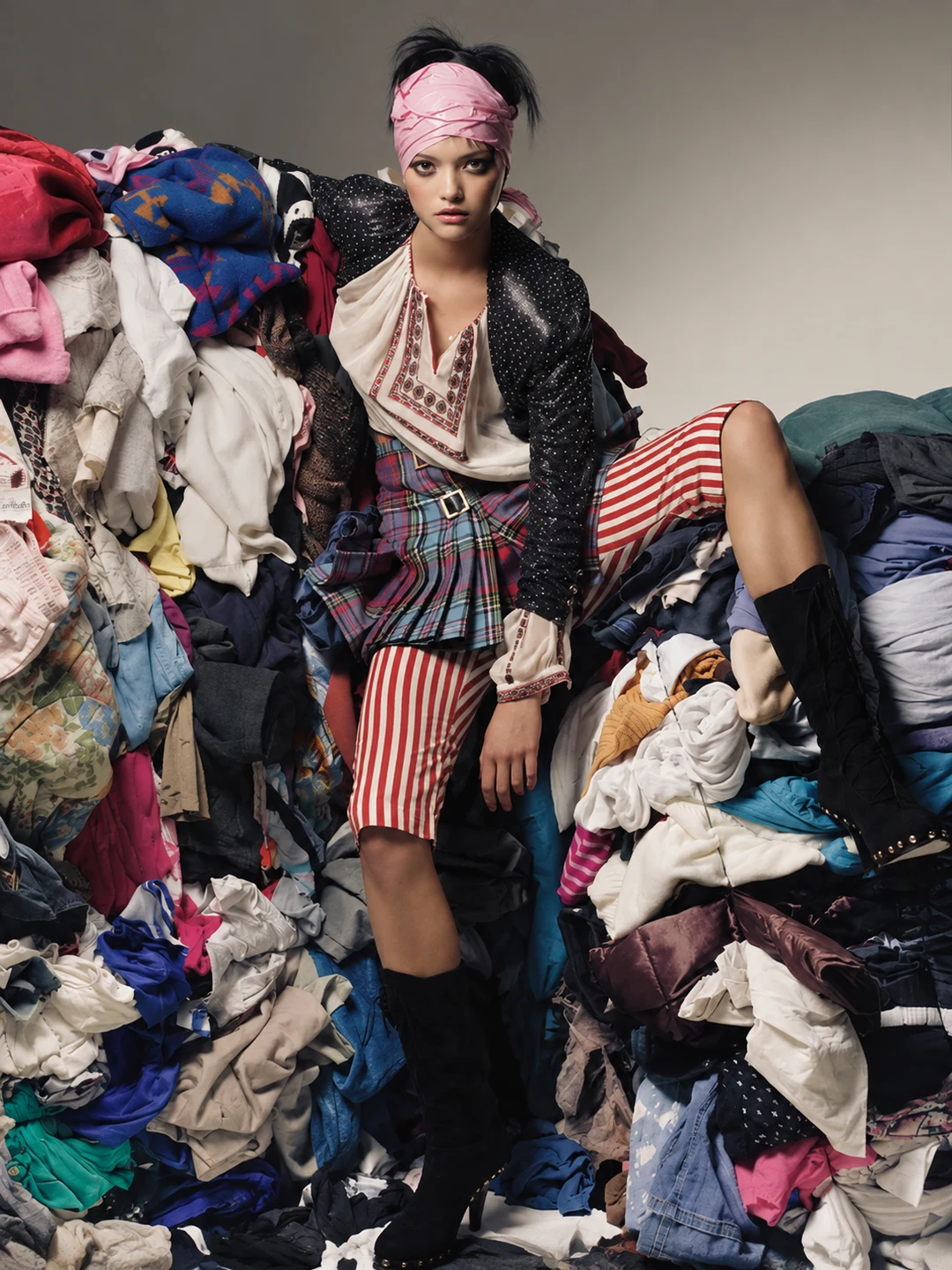
In avant-garde fashion, Martin Margiela explored a comparable idea through deconstruction. His garments exposed seams, shoulder pads, basting stitches and elements commonly concealed during conventional production. Collections from the late 1990s treated intermediate stages of garment-making as finished aesthetic statements.
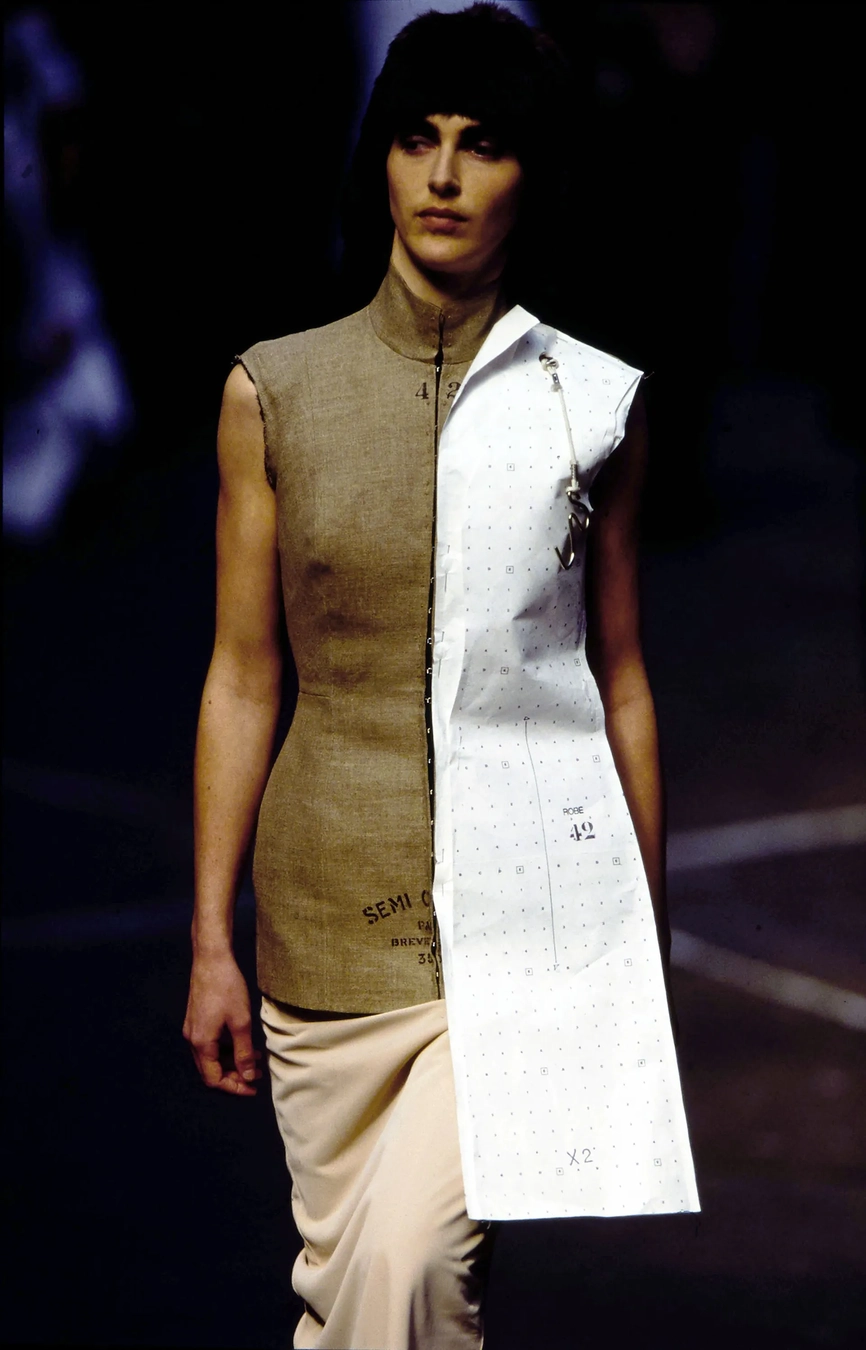
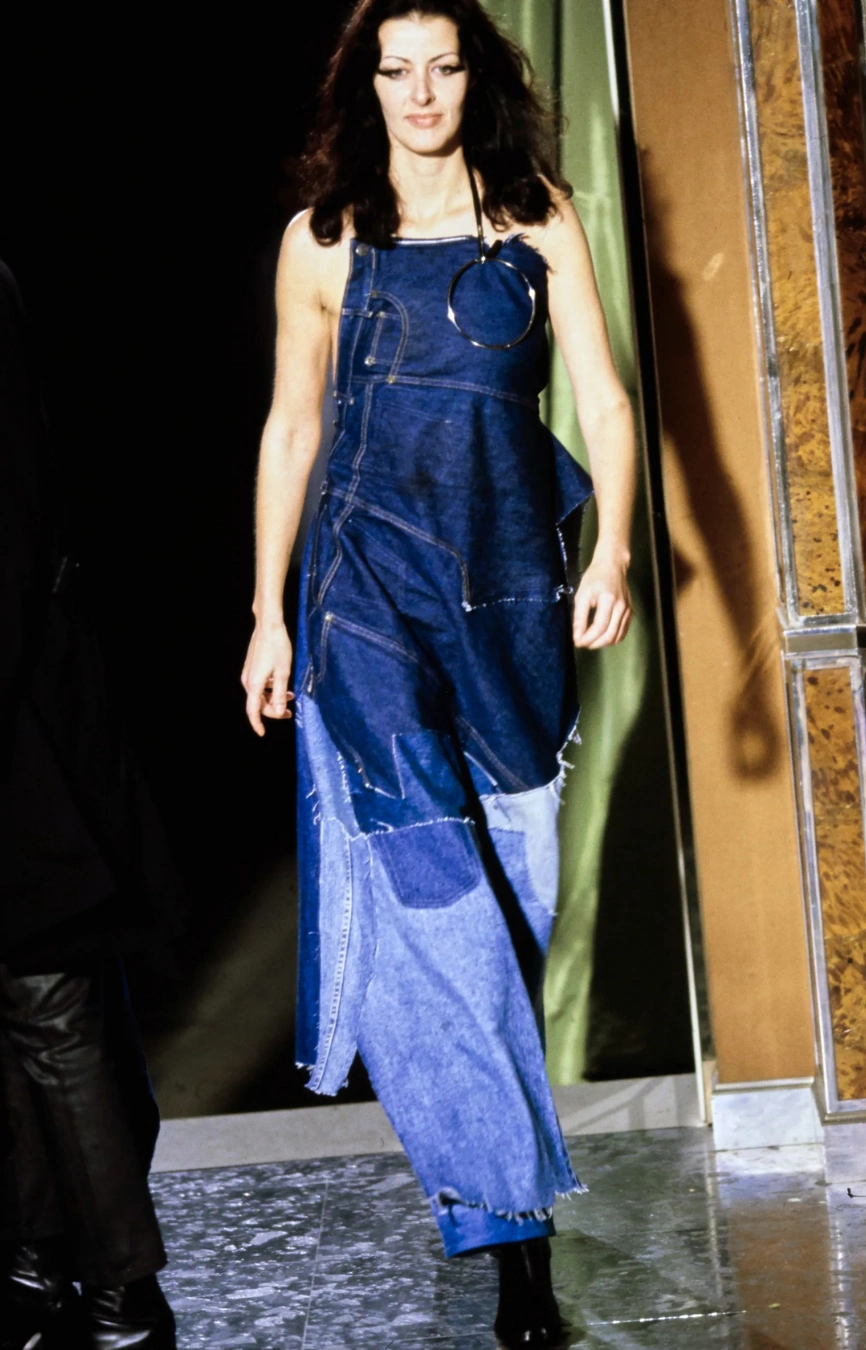
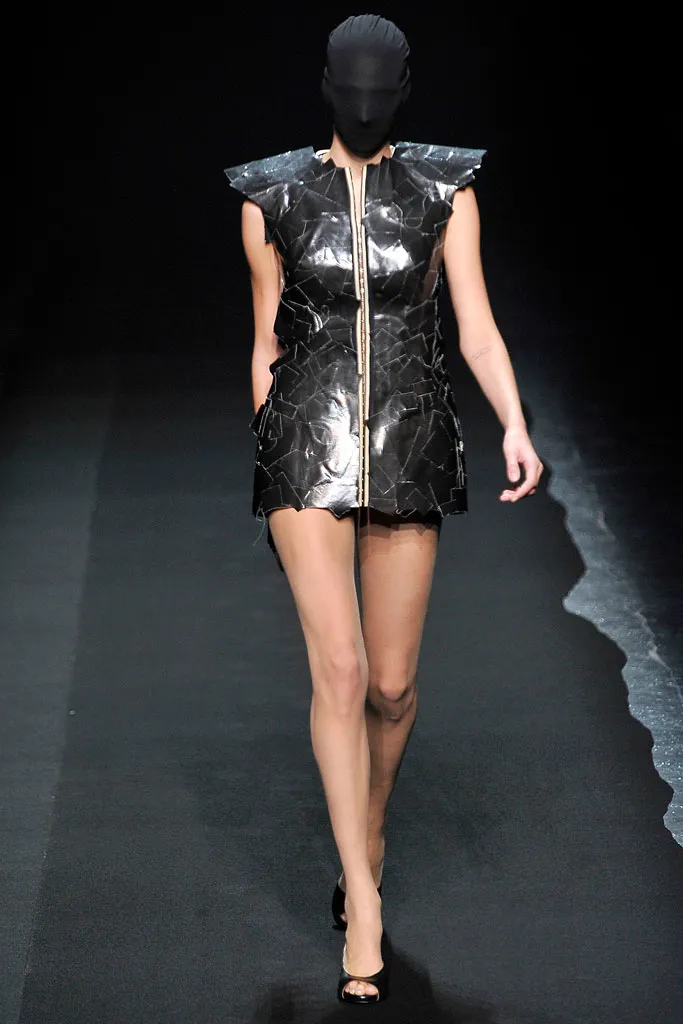
Visible stitching, raw hems and unfinished surfaces invite viewers to examine the labour embedded in clothing. The garment presents its own construction history, revealing how fabric has been cut, assembled and manipulated.
Material experimentation extends this relationship. Stiffened textiles, bonded surfaces, distressed leather and deliberately irregular finishes allow avant-garde designers to approach the physical expressiveness associated with industrial materials. Even lightweight fabrics can produce a sense of architectural mass through layering, internal support and carefully controlled volume.
Brutalism and avant-garde fashion share an ability to provoke strong reactions. Their imposing forms can communicate protection, authority, isolation or vulnerability, depending on context.
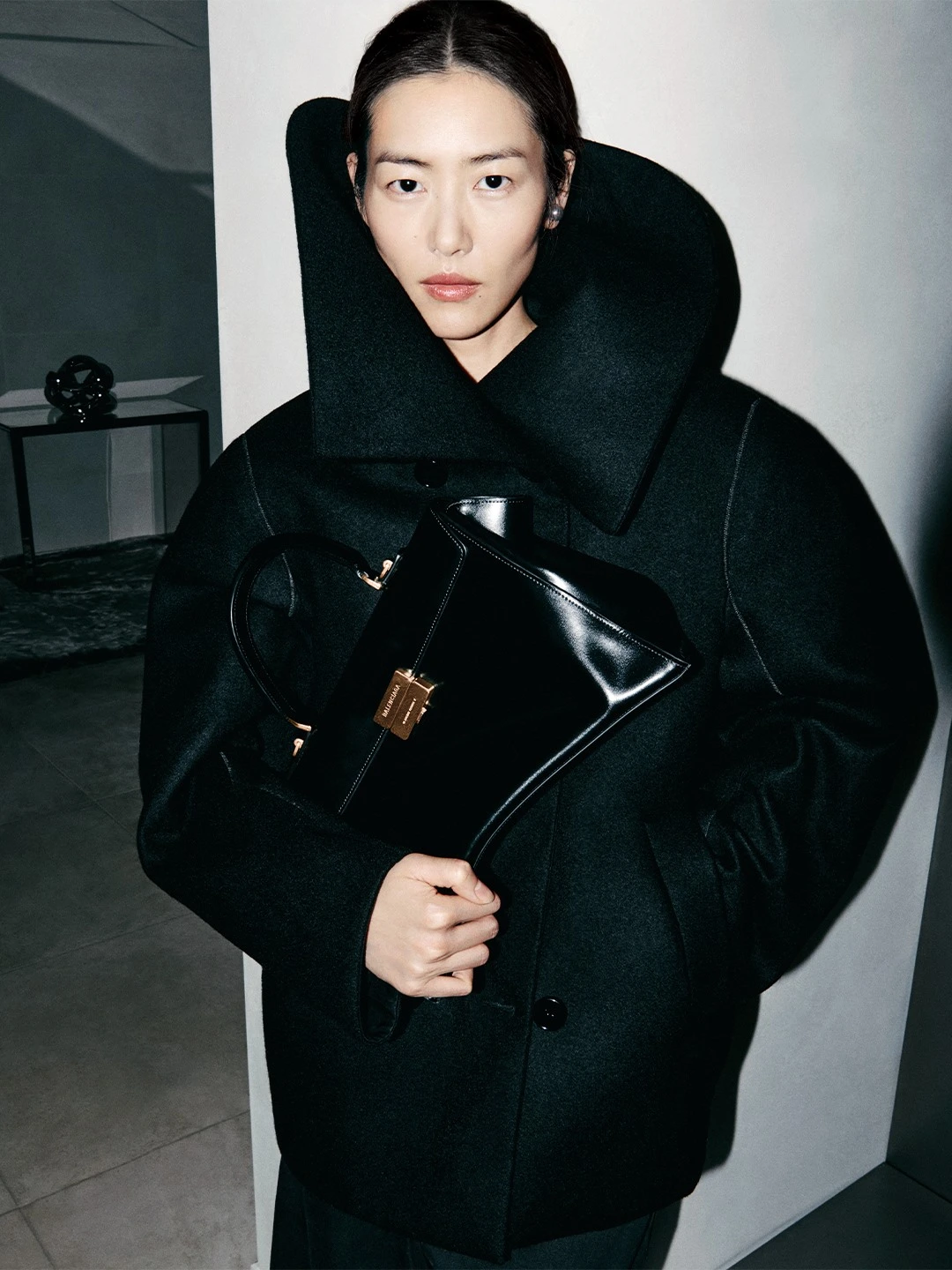
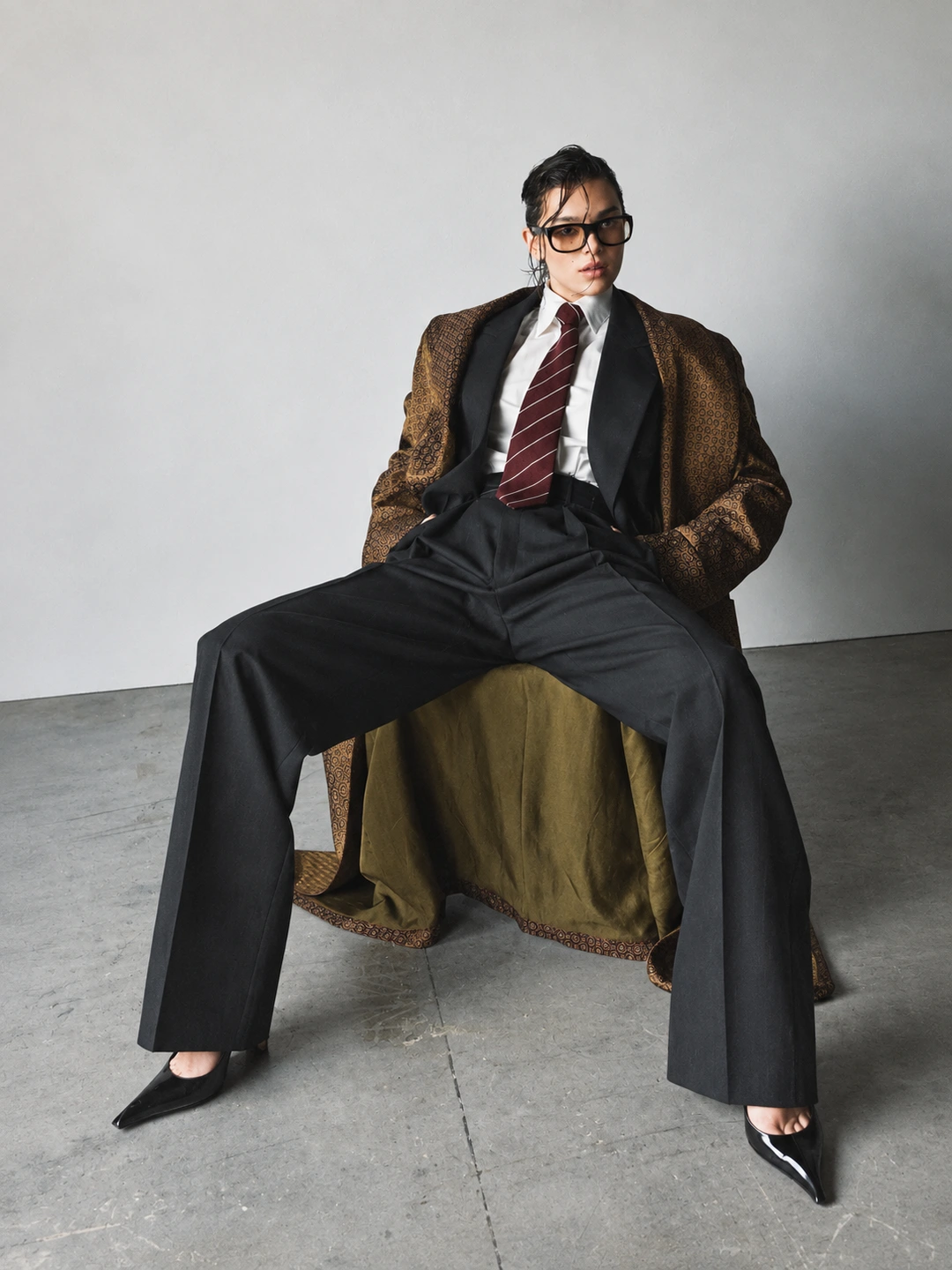
The tension is particularly visible when oversized garments obscure the body. Exaggerated coats and sculptural dresses create a protective outer boundary while simultaneously making their wearers appear smaller within the silhouette. Structure suggests strength, yet the relationship between the individual and the constructed form can introduce an unexpected fragility.
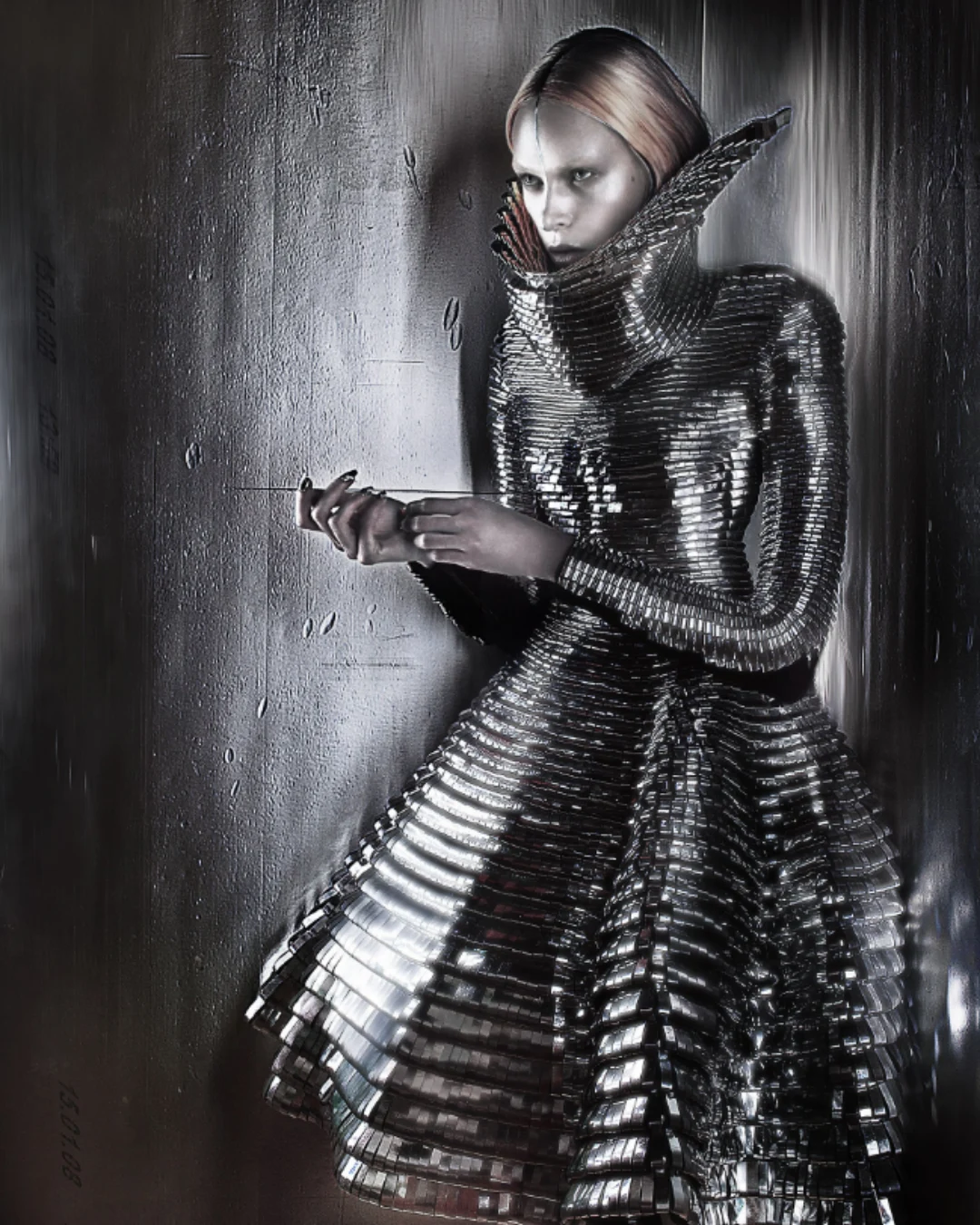
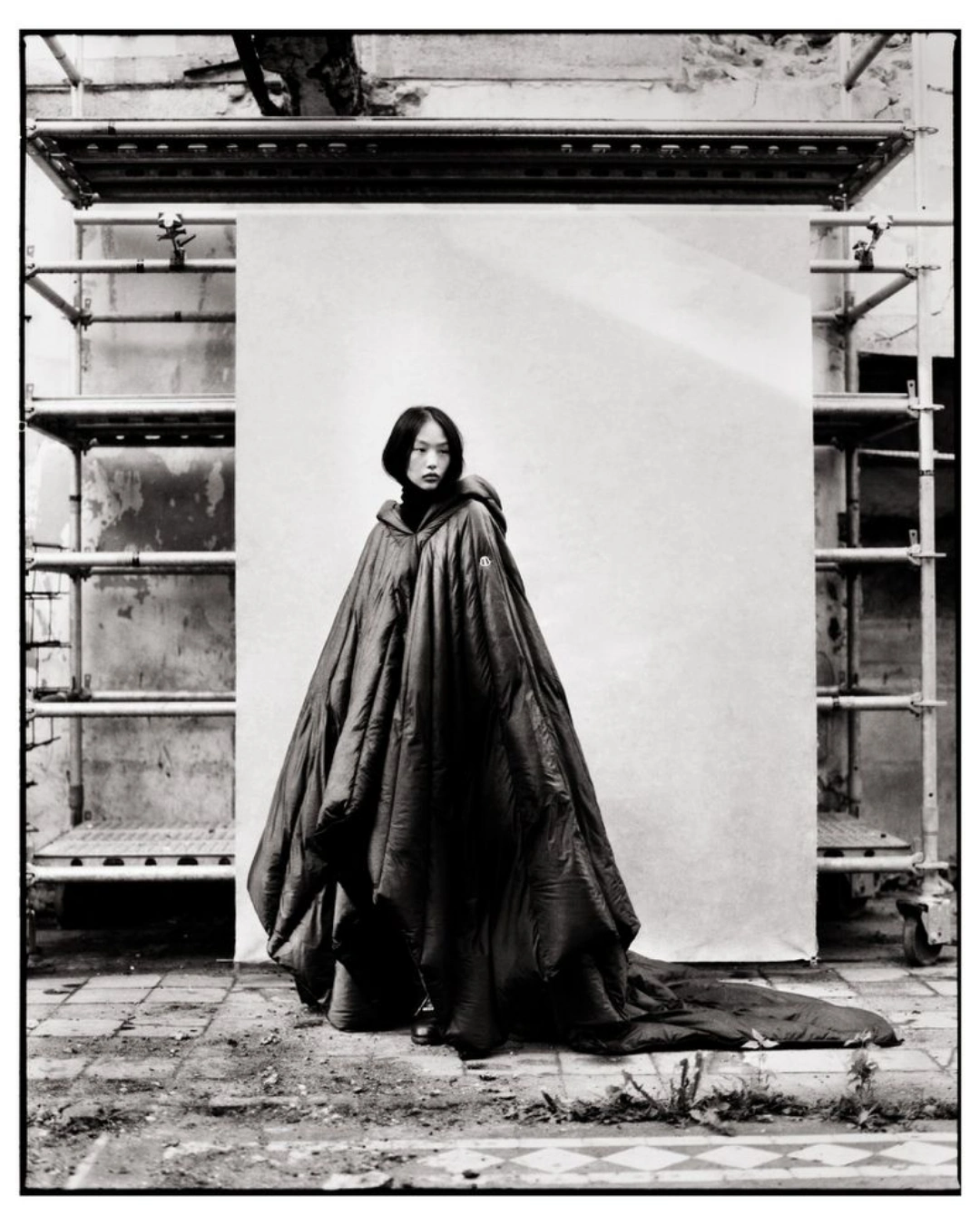
Black, charcoal, concrete grey and muted earth tones emphasise shadows, contours and surface irregularities. When visual attention concentrates on proportion and texture, a single monumental silhouette can sustain the entire composition.
Ultimately, the connection between Brutalism and avant-garde fashion extends beyond their shared appreciation of severe geometry. It concerns freedom to reconsider how designed objects should accommodate human life.
Architecture asks people to inhabit space. Fashion asks them to inhabit form. Both can challenge the boundaries of comfort and beauty, inviting us to reconsider the physical environments we accept as familiar. Perhaps the most radical possibility of avant-garde fashion lies in treating the human silhouette as something permanently open to reconstruction.
Advertisement