MENU
Close





The runway may own the spotlight, but New York’s real Fashion Week power play is happening at street level, where brands are fighting for space, traffic, and direct access to the American luxury customer.
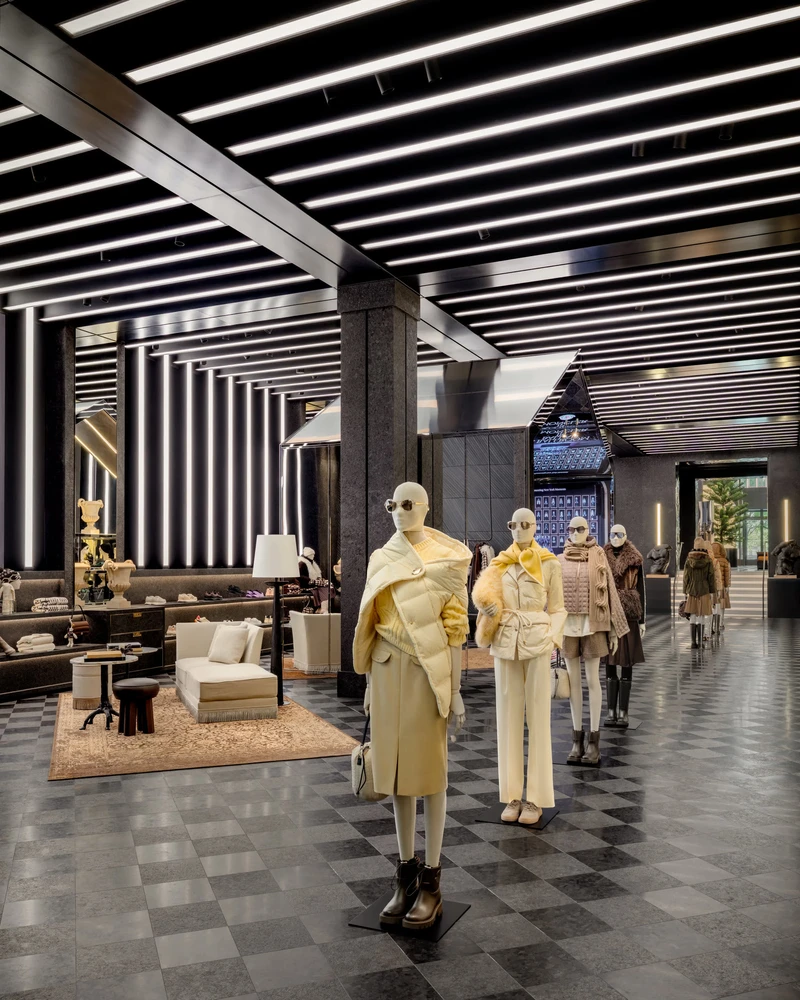
The runway may own the spotlight, but New York’s real Fashion Week power play is happening at street level, where brands are fighting for space, traffic, and direct access to the American luxury customer.
September 20, 2026
Advertisement

Advertisement



Fashion Week usually measures excitement in runway invitations. This September, New York offered another useful metric: store keys.
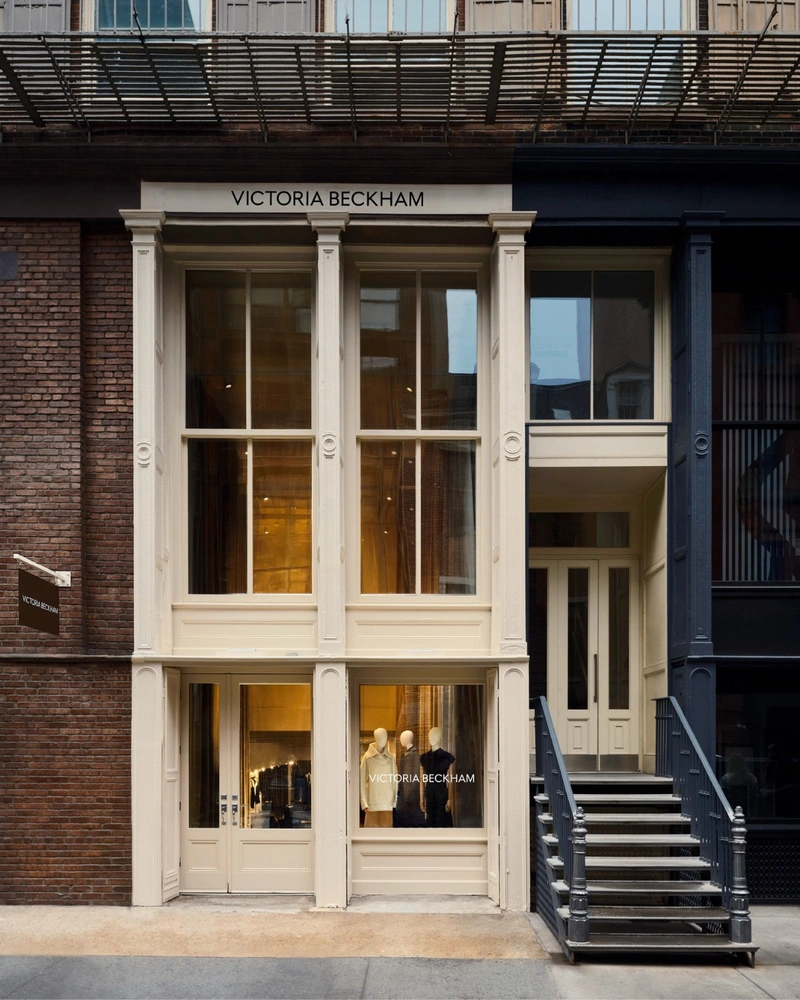
7 For All Mankind reopened its redesigned SoHo flagship on September 1. TWP added Madison Avenue. Victoria Beckham planted her first permanent American boutique at 150 Mercer Street on September 3. L/Uniform followed with its first U.S. flagship. Moncler opened 23,680 square feet on Fifth Avenue.
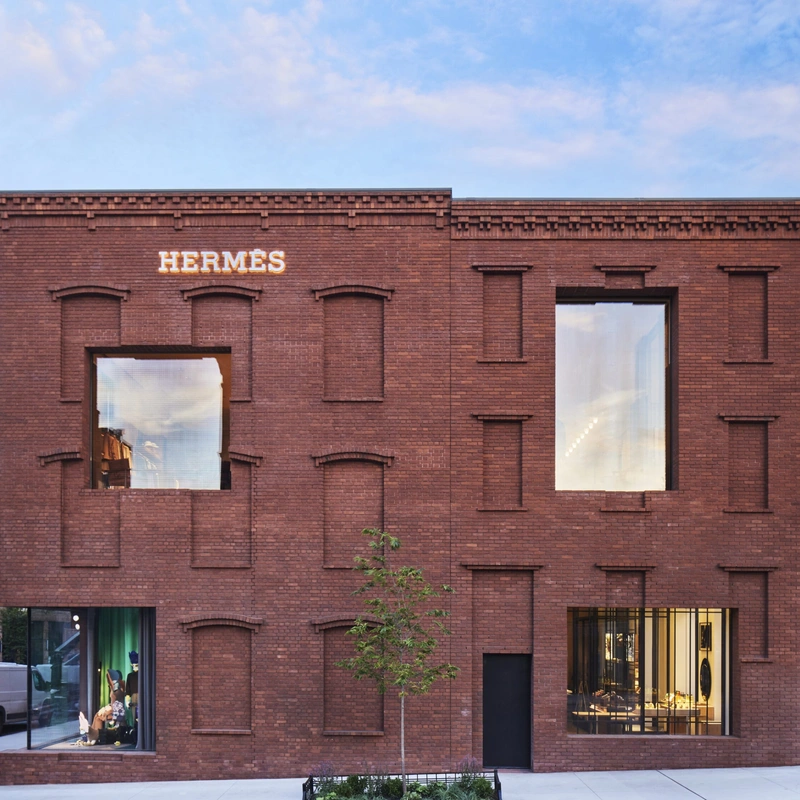
Acne Studios activated the Meatpacking District. Róhe, Rùadh and Magda Butrym all claimed physical spaces within days of one another. Tone Deaf Studios graduated into permanent Lower East Side retail. J. Press returned to Madison Avenue. On September 19, Hermès opened a two-floor Williamsburg store carrying all 16 of its métiers.
The tempting headline is a brick-and-mortar comeback. The numbers tell a sharper story.
U.S. luxury opening square footage reached 123,000 square feet during the first half of 2026, down 46% year over year. Global monobrand openings are running 15% to 20% below 2022 levels. Average flagship size has expanded by over 30%. Luxury is concentrating capital into highly selected addresses, often with bigger ambitions attached to each door.
September's New York rush belongs to that strategy.
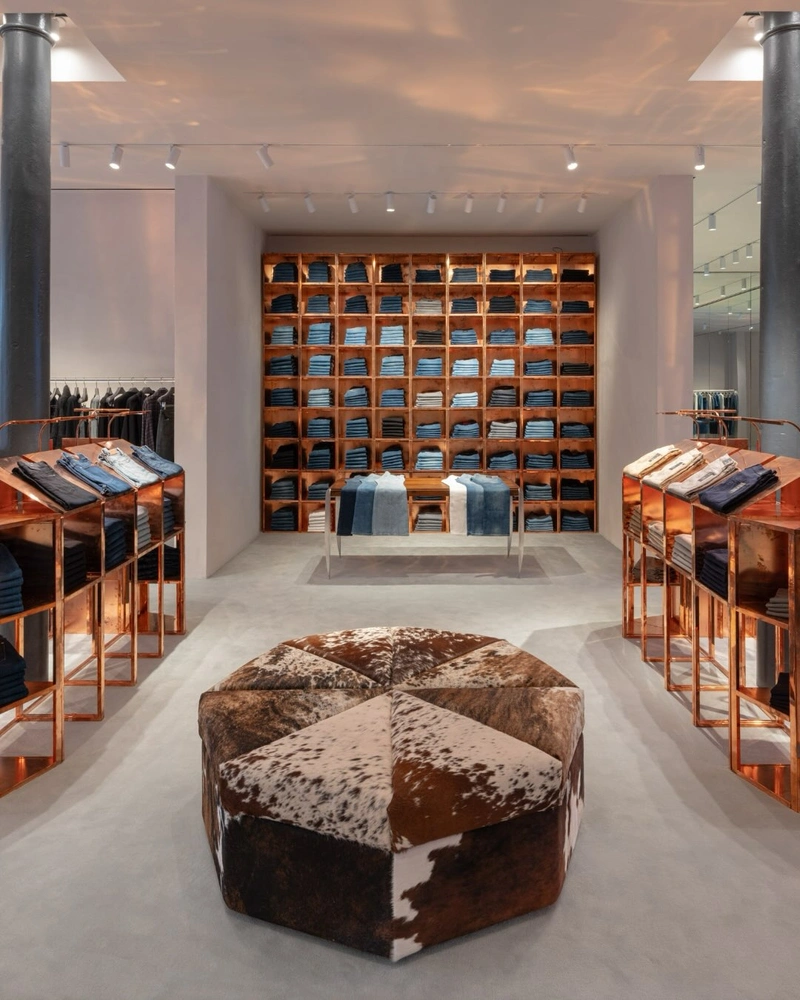
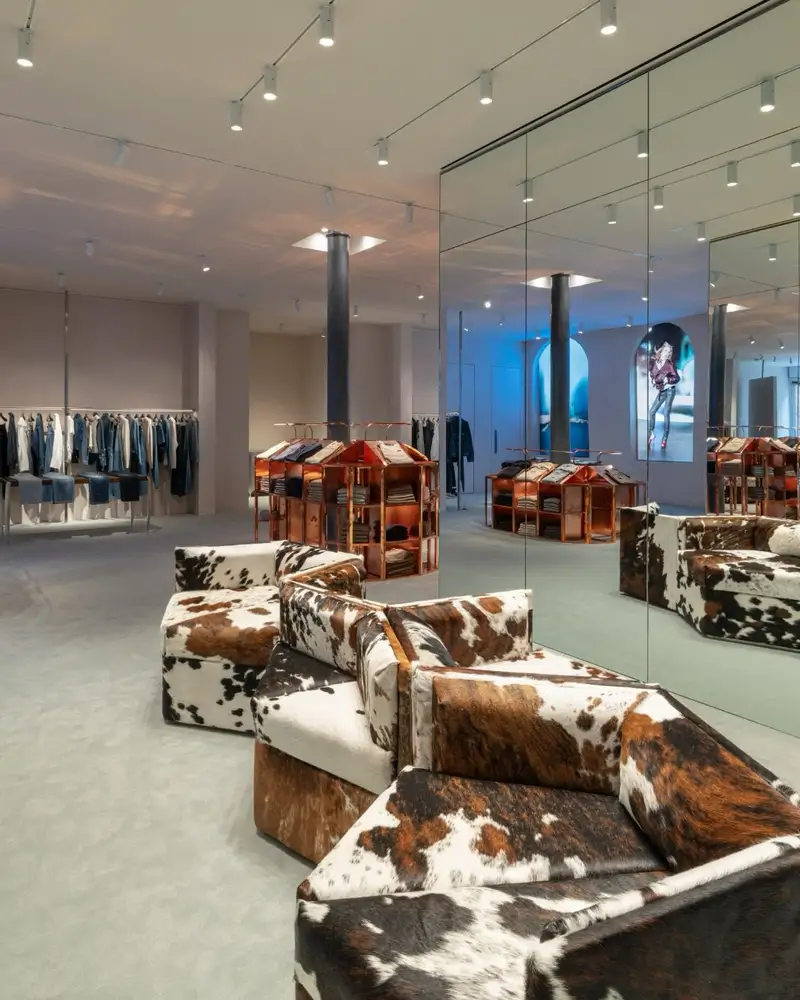
The tension begins with the fashion calendar itself.
For years, ambitious American designers have looked toward Paris for international wholesale growth, global press and access to buyers already moving through the European calendar. Willy Chavarria explained his own Paris move in explicitly commercial terms: Paris is where much of the sales work happens, and global growth required meeting that system directly. Other American labels have made similar migrations or divided activities across cities.
Buyer behavior reinforces the shift. During the February 2026 season, several international retailers skipped New York, and some buyers emphasized showroom appointments where pricing, construction and quality could be assessed directly. The runway remains valuable for discovery and image. The sales calendar follows its own logistics.
Then the commercial paradox becomes obvious. The United States remains the world's largest luxury market by sales. American demand therefore retains enormous strategic weight even when collections seek international validation elsewhere.
That creates two different uses for a fashion capital. Paris attracts global fashion authority and international market traffic. New York gives brands access to American clients, direct retail revenue, customer behavior and a vast tourism economy.
A label can show in one city and invest heavily in another. Fashion geography has become modular.
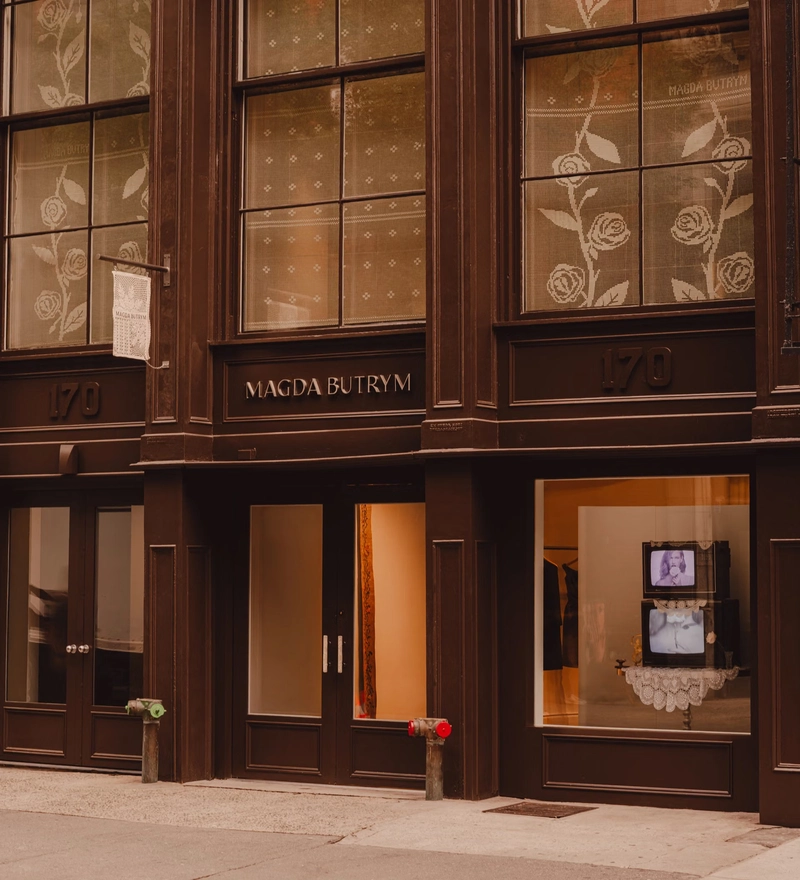
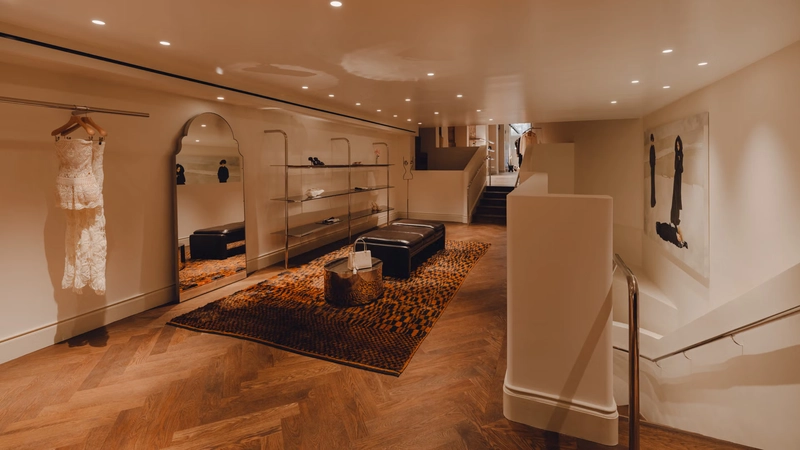
The September retail cluster illustrates that separation beautifully. Magda Butrym arrived with both sides of the equation connected: her first permanent U.S. store opened on Mercer Street on September 11, followed by her first official NYFW runway on September 13. The United States was already her largest and fastest-growing market despite tariff pressure. The store therefore converts existing commercial traction into permanent infrastructure.
Why September?
Because New York Fashion Week concentrates attention before a brand spends a dollar trying to recreate it elsewhere.
Editors are already moving through Manhattan. Stylists are dressing clients. Buyers are arranging appointments. Celebrities are attending dinners. International visitors are circulating. Photographers need images. Creators need locations. Fashion executives need somewhere to meet.
A store opening placed inside that week inherits an audience.
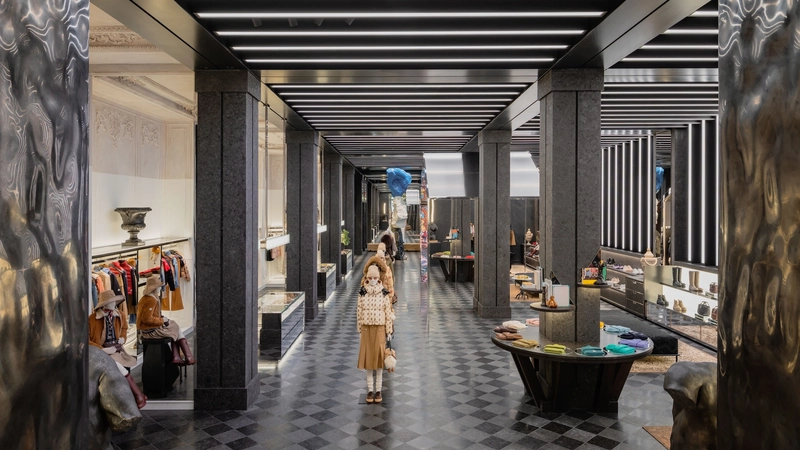
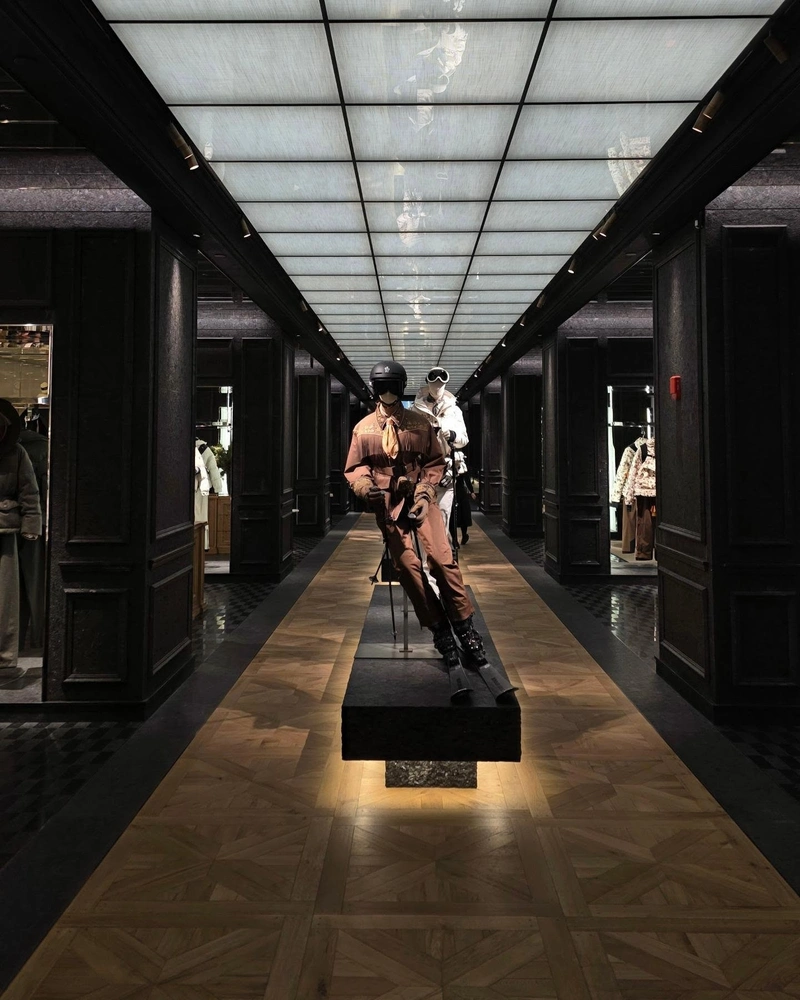
Moncler demonstrated the maximal version. Its Fifth Avenue flagship spans 23,680 square feet and became the biggest store in the house's global network. The opening drew hundreds of guests and a celebrity list stretching from Cher and Serena Williams to Anne Hathaway and Future. Retail launch, party, campaign content and celebrity dressing collapsed into one event.
Smaller labels can use the same mechanism at a different scale.
Tone Deaf Studios spent earlier seasons testing New York through temporary activations before establishing its permanent Orchard Street home. RE/DONE went even further: its September 11–30 SoHo Retail Innovation Lab with SAP tracks fitting-room activity and sales-floor behavior while interactive displays respond to products customers pick up. The shop operates simultaneously as boutique, technology demonstration and consumer-behavior experiment.
This is New York Fashion Week operating as attention infrastructure.
A runway lasts minutes. A September opening can harvest that concentration of attention and leave behind an asset capable of trading every day after Fashion Week moves to London.
The geography carries its own intelligence.
Victoria Beckham: 150 Mercer Street.
Rùadh: 160 Mercer Street.
Magda Butrym: 170 Mercer Street.
Róhe: 77 Mercer Street.
Four labels with different scales landed along the same SoHo artery within the same September window.
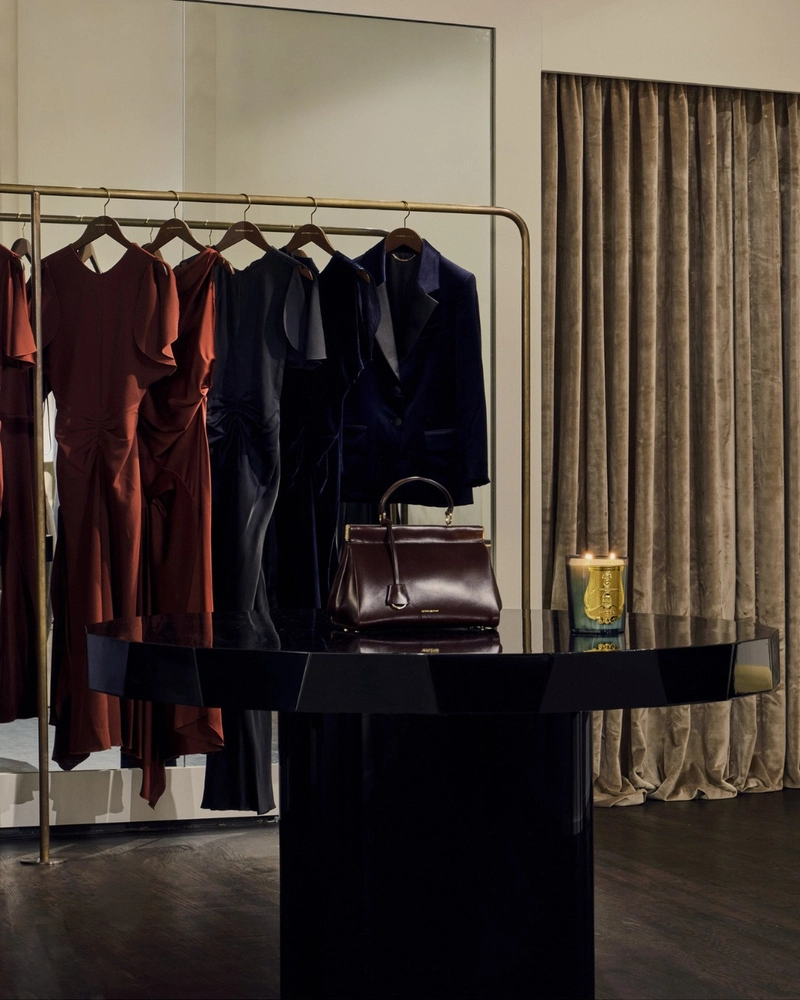
Online, fashion brands spend heavily to reach a consumer already browsing relevant designers. On Mercer Street, the consumer has pre-qualified herself simply by walking the block. Someone entering Khaite, Dries Van Noten, Róhe or Victoria Beckham is already revealing taste, price tolerance and shopping intent.
The street becomes a recommendation engine made from concrete. Across Manhattan's 16 premier retail corridors, direct ground-floor availability fell 8% year over year in Q2 2026, leaving 170 available spaces. Average asking rent across those corridors stood at $678 per square foot.
Prime space carries scarcity again.
That turns an address into part of brand positioning. Mercer communicates fashion fluency. Fifth Avenue communicates institutional scale. Madison Avenue speaks to established luxury and affluent local clientele. Williamsburg offers access to a wealthy creative district with its own cultural ecosystem.
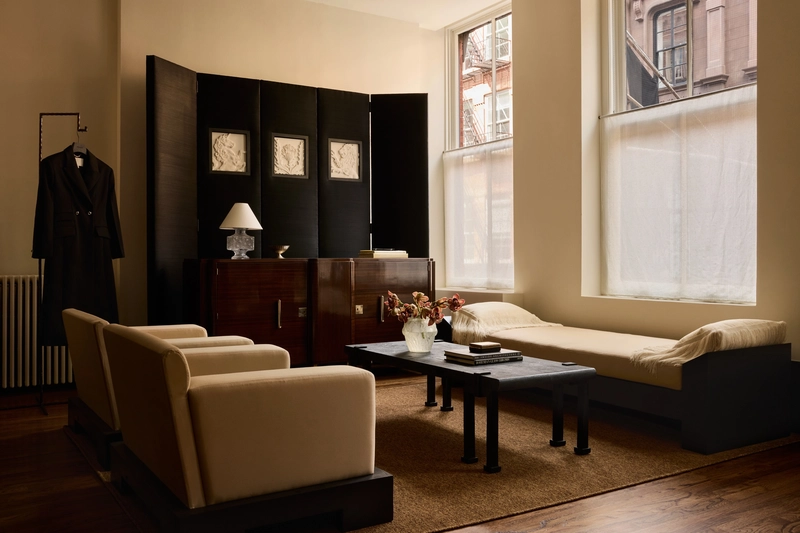
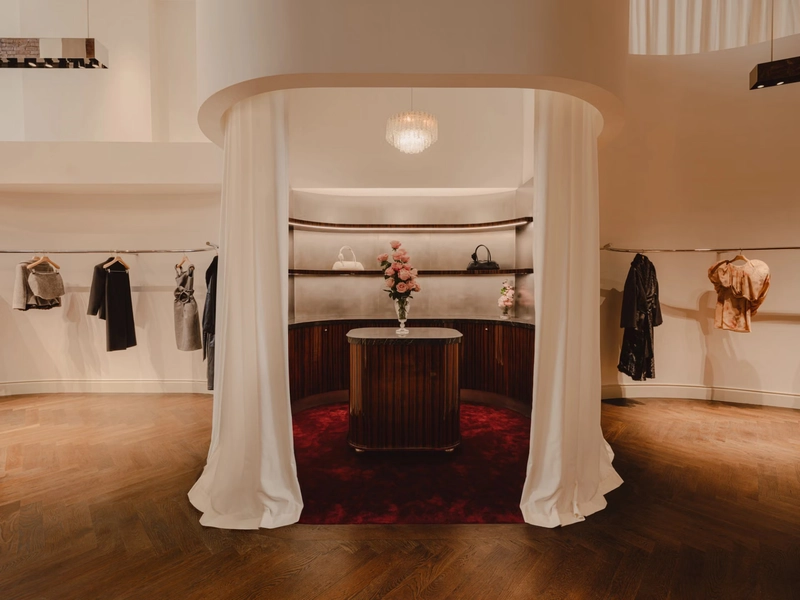
Hermès makes the last point especially clearly. Its permanent Williamsburg boutique opened on September 19 as the house's 44th U.S. store, displaying all 16 métiers across two floors in a space designed around Brooklyn's workshop heritage and local artists. The neighborhood becomes part of the merchandising story.
In New York, postcode now behaves like product strategy.
Physical retail also gives brands something increasingly valuable: control.
Victoria Beckham opened her first permanent American store after the company reached profitability. A branded boutique allows a label to decide which products receive space, how collections interact, what clients encounter first and how beauty, accessories and ready-to-wear live together.
Róhe's Mercer boutique carries another important signal. The Amsterdam label chose New York for its first standalone physical store anywhere, translating existing U.S. interest into direct customer contact. Rùadh chose an appointment-focused format built around private service. L/Uniform's Upper East Side opening became the French house's third global flagship after Paris and Tokyo.
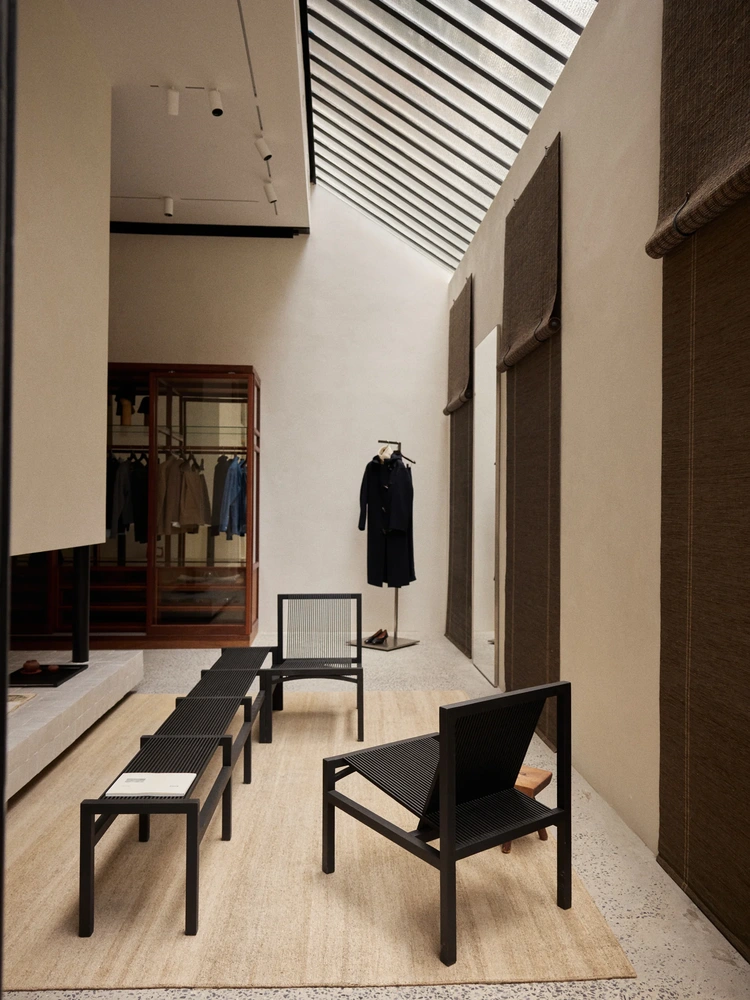
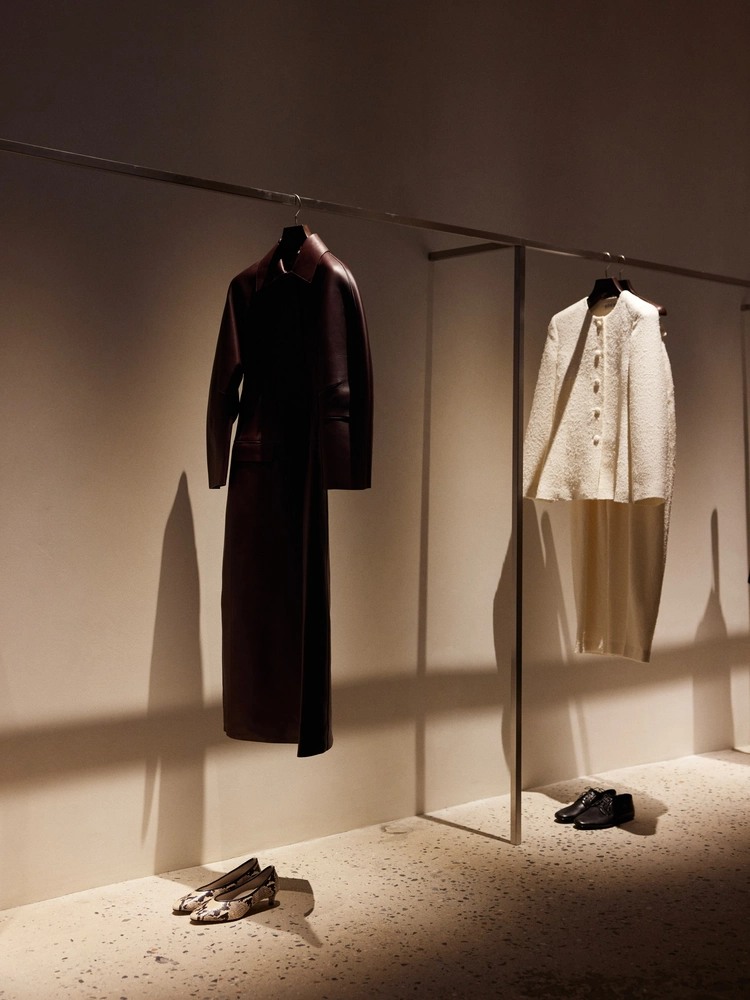
Each format solves a different business problem.
The contemporary boutique can produce sales, appointments, customer data, styling relationships, events, product feedback, press images and community.
Luxury consumers are also demanding deeper brand connection. In 2026, 68% of surveyed U.S. luxury clients said newer or disruptive brands reflected their identity. Emotional connection now ranks among the leading drivers of luxury desirability.
The store therefore becomes a physical CRM system with marble floors.
That explains why brands increasingly treat hospitality, galleries, private rooms and cultural programming as retail infrastructure. Acne Studios incorporated an Acne Paper library into its Meatpacking location. Hermès inserted local art into Williamsburg. J. Press filled its new 1,674-square-foot Madison Avenue flagship with archival photographs, collegiate memorabilia and correspondence, returning to an intersection tied to its twentieth-century New York history.
The clothes are only one layer of the transaction.
A luxury network built around a smaller group of high-value clients needs strong locations, excellent service, private access and compelling reasons to visit. JLL's tracking shows 48.4% of recent U.S. luxury openings occupy spaces below 2,500 square feet, while a small number of monumental flagships pull average street-store sizes upward.
Both ends of that spectrum appeared in New York this September. And all of them entered a city that welcomed roughly 65 million visitors in 2025, generating $55.6 billion in direct visitor spending.
That visitor economy functions as a second customer base layered over Manhattan's own wealth. A SoHo lease therefore purchases proximity to residents, tourists, industry visitors, fashion-week guests and global consumers already primed to treat New York itself as part of the shopping experience.
Its runway calendar can operate as a laboratory for independents, returning names and visiting designers. Its streets can simultaneously become one of fashion's most expensive commercial testing grounds.
The shift may even make the storefront a clearer measure of conviction. A runway demonstrates creative intent for one season. A ten-year lease places capital behind a city, a customer and a growth plan. This September supplied plenty of clothes to discuss. It also supplied addresses, square footage, lease commitments and business models.
Perhaps the most revealing fashion question in New York now begins after the show ends: Who believes in the city enough to stay and unlock the door tomorrow morning?
Advertisement