London Fashion Week SS27 comes with just enough mystery to make every show feel loaded, especially when several designers are entering the season at very different turning points.
London Fashion Week SS27: Gossip Before the Shows (Part 2)
London Fashion Week SS27 comes with just enough mystery to make every show feel loaded, especially when several designers are entering the season at very different turning points.
September 7, 2026
Advertisement

Advertisement



A returning designer carries a different kind of pressure into London Fashion Week. Discovery has already happened; the next runway has to justify why the business still needs London, what the city can give it, and what the brand can give back to an ecosystem whose economic value reaches far beyond five days of shows.
London’s Cult Independents Are Rewriting Their Next Chapters
Ashley Williams has already experienced disappearance, return and rebuilding. Her 2023 comeback followed a two-year pause and arrived with a £20,000 Fashion East XLNC grant supported by UGG, alongside a stated focus on stronger production and wholesale structure. By SS26 she had returned to the official calendar under Laura Weir’s new London Fashion Week direction.
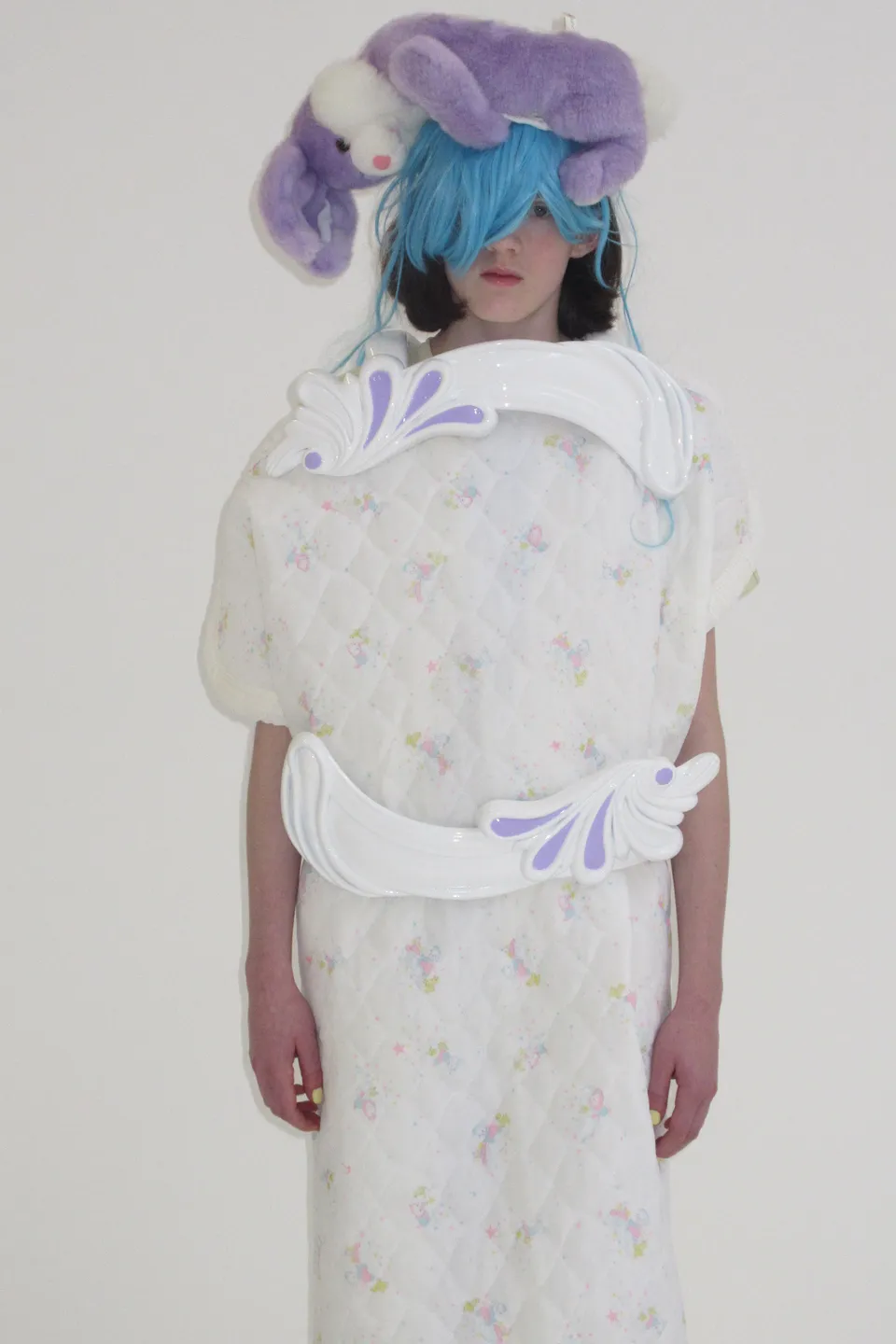
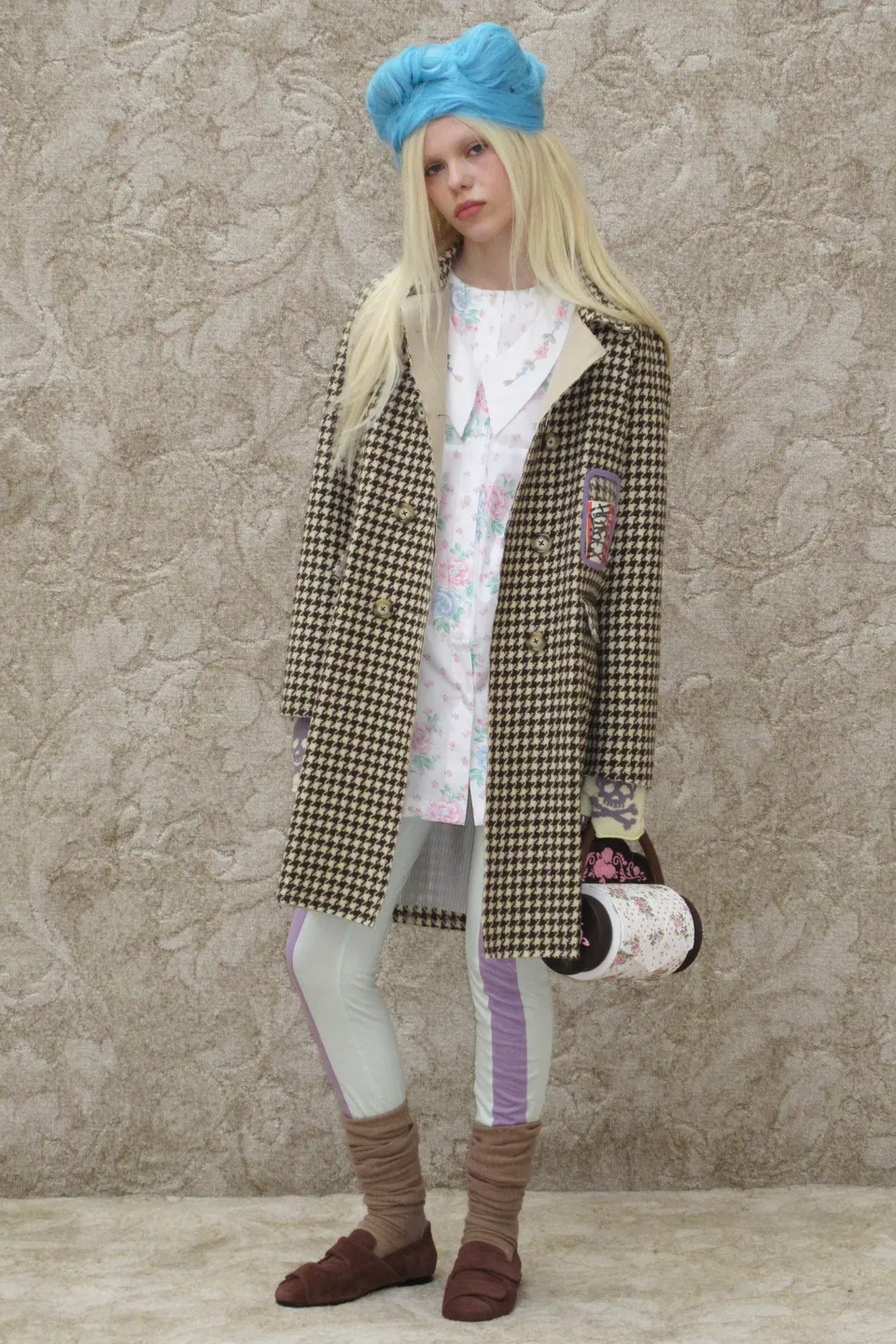
Creatively, Ashley Williams has gone gloriously suburban. AW26 transformed bedspreads into garments, headboards into clothing structures and toilet paper into bangles while Poltergeist and 1980s childhood bedrooms hovered around the collection. The kitsch spirit of SS27 lies in discovering which piece of apparently mundane British life she decides deserves fashion immortality next.


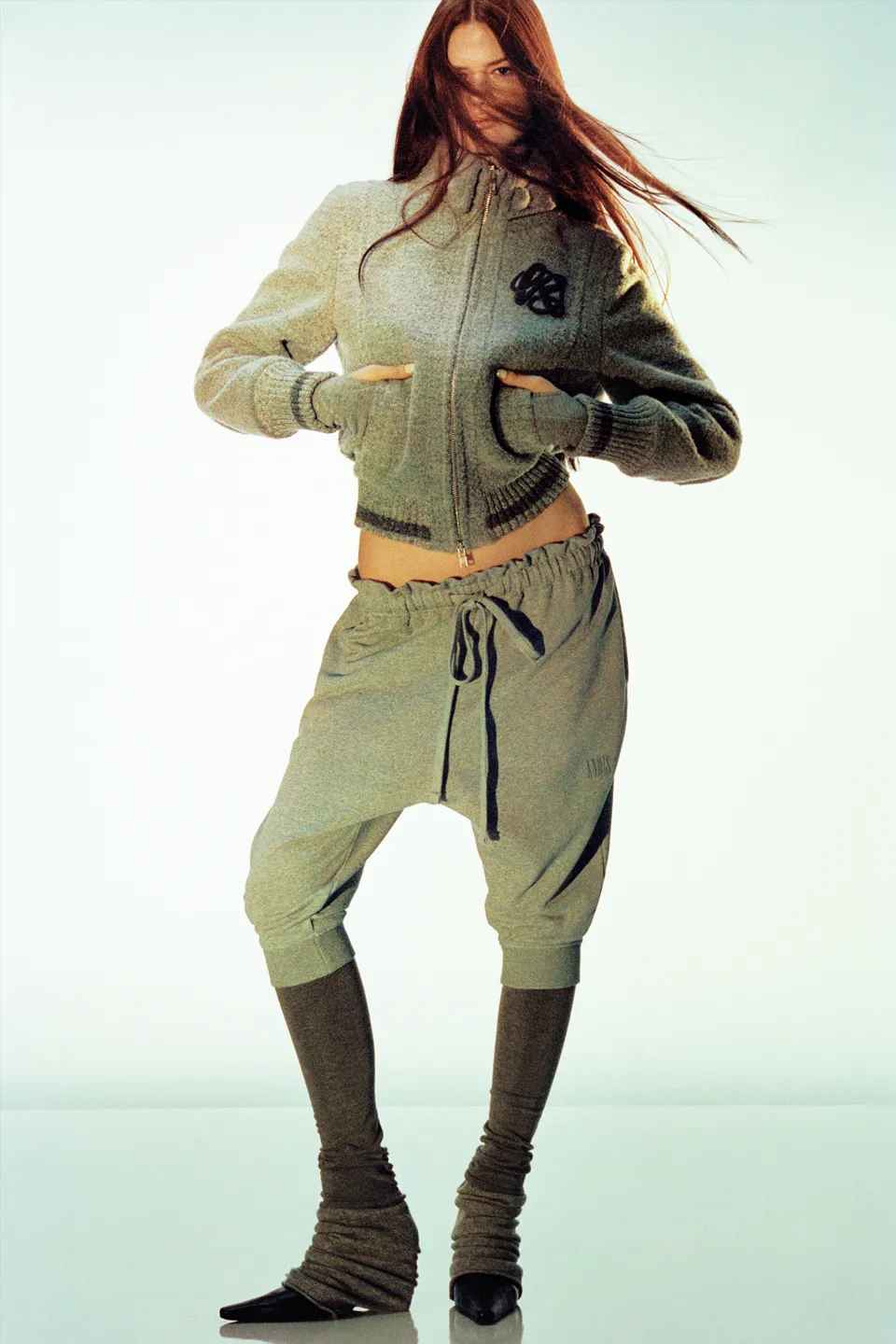
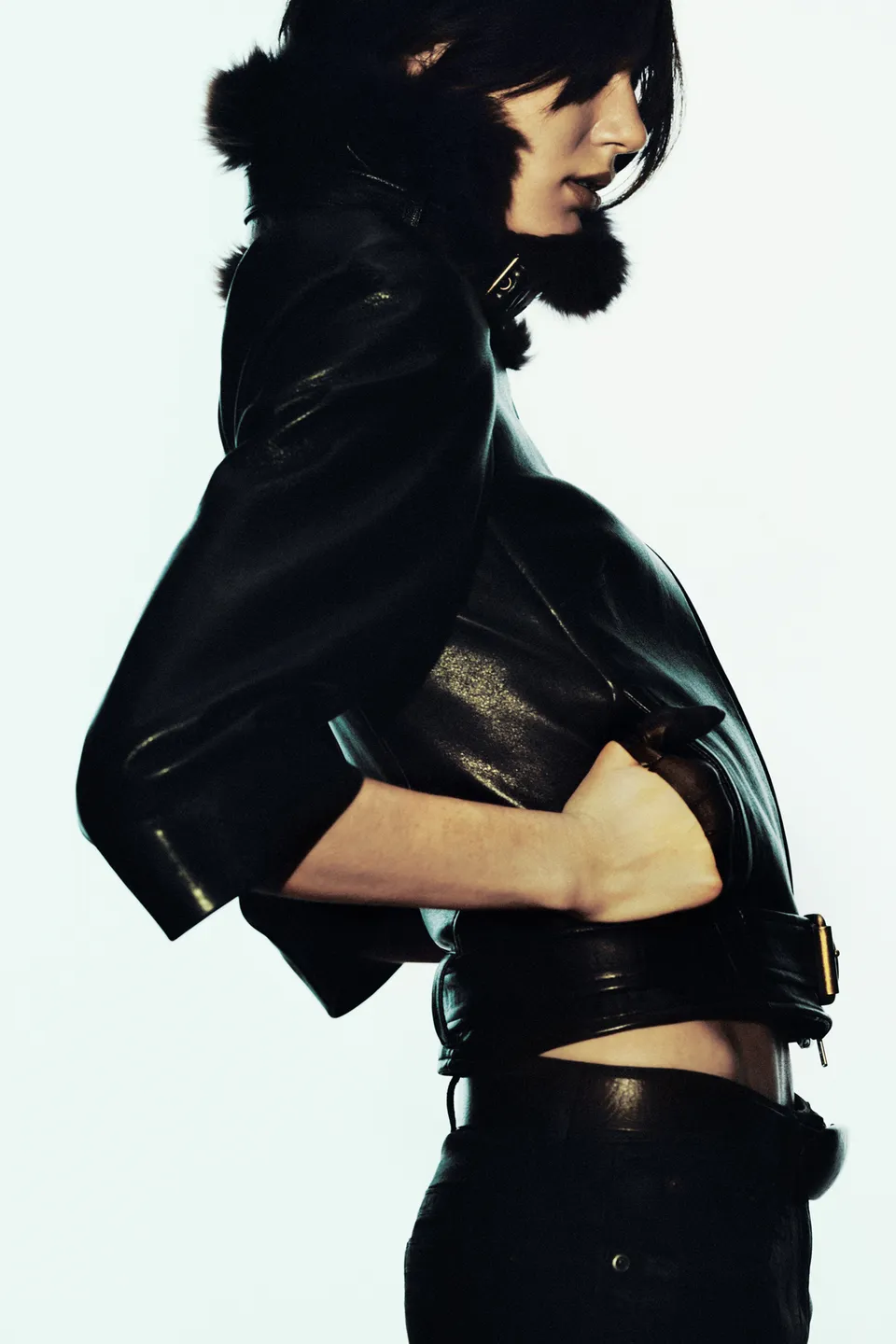
KNWLS returns carrying a very different story: expansion fatigue. Charlotte Knowles and Alexandre Arsenault described 2025 as a packed year filled with a fast-selling Nike collaboration, a Miss Sixty capsule, working for an Italiandenim company, and their first Milan runway. The volume of simultaneous projects led to burnout, and the pair stepped away from the denim assignment while continuing their Nike relationship.
That makes the London return feel strategically meaningful. KNWLS approaches its tenth anniversary in 2027, and SS27 offers an opportunity to concentrate the label’s corsetry, sensuality and performance-derived design language after an intense period of external projects.


Chopova Lowena arrives at London Fashion Week with a front door of its own. On August 28, Emma Chopova and Laura Lowena-Irons opened their first physical store, the Chopova Lowena Clubhouse at 84 Teesdale Street, complete with membership-style ID cards, customisation, merchandise, events, and a studio downstairs. One section lets customers customise carabiner skirts using deadstock leather belts and selected embellishments; planned programming includes book clubs and dating nights.
AW26 mixed Regency silhouettes, golf references, and the brand’s familiar upcycled folklore, while its London presentation placed those looks around a static museum-style display with a miniature golf installation.

Aaron Esh may have the juiciest diary in London. His first complete collection as Chief Creative Officer of AllSaints launched on September 1, supported by a broad overhaul spanning product, branding, website, stores and communication; the company employs around 2,000 people and recorded £441.3 million in 2025 revenue. Esh recruited collaborators including Alasdair McLellan and Katy England while developing the new creative identity.
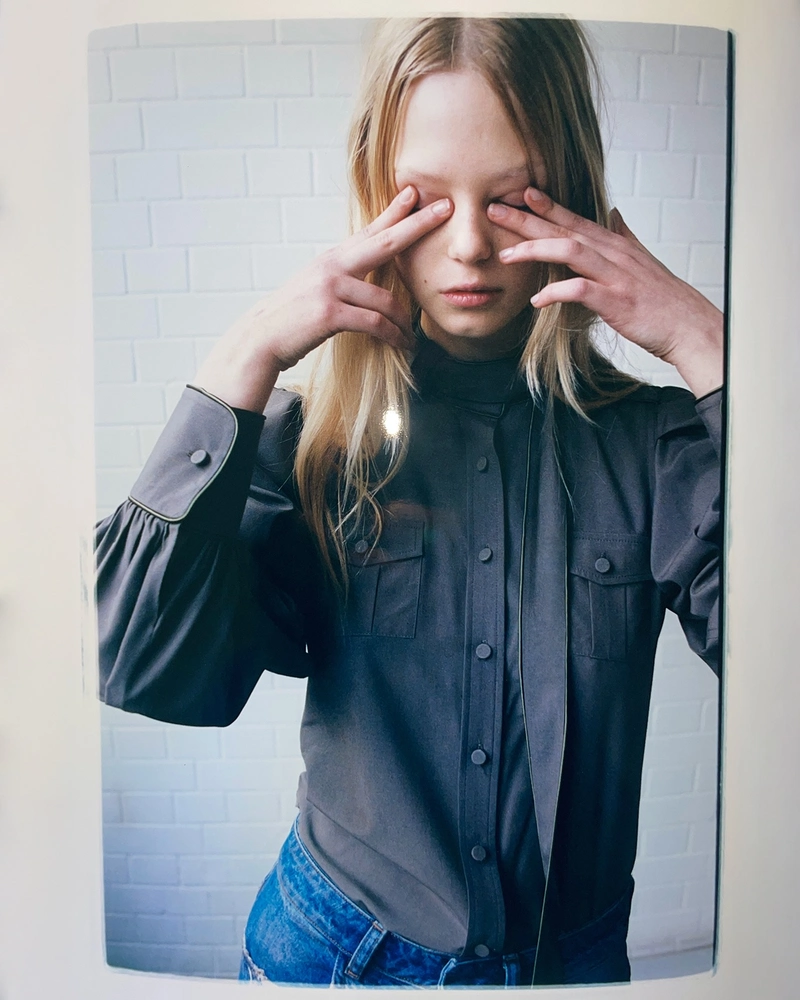

Seventeen days later, he returns to his own tiny namesake label at London Fashion Week. That proximity makes SS27 irresistible: we are about to see what a designer produces after spending his working week inside a £441 million commercial machine while preserving an auteur project built around tailoring, nightlife and tightly controlled collections.
Daniel Fletcher Is Rebuilding Mithridate in Public
Daniel Fletcher enters his fourth Mithridate season with infrastructure that gives this London story an unusual scale. When he joined the Guangzhou-headquartered company, Mithridate already operated seven standalone Chinese stores, while its wider parent retail ecosystem included hundreds of locations. The Guangzhou atelier employs around 30 artisans, with larger production handled through local factories.
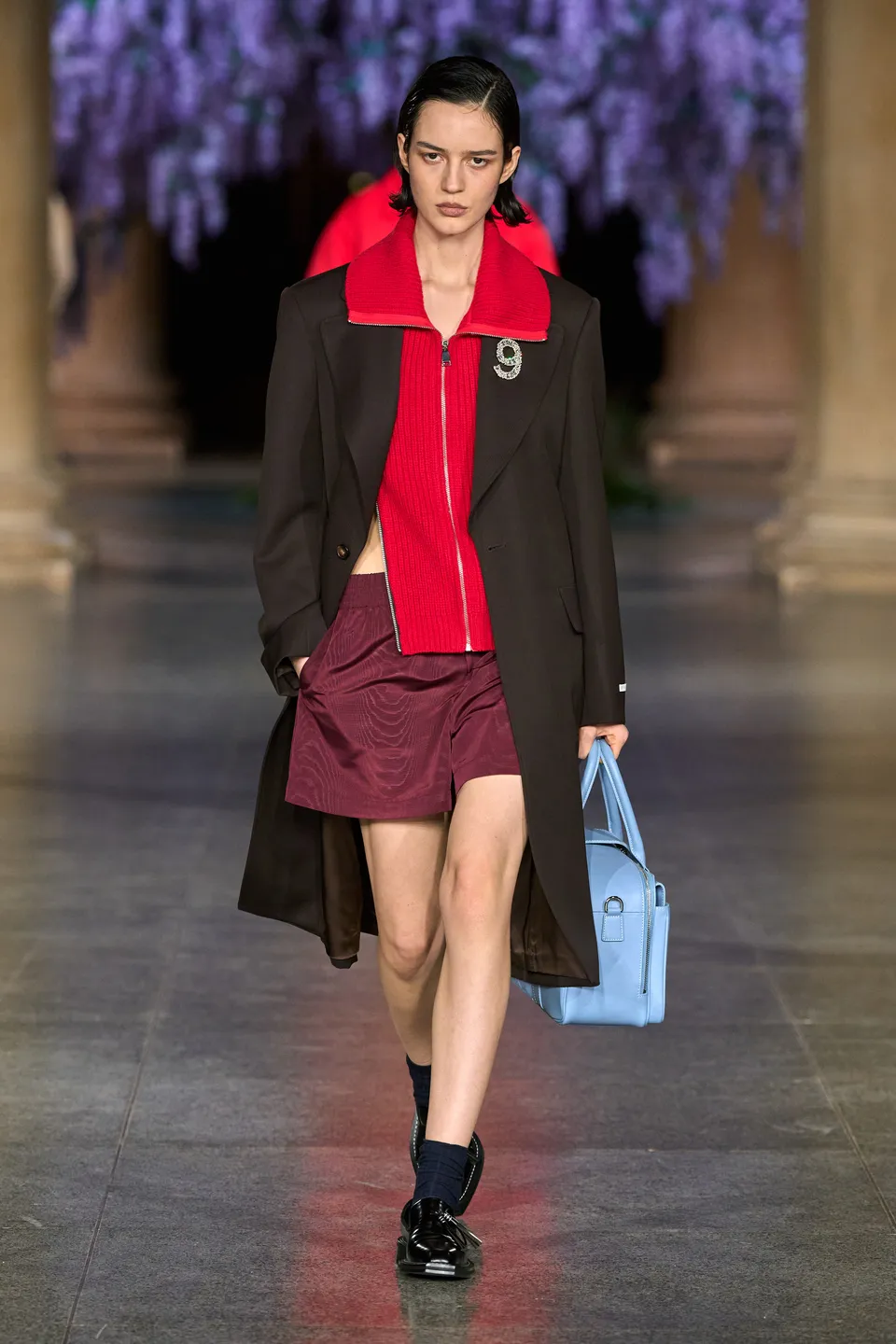


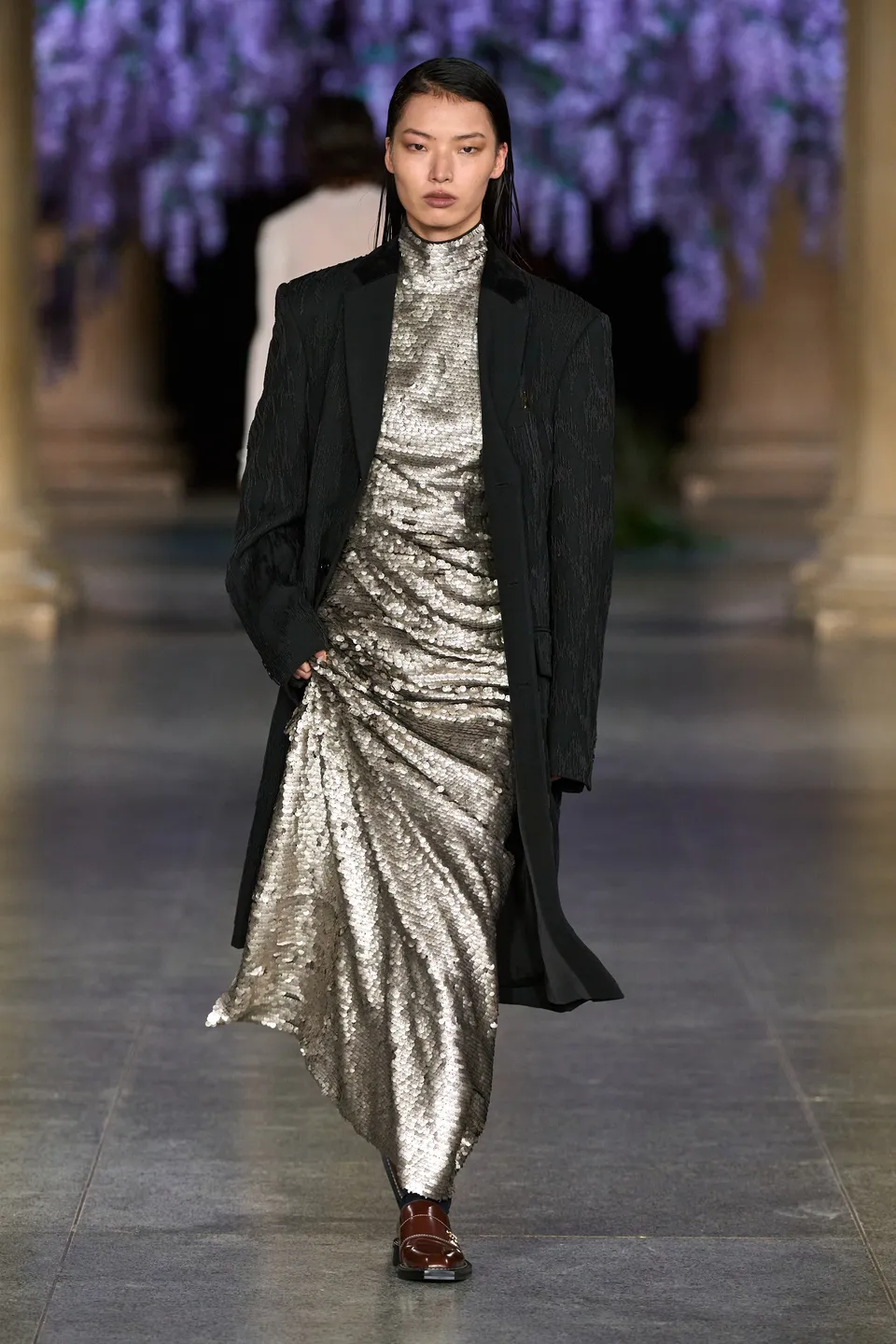
Fletcher has spent his tenure redesigning the logo, broadening sizing, building new categories, developing suppliers and internationalising distribution. Wholesale entered the strategy under his direction, with ESSX in New York selected as an early international physical stockist, while design is handled from London and Fletcher travels regularly to Guangzhou for development and production.
AW26 used a wonderfully specific bridge between both cities: wisteria brought from Guangzhou to Britain in 1816 became a motif connecting the Thames-side London studio with the brand’s Chinese base. At SS27, watch for the moment this cultural exchange starts behaving like a stable house identity across tailoring, accessories and commercially repeatable products.
Simone Rocha Has Been Busy With Adidas
Simone Rocha’s September show arrives ten days after another significant event: on September 10, Adidas Originals launches its first full collection with Simone Rocha globally, beginning an ongoing partnership across apparel, footwear, and accessories. Tracksuits, football socks, and performance footwear have passed through her language of ribbon, pearls, lace, and diamanté, including a Taekwondo Ballerina and a Climacool transformed into a Mary Jane.
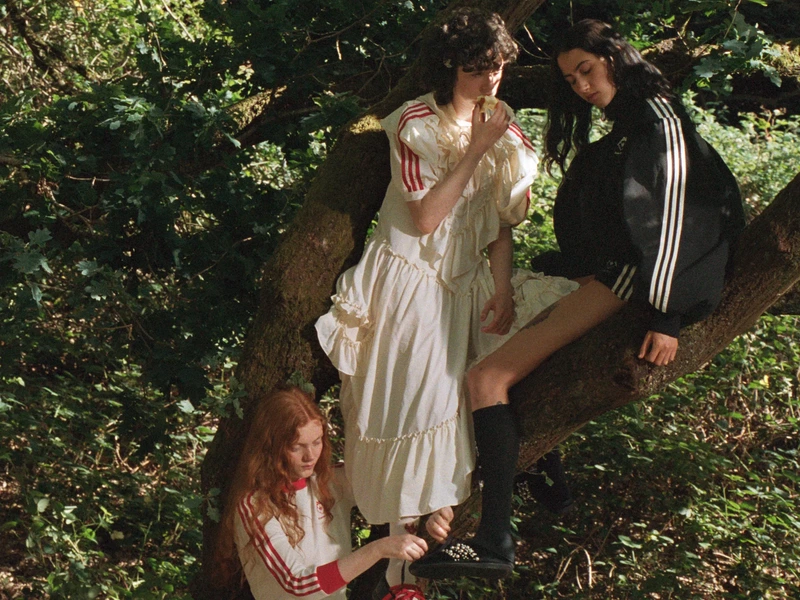
SS27 therefore comes from a studio whose vocabulary has recently stretched into sportswear and menswear at the same time; the details worth watching sit in fabrication, fastening, shoe construction, proportion and the way athletic utility enters her famously elaborate approach to femininity.
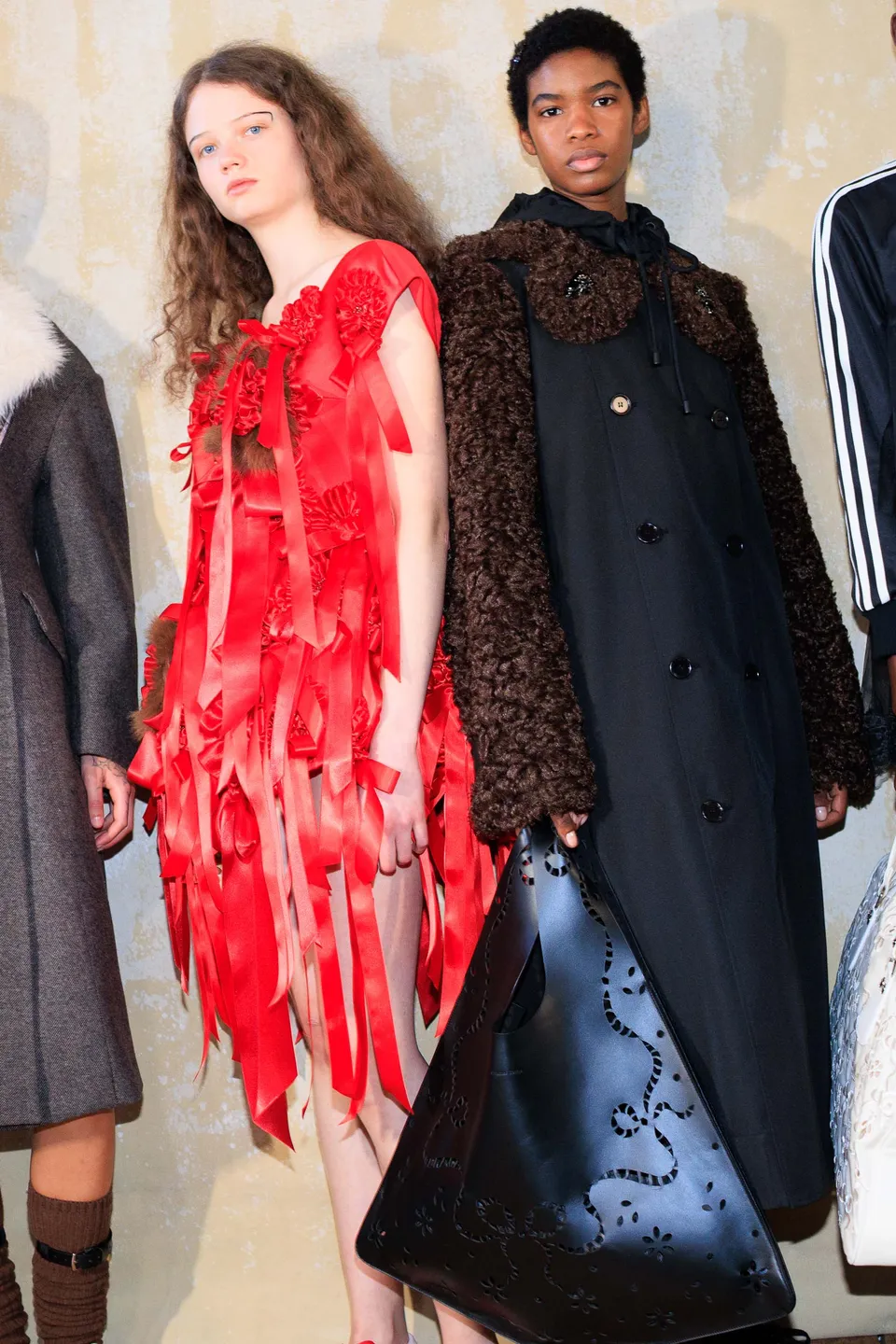

John Richmond Brings the Crypt Back to the Club
John Richmond's recent London chapter has leaned fully into the music culture that built his reputation. AW26 placed Bob Geldof in the front row and sent models through the crypt of St Martin-in-the-Fields to Depeche Mode’s Personal Jesus, dressed in leather, studs, chains, and sharply controlled tailoring.
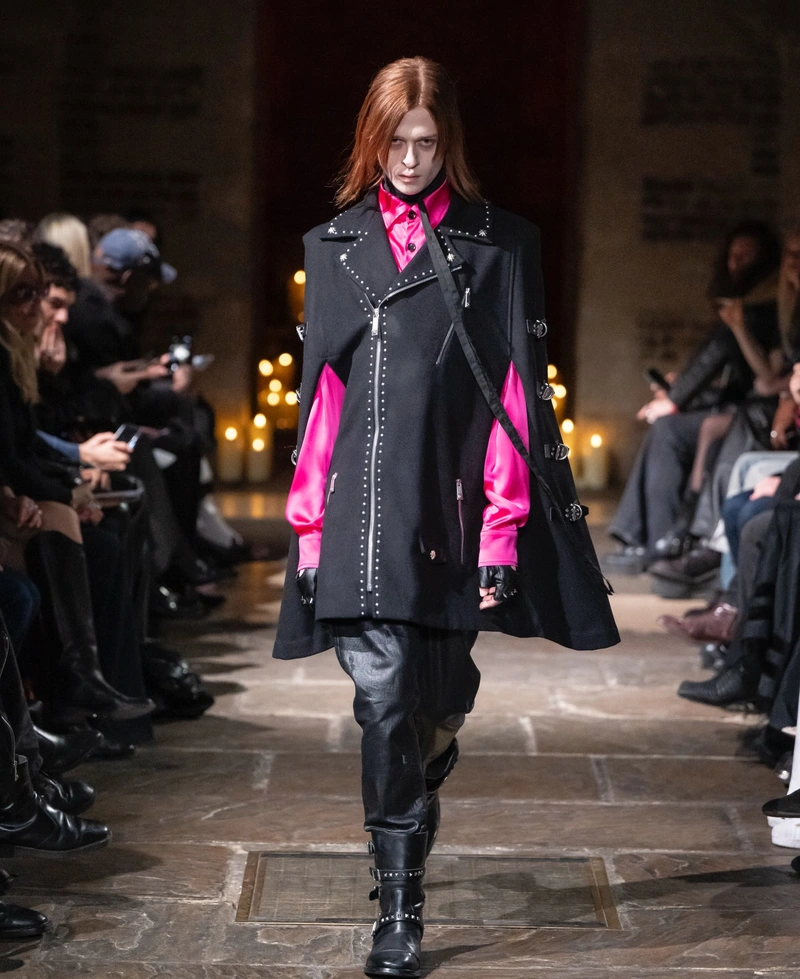
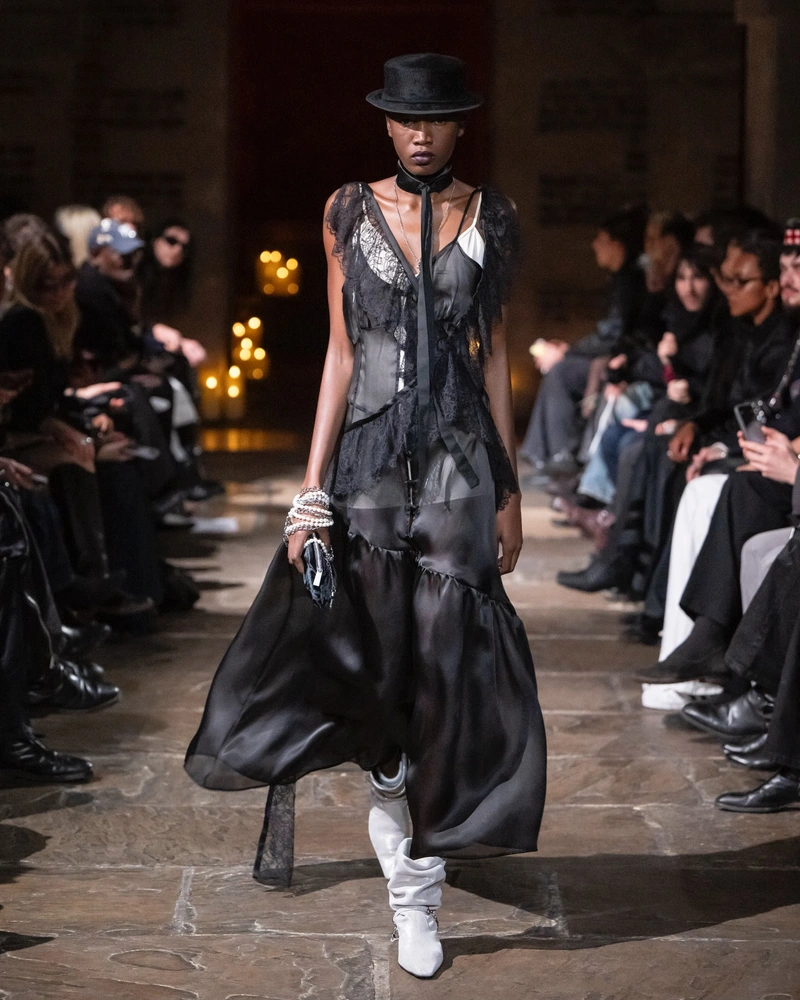
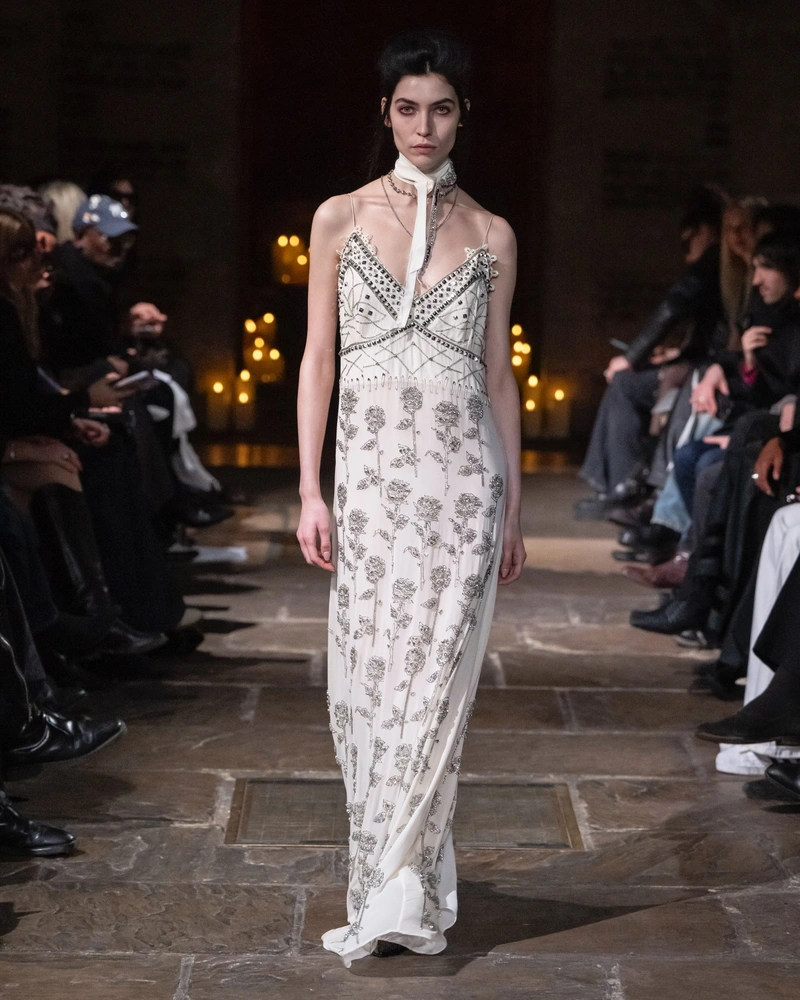
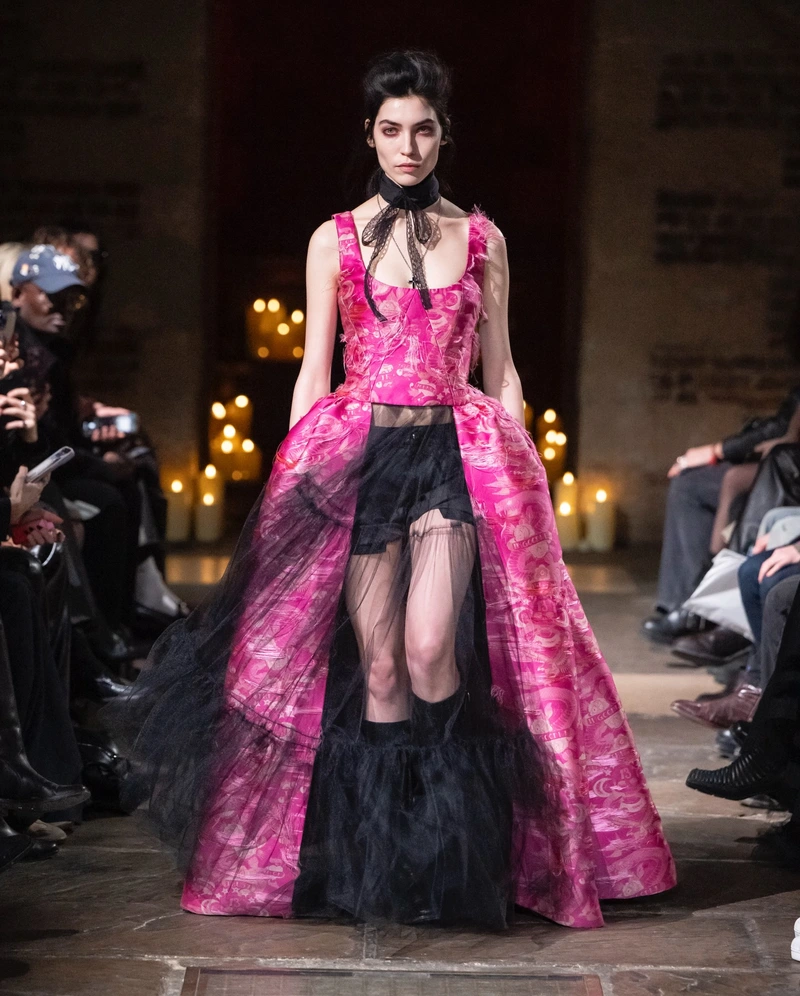
His recent collections have treated the London comeback as a continuing campaign around nightlife, punk and New Wave rather than an archival celebration, placing a designer with decades of music-fashion history directly inside the current London Fashion Week conversation. SS27 now carries a very particular curiosity: which fragments of Richmond’s rock vocabulary can become convincing contemporary product for a customer discovering that culture through a completely different generation of clubs, musicians and screens?
What London Fashion Week Needs From These Returns
Fashion’s current investment environment is already rewarding businesses with clearer customer profiles, disciplined inventory, credible financials, and distinctive propositions, placing cultural heat inside a much more demanding commercial equation.
That gives this London Fashion Week SS27 a mission extending far beyond producing another memorable image. The BFC calls London a “creative laboratory” while its new strategy is explicitly shifting support from promotion toward sustained commercial resilience and international growth. September will test whether that laboratory can also function as an engine room
Advertisement