MENU
Close





London’s most exclusive clubs reveal themselves through tiny signals: an unmarked door, a familiar name murmured at reception, a telephone disappearing into a pocket before dinner.
London’s most exclusive clubs reveal themselves through tiny signals: an unmarked door, a familiar name murmured at reception, a telephone disappearing into a pocket before dinner.
July 26, 2026


London has never treated a private club as merely a room with a membership list. The city turns clubs into miniature societies, complete with rituals, hierarchies, aesthetic codes and ideas of good behaviour. The grand Pall Mall institutions once organised privilege around ancestry, profession and political allegiance. Modern Mayfair has preserved the velvet rope while changing the scenery. Fashion executives now share rooms with financiers, artists, actors, royals and founders whose influence travels faster than any printed social register.
Among the most exclusive clubs, four names express this evolution with unusual clarity. Annabel’s transforms exclusivity into spectacle. 5 Hertford Street hides power inside the comfort of a private country house. Oswald’s pares the experience back to quiet dining and serious wine. The Arts Club gives cultural legitimacy its own townhouse and late-night pulse. Each club sells access, yet its deeper product is atmosphere protected from interruption.
Annabel’s began in 1963, when Mark Birley opened a basement nightclub beneath 44 Berkeley Square and named it after his then wife, Lady Annabel. The original club became one of the defining rooms of London nightlife, bringing aristocrats into contact with musicians, actors and the international jet set. Its mythology grew from the intimacy of descending below street level and entering a world governed by Birley’s eye for service, decoration and social chemistry.
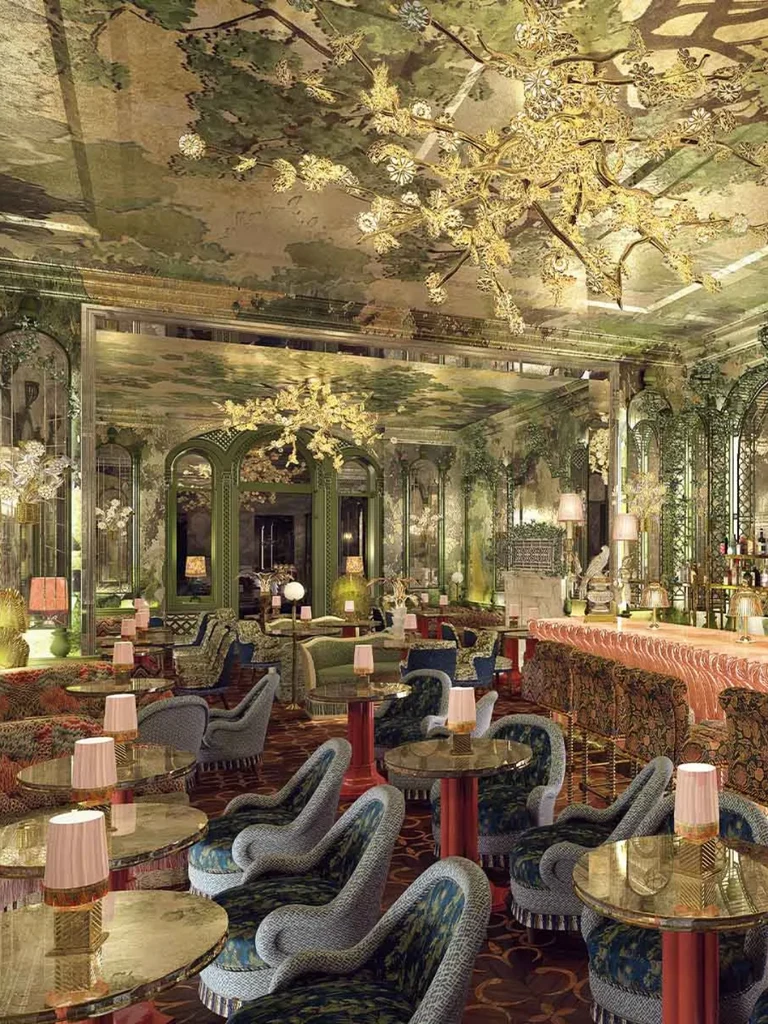
Richard Caring acquired the Birley clubs in 2007. In 2018, Annabel’s moved two doors away into the Georgian townhouse at 46 Berkeley Square. The new club occupies approximately 26,000 square feet, with interiors created by Martin Brudnizki. Garden motifs, silk, murals, richly patterned surfaces and sculptural bathrooms produce a distinctly British fantasy. It resembles a house prepared for an impossible party, where every corridor and ceiling joins the performance.
This is the most visually extroverted of London’s most exclusive clubs. Its seasonal façade turns the building into public theatre, even while the world behind the door remains restricted. Inside, the old basement energy survives through restaurants, bars and entertainment that carry the experience from morning into night.


Membership applications require endorsement and committee approval, while formal rules protect presentation and privacy. Queen Elizabeth II’s widely documented 2003 visit still captures Annabel’s peculiar status: a single appearance could become social history, while extraordinary encounters inside were expected to pass without spectacle.
In Shepherd Market, 5 Hertford Street operates with a different temperature. Robin Birley opened the club in 2012, continuing the family tradition after his father’s former empire had passed to new ownership. He assembled several buildings into a domestic maze and entrusted the interiors to fashion designer Rifat Özbek. Patterned textiles, upholstered rooms and fireplaces create the impression of a private house whose guests happen to shape politics, finance and culture.
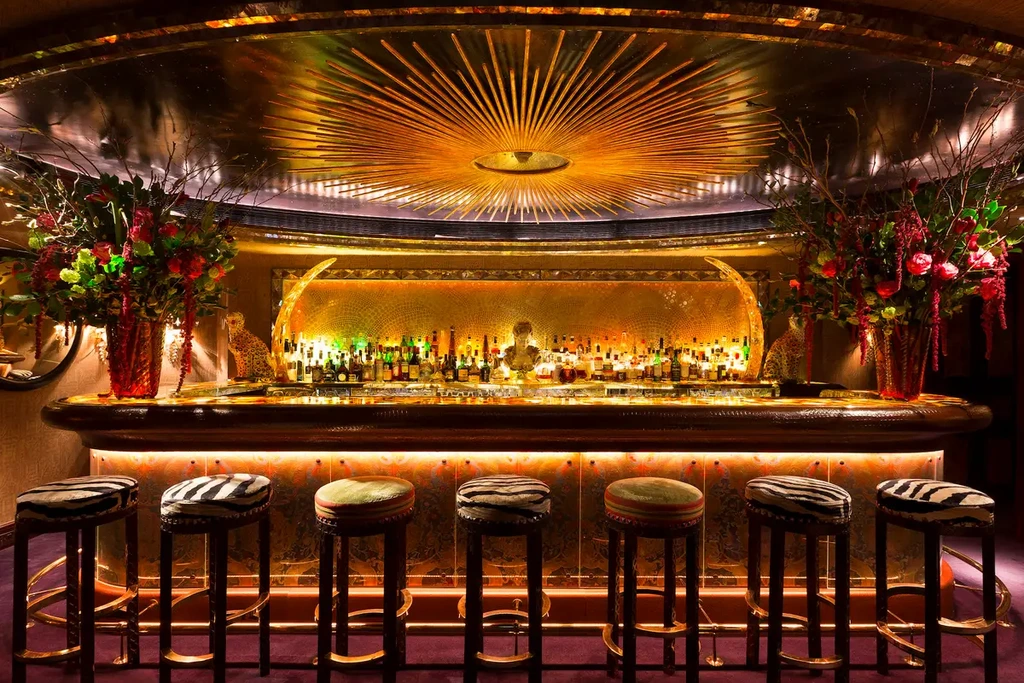
Its basement nightclub, Loulou’s, supplies the release valve. Named after Loulou de la Falaise, the rooms are known for decorative exuberance, including a shell-covered bar and a giraffe rising through the interior. The contrast drives the club’s appeal: conversation and dinner above, controlled chaos below.
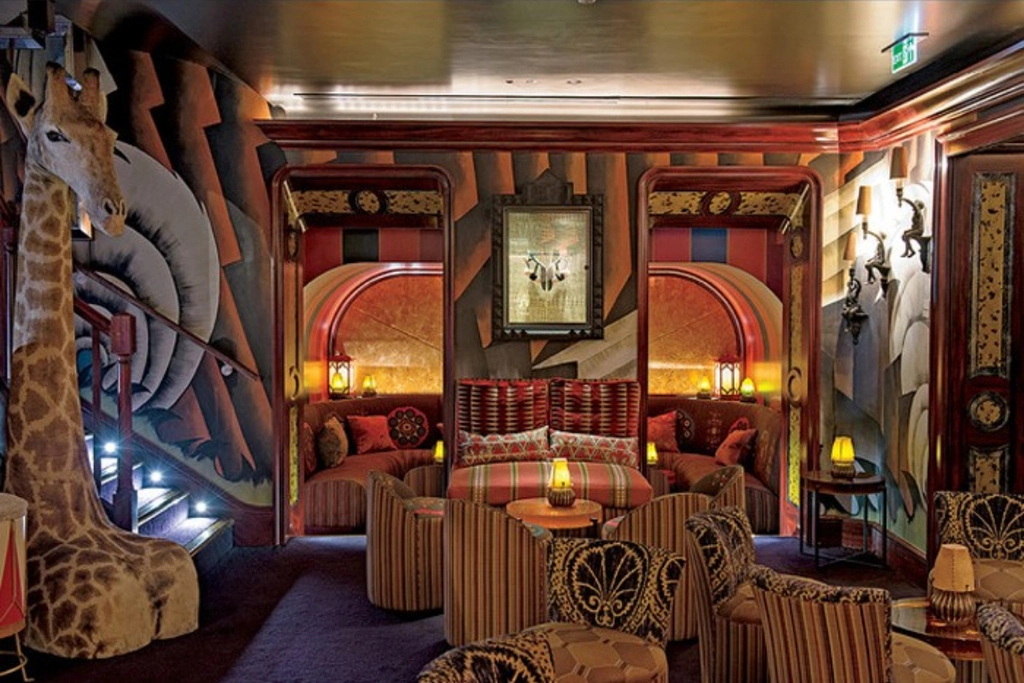
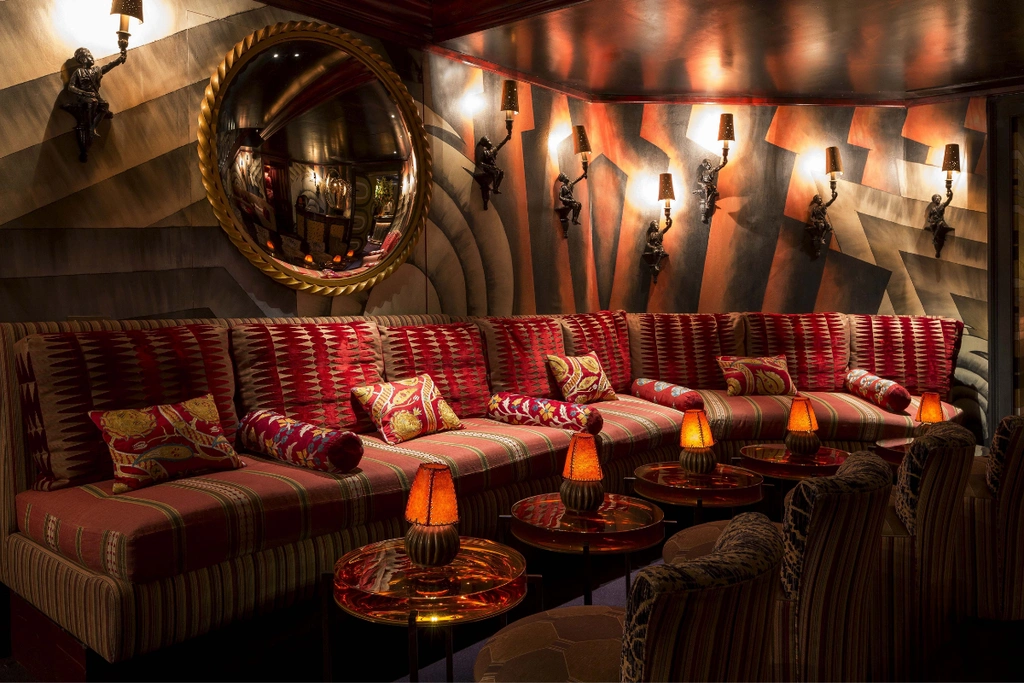
5 Hertford Street’s influence comes from privacy rather than visibility. Its official guest guidance maintains a specific dress code, and photography is prohibited. Membership traditionally depends on recommendation by existing members, but the more meaningful test is social fit. The club has built its reputation around a founder-led sense of selection in which money may support a lifestyle yet cannot manufacture trust.
This is a room for people who already possess access elsewhere and seek an environment where access stops being discussed. Its political and celebrity mythology changes with every table, but discretion remains the permanent attraction.
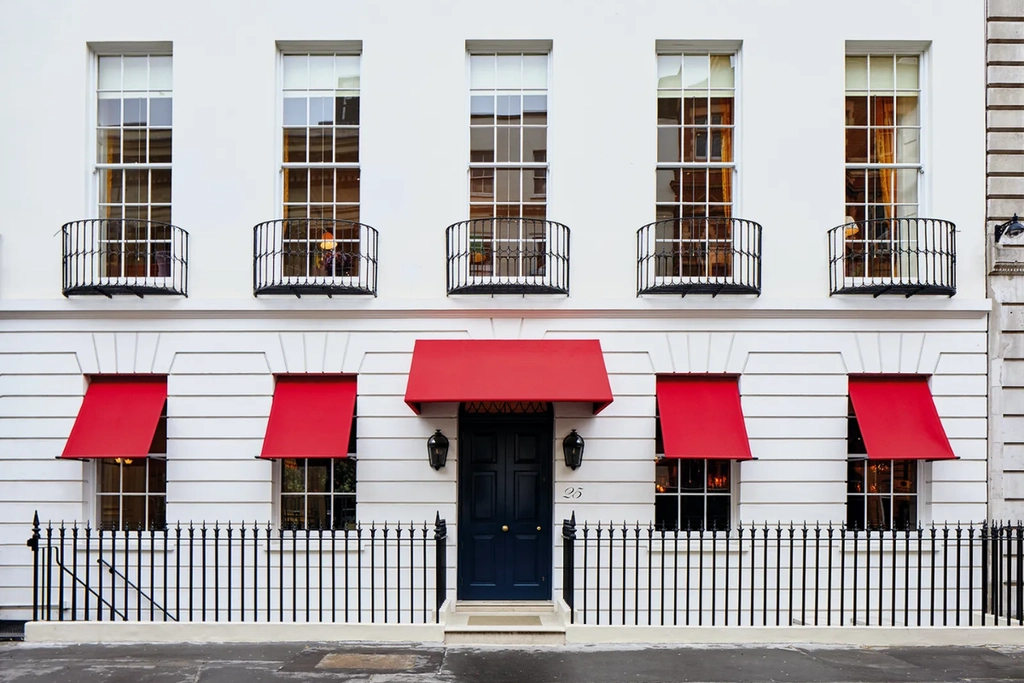
Robin Birley opened Oswald’s at 25 Albemarle Street in 2018 and named it after his grandfather, the royal portrait painter Sir Oswald Birley. The club shares the family emphasis on discretion, but its purpose is more concentrated than 5 Hertford Street. Oswald’s revolves around dining, conversation and wine, allowing the evening to remain intimate even when the guest list contains people accustomed to commanding entire rooms. It is where the royal family had their pre-coronation dinner. Yes, you heard me right.
On the eve of King Charles III’s 2023 coronation, high fashion and international royalty converged in Mayfair for an exclusive dinner at Oswald’s.
The gathering featured prominent British royals, including Princess Beatrice, Princess Eugenie, and Sophie, Duchess of Edinburgh, accompanied by her children. The international guest list underscored the global weight of the occasion, bringing together figures such as Princess Charlene of Monaco, alongside Queen Anne-Marie of Greece and Crown Princess Marie-Chantal.
Notably missing from the late-night festivities were senior royals like the Prince and Princess of Wales, who presumably opted for rest and last-minute preparations ahead of the historic ceremony.

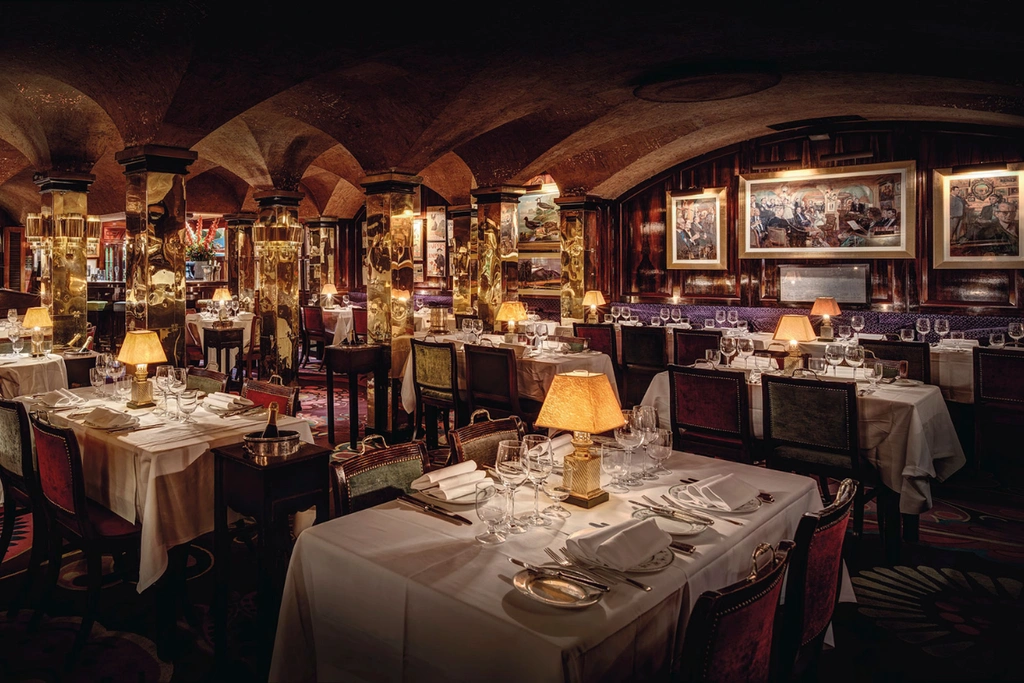
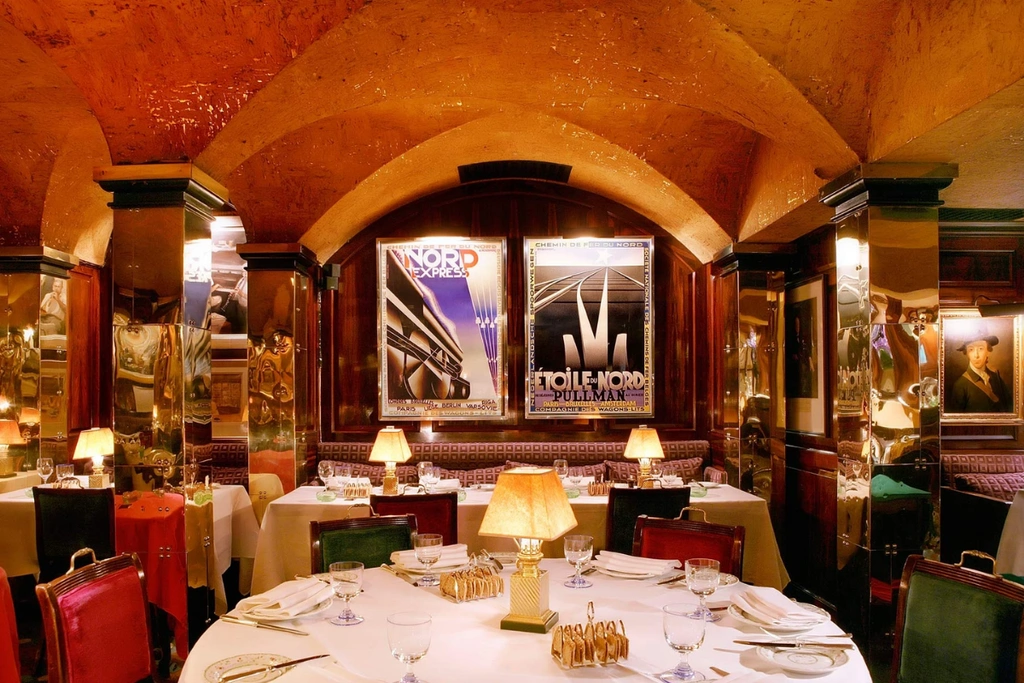
Its interior vocabulary is refined and residential: tall proportions, fireplaces, chandeliers, heavy curtains and paintings connected to the Birley family. Outside, red awnings and a dark doorway provide just enough identity for those expected to recognise the address.
Wine forms its most distinctive ritual. Members may keep personal bottles in the cellar and draw upon them while dining. The bottle becomes part of a private history rather than another object of public display. Recent accounts also describe restrained pricing of prestigious wines and the absence of corkage on members’ own bottles, reinforcing Oswald’s identity as a home for committed collectors.
Its scale intensifies the scarcity. Fees, waiting periods and membership numbers remain closely guarded, while the room is repeatedly associated with royalty, political figures, international leaders and established cultural names. Among the most exclusive clubs, Oswald’s represents a difficult luxury to imitate: an atmosphere where everyone appears important enough to avoid proving it.
The Arts Club carries the deepest institutional history of the four. Founded in 1863, it was created as a sanctuary for people connected professionally or passionately to art, literature and science. Charles Dickens, Anthony Trollope and Frederic Leighton were among the formative figures associated with its beginnings. The club later established itself at 40 Dover Street, connecting Victorian cultural ambition with contemporary Mayfair.
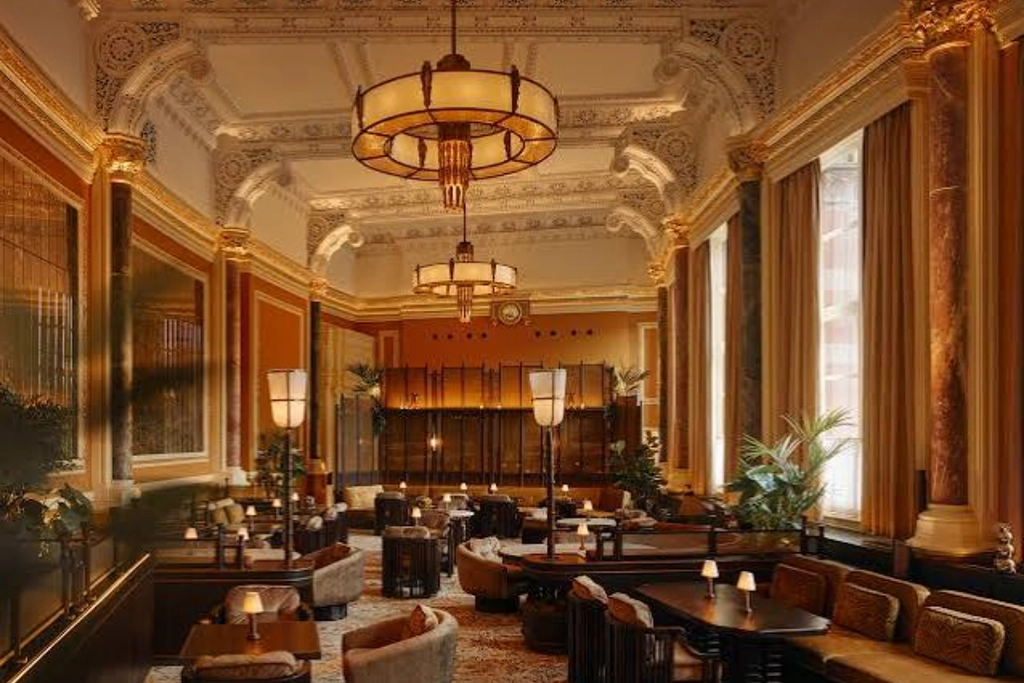
Its modern identity extends beyond heritage. The Arts Club operates restaurants, member lounges, live music spaces, exhibitions, hotel rooms and a cultural programme built around talks, performances and encounters with artists. Its collection and changing exhibitions allow art to function as a living part of the rooms rather than inherited decoration.
Membership asks for a different form of legitimacy. Wealth may make participation possible, but the club’s stated community remains centred on creative practice, patronage and cultural engagement. Fashion, film, publishing, design, architecture, music and visual art all find a natural place here. The atmosphere is cosmopolitan, with more room for creative self-invention than the hereditary codes associated with older clubland.
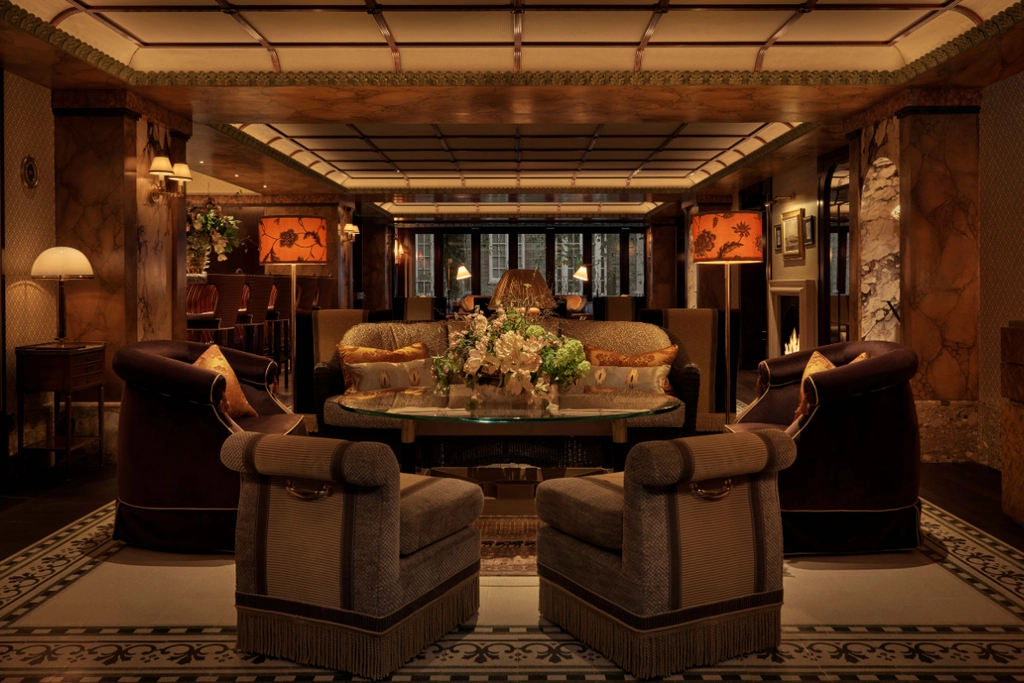
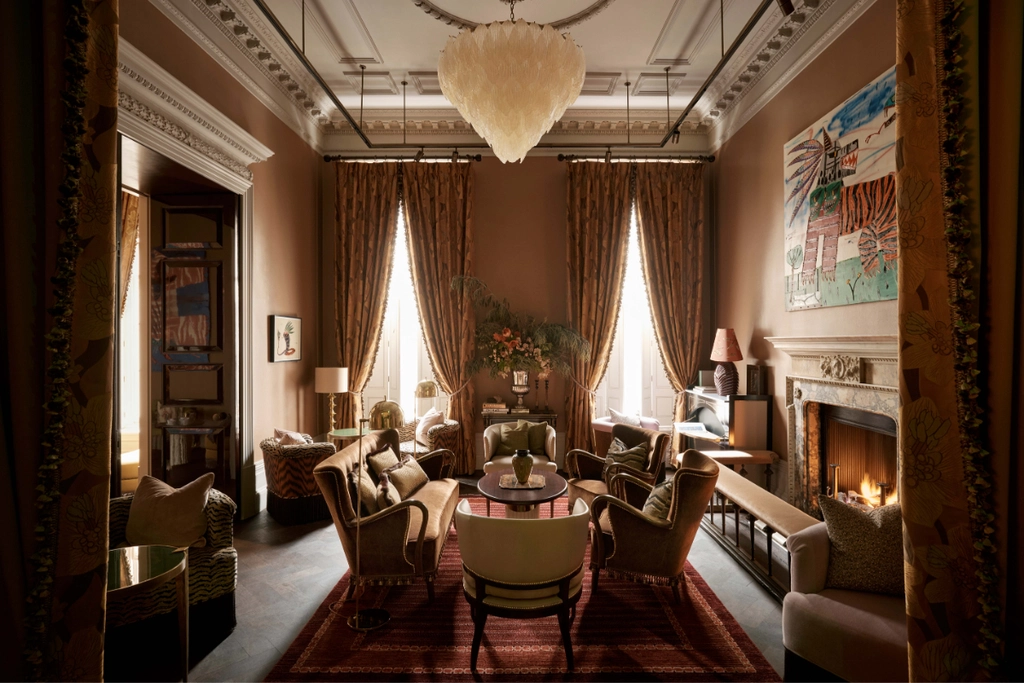
The current dress policy is described as elegant and remains precise about sportswear, prominent logos and overly casual clothing. Creative freedom enters through ideas and personal style, while the shared environment is protected by standards. The Arts Club is less a refuge from culture than a private engine for producing it.
These clubs appear to compete through interiors, history and famous members, yet their strongest distinction is behavioural. Annabel’s rewards theatrical glamour. 5 Hertford Street values private social fluency. Oswald’s privileges quiet confidence and cultivated taste. The Arts Club looks for a convincing relationship with creative life.
For a guest, etiquette begins with remembering that the invitation belongs to the host. Phones stay away from tables. Photographs wait for expressly permitted spaces. Names overheard at dinner remain in the room. Clothing should answer the mood before the doorman needs to answer for it.
The true threshold of London’s most exclusive clubs is invisible. Passing through the front door proves that somebody admitted you. Knowing how to behave once inside suggests that you may be invited back.