MENU
Close





From artisanal ceramic studios to industrial material innovators and architect-led supply consultancies, today’s architectural ceramic brands are expanding the language of luxury surfaces.
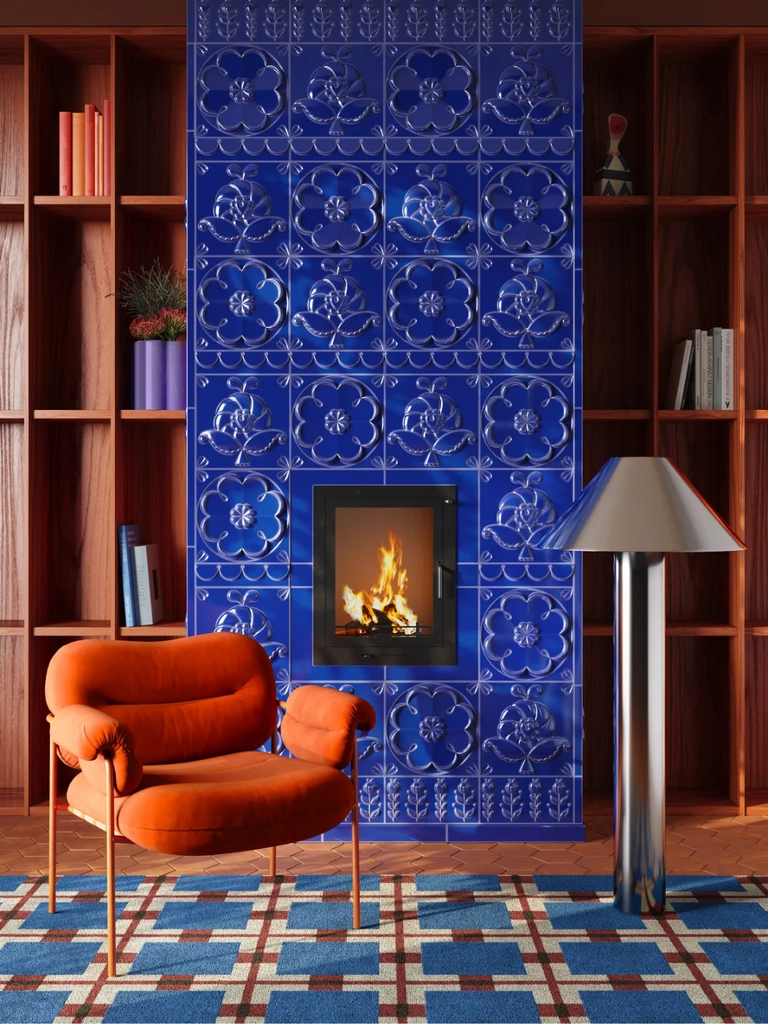
From artisanal ceramic studios to industrial material innovators and architect-led supply consultancies, today’s architectural ceramic brands are expanding the language of luxury surfaces.
September 22, 2026


High-end residences, hotels and commercial flagships once leaned heavily on polished marble, immaculate porcelain and highly controlled finishes. Contemporary luxury is developing a richer material vocabulary.
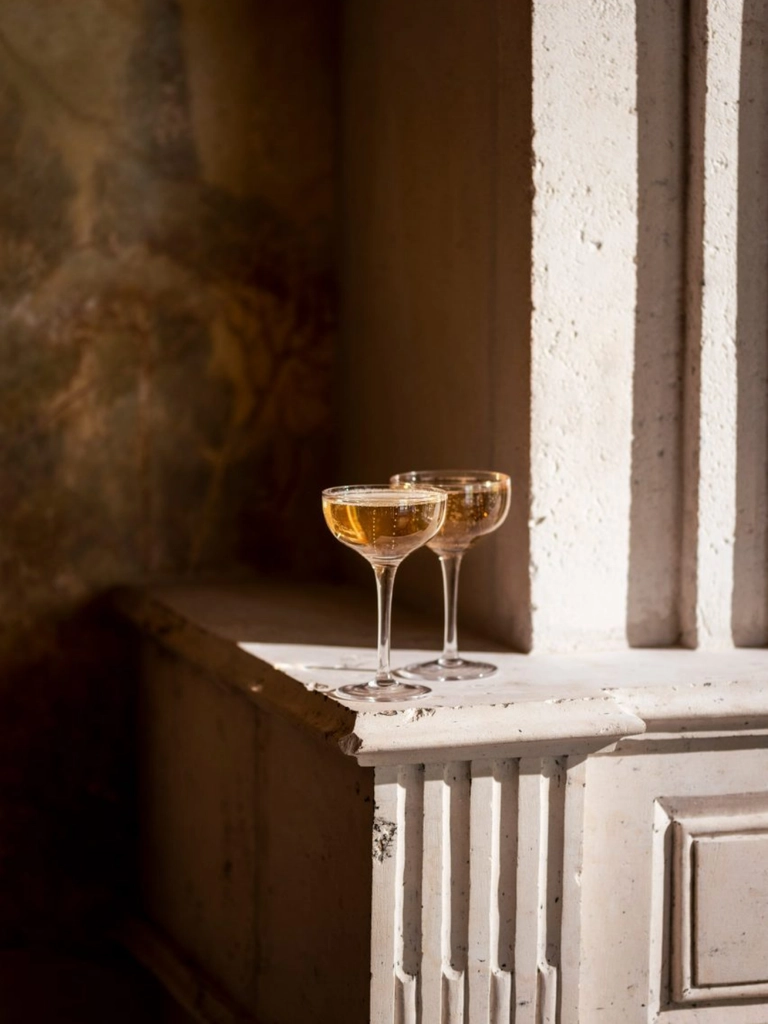
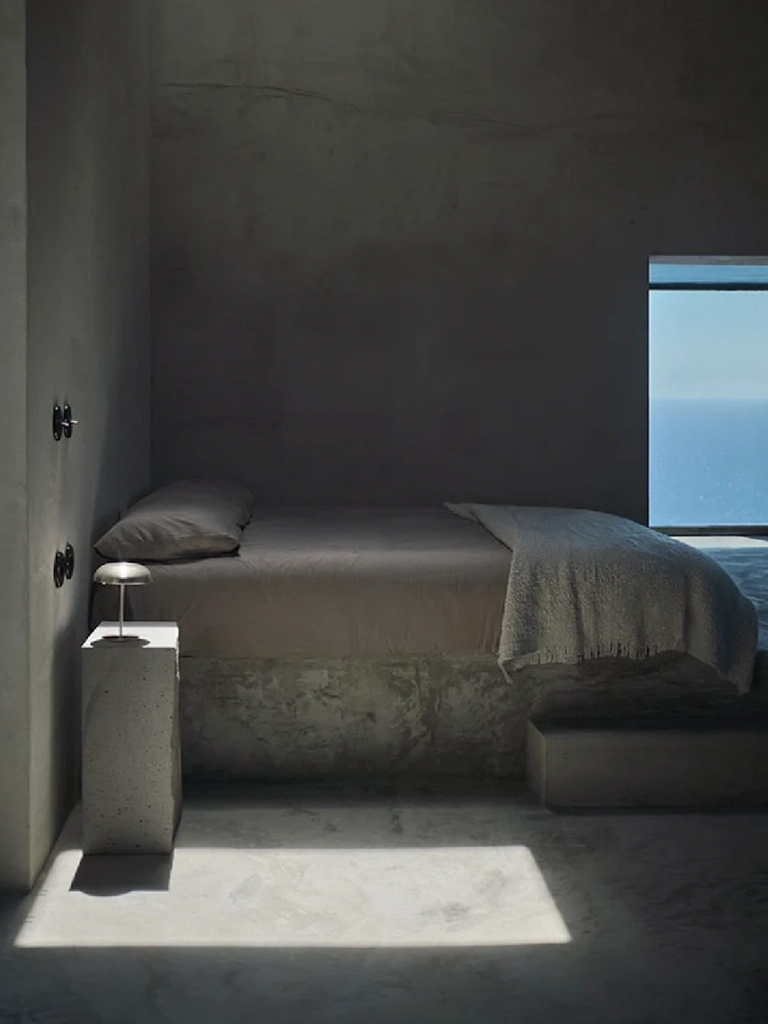
This shift connects with the growing interest in sensory interiors and slow design. Raw clay, expressive cement, architectural hardware and contemporary glass designs now contribute directly to the atmosphere.
Within this evolving landscape, four companies illustrate distinct routes into material design. Narania Studio and Chie.co represent studio-led craftsmanship, TLS New Materials operates through manufacturing scale and technical development, Biscuit approaches sourcing through architectural curation and specification.
The following breakdown analyzes their brand philosophies, product offerings, market positioning, and investment pricing.
At the intimate end of the material spectrum sit the studio-makers — brands that treat building materials not as commodity cladding, but as bespoke works of art.
India-based Narania Studio combines a 70-year family history in ceramic manufacturing with a contemporary design practice informed by graduates of the National Institute of Design in Ahmedabad.
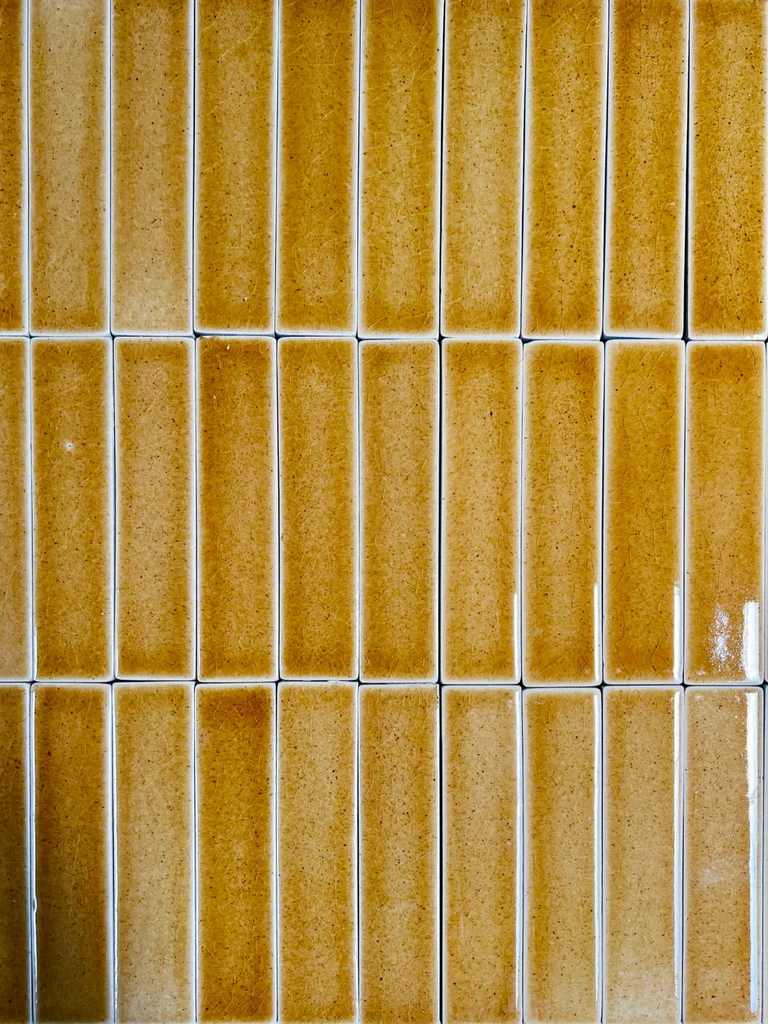
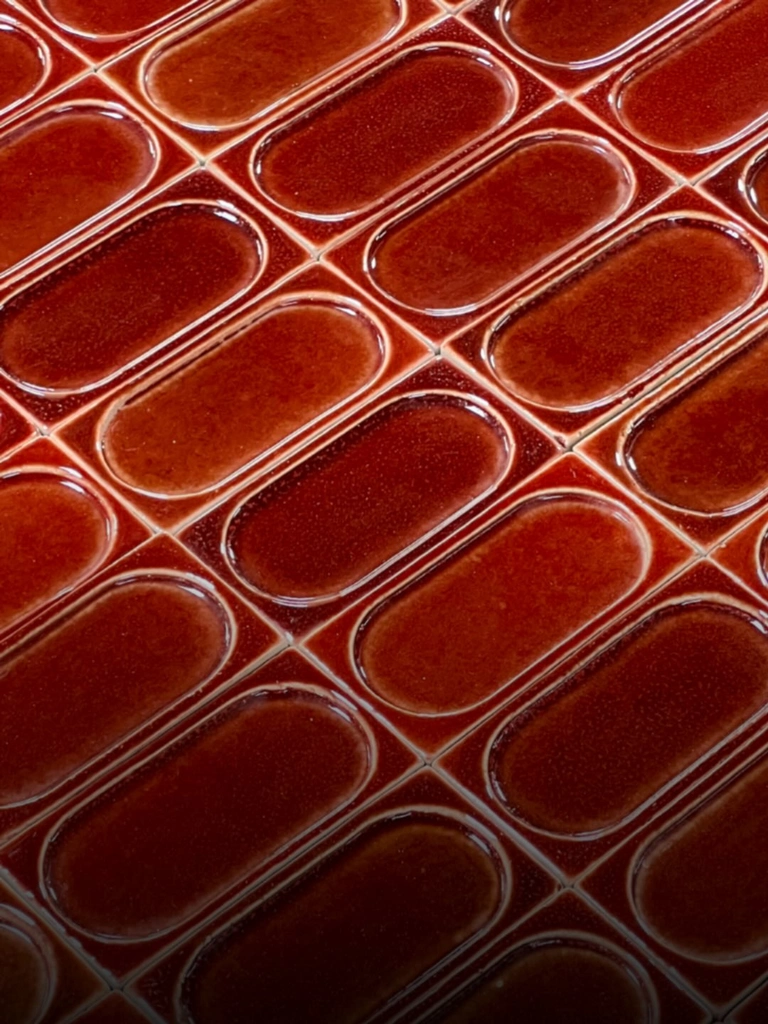
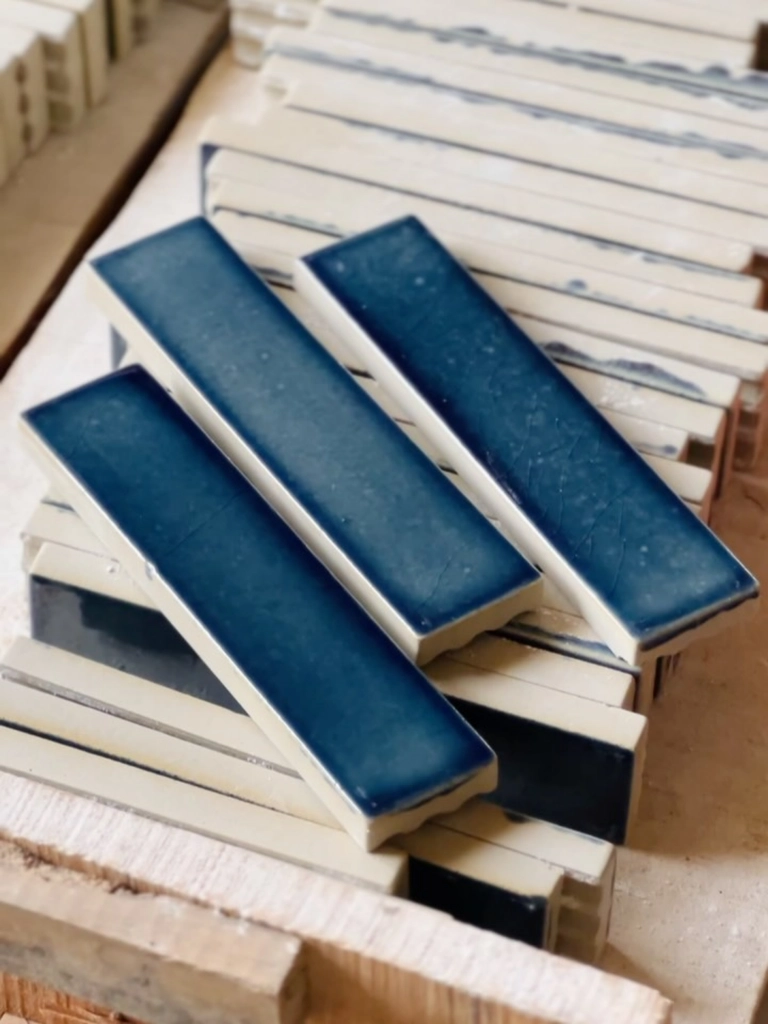
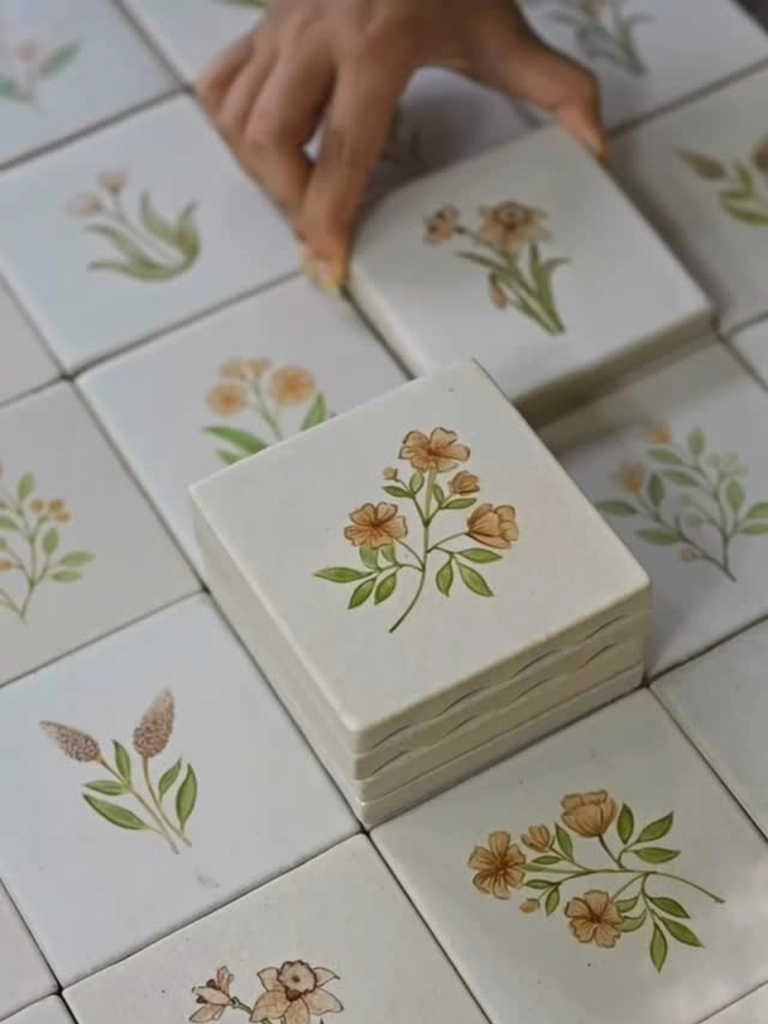
Its philosophy, “Earth, made from Earth,” reflects an interest in clay as a living architectural material. Its use of Terra Earth (yellow and red terracotta, high-fired and vitrified) makes the tiles best suited for outdoors and wet areas. Narania Studio's glaze vocabulary spans across four families: Terra, Botany, Aqua and the Classics.
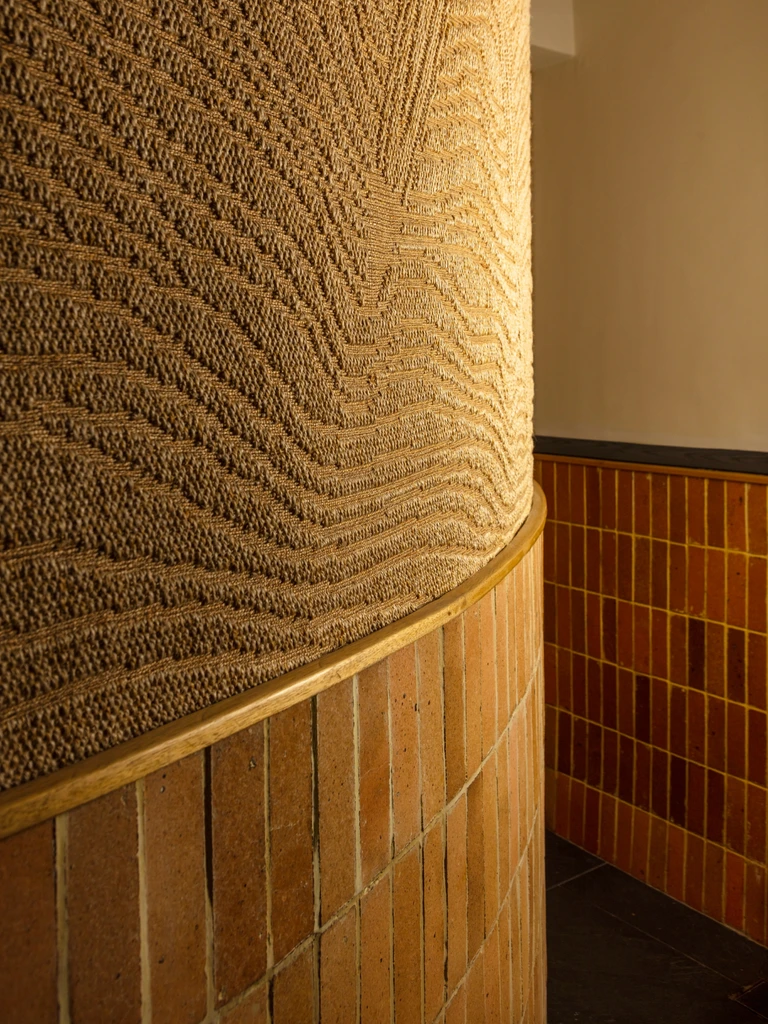
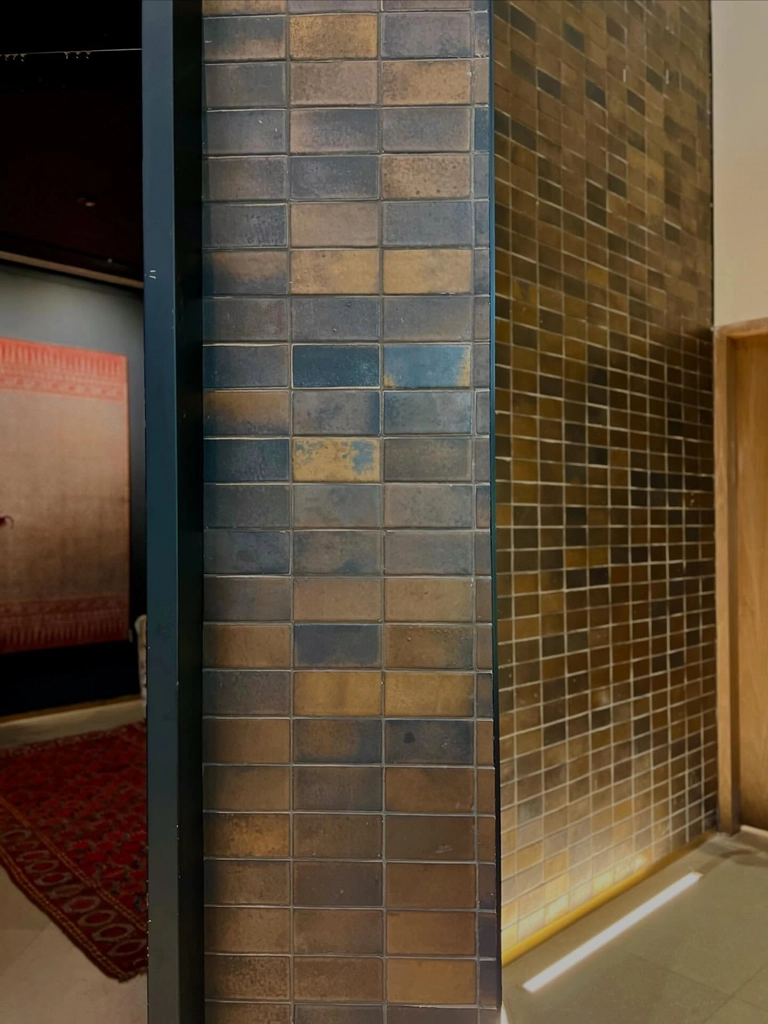
Narania’s craftsmanship is especially evident in its relief pieces and custom glazes, where firing and material behavior become part of the final aesthetic. The studio proudly presented its exclusive glazes in collaboration with Larsen Peter, a maestro of handmade ceramics, at the prestigious 3daysofdesign event.
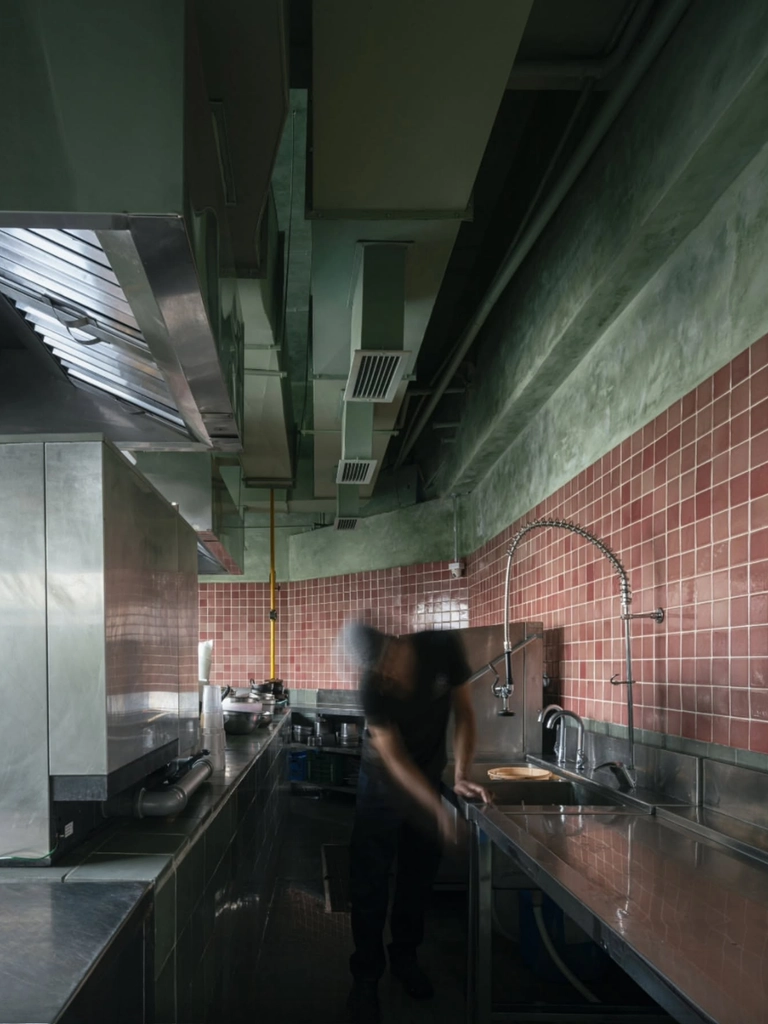
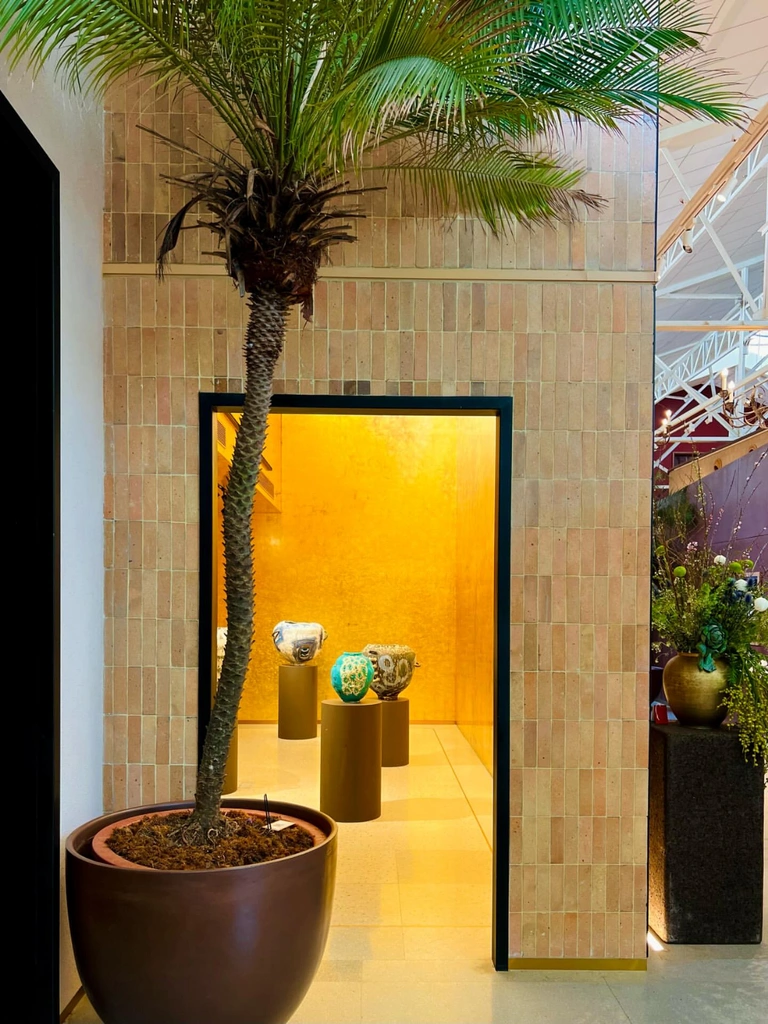
Primary offerings: Handcrafted ceramic wall cladding, relief tiles, bespoke glaze development and tactile architectural features for bathrooms, hospitality spaces and statement walls.
Vietnam-based Chie.co connects regional craft traditions with contemporary architectural applications. Founded by an architectural designer and a master glaze chemist, the company operates as a material-focused creative practice working across ceramics, cement surfaces and custom interior elements.
Its portfolio centers on hand-pressed ceramic tiles, decorative cement pieces and tactile architectural surfaces. Chie.co has also participated in heritage and hospitality projects, including work associated with Ho Chi Minh City’s Independence Palace and the restaurant concept Pot Au Phở.
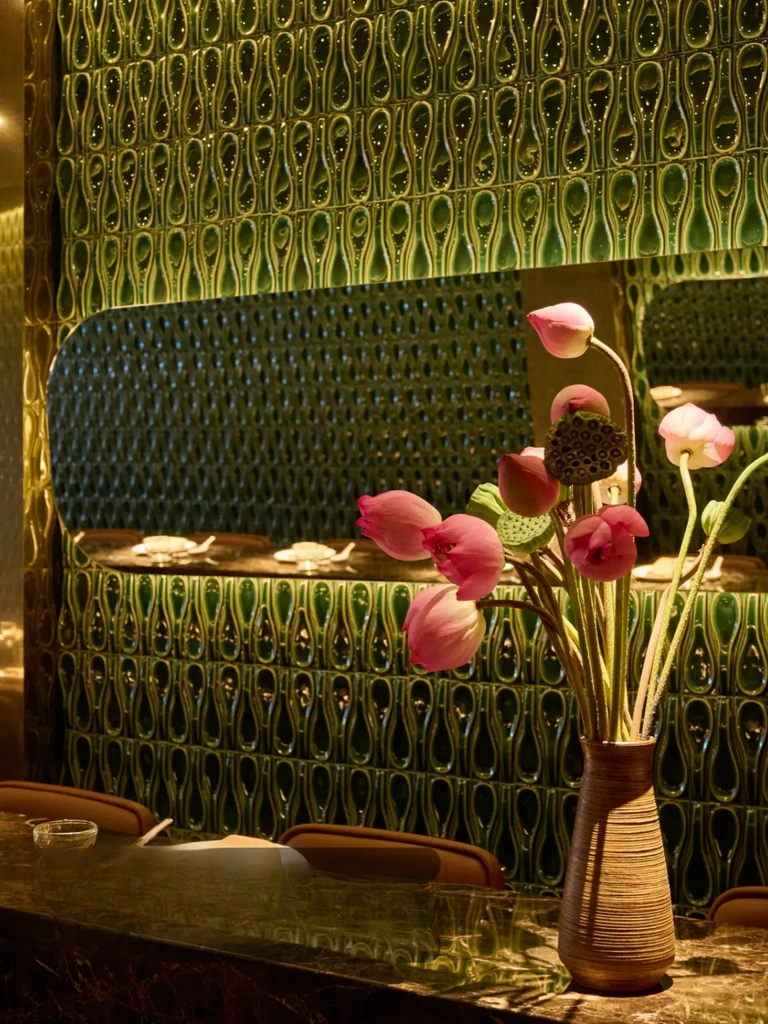
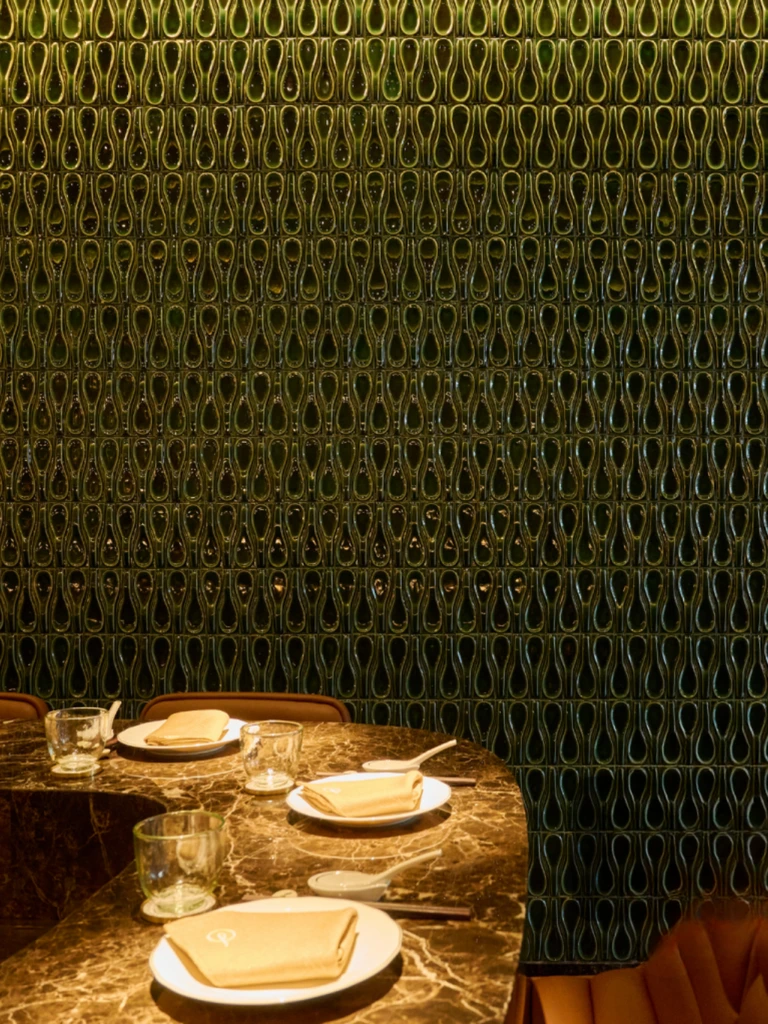
The character of its surfaces comes from controlled imperfection: softened matte finishes, glaze crackling, hand-pressed textures and relief patterns that preserve the physical trace of production.
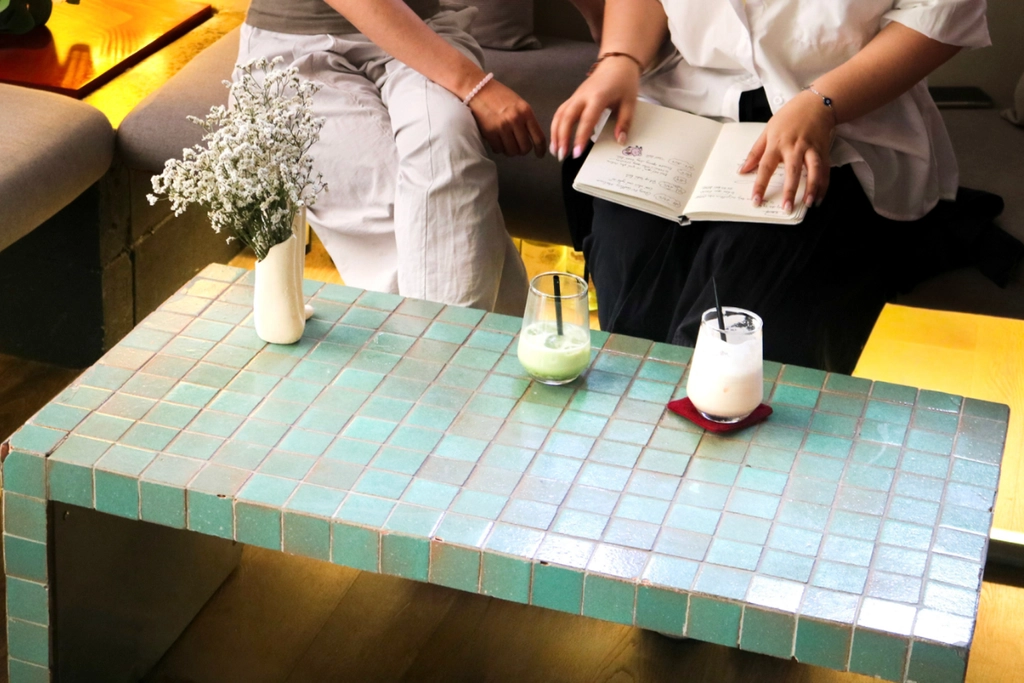
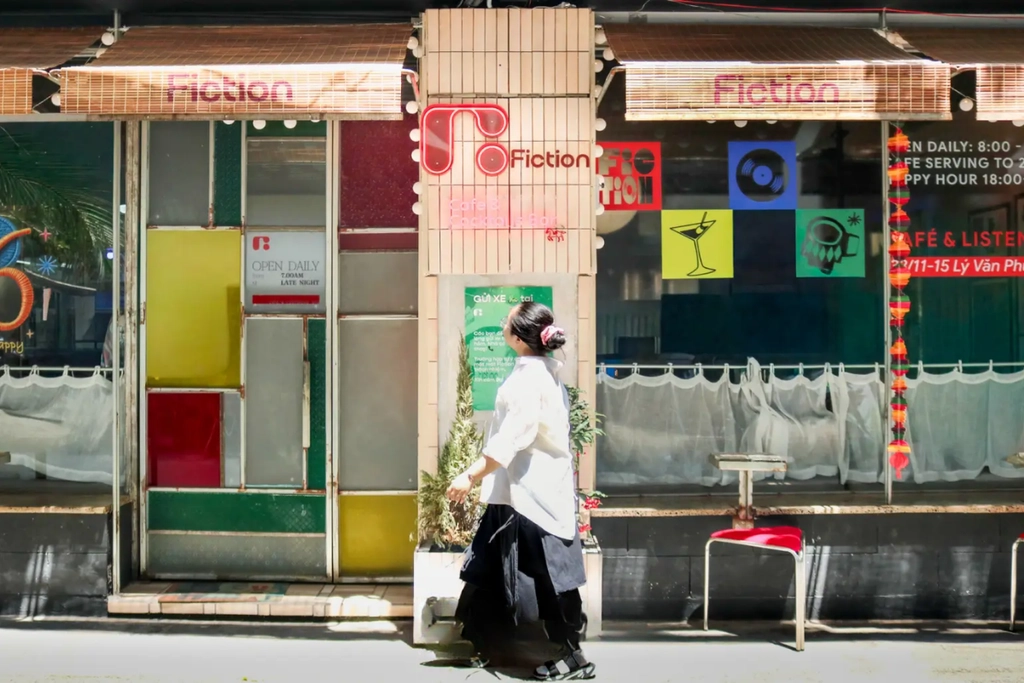
Here, craftsmanship functions as part of architectural experience. Slight irregularities introduce rhythm across larger surfaces, while earthy textures give hospitality and residential interiors a more grounded physical presence.
Primary offerings: hand-pressed ceramic tiles, decorative cement panels, custom architectural ceramics and textured wall systems.
Based in Foshan, China, TLS New Materials approaches architectural surfaces through industrial manufacturing and material engineering. Its large showroom presents thousands of references spanning engineered stone effects, ceramic systems, translucent materials and lightweight architectural panels.
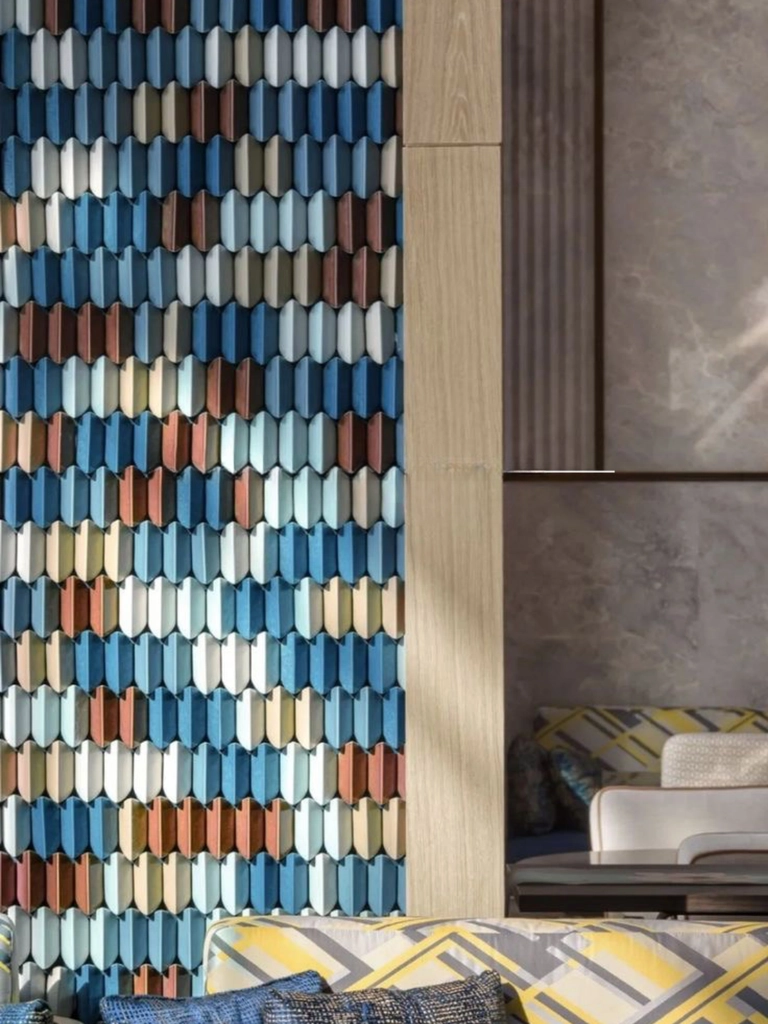
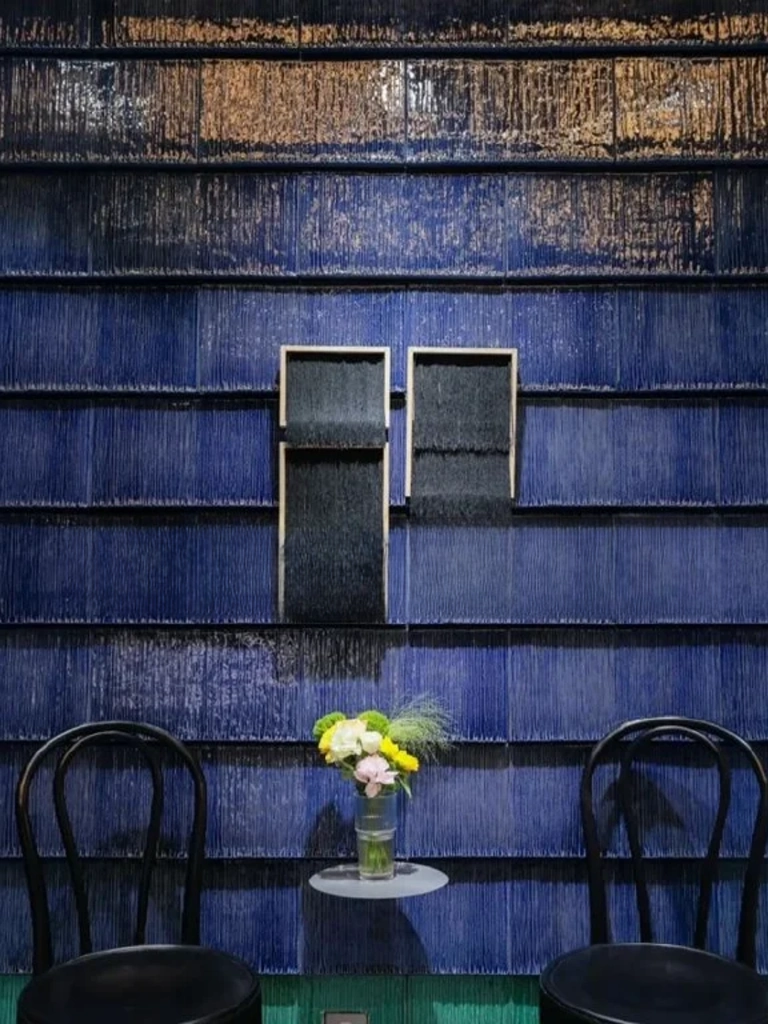
Its catalog extends beyond conventional ceramics into flexible stone veneer, translucent cement boards, foamed ceramic components, PU stone panels, glass bricks and composite surfaces.
The company’s appeal lies in translating highly textured natural references into materials suitable for larger architectural applications. Weathered travertine, eroded sandstone, timber and mineral surfaces can be interpreted through lighter panels engineered for efficient installation and commercial-scale deployment.
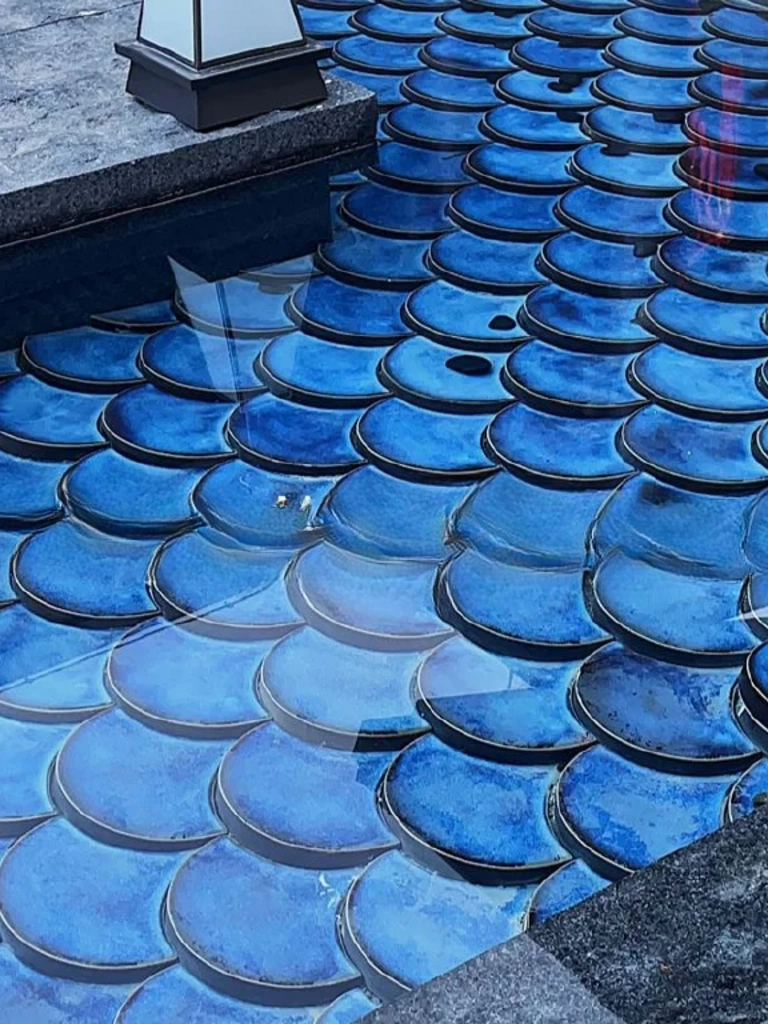
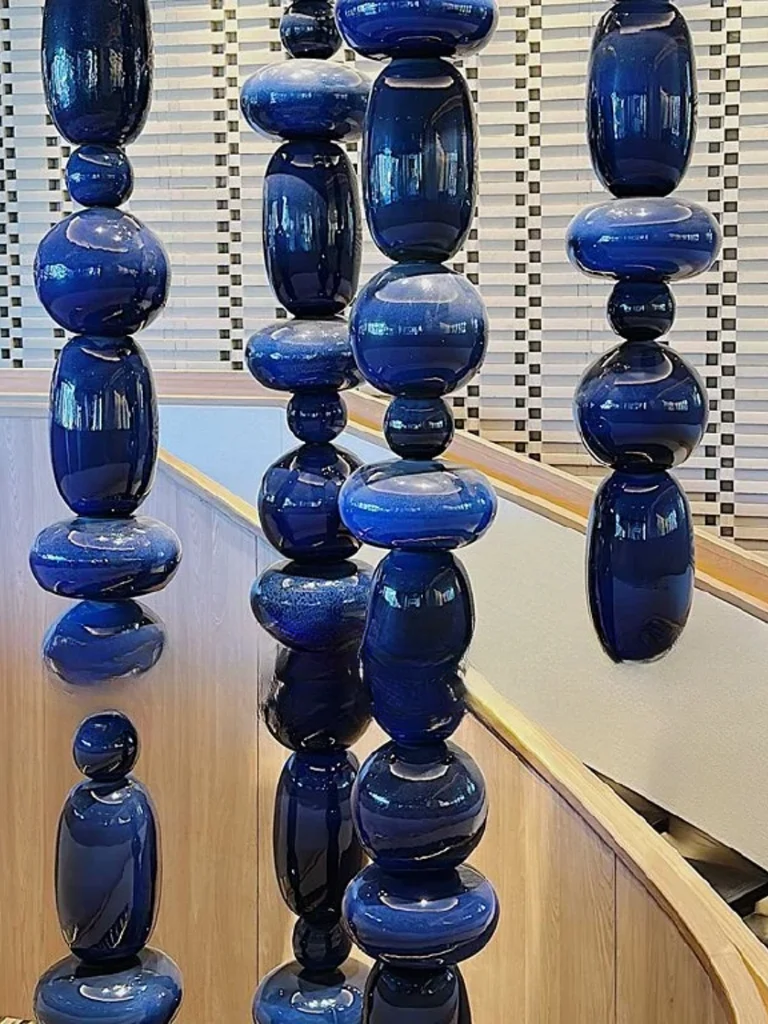
For architects, this creates greater flexibility when developing extensive walls, façades, corridors and hospitality environments where material consistency and logistical efficiency play a significant role.
Primary Offerings: PU stone-effect panels, flexible stone veneer, translucent cement, hollow ceramic blocks, glass bricks and engineered architectural composites.
Biscuit operates as an architect-led material consultancy and supplier, positioning itself between the traditional showroom, the specialist material library, and the design studio. Its role extends beyond supplying finishes: the company curates materials according to how they behave within architecture, how they age over time, and how they contribute to the sensory character of a room. Across its collection, craftsmanship is expressed through surfaces that preserve texture, tonal variation, irregularity, and evidence of the making process, giving architects and interior designers greater freedom to create spaces with a more individual material identity.
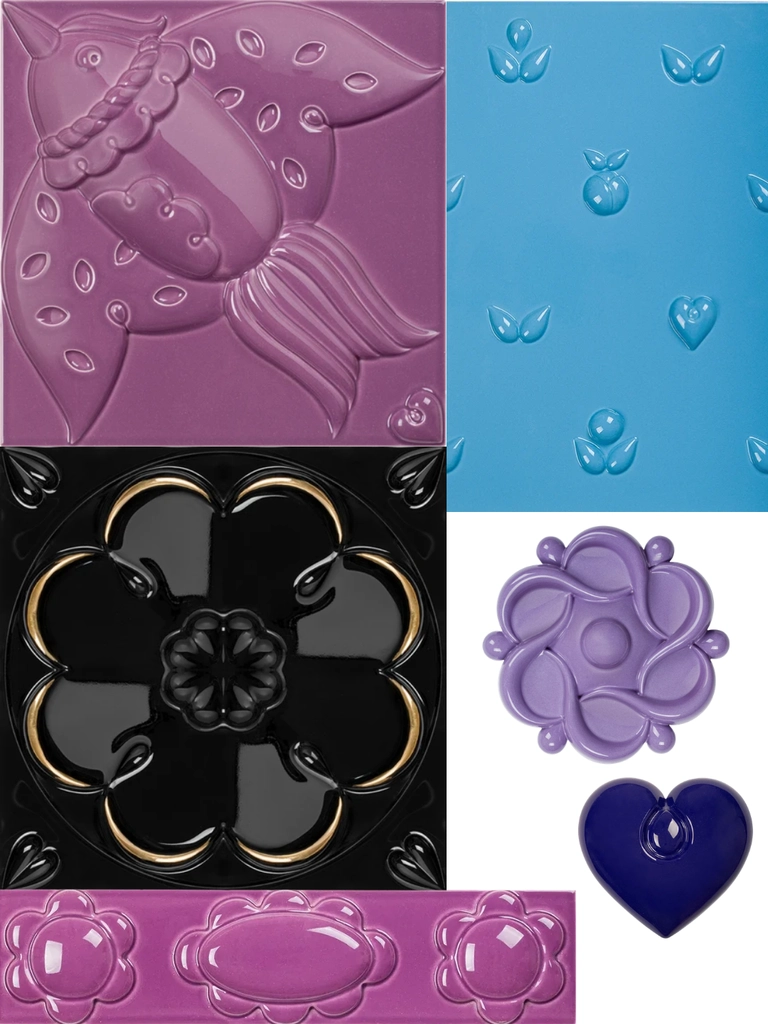
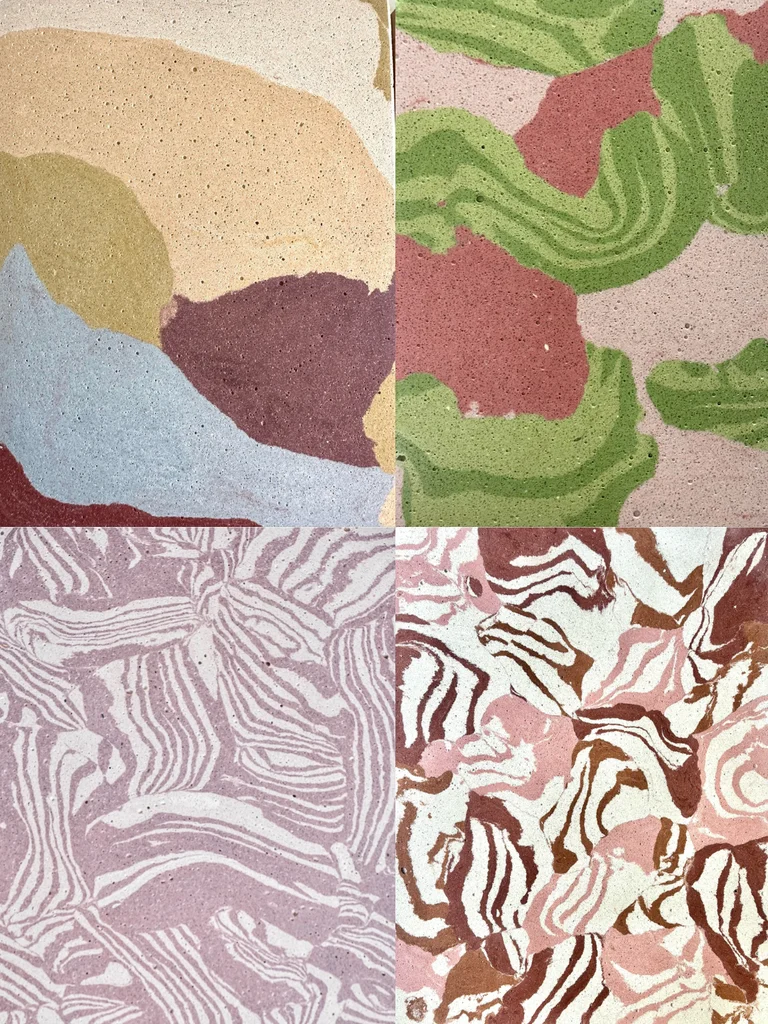
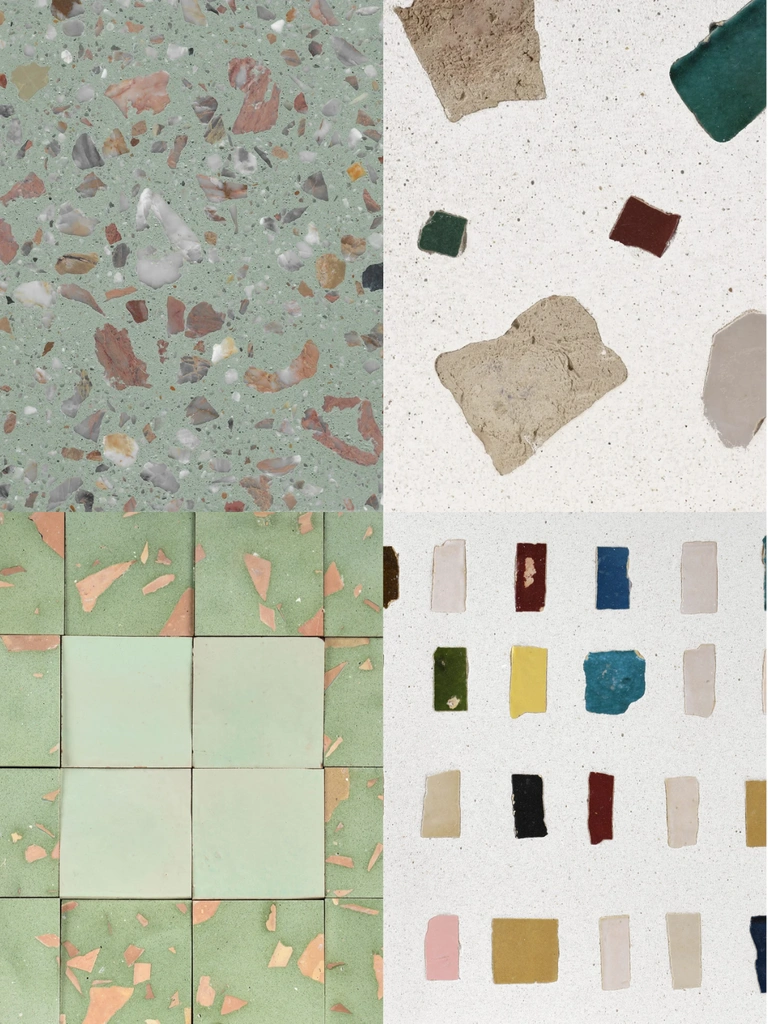
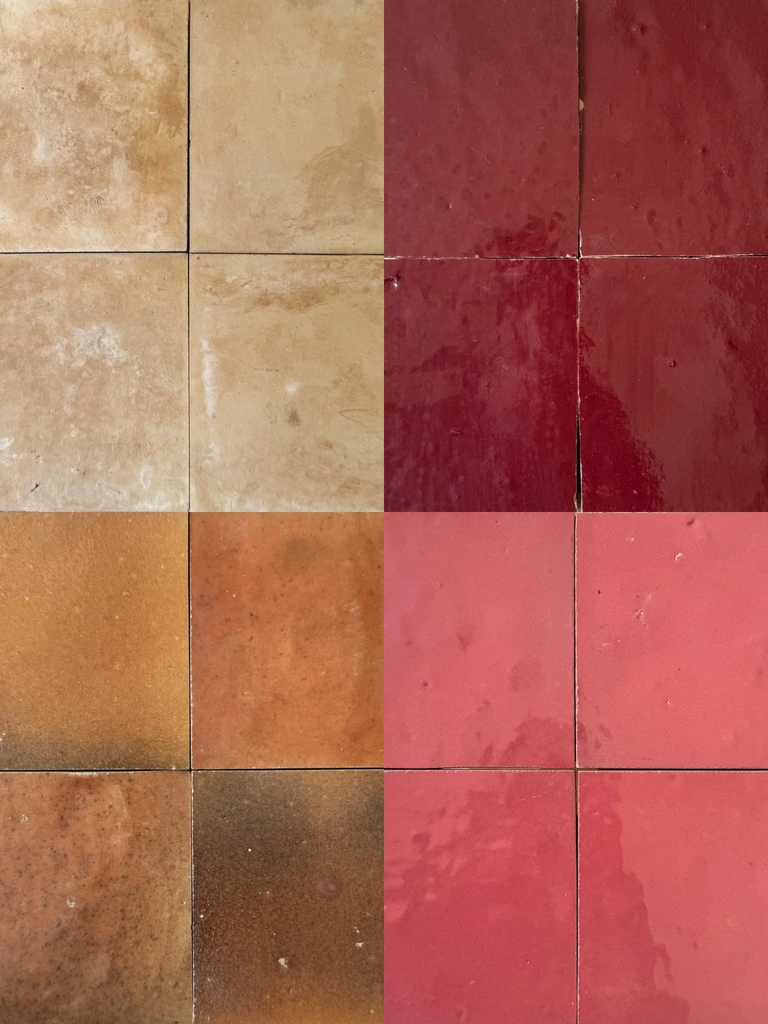
The brand’s portfolio brings together architectural ceramic tiles, handcrafted zellige, three-dimensional ceramic reliefs, terrazzo, marbled concrete, cork flooring and wall coverings, weathered timber, and tactile architectural hardware. Its ceramic offering is particularly aligned with the current interest in surfaces that interact visibly with light. Hand-applied glazes, uneven edges, relief patterns, and slight shifts in color create walls that change subtly throughout the day, making the material itself part of the spatial atmosphere. Zellige introduces the reflective depth associated with hand-glazed terracotta, while ceramic relief tiles add shadow, rhythm, and dimensionality to larger architectural surfaces.
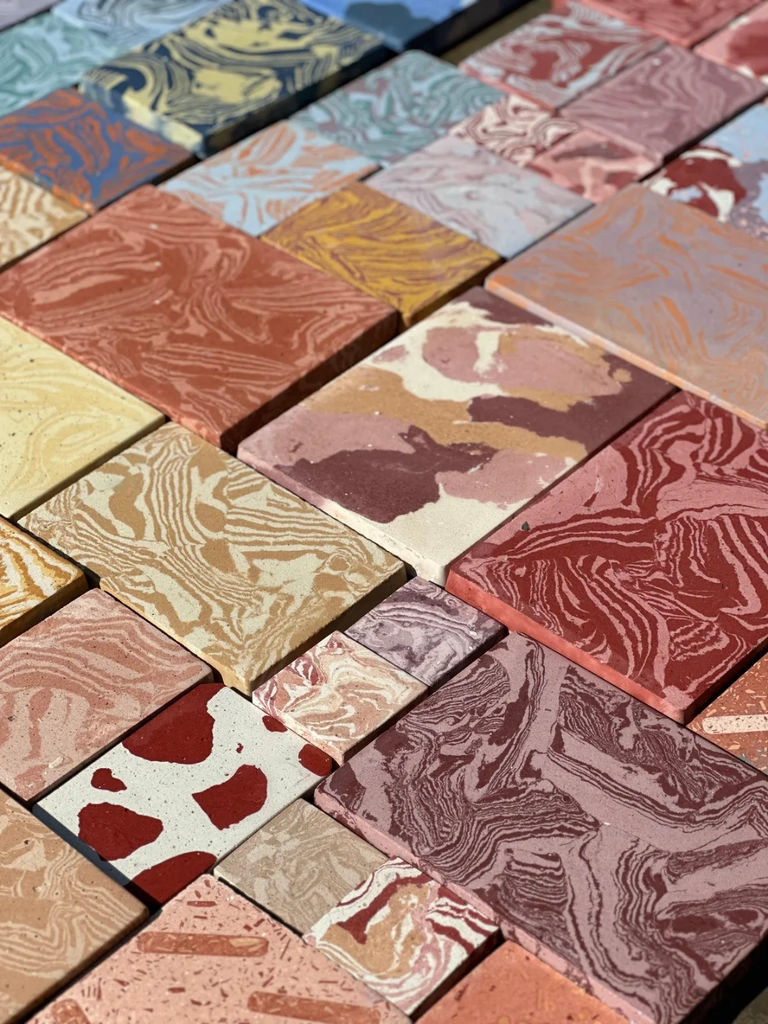
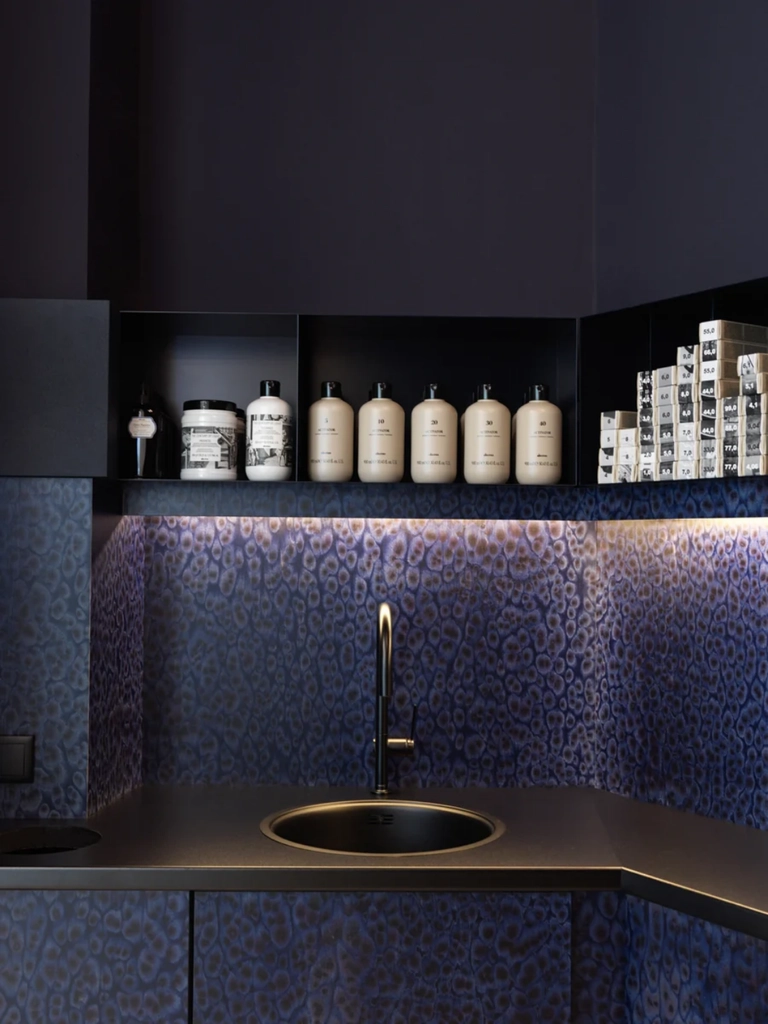
A significant part of Biscuit’s positioning lies in customization. Many pieces are made to order, allowing dimensions, finishes, tones, and surface treatments to be adapted to individual projects. This approach places craftsmanship within the specification process itself. Architects can consider how a material will meet adjacent surfaces, respond to natural light, perform in high-contact areas, or evolve through years of use instead of selecting products purely from a fixed catalog.
The company primarily serves high-end residential designers, boutique hospitality practices, commercial architects, and luxury property developers looking for surfaces with both technical relevance and a distinct visual identity. Its curated model also makes Biscuit particularly useful for projects where multiple material families need to communicate with one another. Architectural ceramic tiles can sit beside cork, concrete, wood, and aged metal while maintaining a coherent emphasis on natural texture and material depth.
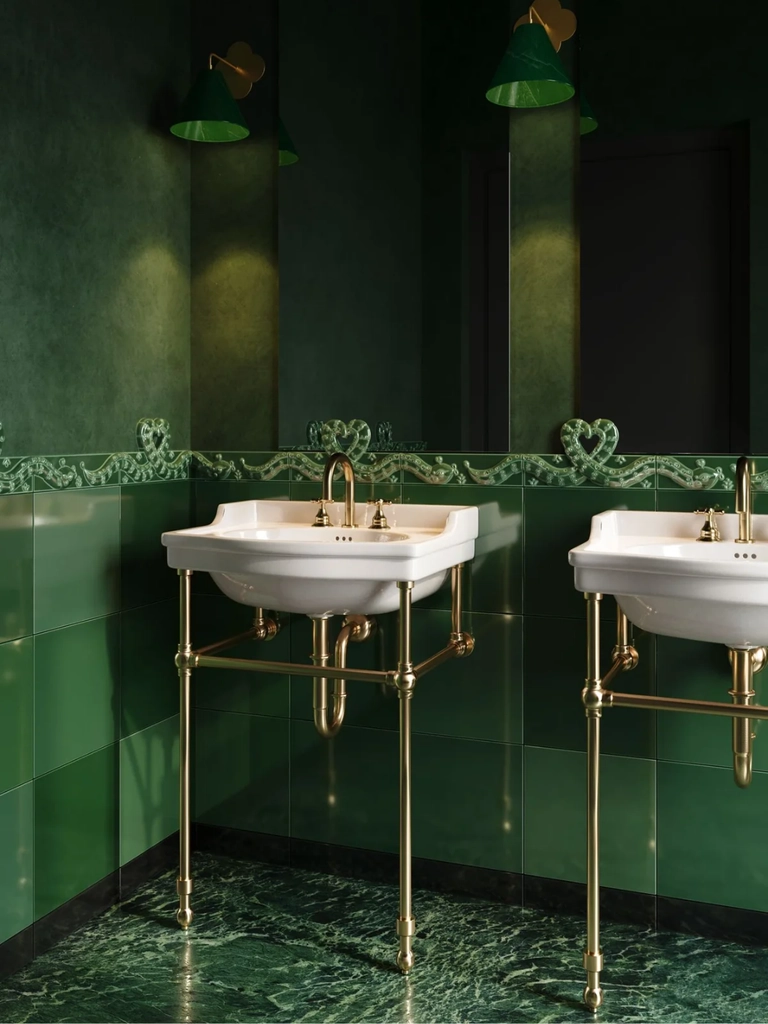
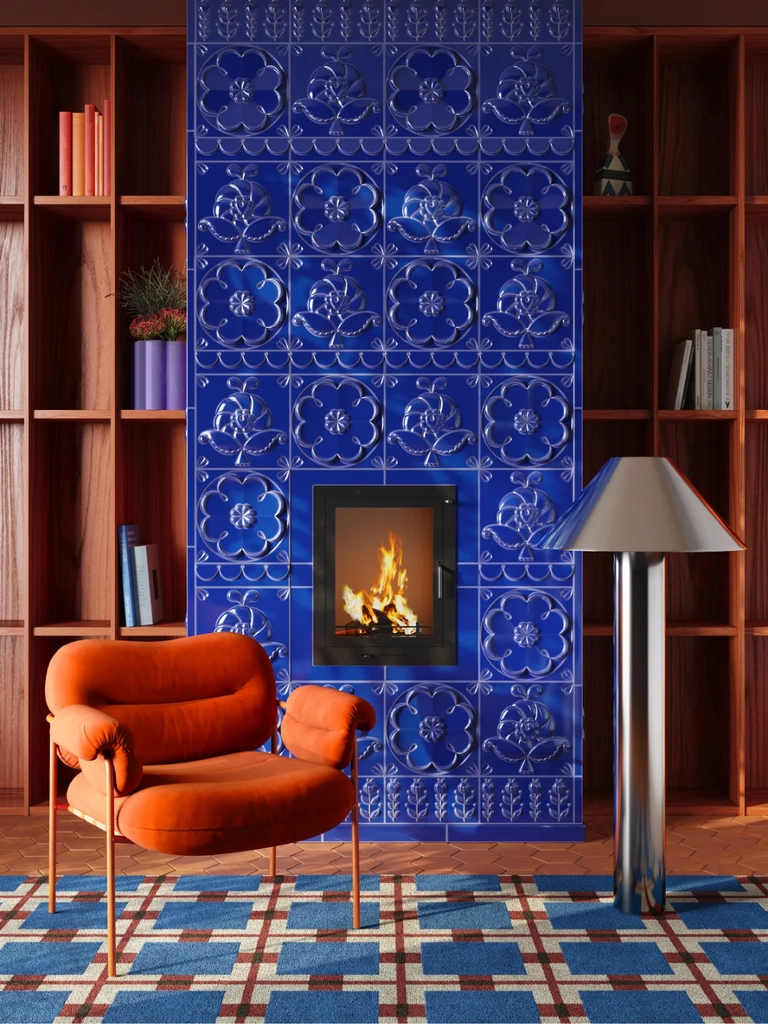
Primary offerings: Architectural ceramic tiles, handcrafted zellige, ceramic relief surfaces, terrazzo, marbled concrete, cork flooring, cork wall coverings, weathered wood, and unvarnished metal hardware
The most interesting development among today’s architectural ceramic brands is the coexistence of several production scales within a single project.
Large engineered systems can cover extensive corridors, façades and public spaces, while hand-glazed ceramic surfaces bring greater material intensity to entrances, bathrooms, bars, private rooms and focal walls. Material consultancies then help architects coordinate those surfaces according to performance, ageing, maintenance and spatial atmosphere.
This creates a more layered definition of architectural luxury. Value comes through the intelligence behind the specification, the physical quality of the surface and the degree of craftsmanship embedded in its production.
Narania Studio and Chie.co preserve the expressive potential of clay through hand processes and glaze experimentation. TLS New Materials translates ambitious textures into materials suitable for architectural scale. Biscuit connects makers and manufacturers with the technical realities of specification.
Together, they reflect a wider movement in contemporary design: surfaces are becoming active architectural elements. Clay records the hand that formed it. Glaze captures light differently across every firing. Cement reveals mineral depth. Cork contributes warmth and acoustic softness.
For the new generation of architectural ceramic brands, craftsmanship has moved beyond decoration. It has become part of how architecture communicates material, place and human touch.