MENU
Close





In London, centuries of art history sit only a tube ride apart. Even after the London Gallery Weekend, the art pulse of London never really needs a designated weekend for an art gallery tour.
In London, centuries of art history sit only a tube ride apart. Even after the London Gallery Weekend, the art pulse of London never really needs a designated weekend for an art gallery tour.
September 14, 2026


Few cities make the transition from organised art event to everyday art culture feel so seamless. Leave a contemporary gallery in Mayfair and the National Gallery is nearby. Cross the Thames and an old power station contains international modernism. Travel east and Whitechapel continues more than a century of experimental exhibition-making. Move west and the V&A stretches the definition of art across fashion, furniture, jewellery, ceramics, sculpture and performance. Here is a London art gallery tour, try it and compare it to a Parisian one, or a New Yorker one.
Trafalgar Square provides one of the most imposing starting points.
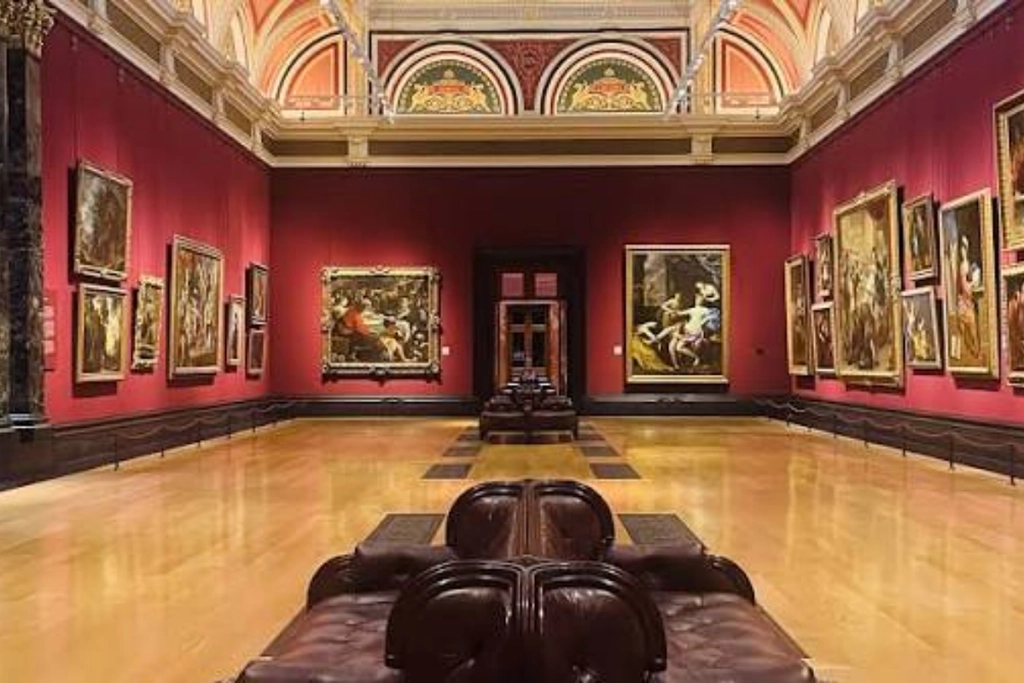
The National Gallery places more than seven centuries of European painting in the centre of civic London. Van Eyck's The Arnolfini Portrait, Leonardo da Vinci's The Virgin of the Rocks, Turner's The Fighting Temeraire and Van Gogh's Sunflowers belong to a collection that moves from the late medieval world through the Renaissance, Baroque, Romanticism and Impressionism.
Yet its position within the city gives these works another life.
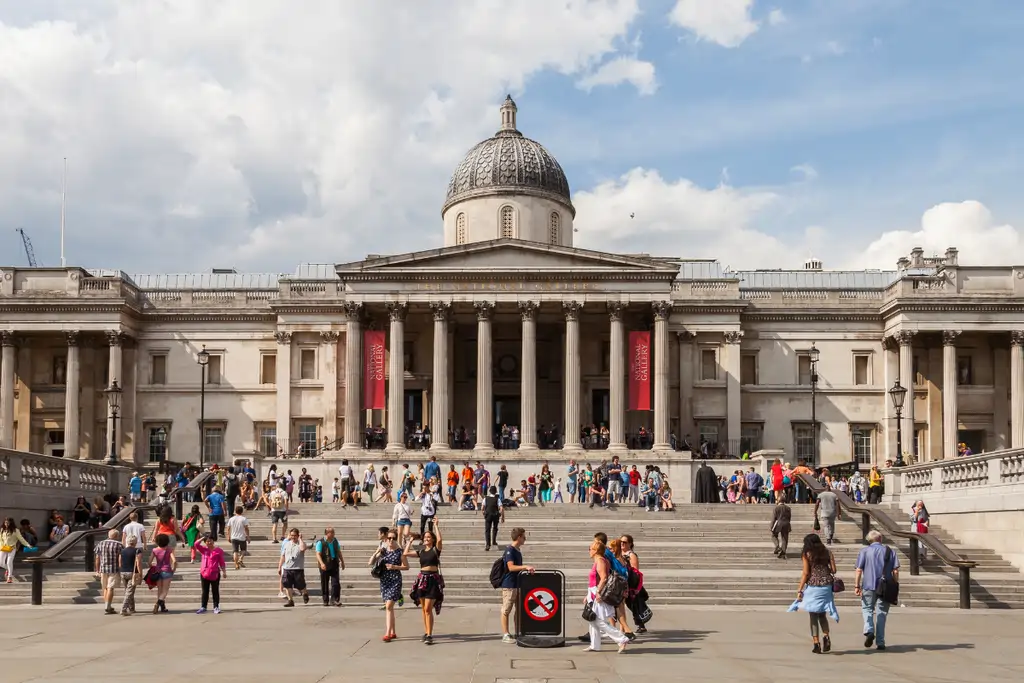
Step outside and Trafalgar Square immediately replaces painted history with contemporary London: buses circle the square, tourists gather around Nelson's Column, demonstrations occasionally occupy the public space and the West End spreads outward in several directions. The distance between museum culture and urban life is only a doorway.
This proximity makes the National Gallery particularly useful as the opening chapter of an art gallery tour. Visitors can follow one century, one school or even one painter before returning to the street. London never demands that every art-historical period be consumed inside the same building.
Another institution waits elsewhere.
At Millbank, Tate Britain turns the focus toward British art across more than five centuries.
The collection moves through Tudor portraiture, landscape painting, the Pre-Raphaelites, Victorian culture, modernism and contemporary practices. J.M.W. Turner occupies a particularly important place, with the institution holding the world's largest collection of his works.
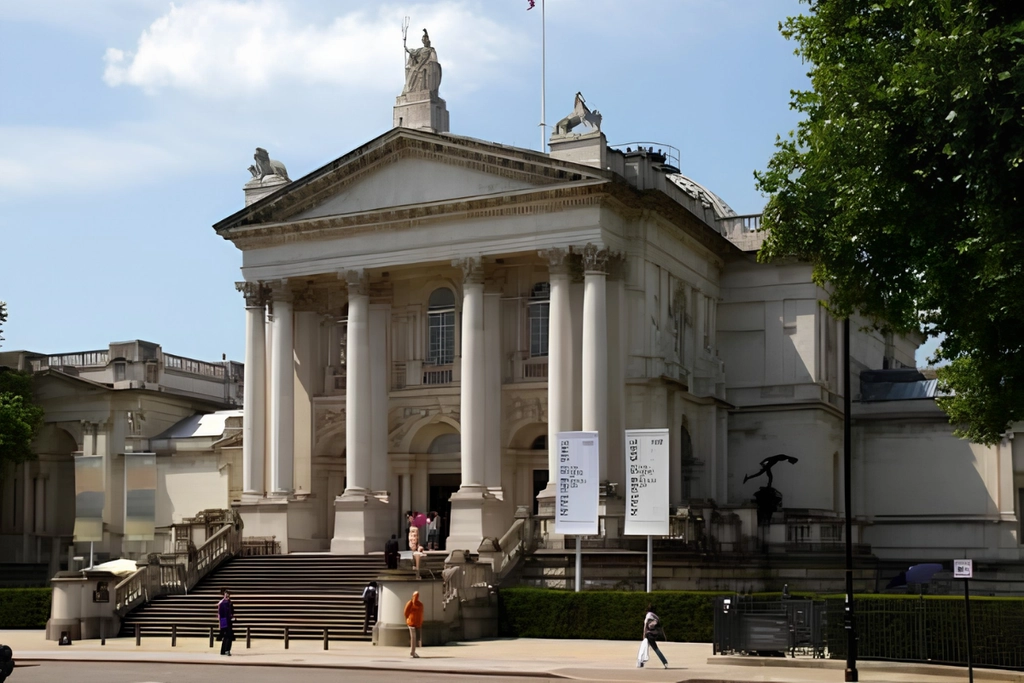
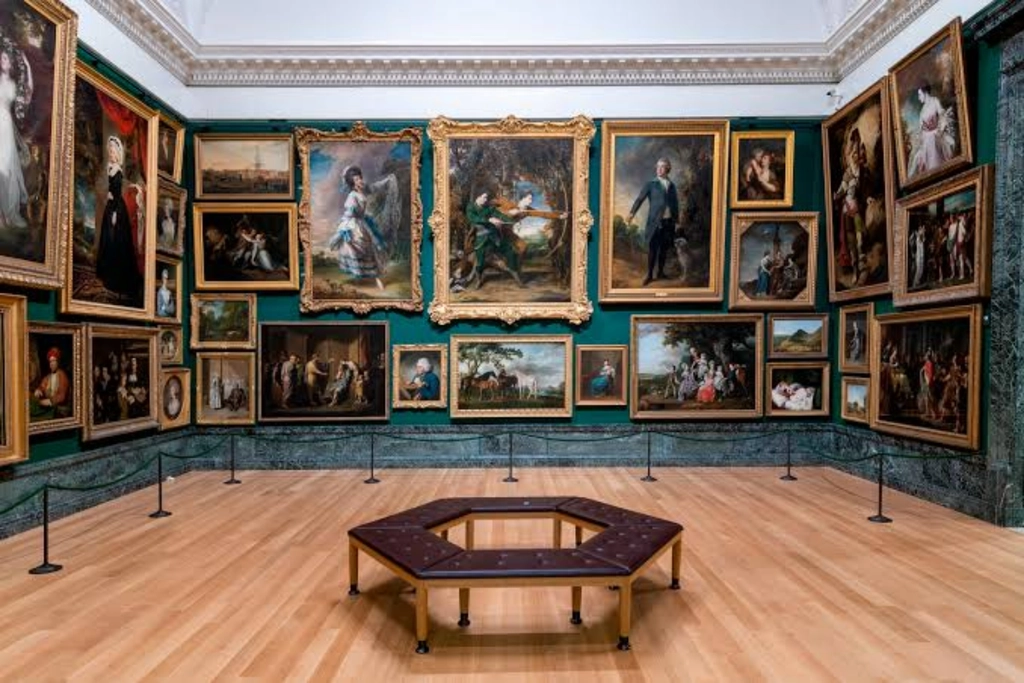
Turner's London feels especially appropriate beside the Thames. His paintings repeatedly dissolve the physical world through weather, smoke, water and light. Bridges blur. Ships emerge through haze. Industrial modernity becomes atmospheric before it becomes architectural. Walking back toward the river after spending time with Turner creates an unusual continuity between museum and city, especially under London's characteristically unstable skies.
The building contributes a different register. Tate Britain's neoclassical riverfront presence still carries the ceremonial language of the traditional museum, creating a sharp architectural counterpoint to what happens farther downstream.
Following the river eventually leads toward another Tate, yet almost everything about the experience changes.
Tate Modern demonstrates how dramatically the meaning of a museum can shift when the building itself carries another history.
Bankside Power Station once generated electricity. Today, its enormous brick mass houses one of the world's most visited institutions for modern and contemporary art. The Turbine Hall preserves the scale of the building's industrial past, giving artists a space capable of accommodating works that behave almost like architecture.
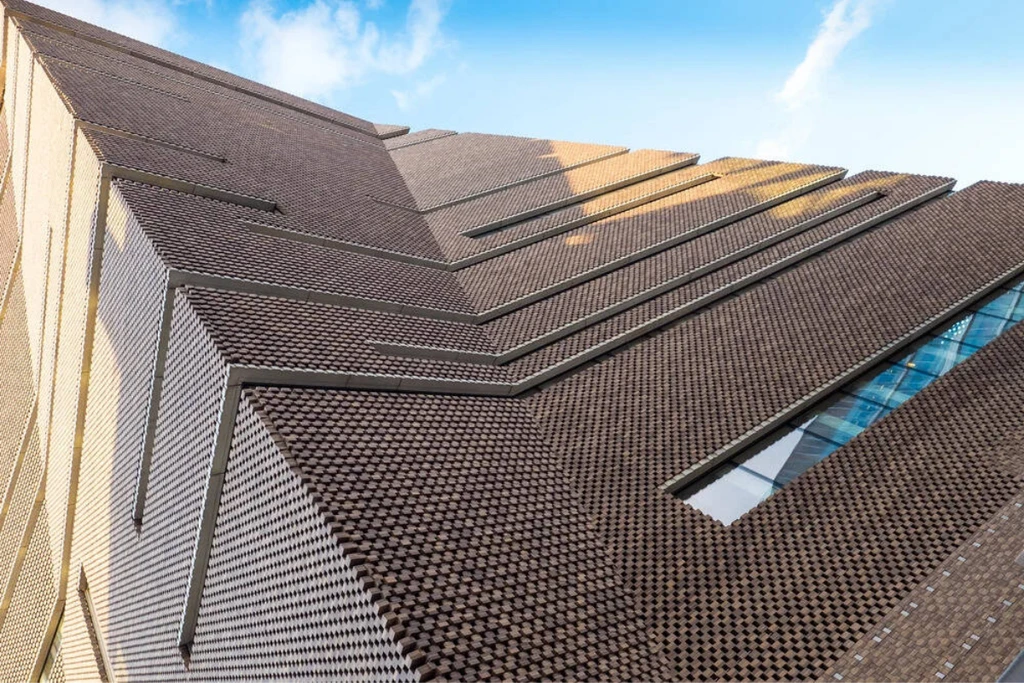
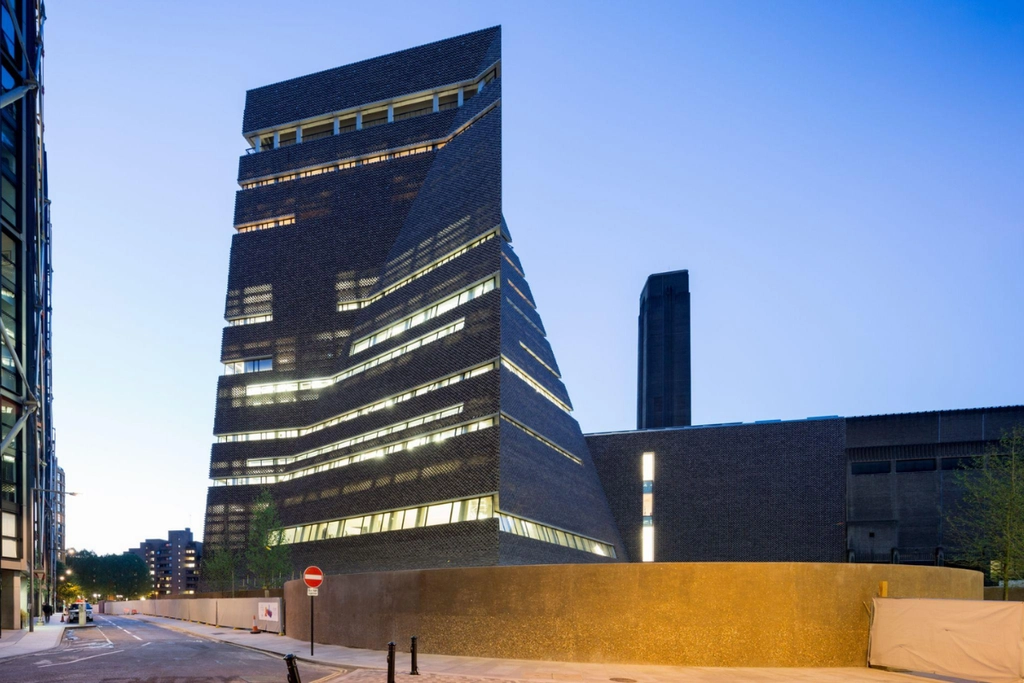
Picasso, Rothko, Warhol and Bourgeois occupy the broader collection, while large-scale commissions have repeatedly transformed the Turbine Hall into something unfamiliar.
Here, the city as gallery becomes architectural.
London has long survived through adaptation. Warehouses become studios, railway arches become exhibition spaces, townhouses become commercial galleries and industrial structures acquire cultural lives. Tate Modern is simply the monumental version of a process occurring throughout the capital.
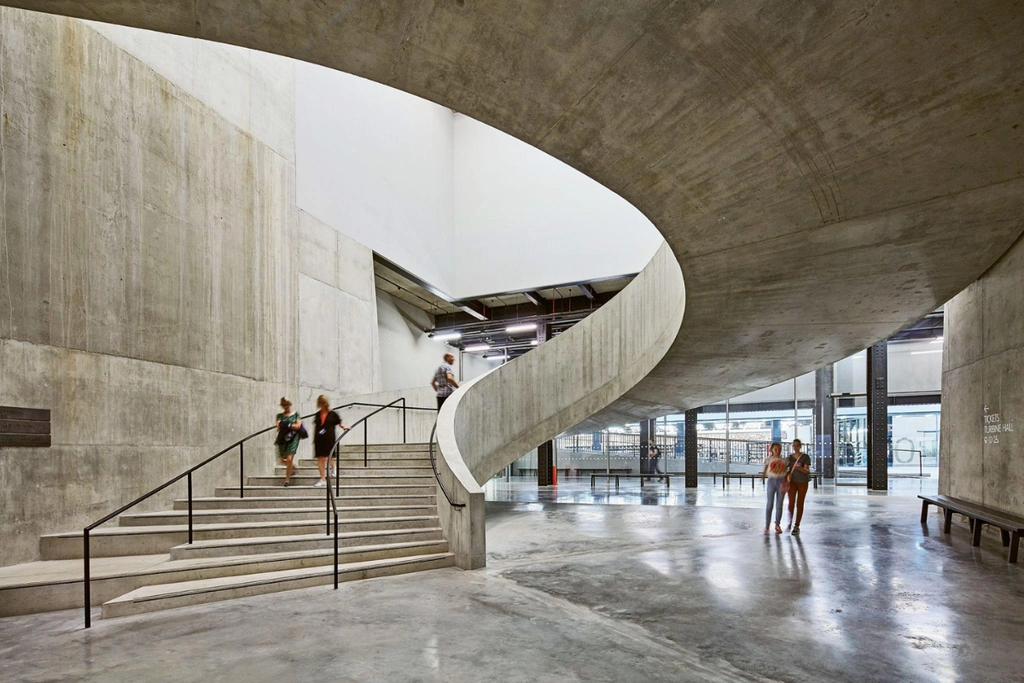
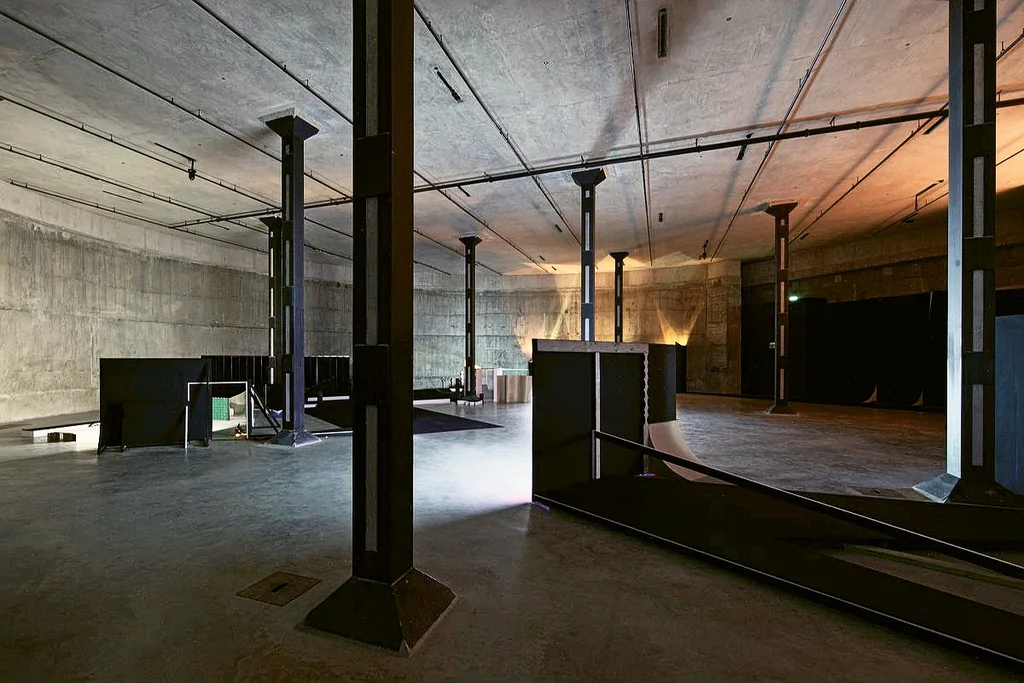
The museum also changes the surrounding city. The Millennium Bridge connects Bankside directly to St Paul's, placing contemporary art and historic London on opposite ends of a pedestrian crossing. Looking across the Thames becomes part of the visit.
An art gallery tour suddenly includes a bridge.
Continue east and London's art history changes again.
Whitechapel Gallery opened in 1901 with an ambition to bring significant art to the East End. Its subsequent exhibition history reads like a record of modernism gradually becoming institutional history. Picasso's Guernica appeared there during its 1939 visit to Britain, while later exhibitions introduced British audiences to major figures including Jackson Pollock and Mark Rothko.
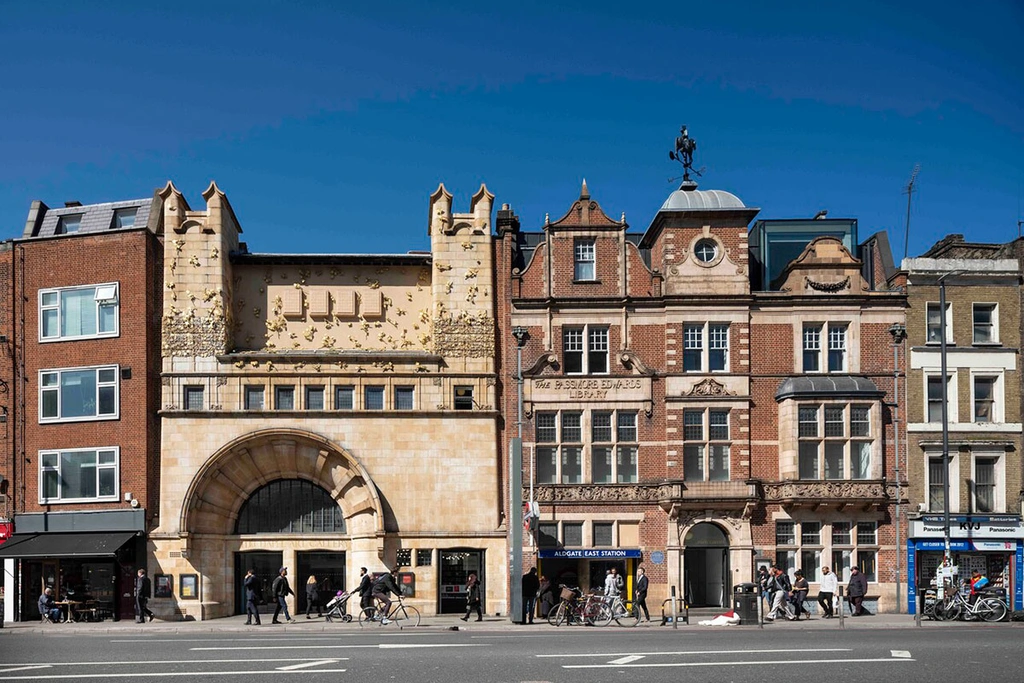
The gallery's identity has always been connected to its surroundings.
Whitechapel has passed through enormous demographic, economic and architectural change. Migrant communities, markets, workshops, artists, nightlife and property development have continually reshaped the East End. The gallery remained within that movement, maintaining a programme built around temporary exhibitions, commissions and contemporary artistic practice.
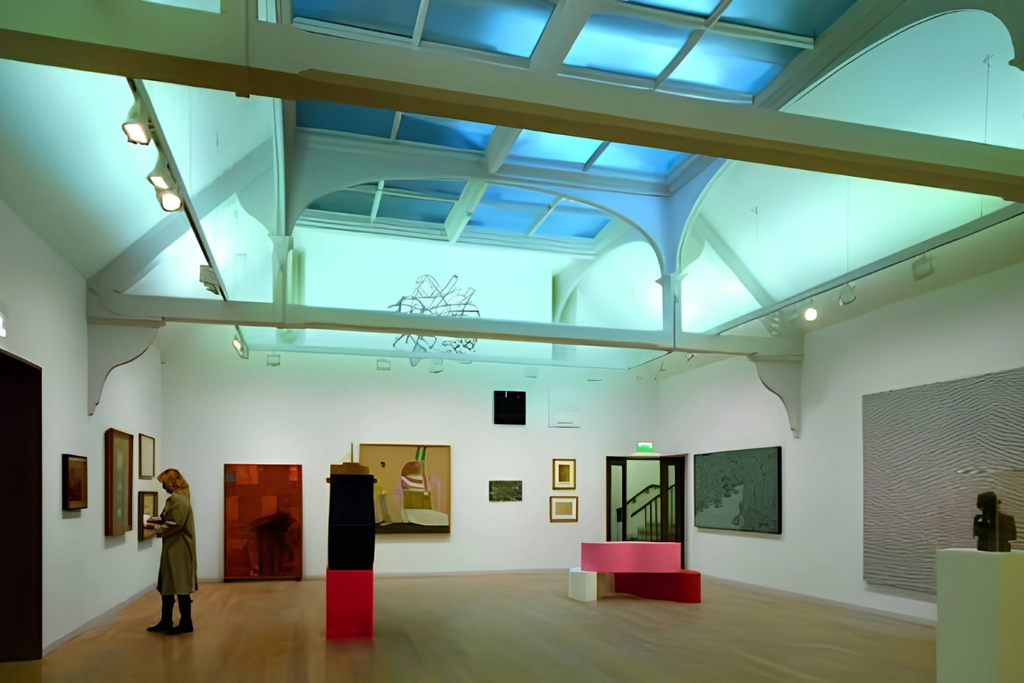
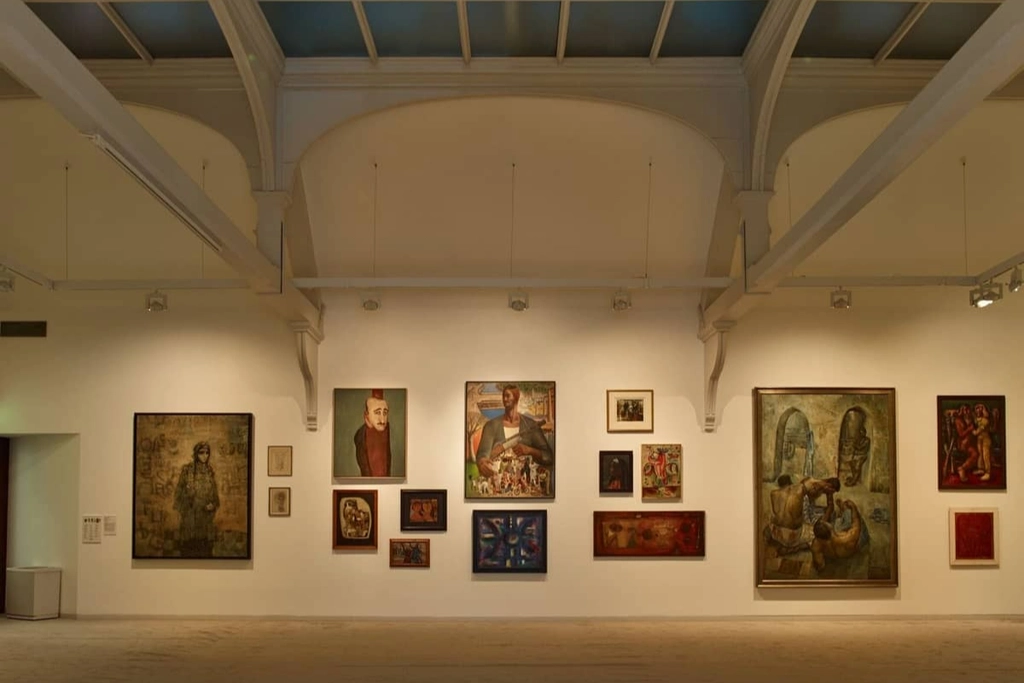
After London Gallery Weekend, this aspect of the city's ecosystem becomes particularly visible. Commercial exhibitions may close or change, yet institutions such as Whitechapel preserve a longer rhythm of experimentation. London's contemporary scene exists through accumulated decades of artists, curators, galleries and neighbourhoods.
The weekend is an event. The infrastructure is permanent.
Somerset House offers a completely different tempo.
The Courtauld Gallery holds a collection stretching from medieval art into the 20th century, yet its Impressionist and Post-Impressionist paintings have given the institution an extraordinary concentration of familiar images.
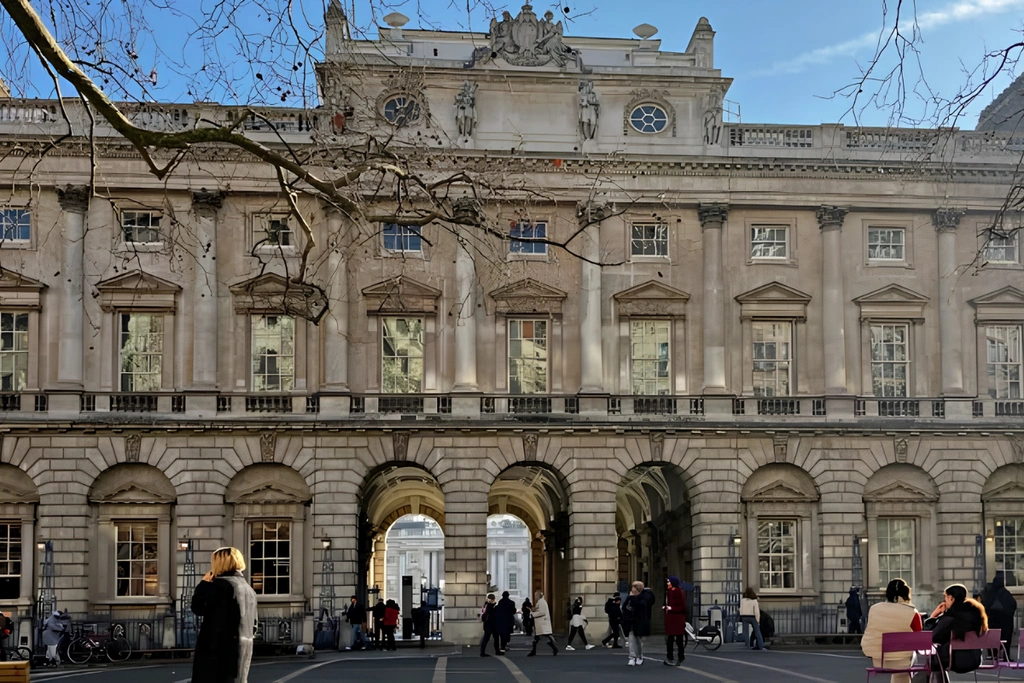
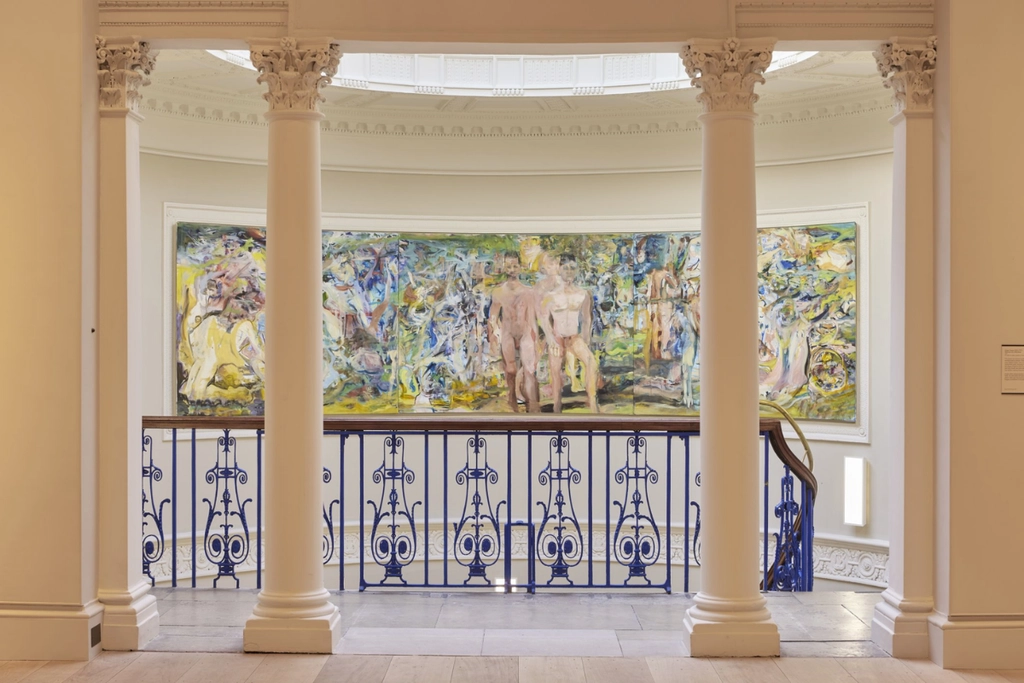
Manet's A Bar at the Folies-Bergère hangs here. So does Van Gogh's Self-Portrait with Bandaged Ear, alongside an exceptional group of works by Cézanne.
Reproduction has made these paintings culturally enormous. Their physical dimensions can therefore come as a surprise.
Standing close to Manet restores details flattened by screens and books: the uncertain reflection, bottles across the marble counter, flowers pinned to the barmaid's dress and the peculiar spatial relationship between her body and the man appearing in the mirror.
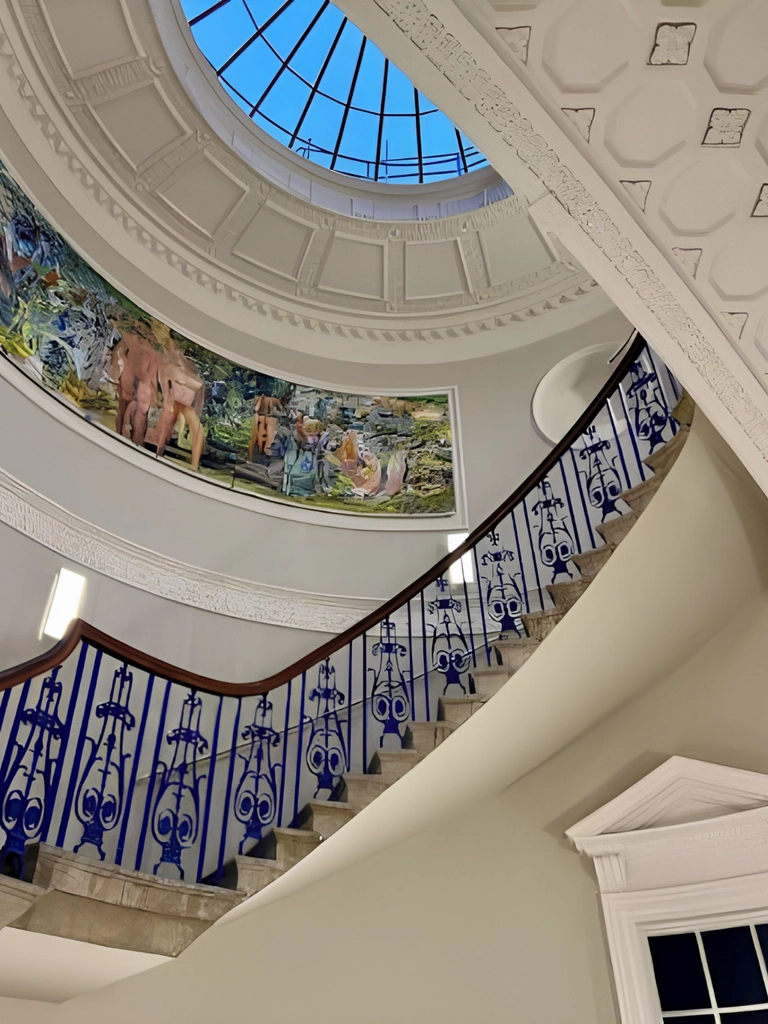
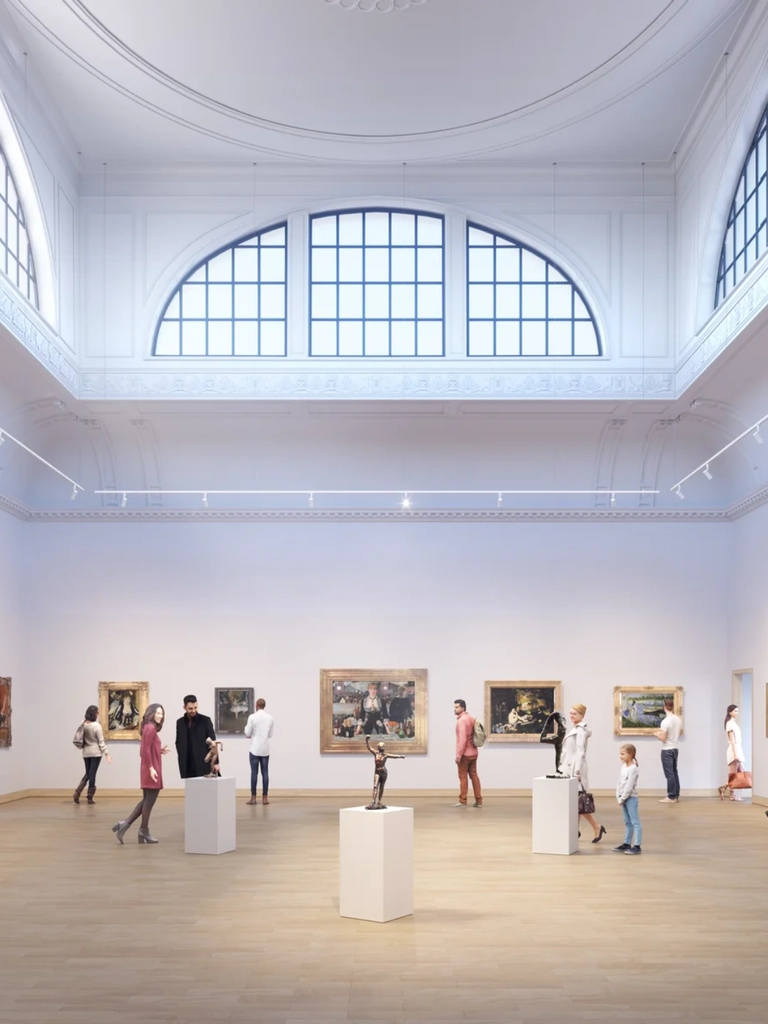
The Courtauld proves that an art gallery tour gains depth through changes in scale. Tate Modern encourages the body to move through monumental space. The Courtauld pulls the eye toward the surface of a painting.
London offers both experiences within a short journey.
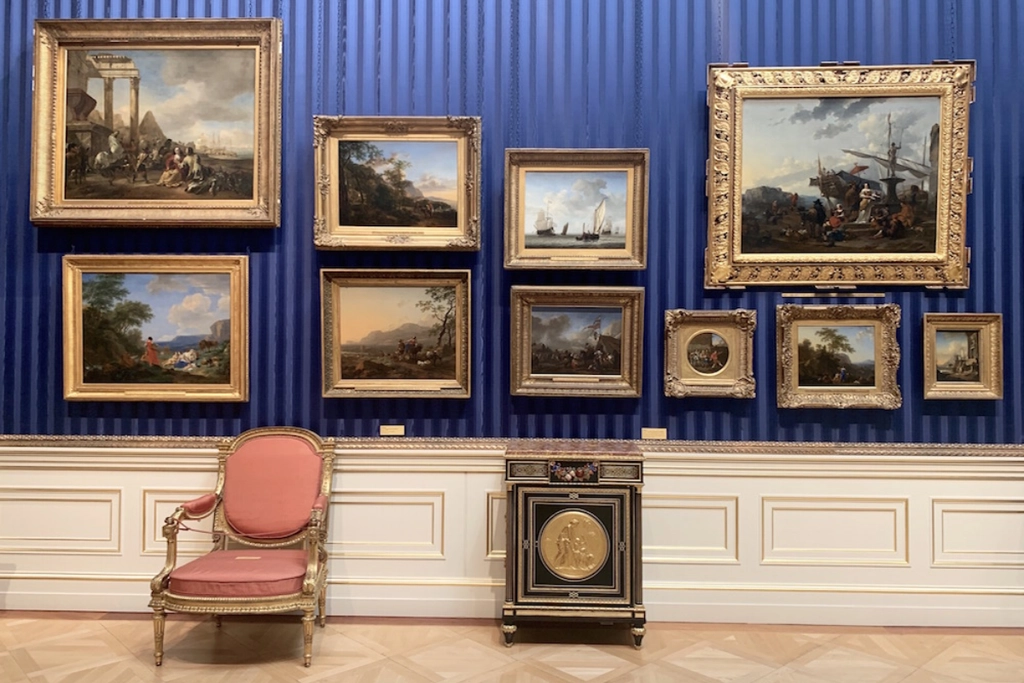
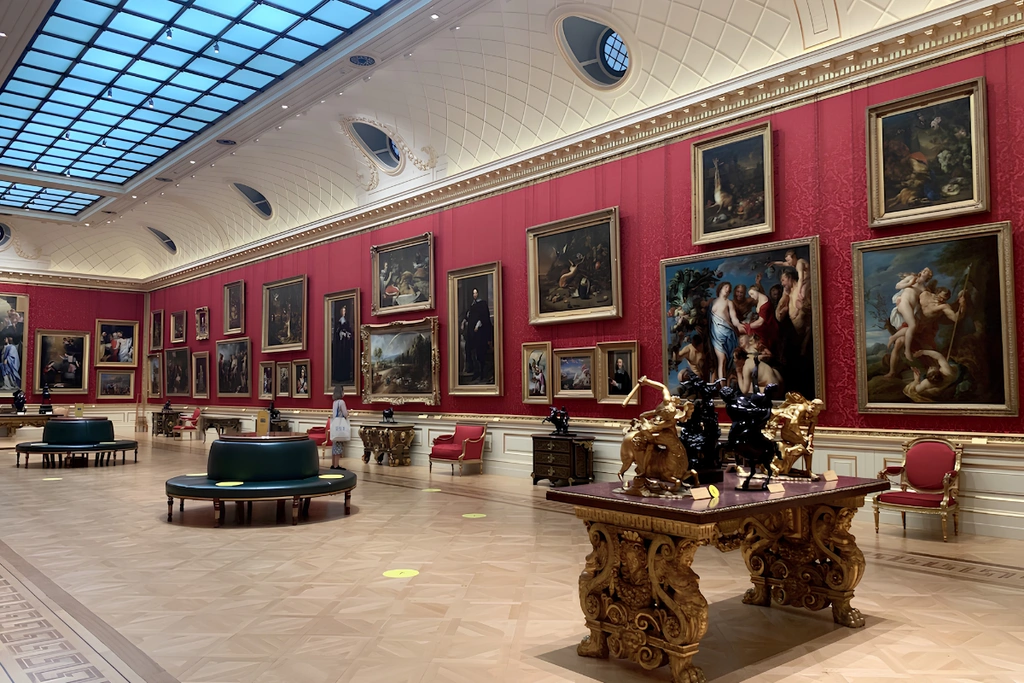
At Manchester Square, the Wallace Collection reveals another chapter of London's relationship with art: private taste transformed into public inheritance.
Hertford House surrounds visitors with Old Master paintings, French furniture, Sèvres porcelain, sculpture, armour and objects associated with aristocratic collecting. Fragonard's The Swing exists within rooms that still suggest the visual density of an elite domestic interior.
Nearby, Sir John Soane's Museum takes this relationship between collection and home considerably further.
Soane treated his house as an architectural experiment. Antiquities, fragments, drawings, paintings and architectural models crowd into spaces engineered around surprise. His Picture Room uses hinged panels to multiply the amount of art that a small room can contain, including Hogarth's A Rake's Progress.
Opening one wall reveals another.
The experience feels remarkably contemporary despite the historical material. Space becomes interactive, sightlines are carefully manipulated and the visitor discovers objects through movement. The architecture controls looking as deliberately as any modern exhibition designer.
Within the city as gallery, the private home becomes another exhibition typology.
South Kensington pushes the definition even wider.
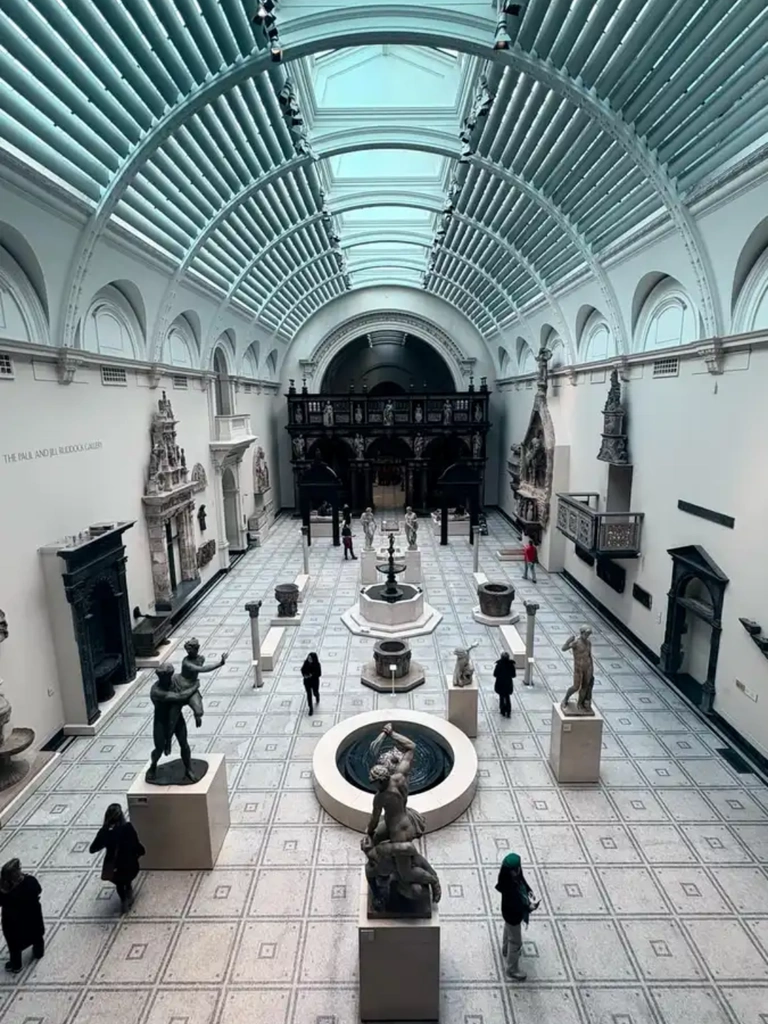
The Victoria and Albert Museum covers approximately 5,000 years of human creativity through art, design and performance. Painting occupies only one strand of a much larger material history that includes fashion, textiles, furniture, ceramics, jewellery, metalwork, sculpture, photography and theatre.
Its collections change the questions visitors ask.
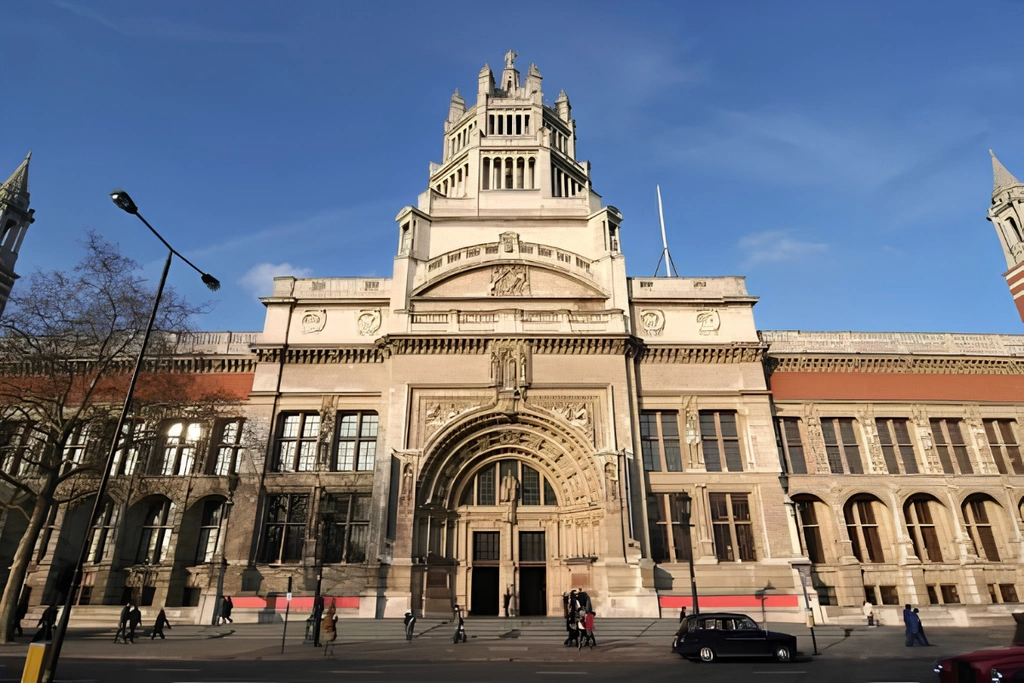
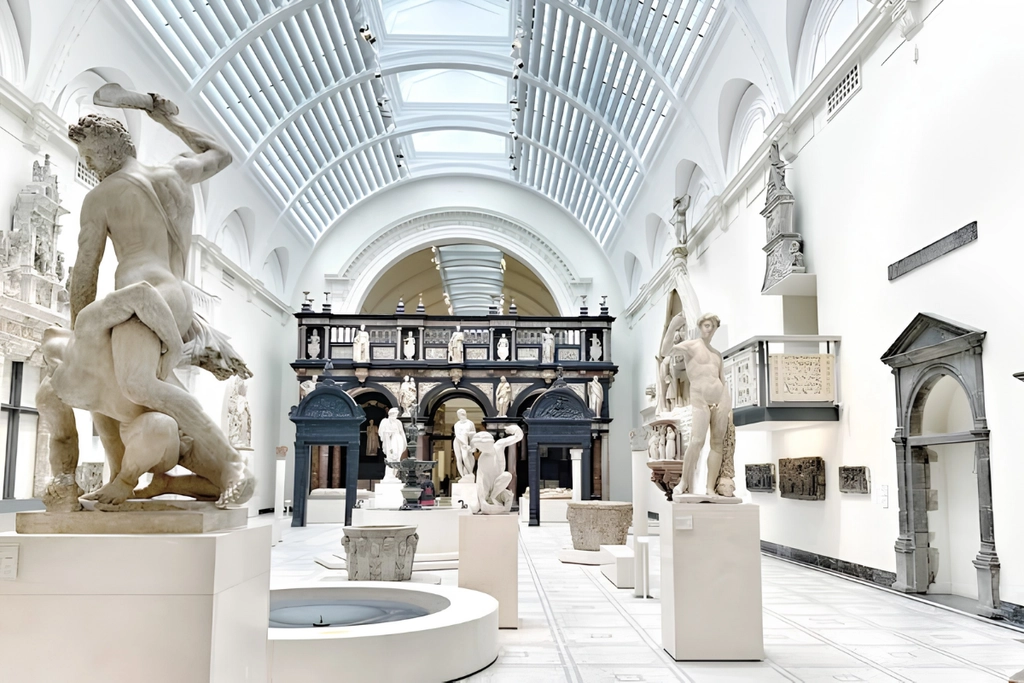
Who made this object? Which material made it possible? How was a stone carved, a silk woven, a jewel set or a dress constructed? What happens when technical knowledge passes between countries, workshops and generations?
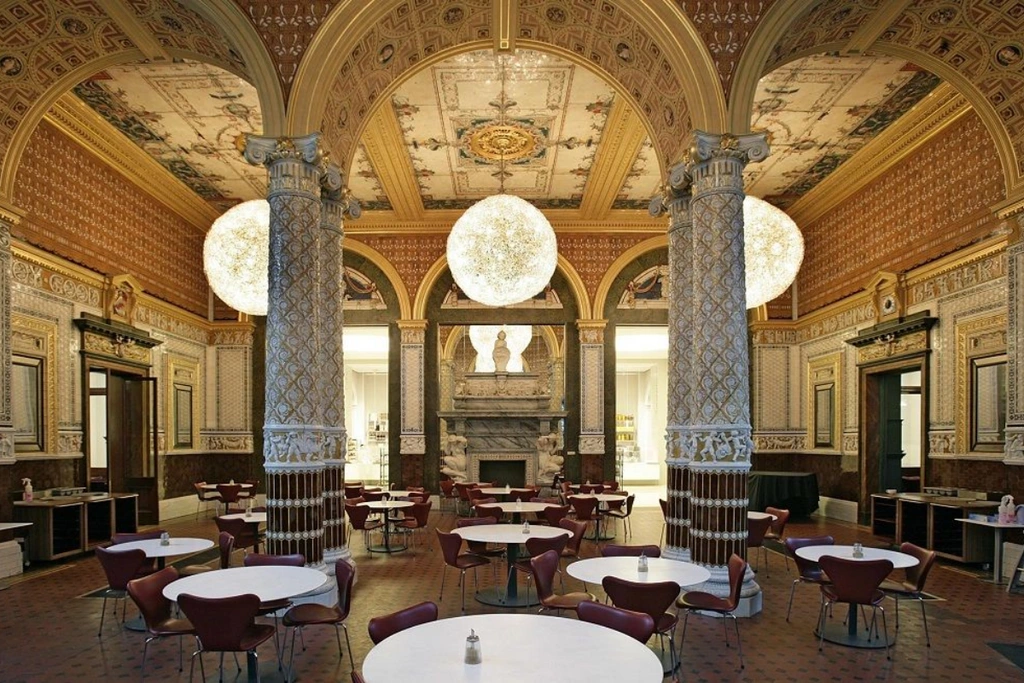
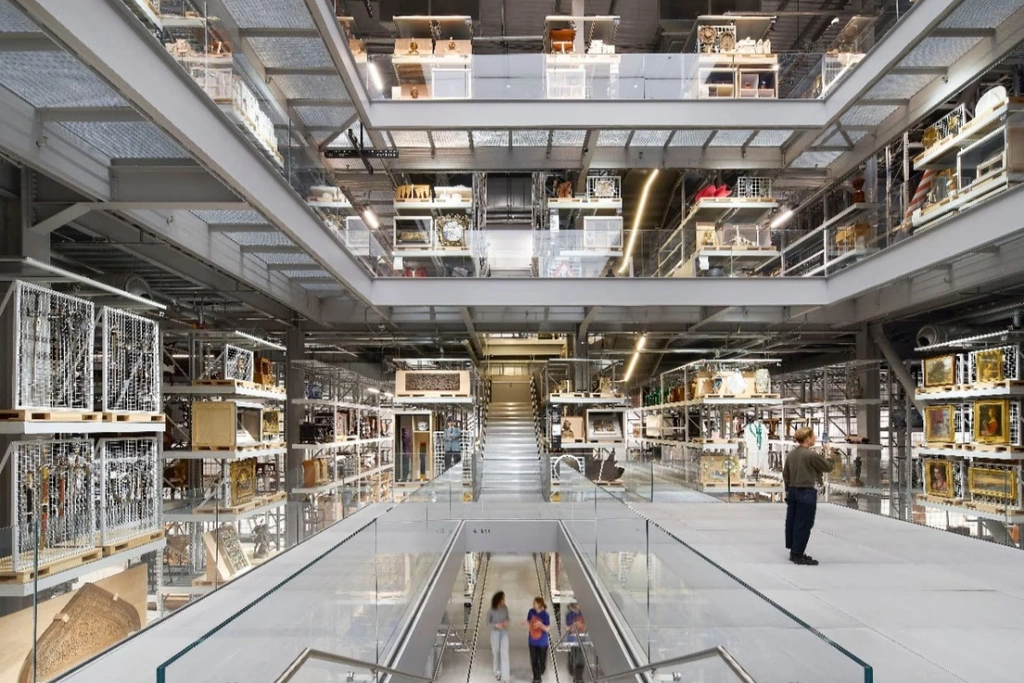
For anyone interested in fashion or design, the V&A also dissolves the traditional hierarchy separating the museum masterpiece from the functional object. A chair can reveal an industrial revolution. A dress can record changing ideas of gender and the body. A piece of jewellery can contain histories of trade, extraction and craftsmanship.
An art gallery tour through London consequently expands beyond paintings on walls. Material culture becomes part of the city's visual biography.
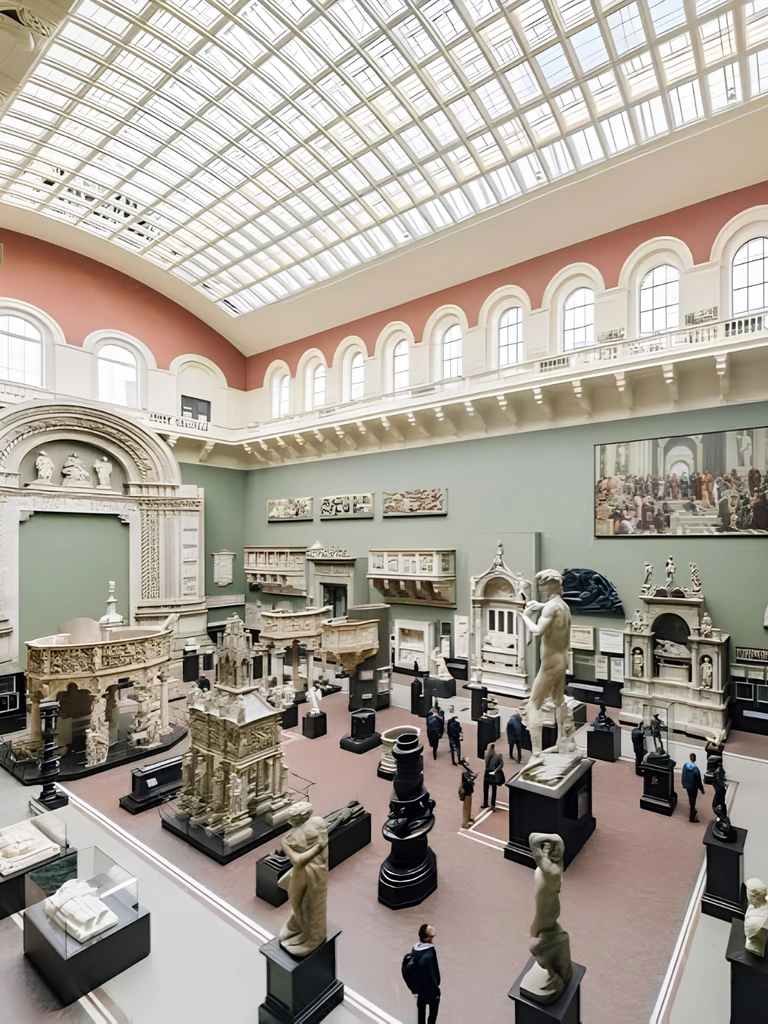
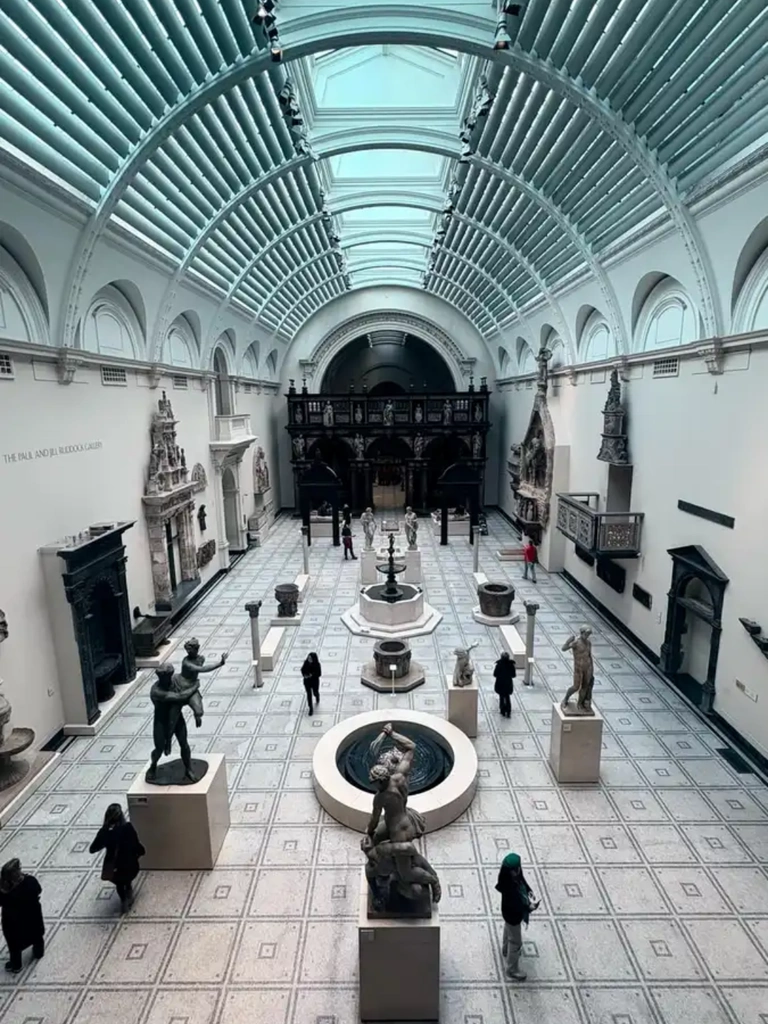
Between the streets of London lie commercial galleries, artist studios, auction houses, art schools, public sculptures, architecture and neighbourhoods that have supported successive generations of cultural production.
So perhaps the most rewarding art gallery tour begins once the official itinerary disappears. Walk from one collection to another and London supplies its own curatorial logic. Renaissance painting leads into Georgian architecture; British Romanticism meets the Thames; industrial infrastructure frames contemporary installation; an aristocratic townhouse preserves Rococo taste while the East End keeps rewriting the possibilities of the exhibition. The city as gallery remains open all year.