Beyond the Arctic Circle, where winter darkness stretches across frozen forests and the Northern Lights illuminate the night, luxury hospitality assumes an extraordinary character. Architecture must withstand extreme temperatures, extraordinary landscapes become part of the interior experience, and silence acquires a value that few urban sanctuaries can reproduce.
Luxury Hospitality Goes Below Zero
Beyond the Arctic Circle, where winter darkness stretches across frozen forests and the Northern Lights illuminate the night, luxury hospitality assumes an extraordinary character. Architecture must withstand extreme temperatures, extraordinary landscapes become part of the interior experience, and silence acquires a value that few urban sanctuaries can reproduce.
October 20, 2026


For much of its history, luxury hospitality relied upon familiar expressions of prestige: extravagant interiors, exceptional service, coveted urban addresses, and privileged access to cultural landmarks. Within the Arctic Circle, these conventions encounter an environment that imposes its own demands.
Winter temperatures can descend far below freezing, daylight disappears for extended periods, and remote landscapes present considerable logistical challenges. Building and operating sophisticated accommodation under these conditions requires specialised engineering, reliable infrastructure, and an intimate understanding of the surrounding climate.
Travelling to the Arctic includes apparent limitations. However, these limitations have become central to its appeal. Seclusion, darkness, and extraordinary natural phenomena create experiences that are difficult to reproduce elsewhere.
The region's most ambitious properties respond through architectural approaches that frame the wilderness while maintaining warmth, comfort, and privacy. Panoramic glazing opens interiors towards vast landscapes, insulated timber structures respond to extreme temperatures, and private lodges offer unusually intimate relationships with their surroundings.
Among the most exclusive hotels in the world, these destinations distinguish themselves through the scarcity of their setting and the highly personalised experiences available to guests.
Octola Private Wilderness: The Architecture of Radical Privacy
Hidden within the forests of Finnish Lapland, Octola Private Wilderness represents an uncompromising interpretation of exclusive Arctic luxury hospitality.
Situated within its own wilderness setting near Rovaniemi, the property was conceived as an intimate retreat accommodating private groups within a ten-bedroom lodge. Its architecture draws inspiration from traditional Lappish laavu shelters, reinterpreting their protective geometry through contemporary materials and expansive interior spaces.
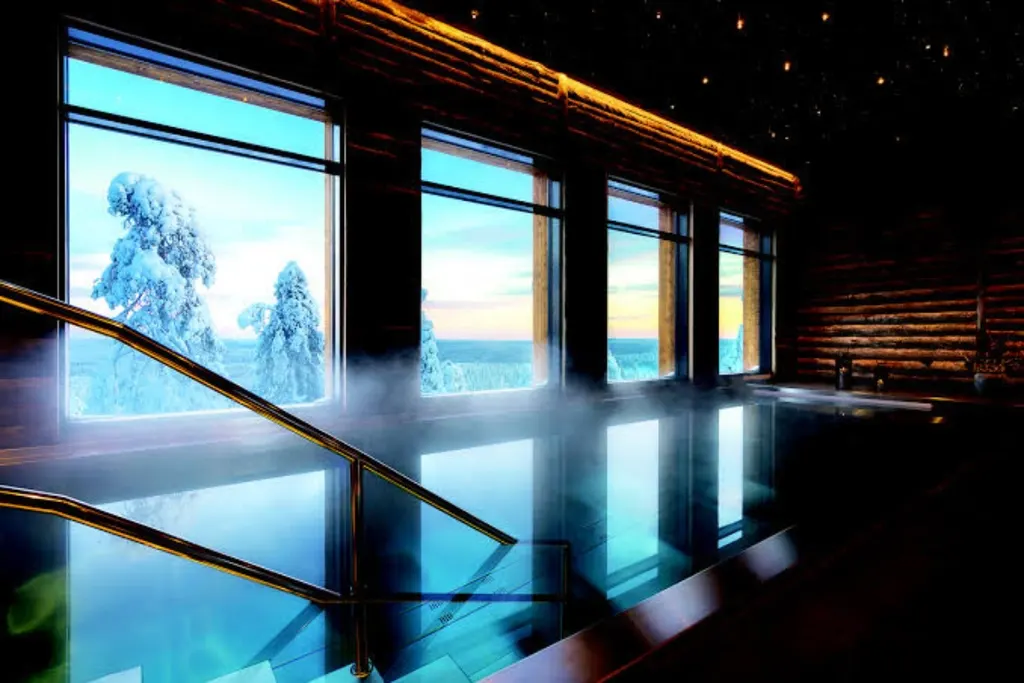
The building's structure incorporates substantial timber elements, while geothermal heating and wood-fired sauna facilities provide comfort during the harshest winter conditions.
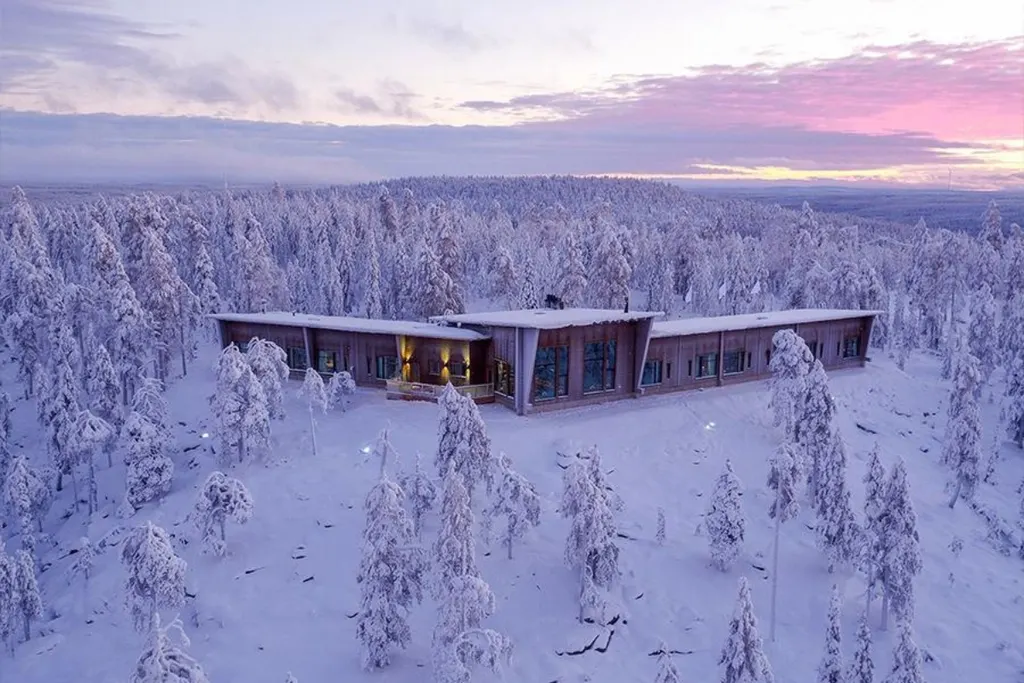
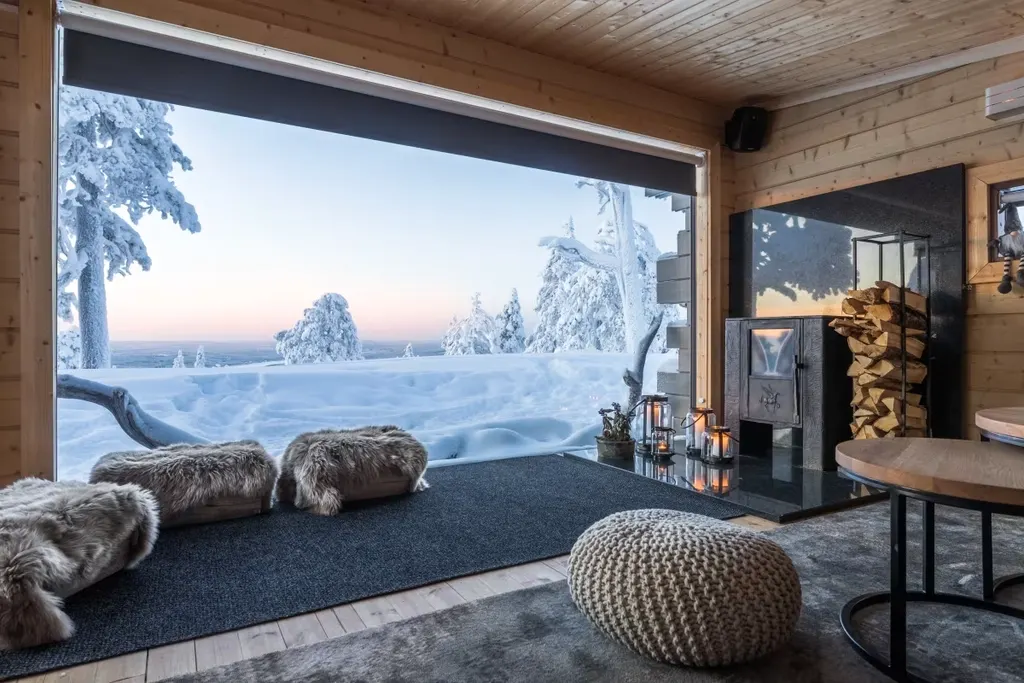
Inside, natural textures, warm lighting, and generous communal areas create a restrained atmosphere. Large windows maintain visual connections with the surrounding forest, where snow-covered trees and changing Arctic light form an ever-present backdrop.
Octola's concept extends beyond accommodation. Dedicated private chefs develop Nordic menus around locally sourced ingredients, while bespoke excursions introduce guests to the surrounding wilderness.
Depending on the season, experiences can include snowshoeing, reindeer encounters, private skiing adventures, and guided foraging.
The property's defining luxury is the ability to experience an extraordinary landscape without the interruptions associated with conventional tourism.
Privacy becomes an architectural and experiential principle, shaping the relationship between guests, their accommodation, and the surrounding environment.
Levin Iglut: Sleeping Beneath the Northern Lights
Few architectural concepts capture the appeal of Arctic tourism as vividly as the glass igloo.
At Levin Iglut – Golden Crown, a collection of 27 glass-roofed accommodations occupies the slopes of Utsuvaara, approximately 340 metres above sea level.
The resort's elevated position provides expansive views across the surrounding fells, while its insulated structures enable guests to observe the night sky from the comfort of their beds.
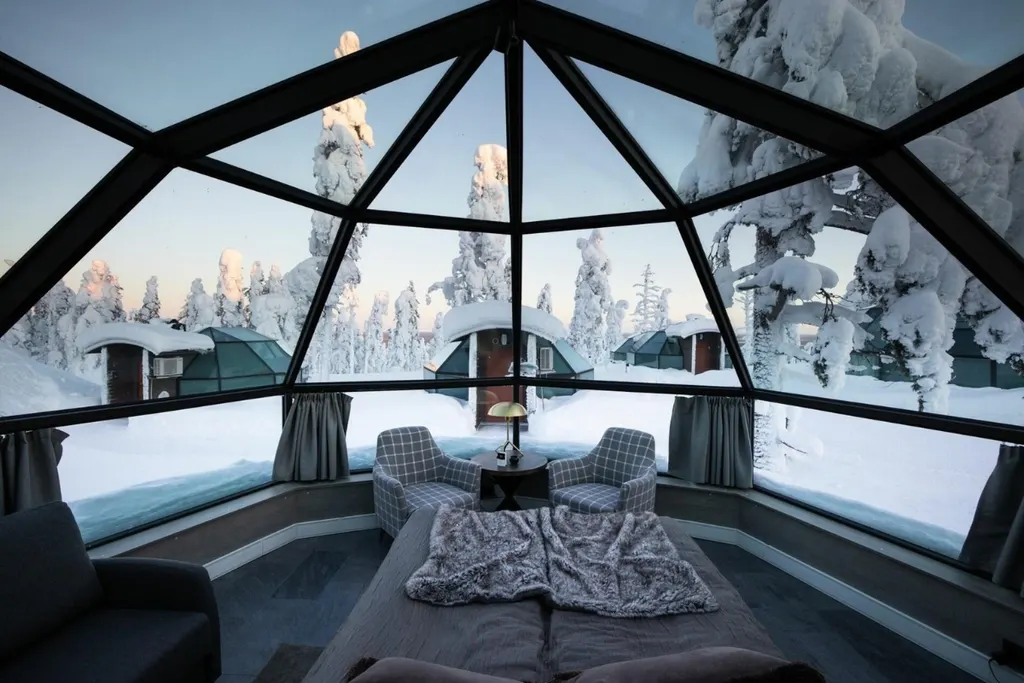
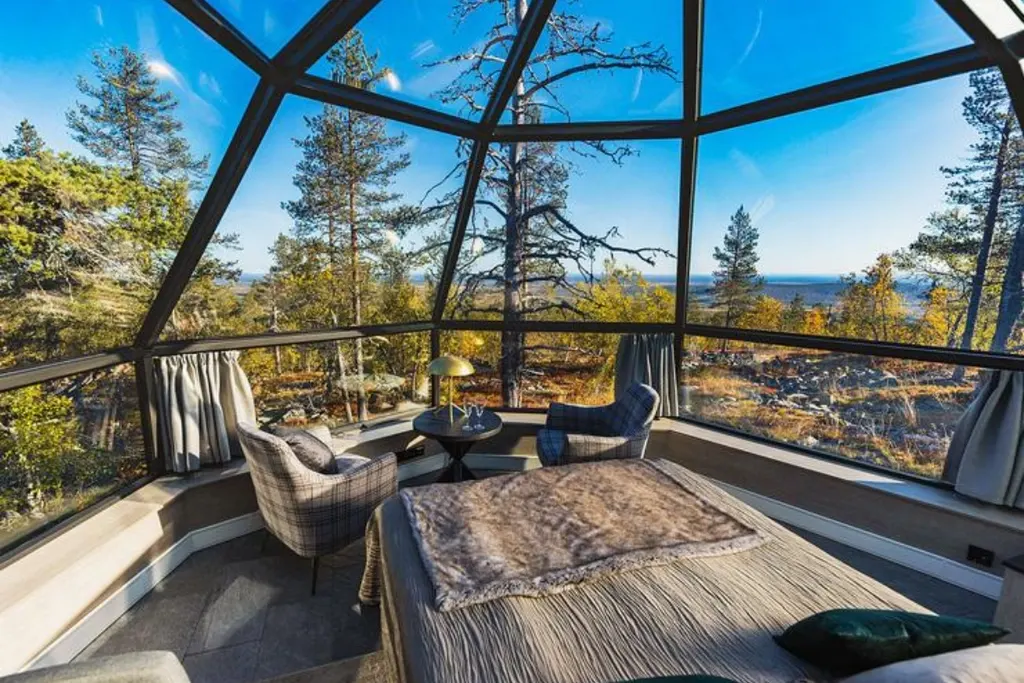
These accommodations demonstrate the importance of sophisticated environmental engineering within contemporary luxury hospitality.
Modern insulation, underfloor heating, and climate-control systems maintain comfortable interior temperatures even when outdoor conditions descend below minus 30 degrees Celsius. Carefully positioned glazing creates uninterrupted views without exposing guests directly to the climate.
The experience also transforms the conventional relationship between architecture and entertainment. Here, the central spectacle unfolds beyond the room, where the aurora borealis may appear as shifting curtains of green, violet, and occasionally crimson light.
Northern Lights sightings remain dependent upon atmospheric conditions, solar activity, and cloud cover. The hotel's architectural design increases opportunities for observation but cannot guarantee a display.
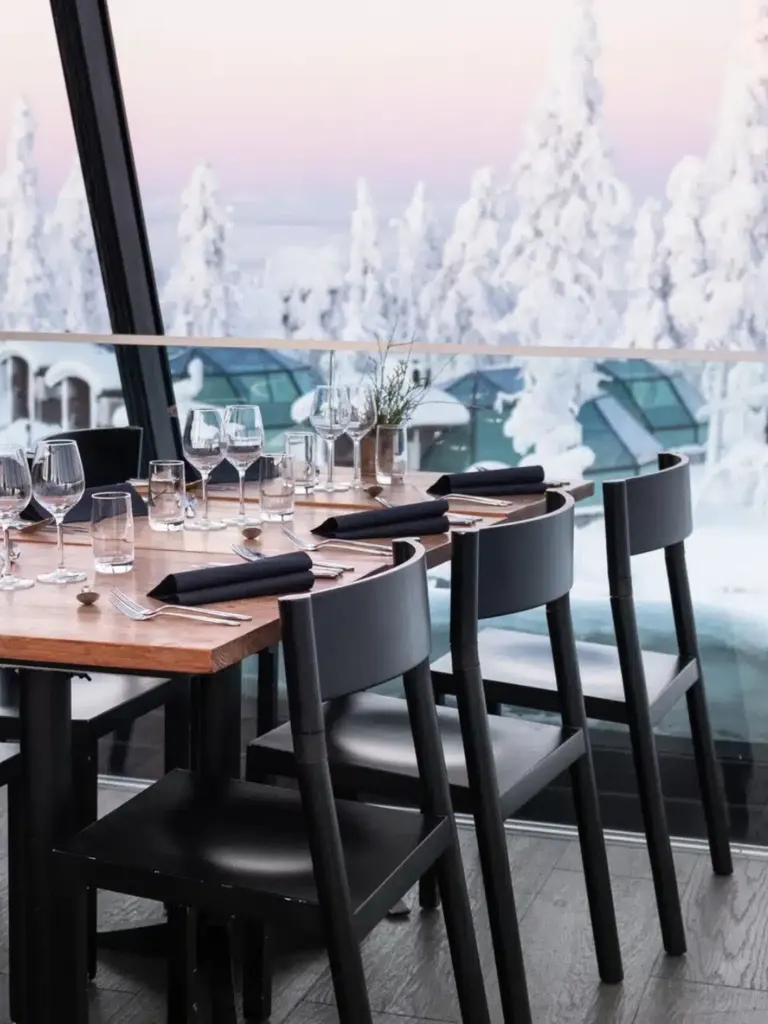
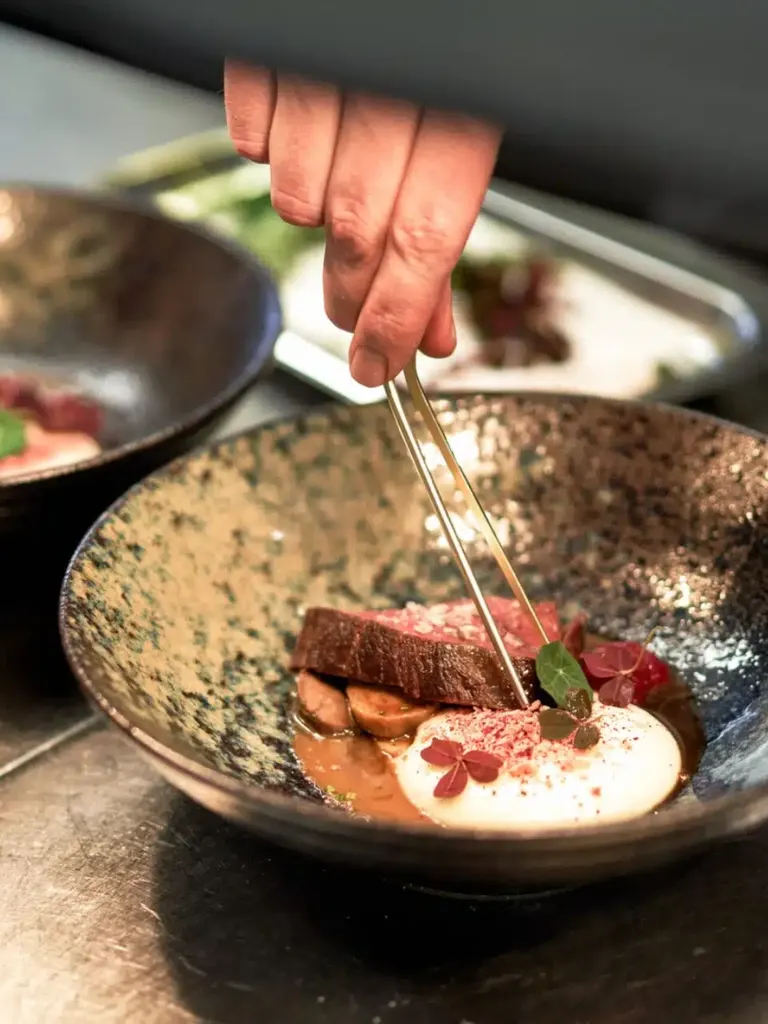
The property complements its distinctive accommodation with Restaurant Utsu, where seasonal Nordic dining is presented beneath a glass-roofed interior overlooking the Arctic landscape.
Manshausen: Floating Architecture Along Norway's Arctic Coast
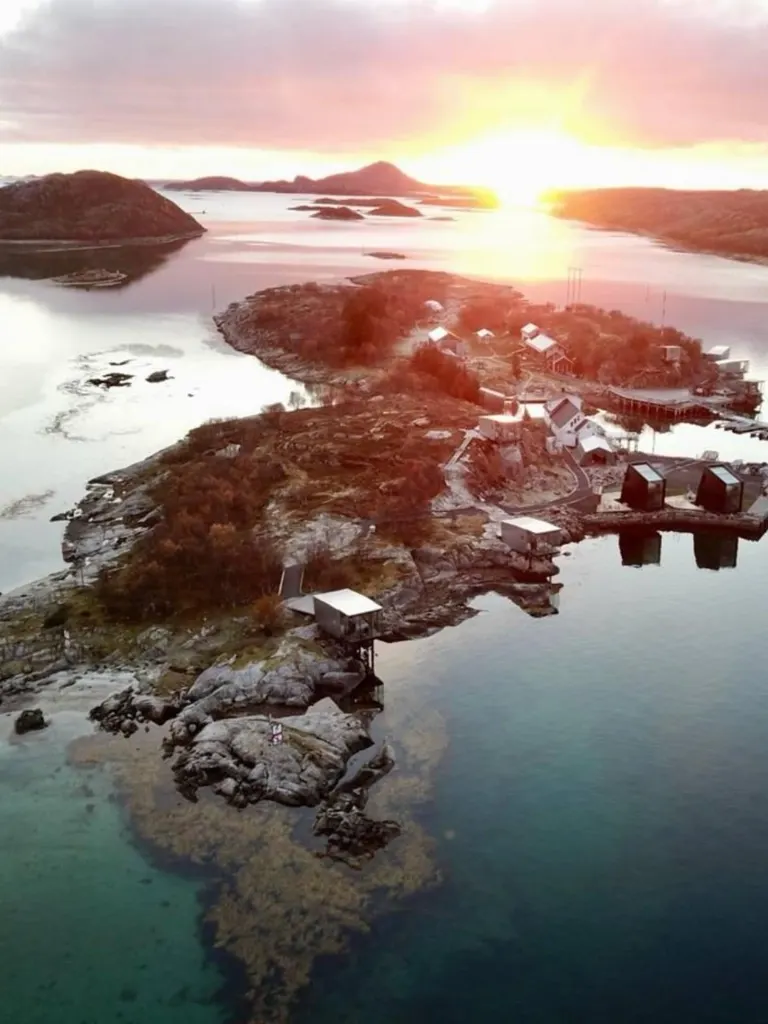
Along Norway's dramatic northern coastline, Manshausen offers another compelling interpretation of Arctic seclusion.
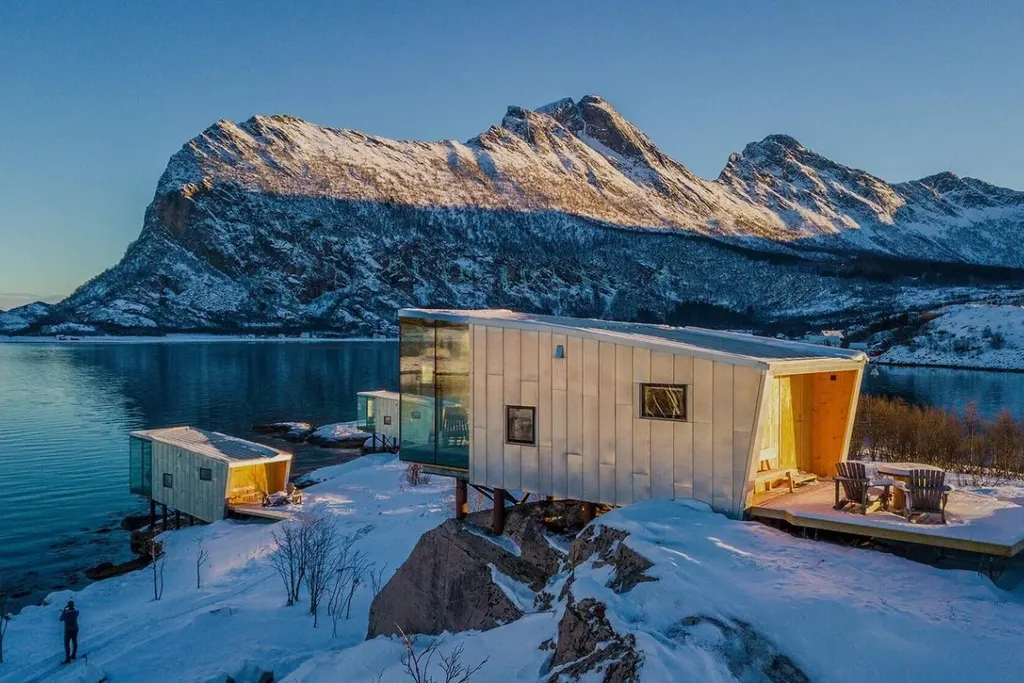
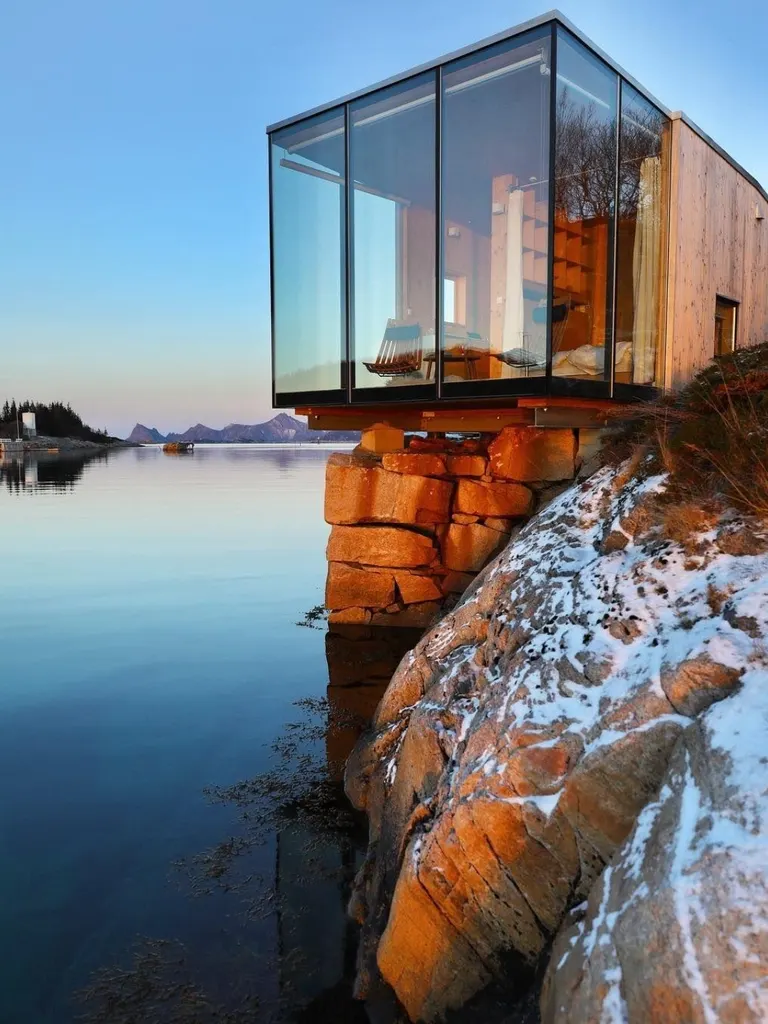
Founded by polar explorer Børge Ousland, the island retreat features architecturally distinctive sea cabins positioned along a rugged shoreline.
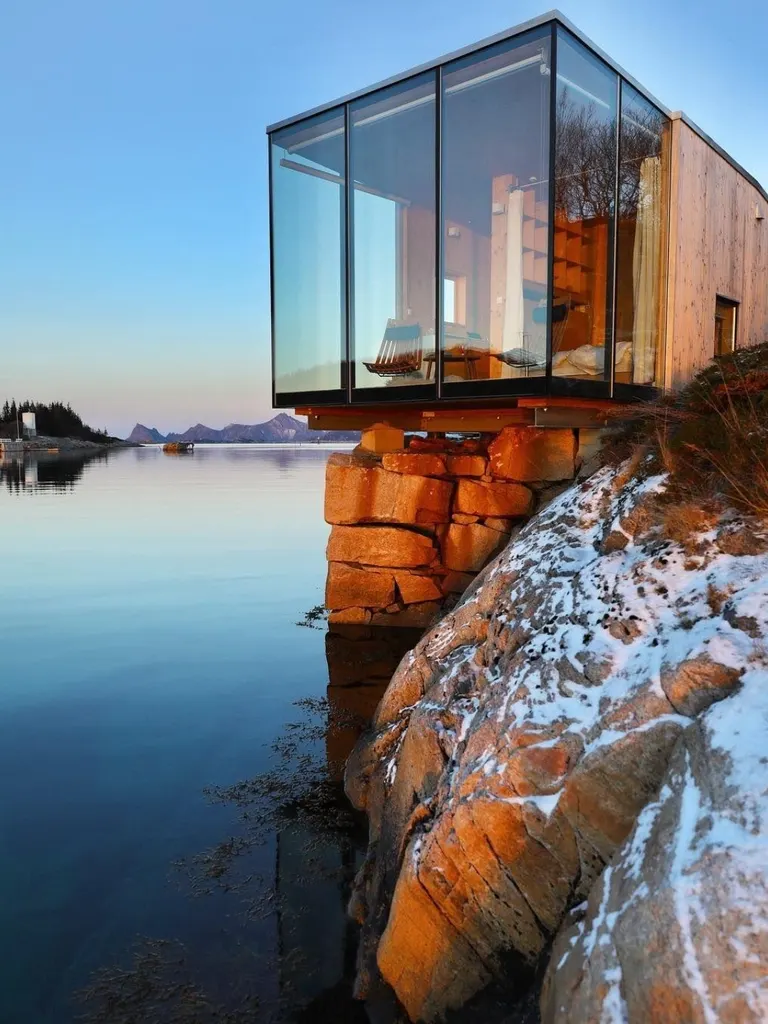
The property's seven original Sea Cabins and two newer Sea Towers embrace a philosophy of compact living, prioritising simplicity, exceptional views, and direct engagement with the surrounding environment.
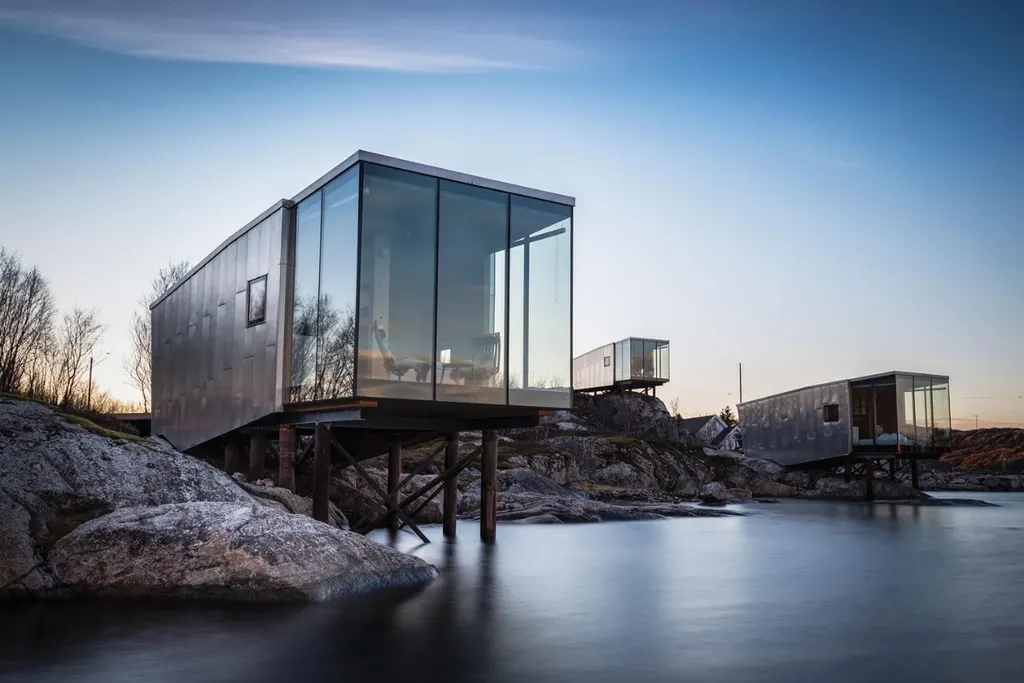
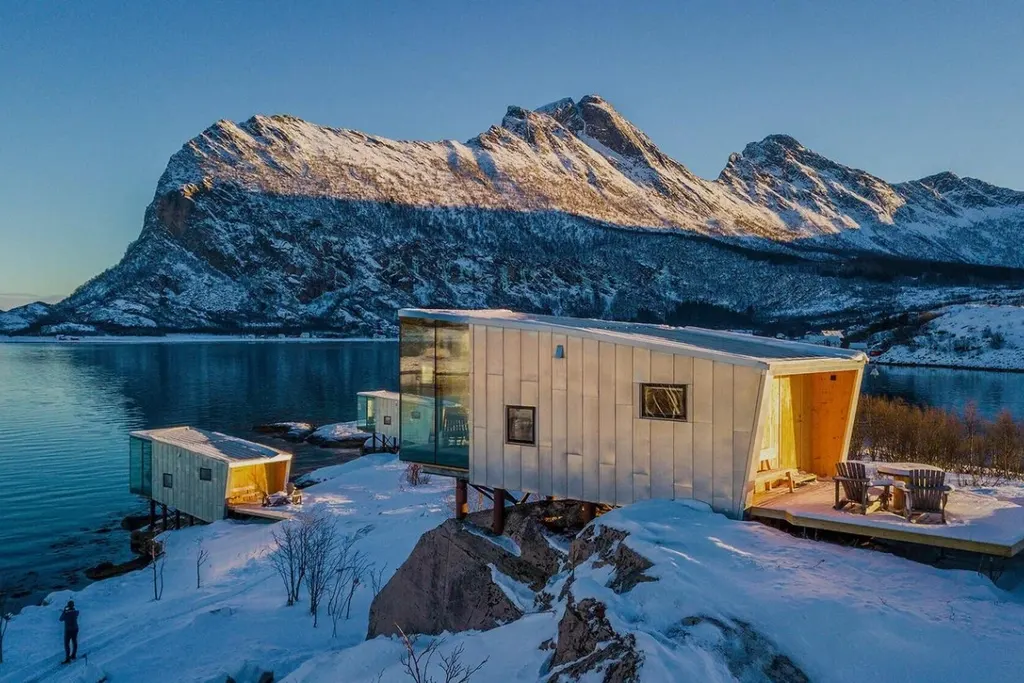
Expansive floor-to-ceiling windows establish a continuous visual connection with the sea and neighbouring mountains. Timber interiors provide warmth and intimacy, while restrained furnishings preserve the architectural emphasis on landscape.
Unlike the expansive private lodges of Finnish Lapland, Manshausen draws its character from the relationship between modest architectural scale and immense natural surroundings.
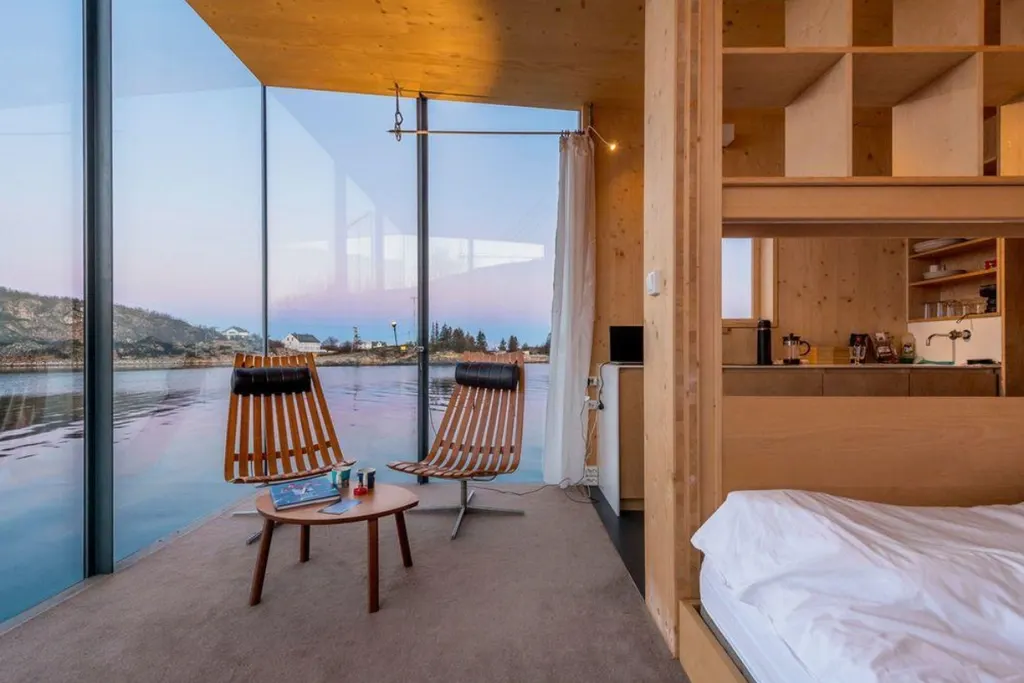
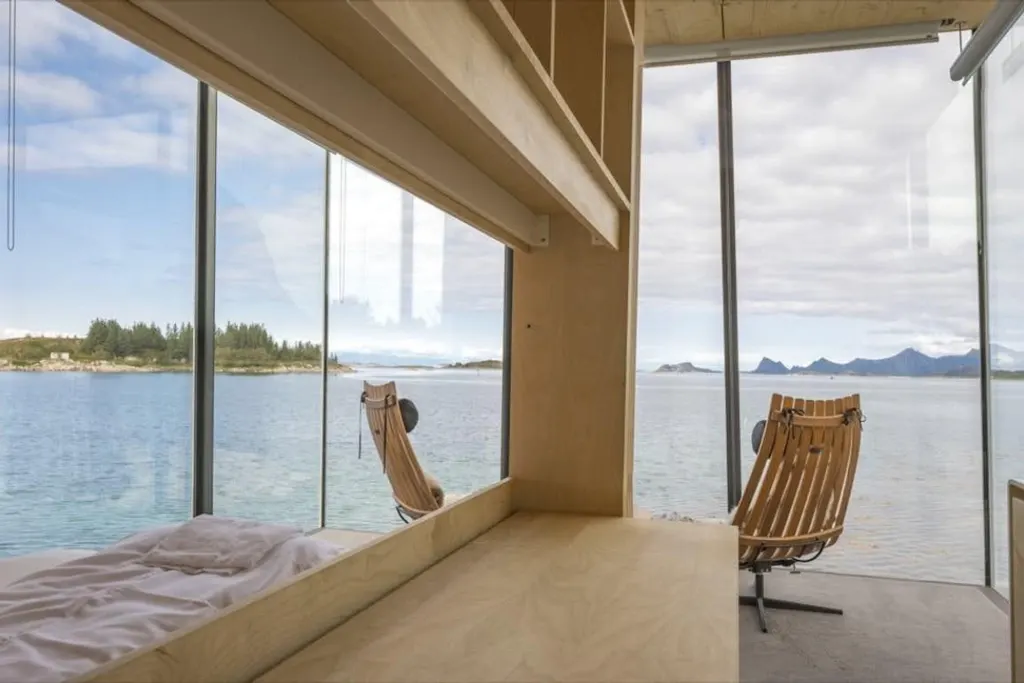
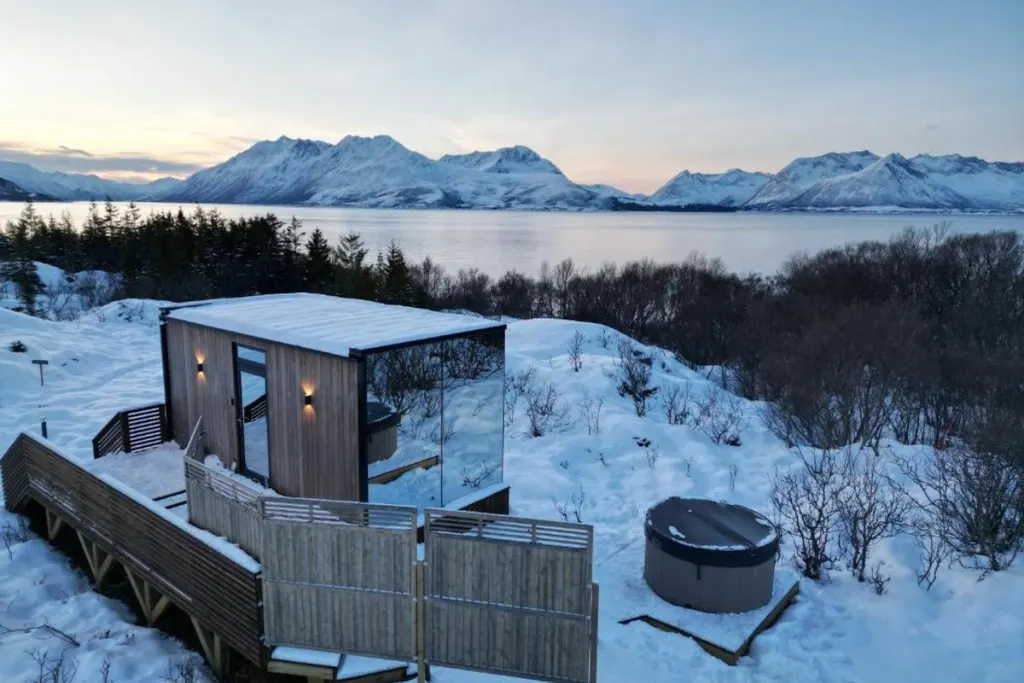
The retreat's wellness facilities further integrate the Arctic coastline into the guest experience. A glass-fronted sauna overlooks the water, while an outdoor hot tub and seawater pond encourage immersion in the surrounding environment.
This architectural restraint suggests that exclusivity can emerge through careful spatial composition, environmental sensitivity, and the extraordinary quality of a particular location.
Polar Wellness: The Luxury of Thermal Contrast
Wellness within the Arctic follows a distinctive relationship between the human body and its surrounding climate.
The Nordic tradition of sauna bathing provides a foundation for many contemporary luxury experiences, often combining intense heat with brief exposure to cold water, snow, or fresh winter air.
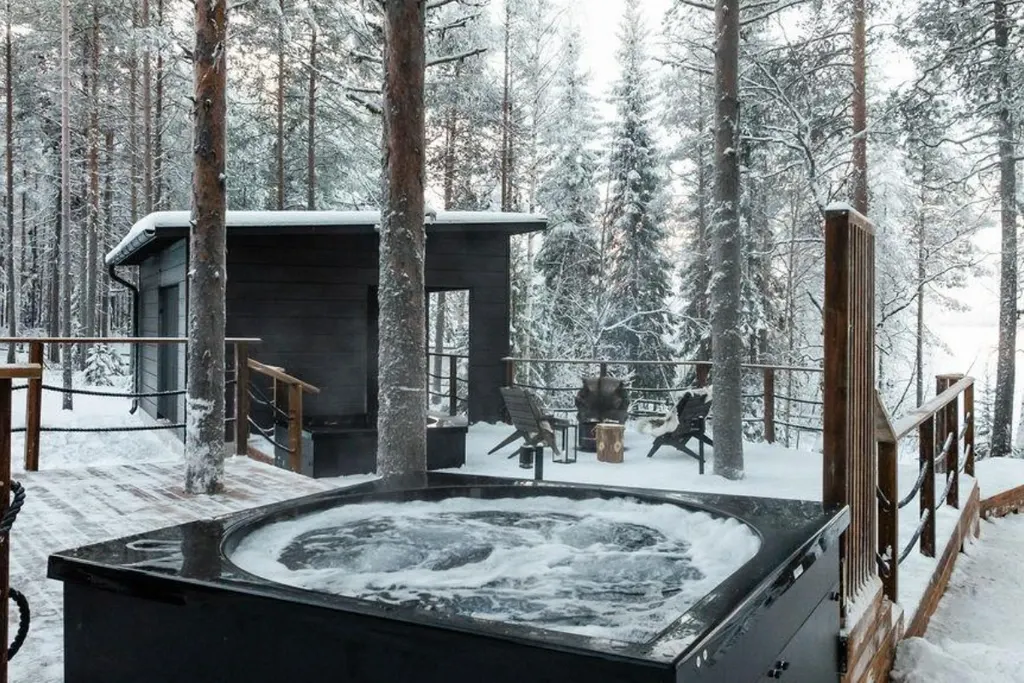
At properties such as Octola and Manshausen, these rituals take place in remarkable natural settings. Outdoor hot tubs overlook frozen forests or open water, while timber-lined saunas create intimate environments for relaxation.
The experience reflects the broader Nordic philosophy of friluftsliv, commonly translated as open-air living. The concept emphasises regular engagement with nature and the physical and psychological pleasures associated with outdoor activity.
Within Arctic luxury hospitality, this philosophy influences guided wilderness walks, skiing excursions, quiet contemplation, and carefully paced experiences designed around the natural rhythm of the seasons.
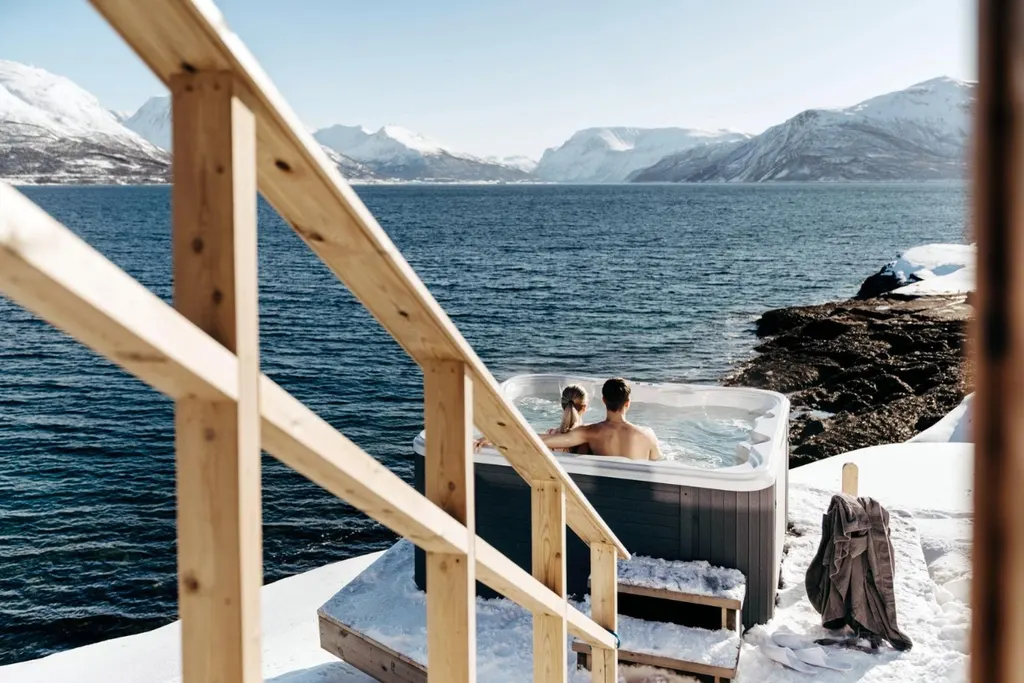
Cold-water immersion requires particular care, especially for individuals with cardiovascular conditions or limited experience of extreme temperatures. Guided, gradual exposure is preferable to treating sudden temperature changes as a competitive wellness ritual.
The appeal of Arctic wellness ultimately lies in its sensory contrasts: warmth against cold, shelter against exposure, and profound stillness against the movement of the natural landscape.
Gastronomy at the Edge of the World
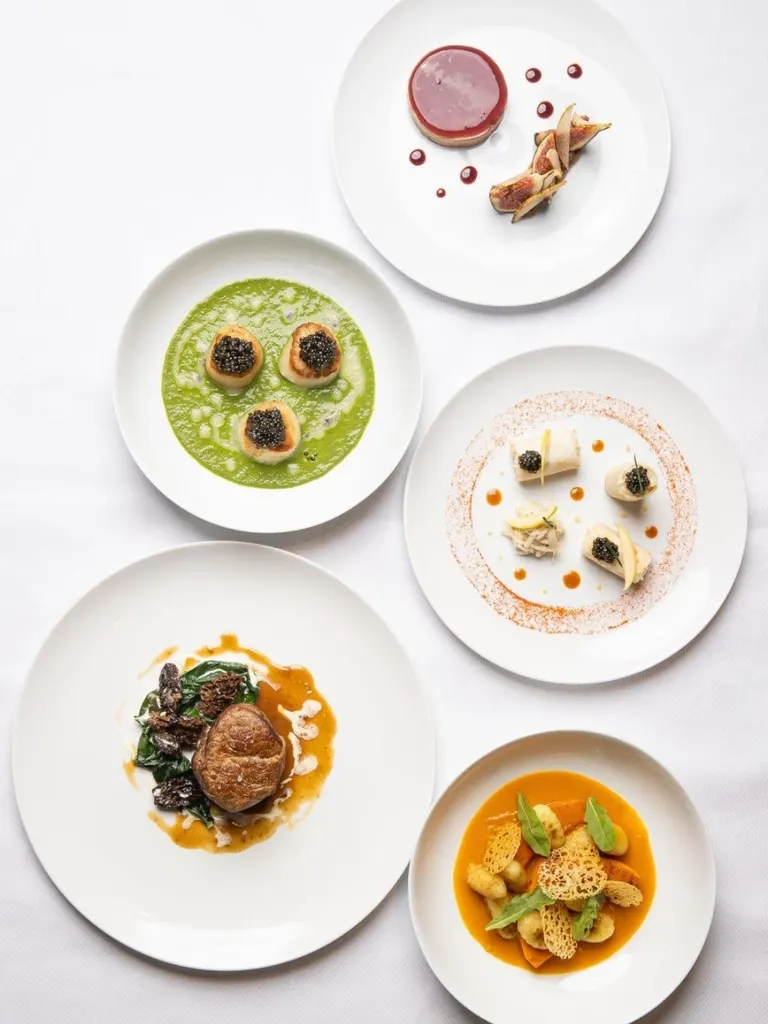
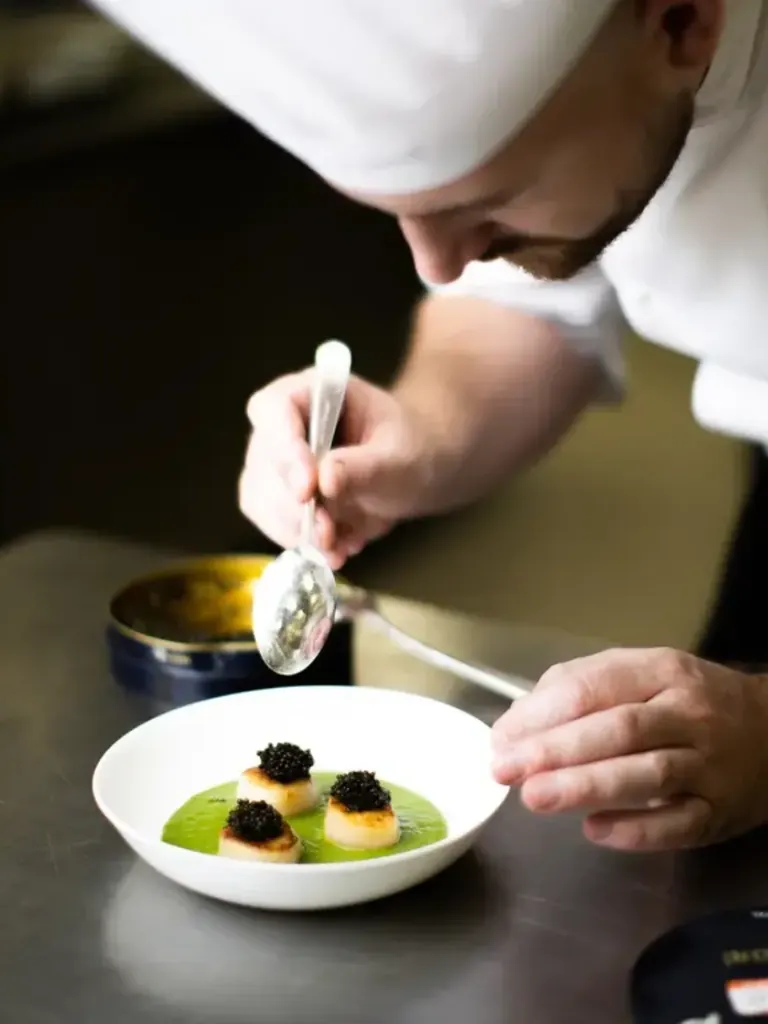
In Antarctica, where conventional restaurants are absent and the frozen wilderness stretches beyond the horizon, fine dining has found an extraordinary new setting. At White Desert's Whichaway Camp and Echo Camp, private chefs prepare sophisticated multi-course meals inside heated, architecturally striking dining pods, bringing contemporary gastronomy to one of Earth's most isolated environments.
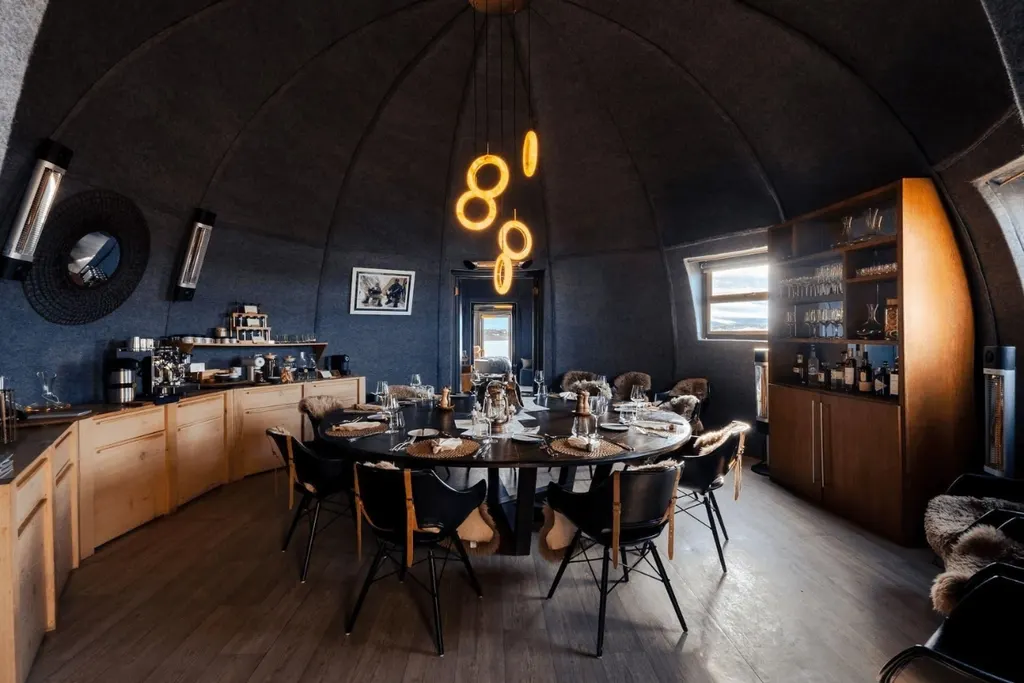

Farther offshore, aboard PONANT's luxury icebreaker Le Commandant Charcot, Nuna by Alain Ducasse elevates polar expedition dining through refined French cuisine, exceptional wines, and panoramic views of the Antarctic seascape.
These experiences redefine culinary exclusivity through the extraordinary logistics of delivering fine dining in an environment where almost every ingredient, piece of equipment, and element of hospitality must be transported from thousands of kilometres away.
Arctic Luxury Hospitality Offers the Most Exclusive Hotels In the World
The Arctic's growing appeal among affluent travellers raises an important contradiction. The region's exceptional landscapes have inspired some of the most exclusive hotels in the world, yet these environments are particularly vulnerable to climate change and increasing human activity.
As the Arctic warms, tourism development faces difficult questions concerning energy consumption, transportation emissions, ecosystem protection, and the economic participation of local and Indigenous communities.
Properties incorporating geothermal heating, efficient insulation, or renewable-energy systems demonstrate how environmental considerations can influence hospitality design. Nevertheless, the overall impact of a luxury holiday must also account for long-distance transportation, private aviation, and resource-intensive excursions.
For Arctic destinations, environmental responsibility is an essential condition of preserving the very landscapes that attract visitors.
The most compelling future developments will likely combine architectural innovation with conservation commitments, cultural sensitivity, and a more deliberate approach to visitor numbers.
The enduring appeal of Arctic luxury hospitality lies in the extraordinary relationship between human comfort and the untamed natural world. A glass cabin suspended above a Norwegian fjord, a hand-carved ice suite, or a secluded Finnish wilderness lodge offers a highly individual encounter with a landscape that remains powerful, unpredictable, and profoundly beautiful.