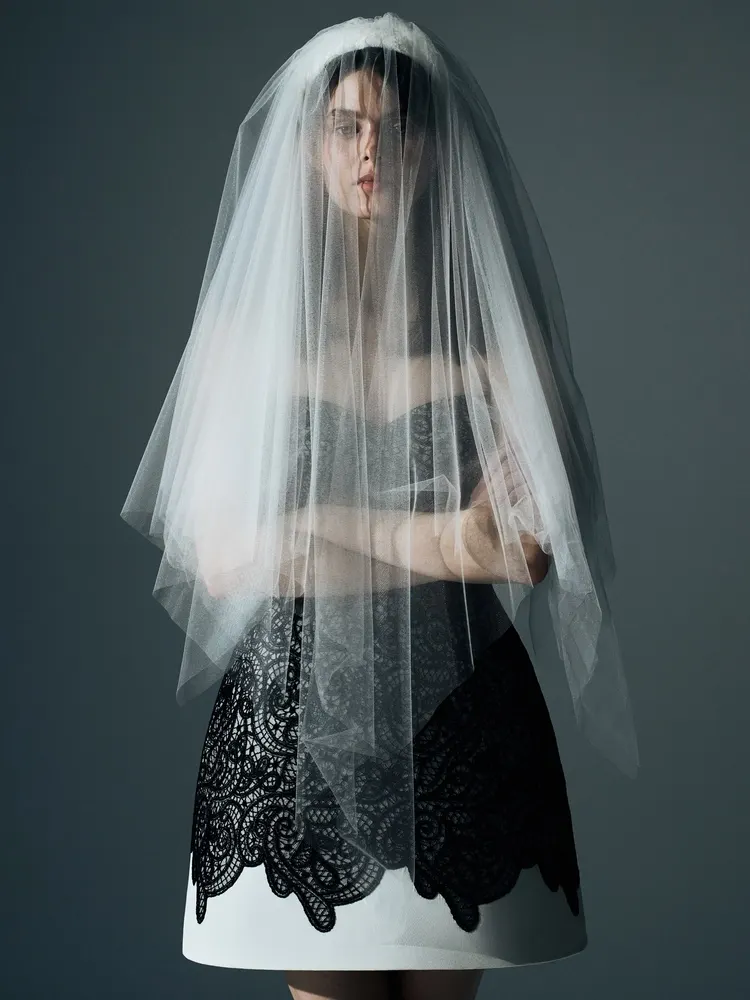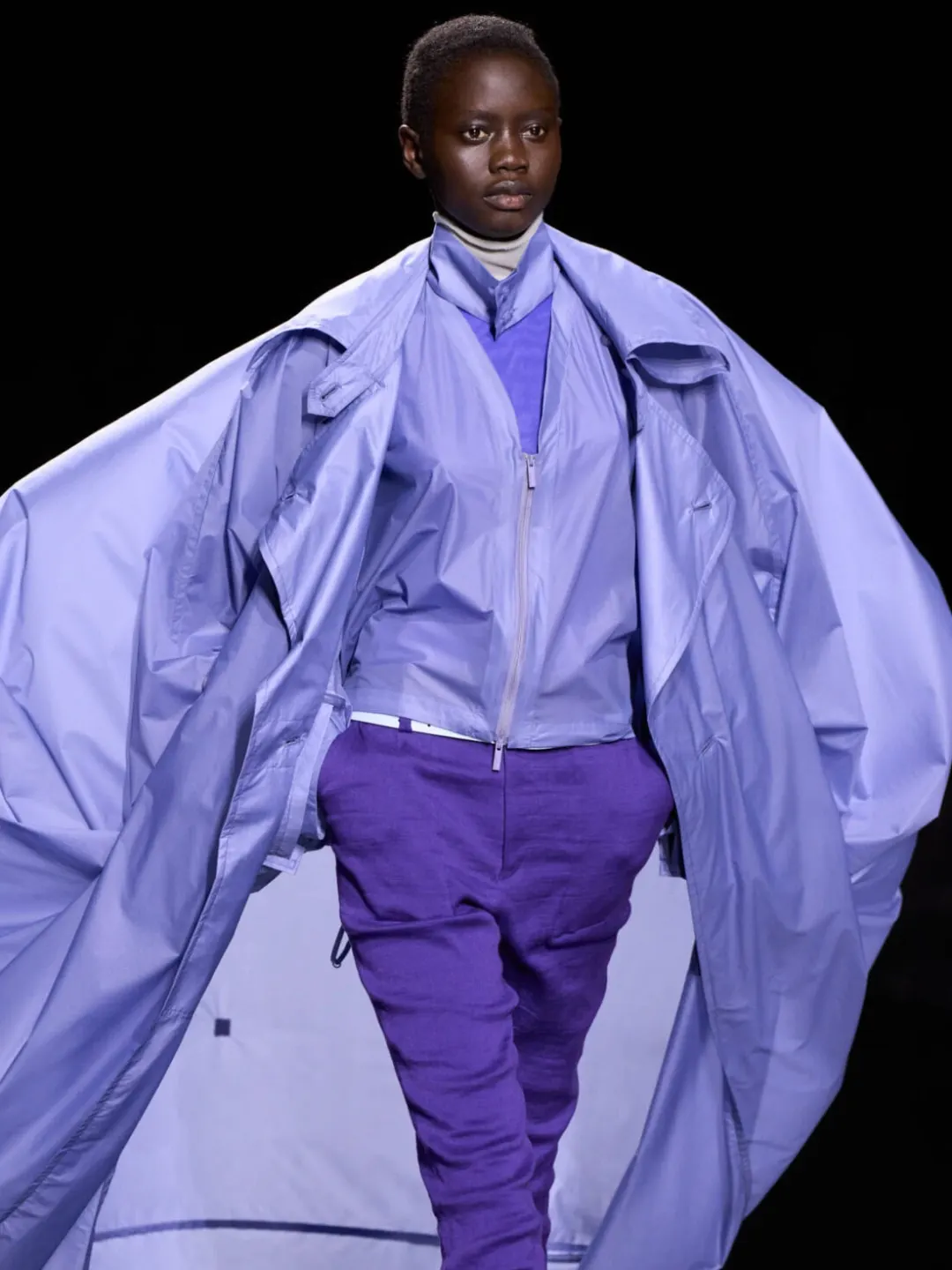





An idea can look ridiculous right up until the moment it changes fashion. The industry may dismiss a garment it cannot explain, only to spend the next decade borrowing its logic. Avant-garde style has long been propelled by designers who know just how powerful that discomfort can be.
Avant-Garde Style: Against the Ordinary Rules (Part 2)
An idea can look ridiculous right up until the moment it changes fashion. The industry may dismiss a garment it cannot explain, only to spend the next decade borrowing its logic. Avant-garde style has long been propelled by designers who know just how powerful that discomfort can be.
October 26, 2026


In conventional dressmaking, the relationship between body and garment is established through measurements, patterns and carefully calculated proportions. A designer considers where fabric should fall, how a seam should follow the figure and how the finished object will behave in motion.
Avant-garde designers have repeatedly returned to these techniques with unusual questions. Their experiments reveal how much creative territory remains within the ordinary mechanics of getting dressed. A familiar construction can produce an entirely unexpected silhouette when its proportions are altered, its elements displaced or its internal logic exposed.
Across the work of several influential designers, avant-garde style has developed into a visual language capable of expressing ideas about identity, technology, materiality and the human body itself.
Rei Kawakubo and the Unfamiliar Body
In Spring/Summer 1997, Rei Kawakubo presented one of the most consequential experiments in the history of avant-garde fashion. Her Comme des Garçons collection, Body Meets Dress, Dress Meets Body, radically transformed the relationship between garments and anatomical proportions.
Models appeared in fitted dresses interrupted by irregular padded volumes. Rounded protrusions emerged around shoulders, hips and backs, creating silhouettes that resisted the familiar geometry of the human figure. Gingham and stretch fabrics gave these extraordinary shapes an unexpectedly ordinary surface.
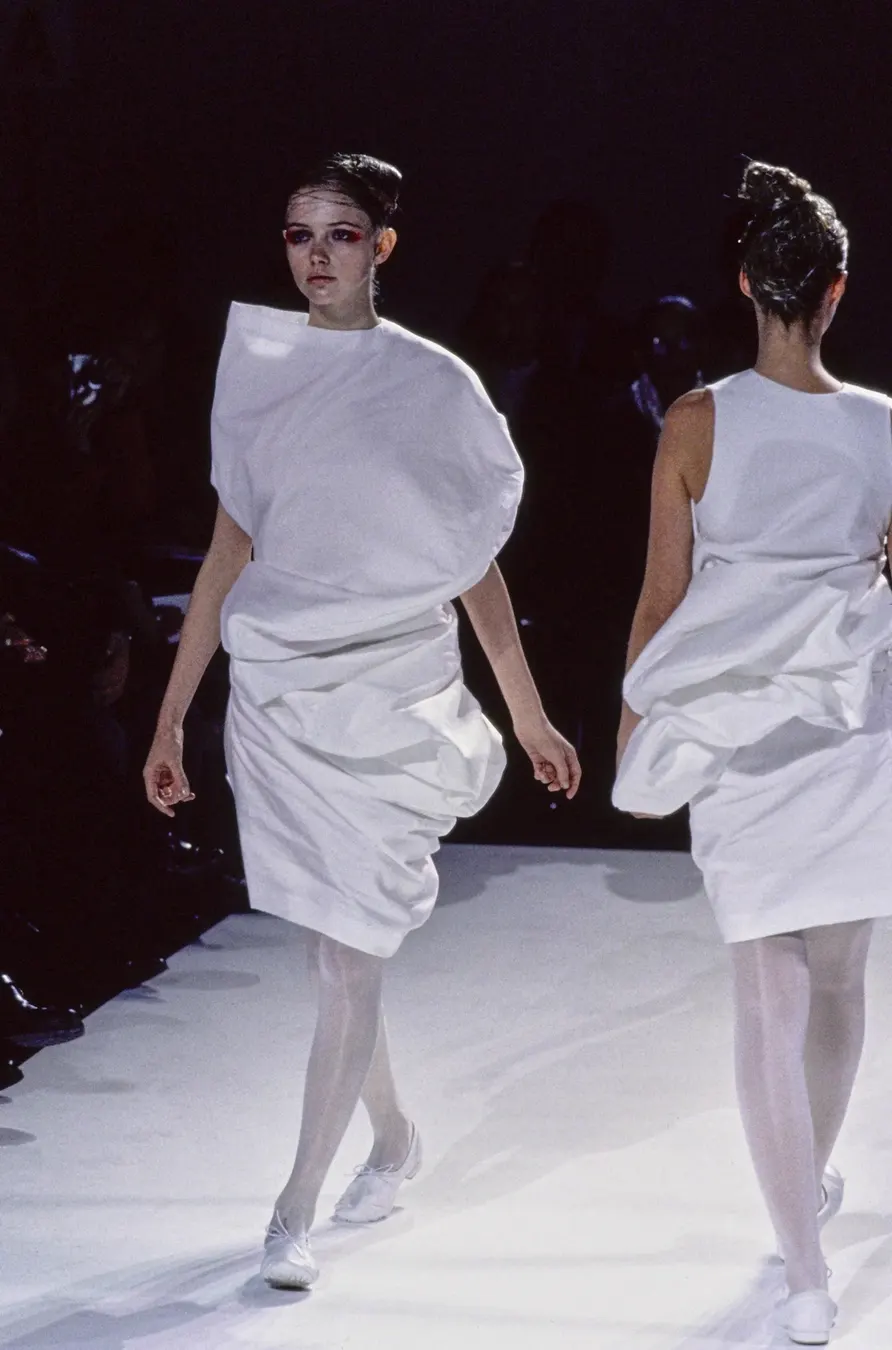
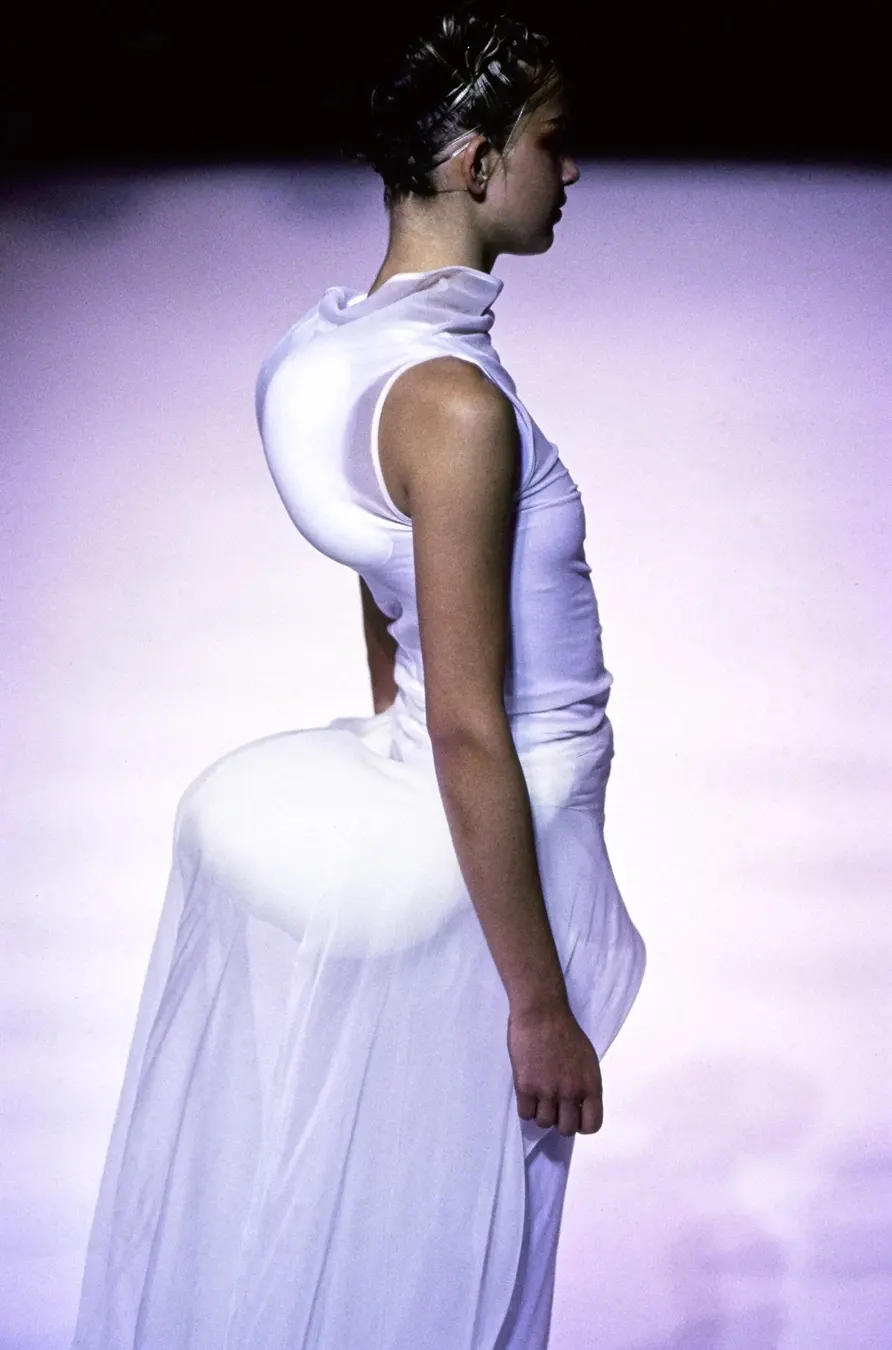
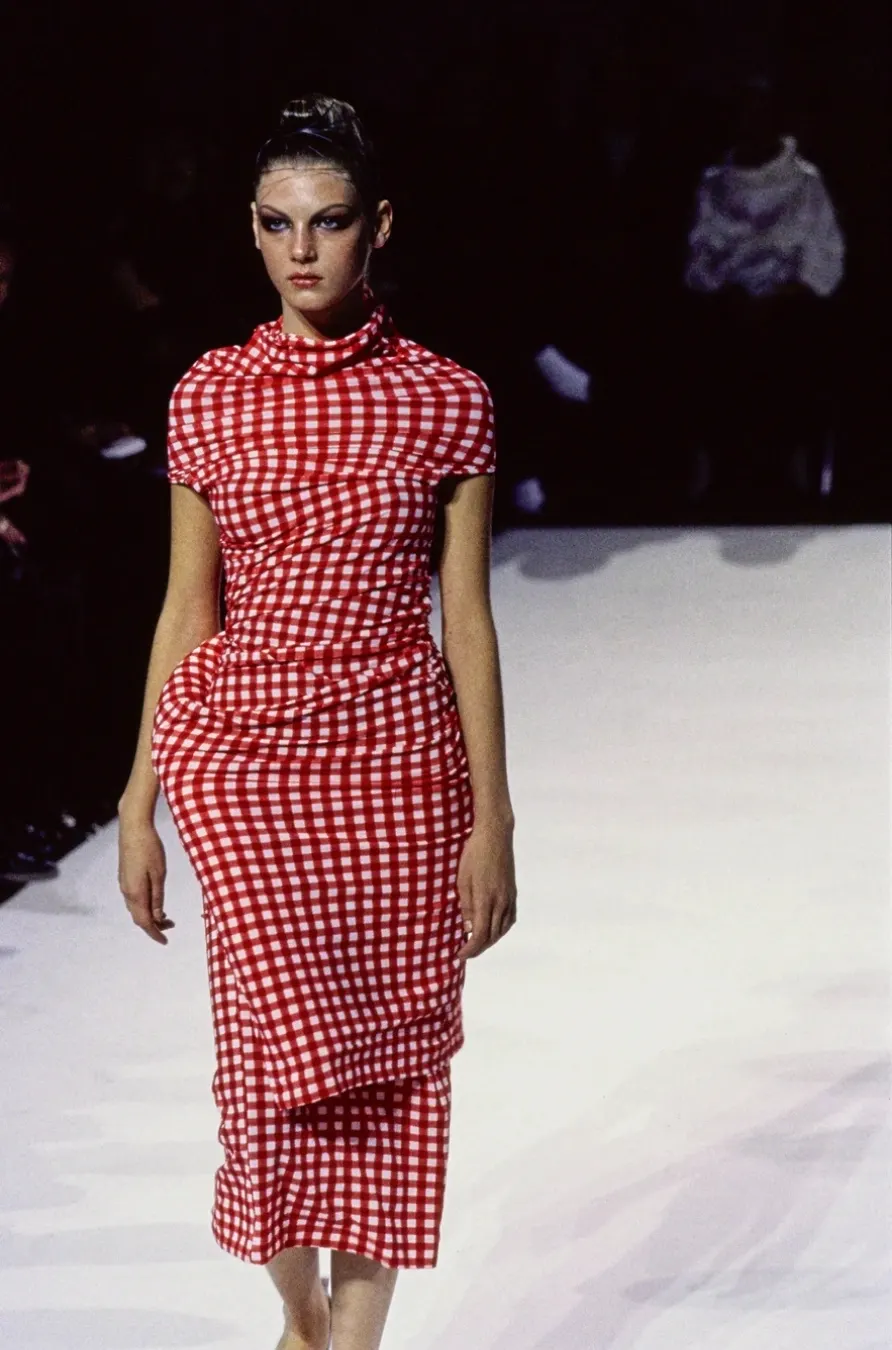
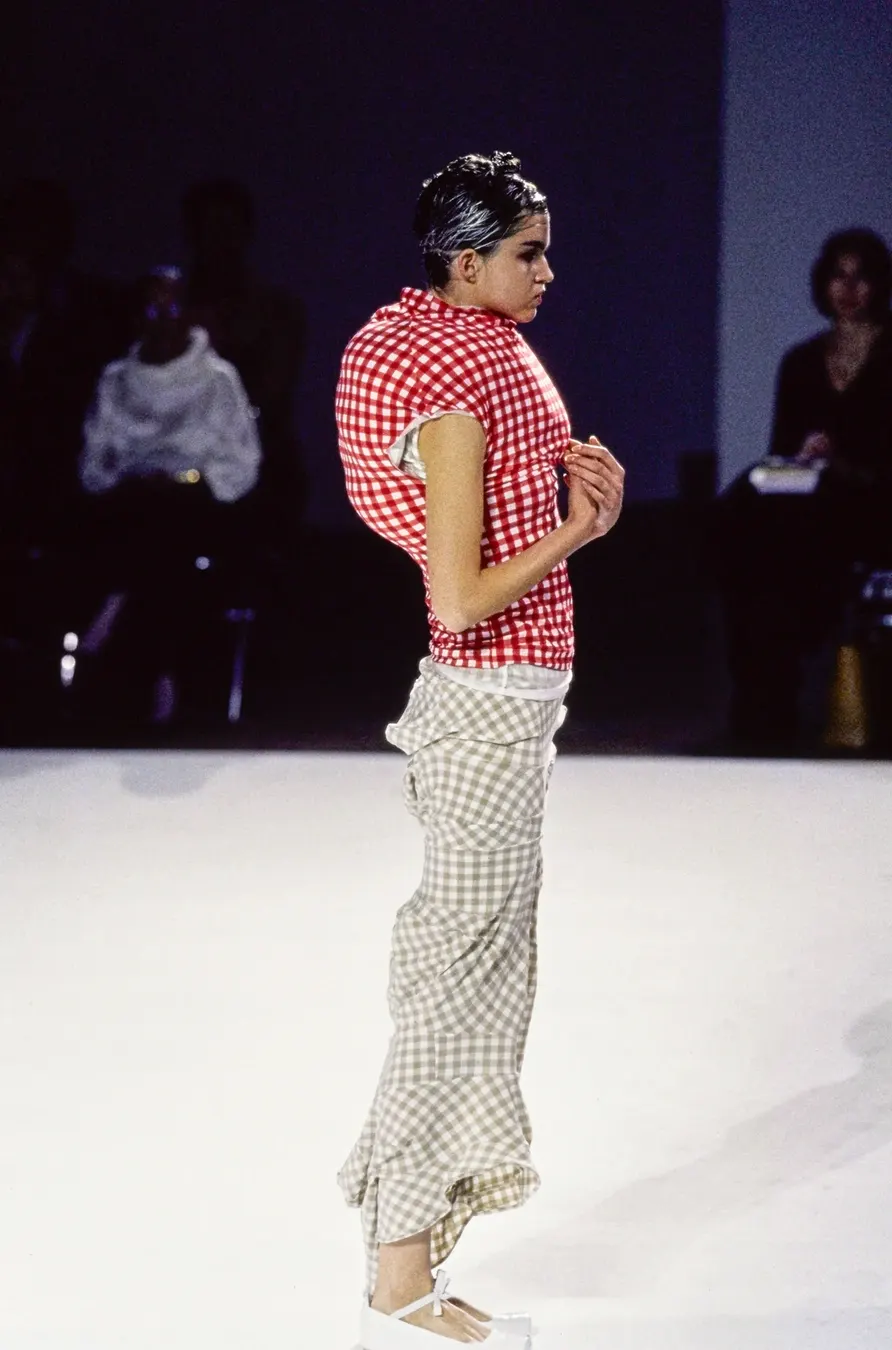
The collection challenged the assumption that fashion should reproduce an idealised anatomy. Padding, traditionally used to improve or correct a garment's fit, acquired a different purpose. Its placement created additional contours that the body itself did not possess.
Kawakubo's experiment opened questions about the cultural construction of physical beauty. The dressed figure could become strange, humorous, imposing or vulnerable through the manipulation of a few structural elements. The body remained present, though its visual boundaries were no longer fixed.
Her subsequent work continued challenging the relationship between dress, sculpture and human identity. In 2017, the Metropolitan Museum of Art devoted the exhibition Rei Kawakubo/Comme des Garçons: Art of the In-Between to her experiments with aesthetic boundaries, recognising the importance of her work in redefining conventional categories of fashion.
Martin Margiela and the Anatomy of Unmaking
Martin Margiela's contribution to avant-garde style developed through a fascination with the construction, history and transformation of ordinary garments.
His designs exposed details normally concealed during the final stages of dressmaking. Seams appeared on exterior surfaces, linings became visible, and the familiar proportions of clothing were subjected to systematic experimentation.
In his Spring/Summer 1997 and 1998 collections, Margiela incorporated elements associated with dress forms and unfinished production into garments intended to be worn. Tailoring components that belonged to the preparation of clothing entered the finished design itself.
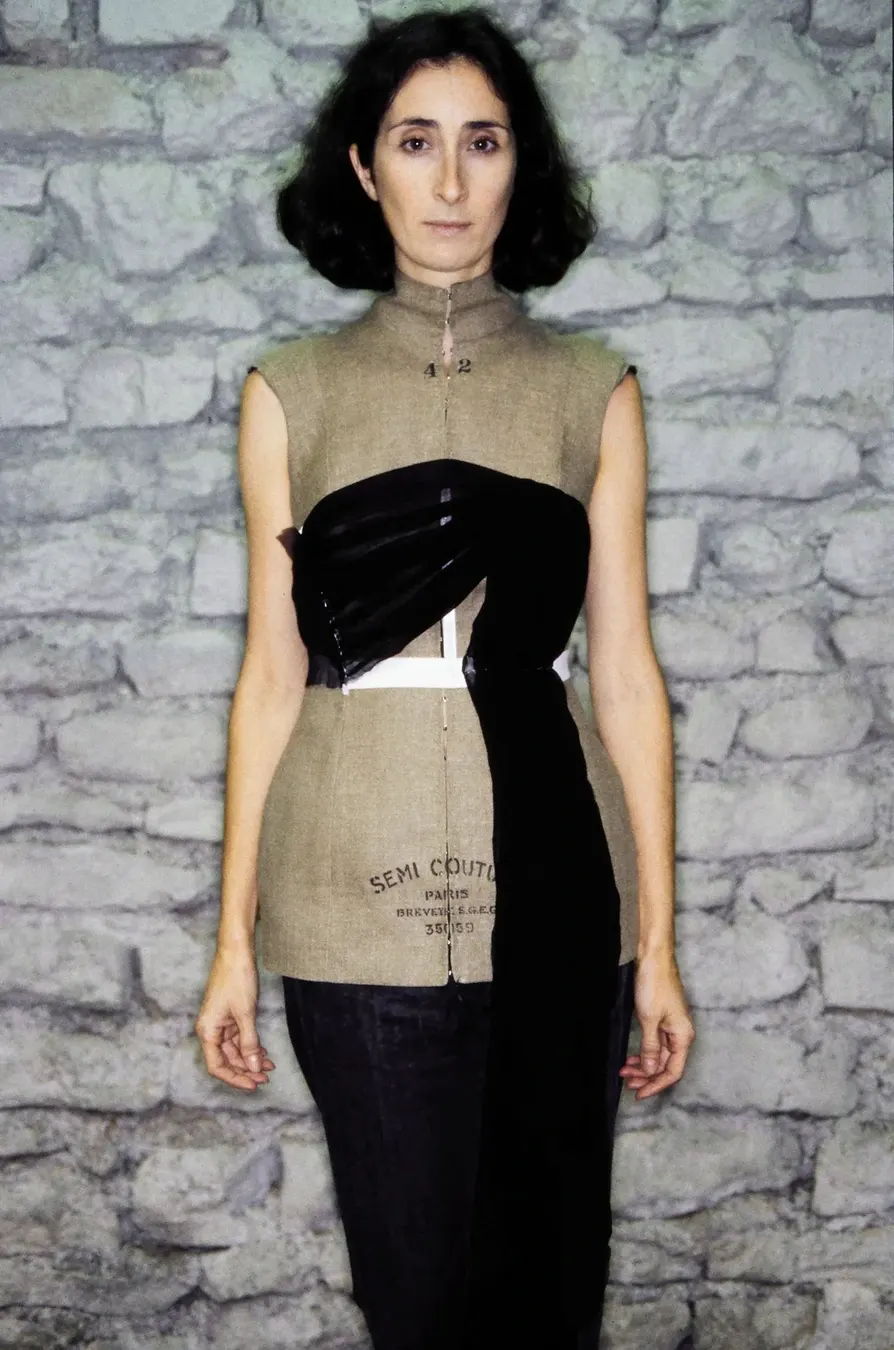
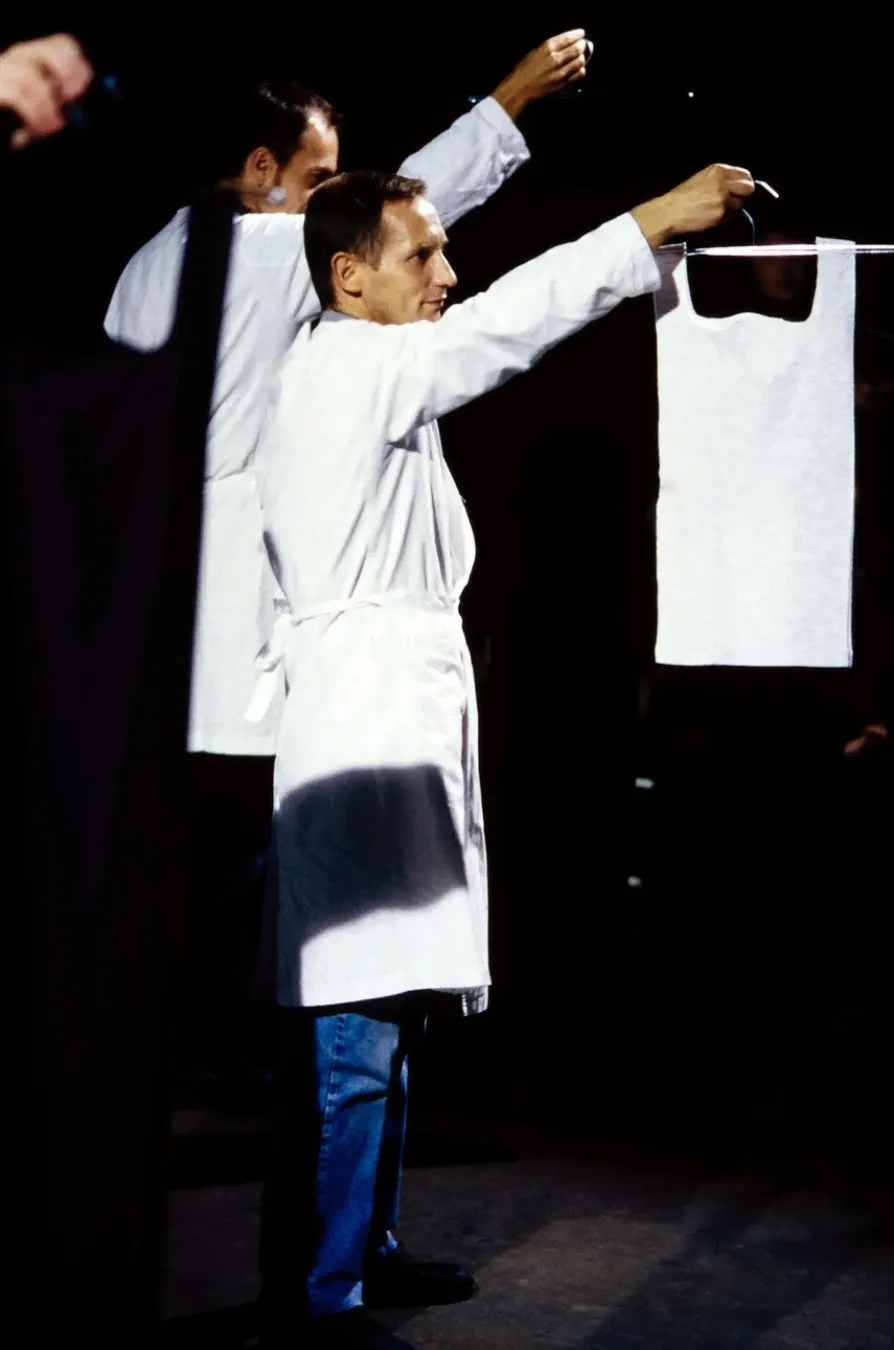
The approach questioned the cultural distinction between a completed fashion object and the technical processes that produced it. A pattern could become an aesthetic surface. A temporary fitting detail could acquire permanent significance.
Margiela also explored reconstruction through the reuse of existing materials and garments. Discarded components, familiar accessories and objects removed from their original contexts could be transformed into clothing with entirely new identities.
These experiments extended the meaning of deconstruction beyond unfinished aesthetics. Taking a garment apart allowed its original purpose to be examined, while reassembly introduced possibilities that conventional production might never have anticipated.
An ordinary jacket could therefore become a study of tailoring itself. Its internal structure, alterations and evidence of previous construction revealed an unexpected complexity beneath the apparent simplicity of everyday dress.
When Clothing Learned to Move Beyond Fabric
Avant-garde experimentation entered another territory when designers began exploring the relationship between clothing, technology and engineered materials.
Hussein Chalayan approached garments as objects capable of transformation. His Spring/Summer 2000 collection included the Remote Control Dress, a sculptural garment constructed from a moulded composite shell. During the presentation, a remote-controlled mechanism opened sections of the dress to reveal layers of pink tulle concealed inside.
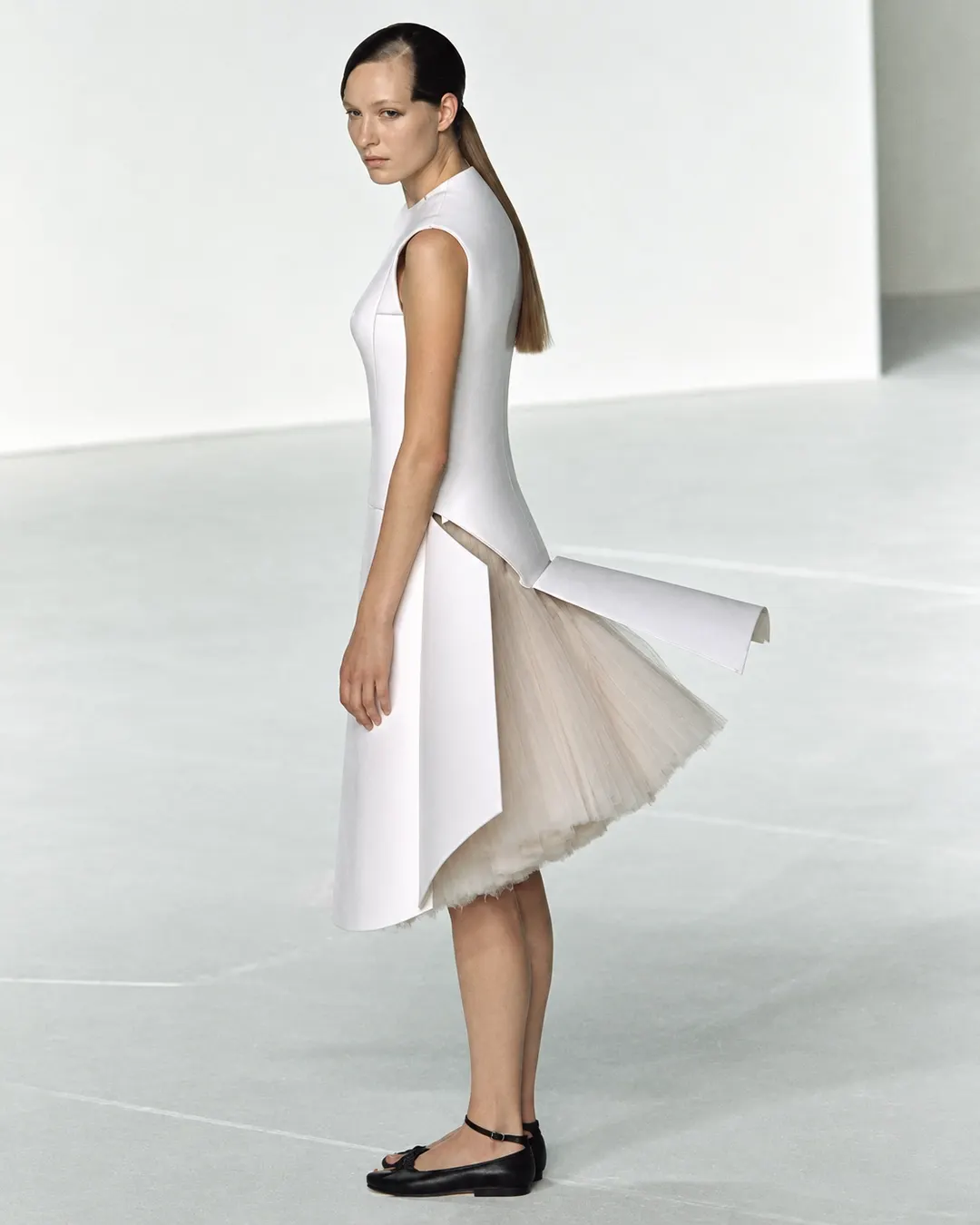
The design introduced mechanical movement into the structure of a garment, allowing technology to participate directly in the changing relationship between body and clothing. Chalayan's work frequently investigated the connections between scientific development, human behaviour and cultural displacement, giving experimental fashion a distinctly intellectual dimension.
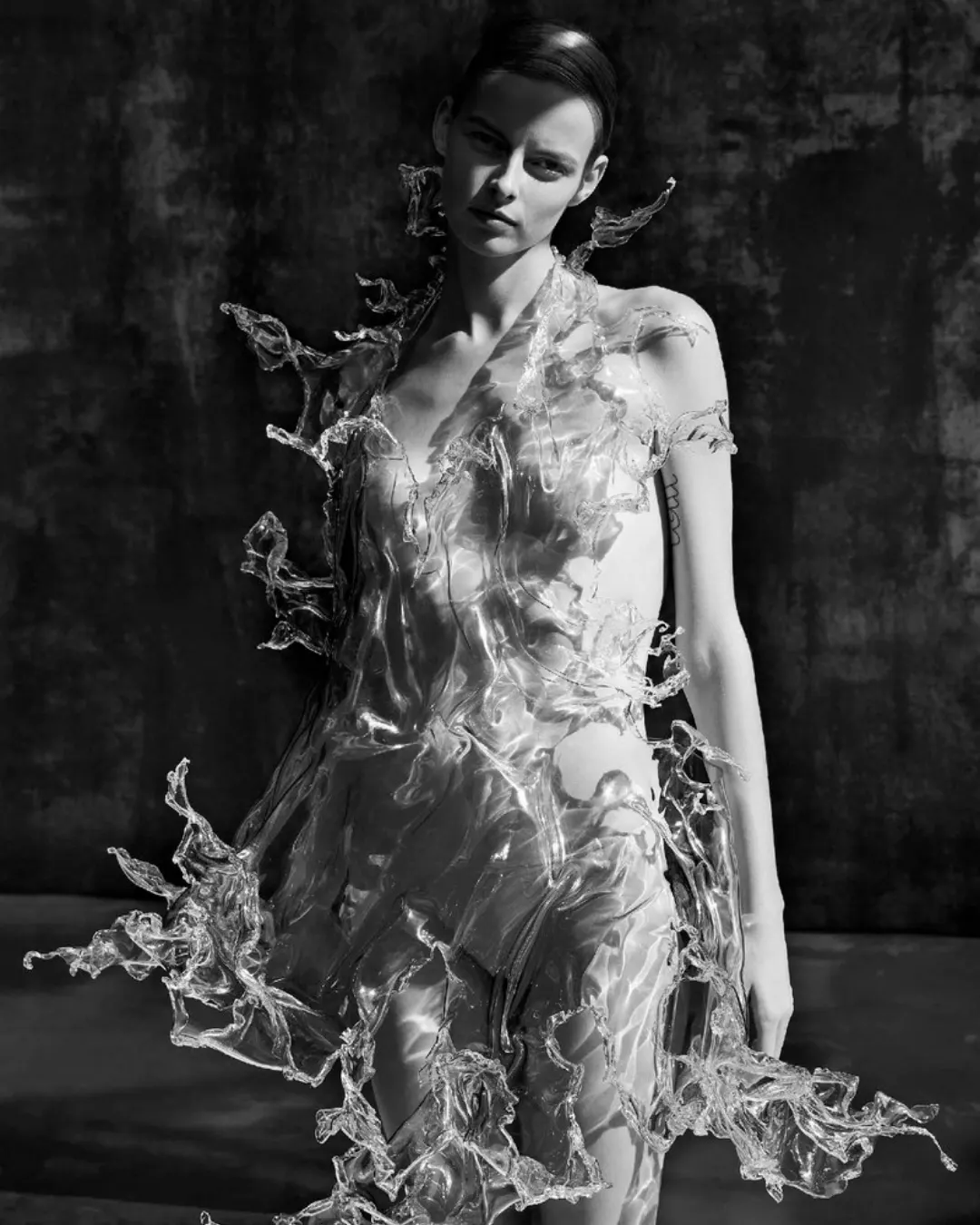
Dutch designer Iris van Herpen subsequently expanded the possibilities of technologically assisted couture. In 2010, she presented her first 3D-printed garment, a sculptural piece from the Crystallization collection inspired by shell structures. The use of additive manufacturing enabled the development of complex forms through methods outside conventional textile construction.
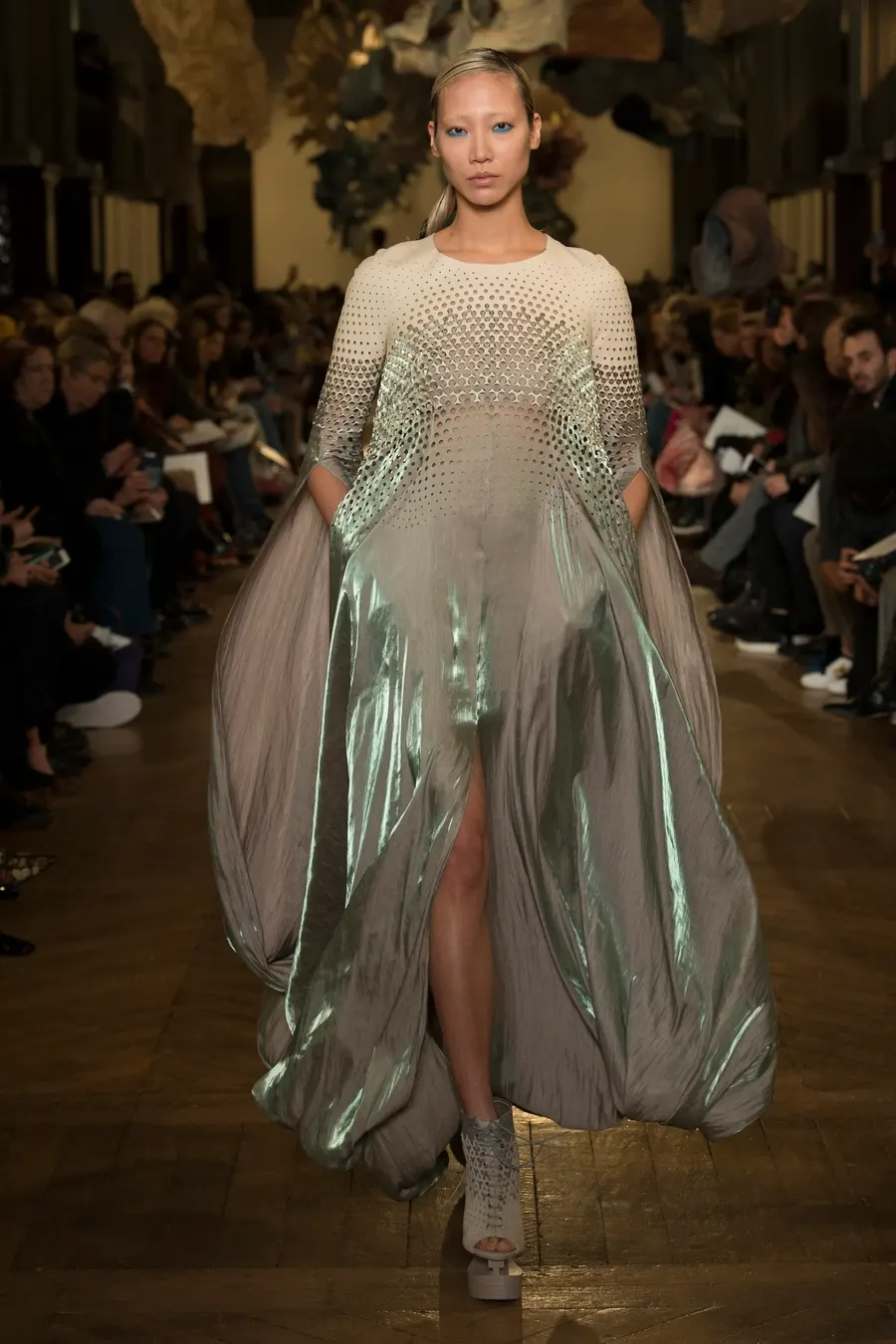
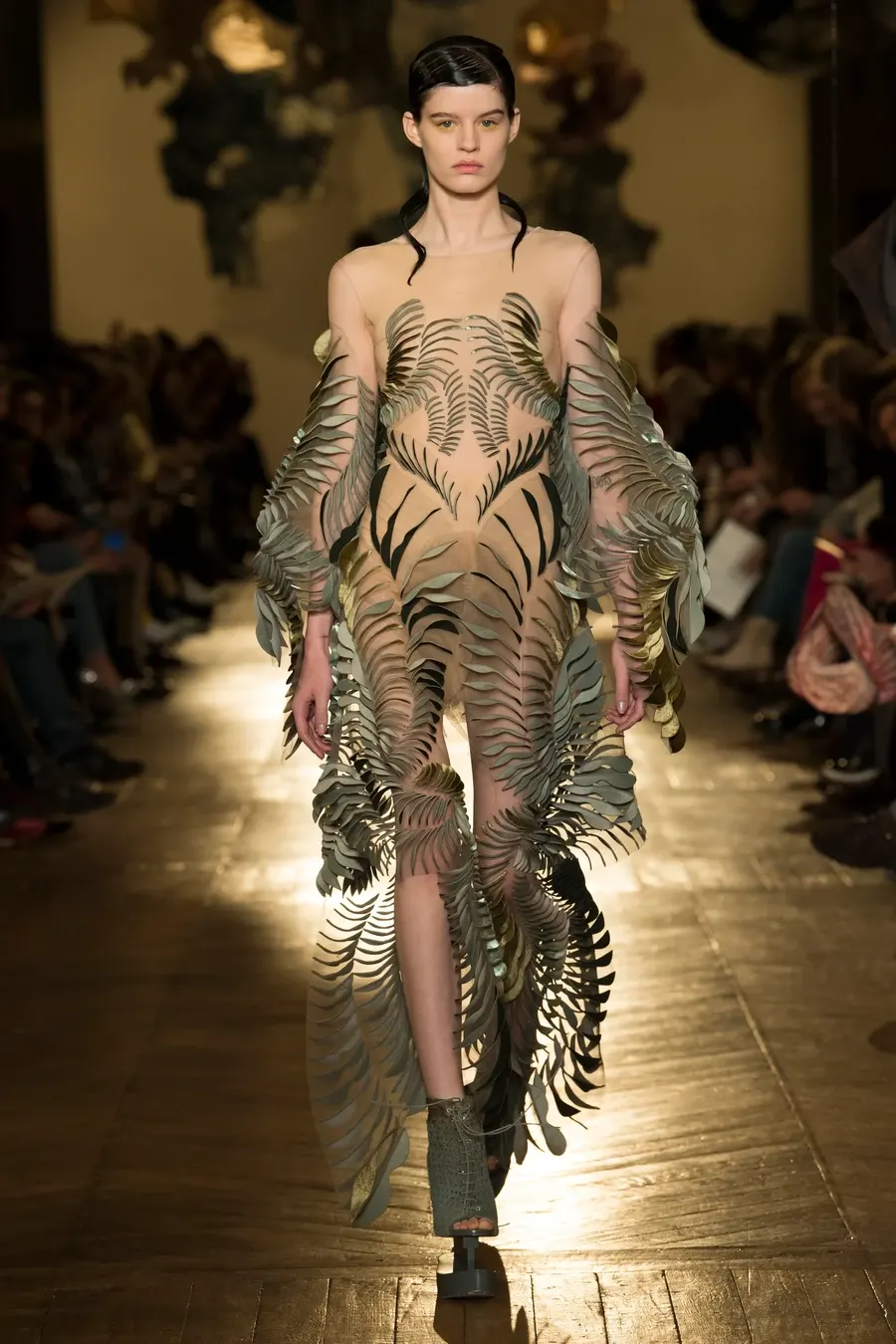
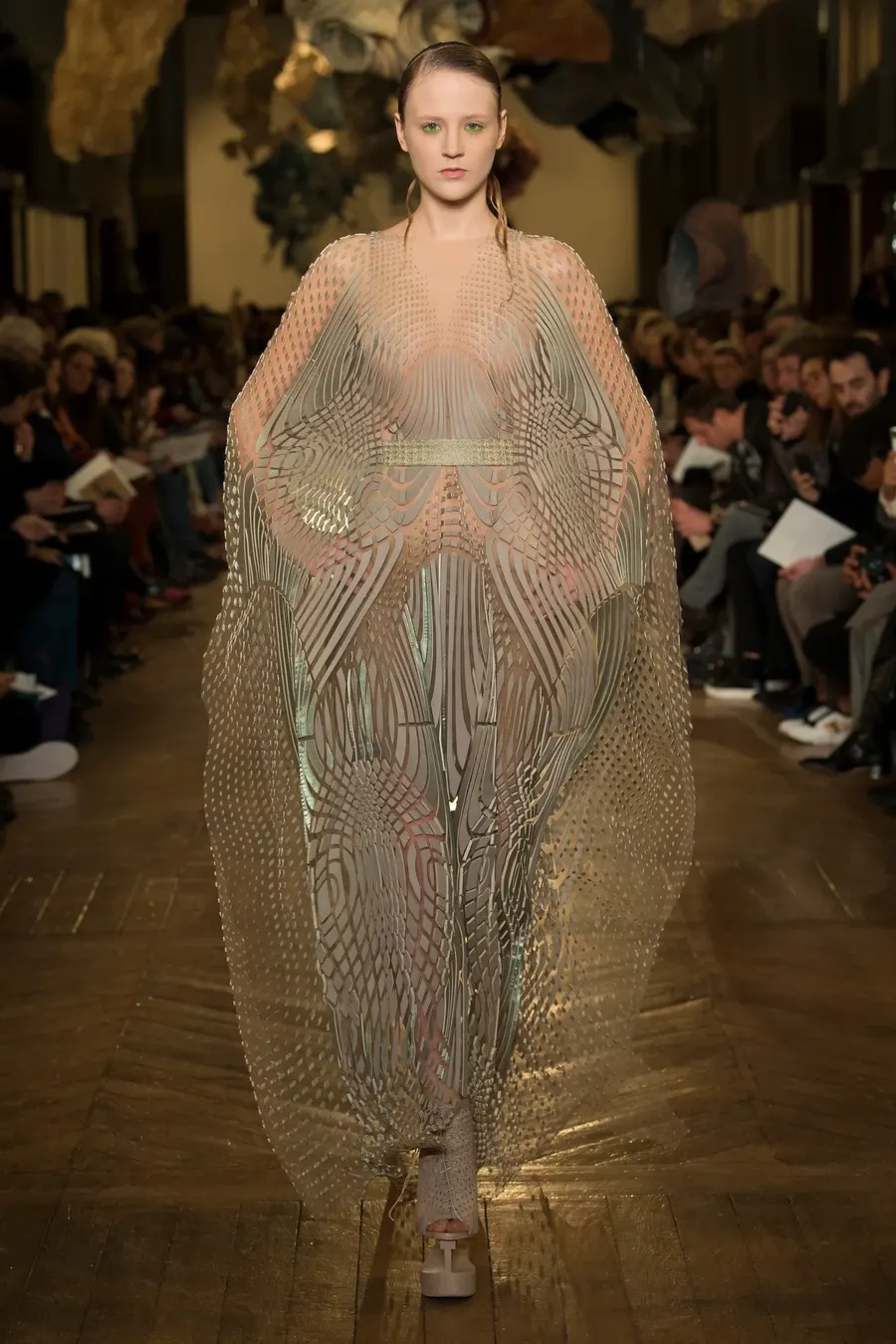
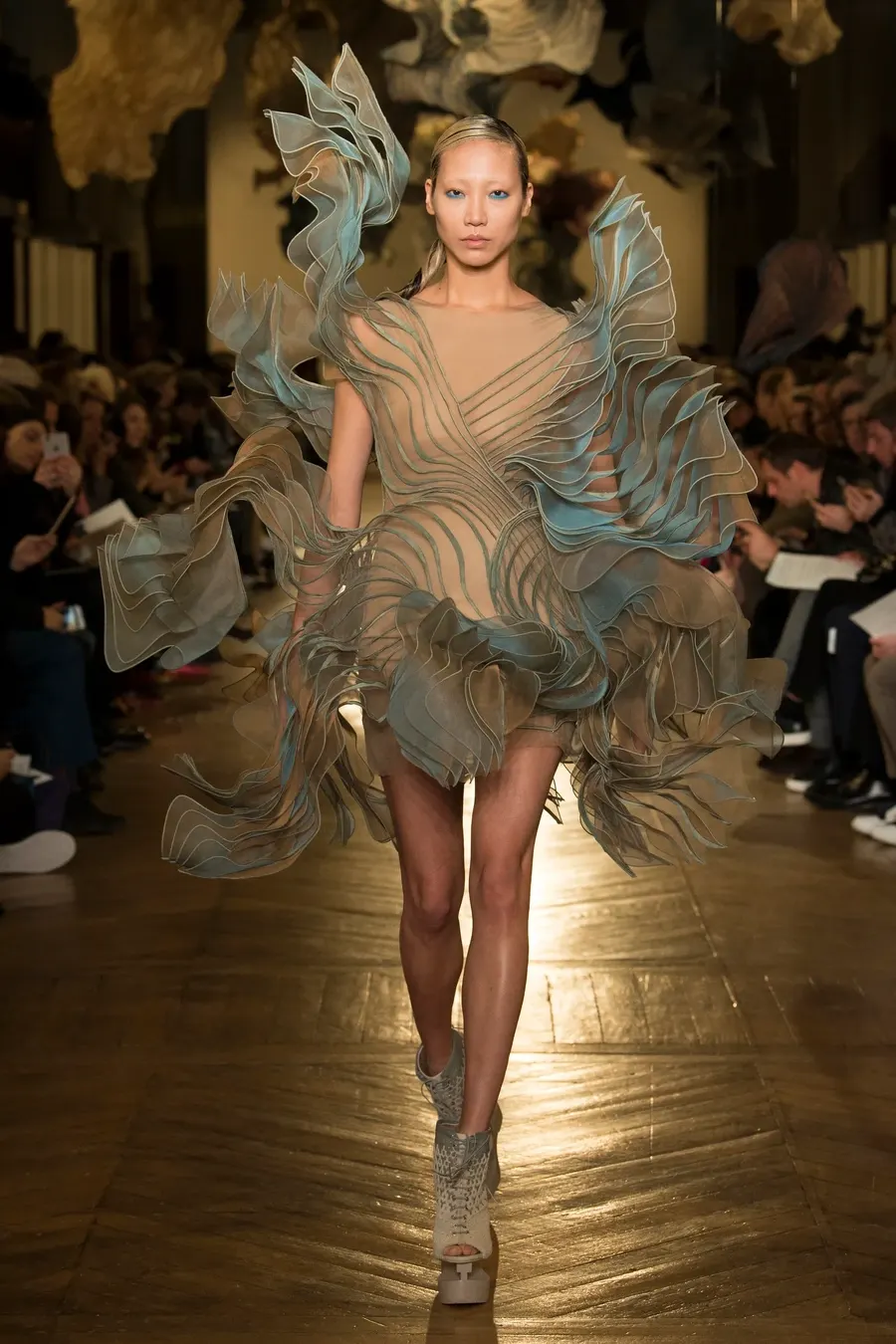
Her later work brought together digital fabrication, hand craftsmanship and research into natural phenomena. Garments could evoke the movement of water, the structure of organisms or the behaviour of physical forces, translating scientific observation into elaborate surfaces surrounding the body.
Within avant-garde fashion, technological couture innovation acquires significance when it expands the expressive possibilities of clothing. A new production method can alter the relationship between material and structure, opening paths toward forms that previous generations could scarcely imagine.
The Monumental and the Otherworldly
Other designers have explored avant-garde style through the emotional force of the silhouette.
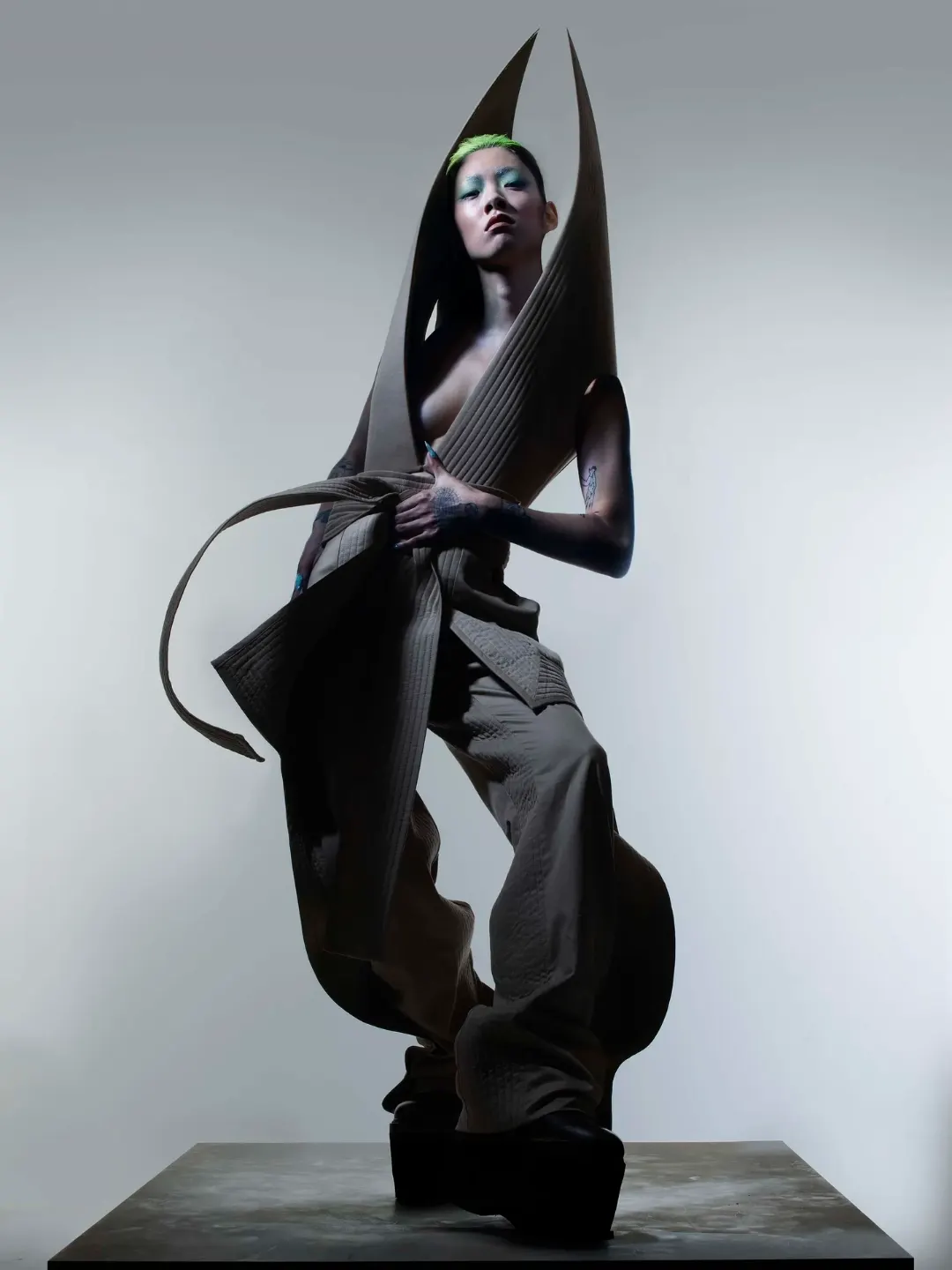
Rick Owens has developed a distinctive aesthetic vocabulary through elongated proportions, architectural volume and a sustained engagement with unconventional beauty. His imposing shoulders, sculptural outerwear and monumental footwear frequently transform the human figure into an image of austere authority.
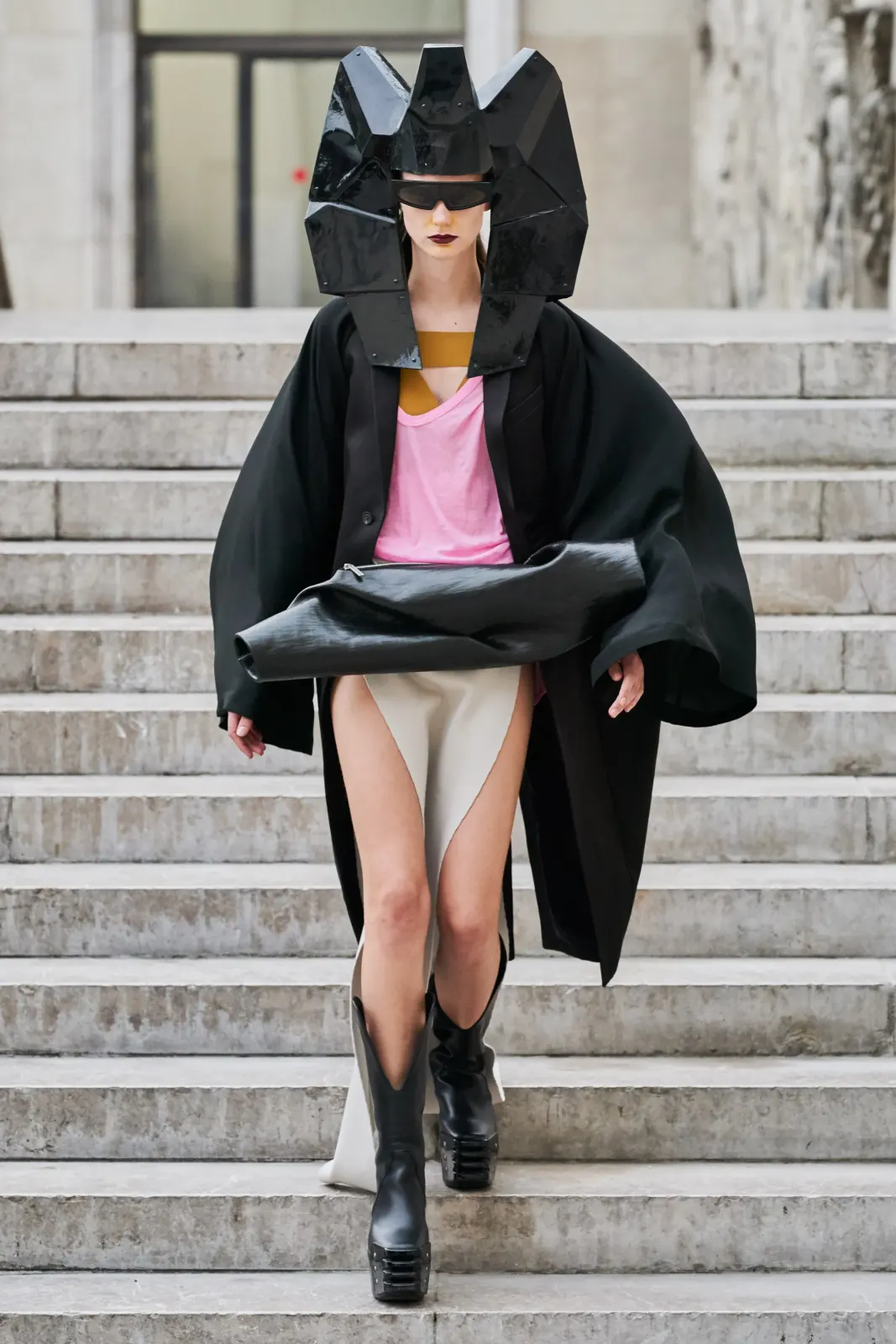
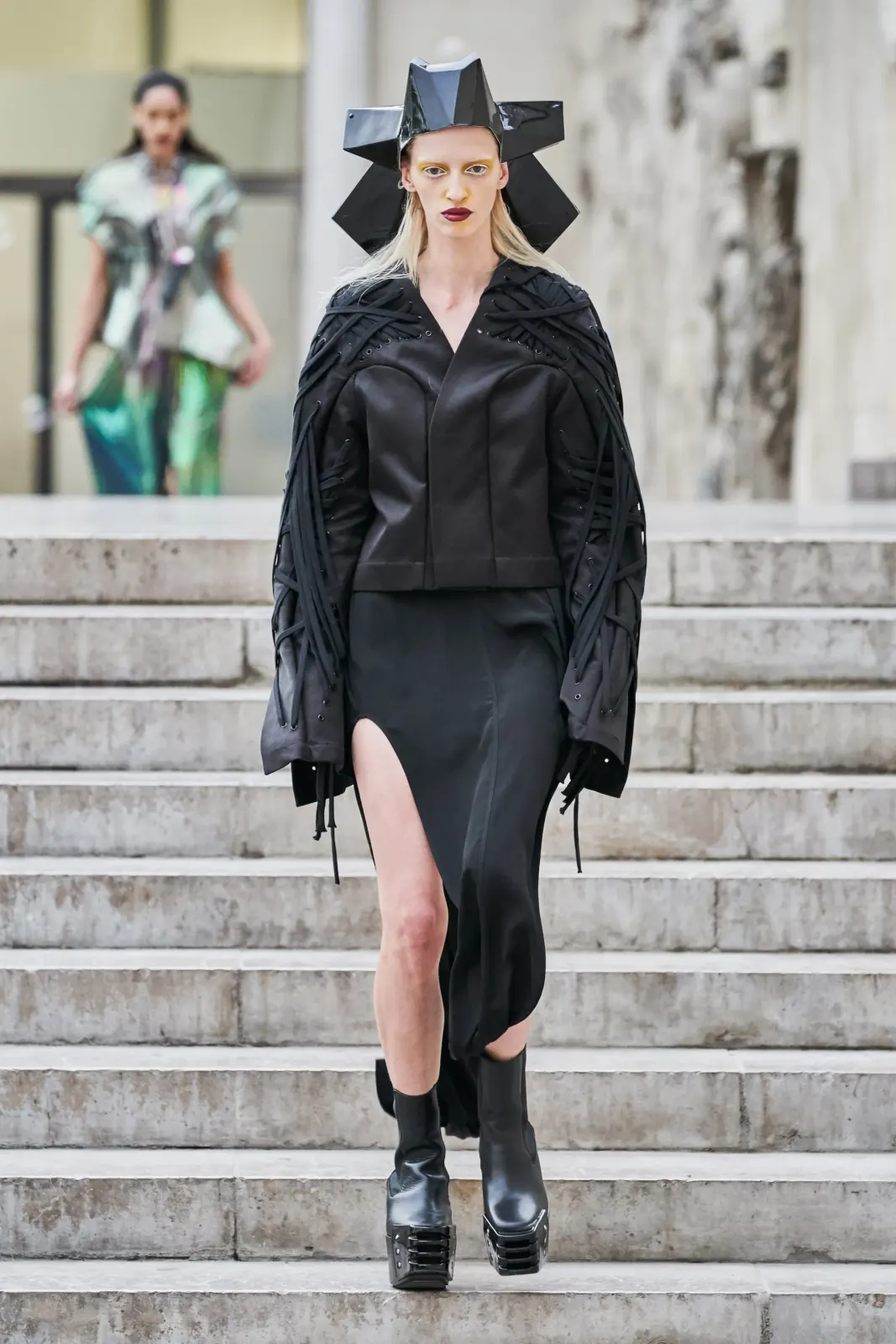
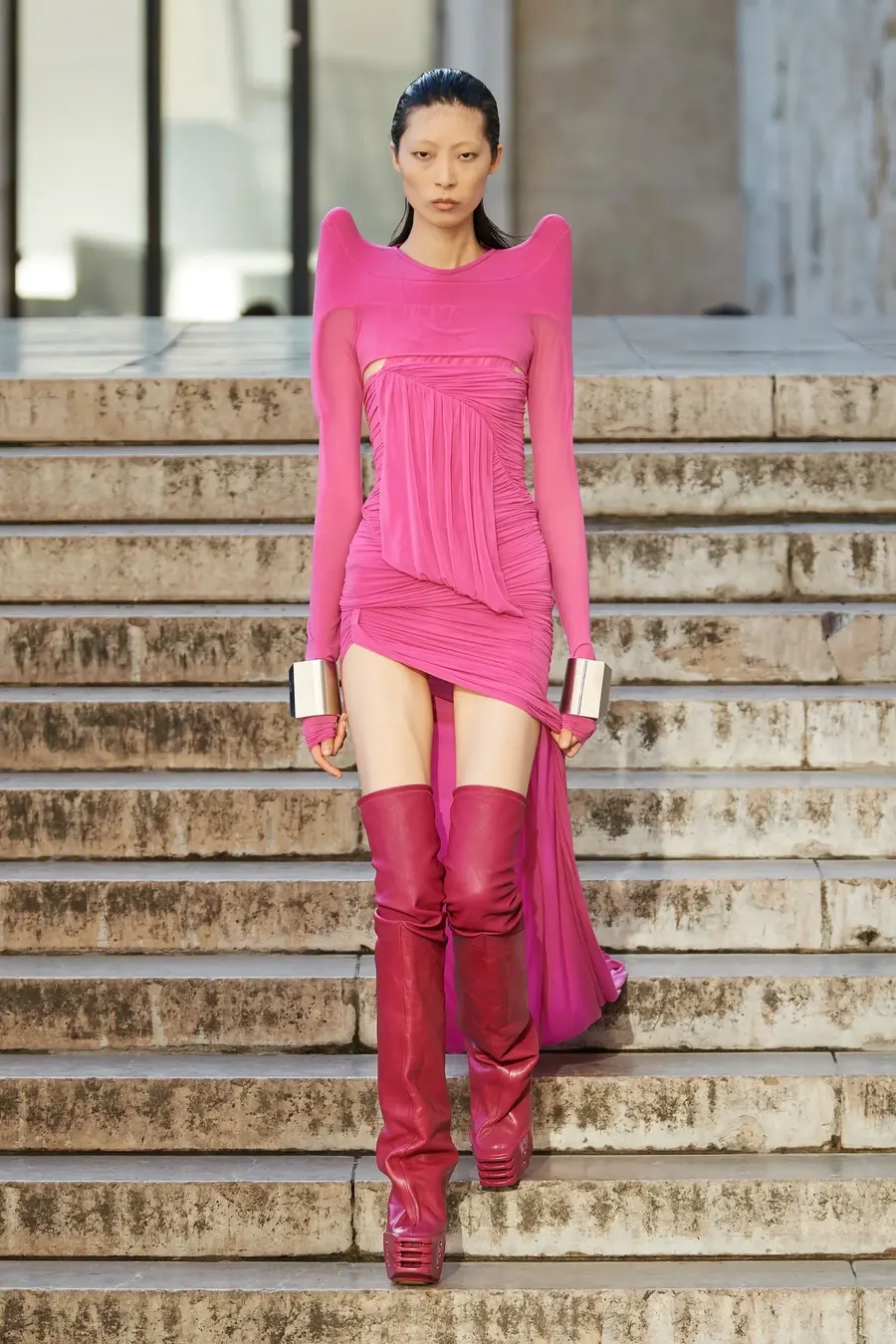
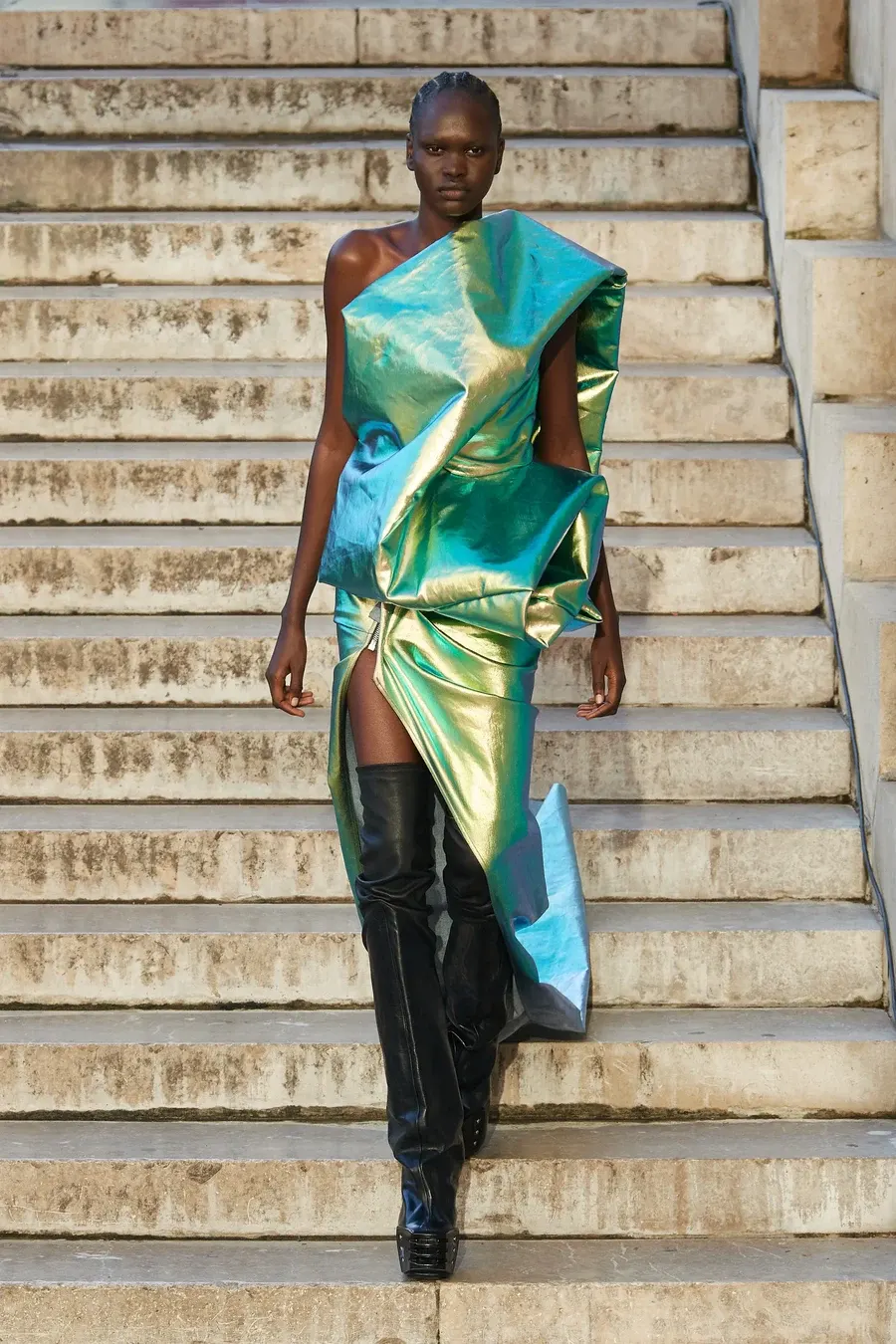
His garments draw attention to the space occupied by clothing, allowing structure to establish a powerful visual presence. Leather, draped jerseys and heavy textiles create different relationships between the body's natural movement and the constructed forms surrounding it.
Alexander McQueen pursued another imaginative territory through fashion that explored transformation, nature and the darker aspects of human experience.
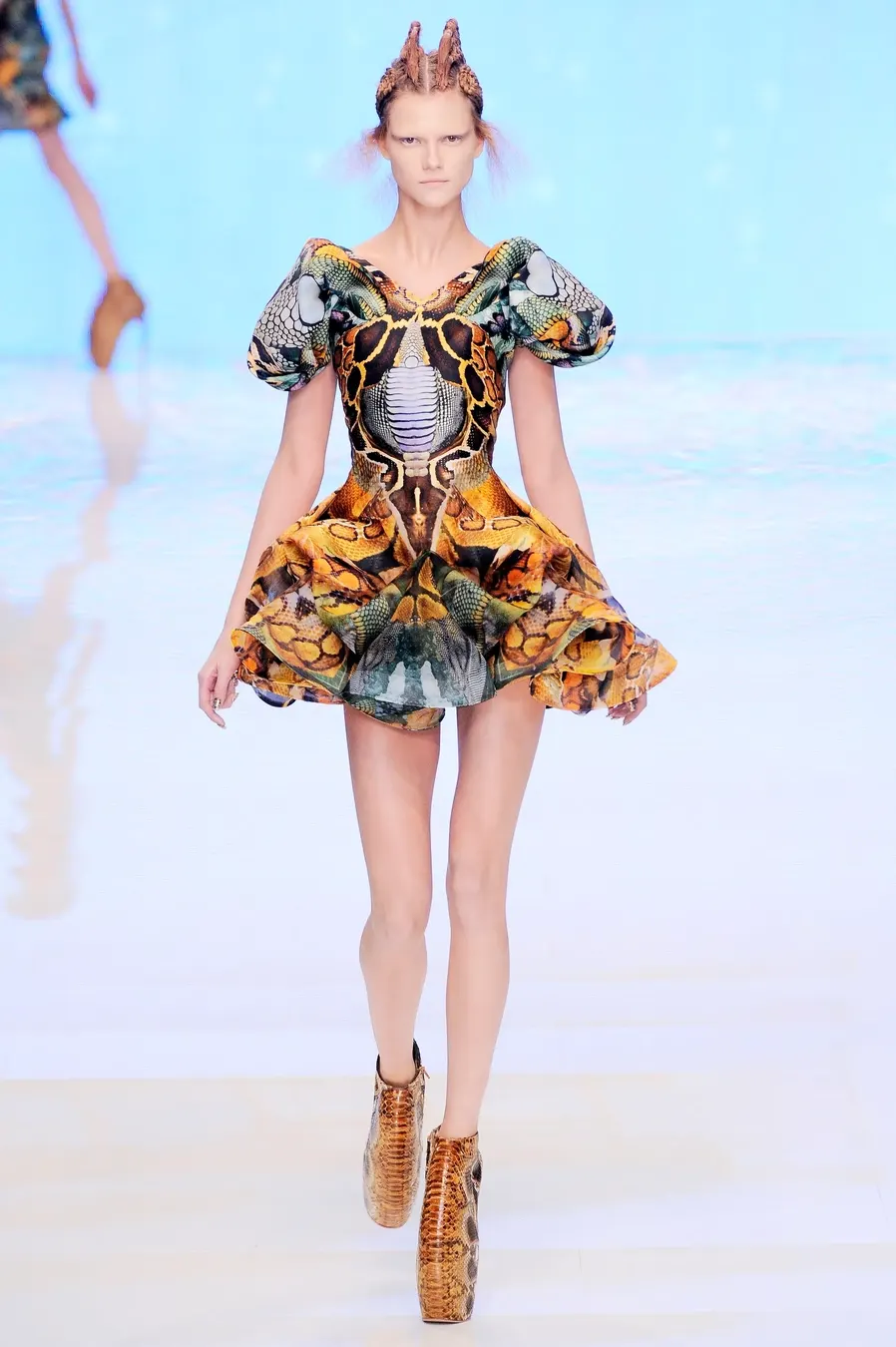
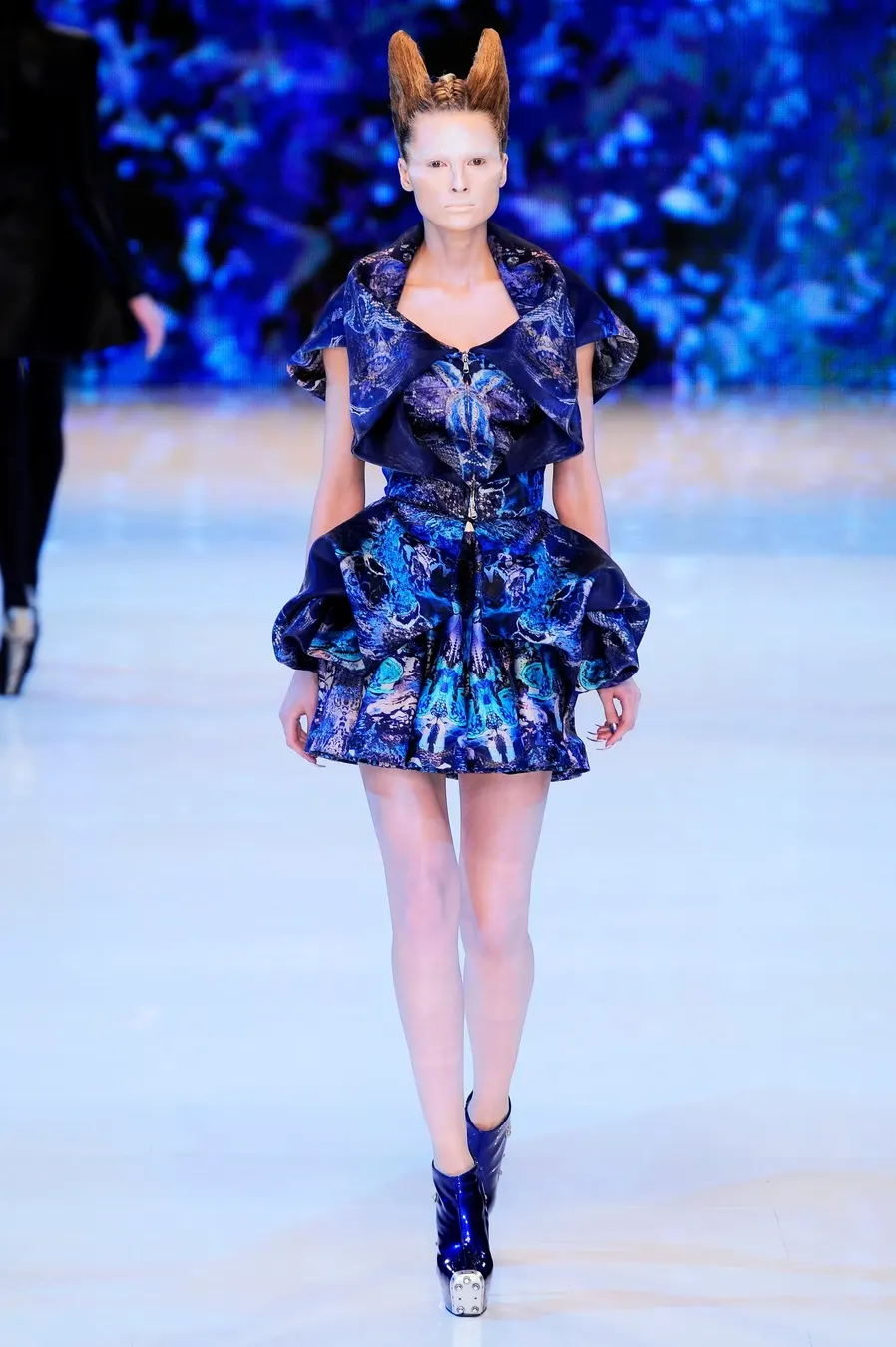
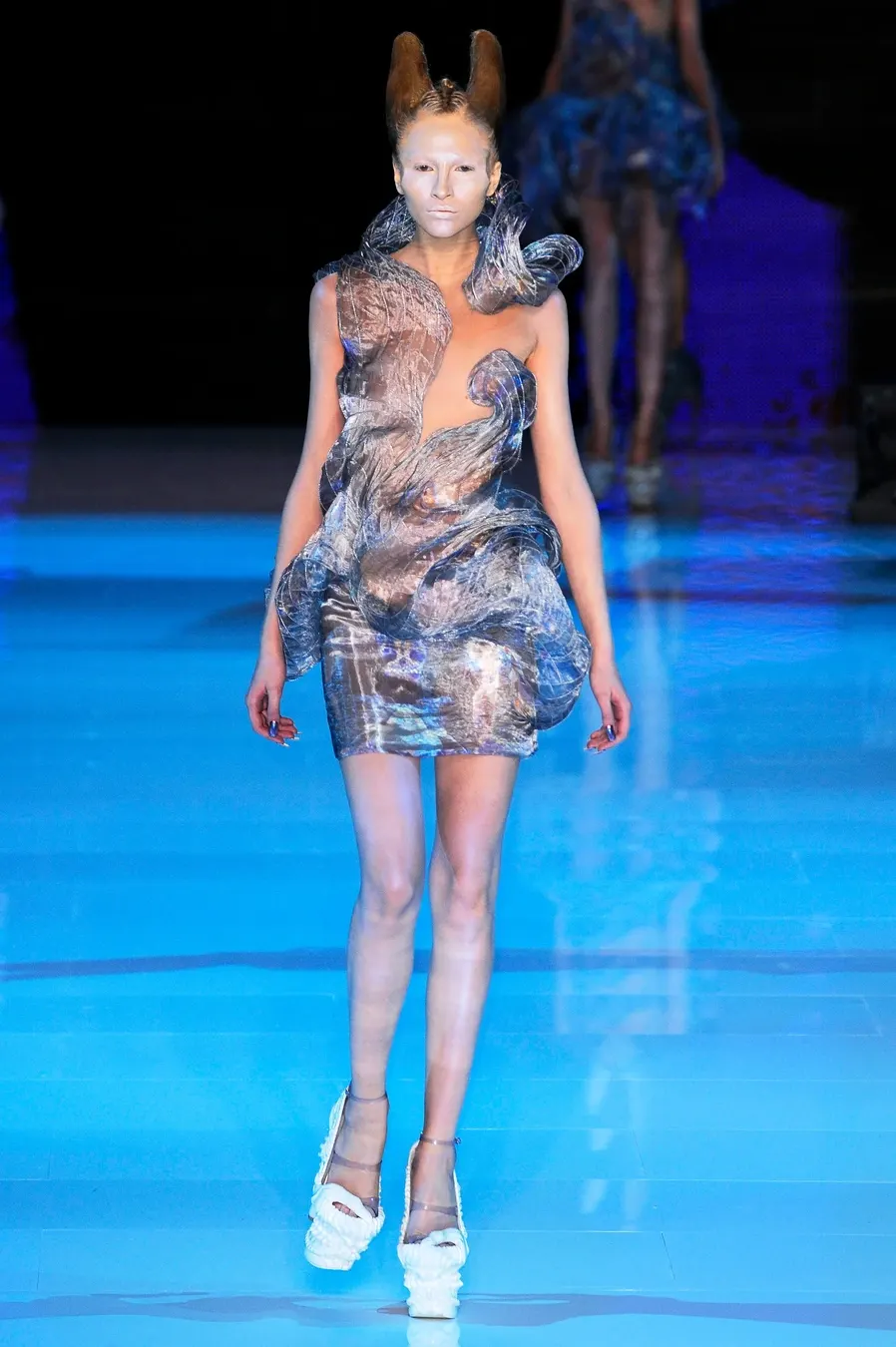
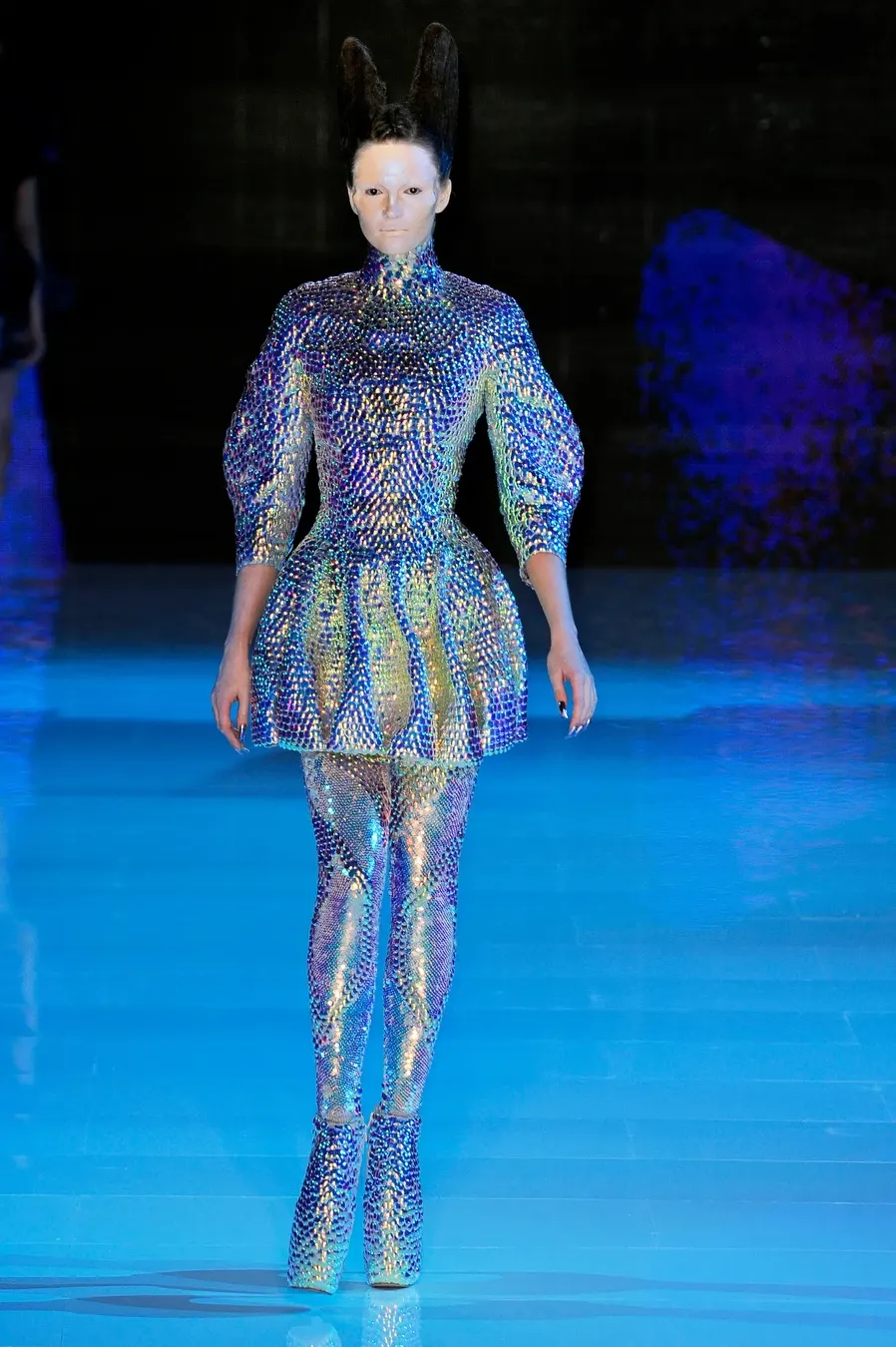
His Spring/Summer 2010 collection, Plato's Atlantis, envisioned bodies undergoing an extraordinary evolutionary transformation. Digitally developed patterns, engineered silhouettes and dramatically heightened footwear created figures that seemed to belong to an unfamiliar biological future. The presentation also explored a new relationship between fashion and digital spectatorship through its ambitious livestream.
These designers reveal the expressive range of avant-garde fashion. Unconventional construction can evoke psychological intensity, mythical identities or speculative worlds. The garment becomes a means through which the familiar body acquires a presence that exceeds the expectations of everyday dress.
Avant-Garde Style Beyond the Runway
Cinema has offered avant-garde fashion an environment in which radical garments can acquire identities, histories and purposes beyond the fashion industry.
In Luc Besson's 1997 science-fiction film The Fifth Element, Jean Paul Gaultier created costumes that extended his experimental approach to gender, sexuality and conventional dress codes into an imagined future.
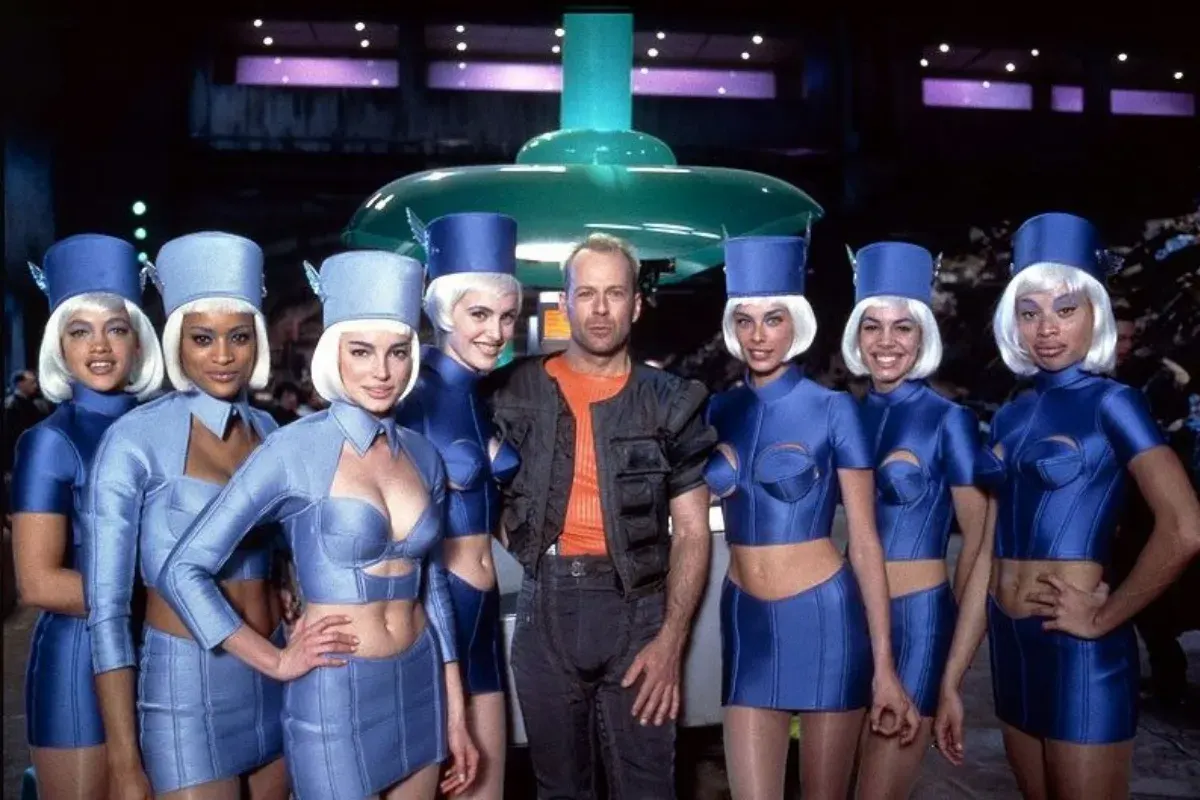
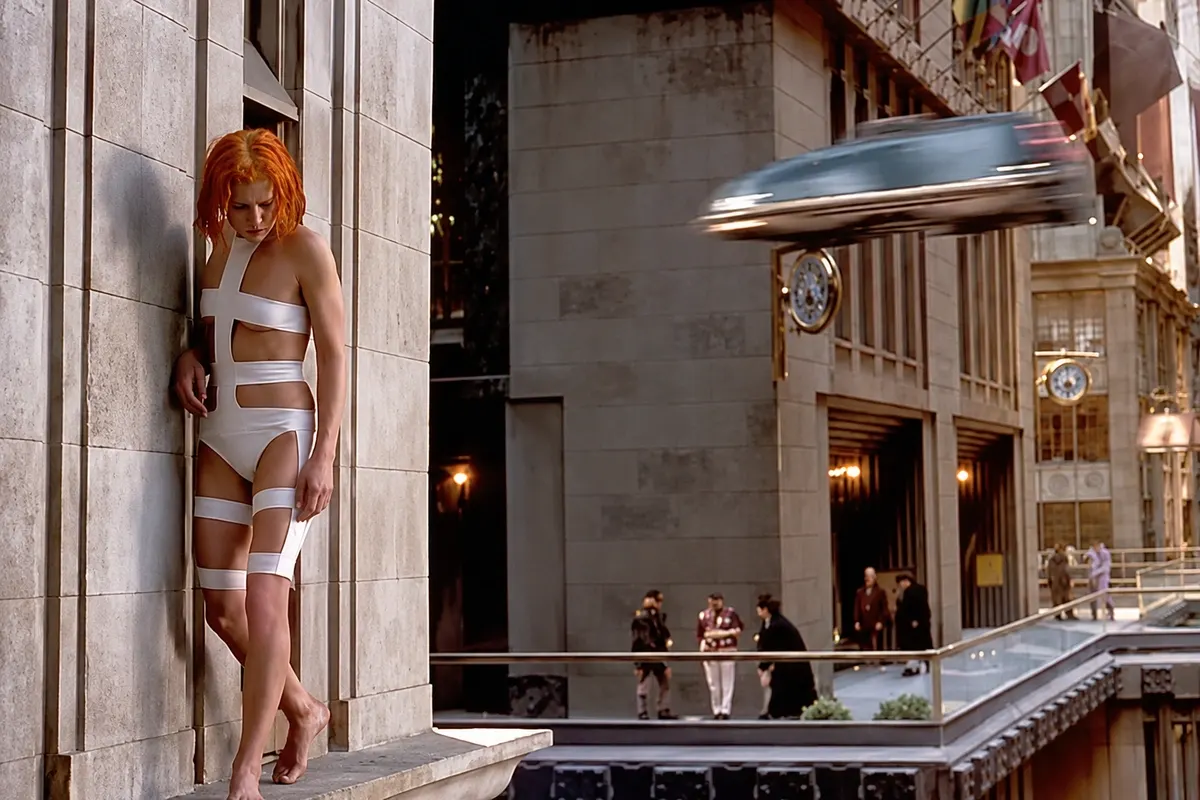
Milla Jovovich's Leeloo wore a minimal construction of white bands that reinterpreted the relationship between underwear, bodily exposure and costume. Elsewhere, Chris Tucker's Ruby Rhod appeared in flamboyant ensembles that destabilised familiar expectations of masculine dressing. The futuristic setting allowed Gaultier to reconsider how clothing might communicate identity within a society operating according to different cultural rules.
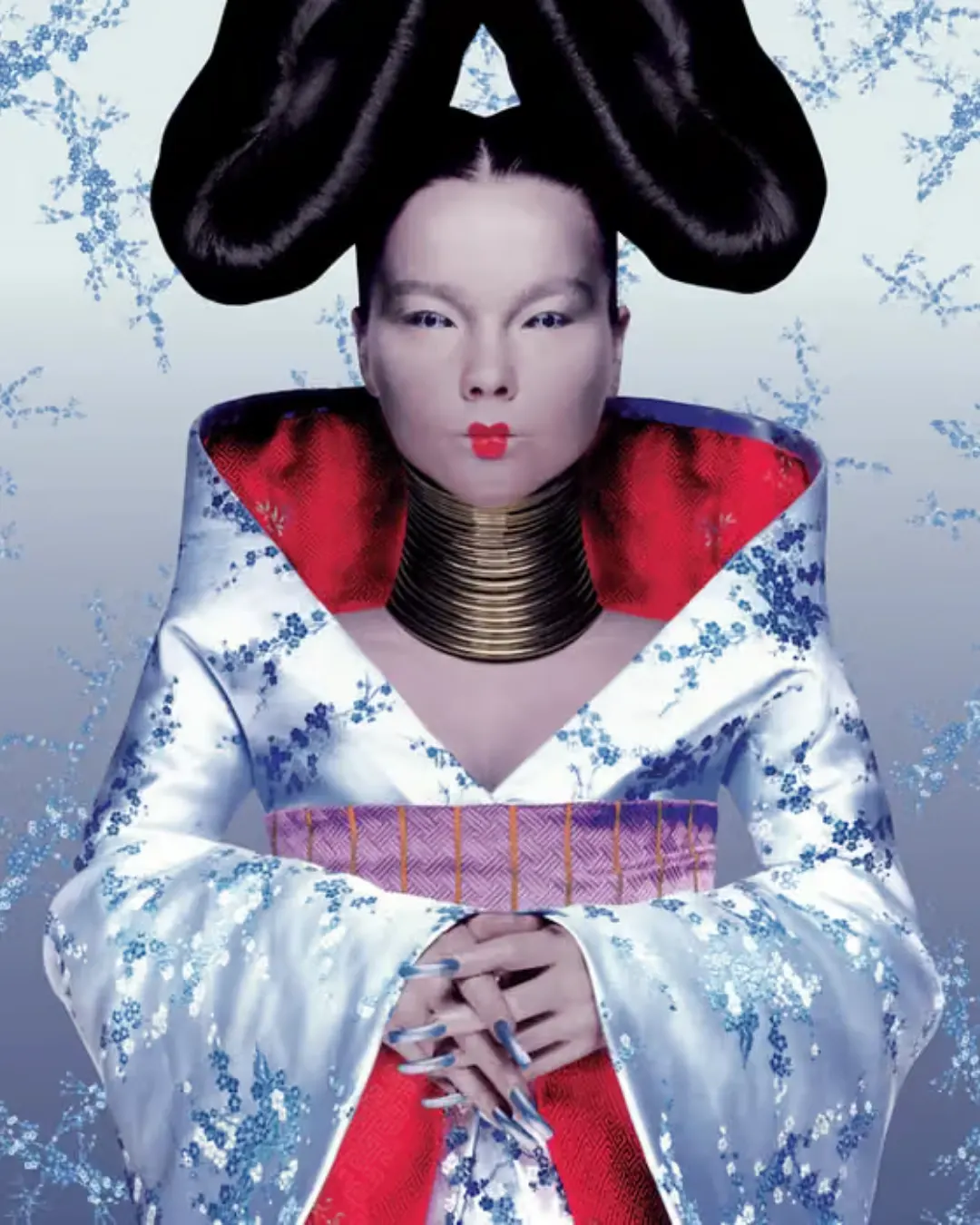
Music has provided another setting for such creative transformations. Björk's collaborations with experimental fashion designers have repeatedly brought sculptural garments into performance and visual storytelling.
For the cover of her 1997 album Homogenic, she appeared in a striking image photographed by Nick Knight, wearing a garment designed by Alexander McQueen. The elaborate construction and carefully orchestrated styling presented the musician as an almost otherworldly figure, transforming fashion into an essential component of the album's identity.
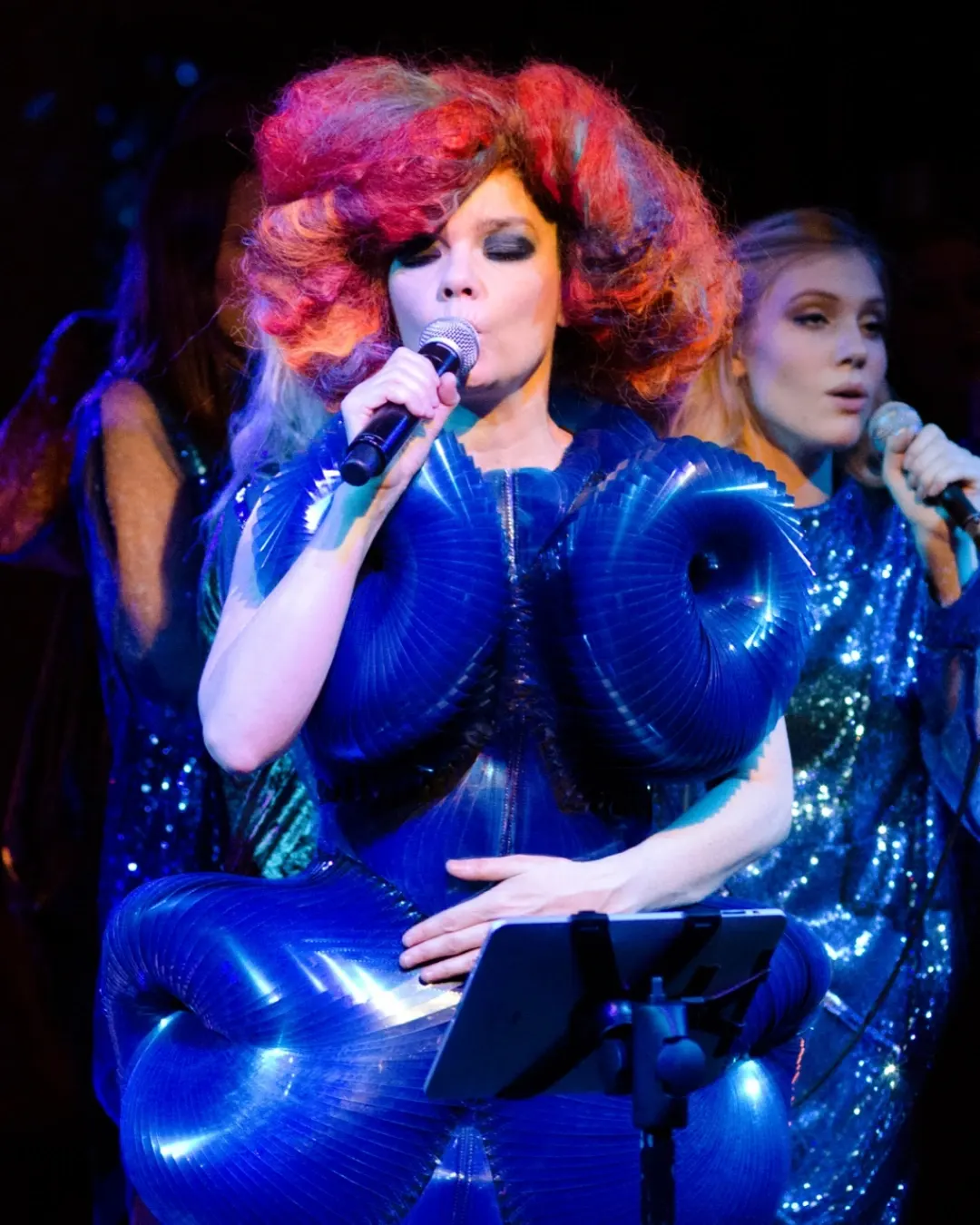
Her later collaboration with Iris van Herpen continued this dialogue. A sculptural blue dress designed for Björk's Biophilia tour used laser-cut acrylic components mounted onto tulle, producing an intricate structure that changed appearance with light.
These examples demonstrate how avant-garde fashion can operate within broader cultural narratives. The garments participate in the creation of characters, performances and imagined identities, allowing experimental design to acquire meanings that develop through movement, music and storytelling.
When the Avant-Garde Becomes Familiar
Avant-garde fashion has always maintained a complicated relationship with the industry that supports it.
Experimental collections demand considerable investment in research, materials, construction and presentation. Their commercial potential can remain uncertain, particularly when garments challenge familiar ideas of functionality and desirability.
Yet the wider fashion industry continually absorbs ideas introduced through such experiments. Deconstructed tailoring, exaggerated proportions, technical fabrics and unconventional layering have become familiar elements of contemporary design.
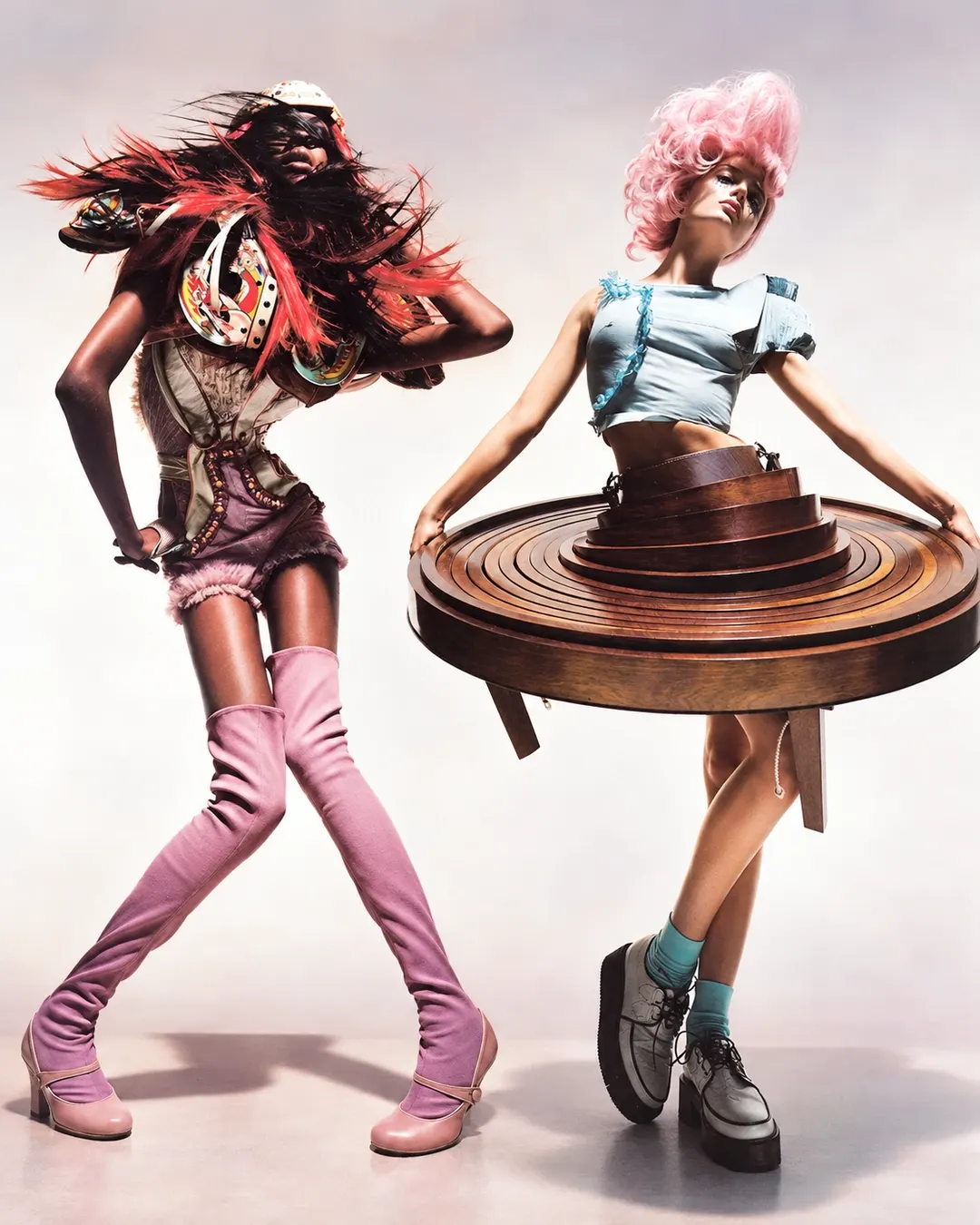
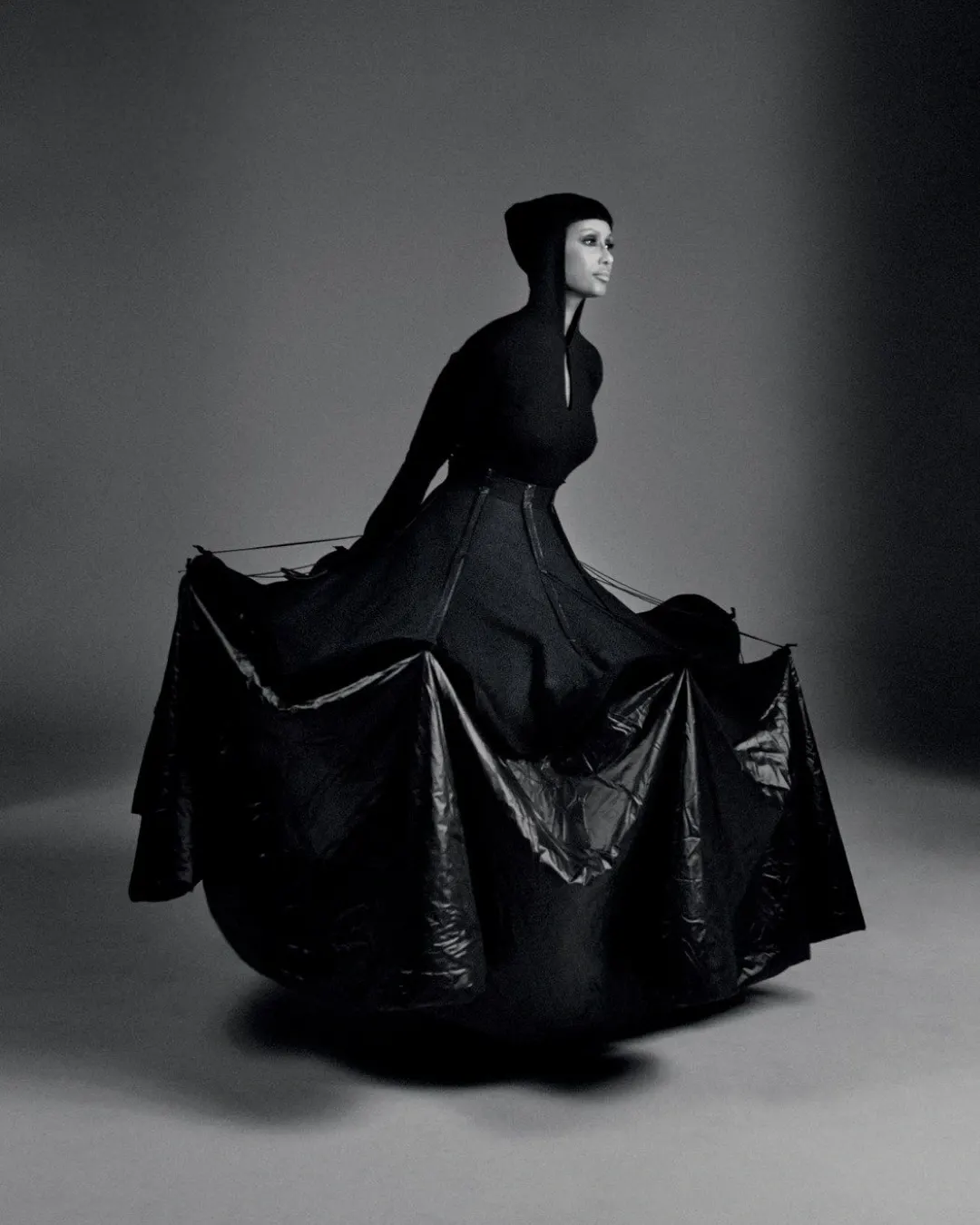
The diffusion of experimental ideas creates new possibilities for consumers while raising questions about the identity of the avant-garde itself. Once a radically unfamiliar silhouette becomes widely recognised, its original capacity to challenge established conventions may diminish.
The distinction between experimental design and an established avant-garde aesthetic therefore becomes increasingly important. A garment can reproduce the visual language of past experimentation without introducing a new design proposition. Black clothing, distressed surfaces and sculptural volume may evoke avant-garde traditions, although their presence alone cannot establish a radical creative position.
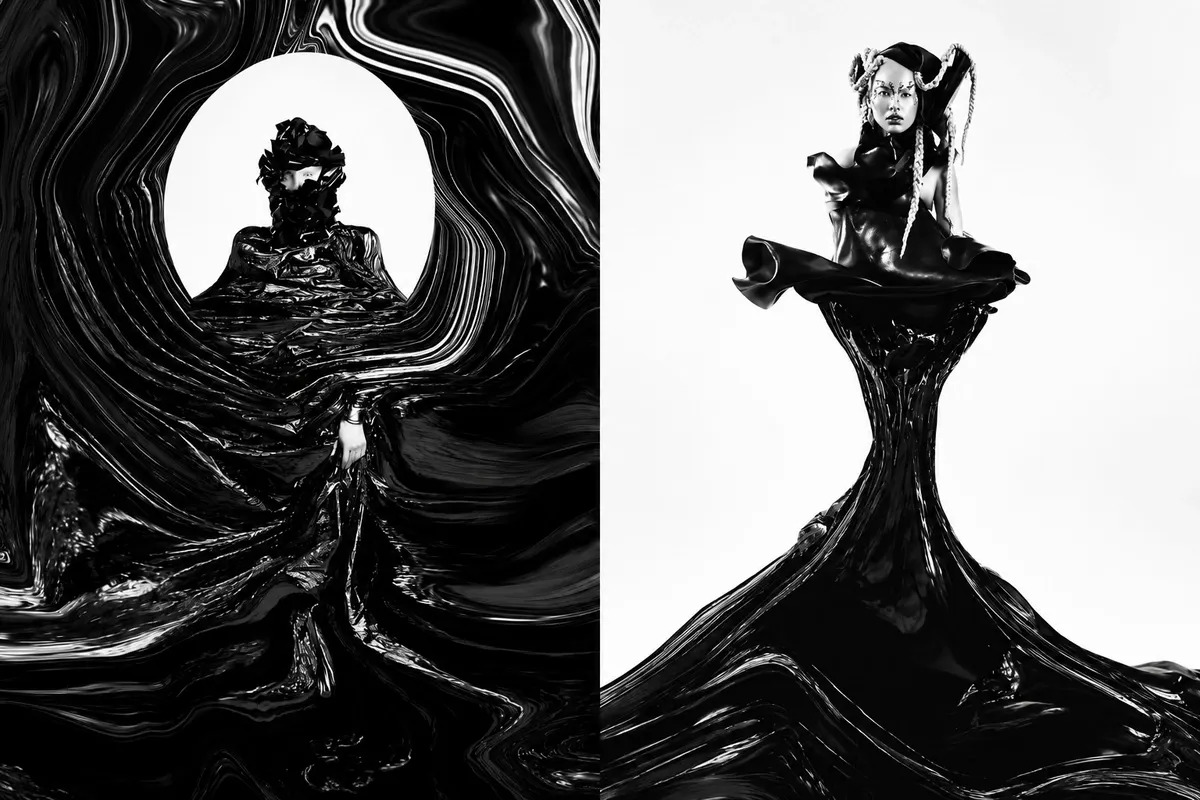
The continued relevance of avant-garde style depends on designers willing to question the aesthetic conventions inherited from their predecessors. Innovation may emerge through materials, construction, production systems or entirely new ideas about the relationship between people and clothing.
The most consequential experiments can influence fashion long after their original appearance has become familiar. They alter the possibilities available to designers, gradually expanding the boundaries of what clothing can express.
Avant-garde style therefore remains an unfinished proposition. Every established design language creates another opportunity for experimentation, and each generation encounters its own conventions waiting to be reconsidered.
The future of fashion may already exist inside a garment that contemporary audiences have yet to recognise as beautiful.