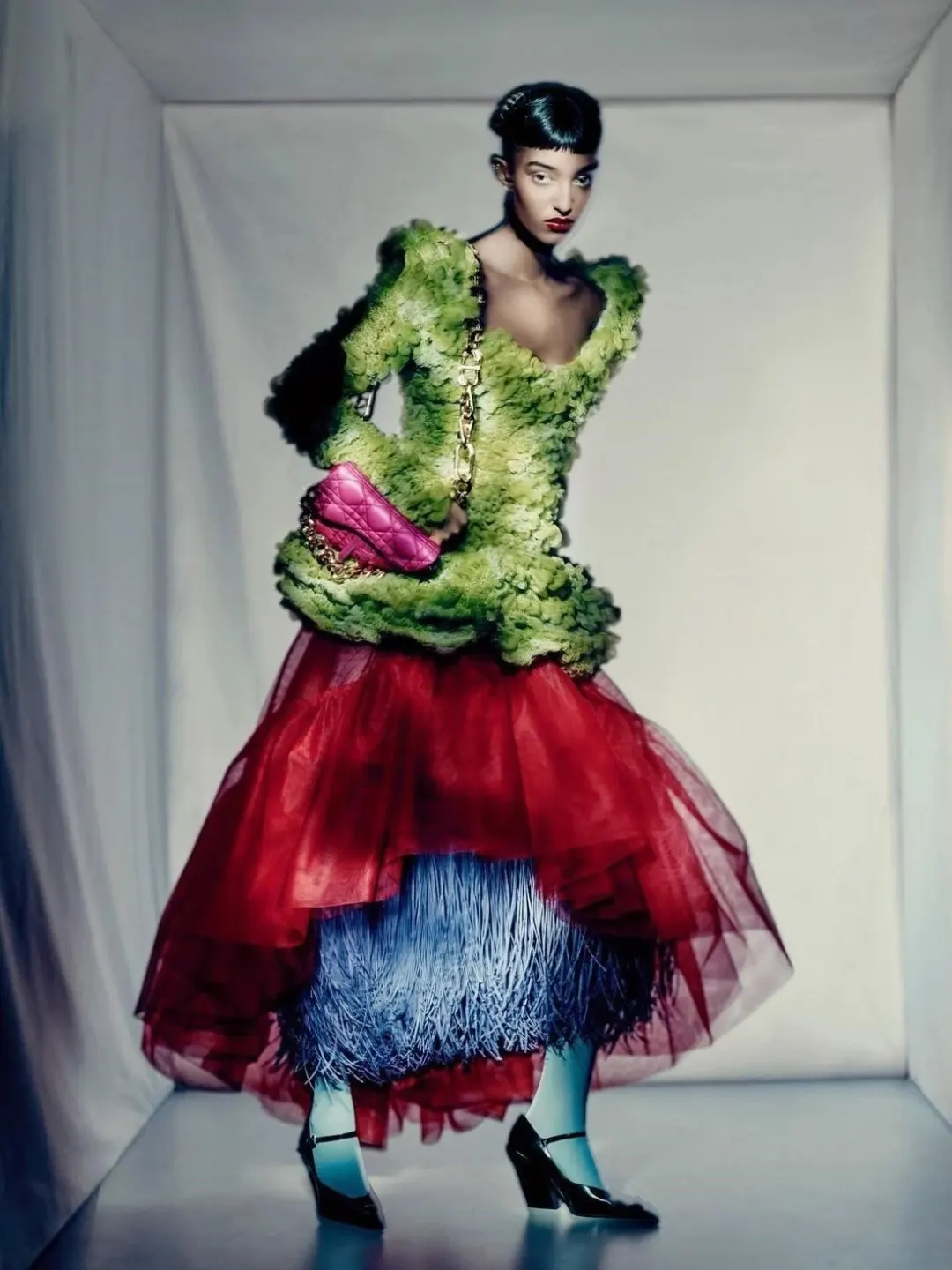
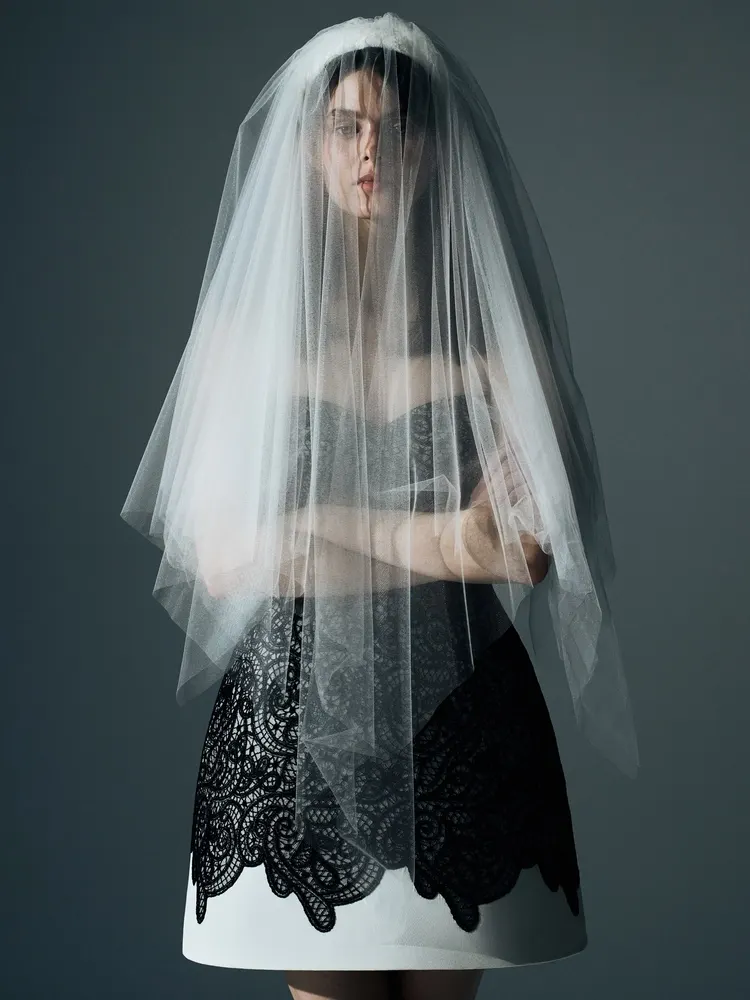
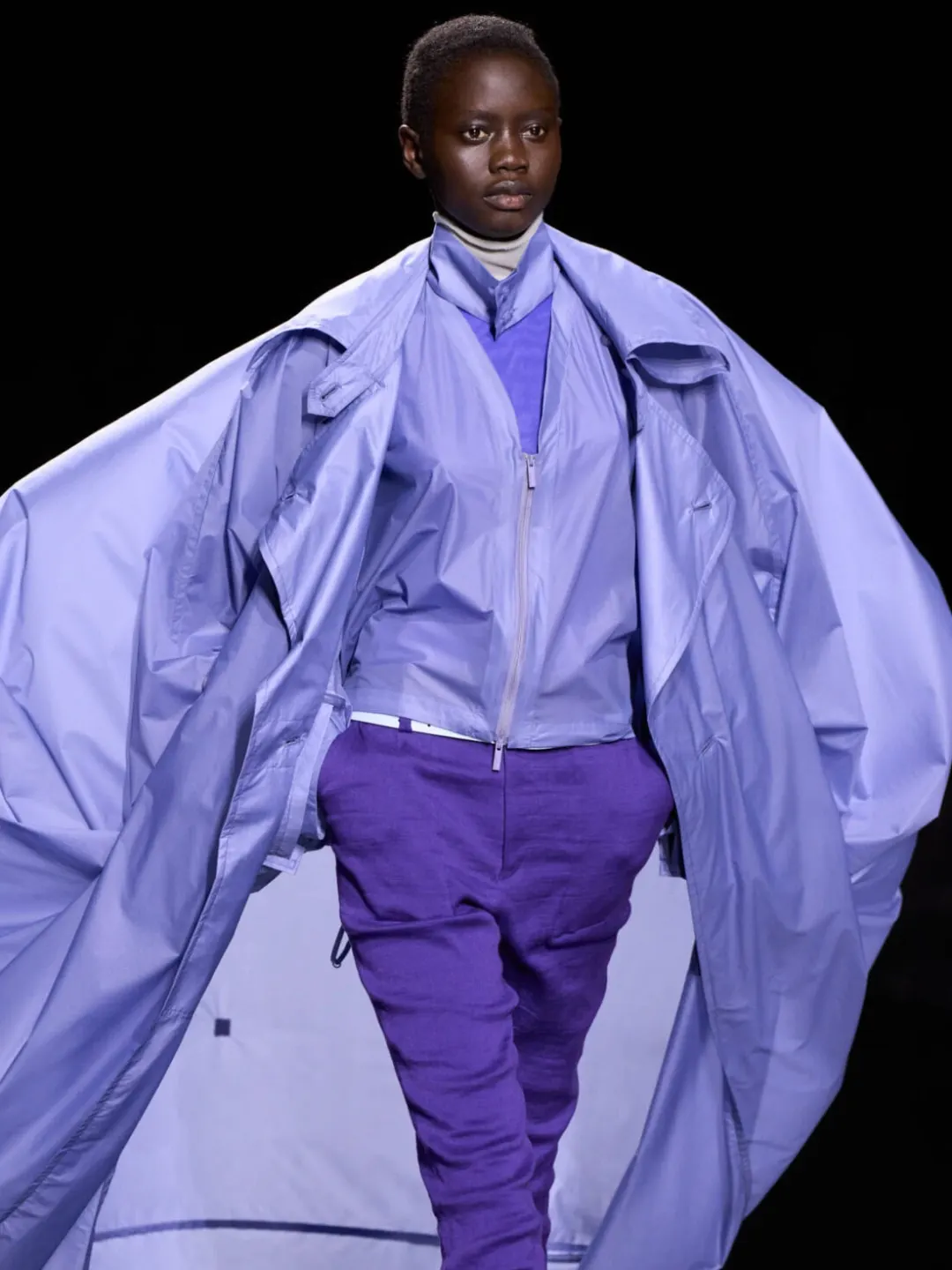
We have seen enough naked bodies to know what skin looks like. The real seduction begins with the beautiful uncertainty of what a garment might reveal next.

Almost Naked Is Where the Real Desire Begins
We have seen enough naked bodies to know what skin looks like. The real seduction begins with the beautiful uncertainty of what a garment might reveal next.
October 22, 2026


Our fascination with the human body persists, yet desire has always operated through a peculiar relationship between perception and imagination. The prospect of intimacy can stimulate an entire fantasy, drawing upon memory, curiosity, anticipation, and the psychological pleasure of uncertainty. Clothing gives that invisible process a physical form. Fabric establishes the limits of what can be seen, while the mind occupies itself with everything that remains possible.
Perhaps the most compelling erotic achievement of fashion lies in its ability to make the imagination desire something the eye has yet to encounter. The naked body offers an image; the promise of nakedness can suggest an entire experience.
The Art of Almost, or How to Make Someone Want
In his 1973 book The Pleasure of the Text, French theorist Roland Barthes explored the erotic significance of what he called intermittence, the brief appearance of skin between garments. He recognized that the sudden interruption of coverage could produce a charged moment in which the visible body acquired significance through its surrounding concealment.
Barthes was discussing literary pleasure, using clothing as a metaphor for the relationship between revelation and anticipation. Yet his observation captures something fundamental about erotic imagination: desire often gathers intensity around an experience that remains incomplete.
Psychological research into reward anticipation offers a useful framework for considering this response. The brain's reward systems respond to cues that predict desirable experiences, with dopamine playing an important role in motivation and reward-seeking behavior.
Anticipation can therefore possess emotional significance of its own, especially when an expected experience carries personal meaning. Sexual attraction involves additional processes, including attention, learning, memory, and individual preferences, making the relationship between visibility and arousal considerably complex.
Clothing can participate in these mechanisms because it communicates possibility. Its social associations, familiarity, and relationship with the body invite the observer to imagine a situation extending beyond the immediate image. The erotic stimulus becomes entangled with a story that the mind constructs around it.
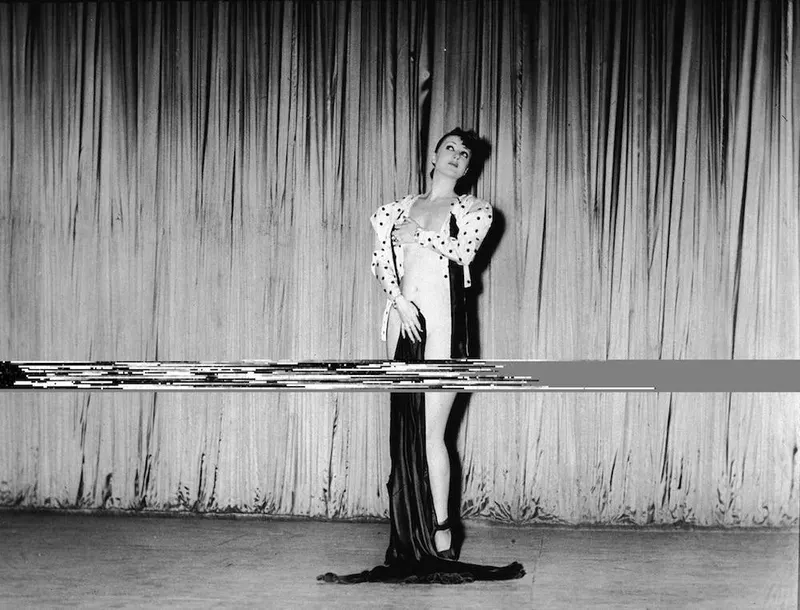
American burlesque developed an extraordinary theatrical vocabulary around this principle. During the early twentieth century, performers transformed striptease into an art of timing, theatrical character, and audience anticipation. Gypsy Rose Lee became celebrated for her sophisticated performances, in which wit and calculated pacing gave the act its distinctive identity.
The intelligence of burlesque lay in its treatment of expectation as part of the entertainment. Each stage of undressing prolonged the audience's investment in the performance, while the performer controlled its progression. What mattered was the psychological participation of the spectator, whose anticipation gave the eventual revelation its significance.
The art of almost is therefore an art of directing desire. The erotic encounter develops through the imagination, while the person controlling the revelation retains authority over its rhythm.
The Beautiful Lie of Being Naked
Fashion's historical obsession with nakedness offers another perspective on the psychology of attraction. The nude illusion has always involved an elaborate deception, requiring exceptional craftsmanship to create the appearance of an undressed body.
When Marilyn Monroe performed Happy Birthday, Mr. President in May 1962, her extraordinary gown became inseparable from the sensual mythology surrounding her public image. Designed by Jean Louis from a sketch by his young assistant Bob Mackie, the garment featured flesh-colored fabric covered in approximately 2,500 rhinestones. Its exceptionally close fit allowed the column dress to merge visually with Monroe's silhouette, producing the impression of a naked body shimmering under stage lights.

The power of the moment emerged from an elaborate interaction between costume, performance, and cultural context. Monroe's breathy delivery, the political significance of the occasion, and the illusion of intimate exposure converged in a public spectacle charged with sexual suggestion.
Her gown also demonstrated the importance of perception in fashion. The eye interpreted an intricately constructed garment as the apparent absence of clothing, revealing how readily visual information can be shaped through color, texture, and light.
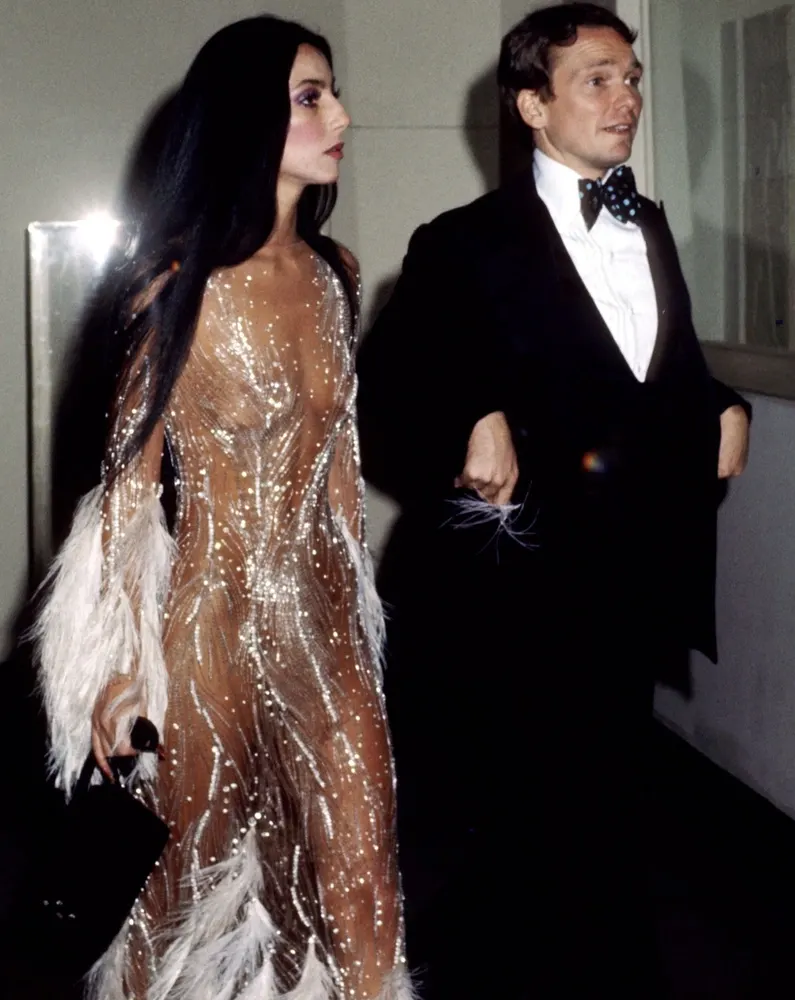
Bob Mackie continued exploring this fascination through his designs for Cher, including the famous feather-trimmed gown worn to the 1974 Met Gala. Its transparent foundation and carefully arranged embellishments created a theatrical relationship between the body and the surrounding ornamentation.
The Eroticism of Heat and Touch
Sexual desire also draws upon the sensory associations that clothing carries. Fabric belongs to the body's immediate physical environment, participating in experiences of temperature, pressure, movement, and touch. Through repeated experience, materials acquire emotional associations that extend beyond their practical functions.
This relationship helps explain the erotic fascination with clothing that appears affected by bodily presence. The significance lies in the impression of physical experience: the garment suggests warmth, proximity, and an intimacy that the observer can imagine through personal sensory memory.

In Joe Wright's 2007 film Atonement, the fountain encounter between Cecilia Tallis, played by Keira Knightley, and Robbie Turner becomes an important expression of this dynamic. Cecilia enters the fountain wearing an undergarment, emerging with wet fabric adhering to her body. The scene's sensuality develops through the complicated emotional relationship between the characters, whose attraction is entangled with pride, embarrassment, and social restraint.
Costume designer Jacqueline Durran developed Cecilia's wardrobe around lightness and the oppressive summer atmosphere. The thin fabrics become visually responsive to the environment, allowing the clothing to communicate the physical conditions surrounding the character.
The emotional power of the scene depends on the tension between the characters and the knowledge that their relationship carries consequences. Their attraction remains shaped by social expectations and personal misunderstandings, with the costume bringing that intimacy into sharper visual focus.
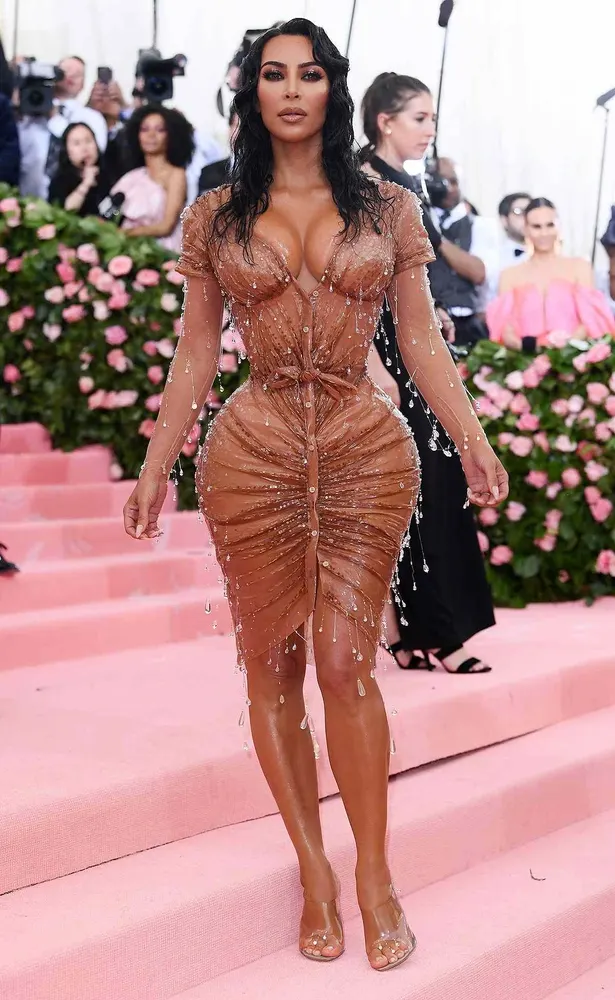

A related fascination appeared in Thierry Mugler's 2019 Met Gala creation for Kim Kardashian, whose sculptural construction and suspended crystal droplets suggested a body emerging from water. The garment translated the physical effects of moisture into an elaborate fashion illusion, using craftsmanship to evoke a sensory experience.
Tom Ford SS27: The Delicious Trouble of Getting Undressed
At Tom Ford SS27, Haider Ackermann brought this philosophy into a sharply dressed world of after-hours encounters, mirrored reflections, and quietly dangerous intentions.
Presented in Paris on September 30, 2026, the collection carried the established sensuality of Tom Ford into an atmosphere of deliberate intimacy. Models moved through a dimly lit setting surrounded by mirrors, occasionally crossing paths and appearing alongside their own reflections. The staging suggested people meeting, leaving, or returning from experiences occurring beyond the viewer's knowledge.



The collection's erotic intelligence emerged through the tension between formal clothing and intimate gestures. A smoking jacket, lingerie, a loosely buttoned blouse, a sheer skirt, or a cut-out dress can project an air of sophistication and self-possession. Worn against bare skin, these pieces take on a more intimate quality, evoking the delicious suggestion of someone dressing in a hurry or slowly undressing during a private encounter.
The mirrored setting intensified this relationship between seeing and being seen. Reflections multiplied the bodies within the space, allowing spectators to become conscious of their own act of observation. The collection presented sexuality as a negotiation between the individual's self-presentation and the interpretations imposed by others.
Naked Bodies Are Everywhere. Desire Still Has Secrets.
Contemporary fashion has made naked dressing extraordinarily accessible as an image. Their familiarity raises an intriguing question about the relationship between exposure and erotic satisfaction. Sexuality involves the body, yet desire also draws upon memories, fantasies, anticipation, power, and the emotional associations attached to another person.
Clothing gives those invisible experiences a physical language. The person wearing the garment remains central to that encounter, determining how their body becomes visible and what their appearance communicates.
Ultimately, the sensuality of naked fashion extends far beyond the amount of skin displayed. Its enduring fascination lives in the relationship between flesh and fabric, the expectation created by a gesture, and the imagination's appetite for what comes next. Perhaps the sexiest thing fashion can do is make us want to reach for a button, then leave the rest to our imagination.