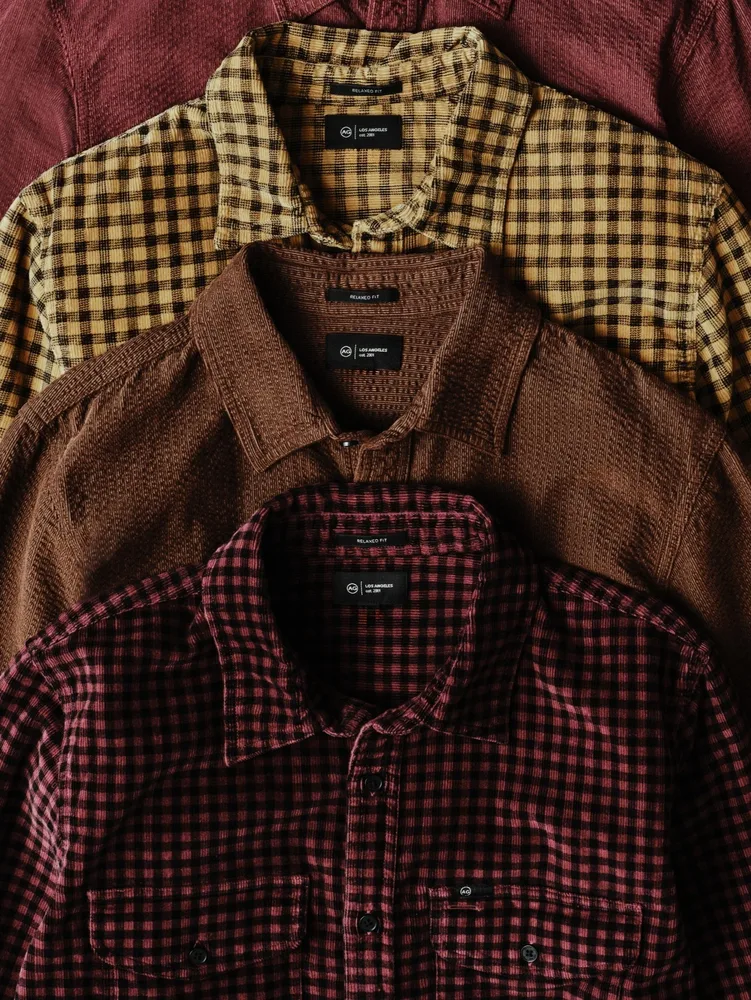
Behind the glamour of fashion sits a restless world of heat, water and machinery. Sustainability is finding its next chapter in those industrial rhythms.

Fashion Sustainability Is Finally Showing Results
Behind the glamour of fashion sits a restless world of heat, water and machinery. Sustainability is finding its next chapter in those industrial rhythms.
October 22, 2026
Advertisement

Advertisement



From coal-fired boilers to precision dyeing machinery, changes in manufacturing are beginning to deliver measurable reductions in carbon emissions, water consumption, and energy demand.
The progress is already visible in major fashion companies' environmental disclosures. PUMA reported a 21.4% reduction in Scope 3 emissions from purchased goods and services between 2017 and 2025, while its own operational Scope 1 and market-based Scope 2 emissions declined by 89% over the same period.
Luxury conglomerate Kering, which owns Gucci, Saint Laurent, and Bottega Veneta, recorded a 14% reduction in Scope 3 emissions between 2024 and 2025. The group attributed part of this improvement to changes in purchased goods and services, highlighting the importance of understanding how sourcing volumes and production activities influence climate performance.
The Coal Switch Reshaping Fashion Manufacturing
Coal has historically supplied a substantial share of the thermal energy required by textile factories. Industrial boilers generate steam used in washing, dyeing, drying, and finishing fabrics, processes that depend on consistent temperatures and considerable energy consumption.
Replacing these systems has become a priority for brands seeking to reduce supply-chain emissions.
In its 2025 annual report, adidas confirmed progress through a dedicated coal phase-out program targeting Tier 1 and Tier 2 suppliers. Most targeted facilities had completed their transition to alternative energy sources or exited the company's supply base by the end of the year. The company identified this initiative as an important contributor to reducing the carbon intensity of its products.

The transition involves converting boilers to alternative fuels, including biomass and natural gas, alongside broader investments in renewable energy. Each solution carries specific technical requirements. Biomass combustion depends on responsible feedstock sourcing, while natural gas remains a fossil fuel with associated emissions.
For manufacturers, replacing coal also means adapting existing infrastructure, securing dependable fuel supplies, and maintaining production temperatures throughout industrial operations.
These changes illustrate how sustainability commitments translate into decisions about manufacturing equipment and energy procurement. The long-term transformation of textile production will increasingly depend on electrification and access to low-carbon power.
Precision Dyeing Turns Sustainability Into Measurable Savings
Alongside energy transition, improvements in textile processing are producing substantial environmental benefits. Dyeing represents a particularly important opportunity because traditional processes involve large quantities of heated water, chemical inputs, and subsequent wastewater treatment.
British company Alchemie Technology has developed Endeavour, a digital precision dyeing system that applies controlled quantities of dye directly onto textiles using specialized fluid-jetting technology.

The system integrates dye application, drying, and fixation into a continuous production process. Its precise dosing reduces excess dye consumption and significantly lowers the demand for heated process water.
An independent assessment conducted by BluWin in Taiwan in September 2025, validated through Fashion for Good's Advanced Process Matrix initiative, found that Endeavour achieved up to 92% lower water consumption and up to 86% lower total energy consumption against specified conventional dyeing methods. Greenhouse gas emissions also declined by up to 86% under the assessed conditions.
These measurements covered commercial polyester dyeing operations, excluding pretreatment and post-treatment. The findings demonstrate the potential of precision manufacturing technologies to deliver measurable resource savings.
A separate example comes from Zhejiang Yingfeng Technology, a Chinese textile manufacturer examined in a 2026 life-cycle assessment of dyeing and finishing operations.
The research investigated waste-heat recovery, intelligent process control, automated chemical dosing, advanced wastewater treatment, and efficient dyeing machinery.

Low-liquor-ratio dyeing equipment was associated with 25–35% lower freshwater demand and 20–30% lower steam consumption during the relevant production stage. Intelligent color management also helped reduce repeated dyeing trials and unnecessary chemical use. These figures describe specific technological interventions and assessed scenarios, supported by factory operating data.
Together, these technologies demonstrate how manufacturing efficiency contributes to fashion sustainability through improved equipment performance, precise resource management, and reduced processing requirements.
Inside the Next Generation of Low-Carbon Factories
Industrial electrification represents another significant development in the effort to reduce emissions from textile production.
In Vietnam, textile manufacturer Bangjie received a grant from the Apparel Impact Institute in April 2025 to support the installation of a steam-generating heat pump.
The system is designed to capture waste heat from existing manufacturing operations, increase its temperature through electrically powered equipment, and generate thermal energy for dyeing, drying, and fabric setting.
Its planned infrastructure combines heat recovery with onsite solar generation and renewable electricity procurement. The technology also offers the potential to improve working conditions through industrial cooling.

The Apparel Impact Institute estimates that the project could eventually reduce approximately 6,089 tonnes of carbon dioxide equivalent annually, subject to implementation and operational verification.
Bangjie's project provides a practical example of how sustainability can influence factory design and energy systems. Heat pumps enable manufacturers to recover energy already circulating through industrial processes, while renewable electricity can reduce the carbon footprint of the heat required for fabric production.
The initiative also reveals a significant financial challenge. Electrification projects involve substantial upfront expenditure and extended payback periods, making external financing an important factor in industrial adoption.
Who Will Finance Fashion's Sustainability Transition?
Many international fashion brands depend on independently owned factories for textile production and garment assembly. These suppliers operate the machinery, boilers, and treatment facilities that require investment to achieve substantial environmental improvements.
Consequently, the financing of sustainable manufacturing has become an increasingly important part of the industry's climate strategy.
Bangjie's electrification initiative received support through the Apparel Impact Institute's grant program, alongside a loan from H&M Group. The grant allocated 96% of its funding to direct capital expenditure, helping address the financial barriers associated with implementing the heat-pump installation.
Another initiative, launched in June 2024, brought together Bestseller, Gap Inc., H&M Group, and Mango through the Future Supplier Initiative.
Facilitated by The Fashion Pact in collaboration with the Apparel Impact Institute, Guidehouse, and DBS Bank, the program introduced a collective financing mechanism initially focused on garment and textile manufacturers in Bangladesh.

Its model combines financial incentives, technical guidance, and shared investment responsibility to support projects involving energy efficiency and low-carbon manufacturing.
Such arrangements create opportunities for manufacturers to secure capital while giving fashion brands a direct role in supporting improvements across their supply chains.
Long-term purchasing commitments, financing conditions, and access to suitable energy infrastructure will influence how widely these solutions can be implemented.
The industry's recent sustainability achievements establish that established manufacturing technologies and targeted infrastructure investments can deliver meaningful environmental gains. Their wider impact now depends on whether fashion companies can translate corporate climate commitments into lasting changes throughout the production networks they rely upon.
As the industry continues to expand, the future of sustainability will be determined by the investment decisions shaping how clothes are manufactured, the energy used to produce them, and the financial responsibility shared across the global fashion supply chain.
Advertisement