MENU
Close





A few crossed lines, two colors, and suddenly an entire mood appears. Gingham fabric has always known how to do a lot with very little.
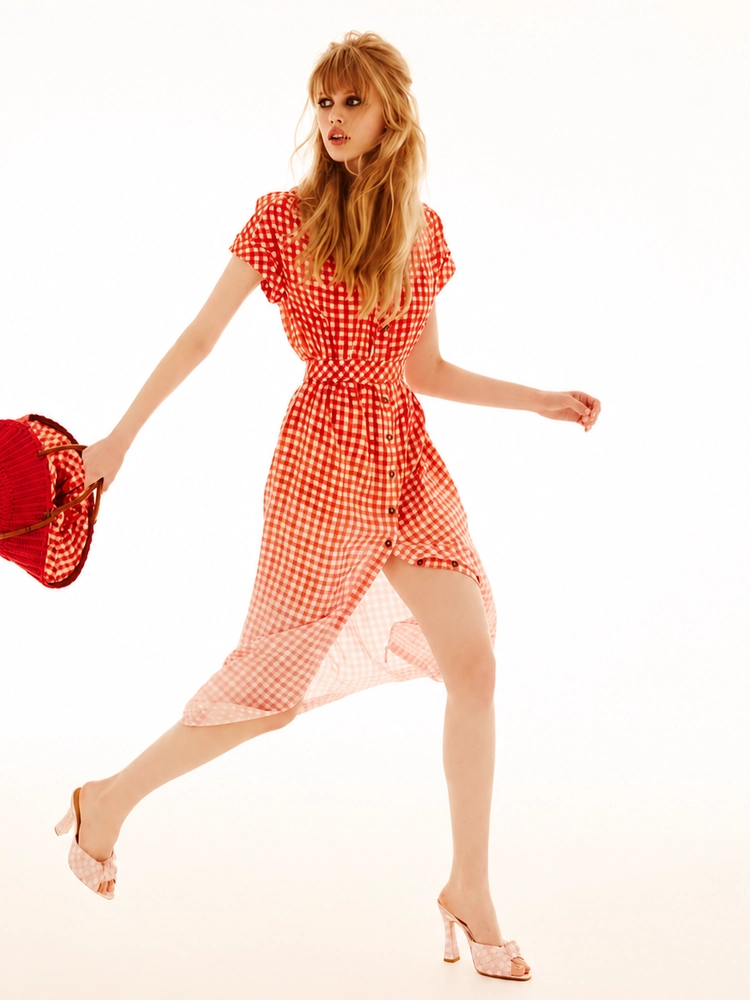
A few crossed lines, two colors, and suddenly an entire mood appears. Gingham fabric has always known how to do a lot with very little.
September 3, 2026
Advertisement
Advertisement


Gingham fabric stands as a fascinating pillar in the modern fashion lexicon, referring simultaneously to a beautifully specific textile structure and its highly recognizable visual motif. To define this material accurately requires looking closely at its architectural anatomy.
Traditionally, gingham fabric exists as a yarn-dyed, plain-weave cotton fabric characterized by regularly repeated checks. Usually, master weavers combine pure white yarns with one alternating vibrant color to achieve this iconic, mathematical grid. While casually calling it a mere check fabric happens frequently, such a simplified term leaves behind crucial textile history and technical brilliance.
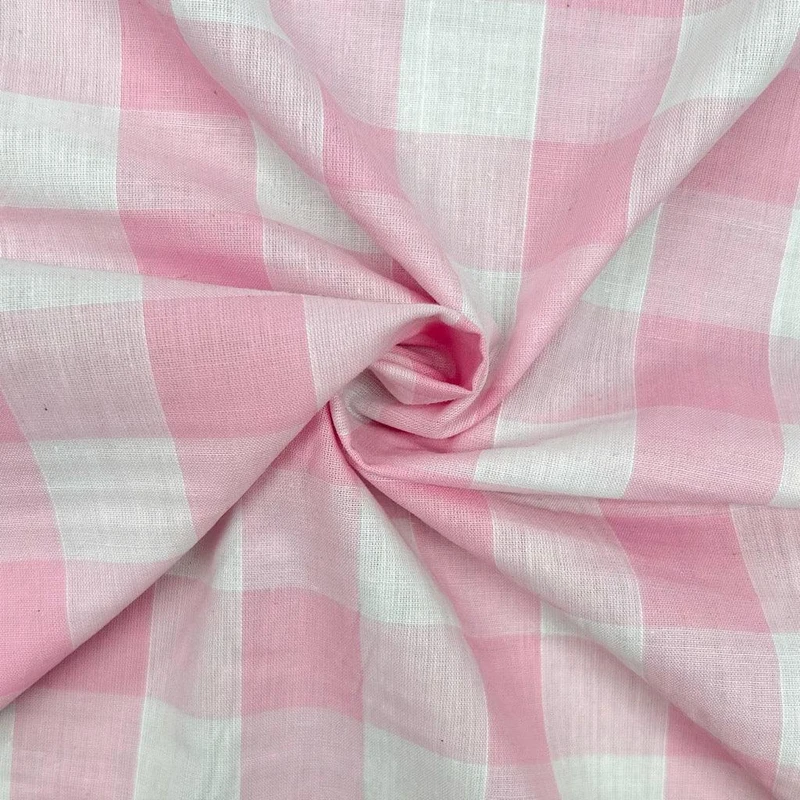
By examining its distinct components, we appreciate the material fully and understand its enduring appeal. The fiber consists traditionally of pure cotton. The weave follows a brilliantly balanced plain-weave structure. The coloration method relies strictly on yarn-dyeing prior to the weaving process.
Finally, the pattern emerges organically as regular checks created by the careful arrangement of those colored warp and weft threads.

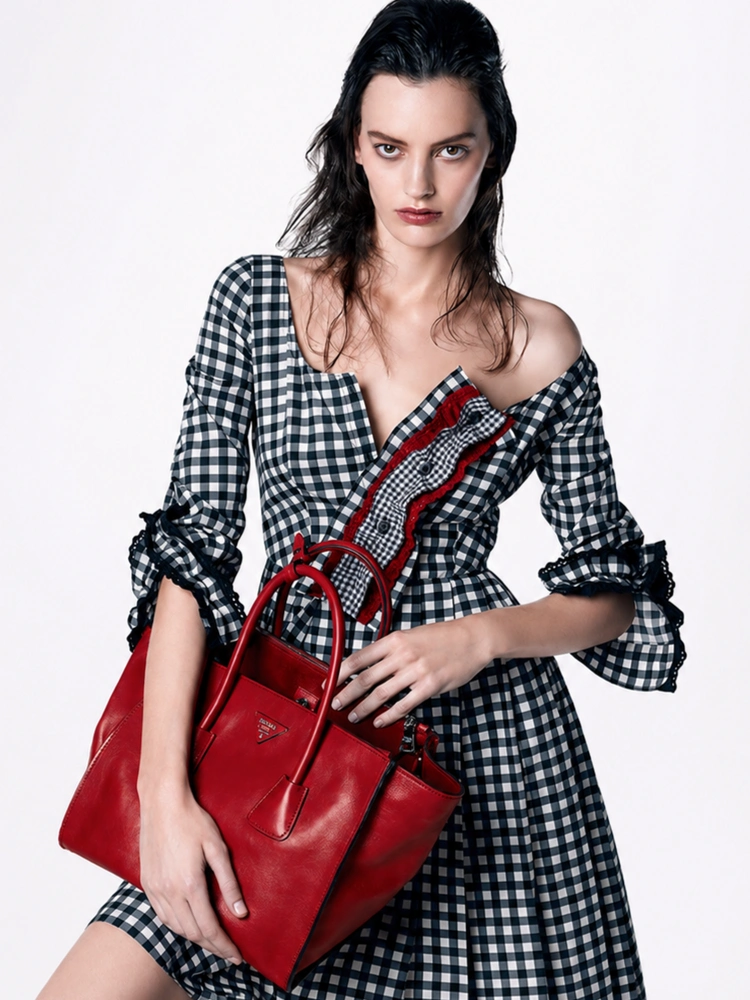
Because traditional gingham fabric uses colored yarns in both directions, the pattern becomes structurally integrated into the very soul of the cloth. This precise intersection creates a mesmerizing three-tone optical illusion that defines the fabric's visual signature. When white yarns cross white yarns, a luminous light square appears. When a colored yarn crosses a white yarn, the eye perceives a delicate, beautifully mixed intermediate tone.
Finally, the intersection of colored warp and colored weft produces the deepest, most saturated square on the grid. Classic combinations embrace crisp white paired with true blue, cherry red, soft pink, or stark black.
The creation of traditional gingham fabric begins intimately with the preparation of raw cotton fibers. Artisans and manufacturers clean, card, and prepare the natural cotton for the spinning process, carefully aligning the raw materials. Depending on the desired luxury and smoothness of the final yardage, the yarns undergo either standard carding or meticulous combing.
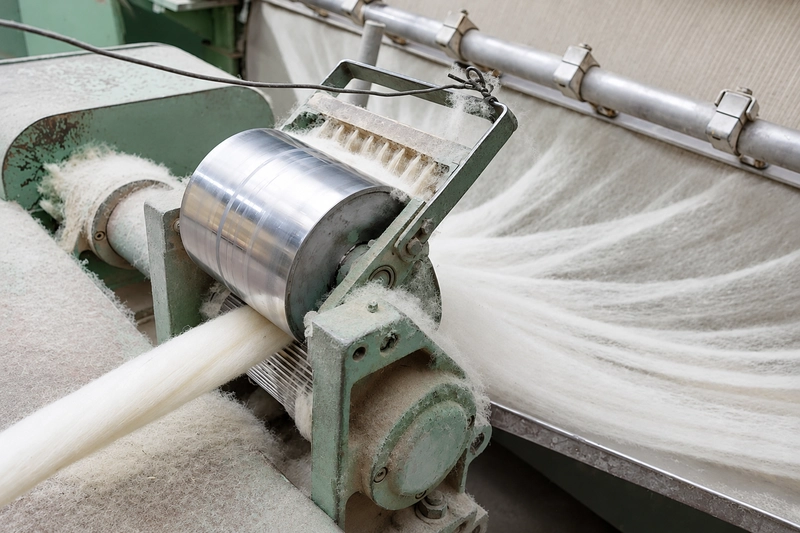
Historical technical manuals specify the use of medium or fine yarns to achieve the fabric's signature crispness and structural integrity. Once prepped, the cotton fibers transform into sturdy warp yarns, which run lengthwise on the loom, and weft yarns, which pass horizontally across the framework.
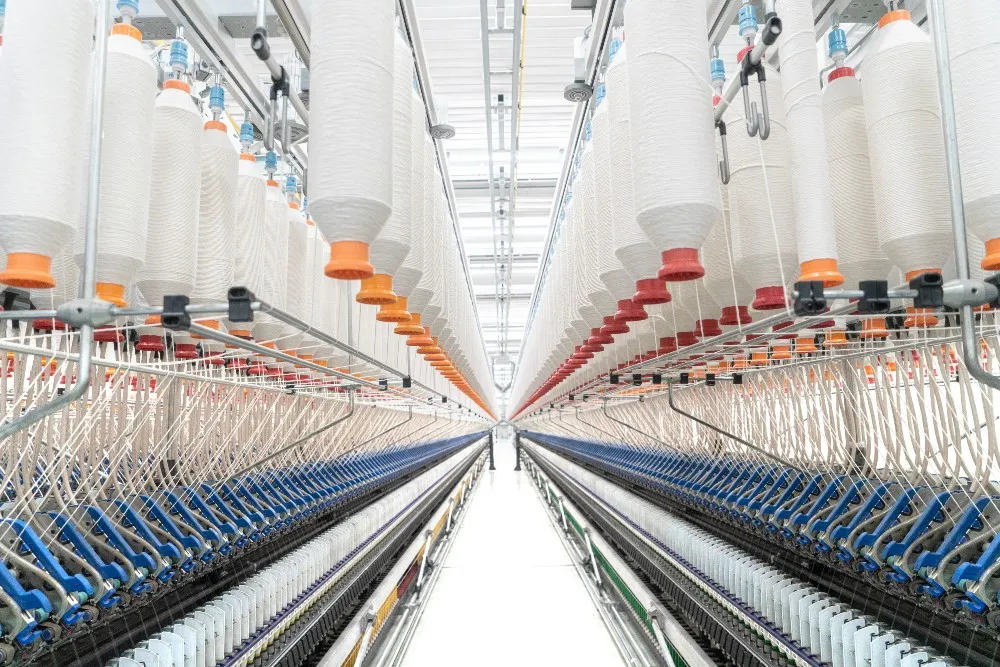
The defining magic of true gingham fabric occurs entirely during the dyeing phase. The yarn receives its vibrant pigment long before the weaving begins. This yarn-dyed approach holds immense significance; the color becomes a permanent element of the fabric's anatomy, ensuring the checkered motif shines brilliantly on both the face and the reverse side of the material. This structural dyeing separates authentic woven gingham fabric from secondary fabrics printed on the surface of completed cloth.
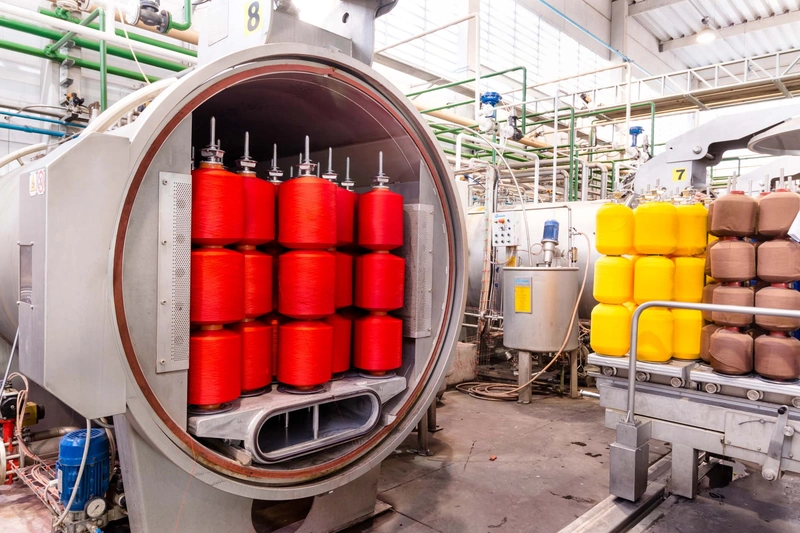
Following the dye baths, weavers arrange the white and colored threads at precisely calculated intervals across both the warp and the weft. This equal, repeating spacing guarantees the formation of perfectly balanced squares. The weaving itself utilizes the classical plain weave technique.
Each horizontal weft yarn passes over a single vertical warp yarn, then dips beneath the subsequent one, alternating the sequence on the following row. This method ranks among the most fundamental weave structures, yet the mathematical arrangement of the colored threads elevates gingham fabric into a visually arresting masterpiece.
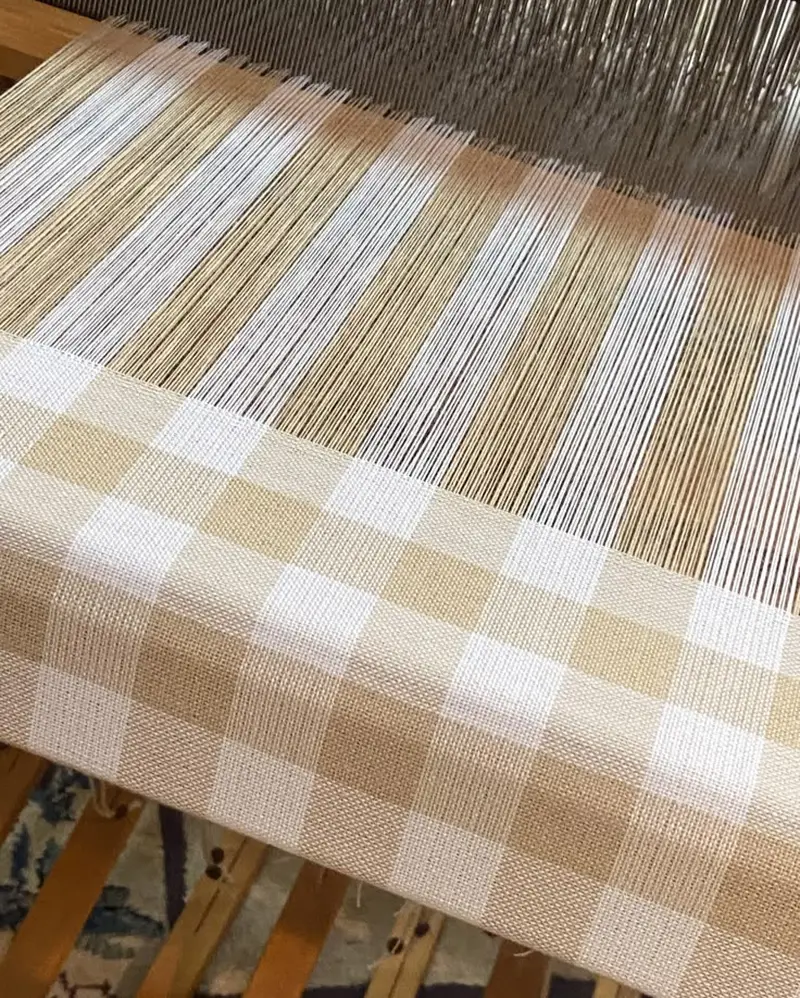
Fresh from the loom, the cloth exists in its raw, loom-state condition. Traditional finishing processes elevate the material, involving careful washing, starching for crispness, drying, and calendering to achieve a smooth, inviting hand. Early manufacturing records describe finishing techniques where expansive lengths of gingham were sewn together, dampened, and treated with sizing to perfect the texture. Today, the broader term embraces cotton blends, synthetic mixtures, and even printed interpretations.
Gingham fabric announces itself primarily through its captivating visual geometry. The fabric presents a regular, rhythmic grid, favoring perfect squares over elongated rectangles. Its most recognizable iteration pairs stark white with one vivid color, establishing a strong, predictable pattern repeat that scales gracefully from microscopic micro-checks to theatrical, oversized blocks.
Texturally, the surface remains beautifully low-textured, offering a relatively smooth and visually crisp hand. The weight generally falls into the light to medium categories, adjusting harmoniously based on the yarn count and the designer's ultimate vision for the garment.
Because traditional gingham fabric relies heavily on pure cotton, the fabric offers exceptional breathability. This cooling nature cements its eternal association with warm-weather wardrobes, breezing gracefully through summer dresses, joyful children's wear, crisp shirts, and elegant resort collections.
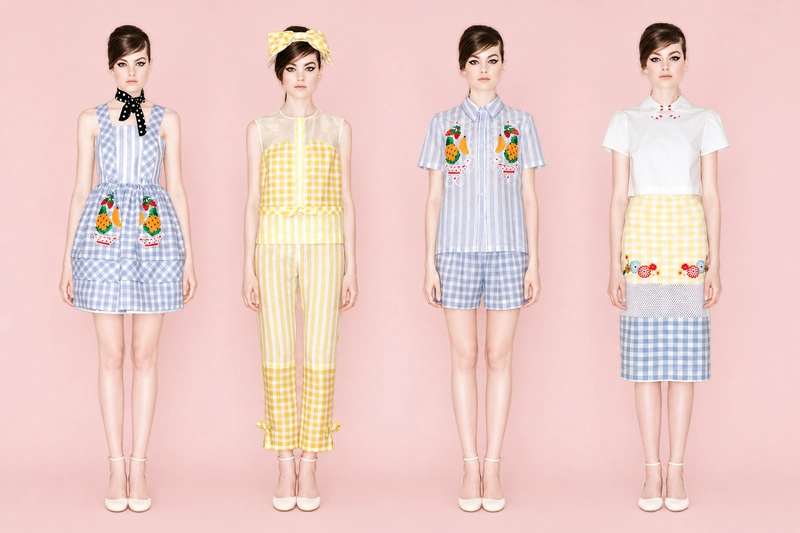
Structurally, the plain weave gives the material wonderful stability. The regular interlacement of warp and weft preserves the integrity of the grid, allowing the fabric to hold architectural shapes beautifully. True yarn-dyed gingham fabric shares its face generously, appearing virtually identical on both sides as the colored yarns run entirely through the textile's core. This reversibility provides a brilliant clue for authenticating the fabric during the sourcing process.
Natural cotton versions maintain a tendency to shrink and wrinkle, requiring thoughtful preparation and preshrinking before cutting. The rigid straightness of the checks exposes cutting and sewing errors instantly. Misaligned side seams, shifting pockets, crooked plackets, and uneven waistlines become glaringly obvious against the uncompromising grid.
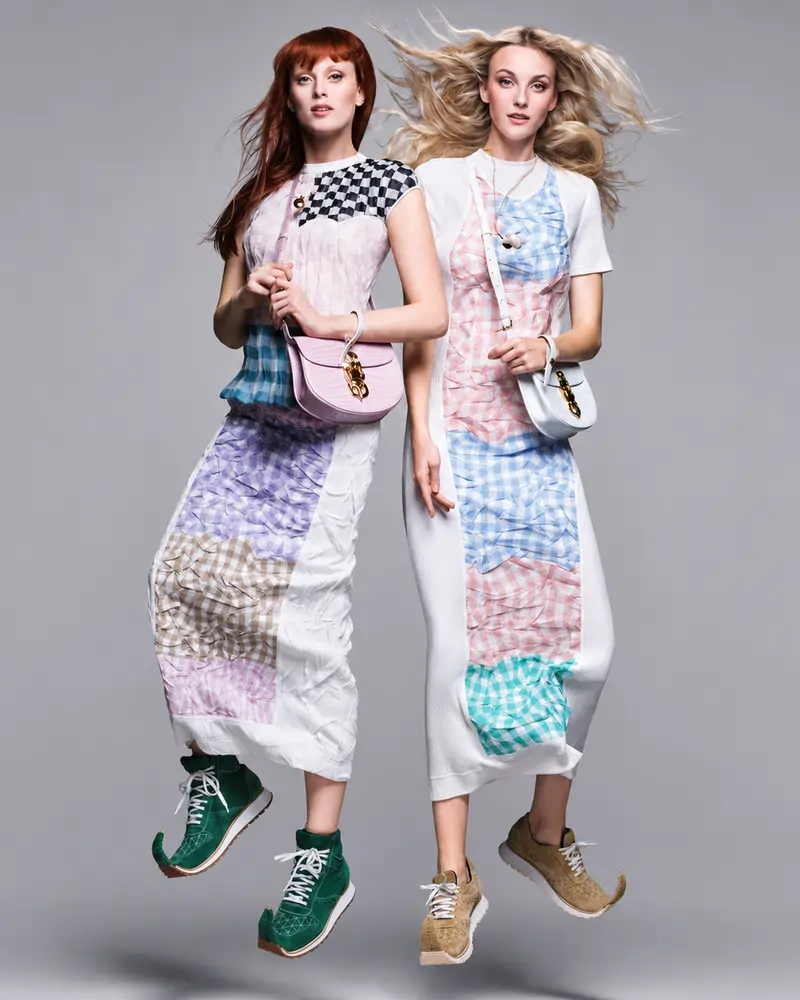
Consequently, gingham fabric remains simultaneously simple in its aesthetic and highly demanding in its garment construction. Ultimately, its durable, washable, and highly serviceable character explains its seamless migration from humble domestic textiles into the elevated realms of high fashion.
The historical journey of gingham fabric reads like a fascinating tale of global trade and shifting cultural identities. The term entered the European vocabulary in the early seventeenth century, tracing its roots to the Malay word 'genggang' and the Dutch 'gingang'. Linguistically, this root word connects directly to striped or spaced patterning.
A competing romantic etymology suggests a link to Guingamp, a weaving town in Brittany, France, though historians largely favor the Southeast Asian origin story. During the seventeenth century, ambitious merchants imported this lightweight textile from Southeast Asia into European markets. The most astonishing historical surprise lies in its original appearance; early imported gingham fabric featured prominent stripes, entirely preceding the iconic checks we celebrate today.
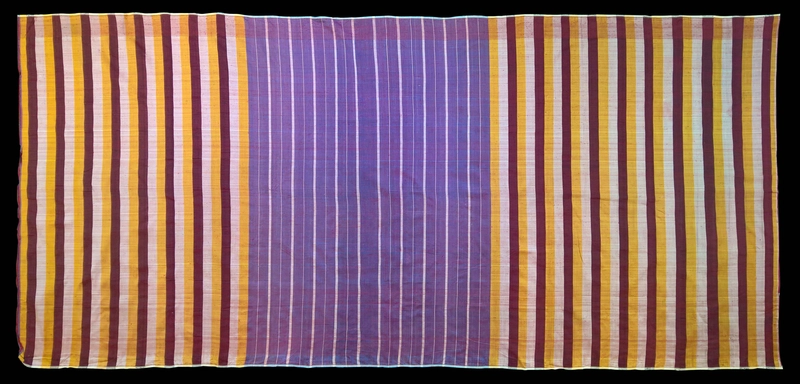
The aesthetic transformation occurred powerfully in the mid-eighteenth century. As the Industrial Revolution accelerated, the bustling textile mills of Manchester and the broader Lancashire region began producing gingham fabric with distinctive blue-and-white checked patterns.
British industrial weaving essentially redesigned the fabric, shifting its permanent identity from an imported striped good into the familiar checked cloth. Throughout the nineteenth century, it blossomed into a mass-produced, everyday textile. Dressmakers and tailors utilized the fabric extensively for practical dresses, protective aprons, durable work shirts, and children's garments. Manufactured widely across Lancashire and Glasgow, gingham fabric developed deep cultural associations with practicality, wholesome domesticity, and rural life of Victorian era.
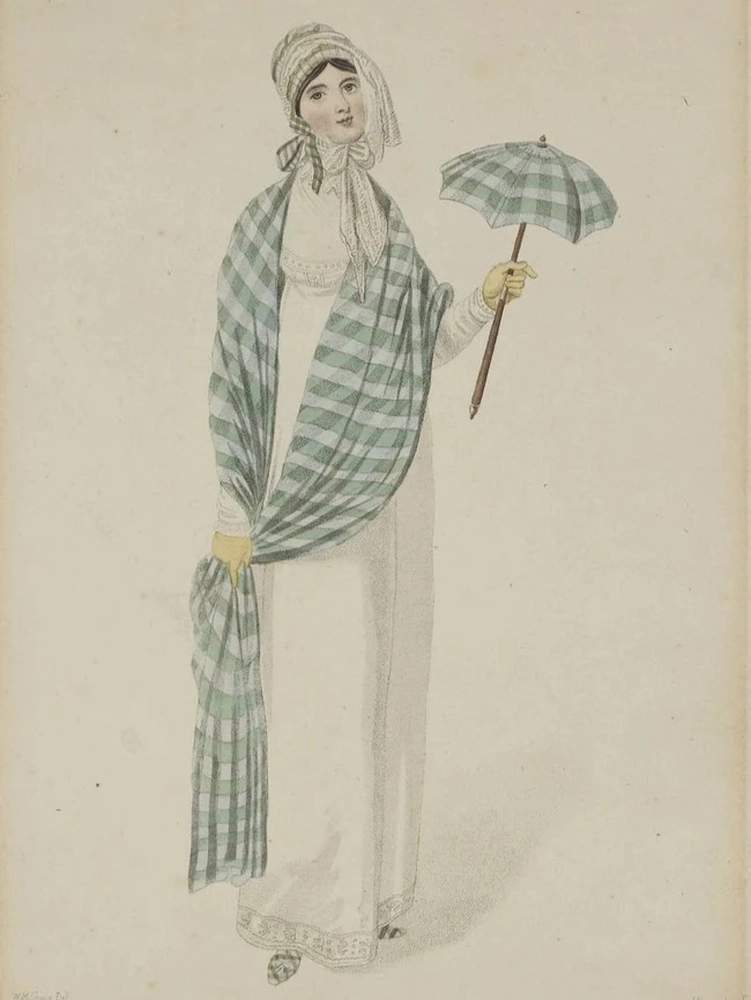
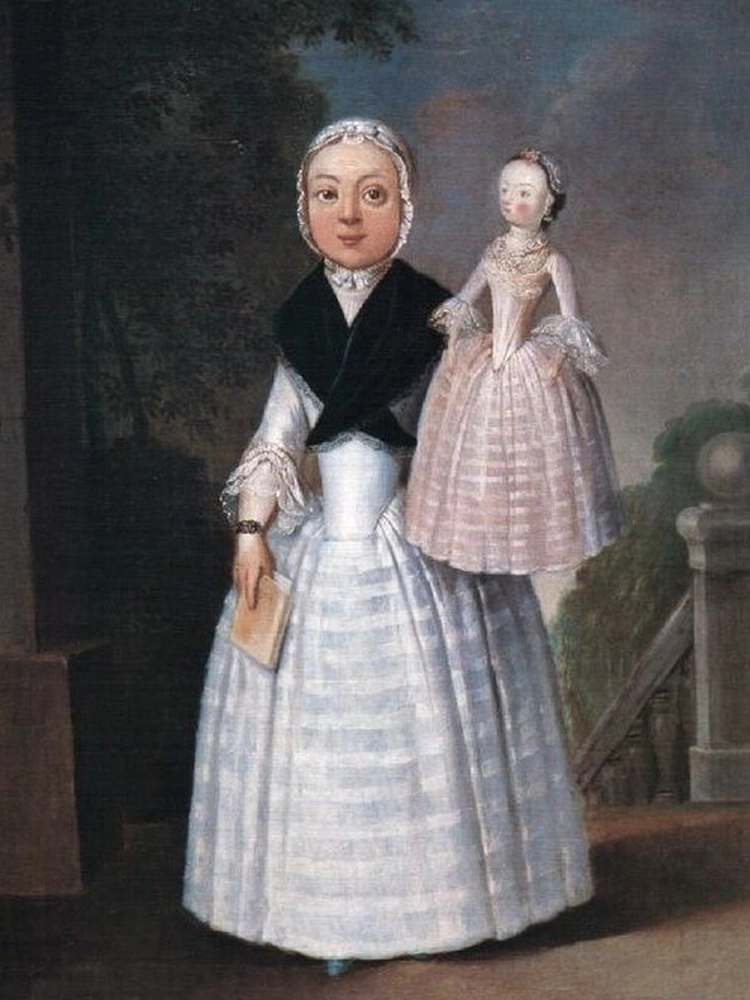
In the year 1900, author L. Frank Baum dressed his protagonist Dorothy in the fabric in his literary masterpiece, The Wonderful Wizard of Oz. Decades later, in 1939, MGM costume designer Gilbert Adrian translated this vision to the screen, creating Judy Garland's legendary blue-and-white pinafore. Through this cinematic moment, gingham fabric became an enduring visual shorthand for innocence, youth, and rustic Midwestern simplicity.

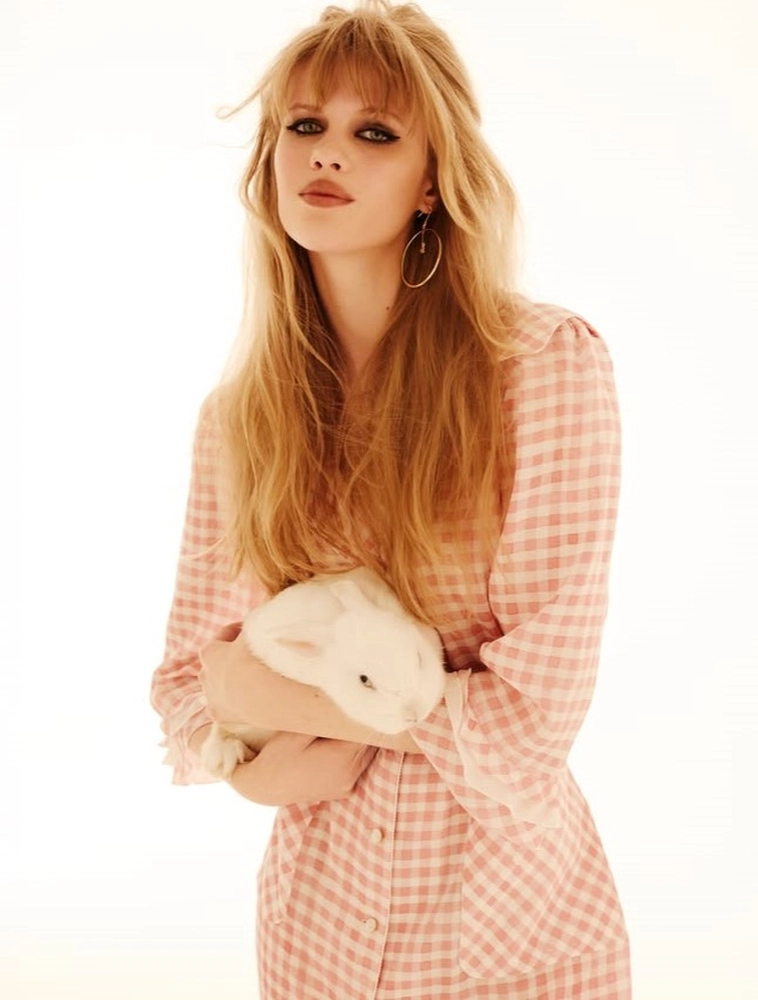
In 1959, global cinema icon Brigitte Bardot married actor Jacques Charrier wearing a stunning pink-and-white gingham dress designed by Jacques Esterel. Prior to this highly publicized moment, Bardot herself associated the pattern primarily with humble kitchen curtains.
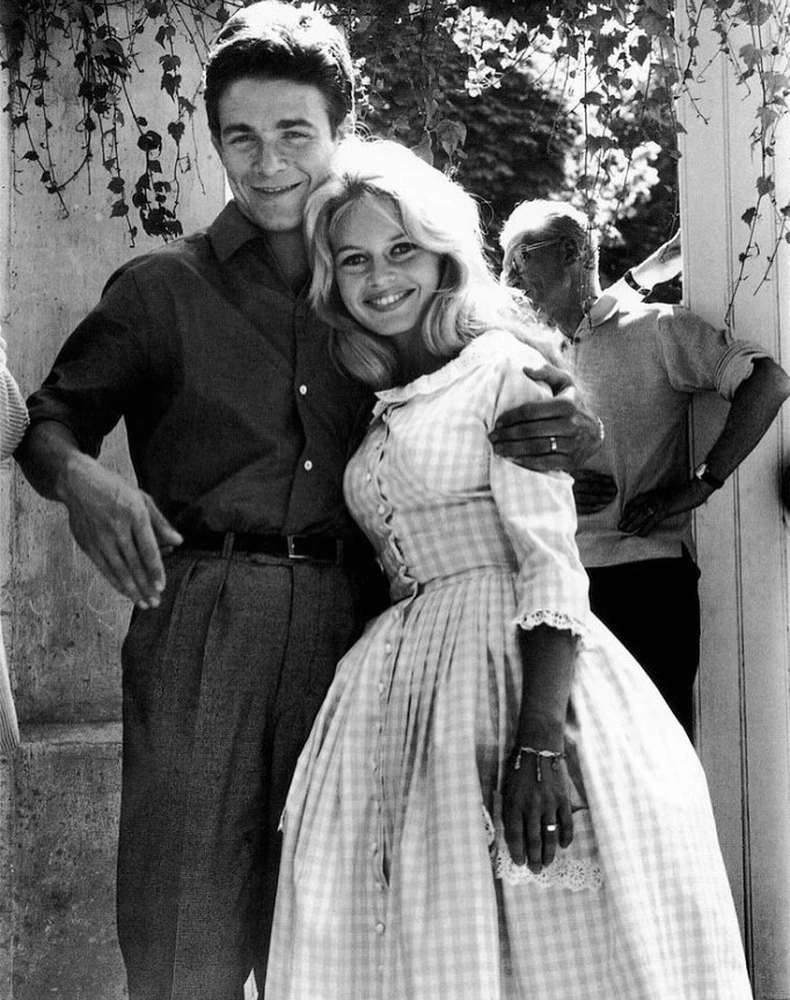
However, the wedding photographs sparked an international craze, pivoting gingham fabric away from domestic innocence toward a breezy, confident French sensuality.
Moving into the 1960s, gingham fabric became a staple of the youthquake and ready-to-wear culture. Visionary boutiques like Biba produced striking gingham minidresses, cementing its modern appeal among a new generation of shoppers.
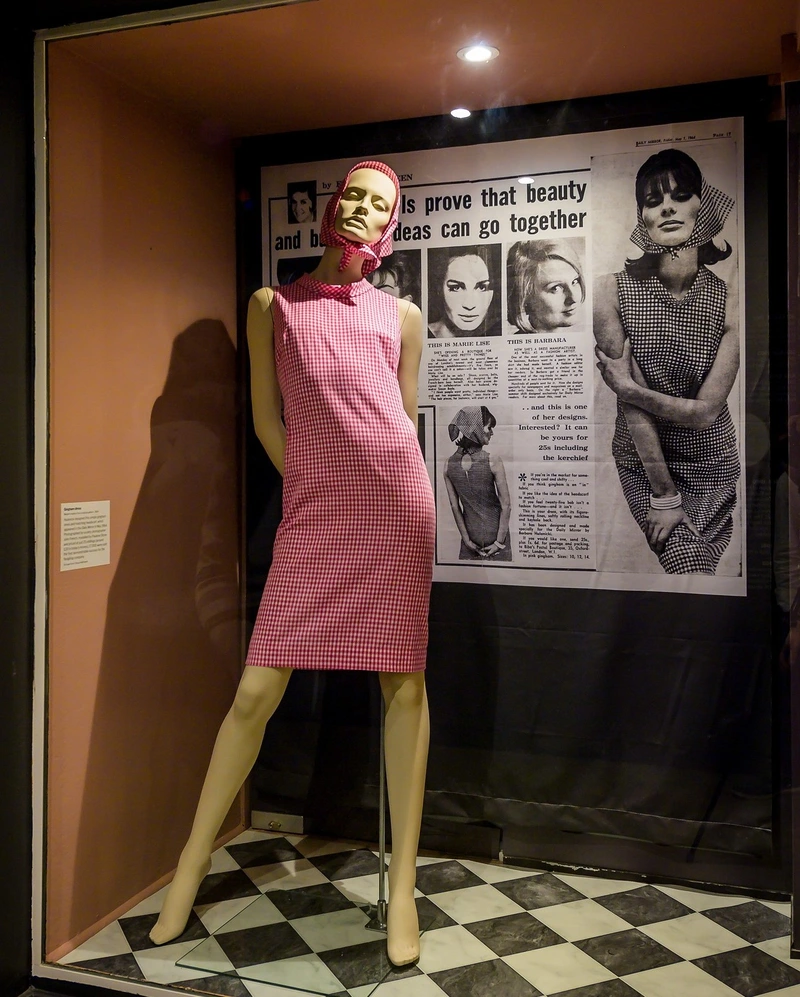
Classic gingham represents the traditional reference form of the fabric. This version features small to medium-sized, evenly repeated checks, pairing stark white with a single contrasting color. The equal horizontal and vertical spacing creates a wonderfully balanced grid.
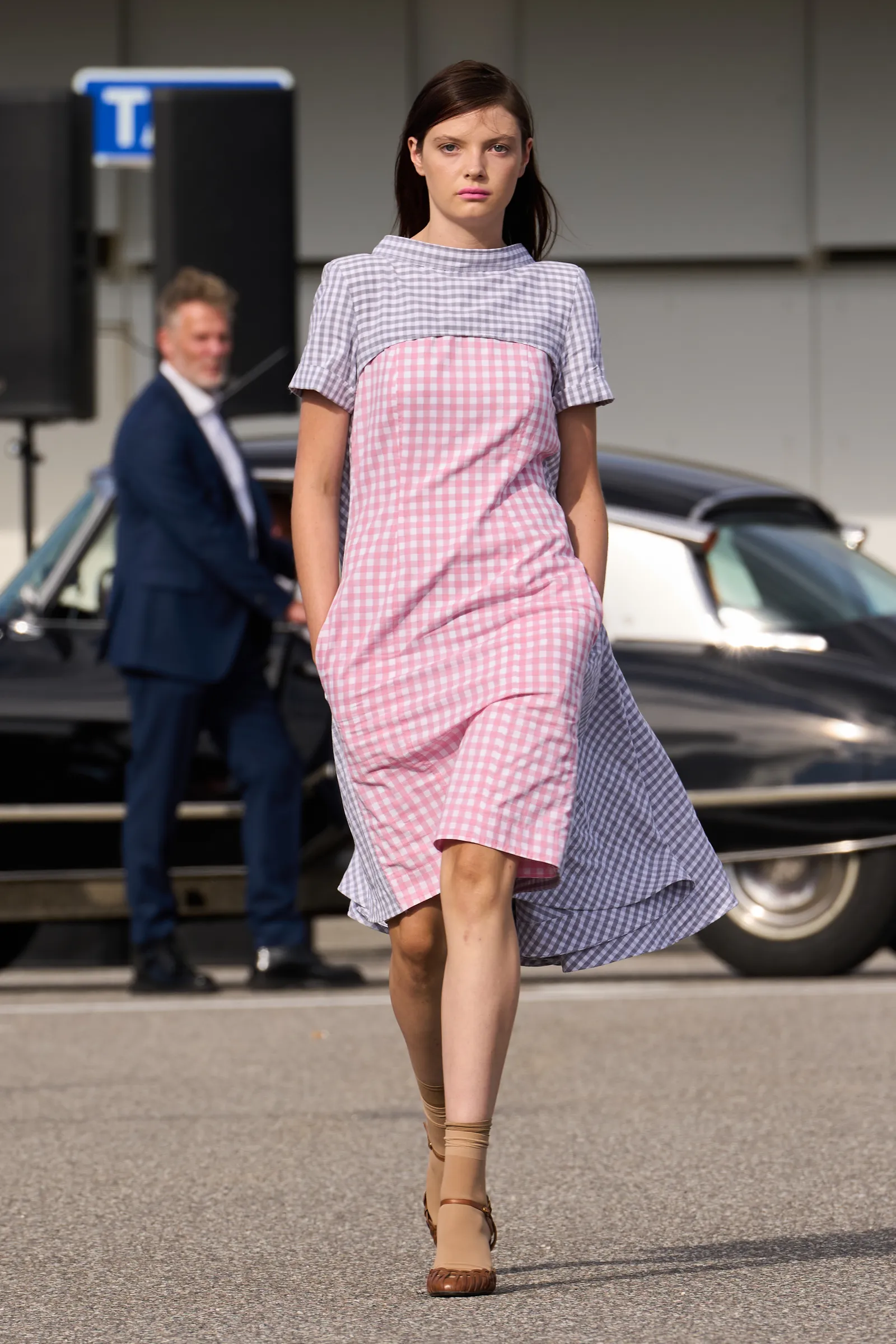
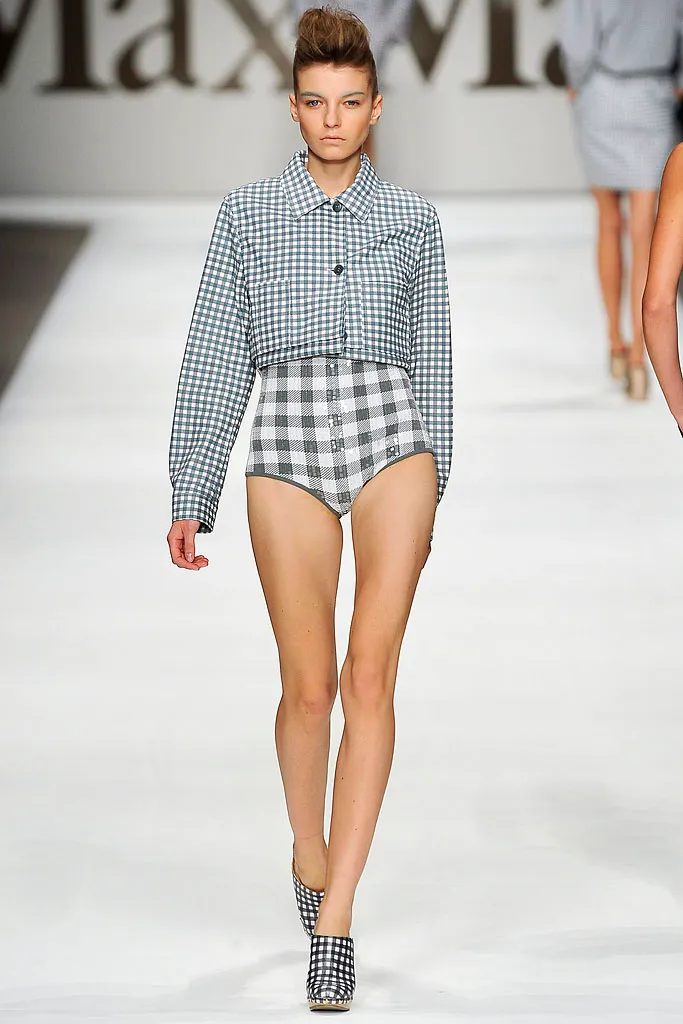
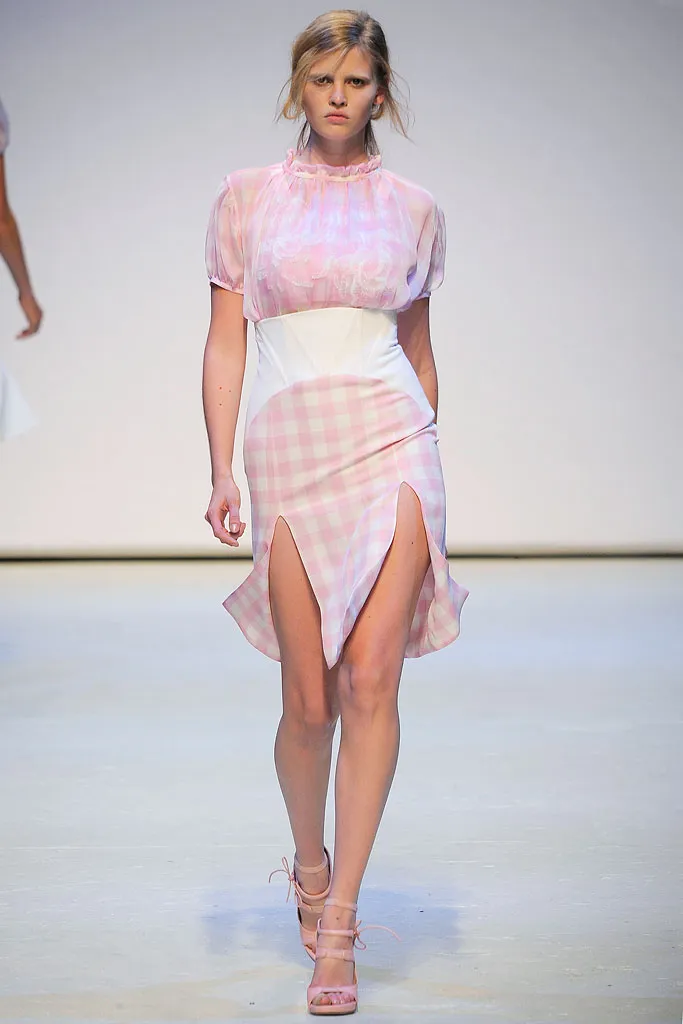
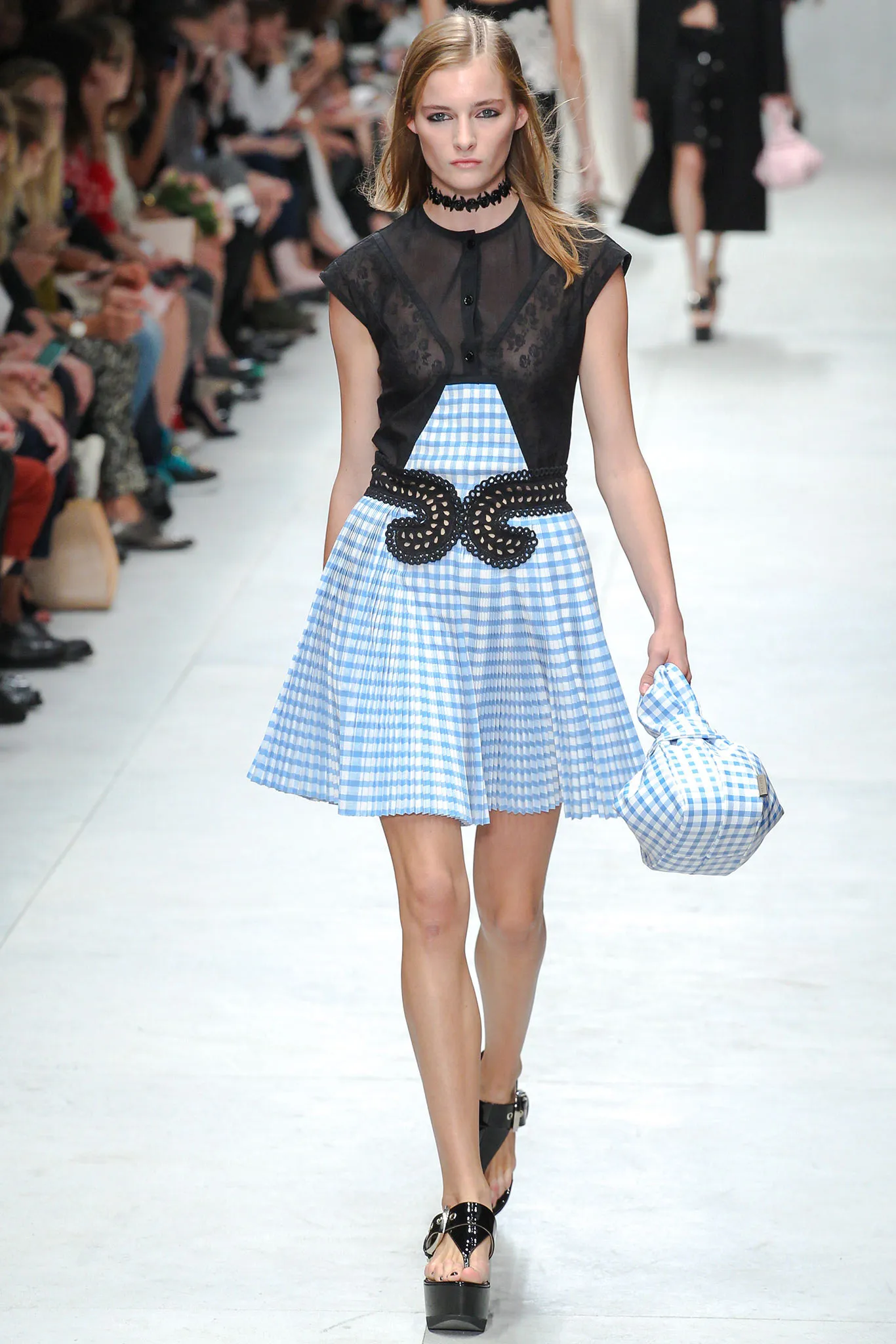
Oversized gingham fabric, conversely, preserves the recognizable mathematical grid while dramatically amplifying the scale. Weavers create expansive squares by utilizing much wider bands of colored and white yarns. In this iteration, the pattern acts as a dominant graphic feature of the entire garment.
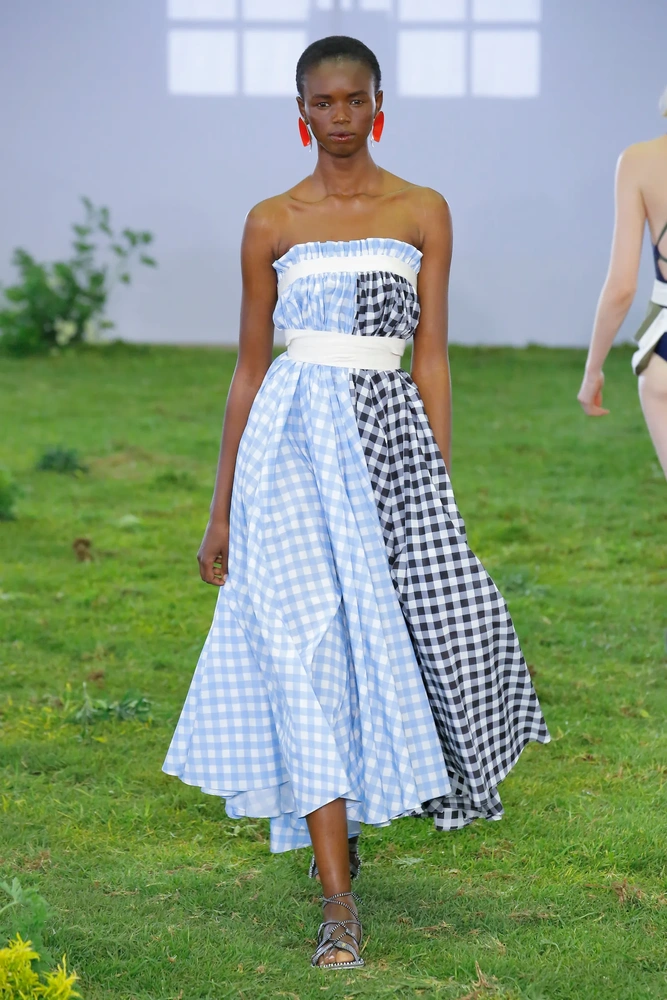
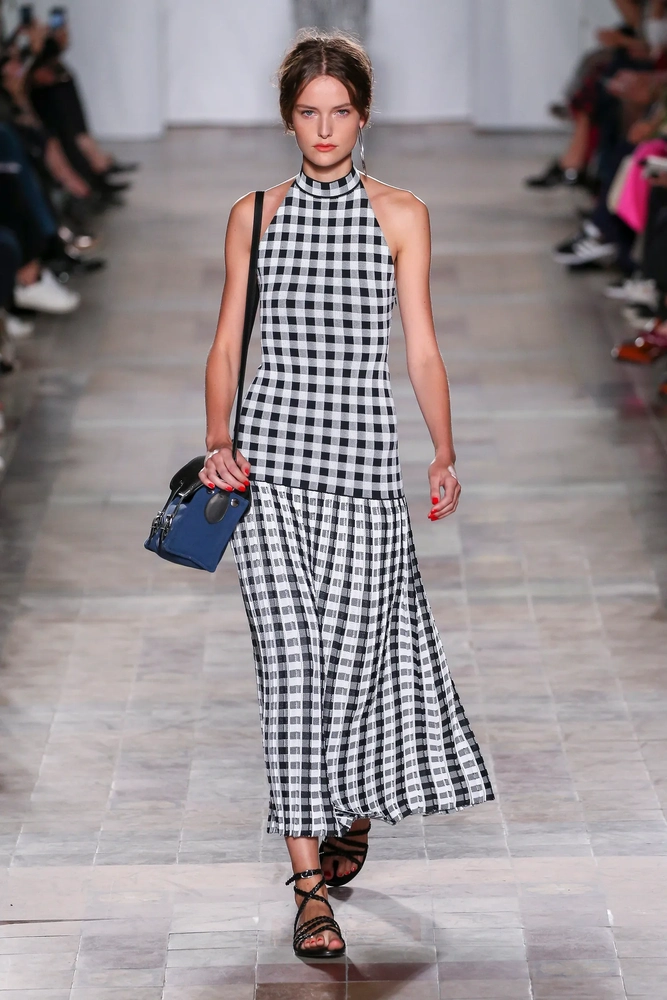
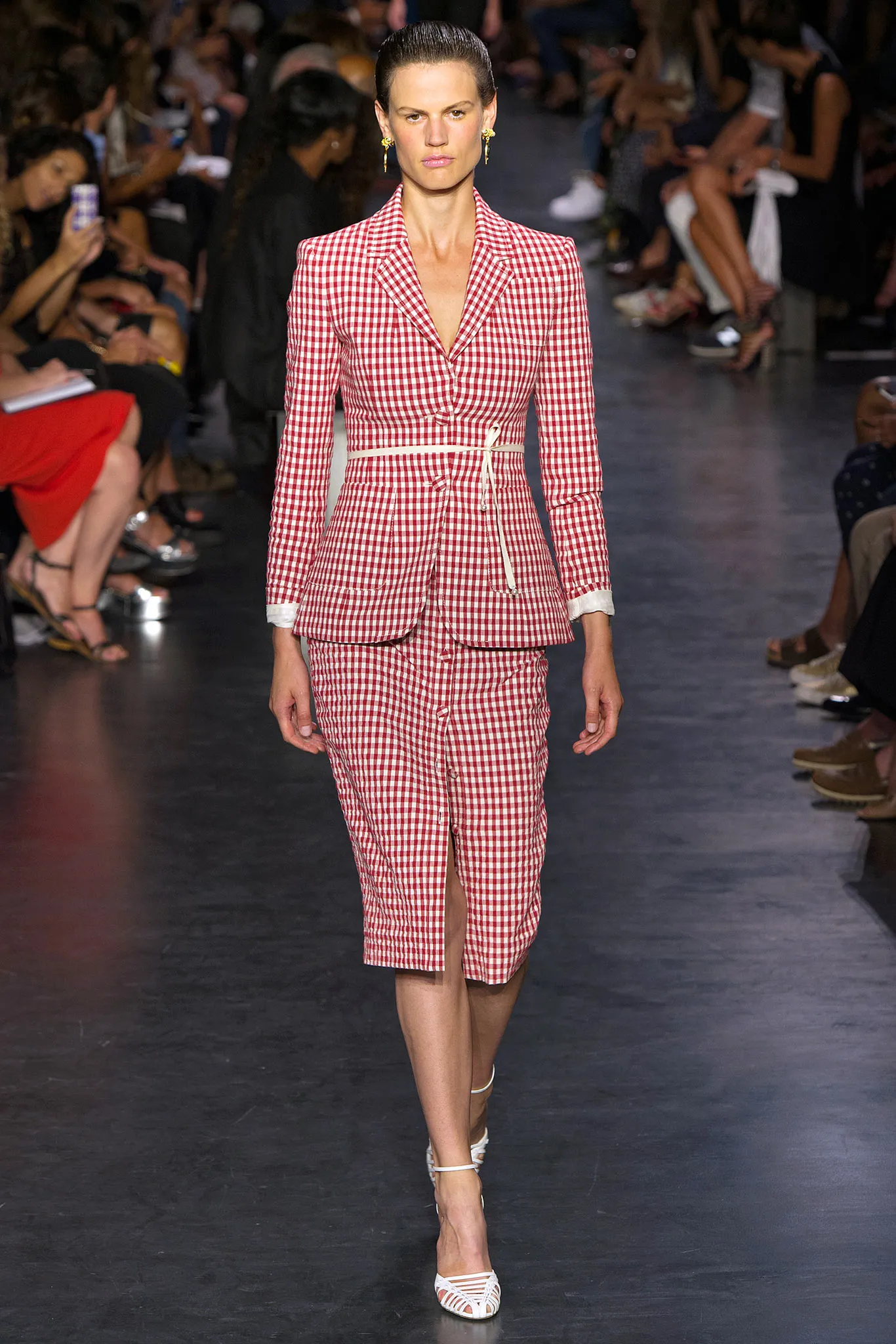
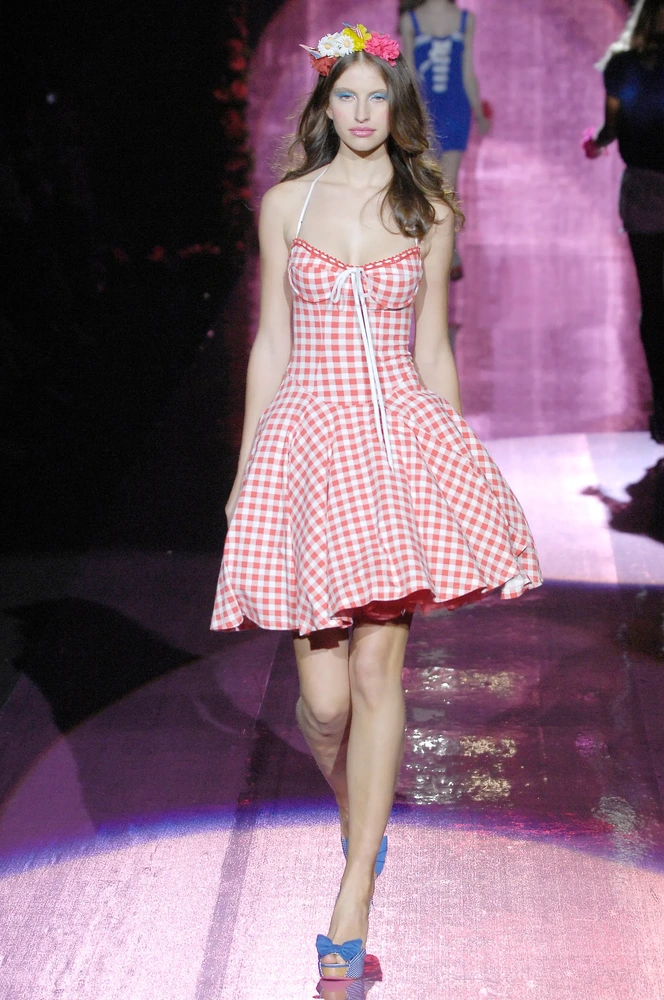
The physical character of gingham fabric shifts beautifully depending on the chosen fibers. Pure cotton remains the historical gold standard, prized for its exceptional breathability, washability, and crisp finish. Textile mills frequently introduce cotton-polyester blends to increase crease resistance and dimensional stability for easier everyday maintenance.
For elevated warm-weather garments, linen and cotton-linen blends offer a sophisticated, slightly textured, slubby surface that softens the grid's rigid geometry. Viscose and rayon variations emerge when designers require a fluid, cascading drape.
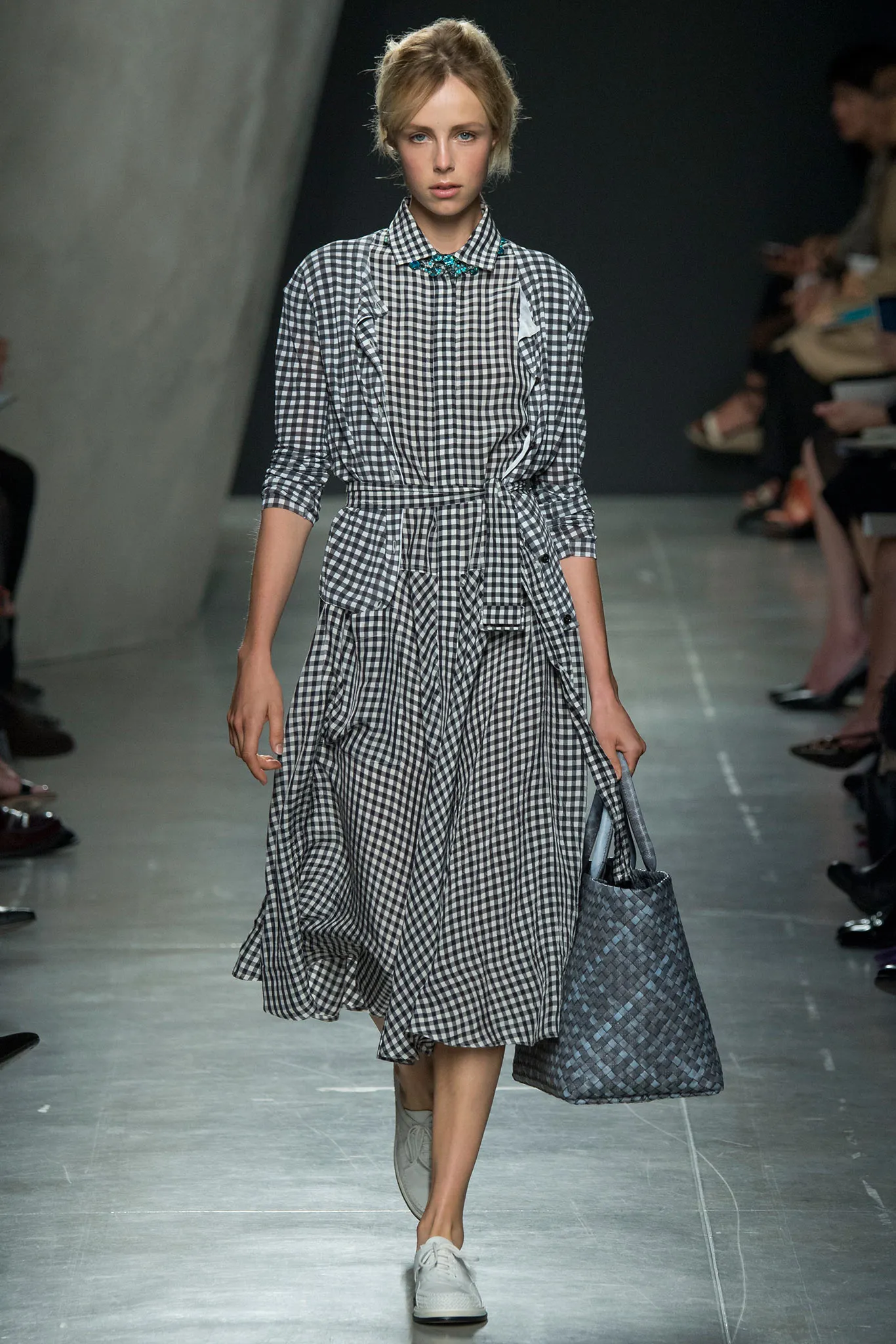
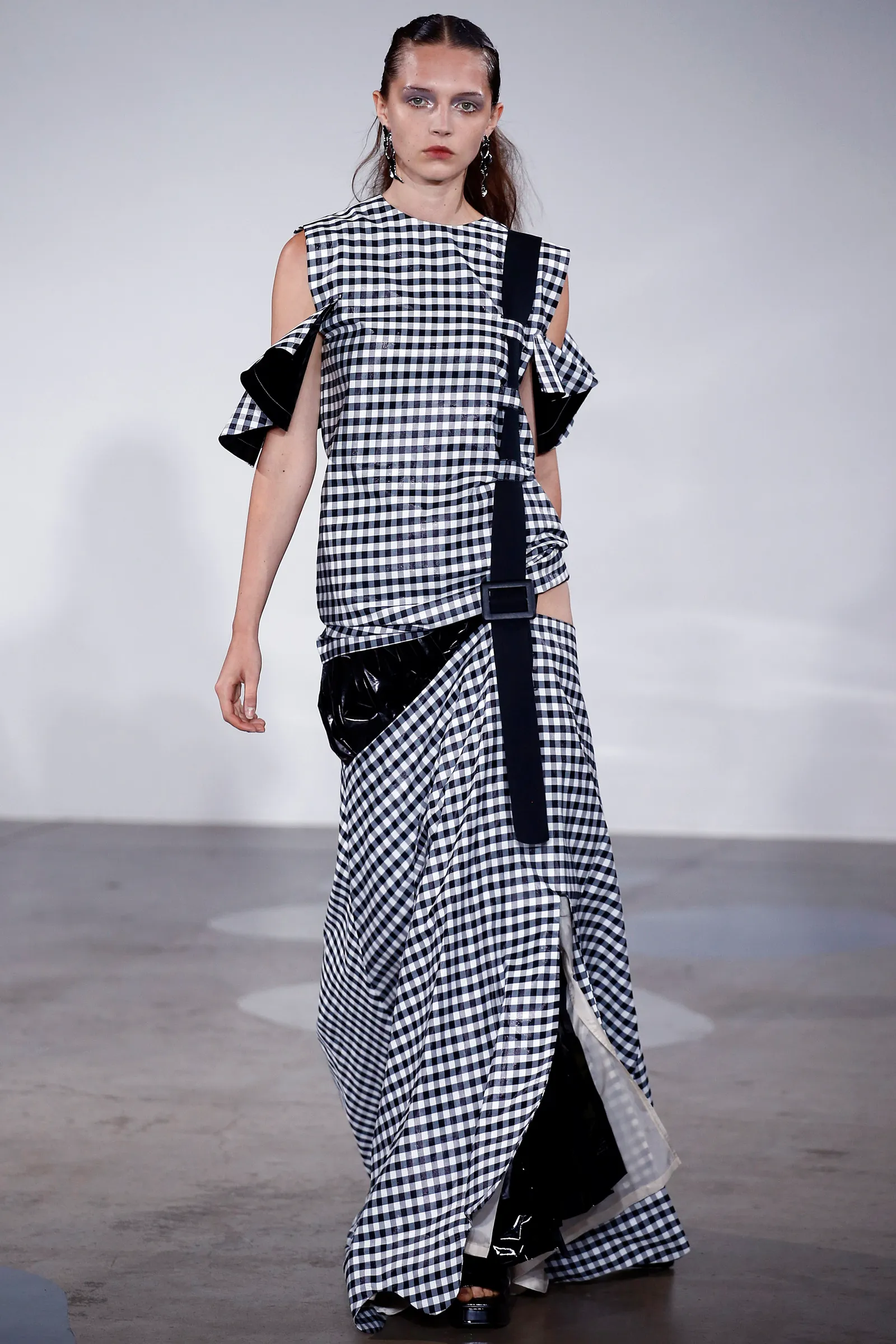
Finally, modern synthetic fibers can reproduce the iconic check while offering varied performance properties. Crucially, the fiber content yields its defining power to the precise arrangement of the checks and the woven textile construction. These structural elements remain the true markers of gingham fabric identity.
The application of gingham fabric in modern fashion spans an incredibly broad spectrum, reflecting its profound versatility. In everyday clothing, it holds a historically strong presence in well-crafted shirts, comfortable house dresses, protective aprons, tailored pajamas, and playful children's wear. Its identity remains deeply entwined with summer dressing.
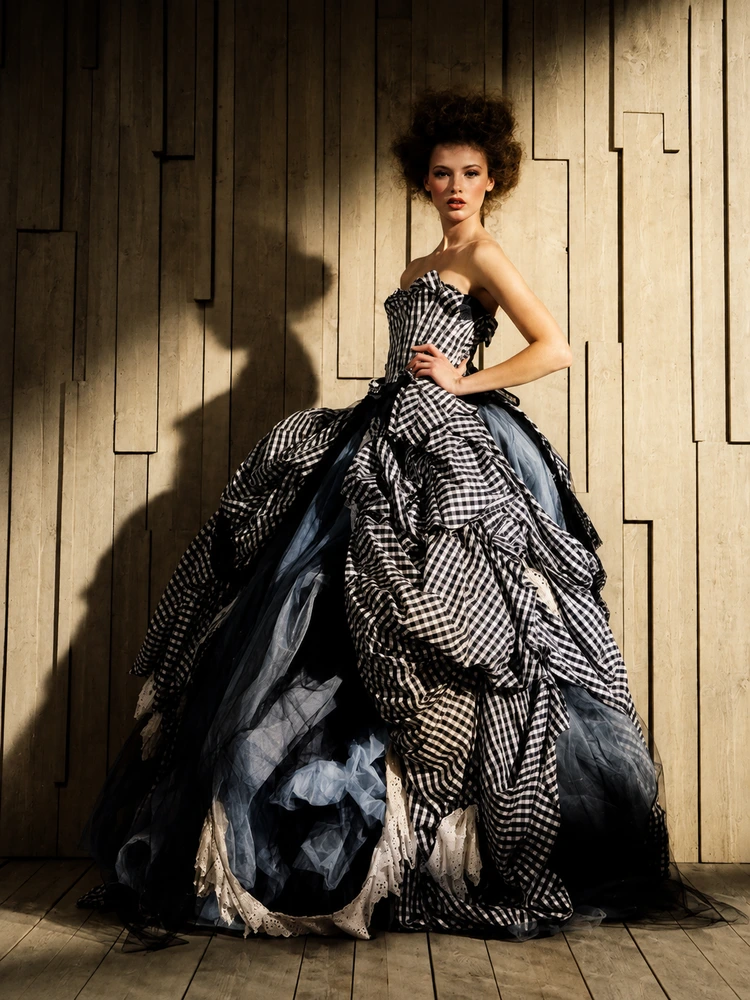
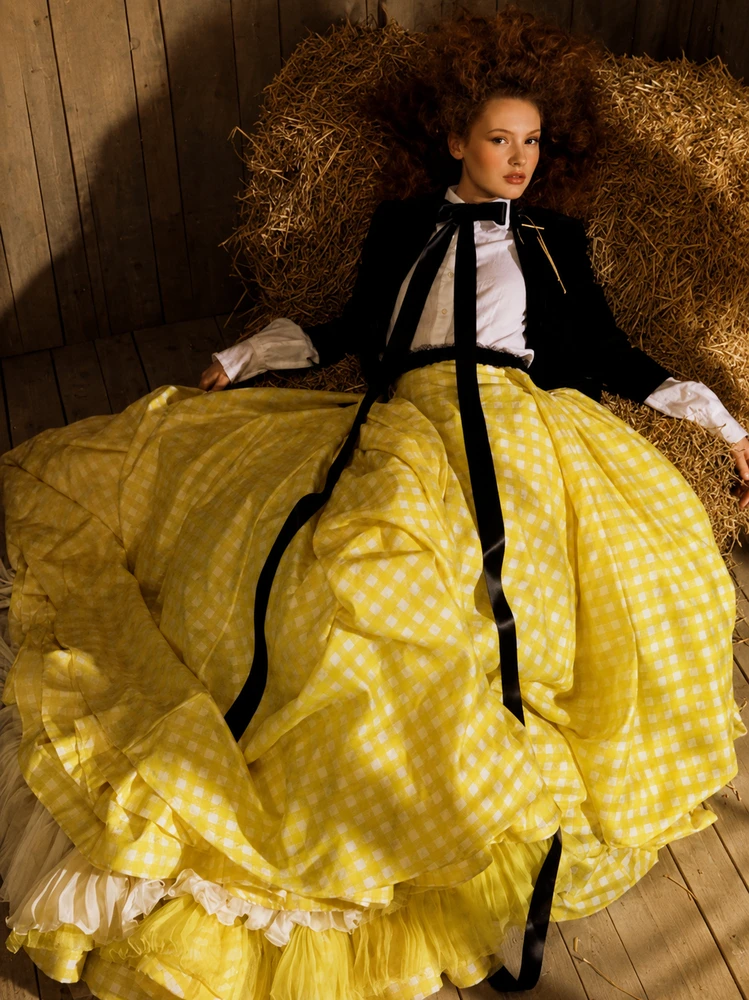
The marriage of lightweight cotton and a breathable plain-weave structure makes gingham fabric the ultimate warm-weather companion, coming alive in breezy sundresses, idyllic picnic skirts, and crisp blouses. Within the realm of tailoring, micro-scale gingham excels as a shirting fabric, often reading as a rich, solid texture from a distance before revealing its complex grid up close. Historic Madras gingham frequently appeared specifically as a highly sought-after shirting material.
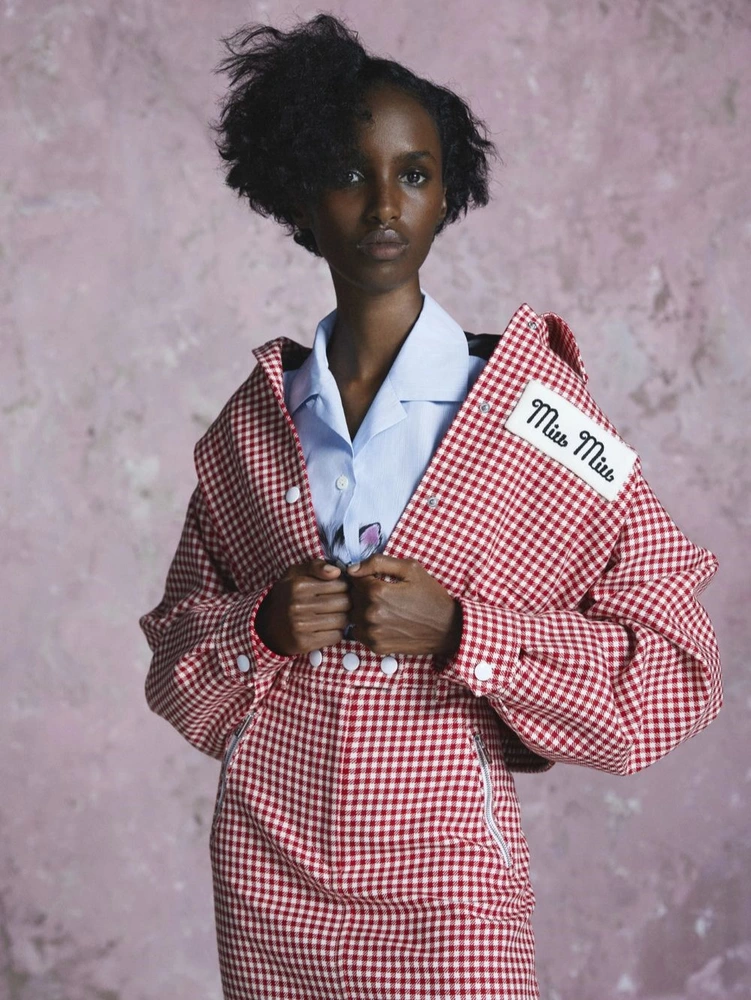
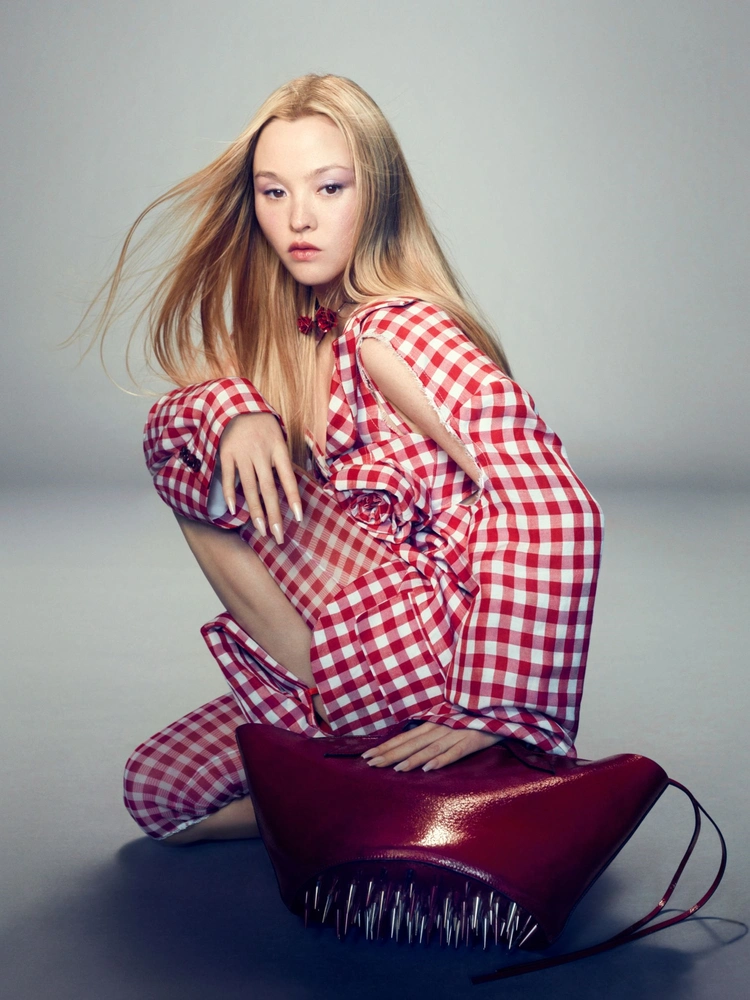
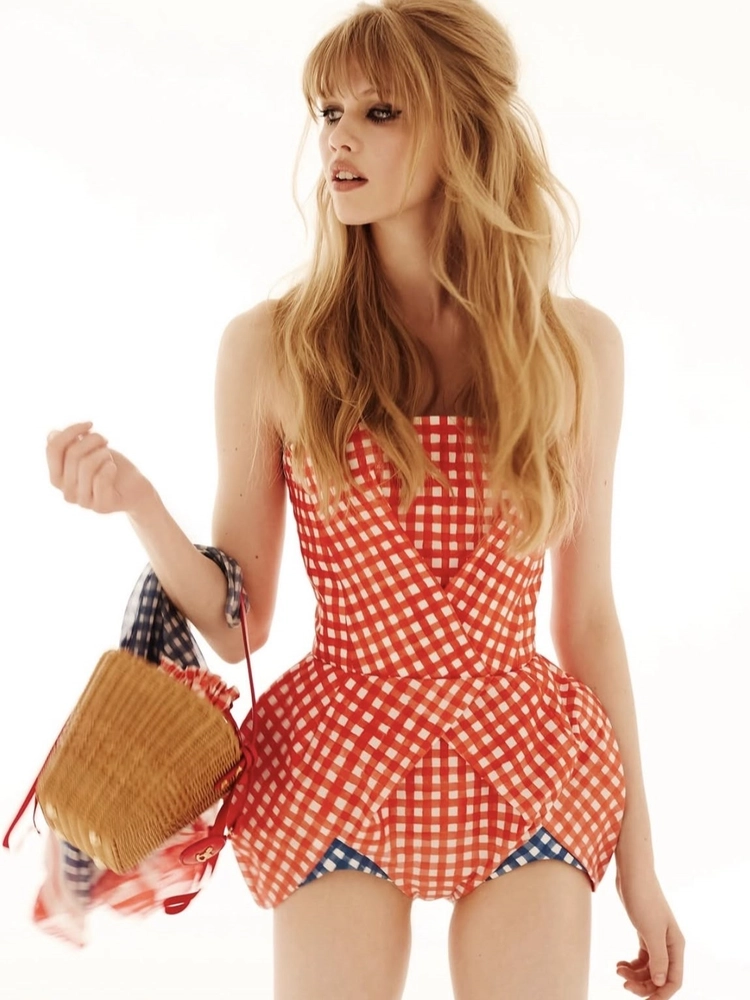
Cutting gingham fabric on the bias introduces thrilling compositional possibilities. Rotating the textile exactly forty-five degrees magically transforms the rigid squares into dynamic diamonds. Visionary creators creatively contrast panels, enlarge the pattern to extreme proportions, distort the grid, and mix conflicting scales to elevate an everyday textile into a complex work of wearable art.
High fashion embraces gingham fabric specifically for its built-in paradox. The fabric carries inherent associations with affordable domesticity and familiar comfort. When luxury designers force this humble material into elaborate couture volumes or sharply sensual silhouettes, the tension creates absolute magic.
Discerning buyers always examine the reverse side of the material. Authentic yarn-dyed gingham fabric displays the pattern brilliantly and equally on both faces. A significantly paler reverse side immediately reveals a secondary printed imitation. Inspecting the crossing points of the yarns confirms the construction; the vivid color must originate directly from the individual warp and weft threads rather than a surface application.

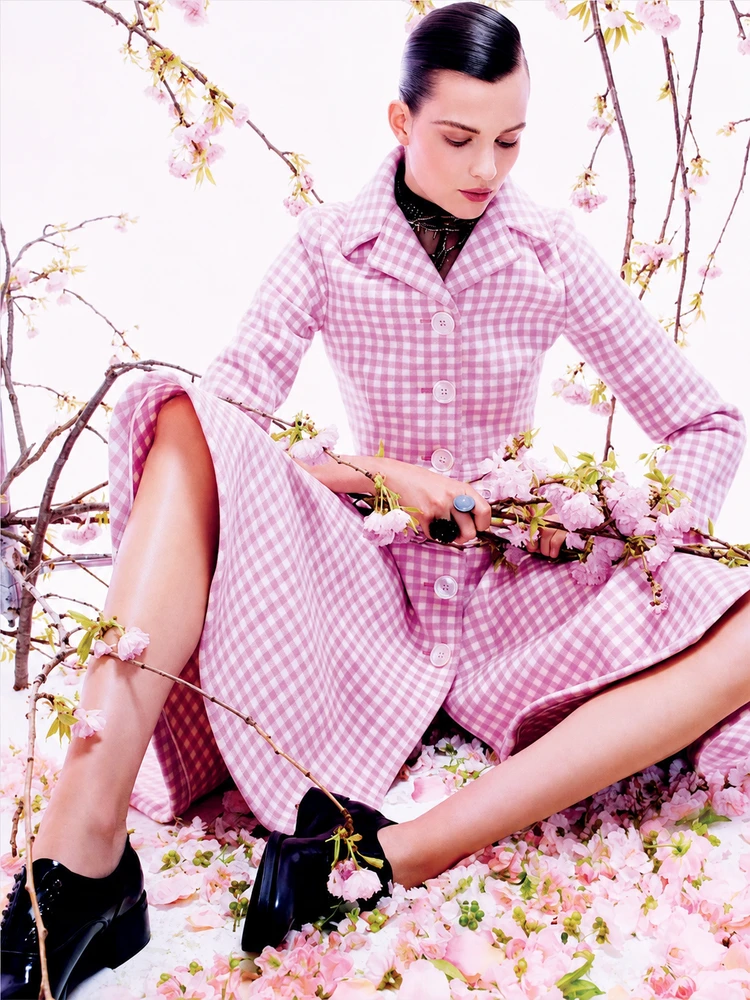
The classic checks follow a balanced, repeating sequence with wonderfully consistent spacing. Shoppers must carefully distinguish this specific tradition from broader categories like multicolored tartan, rustic plaid, buffalo checks, or sweeping windowpane patterns.
Caregivers must follow the garment's specific fiber recommendations diligently. Because natural cotton gingham maintains a tendency to shrink and wrinkle, pre-washing the fabric prior to sewing remains a vital step.
Washing the material alongside compatible colors protects the bright yarn-dyed contrast. Gentle drying techniques help preserve the dimensional stability, while thorough ironing restores the fabric's signature crispness. Storing the garments clean and perfectly dry preserves both the radiant color and the woven structure.
Gingham fabric owes its remarkable longevity to the extraordinary volume of cultural meaning the fashion world manages to weave into one of humanity's most beautifully simple textile structures.
Advertisement