MENU
Close





From Giotto’s revolution to Rembrandt’s soul, the Old Masters built the visual world we live in. Explore why their techniques, dramas, and timeless visions continue to command fortunes and define greatness in a hyper-modern age.
From Giotto’s revolution to Rembrandt’s soul, the Old Masters built the visual world we live in. Explore why their techniques, dramas, and timeless visions continue to command fortunes and define greatness in a hyper-modern age.
November 10, 2025


Short answer: A European artist active between the 14th and 19th centuries.
Long answer: Master thinkers, daring engineers, restless philosophers, and fearless storytellers, turning the brush into a tool of artistic revolution and cultural awakening.
Old is the time, not the relevance. The works of the Old Masters are easily recognized, their symbolism, compositions and storytelling are referenced across the pop culture landscape. At auctions, their scarcity, history and artistry fuel staggering bidding wars, with even minor works commanding millions simply because so few masterpieces remain in private hands. The excellence of their techniques are unmatched, as the study of Rembrandt’s lighting, Leonardo’s anatomy, and Raphael’s composition remain the foundation and goals of artistic training.
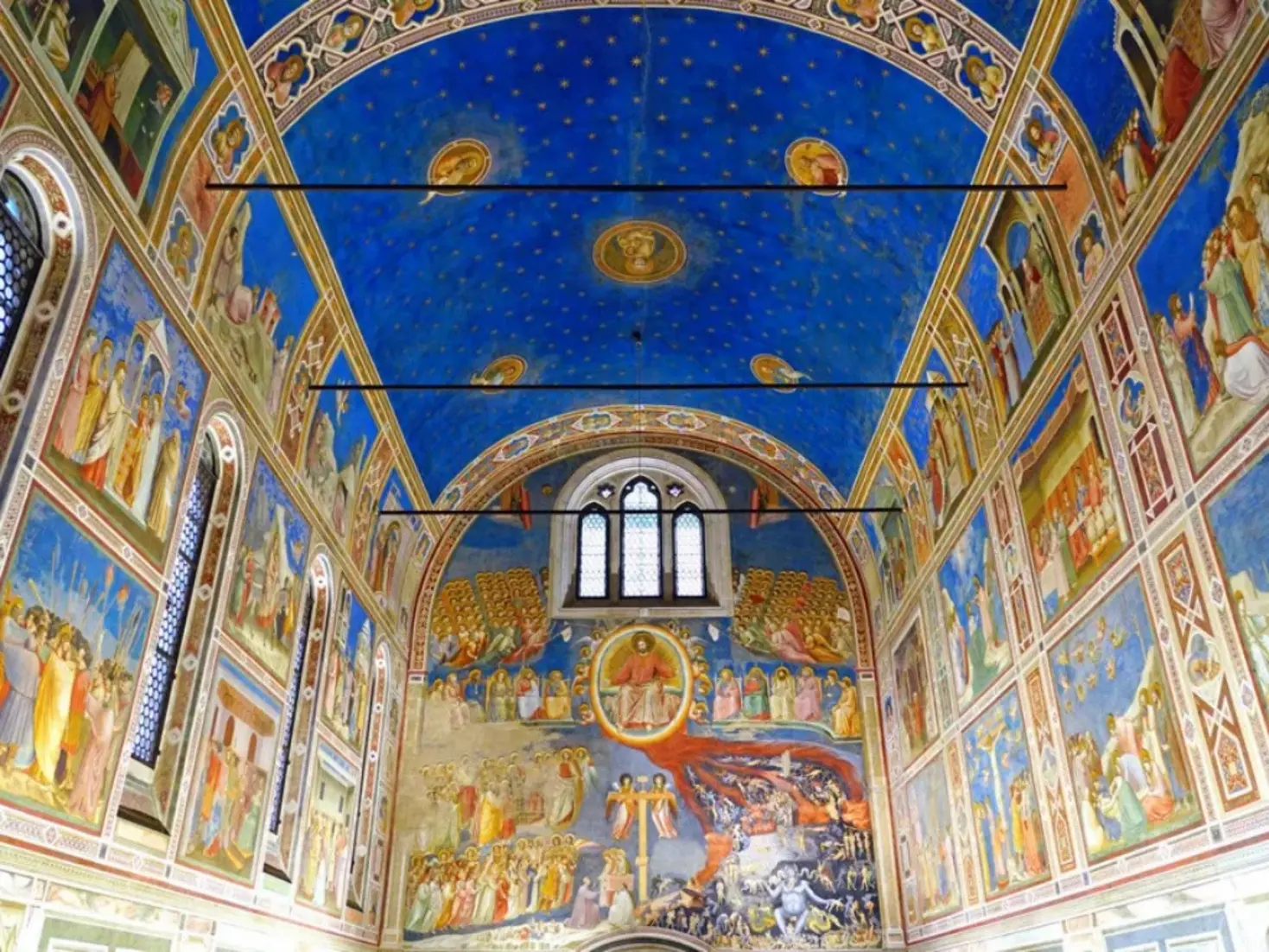
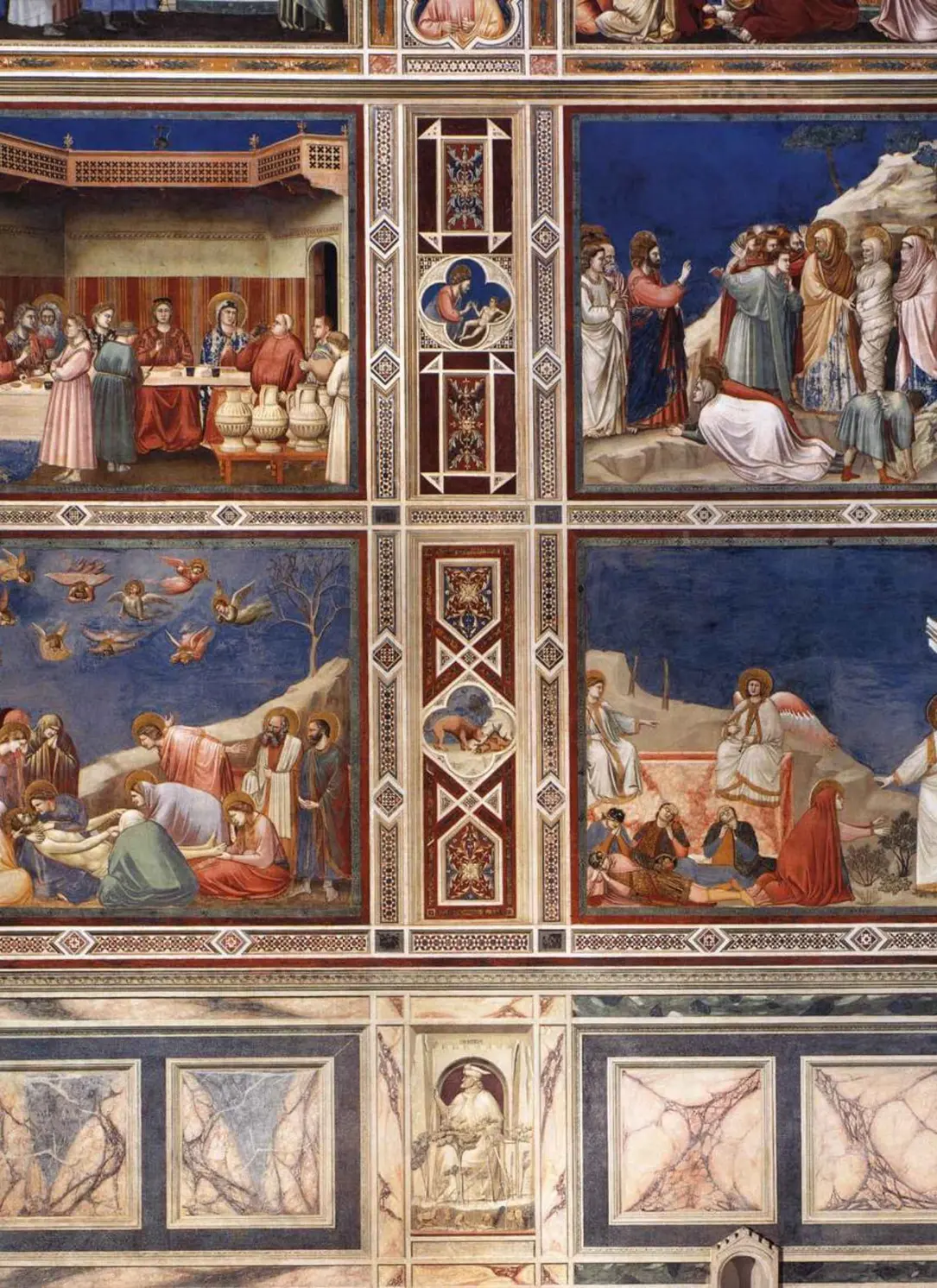
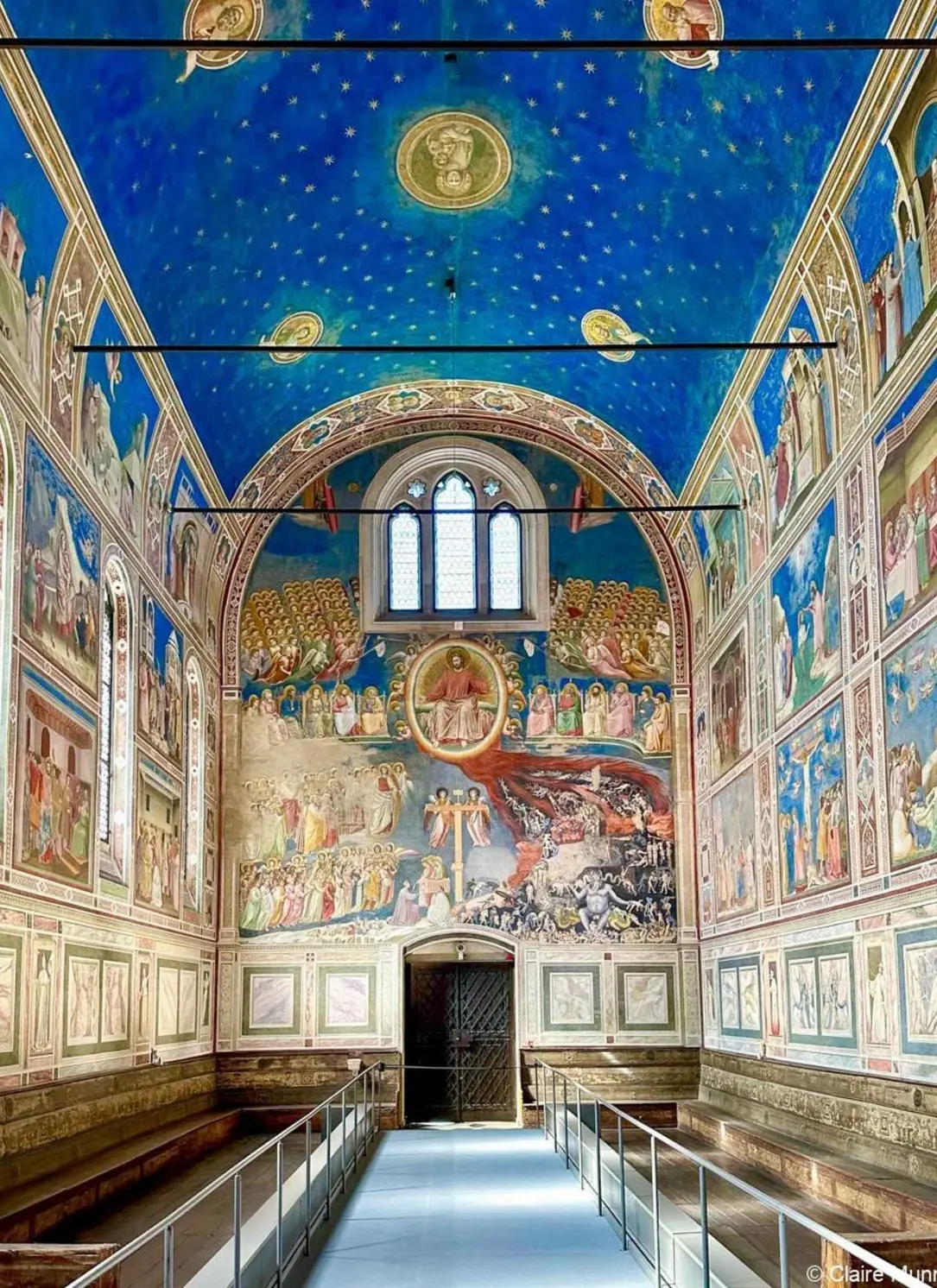
March 25, 1305, the Scrovegni Chapel in Padua was revealed to the public. The walls of the chapel are covered by Giotto's biblical frescoes, uniquely arranged like a comic book beneath a blue starry sky. Marking a shift from medieval symbolism to emotional realism, this masterpiece turned the page, where art is no longer a mere decorative craft but an intellectual endeavor grounded in anatomy, geometry, architecture, and classical philosophy.
The grand vision of fusing science and art into one radiant pursuit of beauty was realized more than a century later and 225 kilometres further from the Scrovegni. In the heart of the Renaissance, rigorous Florentine workshops carved out brilliance. From these crucibles rose the giants of Western art — artists who lived the truth of Michelangelo’s insight that “a man paints with his brains and not with his hands.”
Adding to the allure of the Old Masters' exquisite artistry are the lives that shaped it. Their triumphs and tragedies continue to fascinate us, adding charm and depth to already captivating masterpieces.
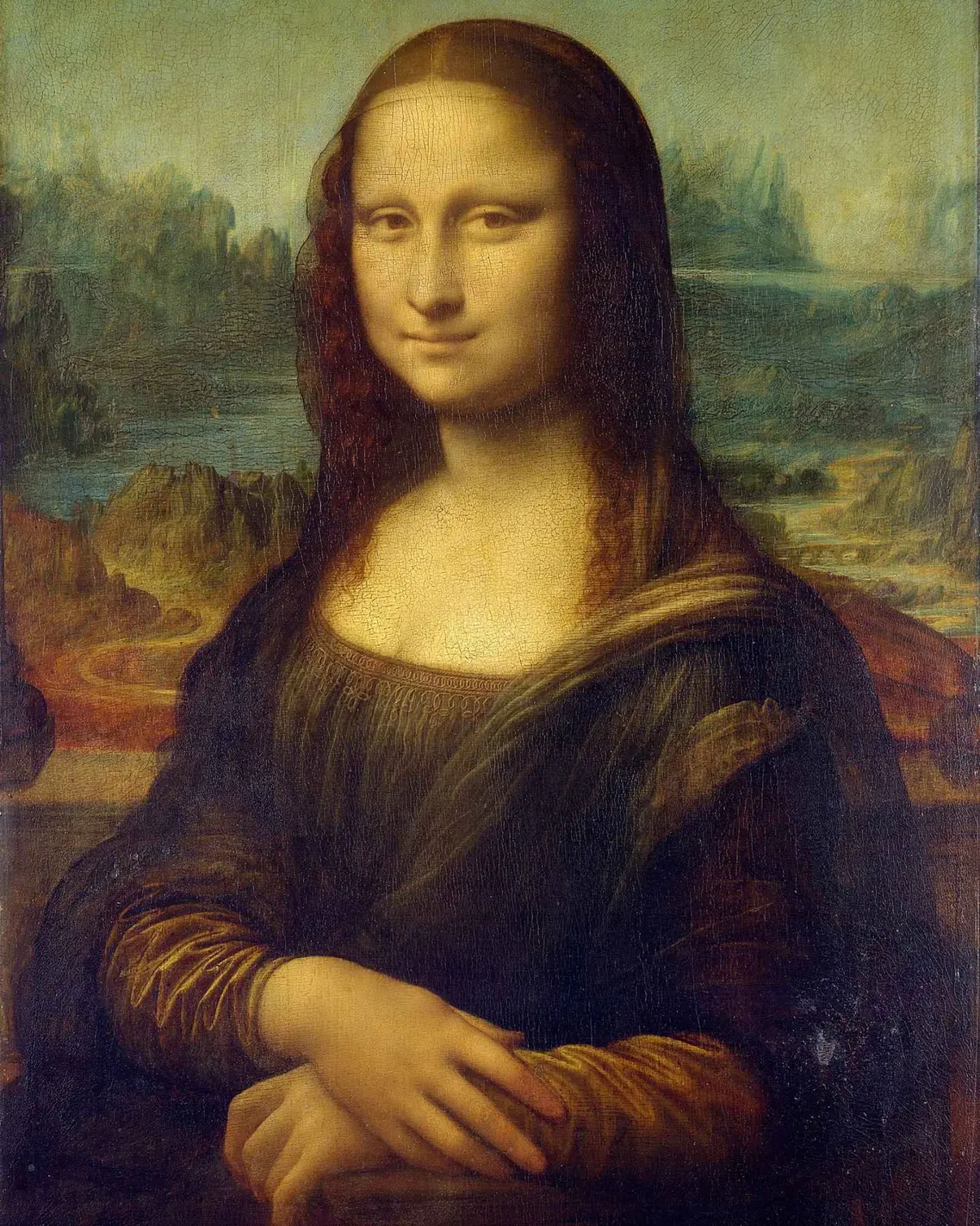
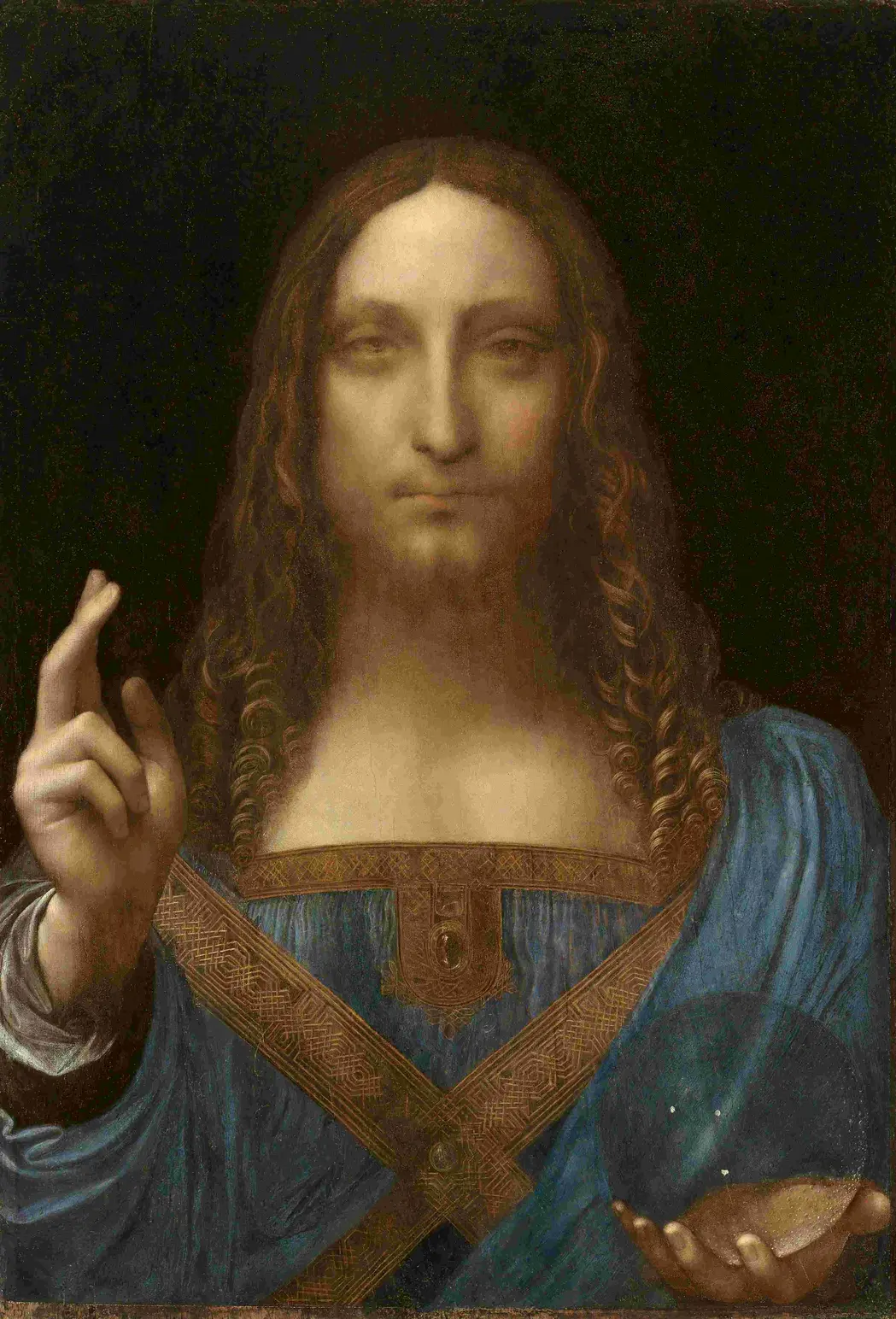
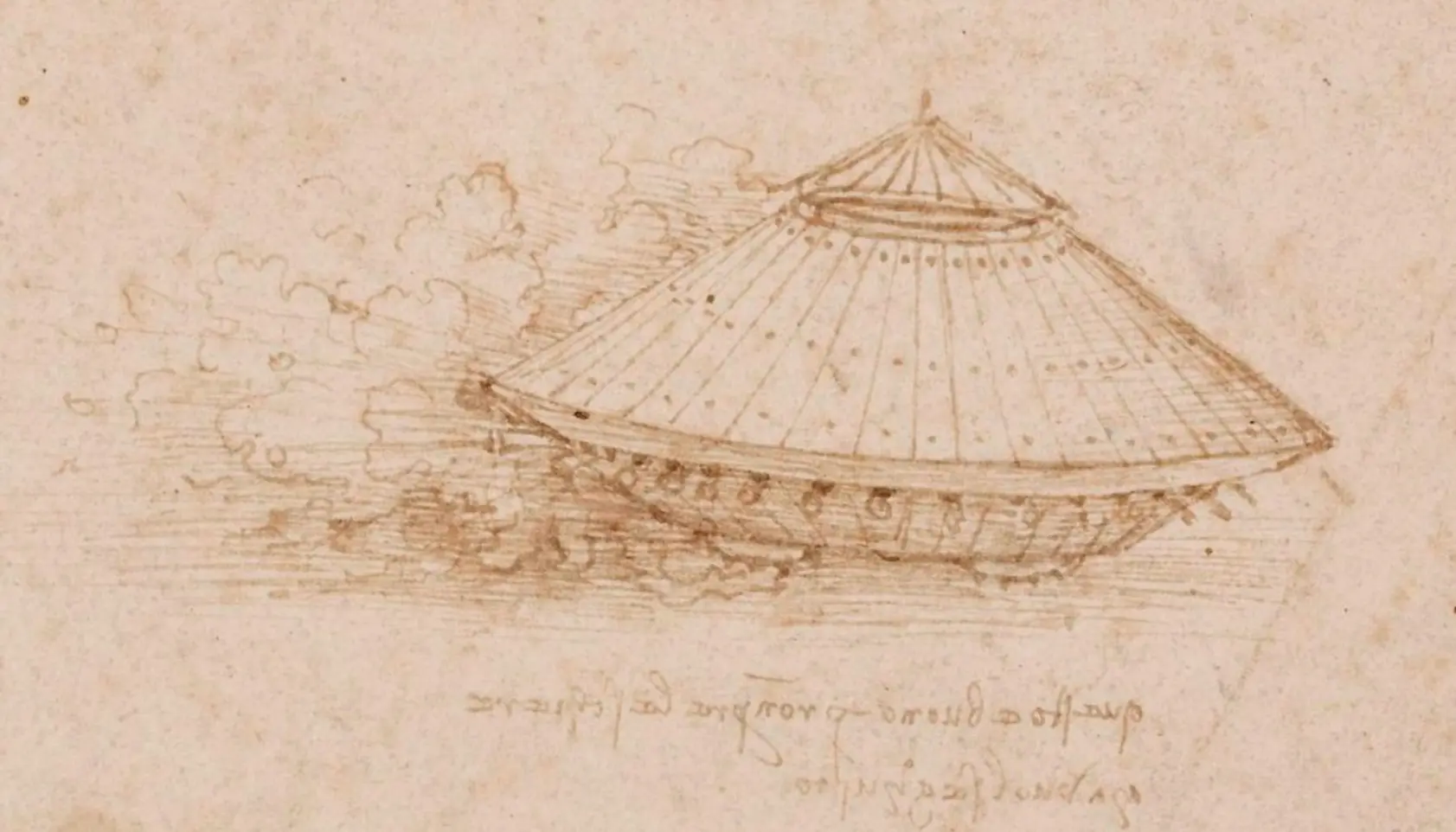
Leonardo da Vinci remains the most mythic of all Old Masters, the artist who most completely embodies the spirit of the Renaissance. A famous procrastinator who once said "Art is never finished, only abandoned", Leonardo left behind numerous unfinished projects. One of those "abandoned" artworks is Mona Lisa, the most recognizable painting of all time. He is also responsible for the most expensive painting ever sold: Salvator Mundi, which shattered records at US$450 million in 2017. Its dramatic rediscovery (after having been misattributed and sold for just £45 in 1958) ignited fierce debates over authorship, with some scholars insisting Leonardo painted only the blessing hand and face, and others noting that those very features may subtly echo the artist’s own likeness.
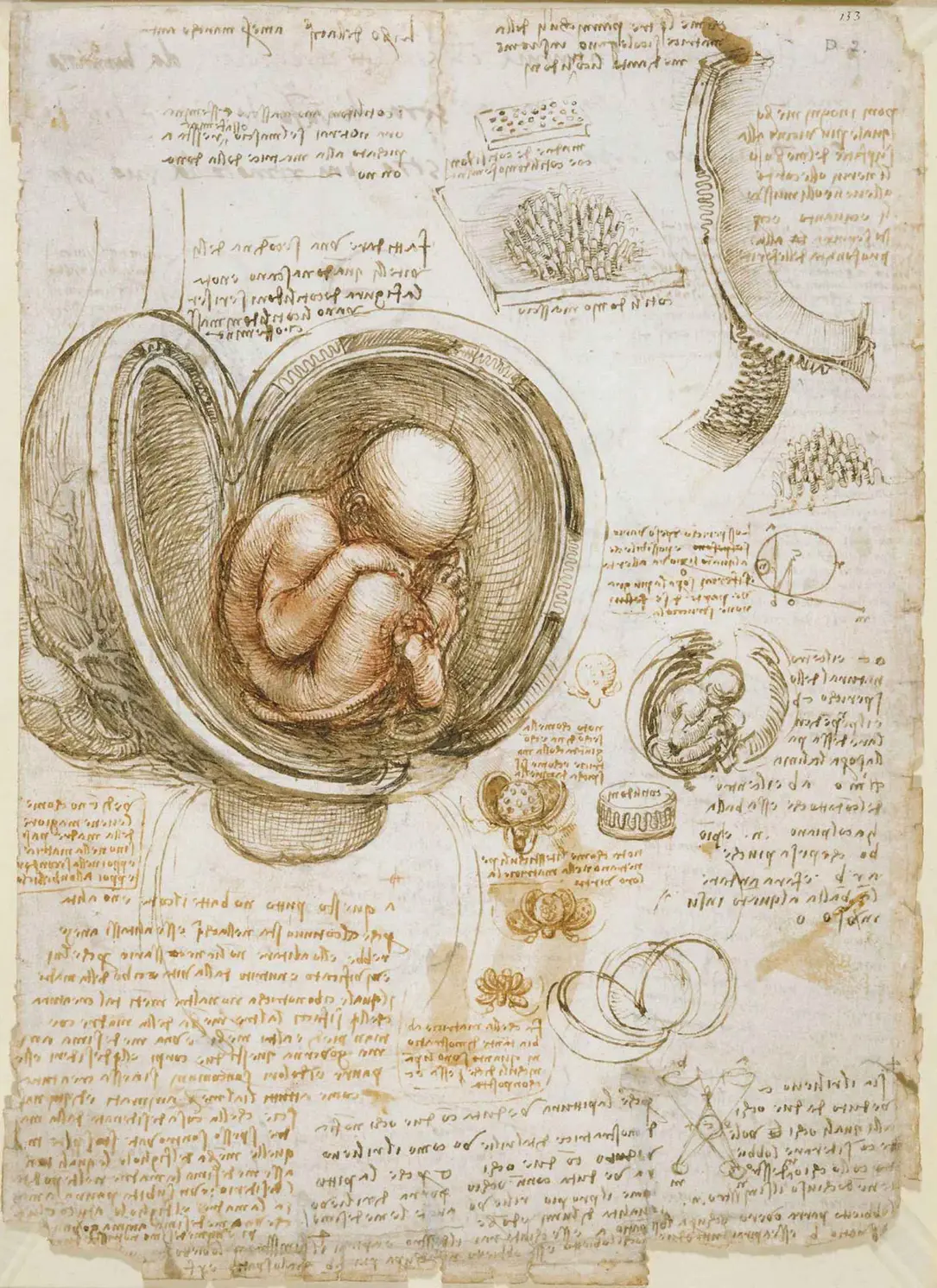
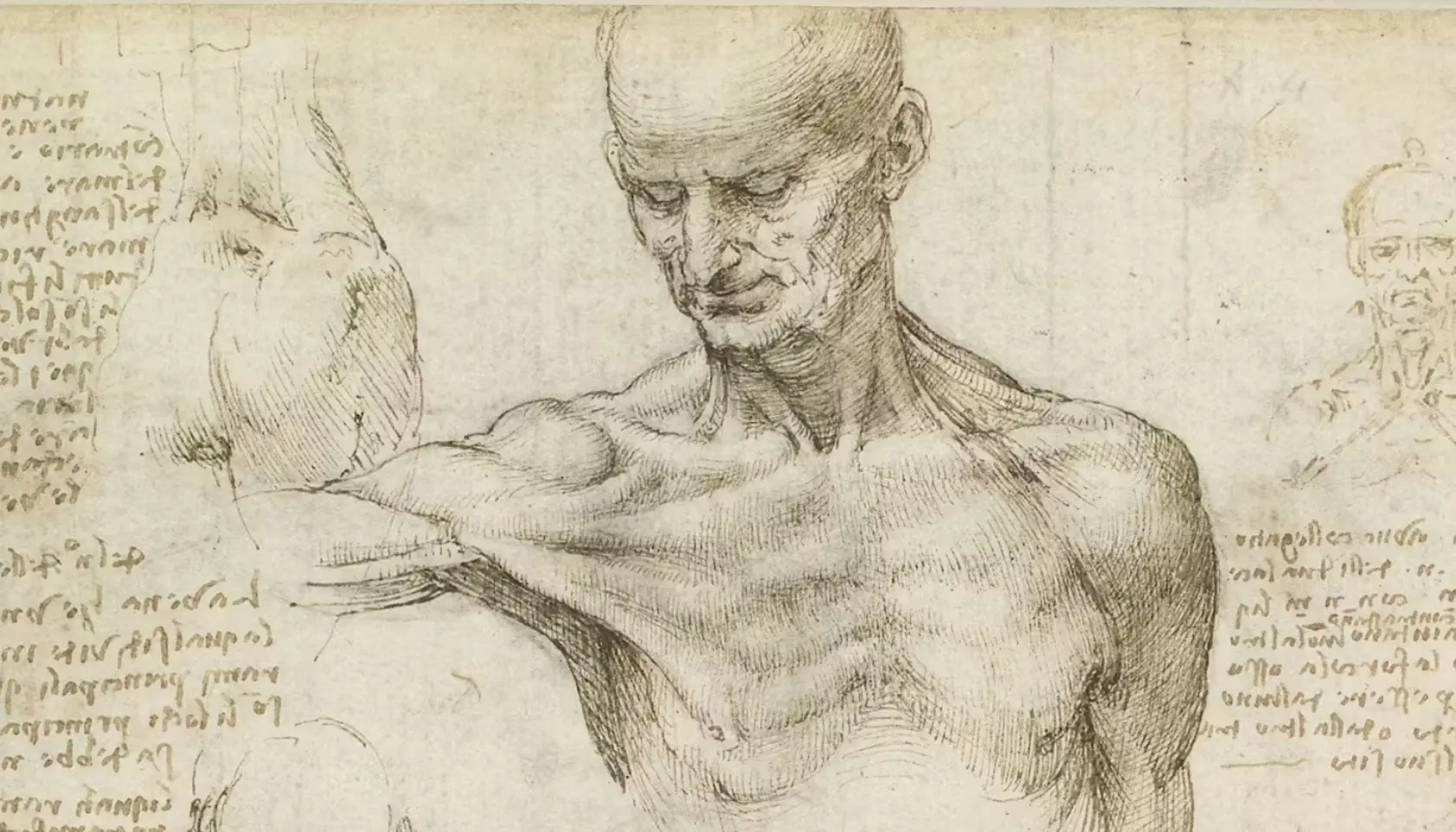
His artistic genius did not overshadow his vision for mechanical design, anatomy, science and technologies which were centuries ahead of their time. It was this extraordinary breadth that led Giorgio Vasari to marvel: "There is nothing in the universe Leonardo could not have learned to do.”
Peter Paul Rubens stands as the unrivaled master of Baroque drama, celebrated for his voluptuous figures, explosive compositions, and radiant color. His canvases pulse with movement and sensuality, qualities that continue to captivate collectors — as evidenced in 2016, when Lot and His Daughters ignited a fierce bidding war and sold for nearly £45 million, reaffirming his enduring power in the Old Master market.

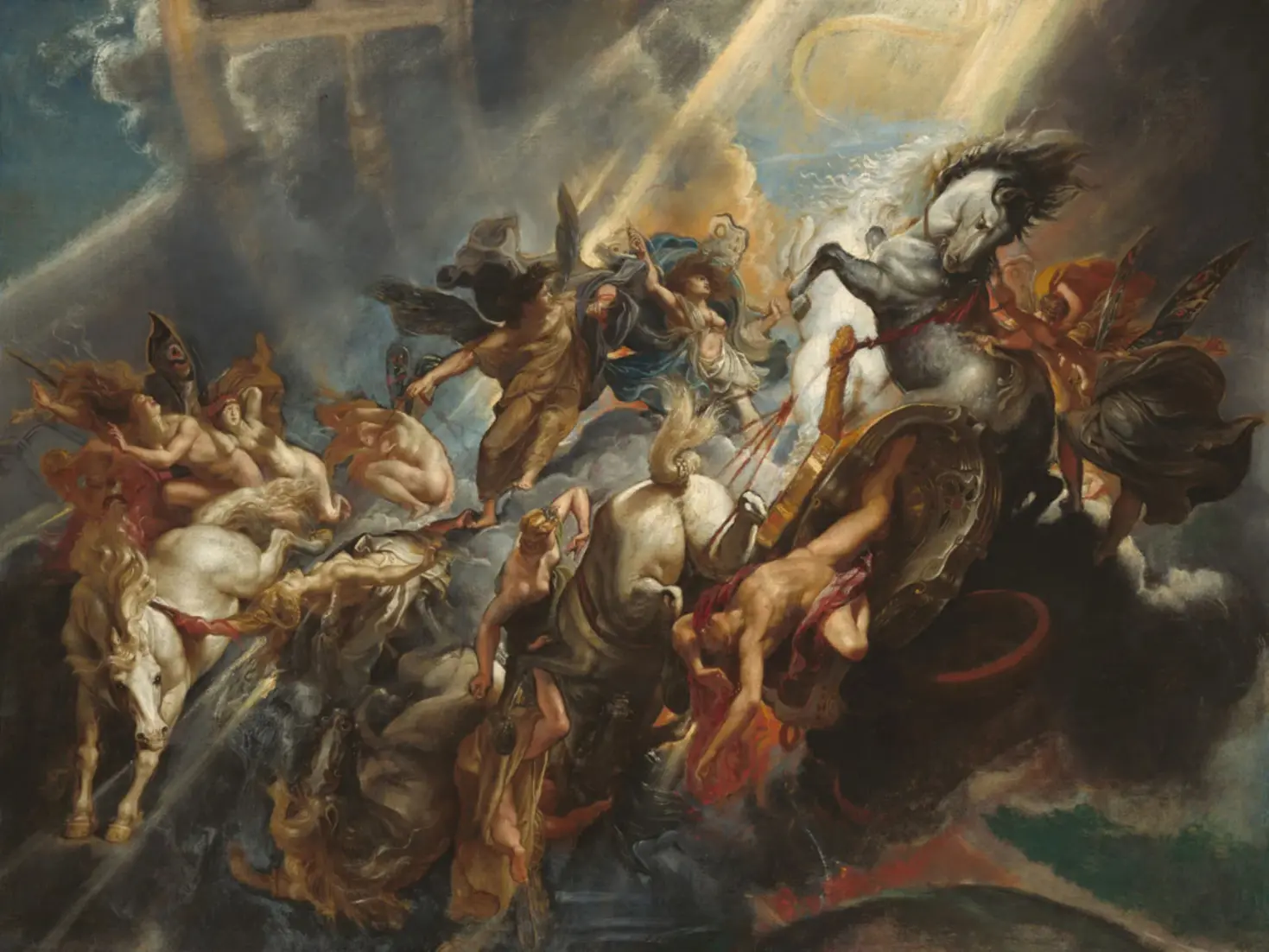
Beyond painting, Rubens was a diplomat and scholar fluent in multiple languages, navigating European courts with the same agility he brought to the studio. His legendary speed became part of his myth, contemporaries claimed he could complete a monumental canvas in mere days, leaving assistants to block in backgrounds before he swept in with his virtuosic final touches. A man of intellect and instinct, Rubens fused grandeur with surprising delicacy, embodying the paradox famously observed of him: a rare ability to unite apparent gracelessness with unmistakable grace.
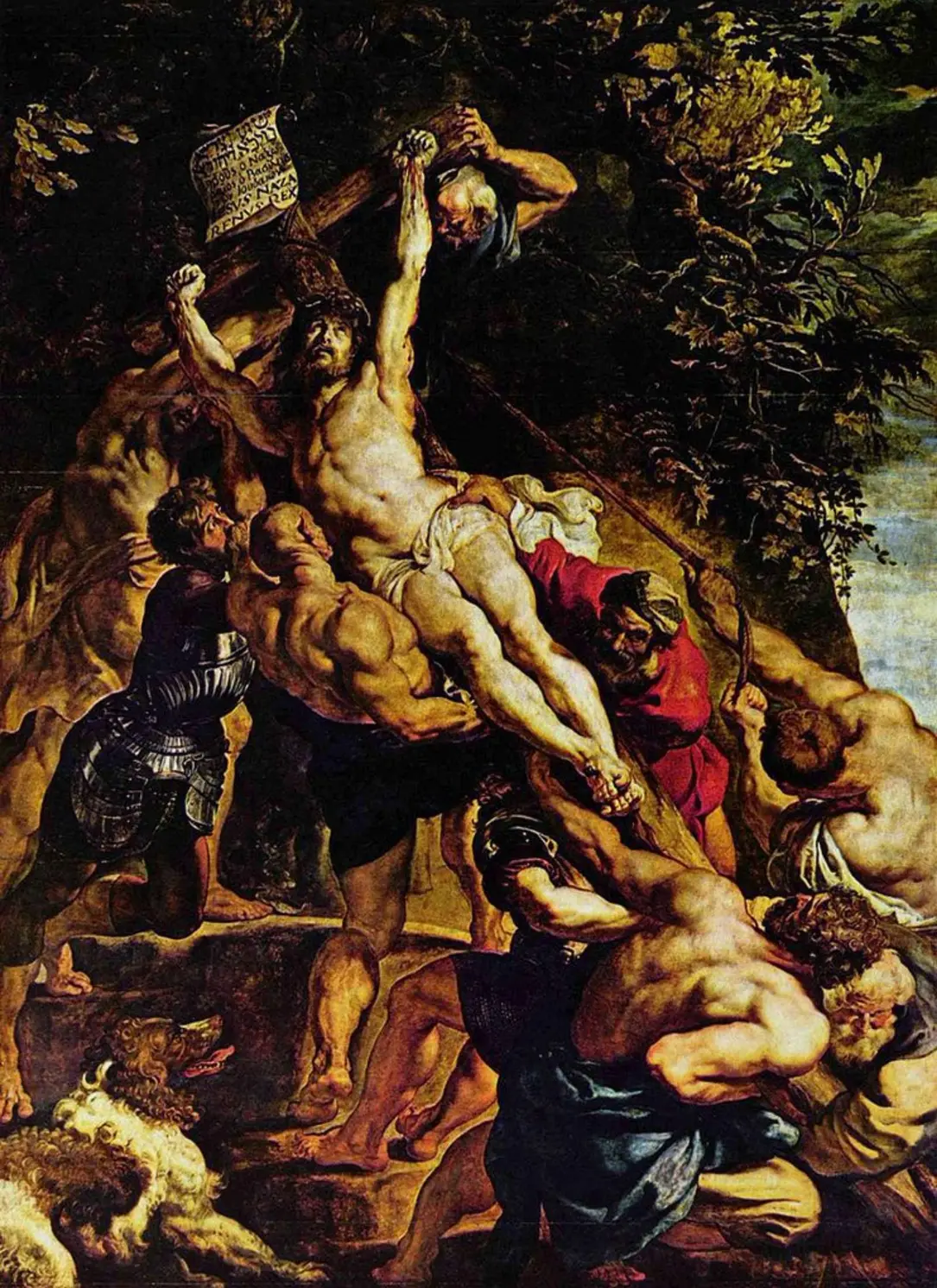
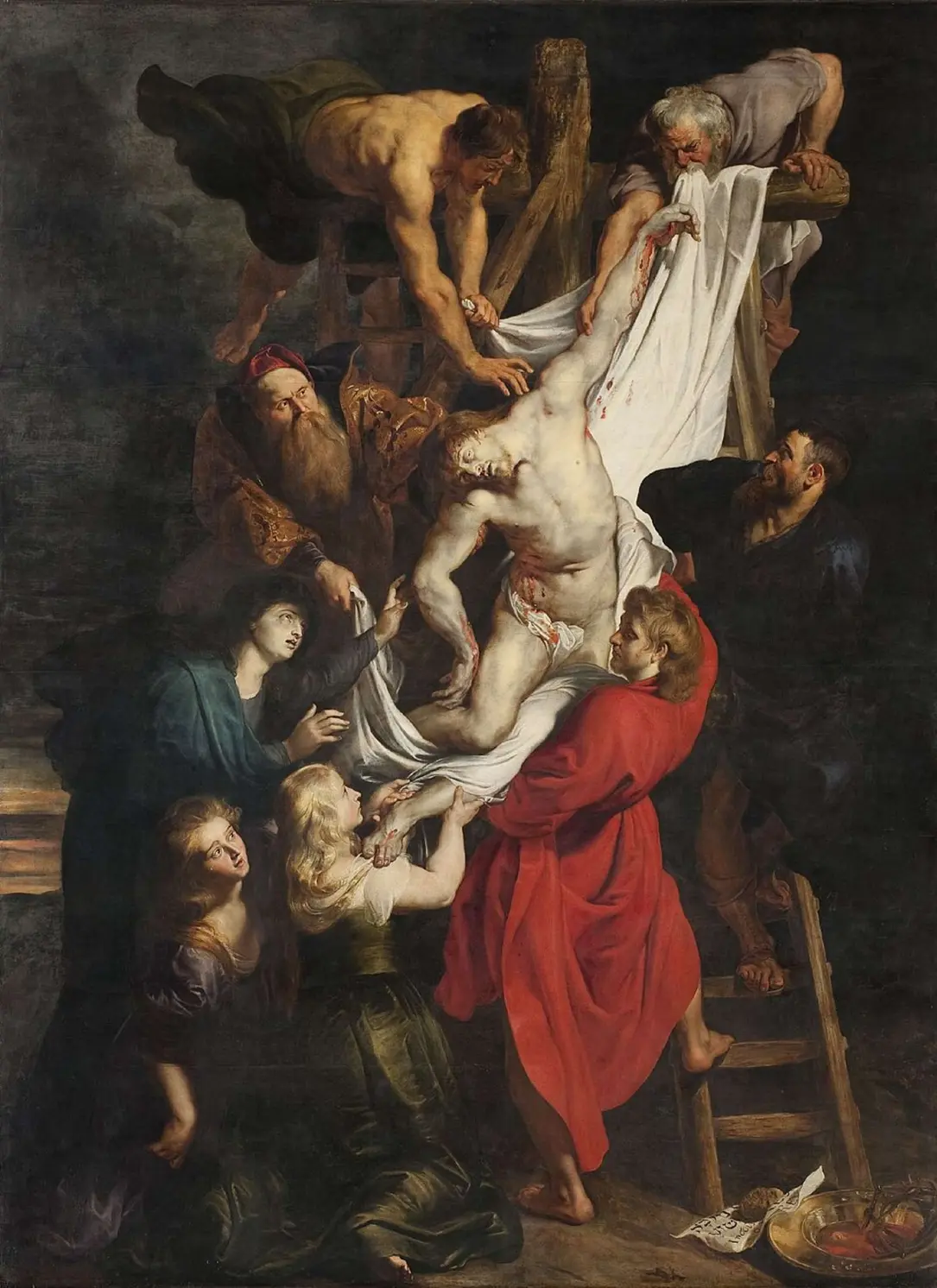
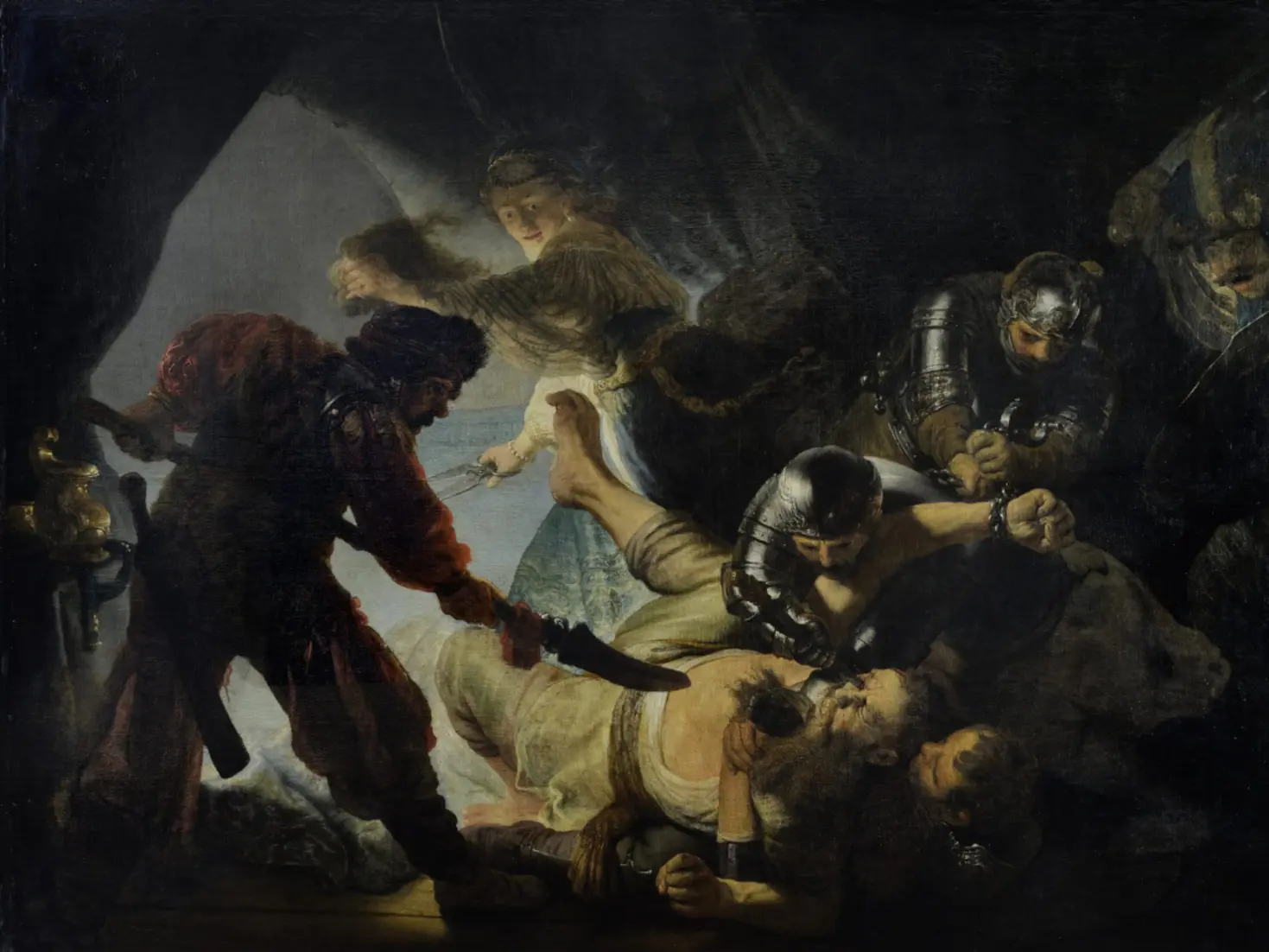
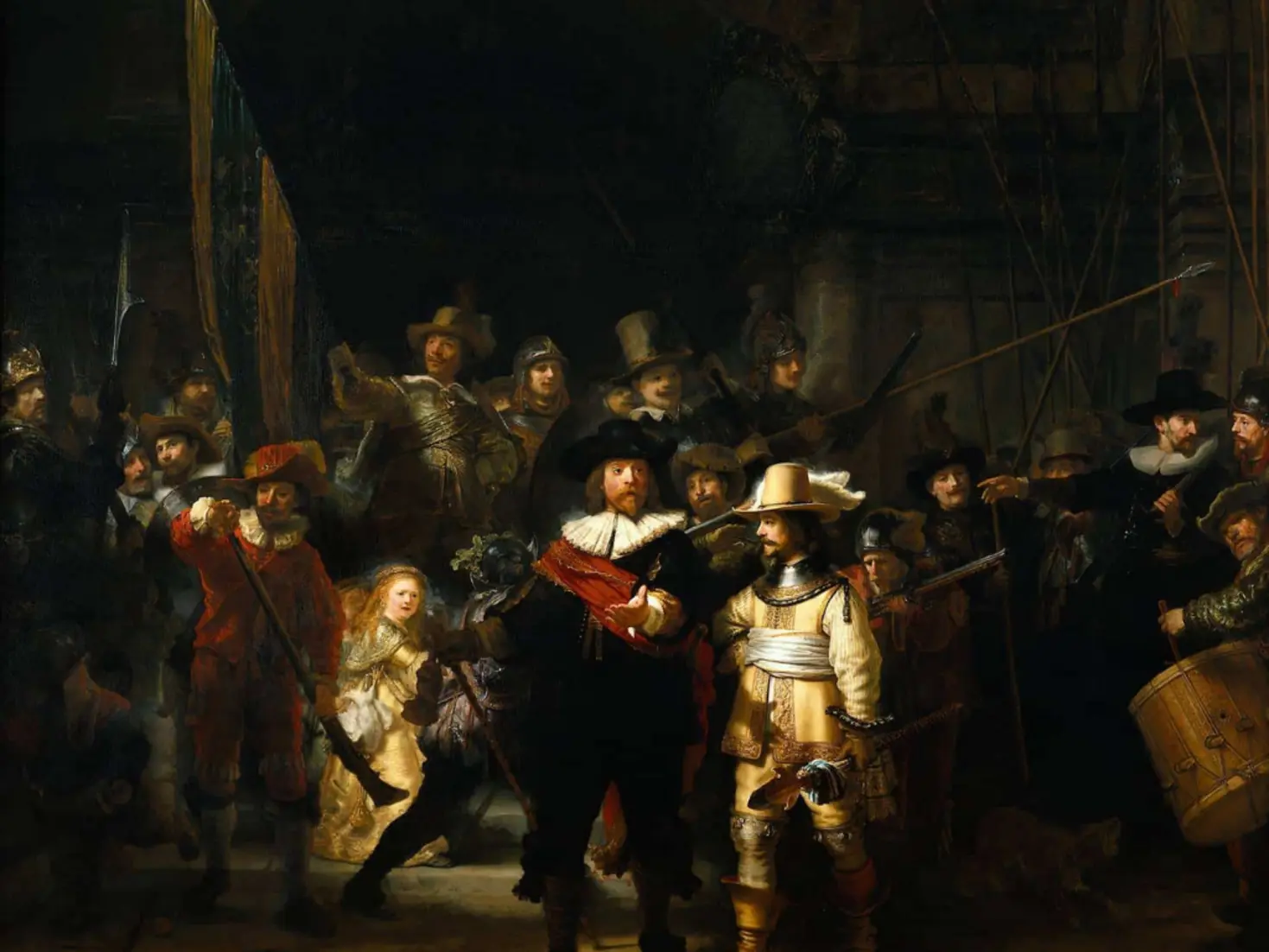
Crowned by Goethe as “the Shakespeare of painting,” Rembrandt captured the full spectrum of the human condition in his penetrating portraits — from joy and ambition to grief, doubt, and quiet vulnerability, with unmatched psychological insight. His belief that “without atmosphere, a painting is nothing” shaped his revolutionary use of light not merely as illumination, but as a powerful emotional force that continues to define his legacy.
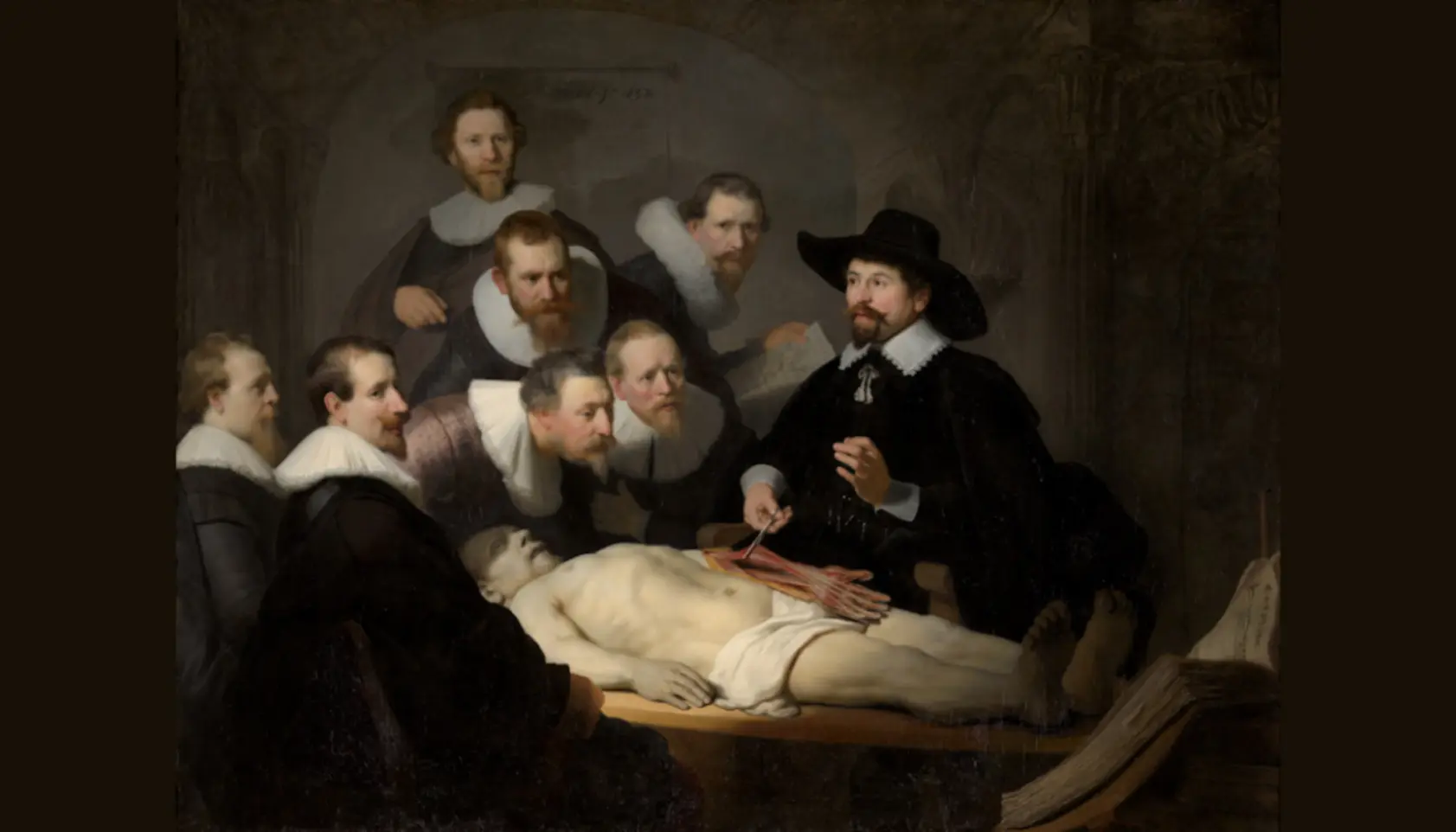
Most of his masterpieces now reside in museums and rarely reach the market, yet even works attributed to his hand routinely command tens of millions, a testament to his enduring power. His own life mirrored the drama of his art: meteoric early success followed by financial ruin and personal loss, ending in poverty but leaving behind a legacy that only grew more luminous with time. “Rembrandt goes so deep into the mysterious that he says things for which there are no word” — Vincent van Gogh
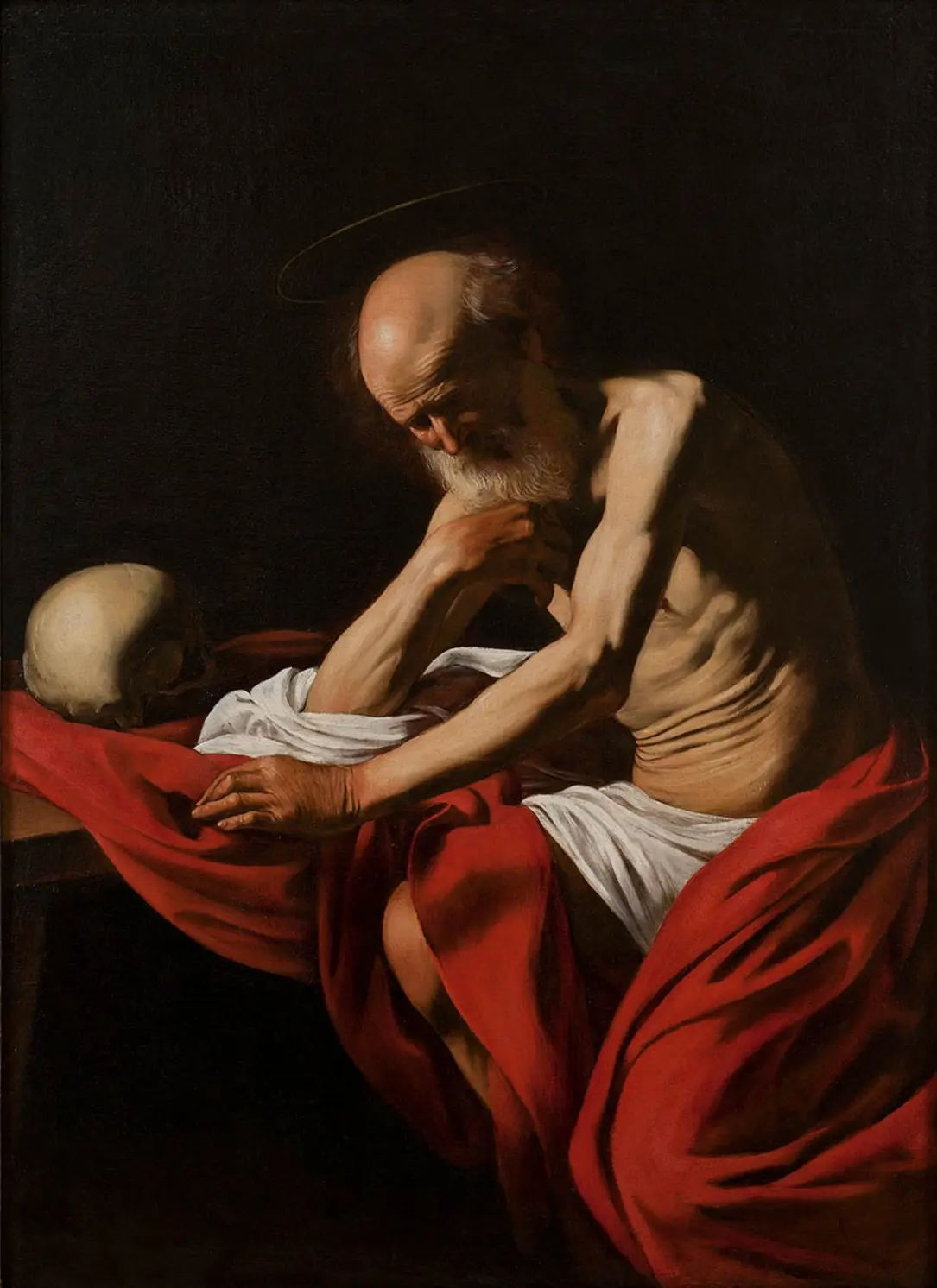
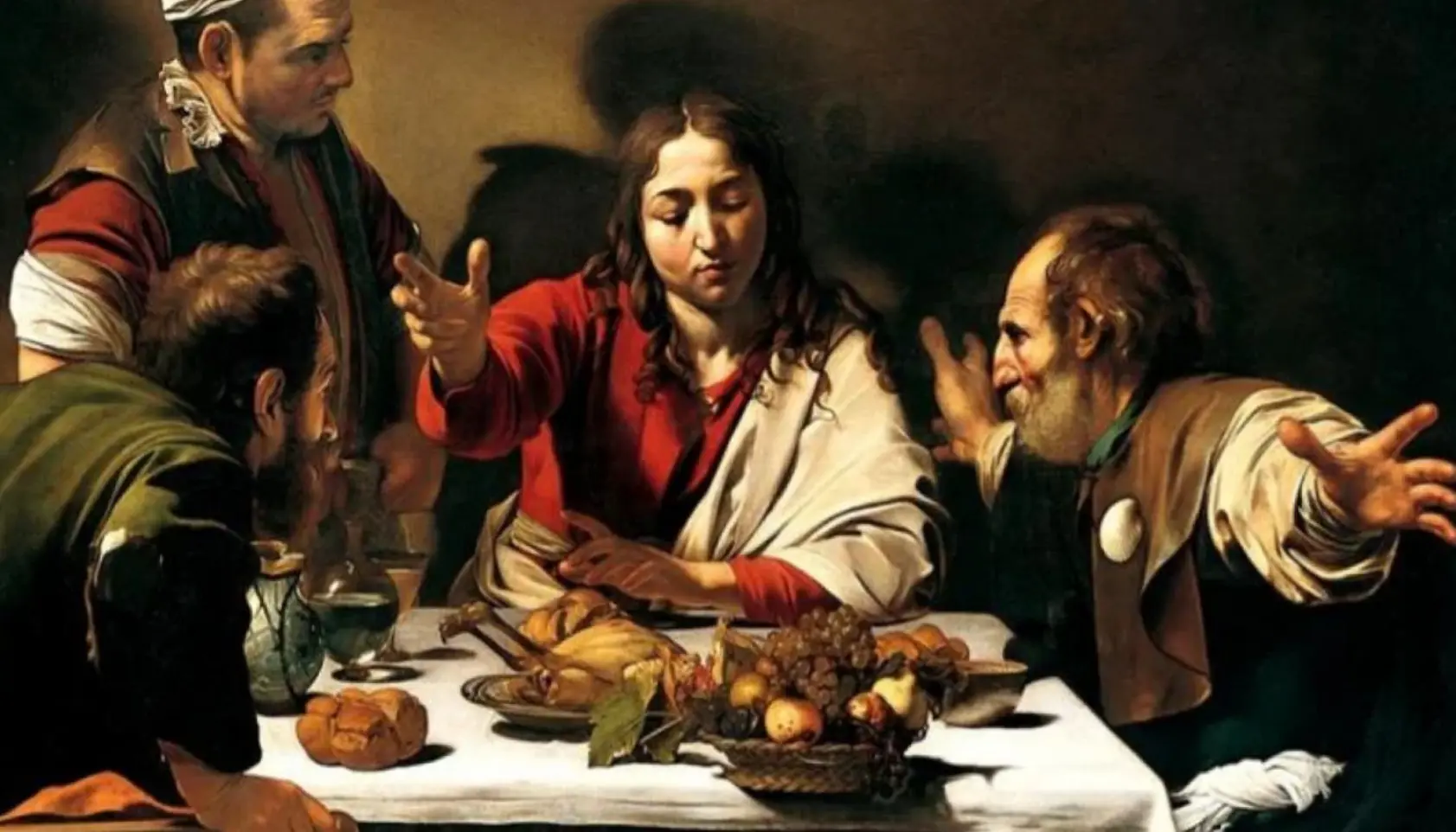
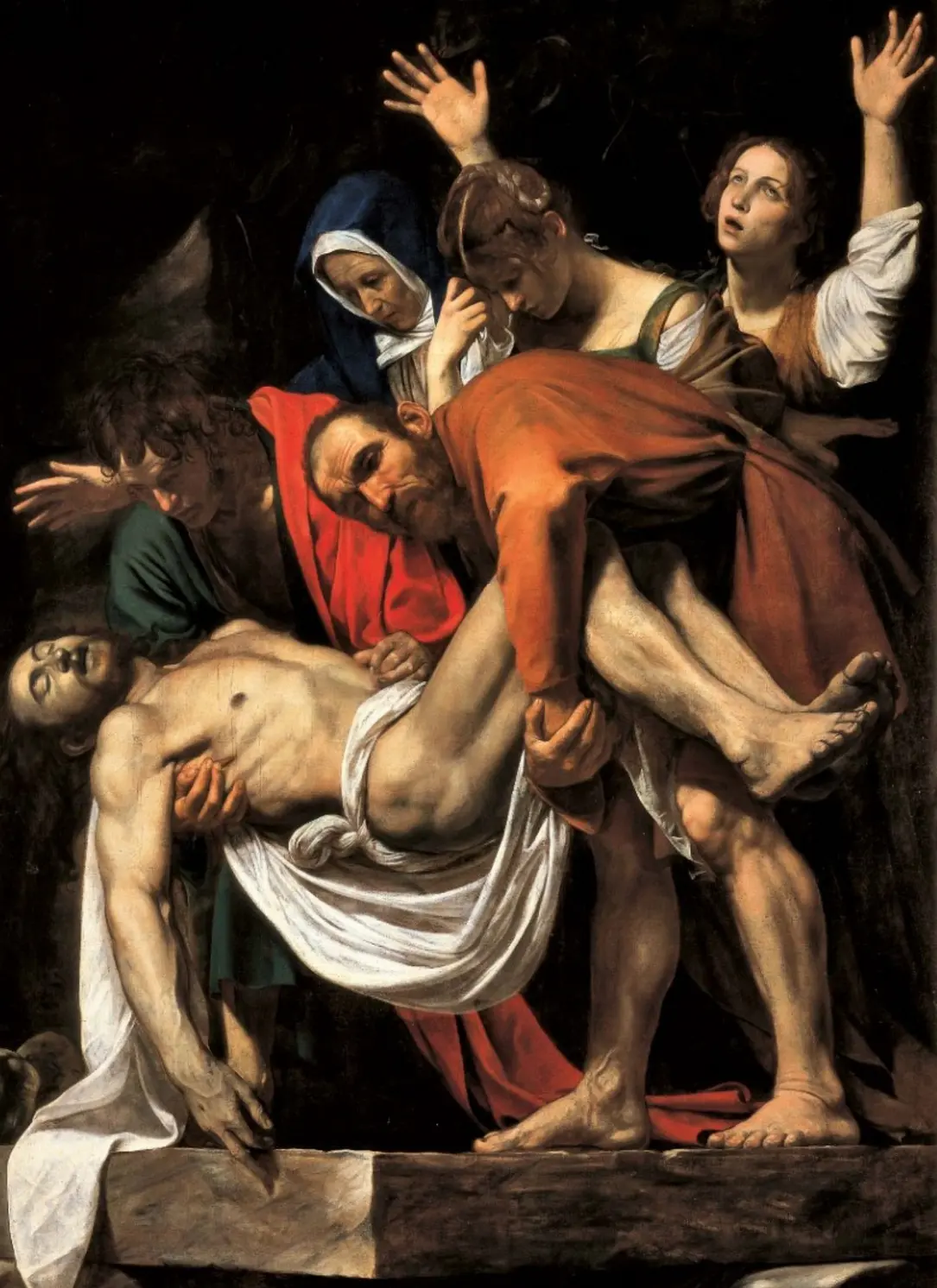
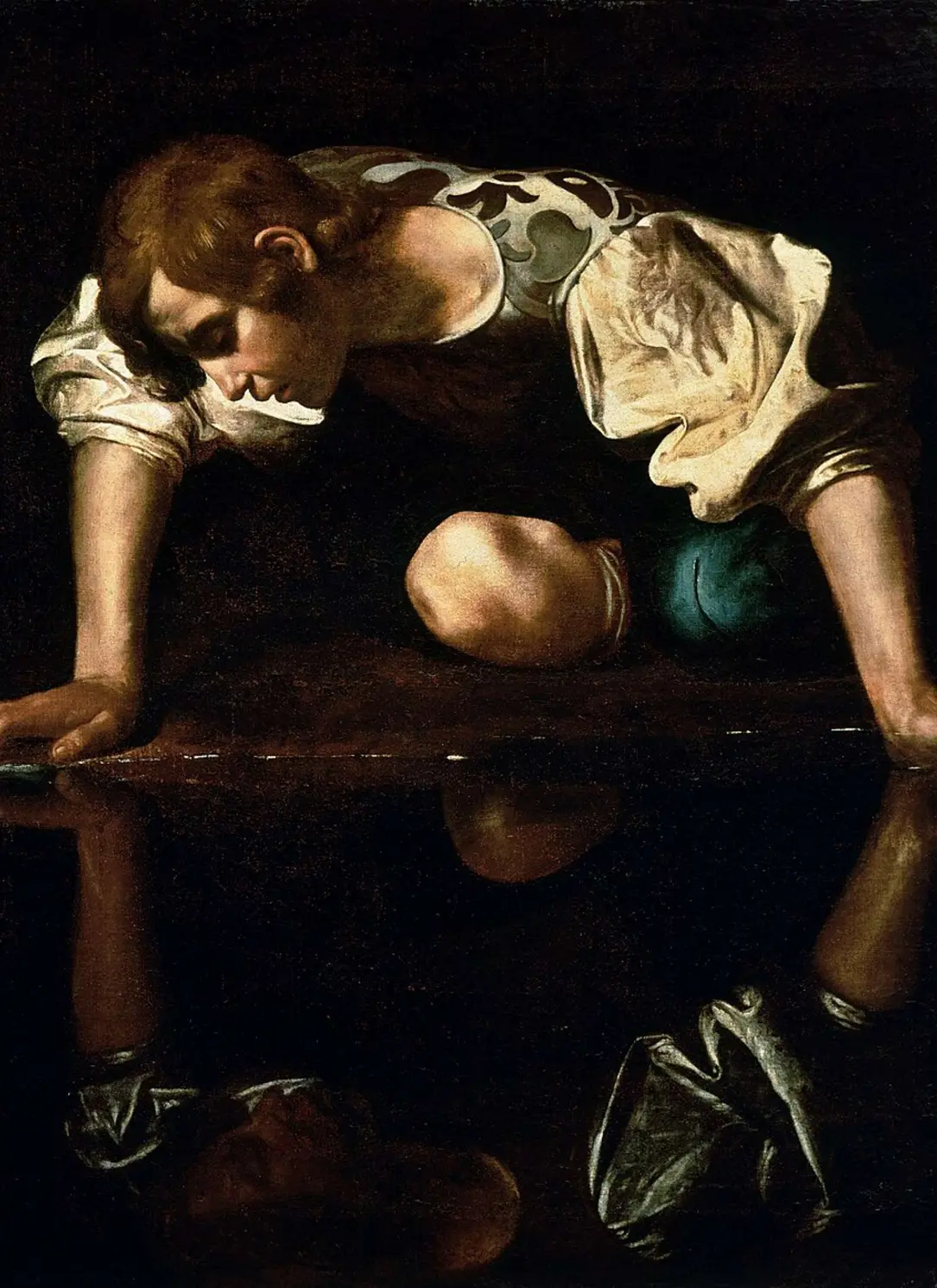
Caravaggio, renowned for his violent realism and electrifying naturalism, famously remarked that “the truth is the daughter of time,” a fitting creed for an artist who transformed biblical narratives into raw, flesh-and-blood dramas. His own life was as turbulent as his canvases: after killing a man in a street brawl, he fled Rome as a fugitive, leaving behind a trail of masterpieces as intense and combustible as the man himself.
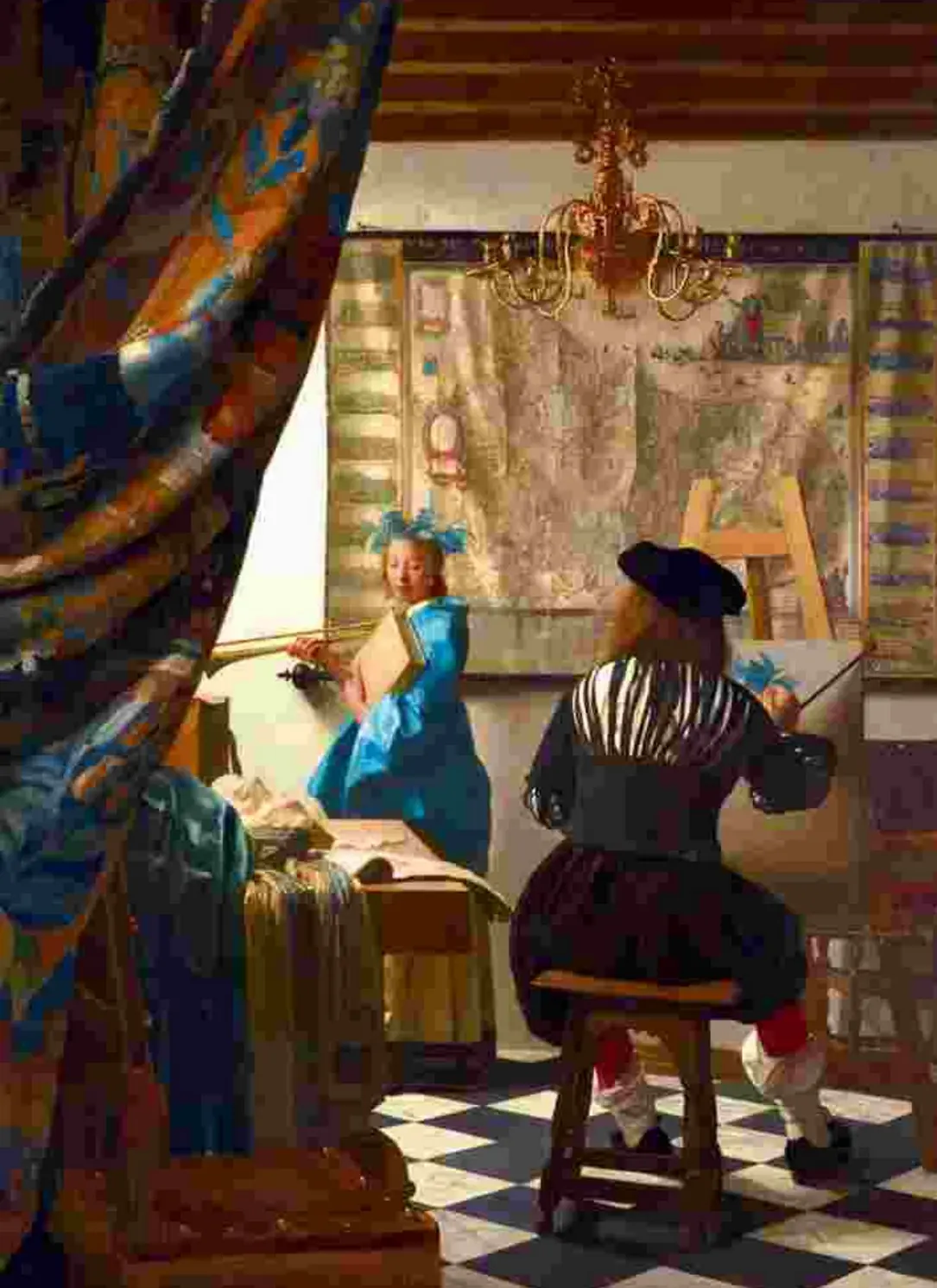
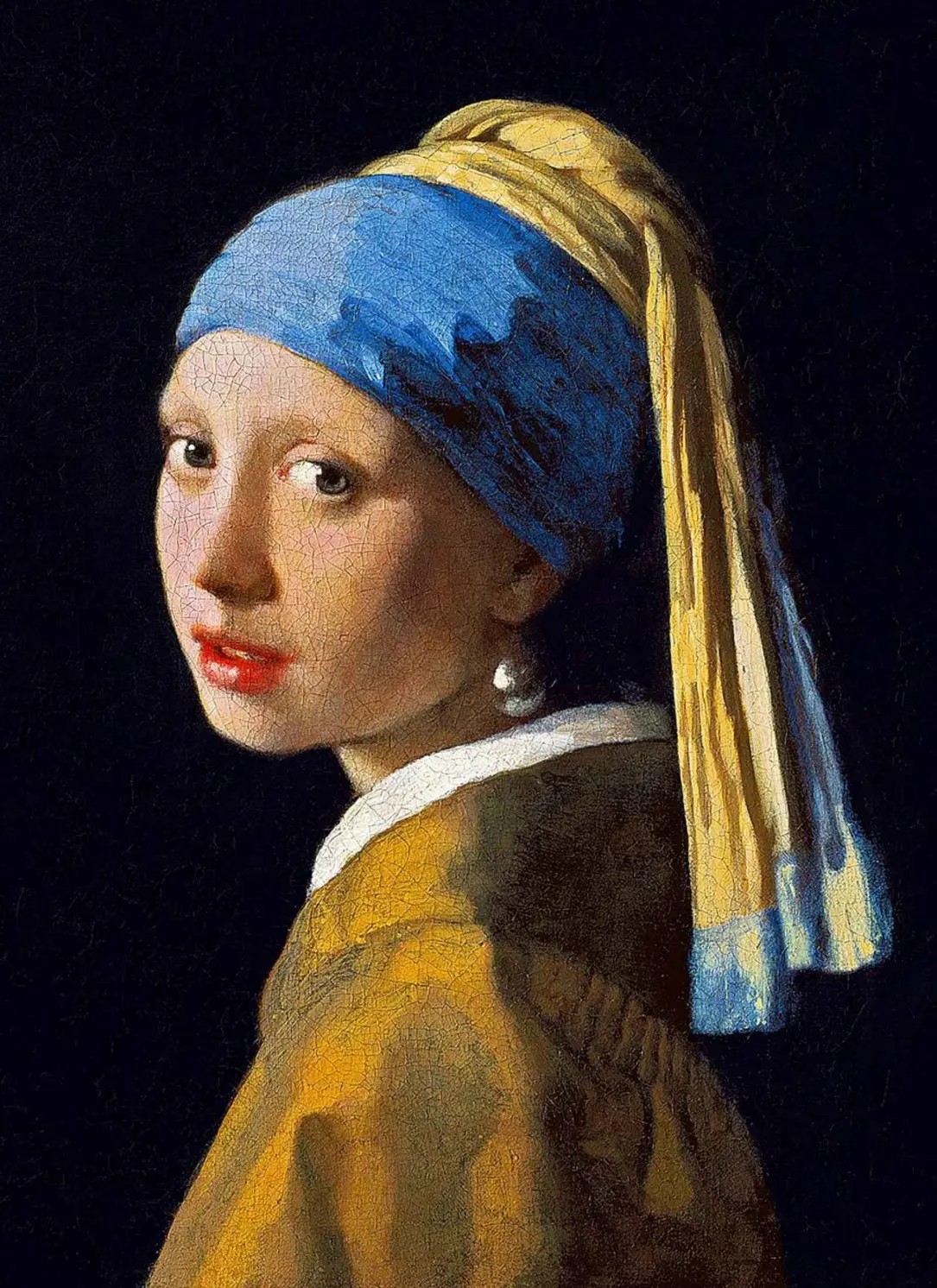
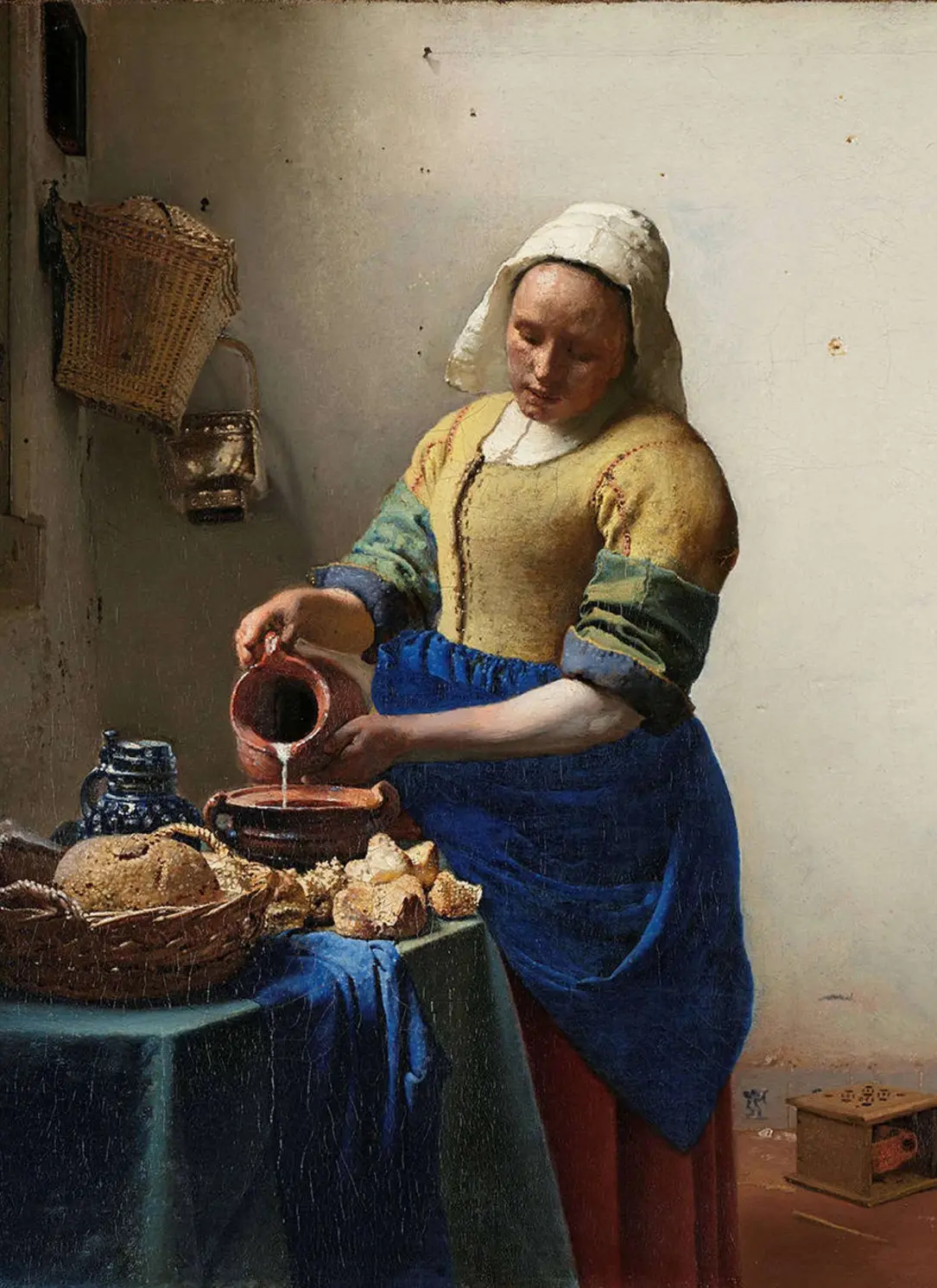
Other Old Masters are revered as much for their rarity as for their brilliance. Vermeer, for instance, left behind only about thirty-four paintings, yet each is a quiet universe of introspection and light, prompting Marcel Proust to observe that “a work of Vermeer is like a fragment of the soul.”
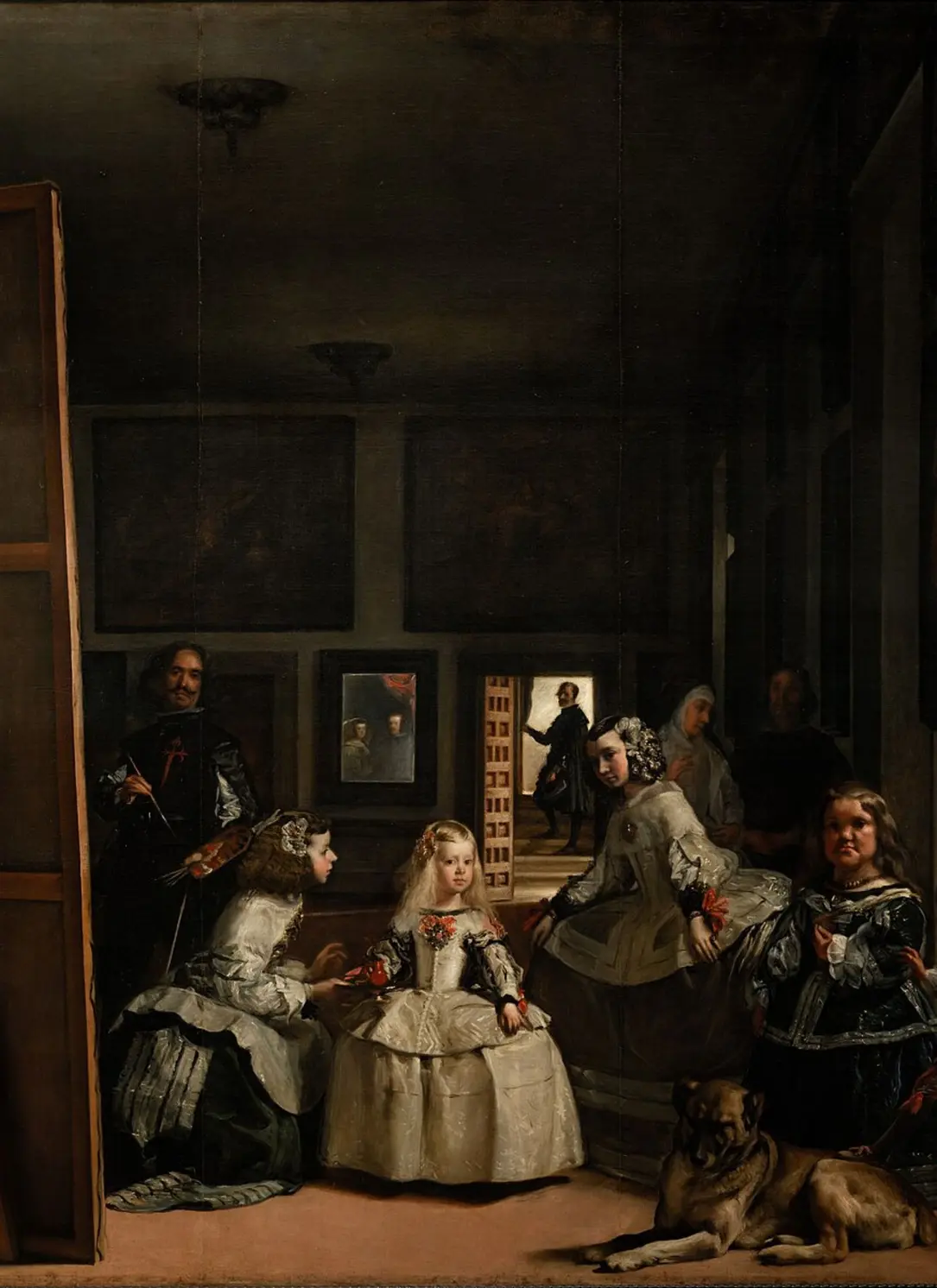
Velázquez, the eminent court painter of Spain, earned everlasting admiration for his psychological subtlety, so much so that Manet famously hailed him as “the painter of painters.”
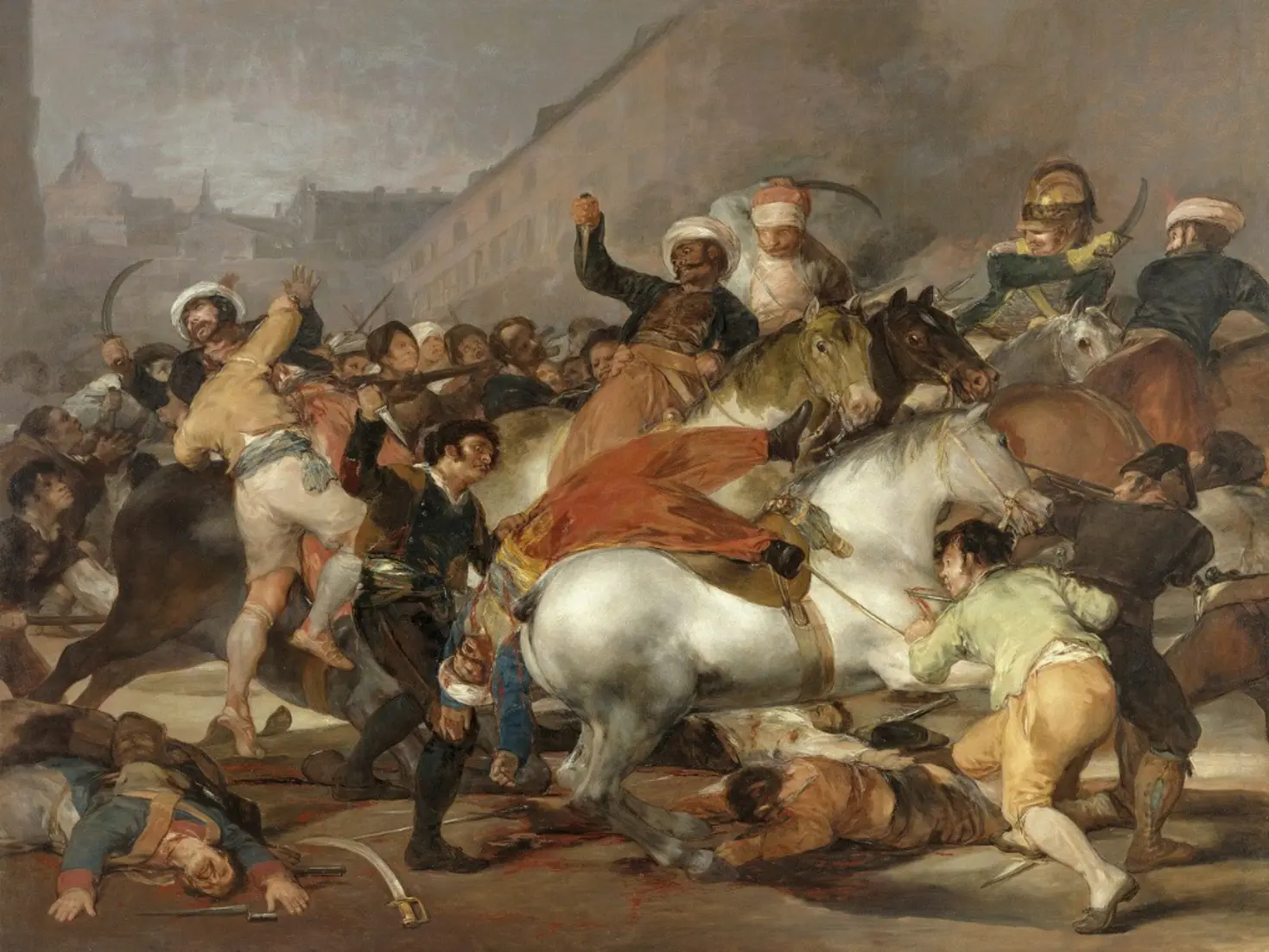
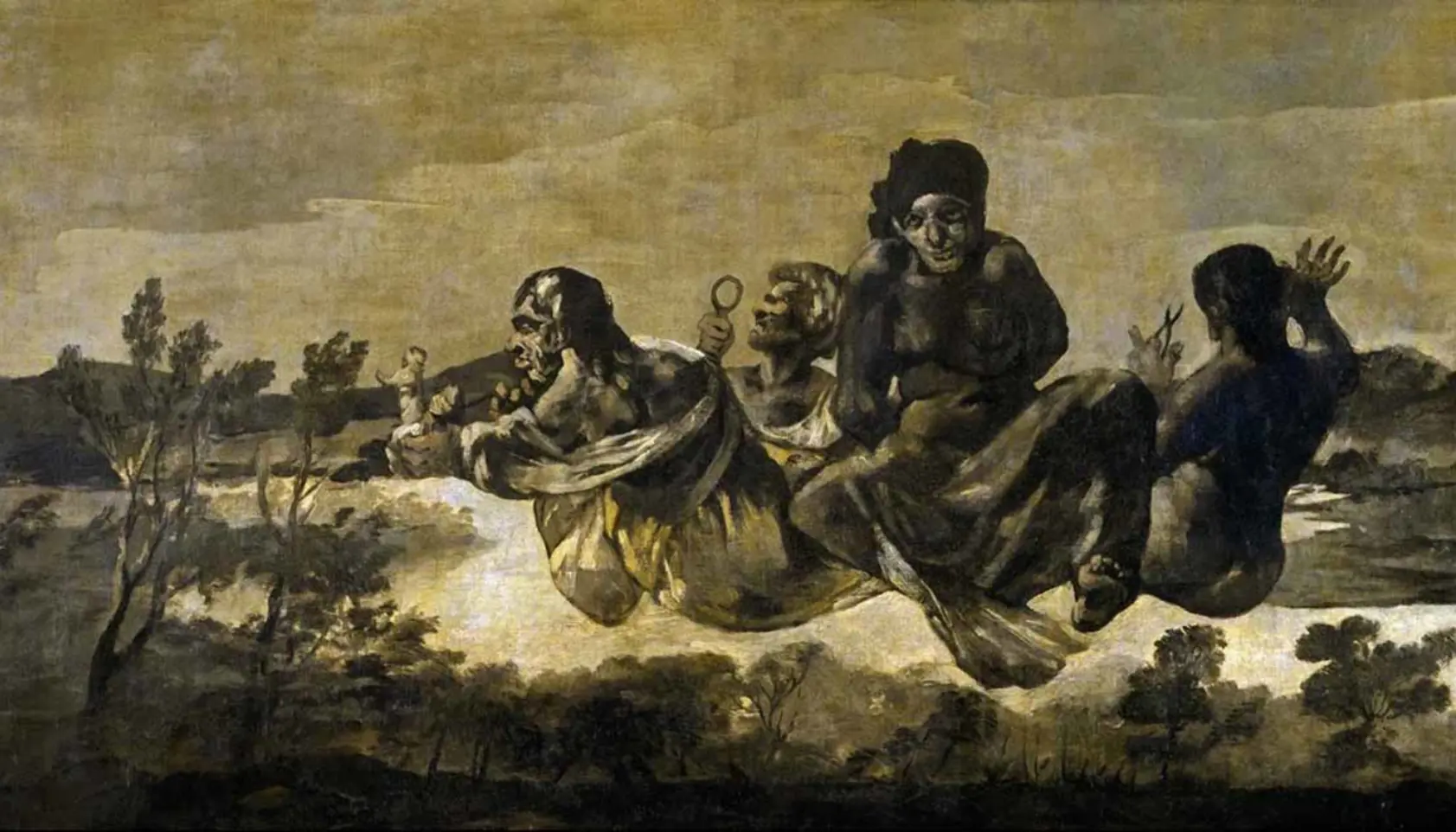
By the 18th century, Goya carried Old Master painting into the threshold of modernism, exploring darkness, social critique, and unsettling emotional terrain. He secretly covered the walls of his home with nightmarish images, later known as the Black Paintings. His haunting warning, “The sleep of reason produces monsters,” remains as piercing today as it was in his own turbulent age.
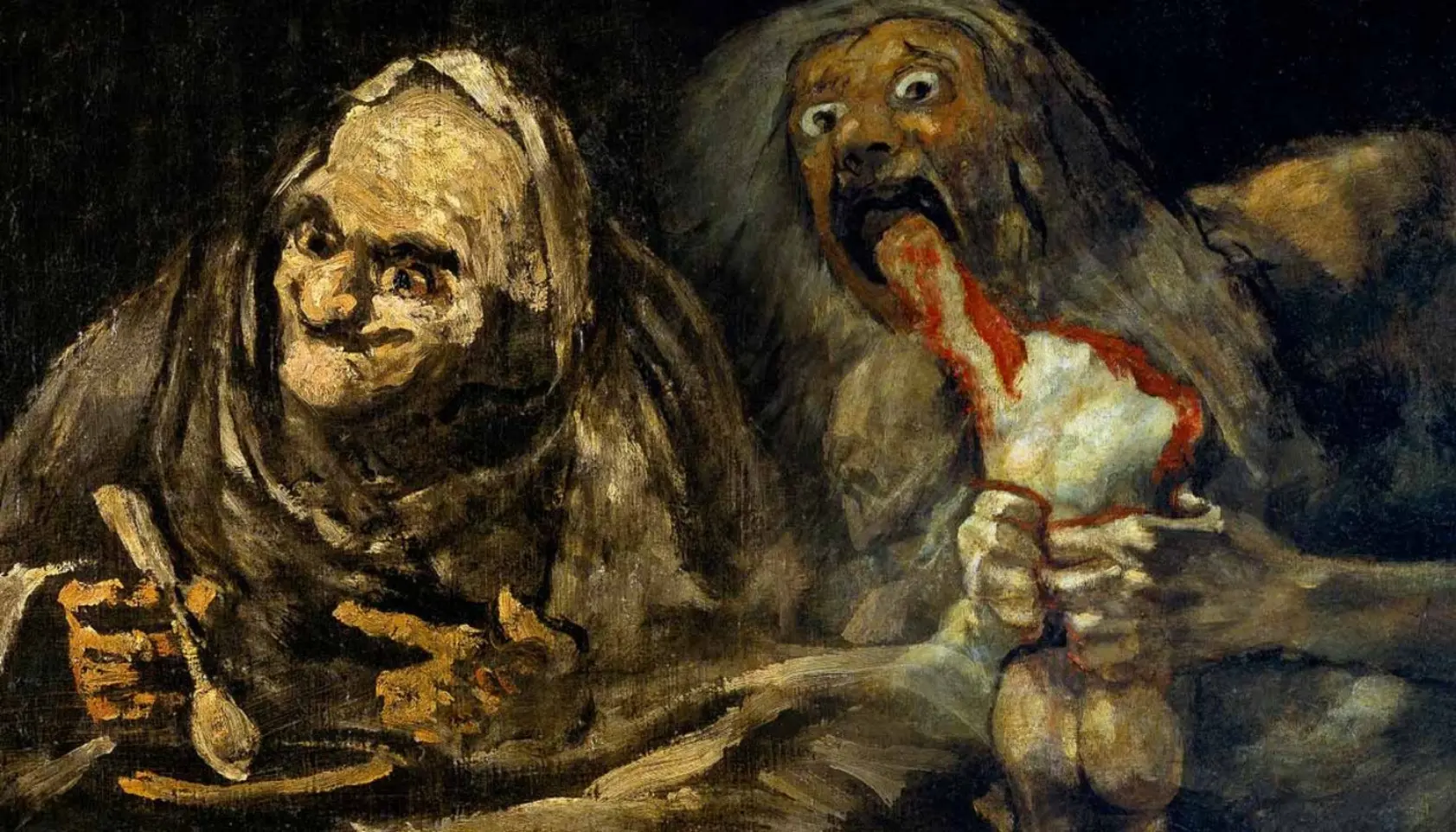
“Begin by learning to draw and paint like the Old Masters. After that, you can do as you like; everyone will respect you” — Salvador Dalí.
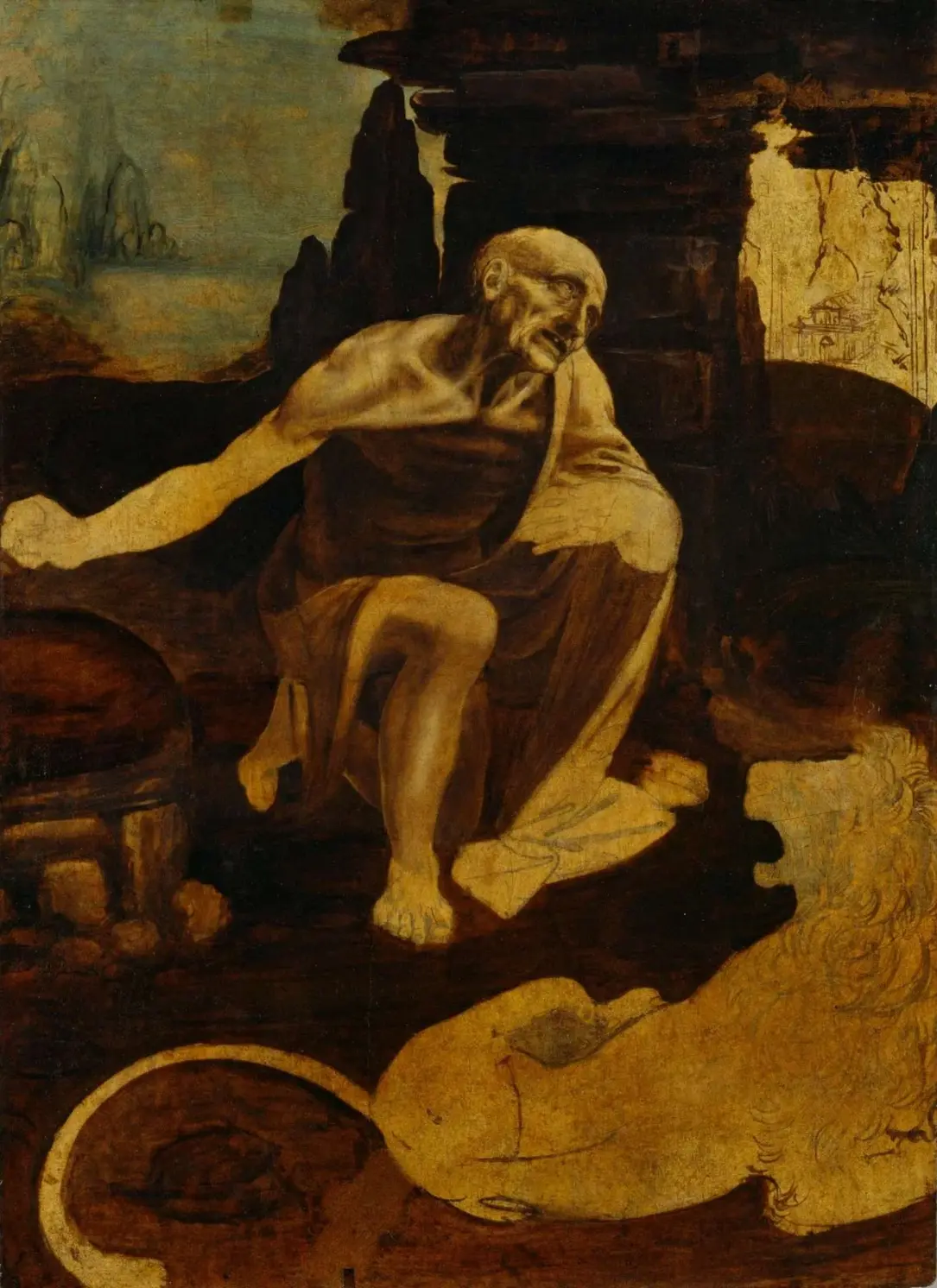
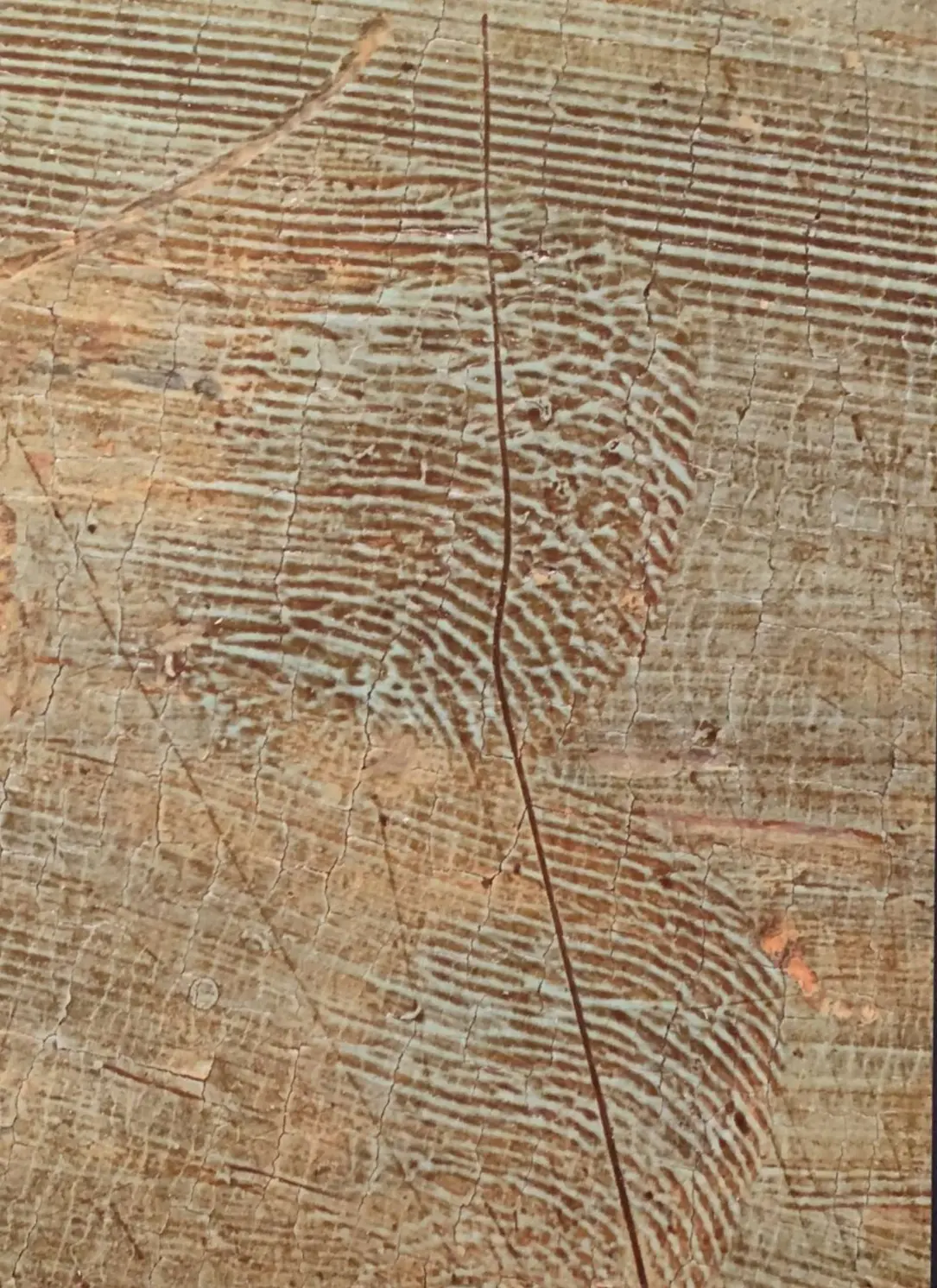
The techniques of the Old Masters continue to captivate historians, scientists, and contemporary artists because their paintings were built through extraordinary craftsmanship — sometimes with as many as forty translucent layers. Underdrawings, monochrome studies, opaque body color, delicate glazes, and final varnishes combined to create a depth and luminosity that modern materials still struggle to match, leaving their surfaces shimmering with a complexity unmatched even today.
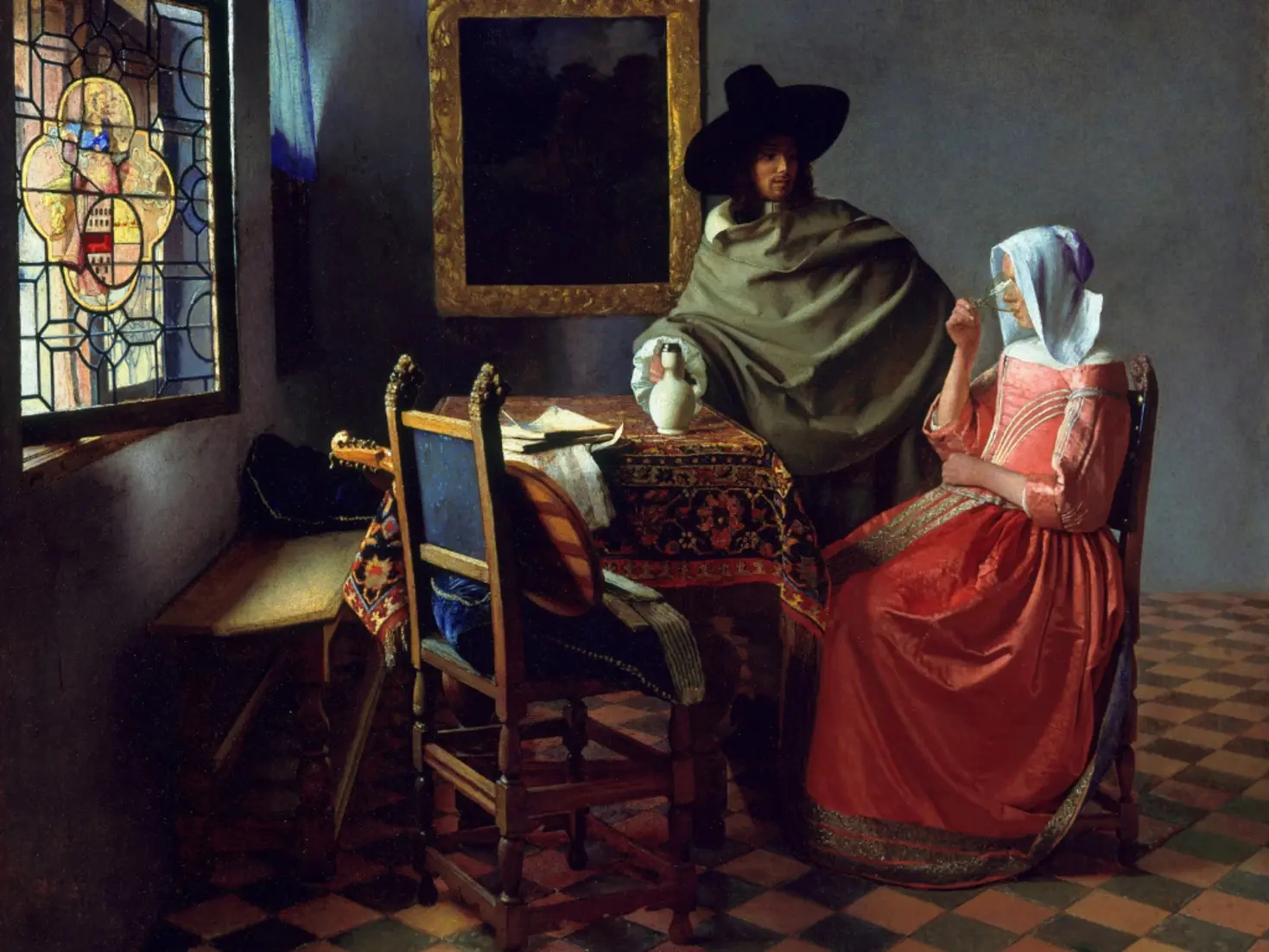
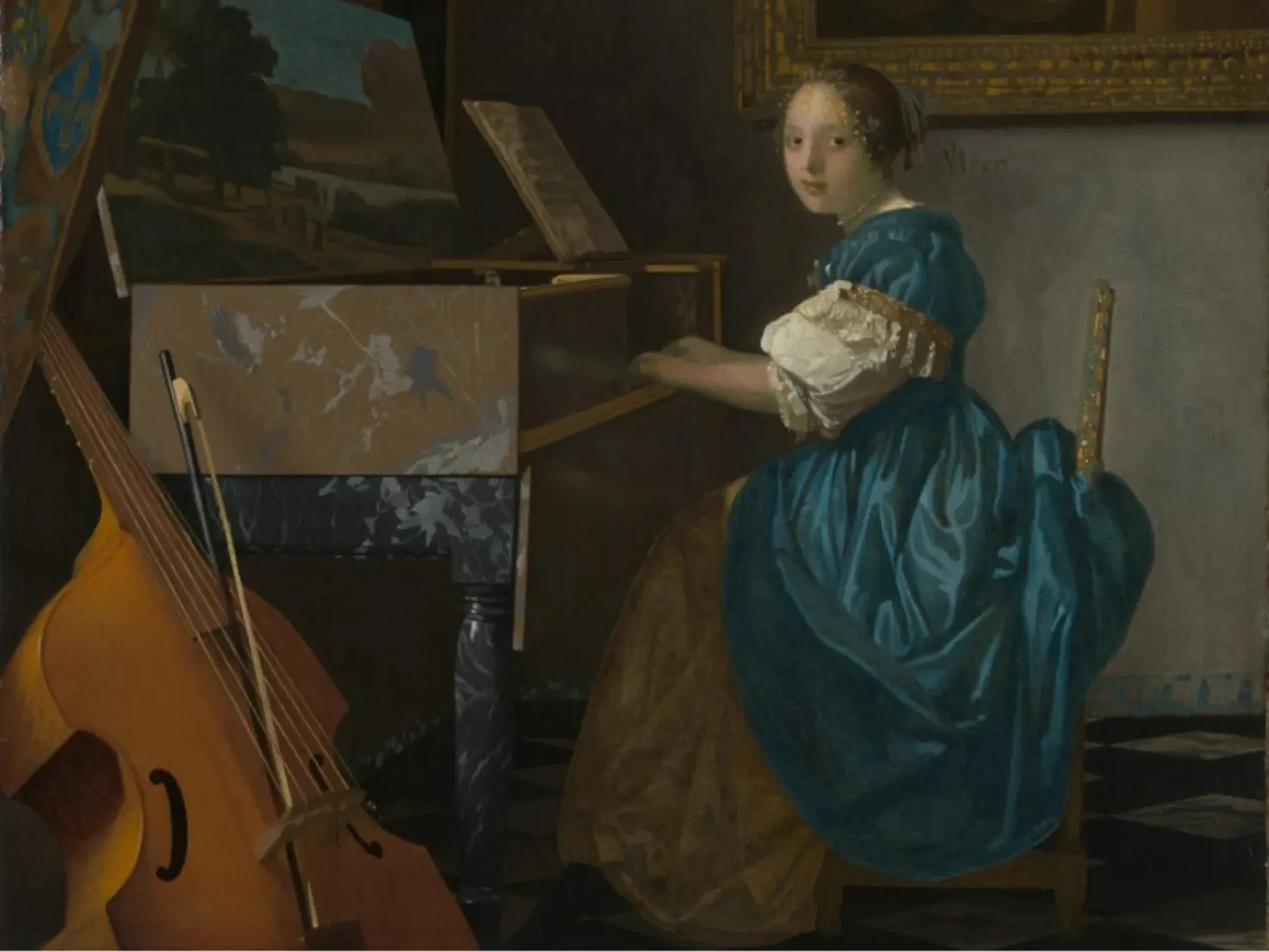
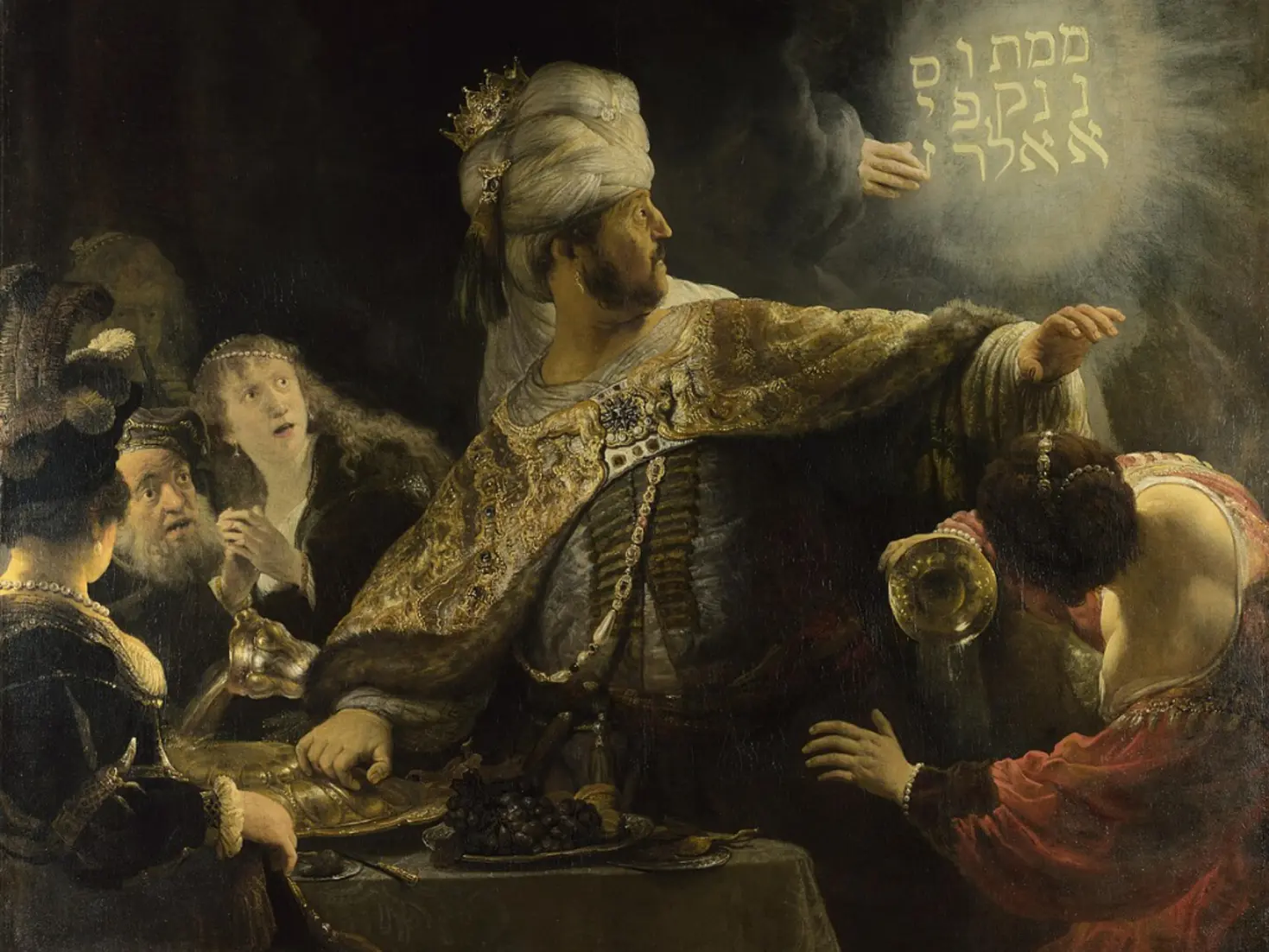
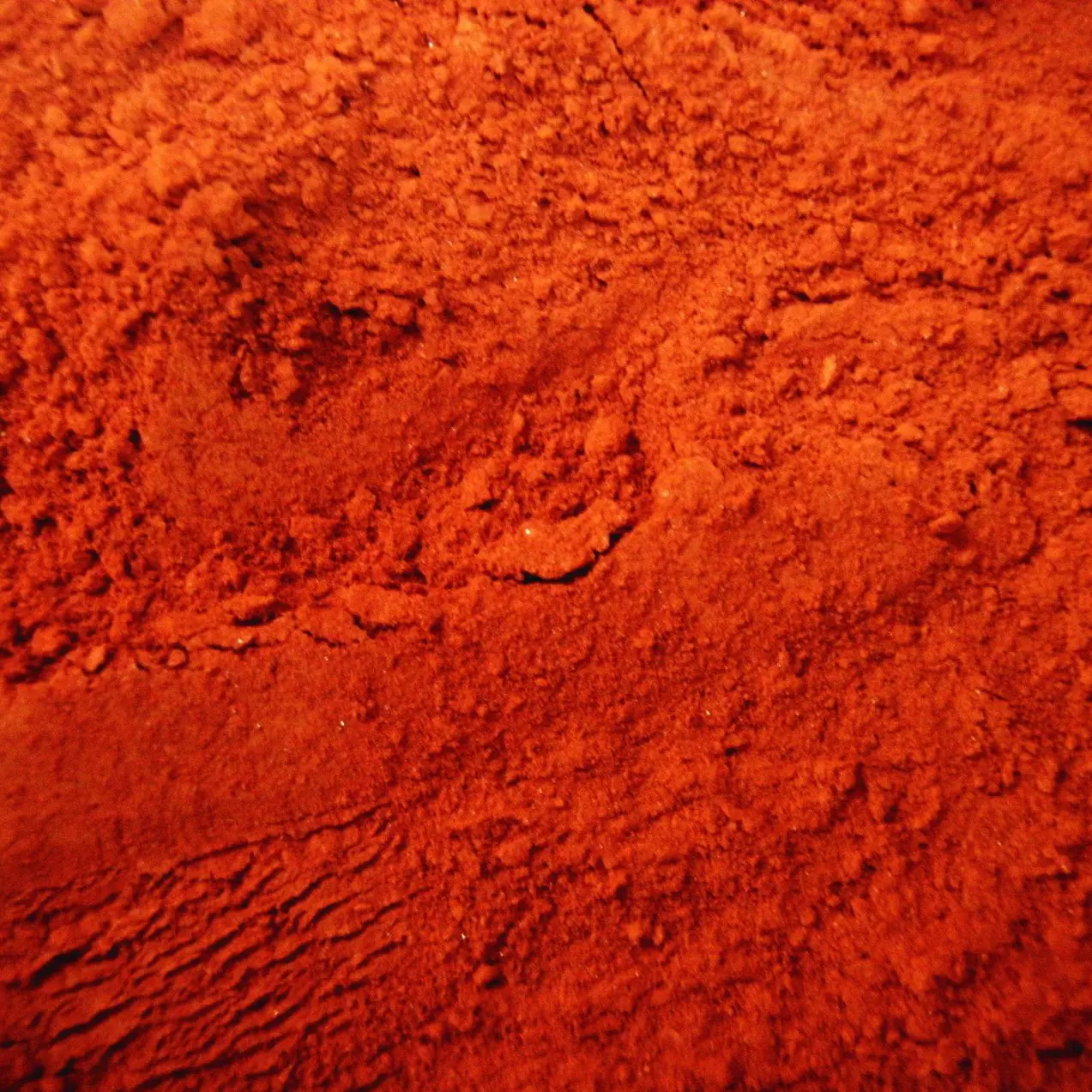
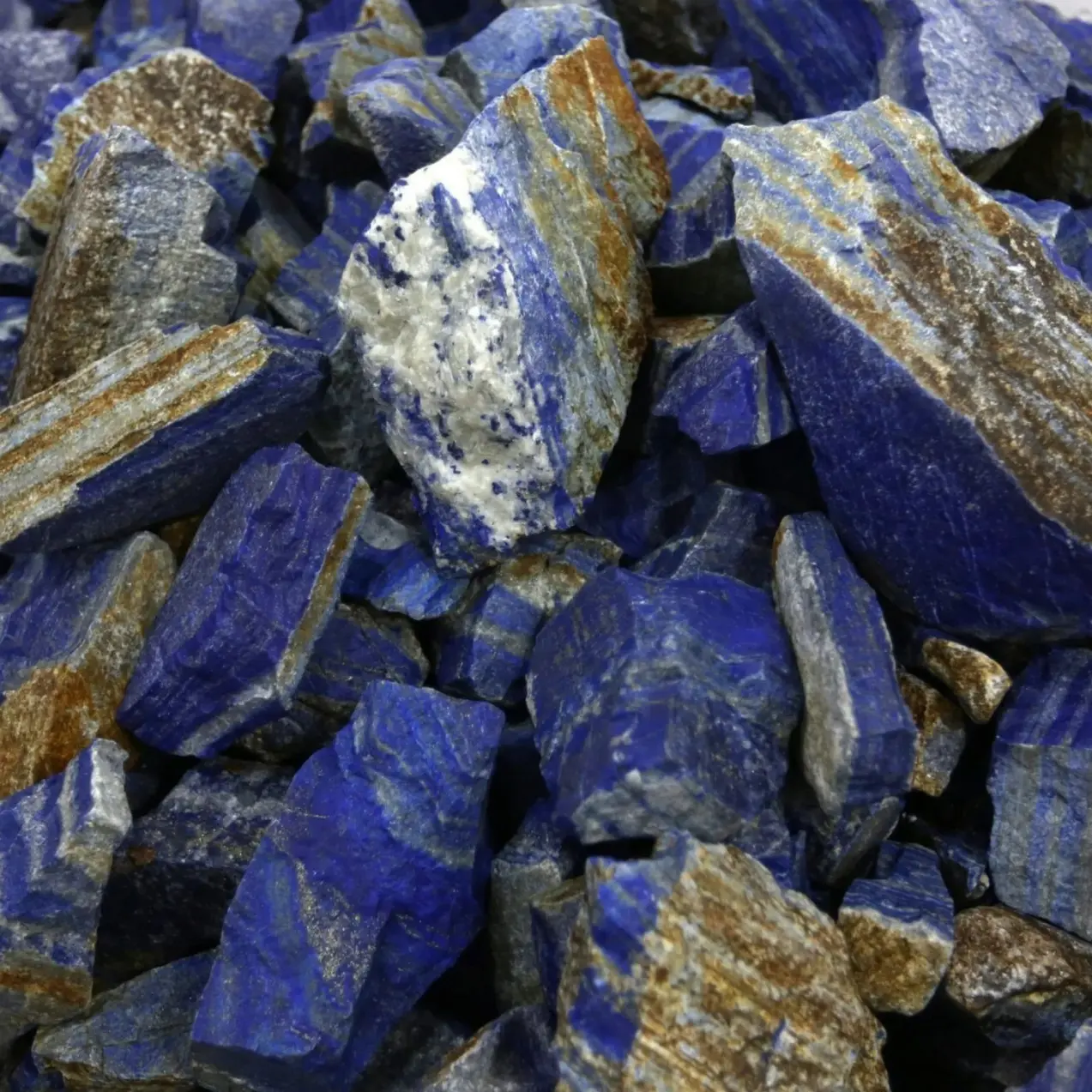
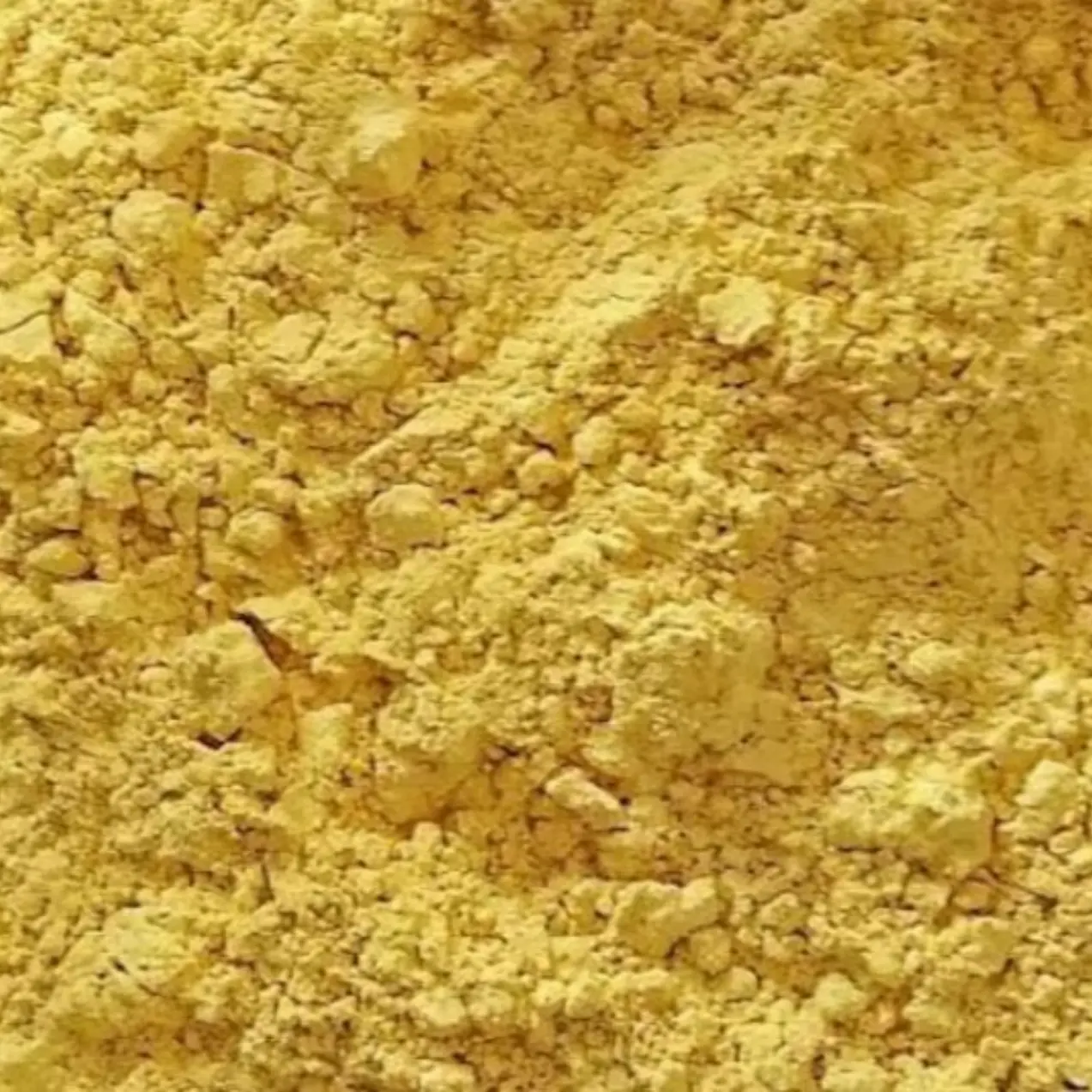
Their pigments carried entire histories: ultramarine ground from Afghan lapis lazuli, more precious than gold; vermilion distilled from mercury; lead-tin yellow lost for centuries before its rediscovery — each a reminder that materials were as symbolic as they were technical.
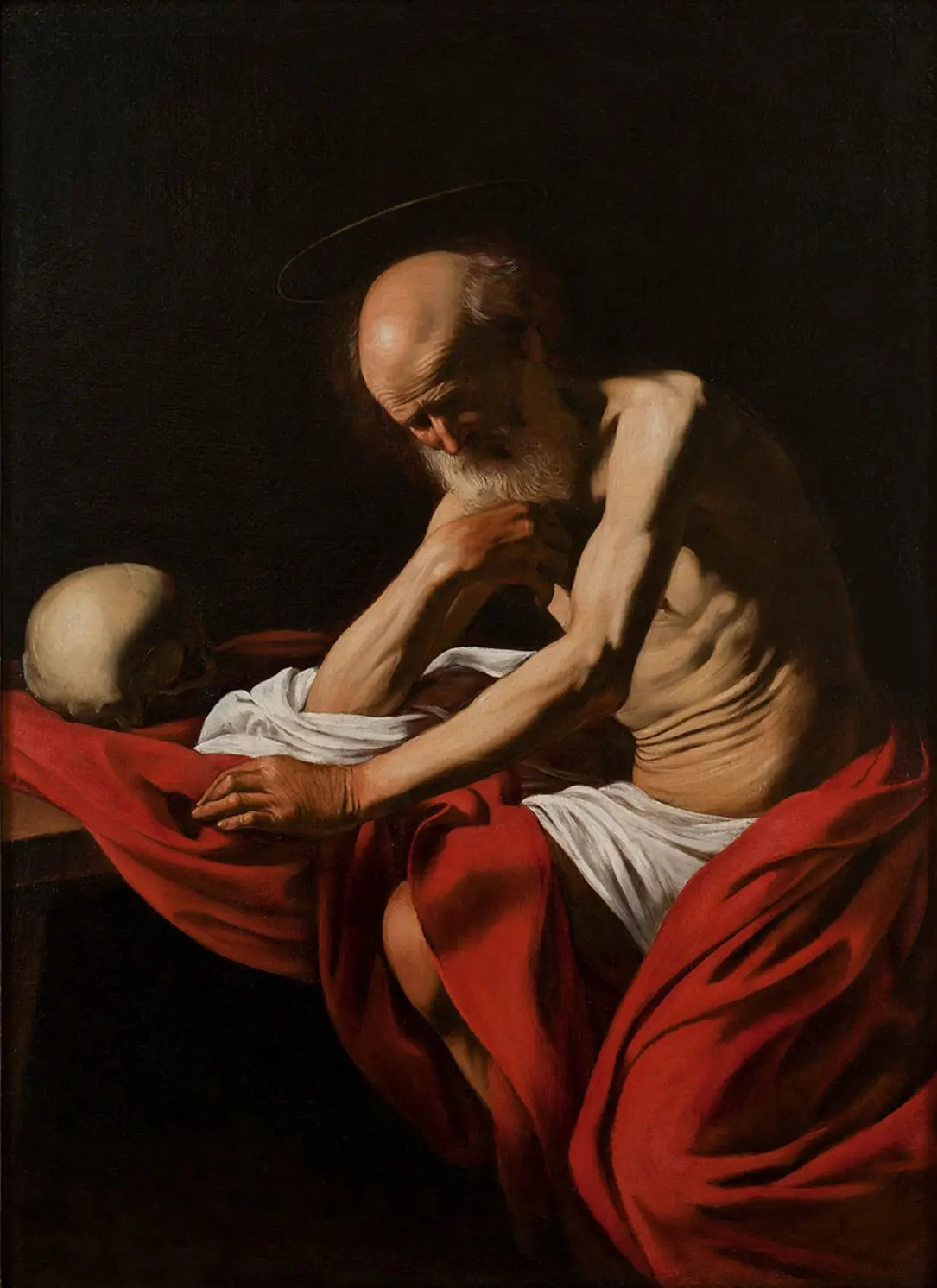
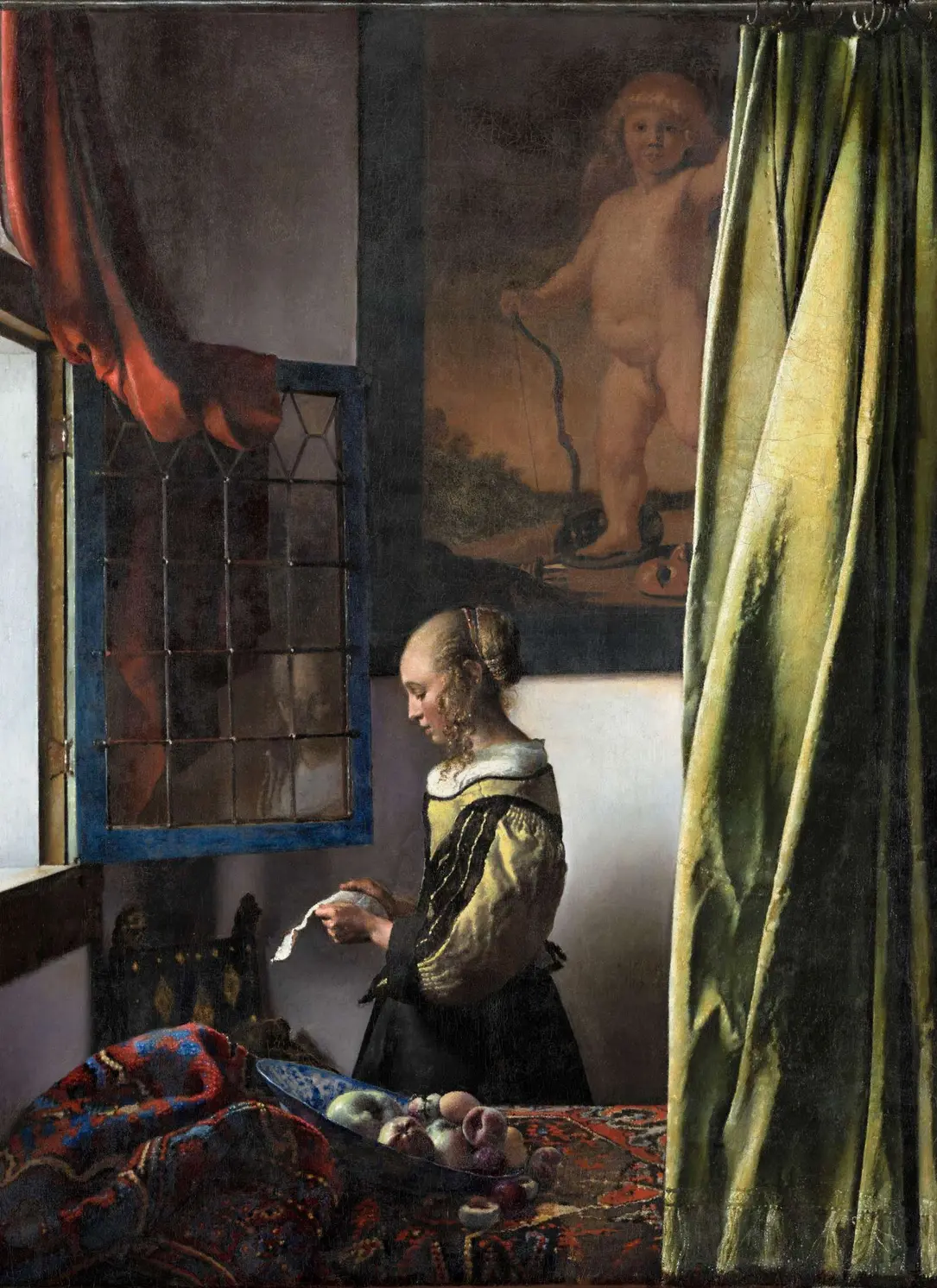
Central to their genius was the manipulation of light: Caravaggio’s violent chiaroscuro carved drama from darkness, while Vermeer’s gentle window-lit interiors shimmered with quiet revelation. These works were carefully built rather than spontaneously conceived, and modern imaging technologies now expose their hidden sketches, revisions, and fingerprints — evidence of constant experimentation.
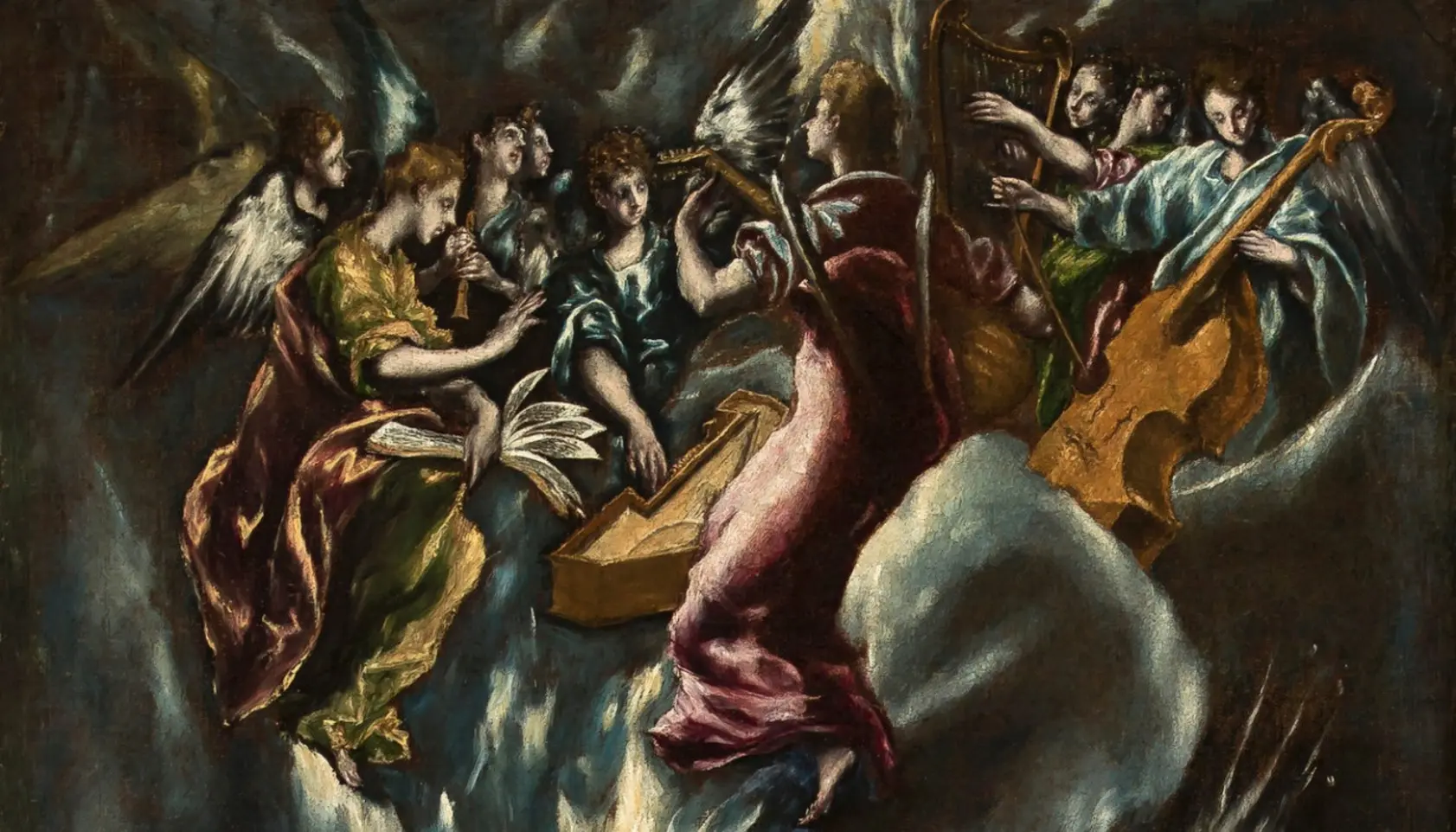
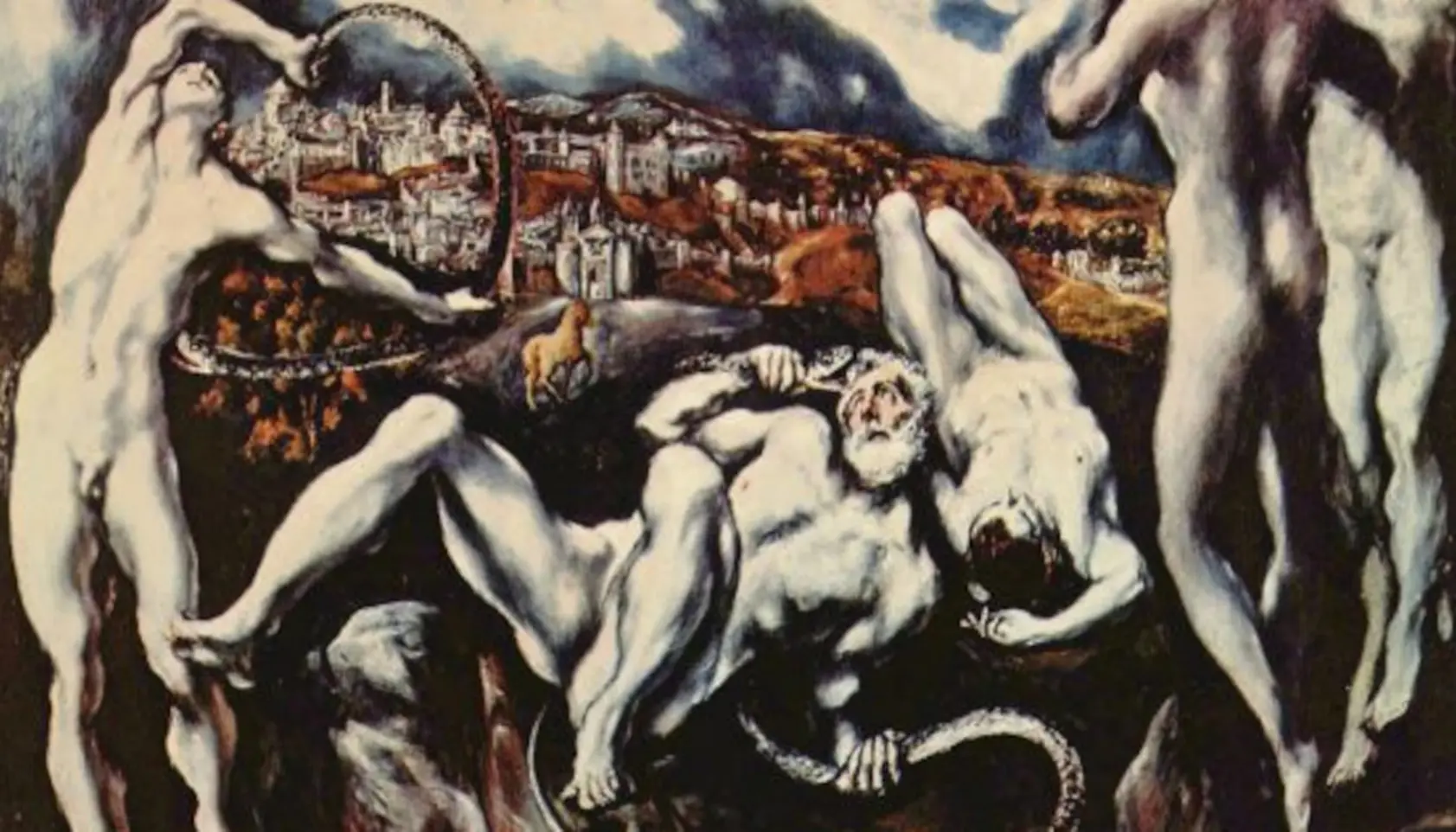
Their themes, too, defined eras: sacred narratives that drove innovation from Michelangelo to El Greco; mythological scenes charged with humanist energy in the hands of Titian; portraits that wielded power for kings and merchants yet transcended flattery under Rembrandt, Velázquez, and Holbein; intimate scenes of daily life that flourished during the Dutch Golden Age; and landscapes, from Ruisdael’s moody vistas to Claude Lorrain’s golden horizons, that evolved into philosophical meditations on nature.
Together, these techniques, materials, and themes form the timeless foundation of an Old Master painting — a convergence of craftsmanship, intellect, and imagination.
Despite the contemporary art market’s global dominance, Old Master paintings remain a formidable and enduring force. Supply continues to shrink as more works enter permanent museum collections, increasing the rarity and desirability of those that remain in private hands. A notable Old Master sale in 2025 achieved more than $64 million, signaling renewed collector interest in classical masterpieces.
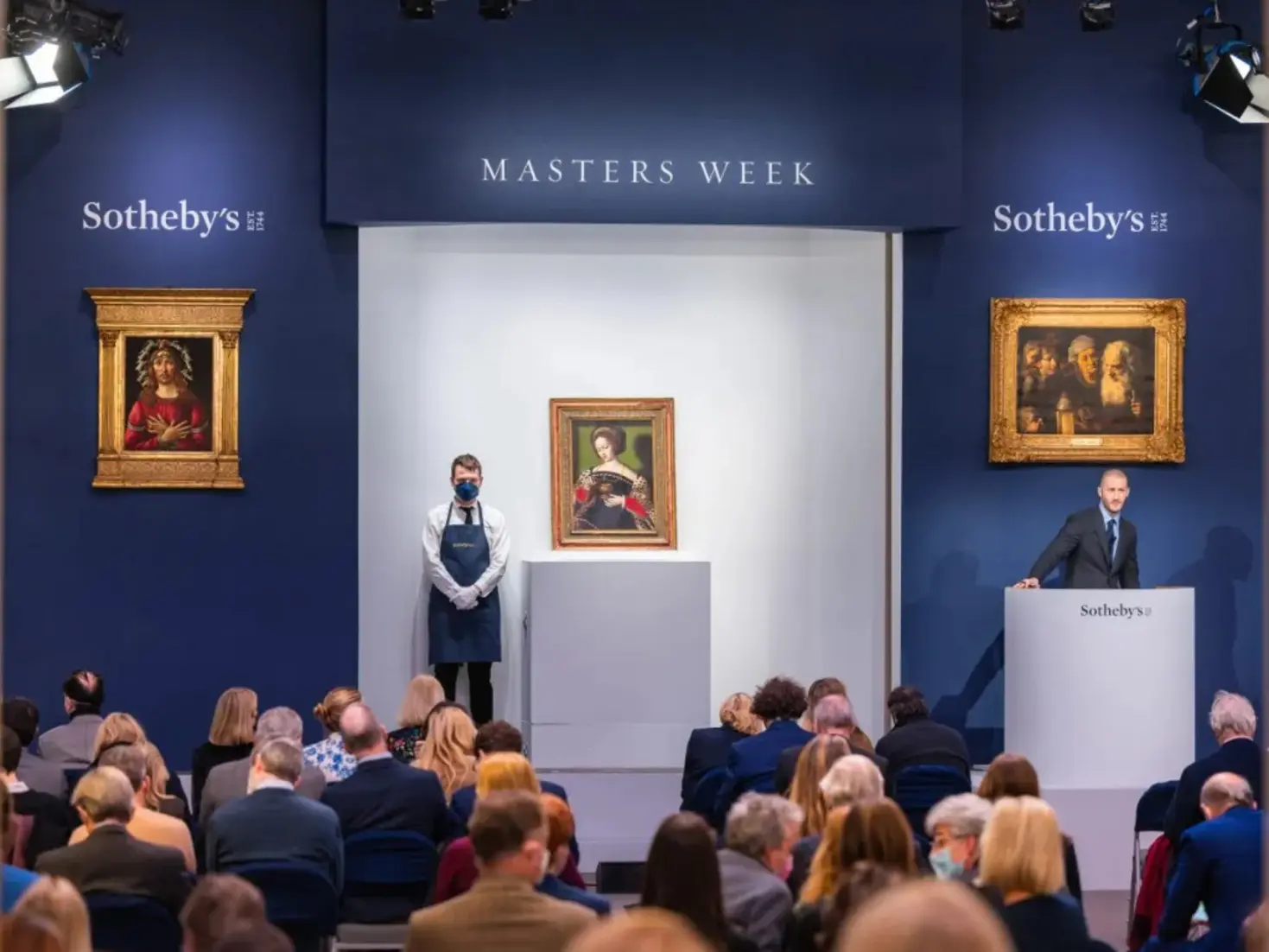
Old Masters continue to attract passionate buyers, with major auction houses keeping them firmly in the spotlight through regular high-profile sales. Christie’s and Sotheby’s hold dedicated Old Master auctions throughout the year in London and New York, while regional houses like Hampel in Munich and Roseberys in London maintain a steady calendar of sales that bring fresh works to market. Their rarity, legacy, and enduring appeal ensure that Old Master paintings remain a vibrant and competitive force in the global art market.
Old Master paintings continue to pulse through pop culture in ways both subtle and spectacular. Botticelli’s The Birth of Venus appears everywhere from Beyoncé visuals to high-fashion editorials, while Caravaggio’s dramatic chiaroscuro shapes the look of modern movies and series like The Godfather, Breaking Bad, and The Mandalorian. Rembrandt’s signature lighting guides photography and film noir, Velázquez’s Las Meninas continues to influence contemporary art and storytelling, and Goya’s dark visions echo through horror films and album covers. Across fashion, cinema, gaming, and digital media, the Old Masters still set the visual vocabulary that modern culture returns to again and again.
Outlasting empires and nations, the Old Masters remain steadfast pillars of human creativity. Their paintings are a crucible of ideas, a revolutionary space where they sought to distill the universal truths of human experience.