Metamorphoses is a rare kind of blockbuster: a museum exhibition that feels scholarly, theatrical, and sharply current. A major collaboration between the Rijksmuseum in Amsterdam and the Galleria Borghese in Rome, it uses Ovid’s two millennia old epic to show how transformation became a visual engine for artists across centuries. In Amsterdam, it runs from February 6 to May 25, 2026.

Metamorphoses is a rare kind of blockbuster: a museum exhibition that feels scholarly, theatrical, and sharply current. A major collaboration between the Rijksmuseum in Amsterdam and the Galleria Borghese in Rome, it uses Ovid’s two millennia old epic to show how transformation became a visual engine for artists across centuries. In Amsterdam, it runs from February 6 to May 25, 2026.
February 6, 2026


In 1604, Karel van Mander called Ovid’s epic the Bible for artists, and Metamorphoses shows why the phrase stuck. Artists rarely behave like illustrators here. Instead they rival the poet, turning Ovid’s fluid language into tangible weight, marble into skin, paint into atmosphere, and myth into psychology. The Rijksmuseum programme frames the show through charged human motives that drive Ovid’s narratives, including passion, jealousy, cunning, and deceit, because transformation in these stories usually arrives as a consequence of wanting, refusing, chasing, or losing.
The highlights read like a conversation between Renaissance and Baroque Old Masters and their modern counterparts. Caravaggio’s Narcissus locks the viewer into an intimate loop of self fascination, while Titian and Correggio stage divine seduction as a problem of vision and sensation, with gods arriving as gold or cloud. Sculpture sharpens the theme further. Sleeping Hermaphroditus, presented with Bernini’s virtuoso mattress, becomes a lesson in how stone can simulate softness and ambiguity, and why metamorphosis often touches identity as much as body.

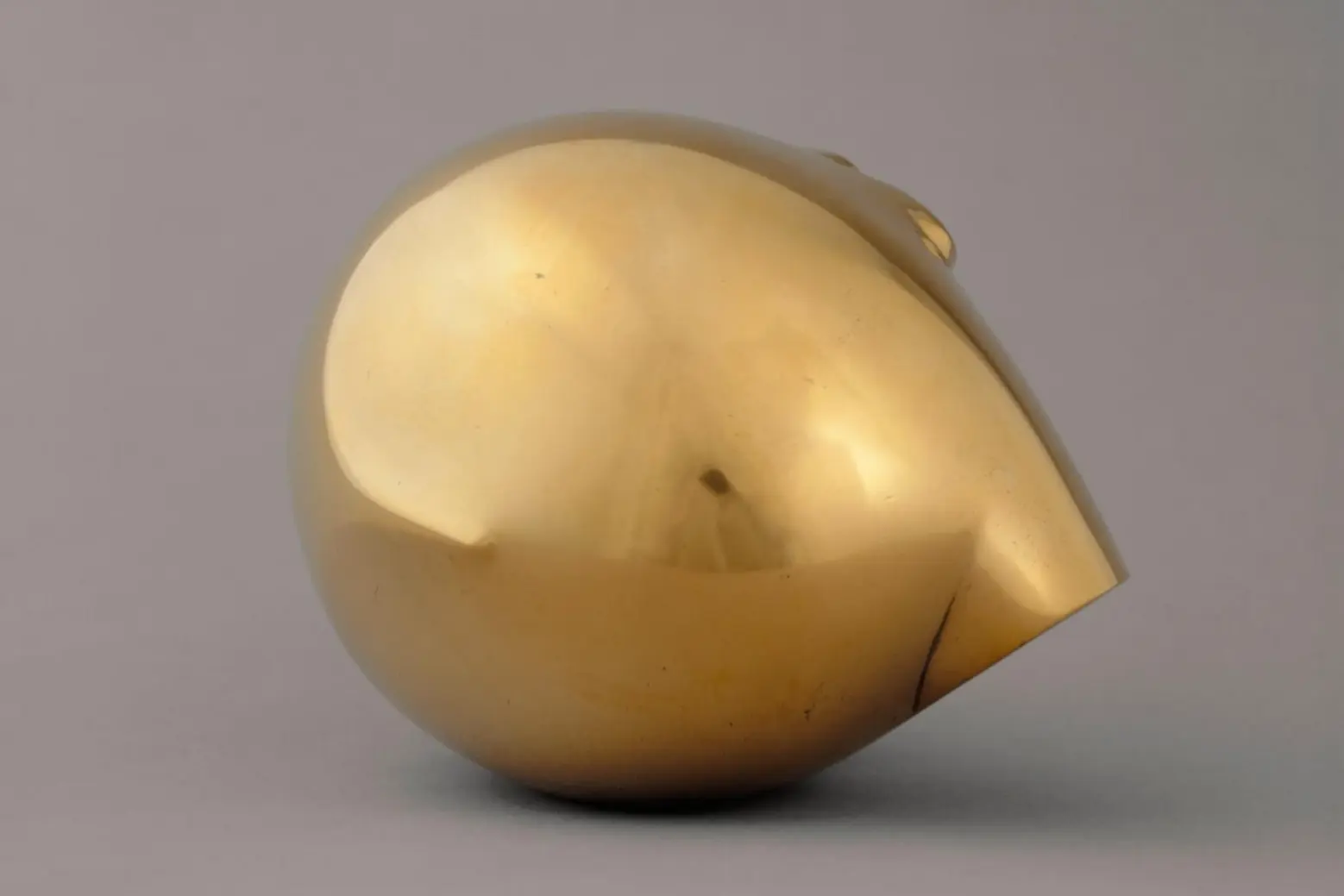
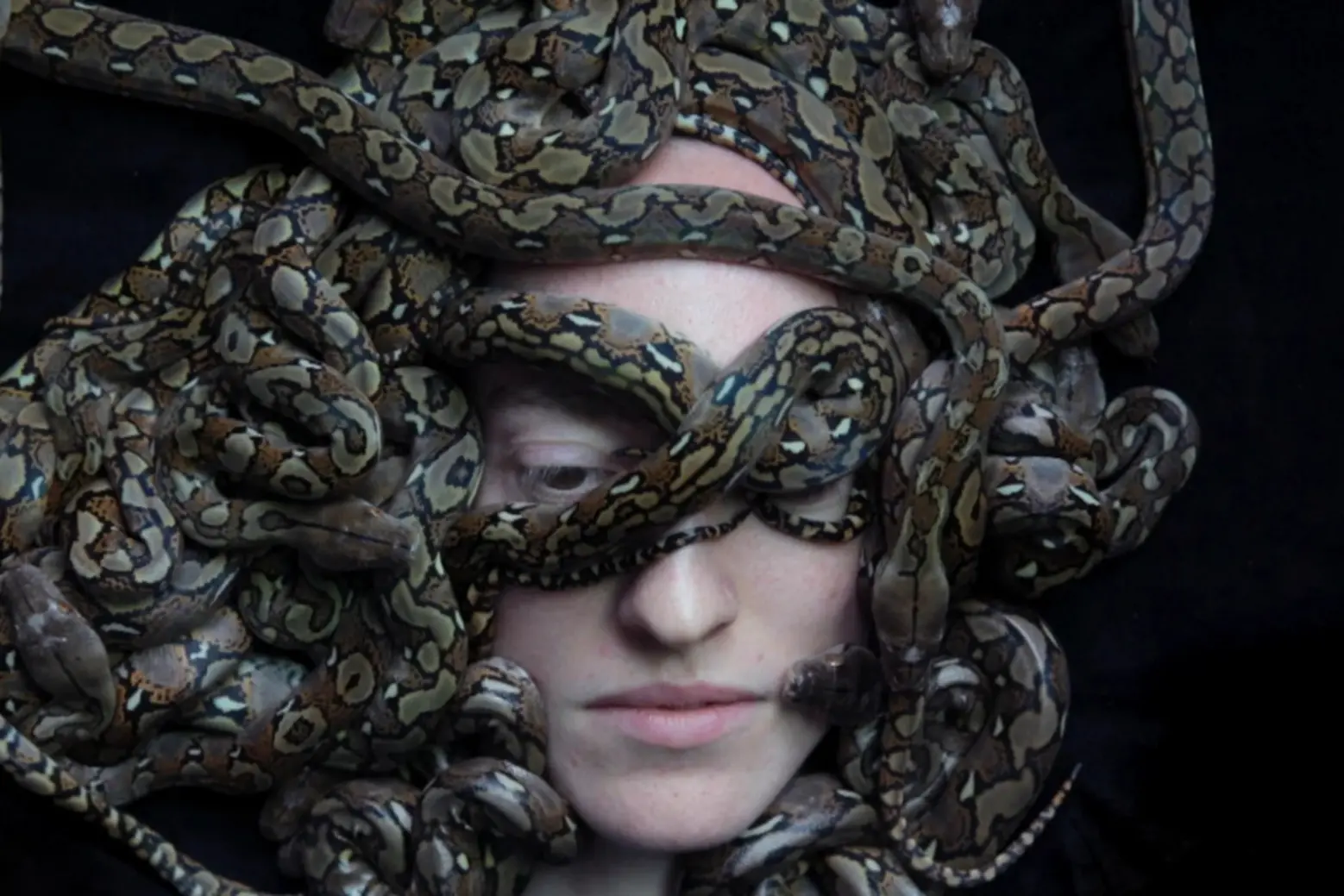
Modern and contemporary works extend the argument rather than decorating it. Brancusi’s Prometheus reduces mythic torment to pure form, an Juul Kraijer’s video installation Spawn pulls the Medusa echo into an uneasy contemporary register. The result is a compelling entry in the art exhibitions 2026 calendar, and an example of museum exhibitions worth travelling for because it stages Ovid as a living influence rather than a classical reference.
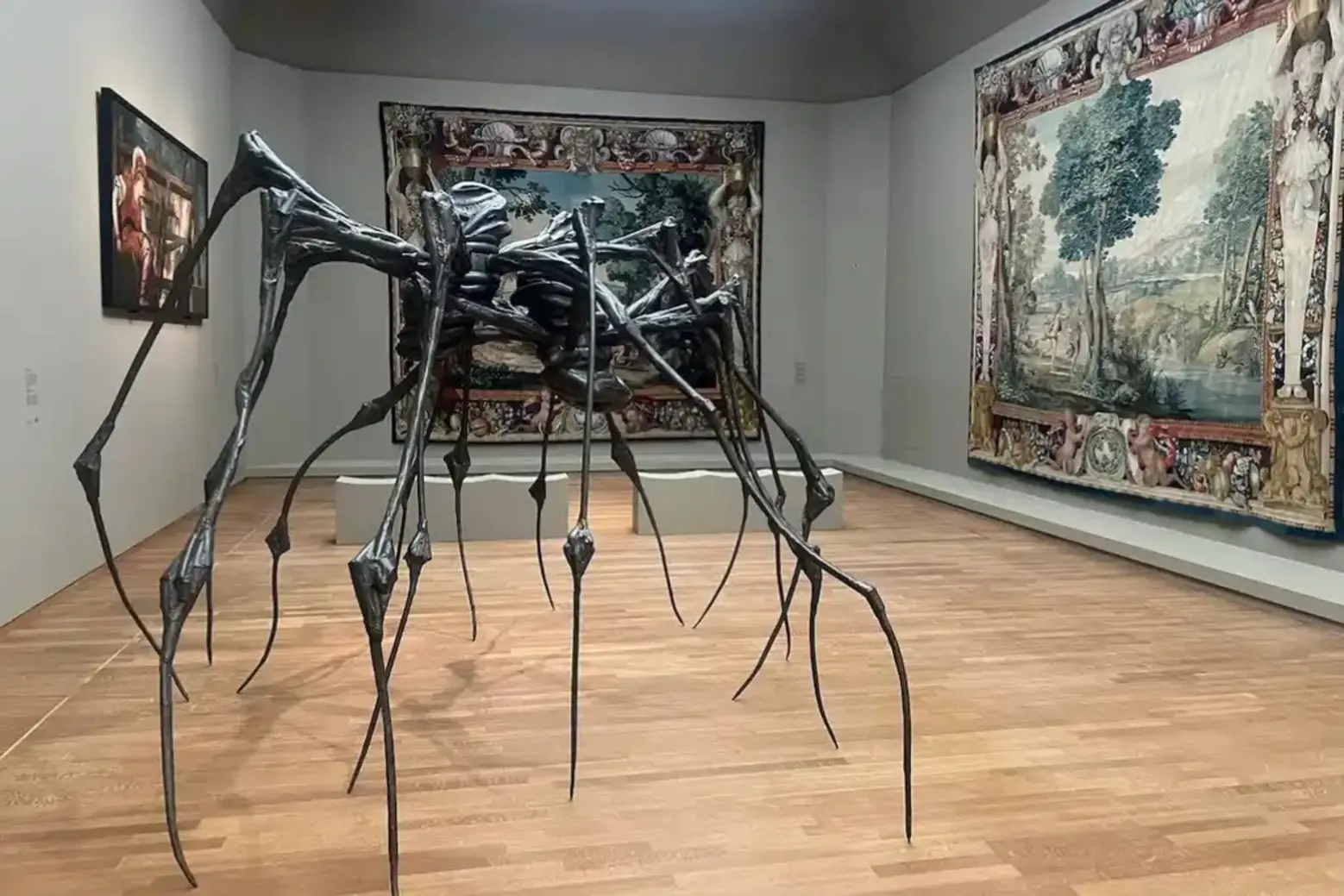
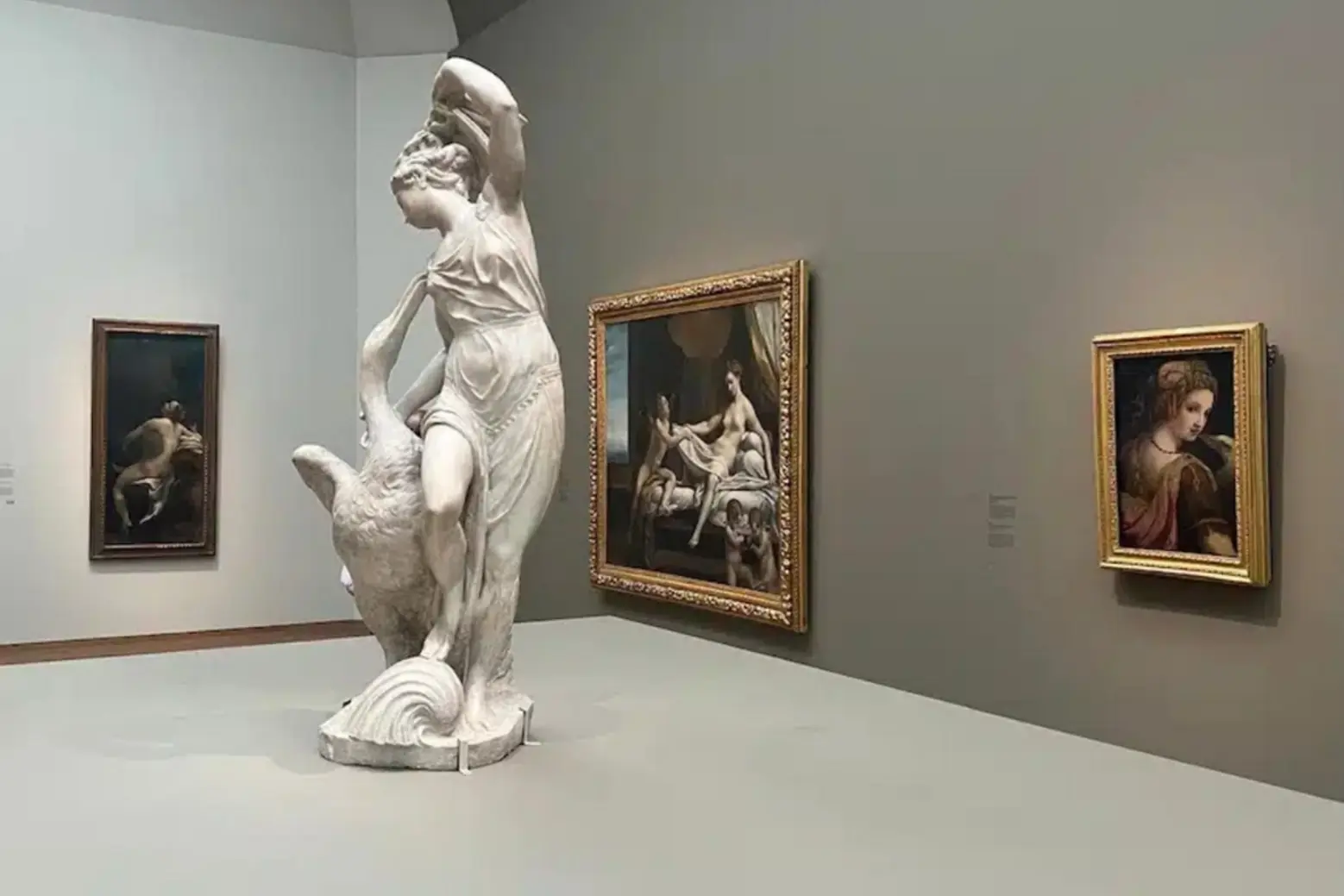
Rijksmuseum visitors also have an audio tour available in the museum app, voiced by Stephen Fry, which turns the exhibition into an intimate guided narrative without dulling its edge.