To enter European folklore style is to cross an invisible threshold. What begins as beauty slowly becomes ritual, and what first feels distant starts speaking directly to something ancient within you.

European Folklore Style: Tales Woven Into the Soul
To enter European folklore style is to cross an invisible threshold. What begins as beauty slowly becomes ritual, and what first feels distant starts speaking directly to something ancient within you.
July 21, 2026
Advertisement

Advertisement



The lights fade into a deep, velvet dusk, opening a hidden door deep inside the forest. A solitary figure approaches through falling artificial snow and fragrant green moss, stepping into the soft gold illumination of an ancient ceremonial hall. Her body stands wrapped in heavy, rough-spun wool.
Antique silver coins tremble around her waist, chiming softly with every measured footstep, catching the amber light. Vivid scarlet and cobalt embroidery climbs across her chest, forming a private alphabet of blooming thistles and soaring swallows. A thick woven hood encloses her face, casting mysterious shadows across her eyes.
This garment belongs to a highland shepherd, a midsummer bride, a devoted saint, or a wandering spirit stepping directly out of an ancient woodland fable told around crackling hearths long before ink touched paper.

Time blurs into a waking dream. The breathless viewer wonders if this space holds a sacred ancestral village rite alive with whispered spells, or a visionary Paris runway glowing with spotlights. The woman stands fully transformed by her clothing, protected by the heavy cloth, elevated into a creature of pure myth. This profound ambiguity reveals the exact birthplace of European folklore style.
Reading the Garment: The Codes of European Folklore Style
Step closer to the enchanted garment resting softly upon a scarred, ancient oaken table. Run your fingertips across the waiting fabric, reading the heirloom like a sacred, illuminated manuscript.
European folklore style emerges as a breathtaking contemporary interpretation honoring Europe’s vivid regional dress traditions, intimate domestic crafts, ceremonial majesty, rugged rural workwear, and deep community mythologies. This aesthetic thrives as a vibrant editorial umbrella celebrating a multitude of distinct, sovereign cultural tapestries.
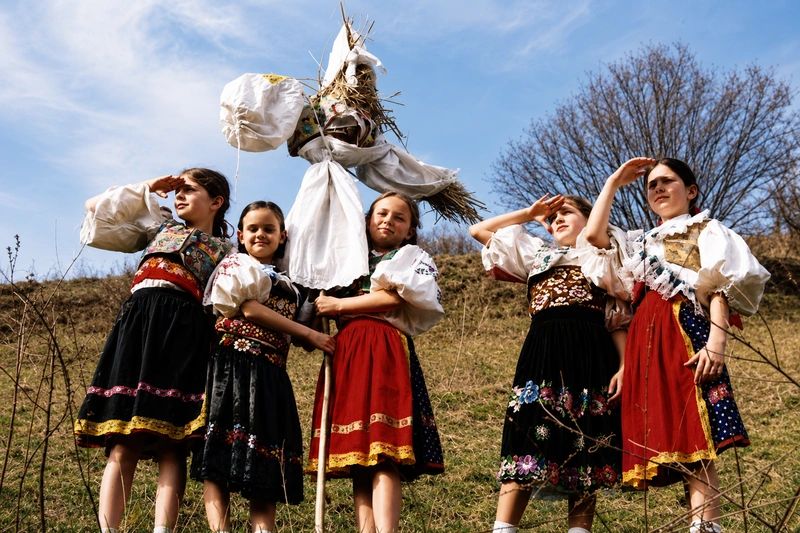
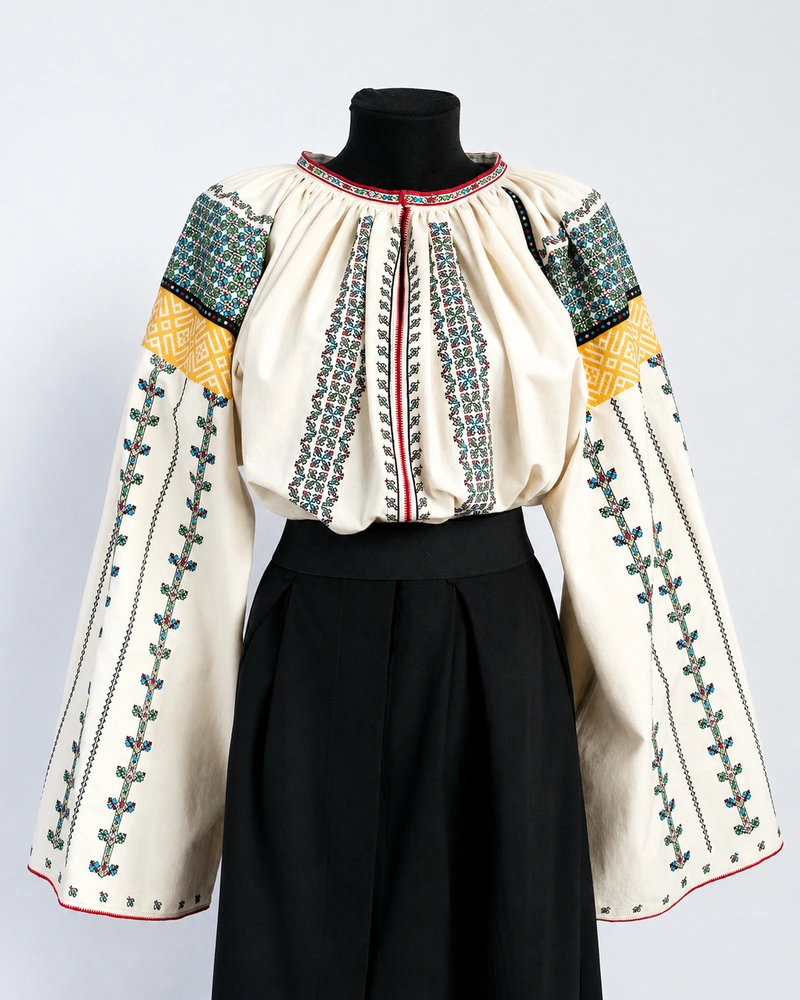
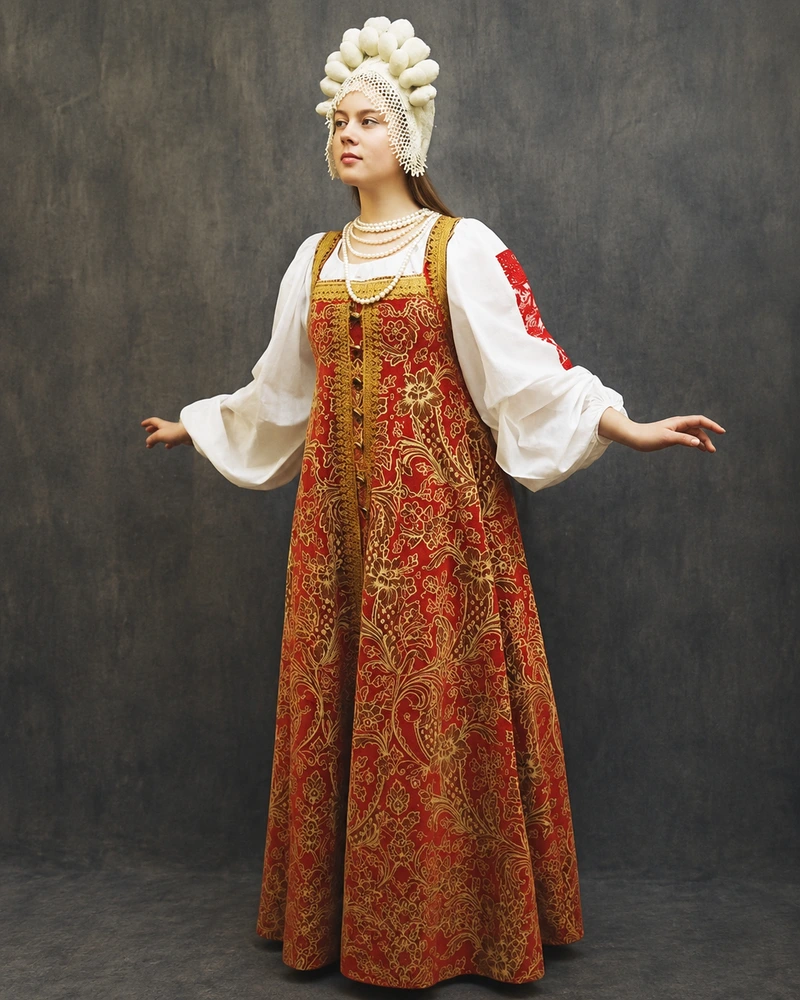
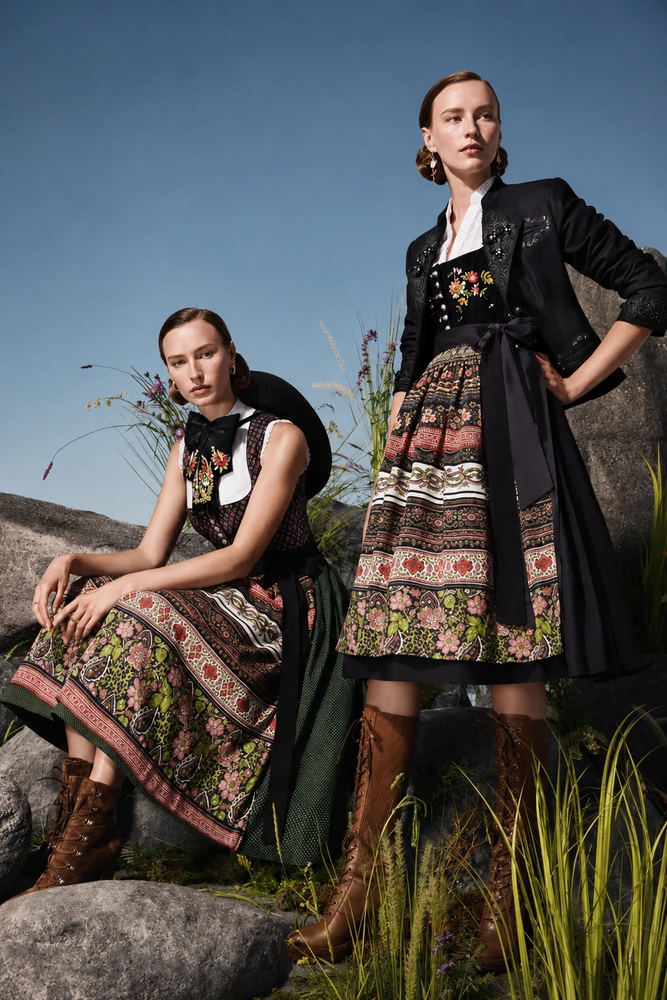
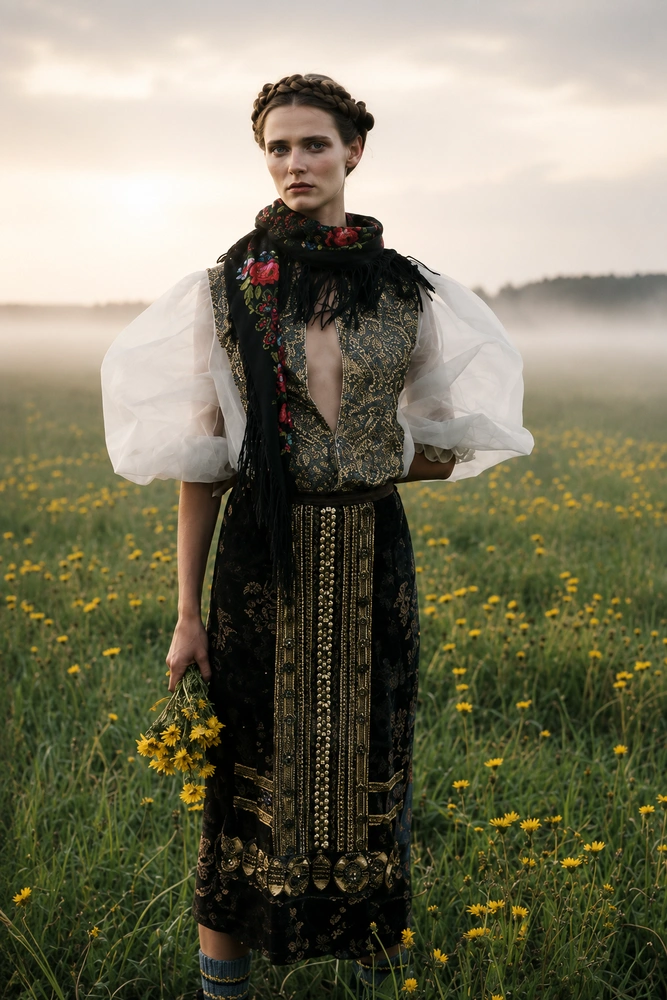
The glowing Romanian altiță blouse, the majestic Norwegian bunad, the fiercely vibrant Hungarian Matyó garment, the regal Russian sarafan, the beautifully geometric Ukrainian vyshyvanka, the structured Balkan waistcoat, and the laced Alpine bodice all claim their own specific, sacred geography.
Modern fashion scholarship illuminates how the concept of the folk costume evolved dynamically alongside the sweeping tides of industrialization, passionate archival collecting, grand museum exhibitions, and fervent movements of national identity. These pieces demand profound respect for their individual origins and unique histories.
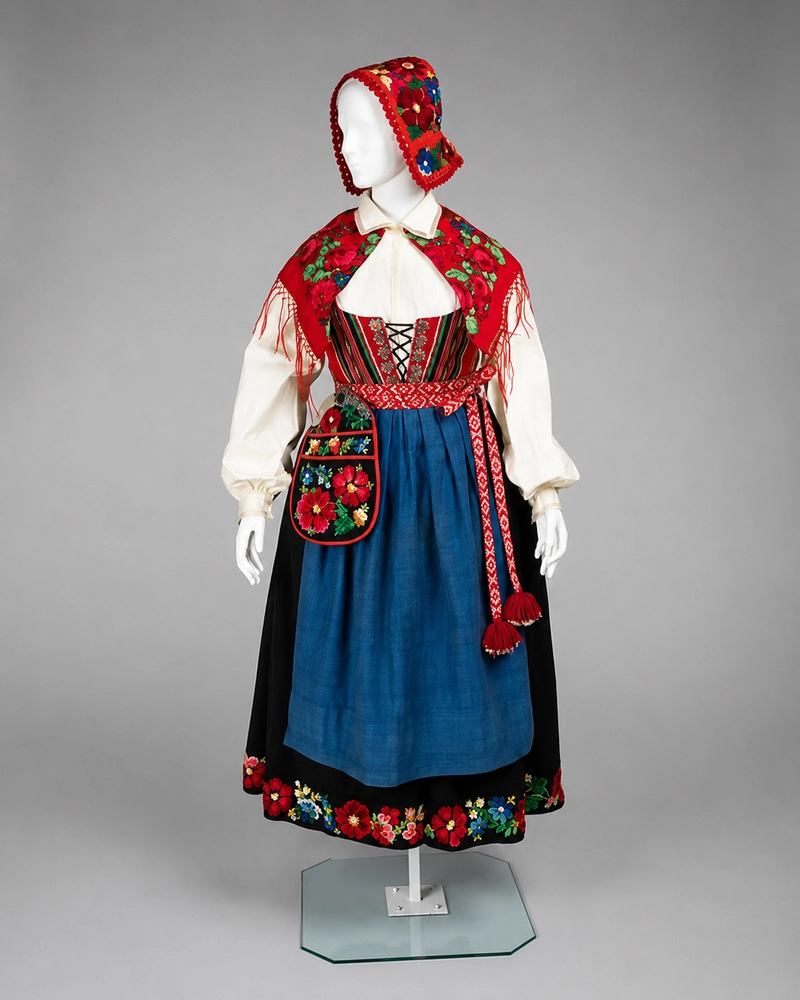
Behold the striking architectural vocabulary forming the silhouette. Apron-front dresses and rectangular pinafores stand proudly beside sweeping sarafan-like column dresses. Fiercely fitted bodices embrace expansive, cloud-like blouses with great balloon, bishop, and gathered sleeves swelling with romantic, overwhelming abundance. Wide, voluminous skirts find their shape controlled by thick woven belts and tightly cinched waists.
Cropped waistcoats and short, heavily decorated jackets sit proudly over long tunics and heavily layered overdresses. Enormous shepherd cloaks, heavy shawl coats, and blanket-like outerwear transform the human form entirely, cocooning bodies luxuriously in thick wool, wild fur, warm shearling, and heavy knitting. These bell-shaped dresses function magically as portable shelters against the wild elements.
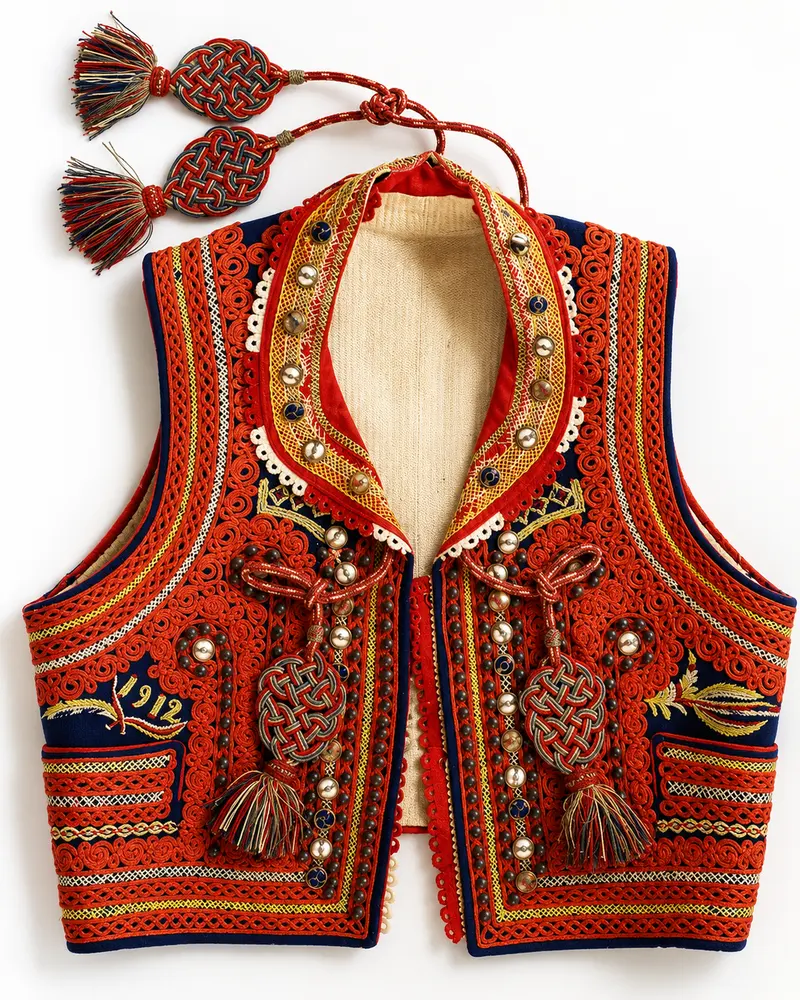
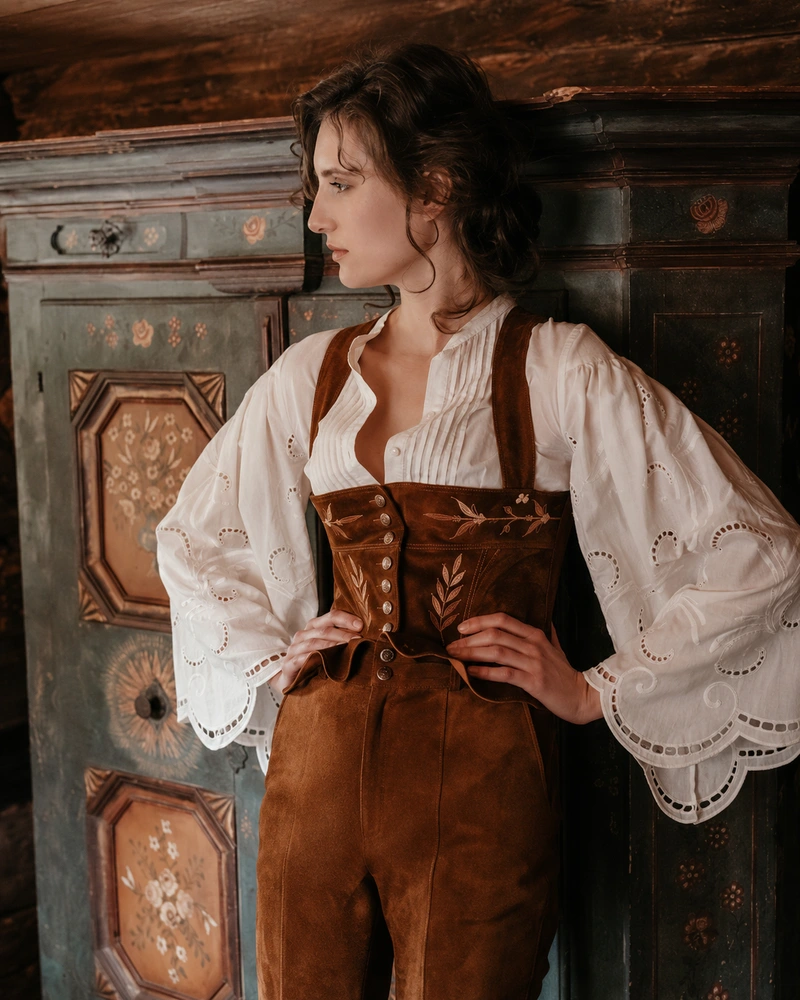
The surface of the cloth reads as an elaborate field of vital information. Dense floral embroidery blooms alongside precise, mathematical geometric cross-stitch, while braided borders weave continuous tales, framing lush needlepoint panels and complex jacquard tapestry effects.
Exquisite crochet mingles with heavily worked knitwear, layered appliqué, intricate patchwork, smocking, quilting, and proudly visible mending. Vivid silk ribbons outline the seams, mapping the boundaries of the physical body. Leather flowers, sparkling paillettes, antique coins, ringing silver bells, carved bone buttons, glass beads, and stamped metal discs armor the wearer. Potent motifs arrange themselves carefully around shoulders, necklines, cuffs, hems, and protective apron panels. Consider the Romanian and Moldovan altiță: here, the defining embroidery concentrates powerfully across the shoulder.
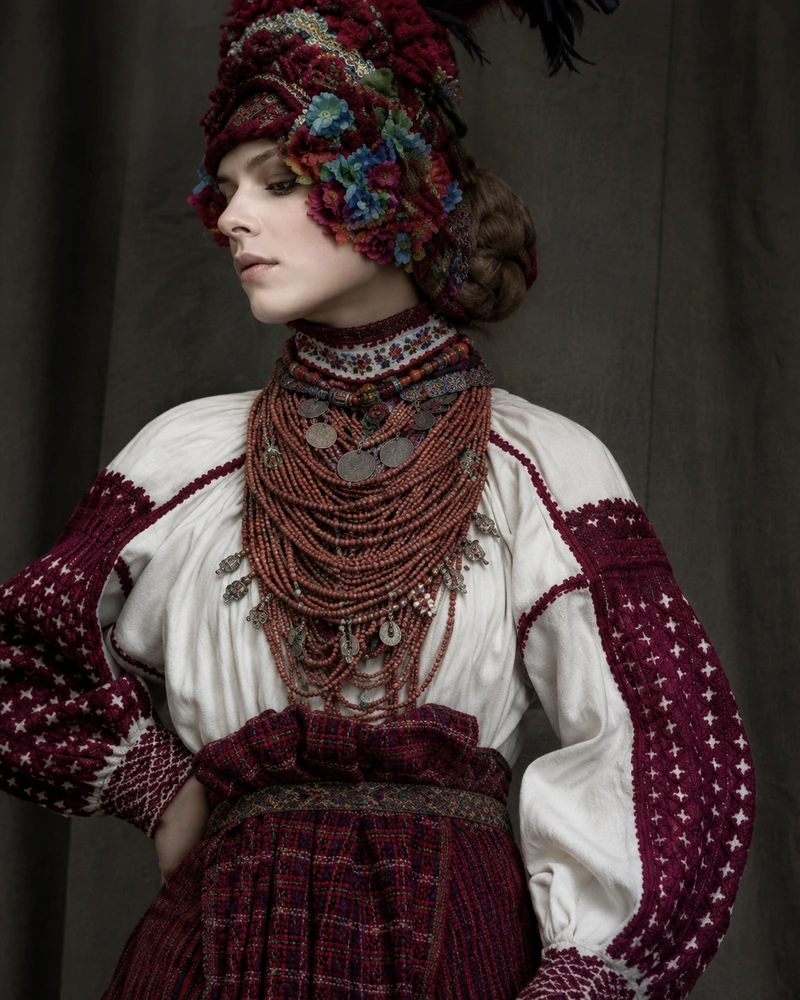
The materials themselves remember the harsh climate and the devoted labor of past generations. Honest linen, robust boiled wool, dense felt, golden shearling, protective fur, and hardened leather unite harmoniously. Soft cotton, lustrous silk ribbon, delicate lace, and richly handwoven cloth complete the textural symphony. The breathtaking Norwegian traditional costumes exemplify this union perfectly. The bunad combines strict tailored structures, vivid embroidery, flowing ribbons, silk, wool, and linen to prove how traditional dress holds both extreme practicality and absolute refinement. The fabric always retains a tactile weight, grounding the wearer securely in the earth.
The head commands its own magnificent crowning, completing the magical transformation. Vibrant babushka scarves wrap closely around the face, while textured knitted caps and bonnet-like hoods offer deep warmth against the winter frost.
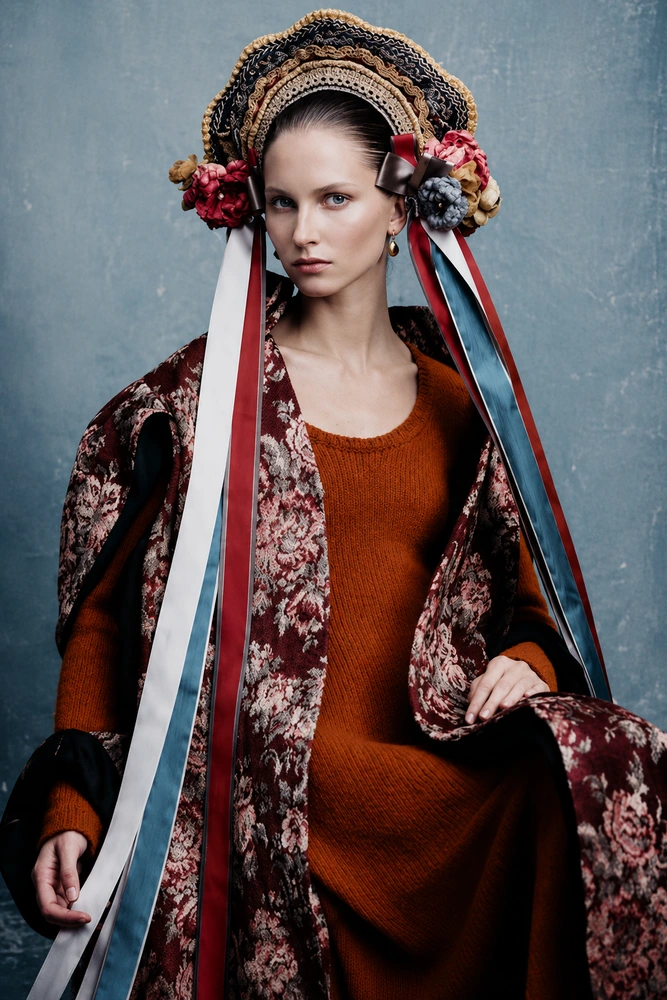
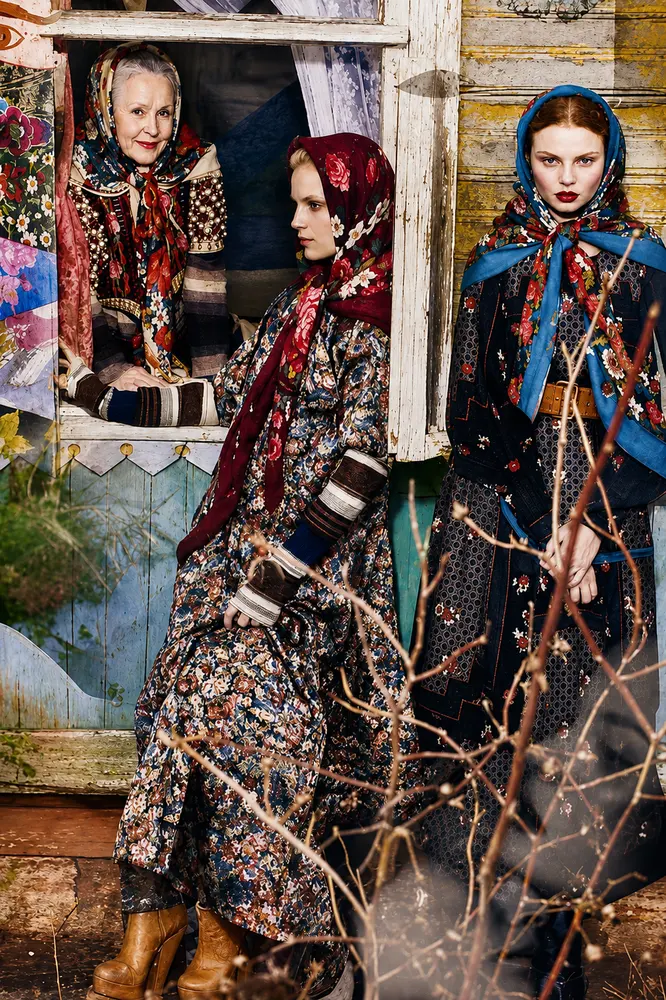
Majestic kokoshnik-inspired crowns and blooming floral wreaths elevate the wearer to woodland royalty, alongside shining metal forehead ornaments catching the glowing light. Long, flowing scarves pair effortlessly with impressively wide leather belts and brightly embroidered boots treading the forest floor. Heavy coin jewelry and oversized, ornate brooches anchor the spirit solidly to the physical realm.
European folklore style carries an immense, grounding ceremonial weight. It presents itself as sacred clothing prepared for a profound winter wedding, a solemn religious procession, a grueling mountain pilgrimage, a joyous autumn harvest, or an ancient woodland rite whose ultimate, hushed mysteries remain reserved exclusively for the initiated.
Europe Had to Invent “The Folk” Before Fashion Could Dress Like It
Long before grand palaces dictated taste, the wild earth itself dressed its people. Bronze Age hands shaped raw wool into heavy, warm wrap skirts, while Iron Age weavers dyed brilliant checks and complex twills, binding their waists with gleaming, stamped metal.
Deep inside quiet, snow-draped rural households, devoted artisans cut precious woven linen into simple, efficient rectangles, honoring every single thread. Heavy boiled wool offered absolute warmth against the biting winter frost. Thick, sturdy aprons shielded the delicate layers underneath, while intricate, blooming embroidery gathered closely at the collars, shoulders, and cuffs, sealing the vulnerable body with protective magic.
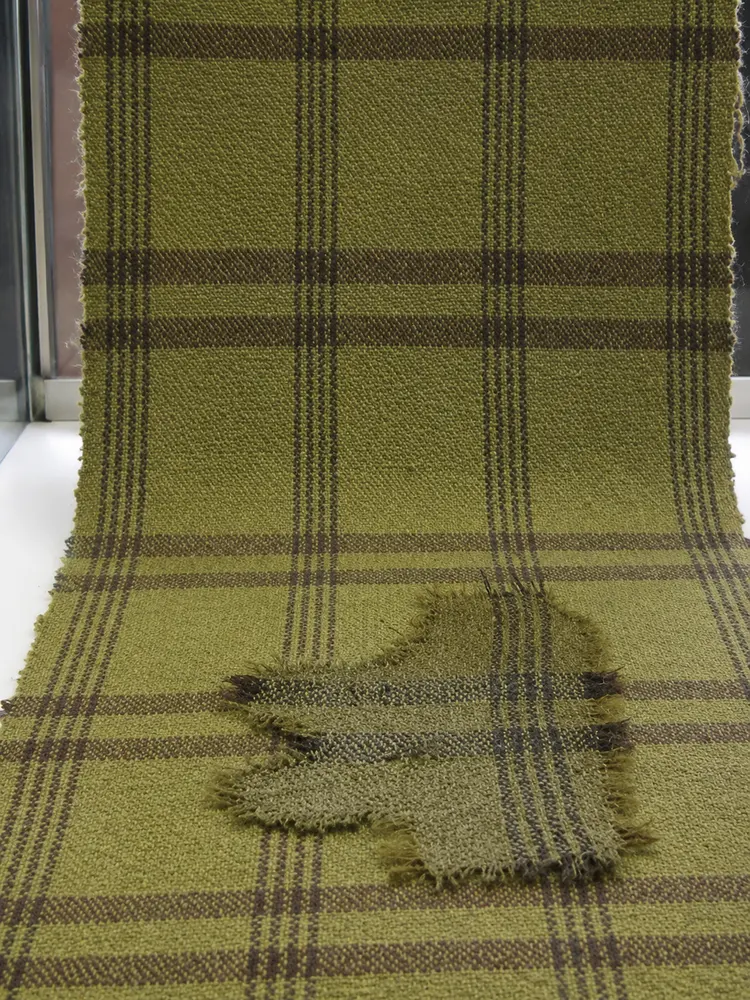
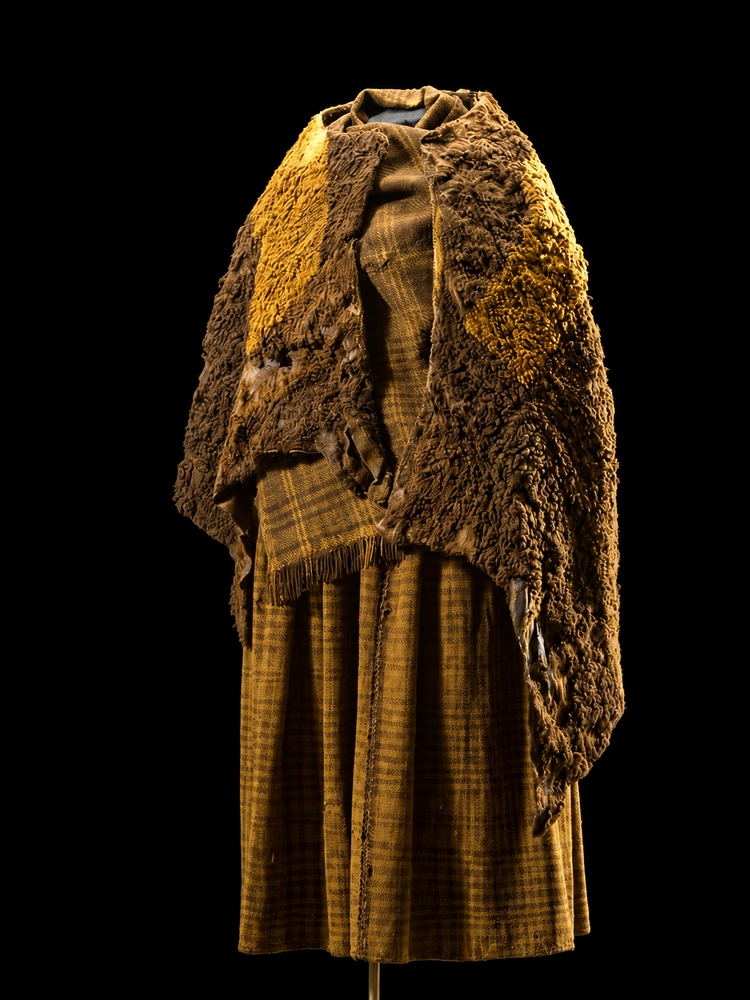
In these humble rooms, families considered these garments essential daily survival, tied completely to joyous harvests, sacred weddings, and vibrant local celebrations. The clothing breathed with ongoing trade, eagerly adopting fresh silk ribbons and radiant dyes from passing merchants and lively distant fairs.
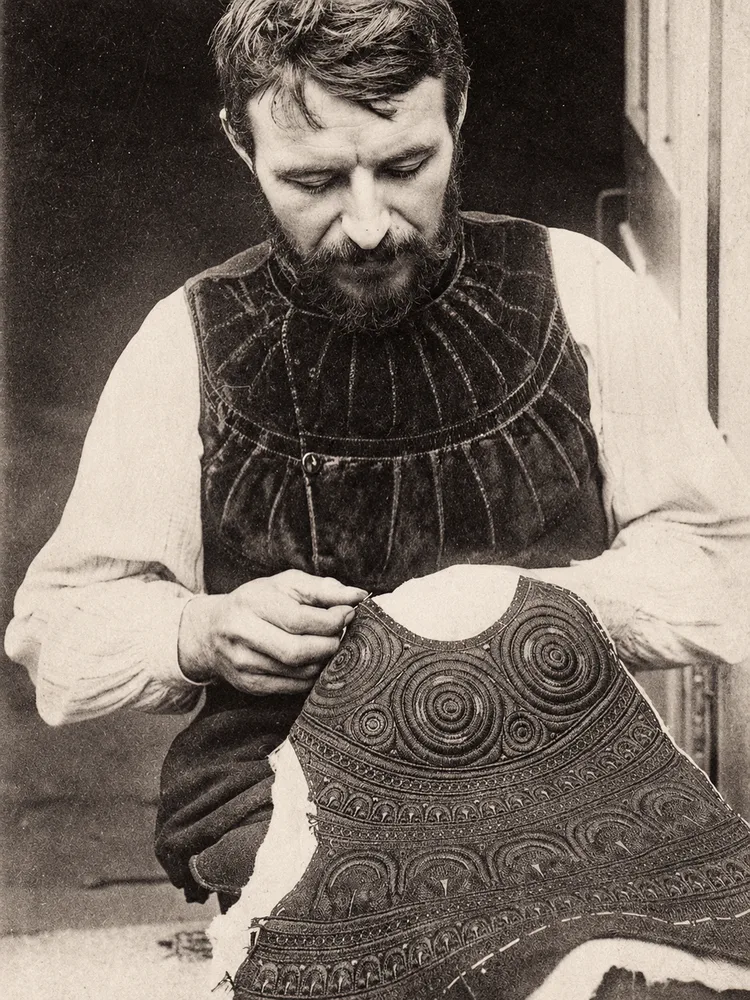
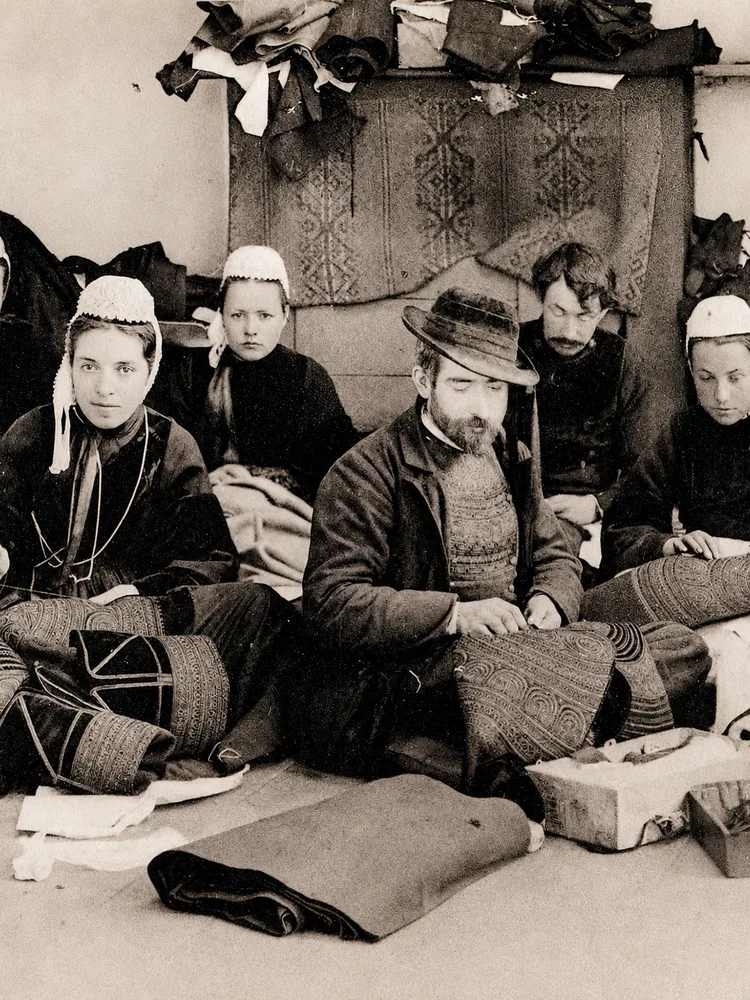
During the twilight of the Enlightenment, Romantic thinkers like Johann Gottfried Herder turned their searching eyes away from polished aristocratic courts to gaze deeply into the misty, forested valleys. They discovered a profound, beating soul hiding inside the rustic village. The humble embroidered blouse completely transformed into a sacred vessel, holding the authentic, untamed cultural spirit of an entire people. As grand empires shifted and borders blurred, a striking velvet waistcoat or a magnificent floral headdress became a proud, portable flag, bravely declaring a community’s fierce, sovereign identity.
Simultaneously, the roaring, steam-filled engines of industrialization swept across the continent. Fast railways brought curious urban tourists into the deep countryside, transforming the authentic peasant object into a highly desired, exotic treasure. Hungry urban desire turned intricate, handmade stitches into highly fashionable commodities, moving embroidery from the body onto delicate cushions and luxurious interiors.
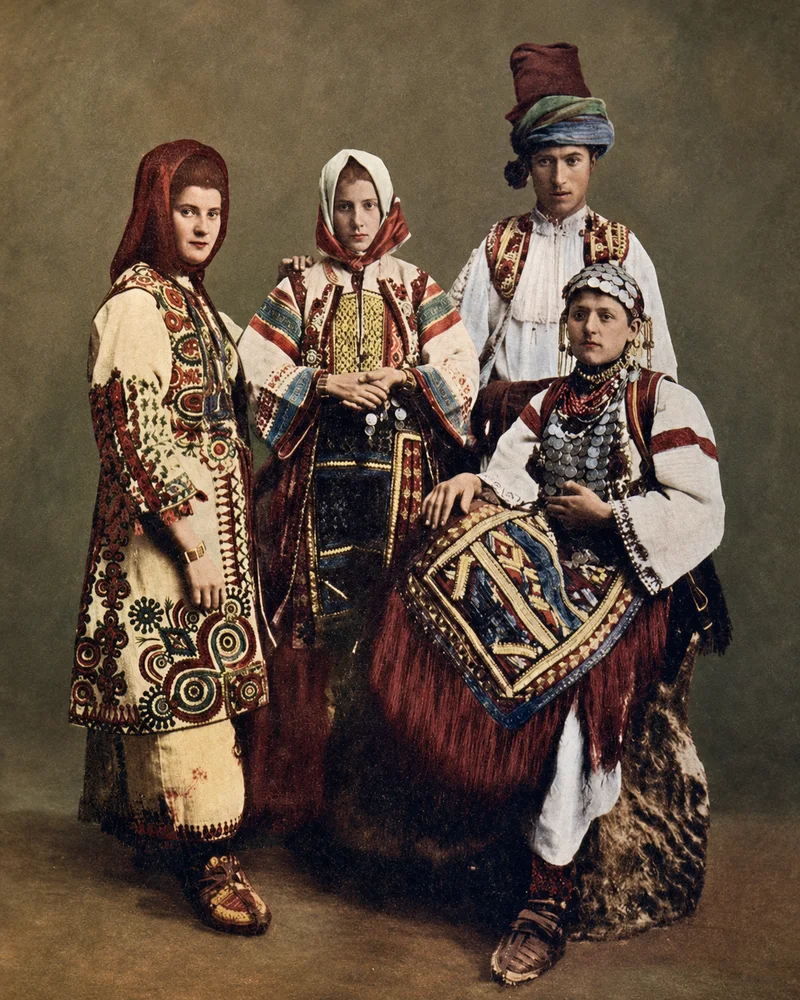
Soon, monumental ethnographic museums placed the wild countryside under luminous, protective glass. Grand exhibitions in Prague and idyllic open-air villages in Stockholm isolated these garments from mud and physical labour, presenting them proudly as pristine, glowing cultural treasures. Visionaries deliberately redesigned historical fragments, beautifully shaping unified national costumes, just as Norway thoughtfully wove its magnificent bunad to passionately celebrate its cultural awakening.
When the dazzling Ballets Russes arrived in Paris, the theatrical stage magnified the vivid colors, enlarged the glittering crowns, and elevated rural dress into pure, sweeping drama. The spectacular journey culminated in aristocratic exile and ultimate luxury.
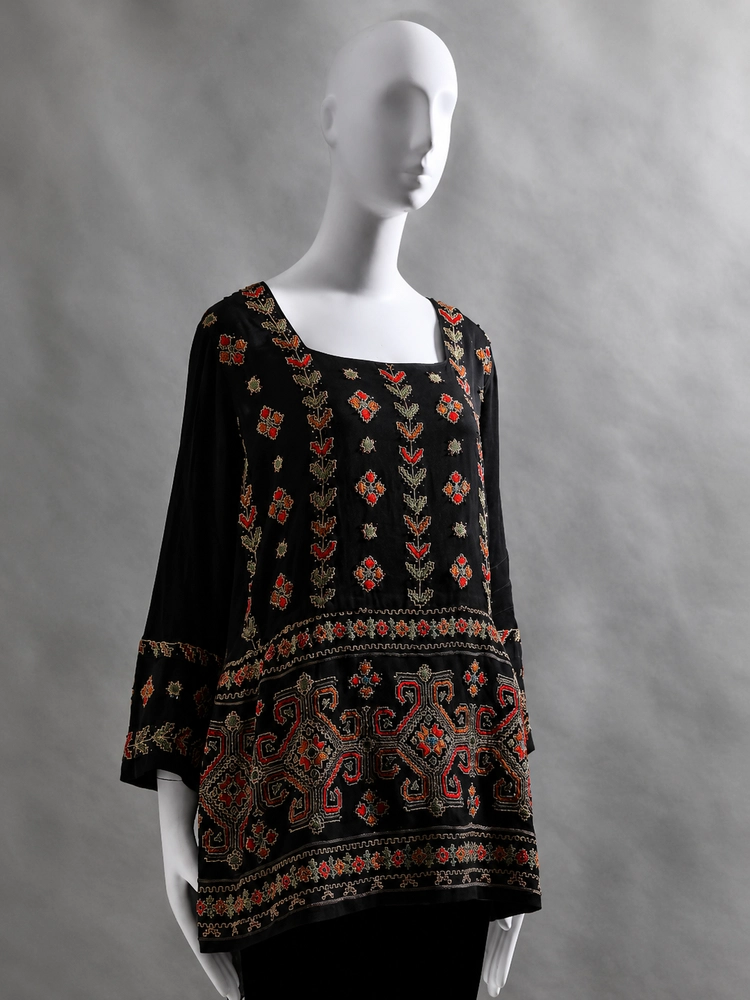
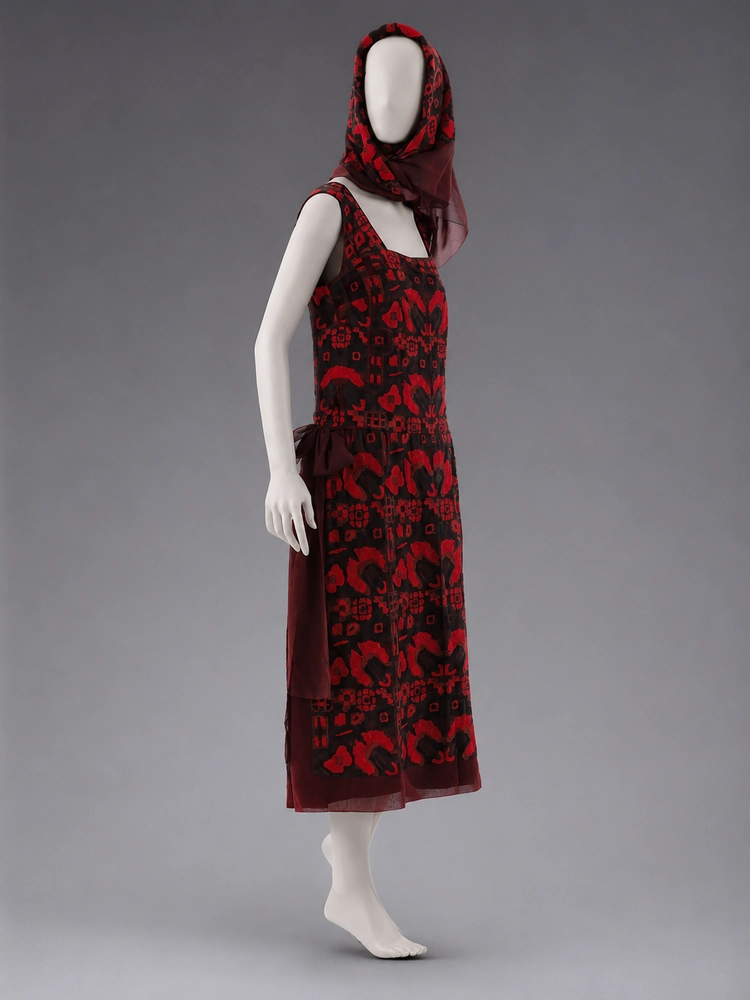
Escaping the Russian Revolution, Grand Duchess Maria Pavlovna carried the exquisite decorative skills of her vanished empire to Paris, establishing the celebrated Kitmir workshop. Her skilled exiled artisans created breathtaking, elaborately stitched embroideries for Gabrielle Chanel.
This glorious collaboration draped the modern woman in the beautiful, haunting memory of a distant, mythical land. The style traveled a truly miraculous path: from coarse regional wool to Romantic symbol, through bustling museums and luminous theatrical stages, finally arriving as supreme luxury fashion. European folklore style stands as a magnificent, brilliant dream, born from the modern world’s deep, beautiful longing to hold eternally onto its own ancient, glowing roots.
What the Clothes Spirit Whisper: Ritual, Protection, Memory, and Defiance
The air shimmers with an ancient, resonant energy the moment the sacred cloth touches the skin. European folklore style breathes with a living spirit, radiating a profound, mystical glow born from centuries of hushed woodland incantations and mountain rituals.
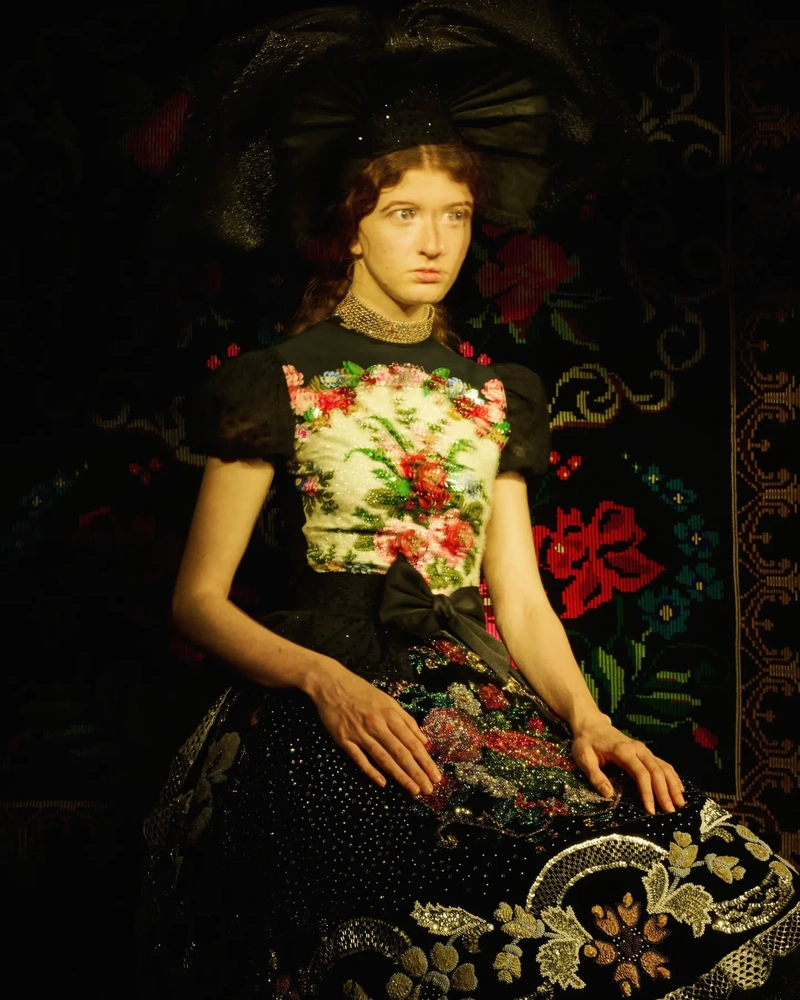
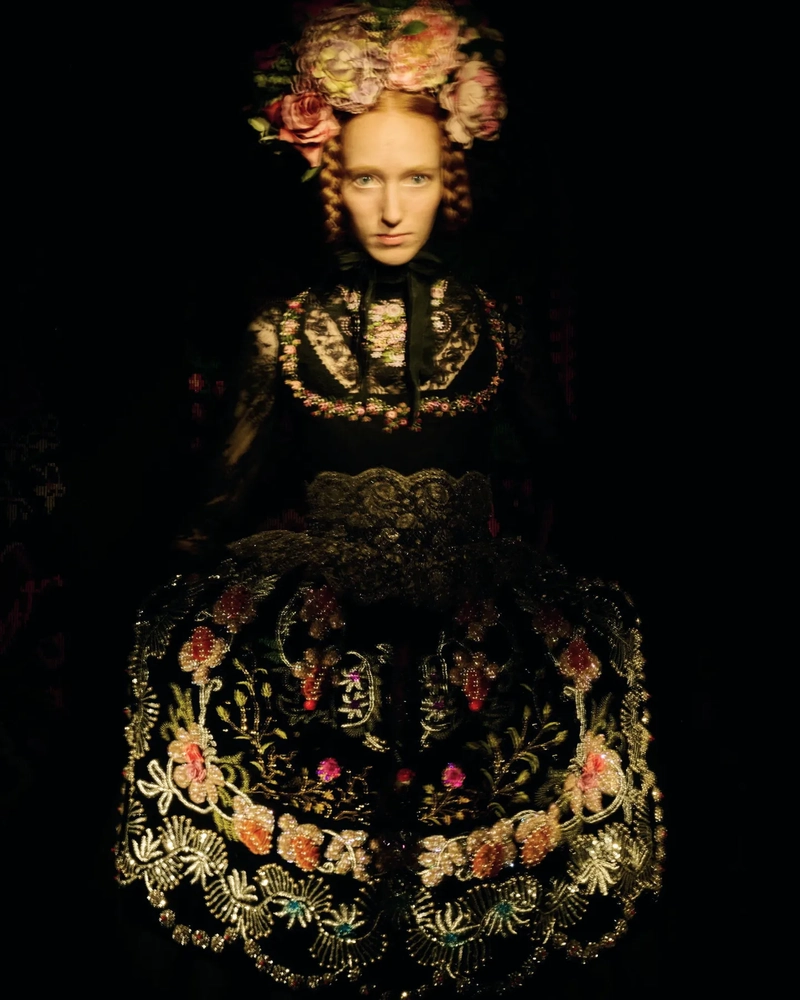
To wear this visual language means adopting a profoundly spiritual mantle, stepping deeply into a magical river of ancestral memory. The garments pulse with a vibrant, superstitious energy, turning the wearer into a walking myth. Every woven thread vibrates with the songs of harvest queens, the protective charms of village elders, and the radiant magic of midsummer bonfires.
Within this mystical aesthetic, the human body transforms entirely into a living, breathing archive. The cloth always remains full, brimming with the echoing whispers of previous lives and ancient, inherited obligations. Each elaborate stitch binds the wearer eternally to the devoted labour of ancestral artisans, making memory a visible, cumulative magic.
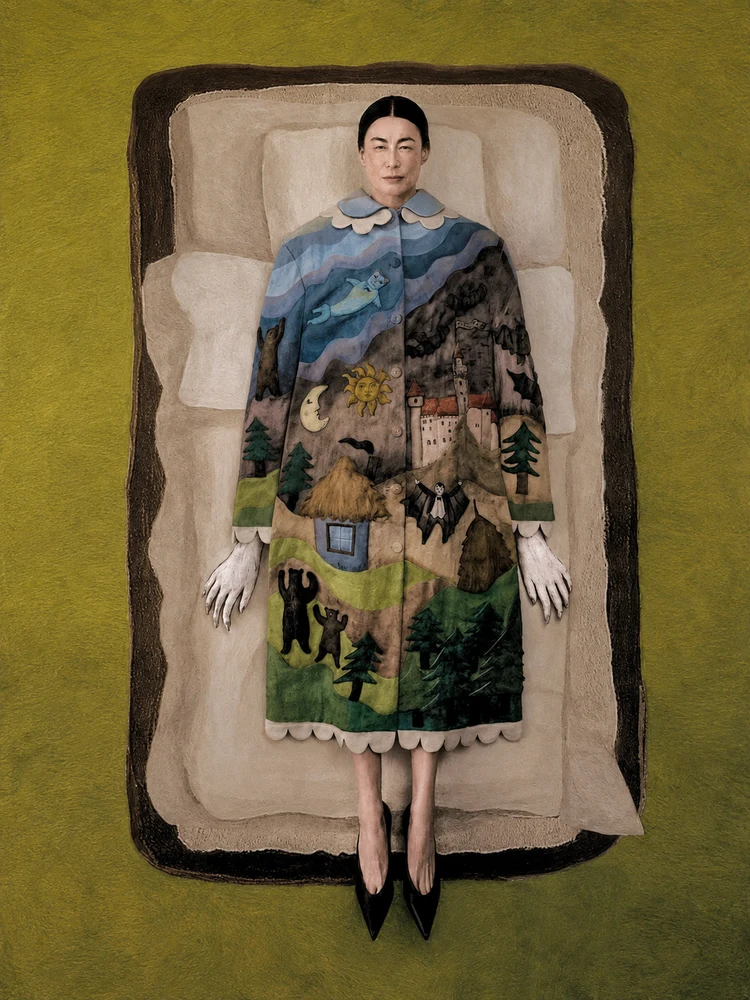
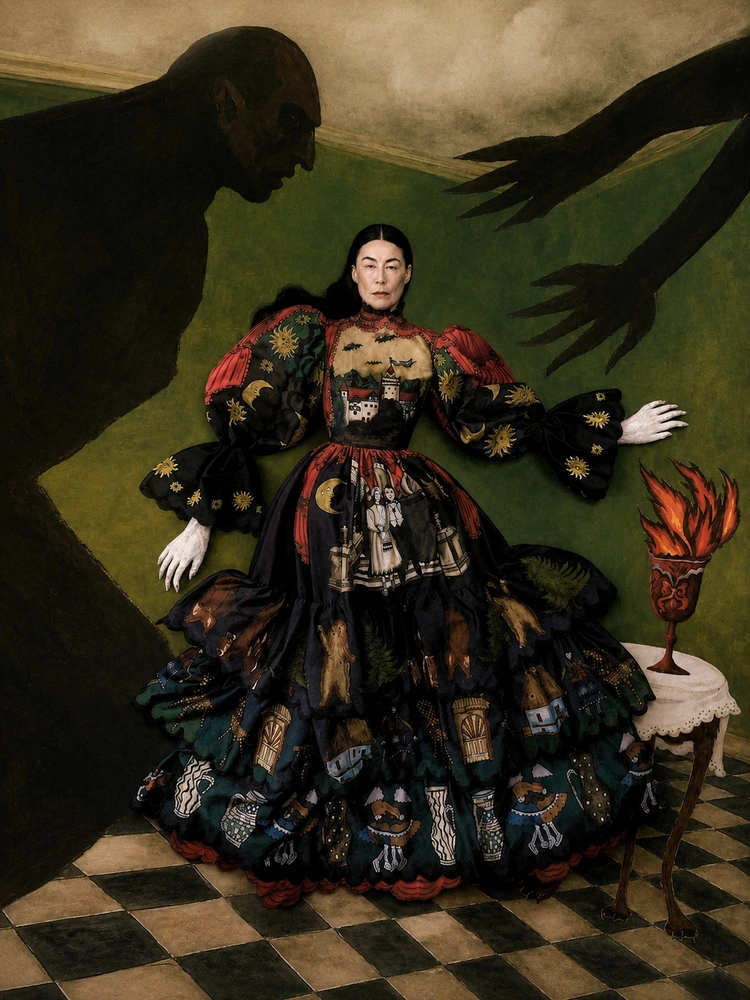
Every heavy layer speaks of outlasting harsh alpine climates, honouring sacred modesty, and holding deep ceremonial power. The wearer emerges entirely surrounded by watchful ancestors, benevolent spirits, and legendary makers. She stands as a fierce continuation of an ancient lineage, carrying the collective soul of the village directly on her shoulders.
This spirited clothing functions as powerful, enchanted armour. The deeply enclosed head, the heavily voluminous sleeve, the proudly high collar, the intricately bordered apron, and the densely woven cocoon coat all serve to shield the body with potent, ritualistic protection.
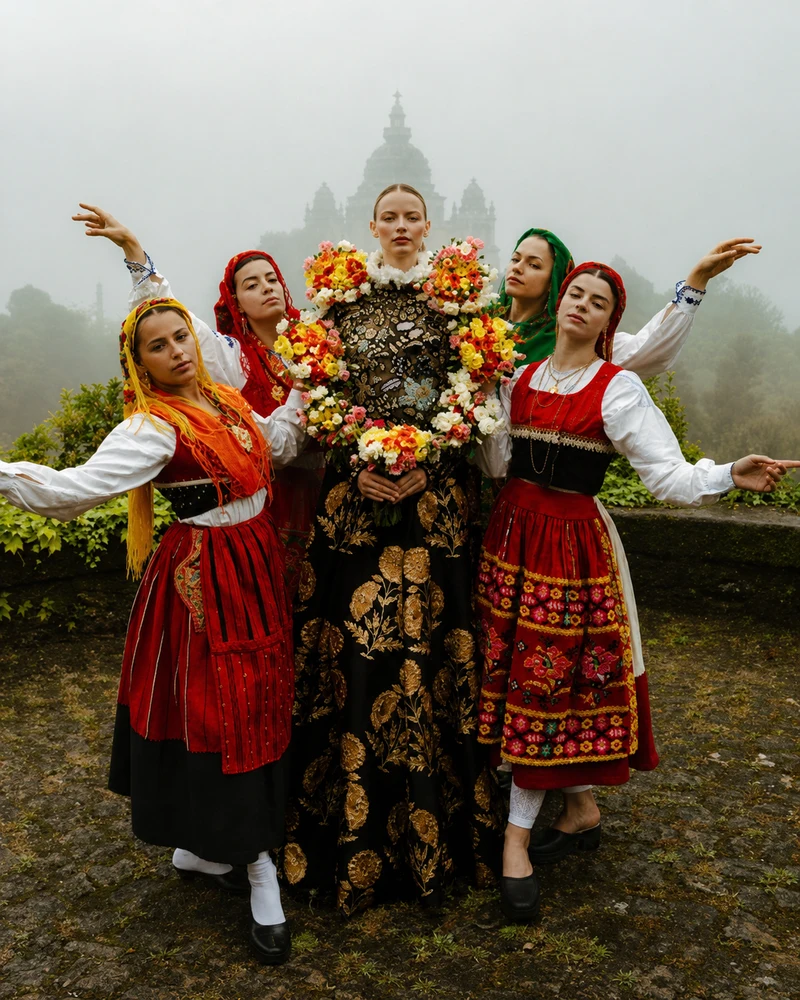
The silhouette wraps, binds, ties, ornaments, and fiercely guards the wearer against prowling woodland shadows. Delicacy and formidable strength exist together simultaneously, casting a commanding, protective aura. This collective identity offers a fierce, magical sanctuary, standing strong and magnificent against the shifting tides of the modern era.
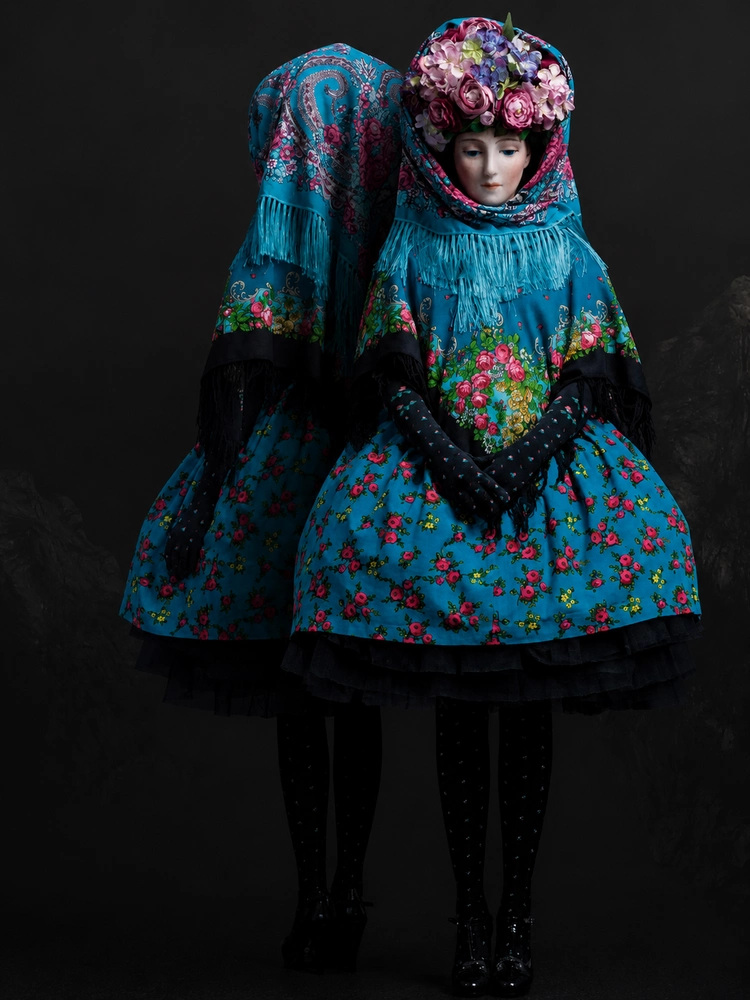
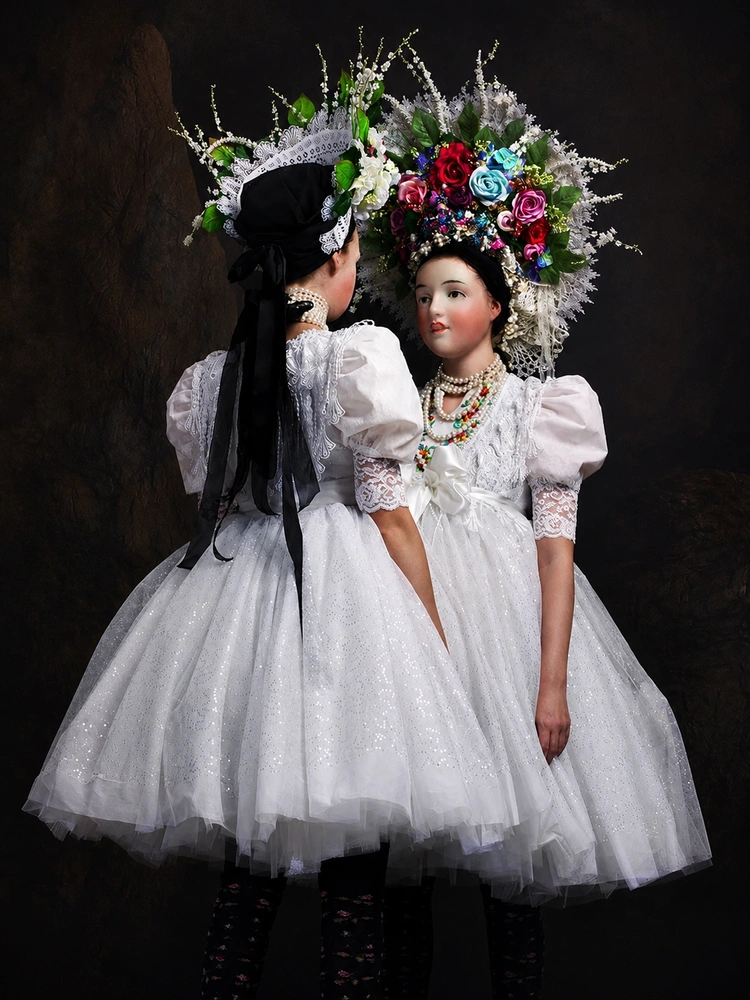
The spirit of these garments holds a mesmerizing tapestry of powerful, productive contradictions. The aura shines as both sweetly pastoral and fiercely severe. The design reveals itself as wonderfully innocent alongside astoundingly complex technical mastery. It breathes with rugged rural earthiness while maintaining a truly aristocratic majesty.
The wearer projects a devoutly devotional grace intertwined deeply with a lush, captivating sensuality. The heavy layers offer immense protection while simultaneously exposing the raw, tender humanity within. The atmosphere feels jubilantly festive while remaining beautifully haunted by the ghosts of yesterday.
The Runway as Modern Altar: Where Ancestral Ghosts Walk
High above the whispering trees, the vibrant spirit of European folklore style takes flight, weaving potent magic through the hallowed halls of legendary ateliers.
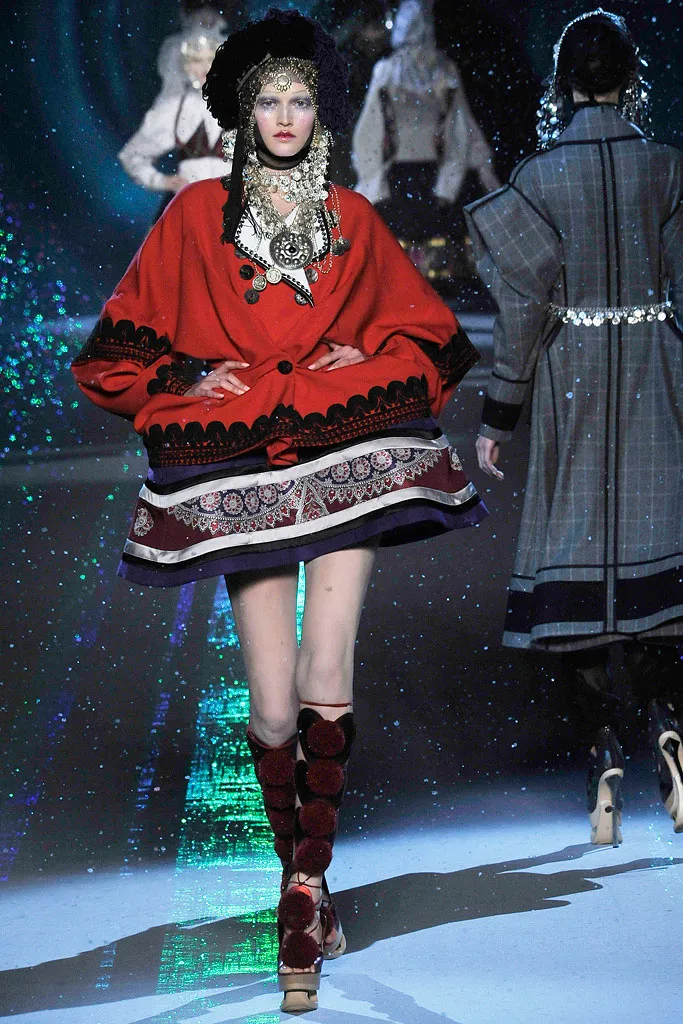
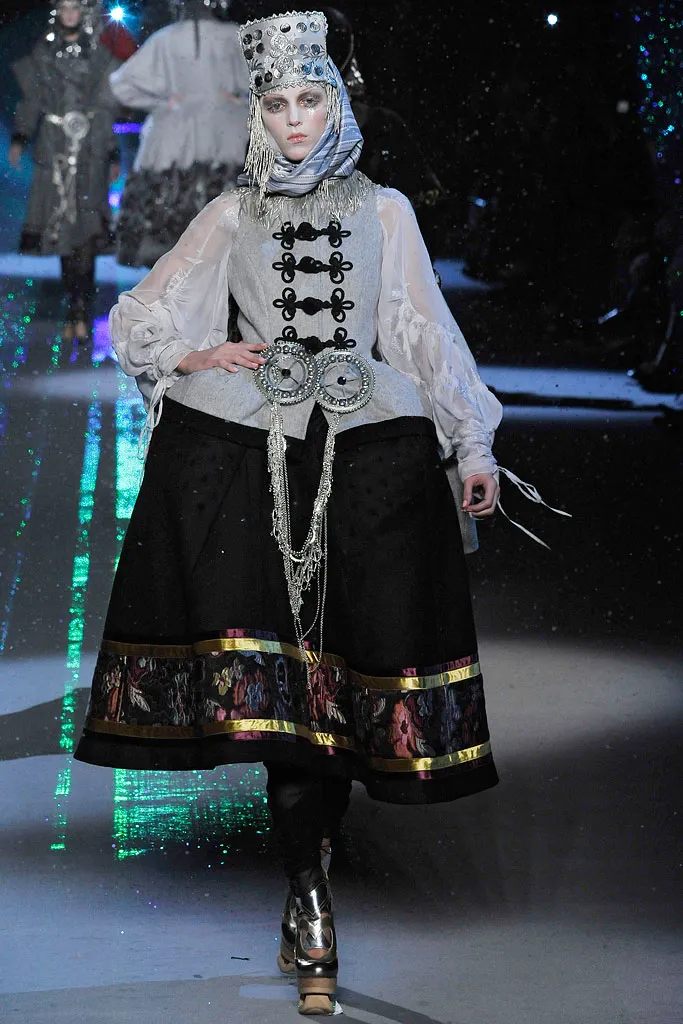
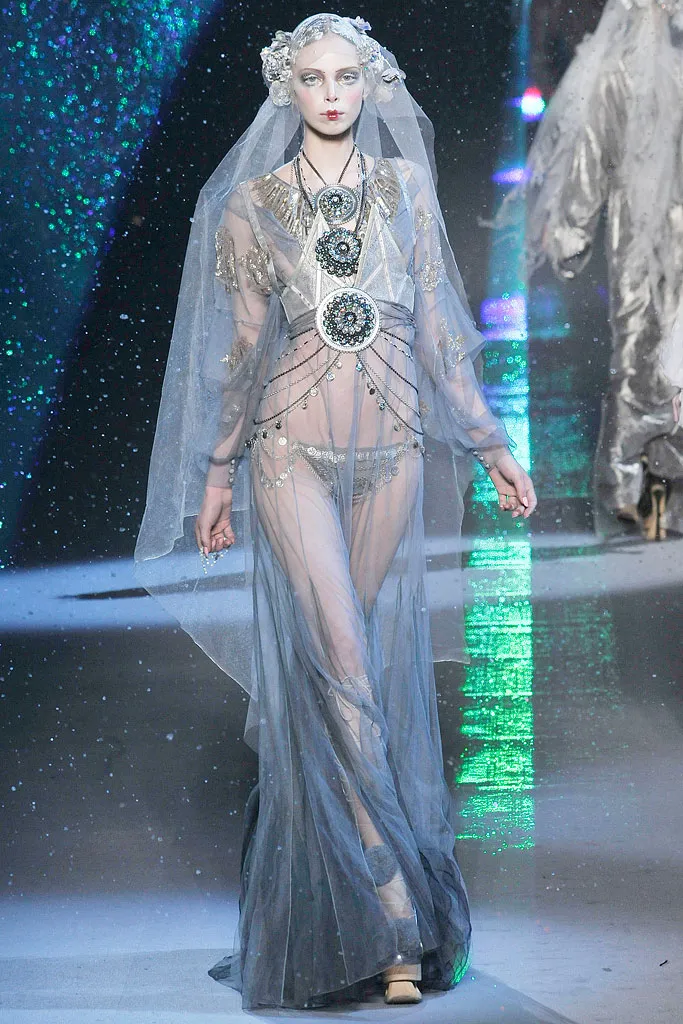
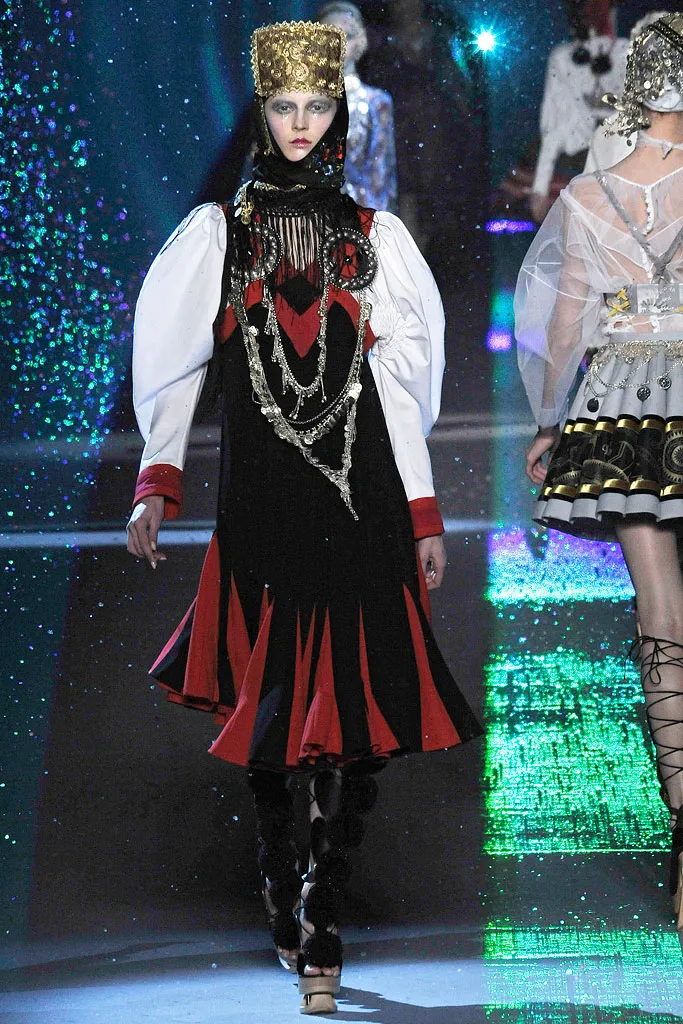
John Galliano conjures wandering, snow-draped queens, breathing extravagant, theatrical life into wild mountain myths and grand historical romances overflowing with lush, heavy fabrics.
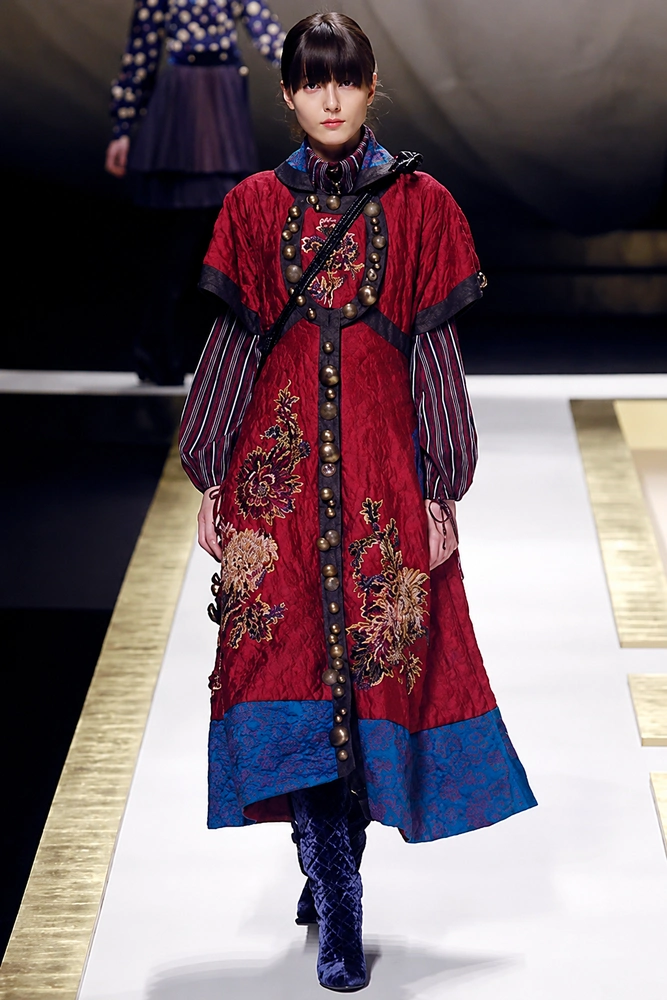
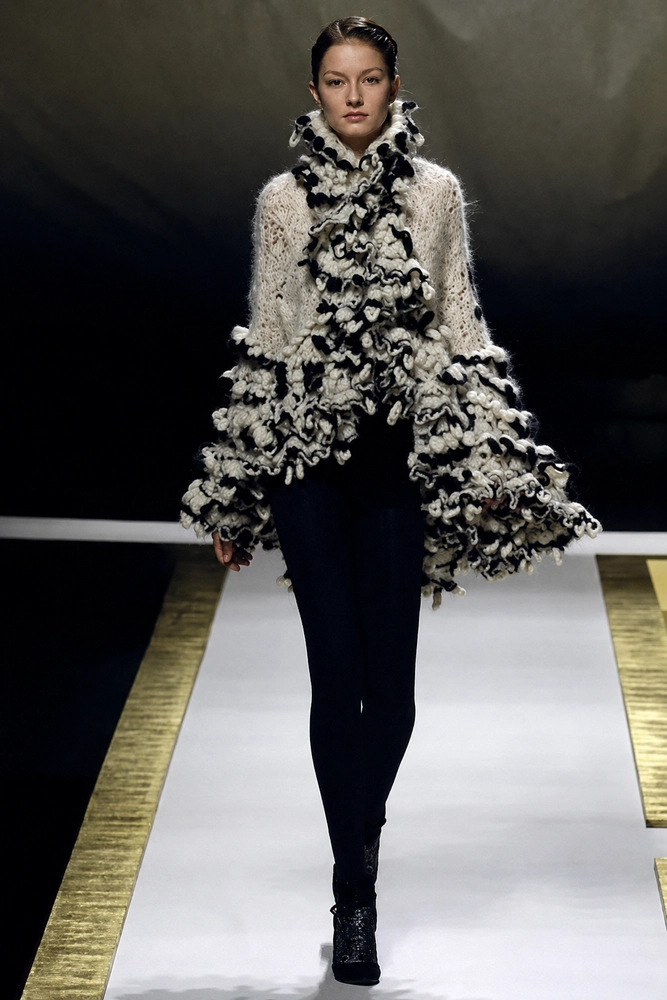
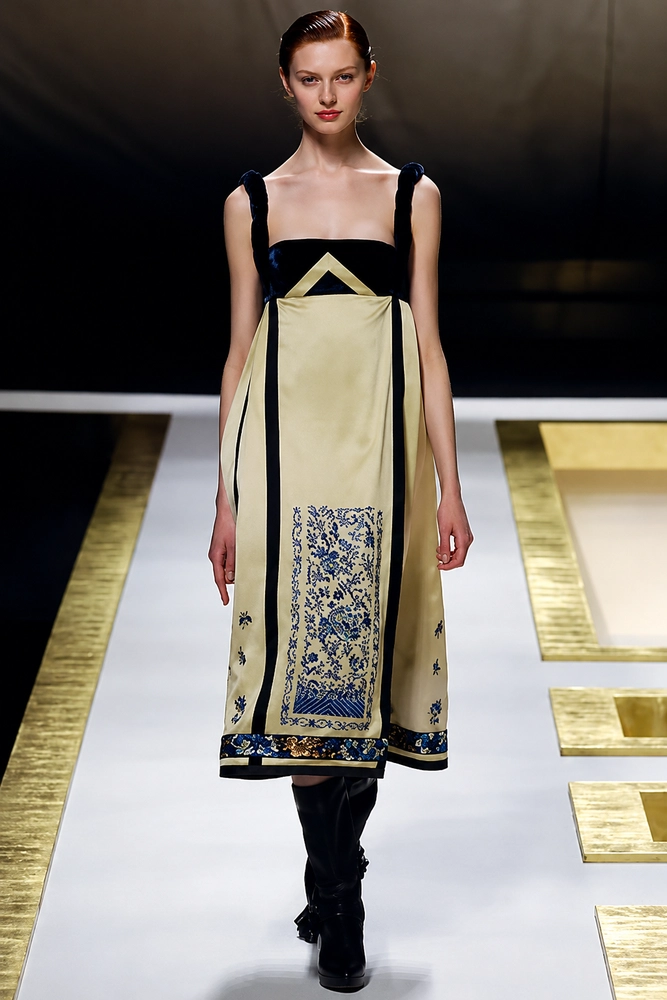
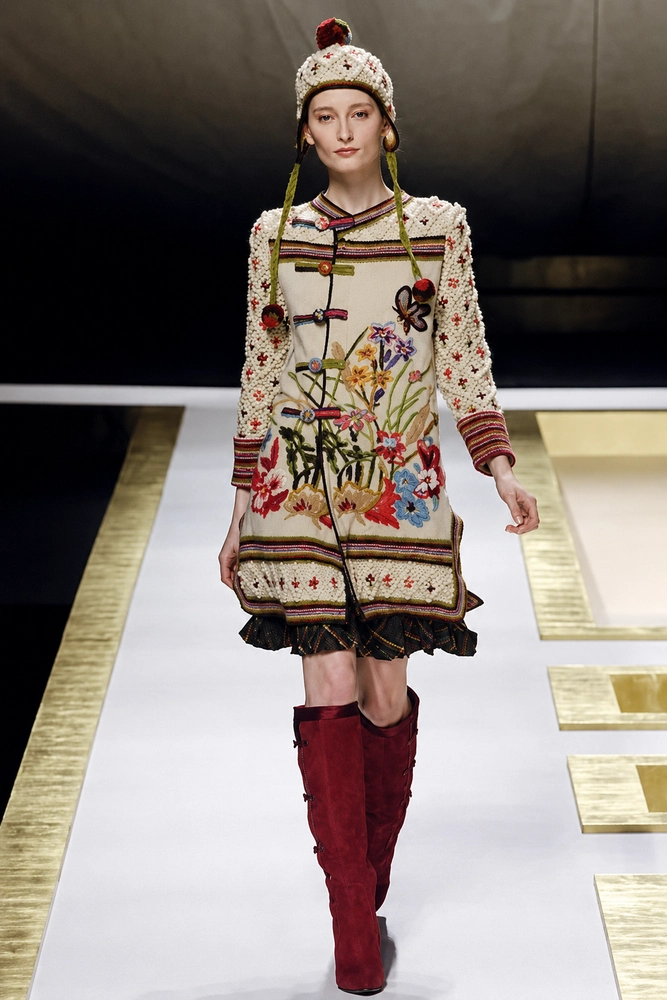
Kenzo sparks a joyous, nomadic festival, saturating the senses in vibrant, kaleidoscopic tapestries and brightly blooming floral ribbons swirling together like a magical summer storm.
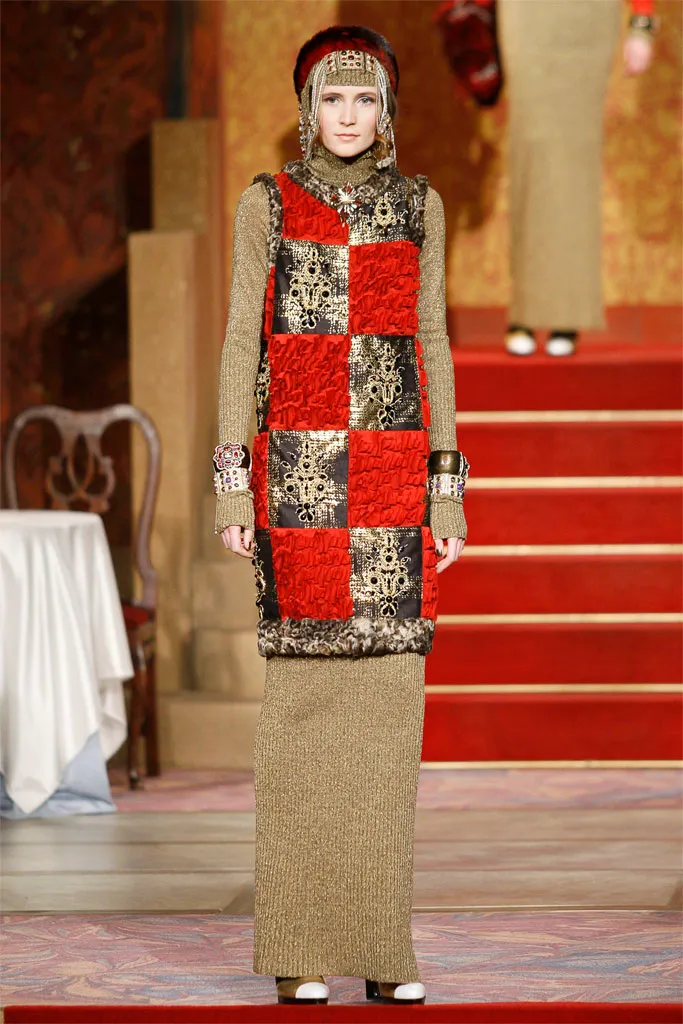
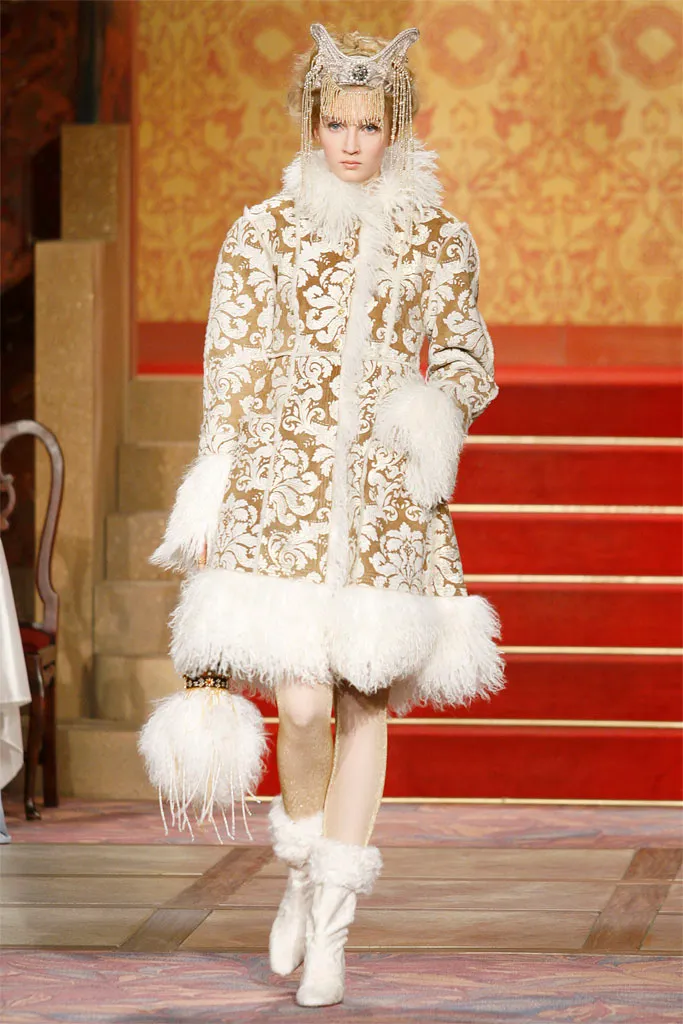
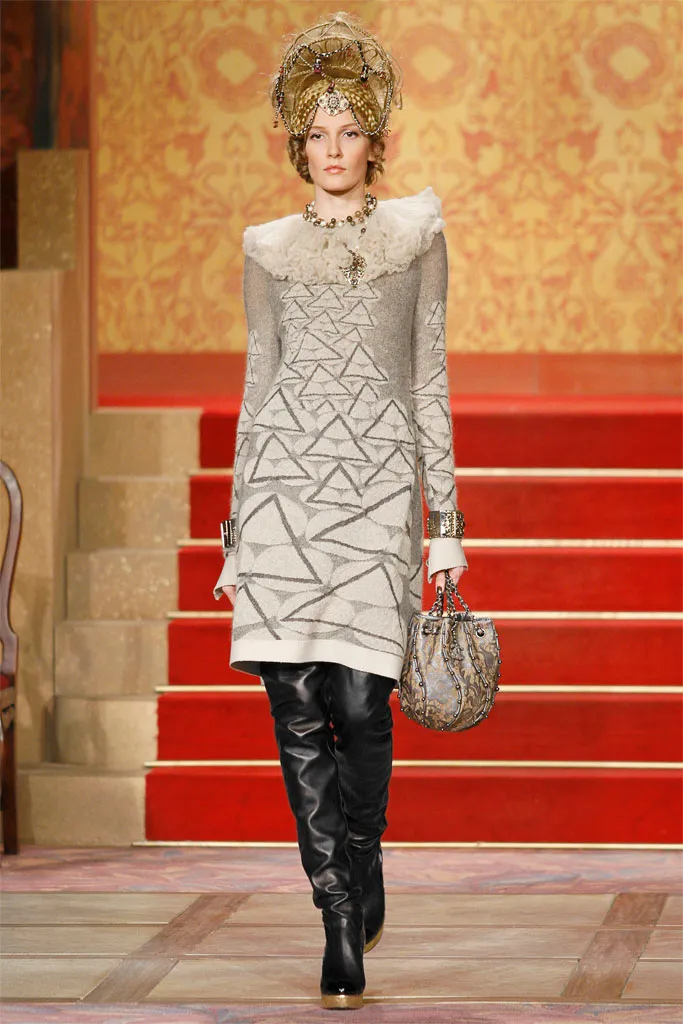
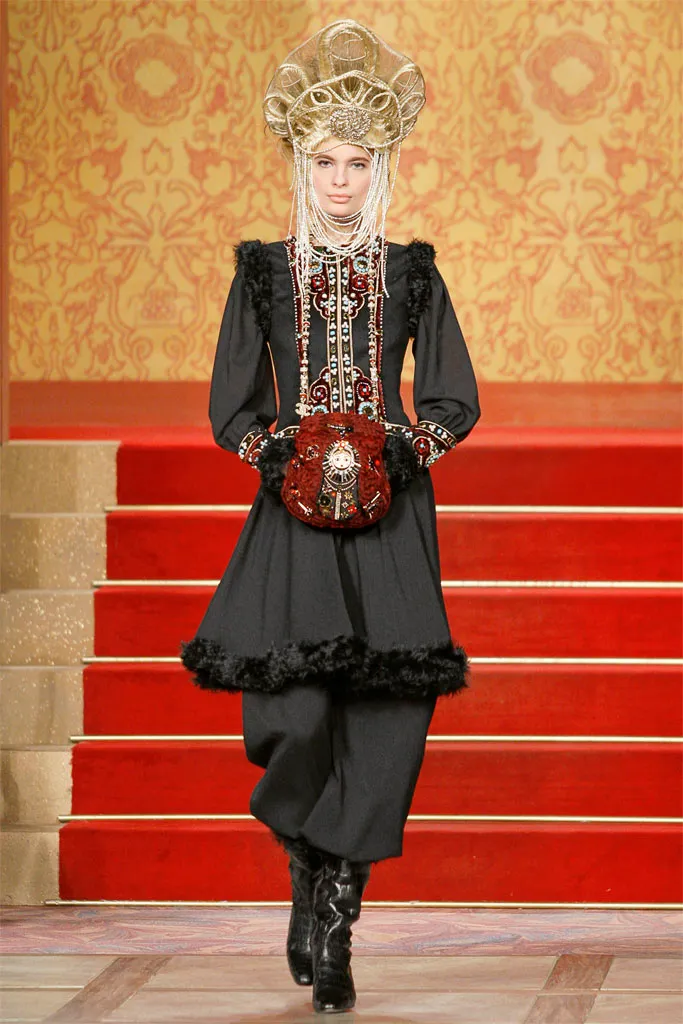
Chanel resurrects the glittering memories of exiled aristocrats, wrapping sleek Parisian elegance in the opulent, beaded embrace of a glowing, frost-kissed winter palace.
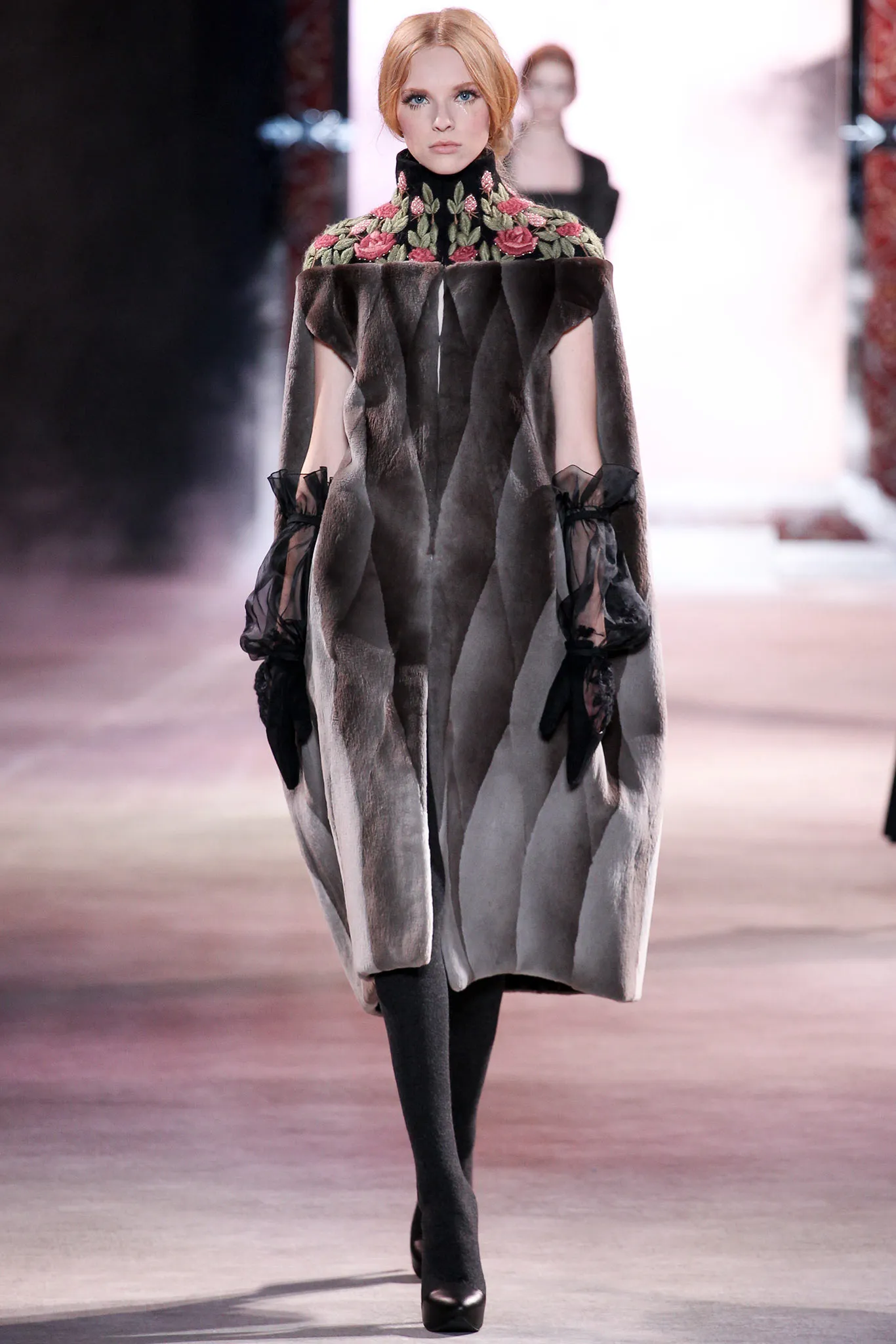
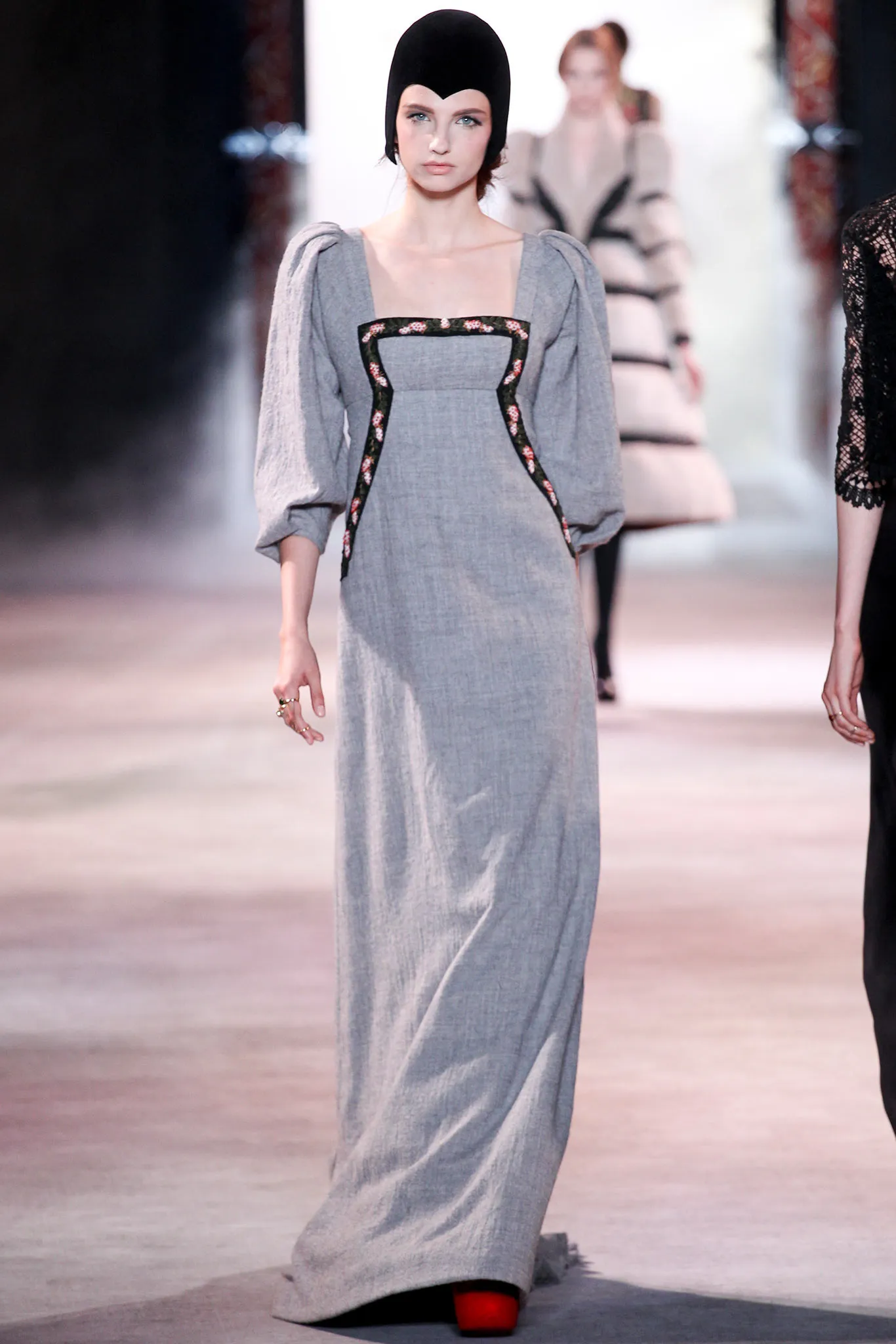
Ulyana Sergeenko spins deep, velvet-textured woodland fairy tales, elevating the simple embroidered headscarf into a majestic crown fit for a mystical sylvan empress.
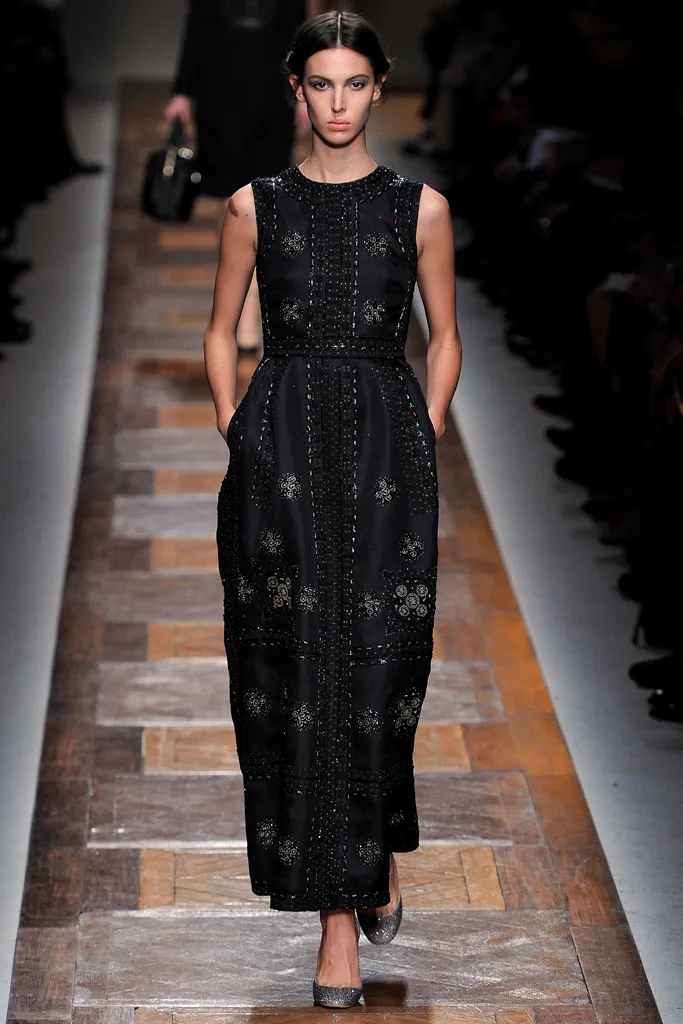
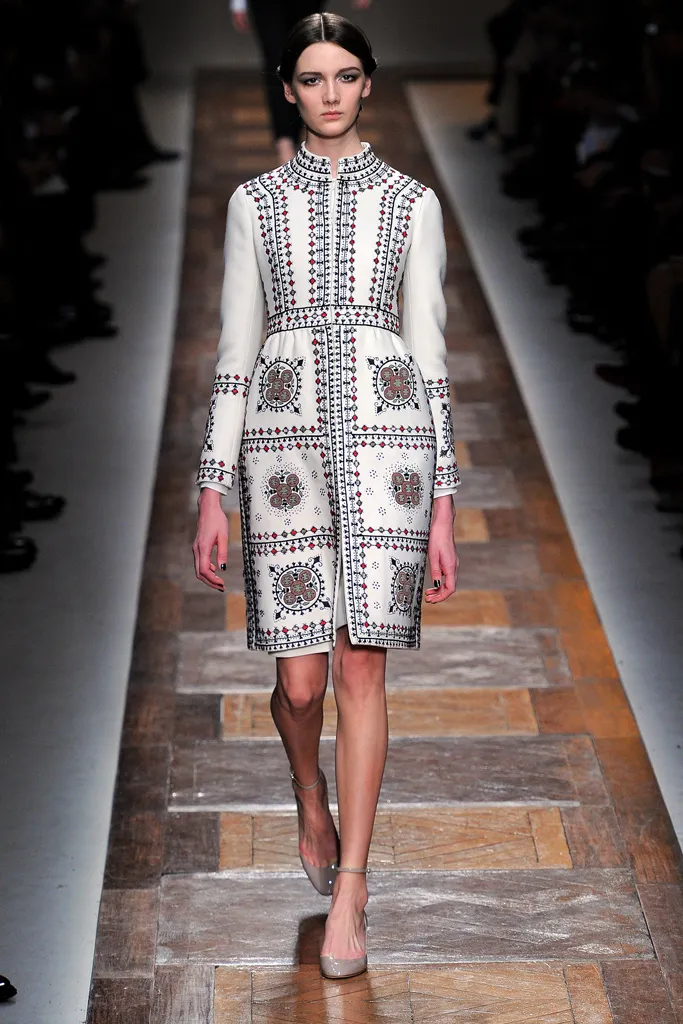
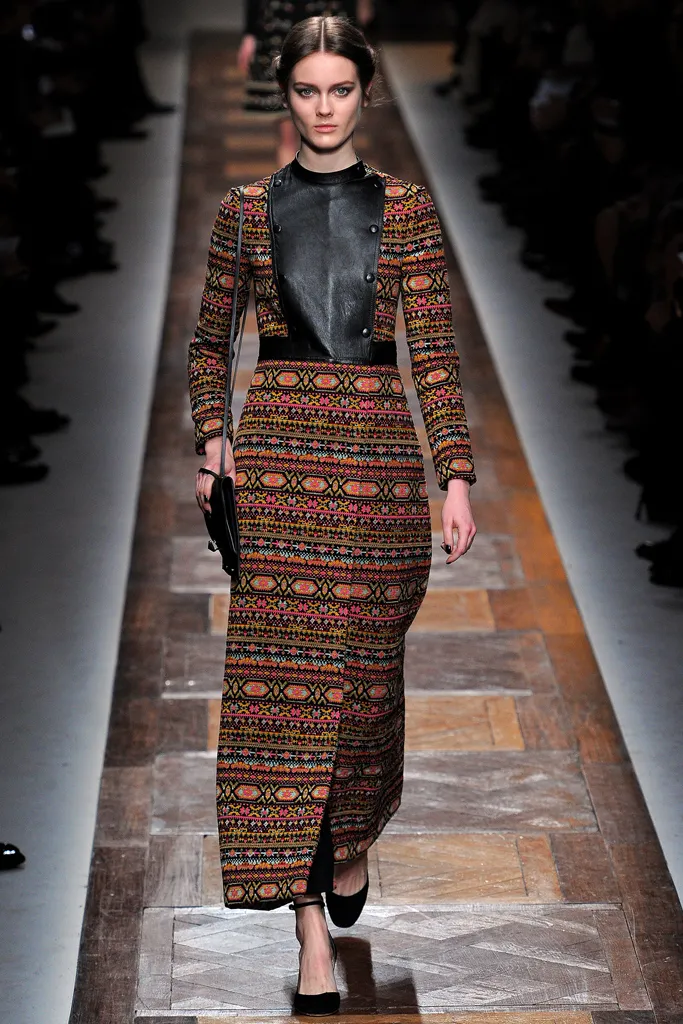
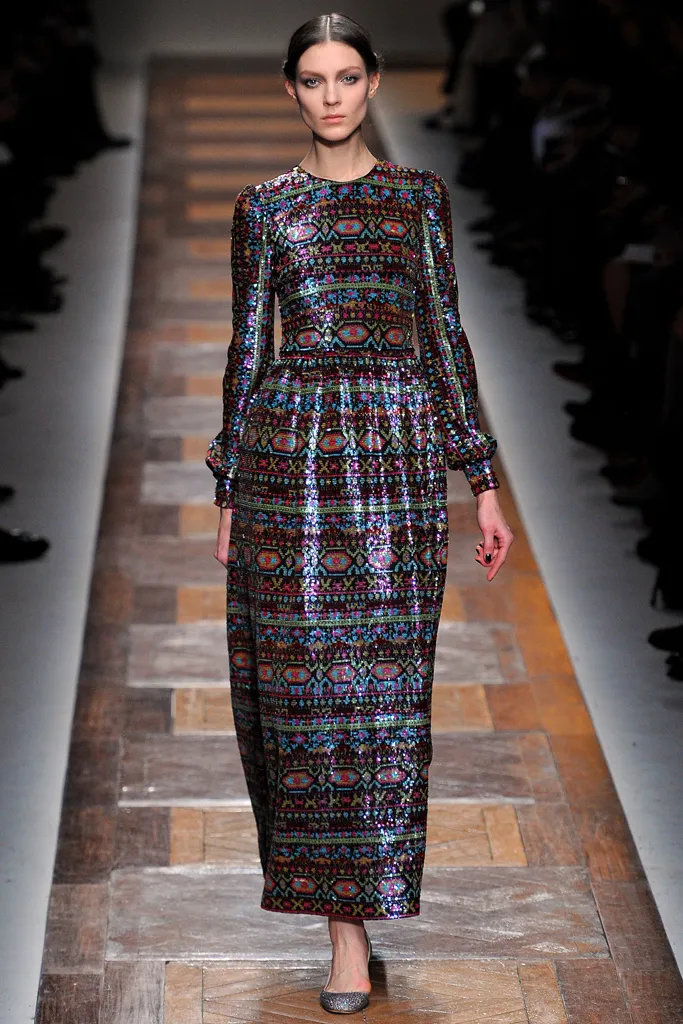
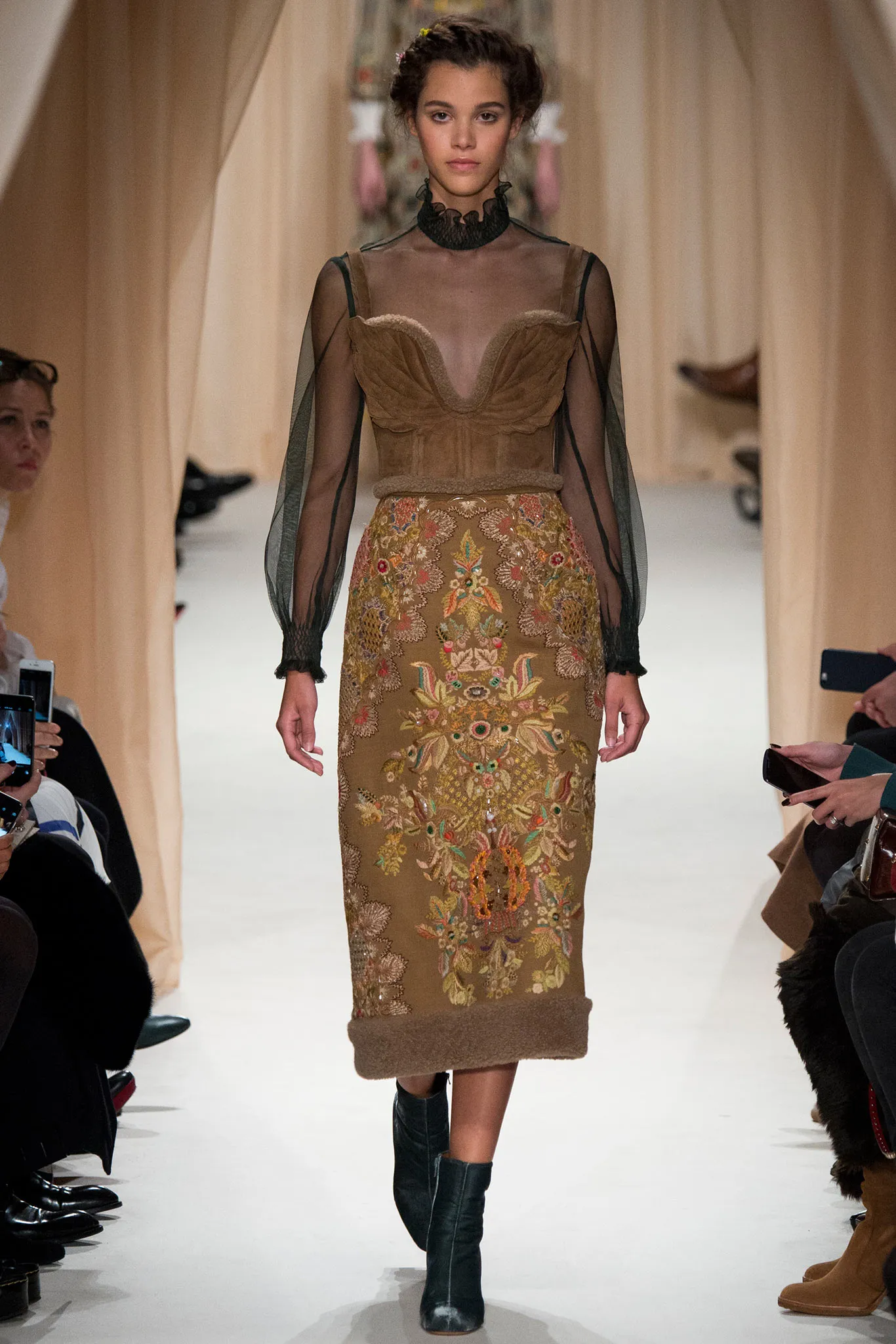
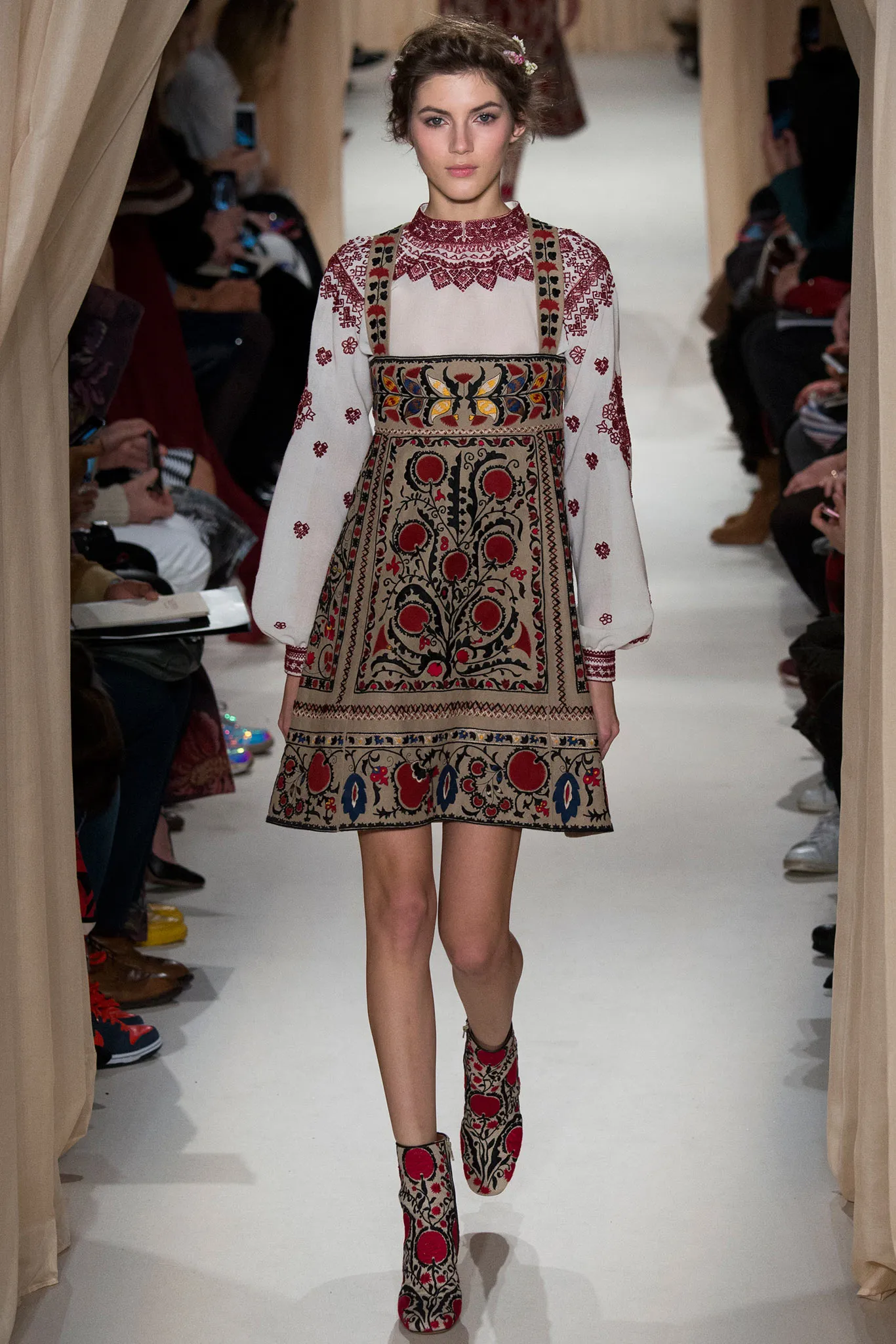
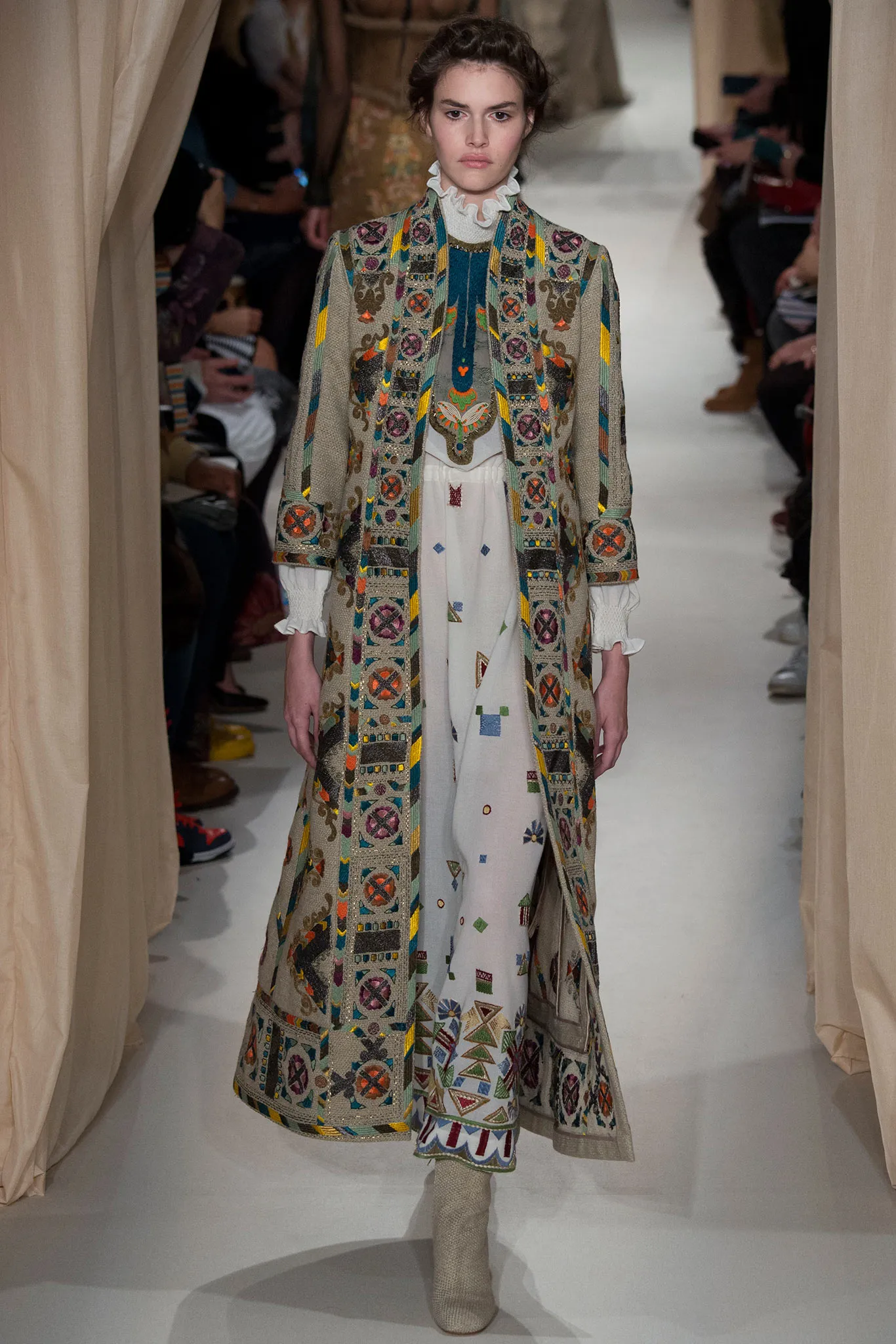
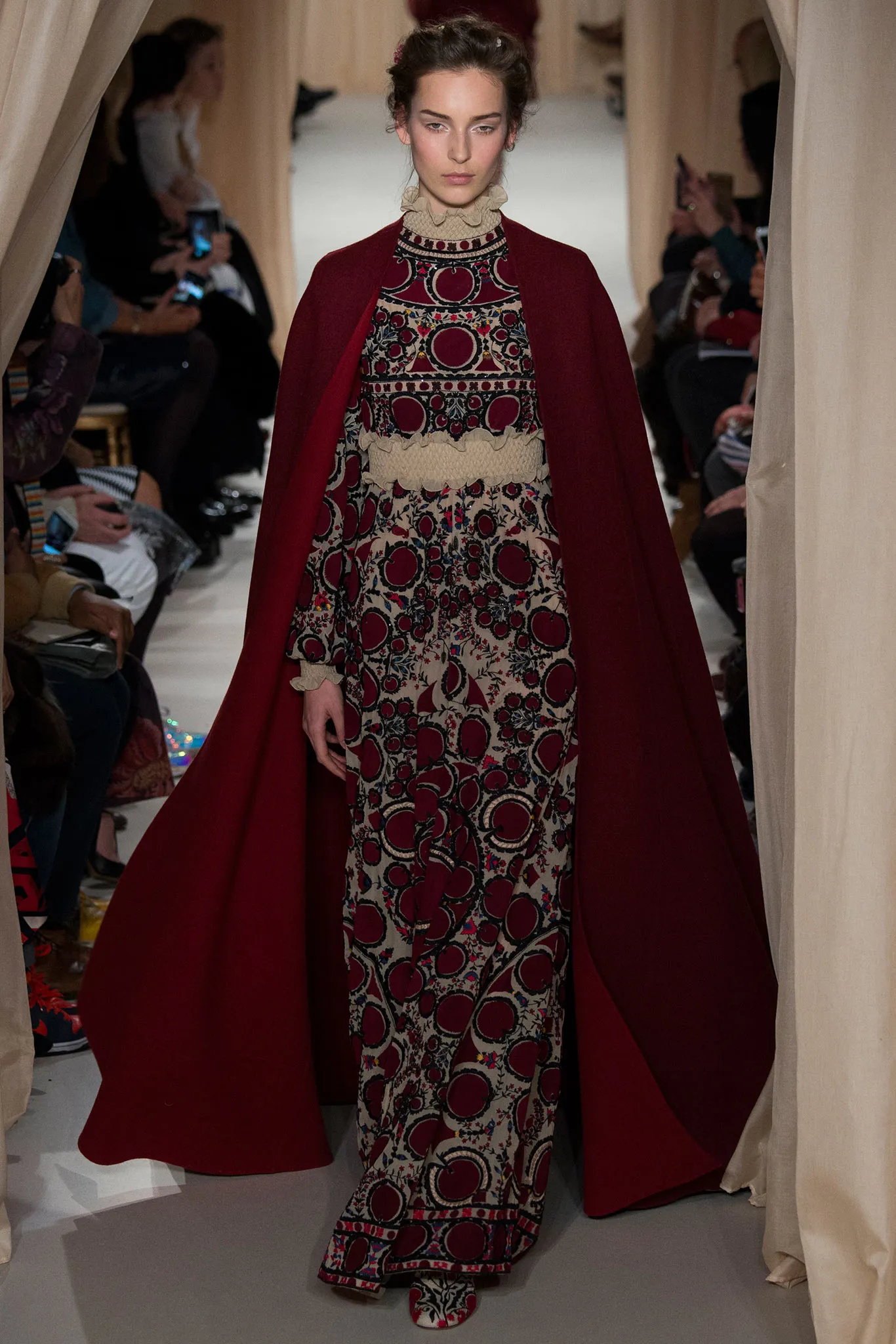
Valentino summons ethereal, sacred maidens, turning delicate, blooming silk embroidery into a devoted, romantic pagan sacrament whispering of early spring.
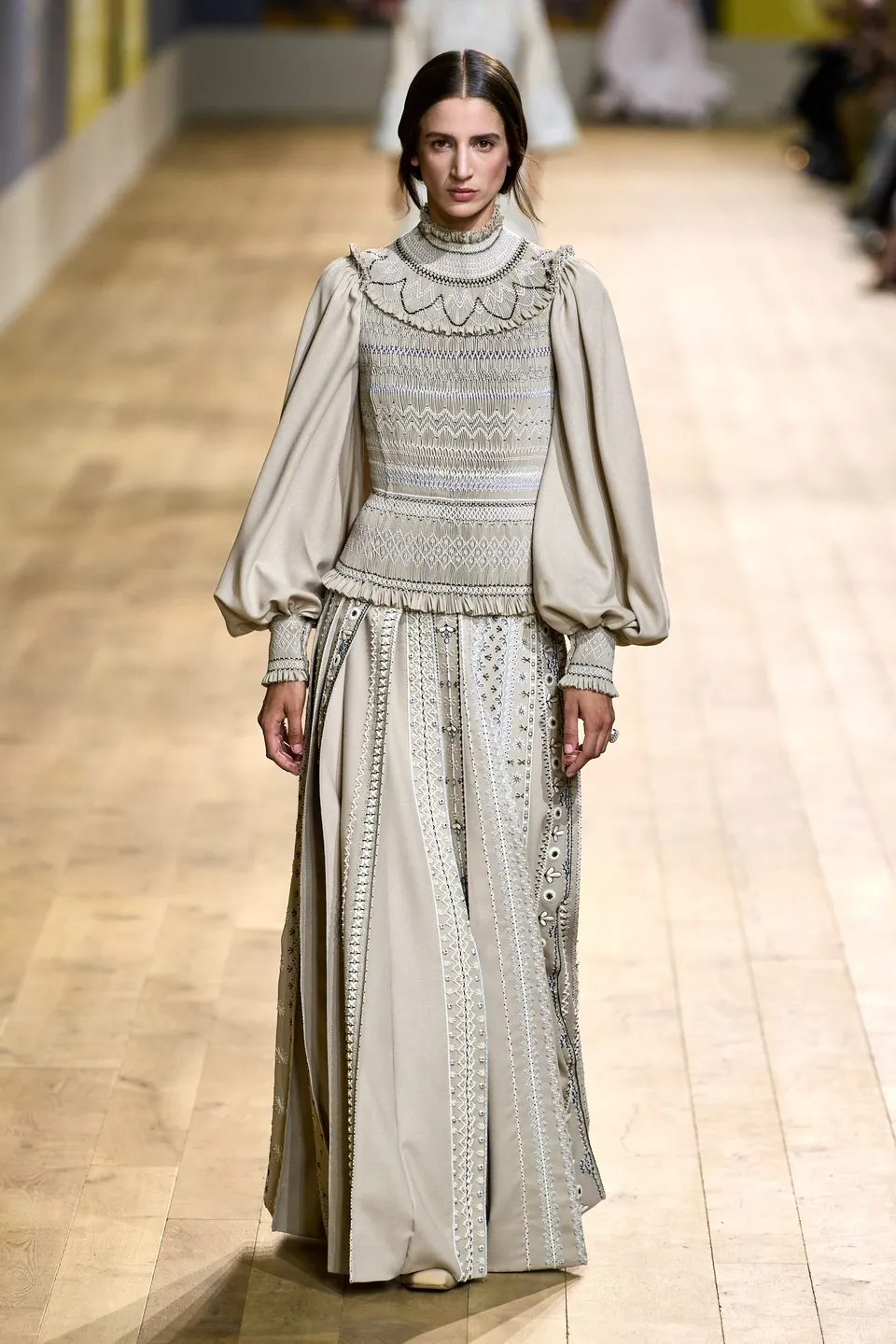
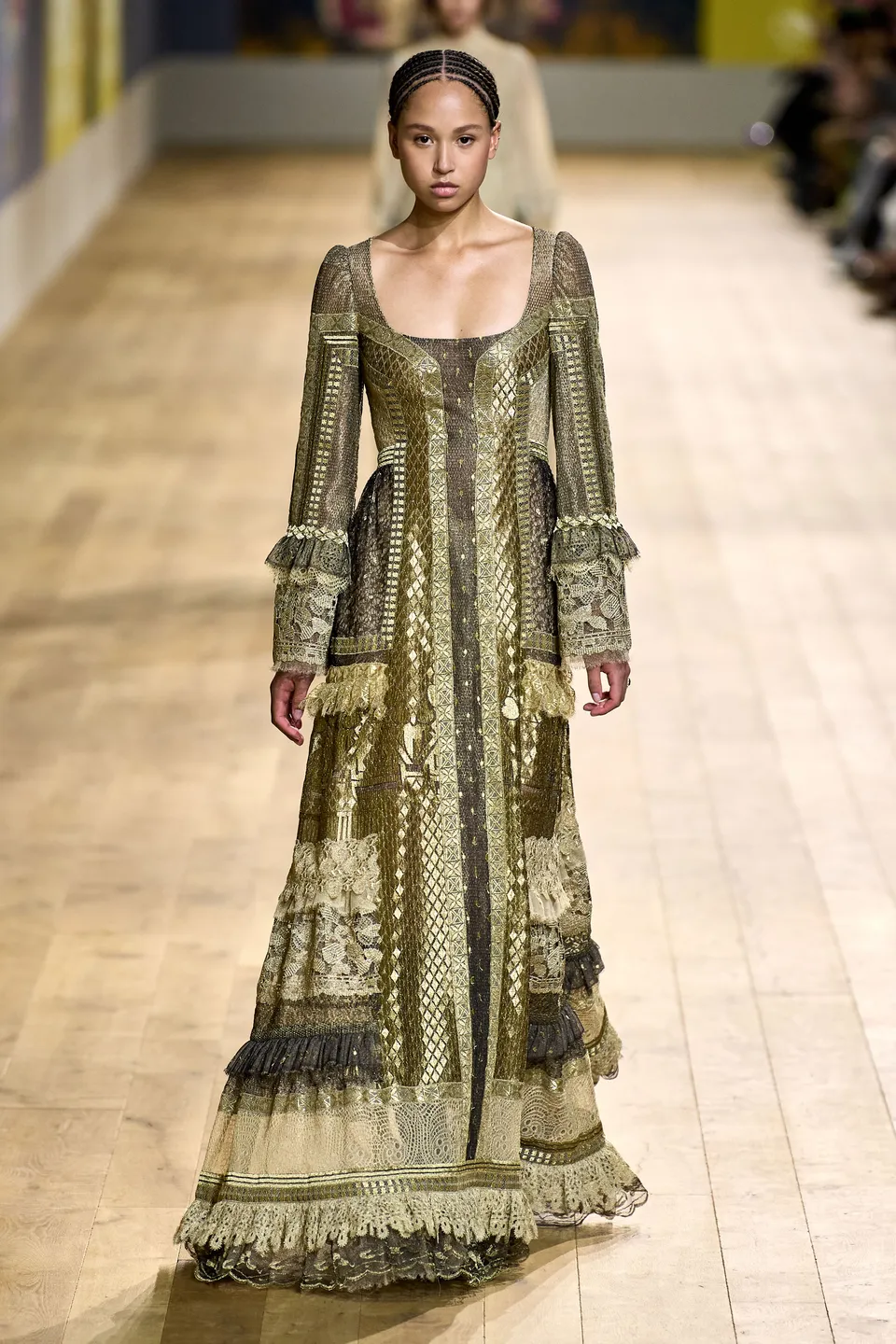
Dior embraces rustic alchemy, transforming raw, earthy craftsmanship and mystical tarot symbols into supreme, breathtaking luxury bathed in celestial light.
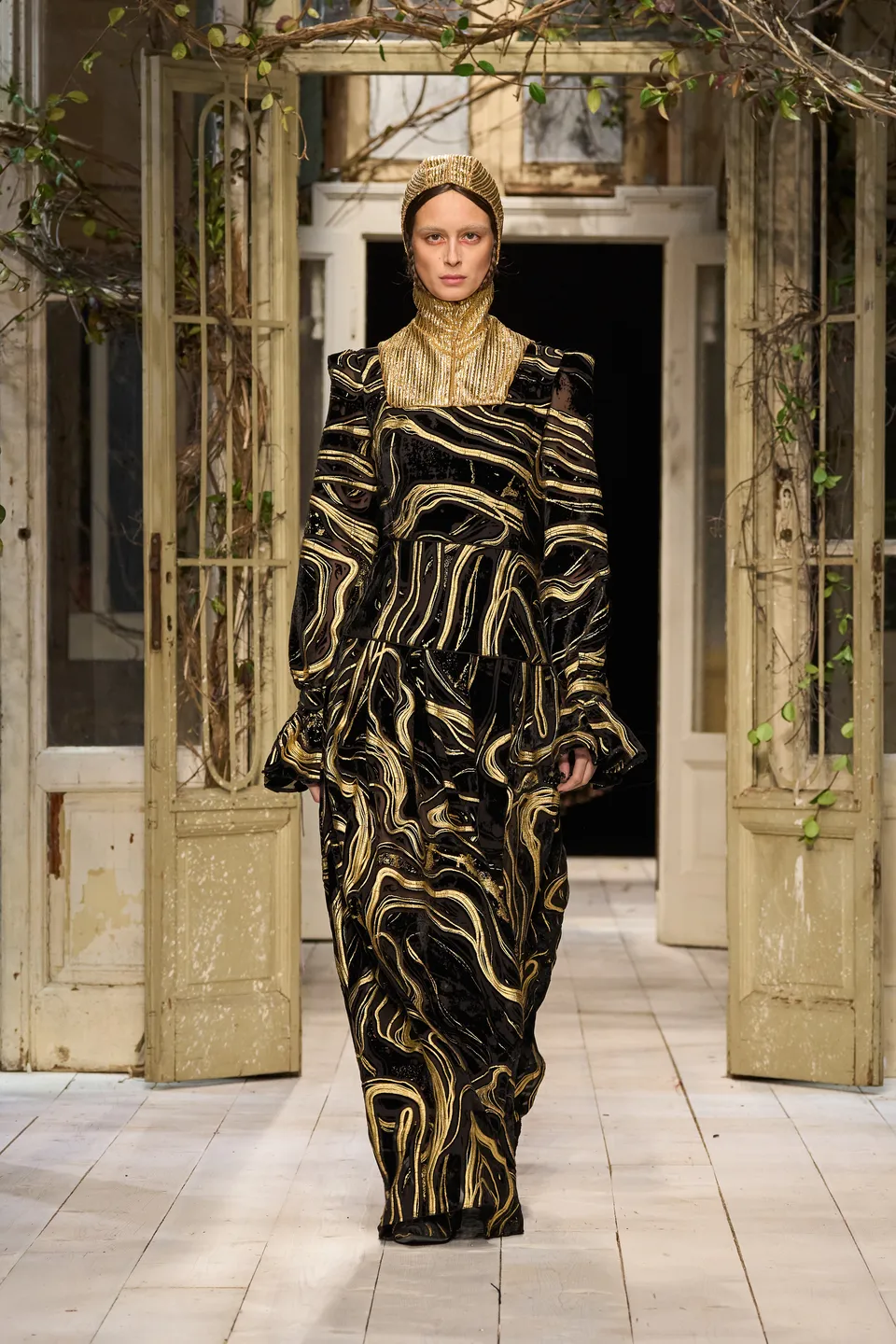
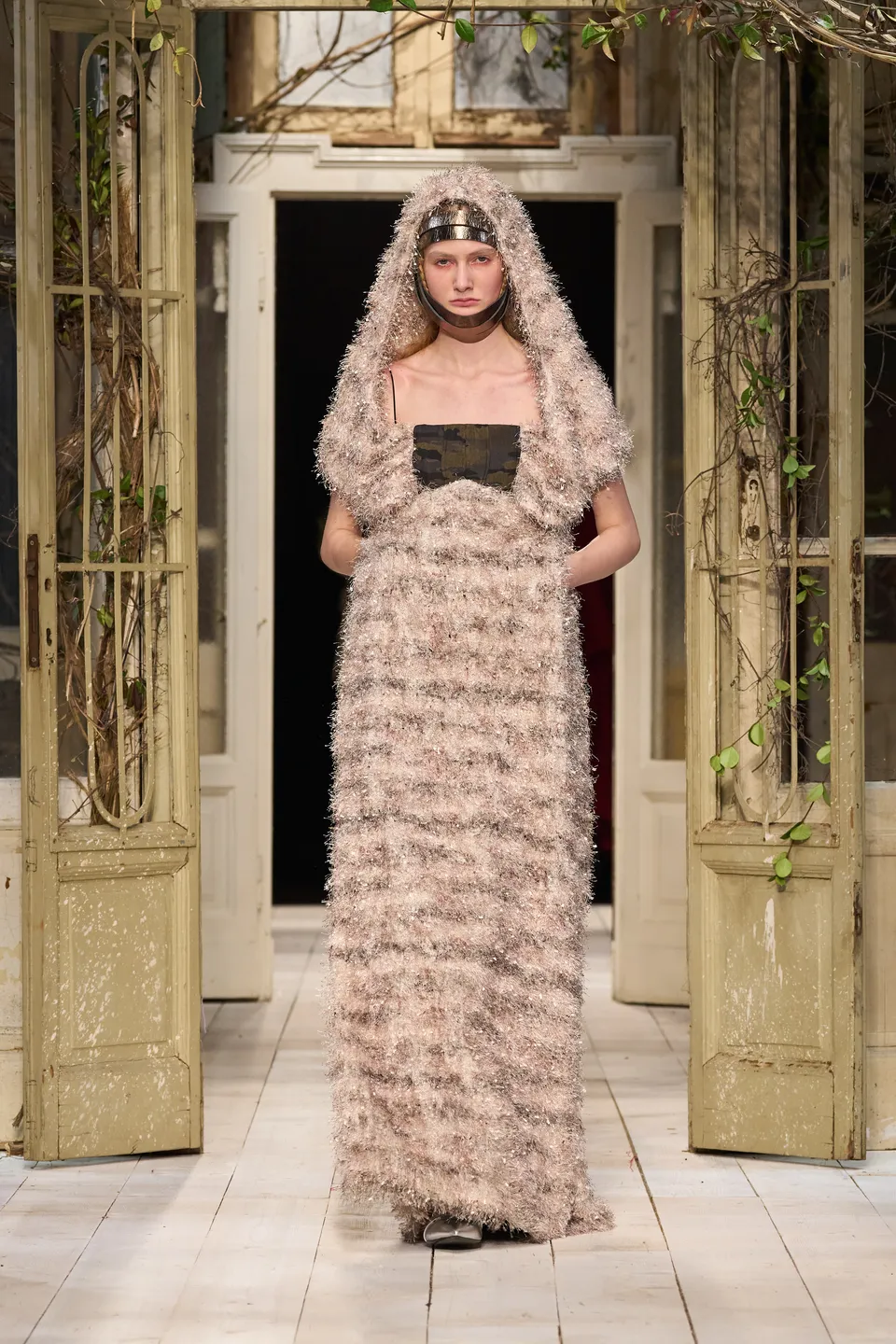
Antonio Marras weaves haunting, sea-swept poetry, channeling the romantic, elemental magic of ancient island traditions steeped in sea salt and coastal wind.
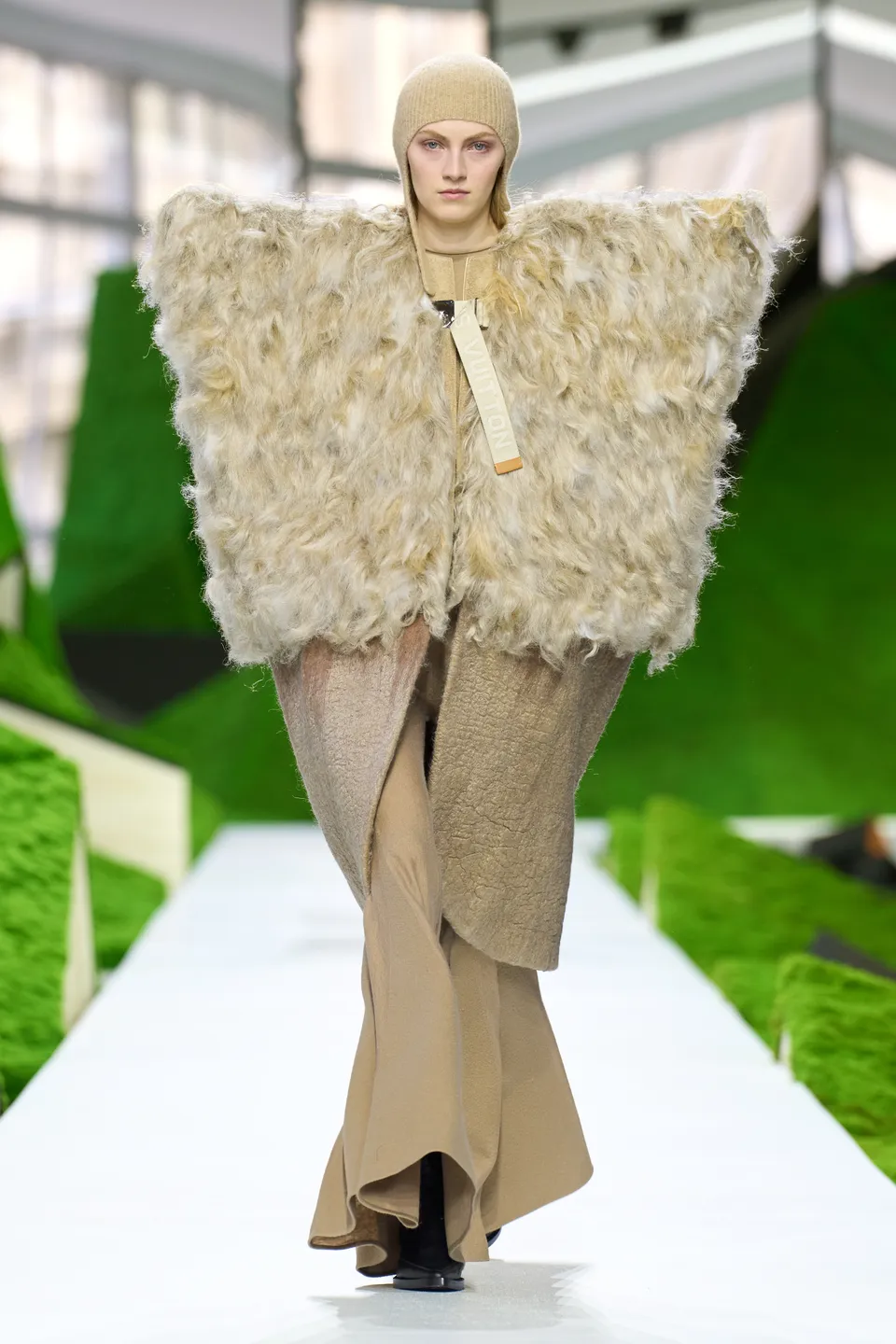
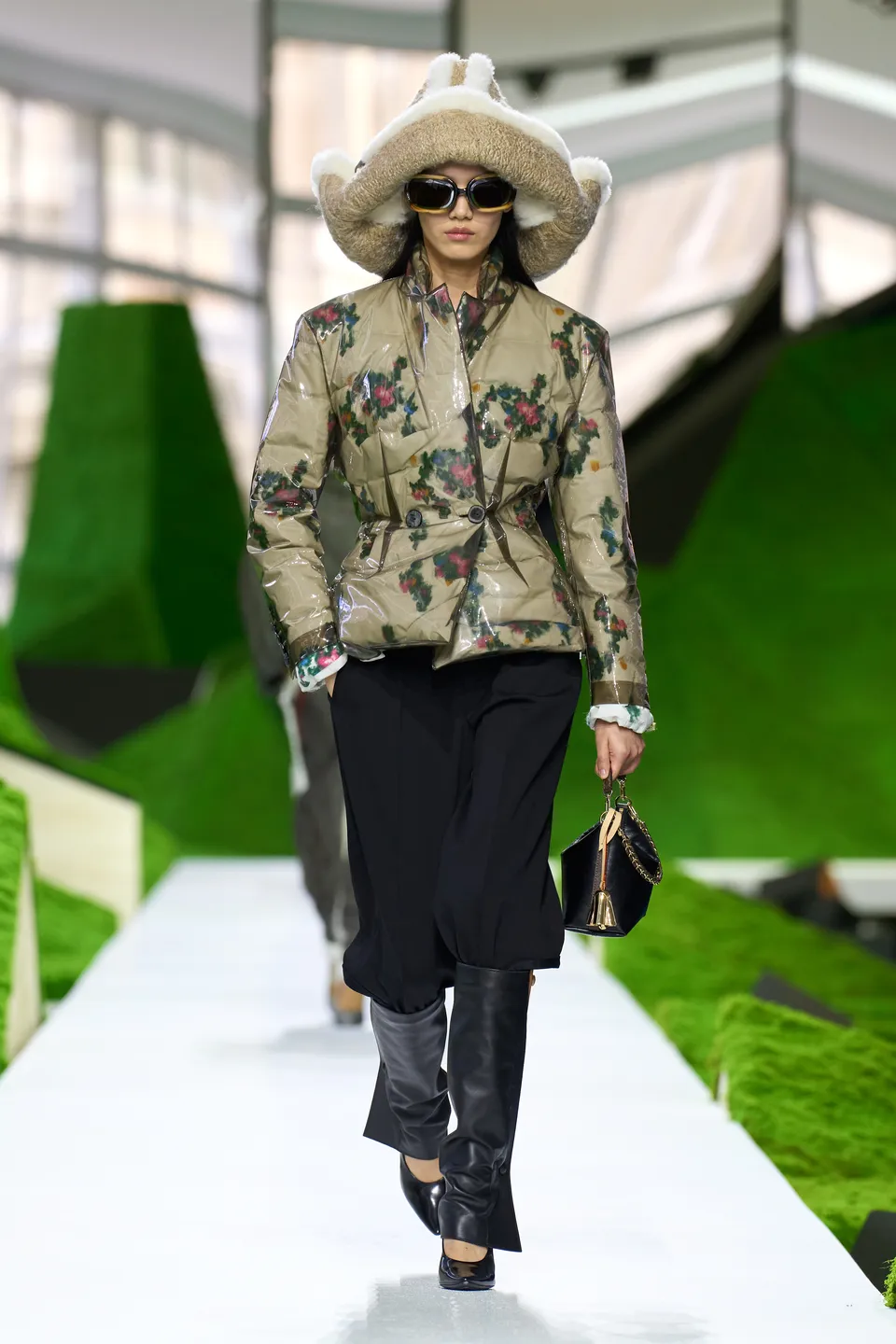
Louis Vuitton voyages boldly across shifting eras, blending the layered, protective leather armor of legendary nomads with the fierce, visionary spirit of a contemporary wanderer.
The Root System Beneath: The Eternal Return of European Folklore Style
The heavy, boiled wool and intricately beaded seams generously reward intimate physical proximity, inviting the hands to touch and the soul to remember. Here, true luxury manifests entirely as devoted human labour and profound time, completely replacing the shallow stamp of mass production. The garments offer a dreamy, tactile nostalgia, awakening the mythical, enchanted stories we absorbed eagerly as spellbound children sitting close to the hearth fire, believing completely in woodland fairies, ancient queens, and protective mountain spirits.

These immortal roots thrive radiantly beneath the surface. Traditional clothing breathes and flourishes because vital, sacred knowledge flows continuously between living hands. The intimate arts of cutting, fitting, weaving, embroidering, dressing, repairing, and teaching pass warmly from wise elders to the attentive youth. UNESCO rightly celebrates this devoted traditional craftsmanship as a vibrant, living heritage, focusing deeply on the shared skills required to shape festive costumes and silver jewelry. European folklore style endures so powerfully because the ancestral past remains vibrantly, wonderfully alive, breathing right beside us.
This majestic European folklore style matters profoundly. It reminds the modern world that garments carry profound geographic memory, collective female authorship, supreme material intelligence, and fierce cultural resistance. Every heavy, swaying skirt and thickly stitched collar holds immense emotional weight and fiercely celebrates distinct regional sovereignty.
As we honor this magical heritage of European folklore style, we must embrace absolute, loving precision. True reverence requires us to ask profound questions and to speak the exact, beautiful names of specific regions, dedicated makers, and ancestral techniques. Instead of relying on loose, generalized visual shortcuts, we must celebrate the authentic, living origins. By doing so, we elevate inspiration into a profoundly respectful, glowing continuation of the world’s most magical, enduring dream, keeping the mythical fires burning brightly for generations yet to arrive.
Advertisement