A famous designer used to be luxury’s most guarded currency. Today, Chinese fashion brands are spending that currency in the open, turning former European house names into proof that the fashion map has started to move east.
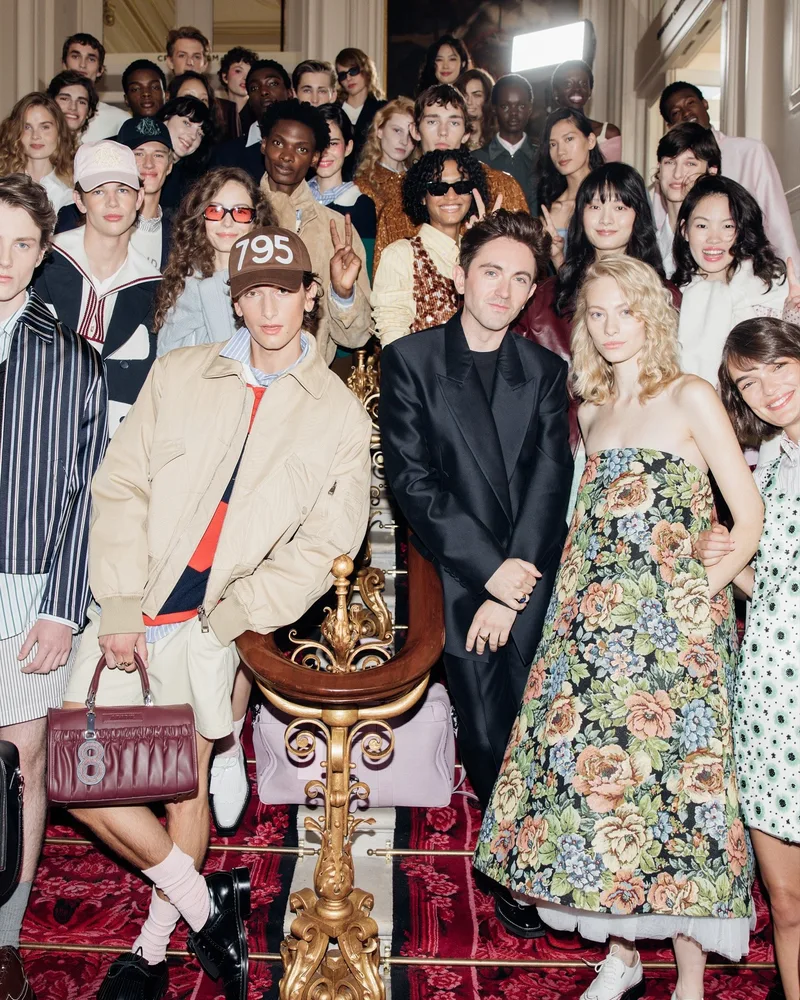
A famous designer used to be luxury’s most guarded currency. Today, Chinese fashion brands are spending that currency in the open, turning former European house names into proof that the fashion map has started to move east.
June 8, 2026
Advertisement

Advertisement



For decades, the global fashion ecosystem has operated on a quiet, unspoken duality. In the glaring spotlight of Paris, Milan, and London, star designers bowed at the end of runway shows for historic European maisons, their names synonymous with Western luxury. Yet, in the shadows, bound tightly by the legal velvet ropes of ironclad Non-Disclosure Agreements (NDAs), many of these same creative minds were quietly moonlighting for colossal Chinese conglomerates. It was a lucrative whisper network, a clandestine exchange of European design pedigree for Eastern capital, long before Chinese fashion brands became confident enough to turn secrecy into spectacle.
Today, that era of strict discretion is emphatically over.
We are currently bearing witness to a profound sartorial and cultural recalibration. The growing power, prestige, and unapologetic global ambition of Chinese fashion brands have utterly dismantled the old stigmas.
To understand the magnitude of this shift, one must first look at the historical reticence that defined these cross-border partnerships. Emmanuel Hemmerlé, an executive search specialist with over two decades of experience in China, notes that while international designers have aided Chinese fashion brands for years, previous public hires lacked the sheer prominence of today’s megastars.
The hesitation was deeply psychological. British designer Daniel Fletcher, now the creative director of Guangzhou-based Mithridate, articulated this perfectly:
"A decade ago, there was a kind of hesitation, or even stigma, attached to saying you were working with a Chinese company. That was largely due to outdated perceptions about quality, originality, or the creative culture there."
Historically, designers failed to recognize the long-term brand-building capabilities of Chinese groups, viewing these gigs as purely transactional. However, the narrative has evolved. Chinese companies have proven their capacity to build brands at an astonishing scale, executing their visions with a level of professionalism and global ambition that rivals, and sometimes exceeds, their Western counterparts.
We cannot analyze this eastward migration without turning a gentle, critical eye toward the current state of the European luxury market. The industry has recently undergone a tumultuous period, often dubbed the "great fashion reset." Mega-brands from Chanel to Dior have embarked on ruthless, high-profile designer reboots, creating an environment defined by anxiety and rapid turnover.
In the traditional luxury capitals, senior creative positions have become increasingly rigid. Designers are placed under immense pressure to deliver immediate, skyrocketing returns on investment. The romantic notion of giving a designer the grace and time to cultivate a unique voice is fading.
Consequently, a new calculus has emerged among the industry’s elite. The allure of the East is driven by a complex matrix of professional and personal desires, especially as Chinese fashion brands become increasingly attractive to designers seeking both scale and creative latitude:
As Alice Bouleau, founder of the Paris-based talent agency The Arrow, wisely observes, the industry can be deeply judgmental, but ultimately, "everyone needs grace and time to do what they do and develop their voice." For many, that grace is currently found in Shanghai, Guangzhou, and Jinjiang.
Perhaps no appointment signals this new era of Chinese fashion brands more brightly than Kim Jones taking the creative helm of Areal, a new sub-brand by the Shanghai-based outerwear titan Bosideng.
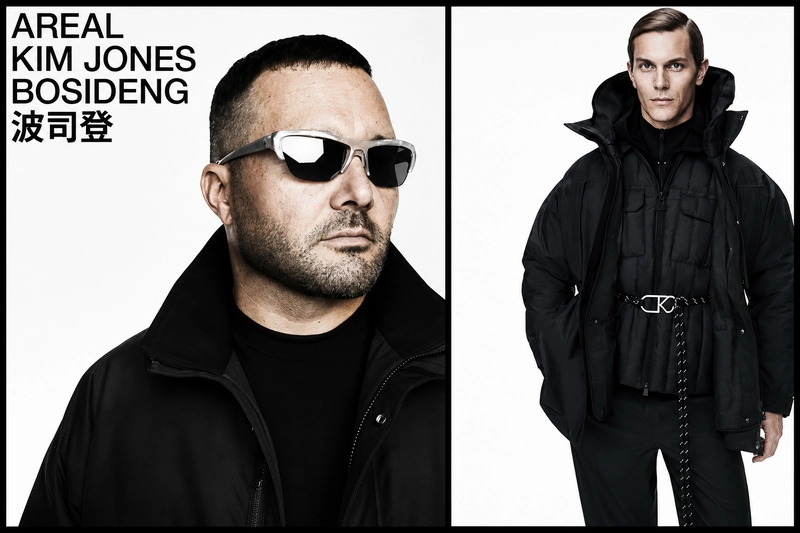
Founded in 1976 by Gao Dekang, Bosideng is a colossal entity, operating over 3,000 stores and reporting sales north of $3 billion last year. While the brand is historically revered for its performance down jackets, its ambitions stretch far beyond the slopes. Bosideng has been a pioneer in proving Chinese fashion brands can compete globally, selling in 72 countries and actively participating in fashion weeks across London, Milan, and Paris.
Tapping Kim Jones, a designer whose pedigree was forged in the hallowed halls of Louis Vuitton, Dior Homme, and Fendi, is not merely a "collaboration." As recruitment expert Valentina Maggi notes, this is a brand-defining leadership role. It is an opportunity to craft an influential narrative from absolute scratch in the world’s most dynamic consumer market.
In the past, a designer of Jones's stature would have accepted a substantial fee and demanded a strict NDA. Instead, Jones proudly announced the gig on his studio’s Instagram account. While the exact motivations remain known only to him, the writing had been on the wall since his exit from Dior Homme. Jones had openly spoken about seeking freedom in Asia-based projects, stepping away from the crushing weight of the European couture schedule.
The mechanics of how these mega-deals come to fruition are as fascinating as the collections themselves. Unlike the traditional European model, which relies heavily on formal headhunters, Chinese fashion brands often utilize "fixers" and matchmakers, individuals who leverage deep personal relationships and word-of-mouth introductions.
This was precisely the case with Belgian designer Kris Van Assche and the Chinese activewear giant Anta. Fashion media veteran Dan Cui acted as the crucial intermediary. Tasked with making Anta’s sustainability initiatives commercially successful, Cui knew the brand required a name with profound international impact and deep luxury experience.
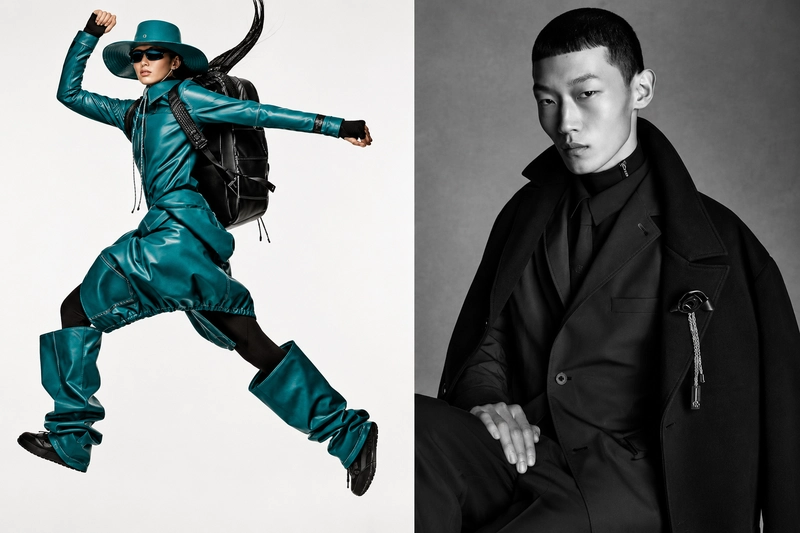
Anta is a financial juggernaut. With a market capitalization hovering around $28 billion, parent company Anta Sports has aggressively acquired global heritage through M&A targets like Salomon, Arc’teryx, and Fila. Yet, elevating its own core brand required a different strategy.
Enter Van Assche. Having served as the creative director at Dior Homme and later Berluti, Van Assche brought a fastidious, tailored sensibility to the table. His appointment to lead Anta’s sustainable sub-label, Antazero, is a brilliant juxtaposition. For Van Assche, whose last major role at Berluti was heavily anchored in traditional, heritage-driven product, Antazero represents a refreshing pivot.
"The rhythm I was on before never really allowed for analyses," Van Assche noted, reflecting on the relentless pace of Western luxury. "I believe I now better understand who I am and want to be as a designer."
For Anta, the collaboration, which included high-profile pop-ups at Dover Street Market Paris and premier Chinese multi-brand stores, is a calculated test case. It is a milestone effort to penetrate European wholesale markets and a clear signal of Chairman Ding Shizhong’s unyielding global ambitions.
While the giants secure the veterans, emerging powerhouse brands are actively recruiting the next generation of European star talent. Guangzhou-based Mithridate’s hiring of British designer Daniel Fletcher serves as a masterclass in this approach, showing how Chinese fashion brands can position themselves as both creative laboratories and global growth machines.
Founded in 2018 by Tina Jiang, Mithridate is relatively young, yet its parent company boasts a network of over 200 stores. Fletcher, who recently concluded a four-year tenure reviving the Italian house Fiorucci, brings a sharp, contemporary edge to the Chinese label.
What makes Fletcher's experience particularly illuminating is his candid evaluation of the operational differences between the West and the East. One year into his tenure, Fletcher is not just learning Mandarin; he is marveling at the sheer velocity of the Chinese fashion infrastructure.
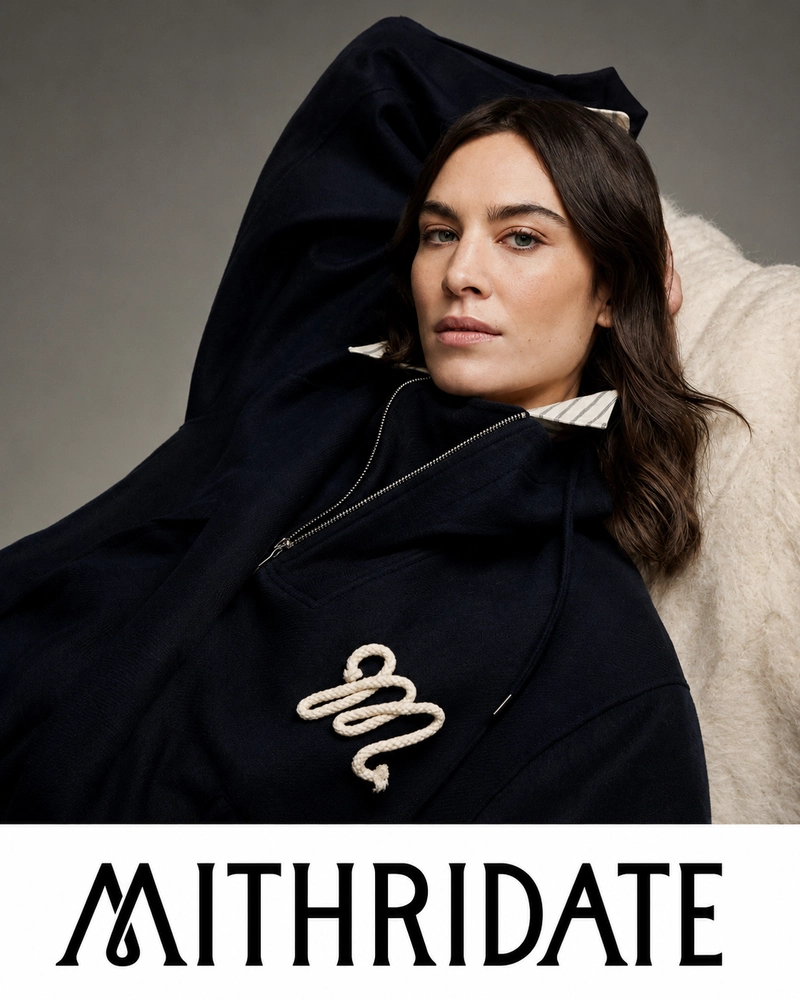
"You can prototype, develop, and refine ideas very quickly, which is a dream for a designer," Fletcher explains. In Europe, the supply chain can often be sluggish, hampered by bureaucracy and limited factory capacities. In China, the infrastructure is unparalleled. This agility allows a creative director to iterate at the speed of thought. Furthermore, as industry insiders note, brands like Mithridate offer designers access to expansive budgets that simply do not exist for similarly positioned independent brands in London or Paris. Under Fletcher’s guidance, Mithridate has successfully executed sophisticated pop-up strategies, maintained a presence on the London Fashion Week schedule, and hosted Parisian showrooms, a testament to the potent synergy of British design vision and Chinese operational muscle.
While the public announcements of Jones and Van Assche feel like a sudden revolution, it is vital to acknowledge the pioneers who laid the groundwork. Belgian designer Jean-Paul Knott is the vanguard of this cross-border synergy between Western luxury expertise and Chinese fashion brands.
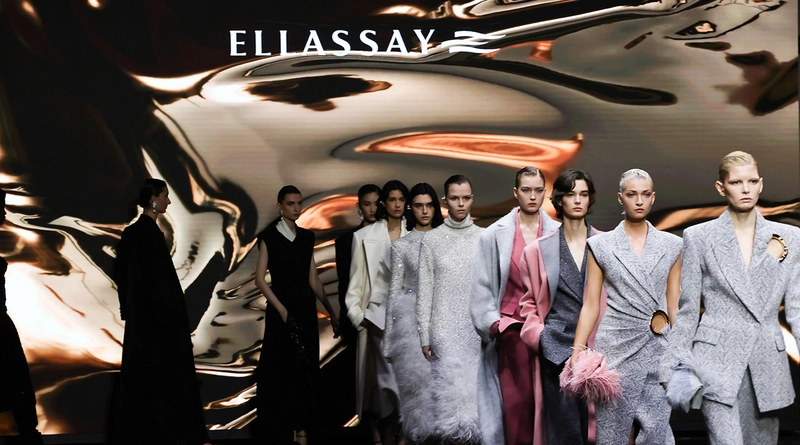
Having honed his craft during a decade-long stint at Yves Saint Laurent, followed by leadership roles at Krizia and Cerruti, Knott quietly aligned himself with the Shenzhen-based Ellassay Group back in 2004. Long before the current gold rush, Knott proved his immense value to Chinese employers.
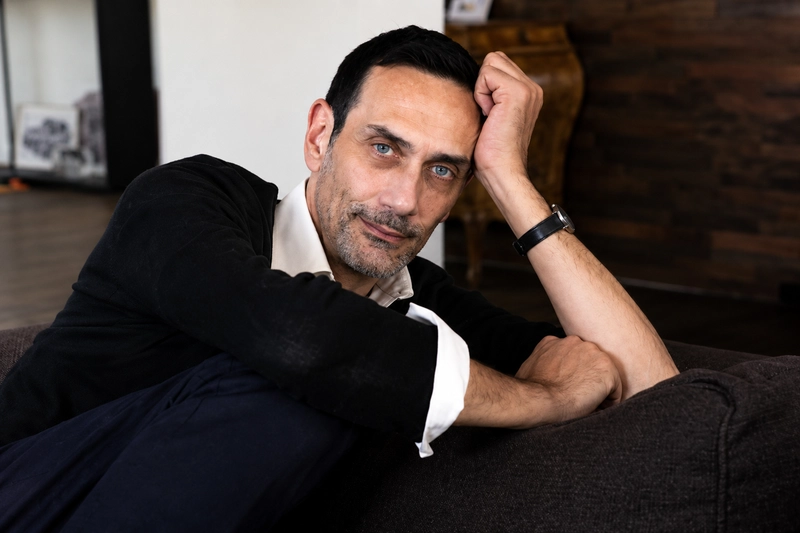
Dusen Wang, Ellassay Group’s vice general manager, points out that keeping an "international perspective" has always been essential to their goal of building a Chinese-rooted yet globally competitive fashion group. Knott's enduring, multi-decade relationship with Ellassay, which recently saw the group’s Laurèl brand unveil a high-end Atelier line during Paris Fashion Week, proves that these partnerships can transcend short-term hype. They can be deep, sustainable, and mutually nourishing when built on a foundation of mutual respect rather than mere transactional optics.
The dissolving of NDAs and the public embrace of Chinese fashion brands by Western design royalty is, undeniably, a triumph for the democratization of fashion prestige. It proves that heritage and legitimacy are no longer exclusively European exports; they can be synthesized, bought, and brilliantly executed in the East.
However, a deeply analytical lens reveals a potential double-edged sword. While these lucrative cross-border deals provide much-needed sanctuaries for weary European creatives and instant global clout for Chinese corporates, we must ask: what is the long-term impact on the domestic talent pipeline?
China is producing some of the most fiercely talented, avant-garde design graduates in the world, emerging from institutions like Central Saint Martins, Parsons, and the local academies in Shanghai and Beijing. The risk here is that as Chinese conglomerates increasingly throw their massive budgets at established Western names to secure rapid global legitimization, they may inadvertently stifle the ascent of their own homegrown visionaries. If the ultimate prize for a Chinese brand is a former LVMH director, the ceiling for a young, independent Chinese designer within their own domestic corporate ecosystem may become artificially lowered.
Over time, as Chinese fashion brands solidify their undeniable permanence in the global zeitgeist, their reliance on Western names will likely wane, making room for a truly endogenous wave of Chinese creative directors leading global brands. Until then, the secret is out, the NDAs are shredded, and the axis of the fashion world has irrevocably tilted. The East is no longer just the factory of the world; it is becoming its most lucrative, dynamic, and openly celebrated design studio.
Advertisement