White gives Wimbledon its timeless image, yet every generation of women has reshaped that pristine tradition through new perspectives.
How White at Wimbledon Became a Century of Style
White gives Wimbledon its timeless image, yet every generation of women has reshaped that pristine tradition through new perspectives.
July 28, 2026


Wimbledon presents an almost entirely white backdrop, allowing every subtle shift in fashion and individual personality to shine brilliantly. Originating as a functional necessity, this immaculate shade gradually blossomed into the defining symbol of the annual tennis tournament.
White traditionally evokes calmness, profound cleanliness, and orderly neatness. On these historic grass courts, the hue transcends simple aesthetic beauty, serving as an identifying code that deeply shapes our collective memory of the championships.
Each year, players personalize this single tone, revealing a fascinating paradox. Strict color parameters encourage personalities to find exceptionally creative avenues for expression. From a practical Victorian method for concealing physical exertion, white has transformed into the enduring, poetic signature of British tennis.
Victorian Origins and the Polite Aesthetics of Perspiration
During the late nineteenth century, players embraced pale fabrics to manage the intense summer climate. Victorian society valued absolute composure, viewing visible perspiration as highly improper for the upper classes. Pure white fabric successfully disguised these signs of physical exertion, maintaining the polished image expected in high society. Early female competitors arrived on the court wearing ensembles designed for elegant garden parties. These outfits featured high necklines, tightly fitted waists, long skirts, and grand ornamented sleeves.
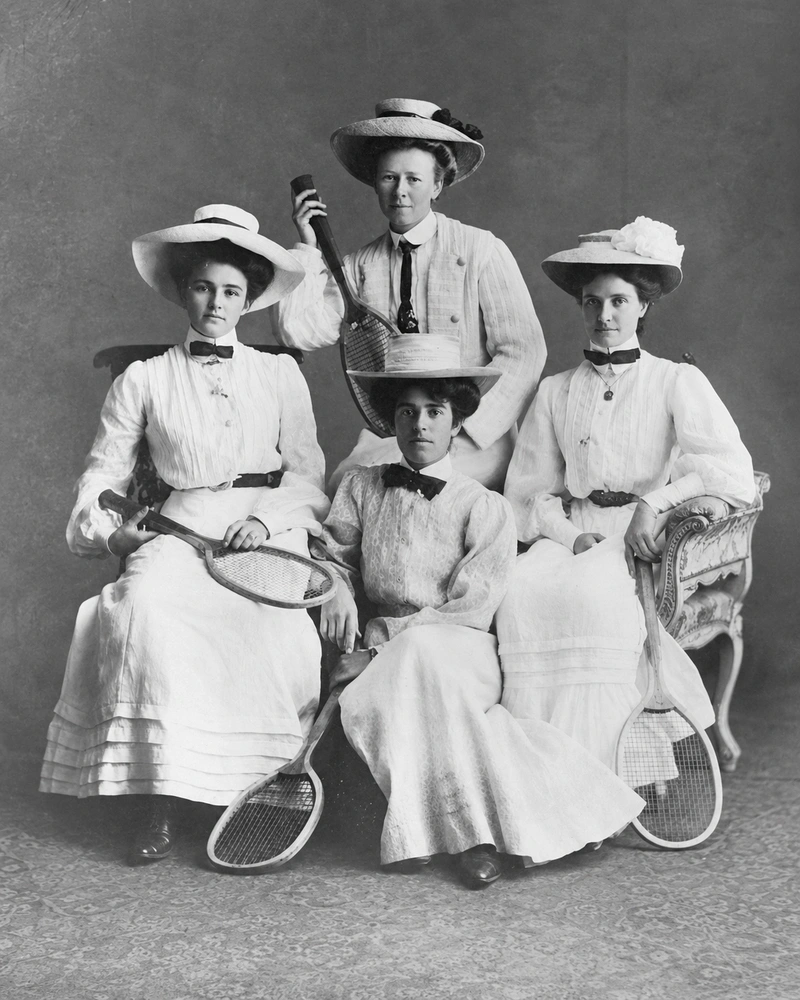
Players navigated the baseline wrapped in tight corsets and heavy layers of petticoats. A complete outfit could weigh a staggering 11 pounds before a single ball crossed the net. The visual ideal prioritized extreme modesty over athletic mobility. As those restrictive societal standards slowly faded into history, the pristine white hue remained, cementing itself as the visual soul of Wimbledon. We observe how fashion always reflects the values of its era. The original tennis white functioned purely as social armor, protecting the fragile facade of elite refinement amidst the grueling physical demands of sport.
The Official Language of Pure White
Wimbledon orchestrates a highly precise code of conduct regarding its signature hue. The phrase "almost entirely white" dictates that every single detail must align with the overarching snowy palette from the exact moment a competitor steps onto the court. Hats, socks, shoes, laces, and even medical equipment must reflect pure white. The tournament strictly rejects cream and ivory variations, demanding absolute adherence to true, bright white.
The rules permit a tiny margin of alternative expression. Players may include a single seam allowance measuring a maximum of 10 millimeters on the collar, cuffs, or the outer edges of their garments. Throughout the first century of the tournament, organizers allowed greater flexibility, with stripes and color-blocking appearing frequently.
As the tournament realized the immense branding power of this aesthetic, officials codified this visual consensus into rigid law. Today, Wimbledon collaborates closely with dozens of clothing manufacturers, ensuring every garment perfectly satisfies these exact regulations.
A Living Archive of Athletic Liberation
Studying Wimbledon's sartorial history reveals the gradual, beautiful liberation of the human form in sportswear. The tournament acts as a living archive, documenting the shift from heavy nineteenth-century layers to flexible, modern performance wear. Young Lottie Dod claimed her 1887 victory wearing a calf-length ensemble resembling a school uniform, gaining superior speed over opponents trapped in floor-length gowns.
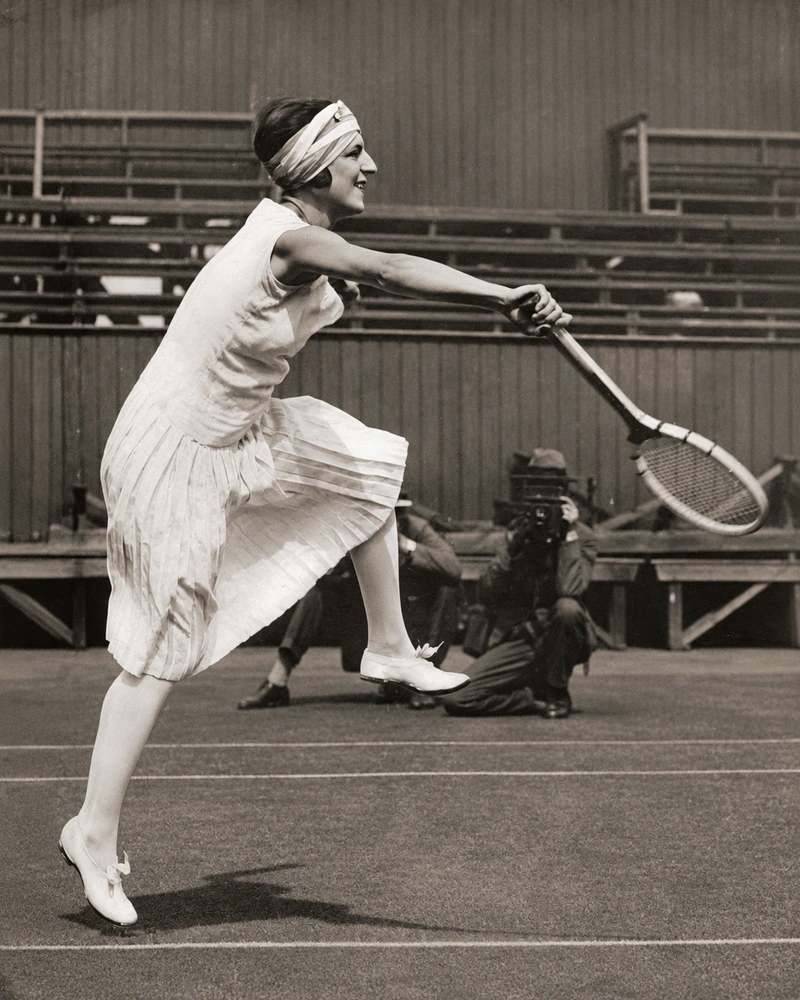
Decades later, Suzanne Lenglen captivated the 1919 crowds in a loose cotton dress featuring short sleeves. She claimed victory while popularizing the tulle "Lenglen bandeau," establishing one of the defining sporting accessories of the 1920s. Designers continually found ways to innovate within the required color.
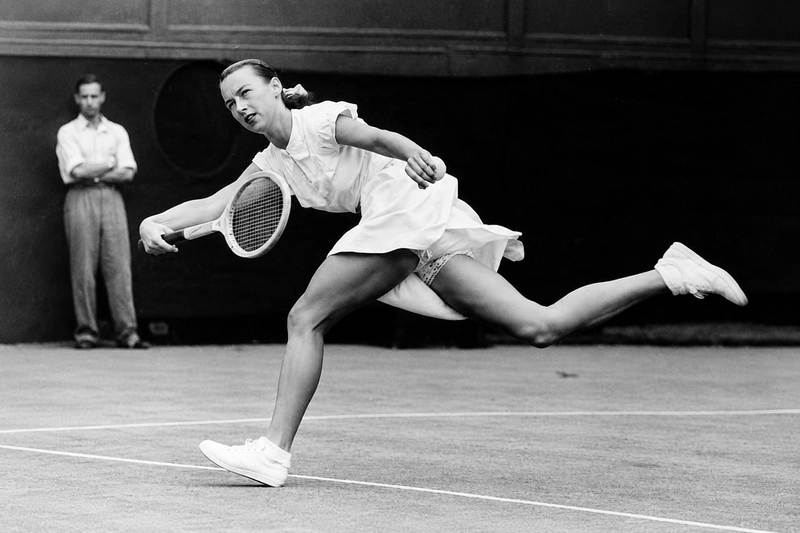
Ted Tinling introduced ruffled lace undershorts for Gussie Moran in 1949, adding theatrical drama to Centre Court.
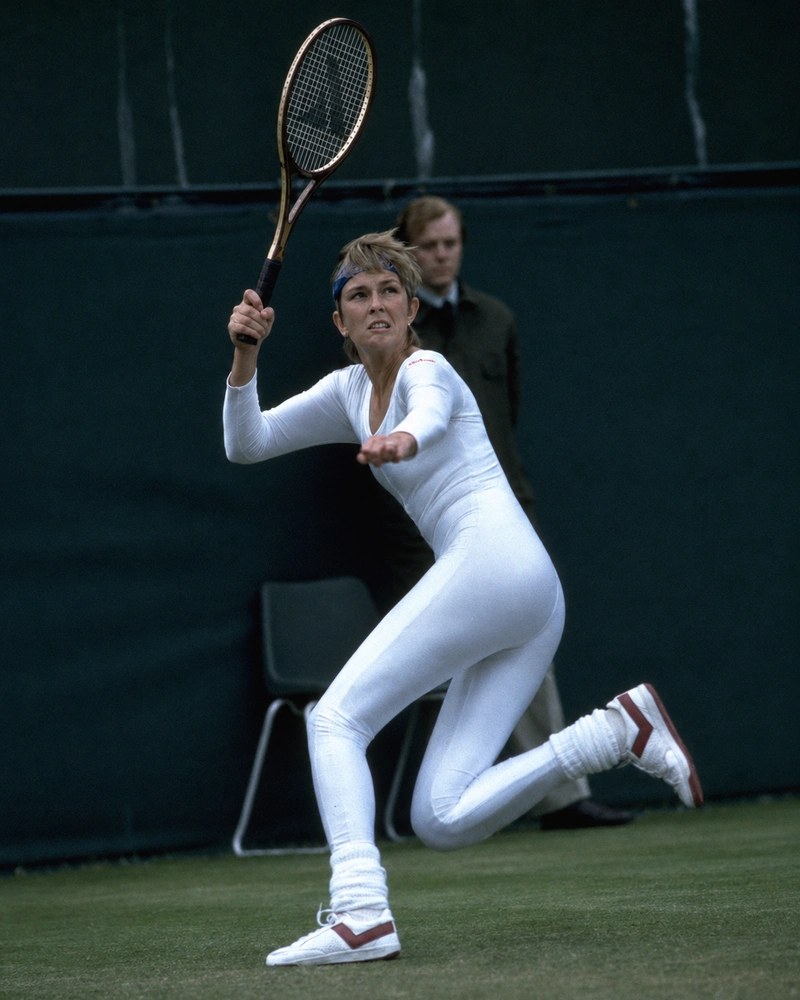
Later, Anne White electrified the 1985 tournament in a sleek, all-white Lycra catsuit paired with leg warmers. Through every era, the steadfast color allowed the evolving shapes, materials, and cultural perceptions of the human body to become entirely visible. By maintaining a constant hue, we clearly witness the shifting design philosophies of each decade.
One Palette Accelerating Infinite Values
A highly restricted color scheme forces other vital design elements to step into the spotlight. Silhouettes, precise proportions, fabric movement, cutting techniques, and material textures gain monumental importance against the grass courts. Players assert their fierce individuality by manipulating these very elements.
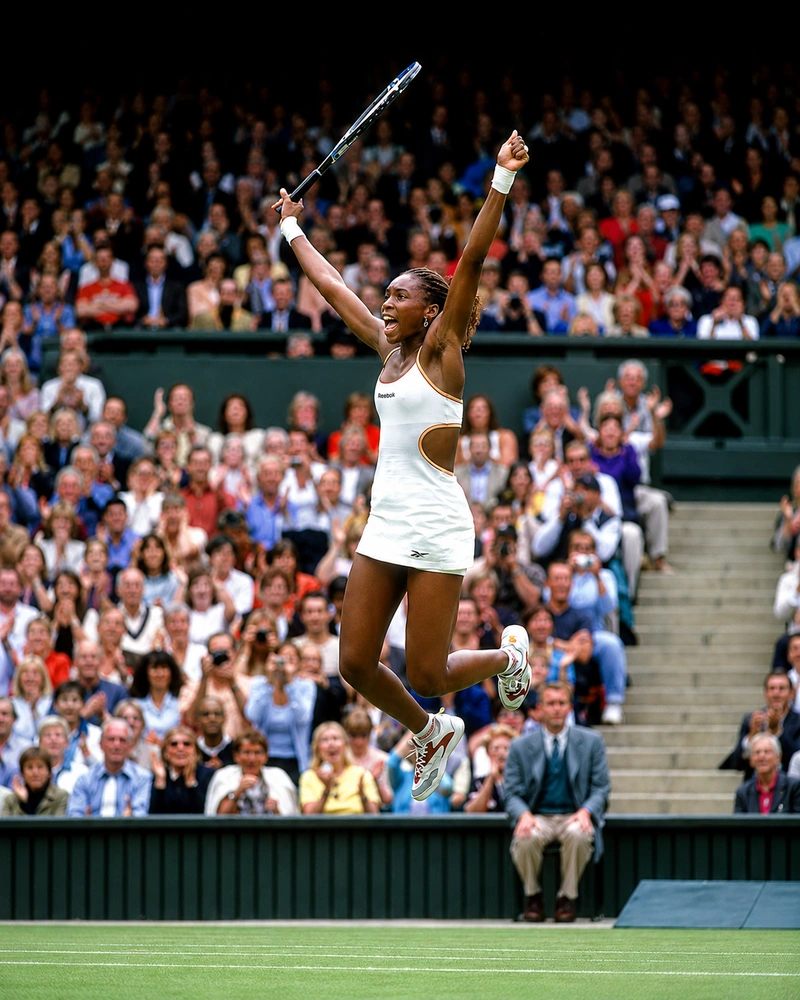
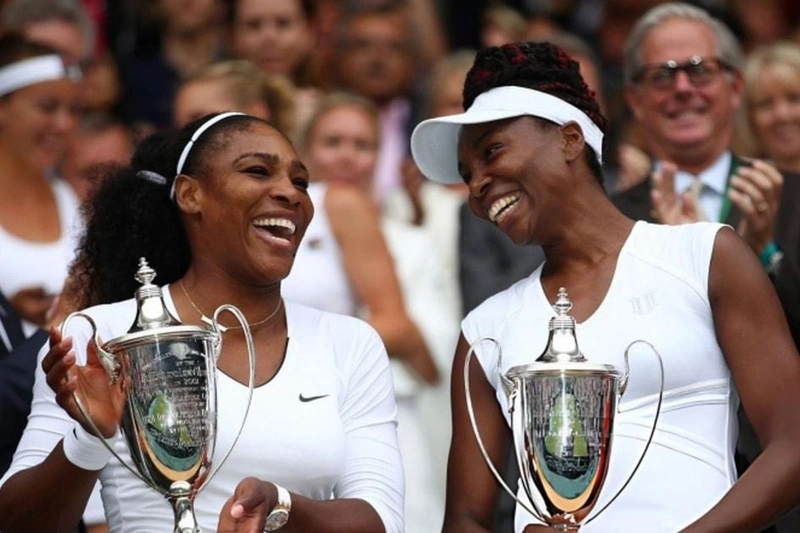
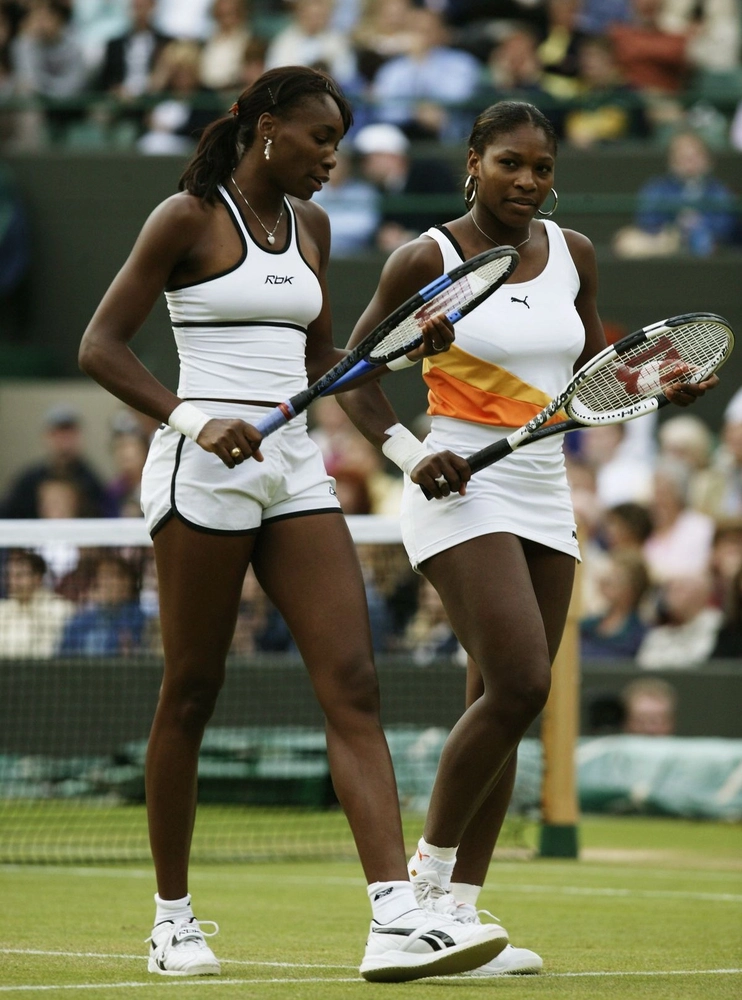
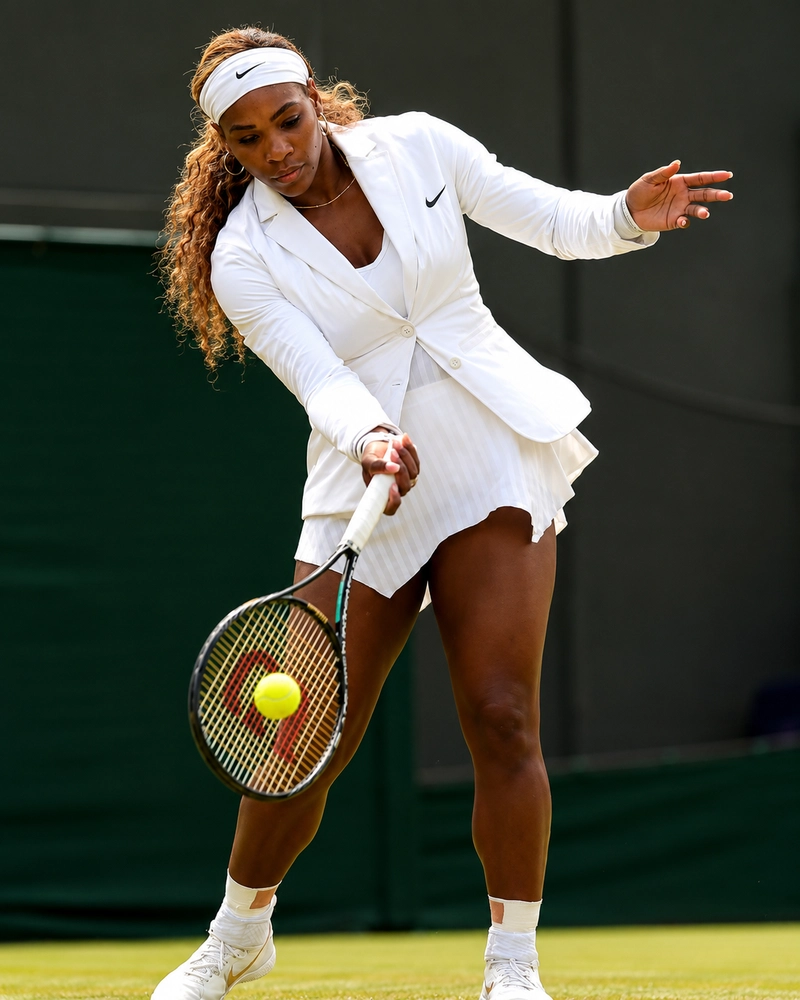
Venus Williams captured attention in 2000 wearing a daring minidress featuring architectural cut-outs and subtle orange piping, proving how permitted microscopic details construct a powerful visual identity. Her sister Serena Williams elevated her attire by adorning her sponsor's logo with exactly 34 brilliant Swarovski crystals. Fellow champion Coco Gauff expresses her vibrant personality by altering her sneaker patterns to honor the unique culture of each Grand Slam.
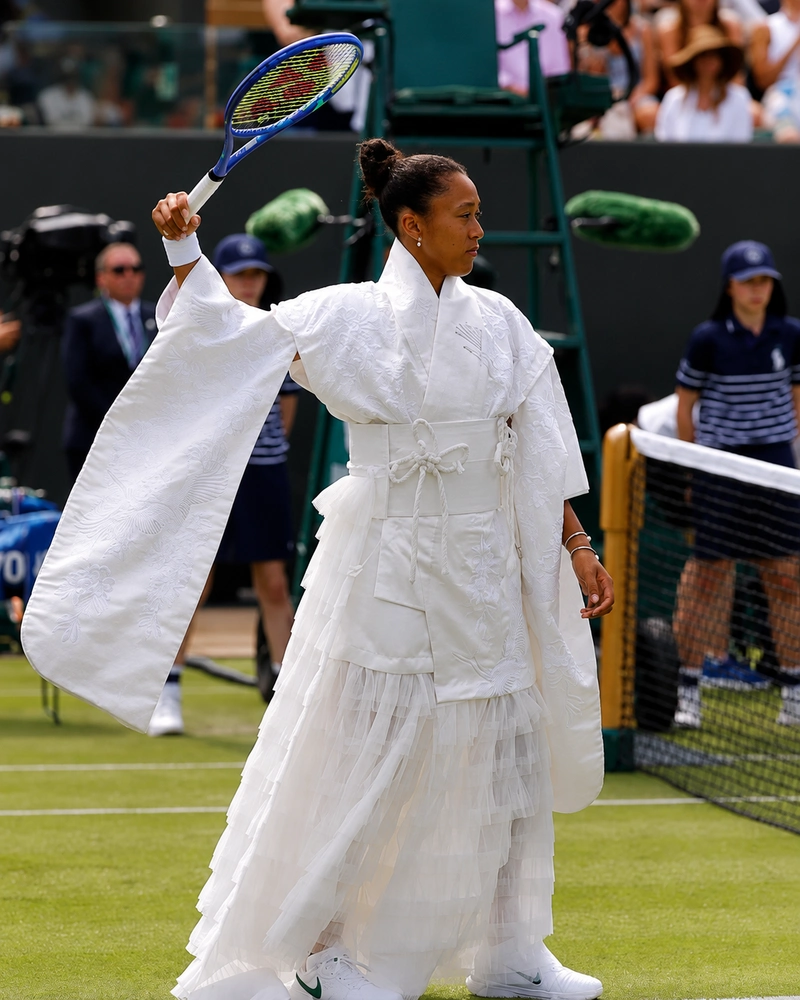
During the 2026 tournament, Naomi Osaka elevated this artistic logic to extraordinary heights. She arrived in a spectacular walk-on outfit drawing deep inspiration from traditional Japanese ceremonial attire. Her ensemble incorporated elements of vintage shiromuku and kimono, featuring beautifully embroidered cranes, delicate cherry blossoms, a trailing bow, a kanzashi ornament, and exquisite Mikimoto jewelry. Underneath, she revealed a kirigami-inspired dress. The pure white backdrop allowed this rich interplay between structural craftsmanship and cultural narrative to resonate profoundly.
Tradition in Motion and Contemporary Adaptation
Despite its profound dedication to historical consistency, Wimbledon actively optimizes the modern playing experience. An icon sustains its legendary status by intelligently adapting to contemporary realities. Starting in 2023, organizers adjusted the rules to prioritize the physical and mental comfort of female competitors.
Women now wear solid mid-colored or dark protective undershorts, provided these items end above the hemline of their outer skirts or shorts. This thoughtful evolution directly addresses physiological needs, allowing players to focus completely on their athletic performance. This progressive adjustment successfully preserves the overall pristine aesthetic of the outer attire while dismantling historical barriers for the athletes. The tournament demonstrates that deep-rooted heritage remains alive and relevant when it embraces necessary flexibility.
The Enduring Heritage of the Wimbledon Aesthetic
While sporting events globally attract audiences through massive entertainment scale and vibrant media coverage, the United Kingdom possesses a unique genius for transforming polite ritual into a globally recognized brand. The strict attire requirements at Wimbledon do far more than complete the event's elegant appearance.
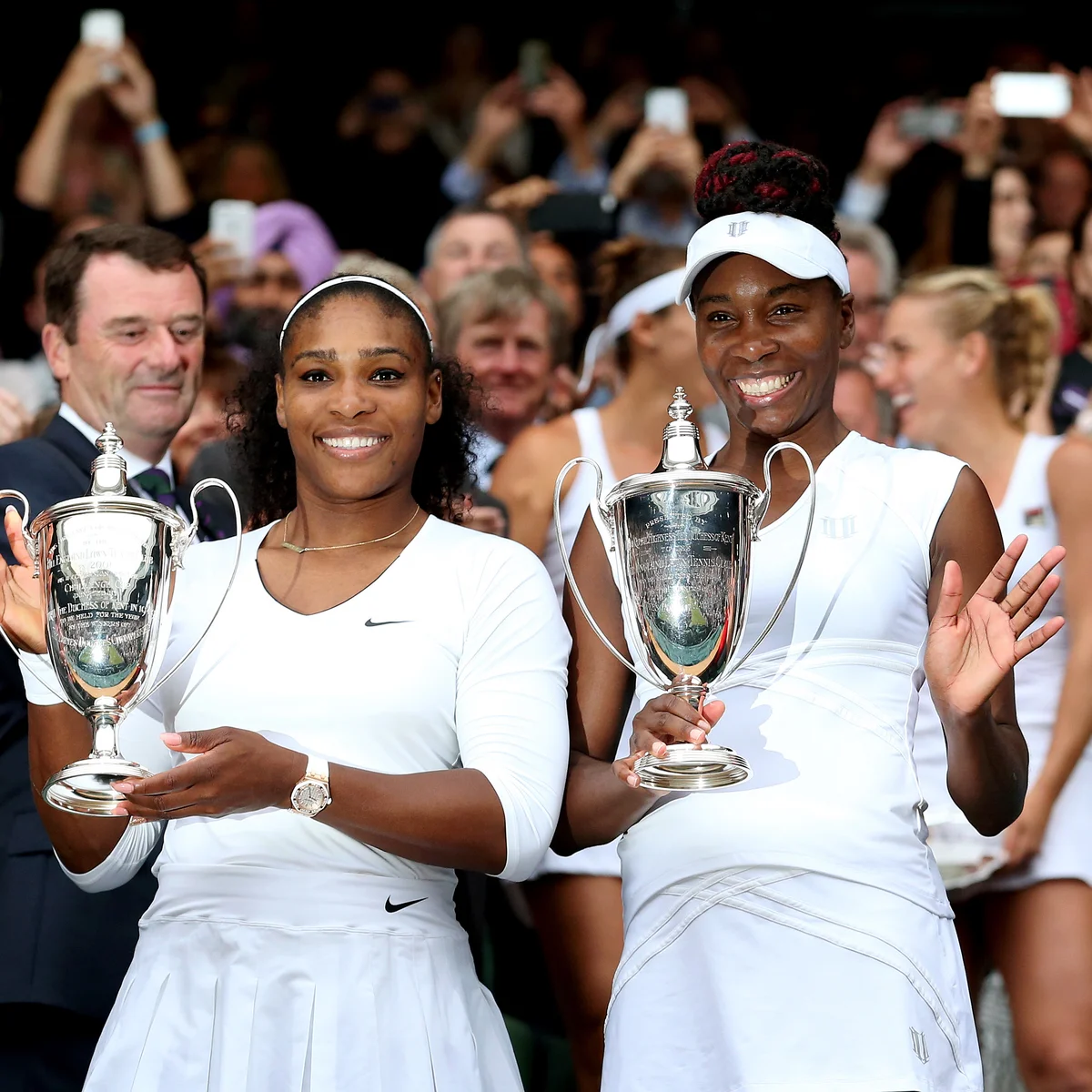
They establish a highly distinct visual order, creating an aesthetic universally recognized across generations. Set against the vibrant green grass, the snowy apparel highlights the explosive biomechanics of every athlete while simultaneously uniting diverse brands, nationalities, and modern trends into a single, cohesive frame.
Wimbledon derives immense power from this visual repetition. The image remains timeless enough to function as collective memory, yet open enough for each new generation to weave their own vibrant stories using technique, personality, and individuality. The crisp, clean hue has flourished for over a century, cementing itself as the ultimate language of sporting heritage. Its original climate-control function evolved entirely into a symbol of supreme prestige, making the visual legacy of Wimbledon forever iconic.