Chanel went to Charvet for a shirt and somehow left with the whole maison. Behind the Place Vendôme joke sits a sharper question: when craft becomes rare, does luxury preserve it, control it, or make sure nobody else can touch it?
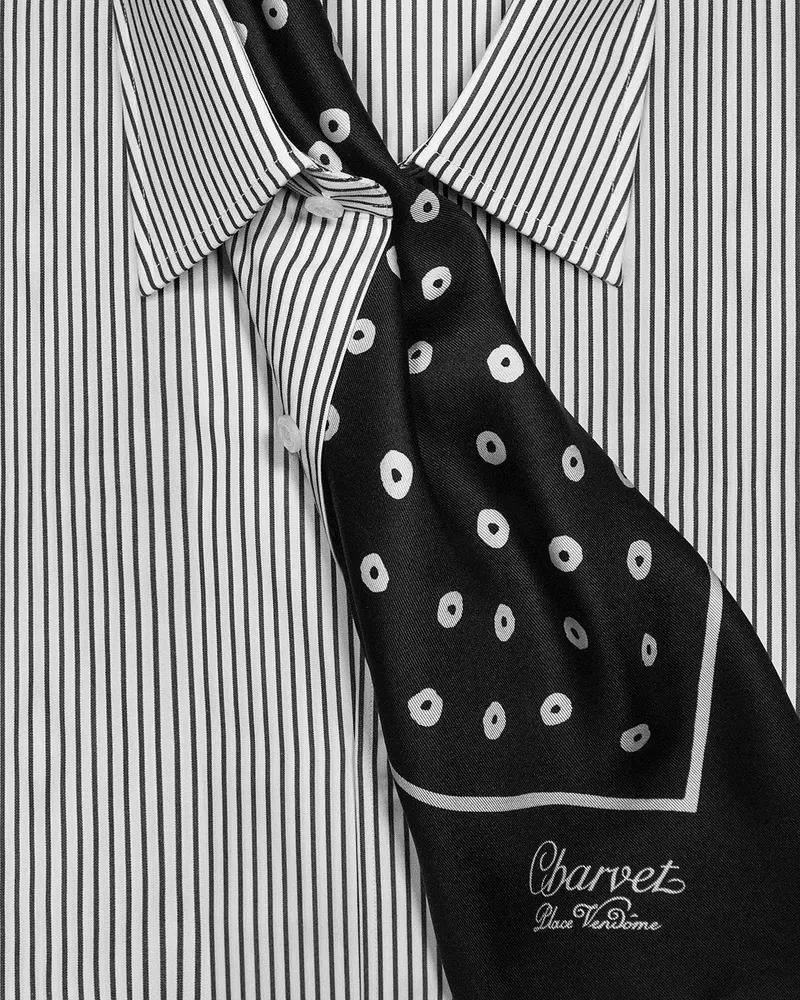
Chanel Bought A Charvet Shirt. Then The Whole Store
Chanel went to Charvet for a shirt and somehow left with the whole maison. Behind the Place Vendôme joke sits a sharper question: when craft becomes rare, does luxury preserve it, control it, or make sure nobody else can touch it?
July 24, 2026


Chanel acquired an endangered form of authority. The house absorbed a 188-year-old French specialist bringing supreme craft, a legendary address, a secretive clientele, and a deep well of symbolic capital. A brand could spend infinite billions on marketing campaigns and still struggle to manufacture this specific aura overnight. If Chanel possesses the capital to secure any fabric, hire any atelier, and fund any campaign, why did the house absolutely need to own Charvet?
The Official Story Promises Savoir-Faire While The Real Story Secures Scarcity Control
The press-friendly narrative paints a beautiful picture: two historic Parisian houses uniting their shared standards, preserving generational craft, and establishing long-term support for artisans. Sharpening this reading exposes the actual mechanism underneath.
Chanel has long understood how luxury power derives from the hidden system supporting the visible brand: the embroiderers, feather workers, shoemakers, milliners, and specialist hands operating in the shadows. Charvet fits into that exact logic, yet it brings a completely different dynamic. It operates as an autonomous legend, carrying its own aura, its own customer memory, its own prime address, and its own enduring myth.
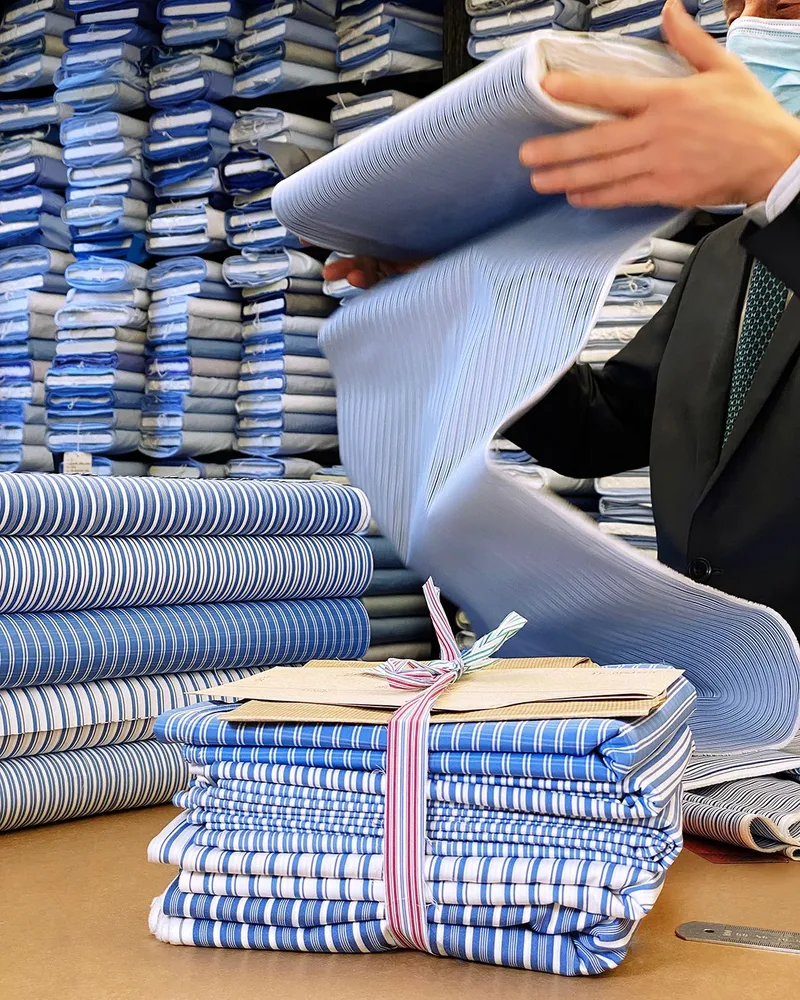
Chanel is actively preventing Charvet from becoming a competitor' weapon. By absorbing this historic shirtmaker, Chanel restricts its rivals' access to a crucial piece of Parisian heritage. Did Chanel prioritize protecting craft, or did it focus entirely on protecting exclusivity? What happens when the most valuable luxury asset shifts from a recognizable logo to a rapidly disappearing skill? If Charvet had gone to LVMH, Richemont, Hermès, or a private equity buyer, Chanel would have lost a vital supplier while simultaneously watching a competitor gain a massive cultural advantage.
Charvet Remains Tiny Compared With Chanel, Which Is Exactly The Point
Chanel operates as a $19.3 billion global behemoth. The house reported an operating profit of $4.712 billion in 2025, deploying billions into brand support and capital investments. The group acquired Charvet for reasons entirely detached from moving the revenue needle. Even with historically meaningful sales for an autonomous shirtmaker, Charvet’s revenue looks microscopic next to Chanel’s financial machinery. The logic centers entirely on leverage rather than scale.

The true value of Charvet hides completely from standard profit and loss statements. It lives in Place Vendôme real estate, an exhaustive bespoke archive, entrenched fabric relationships, institutional pattern memory, deep client trust, and absolute cultural authority. This transaction represents an acquisition of abstract infrastructure. Chanel possesses the power to turn a single Charvet-coded shirt into a $4,000-plus ready-to-wear product, but the deeper value lies in the immediate legitimacy that product carries.
A Chanel shirt inspired by Charvet feels flimsy. A Chanel shirt backed by the legal ownership of Charvet becomes an invincible luxury artifact. Does Charvet hold more value as a functional business, or as a powerful legitimacy engine? How do analysts accurately price a maison whose core value lies in trust accumulated steadily over 188 years? This move stands as aggressive cultural asset protection.
Matthieu Blazy Turned Charvet From Heritage Into Proof Of Concept
Chanel’s appointment of Matthieu Blazy as Artistic Director of Fashion Activities signaled a profound shift. His mandate covers haute couture, ready-to-wear, and accessories, with the house’s official announcements emphasizing his intense dedication to craftsmanship and exceptionally beautiful materials. This made Charvet seamlessly aligned with his specific creative vision.
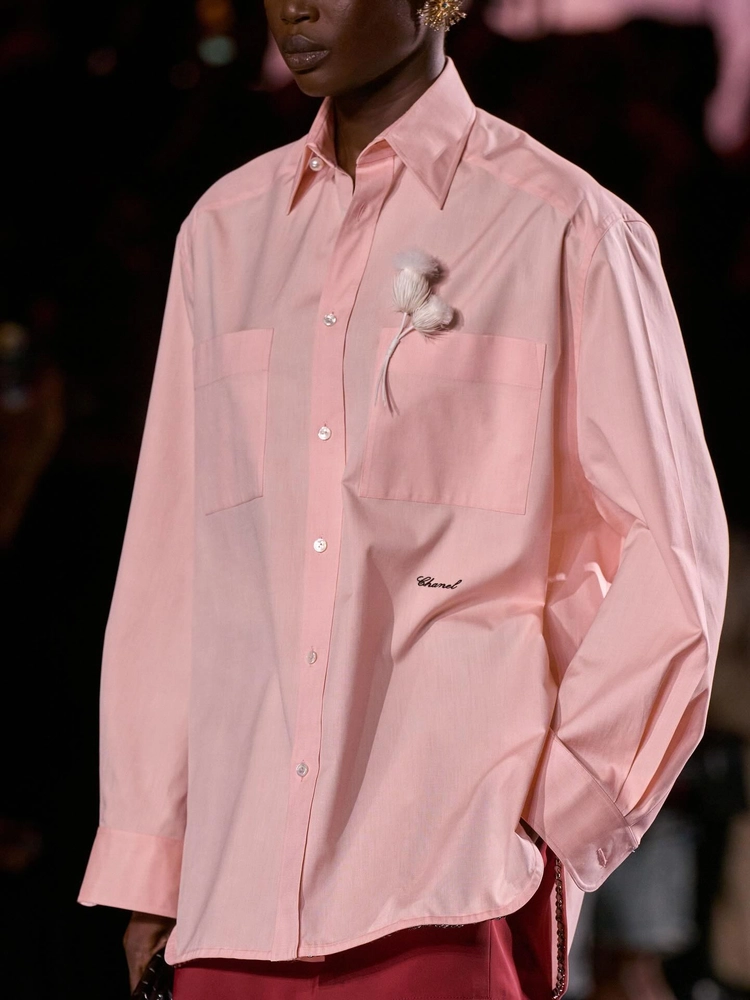

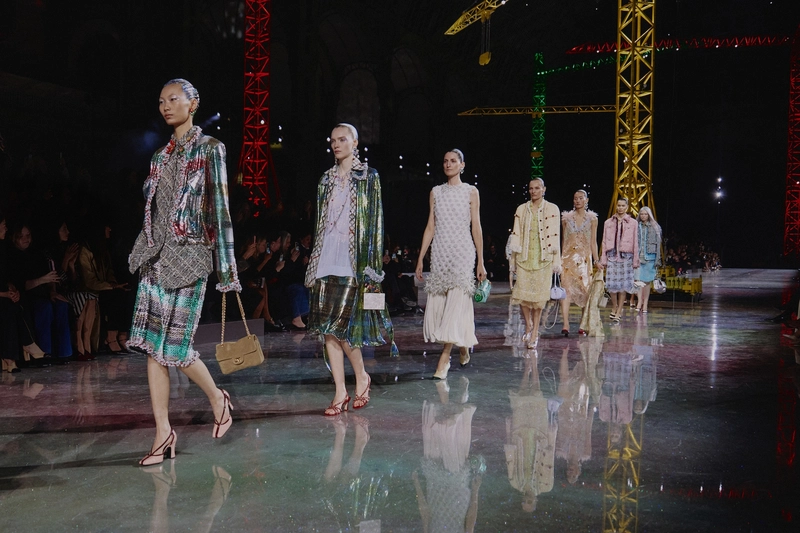
The Charvet collaboration in Blazy’s debut collection functioned as a highly calculated strategic maneuver. It tested whether loyal Chanel clients would accept a more intellectual, menswear-borrowed, craft-heavy language after years of familiar, predictable Chanel codes. The clients embraced it immediately. The shirt became the definitive signal product of the new era. Charvet gave Chanel a brilliant way to make Blazy’s aesthetic feel credible from day one.
Instead of asking clients to trust a fresh direction blindly, Chanel anchored that direction firmly inside a universally respected craft authority. Did Chanel buy Charvet because the collaboration sold well, or because it proved Blazy’s vision for Chanel could dominate the market? The acquisition stands as a massive financial vote of confidence in Blazy’s creative direction. Charvet served as the ultimate object lesson in successfully navigating the post-Virginie, post-Karl transition.
The Menswear Question Chanel Avoids Saying Out Loud
This deal allows Chanel to approach men while maintaining total silence about launching an official menswear category. Charvet provides Chanel direct access to ultra-wealthy male clients, masculine wardrobe codes, absolute shirting authority, and the deeply entrenched culture of old-world gentlemen. That capability proves strategically vital because Chanel’s brand identity remains overwhelmingly anchored in womenswear, fragrance, beauty, bags, and high jewelry.
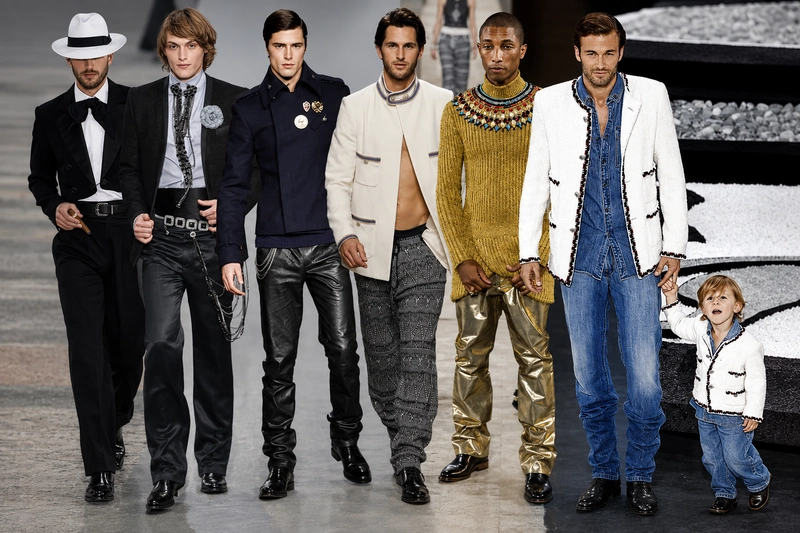
Launching a full Chanel menswear line risks diluting the core brand identity. Charvet elegantly sidesteps that problem. Charvet functions as a discreet, masculine corridor into Chanel’s broader universe. Why would Chanel risk creating a fresh menswear line when it can simply own the ultimate menswear institution?
Charvet operates as a sophisticated client-acquisition tool targeting ultra-high-net-worth men. These men will enter for the bespoke shirts and eventually feed Chanel’s watches, jewelry, fragrance, and private-client ecosystem. Luxury conglomerates have evolved past selling isolated product categories; they now sell total, controlled worlds.
Place Vendôme Transcends Location To Become A Balance Sheet Of Myth
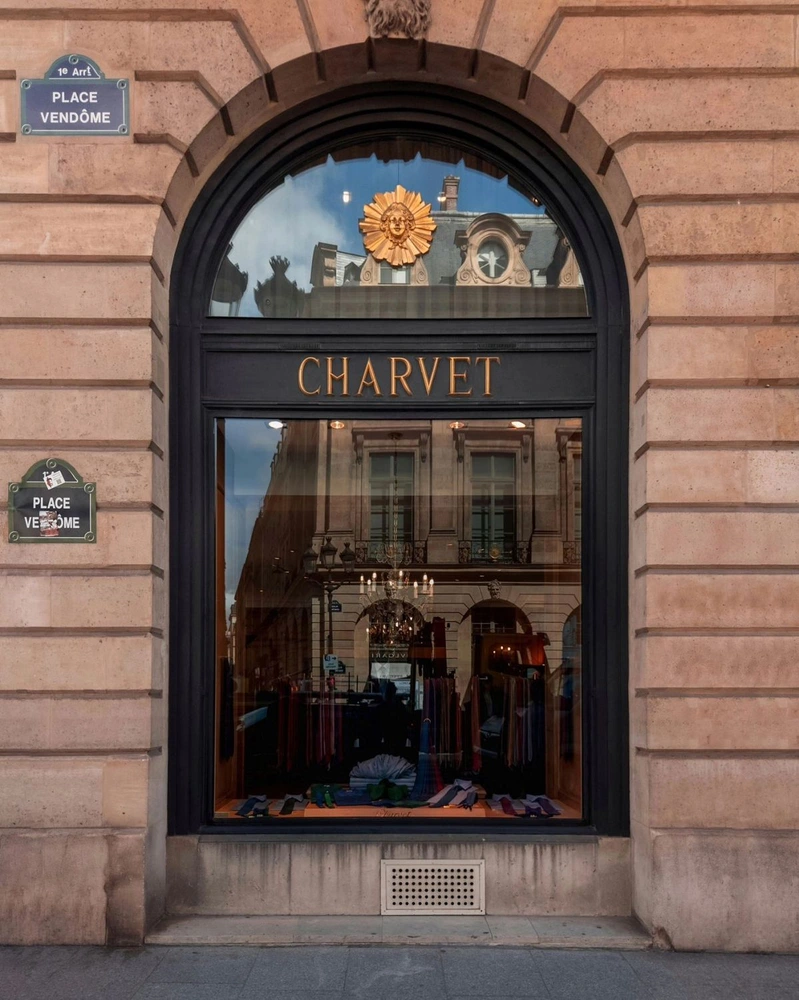
Geography tells half the story. Charvet sits elegantly at 28 Place Vendôme, a square more commonly ruled by high jewelry maisons, luxury watchmakers, vitrined gemstones, and the ceremonial glow of Parisian wealth. The Ritz Paris, where Coco Chanel lived for decades, commands 15 Place Vendôme. Between those two addresses stretches more than a short walk. It is a corridor of myth, proximity, and luxury memory. In a landscape dominated by diamonds, watches, couture salons, and legendary hotels, Charvet has always stood apart as an anomaly: a shirt maison among jewellers, selling not sparkle, but cotton, collar, cuff, discipline, and the intimacy of a body measured by hand.
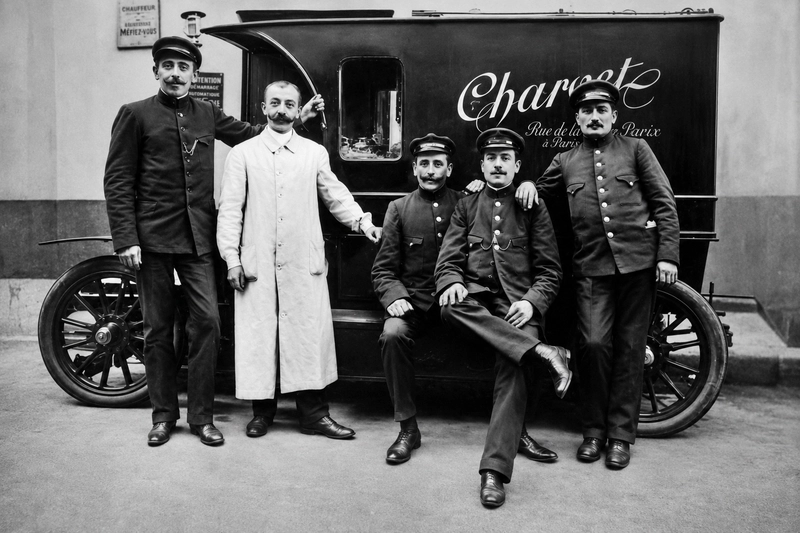
Boy Capel, Gabrielle Chanel’s great love and one of the men from whom she absorbed the authority of masculine elegance, has been described as a regular Charvet client. Fashion histories have also revived the idea that Chanel’s own borrowed menswear language moved through Charvet’s world. Chanel was acquiring a house already threaded into the mythology of how Gabrielle Chanel learned to translate male wardrobe codes into modern female power.
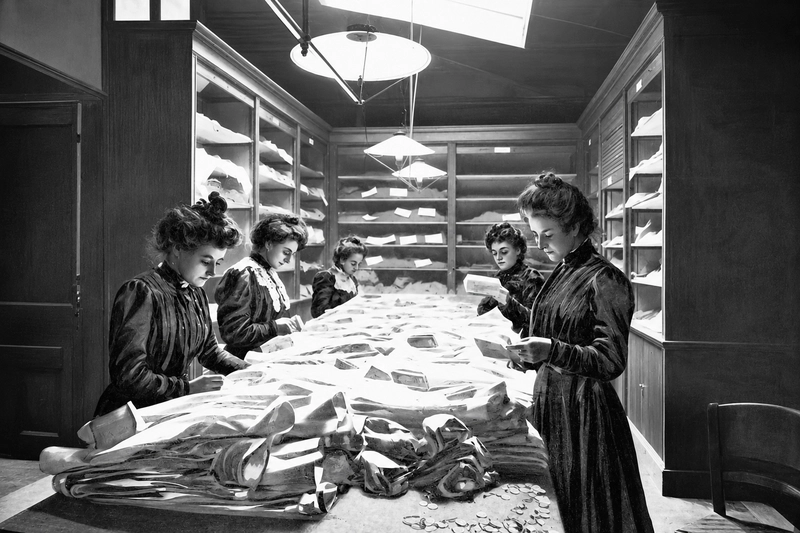
The transaction securely transferred the Place Vendôme headquarters and store into Chanel’s control, giving the house command over both a historic product maison and a physical node anchoring Paris’s luxury map. Luxury groups increasingly treat prime addresses as a form of highly defensible capital. Vast capital can buy global digital reach, influencer visibility, media volume, and retail expansion almost anywhere. Parisian myth demands something harder: geographical possession. A house must stand in the right place, long enough for the address itself to become part of the product.
Did Chanel execute this purchase partly to prevent the possibility of that address becoming strategically available to a rival? Could a heritage shirtmaker at 28 Place Vendôme have become too valuable, too symbolically adjacent, and too culturally useful to leave exposed? In the modern luxury landscape, prime heritage real estate can equal the value of product intellectual property. By owning another piece of the Chanel-adjacent Paris map, Chanel did not merely acquire Charvet’s craft. It tightened its grip on the geography of its own legend.
This Represents A Defensive Acquisition In A Luxury Slowdown
The luxury sector has exited the wild-growth phase of the early post-pandemic years. Bain-Altagamma’s 2025 data confirms a softer market and a highly selective consumer base, valuing personal luxury goods at approximately €358 billion, predicting only a cautious recovery in 2026. As growth cools, brands require vastly stronger justifications for their pricing structures.
Raising prices while offering stagnant perceived substance actively destroys consumer trust. Charvet supplies Chanel with massive substance: authentic craft, verified history, complex garment construction, established male wardrobe codes, and pure bespoke legitimacy. This acquisition functions as a direct response to luxury’s ongoing trust crisis.


Consumers have grown deeply suspicious of inflated pricing, mass-produced heritage marketing, and severe logo fatigue. Chanel answers this skepticism with deeper control over authentic craft narratives rather than discounting its products. In a slower luxury market, true product authority protects pricing power. Chanel needs Charvet-level legitimacy to continue selling $4,000 shirts successfully. The future of luxury depends heavily on owning the absolute proof behind the price tag.
Chanel Is Building A Moat Rather Than A Portfolio
Chanel operates as a privately held, highly cash-generative entity. It remains entirely free from the pressure to acquire dozens of brands merely to impress public market shareholders. Its acquisitions consistently serve the house’s underlying infrastructure: strengthening craftsmanship, securing vital supply chains, hoarding rare materials, elevating the client experience, and cementing product authority.
Charvet perfectly matches that established pattern. It avoids serving as a flashy portfolio trophy. It functions as a deep, defensive moat. Chanel built this moat around specialized technique, absolute scarcity, Blazy’s fresh creative vision, the intimate client relationship, and authentic French heritage.
The industry questions whether Chanel will force Charvet to become a massive global entity. The smarter evaluation recognizes that Chanel becomes exponentially harder to copy by holding Charvet in its grasp. Chanel wants Charvet to remain exceptionally rare. Chanel will likely preserve it as a high-control niche rather than scaling it aggressively. Over-commercialization would instantly destroy the exact magic Chanel just purchased.
The Risk Exists That Chanel Could Kill The Quietness It Bought
Charvet’s enduring value springs directly from its extreme restraint: limited visibility, multi-generational clients, and a hyper-traditional quietness. Chanel faces the dangerous temptation to transform that delicate quietness into excessive storytelling, overwhelming product volume, and aggressive symbolic extraction.
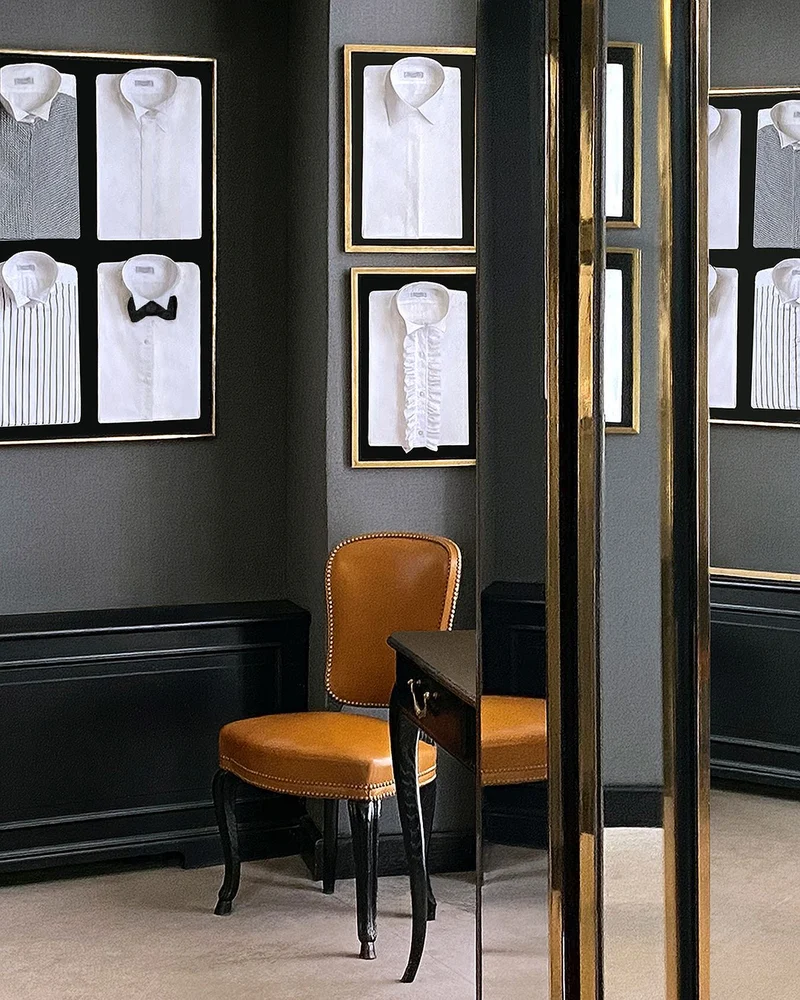
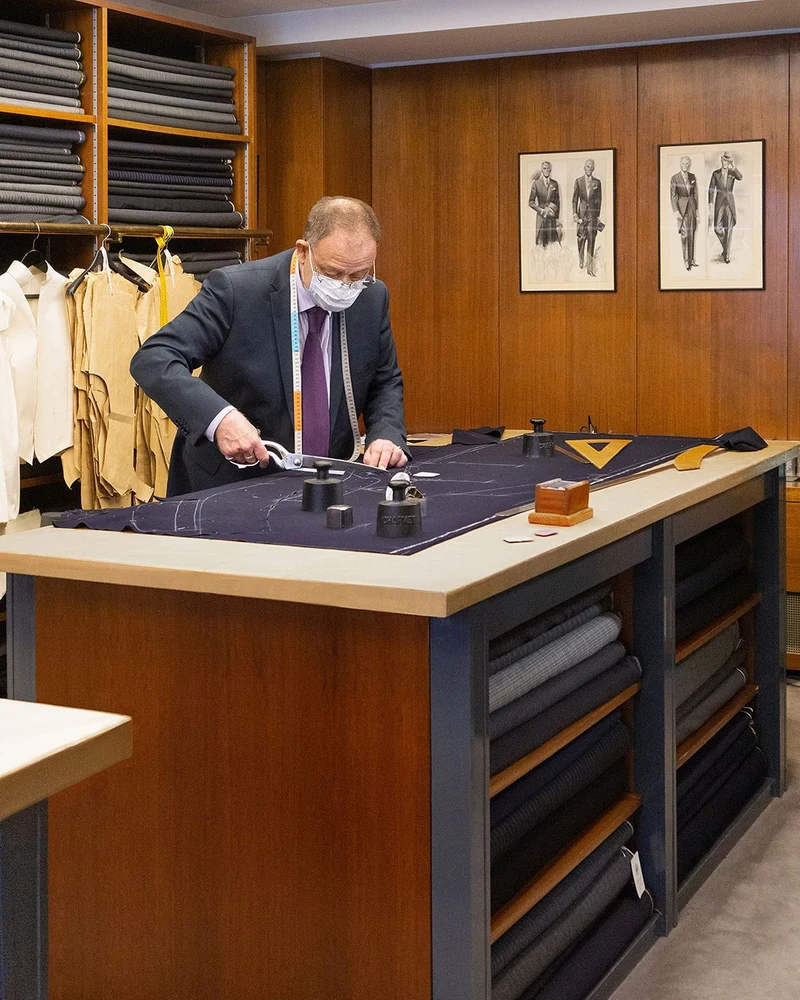
The acquisition succeeds only if Chanel resists the urge to make Charvet overly Chanel-esque. This presents a fascinating paradox: Chanel bought Charvet specifically for its rare, discreet, and fiercely autonomous spirit. Chanel must now prove its ownership will preserve that spirit intact. Can a giant luxury house truly maintain the silence of a maison built entirely on discretion? If Chanel aggressively converts every Charvet code into a mass-market Chanel product code, the core essence of Charvet risks fading away entirely.