Hands have been quietly giving away age while the face received all the attention. Now anti-aging is rewriting the routine from wrist to fingertip.

Your Face Has Anti-Aging. What About Your Hands?
Hands have been quietly giving away age while the face received all the attention. Now anti-aging is rewriting the routine from wrist to fingertip.
September 7, 2026


For years, hand care occupied one of beauty’s simplest jobs: keep dry skin comfortable. The formula usually revolved around glycerin, shea butter or something pleasantly scented. That little category is becoming far harder to recognize. Retinol hand treatments, niacinamide serums, pigmentation formulas, LED devices, fillers, and laser sessions are turning the backs of the hands into another site for serious anti-aging investment.
The commercial movement has become visible enough to measure. Grand View Research values the global hand cream market at an estimated $923.3 million in 2026, with the category projected to reach roughly $1.46 billion by 2033. Within that market, anti-aging hand creams are forecast to grow at an 8.2% annual rate, driven by demand for formulas addressing wrinkles, age spots, and elasticity with recognizable skincare ingredients such as retinol, peptides, and antioxidants.
Suddenly, the hand cream aisle looks suspiciously like the facial serum shelf.
Why Hands Became an Anti-Aging Blind Spot
Hands collect an unusually clear record of daily life. They sit on steering wheels, hold phones in sunlight, meet soap repeatedly throughout the day, and encounter detergents, weather, and friction with very little ceremony. Dermatologist Joshua Zeichner, MD, director of cosmetic and clinical research in dermatology at Mount Sinai Hospital, points to sun exposure, harsh detergents and hot water as major contributors to the early appearance of aging across the hands.
Underneath, the anatomy adds another problem. Fat on the backs of the hands gradually thins with age, allowing veins, tendons, and joints to become increasingly prominent while collagen loss contributes crepiness and fine lines. Pigmentation develops through cumulative ultraviolet exposure, producing the familiar constellation of brown spots that instantly reads as years spent outdoors.

There is one piece of research worth keeping because it explains why the issue carries such aesthetic power. In 2006, plastic surgeons Robert D. Bains, Helen Thorpe and Stephen Southern showed participants photographs of women’s hands and digitally altered features including veins, wrinkles and pigmentation. Across 93 questionnaires, wrinkles, visible veins, prominent joints, thin skin and spots consistently influenced perceptions of age; digitally removing the veins made the hands appear younger in a statistically significant way.
Beauty therefore has a fairly straightforward commercial problem to solve: people read age through hands, and decades of sophisticated facial anti-aging have made the contrast increasingly noticeable.
Hand Cream Is Turning Into Hand Skincare
In 2026, Aesop introduced Solais Replenishing Hand Serum, taking the vocabulary of facial skincare directly into hand care. Its formula uses niacinamide, lipohydroxy acid, and dandelion root, with the product positioned around brightness, hydration, and evenness of tone.

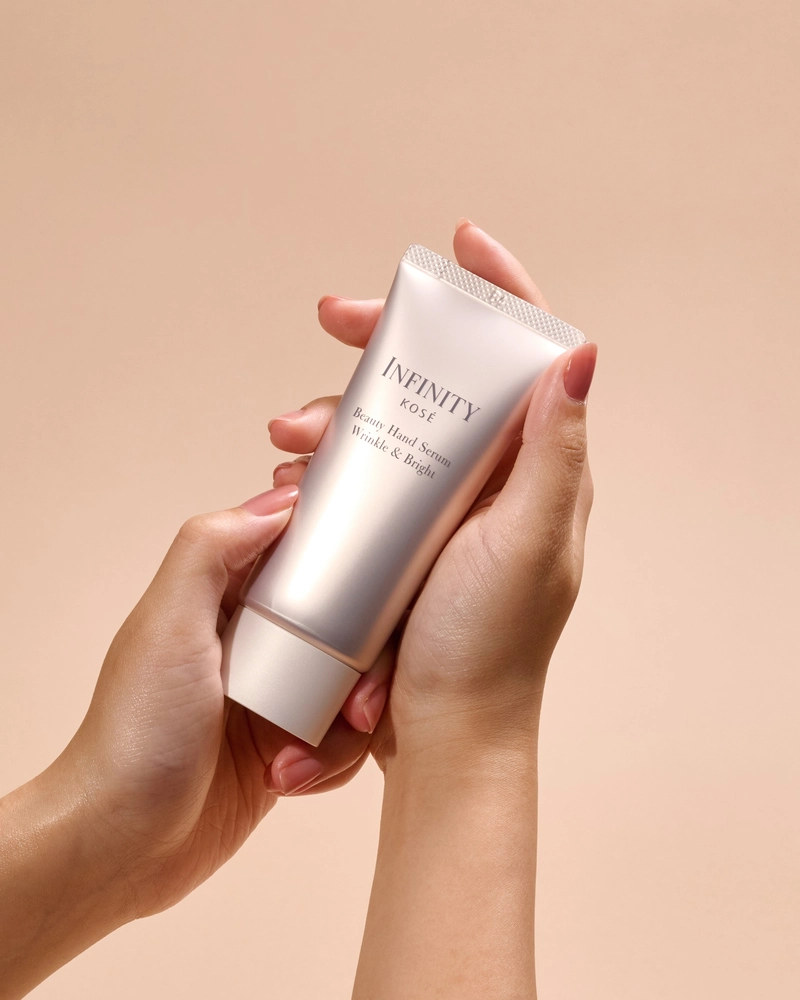
Kosé has travelled down the same route through its Infinity Beauty Hand Serum Wrinkle & Bright, using niacinamide alongside tranexamic acid to target wrinkles and pigmentation. The formula even comes with the language of firming, brightening and sustained moisture that consumers already know from Japanese facial skincare.
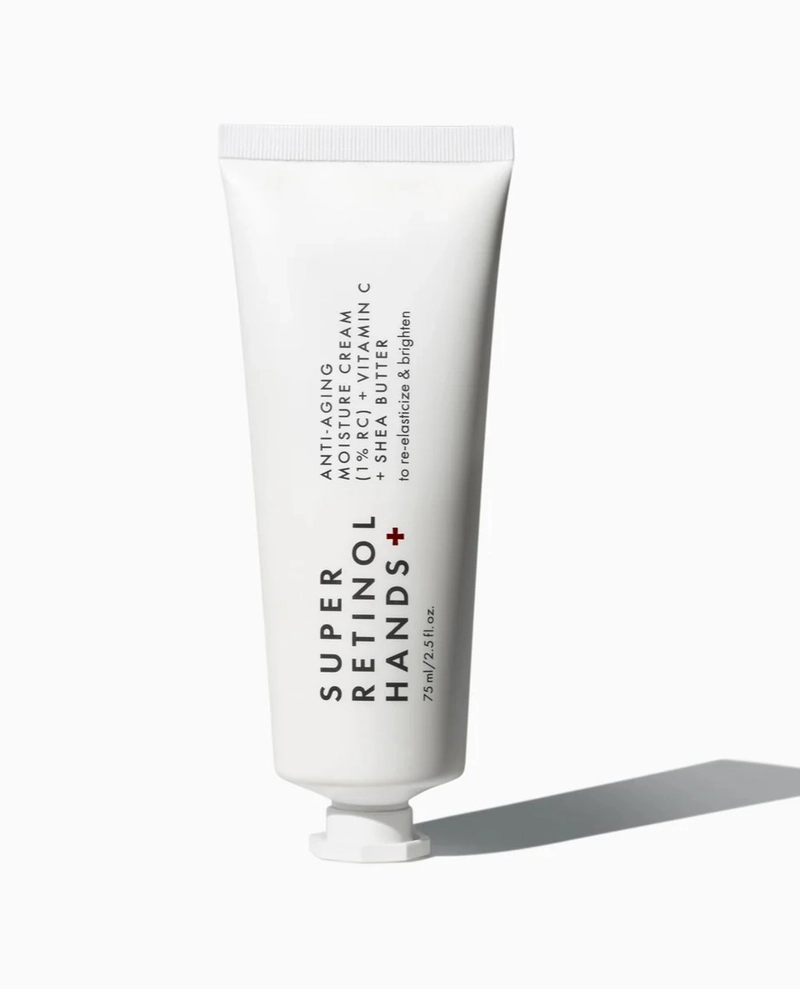
Beauty Pie pushes the idea into familiar retinoid territory. Its Super Retinol Anti-Aging Hand & Body Repair Cream contains a 1% encapsulated retinol complex and positions itself around wrinkles, uneven tone and pigmentation. The product currently carries over a thousand reviews on Beauty Pie’s site, giving a small but tangible indication that treatment-led hand care has found an audience beyond novelty shoppers.
The backs of the hands are skin, so retinoids can support cell turnover and collagen-related processes, niacinamide can contribute to barrier function and tone, and exfoliating acids can address rough texture and pigmentation. The formulation challenge comes from constant washing and exposure, which places extra emphasis on tolerability, moisture, and daytime UV protection.
Board-certified dermatologist Saami Khalifian, MD, describes the hands as a high-stress area exposed continuously to sun, wind, soaps, and environmental damage. His advice around retinoid hand care emphasizes gradual use, since the dorsal skin can become irritated by aggressive formulas.
Then Facial Fillers Moved Into the Hands
The history of injectable hand rejuvenation is particularly revealing because the technology travelled directly from facial aesthetics. Calcium hydroxylapatite filler Radiesse already had established facial indications when the FDA approved it for correcting volume loss in the dorsum of the hands in June 2015. The regulatory description is almost refreshingly practical: hand augmentation to restore lost volume.
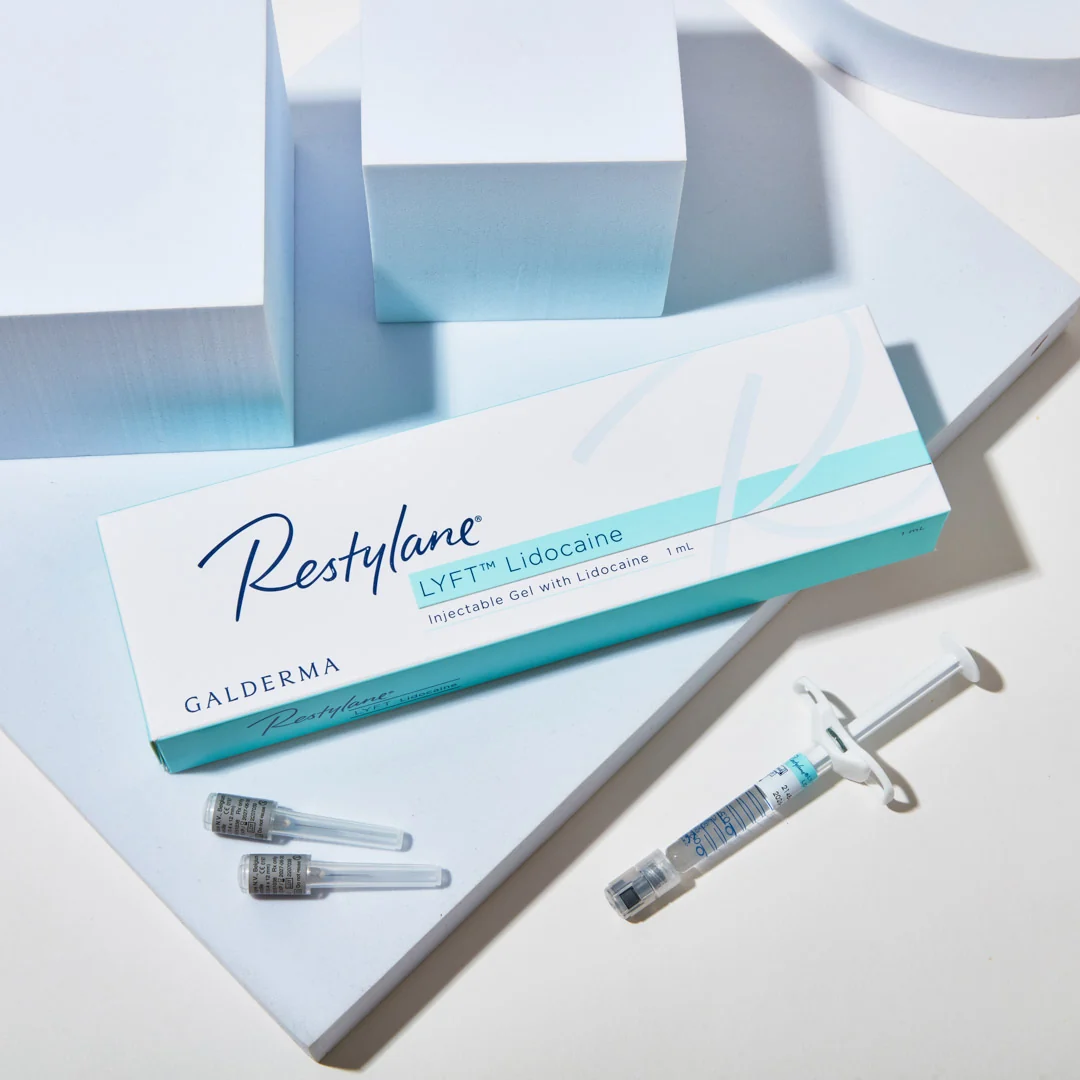
Three years later, Restylane Lyft with Lidocaine received FDA approval for injection into the backs of the hands, bringing hyaluronic-acid filler into the same territory.
The logic is easy to see during treatment. As the fatty layer becomes thinner, veins and tendons gain definition under the skin. Filler restores cushioning across that landscape, changing the architecture underneath instead of treating pigmentation or fine lines on top.
And this is where anti-aging for hands becomes a real expenditure.
Published 2026 clinic menus give a sense of the economics. Pima Dermatology in Arizona lists a full Restylane Lyft hand treatment at $1,700. MD Ventures lists a two-syringe Radiesse hand-rejuvenation session at $1,300. A Miami Beach practice publishes Radiesse pricing of $1,400 to $2,200 for both hands, with multi-session protocols extending into several thousand dollars. These are individual practice prices shaped by location, provider and treatment plan, yet they show how easily hand rejuvenation can enter the spending territory already associated with facial injectables.
Plastic surgeon Frank Agullo, MD, wrote in August 2026 that questions about hand filler had become increasingly common in his consultation room over the previous year, frequently surfacing at the end of appointments for facial procedures. His observation is anecdotal, yet it captures an important consumer behavior: once someone starts viewing facial aging as treatable, adjacent signs of age become newly visible.
Even the Laser Menu Has Discovered Hands
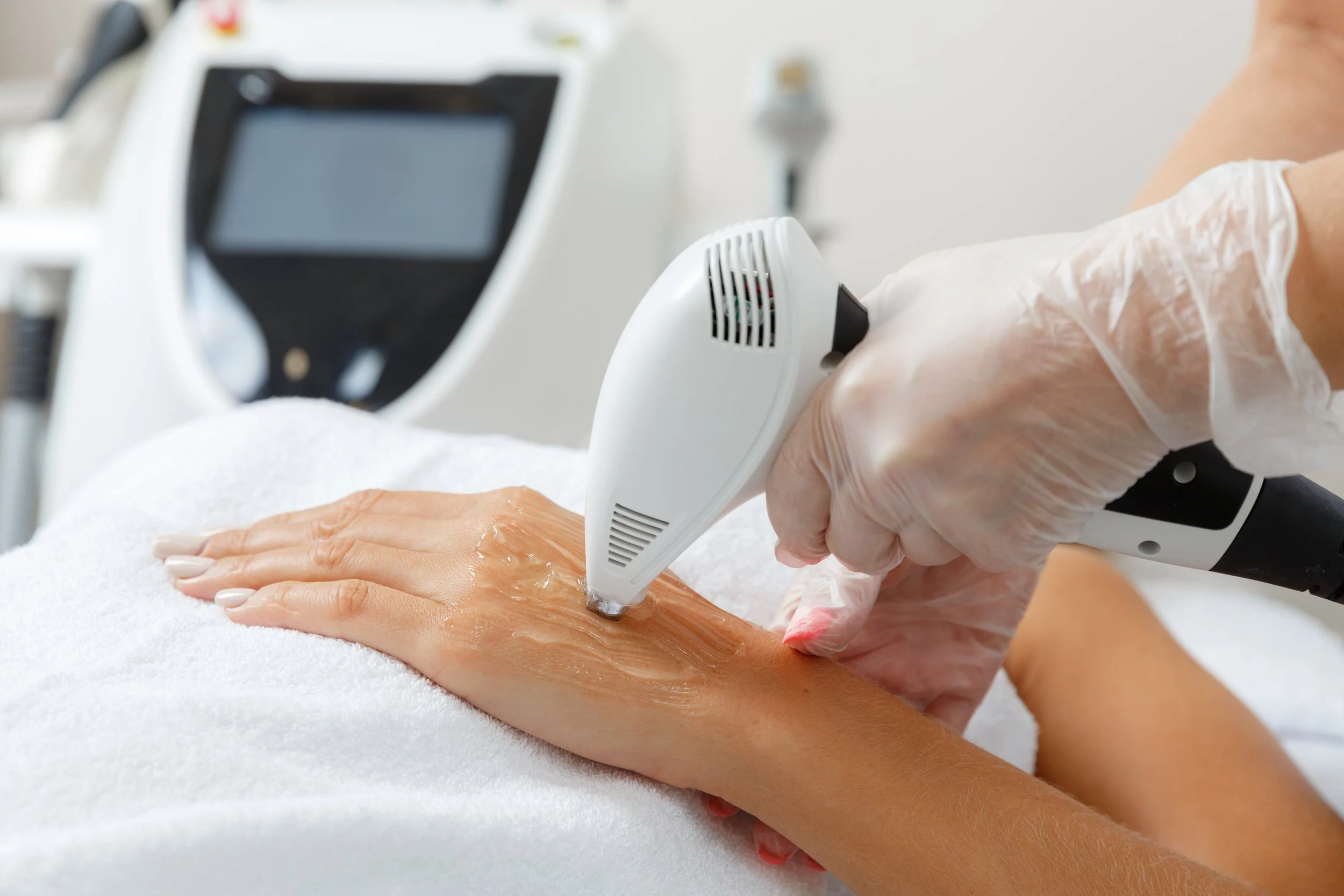
Pigmentation creates another revenue stream. IPL and laser treatments already familiar from facial sun-damage protocols are increasingly offered specifically for the hands.
Published clinic menus make that migration easy to see. One Scottsdale practice lists IPL for hands at $250 per session or $675 for a three-treatment package. US Dermatology Partners lists a hands-only IPL session at $320, with a three-treatment package at $768 during its 2026 pricing programme.
Those prices also explain why modern hand rejuvenation often becomes a stack of treatments. Pigment may lead toward IPL. Crepey texture may lead toward retinoids, resurfacing or biostimulatory procedures. Volume loss may lead toward filler. Daily SPF protects the work being done across all three.
Dermatologist Janine Hopkins, MD, summarized the philosophy neatly in a 2026 discussion of aging hands: UV exposure and collagen loss shape the process, so she advises treating the backs of the hands as a deliberate skincare area with sunscreen, protective driving gloves and medical-grade topical care.
The niche fun here is that beauty has effectively built a second facial routine at the end of each arm. Aesop provides the serum. Beauty Pie provides retinol. Cosmetic dermatology supplies IPL. Merz and Galderma supply injectables. Clinics now place “hands” beside cheeks, necks and décolletage on their treatment menus.
The humble hand cream has grown into a small anti-aging economy, and 2026 makes that transition unusually visible.