MENU
Close





America waited more than two decades for a new sunscreen active. The twist is that bemotrizinol had already become a familiar ingredient across some of the world’s most sophisticated SPF formulas.
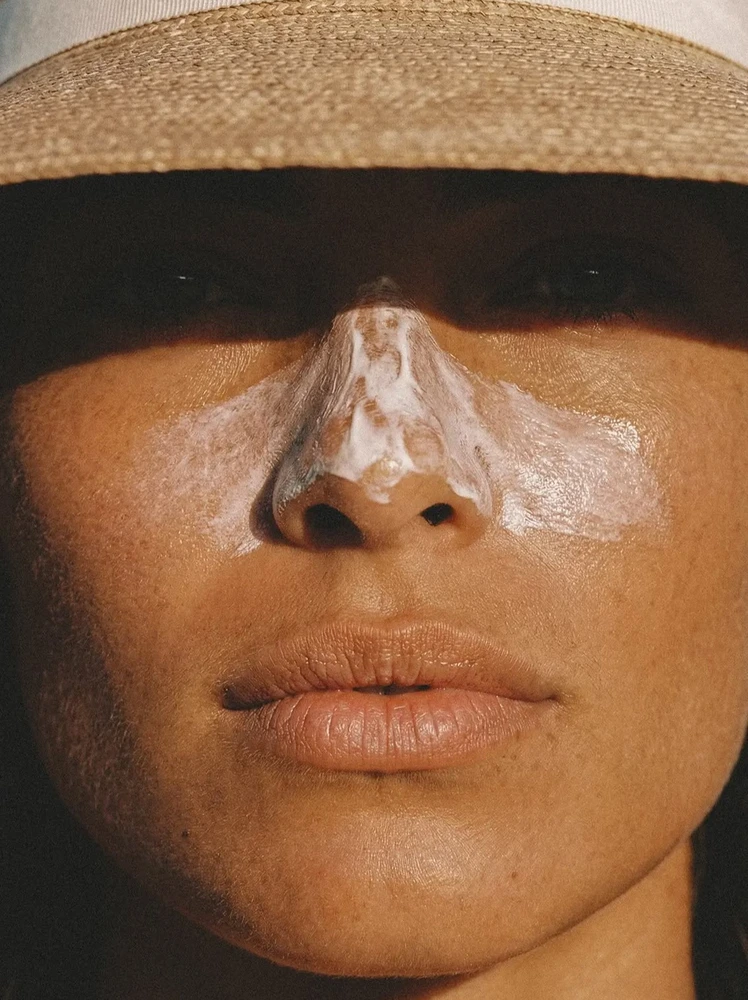
America waited more than two decades for a new sunscreen active. The twist is that bemotrizinol had already become a familiar ingredient across some of the world’s most sophisticated SPF formulas.
August 25, 2026
Advertisement

Advertisement



Greasy. Chalky. Ghostly under makeup. Heavy by lunchtime. American sunscreen has collected an impressive vocabulary of complaints, even as dermatologists keep calling SPF one of the foundations of skin longevity. In 2026, one molecule finally changes the conversation. Bemotrizinol has entered the U.S. sunscreen system after spending decades quietly protecting faces across Europe and Asia.
June 9, 2026 gave American sunscreen chemistry a strangely delayed homecoming.
The U.S. Food and Drug Administration added bemotrizinol, commonly abbreviated BEMT, to the over-the-counter sunscreen monograph at concentrations up to 6 percent. It became the first new sunscreen active added to that system since the late 1990s. The final order covers compliant formulations intended for adults and children aged six months and above.
Across international beauty counters, the ingredient has already lived a full career. It appears under the INCI name Bis-Ethylhexyloxyphenol Methoxyphenyl Triazine and under commercial names including Tinosorb S and PARSOL Shield. European pharmacy staples, Japanese drugstore icons and prestige skincare have worked with bemotrizinol for years.
UVB contributes heavily to sunburn and skin cancer. UVA penetrates deeply into skin and contributes to photoaging, pigmentation and carcinogenesis. A daily sunscreen has to manage those wavelengths while also surviving sunlight, spreading evenly across skin and feeling pleasant enough for a person to willingly apply a generous amount.
Bemotrizinol answers several of those formulation demands at once.
It absorbs across UVA and UVB wavelengths, earning its broad-spectrum role inside sophisticated filter systems. BASF describes Tinosorb S, its version of bemotrizinol, as highly photostable and capable of supporting the stability of accompanying UV filters such as avobenzone. Its absorption peaks sit around 310 and 340 nanometers, giving formulators a versatile tool for constructing strong UVA and UVB coverage.
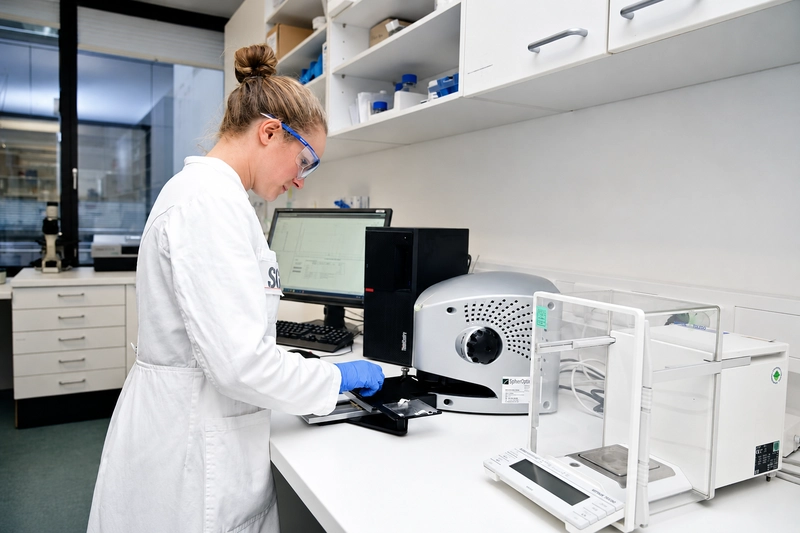
Photostability sounds like laboratory language until sunscreen meets actual sunlight.
Some filter systems require careful formulation to preserve performance during exposure. Bemotrizinol brings remarkable stability into that equation, allowing chemists to think about the sunscreen as an interconnected protection system.
Its molecular size adds another appealing property. FDA assessments identified low systemic absorption through the skin, and Yale School of Medicine dermatologic surgeon Kathleen Suozzi explained that the ingredient's large molecular structure supports its tendency to remain close to the skin surface.
Before the FDA opened the door in 2026, bemotrizinol already had a curious relationship with American sunscreen. U.S. consumers could encounter the filter through imported European and Asian formulas, while American beauty companies were already capable of manufacturing products containing it for overseas markets.
DailyMed records, for example, show a Kiehl’s sunscreen made by L’Oréal USA containing bemotrizinol as early as 2017, with the product designated for “export only,” while Garnier Ombrelle formulas containing the filter followed a similar path. The situation exposed a strange regulatory divide: the technology already existed inside American manufacturing, yet domestic OTC sunscreen rules kept bemotrizinol outside the approved active-filter system for products sold to U.S. consumers.
National Geographic cites that around 13 percent of American adults apply sunscreen daily. The gap between dermatological advice and everyday behavior leaves room for questions that cosmetic chemists understand intimately: Does the formula feel sticky? Does it pill beneath makeup? Does it create a visible cast? Does it sting around the eyes? Does somebody enjoy applying it again at lunchtime?
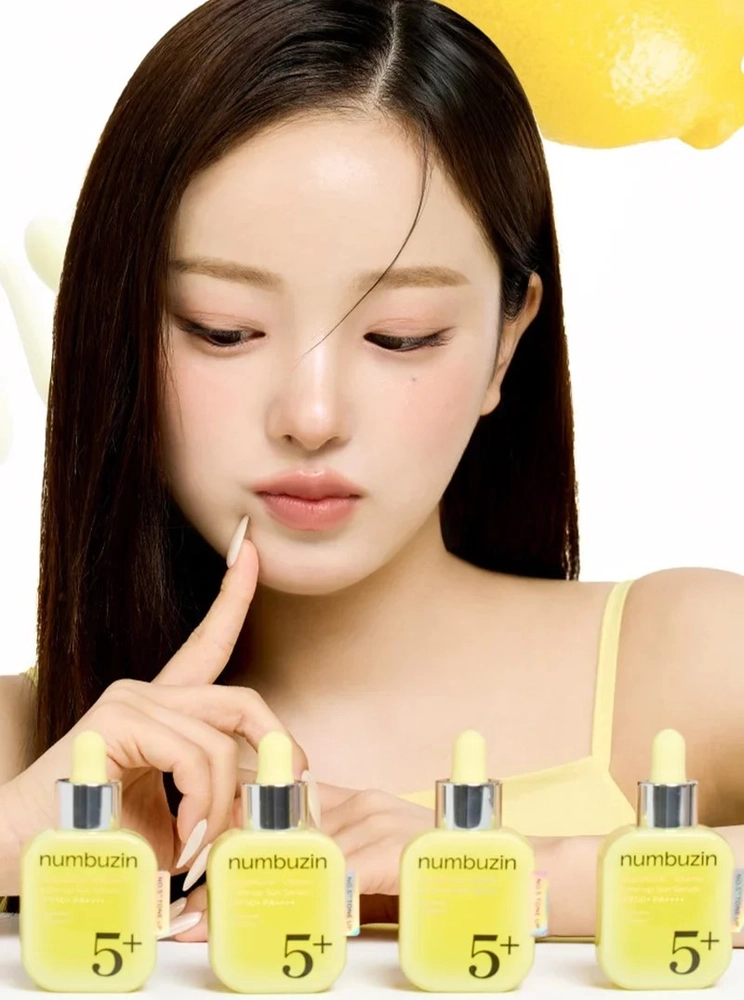
South Korean sunscreen research has built enormous cultural influence around precisely this relationship between protection and wearability. Amorepacific researcher Sungil Park described Korean sunscreen innovation through lightweight, fast-absorbing and cosmetically elegant textures, qualities that helped make sunscreen feel like an ordinary skincare step within Korean routines. Bemotrizinol belongs to the international filter toolkit supporting that kind of formulation freedom.
American formulators now gain another ingredient for balancing protection with feel.
Anyone wondering what bemotrizinol can look like inside a finished formula can already visit beauty counters around the world.
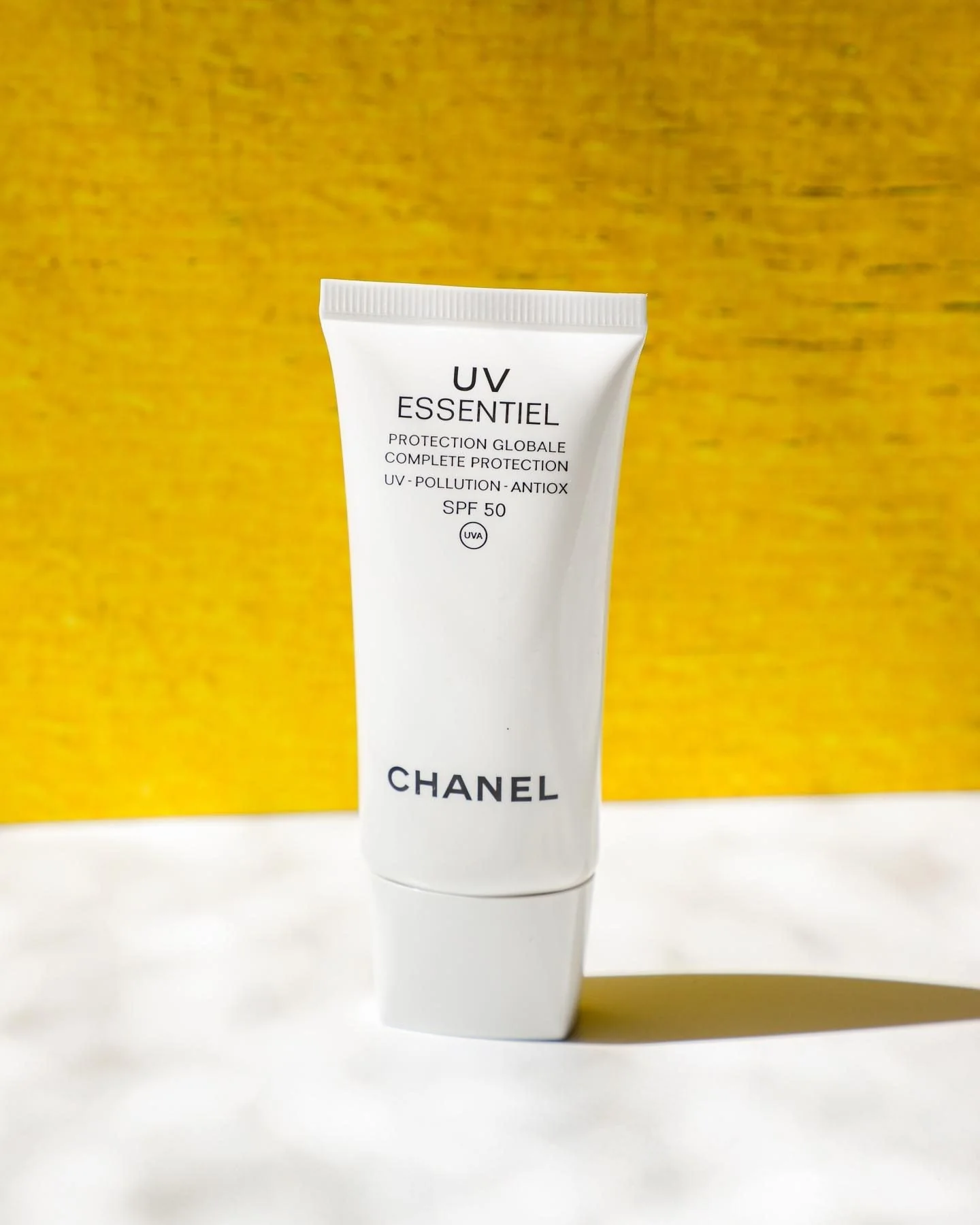
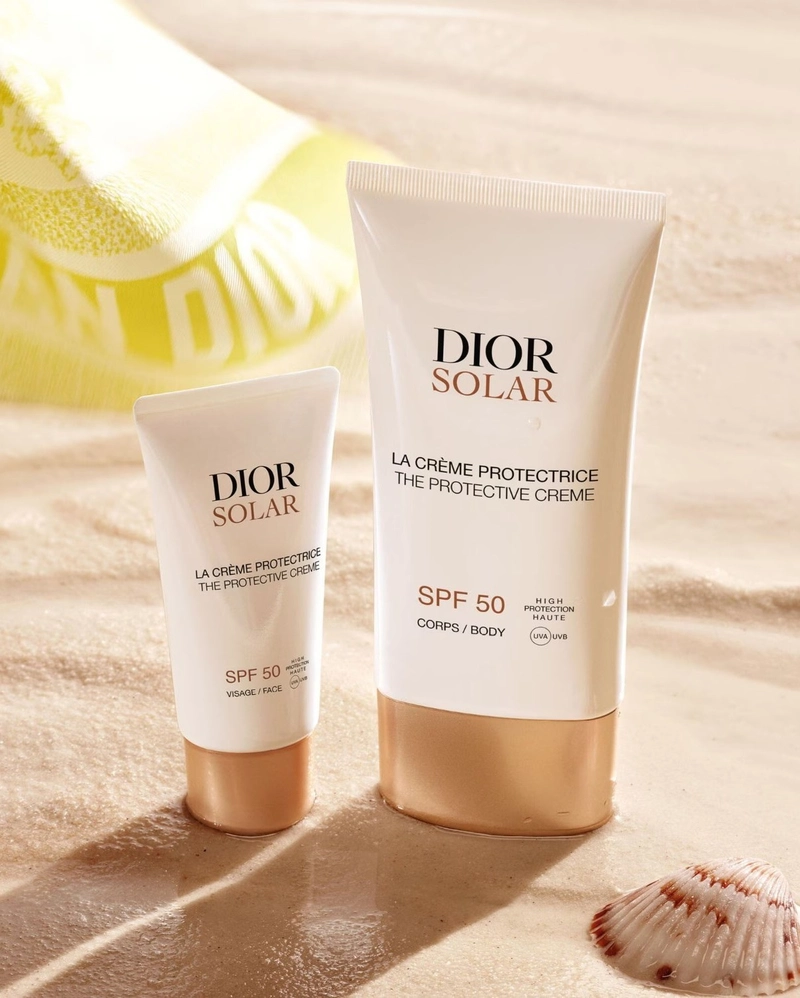
Chanel UV Essentiel SPF50 and Dior Solar The Protective Crème SPF50 carry bemotrizinol into luxury beauty, placing advanced UV protection inside sensorial, makeup-friendly formulas shaped by fashion-house skincare codes.
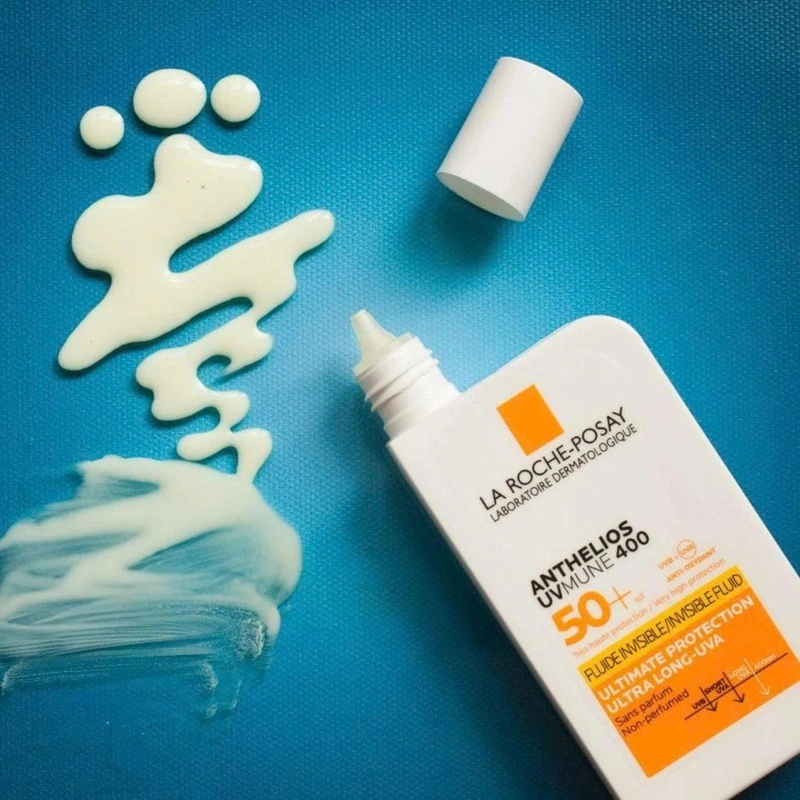
La Roche-Posay Anthelios UVMune 400 Invisible Fluid SPF50+ combines bemotrizinol with several other filters, including Mexoryl 400, ethylhexyl triazone, avobenzone and Uvinul A Plus. La Roche-Posay builds the formula around Netlock technology to create an extremely fluid sunscreen film designed for daily wear and resistance to water and sweat.
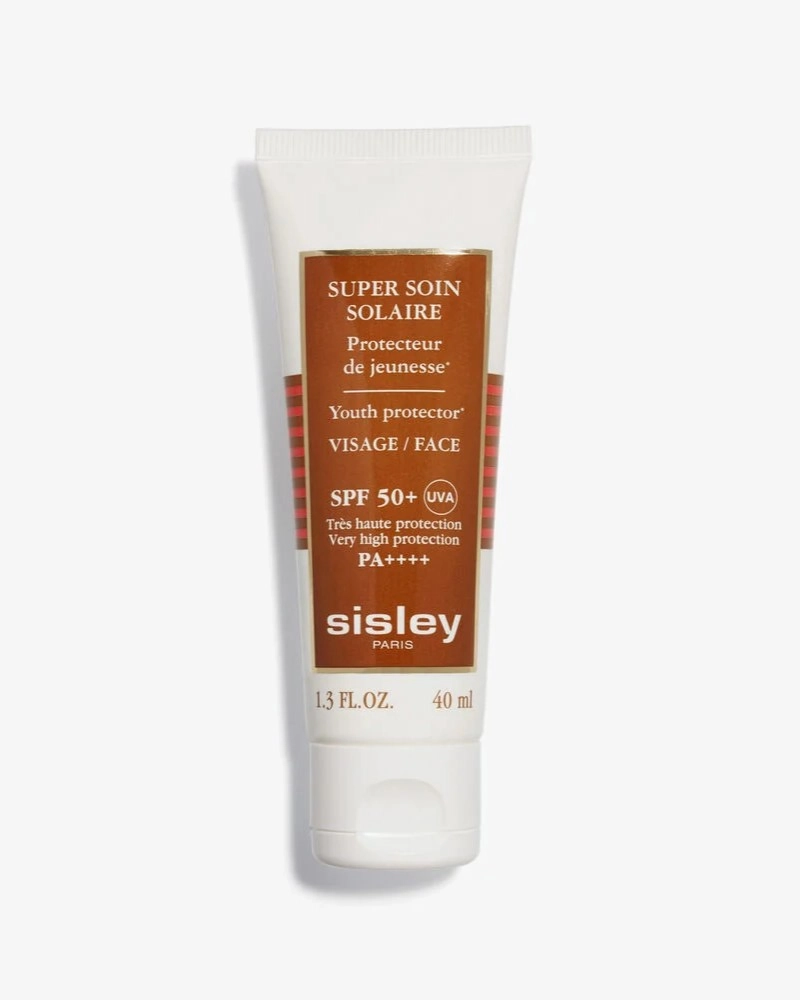
Sisley Super Soin Solaire Visage SPF+ places bemotrizinol inside a luxury skincare architecture involving ethylhexyl triazone, avobenzone, camellia oil, shea butter, edelweiss and mango extract.
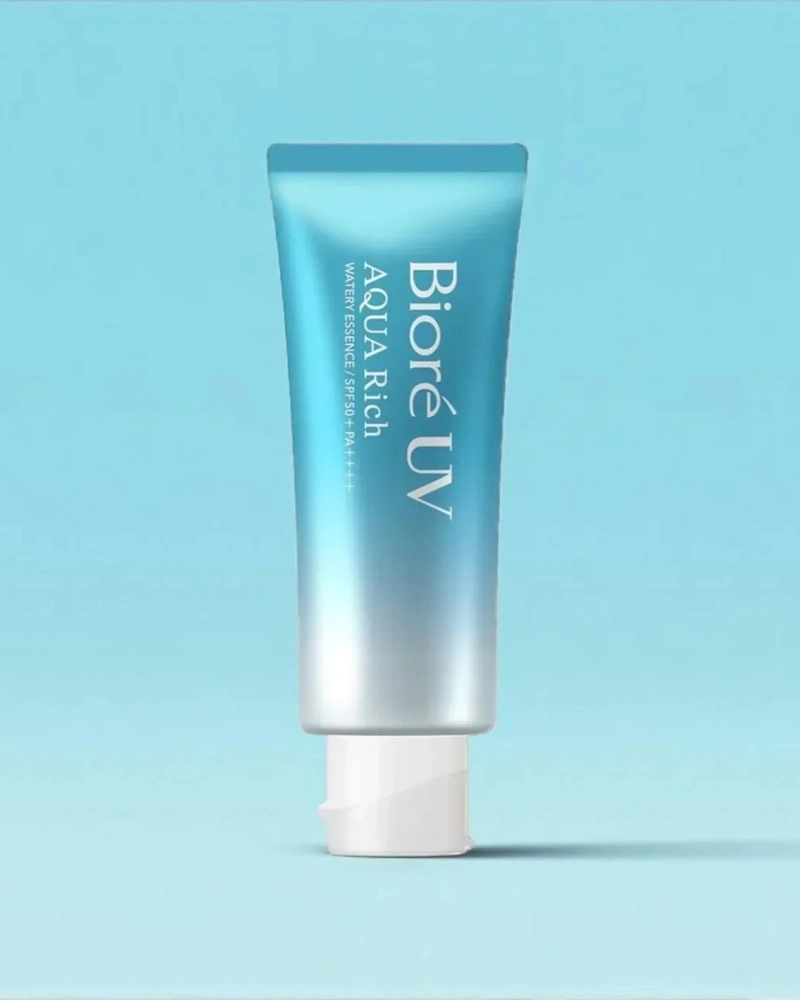
Bioré UV Aqua Rich Watery Essence has built global recognition around a watery, lightweight approach to SPF. Kao says the Aqua Rich Watery Essence, launched in 2011, has surpassed 100 million units shipped globally and reached 27 countries and regions by the end of 2024.
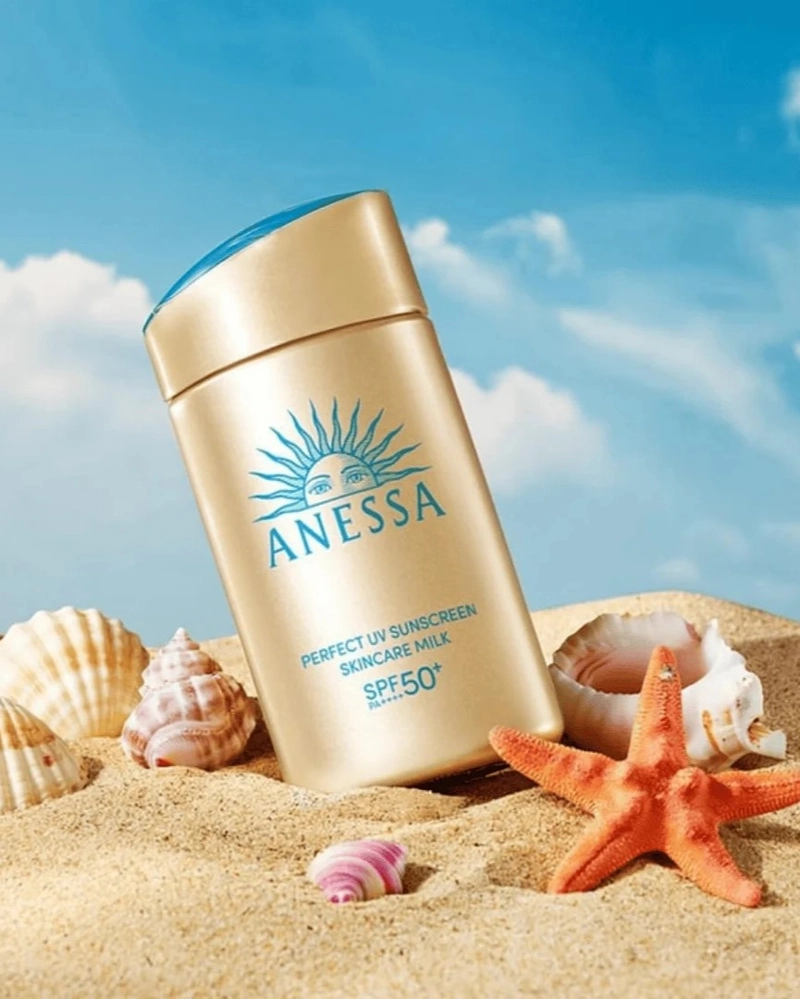
ANESSA Perfect UV Sunscreen Skincare Milk combines the ingredient with zinc oxide, titanium dioxide, Uvinul A Plus, ethylhexyl triazone and additional filters. The product has become deeply associated with Japanese high-performance sun protection for outdoor life, humidity and movement.
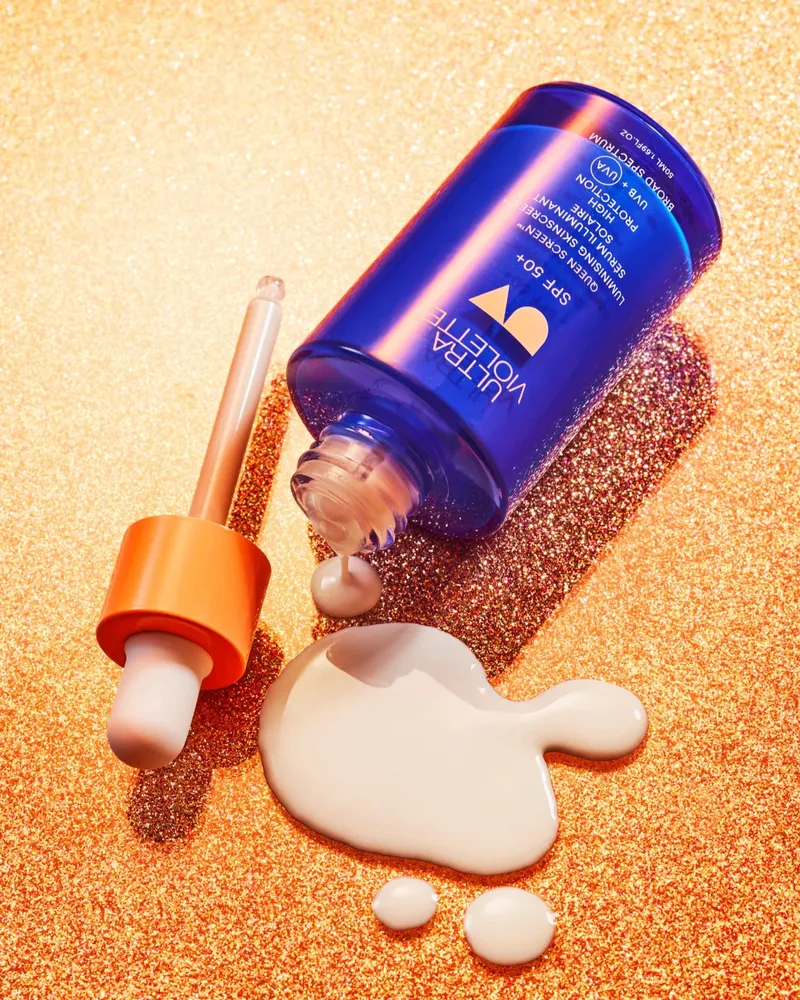
Ultra Violette Queen Screen SPF50+ openly highlights bemotrizinol as a central filter inside a serum-like sunscreen designed to sit comfortably within a skincare and makeup routine. Its ingredient list pairs bemotrizinol with Uvinul A Plus, Tinosorb M and ethylhexyl triazone, wrapping modern filter chemistry inside the vocabulary of luminous beauty serum.
The long wait for bemotrizinol makes sense once regulation enters the story.
The United States treats sunscreens as over-the-counter drugs. Their active ingredients therefore live inside a regulatory framework built around drug safety and effectiveness standards. Many international markets regulate sunscreens through cosmetic frameworks, creating different pathways for UV-filter adoption.
Europe's available filter roster reaches around 30 ingredients. The U.S. sunscreen system historically operated with a little over a dozen permitted actives, with its previous new addition arriving in 1999.
Bemotrizinol became the first sunscreen active to pass through the modernized administrative-order pathway created for OTC monographs.
DSM Nutritional Products submitted the request to include bemotrizinol at concentrations up to 6 percent. The FDA issued a proposed order in December 2025, reviewed public comments and finalized the addition seven months later.
Organic UV filters carry an emotional history in American beauty culture.
A 2020 JAMA study found measurable systemic absorption of several sunscreen ingredients following topical use. The findings helped fuel public discussion around chemical sunscreens and bloodstream exposure.
Presence and clinical harm remain separate scientific questions.
Kathleen Suozzi told National Geographic that decades of sunscreen use have produced a substantial safety history and that detection in blood carries its own scientific meaning. Clinical risk requires its own body of evidence.
For all its sophistication, bemotrizinol eventually meets the oldest problem in sunscreen science.
Someone has to apply it.
Bemotrizinol cannot turn sunscreen into a habit by itself. It can, however, give formulators another chance to create products people genuinely want to wear. That may be the most exciting part of its American arrival.
Advertisement