The jewel worn five days a week may reveal far more about personal taste than the spectacular piece saved for one extraordinary night. Read more to discover the latest launches of tasteful, heritage-inspired jewelry for this autumn.
September 2026 Brings The Best Luxury Jewelry for Everyday
The jewel worn five days a week may reveal far more about personal taste than the spectacular piece saved for one extraordinary night. Read more to discover the latest launches of tasteful, heritage-inspired jewelry for this autumn.
September 7, 2026


September occupies an unusually strategic position in the luxury calendar. Across Paris, Milan and Geneva, the European rentrée brings editors, executives, private clients and retail teams back into circulation after the August slowdown, creating an immediate reset in attention. For jewelry houses, this makes the first weeks of September an ideal moment to introduce new collections just as the industry’s commercial and cultural rhythm picks up again.
The timing also places jewelry in front of the fashion-month rush. September opens a fresh media cycle, with new campaign budgets, print placements, digital launches and retail activations moving into market, while New York, London, Milan and Paris Fashion Weeks are still gathering momentum. That gives fine-jewelry maisons a brief but valuable window to establish their own stories before ready-to-wear begins dominating global fashion coverage.
Retail considerations add another layer. September effectively opens the road toward Q4, when gifting, gala dressing, private events and year-end celebrations drive renewed demand for fine and high jewelry. More expensive pieces may require time for sizing, private appointments, bespoke adjustments or delivery, so early autumn gives clients room to browse, decide and purchase before November and December.
Collectors also tend to re-enter the market with fresh attention after summer, as auctions, art fairs, fashion events and private-client programs resume. In that sense, September jewelry launches often act as an early signal for the materials, motifs and silhouettes that will shape the final quarter of the year.
So if you are thinking about getting a new set of the best luxury jewelry for everyday wear, investing in a new signature piece or simply tracking what luxury houses are prioritizing now, September is one of the best months to look at. From updated heritage icons to more wearable fine-jewelry propositions, this month’s new luxury jewelry launches offer a useful snapshot of where the market is heading next.
Van Cleef & Arpels' Pink Alhambra
Van Cleef & Arpels approach familiarity from another direction. Alhambra has existed since 1968, its four-leaf-clover form becoming one of the most instantly identifiable silhouettes in modern jewelry. Even though the official launch was on September 1, 2026, the collection has been circulating social media since the beginning of August, gathering much attention and controversy.
Pink Alhambra introduces enamel to the collection, with five creations centered on an unusually intense translucent pink.

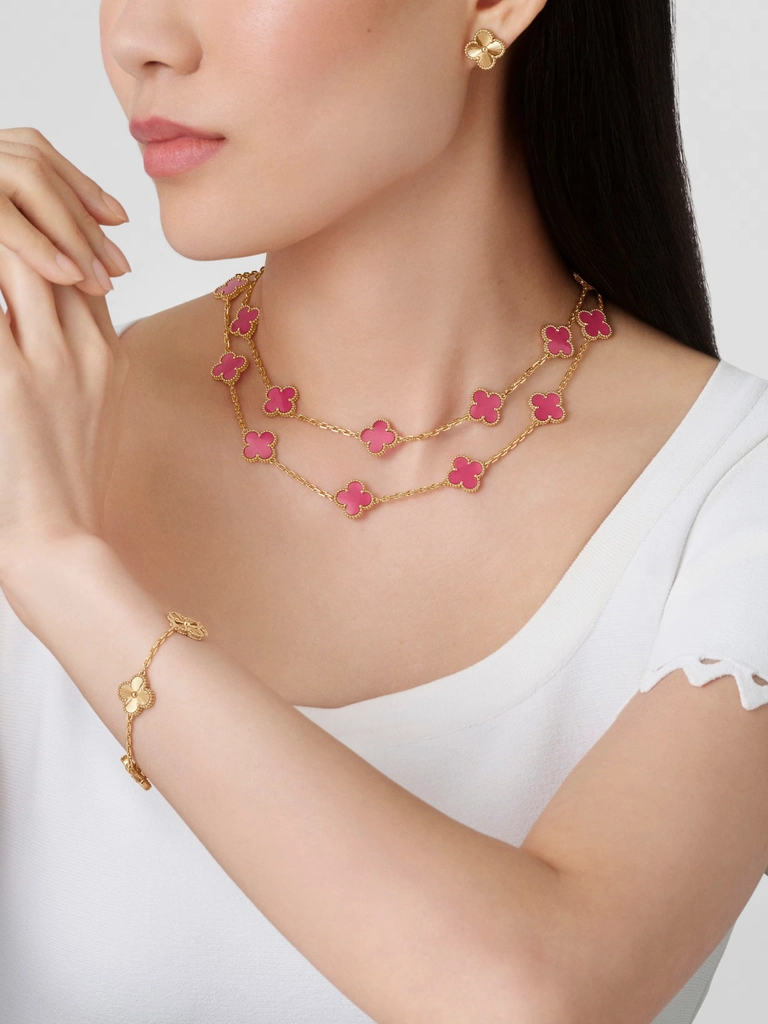
Color here required considerably more than selecting a shade. Van Cleef & Arpels spent several years developing the enamel within its workshops, drawing from a technique inspired by the 17th-century “gold-ruby” process. Fine gold particles create the pink color rather than conventional pigment, while tiny bubbles remain visible within the translucent material. Slightly curved surfaces encourage reflections as light moves across each motif.
The release covers several levels of commitment: a 20-motif long necklace, 10-motif necklace, five-motif bracelet, pendant and earrings. This range is important for everyday jewelry. Someone can build an entire pink Alhambra composition across the body, while the pendant alone provides the same visual identity on a much smaller scale.

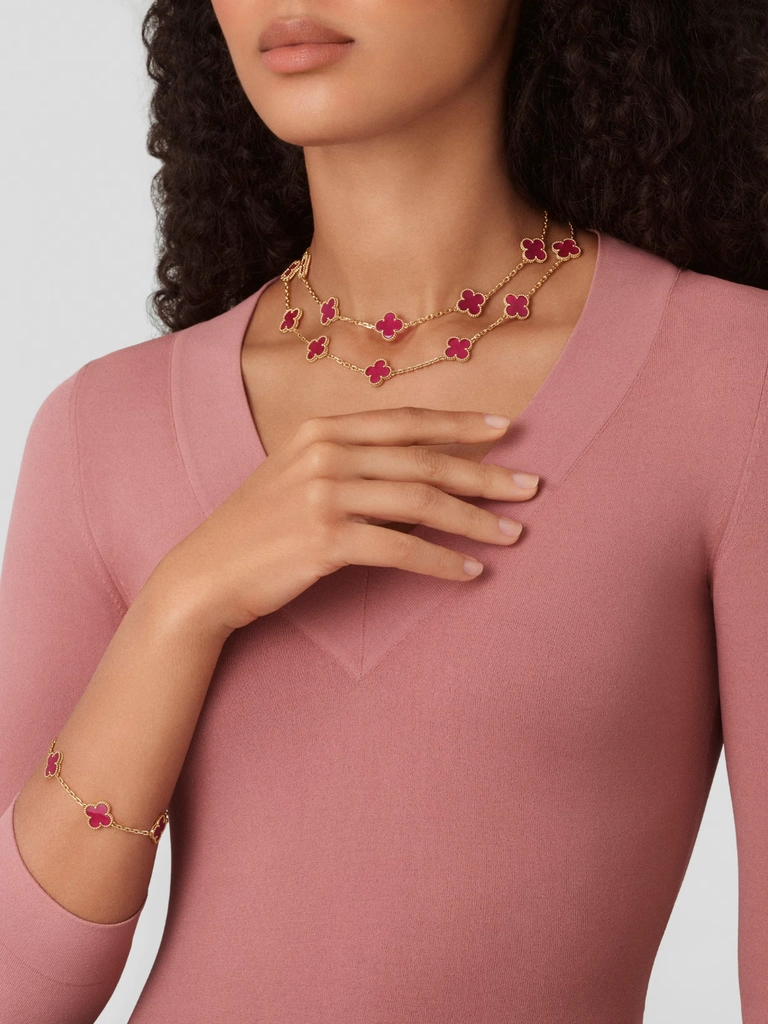
It also demonstrates why established jewelry icons remain commercially powerful. The customer already understands Alhambra. A material change creates novelty without demanding that she learn a completely new visual language. Pink enamel makes the familiar object immediately seasonal, collectable and emotionally different while leaving its underlying identity intact.
Among September's launches, the pendant and bracelet make particularly convincing candidates for the best luxury jewelry for everyday wear. Both carry strong recognition, sufficient color to animate neutral clothing and proportions that work with an ordinary white shirt as readily as an evening dress.
Swarovski's Classica
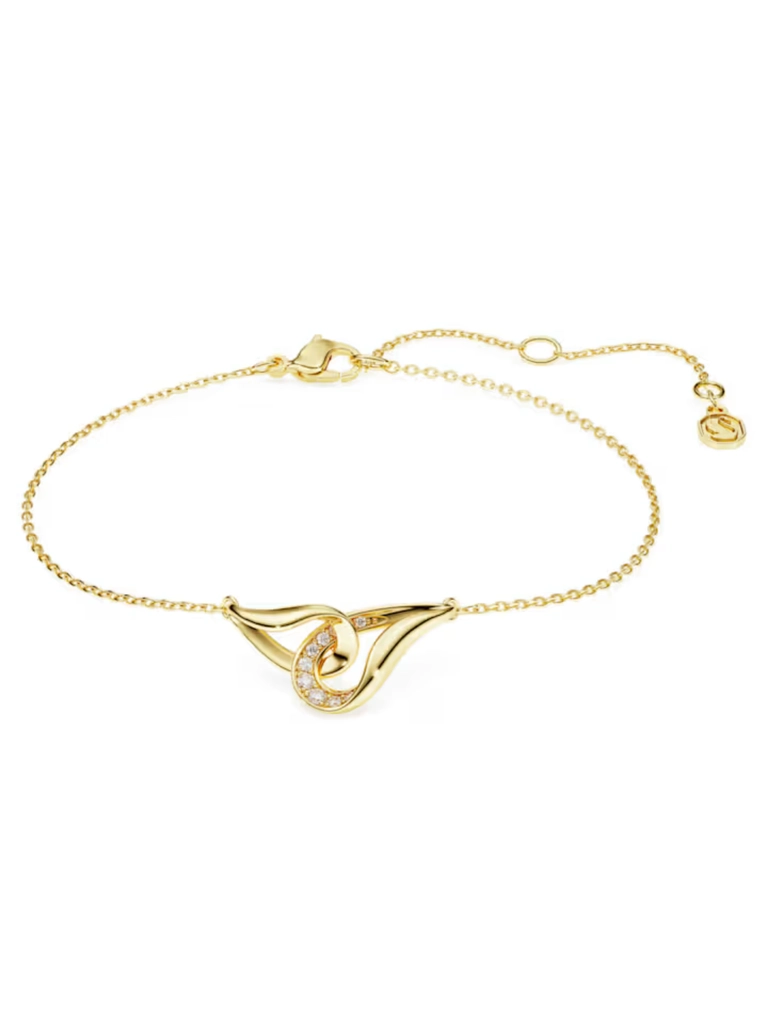
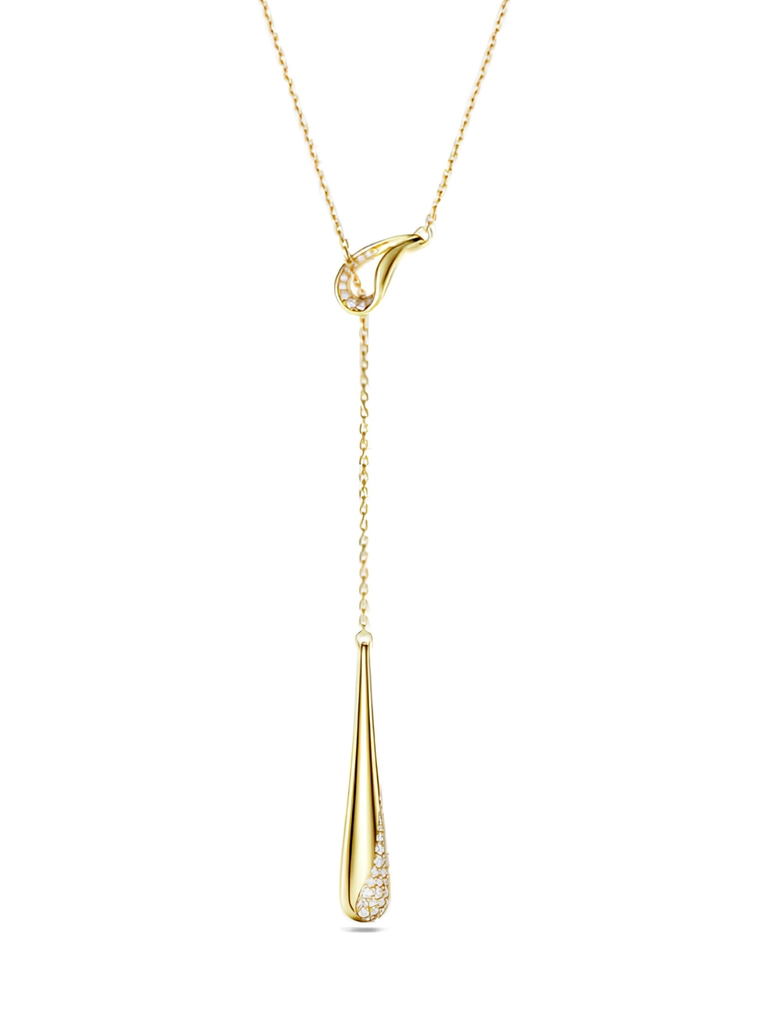
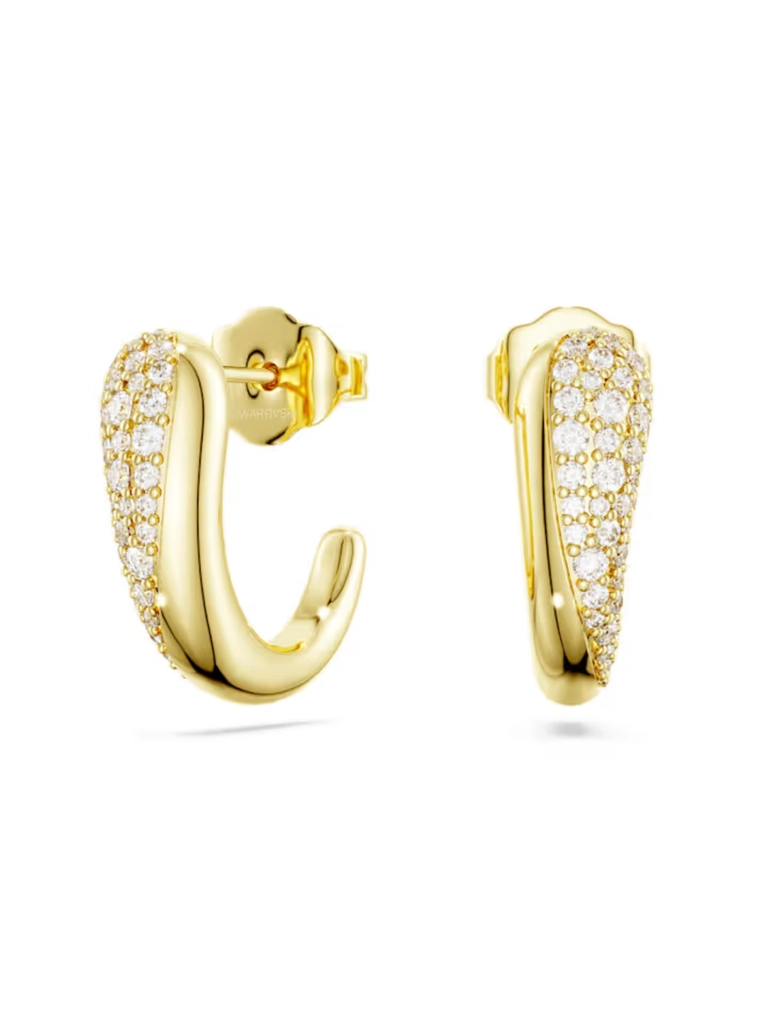
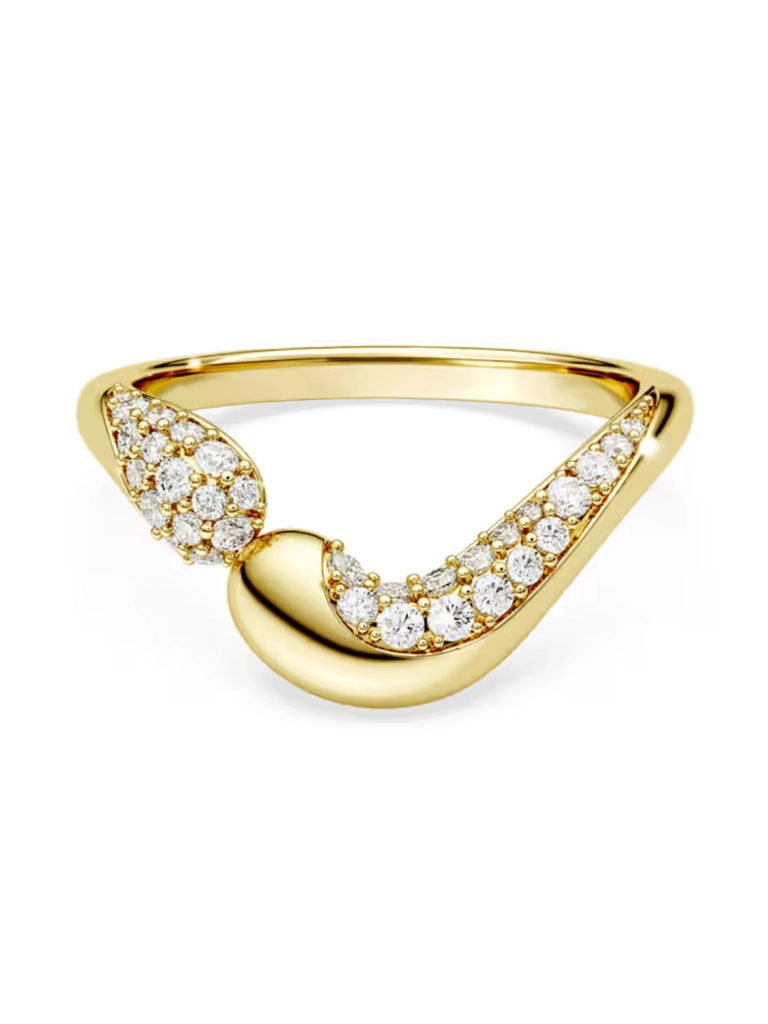
Swarovski’s Classica collection, also launched on September 1, pushes the house further into everyday fine jewelry through a more substantial material language built around sterling silver from recycled sources, select 18K gold finishes and precision-cut Swarovski Zirconia.

The collection also gains considerable cultural visibility through Ariana Grande, Swarovski’s Global Brand Ambassador, who fronts Classica and gives its day-to-night positioning a much broader pop-cultural reach. Grande’s influence is especially useful here: her image already moves easily between red-carpet glamour, polished femininity and highly recognizable personal styling, helping Swarovski present Classica as jewelry that can belong to both celebrity spectacle and an ordinary wardrobe.

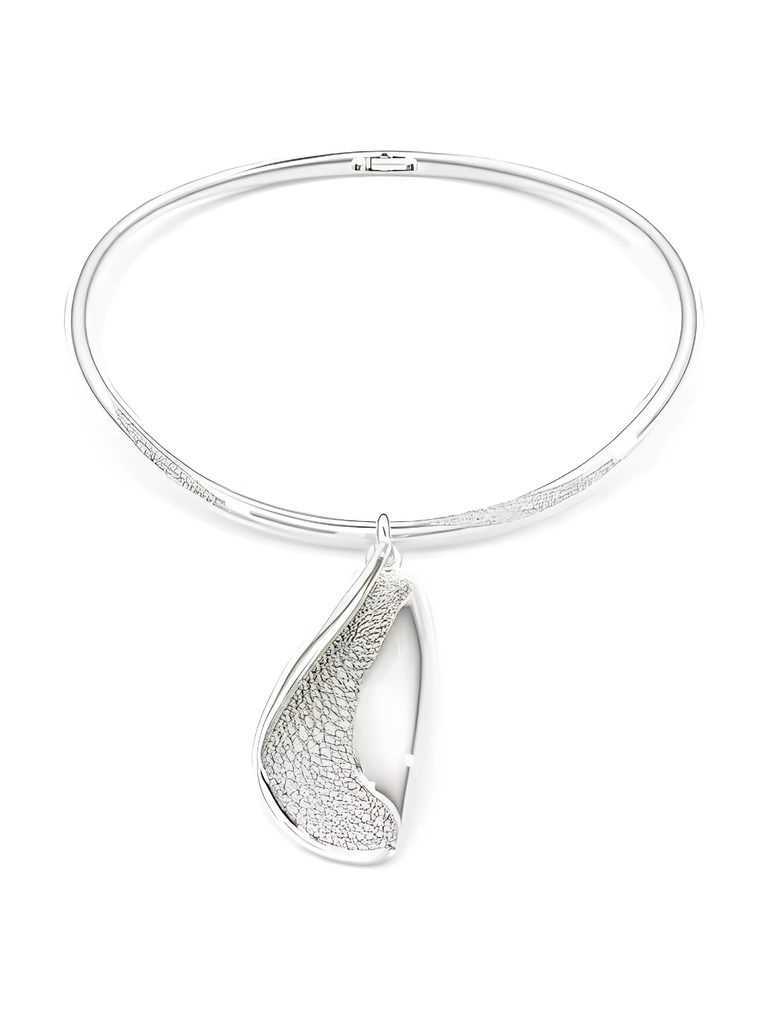
Inspired by the calla lily, the designs favor fluid curves, interlocking forms and openwork structures that follow the body closely, moving from contour rings and hoops to wrap-around bangles, Y-pendants and larger statement pieces.
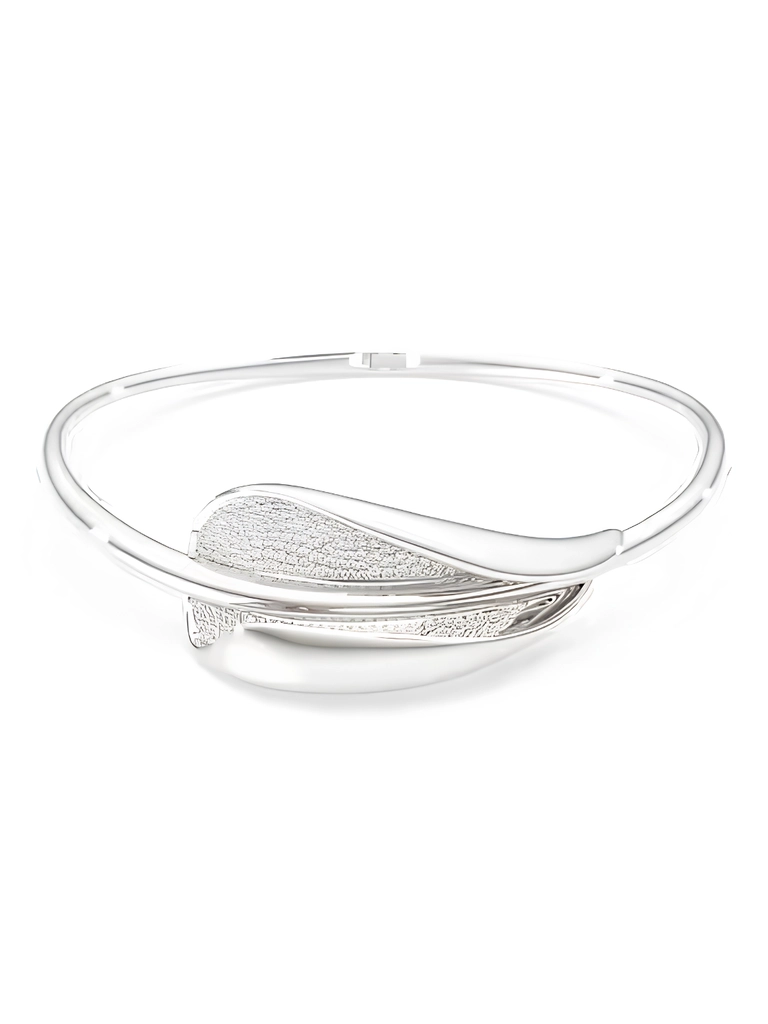
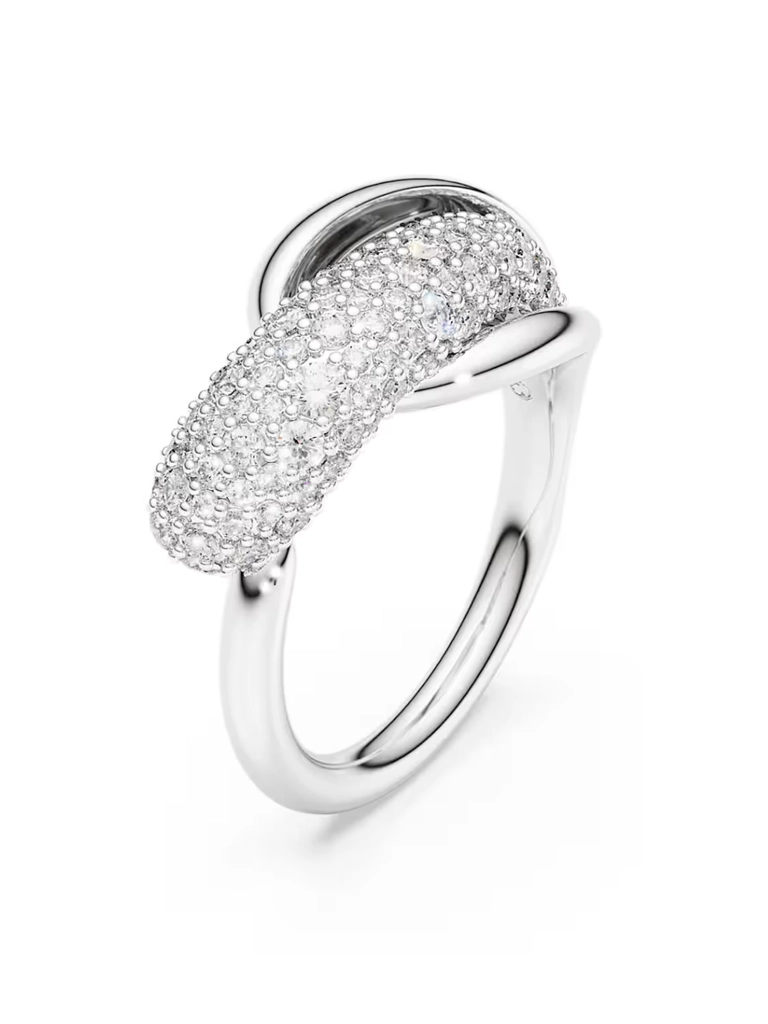
Prices stretch from accessible entry pieces to a $1,700 statement bangle and $2,900 choker, allowing the line to operate across stacking jewelry and stronger occasion pieces. For the best luxury jewelry for everyday wear, Classica makes its case through visibility and versatility at once, pairing precious-metal credibility with a celebrity ambassador capable of making that everyday proposition feel aspirational rather than merely practical.
Boucheron's Lierre de Paris
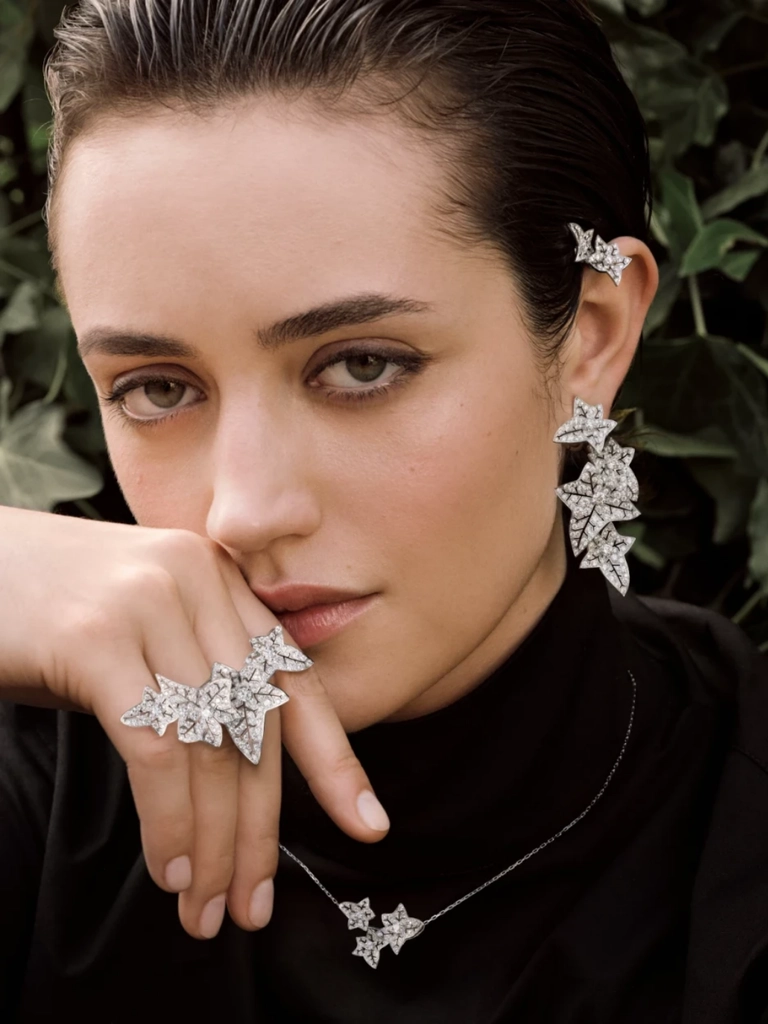
The following day, September 2, brought Boucheron's Lierre de Paris. The collection has taken a much more organic path with the return to the ivy. The motif has appeared in the maison's vocabulary since the 19th century and can be traced in its archives to 1870. Creative director Claire Choisne translates those leaves into white gold and diamonds, creating nine new pieces that appear to grow around fingers, ears and the neckline.
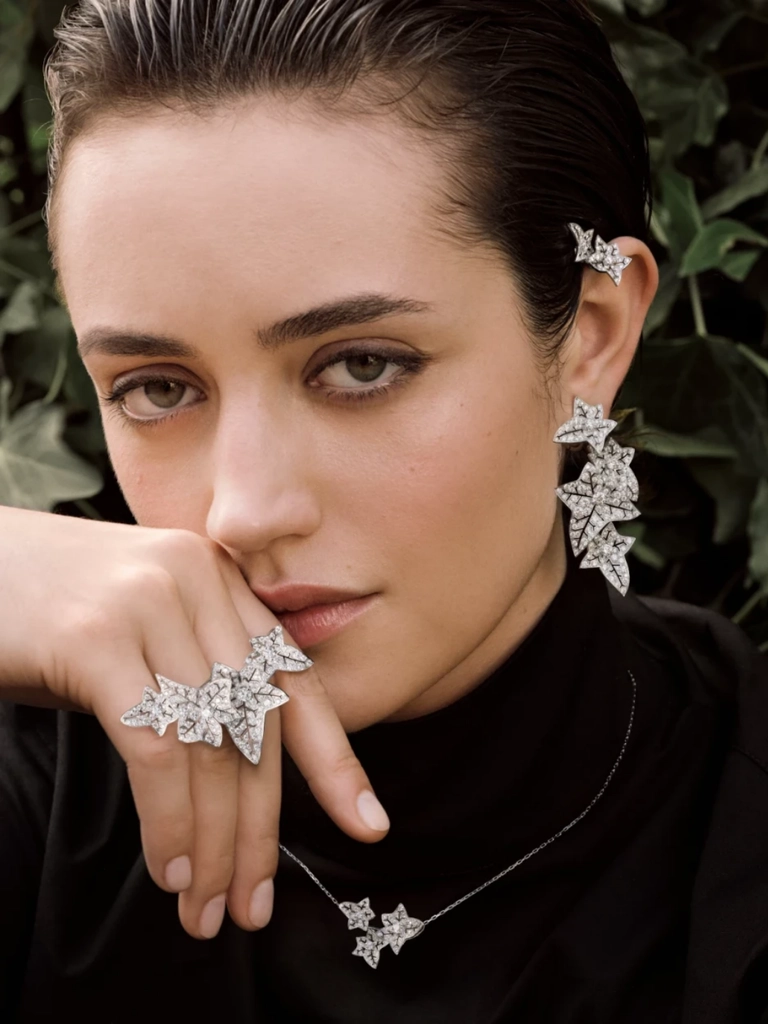

There are conventional jewelry categories underneath the botanical illusion: rings, a pendant, necklace, earrings and brooches. Their construction deliberately interrupts that familiarity. One ring extends across two fingers. Earrings become asymmetrical. Brooches can be grouped or separated, while other designs accommodate multiple wearing configurations. Openworked leaves reduce visual heaviness and allow light to enter the diamond setting from different angles.
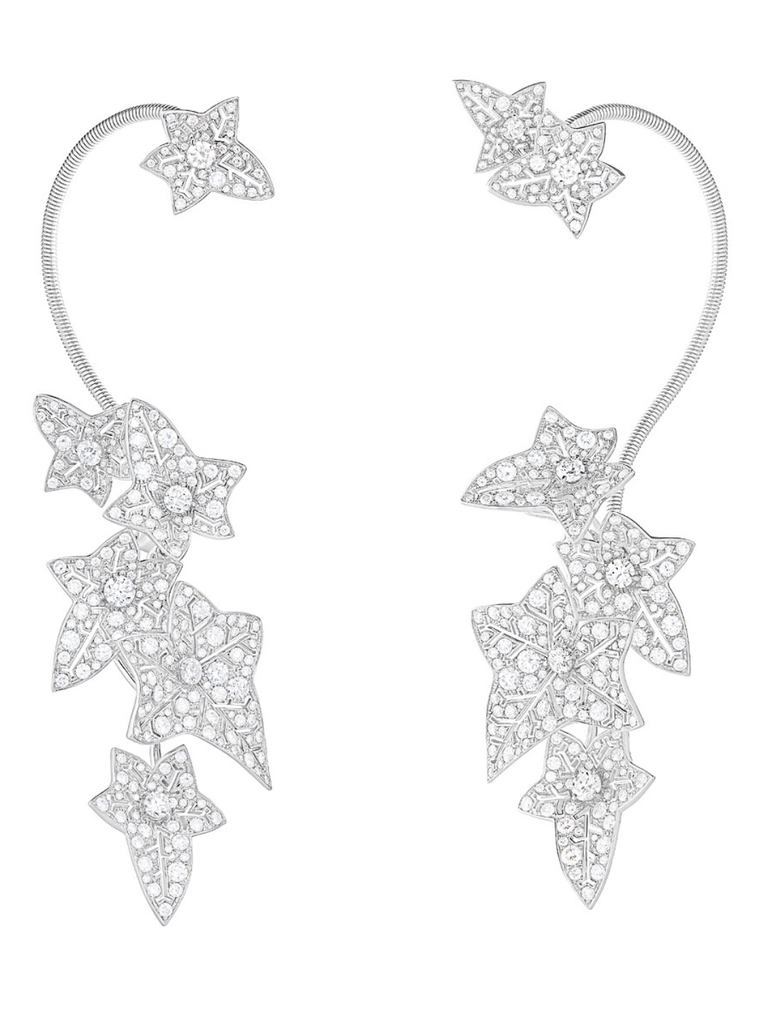
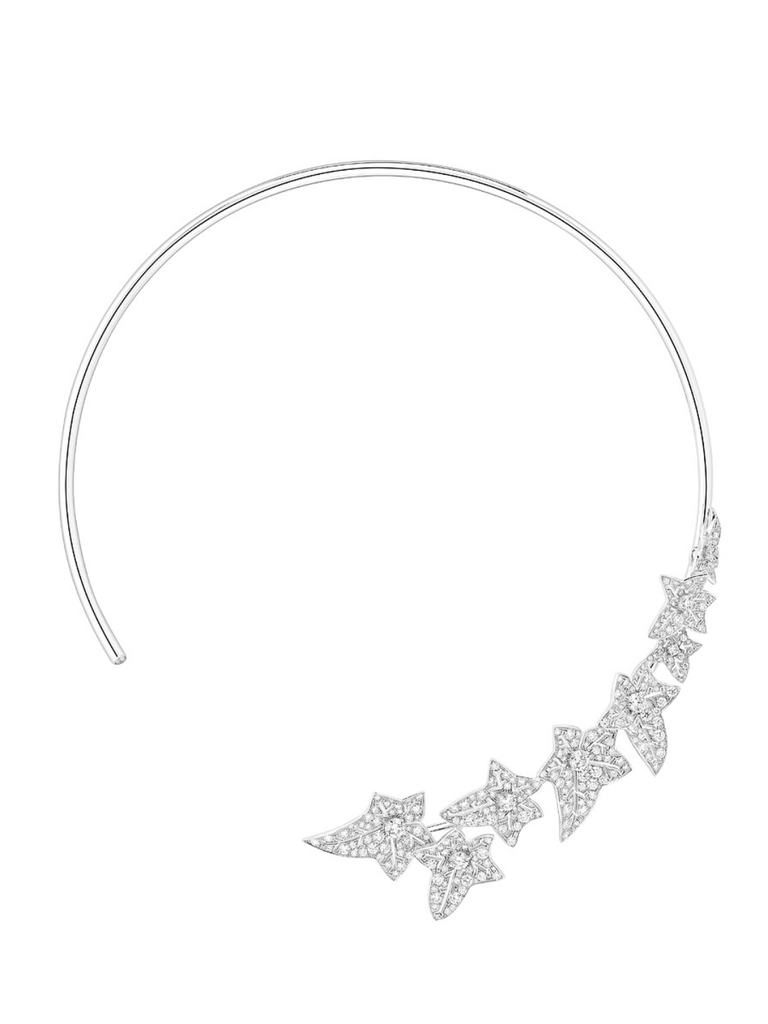
It is an interesting interpretation of everyday luxury precisely because some Lierre de Paris creations are substantial. Boucheron treats wearability as adaptability rather than smallness. A flexible structure can follow the body. A brooch can migrate from lapel to styling composition. A botanical motif creates movement instead of behaving like a rigid diamond surface.

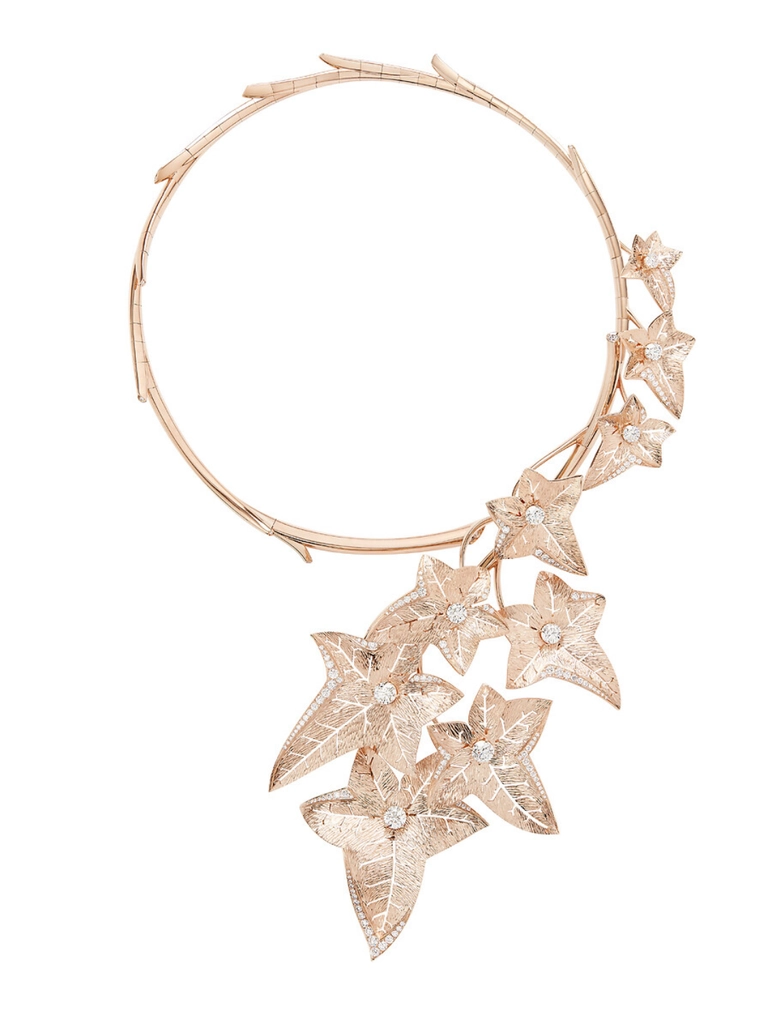
For someone building an everyday collection, the smaller Lierre de Paris rings and pendant offer the most practical entrance into that idea. They provide enough sculptural irregularity to distinguish themselves from standard diamond basics while retaining the neutrality of white gold and diamonds.
Gucci's Horsebit
Few fashion symbols have travelled through as many product categories as Gucci's Horsebit. The double ring connected by a bar first appeared in an artisan's notebook during the late 1940s, became closely associated with Gucci footwear during the following decade and eventually entered the house's jewelry and watchmaking vocabulary during the 1970s.
On September 4, 2026, Gucci expanded Horsebit Fine Jewelry and introduced new Horsebit watches, turning that familiar equestrian reference into the engineering of the jewel itself.

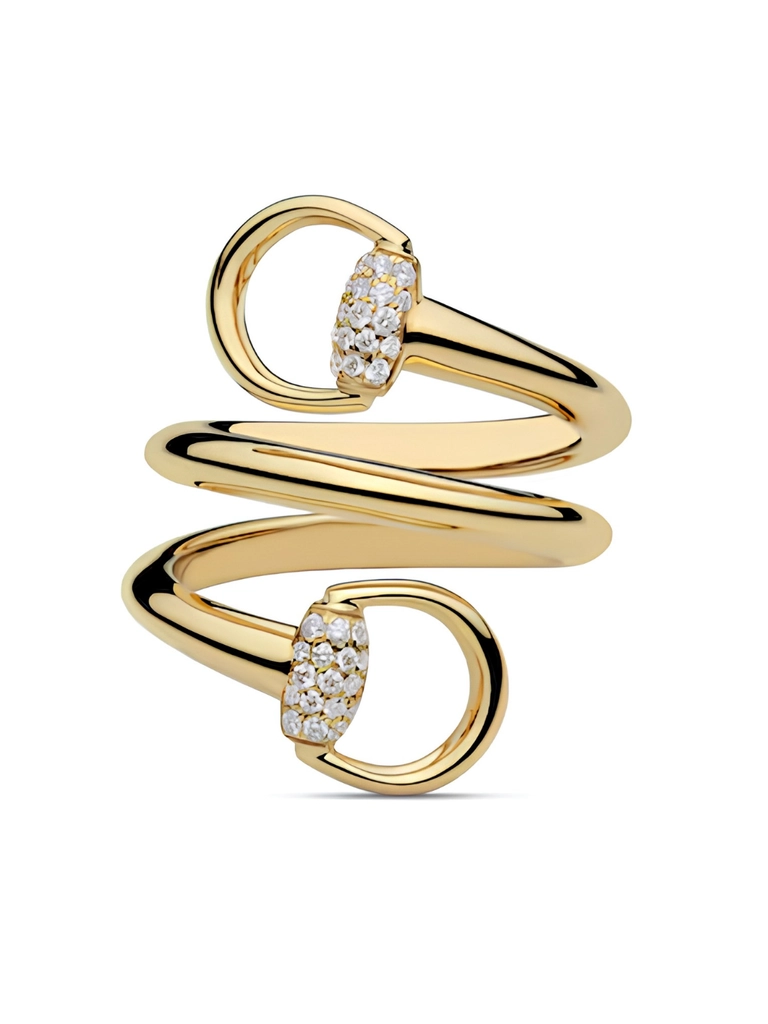
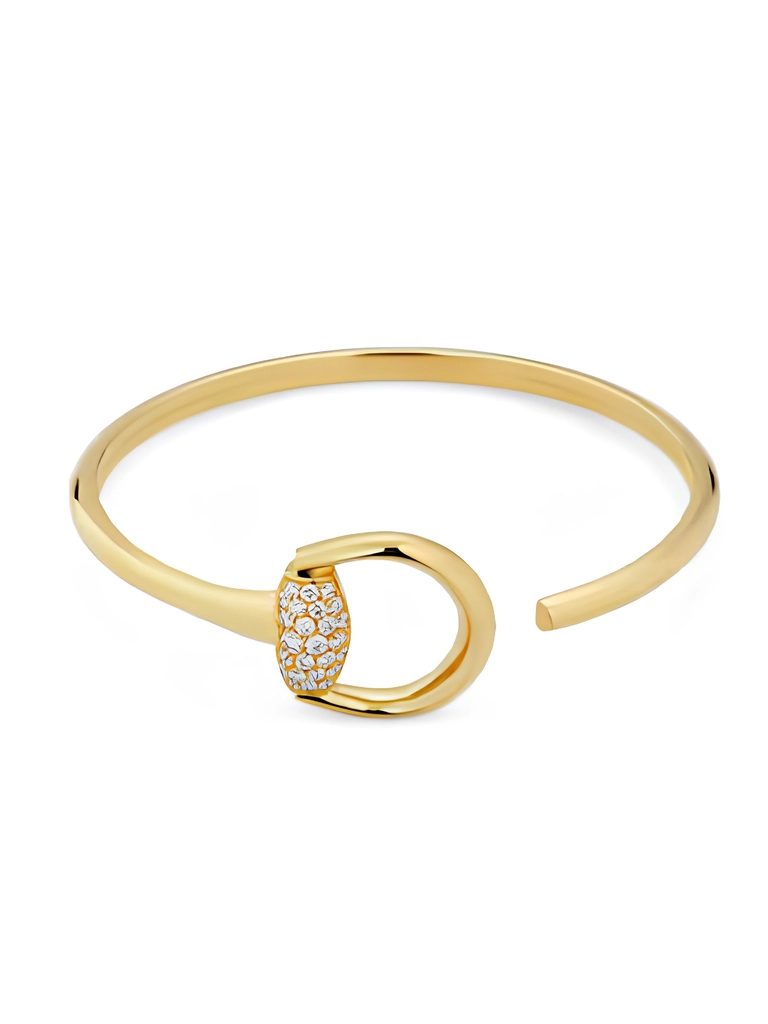
Across the new fine jewelry, Horsebits form links, openings, connections and repeated chains instead of sitting on top of an otherwise conventional piece as decoration. Contrarié-style rings curve two Horsebit ends toward each other. Sculptural bangles turn the motif into rigid geometry, while chain bracelets use linked Horsebits to create movement. Pendants and necklaces extend the same language vertically across the body.
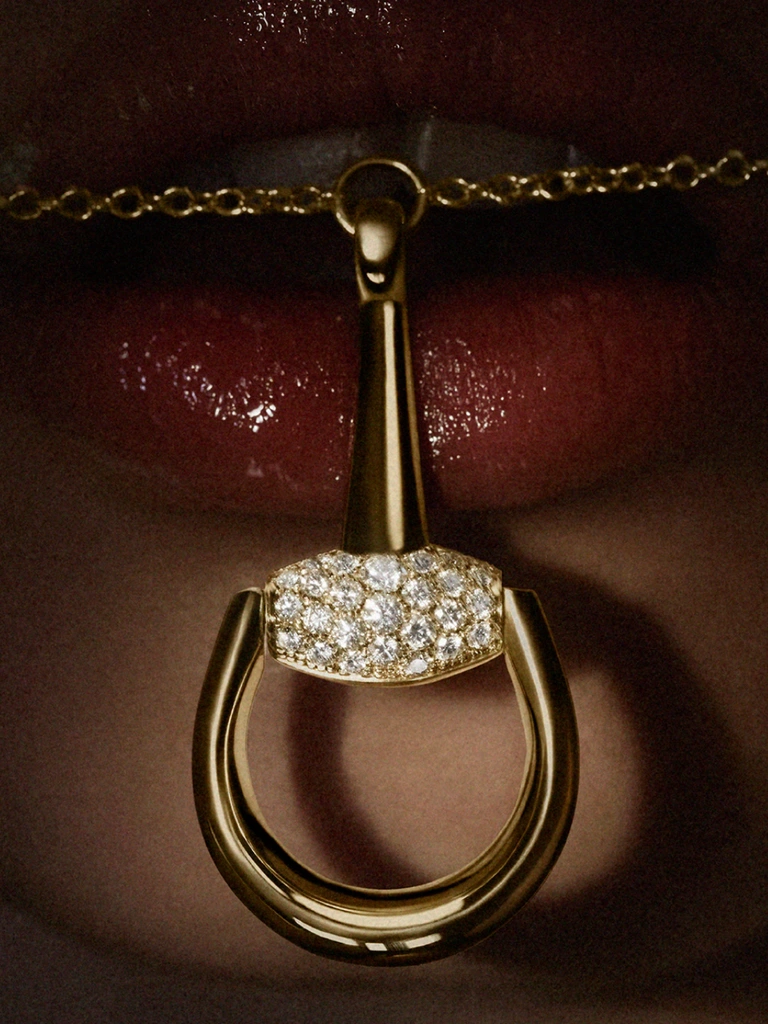
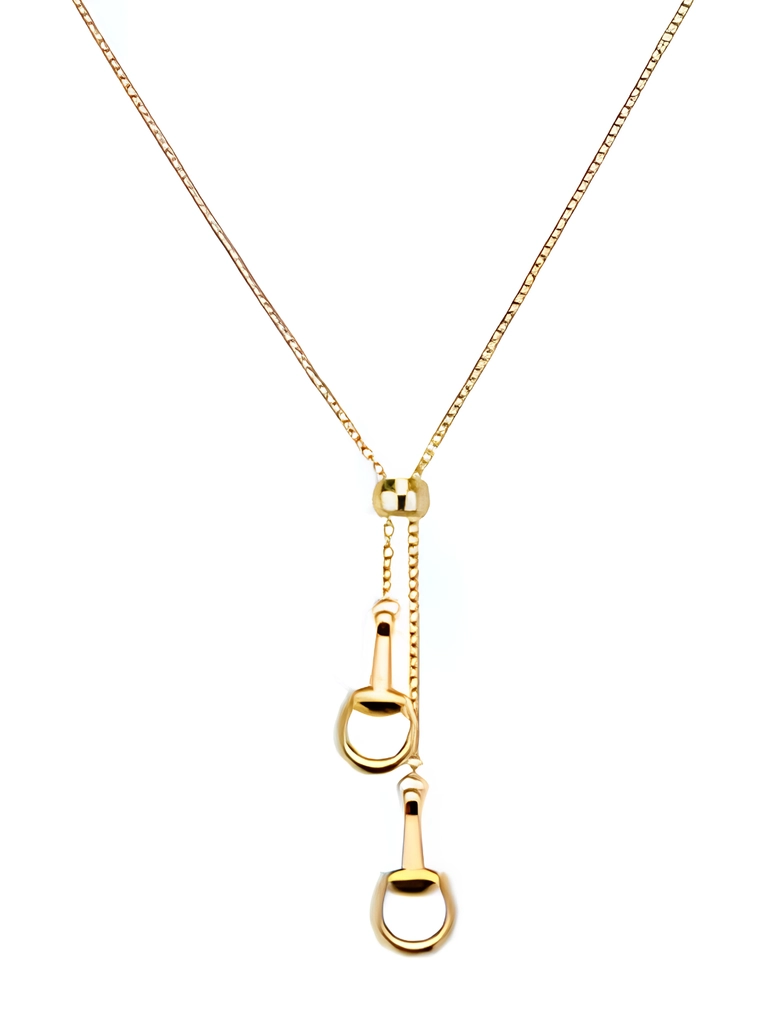
Yellow and white gold dominate, with diamonds used selectively to illuminate the hardware. Gucci's yellow-gold open Horsebit ring, for example, carries 24 diamonds totaling approximately 0.074 carat, while one Horsebit pendant sets 19 white diamonds totaling approximately 0.213 carat into 18K yellow gold. The scale makes the diamonds part of the architecture rather than the only reason for looking at the jewel.

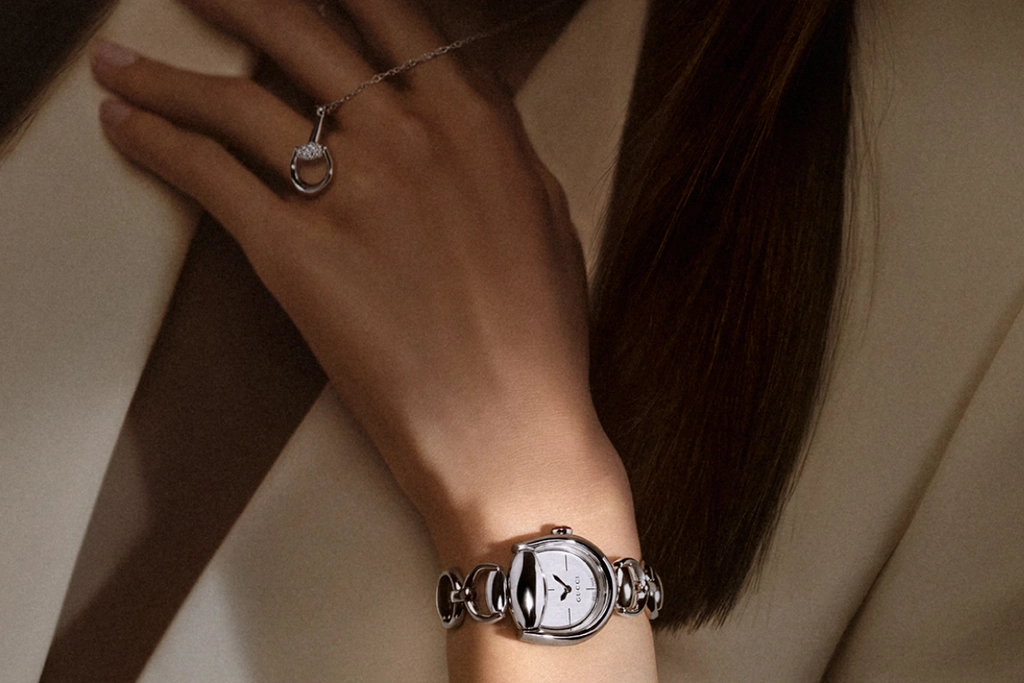
The new watch pushes that logic further. Its 27 x 23 mm stainless-steel case sits inside a Horsebit-inspired steel chain bracelet, accompanied by a silver dial and sapphire crystal. Gucci itself describes the design as a watch that wears like jewelry, which feels particularly accurate here. The bracelet could register first, with the timepiece revealing itself only on closer inspection.

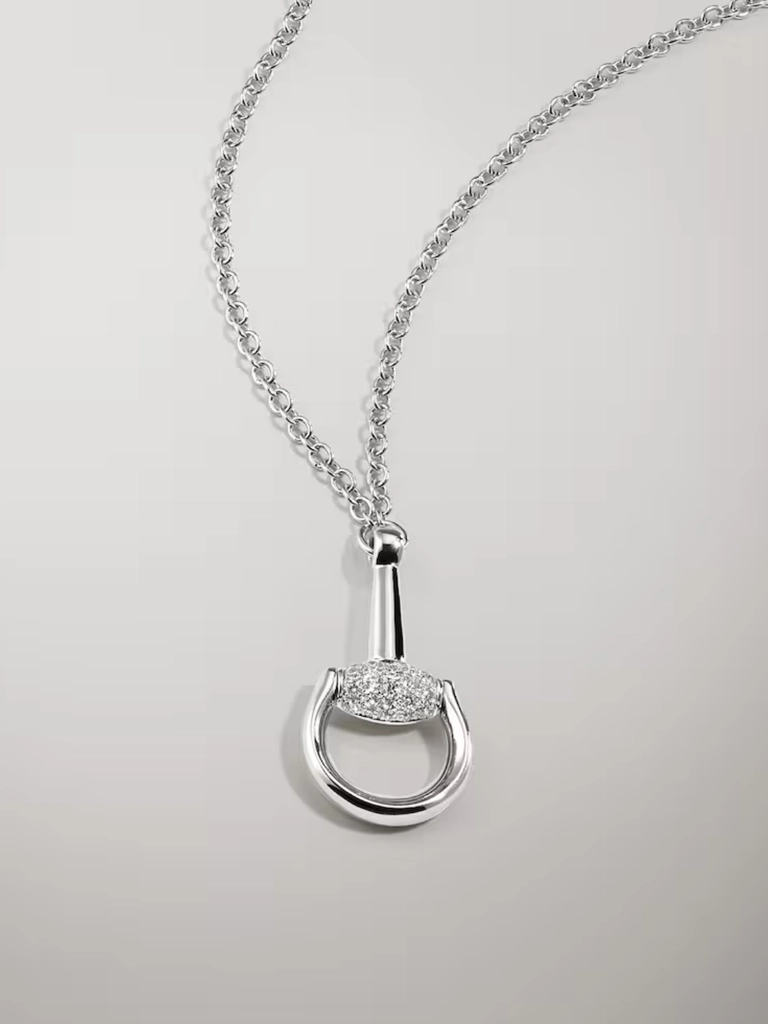
For everyday dressing, this is probably Gucci's smartest move. The Horsebit already carries enough cultural recognition to function almost like a logo, yet its basic geometry remains simple enough for repetition. A yellow-gold pendant can sit beneath an open shirt. The ring can enter an existing stack. The steel watch gives the same code a more utilitarian route.
It is luxury designed around frequency.
The Takeaway
September 2026 suggests that everyday luxury jewelry is moving through a distinctly archival phase. Van Cleef & Arpels revisits Alhambra through new enamel techniques, Boucheron revives an ivy motif rooted in its 19th-century vocabulary, and Gucci turns Horsebit heritage into the very structure of rings, bracelets and watches. Even Swarovski’s Classica, while less dependent on a historical house emblem, follows the same desire for recognizable forms that can be refreshed through material, proportion and styling.
The strongest launches this month are therefore built less around inventing unfamiliar symbols than around making established ones feel newly relevant. Heritage becomes a design resource rather than a museum piece, old motifs are reworked for contemporary wardrobes, and the best luxury jewelry for everyday wear increasingly comes from pieces that carry history lightly enough to be worn on repeat.