Marc Jacobs has spent four decades making fashion out of contradiction. The louder his references become, the harder he is to reduce to a single look, era or aesthetic. Grunge once made him infamous, glamour later made him indispensable, and reinvention has kept the picture moving ever since. So what actually remains constant when Marc Jacobs changes almost everything else?

Marc Jacobs Never Wanted a Fixed Identity
Marc Jacobs has spent four decades making fashion out of contradiction. The louder his references become, the harder he is to reduce to a single look, era or aesthetic. Grunge once made him infamous, glamour later made him indispensable, and reinvention has kept the picture moving ever since. So what actually remains constant when Marc Jacobs changes almost everything else?
September 6, 2026
Advertisement

Advertisement



Marc Jacobs has never seemed especially interested in becoming easy to explain. Each period of his career appears to loosen the grip of the one before it, as though recognition itself was something to resist once it becomes too comfortable. What survives those changes is a way of seeing: an instinct for catching the cultural charge inside things that fashion has overlooked, exhausted or dismissed, then returning them with a different emotional temperature.
That instinct began forming early in New York, where style arrived through proximity before it became profession. Marc Jacobs grew up watching how people used clothes to construct themselves, and that habit of looking would become more important than any single aesthetic doctrine. His career would eventually stretch across American sportswear, grunge, luxury, theatrical excess and personal reinvention, yet the inseparable thread has always been the same one: Marc Jacobs keeps finding new reasons to look again.
New York Raised Marc Jacobs
Long before fashion became Marc Jacobs’s profession, it offered him a vocabulary for looking at people. Born in New York in 1963, Marc Jacobs lost his father when he was seven and spent an unsettled childhood moving between relatives. Stability arrived around age 12, when he moved into his grandmother Helen’s apartment in the Majestic on Central Park West.
She became what Marc Jacobs called his first fashion muse, a woman who treated dressing as part of the daily architecture of life. He remembered her making separate trips to Saks Fifth Avenue, Bonwit Teller and Lord & Taylor for particular pieces, while encouraging a grandson who copied photographs from fashion magazines and asked her to teach him knitting.
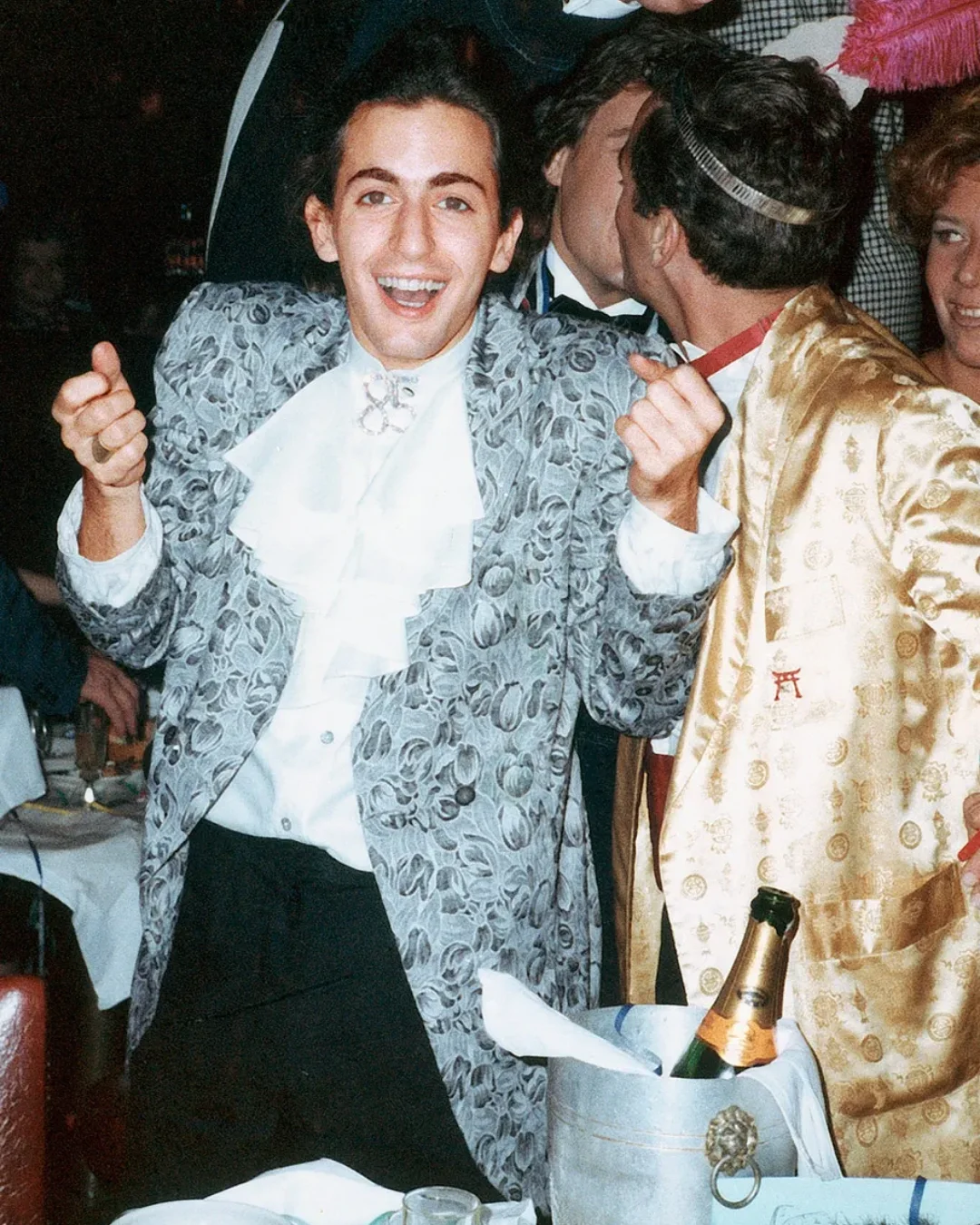
A few blocks away stood Charivari, the influential Upper West Side boutique run by the Weiser family. Marc Jacobs began working there as a teenager, folding shirts and absorbing the clothes that passed through a store known for bringing experimental European fashion into New York. Fashion arrived as something physical there: garments had weight, customers touched them, salespeople explained them, and taste could be watched operating in real time. By the time Marc Jacobs reached Parsons School of Design, he already understood that clothing belonged as much to a social world as to a sketchbook.
His Parsons graduation collection in 1984 featured oversized hand-knitted sweaters covered in playful motifs and polka dots. It won several school awards, including Design Student of the Year, and Charivari commissioned versions almost immediately. Robert Duffy encountered the collection around the same period, beginning a business partnership that would accompany Jacobs through much of his career.
The larger education remained New York itself. Marc Jacobs grew up around uptown department stores and downtown clubs, polished women and punk kids, fashion magazines and street clothes. These worlds rarely stayed separated in his work for long. Years later, he would describe his own aesthetic as “a little preppy, a little grungy, a little couture,” a combination that sounds less like a brand formula than a map of the city that formed him.
The Collection That Fashion Hated Before It Loved
In November 1992, while designing Perry Ellis, Marc Jacobs sent out a Spring 1993 collection with Kate Moss, Christy Turlington, Naomi Campbell, Shalom Harlow and Kristen McMenamy walked in clothes whose references belonged to the alternative music scene, thrift stores and young people assembling wardrobes with little concern for luxury convention.
The fabrics told a more complicated story. What looked like cheap flannel could be silk. Chiffon could imitate polyester. He was translating the visual codes of grunge through expensive materials, treating a form of dressing associated with Seattle musicians and anti-fashion attitudes with seriousness usually reserved for established luxury references. He had never even visited Seattle when he made the collection. What interested him was the cultural charge already circulating through music, magazines and the way young people were dressing.
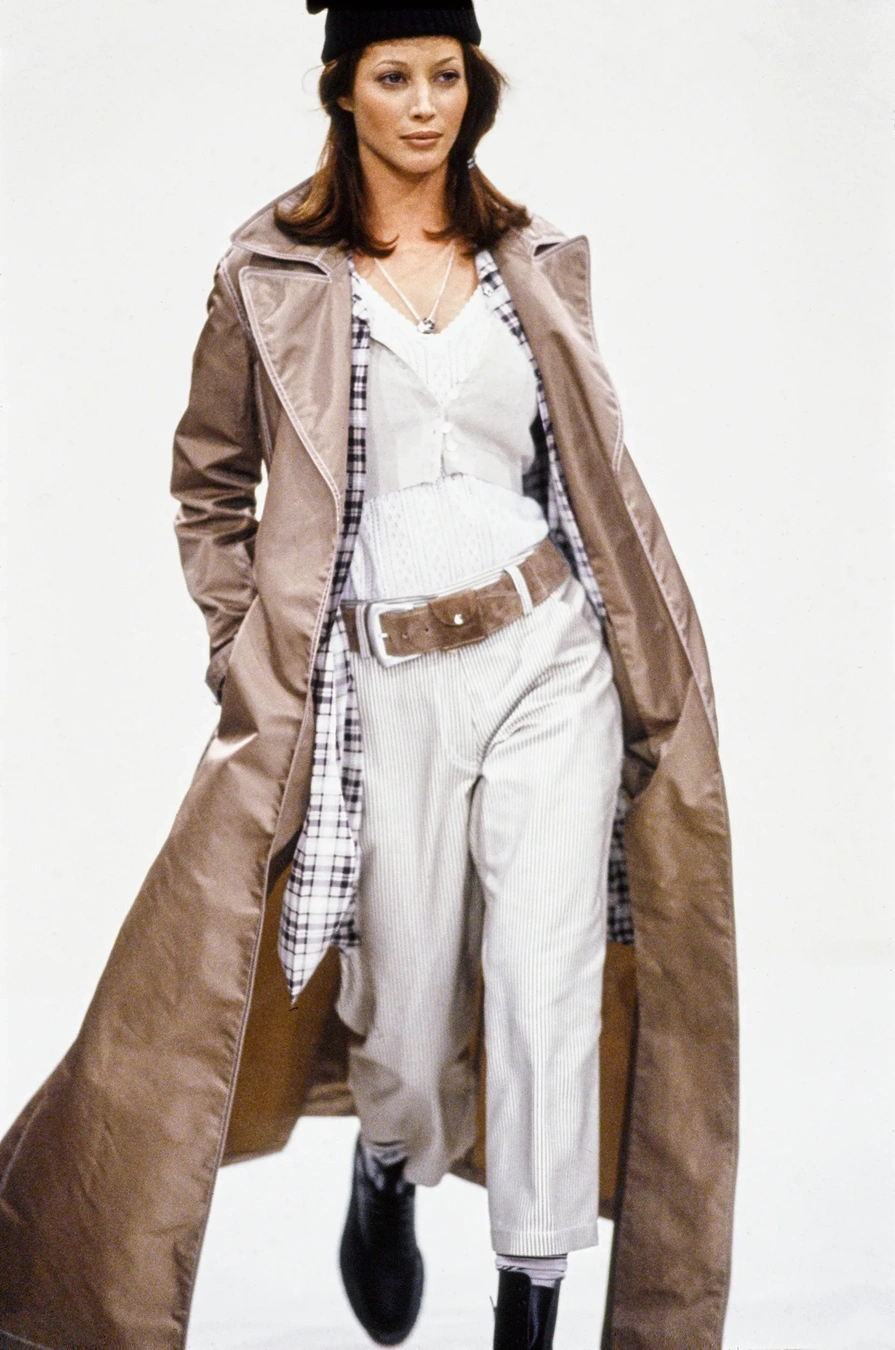
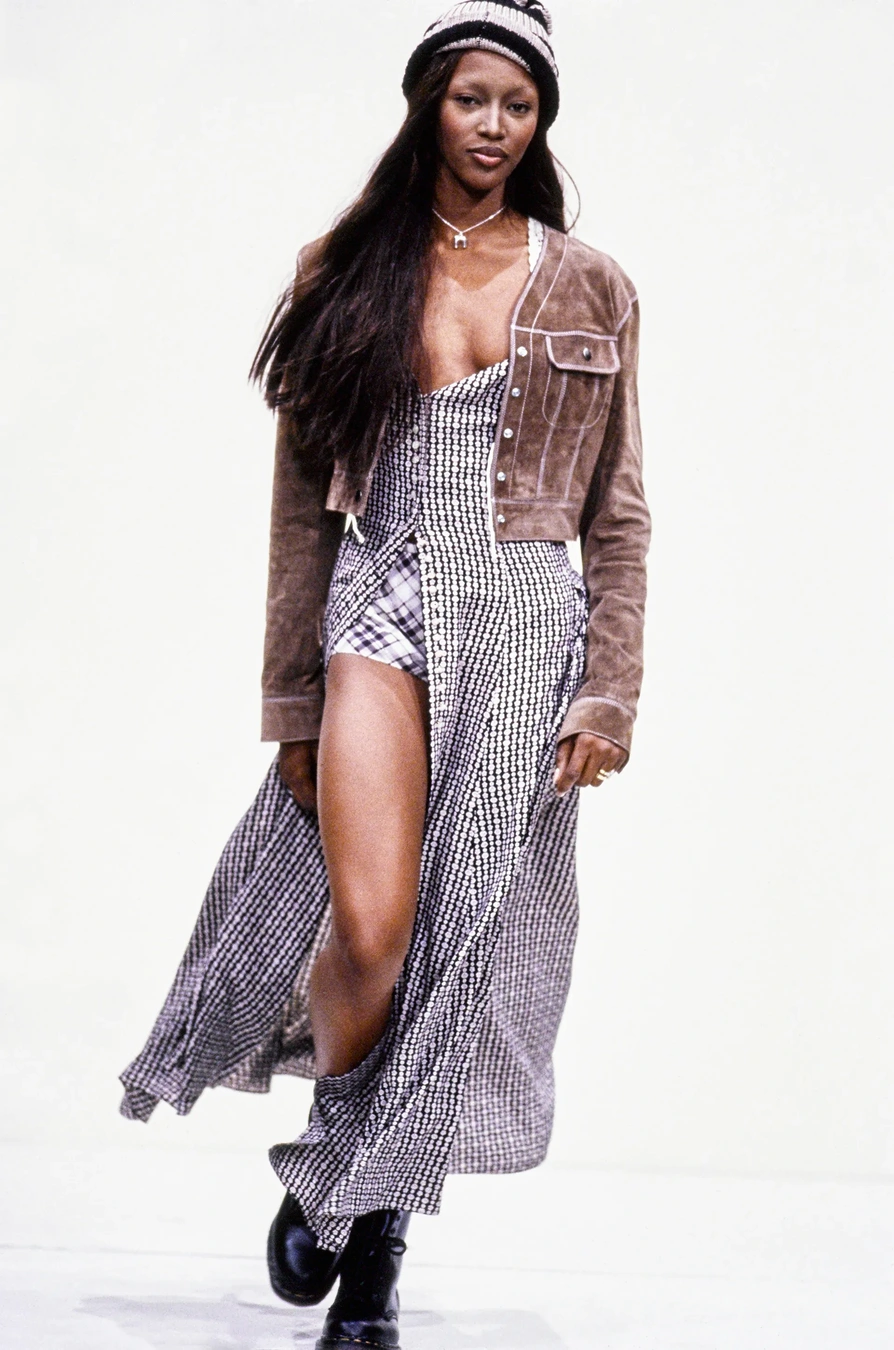
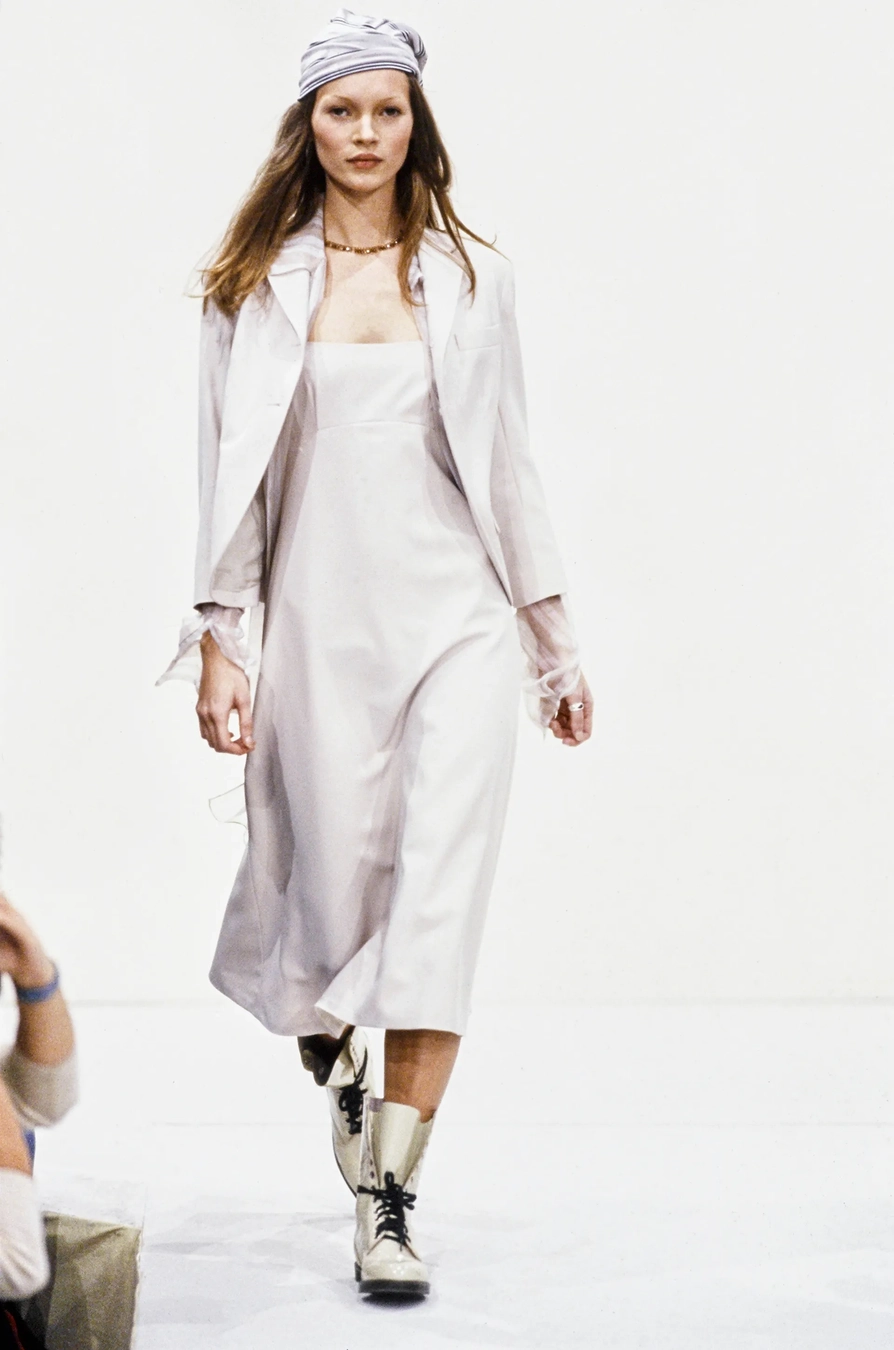
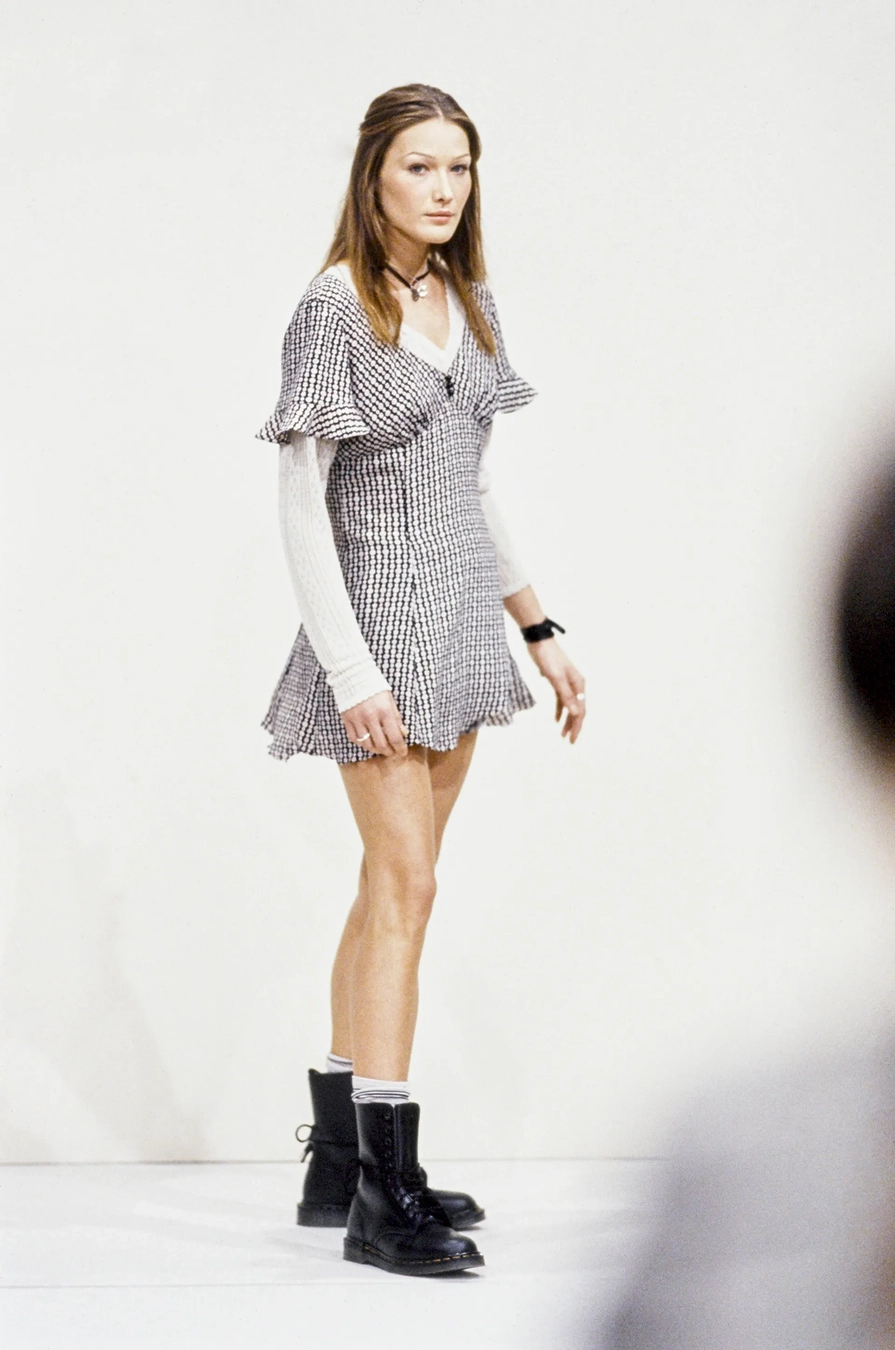
Suzy Menkes declared “Grunge is ghastly,” critics questioned the premise of selling luxury versions of thrift-store clothing, and he soon exited Perry Ellis. Later retellings compressed the episode into the neat legend that grunge directly got him fired, although Marc Jacobs and Sofia Coppola have since discussed how the circumstances surrounding his departure were messier than the mythology suggests. The collection still became the decisive rupture. In 2018, he recreated 26 looks for his Redux Grunge Collection and described the original as the first moment in his professional life when he pursued a vision without creative compromise.

Industry recognition arrived remarkably early. In 1987, he became the youngest designer to receive the CFDA’s Perry Ellis Award for New Fashion Talent, and by 1992 he had already been named Womenswear Designer of the Year. The awards continued across womenswear, menswear and accessories, eventually reaching ten CFDA Fashion Awards by the mid-2010s. In 2011, Sofia Coppola presented him with the Geoffrey Beene Lifetime Achievement Award; five years later, Jacobs returned to win Womenswear Designer of the Year again. A lifetime honor had arrived while his competitive career was still very much in motion.
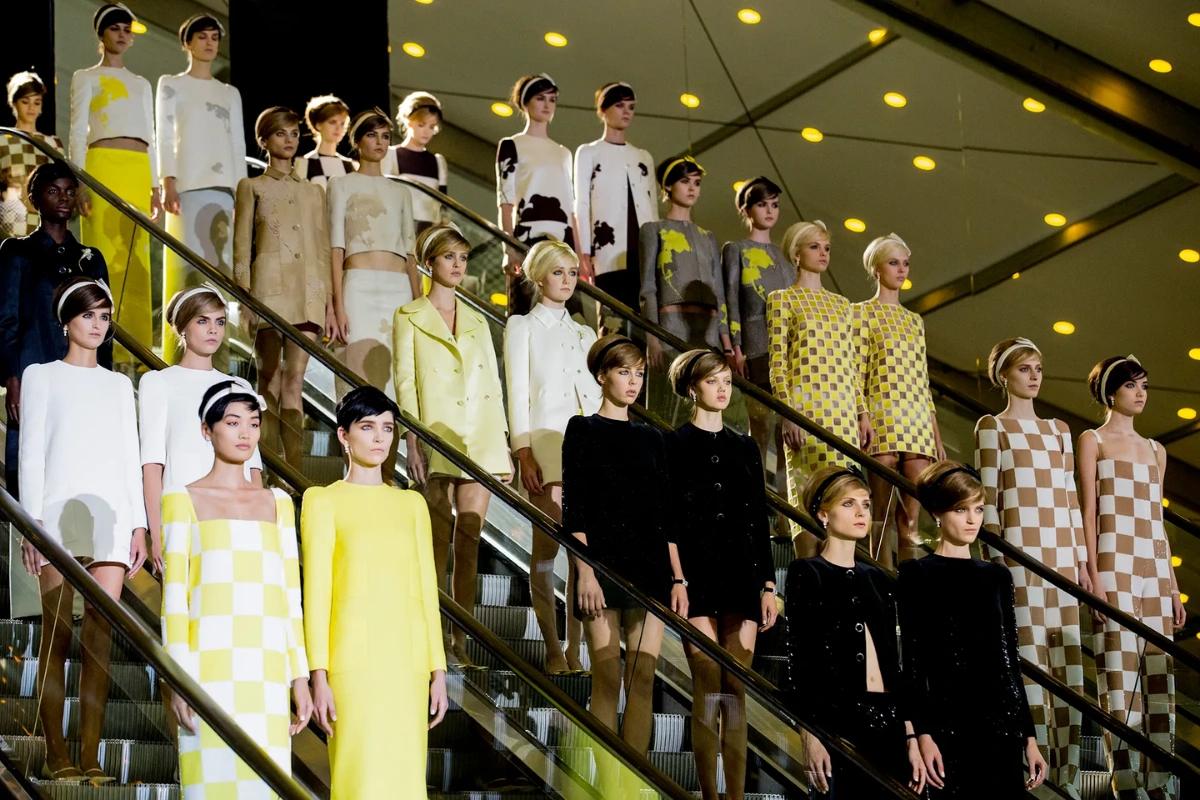
Commercial scale followed creative recognition. By 2013, the Marc Jacobs business was approaching $1 billion in annual sales, large enough for LVMH and the company to openly consider an IPO. The following years brought a difficult restructuring, but the business eventually climbed back: in 2024, Bernstein analyst Luca Solca estimated that Marc Jacobs had once again surpassed €1 billion in annual revenue.
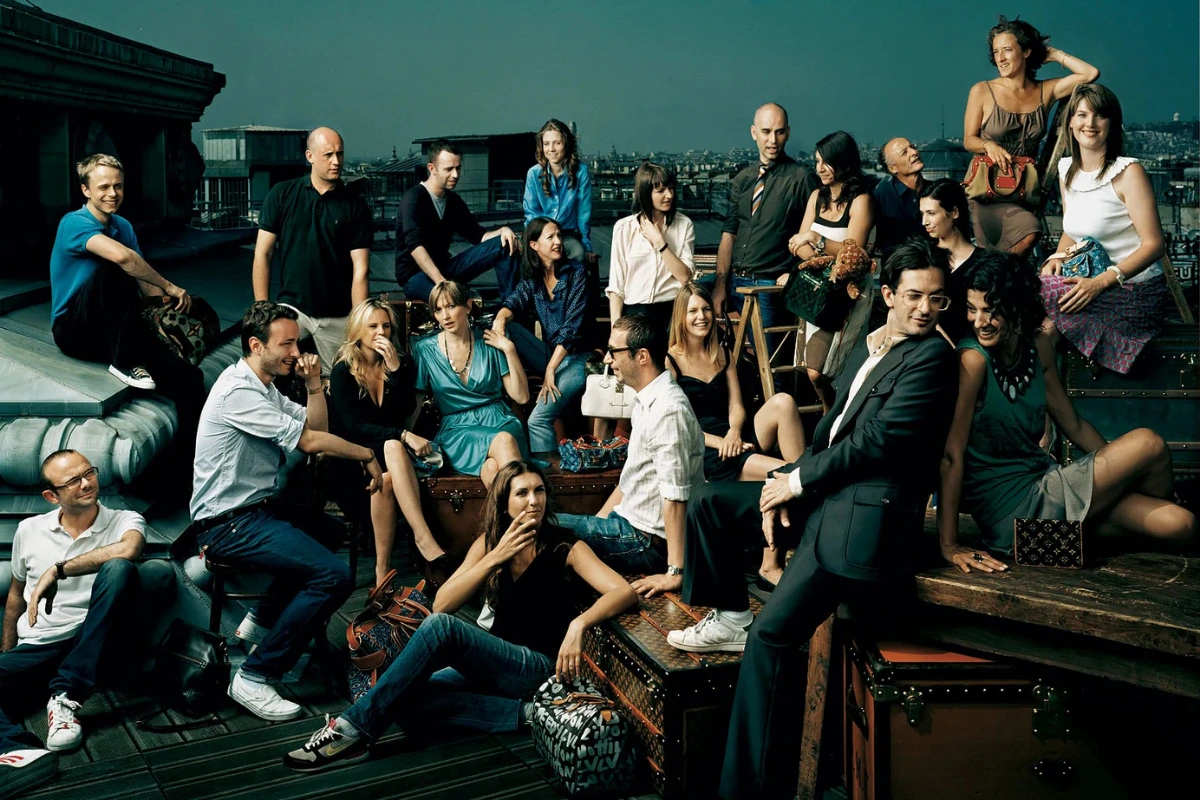
That cultural instinct would soon operate on a far larger stage. Marc Jacobs at Louis Vuitton became a 16-year experiment on how far heritage could be stretched into fashion, art and spectacle.
A Designer With No Fixed Taste
Following Marc Jacobs season by season can resemble watching someone repeatedly rearrange the contents of an enormous cultural memory. Ladylike tailoring can give way to punk, another military dress, Victorian, dolls, old Hollywood, uniforms or nightlife. Minimalism has occupied the same career as decoration dense enough to swallow the body. Continuity comes from a particular way of collecting references, then pushing each one until it acquires another personality.
For much of his Louis Vuitton tenure, that restlessness had more than one runway on which to operate. He continued developing his namesake Marc Jacobs collection in New York while directing Louis Vuitton in Paris, then added Marc by Marc Jacobs in 2001. The secondary line gave him another register entirely: younger, faster and closer to the way downtown kids were actually dressing.
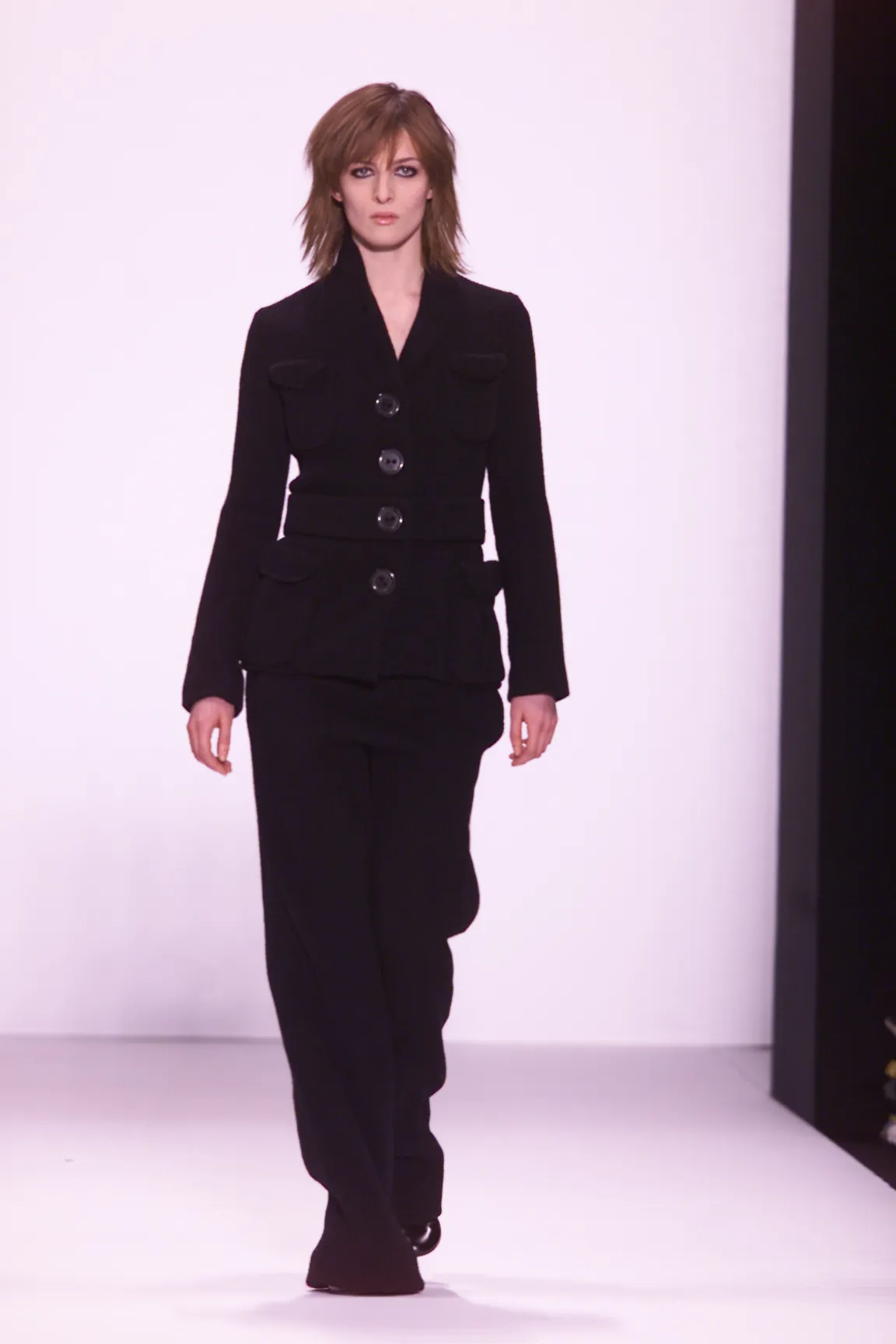
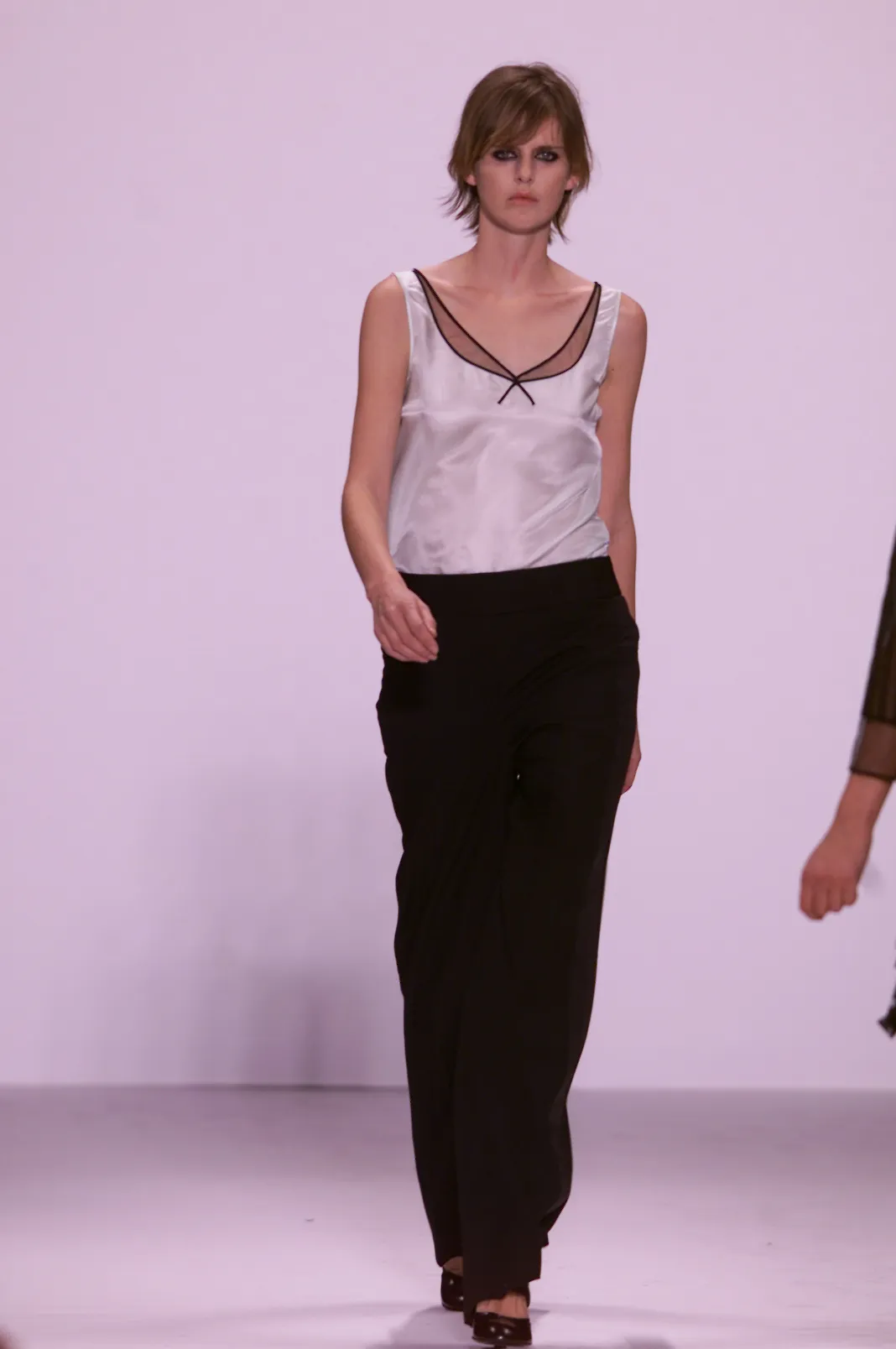
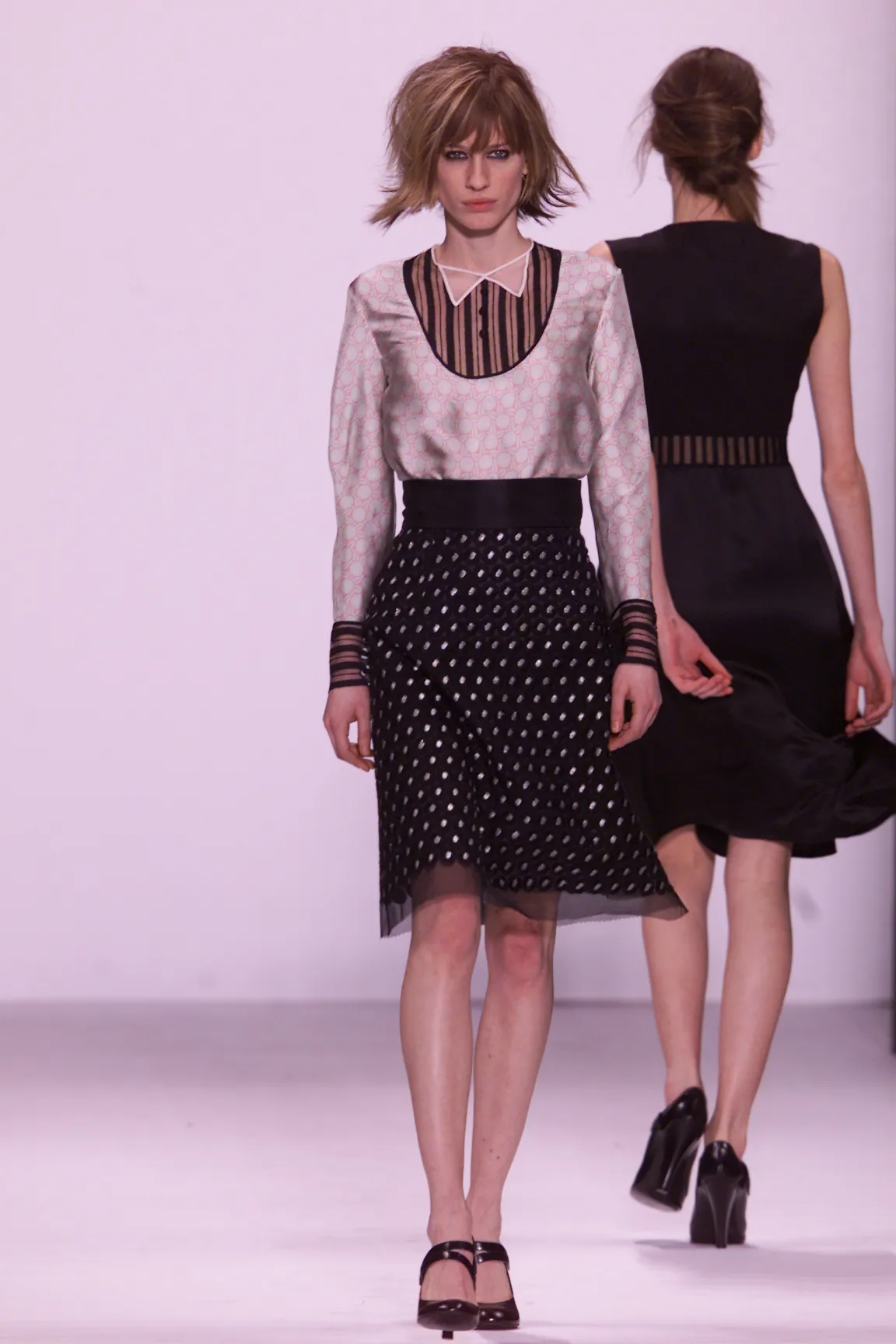
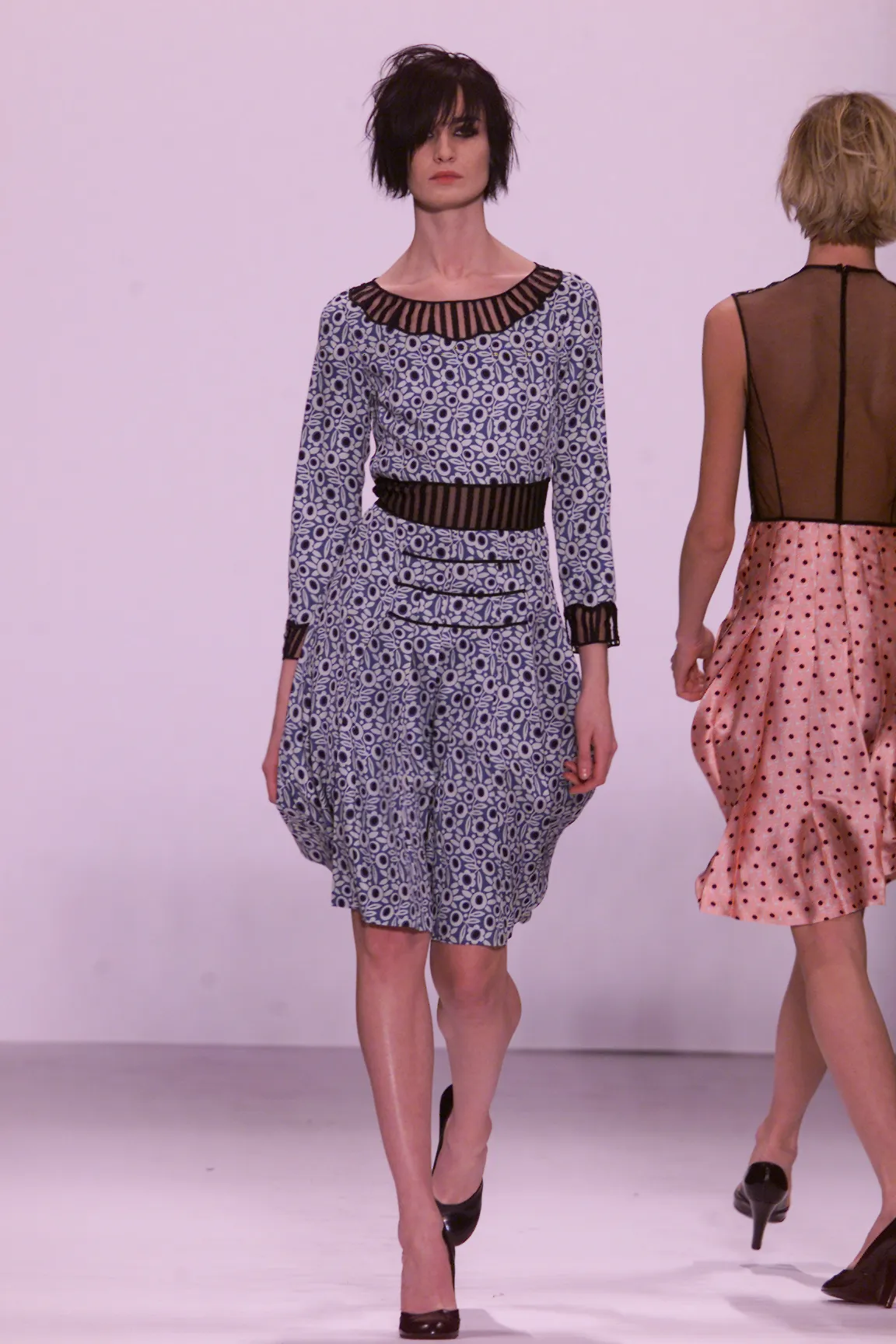
Marc Jacobs. Marc by Marc Jacobs. Later, The Marc Jacobs. At a certain point, the branding starts to sound like Marc Jacobs making absolutely sure nobody forgot whose label they were looking at. We get it, Marc.
One week in 2001 makes the distinctions unusually visible. For Fall, the Marc Jacobs main line leaned into quirky, sophisticated tailoring, playing with ladylike motifs through oversized buttons, trompe l’oeil details and a slightly childlike elegance. Eighteen hours later, Marc by Marc Jacobs arrived with faded jeans, graffiti sweatshirts, military coats, varsity jackets and skinny ties, a much sharper reflection of street-level youth culture. A few weeks later in Paris, Louis Vuitton moved through polished coats, Empire dresses, mink details and precise luxury. Three collections came from the same designer, yet each occupied a different social and aesthetic temperature.
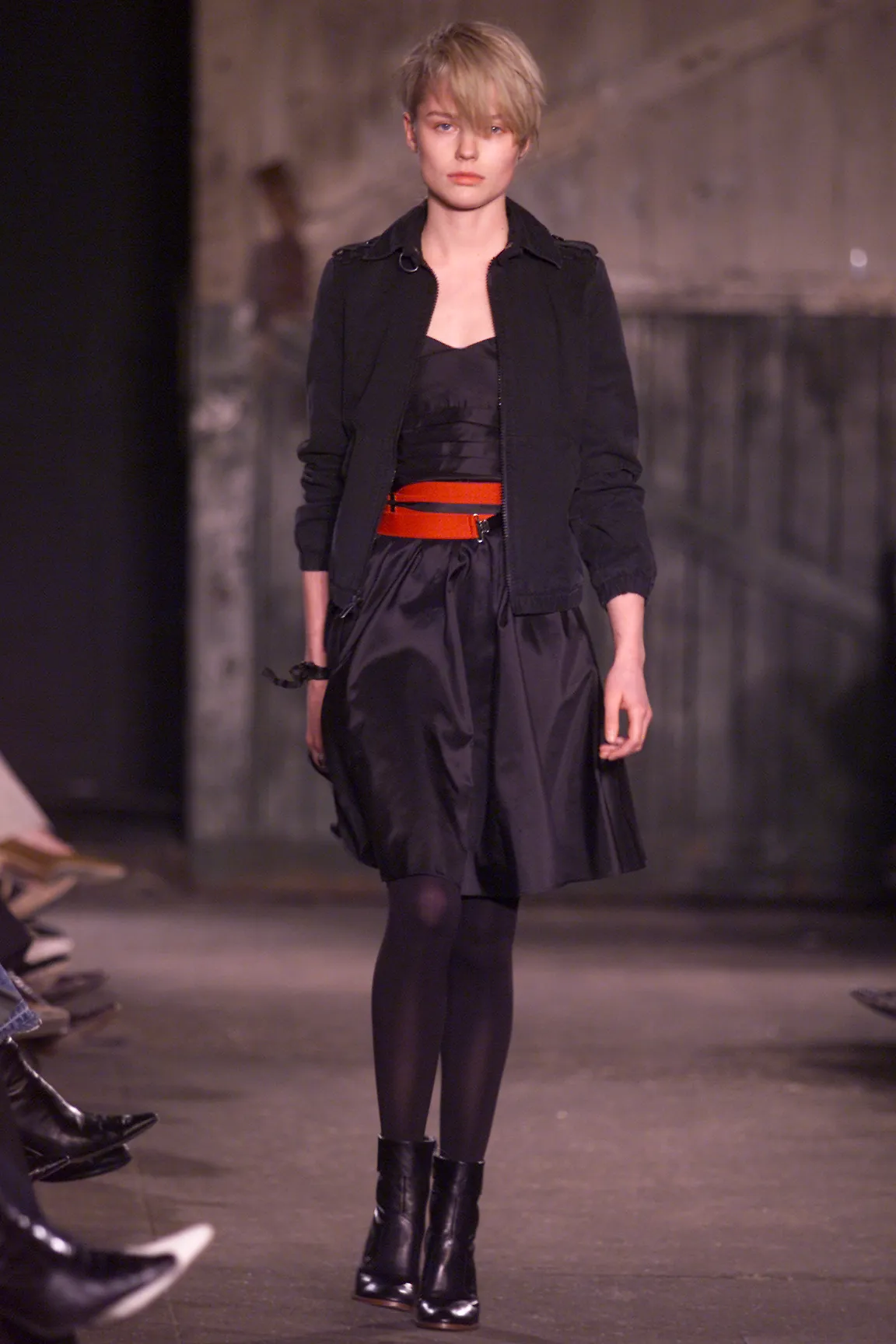

That simultaneity says more about Marc Jacobs than any attempt to identify one definitive Marc Jacobs silhouette. He could make the main line more eccentric and fashion-conscious, let Marc by Marc Jacobs absorb thrift-store energy and youthful styling, then enter Louis Vuitton and work within the scale, craftsmanship and heritage of a global luxury house. The collections remained distinct because he seemed able to compartmentalize different versions of taste without flattening them into one house formula.
Marc by Marc Jacobs also gave that instinct a wider cultural reach. Lower pricing positioned it beneath the main collection, but its appeal came from more than accessibility. It captured the slightly awkward, layered, thrift-informed way young people were already beginning to dress in downtown Manhattan, Williamsburg and other creative scenes, then sharpened those instincts into a recognizable wardrobe. Neon, preppy pieces, little skirts, school blazers and deliberately ungainly shoes could live there with a looseness that served a different audience from the main runway.
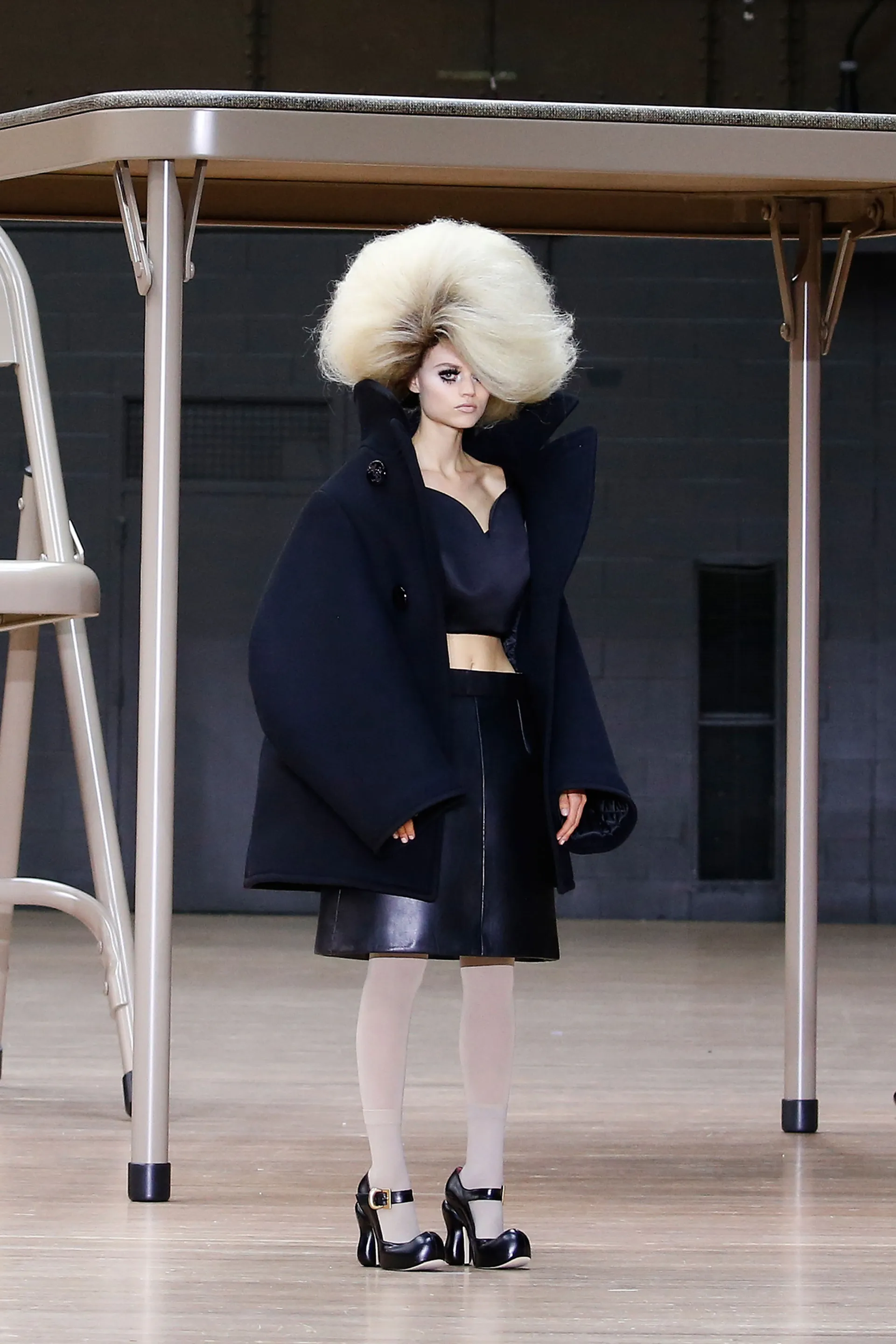
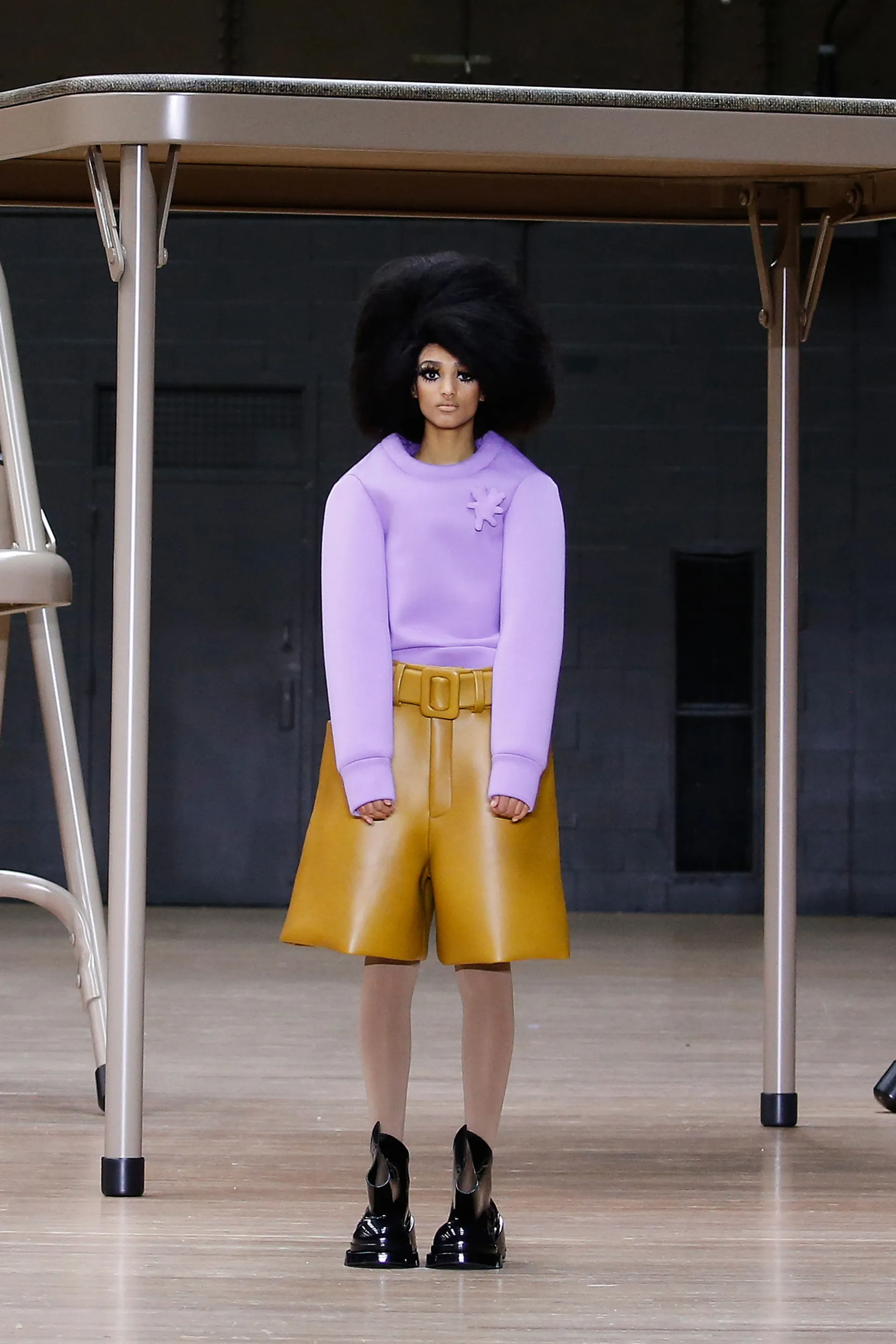
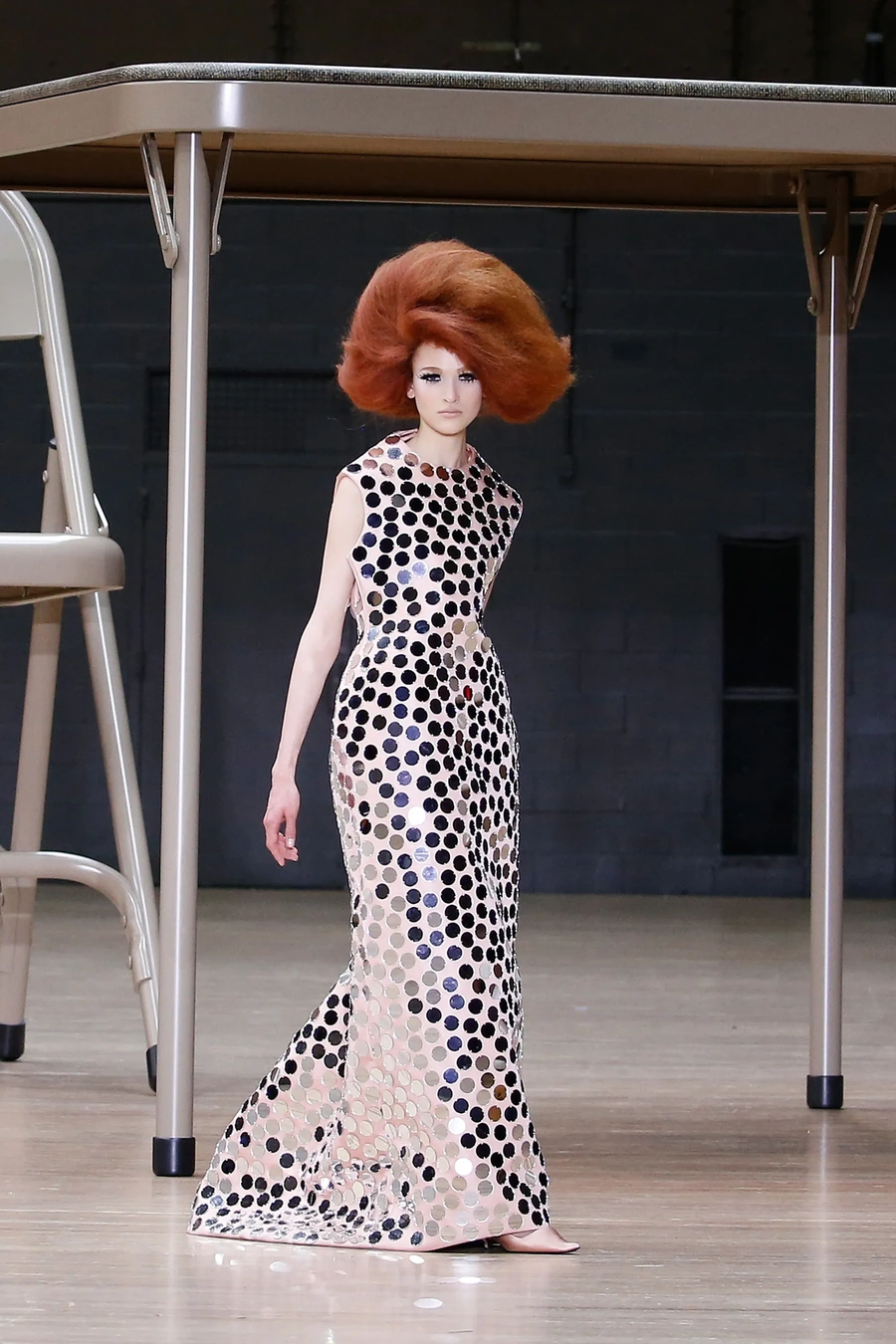
Marc Jacobs has described his own design process as nonlinear, and Sofia Coppola would later construct Marc by Sofia around precisely that quality. Memories, films, studio footage and old collections flow into one another because his references rarely arrive in an orderly sequence. A movie can sit beside a childhood memory; a banal garment can carry as much creative charge as a couture reference. The point is less where an image comes from than what happens once Jacobs becomes interested in it.
His signature therefore survives enormous changes in appearance. During the same years, he could design a French luggage house, an elevated New York collection and a youth-oriented diffusion line without needing them to speak with one voice. Marc Jacobs became recognizable through the freedom to keep changing his voice.
Sofia Coppola and the Marc Jacobs Girl
Sofia Coppola first met Marc Jacobs in 1993, around the period when the grunge collection had already made him one of American fashion’s most discussed young designers. More than three decades later, their friendship had expanded across campaigns, clothes, handbags, films and countless fashion moments before arriving at Marc by Sofia, Coppola’s first documentary feature.

Calling Sofia Coppola a muse captures only part of the relationship. She represents a particular kind of woman who has repeatedly attracted Marc Jacobs: culturally curious, self-possessed and capable of making fashion look personal before it looks performative. Her own style has long favored pieces that carry character without demanding constant explanation. That sensibility fits neatly beside the women who have circulated through Jacobs’s creative universe, from Winona Ryder and Kim Gordon to Kate Moss, Chloë Sevigny and Victoria Beckham.
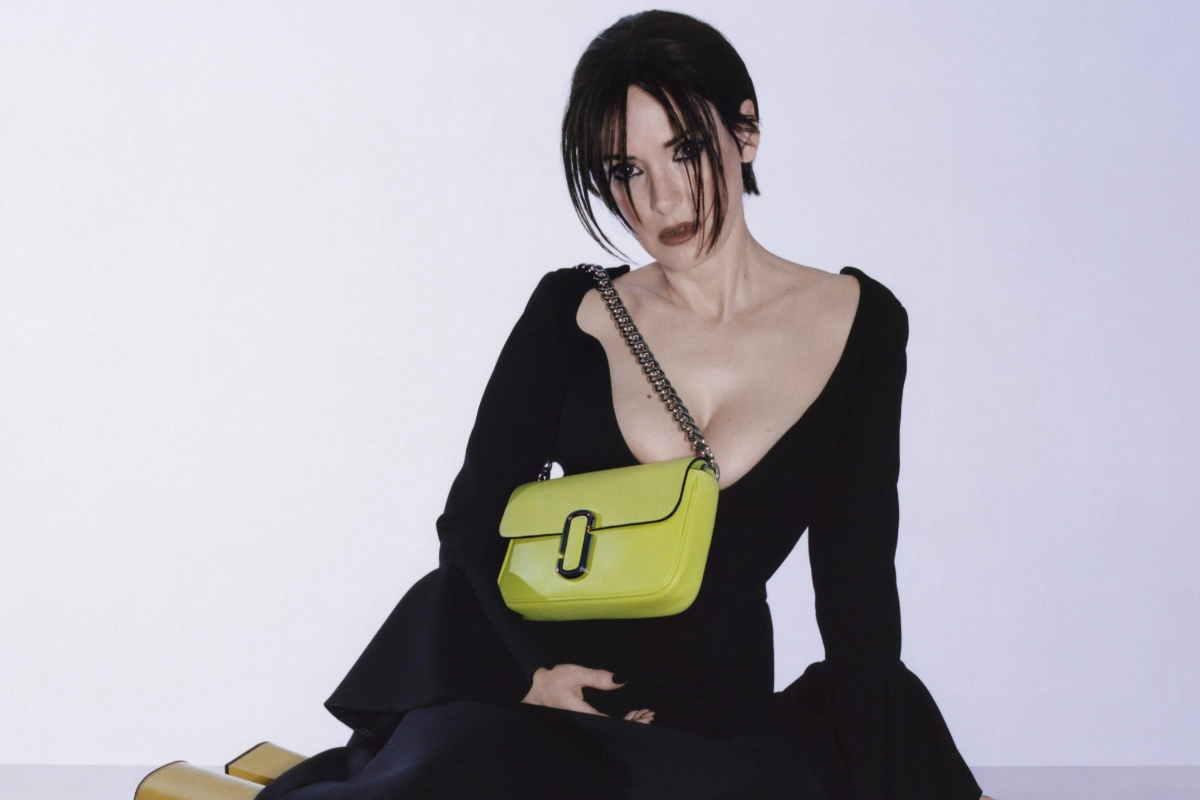
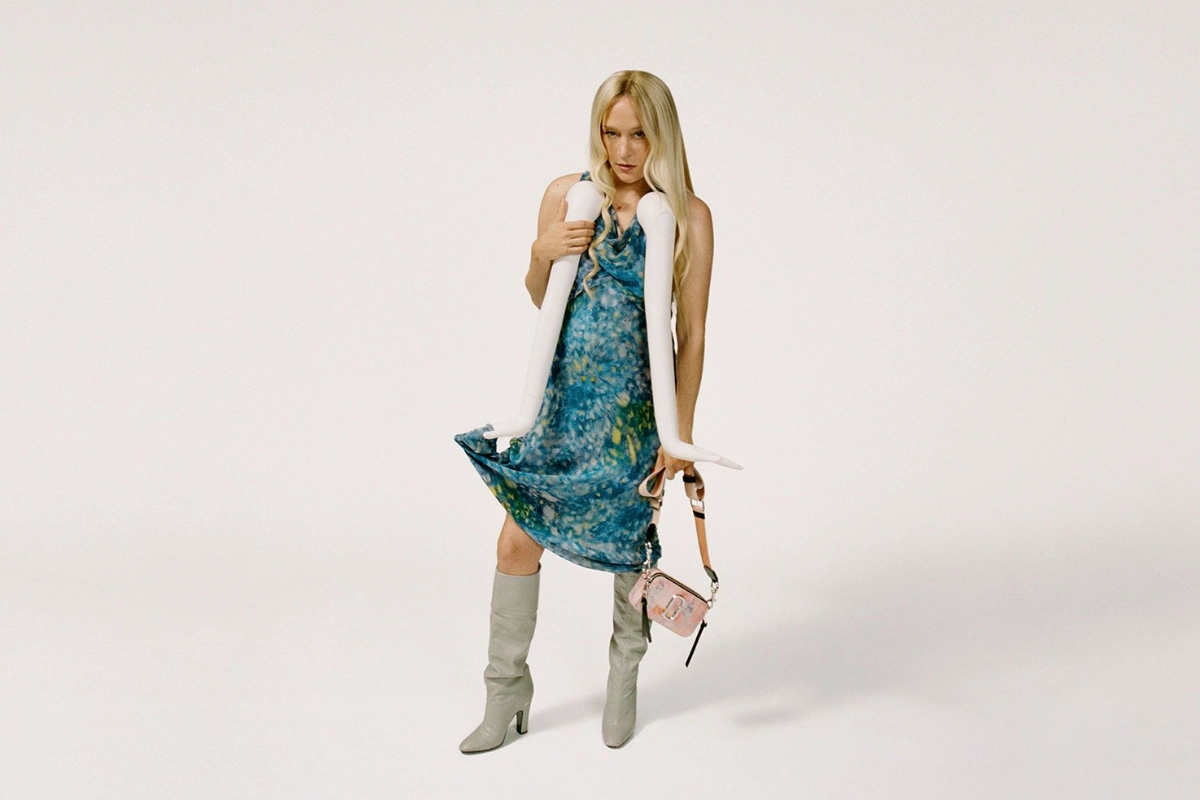
The “Marc Jacobs girl” has never required one age, profession or silhouette. She tends to possess an existing point of view. He seems interested in the moment clothes meet personality, which helps explain why friendship has played such a visible role around his work. His muses often arrive with their own cultural worlds already intact.
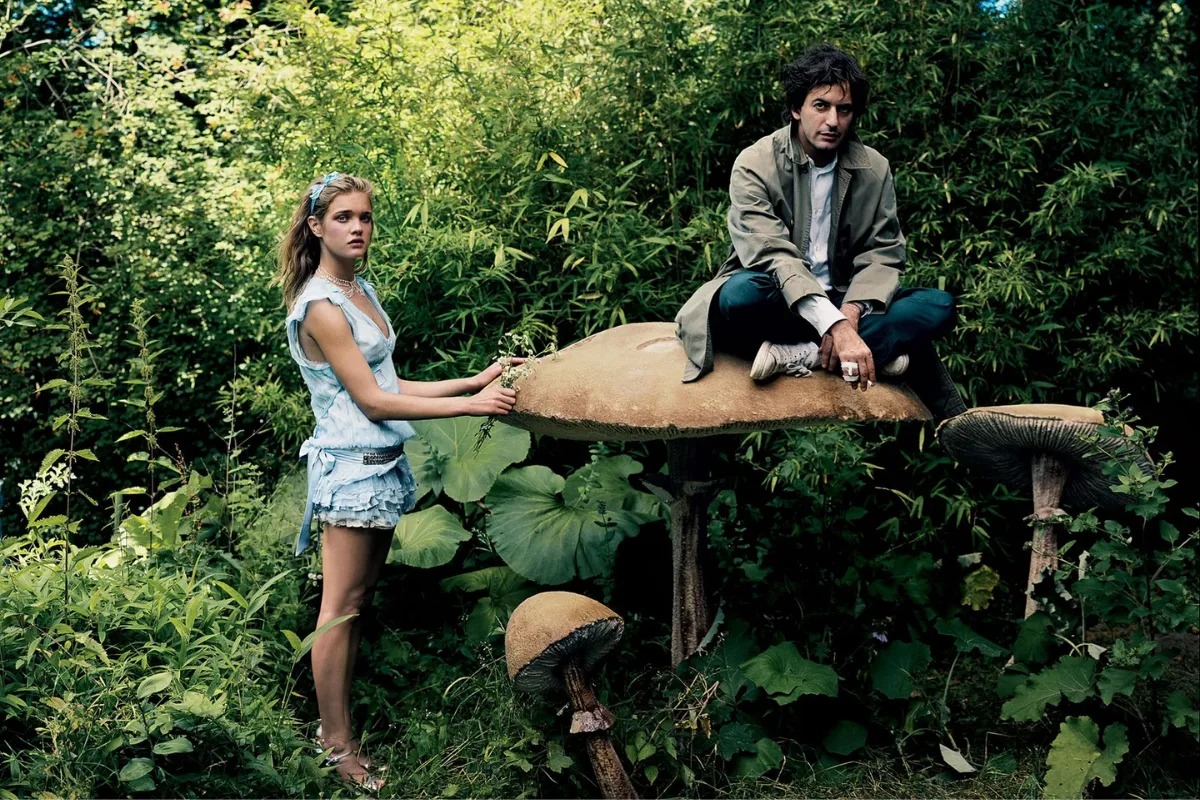
Coppola occupies a unique position because the exchange has lasted long enough to become a record of both careers. Marc Jacobs dressed her; she appeared in his world; Louis Vuitton created the Sofia Coppola bag during his tenure there. Eventually, she became the person holding the camera.
Marc by Sofia makes that reversal particularly intimate. Instead of constructing a monumental career retrospective, Coppola follows Jacobs through memories, references and the process of building a collection. Her presence remains embedded throughout the film. The muse becomes witness, collaborator and archivist, preserving a designer through the same language of friendship that helped shape his world in the first place.
Marc Jacobs Became One of His Own Characters
Evolution has become dramatic enough to form a visual history of its own. Marc Jacobs has continually resisted the designer habit of disappearing into a practical personal uniform. His recent wardrobe has included Chanel tweed, ballet flats, wide jeans and silver salon clips holding his hair in place.
There is something revealing about a designer of Jacobs’s stature remaining such an enthusiastic fashion consumer. He buys other designers, obsesses over clothes and visibly enjoys the ritual of assembling a look. Fashion retains the ability to delight him as an audience member.
His body and wardrobe have also become another site for transformation. A change in hair, nails, clothing or proportion can produce another version of Marc while keeping the previous ones available in photographs and memory. The same philosophy governing his runway collections appears on his own body: identity can be restyled without becoming hollow.
In 2026, Marc Jacobs named putting together a show as his favorite journey and a fresh manicure every three weeks among his indulgences. The answers sound light, yet together they capture something central to him. The work and the dressing still contain pleasure.
Still Becoming Marc Jacobs
By 2026, Marc Jacobs had accumulated the kind of career that usually invites preservation. Parsons, Perry Ellis, grunge, Louis Vuitton, the namesake label and four decades of cultural memory already offered enough material for a designer to live comfortably inside his own canon. His business had also returned to substantial scale, with analysts estimating annual revenue above €1 billion by 2024 after years of restructuring.
Another transition arrived in May 2026 when LVMH agreed to sell the Marc Jacobs brand to a joint venture involving WHP Global and G-III after nearly three decades of partnership. The buyers had arranged up to $850 million to finance the transaction, while Marc Jacobs remained Founder and Creative Director with responsibility for the creative vision, runway collections and fashion shows. At 63, one of American fashion’s most decorated designers entered yet another corporate structure with the creative job still firmly his.
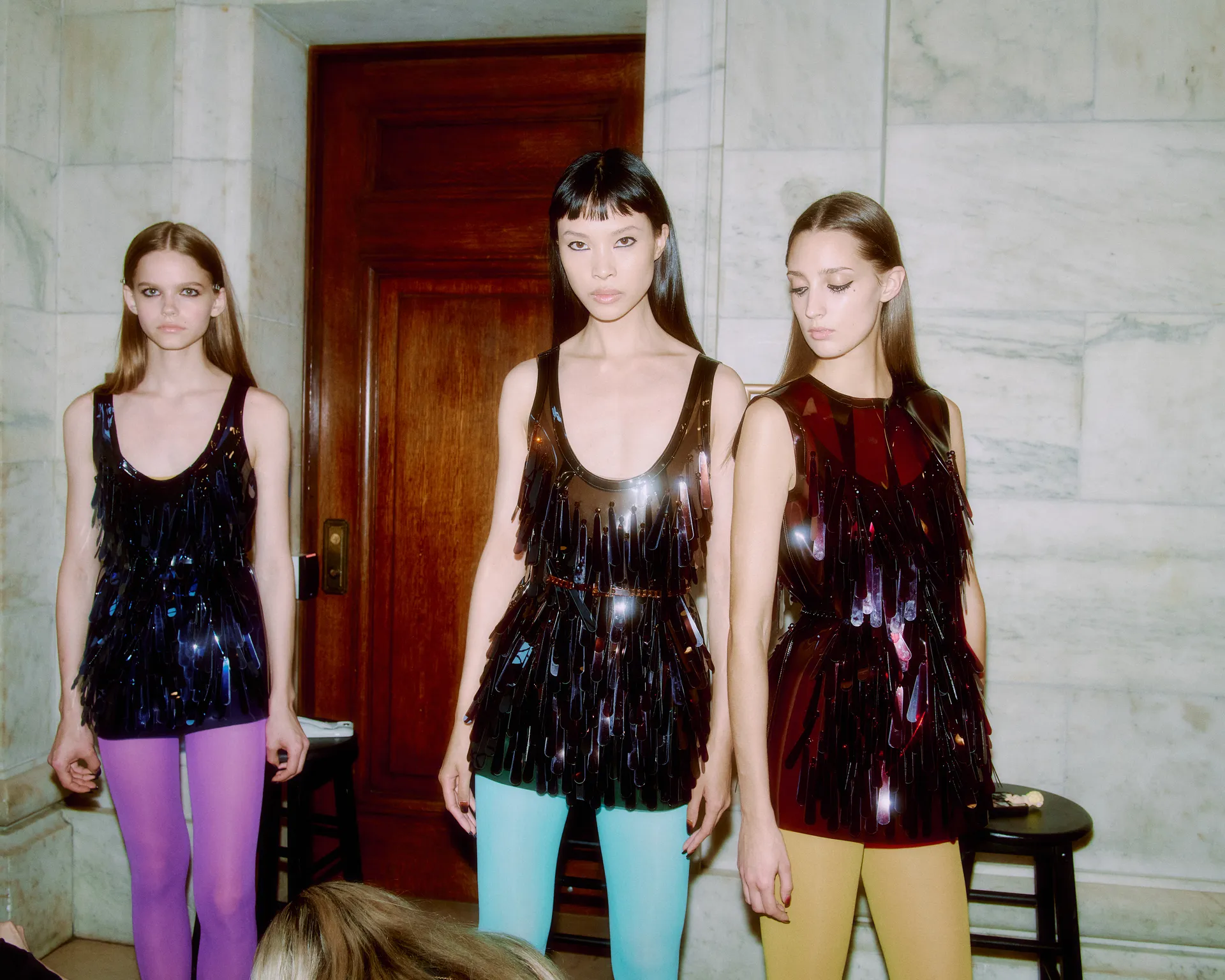
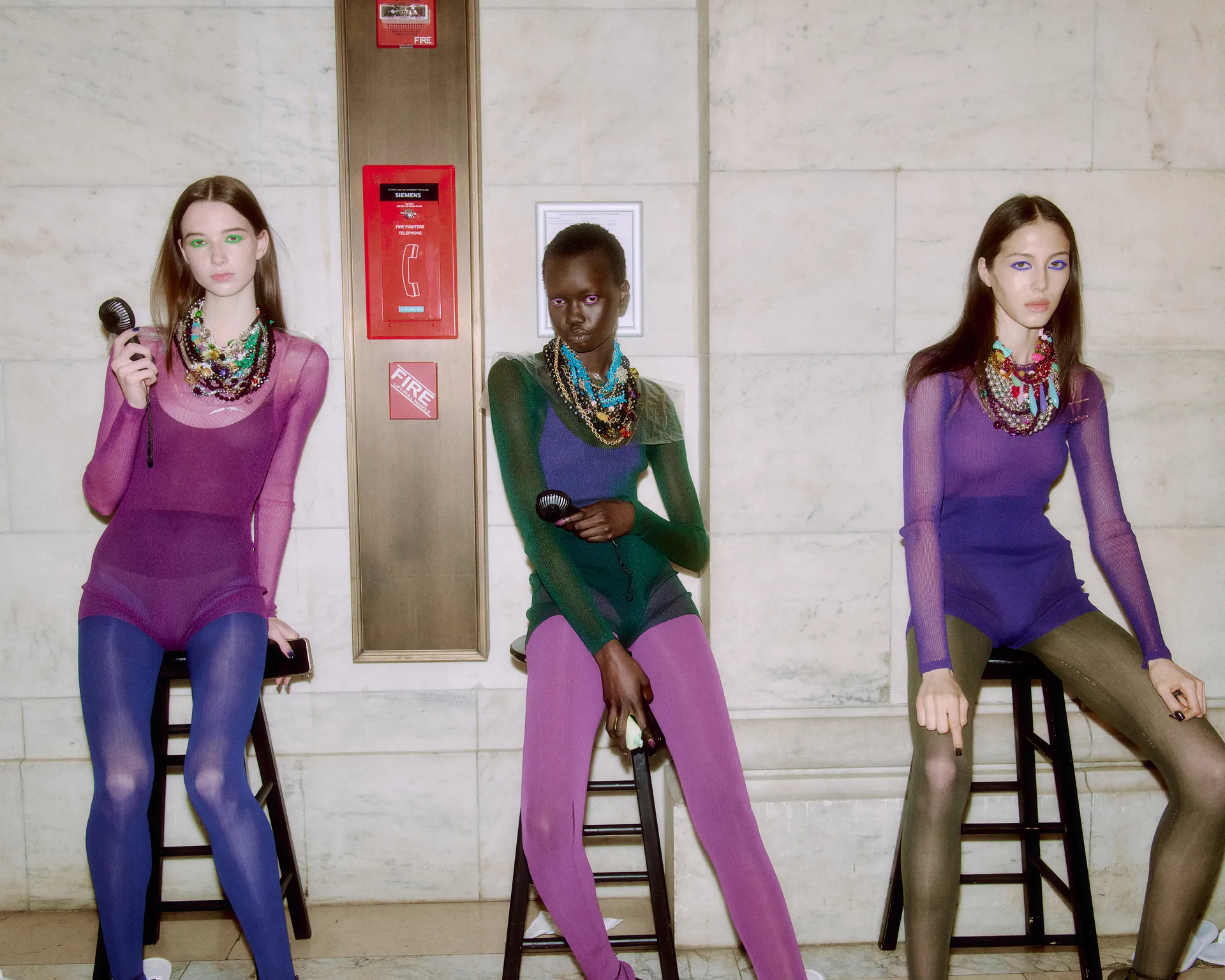
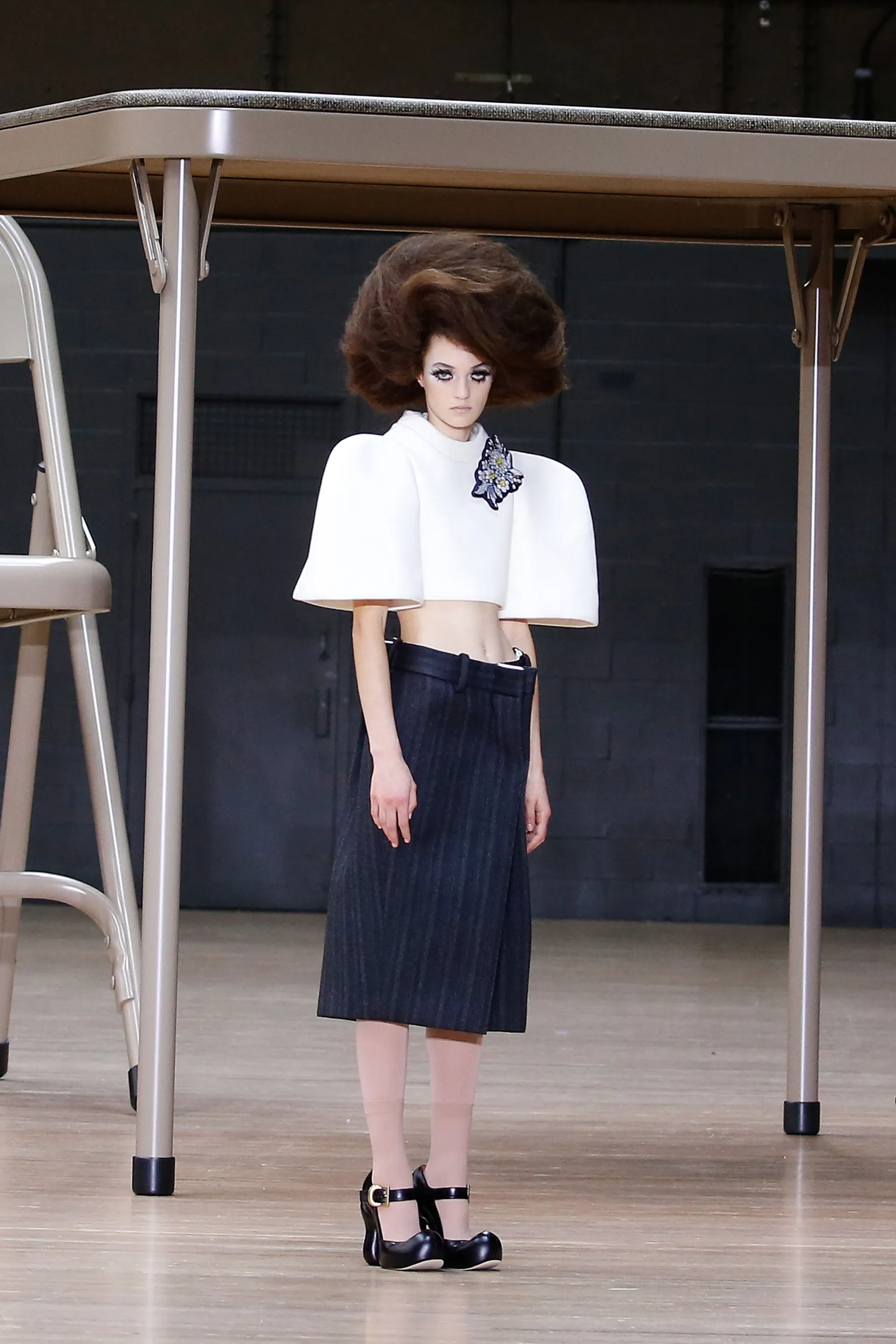
Marc Jacobs Spring 2027 show arrived shortly afterward. A few minutes were enough for another switch of mood, another crop of proportions and another invitation into whichever visual fixation currently interested him. At 63, Jacobs still approaches fashion with the curiosity that once allowed a teenager at Charivari to absorb whatever passed through the door.
The individual milestones tell only fragments of the Marc Jacobs story. Grunge reveals his cultural instinct. Louis Vuitton reveals his ability to work on an institutional scale. Sofia Coppola reveals the friendships and taste that surround the creative process. His own wardrobe reveals a willingness to participate fully in the transformations he proposes for everyone else.
Across all of them runs the same appetite for another image, another reference and another version of beauty. Marc Jacobs has spent four decades becoming recognizable through change. His signature lives on the impulse to look once, become fascinated, and look again.
Advertisement